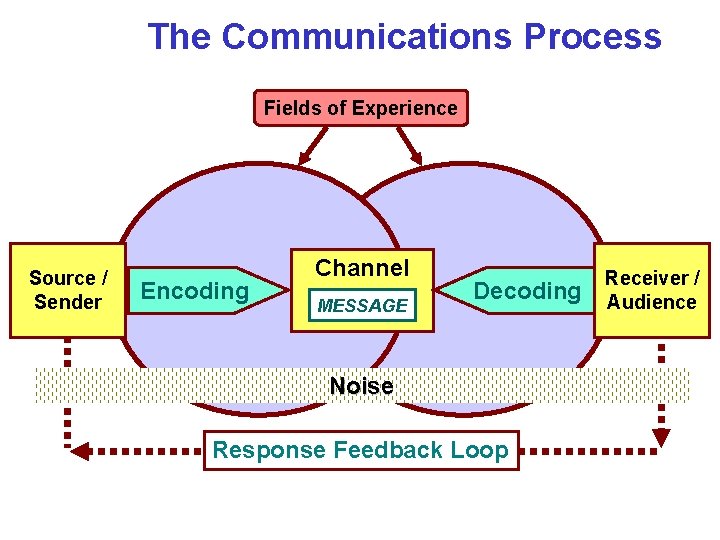
The Communications Process Fields of Experience Source Sender
- Slides: 38
The Communications Process Fields of Experience Source / Sender Encoding Channel MESSAGE Decoding Noise Response Feedback Loop Receiver / Audience
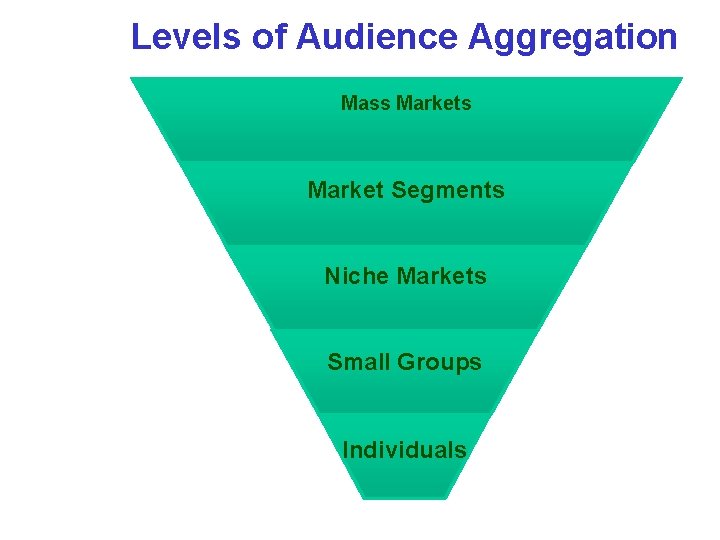
Levels of Audience Aggregation Mass Market Segments Niche Markets Small Groups Individuals
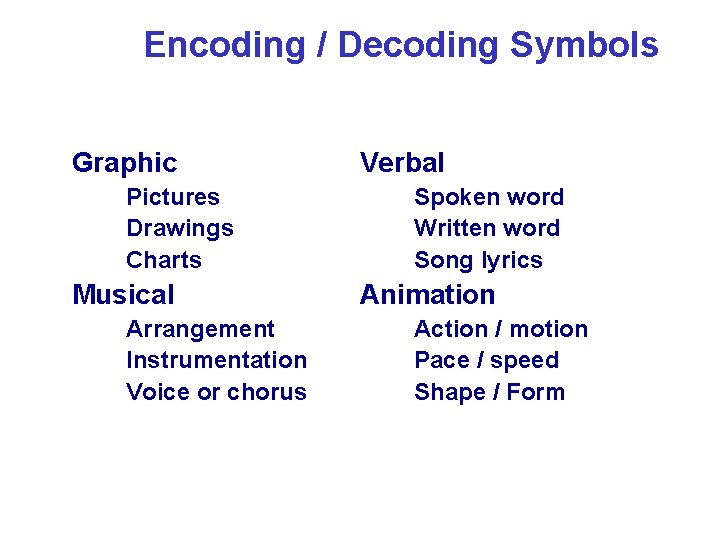
Encoding / Decoding Symbols • Graphic • • • Pictures Drawings Charts • • • Arrangement Instrumentation Voice or chorus • Musical • Verbal • • • Spoken word Written word Song lyrics • • • Action / motion Pace / speed Shape / Form • Animation
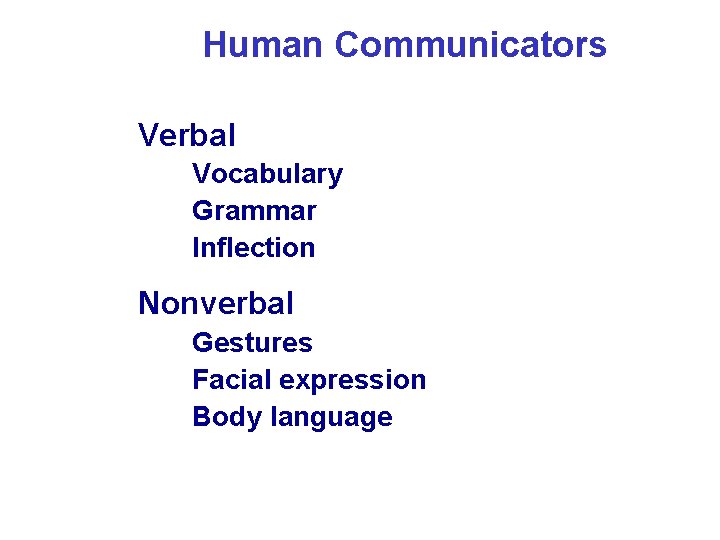
Human Communicators • Verbal • • • Vocabulary Grammar Inflection • Nonverbal • • • Gestures Facial expression Body language
How to Screw up the Communications Process
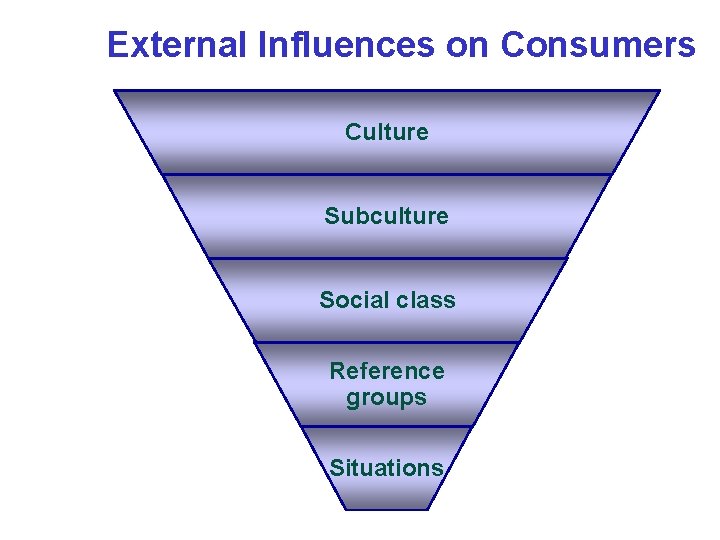
External Influences on Consumers Culture Subculture Social class Reference groups Situations
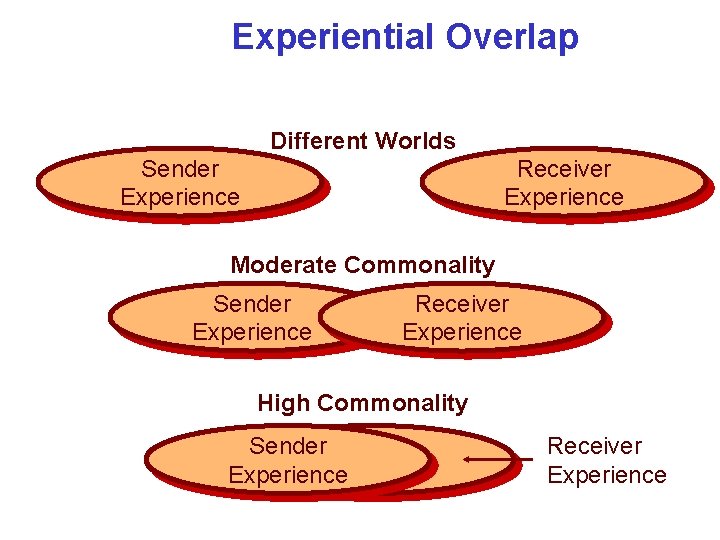
Experiential Overlap Different Worlds Sender Experience Receiver Experience Moderate Commonality Sender Experience Receiver Experience High Commonality Sender Experience Receiver Experience
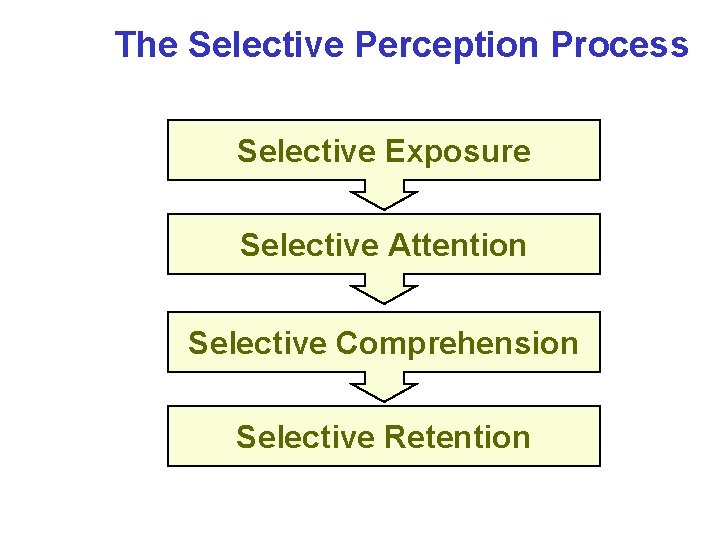
The Selective Perception Process Selective Exposure Selective Attention Selective Comprehension Selective Retention
Consumer Behavior Why we do what we do…
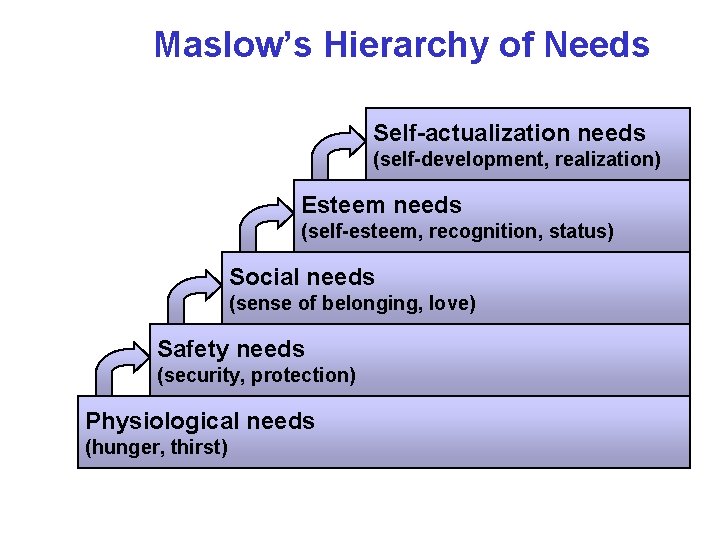
Maslow’s Hierarchy of Needs Self-actualization needs (self-development, realization) Esteem needs (self-esteem, recognition, status) Social needs (sense of belonging, love) Safety needs (security, protection) Physiological needs (hunger, thirst)
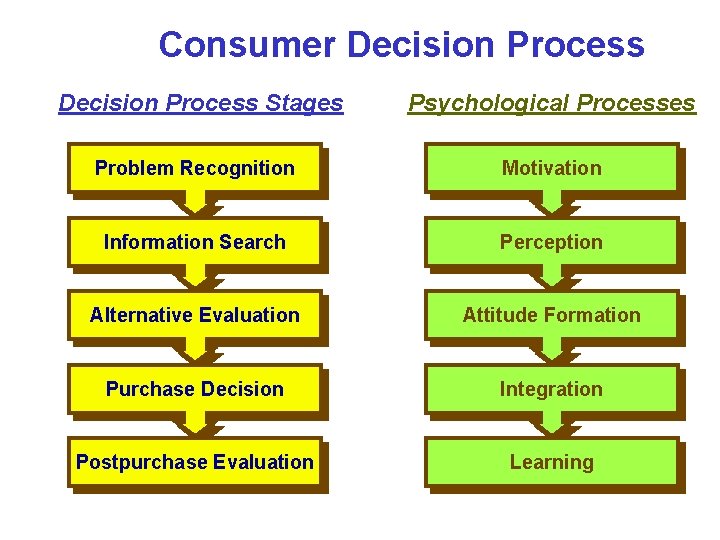
Consumer Decision Process Stages Psychological Processes Problem Recognition Motivation Information Search Perception Alternative Evaluation Attitude Formation Purchase Decision Integration Postpurchase Evaluation Learning
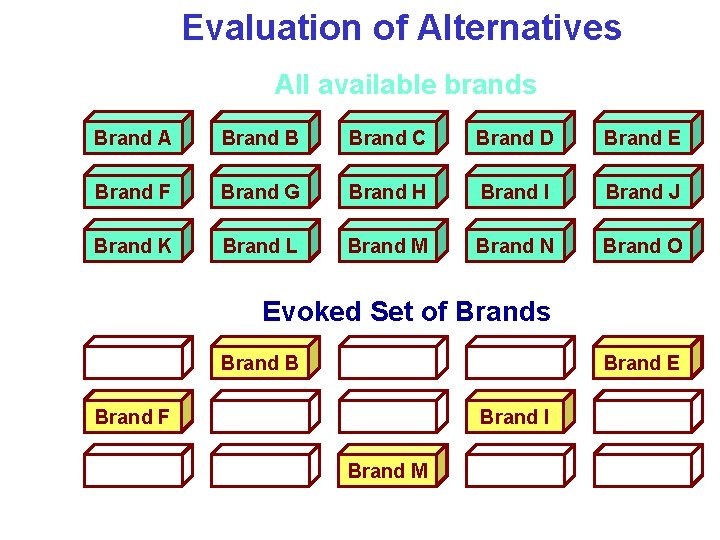
Evaluation of Alternatives All available brands Brand A Brand B Brand C Brand D Brand E Brand F Brand G Brand H Brand I Brand J Brand K Brand L Brand M Brand N Brand O Evoked Set of Brands Brand B Brand E Brand F Brand I Brand M
How we learn attitudes And more importantly – how to change them
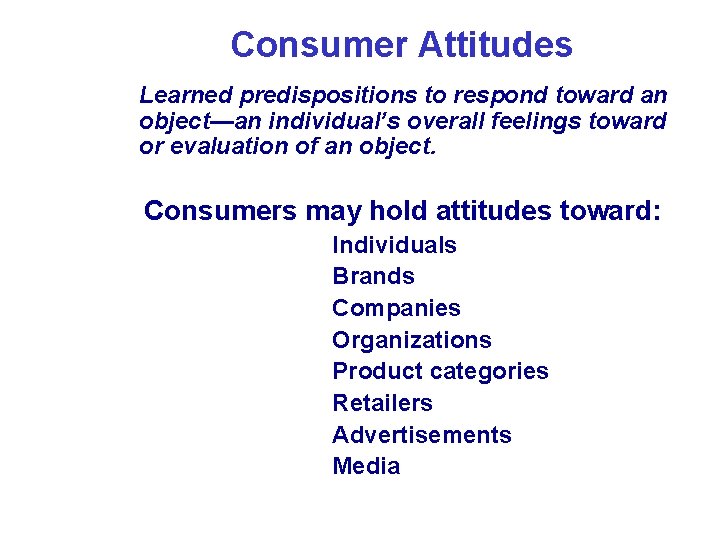
Consumer Attitudes Learned predispositions to respond toward an object—an individual’s overall feelings toward or evaluation of an object. • Consumers may hold attitudes toward: • Individuals • Brands • Companies • Organizations • Product categories • Retailers • Advertisements • Media
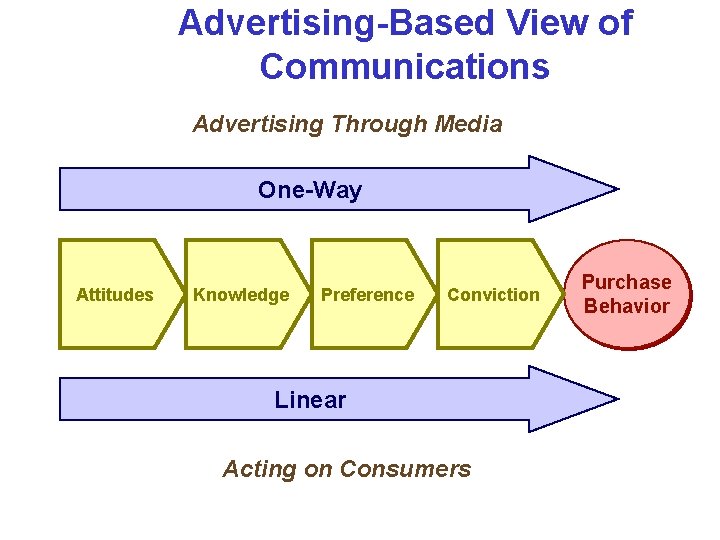
Advertising-Based View of Communications Advertising Through Media One-Way Attitudes Knowledge Preference Conviction Linear Acting on Consumers Purchase Behavior
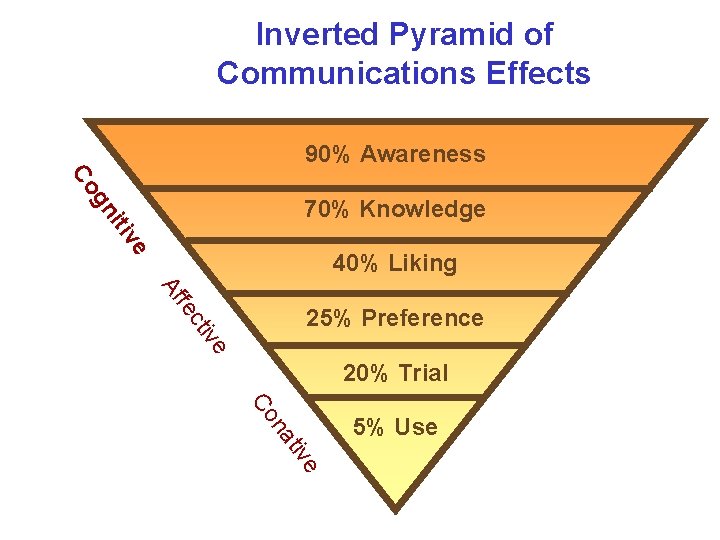
Inverted Pyramid of Communications Effects 90% Awareness Co ve iti gn 70% Knowledge 40% Liking fe Af ve cti 25% Preference 20% Trial tiv na Co 5% Use e
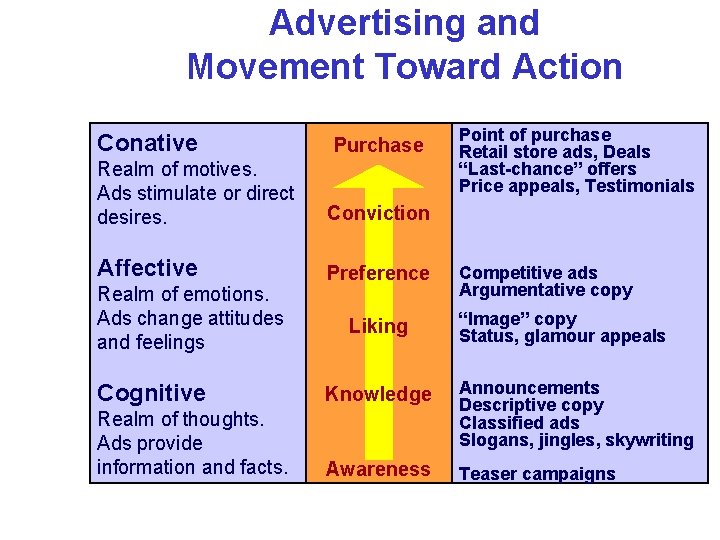
Advertising and Movement Toward Action Conative Purchase Realm of motives. Ads stimulate or direct desires. Conviction Affective Preference Realm of emotions. Ads change attitudes and feelings Liking Point of purchase Retail store ads, Deals “Last-chance” offers Price appeals, Testimonials Competitive ads Argumentative copy “Image” copy Status, glamour appeals Cognitive Knowledge Realm of thoughts. Ads provide information and facts. Announcements Descriptive copy Classified ads Slogans, jingles, skywriting Awareness Teaser campaigns
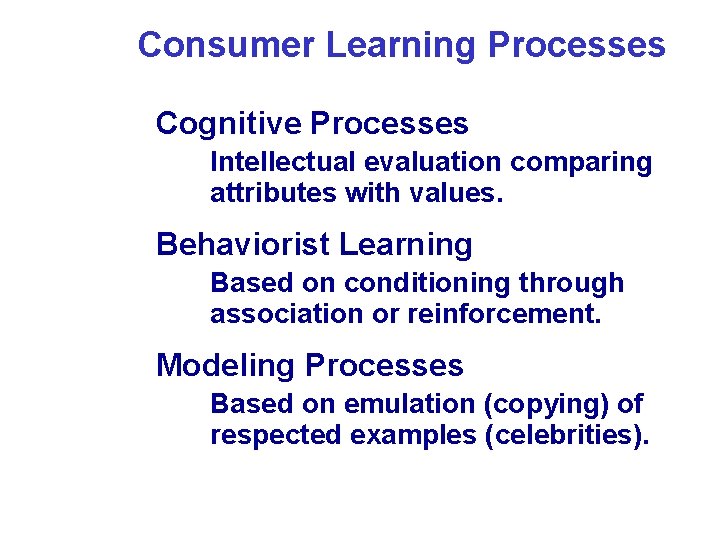
Consumer Learning Processes • Cognitive Processes • Intellectual evaluation comparing attributes with values. • Behaviorist Learning • Based on conditioning through association or reinforcement. • Modeling Processes • Based on emulation (copying) of respected examples (celebrities).
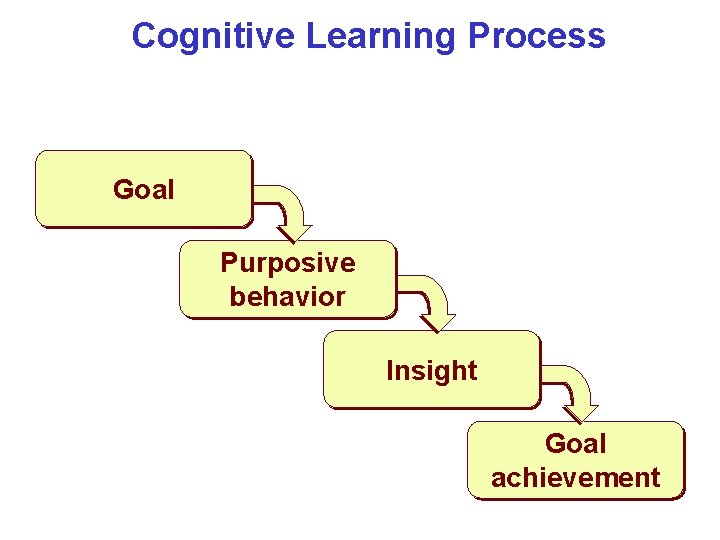
Cognitive Learning Process Goal Purposive behavior Insight Goal achievement
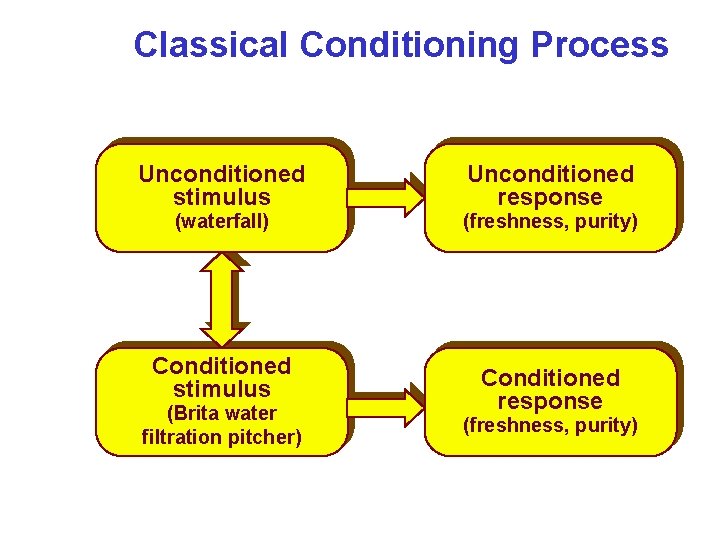
Classical Conditioning Process Unconditioned stimulus Unconditioned response (waterfall) (freshness, purity) Association develops through contiguity and repetition Conditioned stimulus (Brita water filtration pitcher) Conditioned response (freshness, purity)
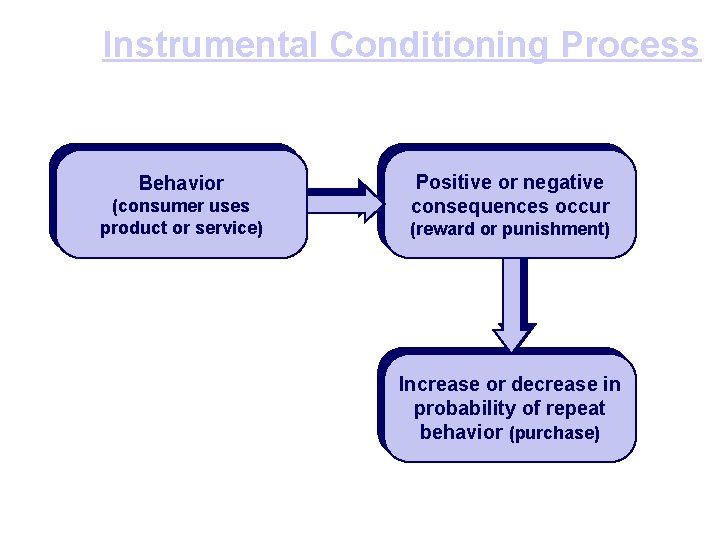
Instrumental Conditioning Process Behavior (consumer uses product or service) Positive or negative consequences occur (reward or punishment) Increase or decrease in probability of repeat behavior (purchase)
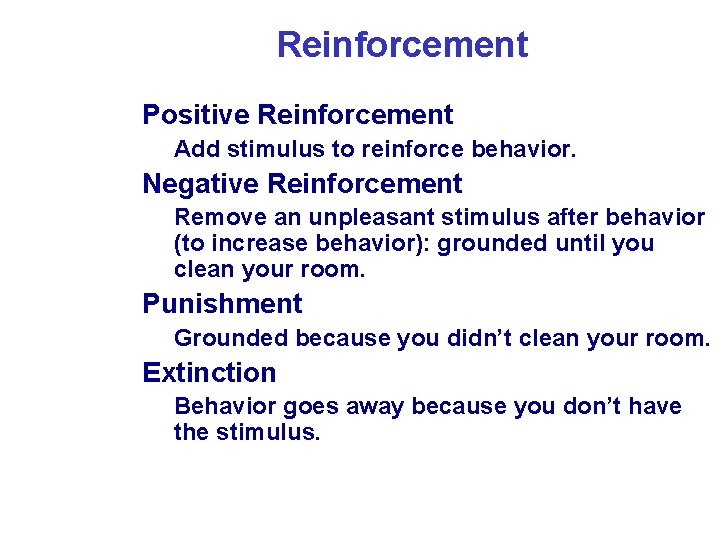
Reinforcement • • Positive Reinforcement • Add stimulus to reinforce behavior. Negative Reinforcement • Remove an unpleasant stimulus after behavior (to increase behavior): grounded until you clean your room. Punishment • Grounded because you didn’t clean your room. Extinction • Behavior goes away because you don’t have the stimulus.
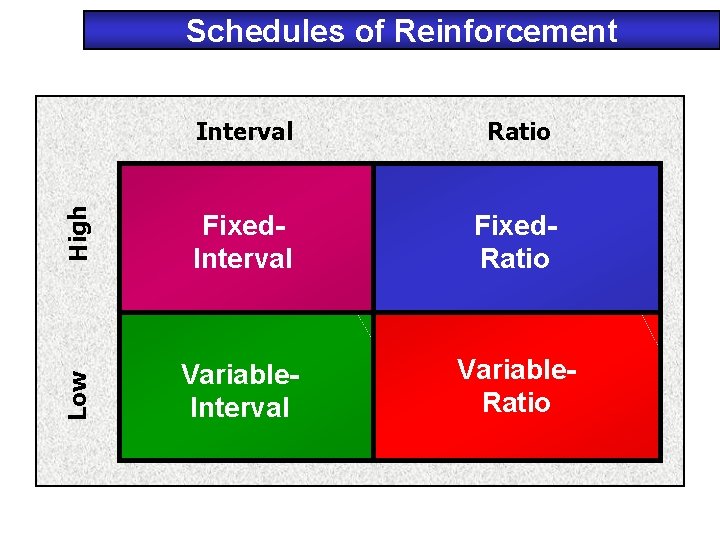
Interval Ratio High Fixed. Interval Fixed. Ratio Low Schedules of Reinforcement Variable. Interval Variable. Ratio
What to do when you want… Response Process Models
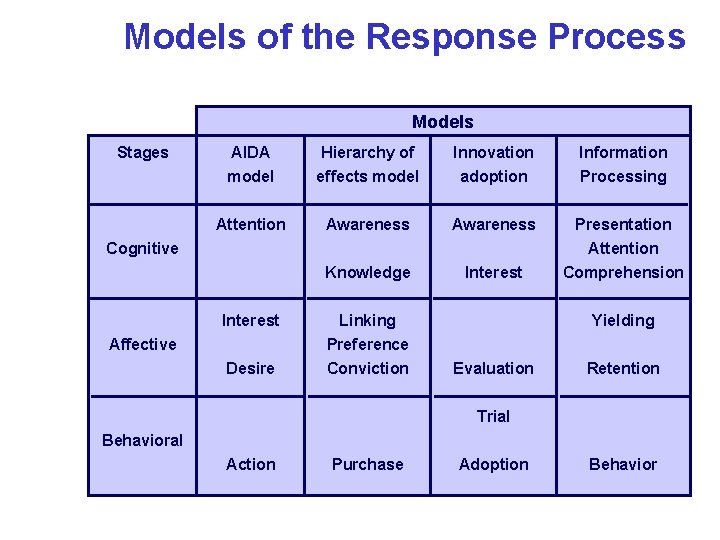
Models of the Response Process Models Stages AIDA model Hierarchy of effects model Innovation adoption Information Processing Attention Awareness Knowledge Interest Presentation Attention Comprehension Cognitive Interest Affective Desire Linking Preference Conviction Yielding Evaluation Retention Trial Behavioral Action Purchase Adoption Behavior
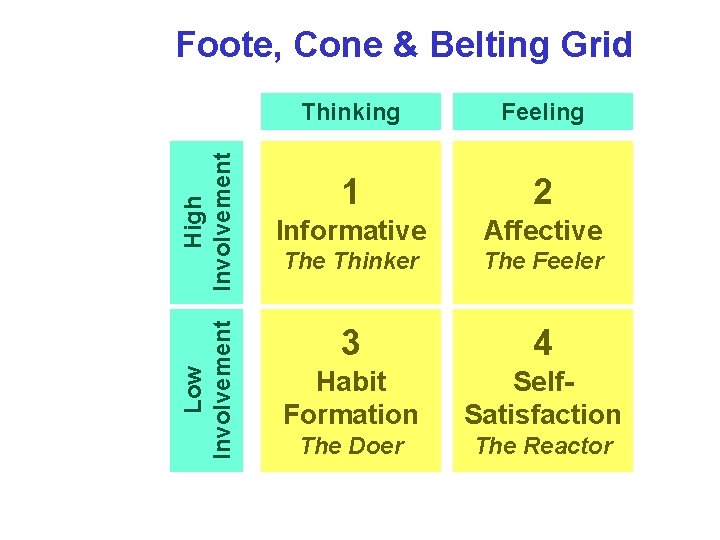
Low Involvement High Involvement Foote, Cone & Belting Grid Thinking Feeling 1 2 Informative Affective Thinker The Feeler 3 4 Habit Formation Self. Satisfaction The Doer The Reactor
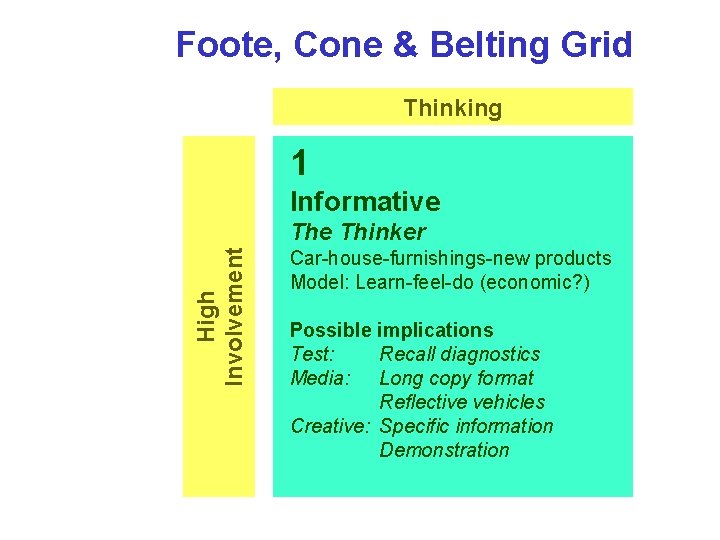
Foote, Cone & Belting Grid Thinking 1 Informative High Involvement The Thinker Car-house-furnishings-new products Model: Learn-feel-do (economic? ) Possible implications Test: Recall diagnostics Media: Long copy format Reflective vehicles Creative: Specific information Demonstration
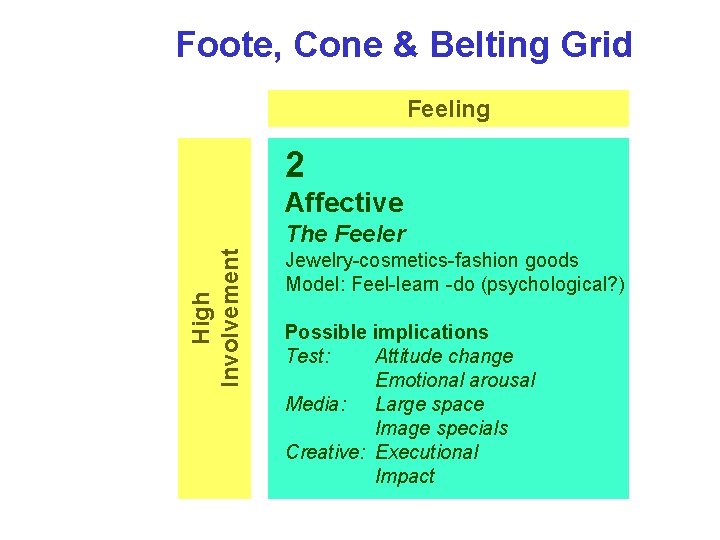
Foote, Cone & Belting Grid Feeling 2 Affective High Involvement The Feeler Jewelry-cosmetics-fashion goods Model: Feel-learn -do (psychological? ) Possible implications Test: Attitude change Emotional arousal Media: Large space Image specials Creative: Executional Impact
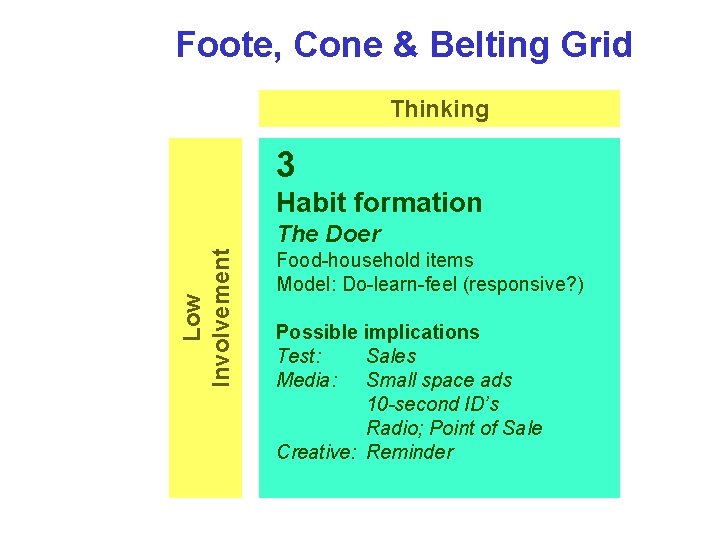
Foote, Cone & Belting Grid Thinking 3 Habit formation Low Involvement The Doer Food-household items Model: Do-learn-feel (responsive? ) Possible implications Test: Sales Media: Small space ads 10 -second ID’s Radio; Point of Sale Creative: Reminder
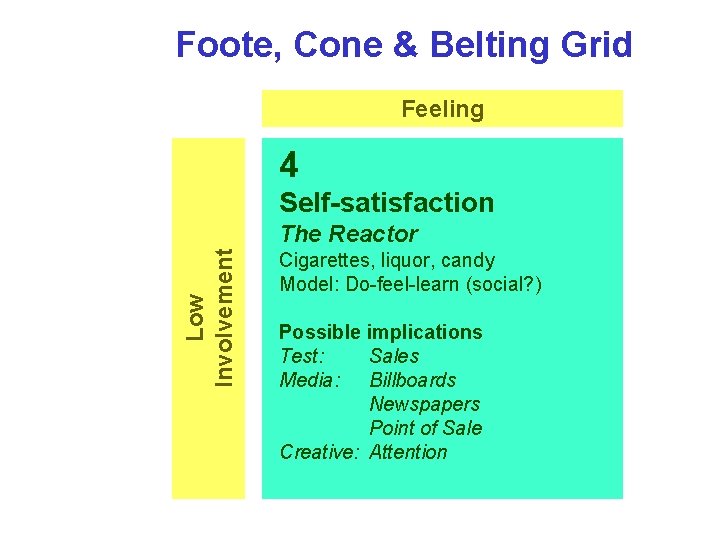
Foote, Cone & Belting Grid Feeling 4 Self-satisfaction Low Involvement The Reactor Cigarettes, liquor, candy Model: Do-feel-learn (social? ) Possible implications Test: Sales Media: Billboards Newspapers Point of Sale Creative: Attention
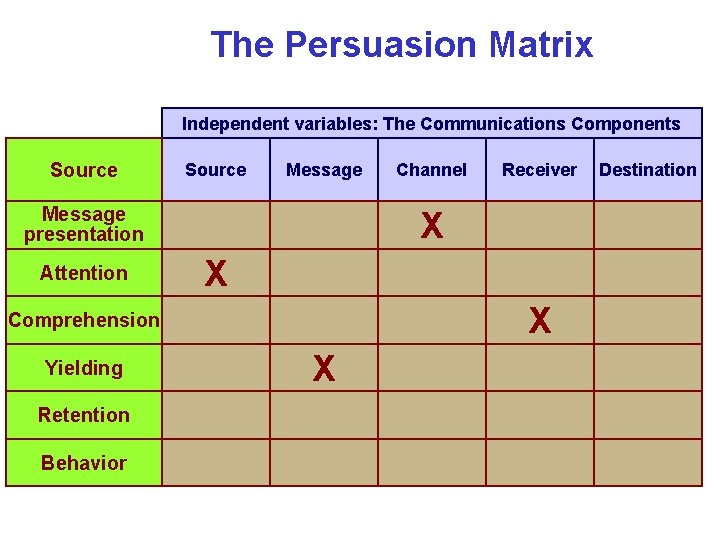
The Persuasion Matrix Independent variables: The Communications Components Source Message presentation Attention Retention Behavior Receiver X X X Comprehension Yielding Channel X Destination
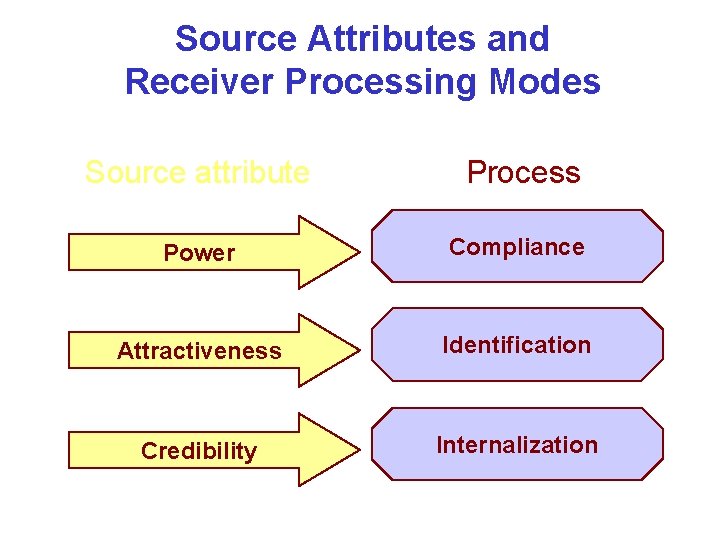
Source Attributes and Receiver Processing Modes Source attribute Process Power Compliance Attractiveness Identification Credibility Internalization
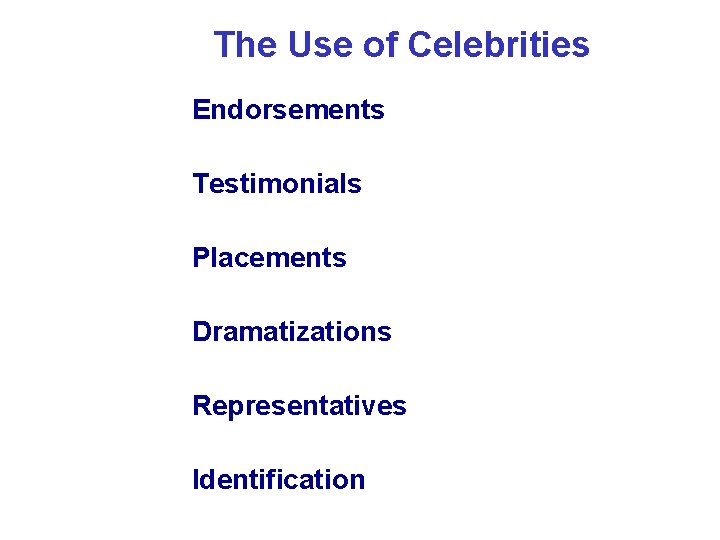
The Use of Celebrities • Endorsements • Testimonials • Placements • Dramatizations • Representatives • Identification
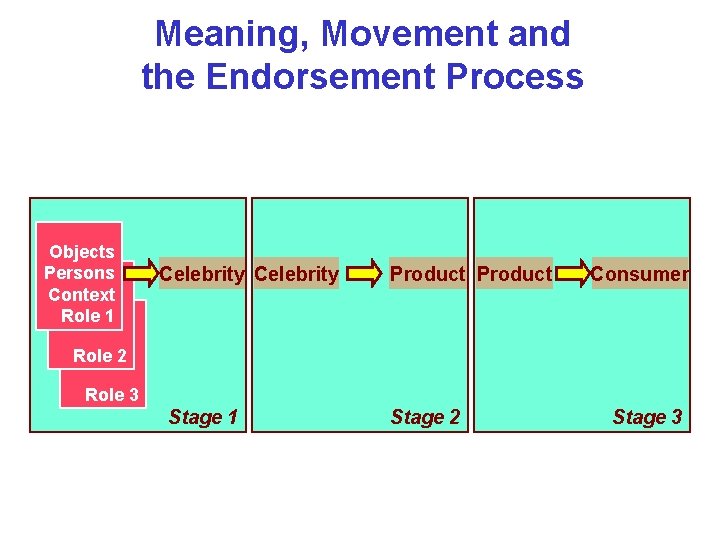
Meaning, Movement and the Endorsement Process Objects Persons Context Role 1 Celebrity Product Consumer Role 2 Role 3 Stage 1 Stage 2 Stage 3
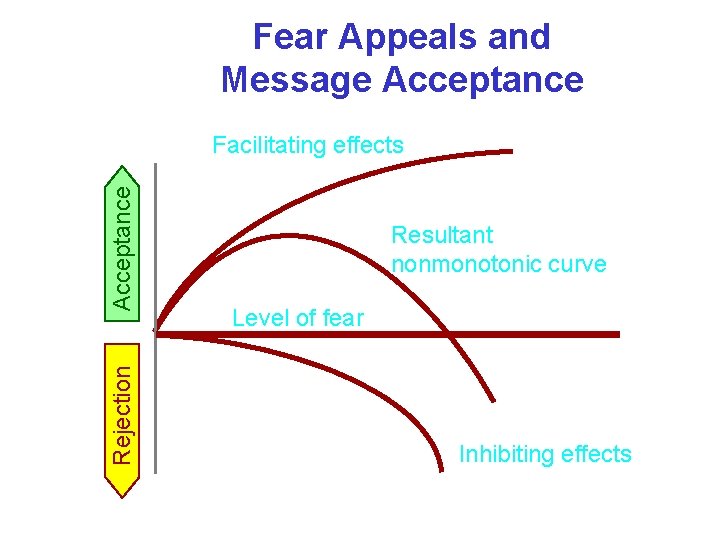
Fear Appeals and Message Acceptance Rejection Acceptance Facilitating effects Resultant nonmonotonic curve Level of fear Inhibiting effects
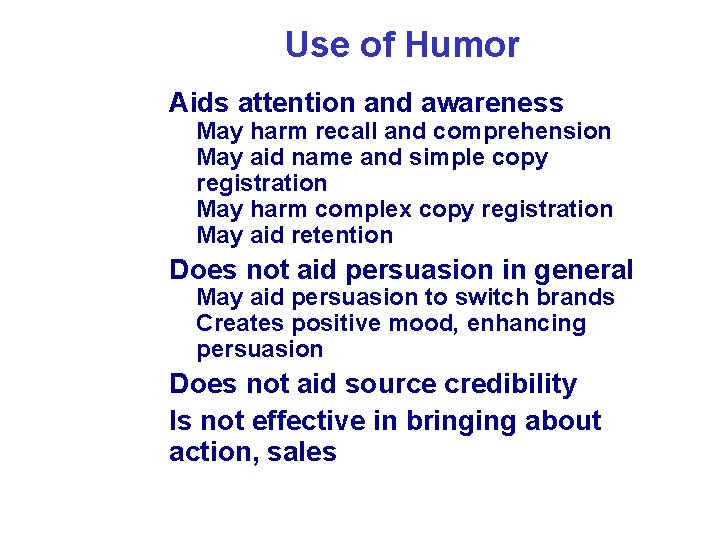
Use of Humor • Aids attention and awareness • May harm recall and comprehension • May aid name and simple copy • • registration May harm complex copy registration May aid retention • Does not aid persuasion in general • May aid persuasion to switch brands • Creates positive mood, enhancing persuasion • Does not aid source credibility • Is not effective in bringing about action, sales
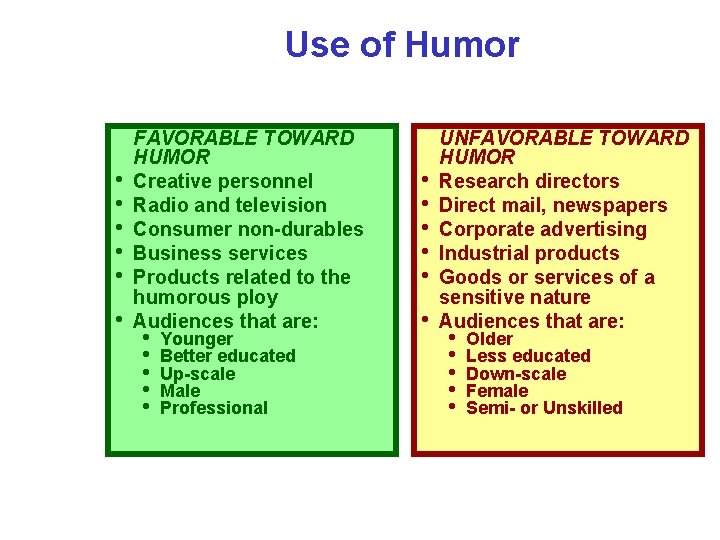
Use of Humor • • • FAVORABLE TOWARD HUMOR Creative personnel Radio and television Consumer non-durables Business services Products related to the humorous ploy Audiences that are: • • • Younger Better educated Up-scale Male Professional • • • UNFAVORABLE TOWARD HUMOR Research directors Direct mail, newspapers Corporate advertising Industrial products Goods or services of a sensitive nature Audiences that are: • • • Older Less educated Down-scale Female Semi- or Unskilled
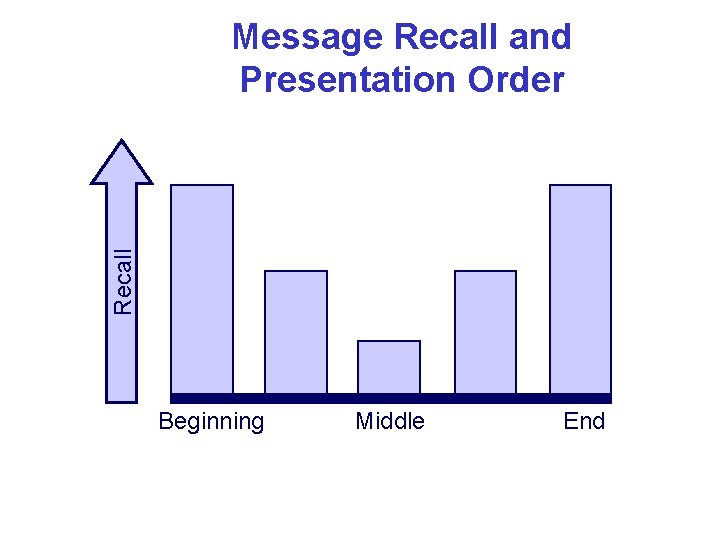
Recall Message Recall and Presentation Order Beginning Middle End