Surgery during pregnancy Dr TJIU Cheung San United



- Slides: 35
Surgery during pregnancy Dr. TJIU Cheung San United Christian Hospital 17 th April, 2004
Madam Mak F/29
October 2003 § § Nurse Good past health G 2 P 1, currently 20 th week gestation Antenatal checkup – NAD
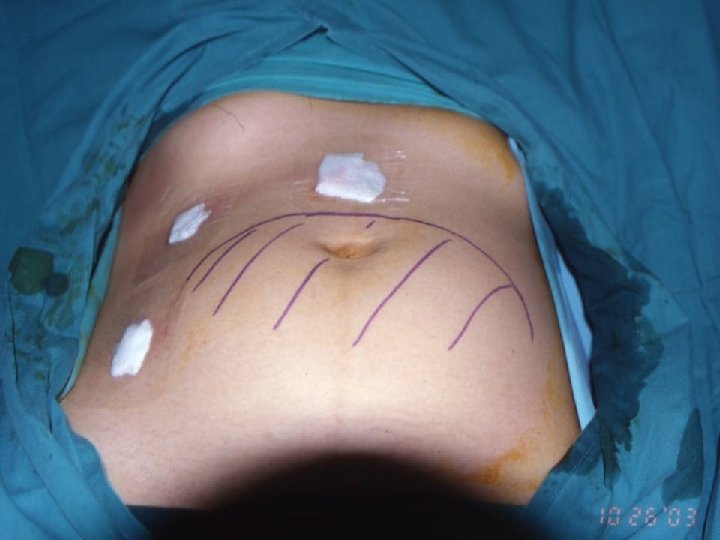
§ c/o Abd pain x 2/7 – Start at central abdomen – Radiated to RLQ § P/E – BP 120/70, P 90, Fever 38 c – Gravid uterus up to level of umbilicus – Marked tenderness over Mc. Burney’s point
§ Ix – WBC 12. 2 – Hb 10 – R/LFT – unremarkable – Fetal USG § Normal § Imp : Acute appendicitis
Questions in mind § § § Is it appendicitis? Are we going to operate? What operation should I offer? What are the risk? What else should I do?
Today’s presentation § § § Overview : epidemiology Clinical decision Additional risk (Maternal and Fetal) Operative option Conclusion § Case discussion
Epidemiology § More or less same risk of getting non-obstetric surgical problem § Condon et al 1991 Sabiston Texbook of Surgery § Elective – Oncological case § Emergency – – Appendicectomy Cholecystectomy Trauma Others
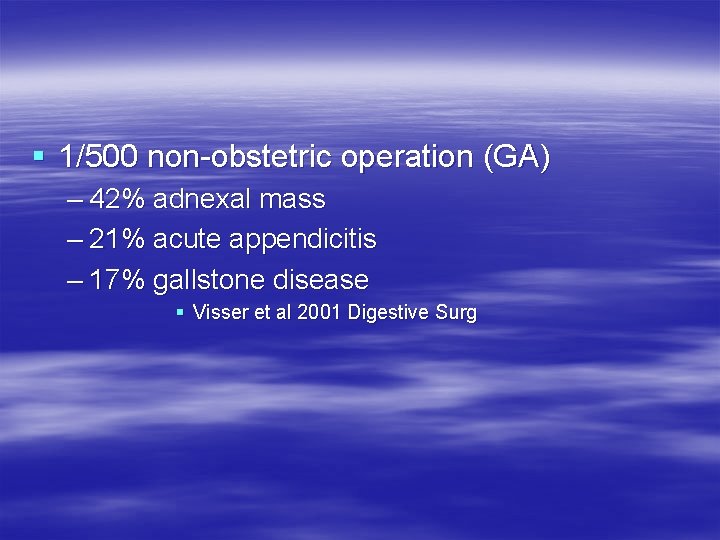
§ 1/500 non-obstetric operation (GA) – 42% adnexal mass – 21% acute appendicitis – 17% gallstone disease § Visser et al 2001 Digestive Surg
Today’s presentation § § § Overview : epidemiology Clinical decision Additional risk (Maternal and Fetal) Operative option Conclusion § Case discussion
Clinical decision § Dilemma – Diagnostic difficulty § Confounding factor of pregnancy § Delay diagnosis increase maternal and fetal risk – High maternal and fetal risk with surgery § Surgery should be offered with caution but without delay
Committee Opinion of ACOG
ACOG § Acknowledges the issue ……… there is no data to allow us to make specific recommendation ……… Important to obtain obstetric consultation before performing surgery ……… the decision to use fetal monitoring should be individualized …. . § Ultimately, each case warrants a team approach (Anaes, Obs, Surg) for optimal safety of the woman and her baby
Today’s presentation § § § Overview : epidemiology Clinical decision Additional risk (Maternal and Fetal) Operative option Conclusion § Case discussion
Additional risk – Maternal § Anatomical consideration § Physiological consideration – Cardiovascular – Haematological – GI
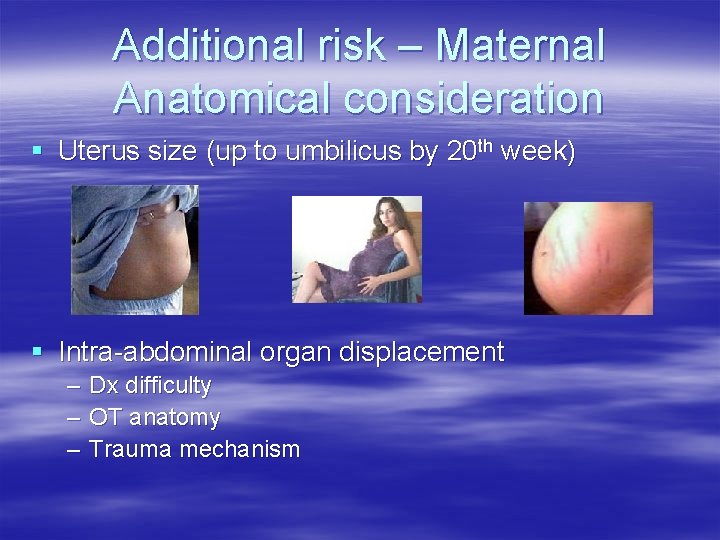
Additional risk – Maternal Anatomical consideration § Uterus size (up to umbilicus by 20 th week) § Intra-abdominal organ displacement – Dx difficulty – OT anatomy – Trauma mechanism
Additional risk – Maternal Physiological § Cardiovascular – Increased plasma volume § Delayed response to hypovolaemia – Decreased venous return – Increase basal heart rate
Additional risk – Maternal Physiological Haematological – Elevated WCC § 15 -25/mm 3 – Hypercoagulability § Increased fibrinogen and clotting factors level § Venous stasis § Gastrointestinal – Delayed gastric emptying
Additional risk - Fetal § § Teratogenesis Spontaneously abortion Premature labour Others – Low birth weight – IQ
Teratogenesis § Teratogenesis – 1 st trimester – Radiation – Rx § Anaesthetic agents § e. g. Enflurane, Isoflurane § Heinonen et al 1977 Collaborative Perinatal Project Overall Congenital Anomalies after GA § NTD – 2. 4 x § Mazze et al 1989 Am J Obs Gyn § Not supported by other similar study § Jones et al 1972 Lancet § Duncan et al 1986 Anesthesiology
Spontaneous abortion § 1 st trimester § Lap appendicectomy – 12% – 1. 5 – 35% § 2 nd trimester – 5. 6% § Bisharah et al 2003 Clin Obs & Gyn § Al-Fozan et al 2002 Cur Opin Obs & Gyn § Lap cholecystectomy – 4% § GS pancreatitis – 10% - 75% § Hill et al 1975 Obs Gyn § Swisher et al 1994 Am Surg § Amos et al 1996 Am J Surg
Additional Fetal Risk Others § Premature labour – Mainly at 3 rd trimester – Rarely at 2 nd trimester § Low birth weight § Mazze et al 1989 Am J Obs Gyn
Today’s presentation § § § Overview : epidemiology Clinical decision Additional risk (Maternal and Fetal) Operative option Conclusion § Case discussion
Lap vs Open § Advantage § Disadvantage § Evidence § Guidelines
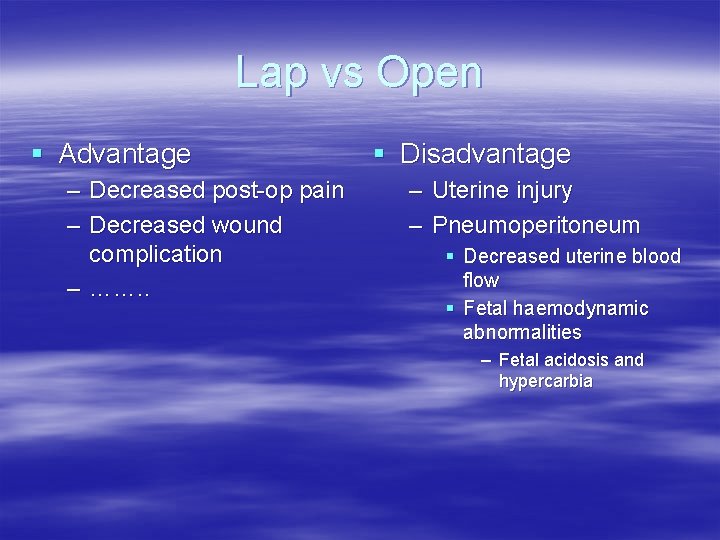
Lap vs Open § Advantage – Decreased post-op pain – Decreased wound complication – ……. . § Disadvantage – Uterine injury – Pneumoperitoneum § Decreased uterine blood flow § Fetal haemodynamic abnormalities – Fetal acidosis and hypercarbia
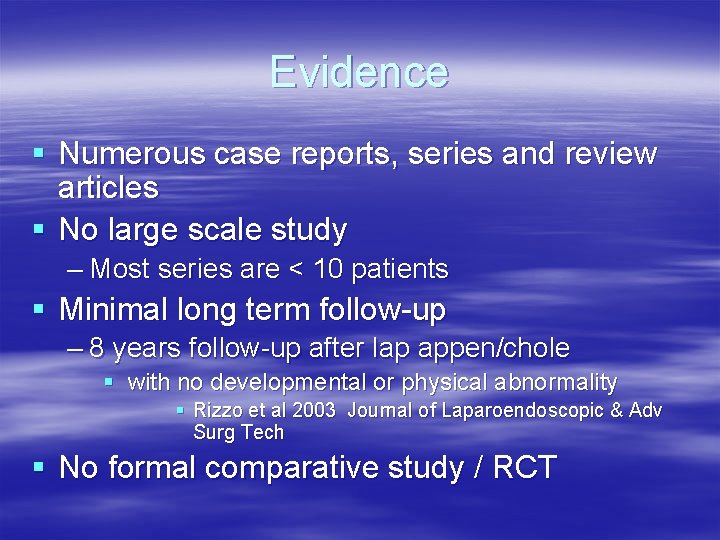
Evidence § Numerous case reports, series and review articles § No large scale study – Most series are < 10 patients § Minimal long term follow-up – 8 years follow-up after lap appen/chole § with no developmental or physical abnormality § Rizzo et al 2003 Journal of Laparoendoscopic & Adv Surg Tech § No formal comparative study / RCT
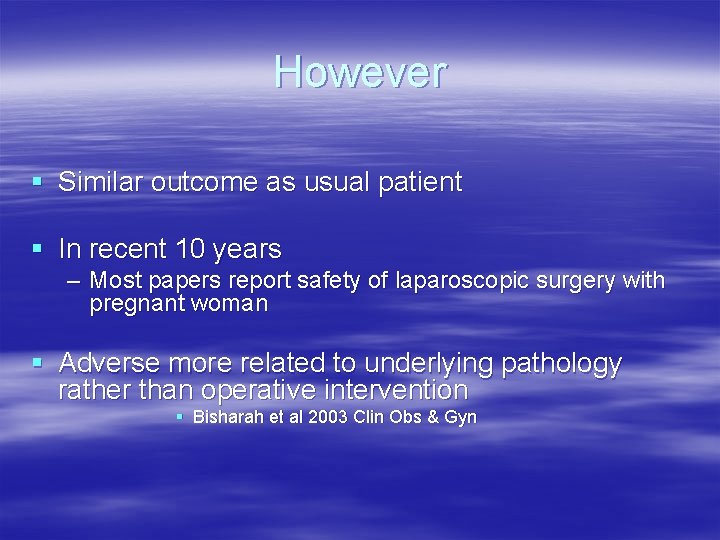
However § Similar outcome as usual patient § In recent 10 years – Most papers report safety of laparoscopic surgery with pregnant woman § Adverse more related to underlying pathology rather than operative intervention § Bisharah et al 2003 Clin Obs & Gyn
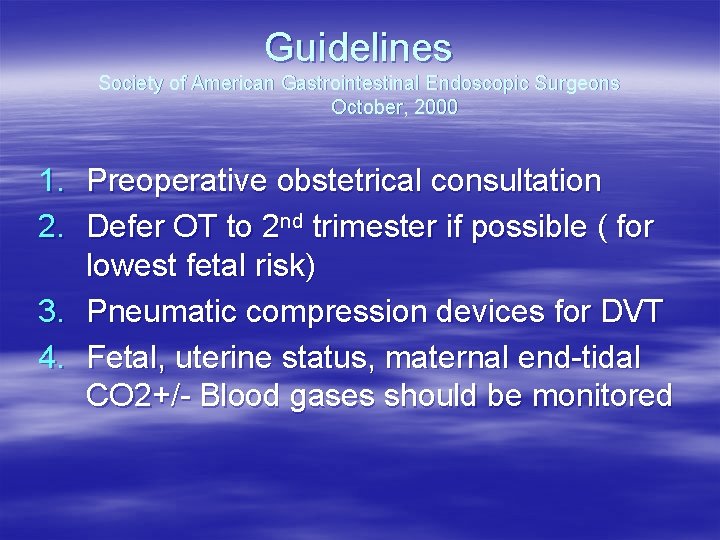
Guidelines Society of American Gastrointestinal Endoscopic Surgeons October, 2000 1. Preoperative obstetrical consultation 2. Defer OT to 2 nd trimester if possible ( for lowest fetal risk) 3. Pneumatic compression devices for DVT 4. Fetal, uterine status, maternal end-tidal CO 2+/- Blood gases should be monitored
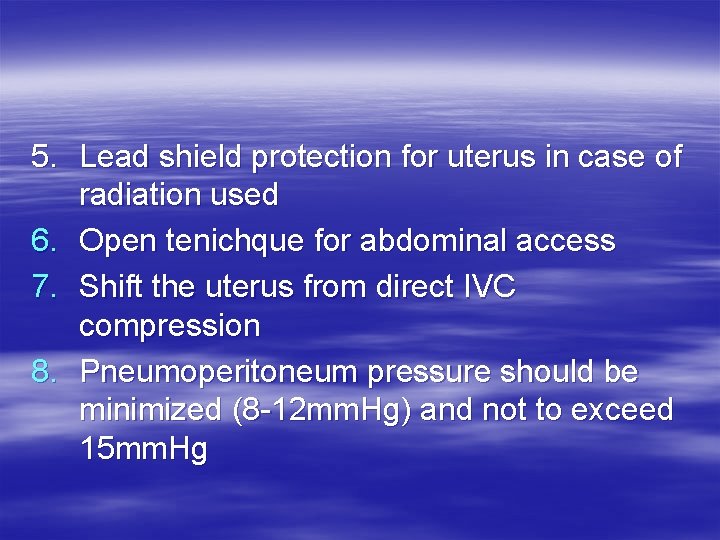
5. Lead shield protection for uterus in case of radiation used 6. Open tenichque for abdominal access 7. Shift the uterus from direct IVC compression 8. Pneumoperitoneum pressure should be minimized (8 -12 mm. Hg) and not to exceed 15 mm. Hg
Today’s presentation § § § Overview : epidemiology Clinical decision Additional risk (Maternal and Fetal) Operative option Conclusion § Case discussion
Bring Home Messages § Surgical diagnosis in pregnant lady is difficult and that deserves extra attention § Additional maternal and fetal risks has to be addressed § Minimally invasive surgery could be applied in pregnancy with caution
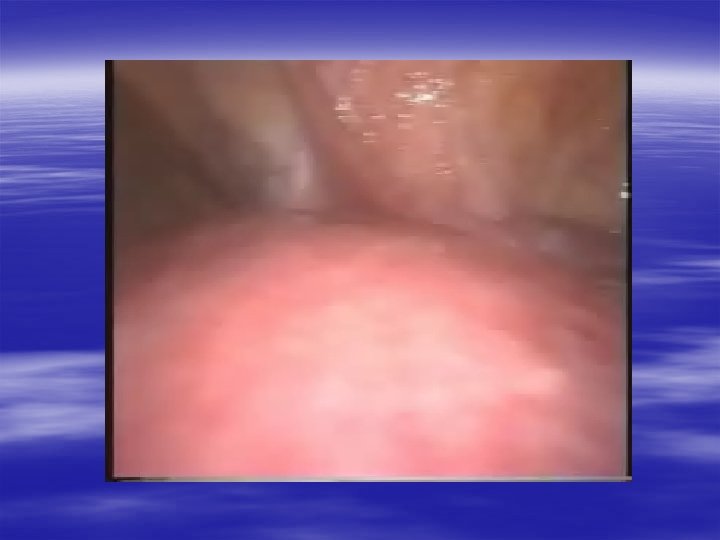
Our case
Thank You Best wishes to our pregnant colleagues !