STRIDOR DR SHEETAL RAI ASST PROFESSOR DEPT OF

- Slides: 37
STRIDOR DR. SHEETAL RAI ASST. PROFESSOR, DEPT. OF ENT, YMC, MANGALORE.
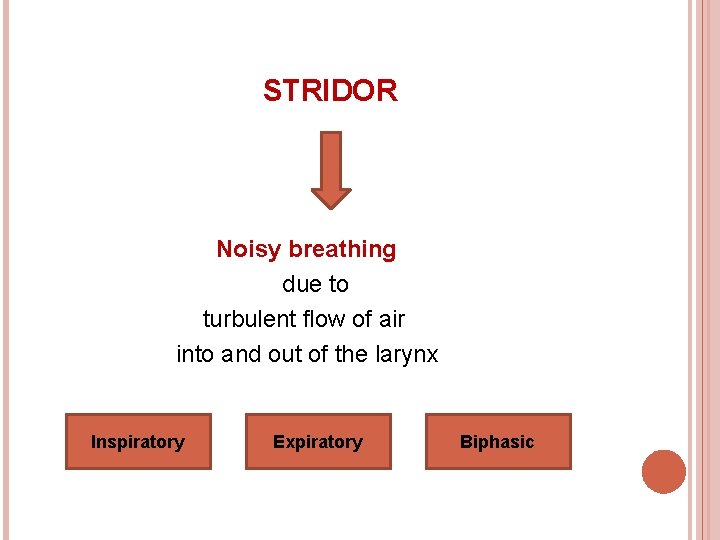
STRIDOR Noisy breathing due to turbulent flow of air into and out of the larynx Inspiratory Expiratory Biphasic
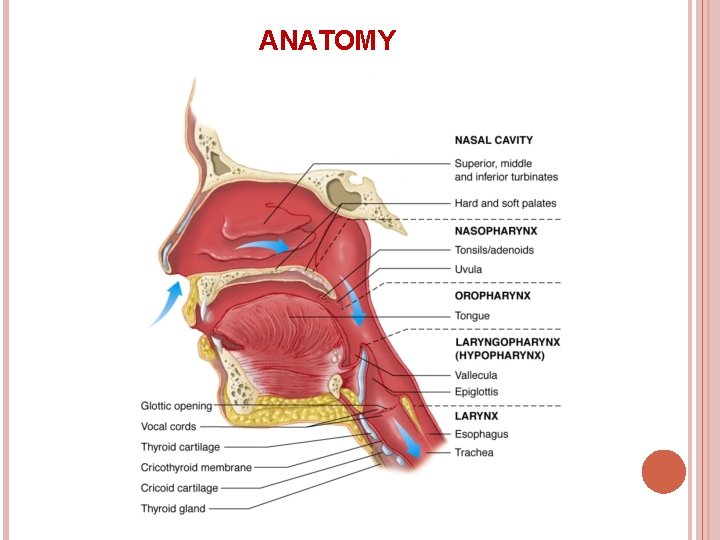
ANATOMY
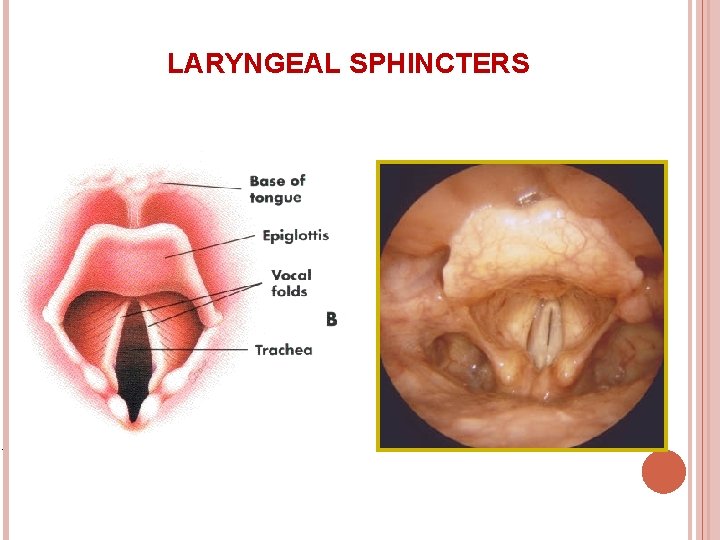
LARYNGEAL SPHINCTERS
CAUSES : � Congenital syndromes - PIERRE ROBIN Syn, TREACHER COLLIN Syn, Laryngeal web, laryngomalacia, cysts, tracheooesophageal fistula � Inflammatory Acute laryngotracheobronchitis, acute epiglottitis, laryngeal diphtheria, Ludwig’s Angina, retropharyngeal abscess etc. � Traumatic External injury to larynx & trachea, trauma due to instrumentation – ENDOSCOPY or foreign body removal, chemical injury due to irritant fumes or gases � Foreign bodies � Tumours – � benign – respiratory papilloma, haemangioma � malignant – larynx, pharynx, trachea, thyroid, tongue base � Neurological B/L abductor palsy
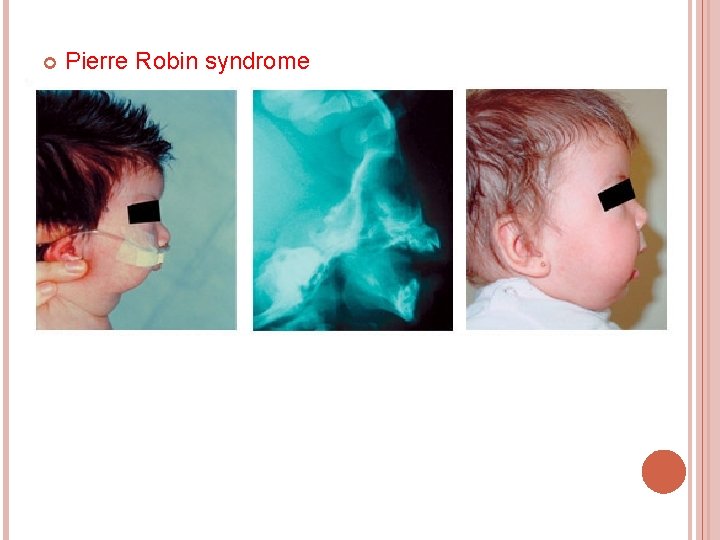
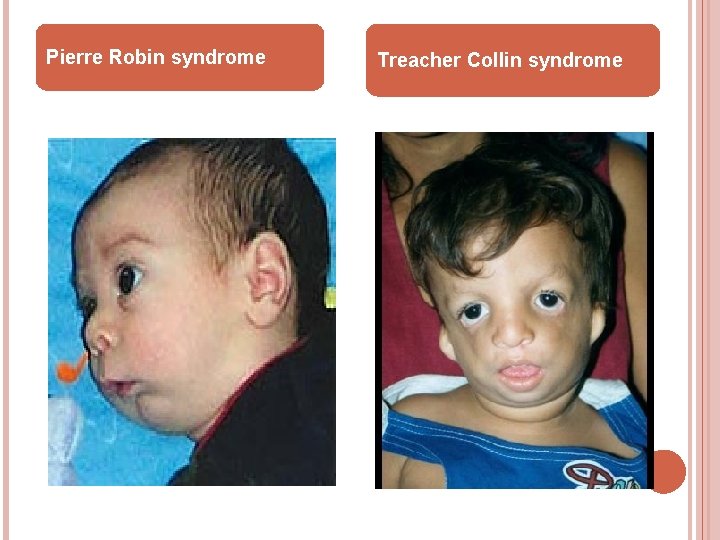
Pierre Robin syndrome Treacher Collin Syndrome
Pierre Robin syndrome Treacher Collin syndrome
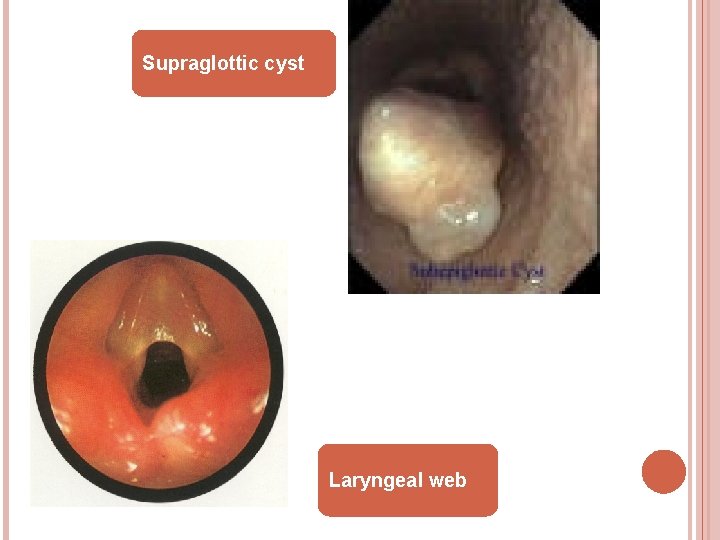
Supraglottic cyst Laryngeal web
DURING MAJOR SURGERIES � Oral cavity � Oropharynx � Larynx
AIRWAY OBSTRUCTION? ? ? MEASURES TO OVERCOME THIS PROBLEM
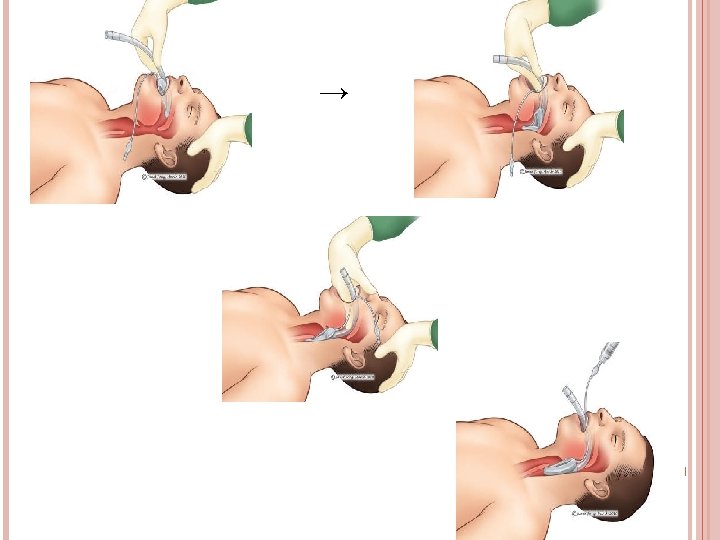
TEMPORARY &EMERGENCY MEASURES Temporary measures to prevent tongue fall back � HEAD TILT - CHIN LIFT – JAW THRUST � OROPHARYNGEAL AIRWAY � NASAL AIRWAY � SUPRAGLOTTIC AIRWAY – LMA � CRICOTHYROIDOTOMY � ET INTUBATION
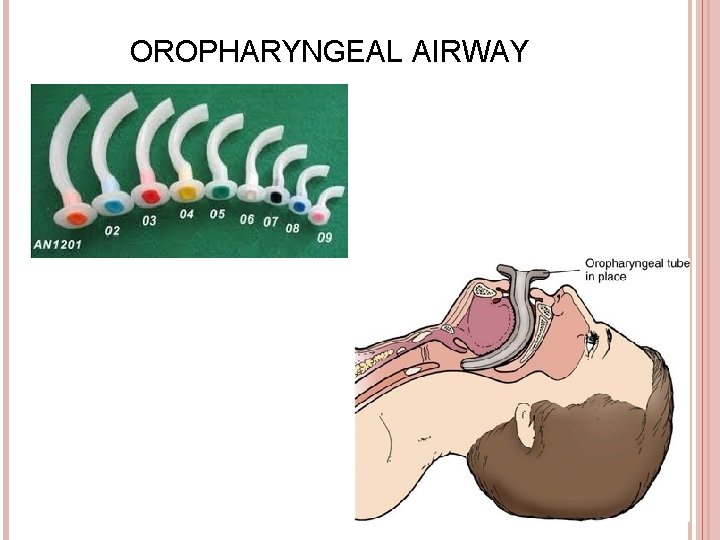
OROPHARYNGEAL AIRWAY
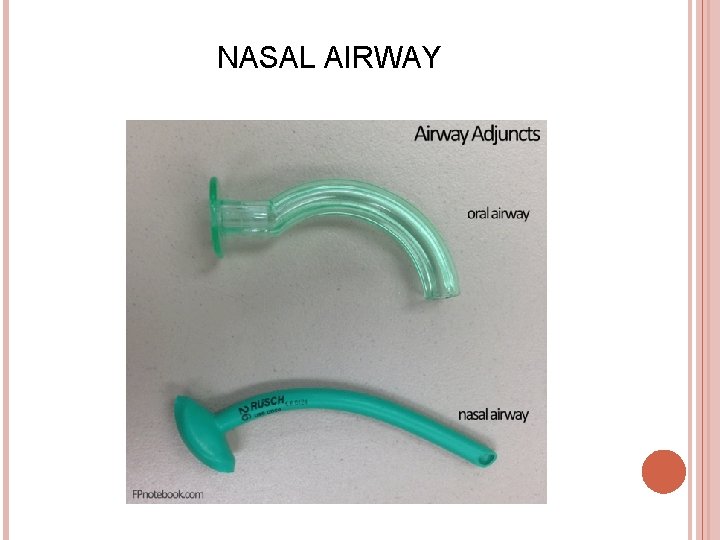
NASAL AIRWAY
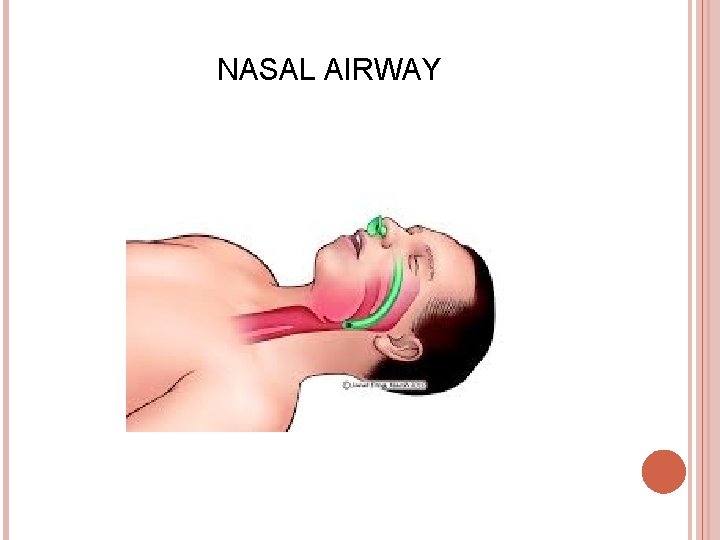
NASAL AIRWAY
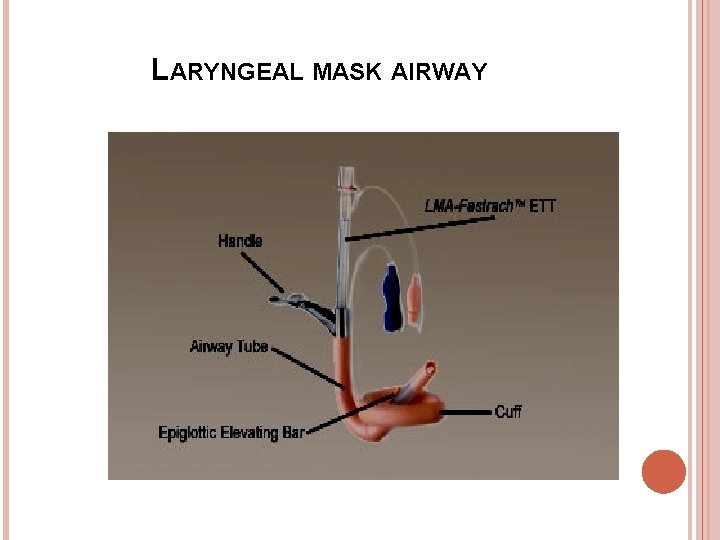
LARYNGEAL MASK AIRWAY
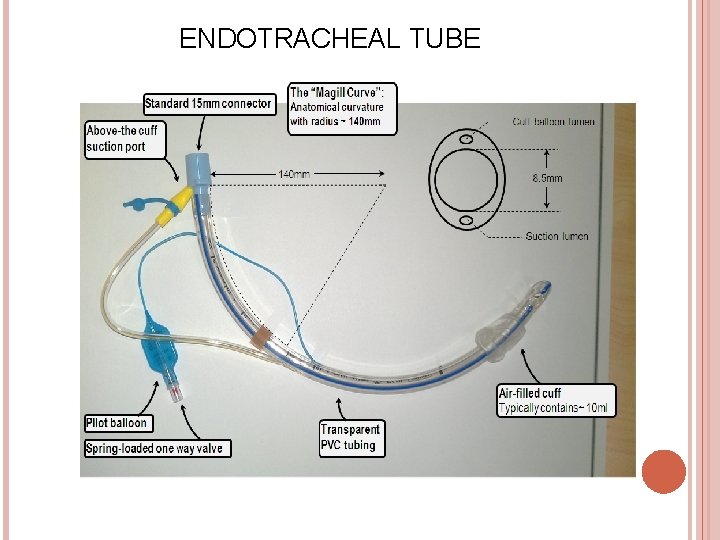
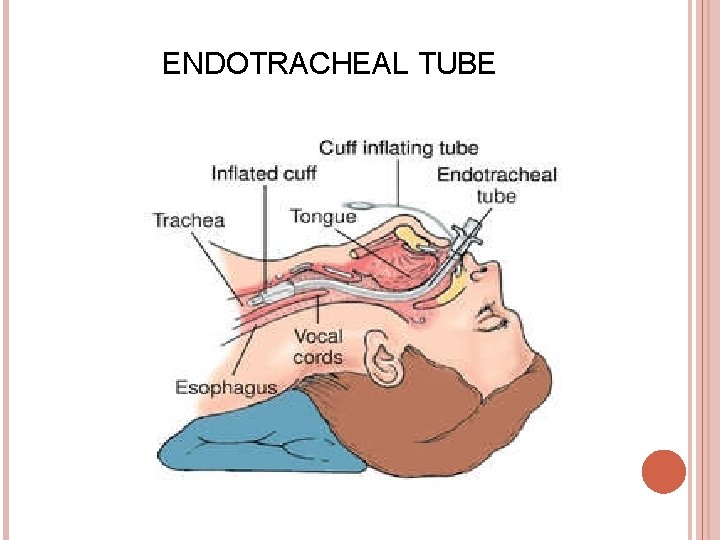
ENDOTRACHEAL TUBE
ENDOTRACHEAL TUBE
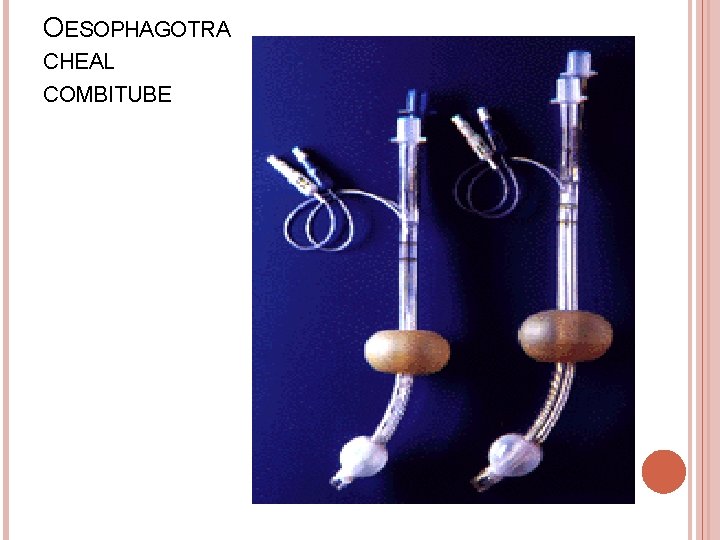
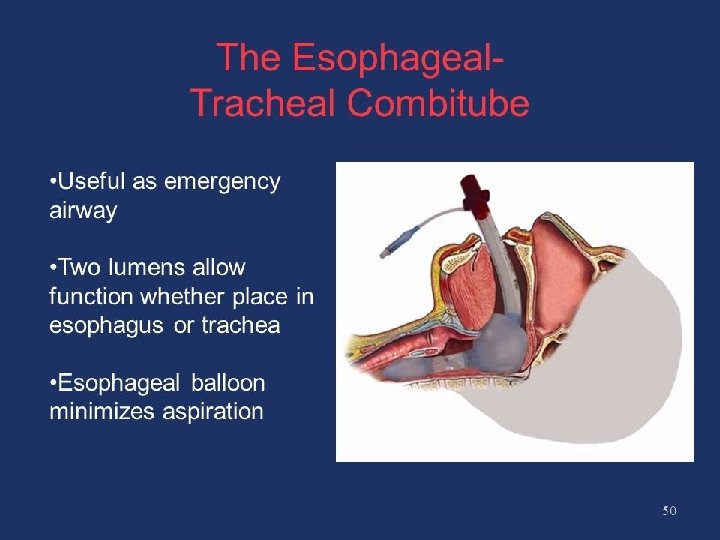
OESOPHAGOTRA CHEAL COMBITUBE
CRICOTHYROIDOTOMY (video)
LONG TERM MEASURES TRACHEOSTOMY (video)
DEFINITIVE SURGERY Surgical Laser
MANAGEMENT OF COMMON CONDITIONS CAUSING OBSTRUCTION IN THE AIR PASSAGES…. .
FOREIGN BODIES OROPHARYNX � Mentally retarded or young children. � Excessive salivation � Restlessness � Respiratory distress � Definitive h/o FB � Large size FB
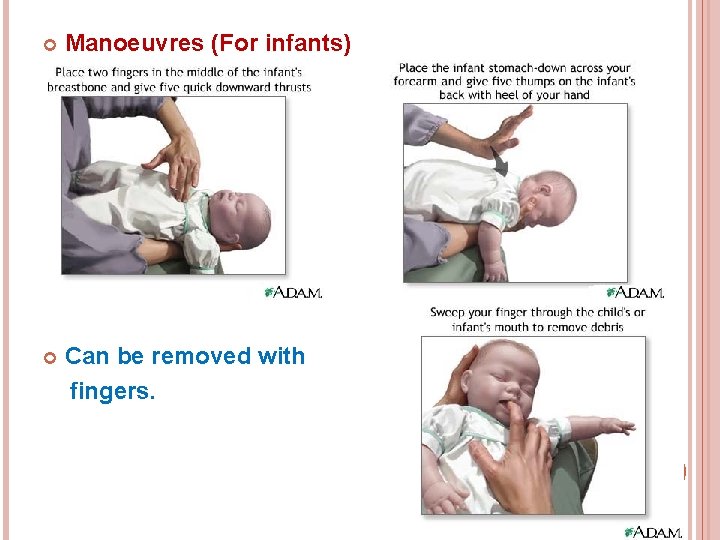
Manoeuvres (For infants) Can be removed with fingers.
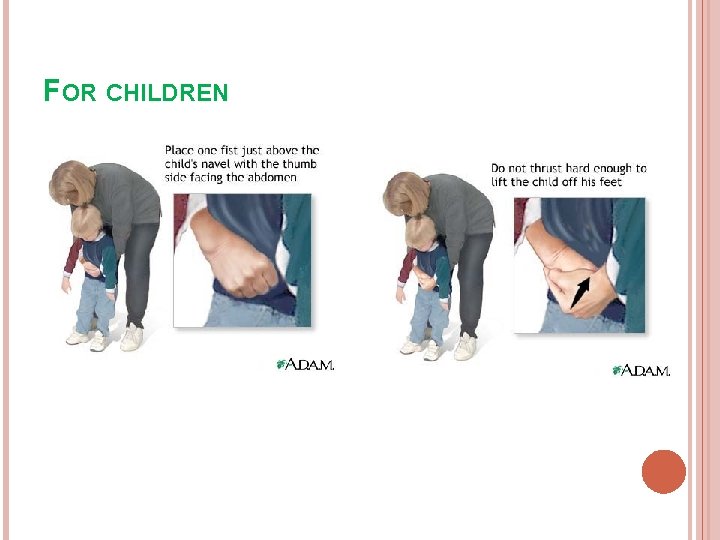
FOR CHILDREN
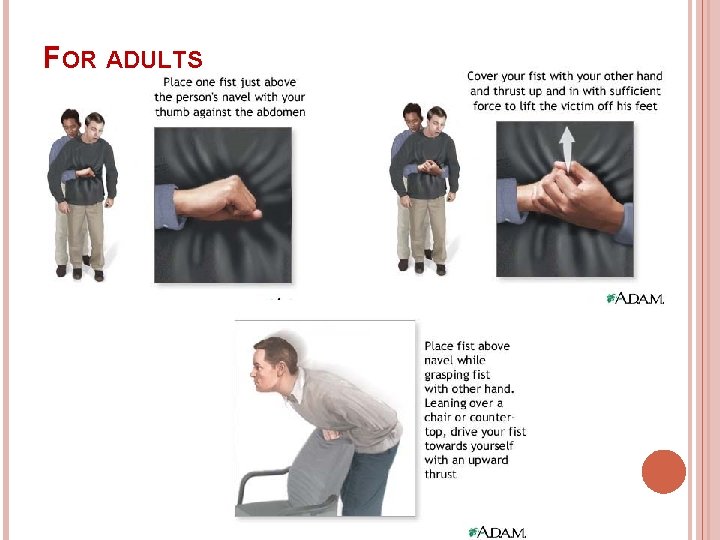
FOR ADULTS
FOREIGN BODIES SUPRAGLOTTIC LARYNX OR HYPOPHARYNX � Large size FB � Restlessness � Respiratory distress � Cyanosis
MANAGEMENT No facility for tracheostomy ? ? ? � Wide bore needle pierced into cricothyroid membrane OR � Cricothyroidotomy with knife Shift the patient to hospital Tracheostomy done Scopy & removal of FB Tracheostomy can be closed later.
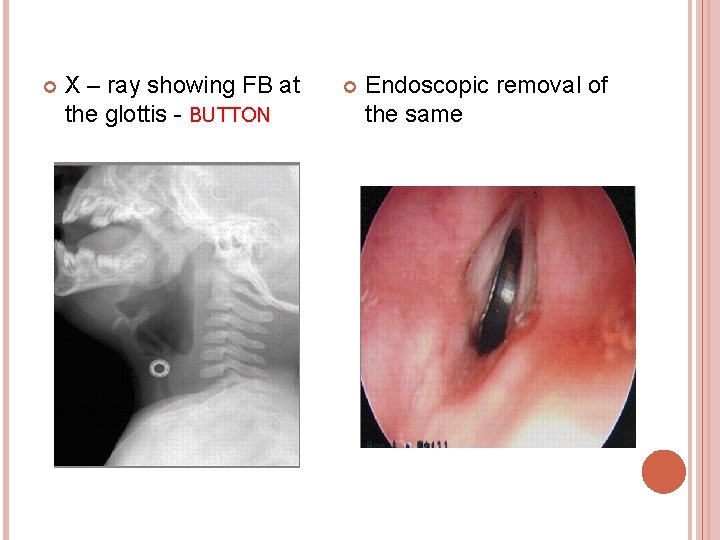
X – ray showing FB at the glottis - BUTTON Endoscopic removal of the same
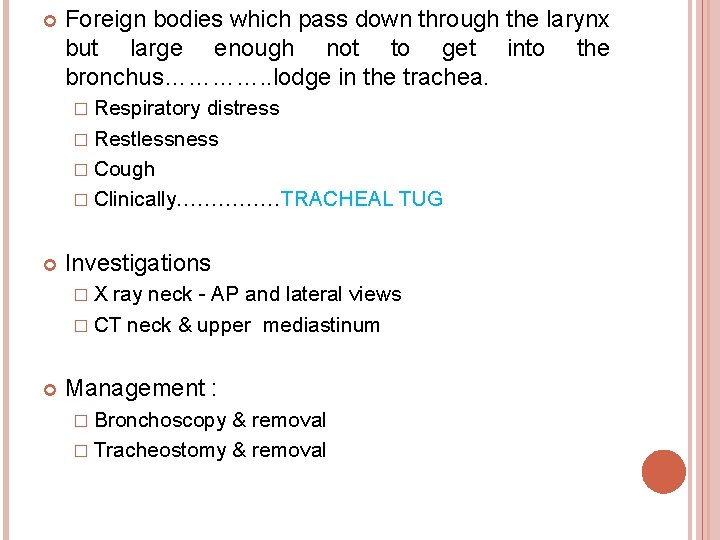
Foreign bodies which pass down through the larynx but large enough not to get into the bronchus…………. . lodge in the trachea. � Respiratory distress � Restlessness � Cough � Clinically……………TRACHEAL TUG Investigations �X ray neck - AP and lateral views � CT neck & upper mediastinum Management : � Bronchoscopy & removal � Tracheostomy & removal
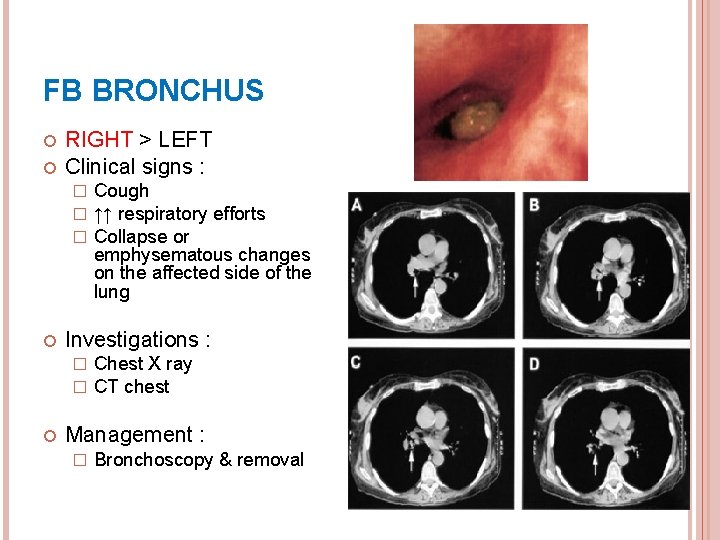
FB BRONCHUS RIGHT > LEFT Clinical signs : � � � Investigations : � � Cough ↑↑ respiratory efforts Collapse or emphysematous changes on the affected side of the lung Chest X ray CT chest Management : � Bronchoscopy & removal
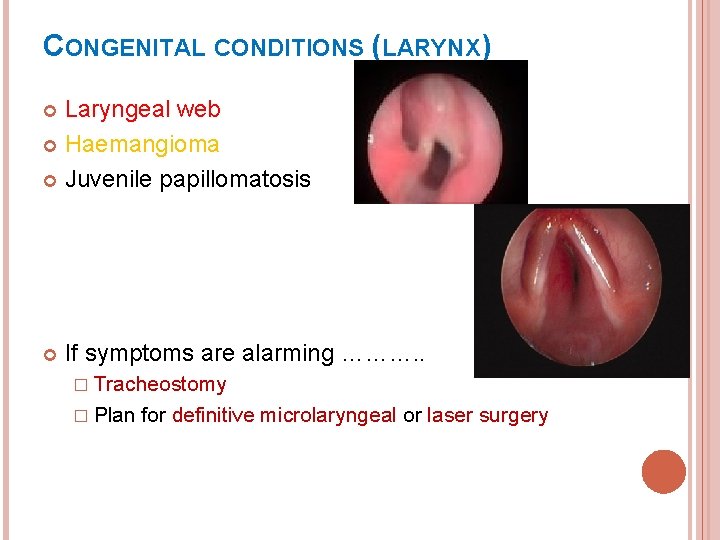
CONGENITAL CONDITIONS (LARYNX) Laryngeal web Haemangioma Juvenile papillomatosis If symptoms are alarming ………. . � Tracheostomy � Plan for definitive microlaryngeal or laser surgery
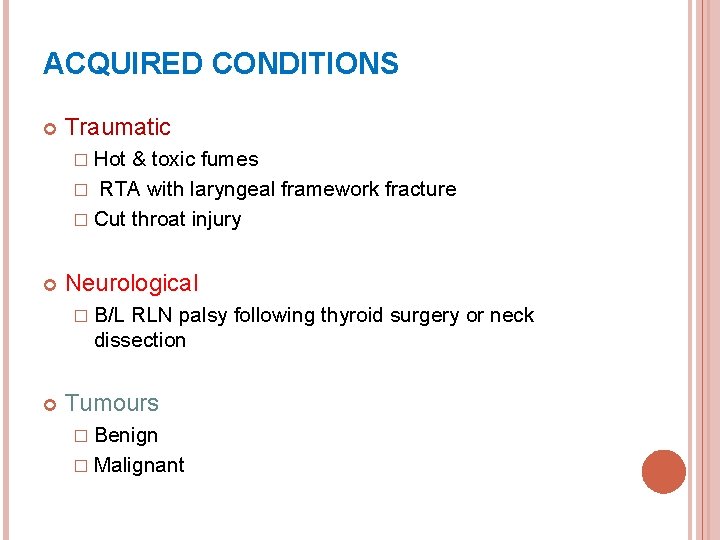
ACQUIRED CONDITIONS Traumatic � Hot & toxic fumes � RTA with laryngeal framework fracture � Cut throat injury Neurological � B/L RLN palsy following thyroid surgery or neck dissection Tumours � Benign � Malignant
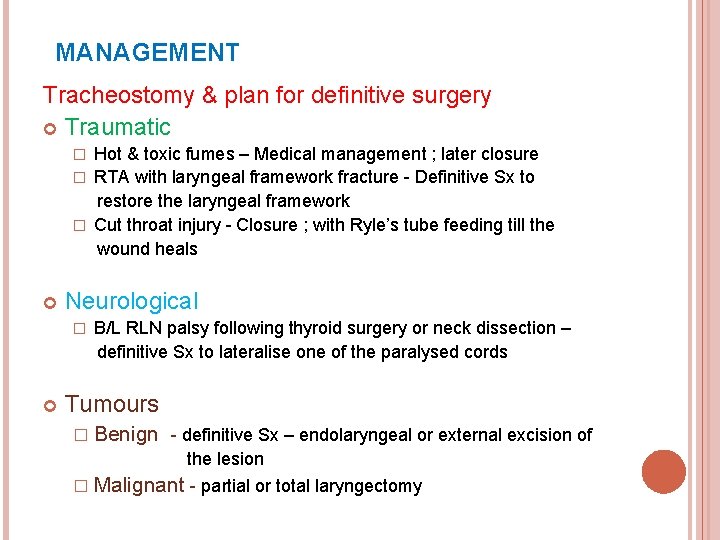
MANAGEMENT Tracheostomy & plan for definitive surgery Traumatic Hot & toxic fumes – Medical management ; later closure � RTA with laryngeal framework fracture - Definitive Sx to restore the laryngeal framework � Cut throat injury - Closure ; with Ryle’s tube feeding till the wound heals � Neurological � B/L RLN palsy following thyroid surgery or neck dissection – definitive Sx to lateralise one of the paralysed cords Tumours � Benign - definitive Sx – endolaryngeal or external excision of the lesion � Malignant - partial or total laryngectomy
Thank you