PORTICO Lessons Learnt From the Clinical Trials Ganesh





- Slides: 40
PORTICO: Lessons Learnt From the Clinical Trials Ganesh Manoharan, MBBCh, MD, FRCP Consultant Cardiologist Royal Victoria Hospital Belfast, UK On behalf of the Portico CE Mark Investigators CAUTION – Investigational device. Limited by Federal (US) law to investigational use Product referenced is approved for CE Mark.
Disclosure Statement of Financial Interest Within the past 12 months, I or my spouse/partner have had a financial interest/arrangement or affiliation with the organization(s) listed below. § Consulting Fees/Honoraria § Boston Scientific § Medtronic Cardiovascular § St Judes Medical
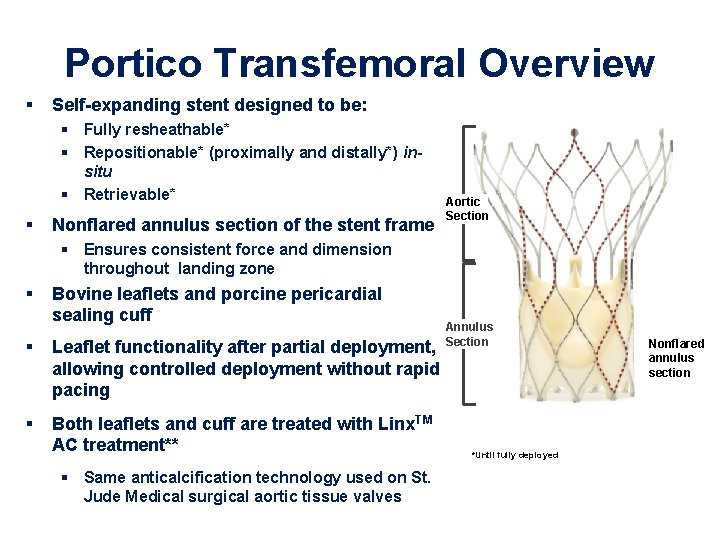
Portico Transfemoral Overview § Self-expanding stent designed to be: § Fully resheathable* § Repositionable* (proximally and distally*) insitu § Retrievable* § Nonflared annulus section of the stent frame Aortic Section § Ensures consistent force and dimension throughout landing zone § Bovine leaflets and porcine pericardial sealing cuff § Leaflet functionality after partial deployment, allowing controlled deployment without rapid pacing § Both leaflets and cuff are treated with Linx. TM AC treatment** § Same anticalcification technology used on St. Jude Medical surgical aortic tissue valves Annulus Section *Until fully deployed Nonflared annulus section
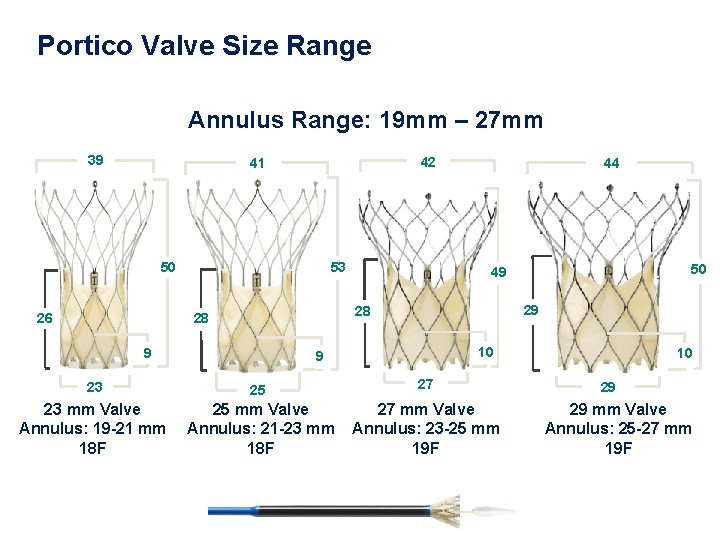
Portico Valve Size Range Annulus Range: 19 mm – 27 mm 39 42 41 53 50 9 50 49 29 28 28 26 44 10 9 23 25 27 23 mm Valve Annulus: 19 -21 mm 18 F 25 mm Valve Annulus: 21 -23 mm 18 F 27 mm Valve Annulus: 23 -25 mm 19 F Photo not to scale 10 29 29 mm Valve Annulus: 25 -27 mm 19 F
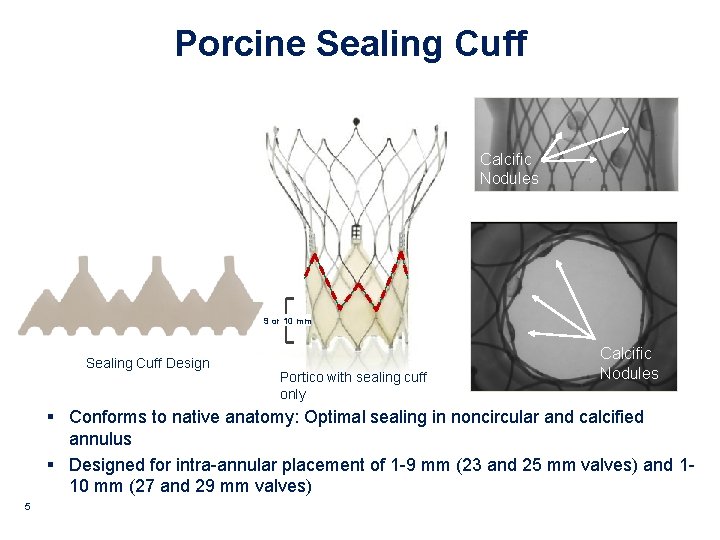
Porcine Sealing Cuff Calcific Nodules 9 or 10 mm Sealing Cuff Design Portico with sealing cuff only Calcific Nodules § Conforms to native anatomy: Optimal sealing in noncircular and calcified annulus § Designed for intra-annular placement of 1 -9 mm (23 and 25 mm valves) and 110 mm (27 and 29 mm valves) 5
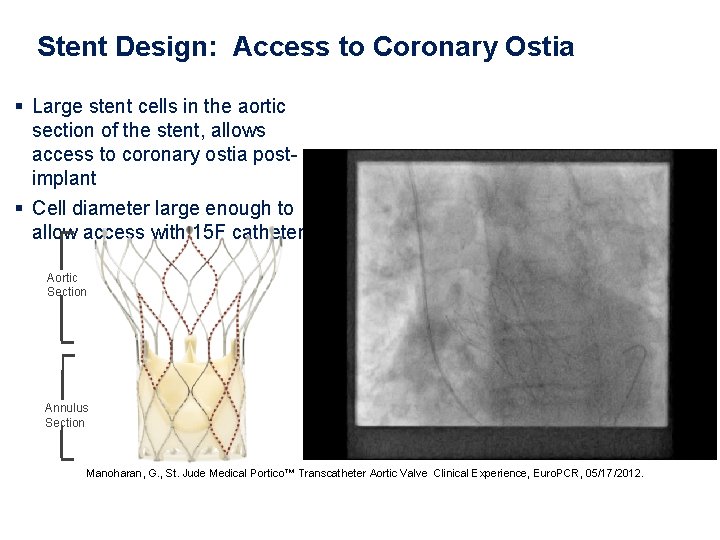
Stent Design: Access to Coronary Ostia § Large stent cells in the aortic section of the stent, allows access to coronary ostia postimplant § Cell diameter large enough to allow access with 15 F catheter Aortic Section Annulus Section Manoharan, G. , St. Jude Medical Portico™ Transcatheter Aortic Valve Clinical Experience, Euro. PCR, 05/17/2012.
Portico: Mitigating Conduction Interference § Designed to address conduction system interference § Ability to fully reposition* the valve in situ for improved placement accuracy § Low valve placement within the stent allows for sealing without extending deep into the LVOT § Nonflared annulus section of the stent frame Targeted placement in annulus Nonflared annulus section of the stent Valve placed low within the stent frame Minimal protrusion of valve into LVOT Targeted Valve Placement *Until fully deployed
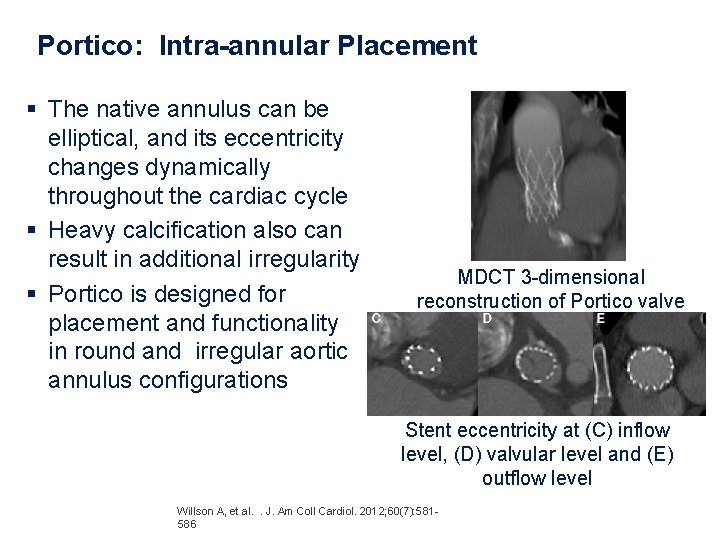
Portico: Intra-annular Placement § The native annulus can be elliptical, and its eccentricity changes dynamically throughout the cardiac cycle § Heavy calcification also can result in additional irregularity § Portico is designed for placement and functionality in round and irregular aortic annulus configurations MDCT 3 -dimensional reconstruction of Portico valve Stent eccentricity at (C) inflow level, (D) valvular level and (E) outflow level Willson A, et al. . J. Am Coll Cardiol. 2012; 60(7): 581586
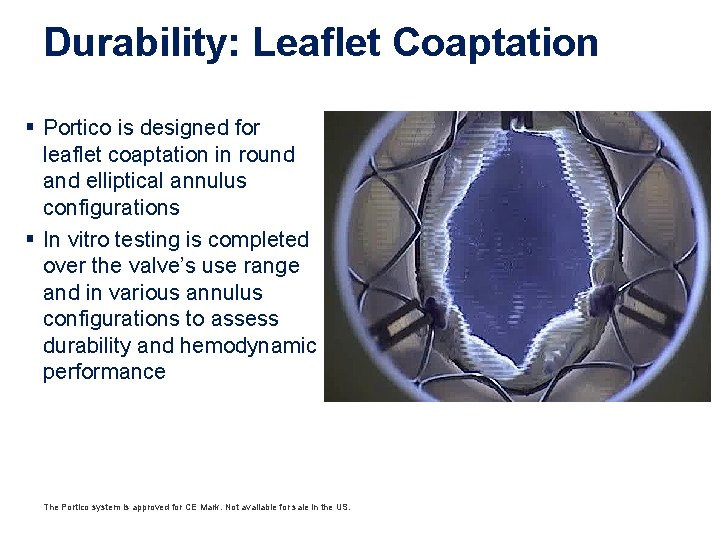
Durability: Leaflet Coaptation § Portico is designed for leaflet coaptation in round and elliptical annulus configurations § In vitro testing is completed over the valve’s use range and in various annulus configurations to assess durability and hemodynamic performance The Portico system is approved for CE Mark. Not available for sale in the US.
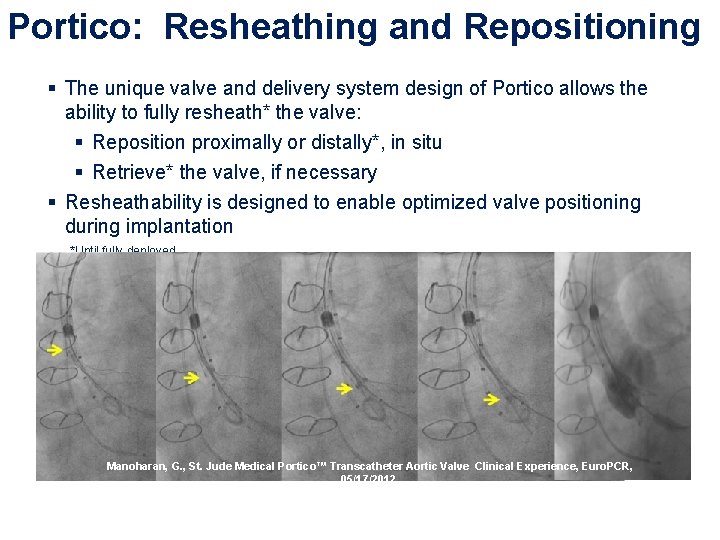
Portico: Resheathing and Repositioning § The unique valve and delivery system design of Portico allows the ability to fully resheath* the valve: § Reposition proximally or distally*, in situ § Retrieve* the valve, if necessary § Resheathability is designed to enable optimized valve positioning during implantation *Until fully deployed Manoharan, G. , St. Jude Medical Portico™ Transcatheter Aortic Valve Clinical Experience, Euro. PCR, 05/17/2012.
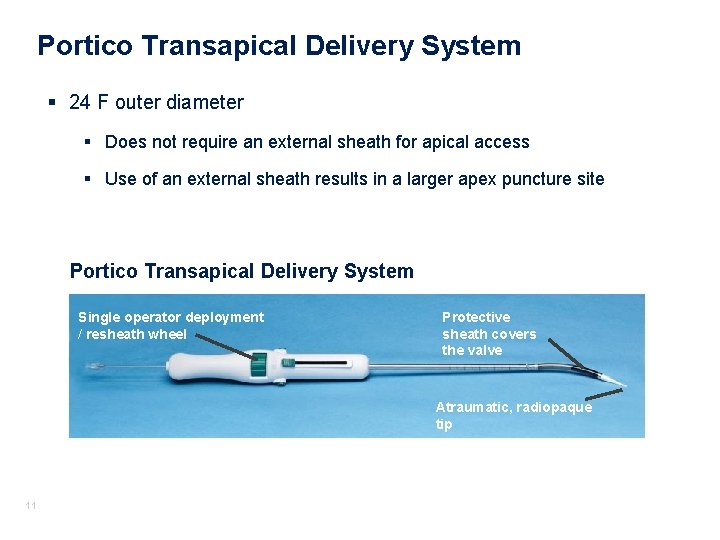
Portico Transapical Delivery System § 24 F outer diameter § Does not require an external sheath for apical access § Use of an external sheath results in a larger apex puncture site Portico Transapical Delivery System Single operator deployment / resheath wheel Protective sheath covers the valve Atraumatic, radiopaque tip 11
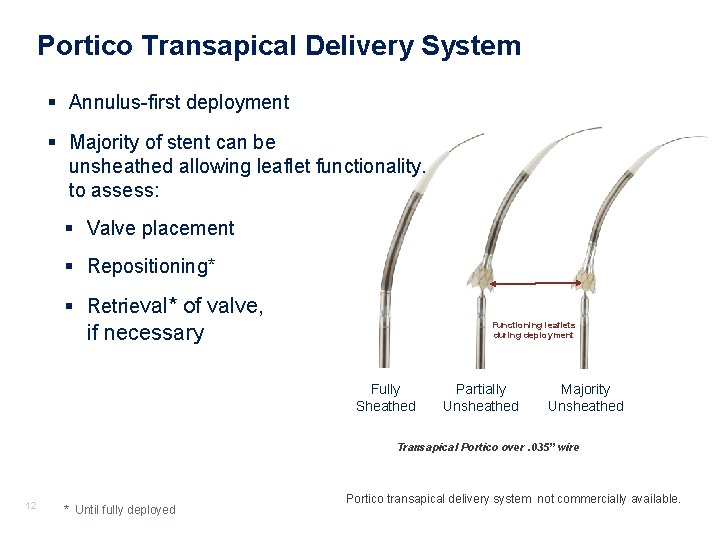
Portico Transapical Delivery System § Annulus-first deployment § Majority of stent can be unsheathed allowing leaflet functionality, to assess: § Valve placement § Repositioning* § Retrieval* of valve, Functioning leaflets during deployment if necessary Fully Sheathed Partially Unsheathed Majority Unsheathed Transapical Portico over. 035” wire 12 * Until fully deployed Portico transapical delivery system not commercially available.
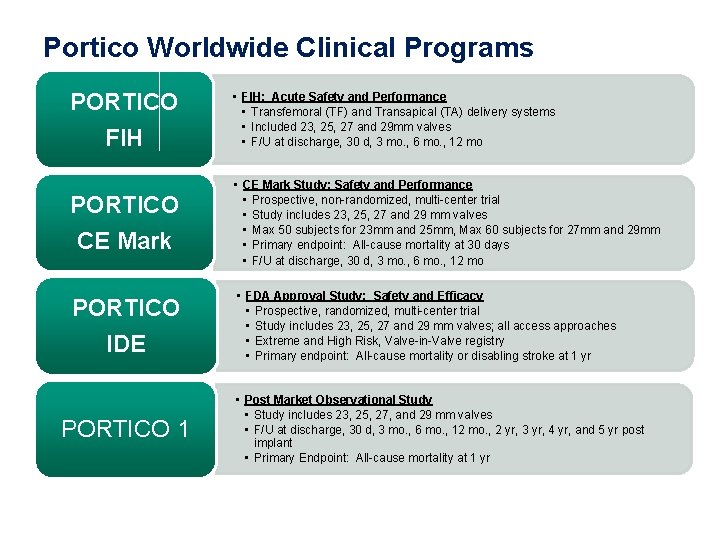
Portico Worldwide Clinical Programs PORTICO FIH PORTICO CE Mark PORTICO IDE PORTICO 1 • FIH: Acute Safety and Performance • Transfemoral (TF) and Transapical (TA) delivery systems • Included 23, 25, 27 and 29 mm valves • F/U at discharge, 30 d, 3 mo. , 6 mo. , 12 mo • CE Mark Study: Safety and Performance • Prospective, non-randomized, multi-center trial • Study includes 23, 25, 27 and 29 mm valves • Max 50 subjects for 23 mm and 25 mm, Max 60 subjects for 27 mm and 29 mm • Primary endpoint: All-cause mortality at 30 days • F/U at discharge, 30 d, 3 mo. , 6 mo. , 12 mo • FDA Approval Study: Safety and Efficacy • Prospective, randomized, multi-center trial • Study includes 23, 25, 27 and 29 mm valves; all access approaches • Extreme and High Risk, Valve-in-Valve registry • Primary endpoint: All-cause mortality or disabling stroke at 1 yr • Post Market Observational Study • Study includes 23, 25, 27, and 29 mm valves • F/U at discharge, 30 d, 3 mo. , 6 mo. , 12 mo. , 2 yr, 3 yr, 4 yr, and 5 yr post implant • Primary Endpoint: All-cause mortality at 1 yr
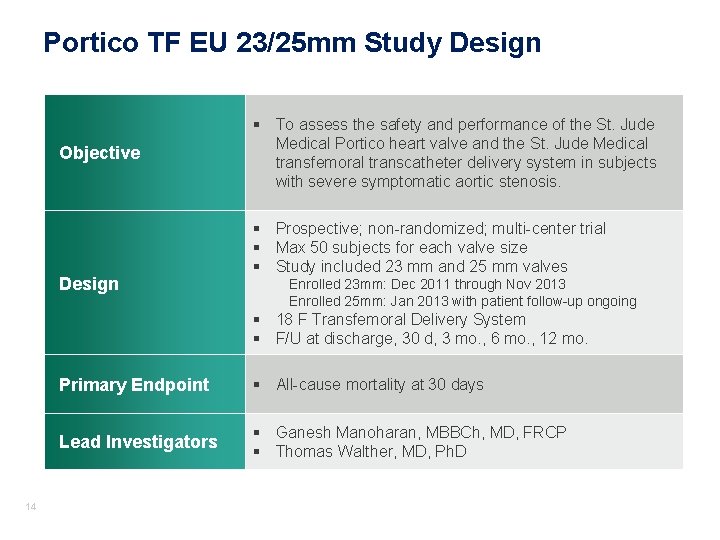
Portico TF EU 23/25 mm Study Design Objective Design § To assess the safety and performance of the St. Jude Medical Portico heart valve and the St. Jude Medical transfemoral transcatheter delivery system in subjects with severe symptomatic aortic stenosis. § Prospective; non-randomized; multi-center trial § Max 50 subjects for each valve size § Study included 23 mm and 25 mm valves Enrolled 23 mm: Dec 2011 through Nov 2013 Enrolled 25 mm: Jan 2013 with patient follow-up ongoing § 18 F Transfemoral Delivery System § F/U at discharge, 30 d, 3 mo. , 6 mo. , 12 mo. 14 Primary Endpoint § All-cause mortality at 30 days Lead Investigators § Ganesh Manoharan, MBBCh, MD, FRCP § Thomas Walther, MD, Ph. D
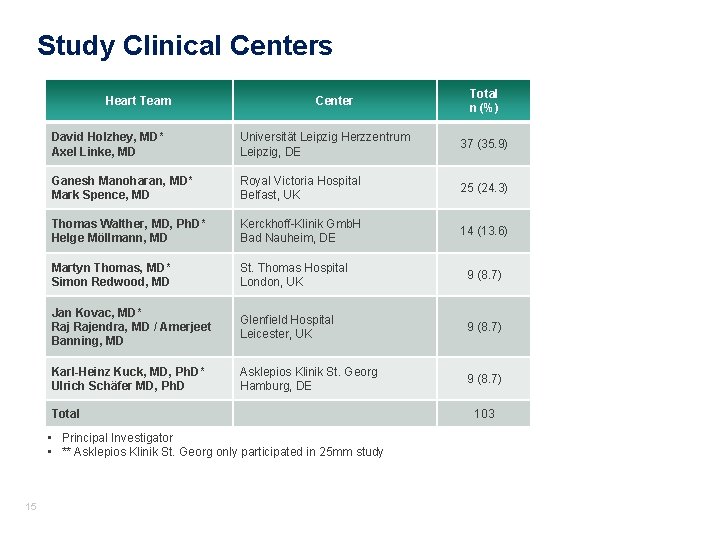
Study Clinical Centers Heart Team Center David Holzhey, MD* Axel Linke, MD Universität Leipzig Herzzentrum Leipzig, DE 37 (35. 9) Ganesh Manoharan, MD* Mark Spence, MD Royal Victoria Hospital Belfast, UK 25 (24. 3) Thomas Walther, MD, Ph. D* Helge Möllmann, MD Kerckhoff-Klinik Gmb. H Bad Nauheim, DE 14 (13. 6) Martyn Thomas, MD* Simon Redwood, MD St. Thomas Hospital London, UK 9 (8. 7) Jan Kovac, MD* Rajendra, MD / Amerjeet Banning, MD Glenfield Hospital Leicester, UK 9 (8. 7) Karl-Heinz Kuck, MD, Ph. D* Ulrich Schäfer MD, Ph. D Asklepios Klinik St. Georg Hamburg, DE 9 (8. 7) Total • Principal Investigator • ** Asklepios Klinik St. Georg only participated in 25 mm study 15 Total n (%) 103
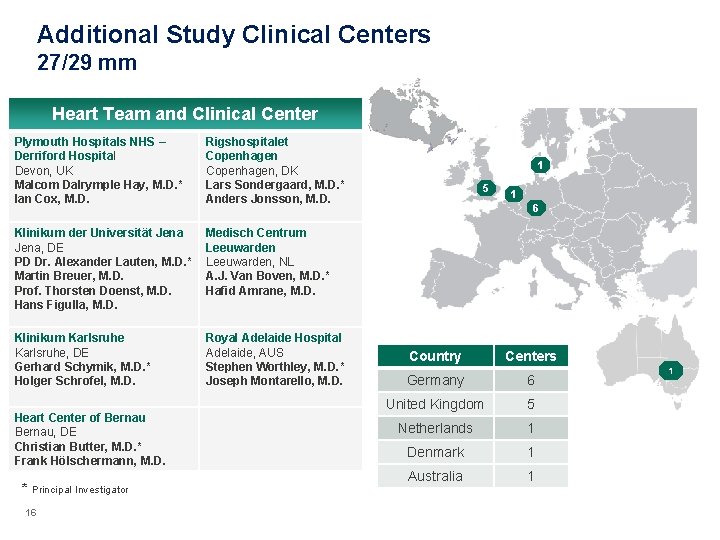
Additional Study Clinical Centers 27/29 mm Heart Team and Clinical Center Plymouth Hospitals NHS – Derriford Hospital Devon, UK Malcom Dalrymple Hay, M. D. * Ian Cox, M. D. Rigshospitalet Copenhagen, DK Lars Sondergaard, M. D. * Anders Jonsson, M. D. Klinikum der Universität Jena, DE PD Dr. Alexander Lauten, M. D. * Martin Breuer, M. D. Prof. Thorsten Doenst, M. D. Hans Figulla, M. D. Medisch Centrum Leeuwarden, NL A. J. Van Boven, M. D. * Hafid Amrane, M. D. Klinikum Karlsruhe, DE Gerhard Schymik, M. D. * Holger Schrofel, M. D. Royal Adelaide Hospital Adelaide, AUS Stephen Worthley, M. D. * Joseph Montarello, M. D. Heart Center of Bernau, DE Christian Butter, M. D. * Frank Hölschermann, M. D. * Principal Investigator 16 1 5 1 6 Country Centers Germany 6 United Kingdom 5 Netherlands 1 Denmark 1 Australia 1 1
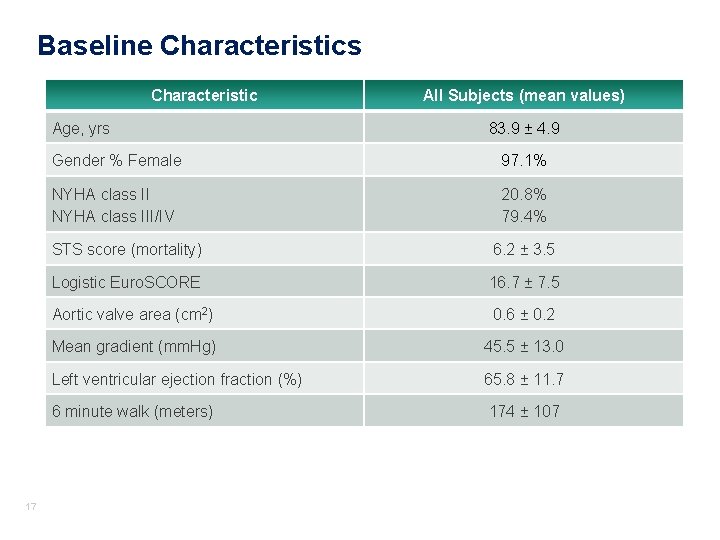
Baseline Characteristics Characteristic Age, yrs 17 All Subjects (mean values) 83. 9 ± 4. 9 Gender % Female 97. 1% NYHA class III/IV 20. 8% 79. 4% STS score (mortality) 6. 2 ± 3. 5 Logistic Euro. SCORE 16. 7 ± 7. 5 Aortic valve area (cm 2) 0. 6 ± 0. 2 Mean gradient (mm. Hg) 45. 5 ± 13. 0 Left ventricular ejection fraction (%) 65. 8 ± 11. 7 6 minute walk (meters) 174 ± 107
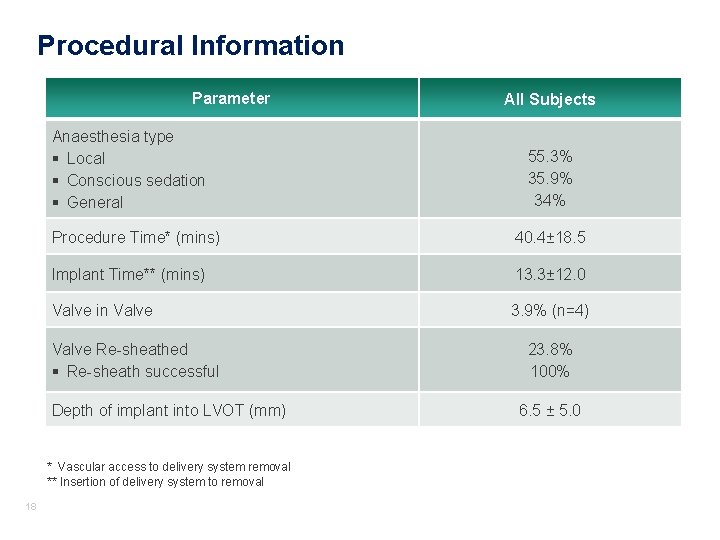
Procedural Information Parameter Anaesthesia type § Local § Conscious sedation § General 55. 3% 35. 9% 34% Procedure Time* (mins) 40. 4± 18. 5 Implant Time** (mins) 13. 3± 12. 0 Valve in Valve 3. 9% (n=4) Valve Re-sheathed § Re-sheath successful Depth of implant into LVOT (mm) * Vascular access to delivery system removal ** Insertion of delivery system to removal 18 All Subjects 23. 8% 100% 6. 5 ± 5. 0
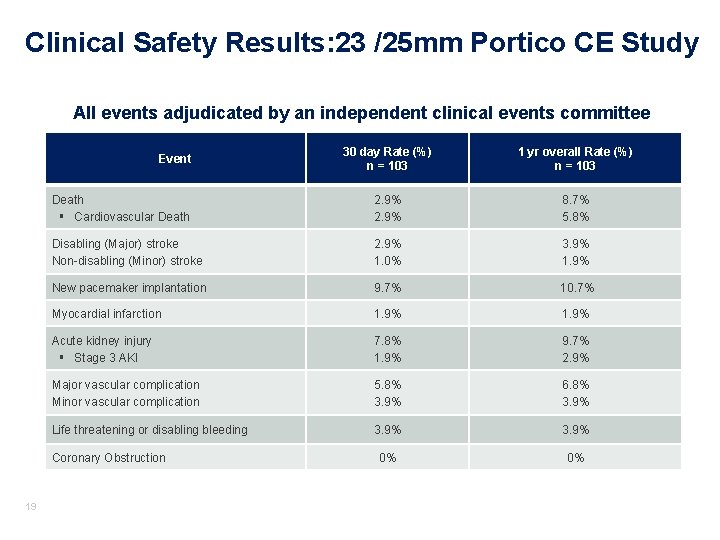
Clinical Safety Results: 23 /25 mm Portico CE Study All events adjudicated by an independent clinical events committee 30 day Rate (%) n = 103 1 yr overall Rate (%) n = 103 Death § Cardiovascular Death 2. 9% 8. 7% 5. 8% Disabling (Major) stroke Non-disabling (Minor) stroke 2. 9% 1. 0% 3. 9% 1. 9% New pacemaker implantation 9. 7% 10. 7% Myocardial infarction 1. 9% Acute kidney injury § Stage 3 AKI 7. 8% 1. 9% 9. 7% 2. 9% Major vascular complication Minor vascular complication 5. 8% 3. 9% 6. 8% 3. 9% Life threatening or disabling bleeding 3. 9% 0% 0% Event Coronary Obstruction 19
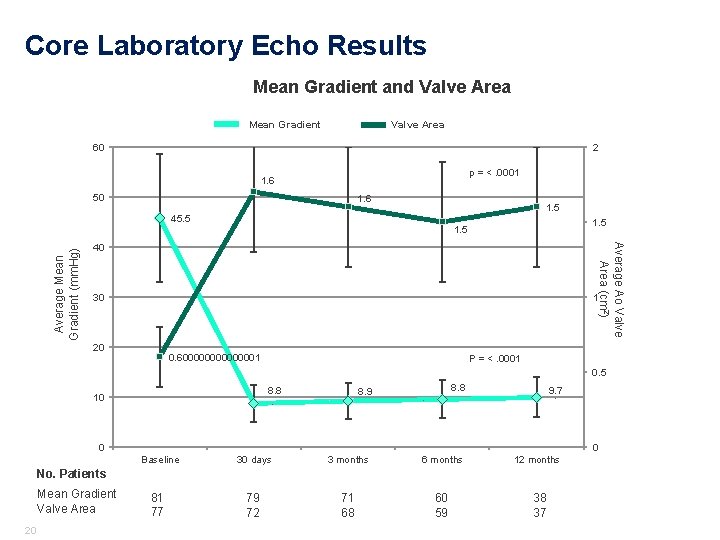
Core Laboratory Echo Results Mean Gradient and Valve Area Mean Gradient Valve Area 60 2 p = <. 0001 1. 6 50 1. 6 1. 5 45. 5 1. 5 40 Average Ao Valve Area (cm 2) Average Mean Gradient (mm. Hg) 1. 5 30 1 20 0. 600000001 P = <. 0001 0. 5 8. 8 10 8. 9 8. 8 9. 7 12 months 0 0 Baseline 30 days 3 months 6 months 79 72 71 68 60 59 No. Patients Mean Gradient Valve Area 20 81 77 38 37
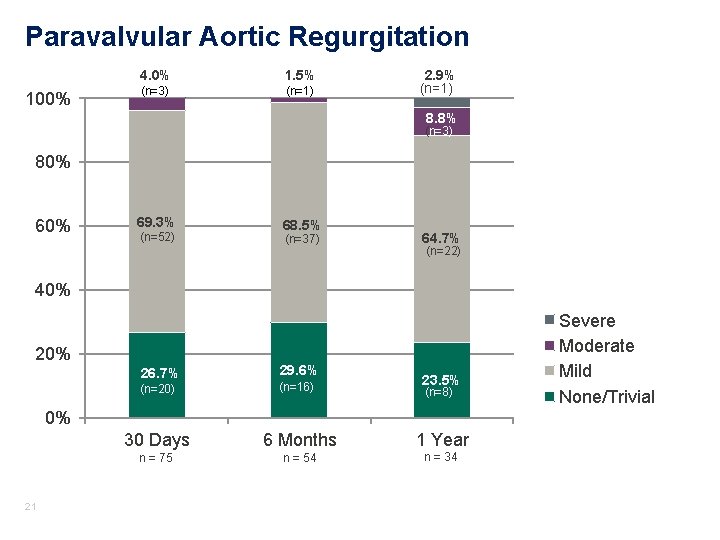
Paravalvular Aortic Regurgitation 100% 4. 0% 1. 5% (n=3) (n=1) 2. 9% (n=1) 8. 8% (n=3) 80% 69. 3% (n=52) 68. 5% (n=37) 64. 7% (n=22) 40% 26. 7% 29. 6% (n=20) (n=16) 23. 5% 30 Days 6 Months 1 Year n = 75 n = 54 n = 34 (n=8) 0% 21 Severe Moderate Mild None/Trivial
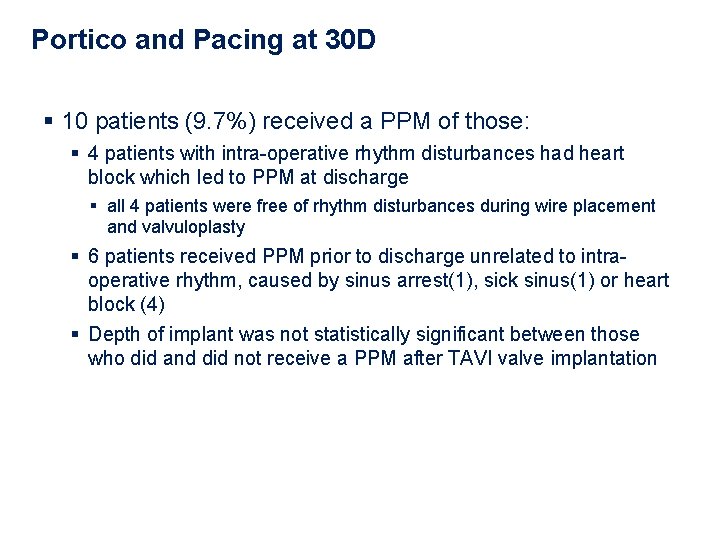
Portico and Pacing at 30 D § 10 patients (9. 7%) received a PPM of those: § 4 patients with intra-operative rhythm disturbances had heart block which led to PPM at discharge § all 4 patients were free of rhythm disturbances during wire placement and valvuloplasty § 6 patients received PPM prior to discharge unrelated to intraoperative rhythm, caused by sinus arrest(1), sick sinus(1) or heart block (4) § Depth of implant was not statistically significant between those who did and did not receive a PPM after TAVI valve implantation
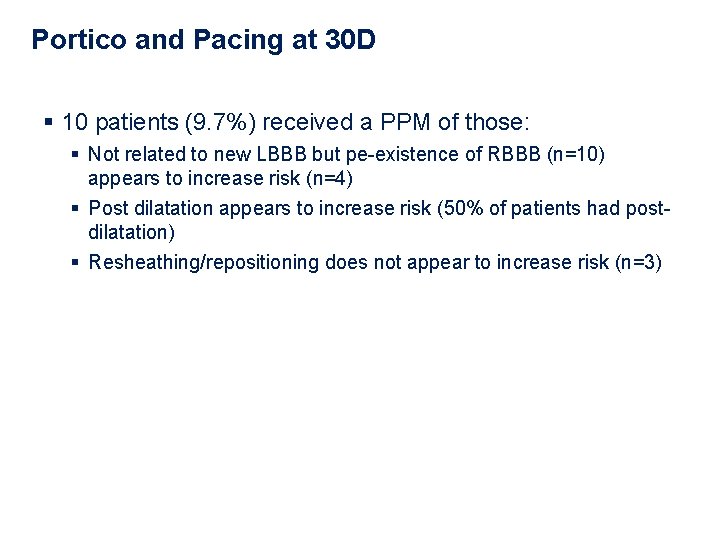
Portico and Pacing at 30 D § 10 patients (9. 7%) received a PPM of those: § Not related to new LBBB but pe-existence of RBBB (n=10) appears to increase risk (n=4) § Post dilatation appears to increase risk (50% of patients had postdilatation) § Resheathing/repositioning does not appear to increase risk (n=3)
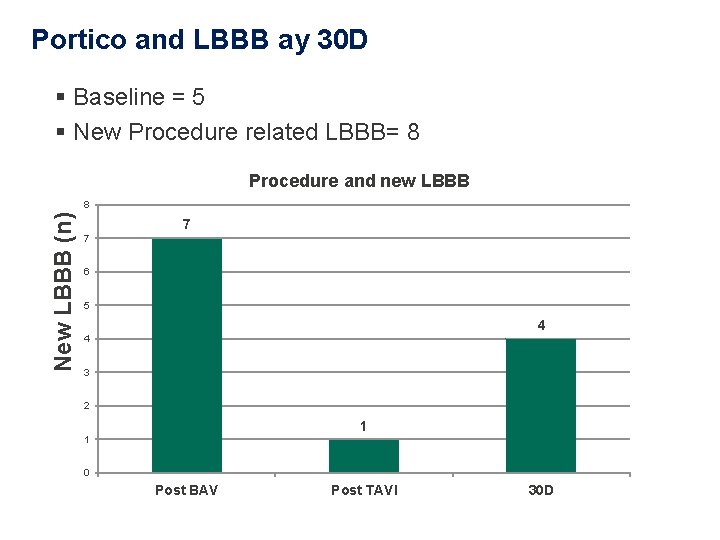
Portico and LBBB ay 30 D § Baseline = 5 § New Procedure related LBBB= 8 Procedure and new LBBB New LBBB (n) 8 7 7 6 5 4 4 3 2 1 1 0 Post BAV Post TAVI 30 D
PORTICO US IDE Study Site Heart/Multidisciplinary Team Selects a Study Candidate Subject Selection Committee Review and Approval High Risk Cohort Extreme Risk Cohort Registries Appropriate Vascular Access for Portico and CAV? yes no 1: 1 Randomization non-inferiority Vascular access compatible with Portico Only? TF Portico TF CAV AA Portico AA CAV TF Portico TF CAV TF = Transfemoral, CAV = FDA approved and commercially available transcatheter valve AA = Alternative Access Portico TF Registry Roll-in Valve-in-valve Portico AA Registry The Portico system is approved for CE Mark. Not available for sale in the US.
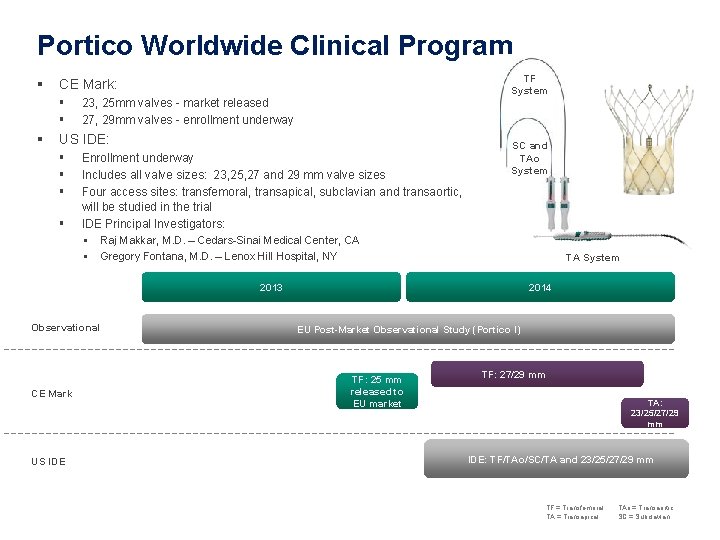
Portico Worldwide Clinical Program § § TF System CE Mark: 23, 25 mm valves - market released 27, 29 mm valves - enrollment underway US IDE: § § Enrollment underway Includes all valve sizes: 23, 25, 27 and 29 mm valve sizes Four access sites: transfemoral, transapical, subclavian and transaortic, will be studied in the trial IDE Principal Investigators: § Raj Makkar, M. D. – Cedars-Sinai Medical Center, CA § Gregory Fontana, M. D. – Lenox Hill Hospital, NY SC and TAo System TA System 2013 Observational CE Mark US IDE 2014 EU Post-Market Observational Study (Portico I) TF: 25 mm released to EU market TF: 27/29 mm TA: 23/25/27/29 mm IDE: TF/TAo/SC/TA and 23/25/27/29 mm TF = Transfemoral TA = Transapical TAo = Transaortic SC = Subclavian
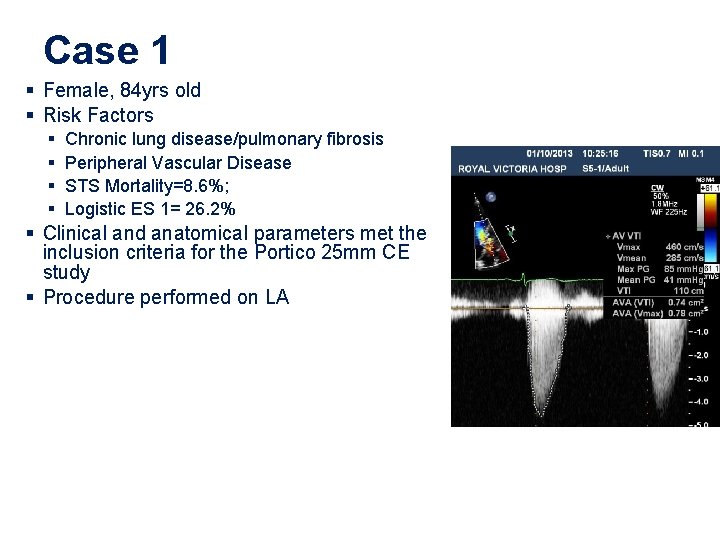
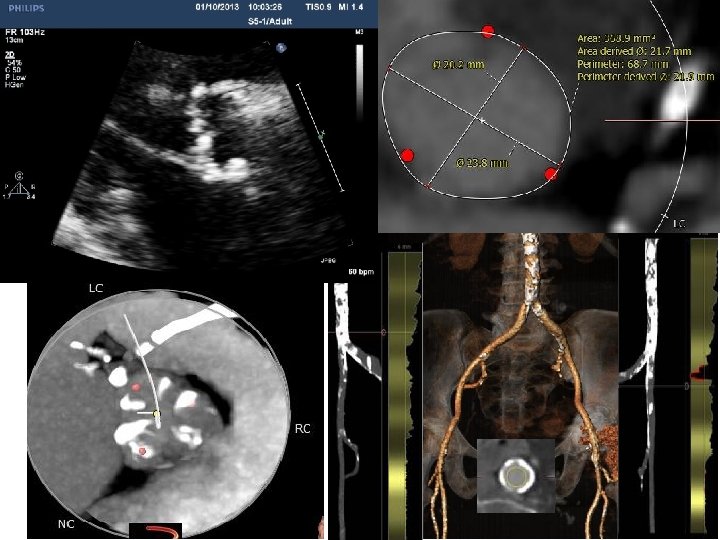
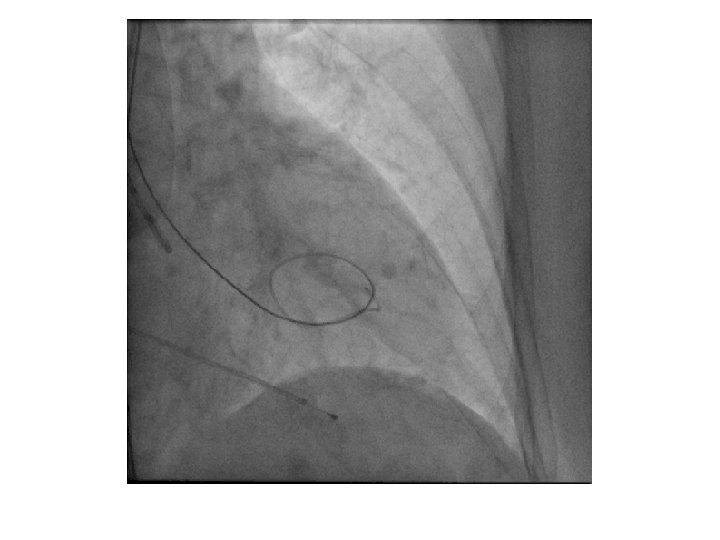
Case 1 § Female, 84 yrs old § Risk Factors § § Chronic lung disease/pulmonary fibrosis Peripheral Vascular Disease STS Mortality=8. 6%; Logistic ES 1= 26. 2% § Clinical and anatomical parameters met the inclusion criteria for the Portico 25 mm CE study § Procedure performed on LA
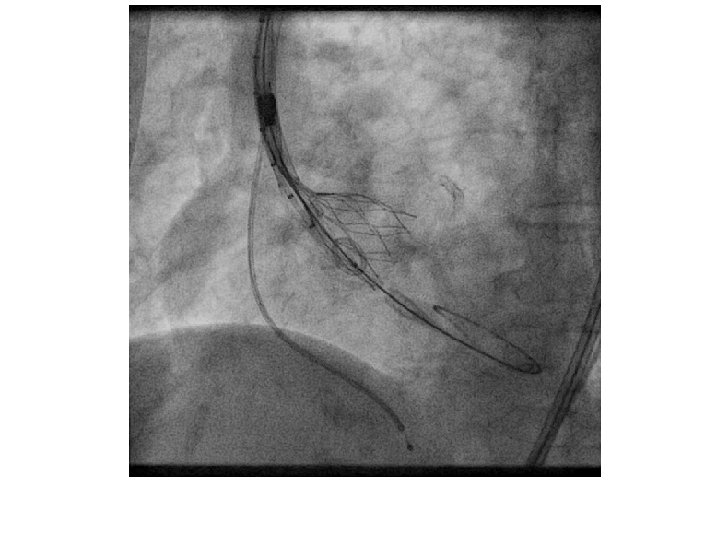
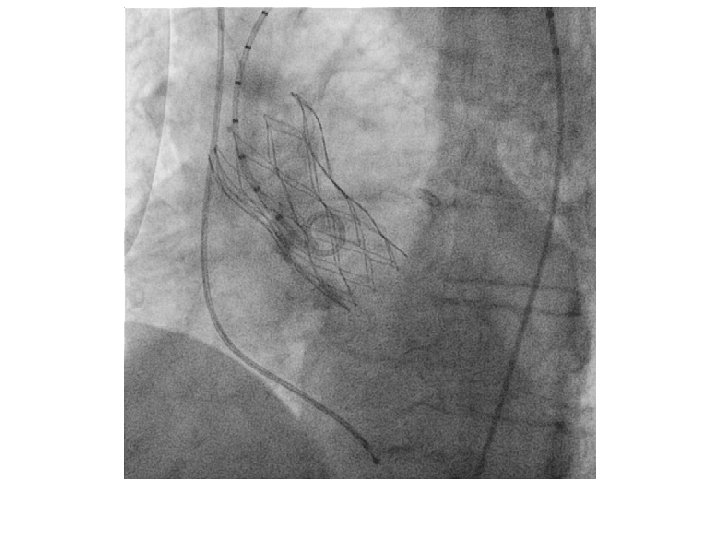
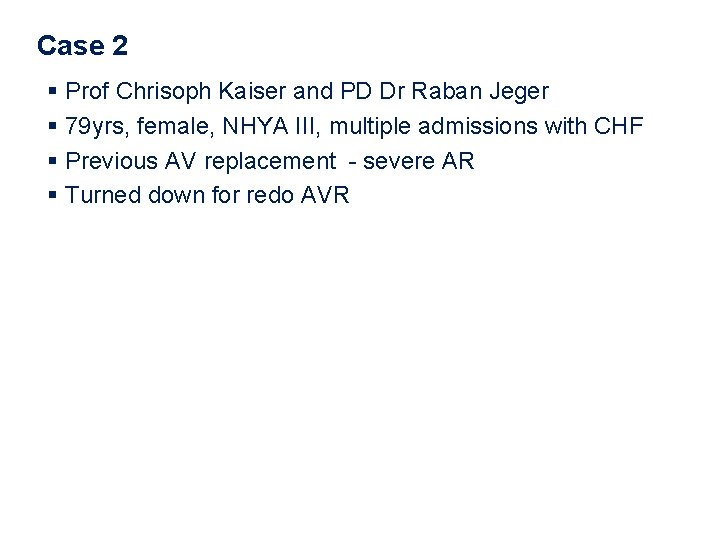
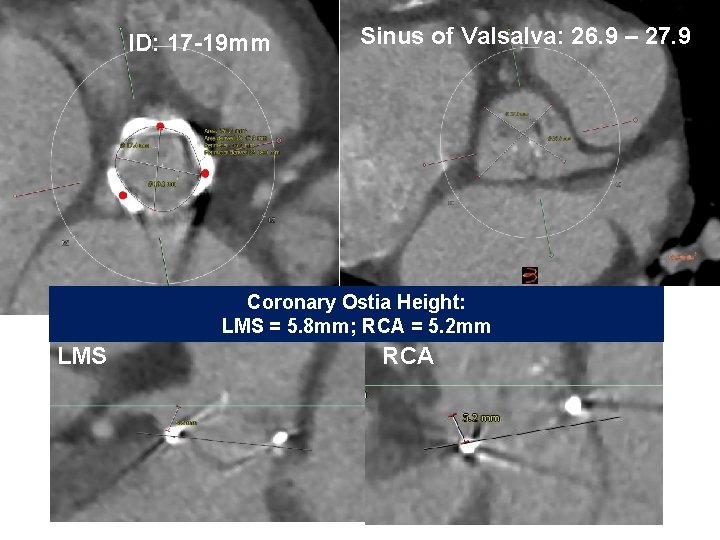
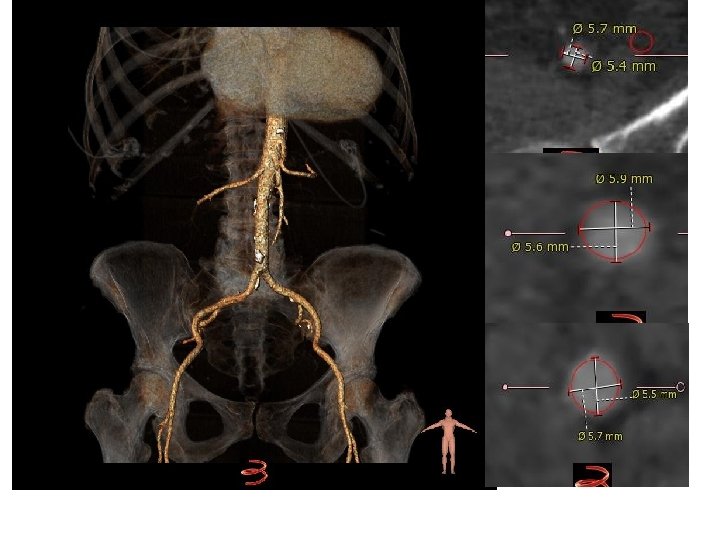
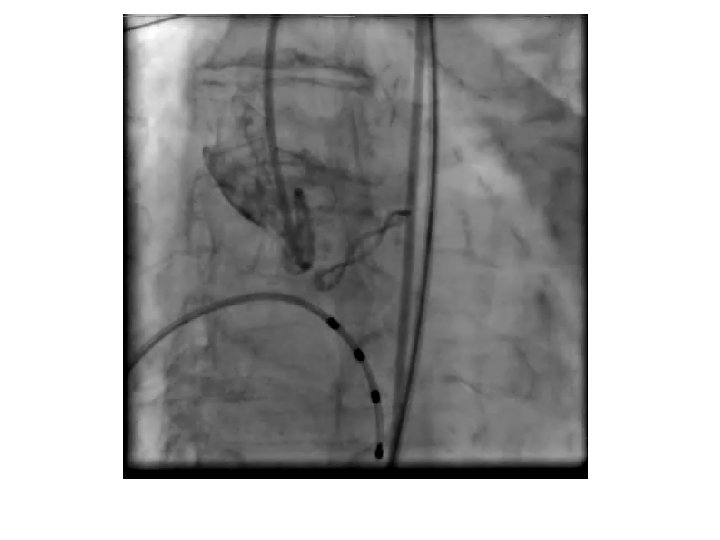
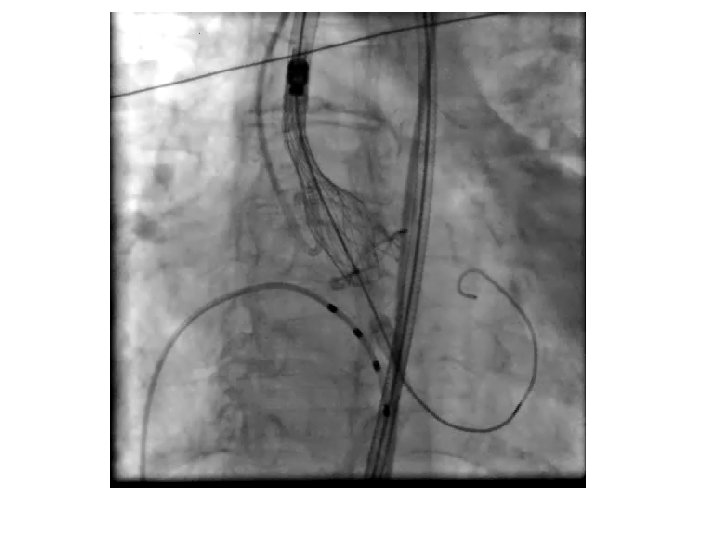
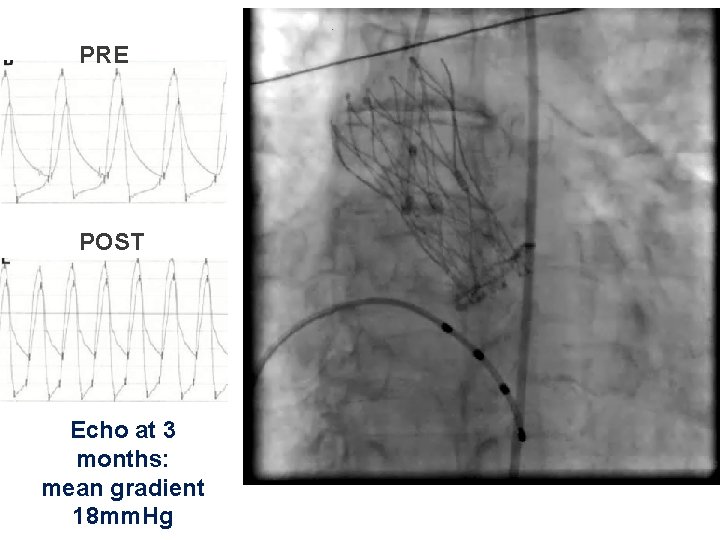
Case 2 § Prof Chrisoph Kaiser and PD Dr Raban Jeger § 79 yrs, female, NHYA III, multiple admissions with CHF § Previous AV replacement - severe AR § Turned down for redo AVR
Mitroflow size 19
ID: 17 -19 mm Sinus of Valsalva: 26. 9 – 27. 9 Coronary Ostia Height: LMS = 5. 8 mm; RCA = 5. 2 mm LMS RCA
PRE POST Echo at 3 months: mean gradient 18 mm. Hg
Summary § Fully repositionable* and retrievable* valve: § Fully resheathable in-situ to fine-tune valve position for accurate placement § Large cell geometry designed to: § Mitigate PV Leak § Access coronary ostia post-implant § Low protrusion into LVOT to mitigate permanent pacemaker implantation § Designed for intra-annular placement to function in round and elliptical shapes § Multi-access: TF, DA, Subclavian, TA * until fully deployed
Portico™ Update § St. Jude Medical is committed to the health and safety of patients who use our products § On Sept 12, 2014, St. Jude Medical announced the pause of all commercial and investigative Portico implants worldwide as a result of the identification of isolated cases with a leaflet motion observation identified in the U. S. IDE study § The company conducted a comprehensive investigation of the device, implant procedures, imaging modalities and anticoagulation regimens to determine the root cause for the observation § The company consulted with our global physician advisors, core laboratories, independent experts and the Data Safety Monitoring Board (DSMB) during the investigation and to review findings § During the course of the investigation, St. Jude Medical identified a leaflet motion observation that was seen in both arms of the US IDE study (test and control valves), however, this was based on a limited sample size and is subject to change as additional data become available § The observation is subclinical and thought to be due to a layer of thrombus occupying the recess between the stent frame and the outflow surface of the leaflet, thereby, influencing leaflet motion. § Patients with a leaflet motion observation were asymptomatic and their valve hemodynamic assessment was within normal limits. § Design and manufacturing processes were ruled out as the root cause of the leaflet motion observation § St. Jude Medical has submitted its formal investigation to regulatory authorities globally and is requesting resumption of commercial and clinical implants worldwide § St. Jude Medical will continue to communicate progress as meaningful information becomes available