Pertemuan II Alat dan Mesin Pengolah Tanah Tujuan


- Slides: 46
Pertemuan II Alat dan Mesin Pengolah Tanah
Tujuan Pengolahan Tanah • Untuk menciptakan kondisi fisik, kimia dan biologi tanah yang lebih baik sampai kedalaman tertentu agar sesuai untuk pertumbuhan tanaman.
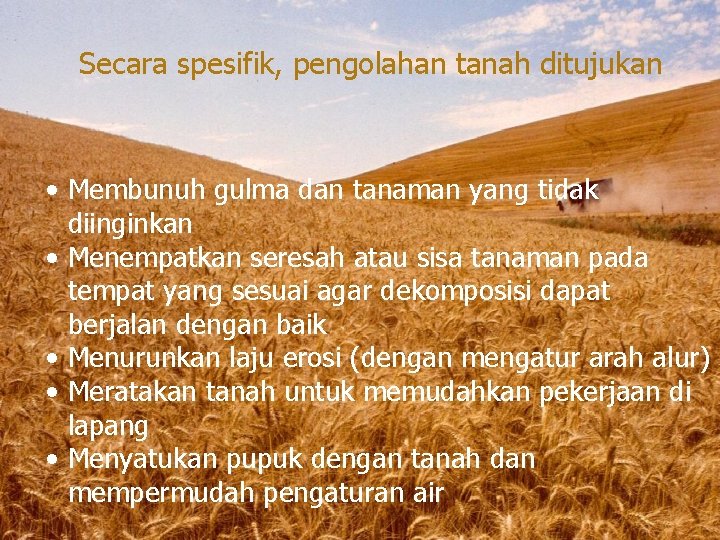
Secara spesifik, pengolahan tanah ditujukan • Membunuh gulma dan tanaman yang tidak diinginkan • Menempatkan seresah atau sisa tanaman pada tempat yang sesuai agar dekomposisi dapat berjalan dengan baik • Menurunkan laju erosi (dengan mengatur arah alur) • Meratakan tanah untuk memudahkan pekerjaan di lapang • Menyatukan pupuk dengan tanah dan mempermudah pengaturan air
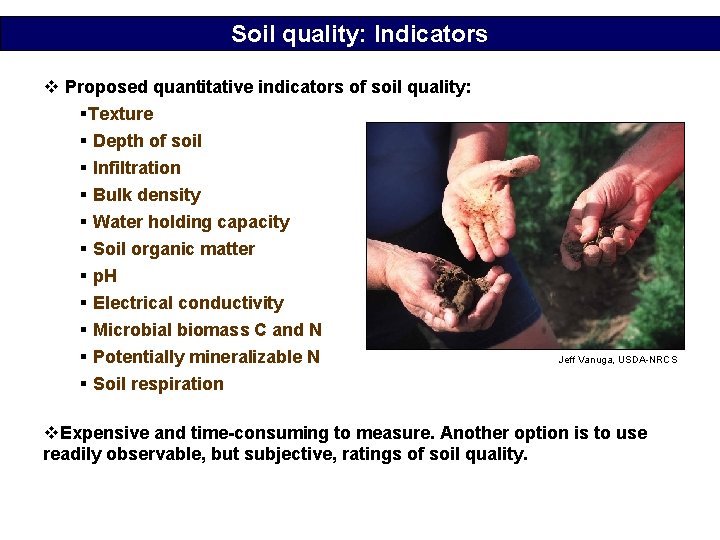
Soil quality: Indicators v Proposed quantitative indicators of soil quality: §Texture § Depth of soil § Infiltration § Bulk density § Water holding capacity § Soil organic matter § p. H § Electrical conductivity § Microbial biomass C and N § Potentially mineralizable N § Soil respiration Jeff Vanuga, USDA-NRCS v. Expensive and time-consuming to measure. Another option is to use readily observable, but subjective, ratings of soil quality.
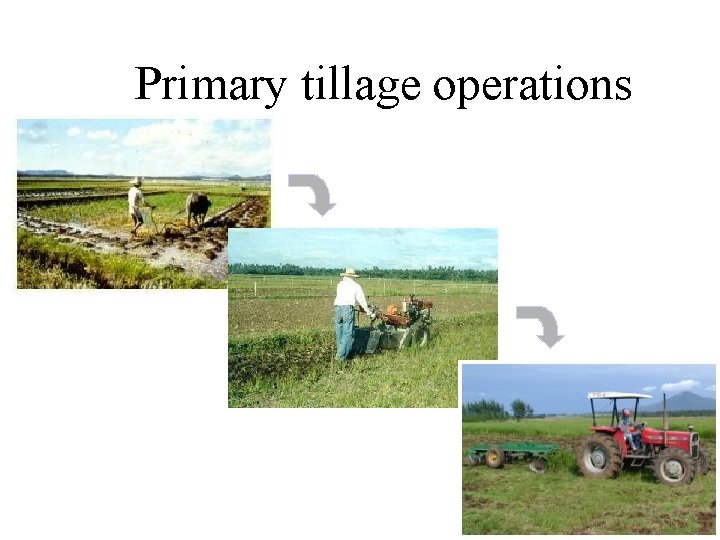
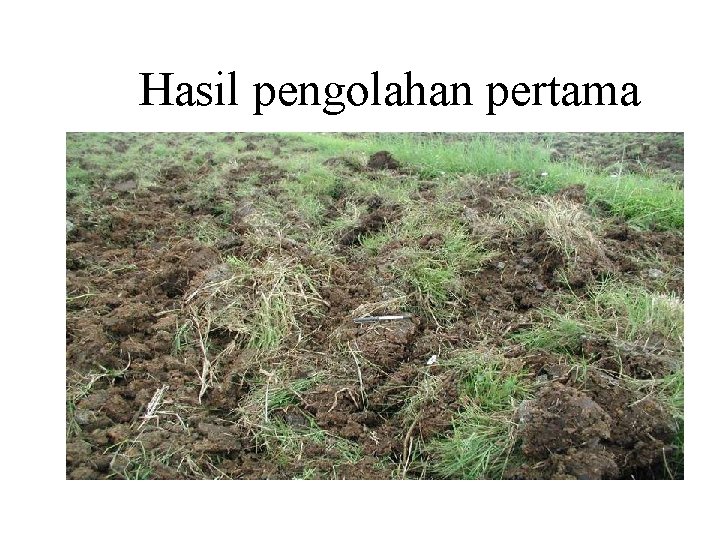
Macam Pengolahan Tanah Pengolahan tanah pertama (primary tillage) Tanah dipotong kemudiangkat dan dibalik agar sisa tanaman yang ada di permukaan tanah dapat terbenam di dalam tanah. Kedalaman pemotongan dan pembalikan umumnya diatas 15 cm. hasil berupa bongkahan yang masih berukuran besar. Pengolahan tanah pertama (primary tillage) bongkahan tanah yang masih berukuran besar dan sisa tanaman yang telah terpotong pada pengolahan pertama akan dihancurkan lebih halus dan sekaligus mencampurnya dengan tanah.
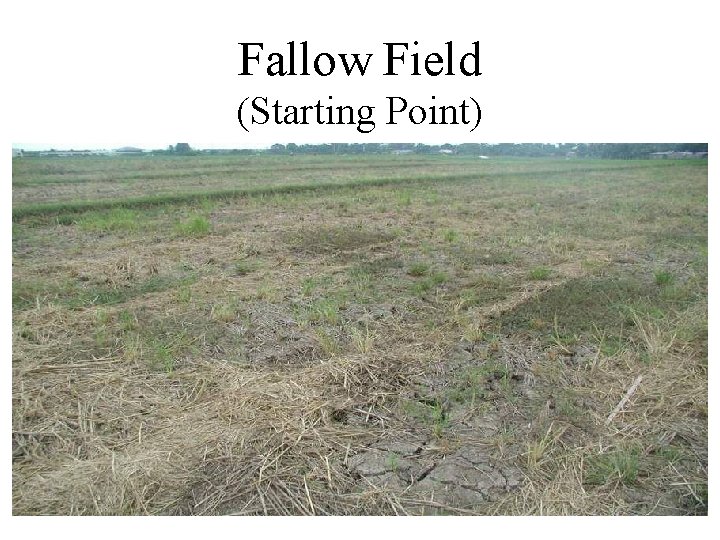
Fallow Field (Starting Point)
Primary tillage operations
Hasil pengolahan pertama
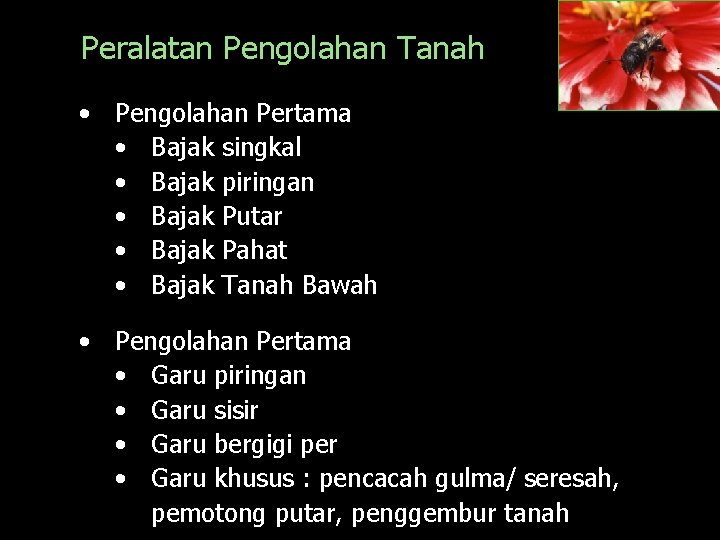
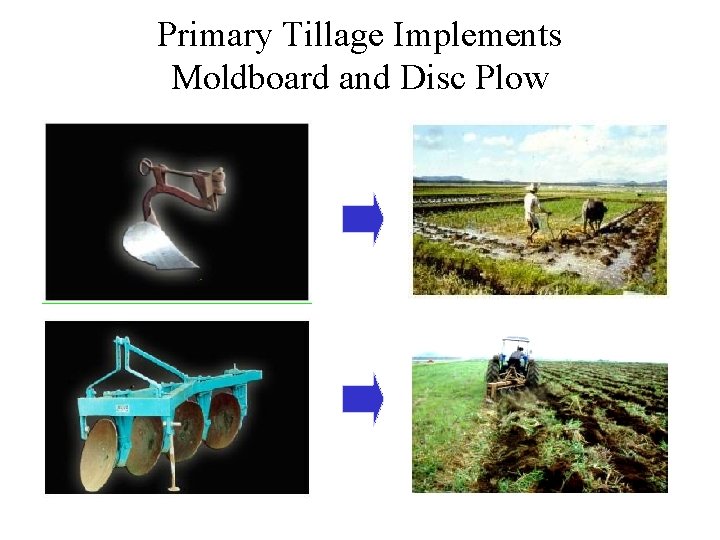
Peralatan Pengolahan Tanah • Pengolahan Pertama • Bajak singkal • Bajak piringan • Bajak Putar • Bajak Pahat • Bajak Tanah Bawah • Pengolahan Pertama • Garu piringan • Garu sisir • Garu bergigi per • Garu khusus : pencacah gulma/ seresah, pemotong putar, penggembur tanah
Primary Tillage Implements Moldboard and Disc Plow
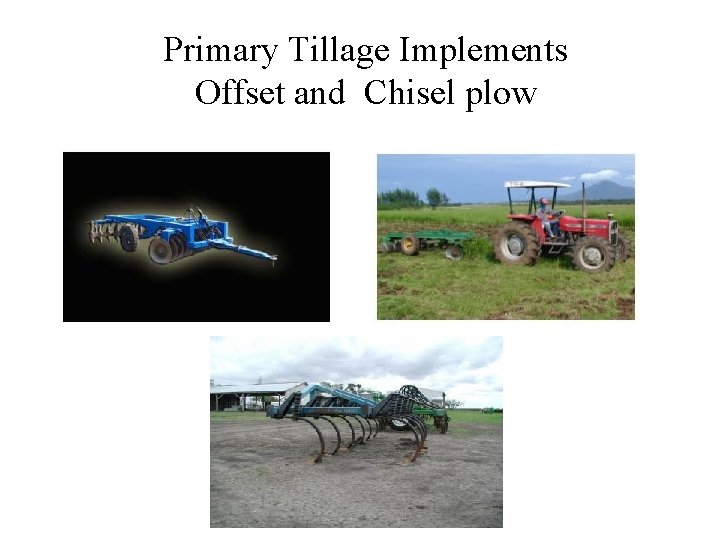
Primary Tillage Implements Offset and Chisel plow
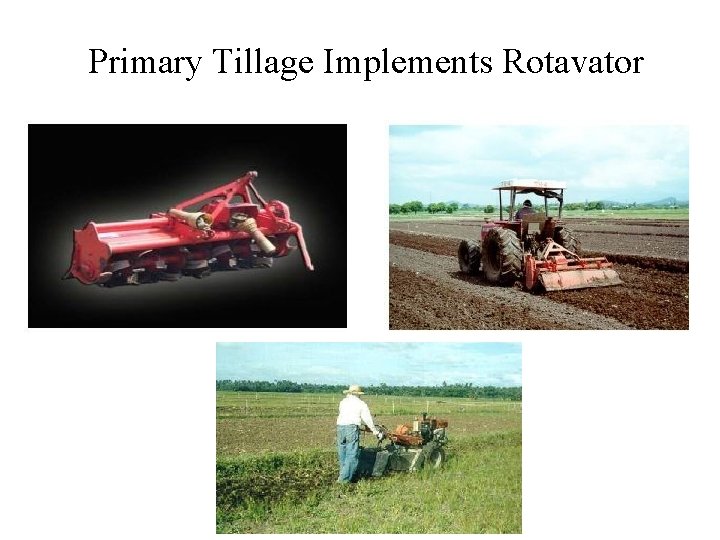
Primary Tillage Implements Rotavator
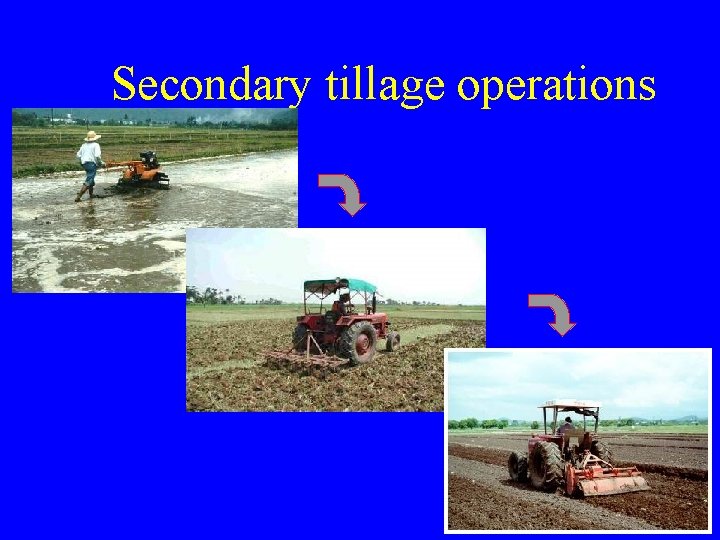
Secondary tillage operations
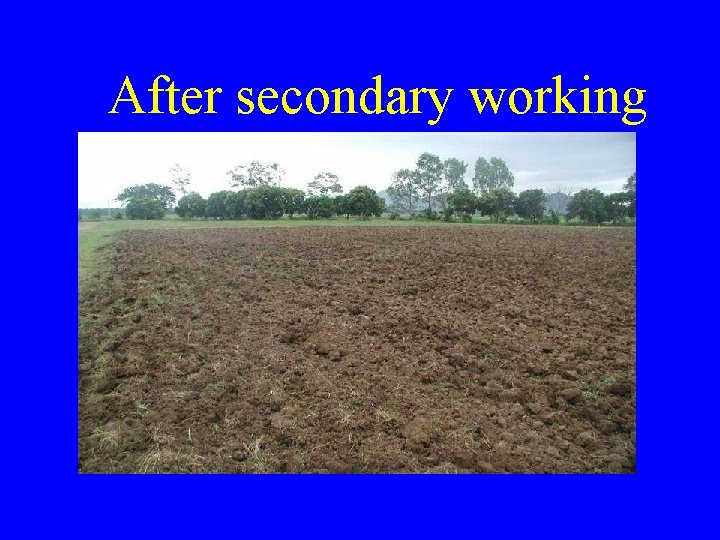
After secondary working
Secondary Tillage Implements Tandem Disc
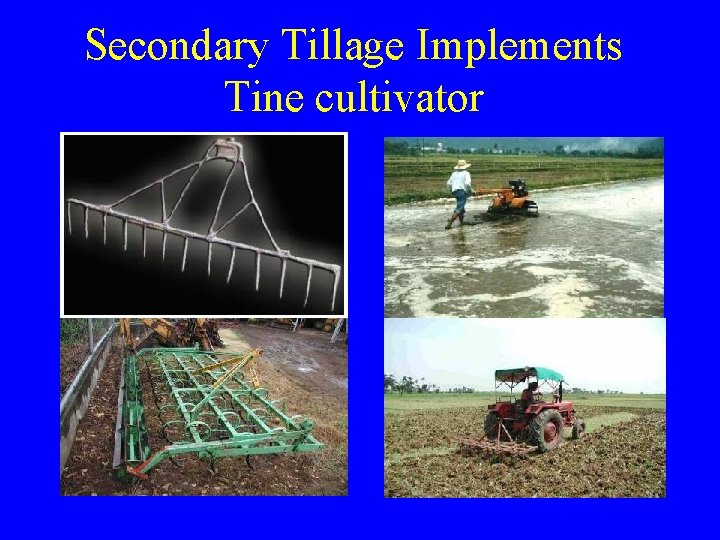
Secondary Tillage Implements Tine cultivator
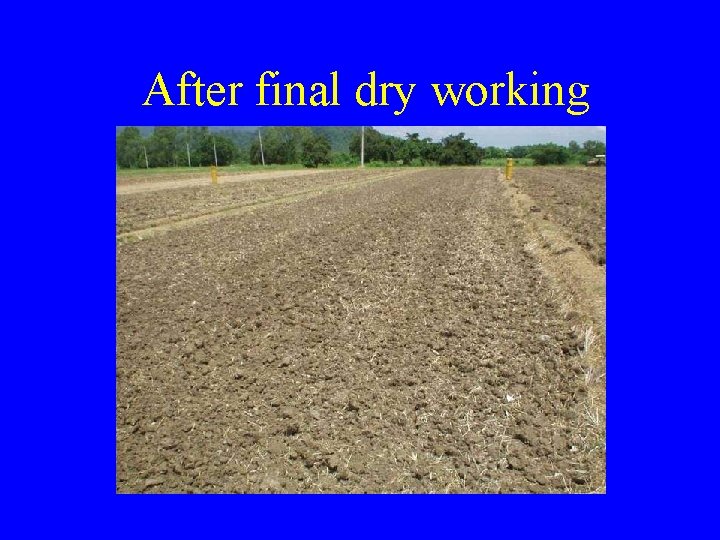
After final dry working
Bagaimana dengan budidaya padi sawah ? Mengapa Petani Melumpurkan tanah sawahnya ?
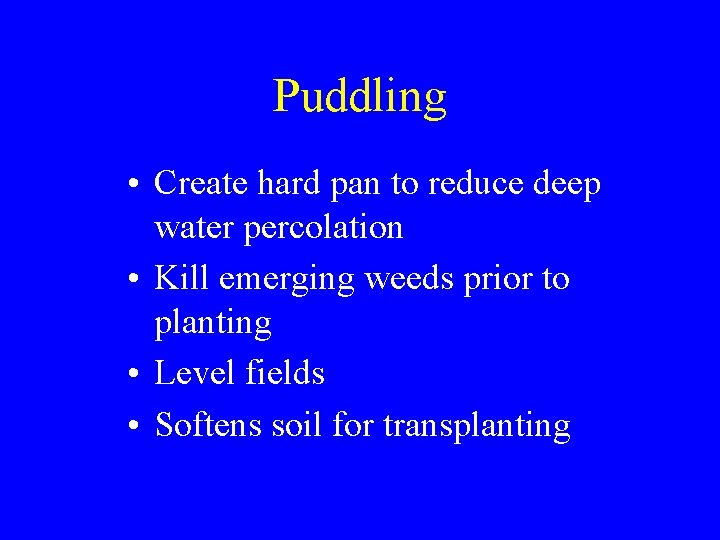
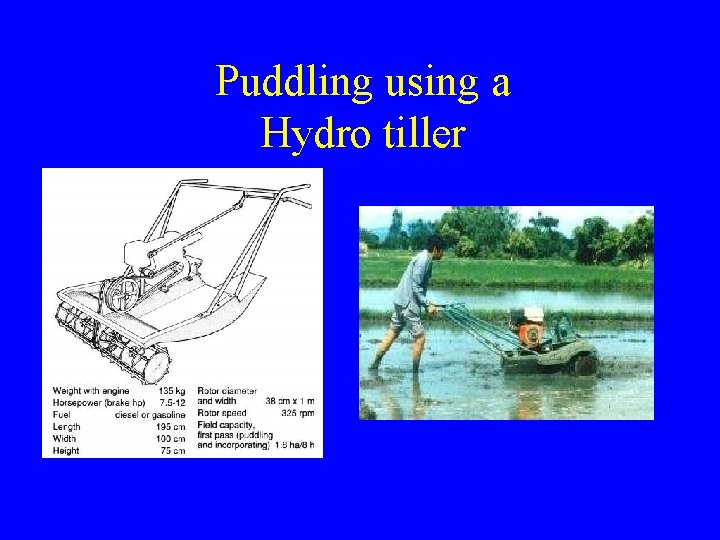
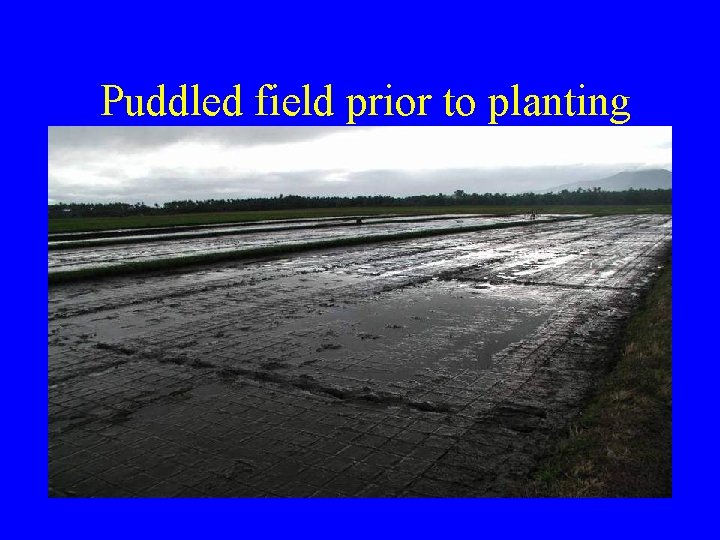
Puddling • Create hard pan to reduce deep water percolation • Kill emerging weeds prior to planting • Level fields • Softens soil for transplanting
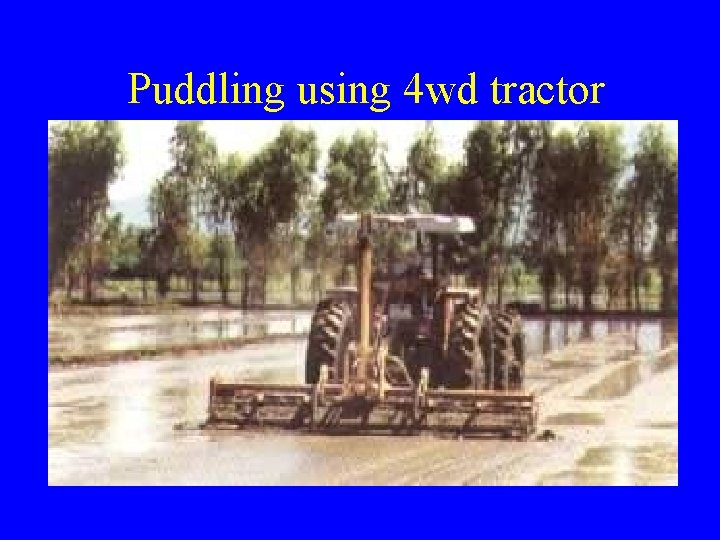
Puddling using 4 wd tractor
Puddling using a Hydro tiller
Puddled field prior to planting
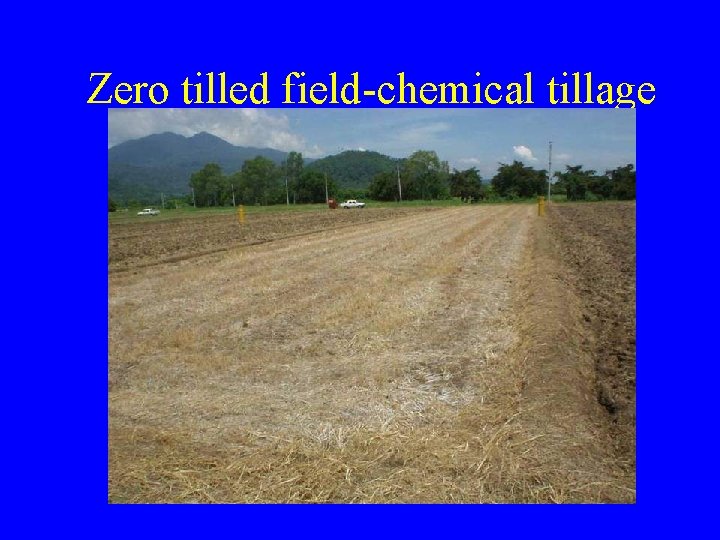
Zero tilled field-chemical tillage
Why do we use different plowing patterns?
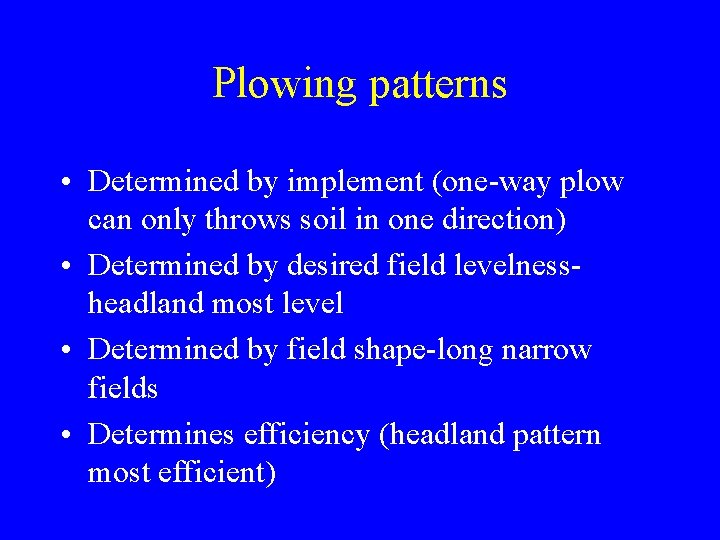
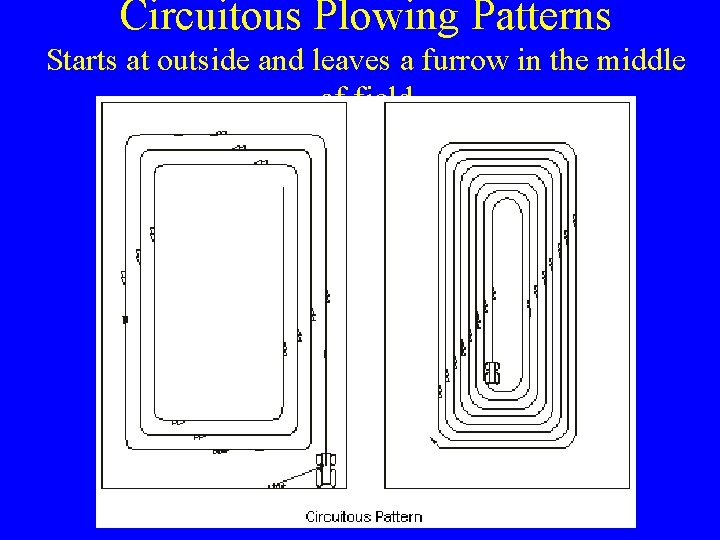
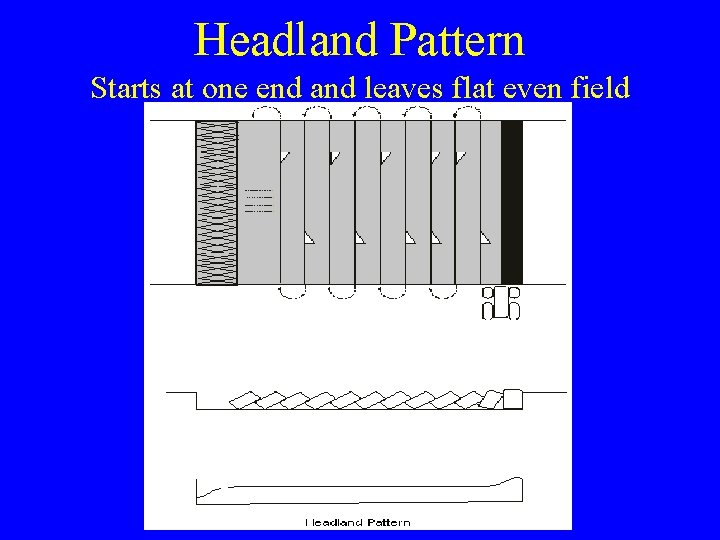
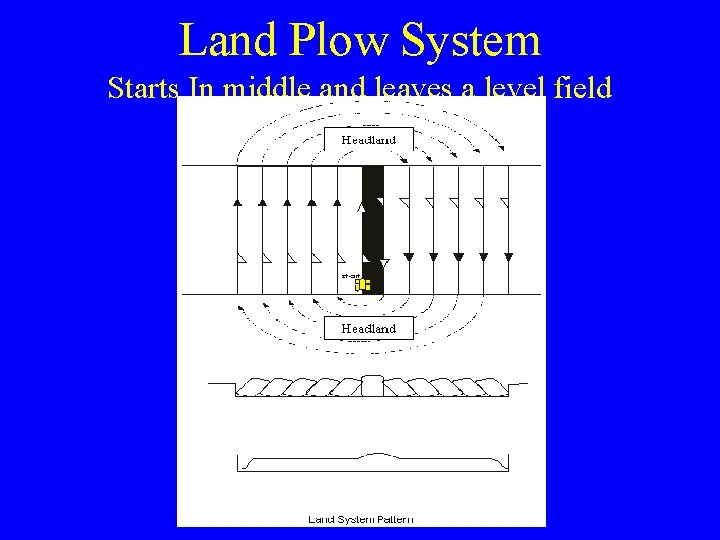
Plowing patterns • Determined by implement (one-way plow can only throws soil in one direction) • Determined by desired field levelnessheadland most level • Determined by field shape-long narrow fields • Determines efficiency (headland pattern most efficient)
Circuitous Plowing Patterns Starts at outside and leaves a furrow in the middle of field
Headland Pattern Starts at one end and leaves flat even field
Land Plow System Starts In middle and leaves a level field
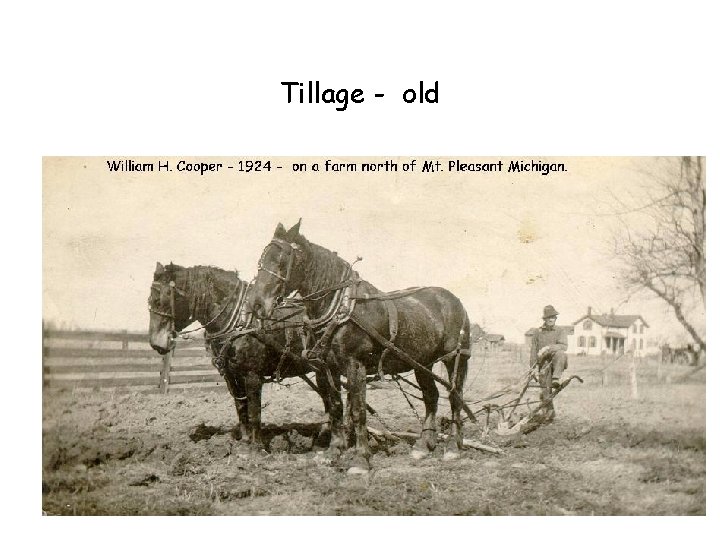
Tillage - old
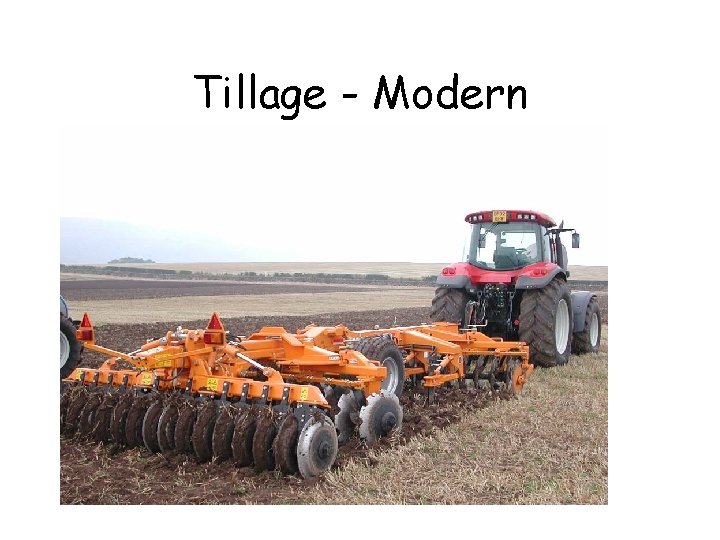
Tillage - Modern
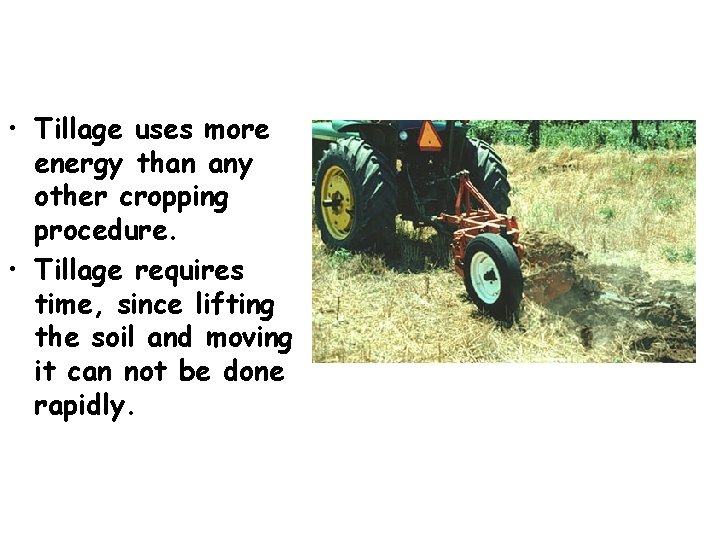
• Tillage uses more energy than any other cropping procedure. • Tillage requires time, since lifting the soil and moving it can not be done rapidly.
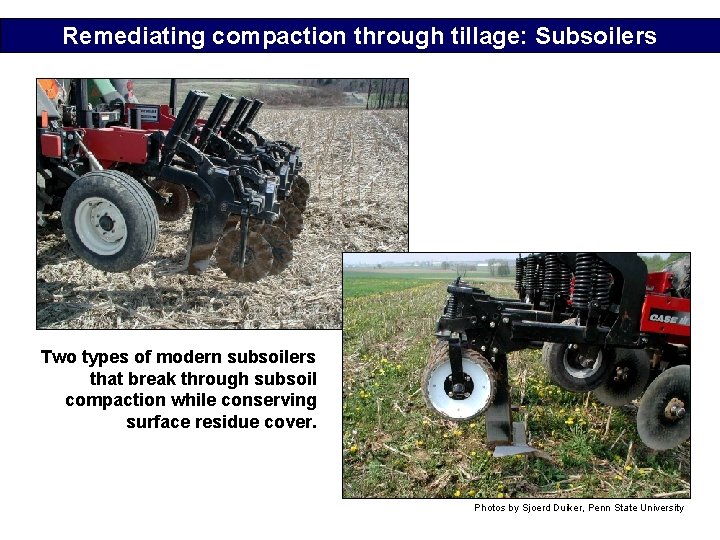
Remediating compaction through tillage: Subsoilers Two types of modern subsoilers that break through subsoil compaction while conserving surface residue cover. Photos by Sjoerd Duiker, Penn State University
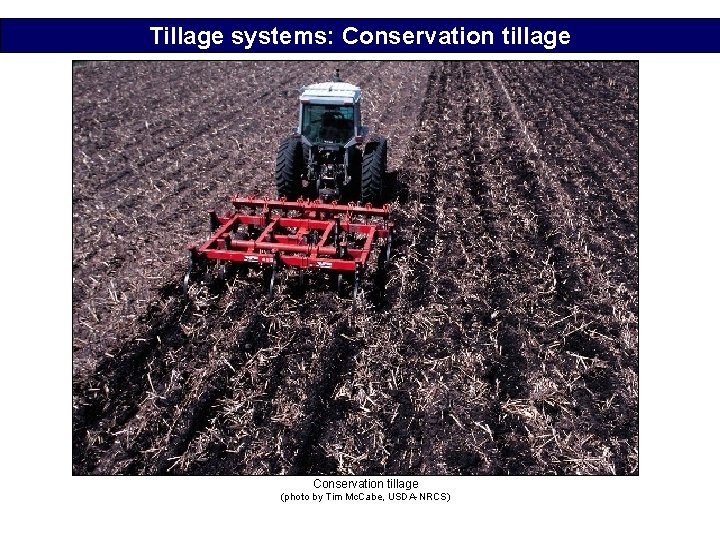
Tillage systems: Conservation tillage (photo by Tim Mc. Cabe, USDA-NRCS)
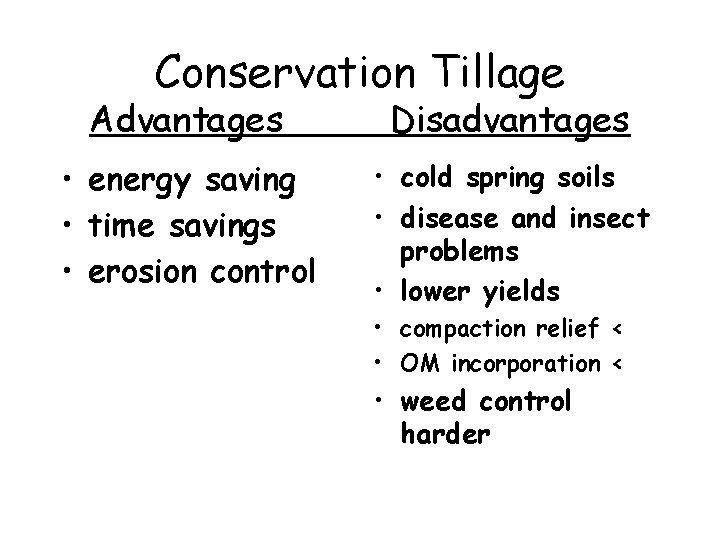
Conservation Tillage Advantages Disadvantages • energy saving • time savings • erosion control • cold spring soils • disease and insect problems • lower yields • compaction relief < • OM incorporation < • weed control harder
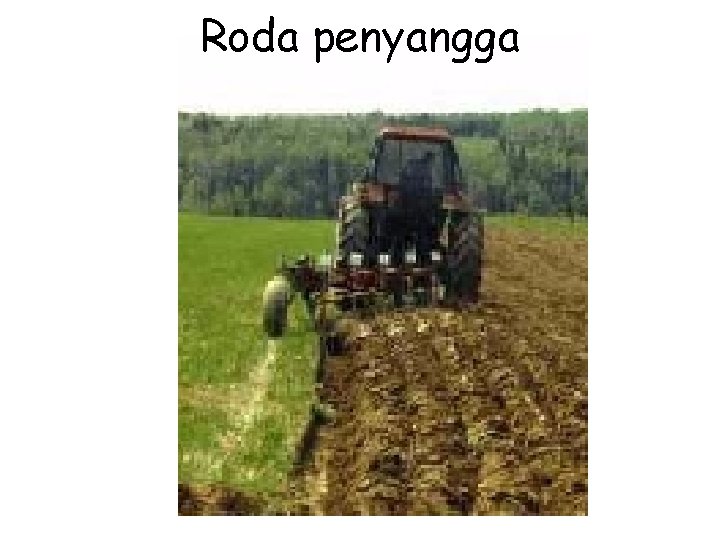
Roda penyangga
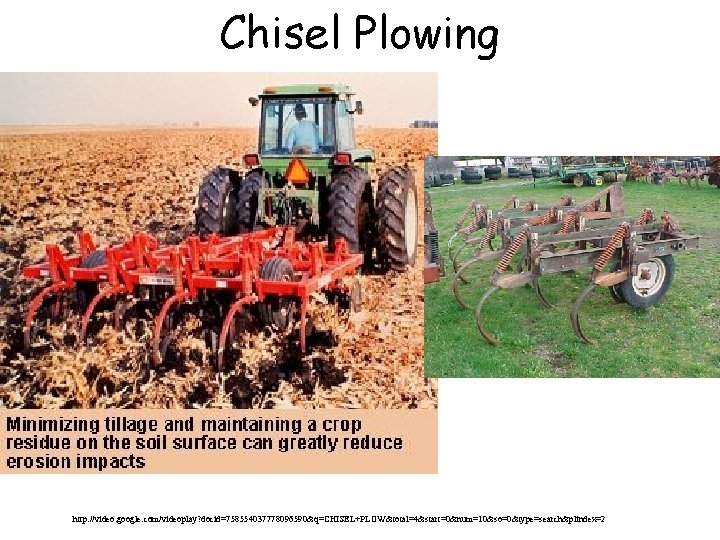
Chisel Plowing http: //video. google. com/videoplay? docid=758554037778096590&q=CHISEL+PLOW&total=4&start=0&num=10&so=0&type=search&plindex=2
Chisel Plowing This system does not turn the soil over, but rather leaves it rough with clods of soil, with plenty of crop residue remaining. The soil density and amount of covering depends on the depth, size, shape, spacing, of the chisel blades. The residue and rough, cloddy surface of the soil reduces raindrops impact and reduces runoff velocities, thus reducing erosion.
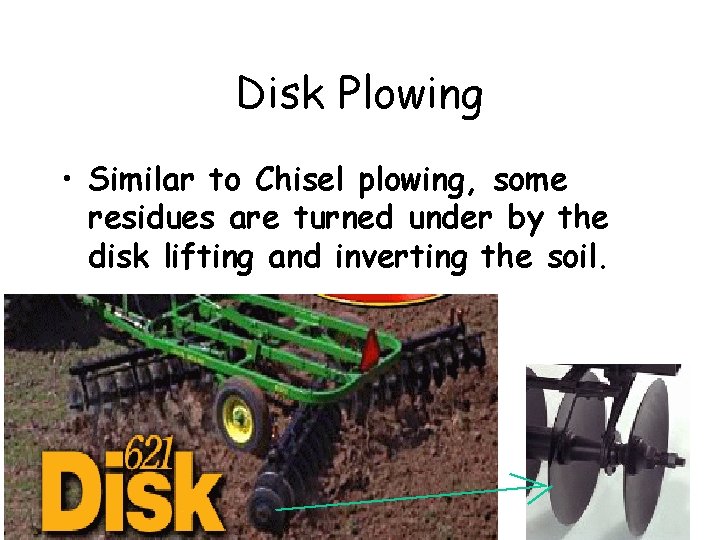
Disk Plowing • Similar to Chisel plowing, some residues are turned under by the disk lifting and inverting the soil.
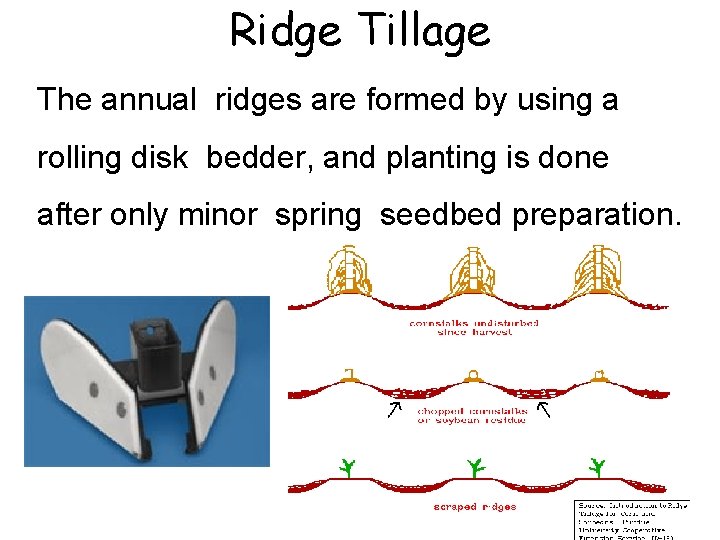
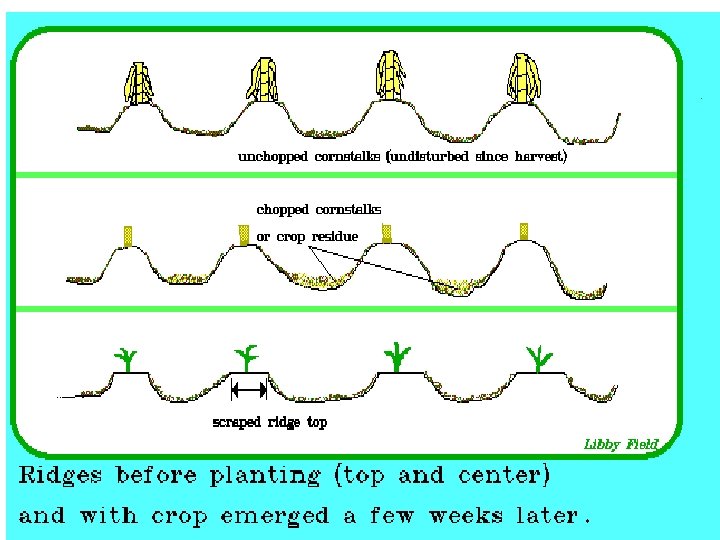
Ridge Tillage The annual ridges are formed by using a rolling disk bedder, and planting is done after only minor spring seedbed preparation.
Ridge tillage The extent of soil conservation depends on the amount of residue left and the row direction. Planting on the contour plus increased surface residues greatly reduce soil loss.
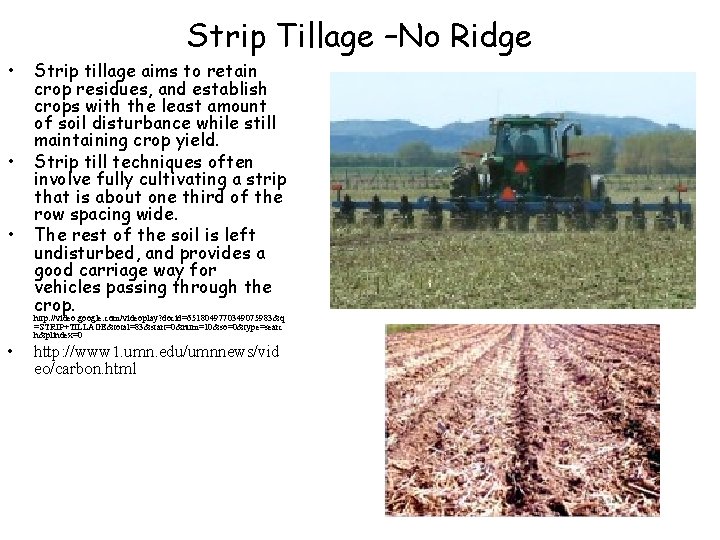
Strip Tillage –No Ridge • • • Strip tillage aims to retain crop residues, and establish crops with the least amount of soil disturbance while still maintaining crop yield. Strip till techniques often involve fully cultivating a strip that is about one third of the row spacing wide. The rest of the soil is left undisturbed, and provides a good carriage way for vehicles passing through the crop. http: //video. google. com/videoplay? docid=6518049770349075983&q =STRIP+TILLAGE&total=83&start=0&num=10&so=0&type=searc h&plindex=0 • http: //www 1. umn. edu/umnnews/vid eo/carbon. html
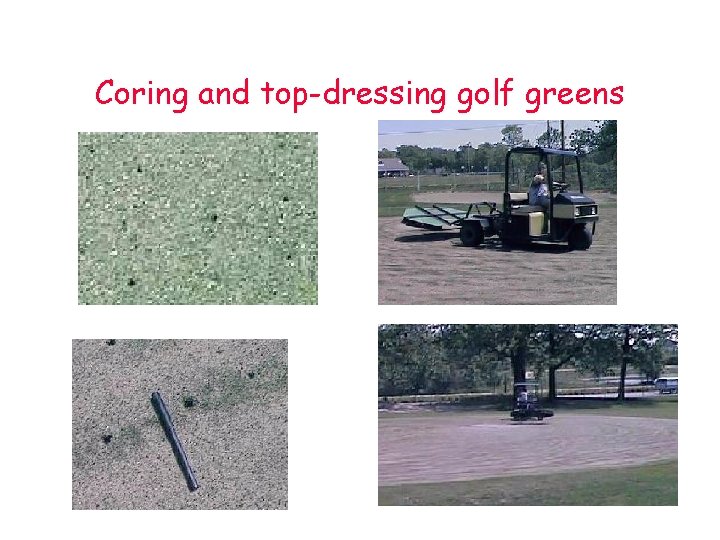
Coring and top-dressing golf greens
Conclusion Poorly prepared fields will cause management problems through the following crop. Symptoms include: – Poor plant establishment – Excessive pest / weed burdens – Uneven crop growth and maturity – Poor water use efficiency