Pancreas Transplant Pathology Controversial Lesions Lois J Arend
- Slides: 38
Pancreas Transplant Pathology: Controversial Lesions Lois J. Arend Ph. D, MD University of Cincinnati Department of Pathology
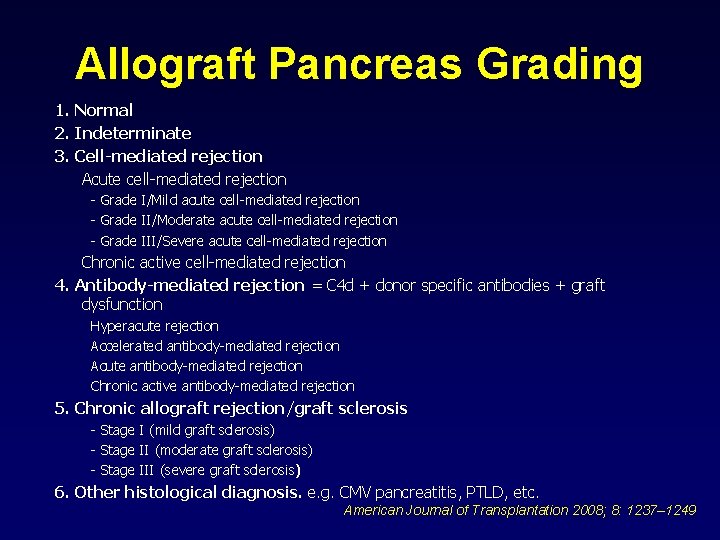
American Journal of Transplantation 2008; 8: 1237– 1249 Banff Schema for Grading Pancreas Allograft Rejection: Working Proposal by a Multi-Disciplinary International Consensus Panel C. B. Drachenberg, J. Odorico, A. J. Demetris, L. Arend, I. M. Bajema, J. A. Bruijn, D. Cantarovich, H. P. Cathro, J. Chapman, K. Dimosthenous, B. Fyfe-Kirschner, L. Gaber, O. Gaber, J. Goldberg, E. Honsova, S. S. Iskandar, D. K. Klassen, B. Nankivell, J. C. Papadimitriou, L. C. Racusen, P. Randhawa, F. P. Reinholt, K. Renaudin, P. P. Revelo, P. Ruiz, J. R. Torrealba, E. Vazquez-Martul, L. Voska, R. Stratta, S. T. Bartlett and D. E. R. Sutherland
Allograft Pancreas Grading 1. Normal 2. Indeterminate 3. Cell-mediated rejection Acute cell-mediated rejection - Grade I/Mild acute cell-mediated rejection - Grade II/Moderate acute cell-mediated rejection - Grade III/Severe acute cell-mediated rejection Chronic active cell-mediated rejection 4. Antibody-mediated rejection = C 4 d + donor specific antibodies + graft dysfunction Hyperacute rejection Accelerated antibody-mediated rejection Acute antibody-mediated rejection Chronic active antibody-mediated rejection 5. Chronic allograft rejection/graft sclerosis - Stage I (mild graft sclerosis) - Stage II (moderate graft sclerosis) - Stage III (severe graft sclerosis) 6. Other histological diagnosis. e. g. CMV pancreatitis, PTLD, etc. American Journal of Transplantation 2008; 8: 1237– 1249
Outline • • Drug Toxicity Significance of C 4 d Labeling Significance of Acinar Inflammation Chronic Rejection/Sclerosis
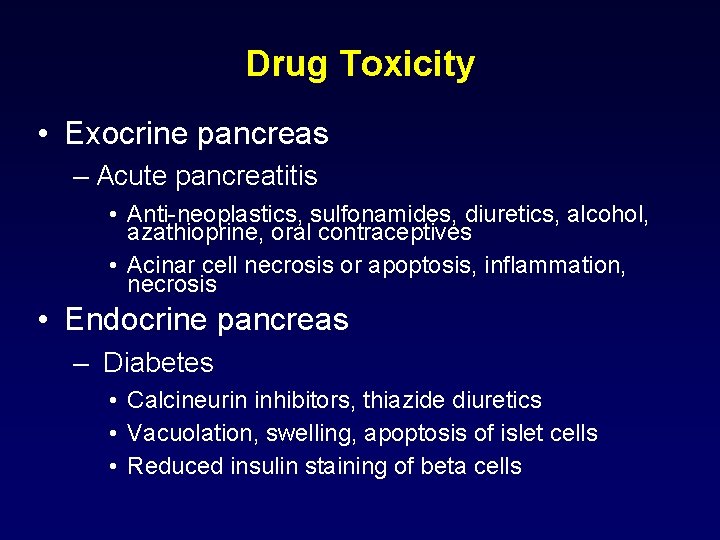
Drug Toxicity • Exocrine pancreas – Acute pancreatitis • Anti-neoplastics, sulfonamides, diuretics, alcohol, azathioprine, oral contraceptives • Acinar cell necrosis or apoptosis, inflammation, necrosis • Endocrine pancreas – Diabetes • Calcineurin inhibitors, thiazide diuretics • Vacuolation, swelling, apoptosis of islet cells • Reduced insulin staining of beta cells
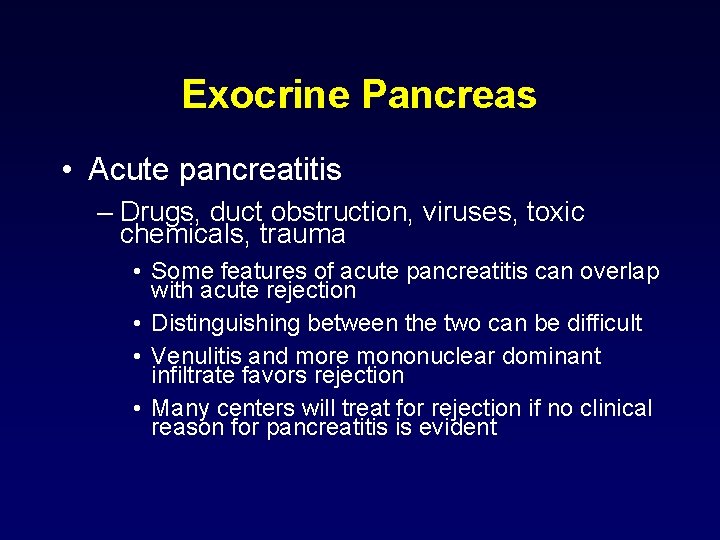
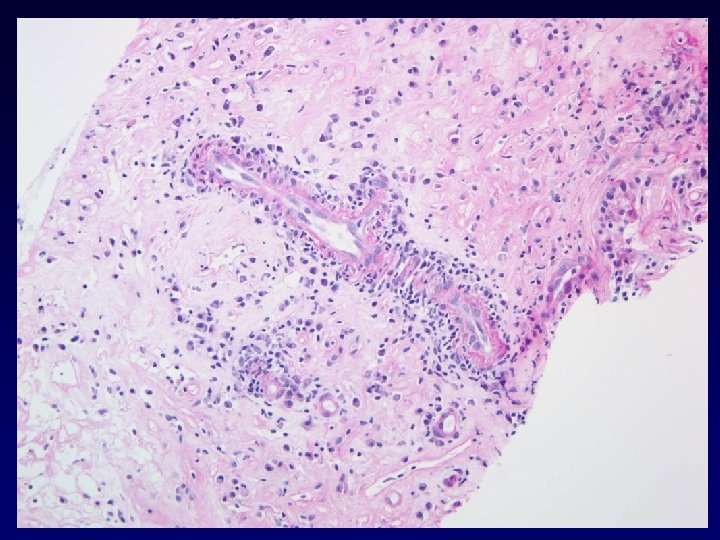
Exocrine Pancreas • Acute pancreatitis – Drugs, duct obstruction, viruses, toxic chemicals, trauma • Some features of acute pancreatitis can overlap with acute rejection • Distinguishing between the two can be difficult • Venulitis and more mononuclear dominant infiltrate favors rejection • Many centers will treat for rejection if no clinical reason for pancreatitis is evident
Endocrine Pancreas • Diabetes – Caused by immunosuppressive agents • No inflammation – vacuolation or drop-out – Caused by recurrent autoimmune disease • Mononuclear cell infiltrate, similar to rejection – Should routine immunostaining be included as part of the grading scheme? • Immunostaining for insulin and glucagon may not be routine at some centers
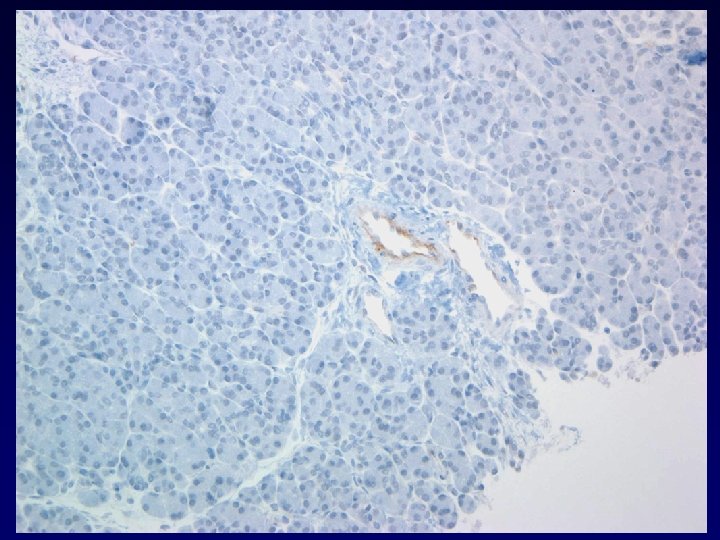
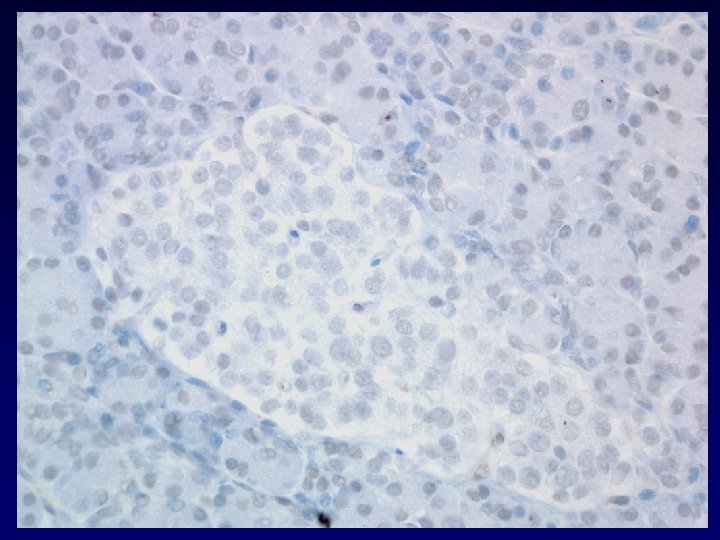
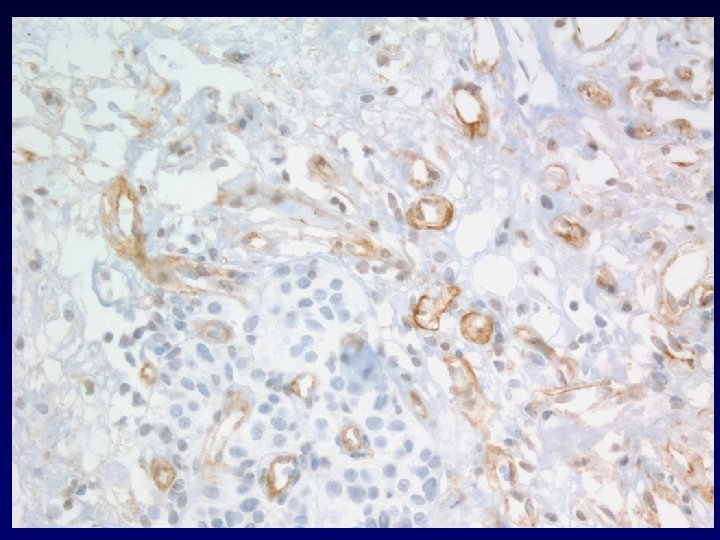
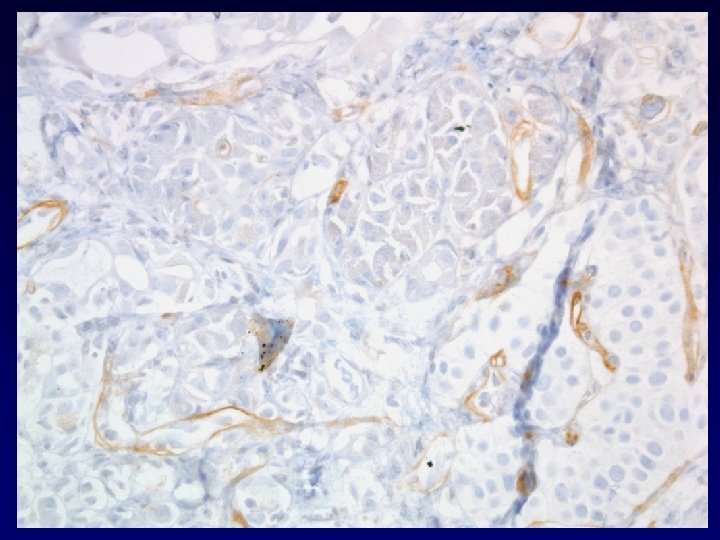
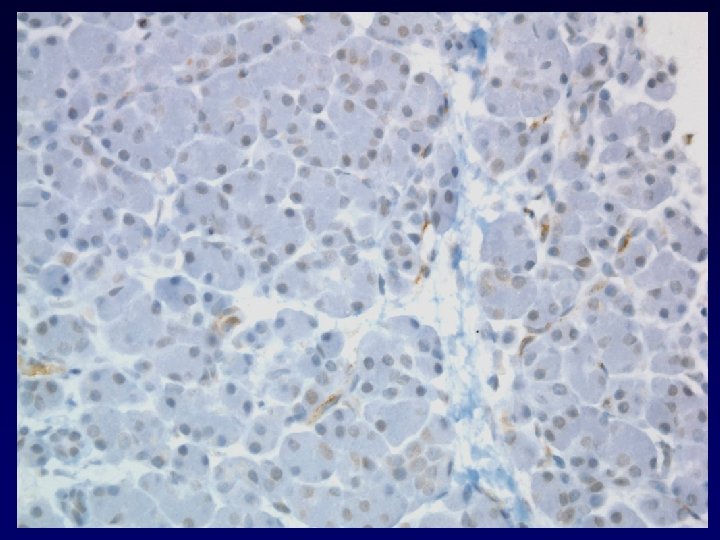
Significance of C 4 d Staining • Antibody-mediated rejection, complement activation, deposition on endothelial cells – Indication of AMR • Acute • Chronic? • Accessibility of staining by IHC on paraffin • Non-specificity of paraffin section staining • Frozen sections for IF?
Significance of C 4 d Staining • Correlation between C 4 d+ IAC and: – Development of DSA – Allograft dysfunction • C 4 d staining of artery intima or media, and interstitial collagen – No correlation with DSA or dysfunction • Islet capillaries – No correlation with DSA or blood glucose • C 4 d+ IAC correlated with DSA and graft dysfunction Torrealba, et al Transplantation 2008; 86: 1849
Retrospective Review of C 4 d Staining • 2003 – 2009 • 22 biopsies with C 4 d immunostaining performed • 2 cases with C 4 d+ IAC labeling • No correlation with rejection grade – Sclerosing grade III; ACR III (old grade V) • DSA not available
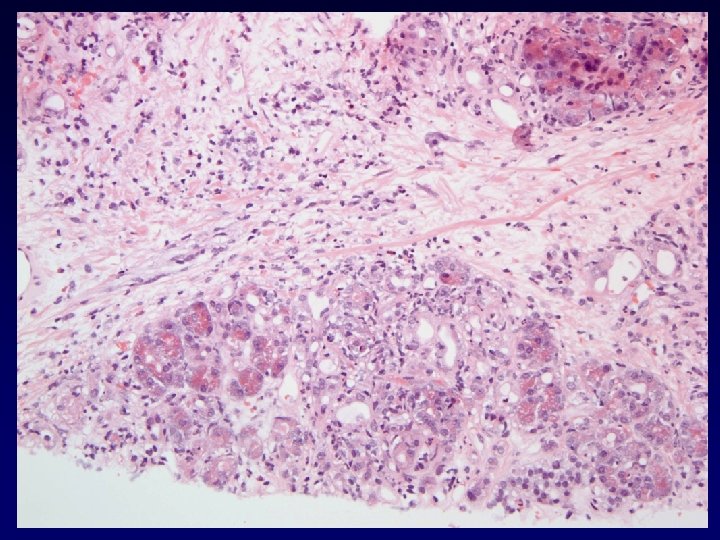
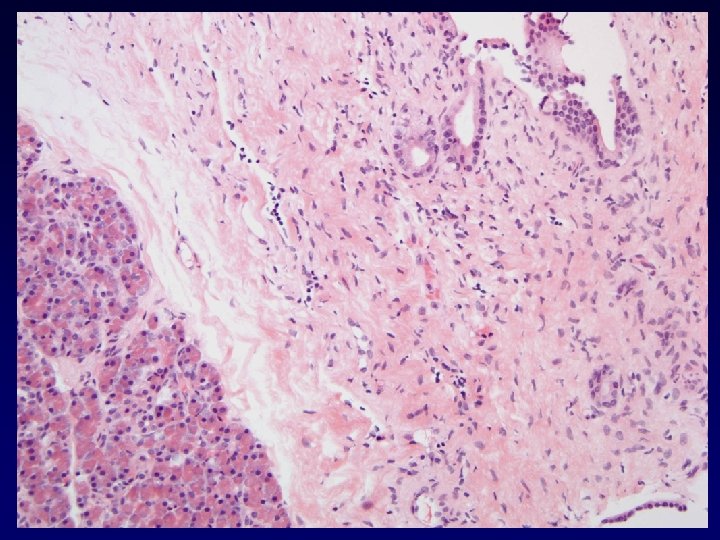
Significance of Acinar Inflammation – • Mild acinar inflammation and injury to acinar cells (Grade I) • Acinar injury easily leads to fibrosis • Fibrosis -> poor prognosis
Significance of Acinar Inflammation – • • • Mayo clinic study 2 year period – 18 biopsies for grade II 25 follow-up biopsies 10 were unchanged, 1 grade III, 1 grade IV Conclusion: Grade II may not have unfavorable prognosis Casey, et al. , Transpl, 2005
Significance of Acinar Inflammation – • • • Minnesota study 8 year period – 914 pancreas grafts 80 grafts lost to chronic rejection 91% of these had prior rejection episode 70% with late functioning grafts had never had acute rejection Humar, et al. , Transpl, 2003
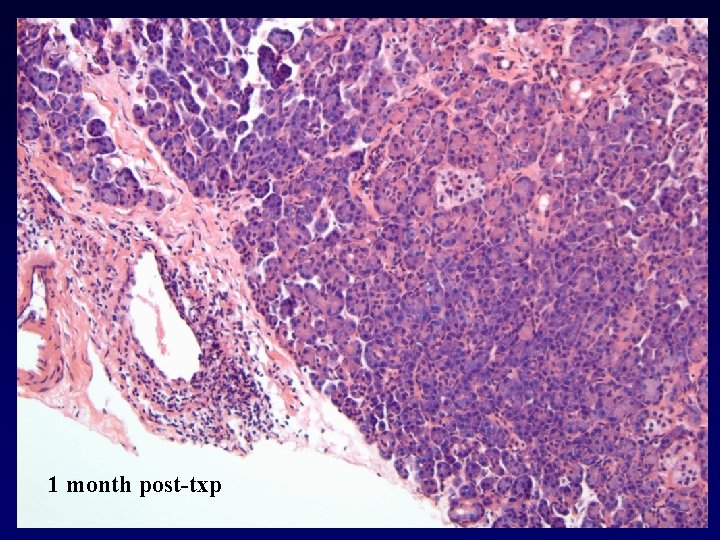
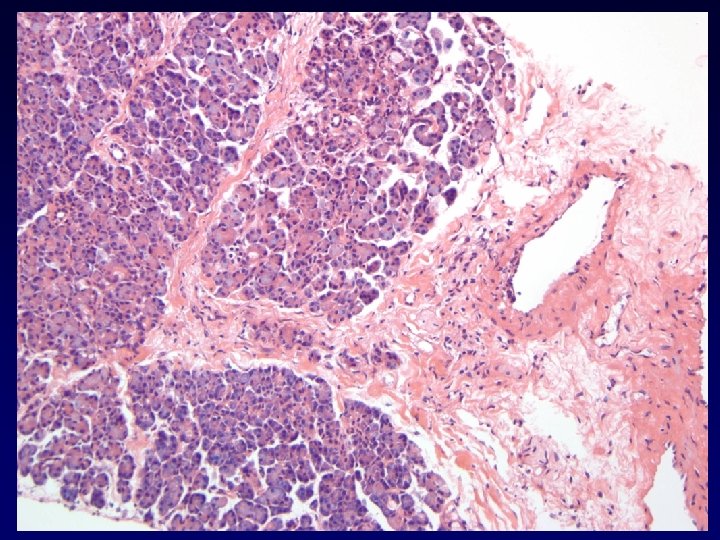
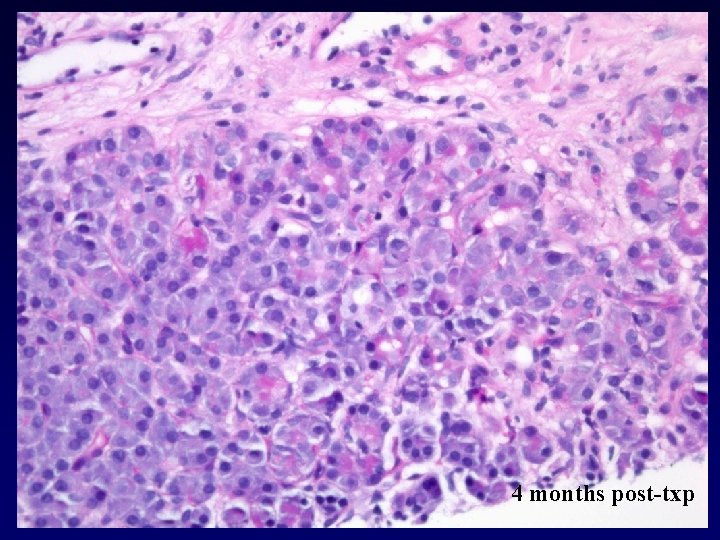
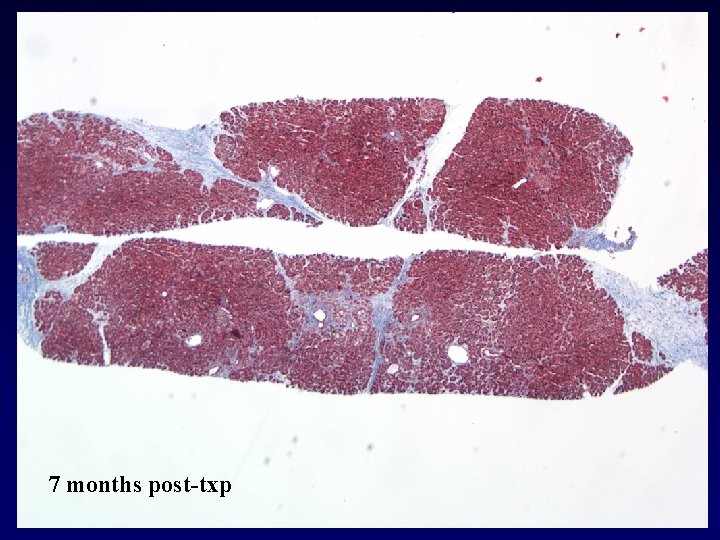
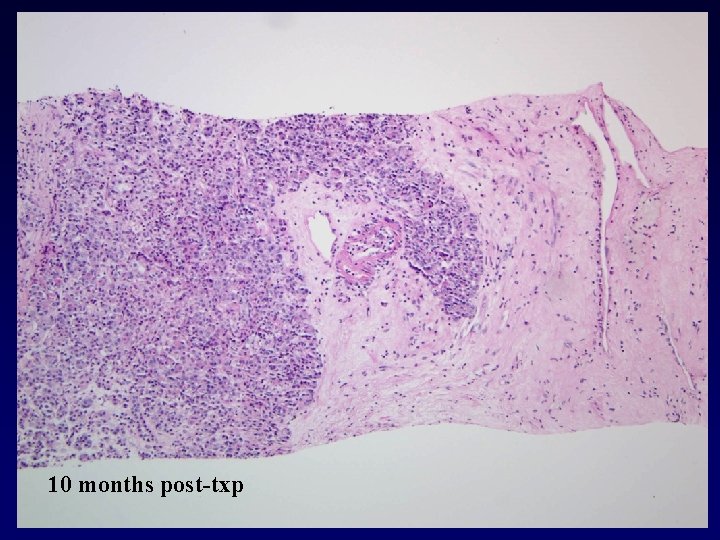
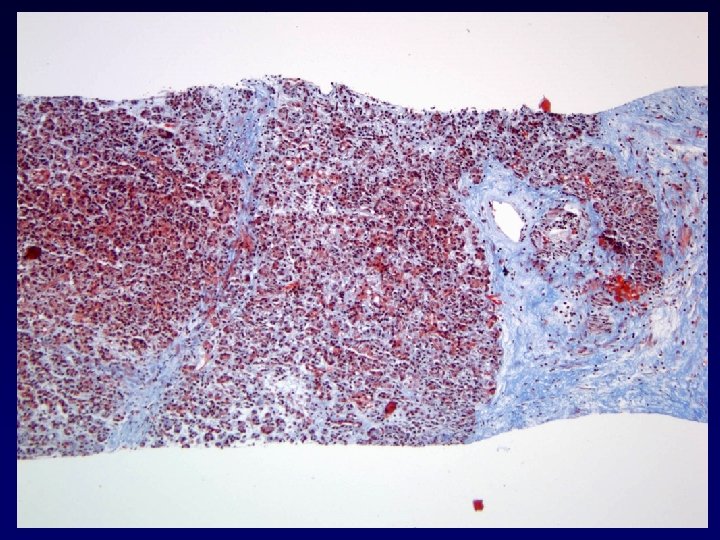
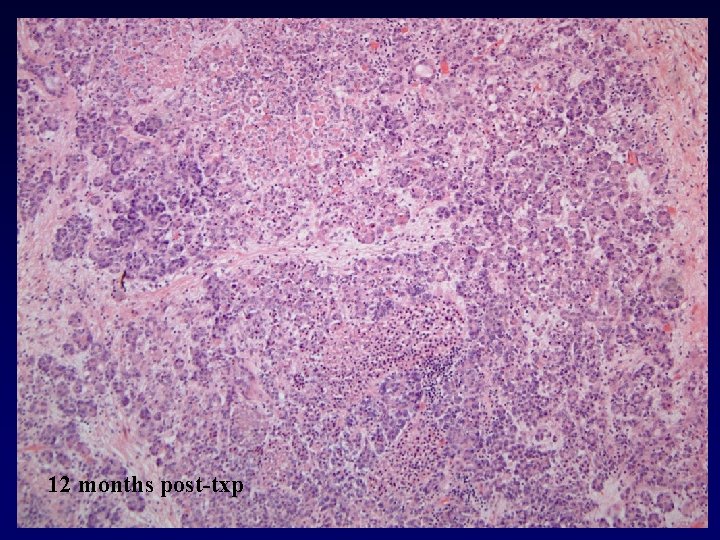
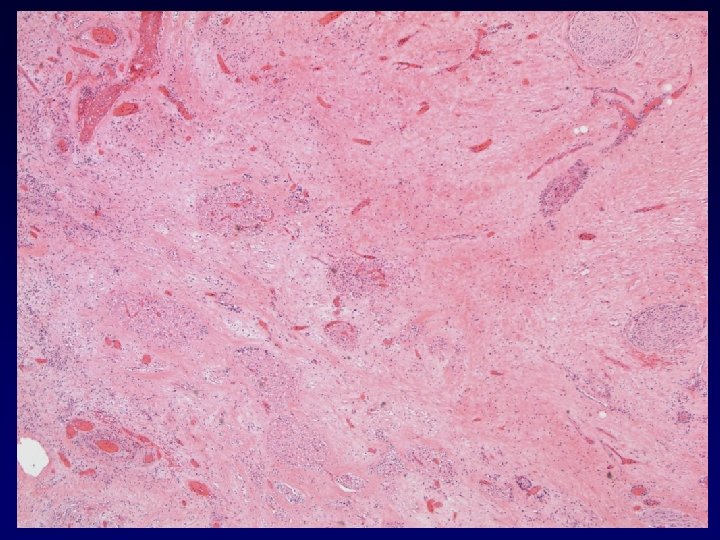
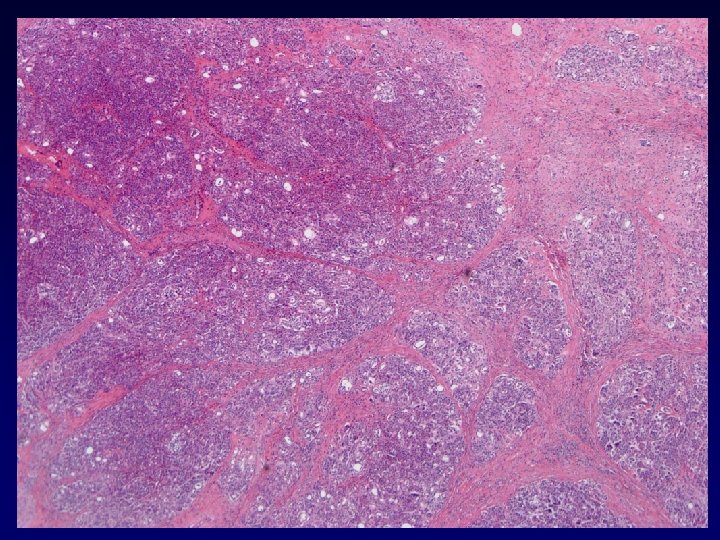
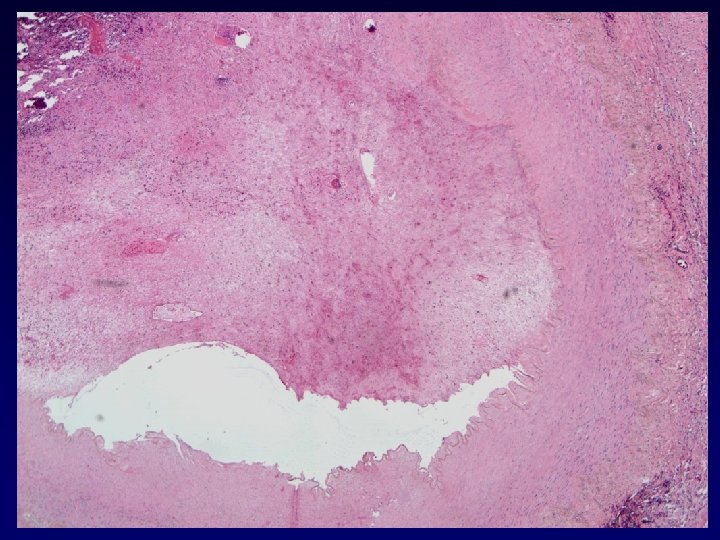
Cincinnati Experience – • Small sample • Two cases with Grade II rejection • One graft progressed to Stage III sclerosis in one year • One graft progressed to Stage III sclerosis in nine months
1 month post-txp
4 months post-txp
7 months post-txp
10 months post-txp
12 months post-txp
Proposal – • Should acinar inflammation of any degree be considered severe and treated aggressively? – Septal category of rejection – Acinar category – Arteritis category
Treatment of rejection • Treat any form of pancreatic rejection aggressively – All but mildest cases treated with antithymocyte therapy • Low threshold for treatment of pancreas rejection
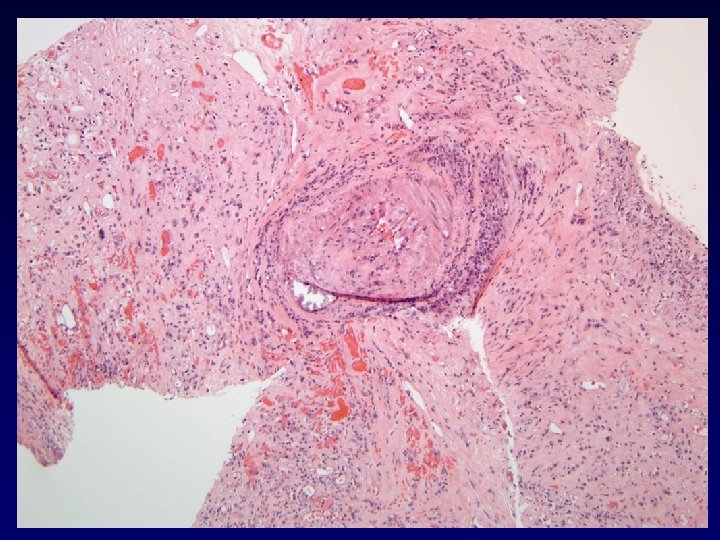
Chronic Rejection/Sclerosis • Is graft sclerosis always due to rejection? • Drug toxicity, infections, vascular complications • Avoid CAN analog ? CAP • Distinguish cause of sclerosis if possible
Summary • Distinguishing rejection from many other insults can be difficult • Significance of C 4 d+ unclear • Any degree of acinar inflammation may benefit from early aggressive treatment • Defining causes of chronic injury • Rejection grade correlation with outcome
Acknowledgements Surgery Steve Woodle, MD Transplant Pharmacy Jason Everly, Pharm. D Rita Alloway, Pharm. D Nephrology Prabir Roy-Chaudhury, MD Gautham Mogilishetty, MD Amit Govil, MD Pathology NEJM 356; 2007 Pravina Desai