NIH K Awards and Fellowships K Kiosk NIH

- Slides: 27
NIH K Awards and Fellowships K Kiosk - NIH Career Development Awards http: //grants. nih. gov/training/careerdevelopmentawards National Research Service Awards (NRSA) Postdoctoral Fellowship Applications (F 32) http: //grants. nih. gov/training/nrsa. htm Dr. Harry S. Nick, Ph. D Professor January 22, 2015
Why a K award? To allow a professional candidate, who has completed training, the opportunity to transition into a faculty position and compete at the NIH RO 1 level.
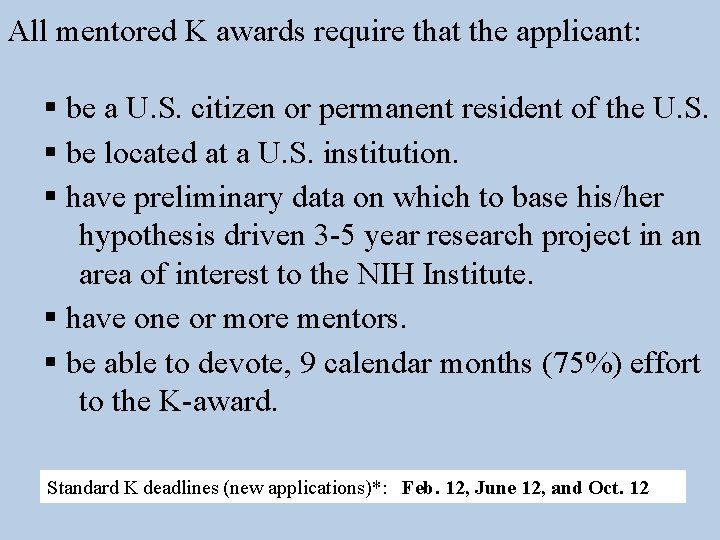
All mentored K awards require that the applicant: § be a U. S. citizen or permanent resident of the U. S. § be located at a U. S. institution. § have preliminary data on which to base his/her hypothesis driven 3 -5 year research project in an area of interest to the NIH Institute. § have one or more mentors. § be able to devote, 9 calendar months (75%) effort to the K-award. Standard K deadlines (new applications)*: Feb. 12, June 12, and Oct. 12
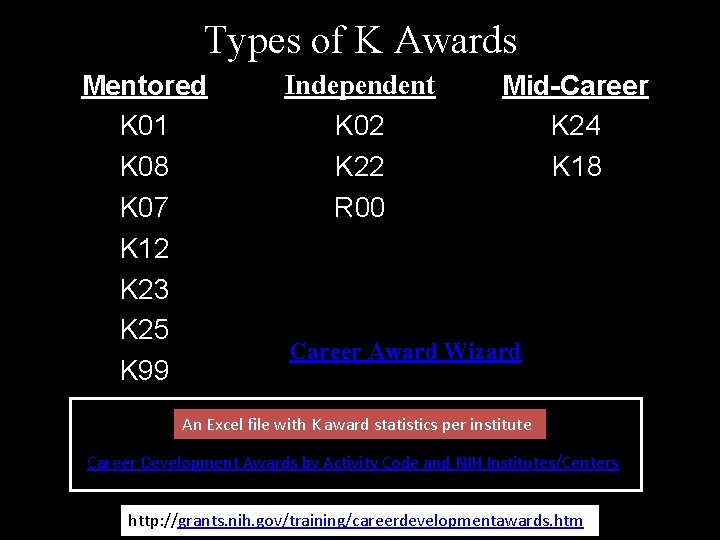
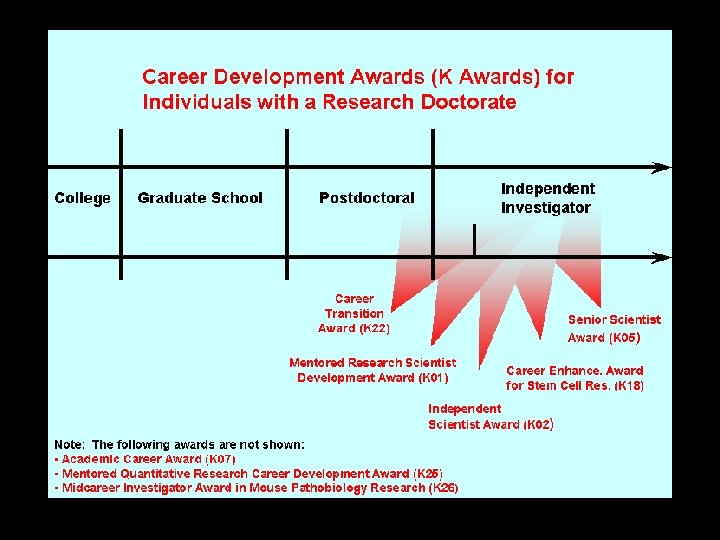
Types of K Awards Mentored K 01 K 08 K 07 K 12 K 23 K 25 K 99 Independent K 02 K 22 R 00 Mid-Career K 24 K 18 Career Award Wizard An Excel file with K award statistics per institute Career Development Awards by Activity Code and NIH Institutes/Centers (246 KB) - Fiscal Years 2003 - 2010 http: //grants. nih. gov/training/careerdevelopmentawards. htm
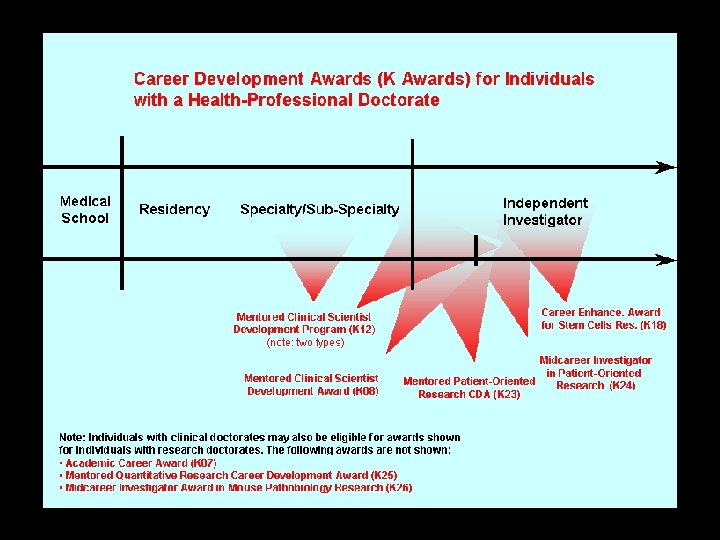
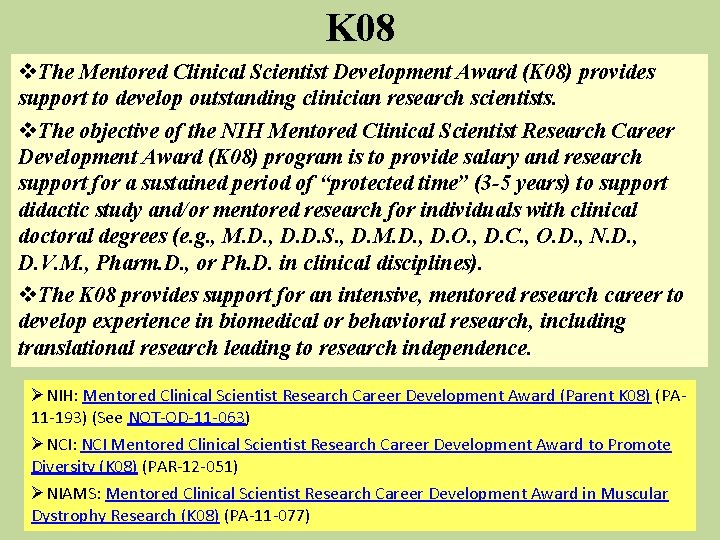
K 08 v. The Mentored Clinical Scientist Development Award (K 08) provides support to develop outstanding clinician research scientists. v. The objective of the NIH Mentored Clinical Scientist Research Career Development Award (K 08) program is to provide salary and research support for a sustained period of “protected time” (3 -5 years) to support didactic study and/or mentored research for individuals with clinical doctoral degrees (e. g. , M. D. , D. D. S. , D. M. D. , D. O. , D. C. , O. D. , N. D. , D. V. M. , Pharm. D. , or Ph. D. in clinical disciplines). v. The K 08 provides support for an intensive, mentored research career to develop experience in biomedical or behavioral research, including translational research leading to research independence. ØNIH: Mentored Clinical Scientist Research Career Development Award (Parent K 08) (PA 11 -193) (See NOT-OD-11 -063) ØNCI: NCI Mentored Clinical Scientist Research Career Development Award to Promote Diversity (K 08) (PAR-12 -051) ØNIAMS: Mentored Clinical Scientist Research Career Development Award in Muscular Dystrophy Research (K 08) (PA-11 -077)
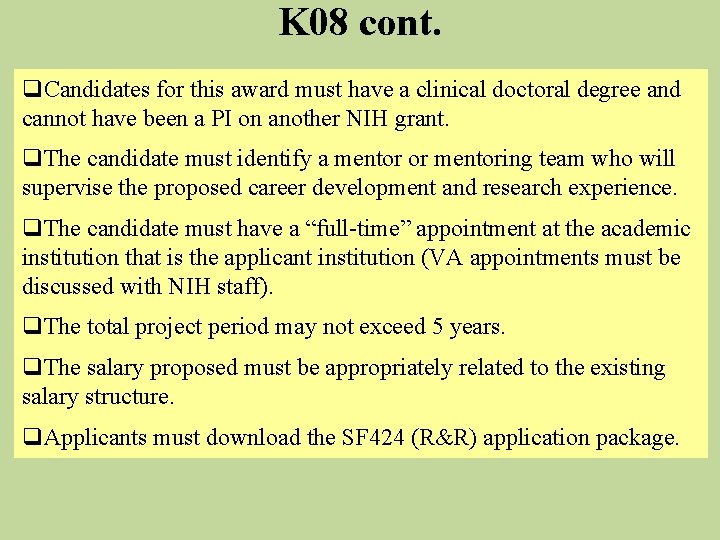
K 08 cont. q. Candidates for this award must have a clinical doctoral degree and cannot have been a PI on another NIH grant. q. The candidate must identify a mentor or mentoring team who will supervise the proposed career development and research experience. q. The candidate must have a “full-time” appointment at the academic institution that is the applicant institution (VA appointments must be discussed with NIH staff). q. The total project period may not exceed 5 years. q. The salary proposed must be appropriately related to the existing salary structure. q. Applicants must download the SF 424 (R&R) application package.
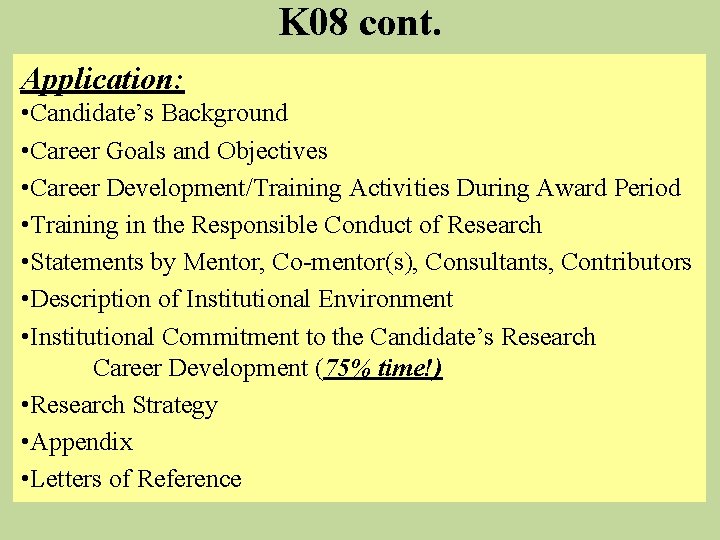
K 08 cont. Application: • Candidate’s Background • Career Goals and Objectives • Career Development/Training Activities During Award Period • Training in the Responsible Conduct of Research • Statements by Mentor, Co-mentor(s), Consultants, Contributors • Description of Institutional Environment • Institutional Commitment to the Candidate’s Research Career Development (75% time!) • Research Strategy • Appendix • Letters of Reference
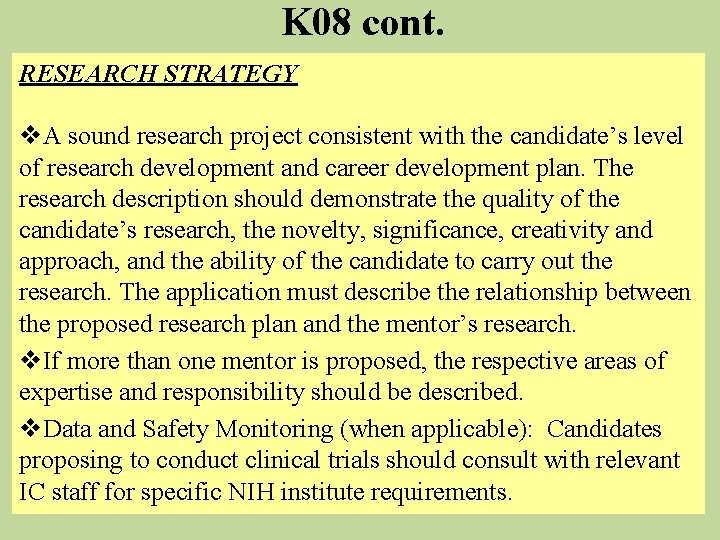
K 08 cont. RESEARCH STRATEGY v. A sound research project consistent with the candidate’s level of research development and career development plan. The research description should demonstrate the quality of the candidate’s research, the novelty, significance, creativity and approach, and the ability of the candidate to carry out the research. The application must describe the relationship between the proposed research plan and the mentor’s research. v. If more than one mentor is proposed, the respective areas of expertise and responsibility should be described. v. Data and Safety Monitoring (when applicable): Candidates proposing to conduct clinical trials should consult with relevant IC staff for specific NIH institute requirements.
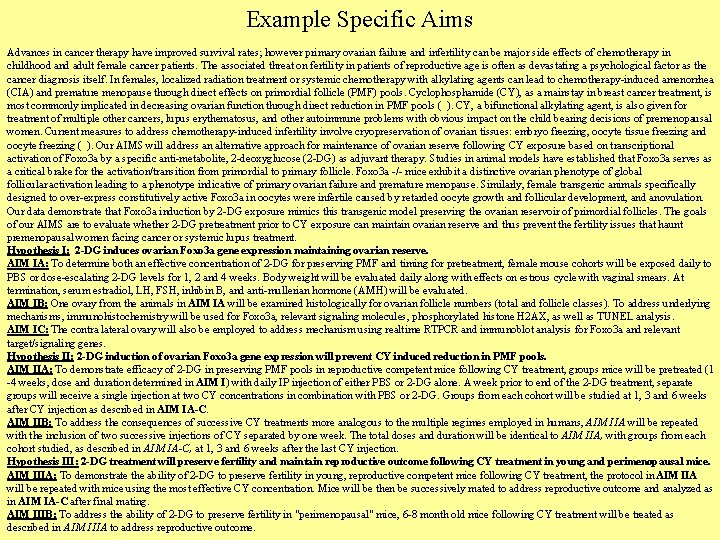
Example Specific Aims Advances in cancer therapy have improved survival rates; however primary ovarian failure and infertility can be major side effects of chemotherapy in childhood and adult female cancer patients. The associated threat on fertility in patients of reproductive age is often as devastating a psychological factor as the cancer diagnosis itself. In females, localized radiation treatment or systemic chemotherapy with alkylating agents can lead to chemotherapy-induced amenorrhea (CIA) and premature menopause through direct effects on primordial follicle (PMF) pools. Cyclophosphamide (CY), as a mainstay in breast cancer treatment, is most commonly implicated in decreasing ovarian function through direct reduction in PMF pools ( ). CY, a bifunctional alkylating agent, is also given for treatment of multiple other cancers, lupus erythematosus, and other autoimmune problems with obvious impact on the child bearing decisions of premenopausal women. Current measures to address chemotherapy-induced infertility involve cryopreservation of ovarian tissues: embryo freezing, oocyte tissue freezing and oocyte freezing ( ). Our AIMS will address an alternative approach for maintenance of ovarian reserve following CY exposure based on transcriptional activation of Foxo 3 a by a specific anti-metabolite, 2 -deoxyglucose (2 -DG) as adjuvant therapy. Studies in animal models have established that Foxo 3 a serves as a critical brake for the activation/transition from primordial to primary follicle. Foxo 3 a -/- mice exhibit a distinctive ovarian phenotype of global follicular activation leading to a phenotype indicative of primary ovarian failure and premature menopause. Similarly, female transgenic animals specifically designed to over-express constitutively active Foxo 3 a in oocytes were infertile caused by retarded oocyte growth and follicular development, and anovulation. Our data demonstrate that Foxo 3 a induction by 2 -DG exposure mimics this transgenic model preserving the ovarian reservoir of primordial follicles. The goals of our AIMS are to evaluate whether 2 -DG pretreatment prior to CY exposure can maintain ovarian reserve and thus prevent the fertility issues that haunt premenopausal women facing cancer or systemic lupus treatment. Hypothesis I: 2 -DG induces ovarian Foxo 3 a gene expression maintaining ovarian reserve. AIM IA: To determine both an effective concentration of 2 -DG for preserving PMF and timing for pretreatment, female mouse cohorts will be exposed daily to PBS or dose-escalating 2 -DG levels for 1, 2 and 4 weeks. Body weight will be evaluated daily along with effects on estrous cycle with vaginal smears. At termination, serum estradiol, LH, FSH, inhibin B, and anti-mullerian hormone (AMH) will be evaluated. AIM IB: One ovary from the animals in AIM IA will be examined histologically for ovarian follicle numbers (total and follicle classes). To address underlying mechanisms, immunohistochemistry will be used for Foxo 3 a, relevant signaling molecules, phosphorylated histone H 2 AX, as well as TUNEL analysis. AIM IC: The contra lateral ovary will also be employed to address mechanism using realtime RTPCR and immunoblot analysis for Foxo 3 a and relevant target/signaling genes. Hypothesis II: 2 -DG induction of ovarian Foxo 3 a gene expression will prevent CY induced reduction in PMF pools. AIM IIA: To demonstrate efficacy of 2 -DG in preserving PMF pools in reproductive competent mice following CY treatment, groups mice will be pretreated (1 -4 weeks, dose and duration determined in AIM I) with daily IP injection of either PBS or 2 -DG alone. A week prior to end of the 2 -DG treatment, separate groups will receive a single injection at two CY concentrations in combination with PBS or 2 -DG. Groups from each cohort will be studied at 1, 3 and 6 weeks after CY injection as described in AIM IA-C. AIM IIB: To address the consequences of successive CY treatments more analogous to the multiple regimes employed in humans, AIM IIA will be repeated with the inclusion of two successive injections of CY separated by one week. The total doses and duration will be identical to AIM IIA, with groups from each cohort studied, as described in AIM IA-C, at 1, 3 and 6 weeks after the last CY injection. Hypothesis III: 2 -DG treatment will preserve fertility and maintain reproductive outcome following CY treatment in young and perimenopausal mice. AIM IIIA: To demonstrate the ability of 2 -DG to preserve fertility in young, reproductive competent mice following CY treatment, the protocol in AIM IIA will be repeated with mice using the most effective CY concentration. Mice will be then be successively mated to address reproductive outcome and analyzed as in AIM IA-C after final mating. AIM IIIB: To address the ability of 2 -DG to preserve fertility in "perimenopausal" mice, 6 -8 month old mice following CY treatment will be treated as described in AIM IIIA to address reproductive outcome.
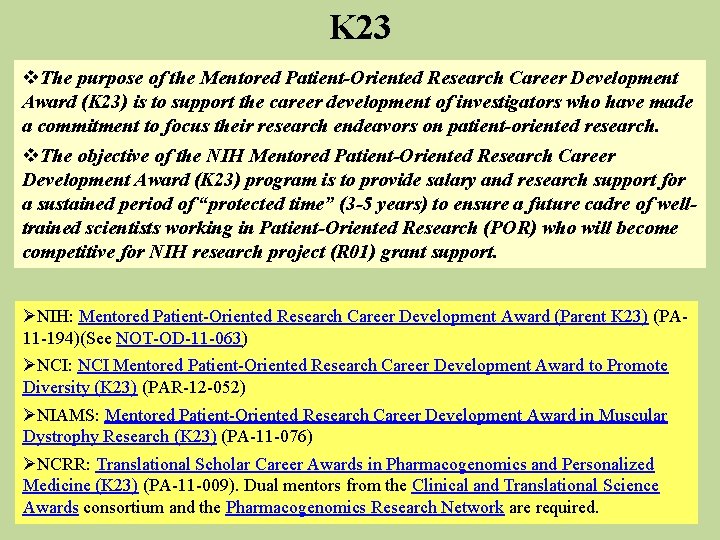
K 23 v. The purpose of the Mentored Patient-Oriented Research Career Development Award (K 23) is to support the career development of investigators who have made a commitment to focus their research endeavors on patient-oriented research. v. The objective of the NIH Mentored Patient-Oriented Research Career Development Award (K 23) program is to provide salary and research support for a sustained period of “protected time” (3 -5 years) to ensure a future cadre of welltrained scientists working in Patient-Oriented Research (POR) who will become competitive for NIH research project (R 01) grant support. ØNIH: Mentored Patient-Oriented Research Career Development Award (Parent K 23) (PA 11 -194)(See NOT-OD-11 -063) ØNCI: NCI Mentored Patient-Oriented Research Career Development Award to Promote Diversity (K 23) (PAR-12 -052) ØNIAMS: Mentored Patient-Oriented Research Career Development Award in Muscular Dystrophy Research (K 23) (PA-11 -076) ØNCRR: Translational Scholar Career Awards in Pharmacogenomics and Personalized Medicine (K 23) (PA-11 -009). Dual mentors from the Clinical and Translational Science Awards consortium and the Pharmacogenomics Research Network are required.
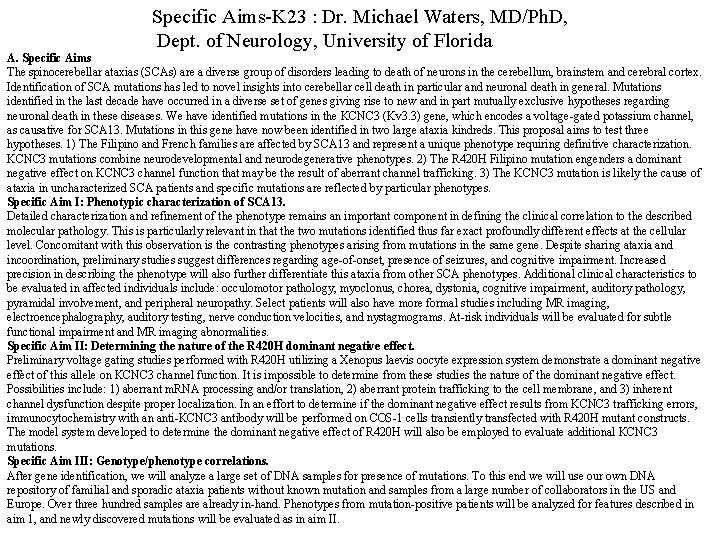
Specific Aims-K 23 : Dr. Michael Waters, MD/Ph. D, Dept. of Neurology, University of Florida A. Specific Aims The spinocerebellar ataxias (SCAs) are a diverse group of disorders leading to death of neurons in the cerebellum, brainstem and cerebral cortex. Identification of SCA mutations has led to novel insights into cerebellar cell death in particular and neuronal death in general. Mutations identified in the last decade have occurred in a diverse set of genes giving rise to new and in part mutually exclusive hypotheses regarding neuronal death in these diseases. We have identified mutations in the KCNC 3 (Kv 3. 3) gene, which encodes a voltage-gated potassium channel, as causative for SCA 13. Mutations in this gene have now been identified in two large ataxia kindreds. This proposal aims to test three hypotheses. 1) The Filipino and French families are affected by SCA 13 and represent a unique phenotype requiring definitive characterization. KCNC 3 mutations combine neurodevelopmental and neurodegenerative phenotypes. 2) The R 420 H Filipino mutation engenders a dominant negative effect on KCNC 3 channel function that may be the result of aberrant channel trafficking. 3) The KCNC 3 mutation is likely the cause of ataxia in uncharacterized SCA patients and specific mutations are reflected by particular phenotypes. Specific Aim I: Phenotypic characterization of SCA 13. Detailed characterization and refinement of the phenotype remains an important component in defining the clinical correlation to the described molecular pathology. This is particularly relevant in that the two mutations identified thus far exact profoundly different effects at the cellular level. Concomitant with this observation is the contrasting phenotypes arising from mutations in the same gene. Despite sharing ataxia and incoordination, preliminary studies suggest differences regarding age-of-onset, presence of seizures, and cognitive impairment. Increased precision in describing the phenotype will also further differentiate this ataxia from other SCA phenotypes. Additional clinical characteristics to be evaluated in affected individuals include: occulomotor pathology, myoclonus, chorea, dystonia, cognitive impairment, auditory pathology, pyramidal involvement, and peripheral neuropathy. Select patients will also have more formal studies including MR imaging, electroencephalography, auditory testing, nerve conduction velocities, and nystagmograms. At-risk individuals will be evaluated for subtle functional impairment and MR imaging abnormalities. Specific Aim II: Determining the nature of the R 420 H dominant negative effect. Preliminary voltage gating studies performed with R 420 H utilizing a Xenopus laevis oocyte expression system demonstrate a dominant negative effect of this allele on KCNC 3 channel function. It is impossible to determine from these studies the nature of the dominant negative effect. Possibilities include: 1) aberrant m. RNA processing and/or translation, 2) aberrant protein trafficking to the cell membrane, and 3) inherent channel dysfunction despite proper localization. In an effort to determine if the dominant negative effect results from KCNC 3 trafficking errors, immunocytochemistry with an anti-KCNC 3 antibody will be performed on COS-1 cells transiently transfected with R 420 H mutant constructs. The model system developed to determine the dominant negative effect of R 420 H will also be employed to evaluate additional KCNC 3 mutations. Specific Aim III: Genotype/phenotype correlations. After gene identification, we will analyze a large set of DNA samples for presence of mutations. To this end we will use our own DNA repository of familial and sporadic ataxia patients without known mutation and samples from a large number of collaborators in the US and Europe. Over three hundred samples are already in-hand. Phenotypes from mutation-positive patients will be analyzed for features described in aim 1, and newly discovered mutations will be evaluated as in aim II.
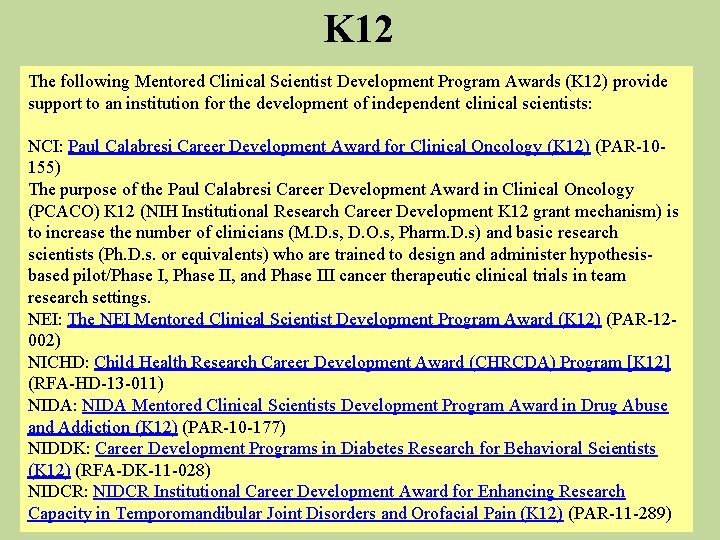
K 12 The following Mentored Clinical Scientist Development Program Awards (K 12) provide support to an institution for the development of independent clinical scientists: NCI: Paul Calabresi Career Development Award for Clinical Oncology (K 12) (PAR-10155) The purpose of the Paul Calabresi Career Development Award in Clinical Oncology (PCACO) K 12 (NIH Institutional Research Career Development K 12 grant mechanism) is to increase the number of clinicians (M. D. s, D. O. s, Pharm. D. s) and basic research scientists (Ph. D. s. or equivalents) who are trained to design and administer hypothesisbased pilot/Phase I, Phase II, and Phase III cancer therapeutic clinical trials in team research settings. NEI: The NEI Mentored Clinical Scientist Development Program Award (K 12) (PAR-12002) NICHD: Child Health Research Career Development Award (CHRCDA) Program [K 12] (RFA-HD-13 -011) NIDA: NIDA Mentored Clinical Scientists Development Program Award in Drug Abuse and Addiction (K 12) (PAR-10 -177) NIDDK: Career Development Programs in Diabetes Research for Behavioral Scientists (K 12) (RFA-DK-11 -028) NIDCR: NIDCR Institutional Career Development Award for Enhancing Research Capacity in Temporomandibular Joint Disorders and Orofacial Pain (K 12) (PAR-11 -289)
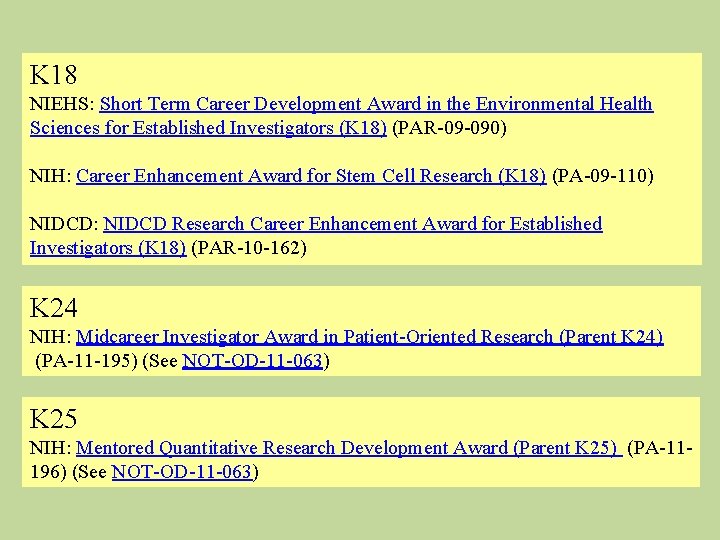
K 18 NIEHS: Short Term Career Development Award in the Environmental Health Sciences for Established Investigators (K 18) (PAR-09 -090) NIH: Career Enhancement Award for Stem Cell Research (K 18) (PA-09 -110) NIDCD: NIDCD Research Career Enhancement Award for Established Investigators (K 18) (PAR-10 -162) K 24 NIH: Midcareer Investigator Award in Patient-Oriented Research (Parent K 24) (PA-11 -195) (See NOT-OD-11 -063) K 25 NIH: Mentored Quantitative Research Development Award (Parent K 25) (PA-11196) (See NOT-OD-11 -063)
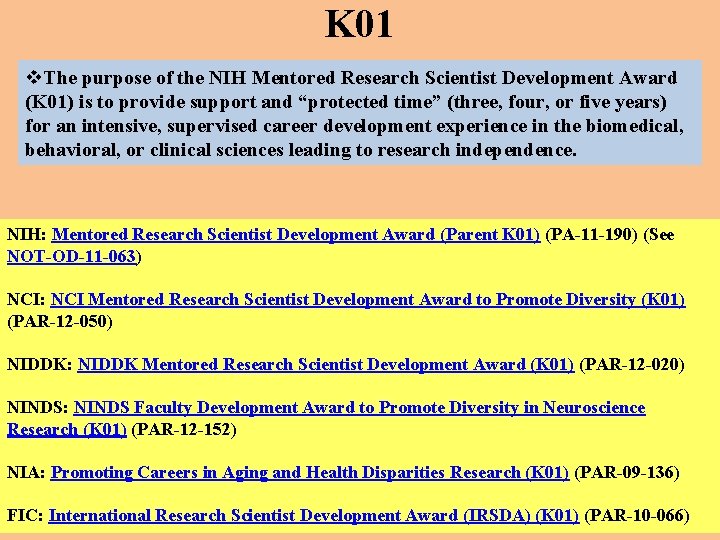
K 01 v. The purpose of the NIH Mentored Research Scientist Development Award (K 01) is to provide support and “protected time” (three, four, or five years) for an intensive, supervised career development experience in the biomedical, behavioral, or clinical sciences leading to research independence. NIH: Mentored Research Scientist Development Award (Parent K 01) (PA-11 -190) (See NOT-OD-11 -063) NCI: NCI Mentored Research Scientist Development Award to Promote Diversity (K 01) (PAR-12 -050) NIDDK: NIDDK Mentored Research Scientist Development Award (K 01) (PAR-12 -020) NINDS: NINDS Faculty Development Award to Promote Diversity in Neuroscience Research (K 01) (PAR-12 -152) NIA: Promoting Careers in Aging and Health Disparities Research (K 01) (PAR-09 -136) FIC: International Research Scientist Development Award (IRSDA) (K 01) (PAR-10 -066)
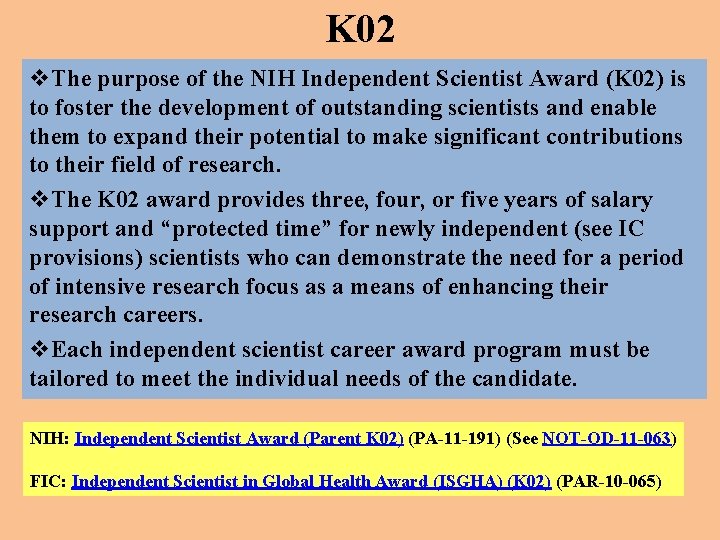
K 02 v. The purpose of the NIH Independent Scientist Award (K 02) is to foster the development of outstanding scientists and enable them to expand their potential to make significant contributions to their field of research. v. The K 02 award provides three, four, or five years of salary support and “protected time” for newly independent (see IC provisions) scientists who can demonstrate the need for a period of intensive research focus as a means of enhancing their research careers. v. Each independent scientist career award program must be tailored to meet the individual needs of the candidate. NIH: Independent Scientist Award (Parent K 02) (PA-11 -191) (See NOT-OD-11 -063) FIC: Independent Scientist in Global Health Award (ISGHA) (K 02) (PAR-10 -065)
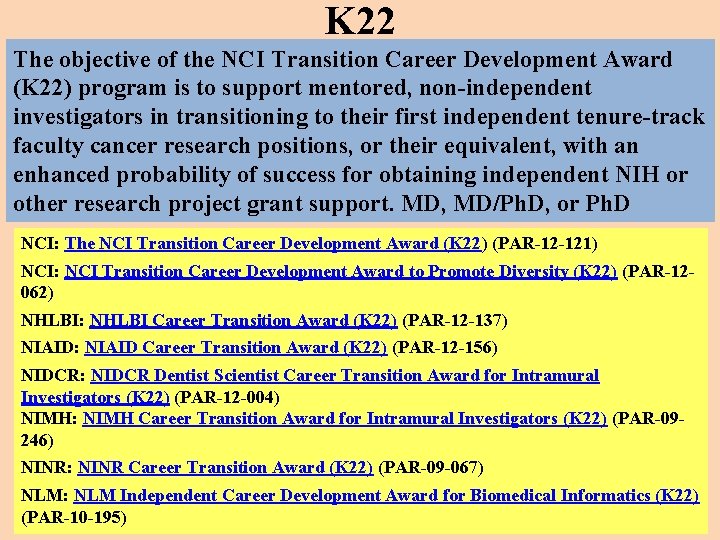
K 22 The objective of the NCI Transition Career Development Award (K 22) program is to support mentored, non-independent investigators in transitioning to their first independent tenure-track faculty cancer research positions, or their equivalent, with an enhanced probability of success for obtaining independent NIH or other research project grant support. MD, MD/Ph. D, or Ph. D NCI: The NCI Transition Career Development Award (K 22) (PAR-12 -121) NCI: NCI Transition Career Development Award to Promote Diversity (K 22) (PAR-12062) NHLBI: NHLBI Career Transition Award (K 22) (PAR-12 -137) NIAID: NIAID Career Transition Award (K 22) (PAR-12 -156) NIDCR: NIDCR Dentist Scientist Career Transition Award for Intramural Investigators (K 22) (PAR-12 -004) NIMH: NIMH Career Transition Award for Intramural Investigators (K 22) (PAR-09246) NINR: NINR Career Transition Award (K 22) (PAR-09 -067) NLM: NLM Independent Career Development Award for Biomedical Informatics (K 22) (PAR-10 -195)
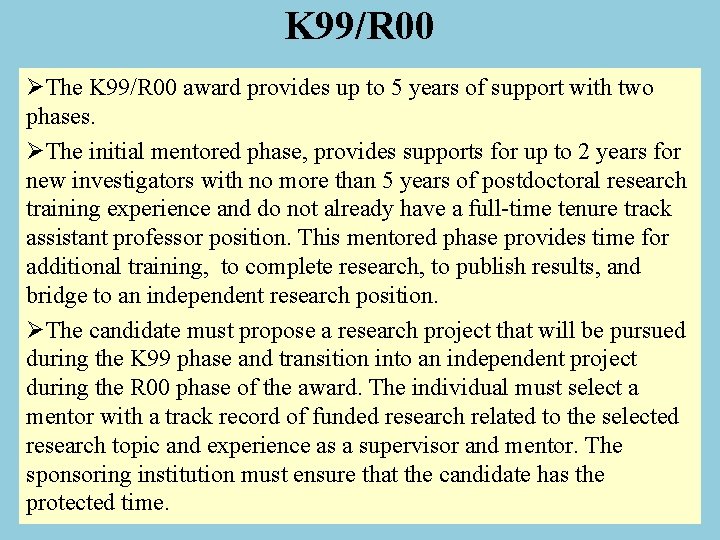
K 99/R 00 ØThe K 99/R 00 award provides up to 5 years of support with two phases. ØThe initial mentored phase, provides supports for up to 2 years for new investigators with no more than 5 years of postdoctoral research training experience and do not already have a full-time tenure track assistant professor position. This mentored phase provides time for additional training, to complete research, to publish results, and bridge to an independent research position. ØThe candidate must propose a research project that will be pursued during the K 99 phase and transition into an independent project during the R 00 phase of the award. The individual must select a mentor with a track record of funded research related to the selected research topic and experience as a supervisor and mentor. The sponsoring institution must ensure that the candidate has the protected time.
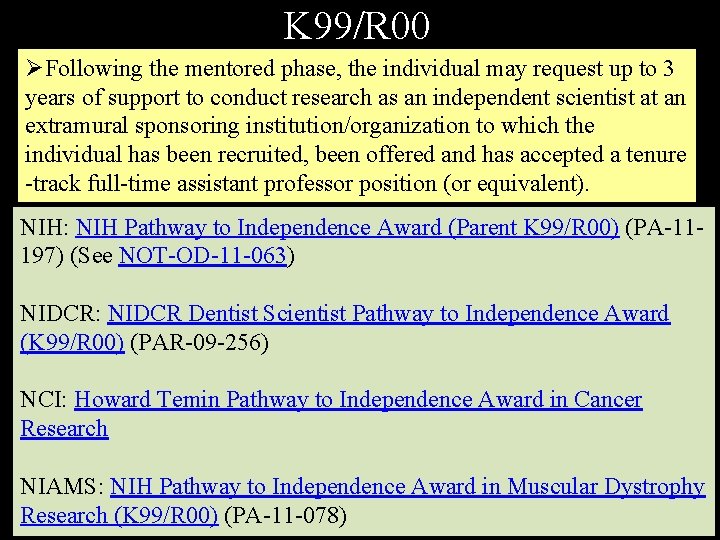
K 99/R 00 ØFollowing the mentored phase, the individual may request up to 3 years of support to conduct research as an independent scientist at an extramural sponsoring institution/organization to which the individual has been recruited, been offered and has accepted a tenure -track full-time assistant professor position (or equivalent). NIH: NIH Pathway to Independence Award (Parent K 99/R 00) (PA-11197) (See NOT-OD-11 -063) NIDCR: NIDCR Dentist Scientist Pathway to Independence Award (K 99/R 00) (PAR-09 -256) NCI: Howard Temin Pathway to Independence Award in Cancer Research NIAMS: NIH Pathway to Independence Award in Muscular Dystrophy Research (K 99/R 00) (PA-11 -078)
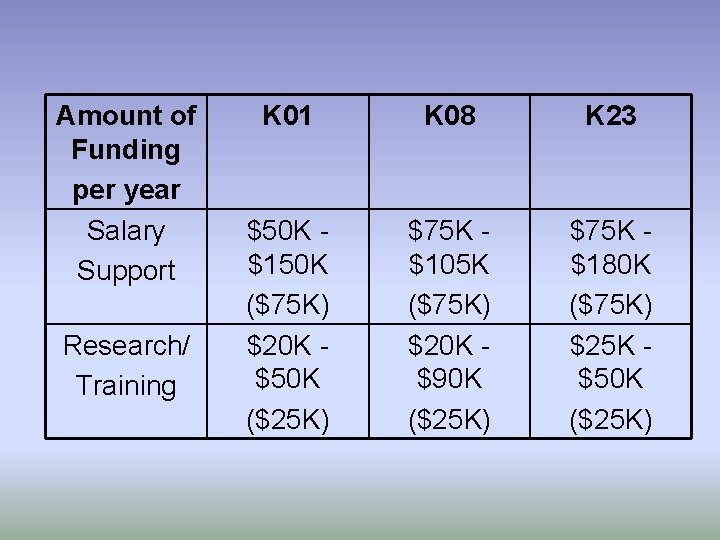
Amount of Funding per year Salary Support Research/ Training K 01 K 08 K 23 $50 K $150 K ($75 K) $20 K $50 K ($25 K) $75 K $105 K ($75 K) $20 K $90 K ($25 K) $75 K $180 K ($75 K) $25 K $50 K ($25 K)
Ruth L. Kirschstein National Research Service Awards (NRSA) for Individual Postdoctoral Fellows (Parent F 32) F Kiosk – Information about Ruth L. Kirschstein NRSA Individual Fellowship Funding Opportunities http: //grants. nih. gov/training/F_files_nrsa. htm F 32 NIH: Ruth L. Kirschstein National Research Service Awards (NRSA) for Individual Postdoctoral Fellows (Parent F 32) (PA-11 -113) NIAMS: Ruth L. Kirschstein National Research Service Awards for Individual Postdoctoral Fellowships in Muscular Dystrophy Research (F 32) (PA-11 -075)
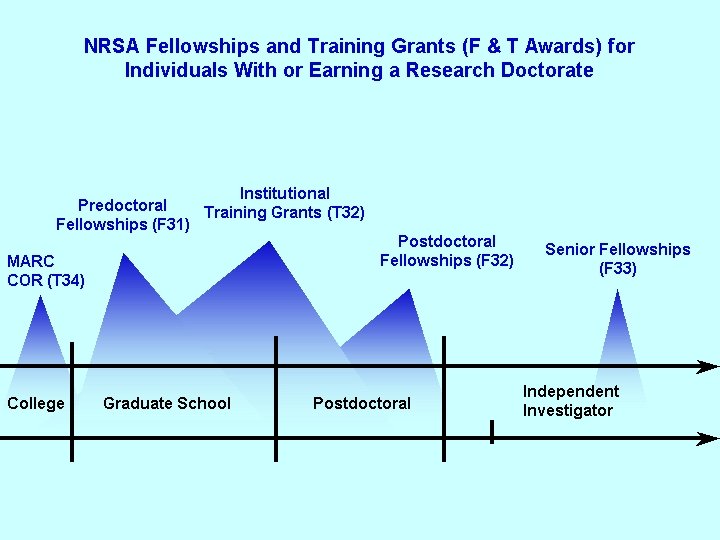
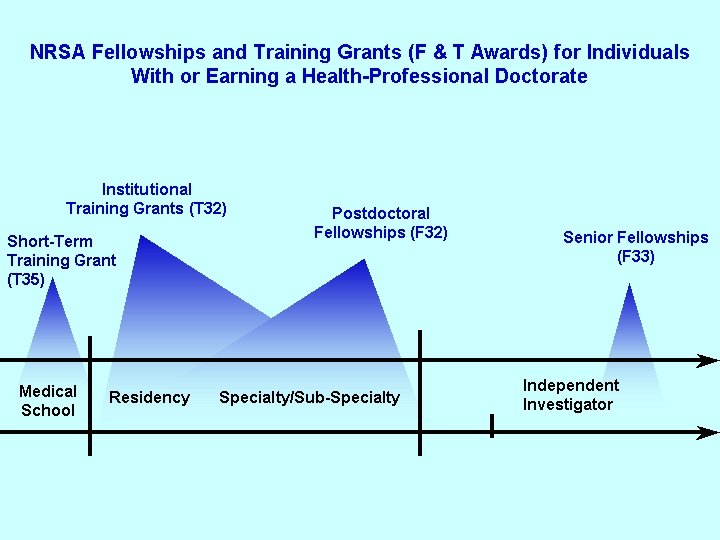
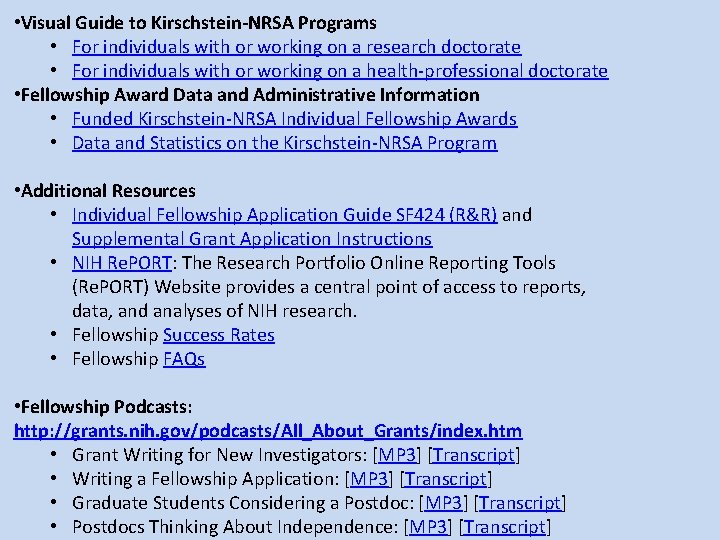
• Visual Guide to Kirschstein-NRSA Programs • For individuals with or working on a research doctorate • For individuals with or working on a health-professional doctorate • Fellowship Award Data and Administrative Information • Funded Kirschstein-NRSA Individual Fellowship Awards • Data and Statistics on the Kirschstein-NRSA Program • Additional Resources • Individual Fellowship Application Guide SF 424 (R&R) and Supplemental Grant Application Instructions • NIH Re. PORT: The Research Portfolio Online Reporting Tools (Re. PORT) Website provides a central point of access to reports, data, and analyses of NIH research. • Fellowship Success Rates • Fellowship FAQs • Fellowship Podcasts: http: //grants. nih. gov/podcasts/All_About_Grants/index. htm • Grant Writing for New Investigators: [MP 3] [Transcript] • Writing a Fellowship Application: [MP 3] [Transcript] • Graduate Students Considering a Postdoc: [MP 3] [Transcript] • Postdocs Thinking About Independence: [MP 3] [Transcript]
Research Strategy (Component of Research Training Plan) Applicant fellows must describe a tailored research training plan including: • a description of a hypothesis-driven research strategy suited to the stage of his/her career development. • a description of the skills and techniques to be acquired and discuss the relationship of the proposed research training to the applicant fellow’s career goals. • the background leading to the proposed research, the significance of the research, the research approach (design and methods) for achieving the Specific Aims, the rationale, and expected/alternative outcomes of the proposed studies. • Inclusion of preliminary data obtained by the applicant fellow in the current or prior laboratory. Other Research Experience (Component of Additional Information) Sponsor(s) and Co-Sponsor(s) The applicant must identify a sponsor (also called mentor or supervisor) who will supervise the training and research experience. Resource Sharing Plan Appendix Letters of Reference Applicant fellows must carefully follow the SF 424 (R&R) Individual Fellowship Application Guide.
T Kiosk - Information about Ruth L. Kirschstein NRSA Institutional Training Grant Funding Opportunities http: //grants. nih. gov/training/T_Table. htm Ruth L. Kirschstein National Research Service Award (NRSA) Institutional Research Training Grants (T 32) Jointly Sponsored Ruth L. Kirschstein National Research Service Award Institutional Predoctoral Training Program in the Neurosciences (T 32) (PAR-12 -084) Jointly Sponsored Predoctoral Training Program in the Neuroscience). Predoctoral and Postdoctoral Training Program in Reproductive, Obstetric, Perinatal and Pediatric Epidemiology and Pharmacoepidemiology (T 32) Ruth L. Kirschstein National Research Service Award (NRSA) Institutional Predoctoral Training Program in Systems Biology of Developmental Biology & Birth Defects (T 32) Postdoctoral Research Training for Obstetricians and Gynecologists (T 32)