
Neonic Use Strategies In Turf Ornamentals To AvoidReduce

- Slides: 36
Neonic Use Strategies In Turf & Ornamentals To Avoid/Reduce Bee Hazards David J. Shetlar, Ph. D. , The “Bug. Doc” Department of Entomology
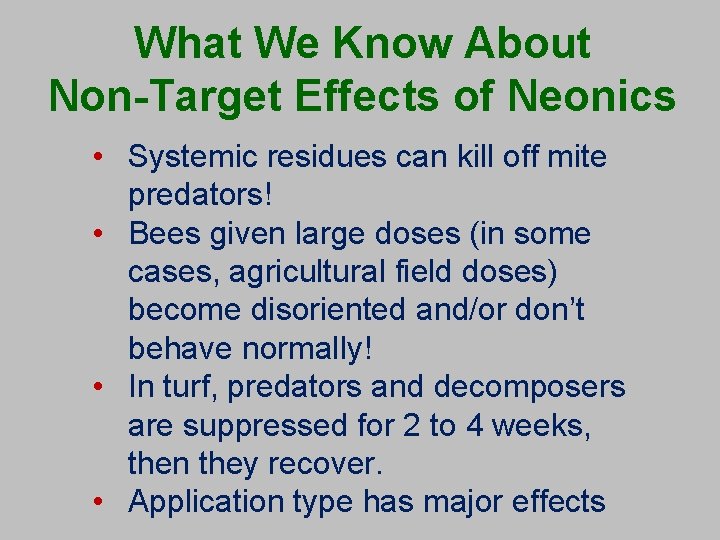
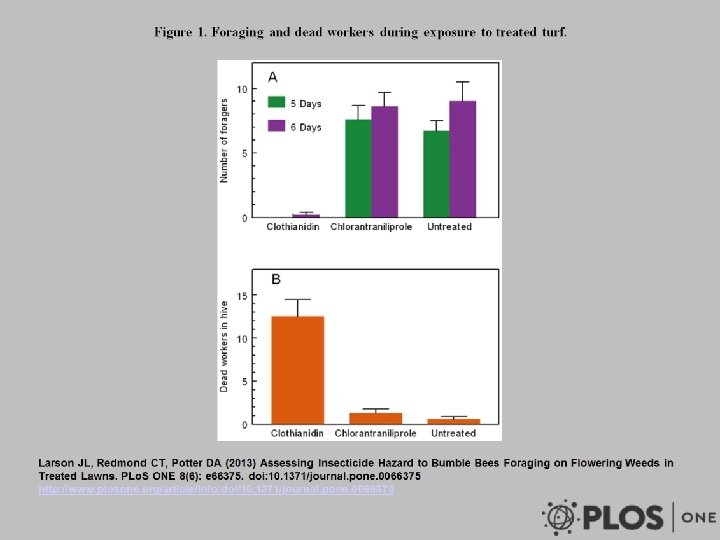
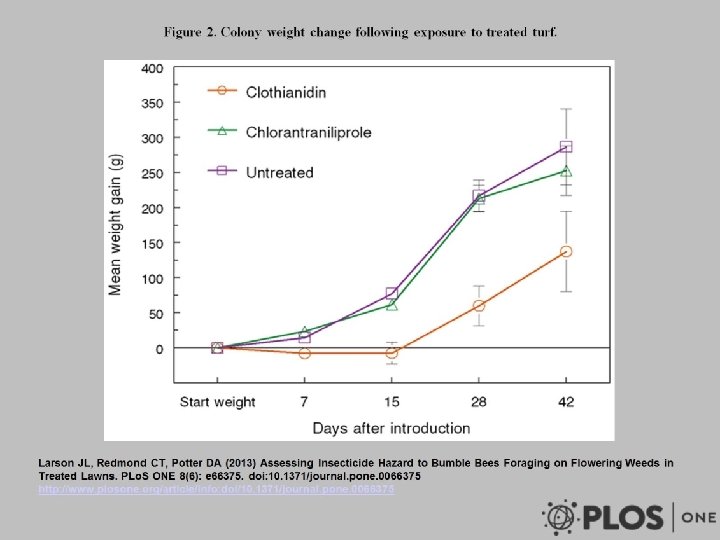
What We Know About Non-Target Effects of Neonics • Systemic residues can kill off mite predators! • Bees given large doses (in some cases, agricultural field doses) become disoriented and/or don’t behave normally! • In turf, predators and decomposers are suppressed for 2 to 4 weeks, then they recover. • Application type has major effects
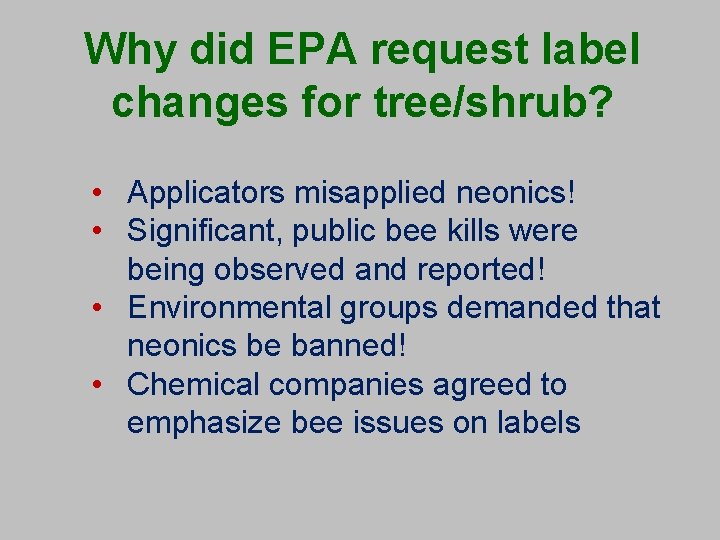
Why did EPA request label changes for tree/shrub? • Applicators misapplied neonics! • Significant, public bee kills were being observed and reported! • Environmental groups demanded that neonics be banned! • Chemical companies agreed to emphasize bee issues on labels
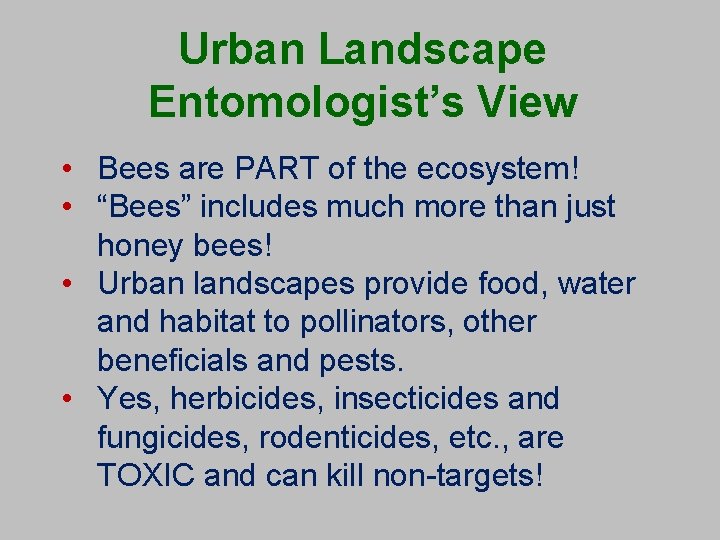
Urban Landscape Entomologist’s View • Bees are PART of the ecosystem! • “Bees” includes much more than just honey bees! • Urban landscapes provide food, water and habitat to pollinators, other beneficials and pests. • Yes, herbicides, insecticides and fungicides, rodenticides, etc. , are TOXIC and can kill non-targets!
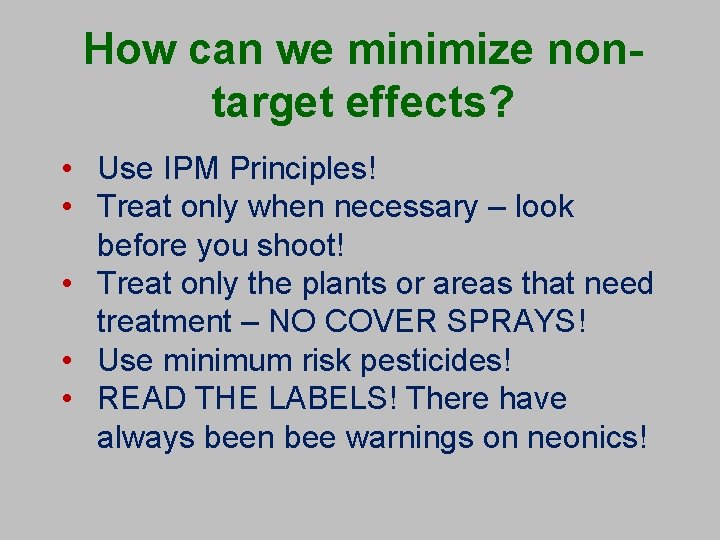
How can we minimize nontarget effects? • Use IPM Principles! • Treat only when necessary – look before you shoot! • Treat only the plants or areas that need treatment – NO COVER SPRAYS! • Use minimum risk pesticides! • READ THE LABELS! There have always been bee warnings on neonics!
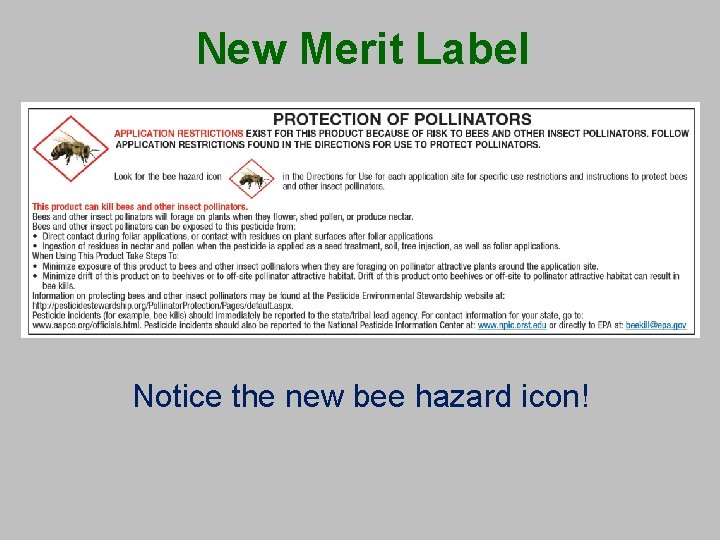
New Merit Label Notice the new bee hazard icon!
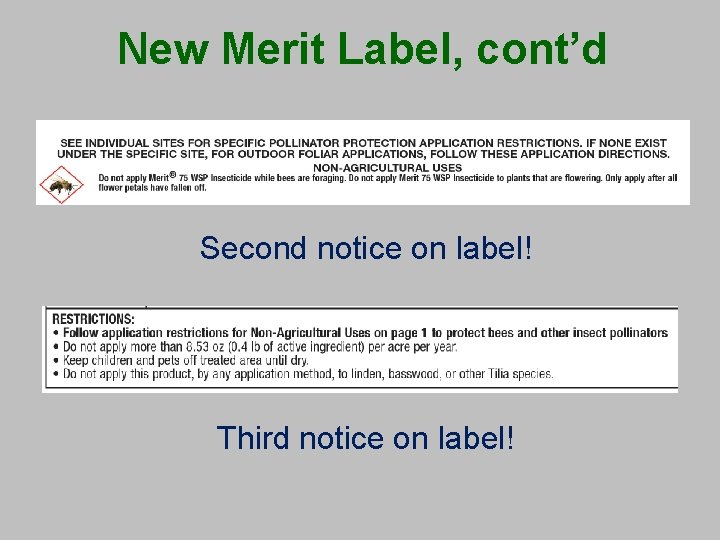
New Merit Label, cont’d Second notice on label! Third notice on label!
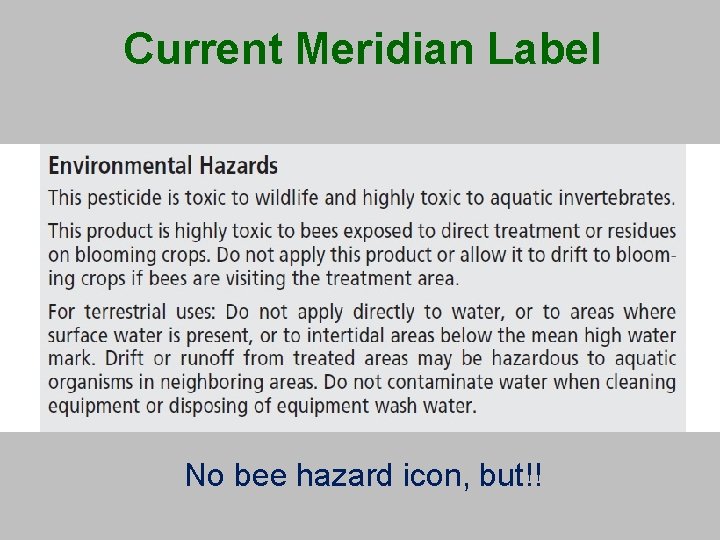
Current Meridian Label No bee hazard icon, but!!
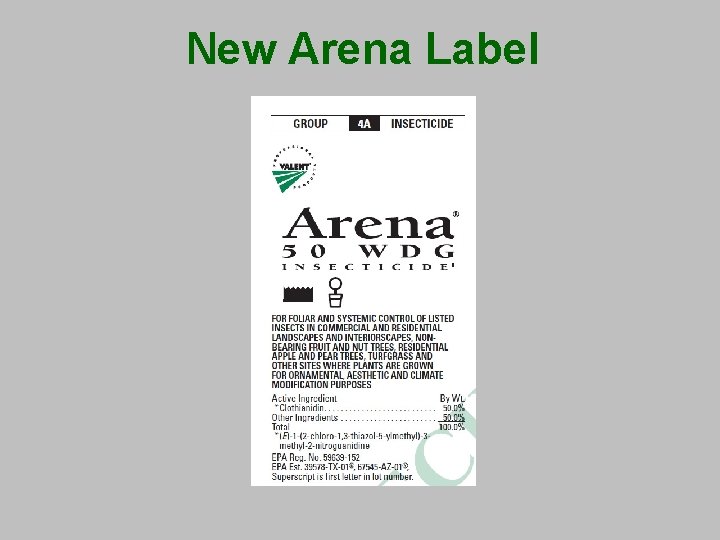
New Arena Label
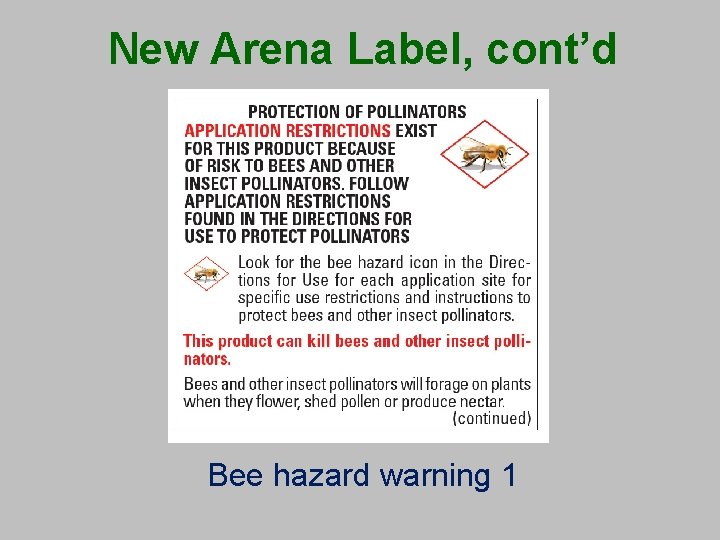
New Arena Label, cont’d Bee hazard warning 1
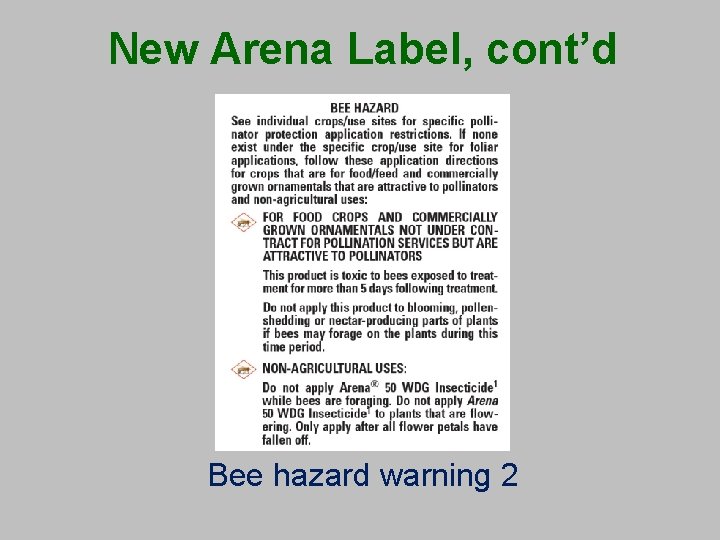
New Arena Label, cont’d Bee hazard warning 2
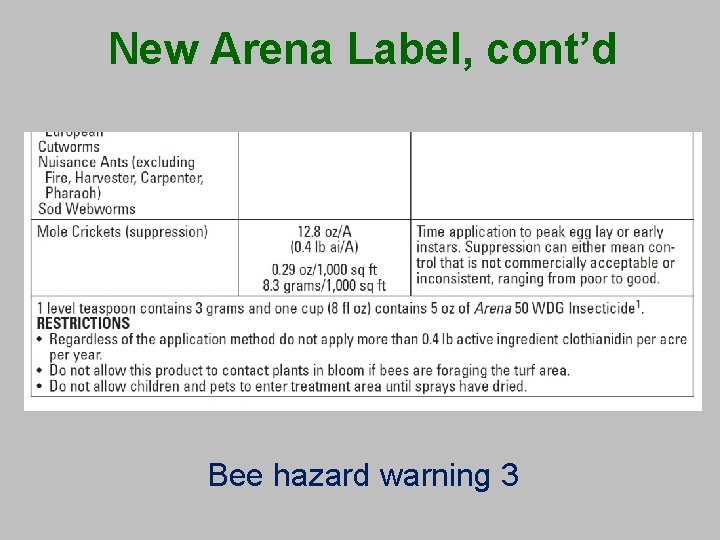
New Arena Label, cont’d Bee hazard warning 3
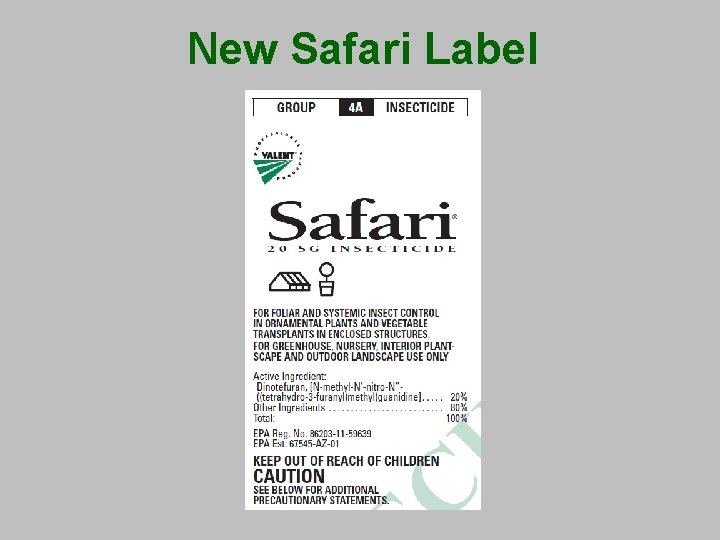
New Safari Label
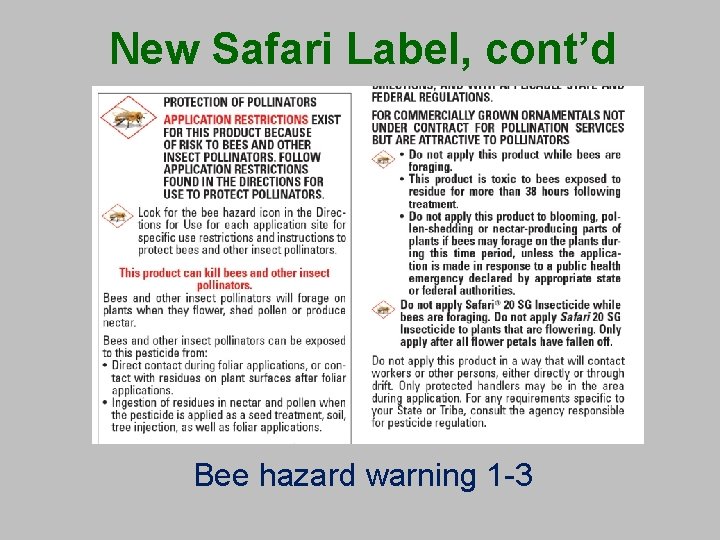
New Safari Label, cont’d Bee hazard warning 1 -3
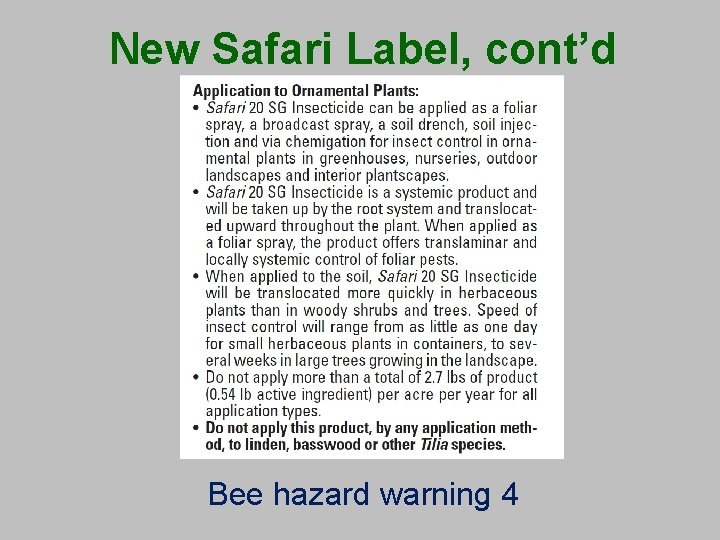
New Safari Label, cont’d Bee hazard warning 4
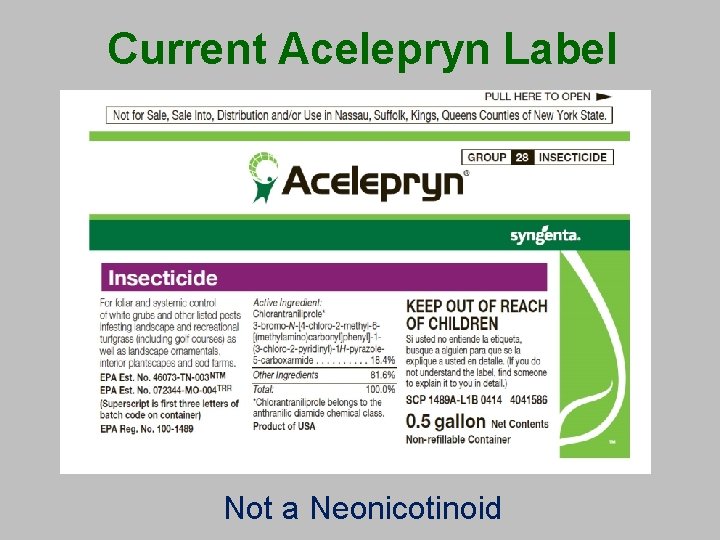
Current Acelepryn Label Not a Neonicotinoid
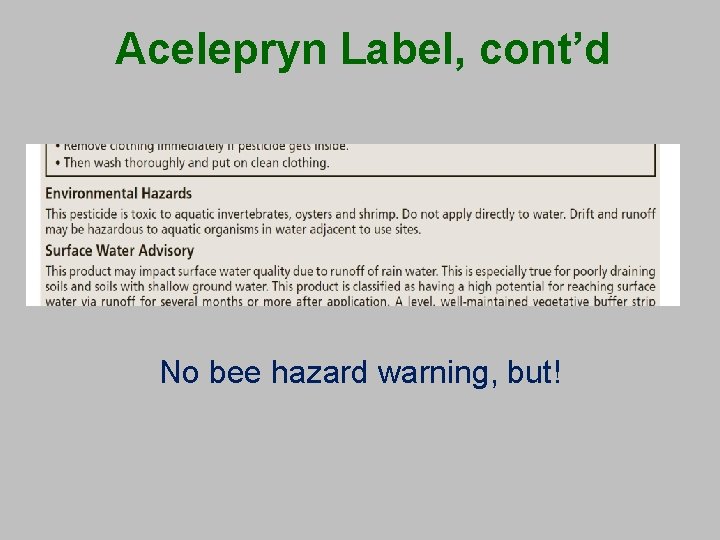
Acelepryn Label, cont’d No bee hazard warning, but!
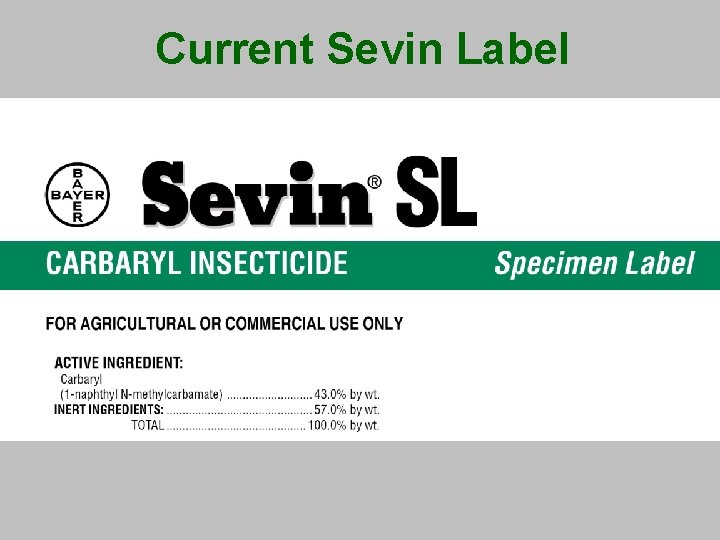
Current Sevin Label
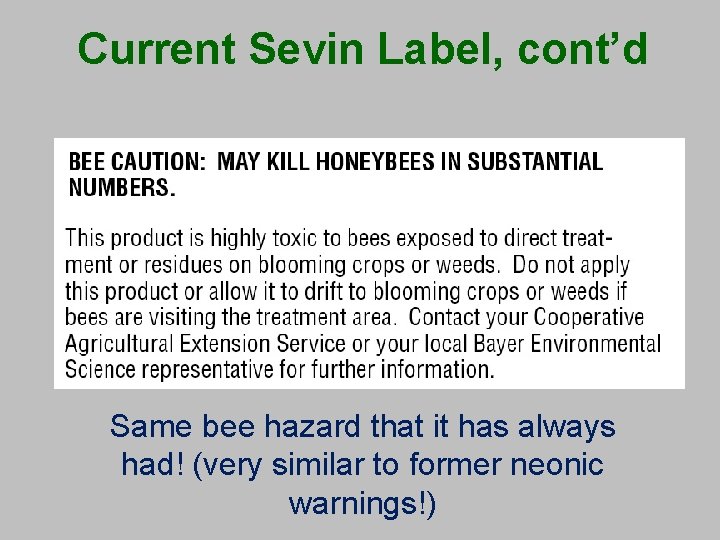
Current Sevin Label, cont’d Same bee hazard that it has always had! (very similar to former neonic warnings!)
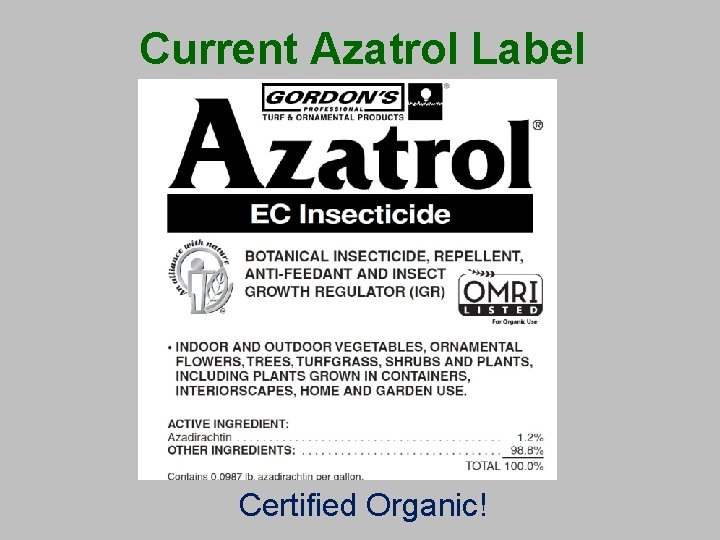
Current Azatrol Label Certified Organic!
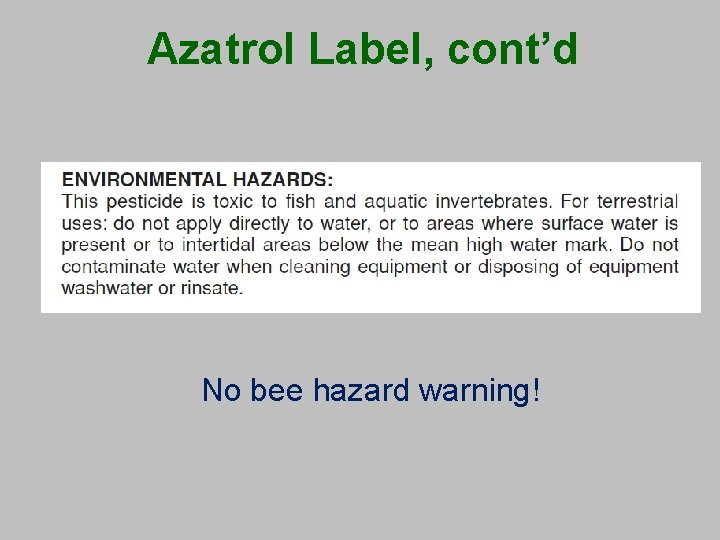
Azatrol Label, cont’d No bee hazard warning!
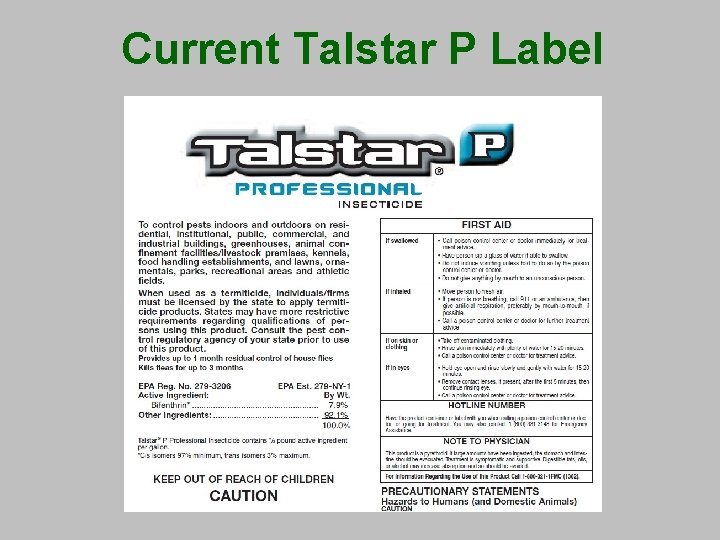
Current Talstar P Label
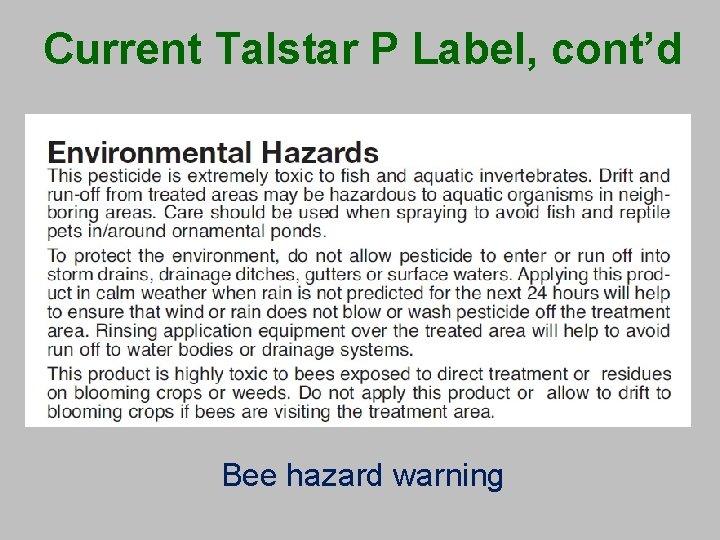
Current Talstar P Label, cont’d Bee hazard warning
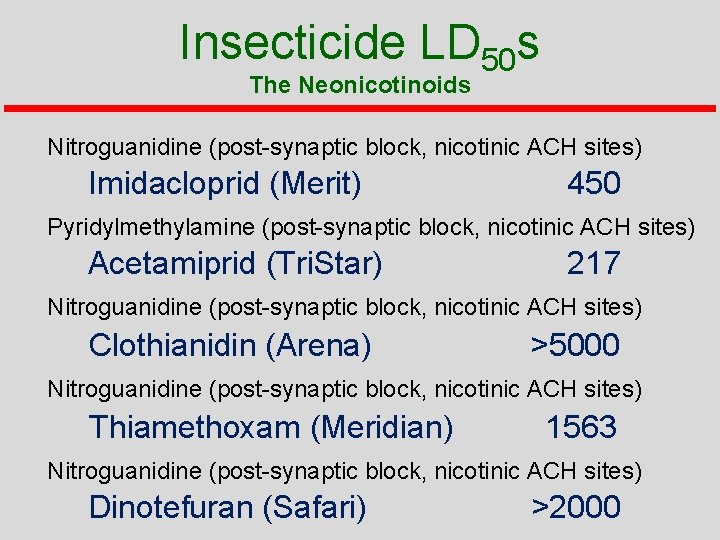
Insecticide LD 50 s The Neonicotinoids Nitroguanidine (post-synaptic block, nicotinic ACH sites) Imidacloprid (Merit) 450 Pyridylmethylamine (post-synaptic block, nicotinic ACH sites) Acetamiprid (Tri. Star) 217 Nitroguanidine (post-synaptic block, nicotinic ACH sites) Clothianidin (Arena) >5000 Nitroguanidine (post-synaptic block, nicotinic ACH sites) Thiamethoxam (Meridian) 1563 Nitroguanidine (post-synaptic block, nicotinic ACH sites) Dinotefuran (Safari) >2000
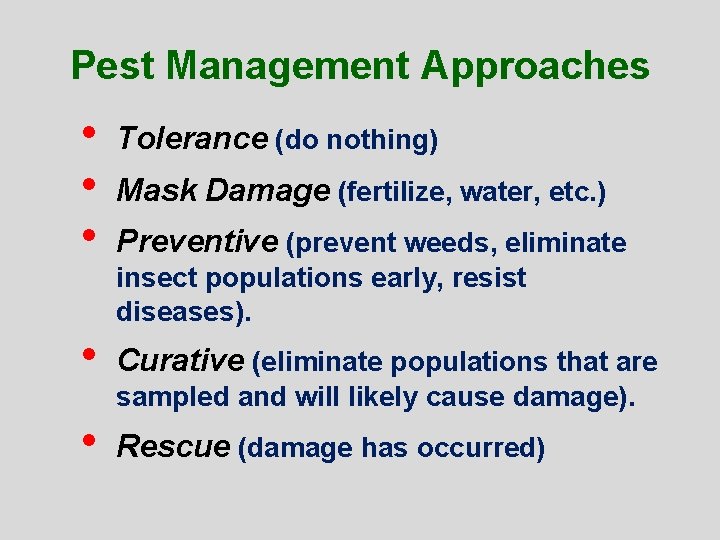
Pest Management Approaches • • • Tolerance (do nothing) • Curative (eliminate populations that are • Rescue (damage has occurred) Mask Damage (fertilize, water, etc. ) Preventive (prevent weeds, eliminate insect populations early, resist diseases). sampled and will likely cause damage).
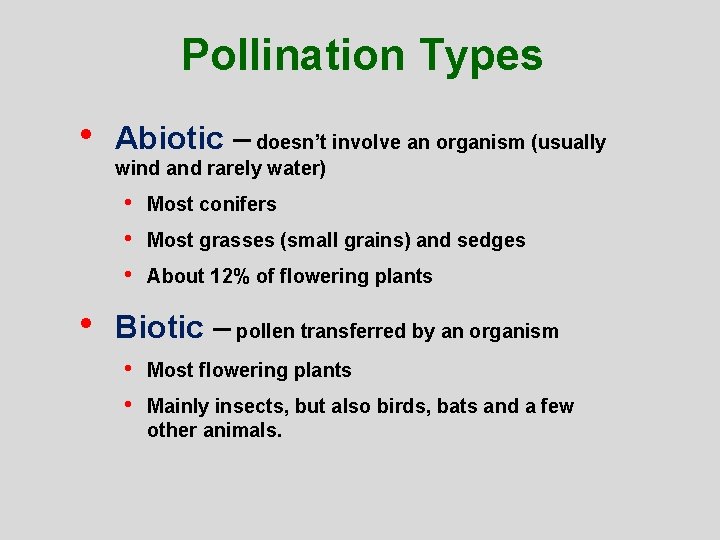
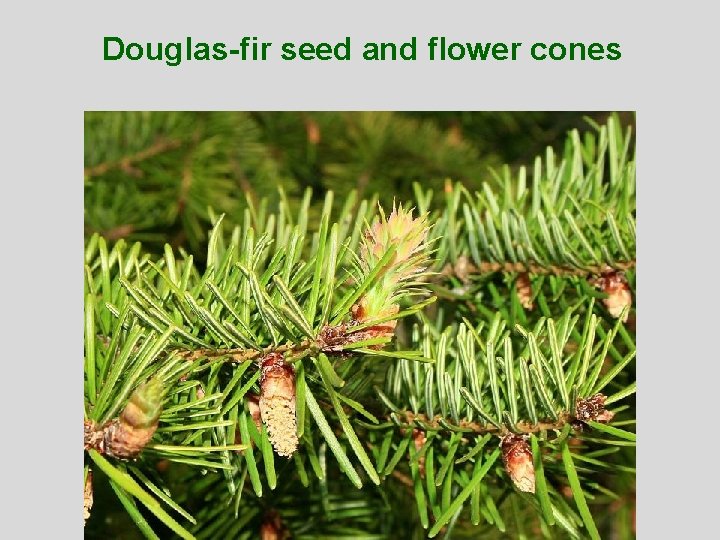
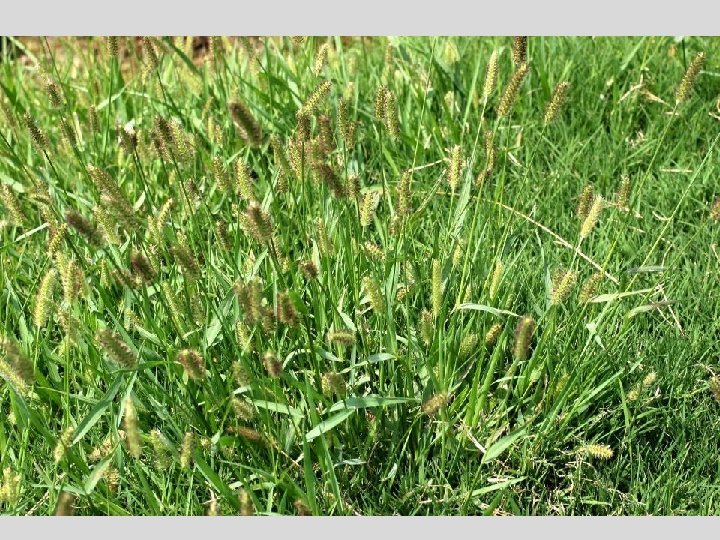
Pollination Types • Abiotic – doesn’t involve an organism (usually wind and rarely water) • • Most conifers Most grasses (small grains) and sedges About 12% of flowering plants Biotic – pollen transferred by an organism • • Most flowering plants Mainly insects, but also birds, bats and a few other animals.
Douglas-fir seed and flower cones
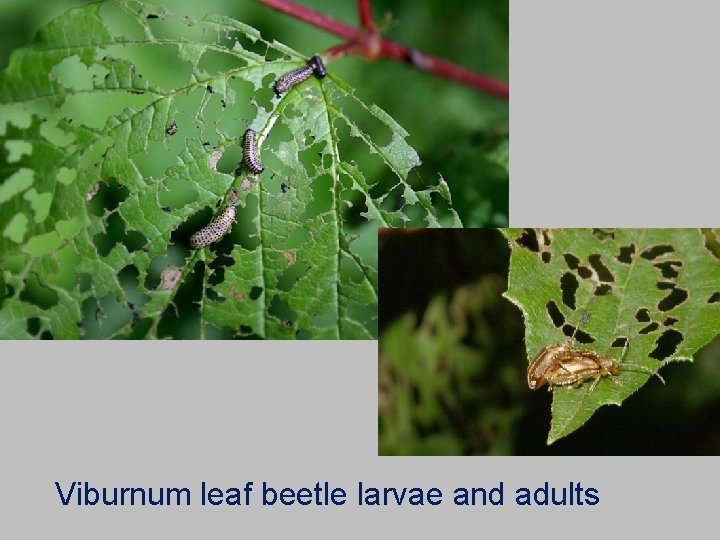
Viburnum leaf beetle larvae and adults
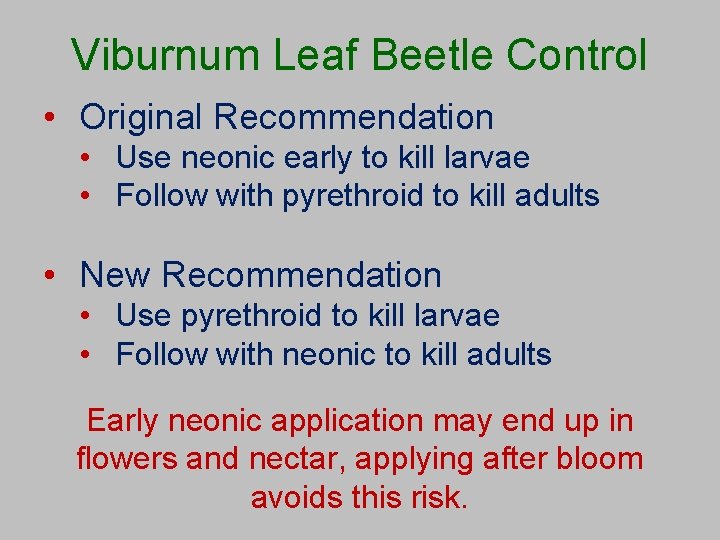
Viburnum Leaf Beetle Control • Original Recommendation • Use neonic early to kill larvae • Follow with pyrethroid to kill adults • New Recommendation • Use pyrethroid to kill larvae • Follow with neonic to kill adults Early neonic application may end up in flowers and nectar, applying after bloom avoids this risk.
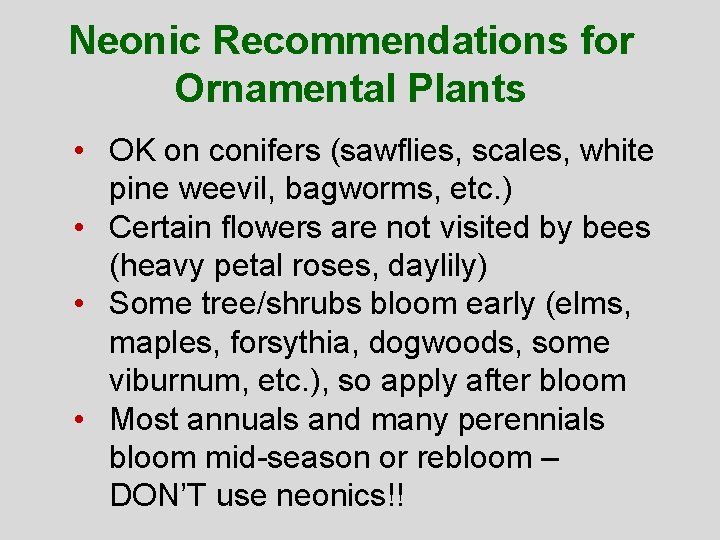
Neonic Recommendations for Ornamental Plants • OK on conifers (sawflies, scales, white pine weevil, bagworms, etc. ) • Certain flowers are not visited by bees (heavy petal roses, daylily) • Some tree/shrubs bloom early (elms, maples, forsythia, dogwoods, some viburnum, etc. ), so apply after bloom • Most annuals and many perennials bloom mid-season or rebloom – DON’T use neonics!!
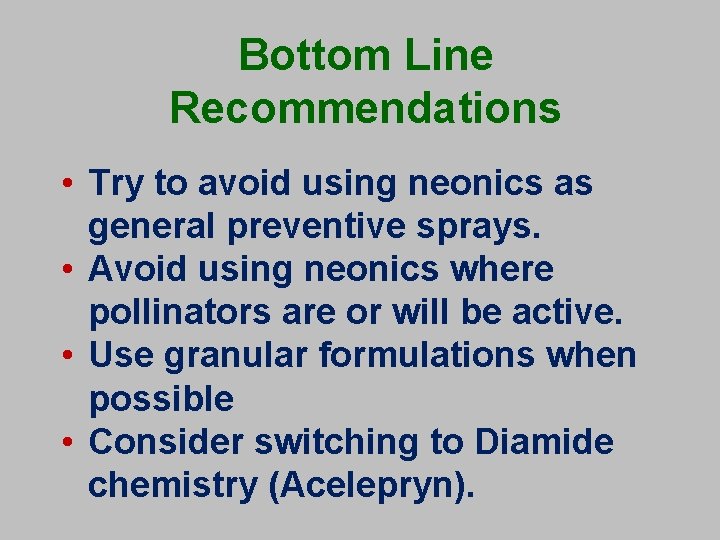
Bottom Line Recommendations • Try to avoid using neonics as general preventive sprays. • Avoid using neonics where pollinators are or will be active. • Use granular formulations when possible • Consider switching to Diamide chemistry (Acelepryn).