
Principles of Landscaping Maintenance Xeriscaping Water Gardens The


- Slides: 96
Principles of Landscaping Maintenance, Xeriscaping & Water Gardens
The Landscape Industry • Also known as the green industry • Improve natural environment • Meet needs and desires of people
Landscape architect • Professionals • Integrate the principles of art and science • Know how plants and landscape factors will react to the environment around them
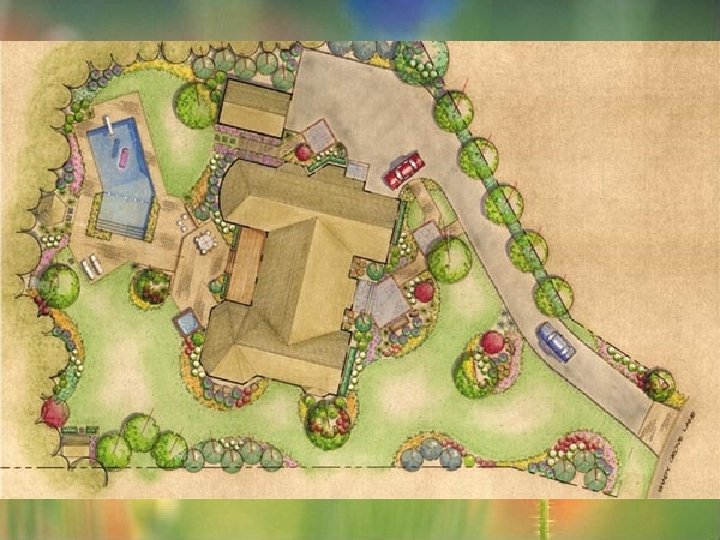
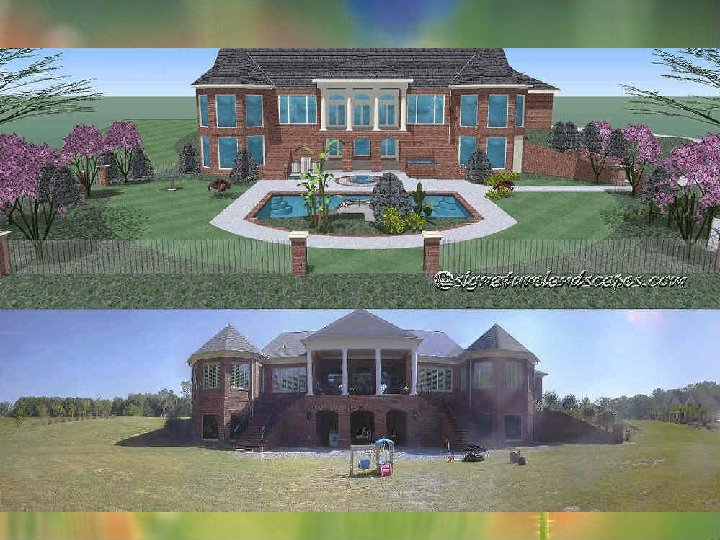
• Prepare designs that show what, where and how objects and plants are installed • Utilize computers and mechanized equipment in conjunction with the design process – known as CAD – Computer aided design
3 -D approach • Allows the client to view a photographic image of the landscape design. • Improves the clients understanding of the design • Helps to visualize what it will look like when plants are mature
Landscape designers • State have differing regulations • Generally 4 -5 years of college training is required • State may also require a license
Landscape designer • Reduce actual dimensions of the area to be landscaped to a size that can be illustrated • Plan is a collection of symbols that represent trees, shrubs, flowers, buildings, decks, etc,
Landscape designer • Designs are drawn to scale • All symbols are reduced to the same proportion • Common scales used in landscape drawings are: – 1 inch =10 feet – 1 inch = 20 feet
Landscape design • Once the design is approved by the client, installation takes place
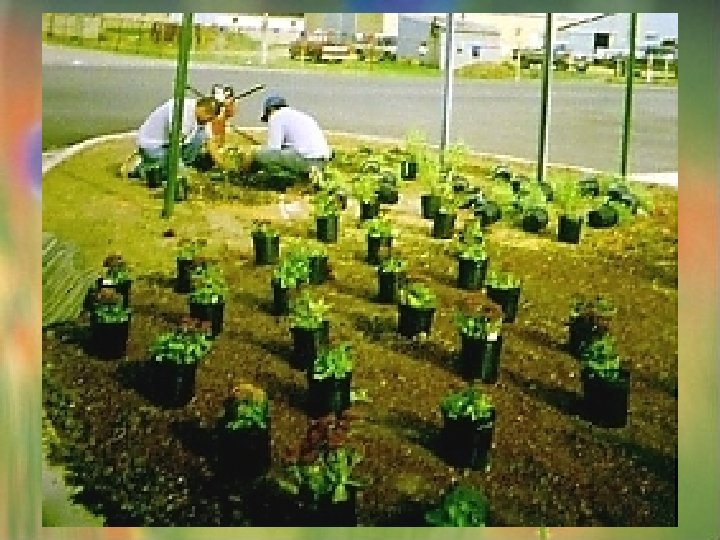
Landscape Contractor • Career field that deals with the installation of landscapes • Main link between the design and implementation
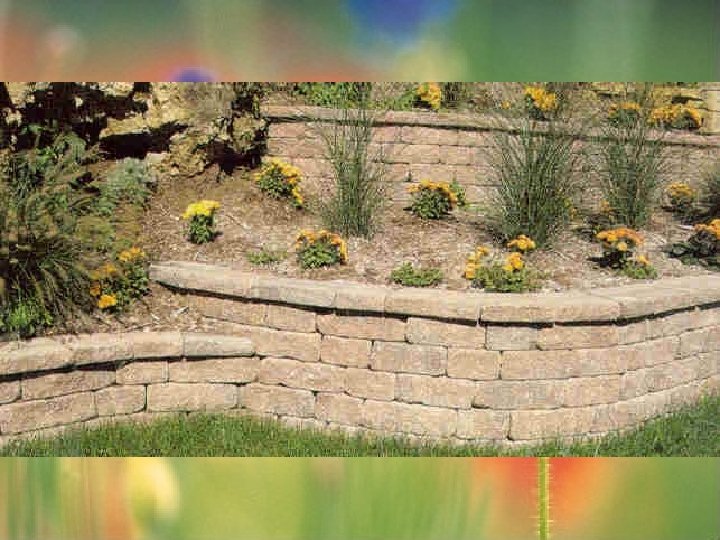
Landscape Contractor • Must have knowledge of plant materials and proper planting technique • Engineering and building skills • May build brick patios, or stone or concrete brick retaining walls
Landscape Contractor • Must be able to read and follow the scale drawing of the design. • Landscape architect may subcontract installation work or other work such as paving and deck building
Landscape Maintenance Contractor • Care of the landscape once installed • May often be called gardeners or professional horticulturists • May spend all their time on a single client such as a golf course, large estate, shopping mall, cemetery or park
Landscape Maintenance Contractor • May serve numerous landscapes • Typical tasks include: lawn care fertilizing, weeding, mowing • Tree and shrub care – fertilizing, pruning, mulching
Landscape Maintenance Contractor • Flower care • Repair of walls, fences, walks and drives • Painting and snow plowing
Landscape Maintenance Contractor • Fastest growing part of the business – management of landscapes once they have been installed • Maintenance requirements must be kept in mind while developing the design
Landscape Maintenance Contractor • Poorly trained or careless maintenance workers can make the best landscapes look shabby • All landscape professionals are interrelated
Objectives of Residential Landscaping • Determine the exact landscape needs and desires of the homeowner • Determine the capabilities of the land (site) to fulfill those needs and desires
Objectives of Residential Landscaping • Develop the outdoor living areas of the landscape in a manner similar to the way indoor living areas are developed
Objectives of Residential Landscaping • Design the landscape in such a way that maintenance practices do not exceed that which the homeowner is willing to do • Keep costs within the budget of the homeowner
Homeowner Interview • Needs and desires of the homeowner best determined by an interview • Allows for personal approach to landscaping
Interview Questions • Size of family and ages • How much does the family use the outdoor areas • Does family entertain frequently – size of groups
Interview questions • Amount of privacy from neighbors and passing cars desired • How much maintenance is homeowner willing to do
Interview Questions • Specific plants that homeowner is fond of or family members are allergic to • Service needs of the landscape – clothesline, trash cans, pets, garden etc. • Will the family use the area after dark
Interview Questions • How much does the family want to spend on the project • Is the family willing to wait several years for the pants to reach their mature size or do they want large plants installed for immediate effect
Site Analysis • • • Dimensions of property Topography Quality of soil, top and sub Condition of lawn areas Types and condition of existing plants
Site Analysis • Location of utility lines, meters, and utility easements • Good and bad views from the site • Architectural style of the neighborhood
Site Analysis • Environmental setting of the site and neighborhood • Existing natural features such as streams, rock outcroppings, specimen plants and wildlife habitat areas
Outdoor Room Concept
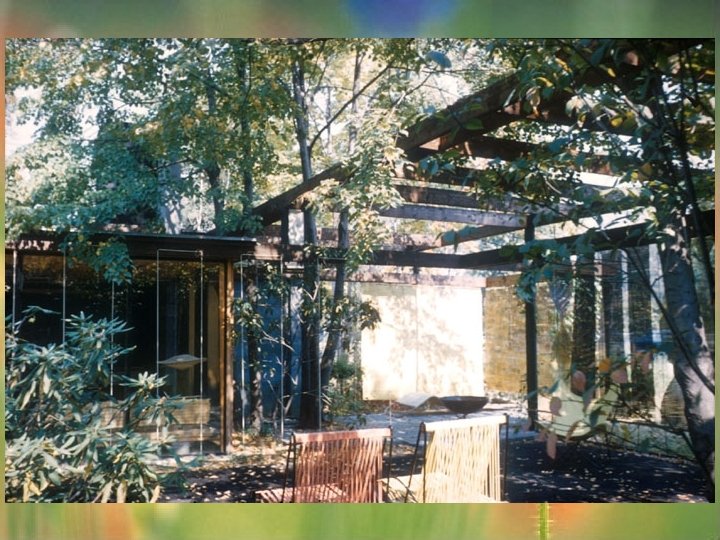
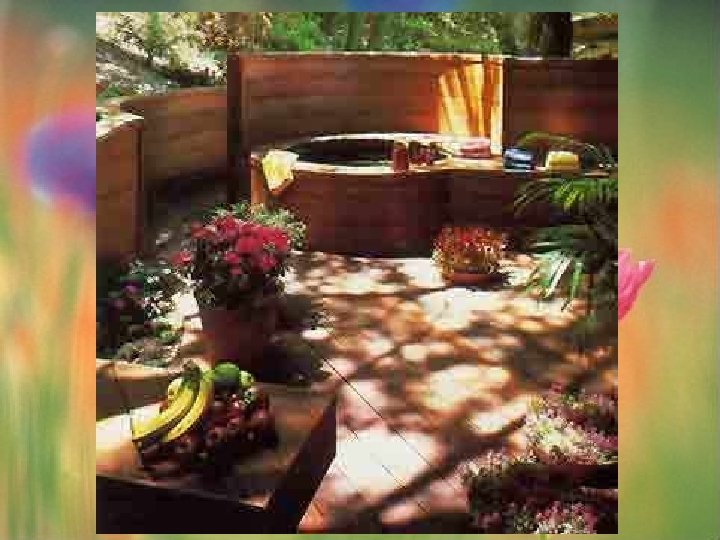
Outdoor Room • Visualize the outdoors the same as the indoors • Outdoor rooms have walls, ceilings and floors just like indoor rooms do • Primary difference is the materials used to construct them
Outdoor Room • Outdoor walls may be constructed with shrubs, fences, brick or stone, exterior walls of buildings or trellises • Floors may be natural earth, sand, stone, concrete, grass etc.
Principles of Landscape Design • • • Simplicity Balance Focalization of interest Rhythm and line Scale and proportion
Simplicity • Important in unity of design • Accomplished by repeating specific plants throughout the design • Massing plant types or colors into groups rather than spacing them so that each plant is seem separately
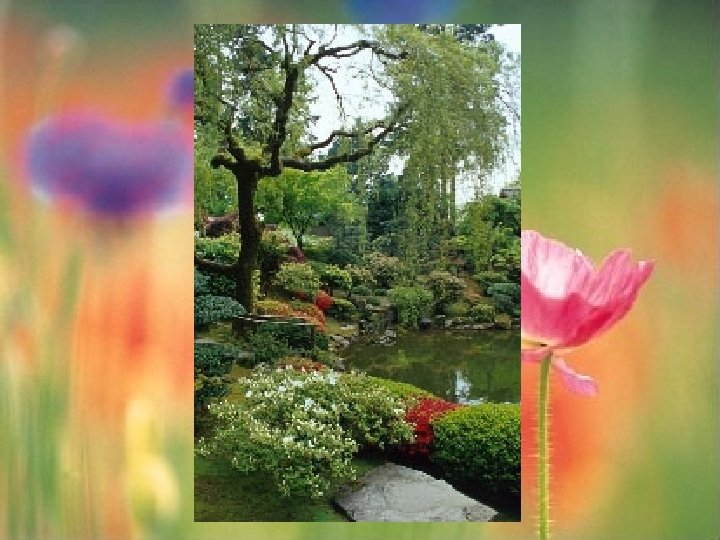
Simplicity • Straight lined or gently curving bed lines around shrub plantings
Balance • Imagining the landscape placed on a seesaw • If properly balanced, both sides of the landscape should have equal visual balance
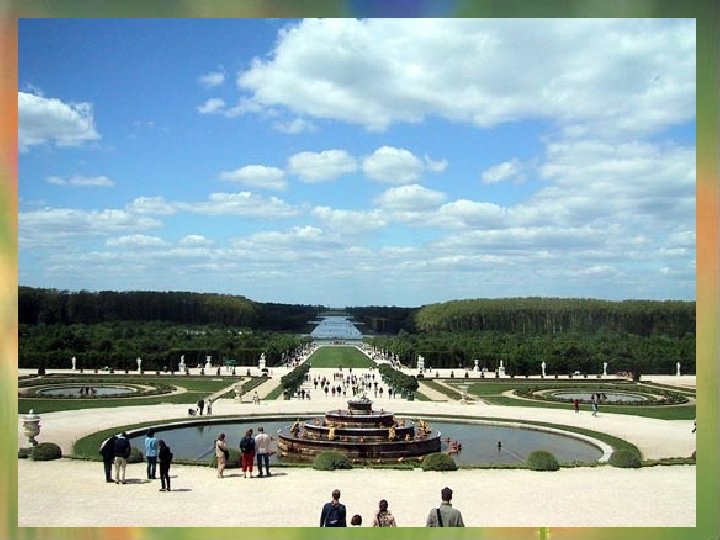
Balance • May be symmetrical or asymmetrical • Symmetrical balance is achieved when one side of the landscape is an exact duplicate of the other side • Common in formal designs
Balance • Asymmetrical balance happens when one side of the landscape has the same visual weight as the other side but they are not duplicates
Focalization • Viewers eye wants to see only one feature as being most important within any view. • All other elements complement that feather – focal point
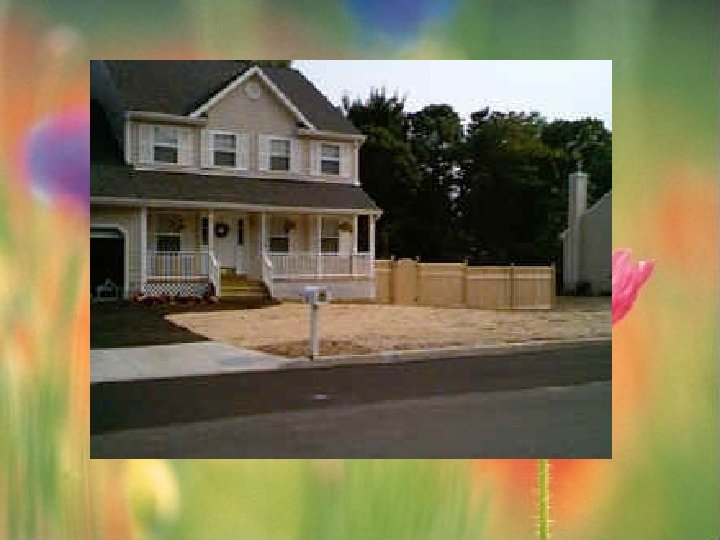
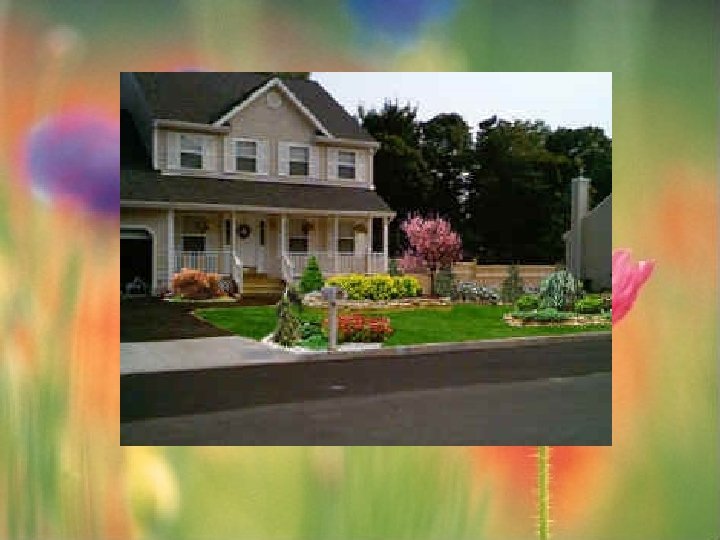
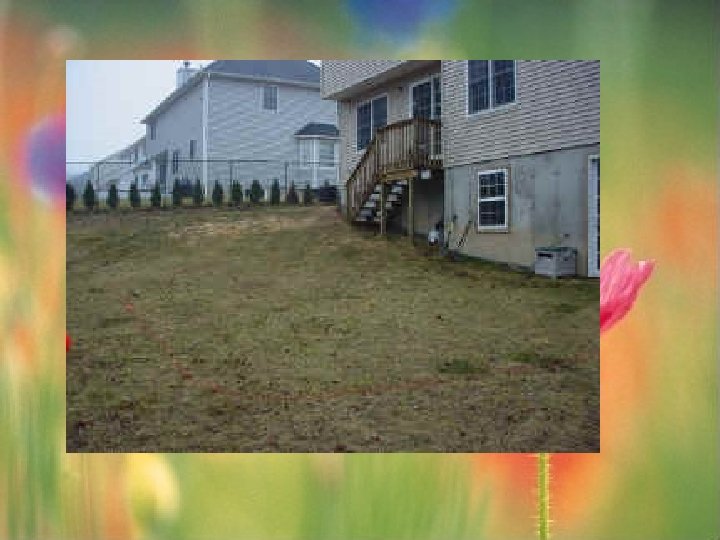
Focalization • When looking at a house from the street, the viewers eye should go quickly to the front door • In the back yard, the viewer may have no focal point to look at unless one is created
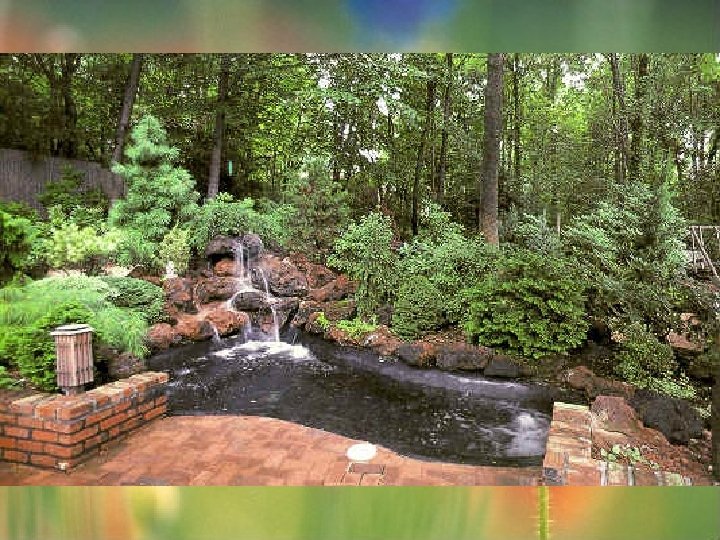
Focalization • Focal points may be created by using especially attractive plants – specimen plants • Statues • Fountains and pools • Flower masses
Focalization • Once designed, all bed lines and plant arrangements should lead the eye of the viewer to the focal point
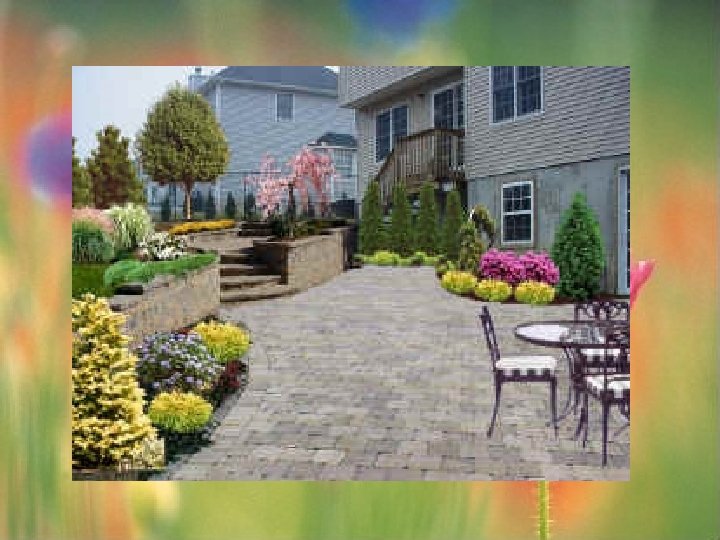
Rhythm and Line • Contributes to the overall unity of the design • Responsible for a sense of continuity among different areas of the landscape • Extending planting beds from one area to another
Rhythm and Line • Shrub beds developed around an entrance can be continued around to the sides and into the backyard • Helps to tie the front and rear areas of the property together
Rhythm and Line • Repeating shapes, angles, or lines between various areas and elements of the design
Scale and Proportion • Keep all elements in the correct size relationship • Plants should add to human comfort in the setting • Smaller plants are used in a children's play area – allows children to relate to the plants
Unity • Master principle • Creates flow among scale and proportion, balance, accent, rhythm and simplicity • Landscape design will complement surroundings and crate aesthetic appeal
Maintenance • One of the fastest growing divisions of the hort industry • Caring for the landscape after installation
Involves technical knowledge and the following skills • Replace plant material • Application of mulch to proper depth • Application of soil amendments for proper p. H and fertility needs
Cont • • • Pruning Weed control Planting and caring for flower beds Proper mowing Maintenance of landscape accessories – pools, fountains, lighting
Maintenance • Important that the landscape maintenance personnel be able to determine the volume of mulch to cover a given area
Formula • Length X width. X depth _in feet) • _____________ • 27 cubic feet/cubic yard
Mulch • Most mulch is applied at a depth of three inches • Most common type of wood chips • Hardwood bark and pine bark • Vary in size from coarse to fine
Mulch • • Aesthetic appearance Water holding Organic matter Weed control
Mulch • Can be purchased in bags or in bulk
Maintenance • Power tools
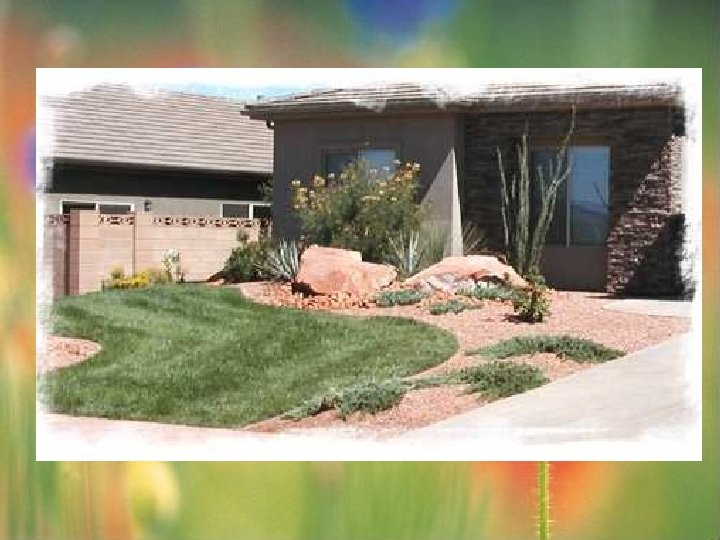
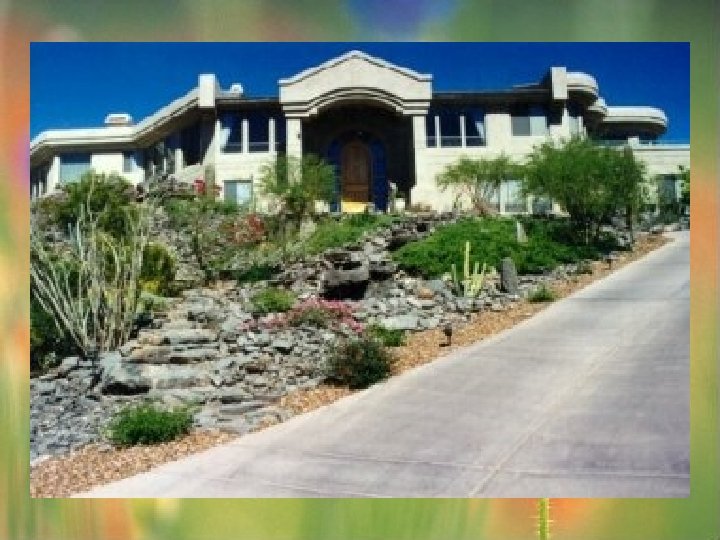
Xeriscaping • Practice water conservation in creative landscapes • Used extensively in the southwestern US
Xeriscaping • • • Basic concepts Good design and planning Improving soil Turf areas Use of ground covers Low water use
Basic concepts • • Plant selection Use of mulches Use of low volume irrigation Proper landscape maintenance
Xeriscaping
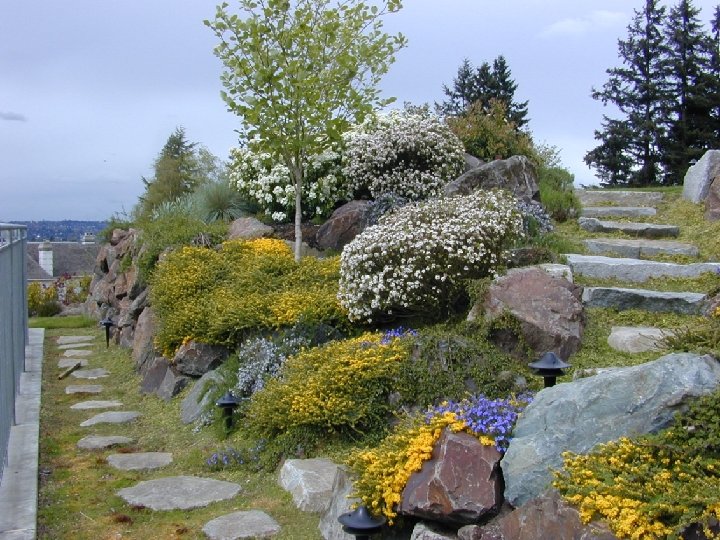
Xeriscaping • Necessary to group plants in relation to their water needs • Allows growth of high water use plants and still conserve water • Use mass plantings with borders of lower plants in front and taller plants in back
Xeriscaping • Soil can be improved to provide optimum growth and water conservation • Addition of organic matter will improve aeration and water holding ability
Xeriscaping • Turf areas should be seeded in drought tolerant grasses • Irrigate turf areas separately • Mulches help to conserve moisture • Mulch will reduce lost water due to evaporation and run off by 90%
Xeriscaping • Low volume irrigation • Ground covers give the landscape a wide variety of texture and color and retain soil moisture • Large turf areas transpire a lot of moisture
The Water Garden • Adds a new dimension to the landscape • Sight and sound of water bring the garden alive especially when movement of water is used
Water Garden • Water plants, fish, frogs add a contrasting dimension • Ponds attract wildlife such as birds and butterflies and beneficial insects
Water Garden • Use caution in placing water gardens near where children may be playing • Bridges over water features add interest • Sized and shaped to fit the landscape
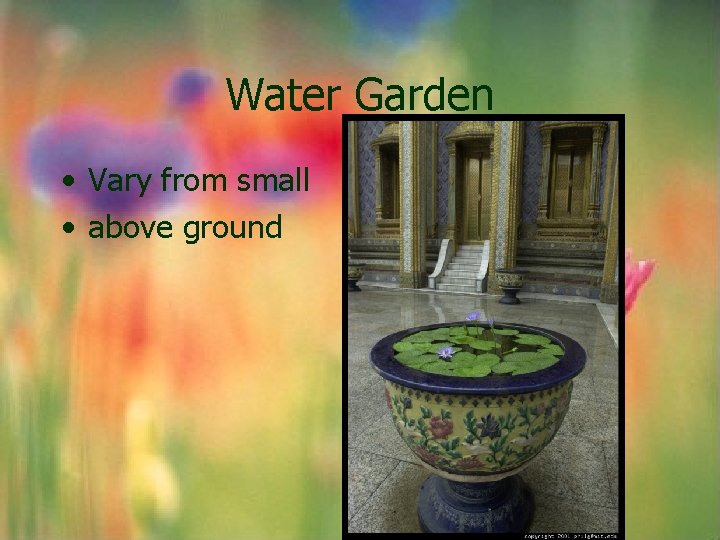
Water Garden • Vary from small • above ground
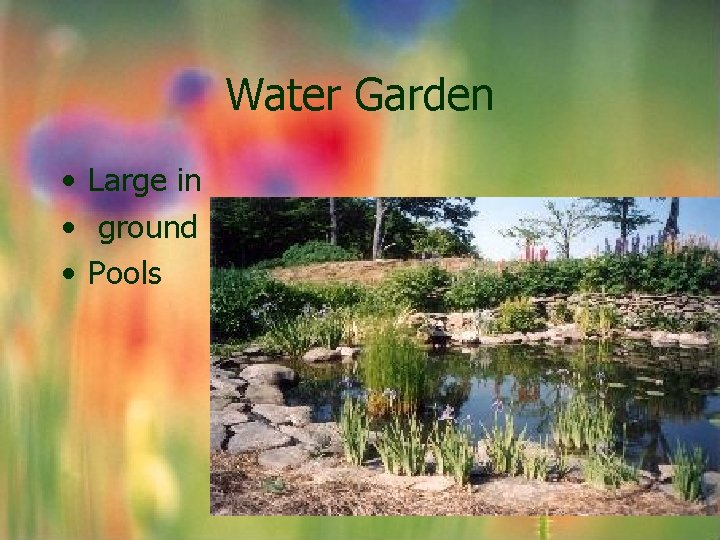
Water Garden • Large in • ground • Pools
Water Garden • In formal settings, water gardens are usually rectangular, square or circular • Located in the center of the garden or in a straight line at the end of a path
Water Garden • Edged in brick or flagstone • Informal – sweeping natural curves. Generally not symmetrically balanced • Placed wherever they look good
Water Garden • Edged with plants to blend into the surrounding garden
Locating the Water Garden • Most flowering plants require at least 6 hours of full sun • Above ground containers need some shade during the hottest part of the day to keep water from overheating and damaging plants or fish
Locating the Water Garden • Should not be under trees • If waterfalls or fountains are used, water garden must be near electricity to run the pump
Types of Ponds • In ground – lined with pvc or rubber liners • Liners make it easy to install a pond nearly anywhere and of any size or shape • Rubber liners last 20 years, PVC 10 years
Types of Ponds • Liners last longer if completely covered and protected from sunlight • Preformed rigid sided liners come in a variety of shapes and sizes
Types of Ponds • Easy to install, can be used in ground or above • Flexible liners allow for greater creativity • Above ground ponds can be any container that will hold water.
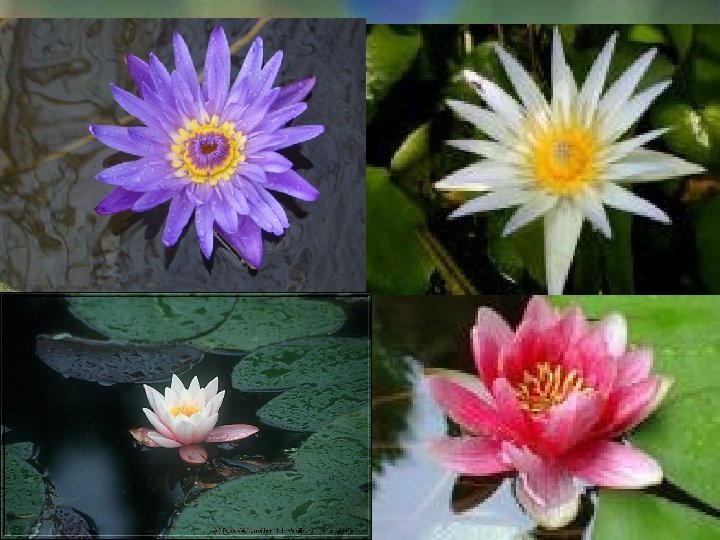
Water Plants • Vary in size, shape and texture • Float on water as well as rise out of the water • Select plants to grow to proper size for the size of the pond
Water Plants • Must be adapted to your site • Select flower colors that blend well with the rest of the landscape