Human Genetic Degeneration Dr J C Sanford Retired



- Slides: 58
Human Genetic Degeneration? Dr. J. C. Sanford Retired Cornell Professor President, FMS Foundation, Inc.
The Main Concern: Human Genetic Degeneration The Secondary Concern: Problems with Evolutionary Theory
The Tragedy of Human Mutation Nearly all non-neutral mutations are deleterious. We inherit a multitude of old mutations. We start adding new mutations at first division. We die due to mutation accumulation. We pass old and new mutations to our kids.
Sanford et al. 18 years, 3 books, about 20 papers. fmsfound. org
Genetic Degeneration? Four fundamental problems not widely realized. 1. Limits of advantageous mutations. 2. Natural selection is constrained by selection interference. 3. Deleterious mutations pouring in, faster than can be removed. 4. Most mutations are not neutral, but are nearly-neutral.
1. Limits of Beneficial Mutations
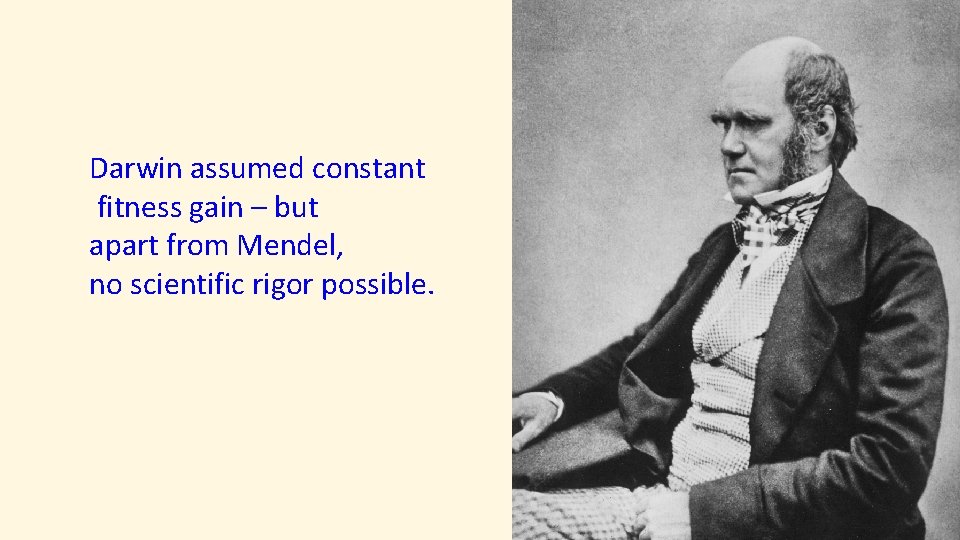
Darwin assumed constant fitness gain – but apart from Mendel, no scientific rigor possible.
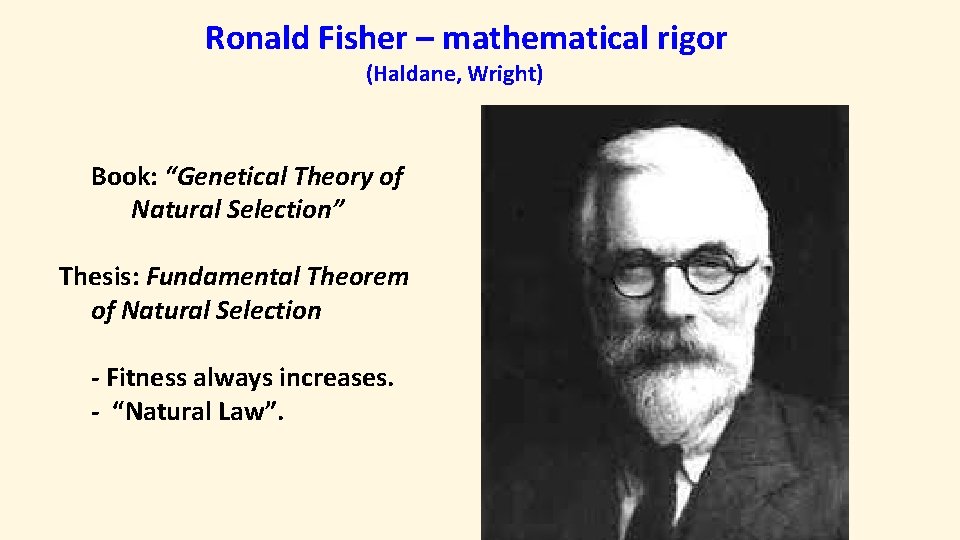
Ronald Fisher – mathematical rigor (Haldane, Wright) Book: “Genetical Theory of Natural Selection” Thesis: Fundamental Theorem of Natural Selection - Fitness always increases. - “Natural Law”.
2017
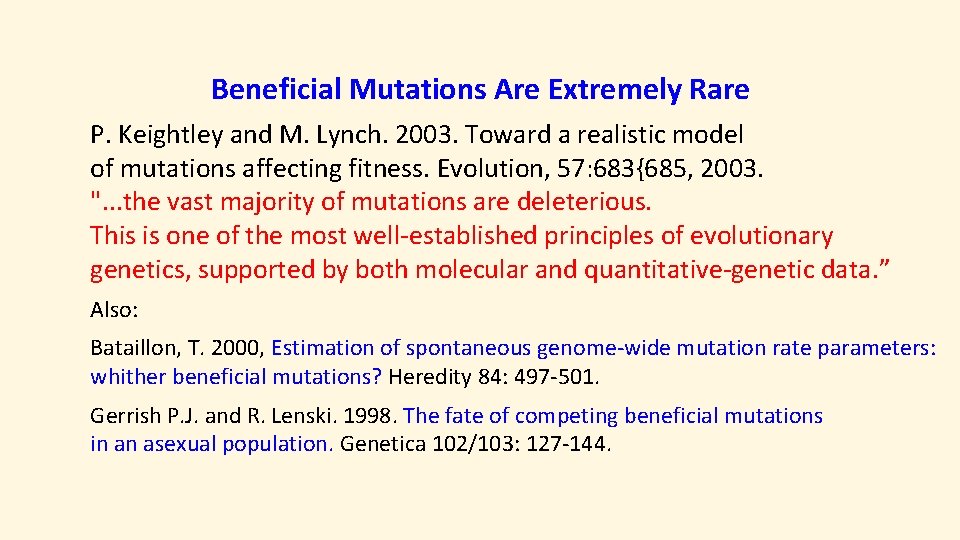
Beneficial Mutations Are Extremely Rare P. Keightley and M. Lynch. 2003. Toward a realistic model of mutations affecting fitness. Evolution, 57: 683{685, 2003. ". . . the vast majority of mutations are deleterious. This is one of the most well-established principles of evolutionary genetics, supported by both molecular and quantitative-genetic data. ” Also: Bataillon, T. 2000, Estimation of spontaneous genome-wide mutation rate parameters: whither beneficial mutations? Heredity 84: 497 -501. Gerrish P. J. and R. Lenski. 1998. The fate of competing beneficial mutations in an asexual population. Genetica 102/103: 127 -144.
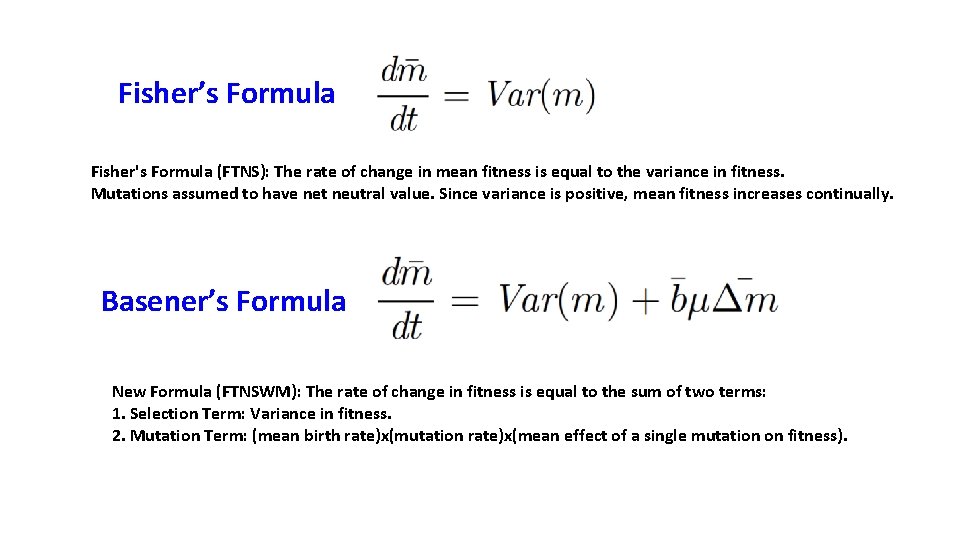
Fisher’s Formula Fisher's Formula (FTNS): The rate of change in mean fitness is equal to the variance in fitness. Mutations assumed to have net neutral value. Since variance is positive, mean fitness increases continually. Basener’s Formula New Formula (FTNSWM): The rate of change in fitness is equal to the sum of two terms: 1. Selection Term: Variance in fitness. 2. Mutation Term: (mean birth rate)x(mutation rate)x(mean effect of a single mutation on fitness).
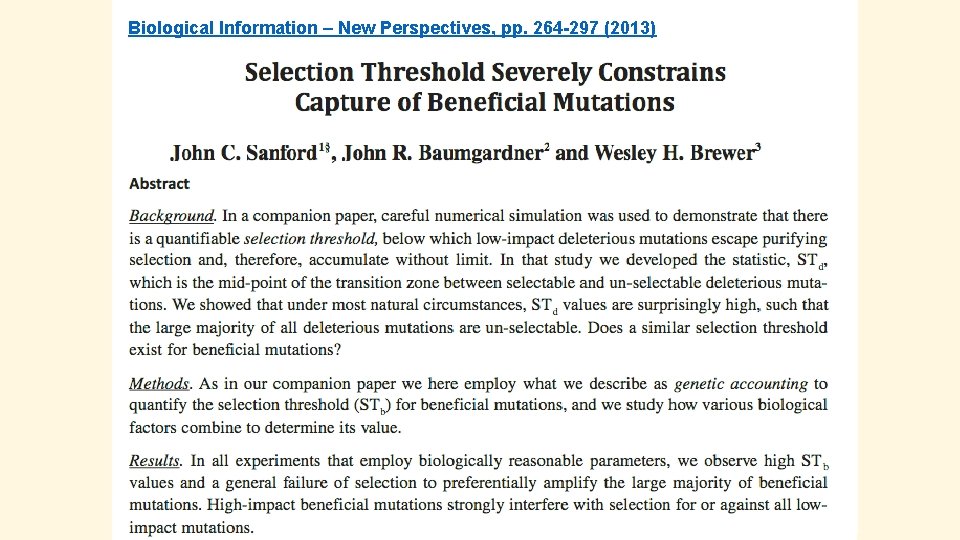
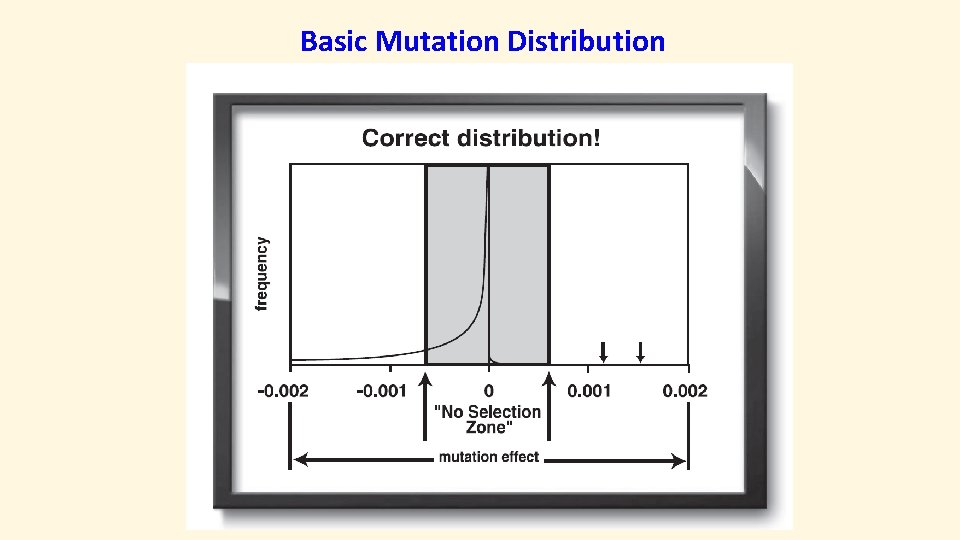
Selection Threshold Severely Constrains Capture of Beneficial Mutations Biological Information – New Perspectives, pp. 264 -297 (2013)
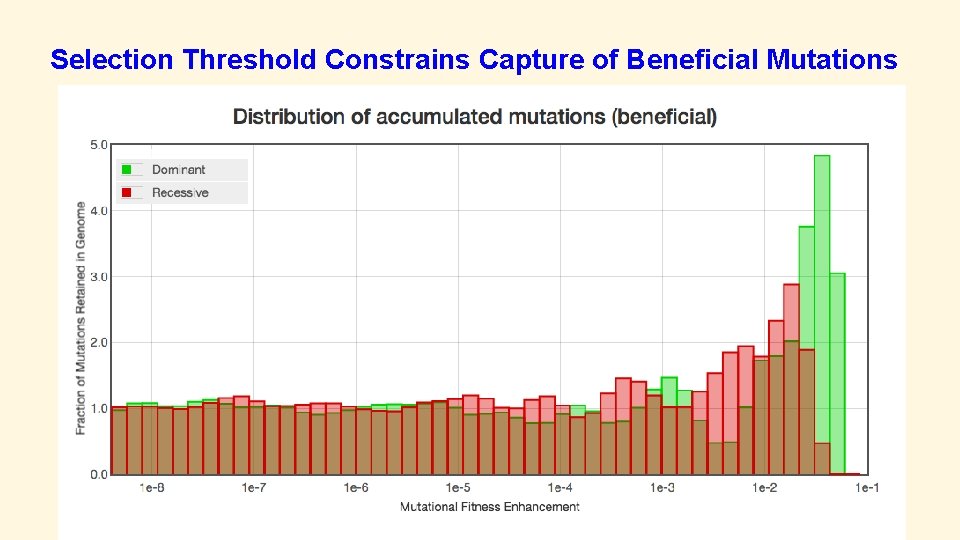
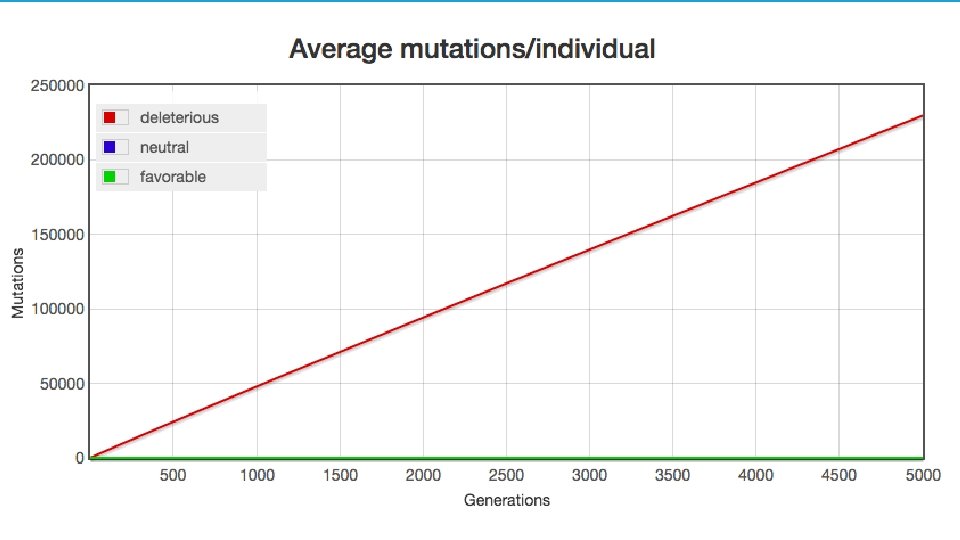
Selection Threshold Constrains Capture of Beneficial Mutations Linear Mutation Count
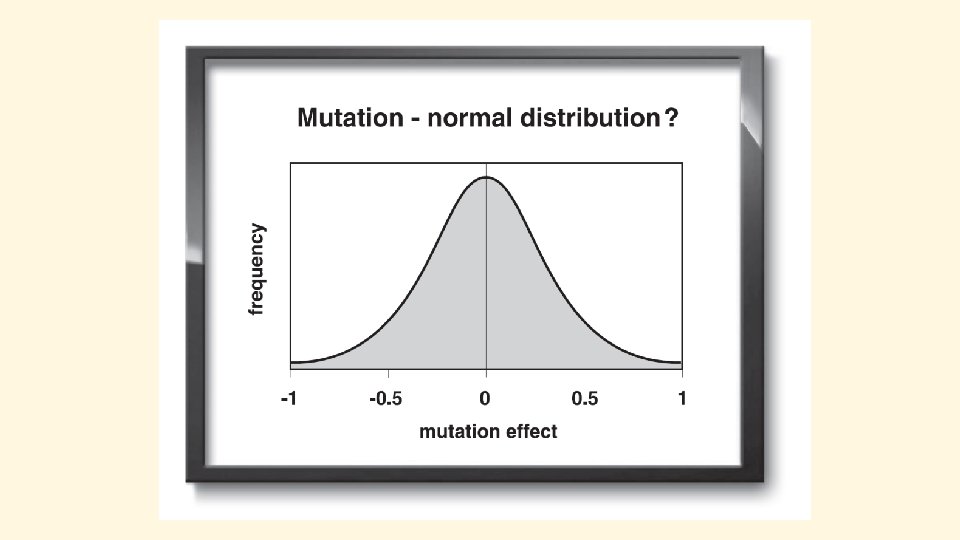
Basic Mutation Distribution
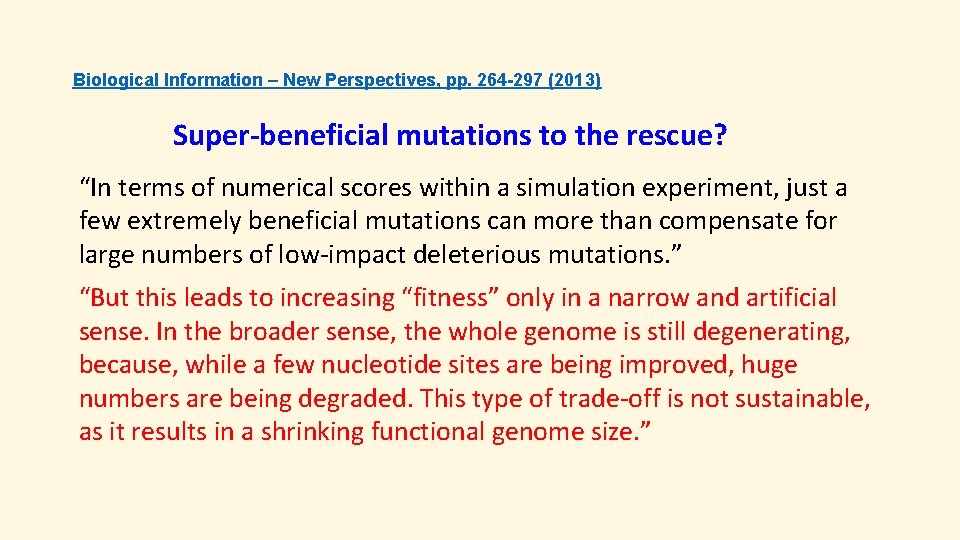
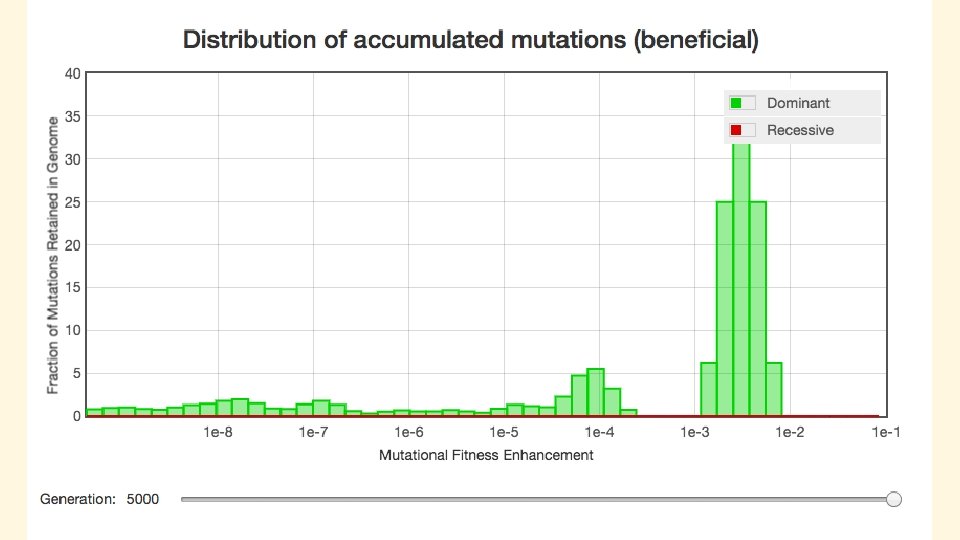
Biological Information – New Perspectives, pp. 264 -297 (2013) Super-beneficial mutations to the rescue? “In terms of numerical scores within a simulation experiment, just a few extremely beneficial mutations can more than compensate for large numbers of low-impact deleterious mutations. ” “But this leads to increasing “fitness” only in a narrow and artificial sense. In the broader sense, the whole genome is still degenerating, because, while a few nucleotide sites are being improved, huge numbers are being degraded. This type of trade-off is not sustainable, as it results in a shrinking functional genome size. ”
http: //www. tbiomed. com/content/12/1/18
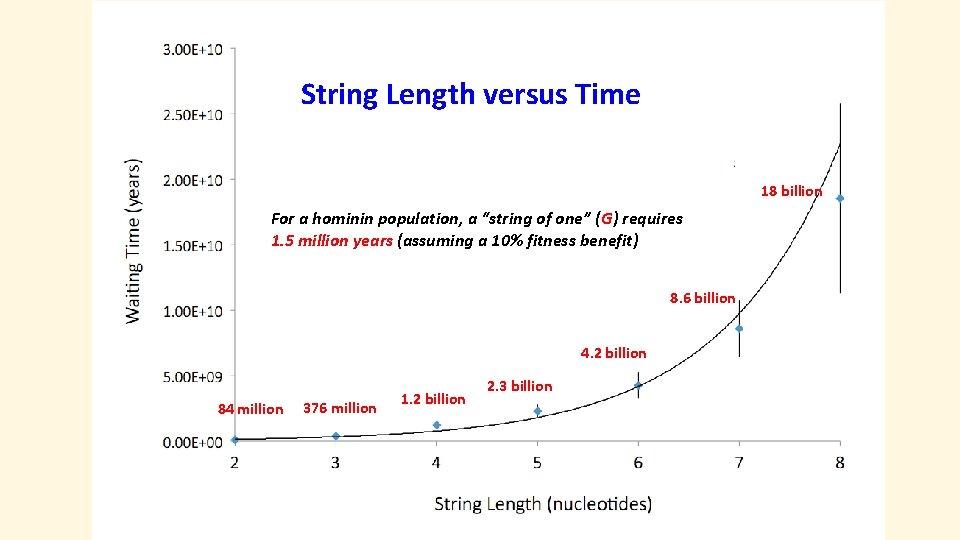
String Length versus Time 18 billion For a hominin population, a “string of one” (G) requires 1. 5 million years (assuming a 10% fitness benefit) 8. 6 billion 4. 2 billion 84 million 376 million 1. 2 billion 2. 3 billion
Conclusion: for many reasons, rare beneficial mutations cannot sufficiently compensate for the relentless influx of deleterious mutations.
2. Selection Limited by Selection Interference
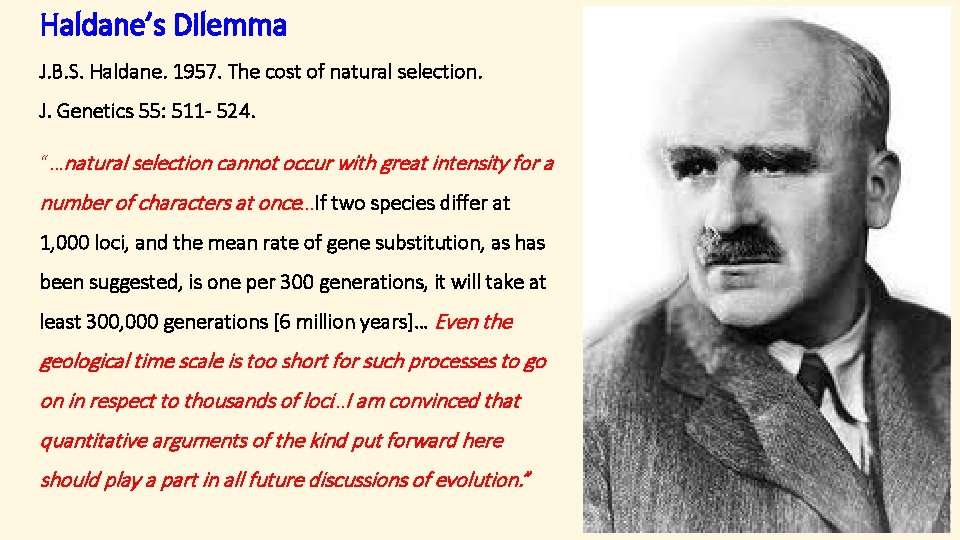
Haldane’s Dilemma J. B. S. Haldane. 1957. The cost of natural selection. J. Genetics 55: 511 - 524. “…natural selection cannot occur with great intensity for a number of characters at once. . . If two species differ at 1, 000 loci, and the mean rate of gene substitution, as has been suggested, is one per 300 generations, it will take at least 300, 000 generations [6 million years]… Even the geological time scale is too short for such processes to go on in respect to thousands of loci. . . I am convinced that quantitative arguments of the kind put forward here should play a part in all future discussions of evolution. ”
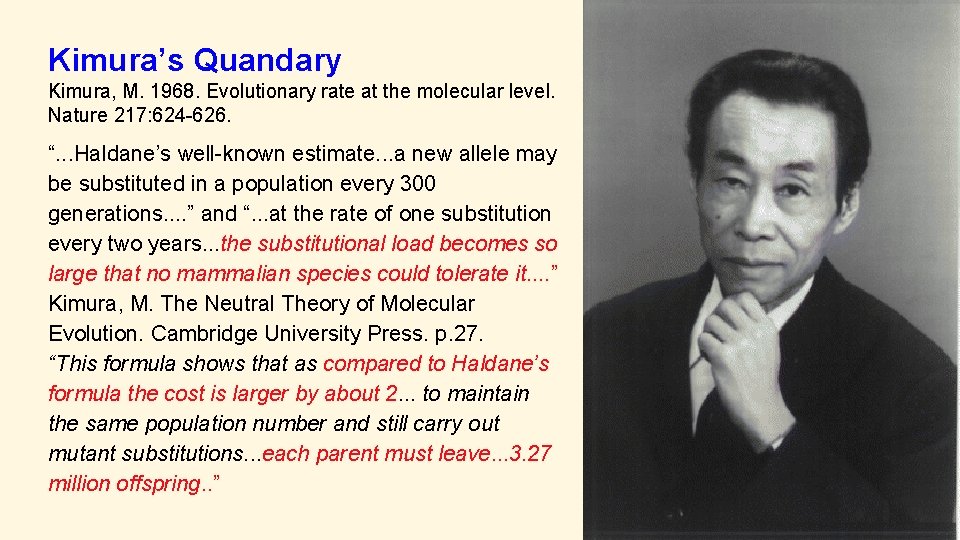
Kimura’s Quandary Kimura, M. 1968. Evolutionary rate at the molecular level. Nature 217: 624 -626. “. . . Haldane’s well-known estimate. . . a new allele may be substituted in a population every 300 generations. . ” and “. . . at the rate of one substitution every two years. . . the substitutional load becomes so large that no mammalian species could tolerate it. . ” Kimura, M. The Neutral Theory of Molecular Evolution. Cambridge University Press. p. 27. “This formula shows that as compared to Haldane’s formula the cost is larger by about 2. . . to maintain the same population number and still carry out mutant substitutions. . . each parent must leave. . . 3. 27 million offspring. . ”
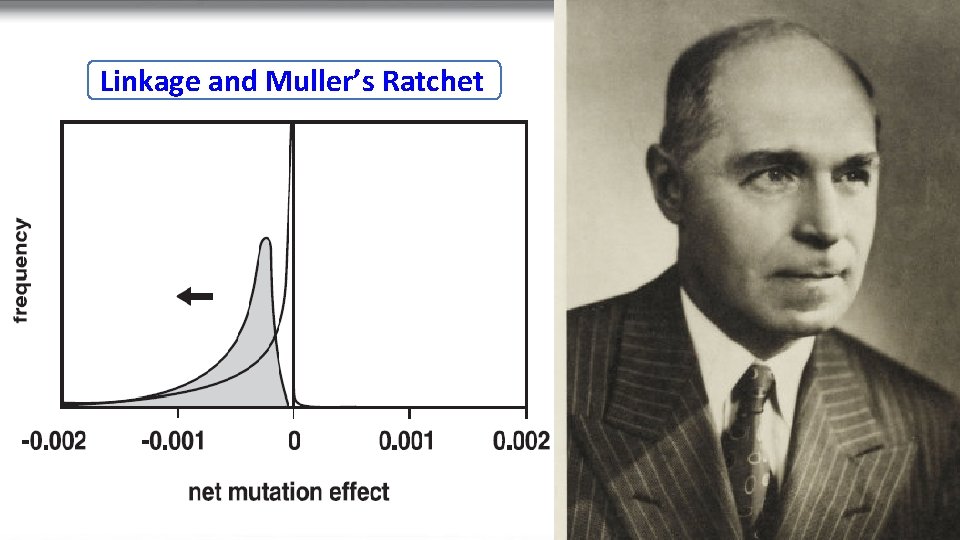
Linkage and Muller’s Ratchet
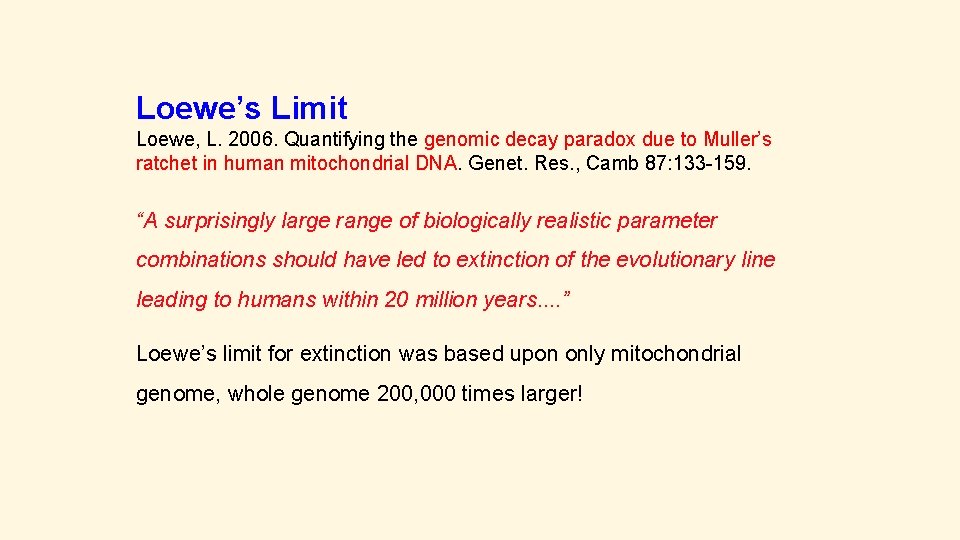
Loewe’s Limit Loewe, L. 2006. Quantifying the genomic decay paradox due to Muller’s ratchet in human mitochondrial DNA. Genet. Res. , Camb 87: 133 -159. “A surprisingly large range of biologically realistic parameter combinations should have led to extinction of the evolutionary line leading to humans within 20 million years. . ” Loewe’s limit for extinction was based upon only mitochondrial genome, whole genome 200, 000 times larger!
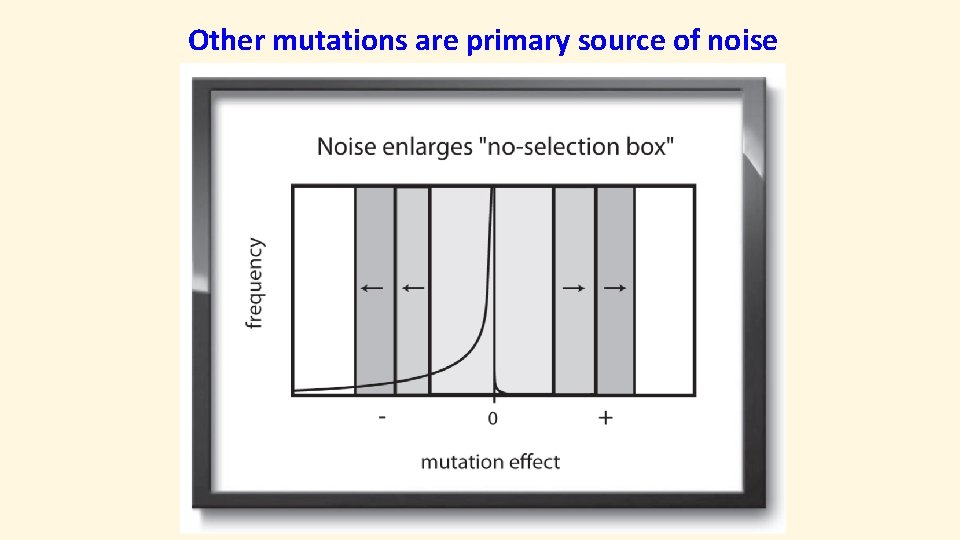
Other mutations are primary source of noise
Conclusion: as mutations accumulate, selection interference gets worse and worse. Selection efficiency progressively breaks down, such that only the best and worst mutations are selectable.
3. The flood of Deleterious Mutations…
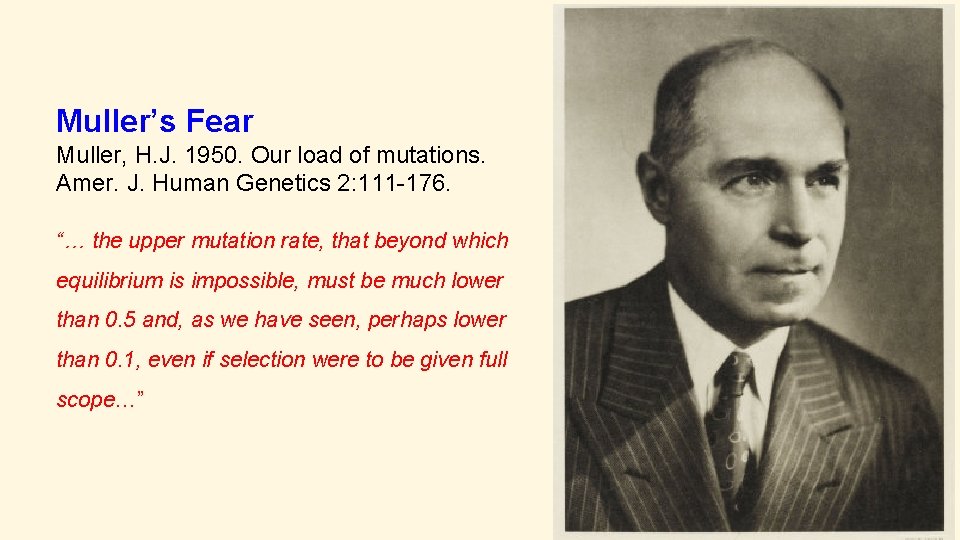
Muller’s Fear Muller, H. J. 1950. Our load of mutations. Amer. J. Human Genetics 2: 111 -176. “… the upper mutation rate, that beyond which equilibrium is impossible, must be much lower than 0. 5 and, as we have seen, perhaps lower than 0. 1, even if selection were to be given full scope…”
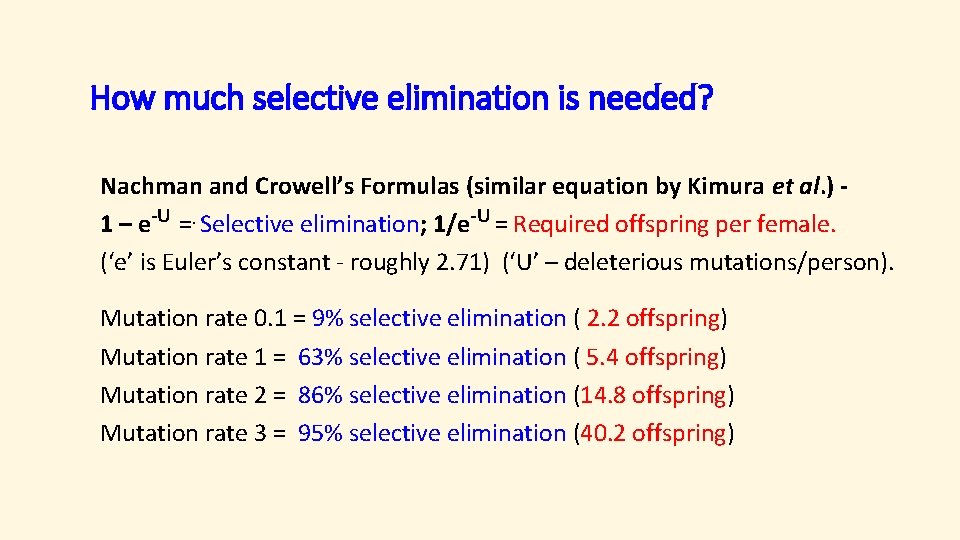
How much selective elimination is needed? Nachman and Crowell’s Formulas (similar equation by Kimura et al. ) - 1 – e-U =. Selective elimination; 1/e-U = Required offspring per female. (‘e’ is Euler’s constant - roughly 2. 71) (‘U’ – deleterious mutations/person). Mutation rate 0. 1 = 9% selective elimination ( 2. 2 offspring) Mutation rate 1 = 63% selective elimination ( 5. 4 offspring) Mutation rate 2 = 86% selective elimination (14. 8 offspring) Mutation rate 3 = 95% selective elimination (40. 2 offspring)
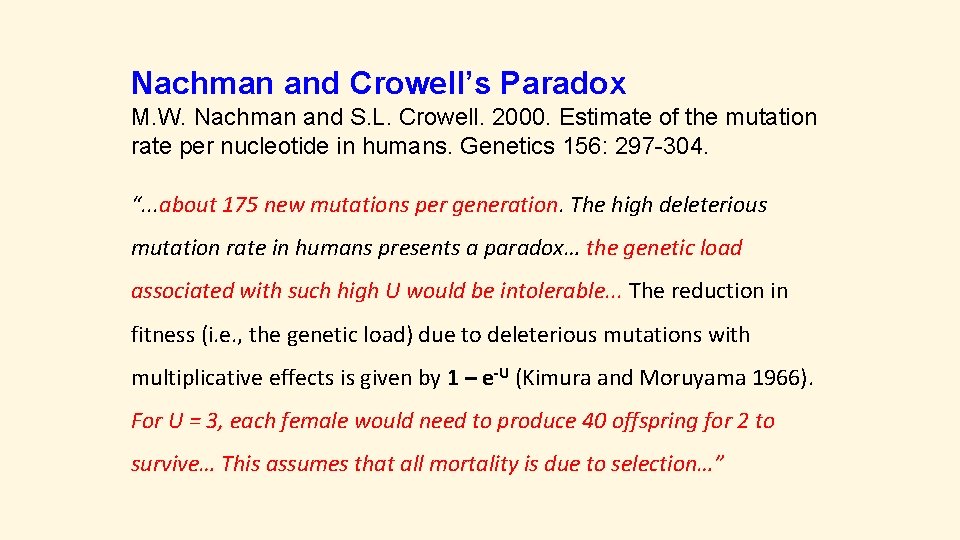
Nachman and Crowell’s Paradox M. W. Nachman and S. L. Crowell. 2000. Estimate of the mutation rate per nucleotide in humans. Genetics 156: 297 -304. “. . . about 175 new mutations per generation. The high deleterious mutation rate in humans presents a paradox… the genetic load associated with such high U would be intolerable. . . The reduction in fitness (i. e. , the genetic load) due to deleterious mutations with multiplicative effects is given by 1 – e-U (Kimura and Moruyama 1966). For U = 3, each female would need to produce 40 offspring for 2 to survive… This assumes that all mortality is due to selection…”
Walker/Keightley’s Degeneration Eyre-Walker and P. Keightley. 1999. High genomic deleterious mutation rates in Hominids. Nature 397: 344 -347. “It is difficult to explain how human populations could have survived. . . a high rate of deleterious mutation (U >>1) is paradoxical in a species with a low reproductive rate. . . ” “. . . deleterious mutations rate appears to be so high in humans and our close relatives that it is doubtful that such species could survive. . ”
Neel’s Realization J. V. Neel, et al. 1986. The rate with which spontaneous mutation alters the electrophoretic mobility of polypeptides. PNAS 83: 389 -393. “. . . gamete rates for point mutations. . . on the order of 30 per generation. . . The implications of mutations of this magnitude for population genetics and evolutionary theory are profound. The question of how our species accommodates such mutation rates is central to evolutionary thought. ”
Howell’s Challenge Howell et al. 1996. Evolution of human mt. DNA. How rapid does the human mitochondrial genome evolve? A. J. Hum. Genet. 59: 501 -509. “We should increase our attention to the broader question of how (or whether) organisms can tolerate, in the sense of evolution, a genetic system with such a high mutational burden. ”
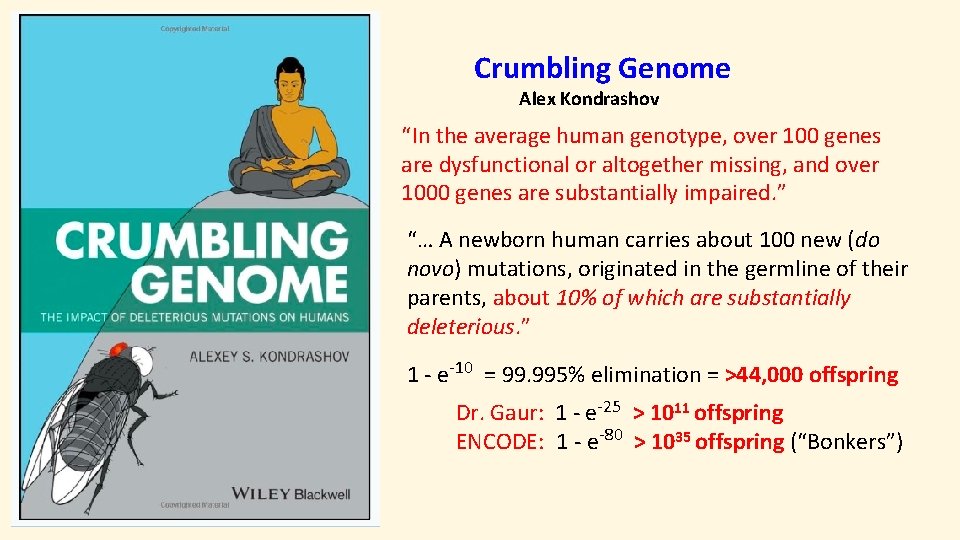
Crumbling Genome Alex Kondrashov “In the average human genotype, over 100 genes are dysfunctional or altogether missing, and over 1000 genes are substantially impaired. ” “… A newborn human carries about 100 new (do novo) mutations, originated in the germline of their parents, about 10% of which are substantially deleterious. ” 1 - e-10 = 99. 995% elimination = >44, 000 offspring Dr. Gaur: 1 - e-25 > 1011 offspring ENCODE: 1 - e-80 > 1035 offspring (“Bonkers”)
All these paradoxes go away, if we simply accept that the genome is degenerating - as is painfully obvious.
Possible Arguments Against Mutation Accumulation 1. Junk DNA “If Encode is right, Evolution is wrong. ” 2. Mutation Count Mechanism Brewer, W. ; Baumgardner, J. & Sanford, J. (2013). Using Numerical Simulation to Test the “Mutation-Count” Hypothesis. In: Biological Information – New Perspectives (pp 298 -311). 3. Synergistic Epistasis Mechanism Baumgardner J. ; Brewer, W. ; Sanford, J. (2013). Can Synergistic Epistasis Halt Mutation Accumulation? Results from Numerical Simulation. In: Biological Information – New Perspectives (312 -337).
Conclusion – Even if we could solve the other three problems, a deleterious mutation rate of 3 or more ensures continuous genetic degeneration. The proposed escape mechanisms are not credible.
4. The Near-neutral Problem
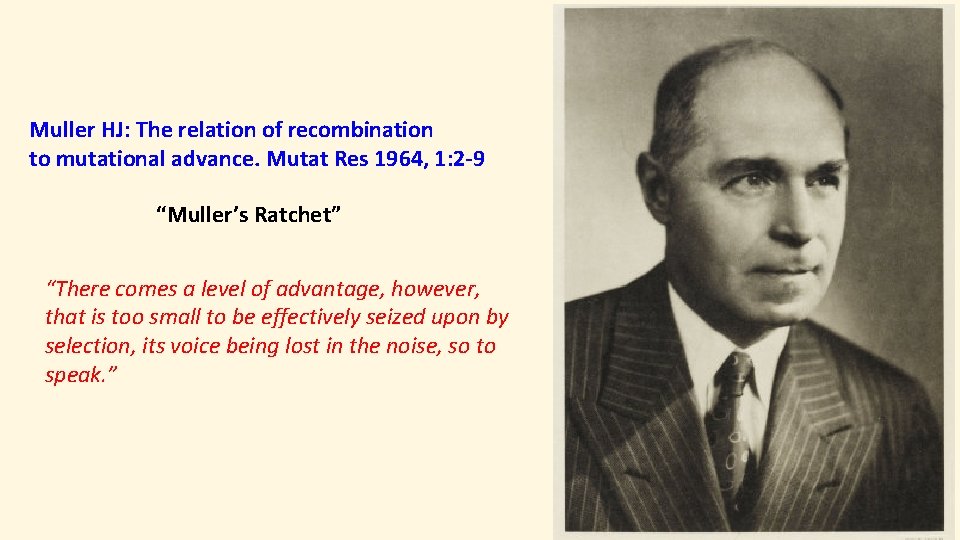
Muller HJ: The relation of recombination to mutational advance. Mutat Res 1964, 1: 2 -9 “Muller’s Ratchet” “There comes a level of advantage, however, that is too small to be effectively seized upon by selection, its voice being lost in the noise, so to speak. ”
Dr. Tomoko Ohta
Eyre-Walker A, Keightley PD: The distribution of fitness effects of new mutations. Nat Rev Genet 2007, 8: 610 -618. . . it seems unlikely that any mutation is truly neutral in the sense that it has no effect on fitness. All mutations must have some effect, even if that effect is vanishingly small.
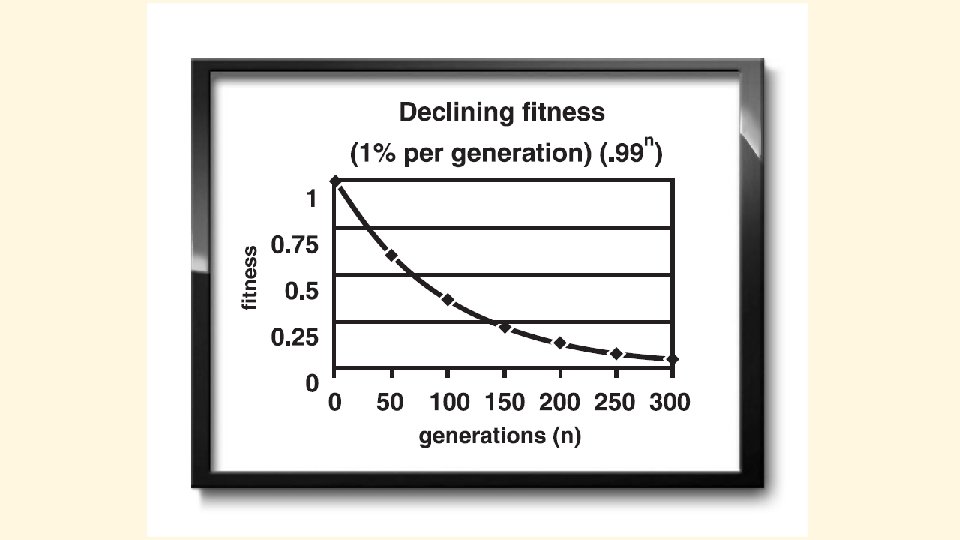
Crow’s Concern J. F. Crow. 1997. The high spontaneous mutation rate: is it a health risk? PNAS 94: 8380 -8386. “…the typical mutation is very mild. It usually has no overt effect, but shows up as a small decease in viability or fertility. . . ” “…for the past few centuries harmful mutations have been accumulating. . . The decrease in viability from mutation accumulation is some 1 -2% per generation. . . ”
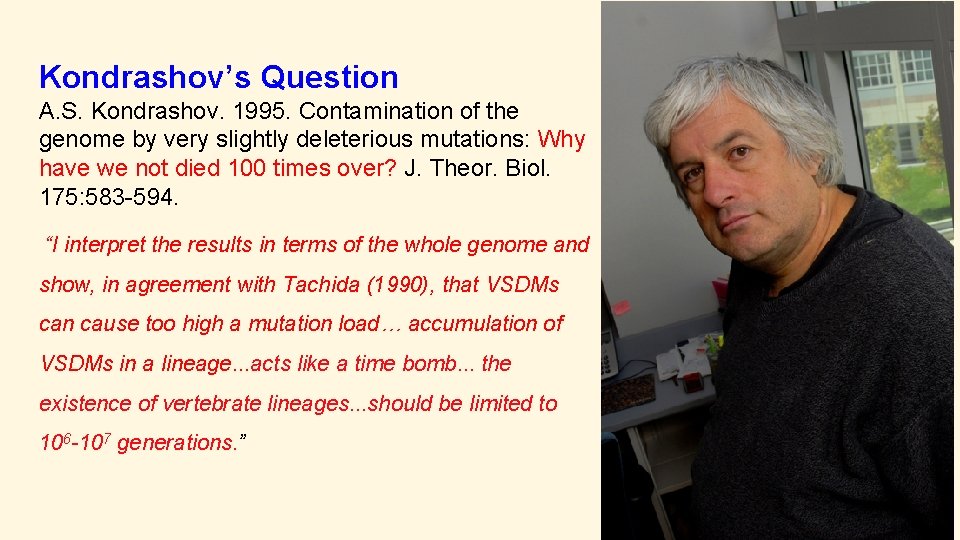
Kondrashov’s Question A. S. Kondrashov. 1995. Contamination of the genome by very slightly deleterious mutations: Why have we not died 100 times over? J. Theor. Biol. 175: 583 -594. “I interpret the results in terms of the whole genome and show, in agreement with Tachida (1990), that VSDMs can cause too high a mutation load… accumulation of VSDMs in a lineage. . . acts like a time bomb. . . the existence of vertebrate lineages. . . should be limited to 106 -107 generations. ”
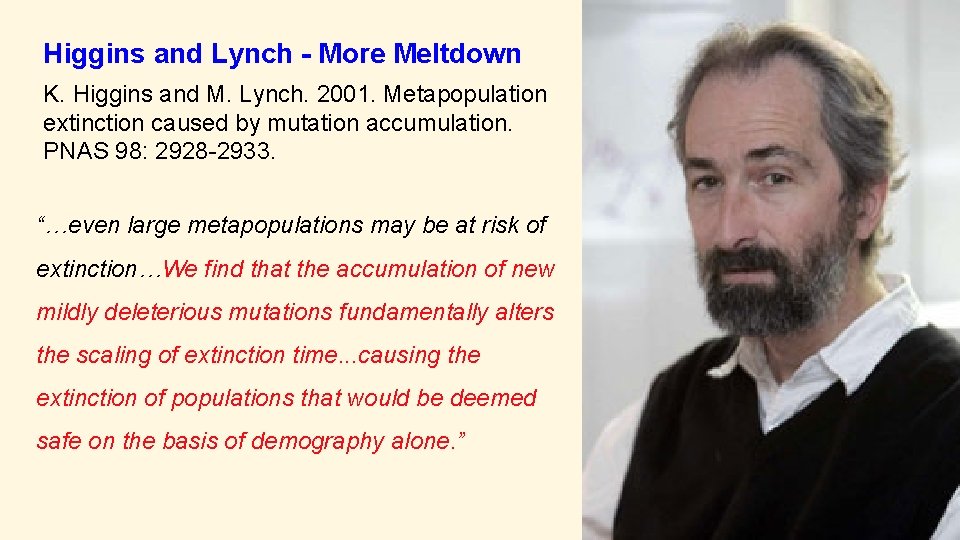
Higgins and Lynch - More Meltdown K. Higgins and M. Lynch. 2001. Metapopulation extinction caused by mutation accumulation. PNAS 98: 2928 -2933. “…even large metapopulations may be at risk of extinction…We find that the accumulation of new mildly deleterious mutations fundamentally alters the scaling of extinction time. . . causing the extinction of populations that would be deemed safe on the basis of demography alone. ”
Michael Lynch 2010 (PNAS 107: 961 -968) Prediction: In next few centuries, 1 -5% fitness decline per generation. “…significant incapacitation at morphological, physiological, and neurobiological levels. ”
Michael Lynch 2016 (Genetics 202: 869 -875) “In the United States, the incidences of a variety of afflictions including autism, male infertility, asthma, immune-system disorders, diabetes, etc. , already exhibit increases exceeding the expected rate…” “At least 30% of individuals with autism spectrum disorders appear to acquire such behaviors by de novo mutation (Lossifov et al. 2015). It has been suggested that there has been a slow decline in intelligence in the United States and the United Kingdom over the past century (Crabtree 2013; Woodley 2015)…”
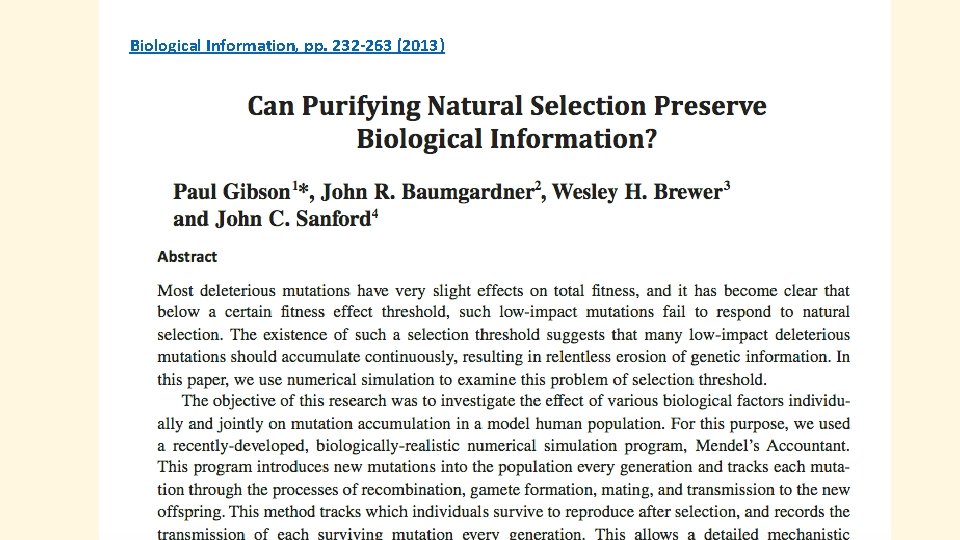
Biological Information, pp. 232 -263 (2013)
Can Biological Information Be Sustained? Linear Mutation Count = 100
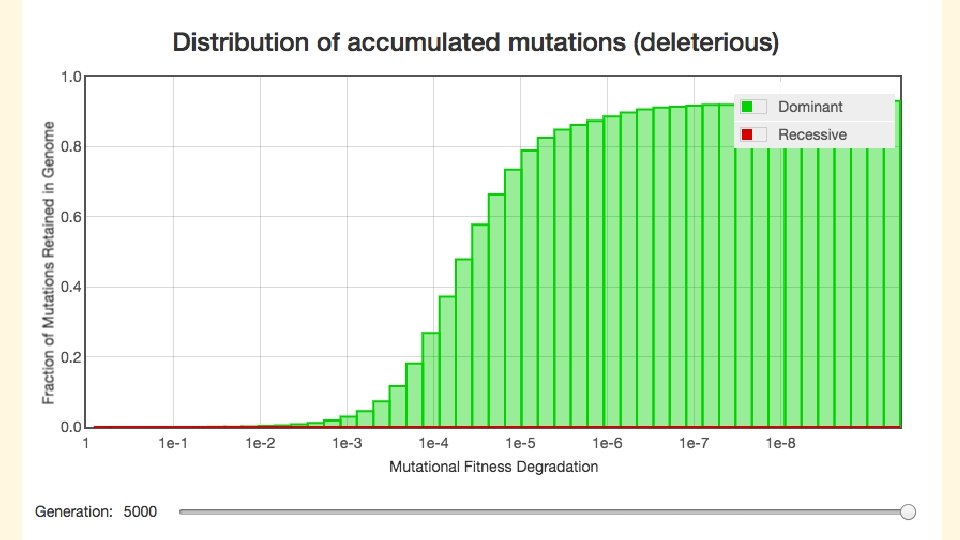
Can Biological Information Be Sustained? Deleterious Selection Threshold
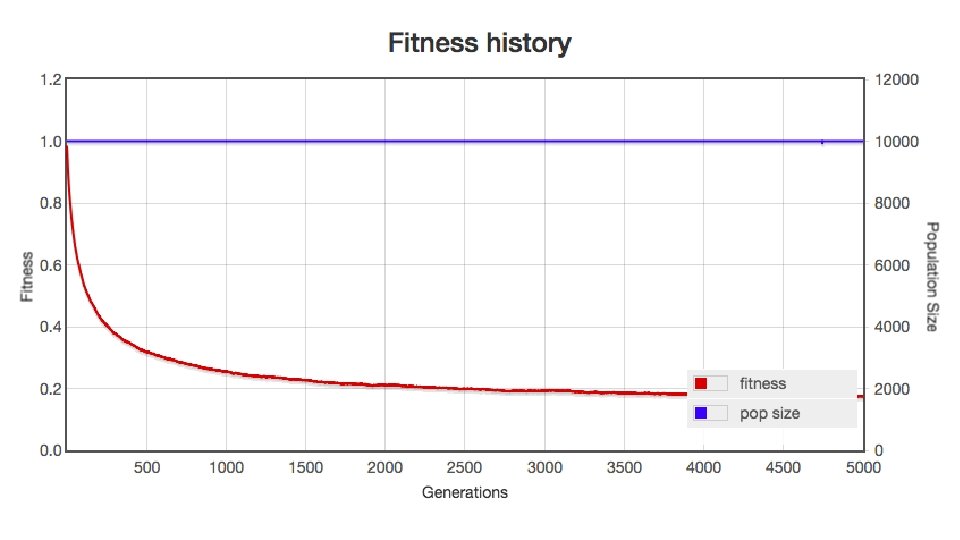
Can Biological Information Be Sustained?
Conclusion – Even if the deleterious mutation rates were less than one, the near-neutral problem should very gradually cause the human genome to “rust out” and degenerate.
Final Conclusions Our research over the last two decades has validated, and further elucidated, all of the problems previously recognized: 1. Beneficials cannot keep up with deleterious mutations. Keightley, M. Lynch, Sanford et al. 2. Selection interference profoundly limits selection efficiency. - Haldane, Wright, Kimura, Loewe, Sanford et al. . 3. High mutation rates (>2), should cause rapid degeneration. - Muller, Kimura, Nachman, Crowell, Lynch, others, Sanford et al. 4. Near-neutrals should be virtually un-stoppable. - Ohta, Kondrashov, Crow, Kimura, Hoyle, Lynch, Sanford et al.
What are the implications? Humanitarian Implications Evolutionary Implications Philosophical Implications
Are we seeing genomic degeneration? Alzheimer's? Dementia? Autism? Some cancers? Autoimmune disorders? More allergies? What about epigenetic mutations?
More Death will not work Eugenics will not work Gene editing will not work Zygotic selection will not work Reducing mutation rate would help…
My Personal Perspective We are dying people in a dying world. Our hope is not in this body. Our hope is not ‘mother earth’. Our true hope is heaven.