
Starting a Telehealth Program TAO Summit March 16








- Slides: 77
Starting a Telehealth Program TAO Summit March 16, 2017
Faculty • • • Bob Wolverton, NRTRC - Moderator Albert Ferriera, Avizia Susie Fisher, Providence Health & Services Doug Romer, Grande Ronde Hospital Cathy Britain, Telehealth Alliance of Oregon
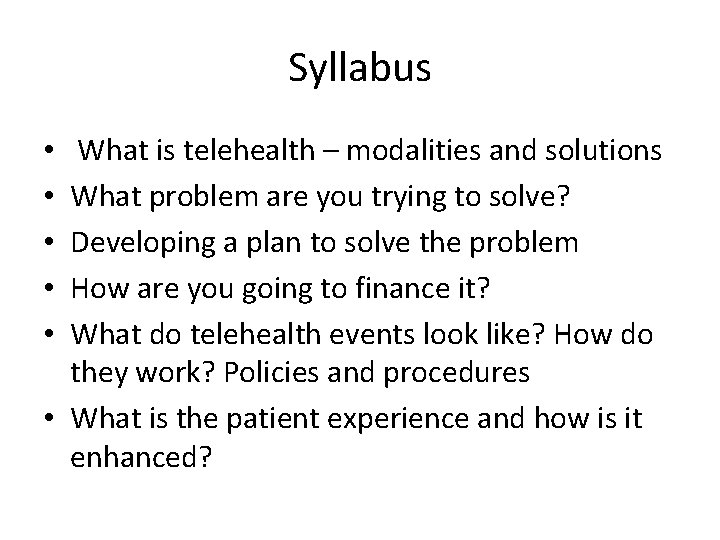
Syllabus What is telehealth – modalities and solutions What problem are you trying to solve? Developing a plan to solve the problem How are you going to finance it? What do telehealth events look like? How do they work? Policies and procedures • What is the patient experience and how is it enhanced? • • •
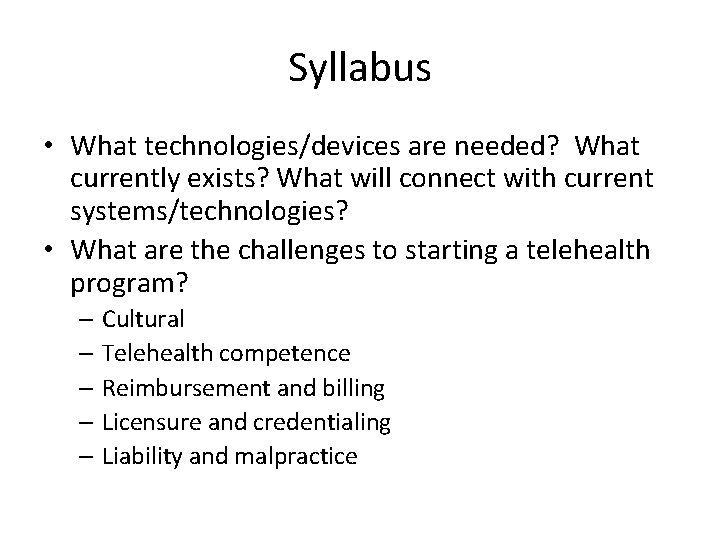
Syllabus • What technologies/devices are needed? What currently exists? What will connect with current systems/technologies? • What are the challenges to starting a telehealth program? – Cultural – Telehealth competence – Reimbursement and billing – Licensure and credentialing – Liability and malpractice
Syllabus • How to encourage and plan for adoption • The importance of data and metrics for success • The future of telehealth – what’s next?
Telehealth Program Development What are the fundamental components to create a successful telehealth program?
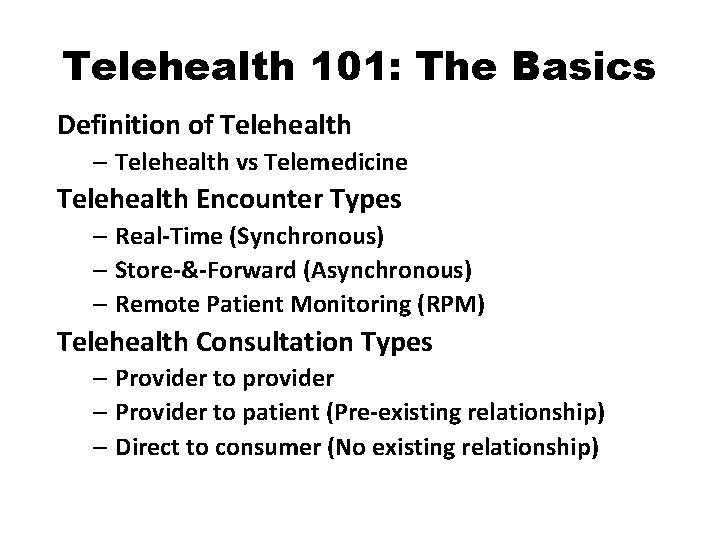
Telehealth 101: The Basics Definition of Telehealth – Telehealth vs Telemedicine Telehealth Encounter Types – Real-Time (Synchronous) – Store-&-Forward (Asynchronous) – Remote Patient Monitoring (RPM) Telehealth Consultation Types – Provider to provider – Provider to patient (Pre-existing relationship) – Direct to consumer (No existing relationship)
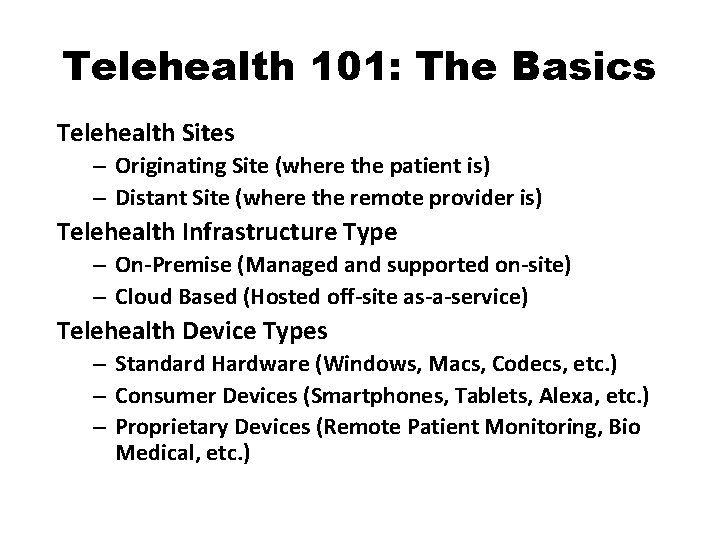
Telehealth 101: The Basics Telehealth Sites – Originating Site (where the patient is) – Distant Site (where the remote provider is) Telehealth Infrastructure Type – On-Premise (Managed and supported on-site) – Cloud Based (Hosted off-site as-a-service) Telehealth Device Types – Standard Hardware (Windows, Macs, Codecs, etc. ) – Consumer Devices (Smartphones, Tablets, Alexa, etc. ) – Proprietary Devices (Remote Patient Monitoring, Bio Medical, etc. )
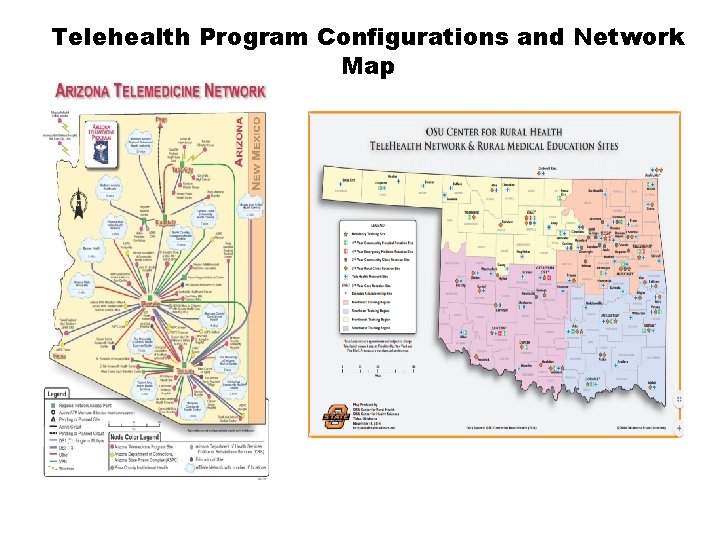
Telehealth Program Configurations and Network Map
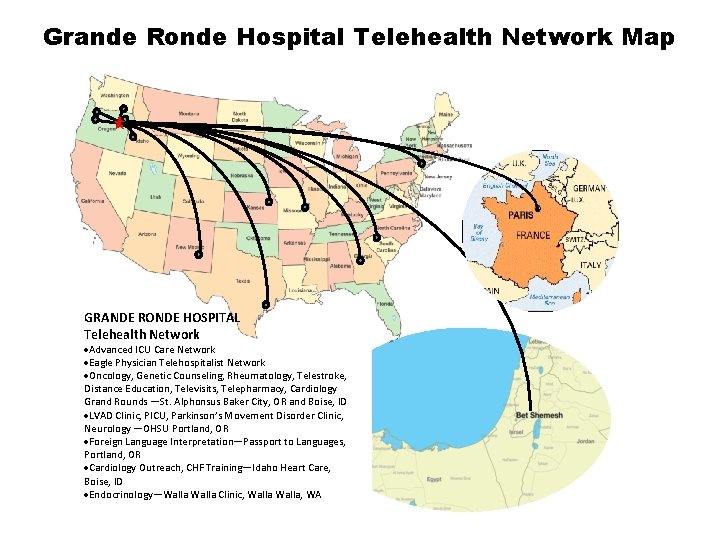
Grande Ronde Hospital Telehealth Network Map GRANDE RONDE HOSPITAL Telehealth Network ·Advanced ICU Care Network ·Eagle Physician Telehospitalist Network ·Oncology, Genetic Counseling, Rheumatology, Telestroke, Distance Education, Televisits, Telepharmacy, Cardiology Grand Rounds —St. Alphonsus Baker City, OR and Boise, ID ·LVAD Clinic, PICU, Parkinson’s Movement Disorder Clinic, Neurology —OHSU Portland, OR ·Foreign Language Interpretation—Passport to Languages, Portland, OR ·Cardiology Outreach, CHF Training—Idaho Heart Care, Boise, ID ·Endocrinology—Walla Clinic, Walla, WA
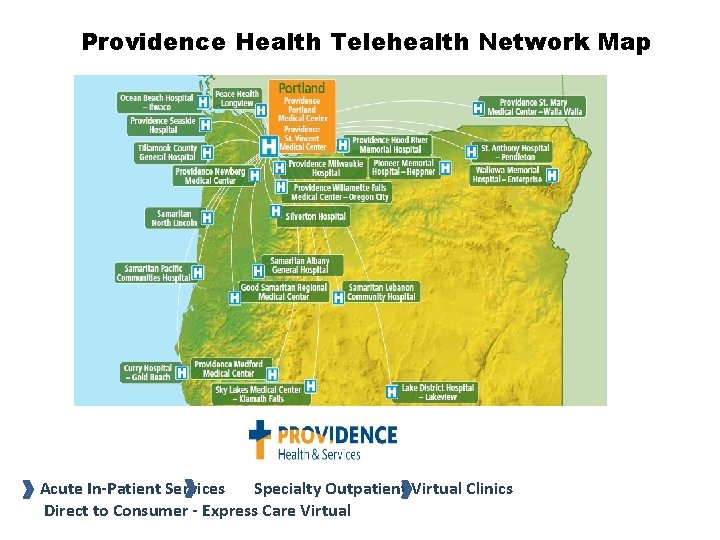
Providence Health Telehealth Network Map Specialty Outpatient Virtual Clinics Acute In-Patient Services Direct to Consumer - Express Care Virtual
Telehealth – Why and How Telehealth Alliance of Oregon Summit March 2017 Presented by Doug Romer RN (Grande Ronde Hospital) Susie Fisher RN (Providence Health & Services)
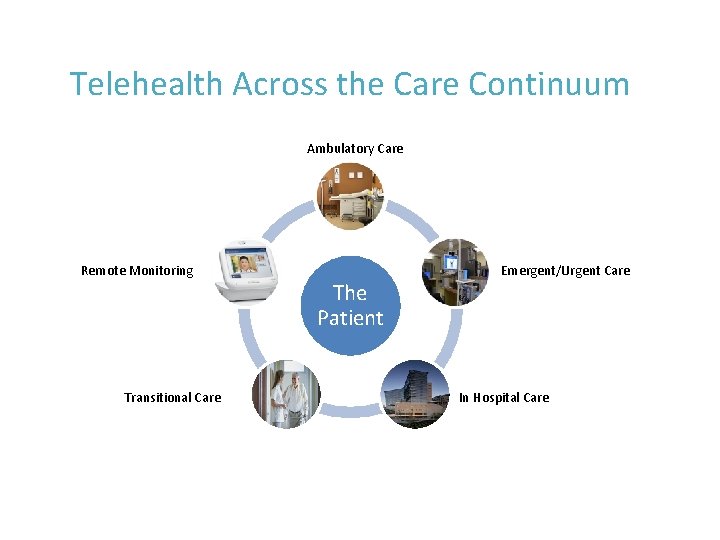
Telehealth Across the Care Continuum Ambulatory Care Remote Monitoring Transitional Care The Patient Emergent/Urgent Care In Hospital Care
What problem are you trying to solve?
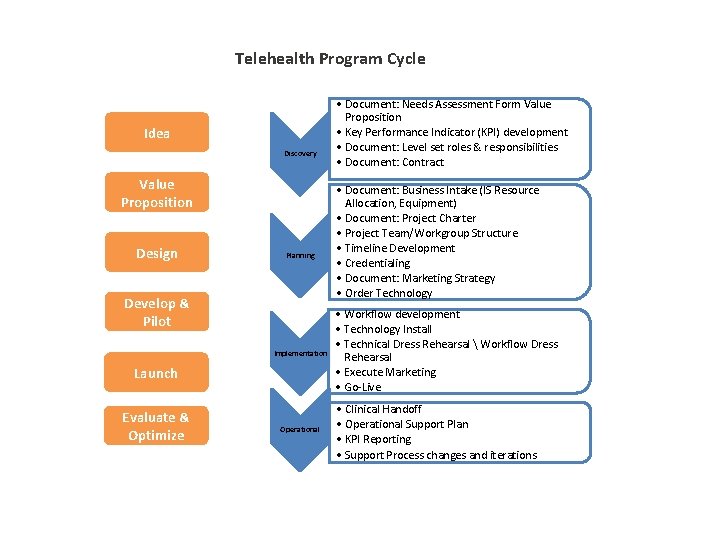
Telehealth Program Cycle Idea Discovery Value Proposition Design Planning Develop & Pilot Implementation Launch Evaluate & Optimize Operational • Document: Needs Assessment Form Value Proposition • Key Performance Indicator (KPI) development • Document: Level set roles & responsibilities • Document: Contract • Document: Business Intake (IS Resource Allocation, Equipment) • Document: Project Charter • Project Team/Workgroup Structure • Timeline Development • Credentialing • Document: Marketing Strategy • Order Technology • Workflow development • Technology Install • Technical Dress Rehearsal Workflow Dress Rehearsal • Execute Marketing • Go-Live • Clinical Handoff • Operational Support Plan • KPI Reporting • Support Process changes and iterations
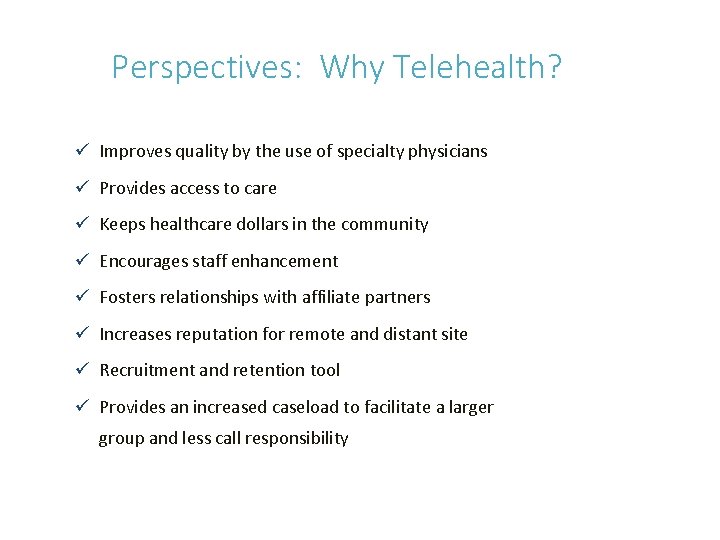
Perspectives: Why Telehealth? ü Improves quality by the use of specialty physicians ü Provides access to care ü Keeps healthcare dollars in the community ü Encourages staff enhancement ü Fosters relationships with affiliate partners ü Increases reputation for remote and distant site ü Recruitment and retention tool ü Provides an increased caseload to facilitate a larger group and less call responsibility
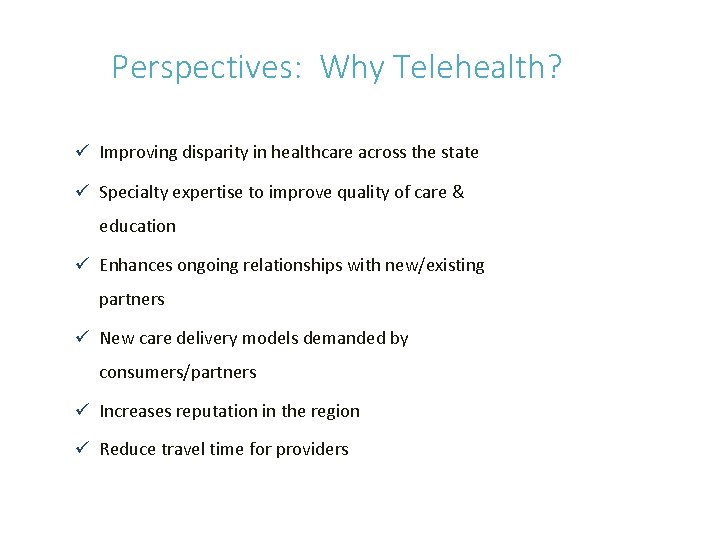
Perspectives: Why Telehealth? ü Improving disparity in healthcare across the state ü Specialty expertise to improve quality of care & education ü Enhances ongoing relationships with new/existing partners ü New care delivery models demanded by consumers/partners ü Increases reputation in the region ü Reduce travel time for providers
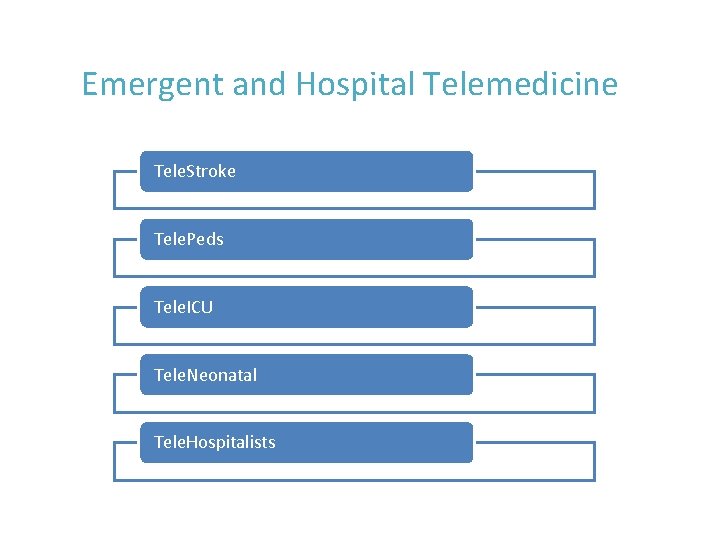
Emergent and Hospital Telemedicine Tele. Stroke Tele. Peds Tele. ICU Tele. Neonatal Tele. Hospitalists
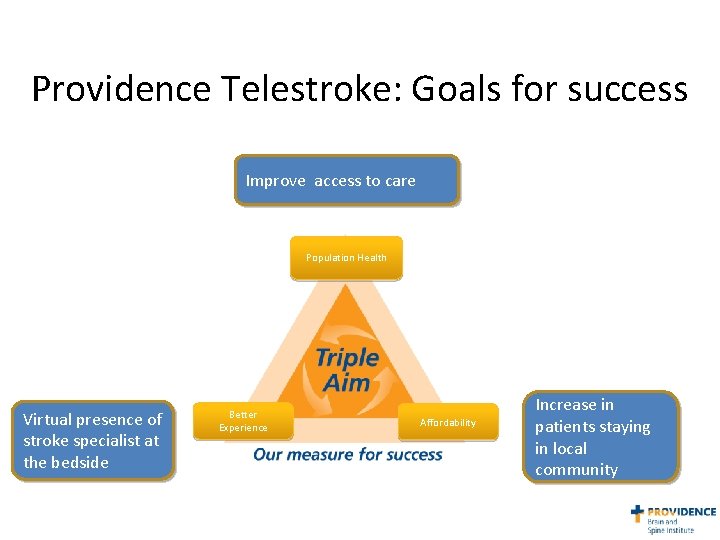
Providence Telestroke: Goals for success Improve access to care Population Health Virtual presence of stroke specialist at the bedside Better Experience Affordability Increase in patients staying in local community
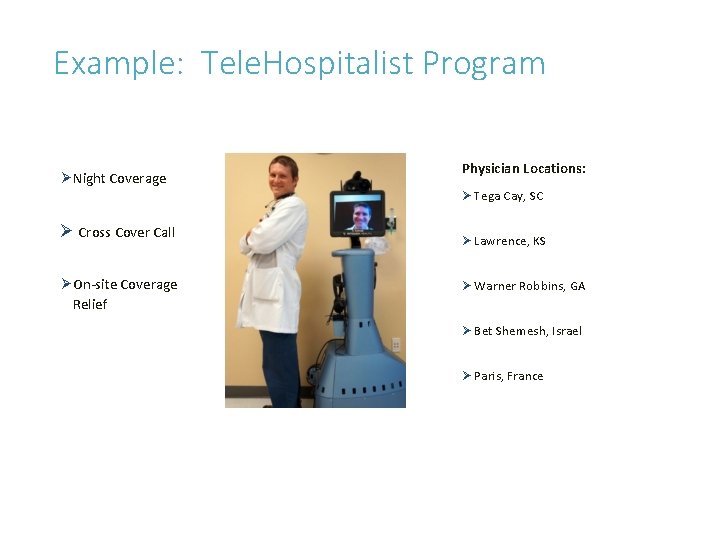
Example: Tele. Hospitalist Program Physician Locations: Ø Night Coverage Ø Cross Cover Call Ø On-site Coverage Relief Ø Tega Cay, SC Ø Lawrence, KS Ø Warner Robbins, GA Ø Bet Shemesh, Israel Ø Paris, France
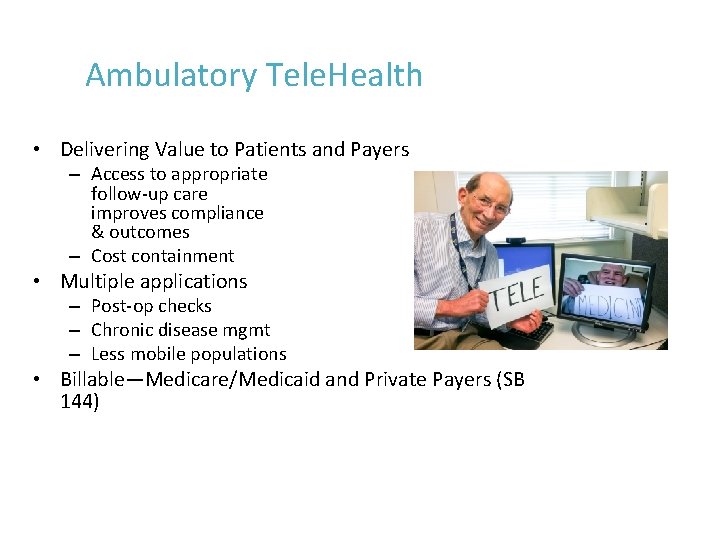
Ambulatory Tele. Health • Delivering Value to Patients and Payers – Access to appropriate follow-up care improves compliance & outcomes – Cost containment • Multiple applications – Post-op checks – Chronic disease mgmt – Less mobile populations • Billable—Medicare/Medicaid and Private Payers (SB 144)
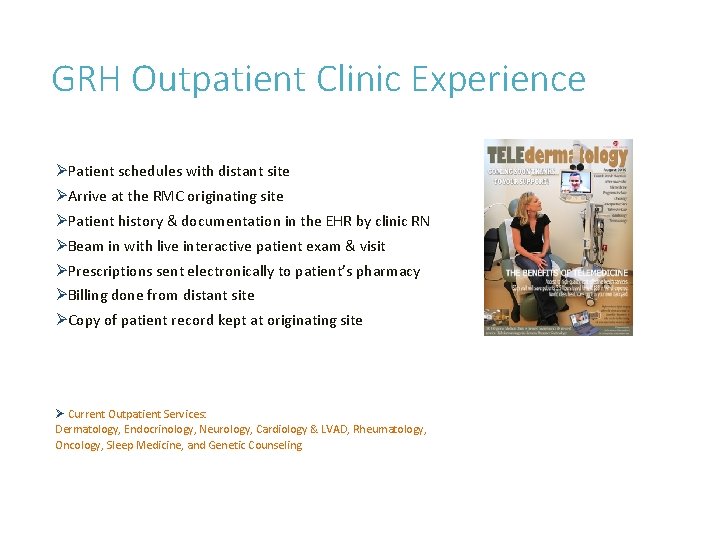
GRH Outpatient Clinic Experience ØPatient schedules with distant site ØArrive at the RMC originating site ØPatient history & documentation in the EHR by clinic RN ØBeam in with live interactive patient exam & visit ØPrescriptions sent electronically to patient’s pharmacy ØBilling done from distant site ØCopy of patient record kept at originating site Ø Current Outpatient Services: Dermatology, Endocrinology, Neurology, Cardiology & LVAD, Rheumatology, Oncology, Sleep Medicine, and Genetic Counseling
Developing a plan to solve the problem. How are you going to finance it?
Financing • • • Assure there is a demand… not just a need identified Create solid business case *Support from leadership Staffing… buy in from leadership/providers Options • • • Revenue generating service? (subscription? ) Cost saving? Reimbursement, Payer mix? . . . Issues with Medicare? Capital funding? Grant options (starter funding) equipment & infrastructure Budget! … look toward sustainability
Considerations for a Successful Program • Infrastructure Consents, connectivity, releases, contracting, national and regional resources billing, payment and credentialing • Advocacy Share the success and the need • Partnerships Choose that understand the vision • Culture Takes a little time to develop
Considerations for a Successful Program • Know who you are Have a clear business plan, need you are solving, build a team • Value Provide services that develop value. Identify KPI’s Continuously report out on value with partners • Partnerships Choose that understand the vision • Differentiate Know why you are different from others Focus on exceptional service, support, delivery • Culture Takes a little time to develop/adopt
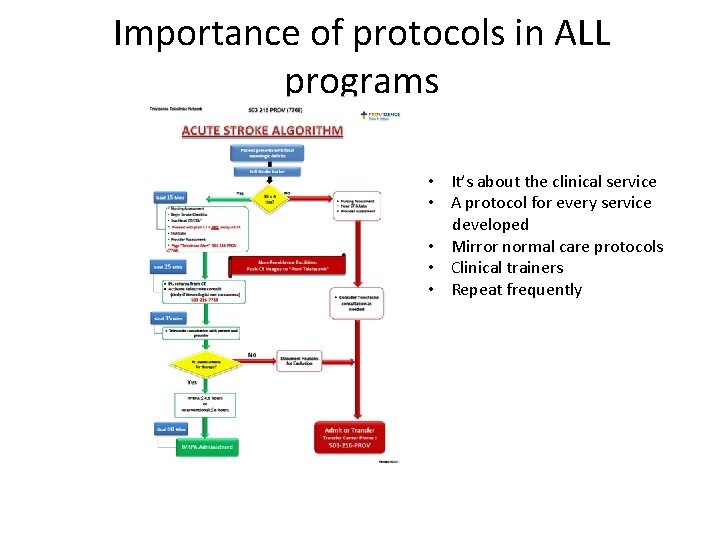
Importance of protocols in ALL programs • It’s about the clinical service • A protocol for every service developed • Mirror normal care protocols • Clinical trainers • Repeat frequently
What do Telehealth events look like?
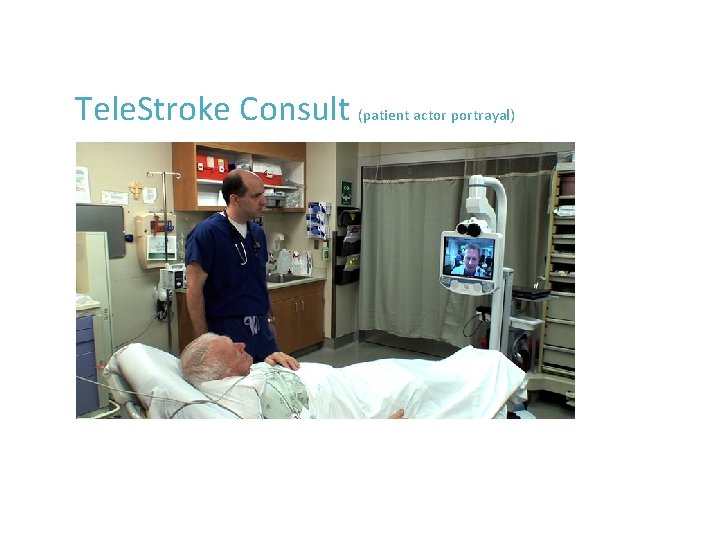
Tele. Stroke Consult (patient actor portrayal)
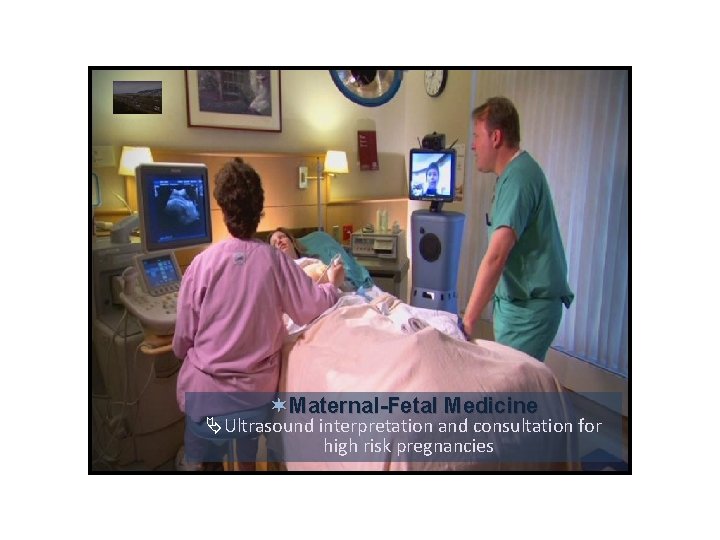
¬Maternal-Fetal Medicine ÄUltrasound interpretation and consultation for high risk pregnancies
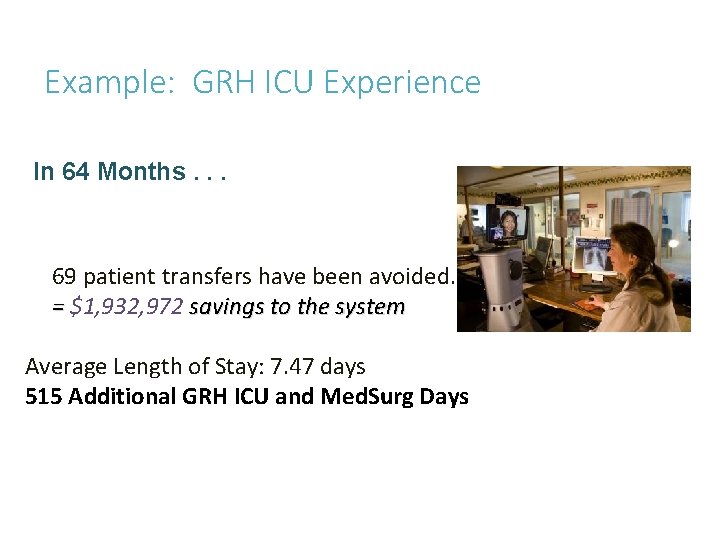
Example: GRH ICU Experience In 64 Months. . . 69 patient transfers have been avoided. = $1, 932, 972 savings to the system Average Length of Stay: 7. 47 days 515 Additional GRH ICU and Med. Surg Days
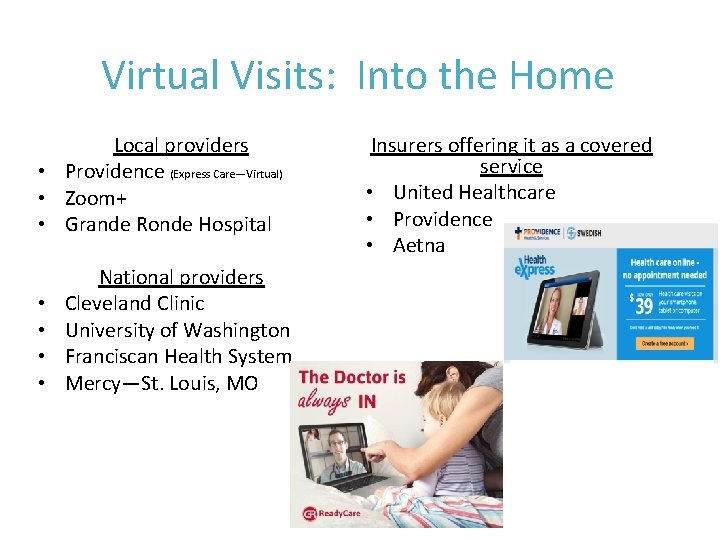
Virtual Visits: Into the Home Local providers • Providence (Express Care—Virtual) • Zoom+ • Grande Ronde Hospital • • National providers Cleveland Clinic University of Washington Franciscan Health System Mercy—St. Louis, MO Insurers offering it as a covered service • United Healthcare • Providence • Aetna
Virtual Visits Trends • Meets a growing demand for virtual visits – Patients--76% of patients prioritize access to care over need for human interaction—American Hospital Association 2015 – Employers--71% of surveyed employers are considering offering virtual visits to employees by 2017—Tower Watson Employer Survey, 2014 • Creates the ability to serve new patients • Creates access in a lower cost setting – Virtual visits are projected to save $5 B from cost of in-person visits (Deloitte, 2014) • Provides care at the right time, right place
The Grande Ronde Experience • Virtual visits—why? – The technology is everywhere – A way to leverage scarce healthcare resources – Reduces overcrowding in urgent care and ER’s – Saves our self-funded insurance plan money – Saves time away from work – Keeps one out of a waiting room
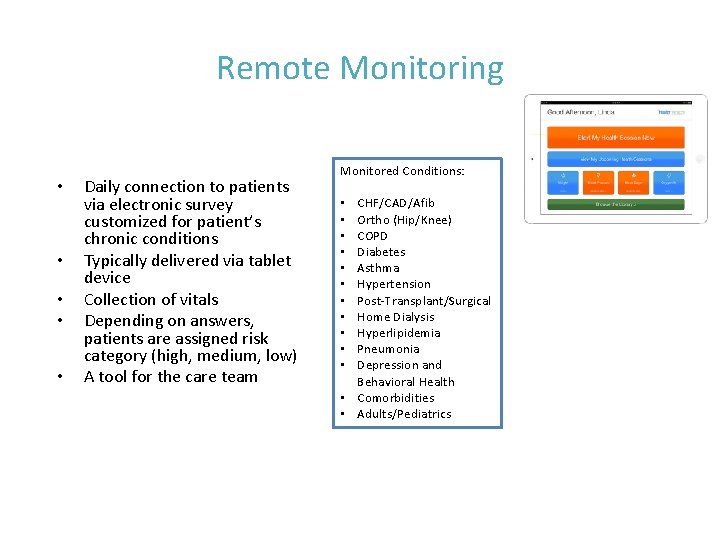
Remote Monitoring • • • Daily connection to patients via electronic survey customized for patient’s chronic conditions Typically delivered via tablet device Collection of vitals Depending on answers, patients are assigned risk category (high, medium, low) A tool for the care team Monitored Conditions: CHF/CAD/Afib Ortho (Hip/Knee) COPD Diabetes Asthma Hypertension Post-Transplant/Surgical Home Dialysis Hyperlipidemia Pneumonia Depression and Behavioral Health • Comorbidities • Adults/Pediatrics • • •
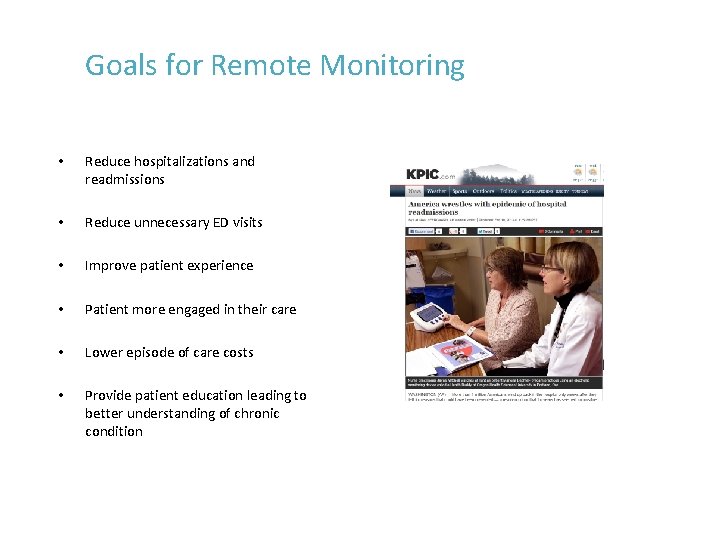
Goals for Remote Monitoring • Reduce hospitalizations and readmissions • Reduce unnecessary ED visits • Improve patient experience • Patient more engaged in their care • Lower episode of care costs • Provide patient education leading to better understanding of chronic condition
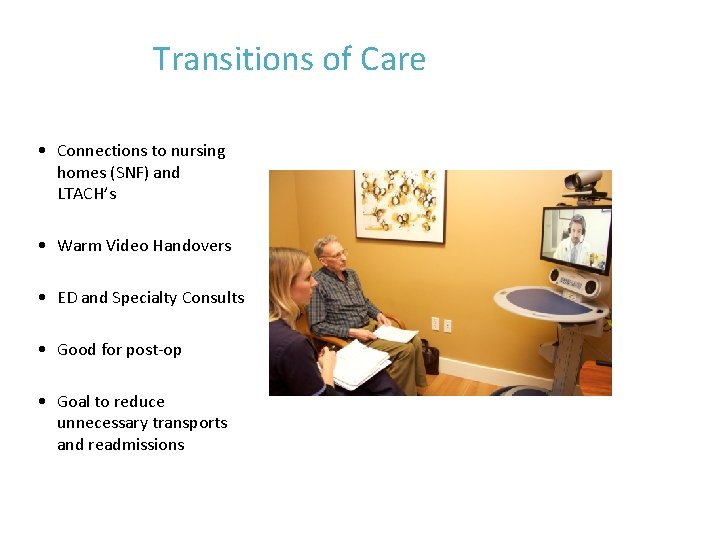
Transitions of Care • Connections to nursing homes (SNF) and LTACH’s • Warm Video Handovers • ED and Specialty Consults • Good for post-op • Goal to reduce unnecessary transports and readmissions
What are the challenges?
Telemedicine Reimbursement Ø Requires the health benefit plans doing business in Oregon to provide coverage of services when they are provided through telemedicine. Ø Requires the services to be reimbursed be medically necessary, must replace services otherwise delivered in person and appropriate for delivery via telemedicine Ø Defines telemedicine as the use of real time two-way video communication in which the practitioner can directly assess the patient. Ø Does not distinguish between services delivered to patients in rural or urban areas. Ø Requires that provider fees for telemedicine services be negotiated between payer and provider. Ø Originating site is not limited to health care facilities.
What is the patient experience and how is it enhanced?
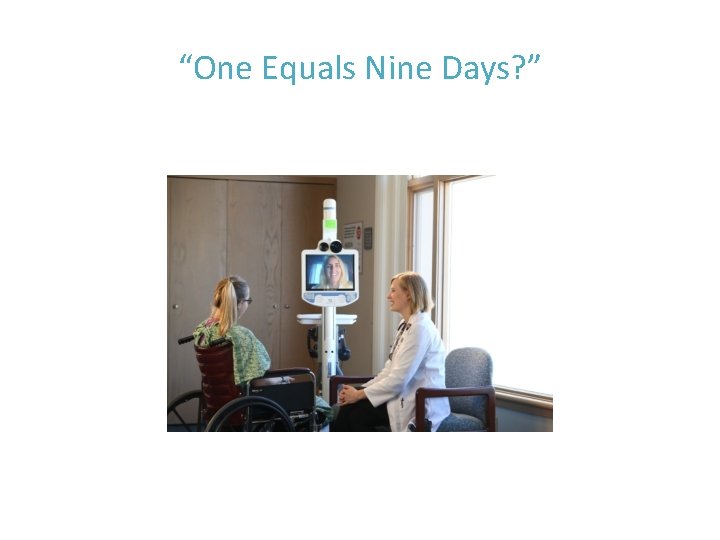
“One Equals Nine Days? ”
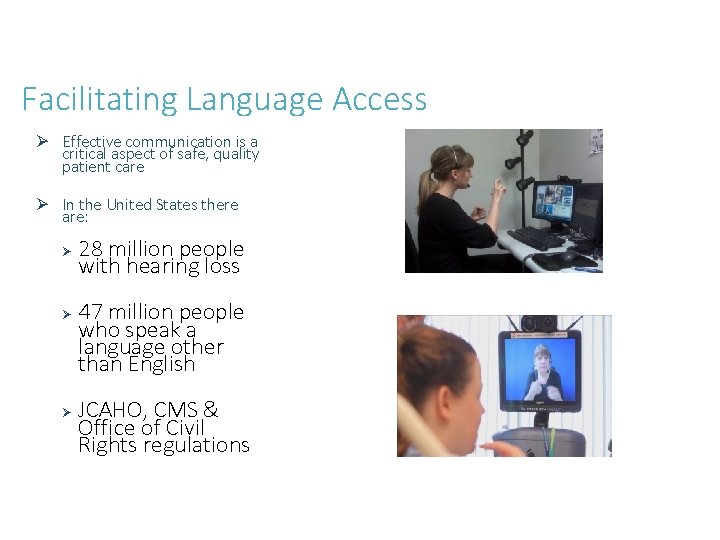
Facilitating Language Access Ø Effective communication is a critical aspect of safe, quality patient care Ø In the United States there are: Ø Ø Ø 28 million people with hearing loss 47 million people who speak a language other than English JCAHO, CMS & Office of Civil Rights regulations
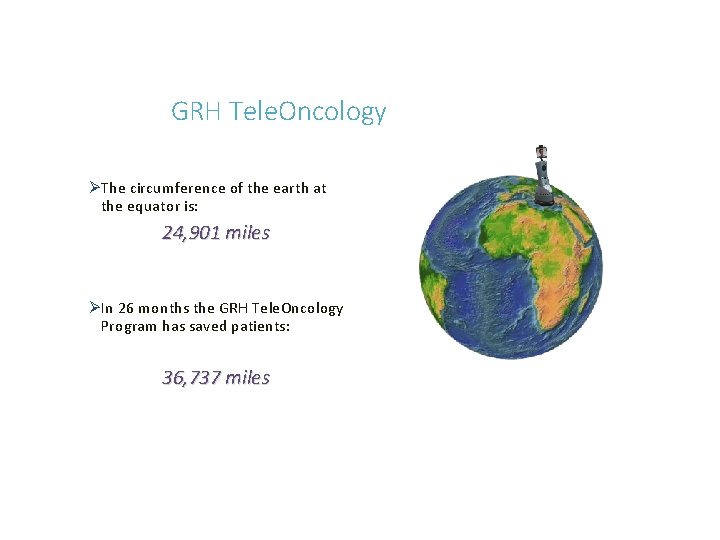
GRH Tele. Oncology ØThe circumference of the earth at the equator is: 24, 901 miles ØIn 26 months the GRH Tele. Oncology Program has saved patients: 36, 737 miles
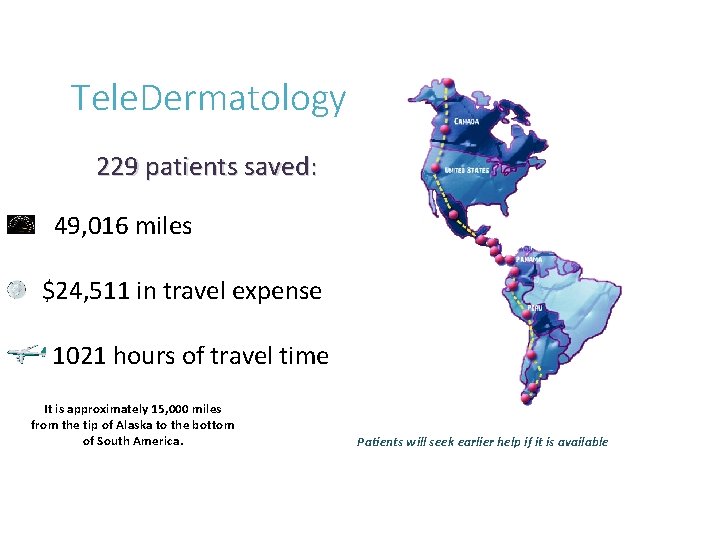
Tele. Dermatology 229 patients saved: 49, 016 miles $24, 511 in travel expense 1021 hours of travel time It is approximately 15, 000 miles from the tip of Alaska to the bottom of South America. Patients will seek earlier help if it is available
The importance of data the metrics for success
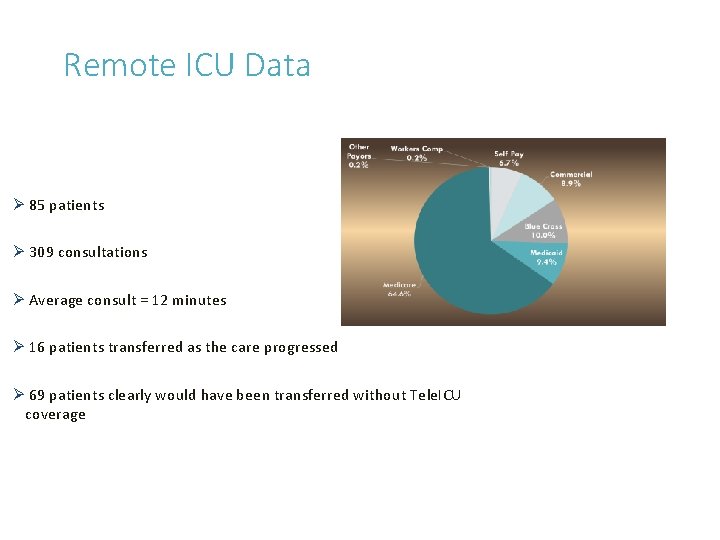
Remote ICU Data Ø 85 patients Ø 309 consultations Ø Average consult = 12 minutes Ø 16 patients transferred as the care progressed Ø 69 patients clearly would have been transferred without Tele. ICU coverage
Questions?
Technology Selection What are the technical requirements and capabilities you should consider when selecting and implementing a telehealth solution?
Technology Selection Technology Considerations and Challenges – Need for multiple vendors to support telehealth offerings – Integration capabilities with existing infrastructure and applications – Interface options to push/pull medical data from EMR system – Ability to scale as program needs change or expand into other specialties – Customization of clinical workflow to meet organizational and/or federal or state legal requirements – An intuitive user interface to easily train providers – A provider notification process for scheduled and unscheduled visits – A simple workflow to ensure a positive patient experience
Legal and Regulatory Challenges
Legal and Regulatory Challenges • • • Reimbursement and billing Licensure and credentialing Liability and malpractice Privacy and Security Compacts
Reimbursement and Billing • Reimbursement – The payment environment is very complex – Medicare, Medicaid, and private payers – All require an understanding of CPT codes and modifiers for telehealth, but have differing requirements for billing for services o Medicare – least progressive o Geographic restrictions for originating sites o Limited services and providers o Some new opportunities offered - New services added - Medicare Advantage plans have broader payment options - MACRA has created new payment models that include telehealth
Reimbursement and Billing • Reimbursement (continued) – Medicaid in Oregon reimburses for services in two ways: • Fee for service – case by case consideration • Coordinated Care Organizations have the flexibility to pay for telehealth services and many do so. – Private payors • In Oregon private payors are required by law (SB 24 and SB 144) to pay for telehealth services • Limitations include: o No payment required for Remote Patient Monitoring o Two-way audio-video required o Providers must negotiate payment in their payor contracts
Reimbursement and billing • Other ways of paying for services: – Contract o A hospital/clinic contracts with another hospital /organization for services – Grant o Time limited, proof of concept. o Need to have a sustainable plan for replacing grant funds – Patient pays out of pocket o Occurs mostly in DTP services
Liability and Malpractice – Both the originating site and the distant site can be held liable for telehealth services – Providers need to know that their malpractice insurance covers telehealth – Liability can occur if there is an equipment or transmission failure. Policies need to be in place that outline how failures will be handled. – There have been very few malpractice cases involving telehealth in the US. These cases could grow as the use of telehealth grows. – The standard of care is the standard of care regardless of how the care is delivered: “The Oregon Medical Board considers the full use of the patient history, physical examination, and additional laboratory or other technological data all important components of the physician’s evaluation to arrive at diagnosis and to develop therapeutic plans. In those circumstances when one or more of those methods are not used in the patient’s evaluation, the physician is held to the same standard of care for the patient’s outcome. ”
Licensure and Credentialing – To practice telemedically in Oregon a physician or PA provider must have a full Oregon license or a telemedicine license issued by the Oregon Medical Board. – Licenses are granted to providers from out of state if they are fully licensed in the state in which they reside and have no disciplinary actions against them – Nurses and nurse practitioners are required to have a full Oregon license. – Credentialing is required by hospitals and health systems and some clinics (CHCs) – Because credentialing is so costly and time consuming Oregon law (SB 569) allows the originating site hospital to rely on the credentialing and privileging decisions of the distant site hospital when making recommendations to the originating site’s governing body regarding the credentialing and privileging of the distant site provider.
Privacy and Security • HIPAA compliance is a continuum not an end point • Most if not all organizations will ever be fully compliant • Organizations must make best effort dependent upon their resources • Due diligence is always required
Privacy and Security • The privacy rule refers to national standards set for the protection of individually identifiable health information • The security rule sets national standards for protecting the confidentiality, integrity and availability of electronic protect health information
Privacy and Security • Security is the bigger focus for telehealth programs • Covered entities and their business associates are directly liable for breaches of PHI • Providers must develop safeguards for four security domains: Administrative, Physical, Technological and Human • Providers must perform a risk assessment and penetration test
Privacy and Security • When developing privacy and security policies and procedures providers should: – Consult legal counsel – If the organization is small, consider bringing in trained IT consultants – A trained entity to conduct the risk assessment and penetration test • Vendors are not necessarily HIPAA compliant just because they say they are • Equipment is not compliant, people are
Compacts • What is the compact? “The Interstate Medical Licensure Compact offers a new, expedited pathway to licensure for qualified physicians who wish to practice in multiple states, increasing access to health care for patients in underserved or rural areas and allowing them to more easily connect with medical experts through the use of telemedicine technologies. Put simply, the Compact makes it easier for physicians to obtain licenses to practice in multiple states. At the same time, the Compact strengthens public protection by enhancing the ability of states to share investigative and disciplinary information. The Compact is being implemented by 17 states across the nation, with nine others expected to adopt it soon. ”
8 Consensus Principles • Participation in an interstate compact for medical licensure will be strictly voluntary for both physicians and state boards of medicine. • Participation in an interstate compact creates another pathway for licensure, but does not otherwise change a state’s existing Medical Practice Act. • The practice of medicine occurs where the patient is located at the time of the physician-patient encounter, and therefore, requires the physician to be under the jurisdiction of the state medical board where the patient is located. • An interstate compact for medical licensure will establish a mechanism whereby any physician practicing in the state will be known by, and under the jurisdiction of, the state medical board where the practice occurs.
8 Consensus Principles • Regulatory authority will remain with the participating state medical boards, and will not be delegated to any entity that would administer a compact. • A physician practicing under an interstate compact is bound to comply with the statutes, rules and regulations of each compact state wherein he / she chooses to practice. • State boards participating in an interstate compact are required to share complaint / investigative information with each other. • The license to practice can be revoked by any or all of the compact states.
Organizational Adoption What are successful approaches and best practices to integrate telehealth solutions into your organization and achieve clinical adoption?
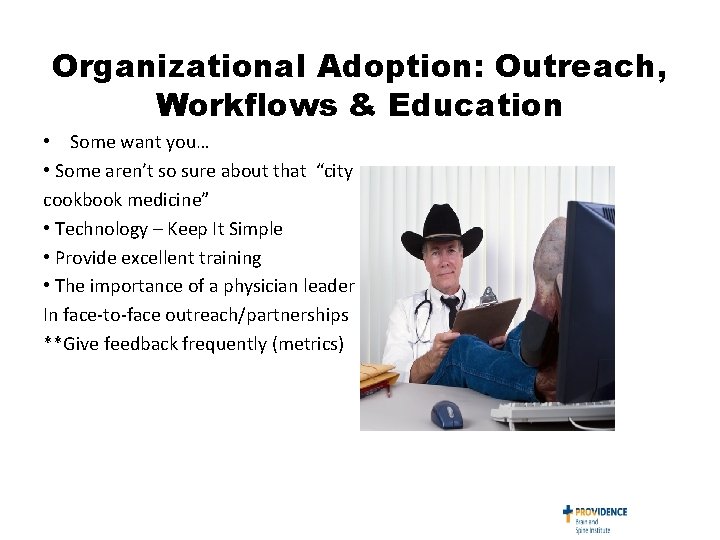
Organizational Adoption: Outreach, Workflows & Education • Some want you… • Some aren’t so sure about that “city cookbook medicine” • Technology – Keep It Simple • Provide excellent training • The importance of a physician leader In face-to-face outreach/partnerships **Give feedback frequently (metrics)
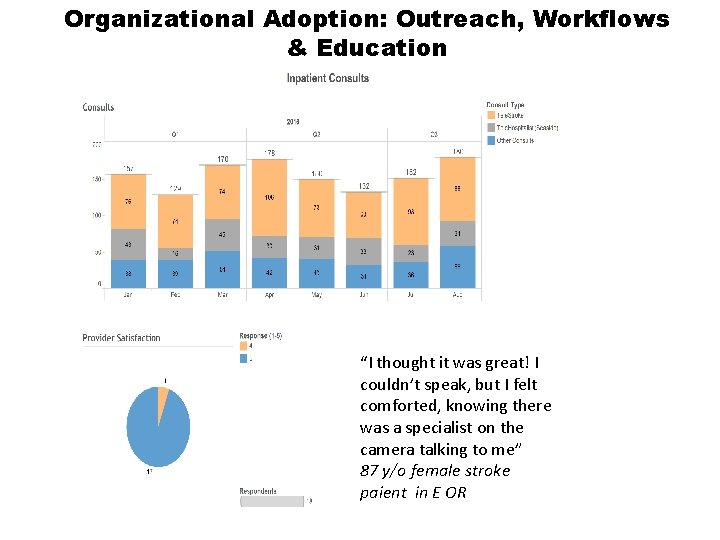
Organizational Adoption: Outreach, Workflows & Education “I thought it was great! I couldn’t speak, but I felt comforted, knowing there was a specialist on the camera talking to me” 87 y/o female stroke paient in E OR
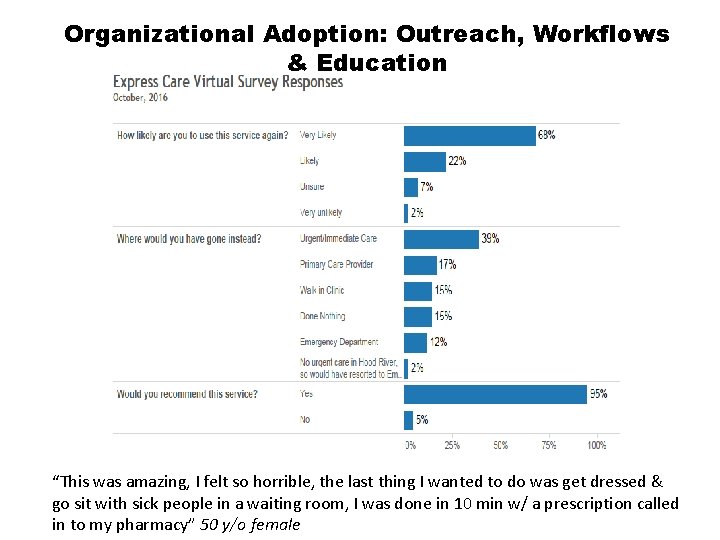
Organizational Adoption: Outreach, Workflows & Education “This was amazing, I felt so horrible, the last thing I wanted to do was get dressed & go sit with sick people in a waiting room, I was done in 10 min w/ a prescription called in to my pharmacy” 50 y/o female
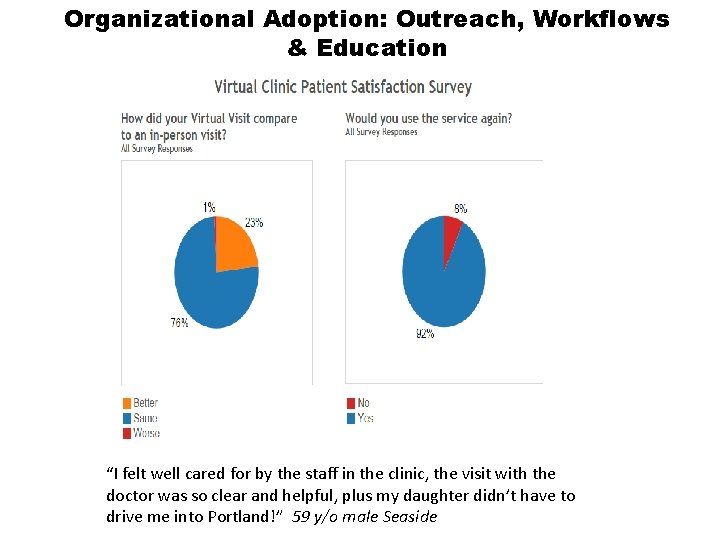
Organizational Adoption: Outreach, Workflows & Education “I felt well cared for by the staff in the clinic, the visit with the doctor was so clear and helpful, plus my daughter didn’t have to drive me into Portland!” 59 y/o male Seaside
Organizational Adoption Prepare for Provider Engagement Concerns • Types of change – clinical, technical, administrative, etc. • Scale of change – departmental or individual • Impact on the provider’s ability to deliver care • Investment of time to learn and adopt the changes to make it standard practice • People are have difficulty accepting change
Organizational Adoption Program Development Recommendations • Resource support across multiple stakeholders for all phases of the Telehealth program • Pre-Implementation – Education around solution need & value to patient care delivery • Go-Live – Clinically relevant training for providers to develop comfort and familiarity • Post-Implementation – Revise clinical protocols and procedures to develop new standards
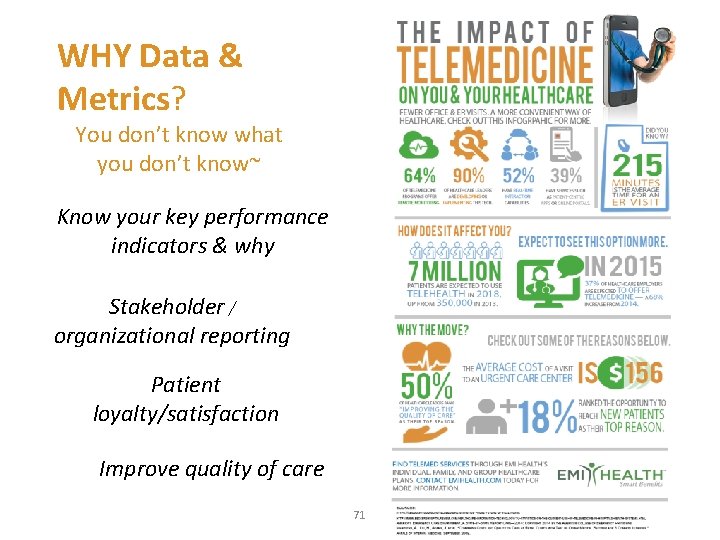
WHY Data & Metrics? You don’t know what you don’t know~ Know your key performance indicators & why Stakeholder / organizational reporting Patient loyalty/satisfaction Improve quality of care 71
KPI’s • Utilization – Is service being used? • User satisfaction – patient and provider • Financial value– how do we measure? – Direct – Indirect 72
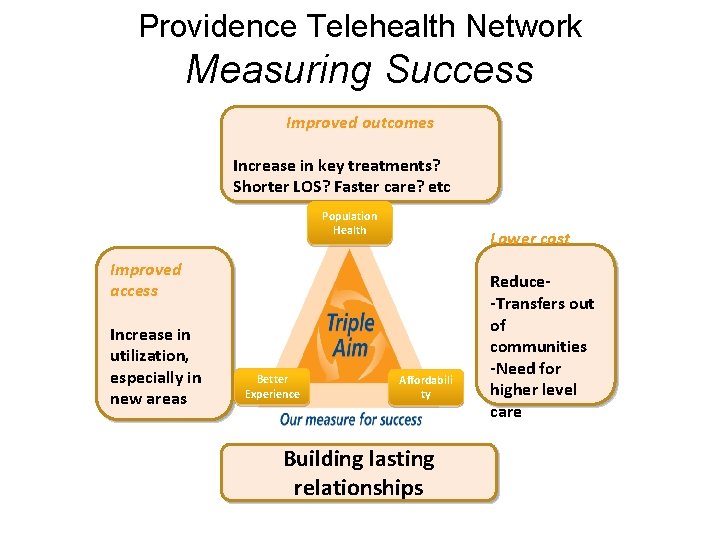
Providence Telehealth Network Measuring Success Improved outcomes Increase in key treatments? Shorter LOS? Faster care? etc Population Health Lower cost Improved access Increase in utilization, especially in new areas Better Experience Affordabili ty Building lasting relationships Reduce-Transfers out of communities -Need for higher level care
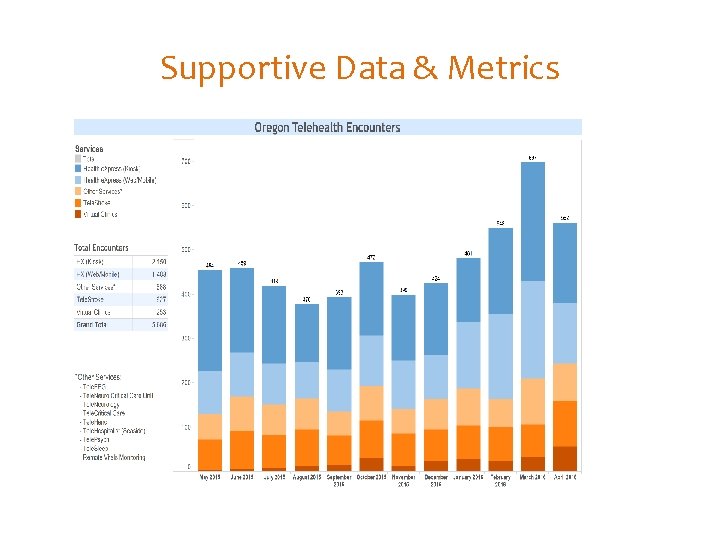
Supportive Data & Metrics
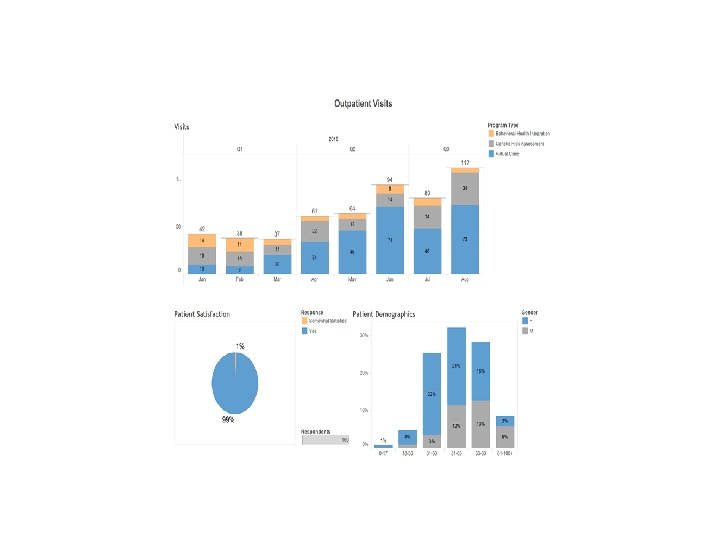
Share Data to Support Your Program • • • Leadership Providers Key stakeholders Partners Marketing/communications This is the only way to define your success or failure