GASTROINTESTINAL SYMPTOMS IN PALLIATIVE CARE Dr Lucy Quilter







- Slides: 43
GASTROINTESTINAL SYMPTOMS IN PALLIATIVE CARE Dr. Lucy Quilter Palliative Care Registrar, Beaumont Hospital
What is Palliative Care? Palliative care is an approach that improves the quality of life of patients and their families facing the problem associated with life-threatening illness, through the prevention and relief of suffering by means of early identification and impeccable assessment and treatment of pain and other problems, physical, psychosocial and spiritual. World Health Organisation, 2002
Topics covered ◦ 1. Anorexia ◦ 2. Nausea and Vomiting ◦ 3. Constipation ◦ Questions? ?
Anorexia
Anorexia ◦ Anorexia is loss of appetite and/or an aversion to food. ◦ Second only behind pain in most common symptoms experienced by palliative care patients ◦ Cachexia refers to a loss of body mass, including lean body mass and fat, in the setting of an advanced disease state. ◦ Anorexia impacts greatly on quality of life and can cause anxiety and distress for patients, sometimes more so for carers/family
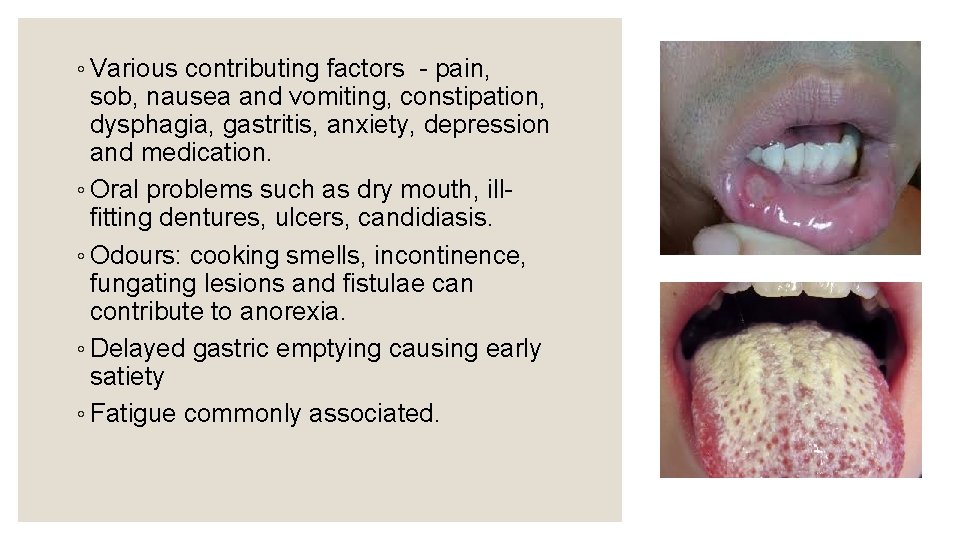
◦ Various contributing factors - pain, sob, nausea and vomiting, constipation, dysphagia, gastritis, anxiety, depression and medication. ◦ Oral problems such as dry mouth, illfitting dentures, ulcers, candidiasis. ◦ Odours: cooking smells, incontinence, fungating lesions and fistulae can contribute to anorexia. ◦ Delayed gastric emptying causing early satiety ◦ Fatigue commonly associated.
Management of anorexia ◦ The aims are prevention or at least early identification ◦ Treatment of contributory symptoms. ◦ Acknowledge the psychological impact on the patient and carer ◦ In nutritional support, the emphasis is based upon eating within the limits of the patient’s condition and capability.
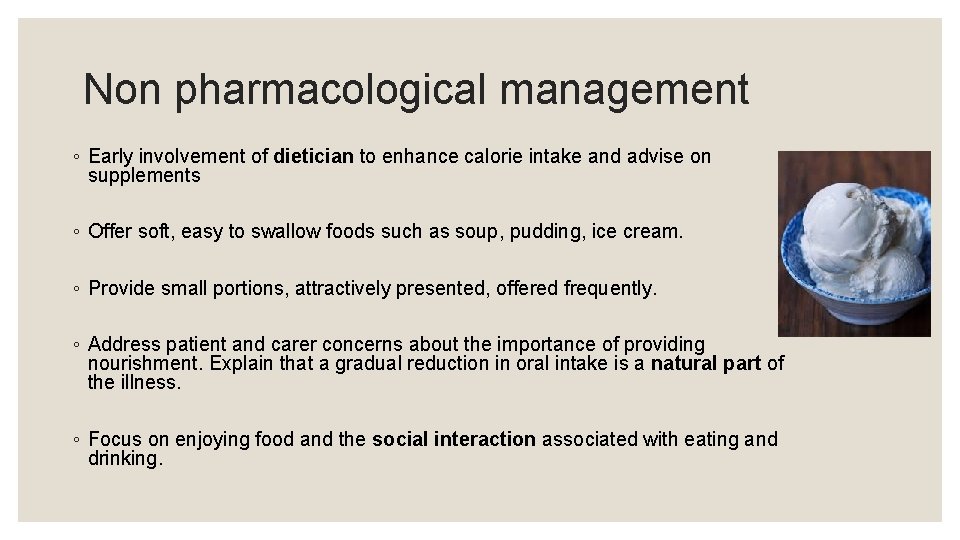
Non pharmacological management ◦ Early involvement of dietician to enhance calorie intake and advise on supplements ◦ Offer soft, easy to swallow foods such as soup, pudding, ice cream. ◦ Provide small portions, attractively presented, offered frequently. ◦ Address patient and carer concerns about the importance of providing nourishment. Explain that a gradual reduction in oral intake is a natural part of the illness. ◦ Focus on enjoying food and the social interaction associated with eating and drinking.
Pharmacological management 1. Steroids ◦ May lead to a short-term improvement of appetite. No evidence of meaningful weight gain or significant effect on nutritional status. ◦ Rapid effect but tends to decrease after 3 to 4 weeks. ◦ May also help to reduce nausea, improve energy and general feeling of wellbeing. ◦ Starting dose: oral dexamethasone 4 mg od ◦ Side effects: fluid retention, candidiasis, proximal myopathy, gastritis (consider PPI), insomnia, behavioural changes and steroid‑induced diabetes. ◦ Assess and review dose regularly!! If no significant effect in a 3 -4 days- stop
2. Prokinetics ◦ Used for early satiety, delayed gastric emptying, gastroparesis or nausea ◦ Metoclopramide 10 mg or Domperidone 10 mg given three times a day, 30 minutes before meals
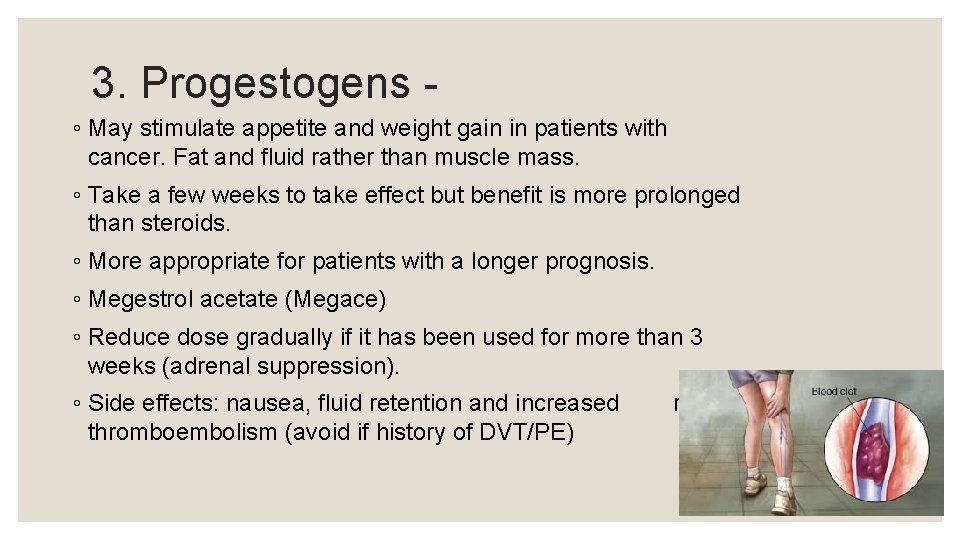
3. Progestogens - ◦ May stimulate appetite and weight gain in patients with cancer. Fat and fluid rather than muscle mass. ◦ Take a few weeks to take effect but benefit is more prolonged than steroids. ◦ More appropriate for patients with a longer prognosis. ◦ Megestrol acetate (Megace) ◦ Reduce dose gradually if it has been used for more than 3 weeks (adrenal suppression). ◦ Side effects: nausea, fluid retention and increased risk of thromboembolism (avoid if history of DVT/PE)
Nausea and Vomiting
Nausea and vomiting ◦ Common and distressing symptoms in palliative care ◦ Significant impact on quality of life ◦ Psychological and physical consequences ◦ Psychological – anxiety, depression, anger, social isolation ◦ Physical – malnutrition, dehydration, electrolyte imbalance, anorexia, weight loss, aspiration pneumonia, oesophageal tears.
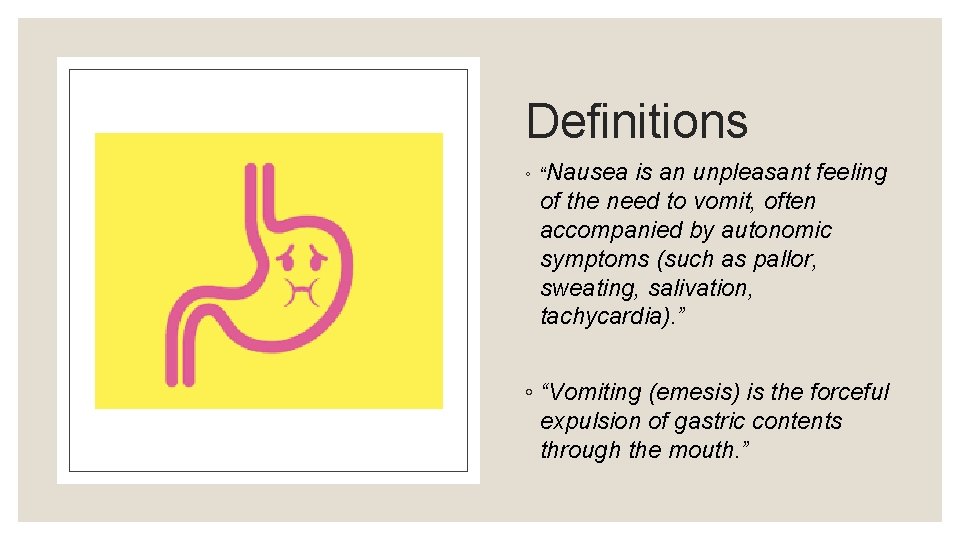
Definitions ◦ “Nausea is an unpleasant feeling of the need to vomit, often accompanied by autonomic symptoms (such as pallor, sweating, salivation, tachycardia). ” ◦ “Vomiting (emesis) is the forceful expulsion of gastric contents through the mouth. ”
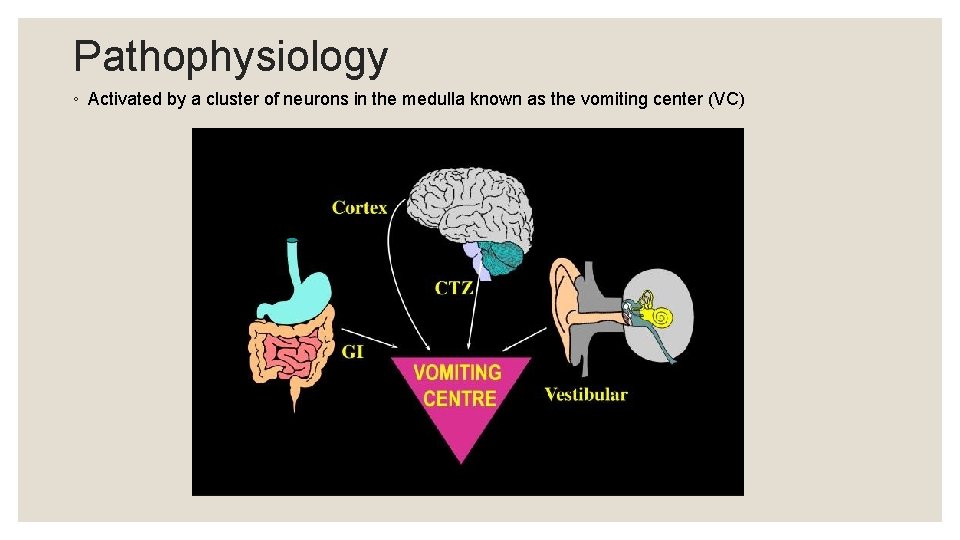
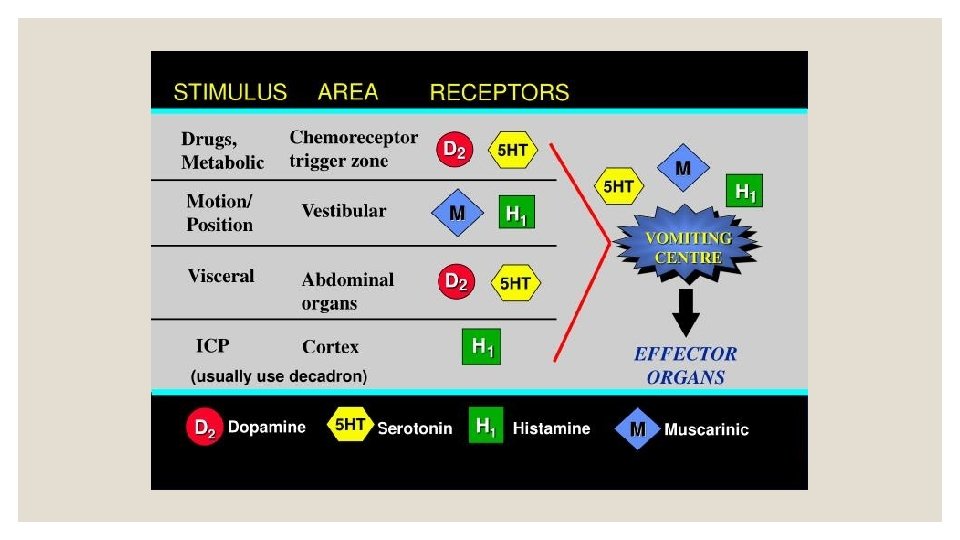
Pathophysiology ◦ Activated by a cluster of neurons in the medulla known as the vomiting center (VC)
Nausea and vomiting are symptoms… ……. In order to treat: ◦ 1. identify causes ◦ 2. treatment of reversible causes (infection, hypercalcemia, constipation, pain, anxiety) ◦ 3. pharmacological and non pharmacological treatment
Evaluation – detailed history and physical exam ◦ Severity of nausea/vomiting. Pattern? ◦ Relief or persistence of nausea after vomiting ◦ Timing of vomiting and symptom trigger (food, movement, smell etc. ) ◦ Content and volume of vomitus ◦ Sputum vs regurgitation vs vomit ◦ Associated symptoms e. g. headache
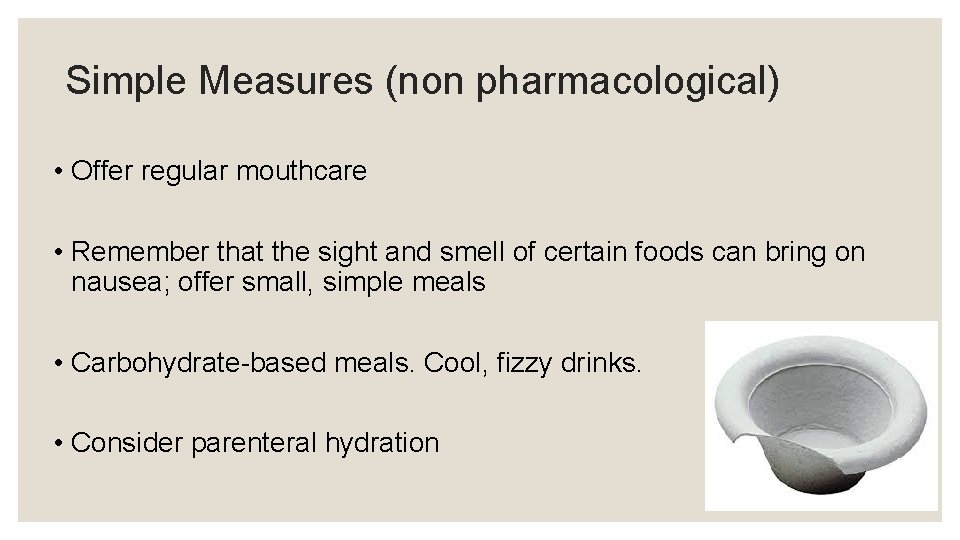
Simple Measures (non pharmacological) • Offer regular mouthcare • Remember that the sight and smell of certain foods can bring on nausea; offer small, simple meals • Carbohydrate-based meals. Cool, fizzy drinks. • Consider parenteral hydration
Pharmacological treatment ◦ Given via the most appropriate route ◦ Frequent or constant symptoms need regular medication. Always have prn option ◦ Reviewed every 24 hours; ◦ Continued unless symptoms have resolved. ◦ May need addition of second agent
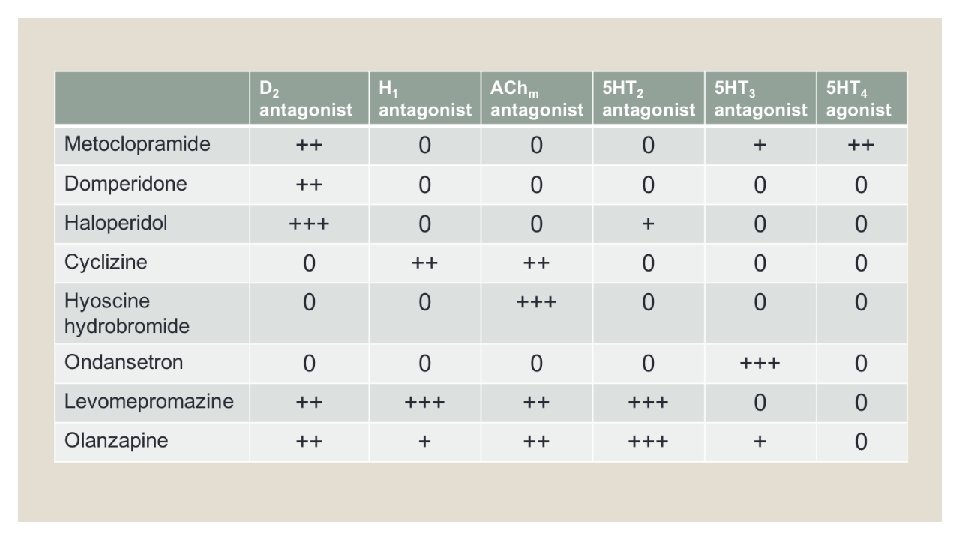
Which anti – emetic? Treatment Approach ◦ Block the relevant emetogenic pathway by selecting an antiemetic which targets the receptor(s) involved. ◦ Useful when one single obvious cause for nausea/vomiting ◦ However, very often multifactorial, empiric therapy considering side effect profile and cost
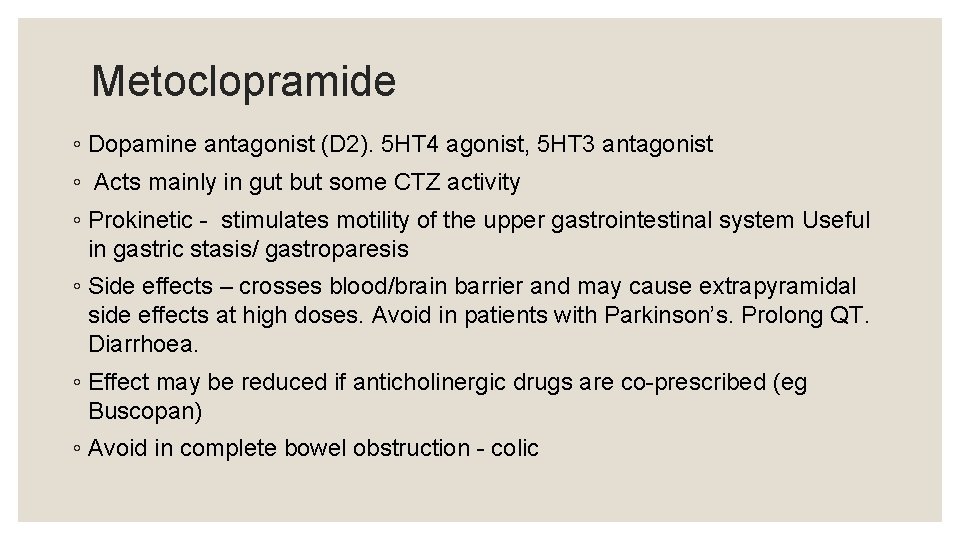
Metoclopramide ◦ Dopamine antagonist (D 2). 5 HT 4 agonist, 5 HT 3 antagonist ◦ Acts mainly in gut but some CTZ activity ◦ Prokinetic - stimulates motility of the upper gastrointestinal system Useful in gastric stasis/ gastroparesis ◦ Side effects – crosses blood/brain barrier and may cause extrapyramidal side effects at high doses. Avoid in patients with Parkinson’s. Prolong QT. Diarrhoea. ◦ Effect may be reduced if anticholinergic drugs are co-prescribed (eg Buscopan) ◦ Avoid in complete bowel obstruction - colic
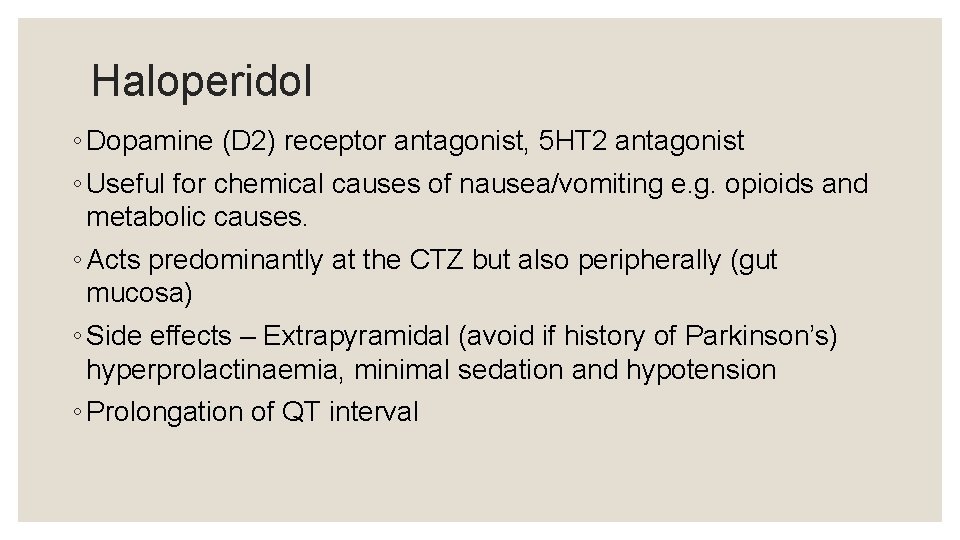
Haloperidol ◦ Dopamine (D 2) receptor antagonist, 5 HT 2 antagonist ◦ Useful for chemical causes of nausea/vomiting e. g. opioids and metabolic causes. ◦ Acts predominantly at the CTZ but also peripherally (gut mucosa) ◦ Side effects – Extrapyramidal (avoid if history of Parkinson’s) hyperprolactinaemia, minimal sedation and hypotension ◦ Prolongation of QT interval
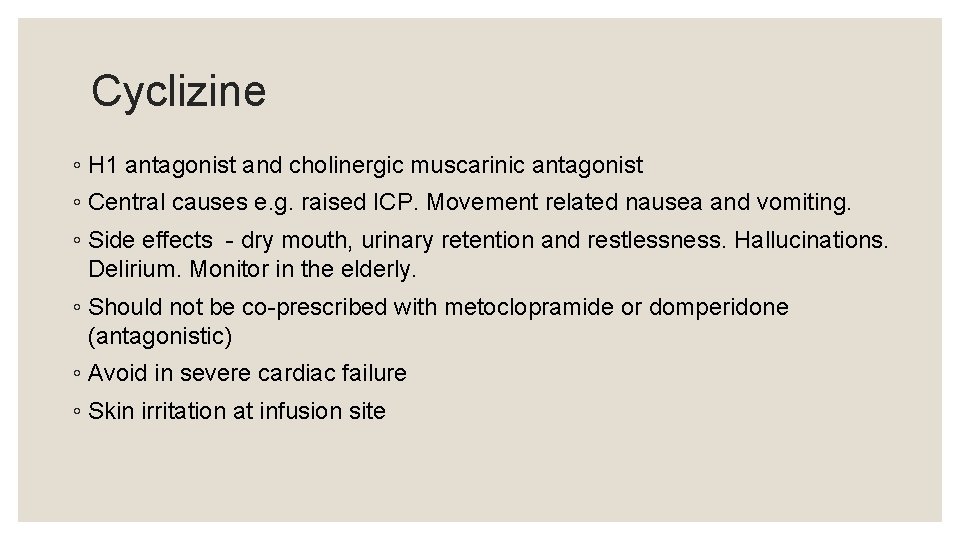
Cyclizine ◦ H 1 antagonist and cholinergic muscarinic antagonist ◦ Central causes e. g. raised ICP. Movement related nausea and vomiting. ◦ Side effects - dry mouth, urinary retention and restlessness. Hallucinations. Delirium. Monitor in the elderly. ◦ Should not be co-prescribed with metoclopramide or domperidone (antagonistic) ◦ Avoid in severe cardiac failure ◦ Skin irritation at infusion site
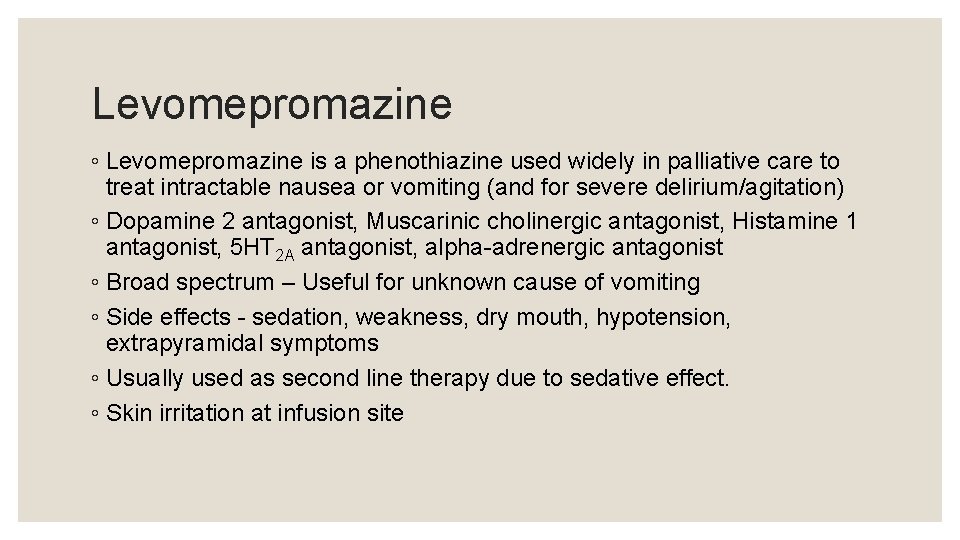
Levomepromazine ◦ Levomepromazine is a phenothiazine used widely in palliative care to treat intractable nausea or vomiting (and for severe delirium/agitation) ◦ Dopamine 2 antagonist, Muscarinic cholinergic antagonist, Histamine 1 antagonist, 5 HT 2 A antagonist, alpha-adrenergic antagonist ◦ Broad spectrum – Useful for unknown cause of vomiting ◦ Side effects - sedation, weakness, dry mouth, hypotension, extrapyramidal symptoms ◦ Usually used as second line therapy due to sedative effect. ◦ Skin irritation at infusion site
Constipation
Constipation ◦ Common!! 3 rd most frequent symptom in palliative care after pain and anorexia ◦ Prevalence estimated at 30 – 90%. Causes are multi factorial; physical illness, hospitalization, reduced fluid intake, opioids ◦ Poorly recognized. Treatment often delayed until constipation has become a significant problem – anorexia, nausea/vomiting, haemorrhoids, anal fissures, urinary retention, abdominal pain and bowel obstruction. Delirium! ◦ Significant impairment in quality of life
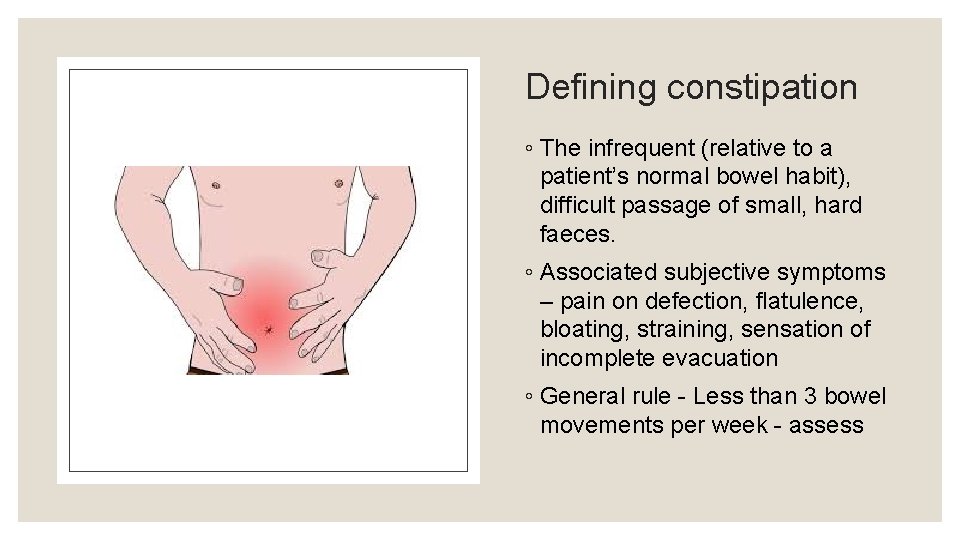
Defining constipation ◦ The infrequent (relative to a patient’s normal bowel habit), difficult passage of small, hard faeces. ◦ Associated subjective symptoms – pain on defection, flatulence, bloating, straining, sensation of incomplete evacuation ◦ General rule - Less than 3 bowel movements per week - assess
Recommendation 1 Constipation Assessment ◦ Carry out a comprehensive bowel history and physical assessment Ask about: ◦ Onset of symptoms, ◦ Aggravating and alleviating factors, ◦ Frequency and pattern of bowel motions – is it different to their usual pattern ◦ Stool volume and appearance (consistency (use of images can help), colour, odour, blood, mucous). Think over flow! ◦ Nausea/vomiting ◦ Bloating/flatus, abdo discomfort ◦ Tenesmus Constipation assessment scales can be useful but not recommended for routine practice
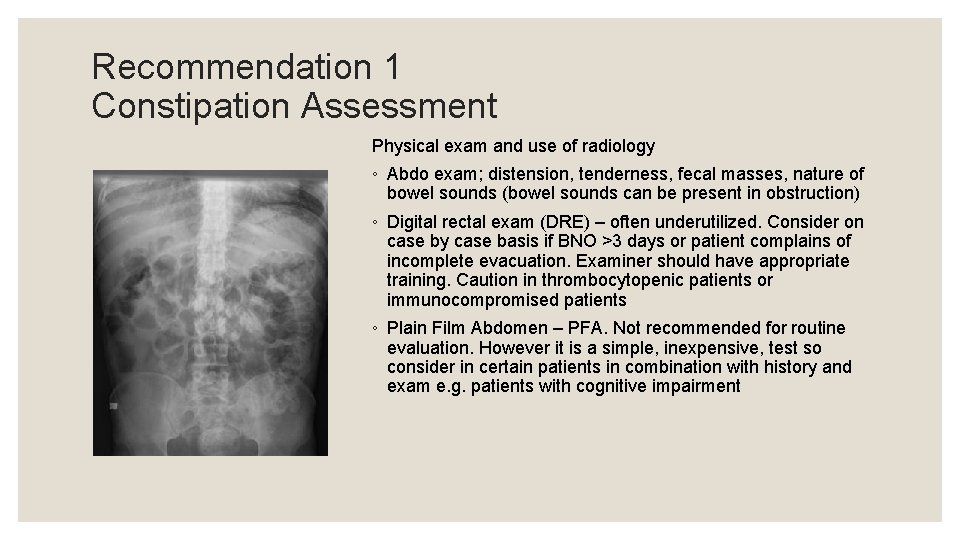
Recommendation 1 Constipation Assessment Physical exam and use of radiology ◦ Abdo exam; distension, tenderness, fecal masses, nature of bowel sounds (bowel sounds can be present in obstruction) ◦ Digital rectal exam (DRE) – often underutilized. Consider on case by case basis if BNO >3 days or patient complains of incomplete evacuation. Examiner should have appropriate training. Caution in thrombocytopenic patients or immunocompromised patients ◦ Plain Film Abdomen – PFA. Not recommended for routine evaluation. However it is a simple, inexpensive, test so consider in certain patients in combination with history and exam e. g. patients with cognitive impairment
Recommendation 2 Prevention ◦ Prevention like assessment should be carried out on a continuous basis ◦ Education on the importance of pharmacological and non drug measures is essential to enable patients and caregivers to take an active role in constipation prevention ◦ Review of medications in order to identify potentially constipating agents and prophylactic laxatives prescribed when appropriate ◦ All patients prescribed regular opioids should be started on a laxative regimen
Recommendation 3 Non pharmacological management ◦ As important as the use of pharmacological agents ◦ Optimise toileting – good seating position, toilet and commode in preference to bedpan, encourage use of toilet approx. 20 mins after breakfast (most powerful gastro-colic reflex in morning) ◦ Increase fluid and fibre intake – difficult amongst our patient population ◦ Mobility –Within a patient’s limits.
Recommendation 4 Pharmacological Management ◦ Inadequate evidence, lack of comparative RCTs. Many therapeutic recommendations based on clinical experience. ◦ Two broad categories– softeners and stimulants. Within each category no evidence to support one over the other ◦ Combination of the two categories may be most effective ◦ Optimise a single laxative prior to the addition of a second agent ◦ Ratio of softener: stimulant should be guided by fecal consistency ◦ Dose of laxative should be titrated daily or alternate days according to response ◦ Choice of laxative should be guided by patient characteristics, preference, cost.
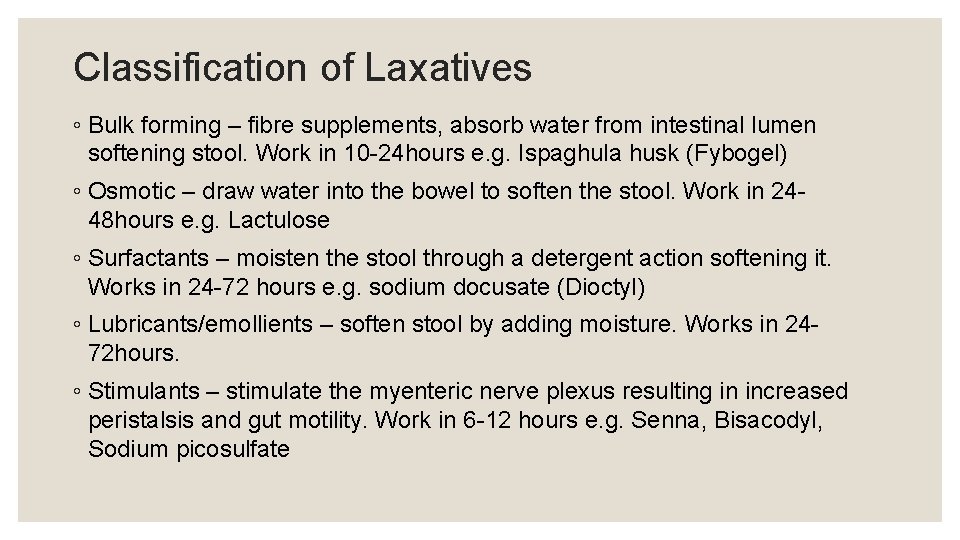
Classification of Laxatives ◦ Bulk forming – fibre supplements, absorb water from intestinal lumen softening stool. Work in 10 -24 hours e. g. Ispaghula husk (Fybogel) ◦ Osmotic – draw water into the bowel to soften the stool. Work in 2448 hours e. g. Lactulose ◦ Surfactants – moisten the stool through a detergent action softening it. Works in 24 -72 hours e. g. sodium docusate (Dioctyl) ◦ Lubricants/emollients – soften stool by adding moisture. Works in 2472 hours. ◦ Stimulants – stimulate the myenteric nerve plexus resulting in increased peristalsis and gut motility. Work in 6 -12 hours e. g. Senna, Bisacodyl, Sodium picosulfate
Rectal Laxatives ◦ Oral laxatives preferable – patients and carers may find rectal measures uncomfortable and undignified ◦ Have their uses – patients with fecal impaction, spinal cord lesions, swallow difficulties. Rapid mode of action. ◦ Work by a combination of stool softening/lubrication and stimulation of defacation reflex through rectal distension ◦ Suppository or enema
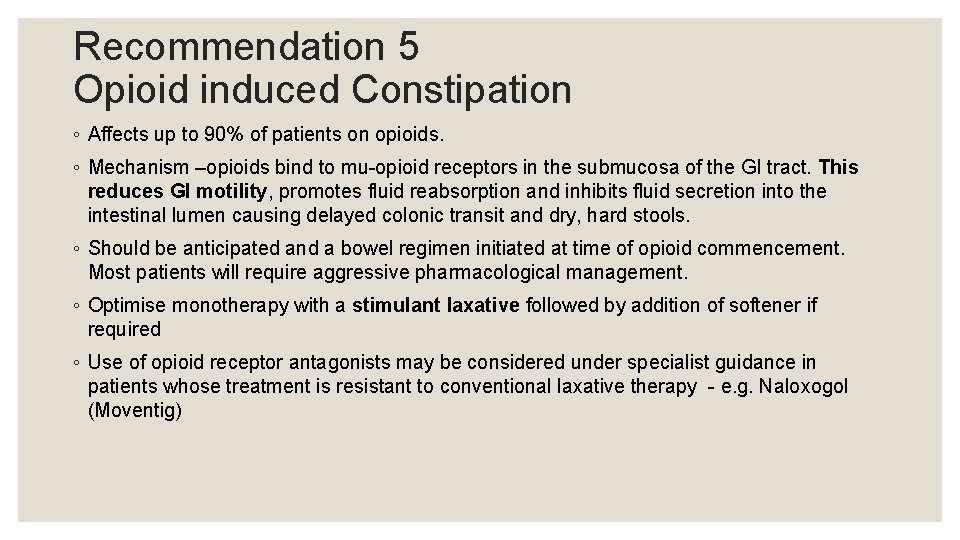
Recommendation 5 Opioid induced Constipation ◦ Affects up to 90% of patients on opioids. ◦ Mechanism –opioids bind to mu-opioid receptors in the submucosa of the GI tract. This reduces GI motility, promotes fluid reabsorption and inhibits fluid secretion into the intestinal lumen causing delayed colonic transit and dry, hard stools. ◦ Should be anticipated and a bowel regimen initiated at time of opioid commencement. Most patients will require aggressive pharmacological management. ◦ Optimise monotherapy with a stimulant laxative followed by addition of softener if required ◦ Use of opioid receptor antagonists may be considered under specialist guidance in patients whose treatment is resistant to conventional laxative therapy - e. g. Naloxogol (Moventig)
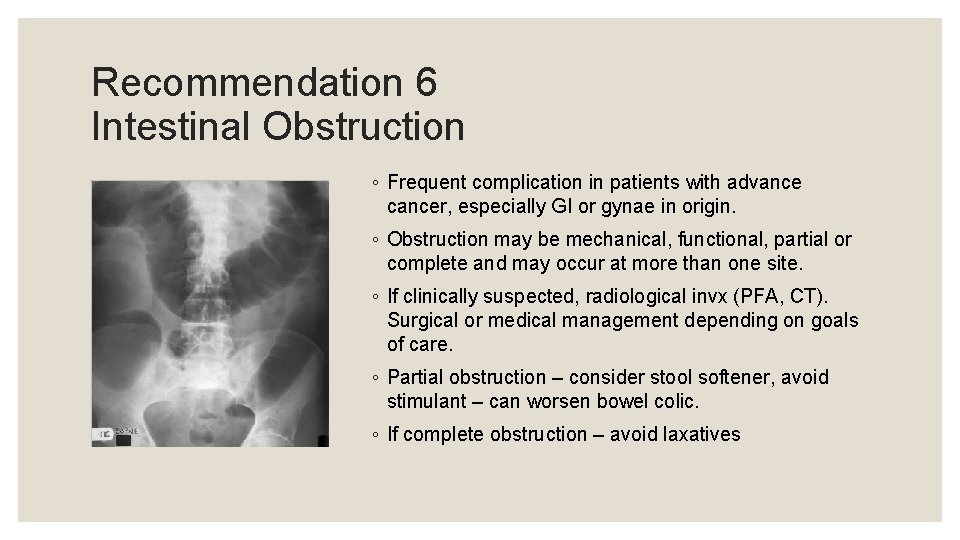
Recommendation 6 Intestinal Obstruction ◦ Frequent complication in patients with advance cancer, especially GI or gynae in origin. ◦ Obstruction may be mechanical, functional, partial or complete and may occur at more than one site. ◦ If clinically suspected, radiological invx (PFA, CT). Surgical or medical management depending on goals of care. ◦ Partial obstruction – consider stool softener, avoid stimulant – can worsen bowel colic. ◦ If complete obstruction – avoid laxatives
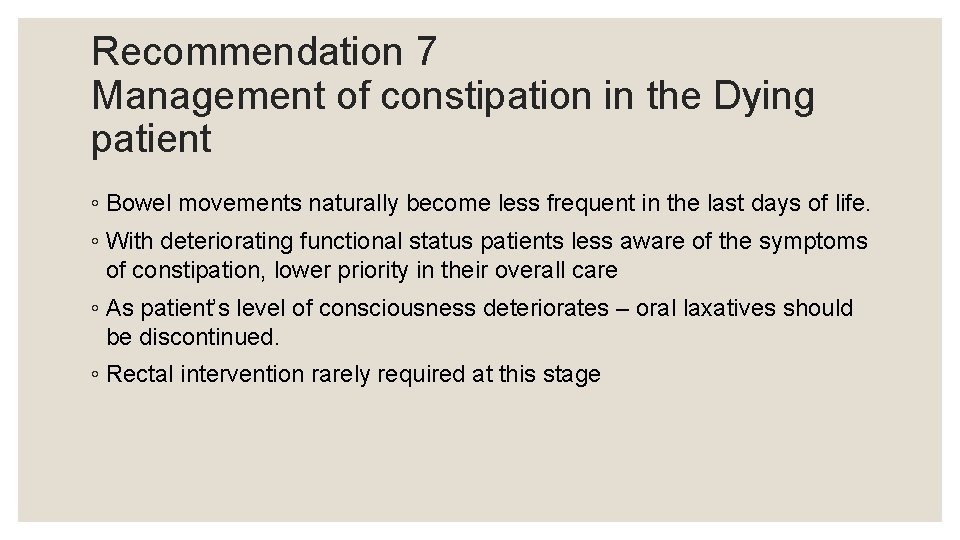
Recommendation 7 Management of constipation in the Dying patient ◦ Bowel movements naturally become less frequent in the last days of life. ◦ With deteriorating functional status patients less aware of the symptoms of constipation, lower priority in their overall care ◦ As patient’s level of consciousness deteriorates – oral laxatives should be discontinued. ◦ Rectal intervention rarely required at this stage
Thank You!!!