Forskning kring AIstd Jan Lundgren Mittuniversitetet Ljud Forskargruppen
- Slides: 39
Forskning kring AI-stöd Jan Lundgren Mittuniversitetet
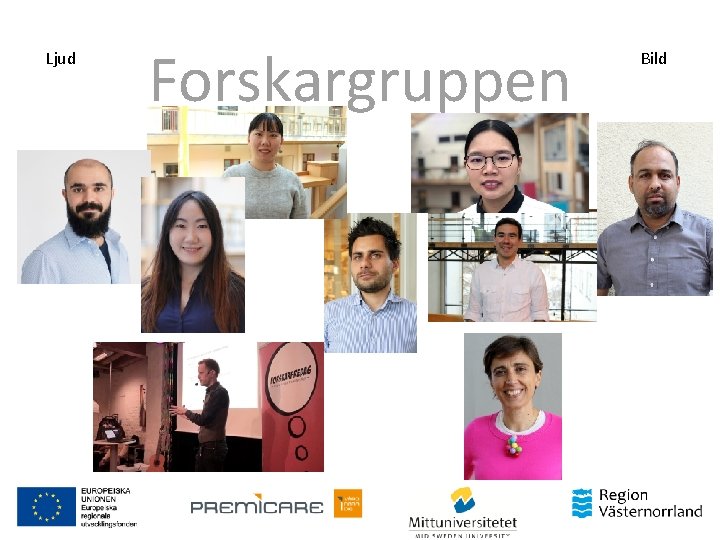
Ljud Forskargruppen Bild
AI – forskning/stöd • Det finns idag ett glapp mellan teknologiforskningen och hälsoforskningen. • Ersätta specialister / stödja specialister • Vår roll blir att överbrygga glappet
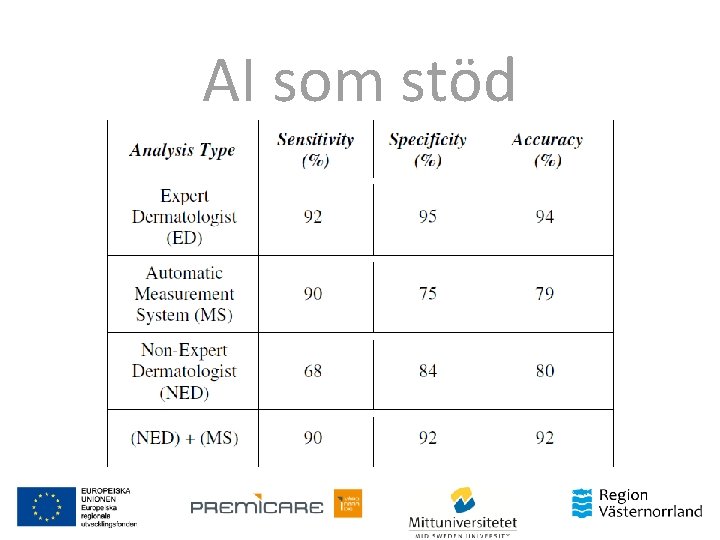
AI som stöd
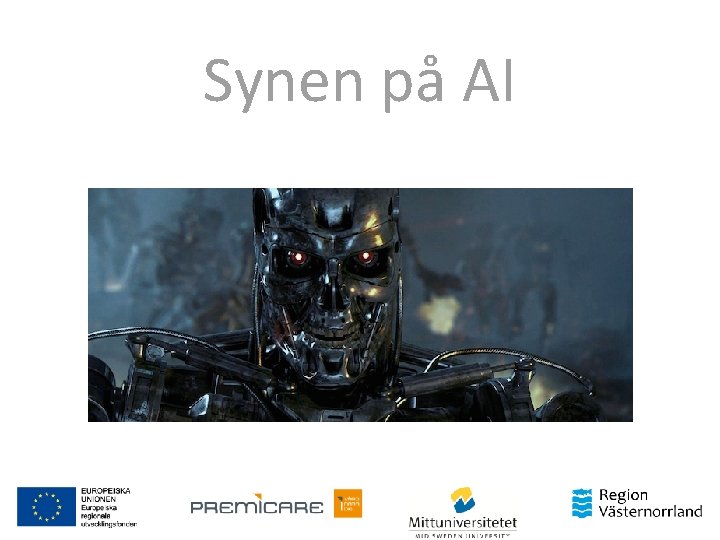
Synen på AI
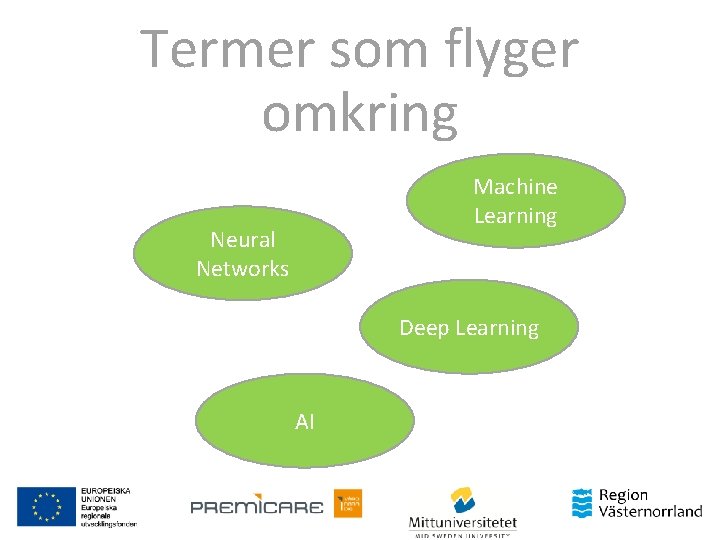
Termer som flyger omkring Machine Learning Neural Networks Deep Learning AI
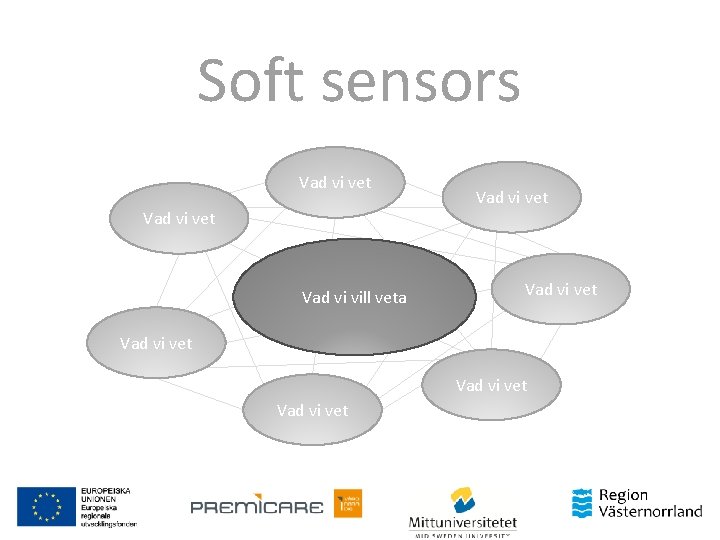
Soft sensors Vad vi vet Vad vi vill veta Vad vi vet Vad vi vet
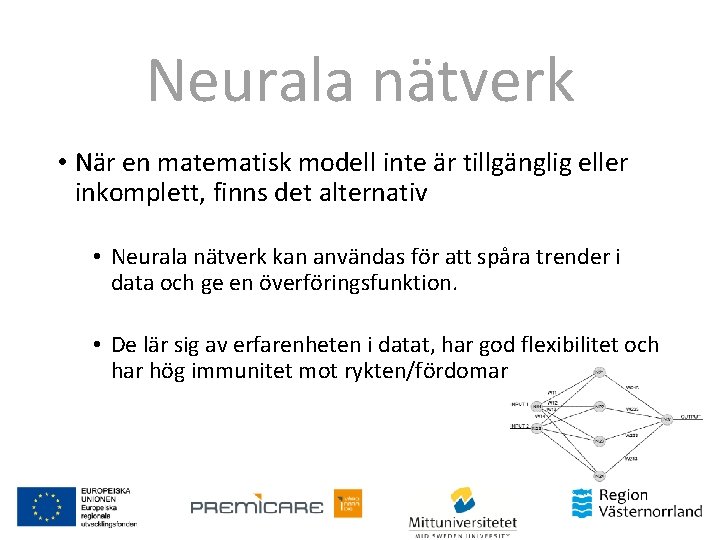
Neurala nätverk • När en matematisk modell inte är tillgänglig eller inkomplett, finns det alternativ • Neurala nätverk kan användas för att spåra trender i data och ge en överföringsfunktion. • De lär sig av erfarenheten i datat, har god flexibilitet och har hög immunitet mot rykten/fördomar.
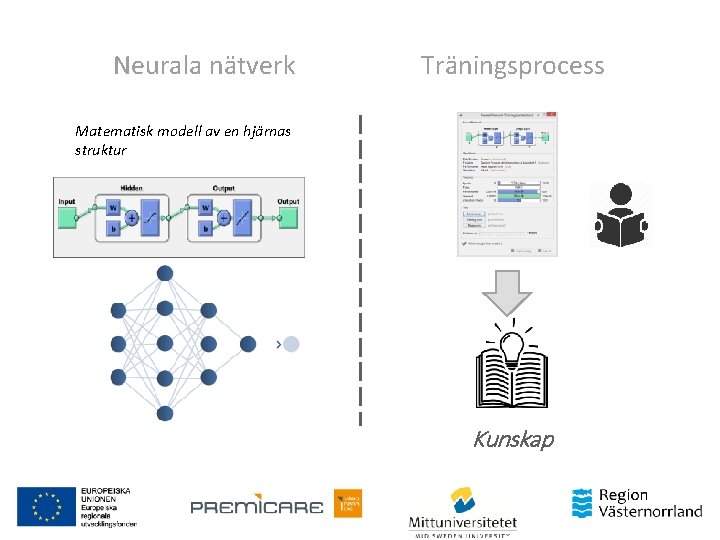
Neurala nätverk Träningsprocess Matematisk modell av en hjärnas struktur Kunskap
Den svarta lådan
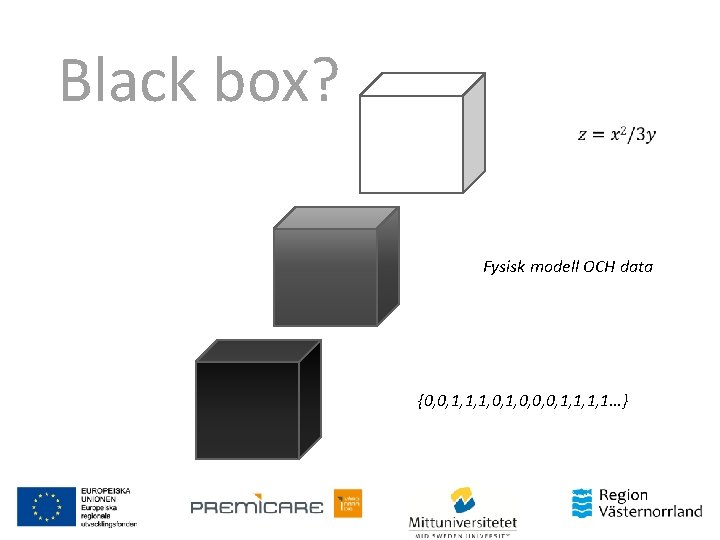
Black box? Fysisk modell OCH data {0, 0, 1, 1, 1, 0, 0, 0, 1, 1…}
Träningsprocessen • Hantverket att använda neurala nätverk • Att välja och förprocessa bra dataset är viktigt • Verifiera lärprocessen genom att beräkna noggrannheten i uppskattningen hos nätverket.
Klassificering av hud
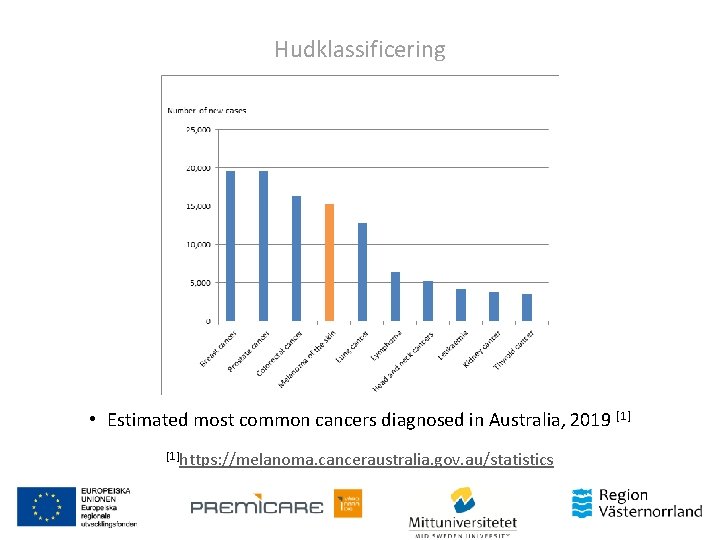
Hudklassificering • Estimated most common cancers diagnosed in Australia, 2019 [1]https: //melanoma. canceraustralia. gov. au/statistics
1 2 0 5 2 1 0 3 0 5 Hudklassificering Challenges a) the low contrast between skin lesions and normal. low contrast b) the melanoma and non-melanoma lesions may have high degree of visual similarity c) the variation of skin conditions(skin color, natural variation of skin conditions hairs or veins).
1 2 0 6 2 1 0 3 0 5 Hudklassificering Motivation a) Apply mobile phone(light neural network). b)Small dataset(difficult to collect data). c) Real-time(fast).
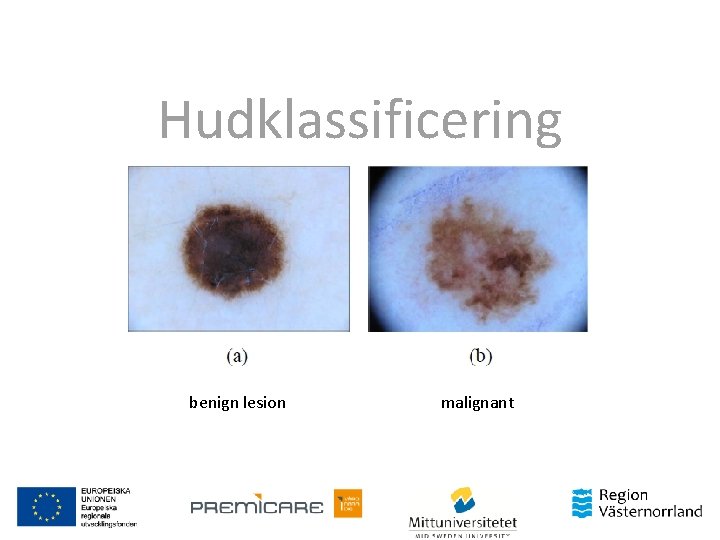
Hudklassificering benign lesion malignant
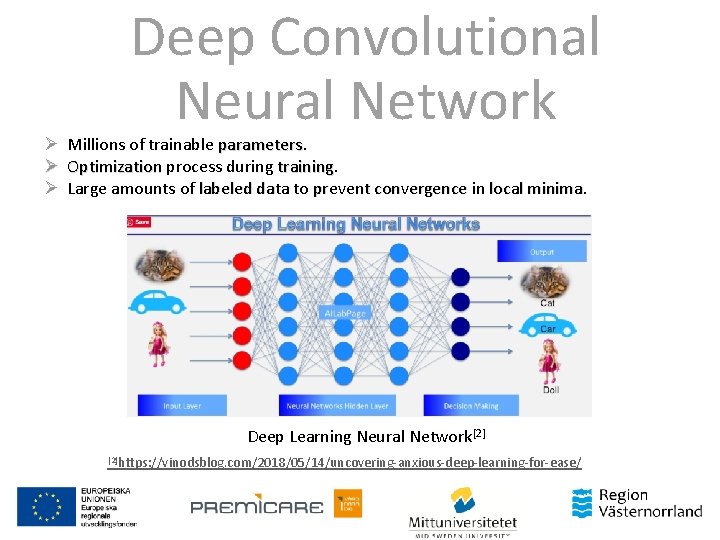
Deep Convolutional Neural Network Ø Millions of trainable parameters Ø Optimization process during training. Optimization training Ø Large amounts of labeled data to labeled data prevent convergence in prevent convergence local minima Deep Learning Neural Network[2] [2]https: //vinodsblog. com/2018/05/14/uncovering-anxious-deep-learning-for-ease/
1 2 0 9 2 1 0 3 0 5 RELATED WORK Object Detection Algorithms: a)You only Look Once (YOLO)(fast) b)Single Shot Detector (SSD) c)R-CNN, Faster R-CNN
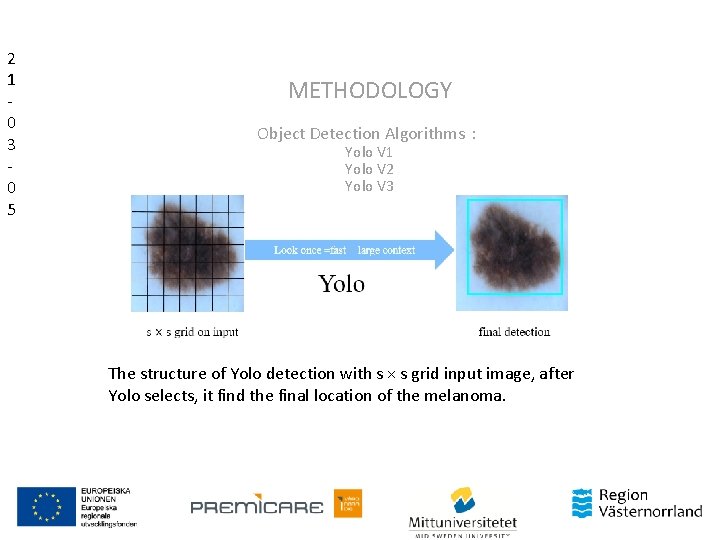
2 0 2 1 0 3 0 5 METHODOLOGY Object Detection Algorithms: Yolo V 1 Yolo V 2 Yolo V 3 The structure of Yolo detection with s × s grid input image, after Yolo selects, it find the final location of the melanoma.
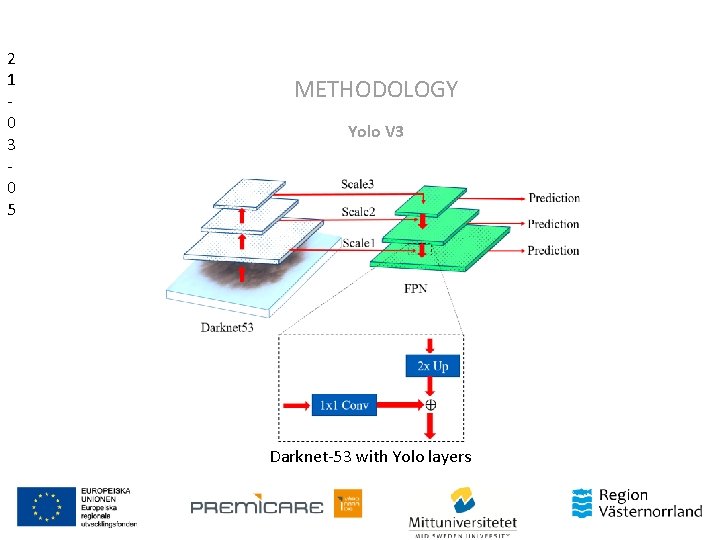
2 0 1 2 1 0 3 0 5 METHODOLOGY Yolo V 3 Darknet-53 with Yolo layers
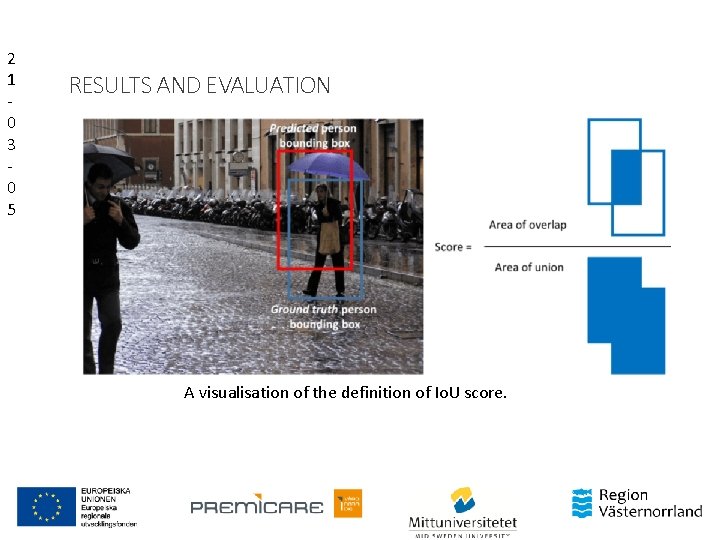
2 0 2 2 1 0 3 0 5 RESULTS AND EVALUATION A visualisation of the definition of Io. U score.
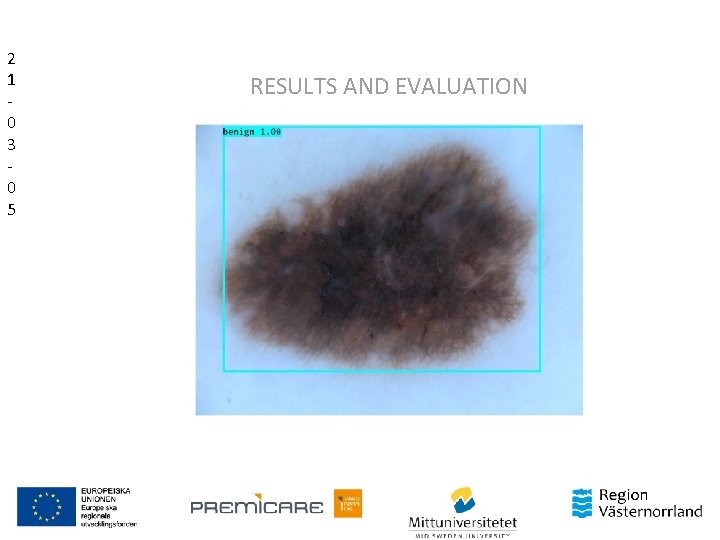
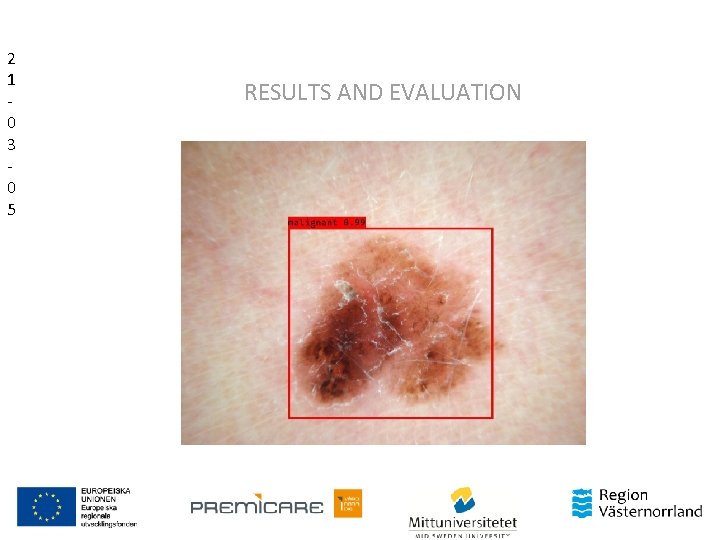
2 0 3 2 1 0 3 0 5 RESULTS AND EVALUATION
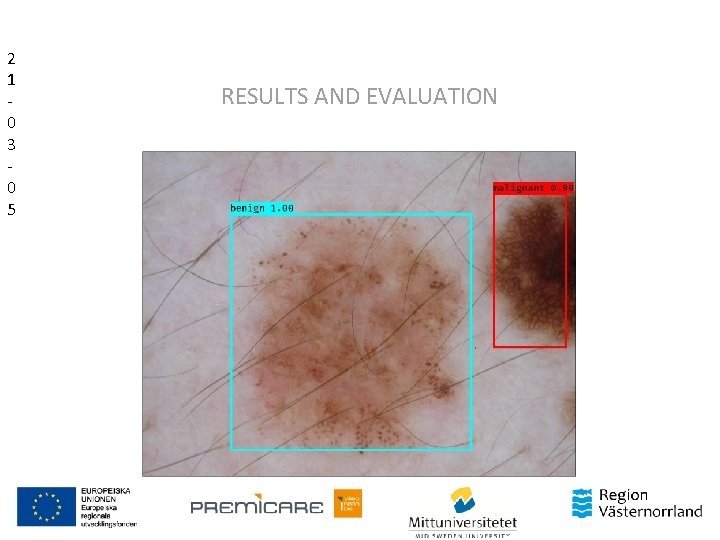
2 0 4 2 1 0 3 0 5 RESULTS AND EVALUATION
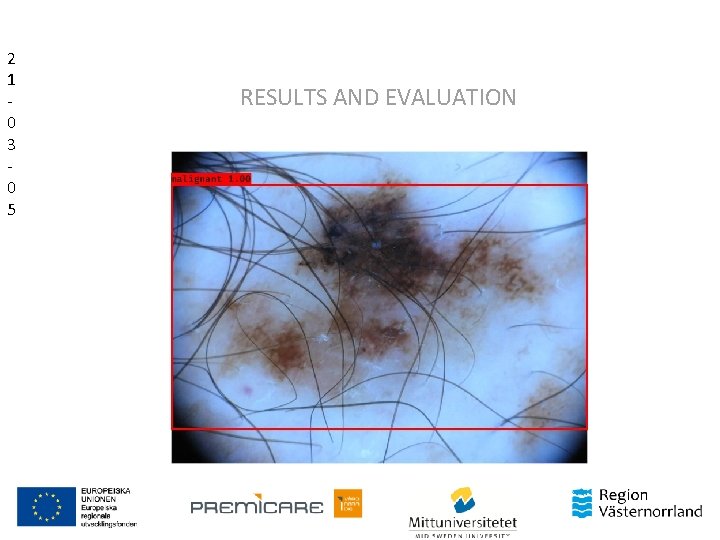
2 0 5 2 1 0 3 0 5 RESULTS AND EVALUATION
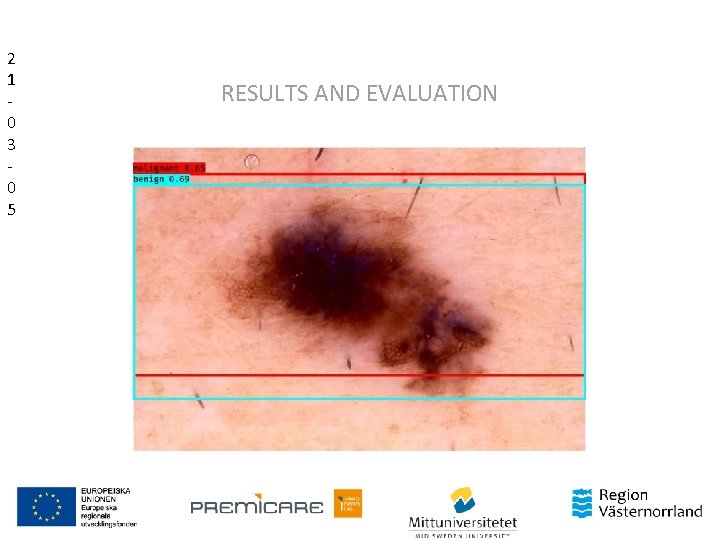
2 0 6 2 1 0 3 0 5 RESULTS AND EVALUATION
2 0 7 2 1 0 3 0 5 RESULTS AND EVALUATION
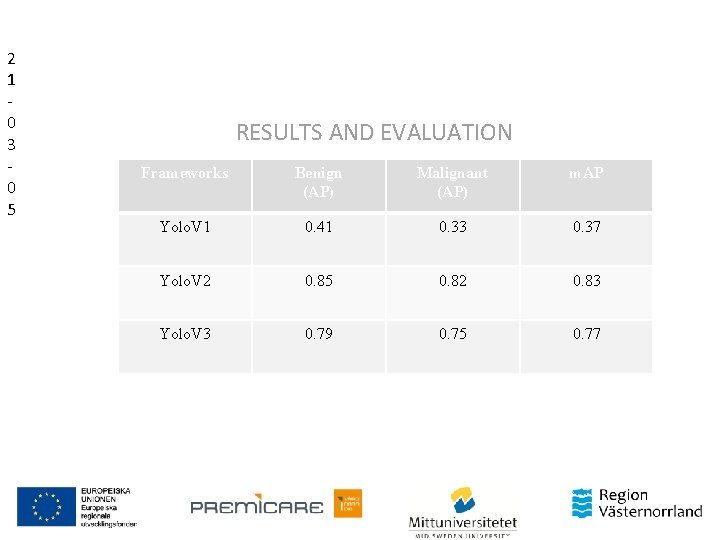
2 0 8 2 1 0 3 0 5 RESULTS AND EVALUATION Frameworks Benign (AP) Malignant (AP) m. AP Yolo. V 1 0. 41 0. 33 0. 37 Yolo. V 2 0. 85 0. 82 0. 83 Yolo. V 3 0. 79 0. 75 0. 77
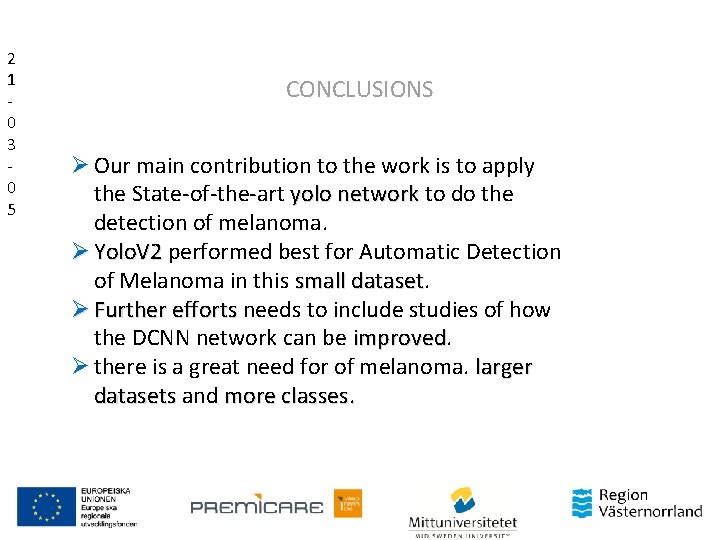
2 0 9 2 1 0 3 0 5 CONCLUSIONS Ø Our main contribution to the work is to apply the State-of-the-art yolo network to do the yolo network detection of melanoma. Ø Yolo. V 2 performed best for Automatic Detection Yolo. V 2 of Melanoma in this small dataset Ø Further efforts needs to include studies of how Further efforts the DCNN network can be improved Ø there is a great need for of melanoma. larger datasets and more classes. datasets
Klassificering av hjärtljud
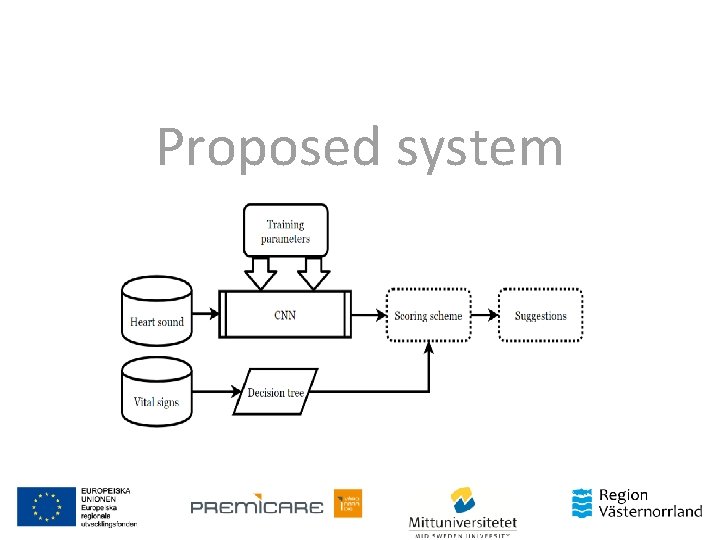
Proposed system
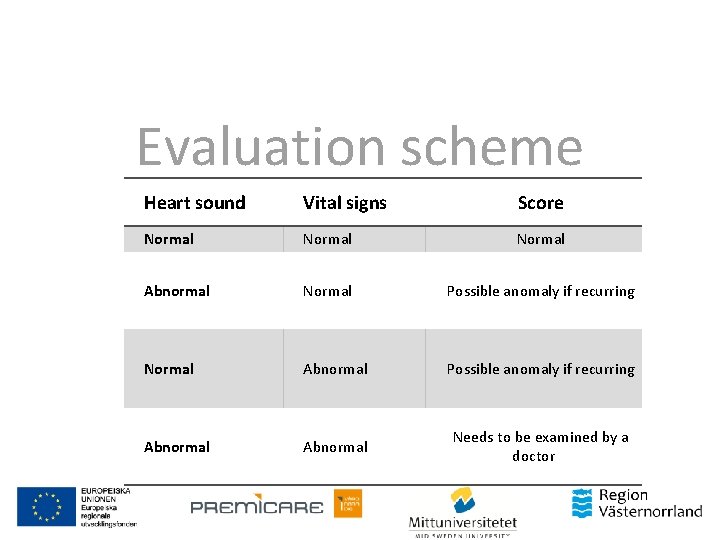
Evaluation scheme Heart sound Vital signs Score Normal Abnormal Normal Possible anomaly if recurring Normal Abnormal Possible anomaly if recurring Abnormal Needs to be examined by a doctor
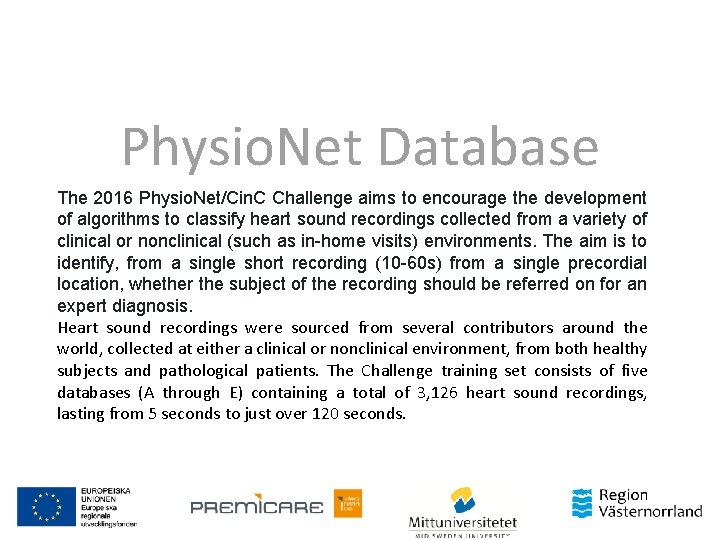
Physio. Net Database The 2016 Physio. Net/Cin. C Challenge aims to encourage the development of algorithms to classify heart sound recordings collected from a variety of clinical or nonclinical (such as in-home visits) environments. The aim is to identify, from a single short recording (10 -60 s) from a single precordial location, whether the subject of the recording should be referred on for an expert diagnosis. Heart sound recordings were sourced from several contributors around the world, collected at either a clinical or nonclinical environment, from both healthy subjects and pathological patients. The Challenge training set consists of five databases (A through E) containing a total of 3, 126 heart sound recordings, lasting from 5 seconds to just over 120 seconds.
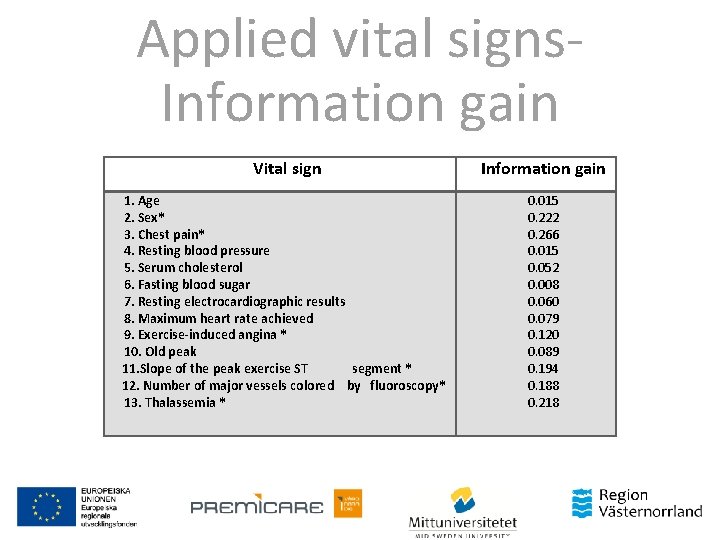
Applied vital signs. Information gain Vital sign Information gain 1. Age 2. Sex* 3. Chest pain* 4. Resting blood pressure 5. Serum cholesterol 6. Fasting blood sugar 7. Resting electrocardiographic results 8. Maximum heart rate achieved 9. Exercise-induced angina * 10. Old peak 11. Slope of the peak exercise ST segment * 12. Number of major vessels colored by fluoroscopy* 13. Thalassemia * 0. 015 0. 222 0. 266 0. 015 0. 052 0. 008 0. 060 0. 079 0. 120 0. 089 0. 194 0. 188 0. 218
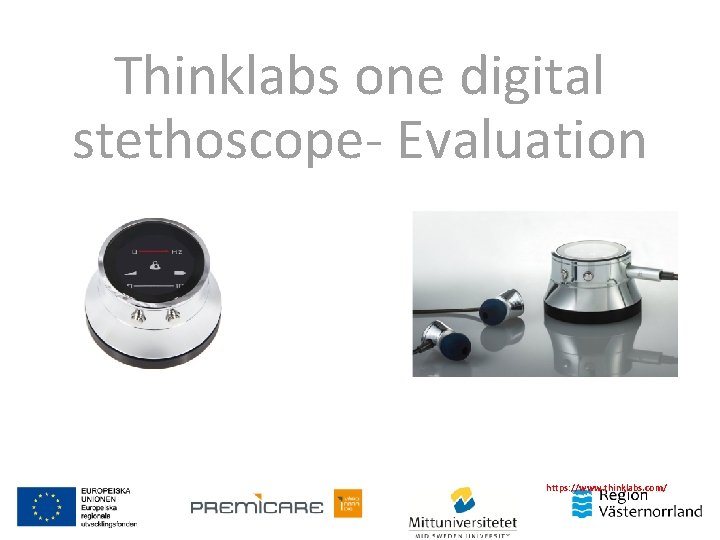
Thinklabs one digital stethoscope- Evaluation https: //www. thinklabs. com/
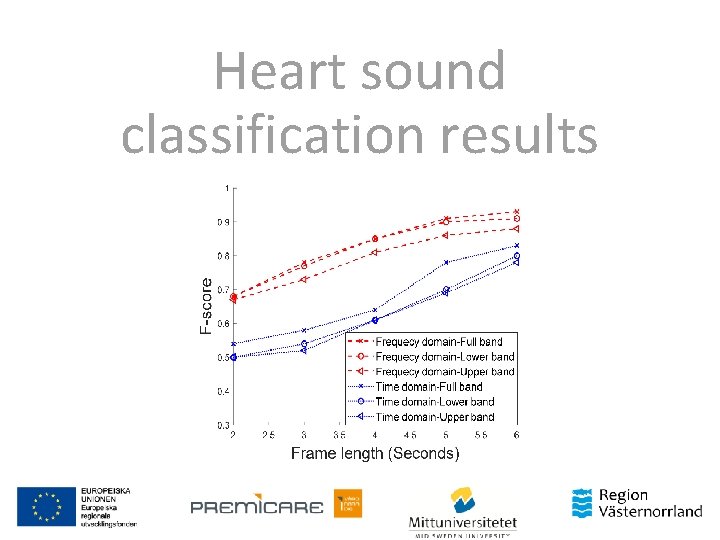
Heart sound classification results
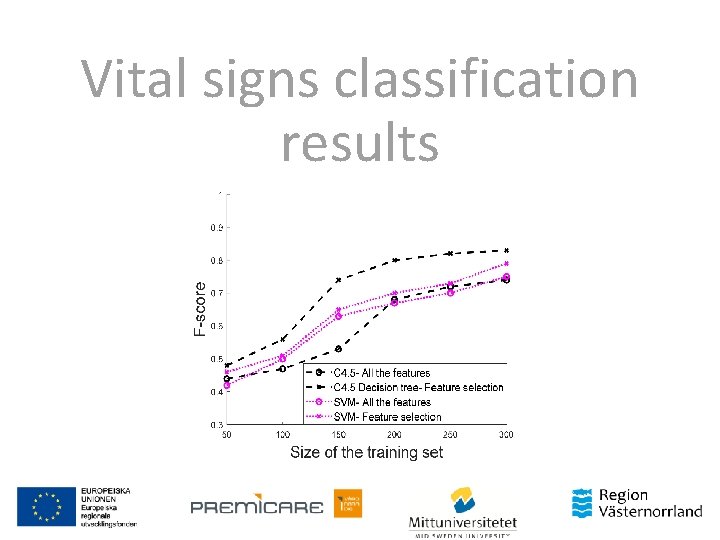
Vital signs classification results
Vägen framåt • Vi jobbar vidare med att ta fram lämpliga metoder för klassificering av hudförändringar och hjärtljud. • Tanken är att vården i Västernorrland ska kunna samla in data och använda AI-klassificering för träning/stöd och för att minska behovet av arbetstimmar för specialister.
Tack! jan. lundgren@miun. se 010 -142 85 56