Fantastic Adventures with Dragons Gods and Giants Third



- Slides: 36
Fantastic Adventures with Dragons, Gods, and Giants Third Grade, Common Core Unit 6 Essential Question: Why is it important to know mythology?
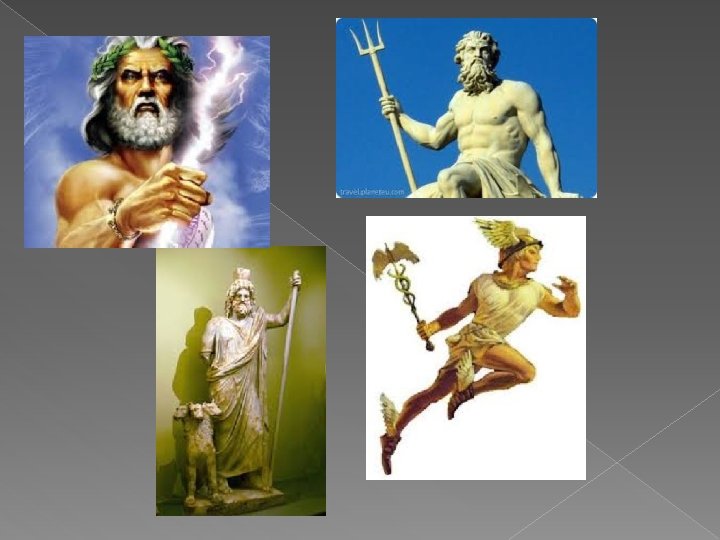
Meet some of the gods of Greek and Roman Mythology � For many years, children and young adults have enjoyed fantasy literature about the gods and goddesses of Greek, Roman, and Egyptian mythology. � Rick Riordan, author of the Percy Jackson Series of books writes about mythology. In the next slide, you will view introductions to four of the Greek gods from Percy Jackson and the Lightning Thief.
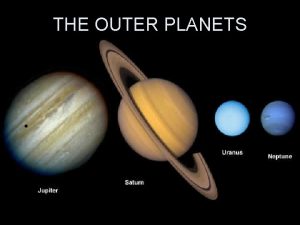
I - Why Is it important to know mythology? � Many of our planets are named after Greek or Roman Gods
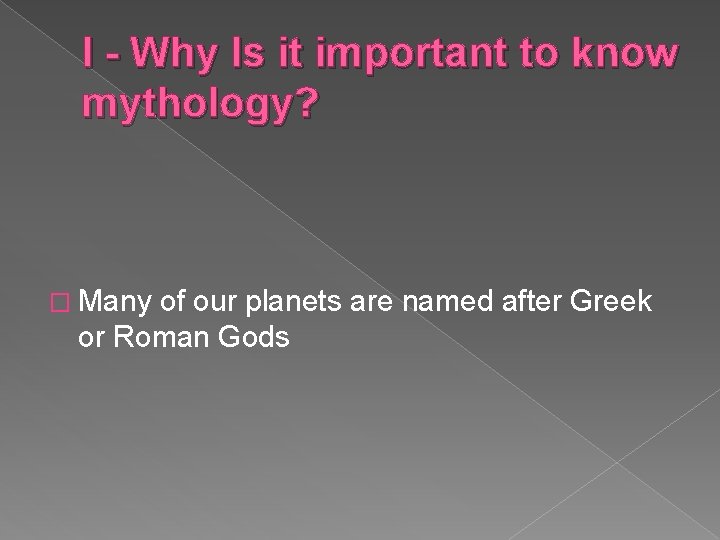
Greek name: ZEUS Roman name: JUPITER
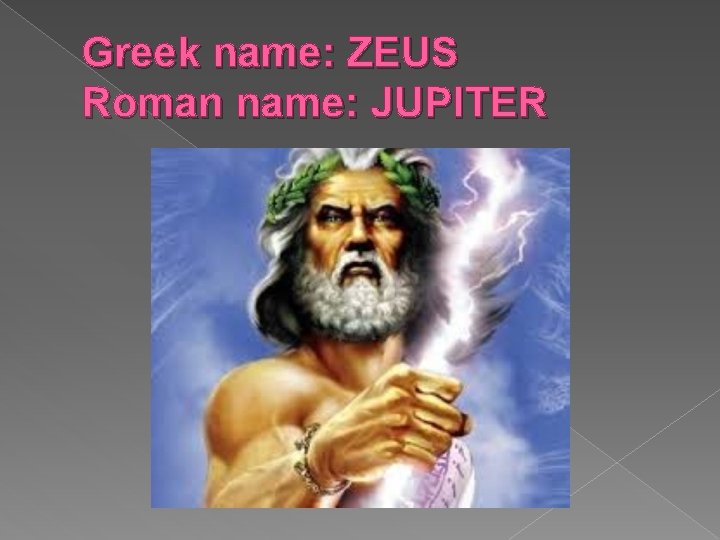
THE PLANET JUPITER
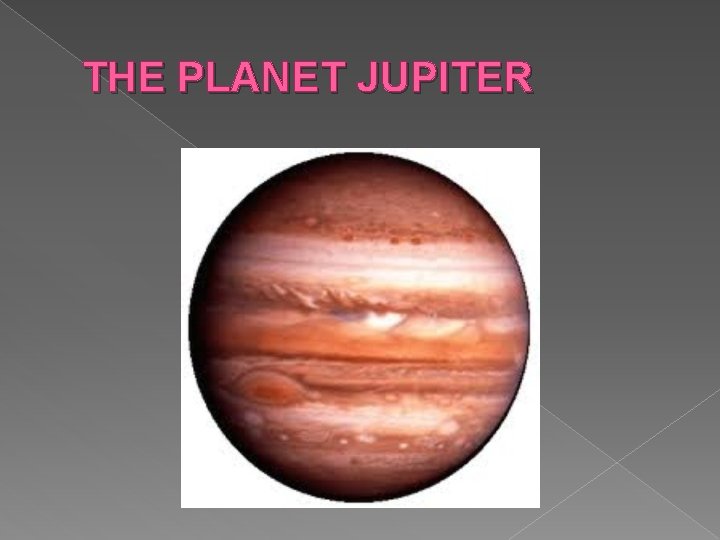
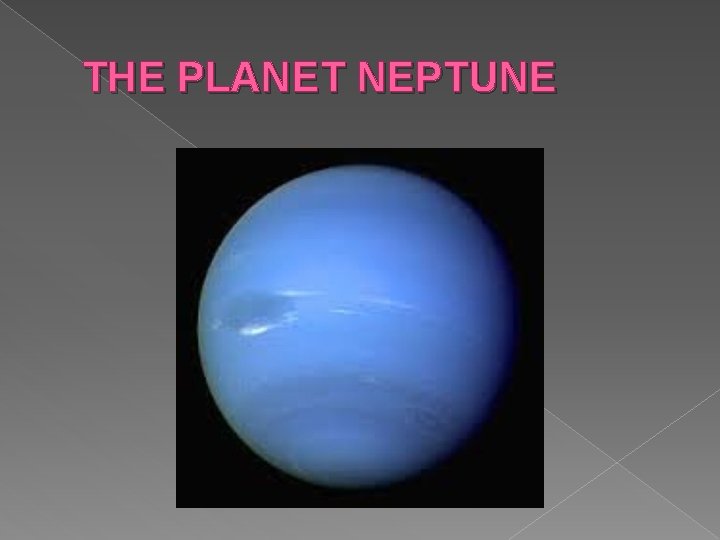
Greek name: POSEIDON Roman name: NEPTUNE
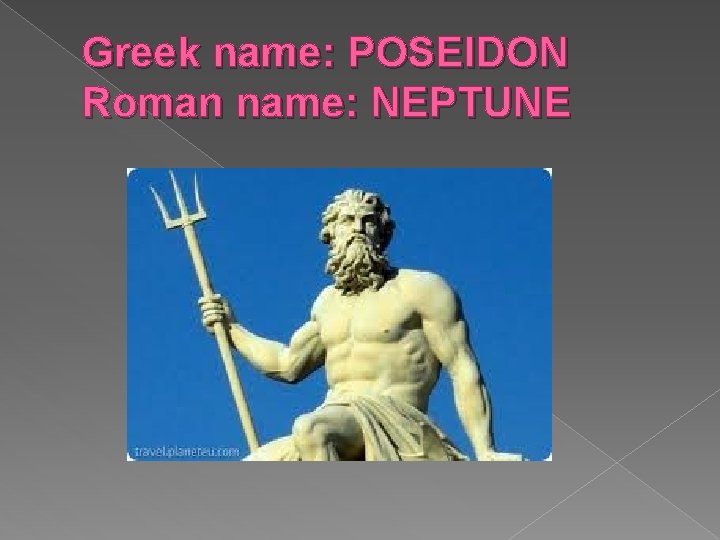
THE PLANET NEPTUNE
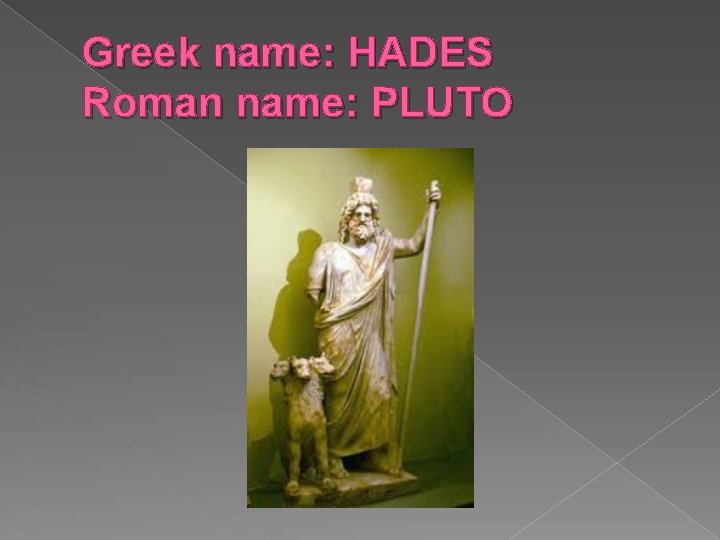
Greek name: HADES Roman name: PLUTO
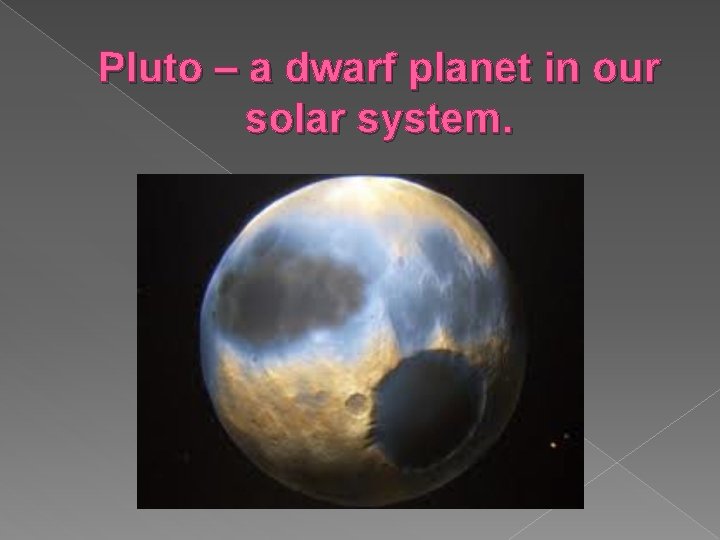
Pluto – a dwarf planet in our solar system.
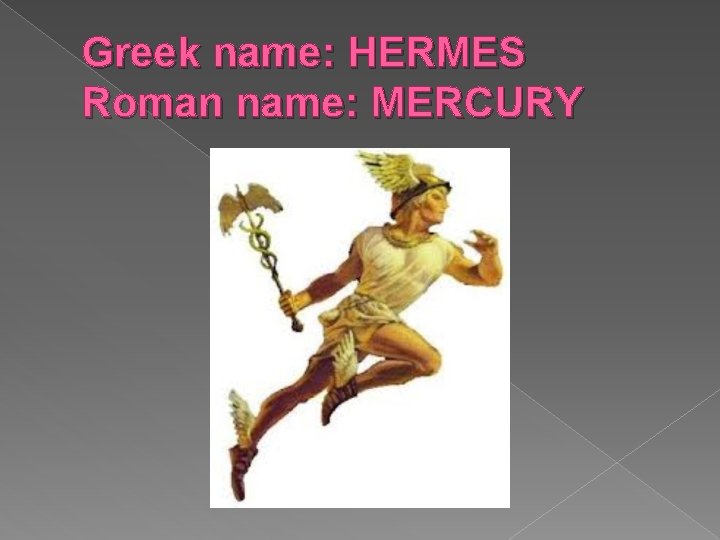
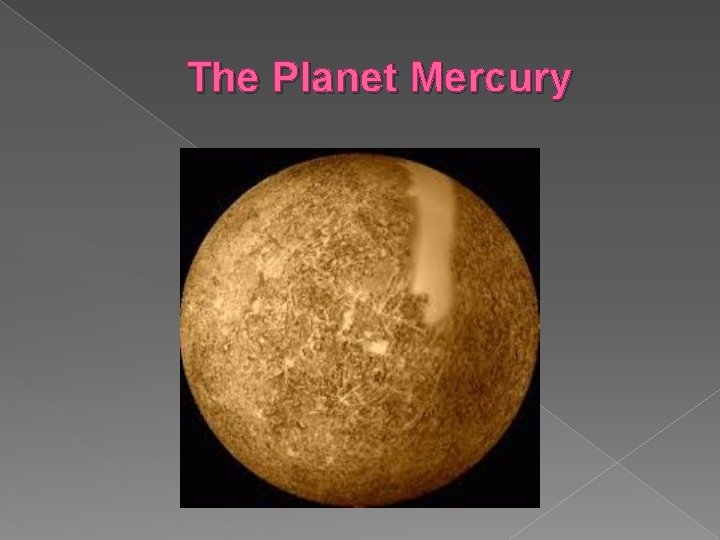
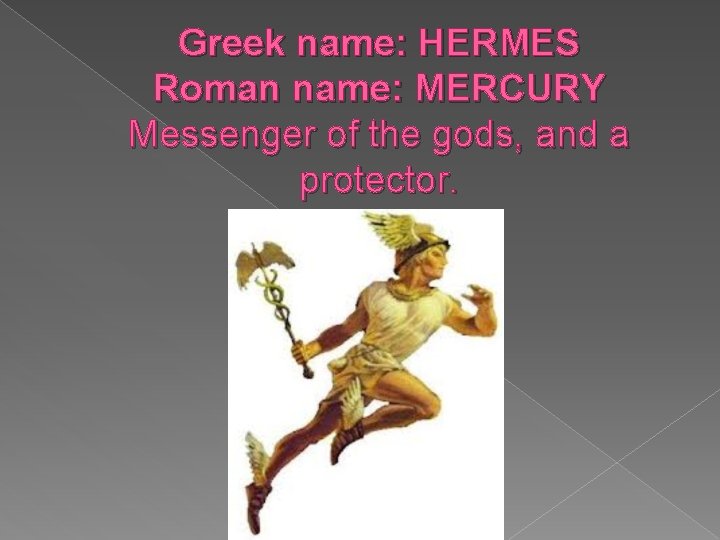
Greek name: HERMES Roman name: MERCURY
The Planet Mercury
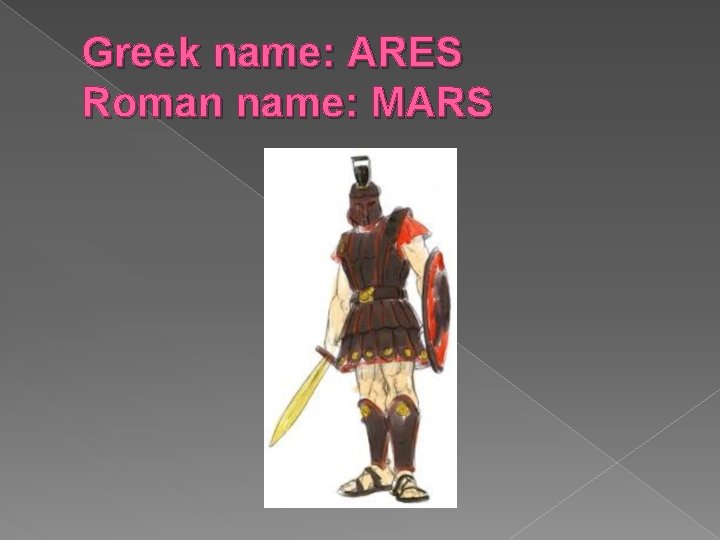
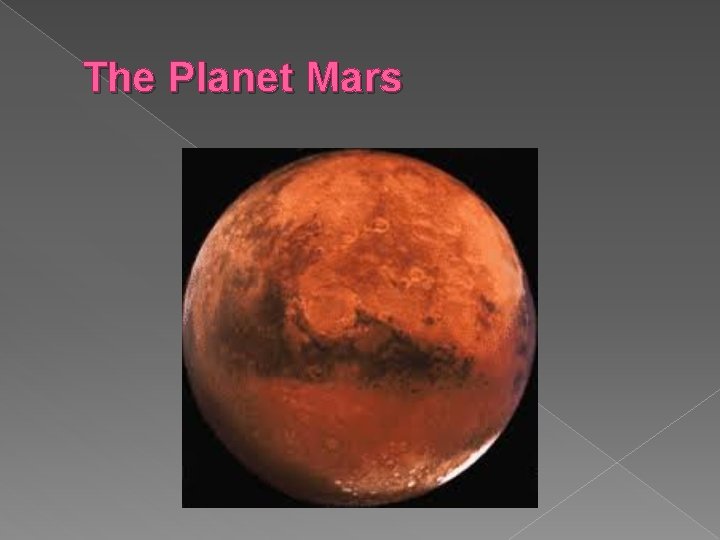
Greek name: ARES Roman name: MARS
The Planet Mars
II - Why is it important to know mythology? � The names of mythical creatures, gods and goddesses are used in advertising – the attributes of the god or creature are important to the message the advertiser wants to send to consumers. � Their names are also used to indentify the purpose of a group or place.
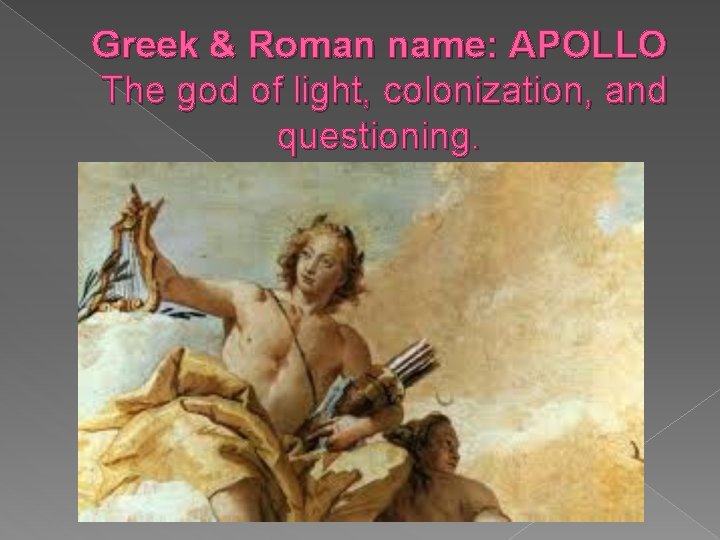
Greek & Roman name: APOLLO The god of light, colonization, and questioning.
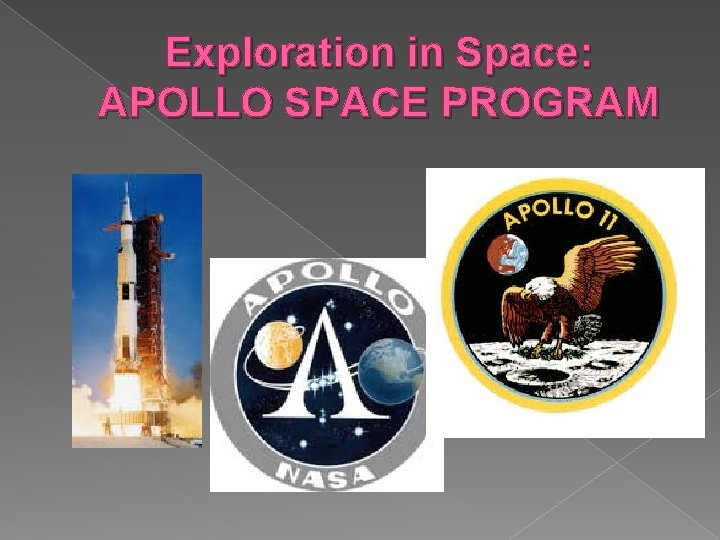
Exploration in Space: APOLLO SPACE PROGRAM
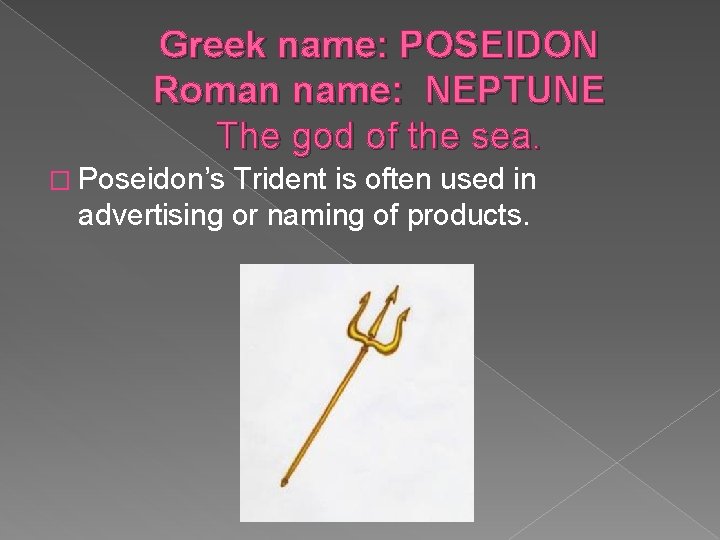
Greek name: POSEIDON Roman name: NEPTUNE The god of the sea. � Poseidon’s Trident is often used in advertising or naming of products.
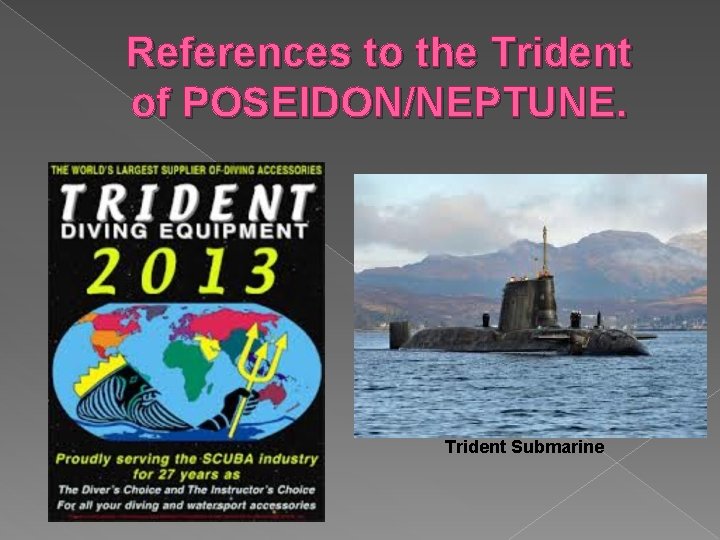
References to the Trident of POSEIDON/NEPTUNE. Trident Submarine
Greek name: HERMES Roman name: MERCURY Messenger of the gods, and a protector.
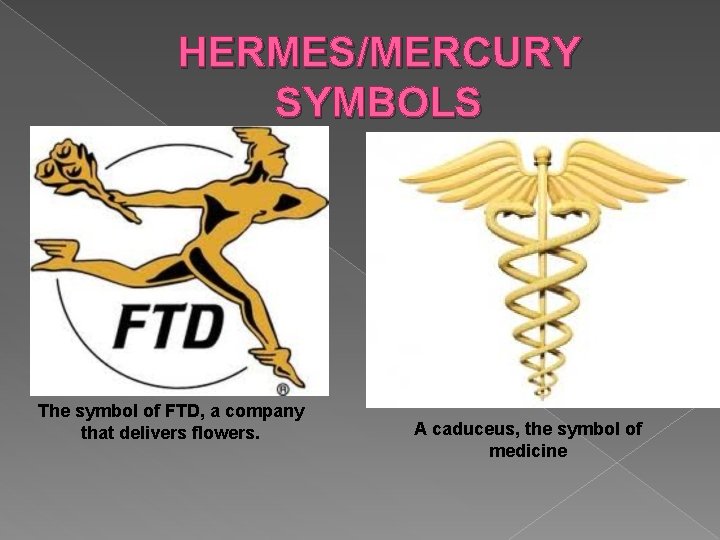
HERMES/MERCURY SYMBOLS The symbol of FTD, a company that delivers flowers. A caduceus, the symbol of medicine
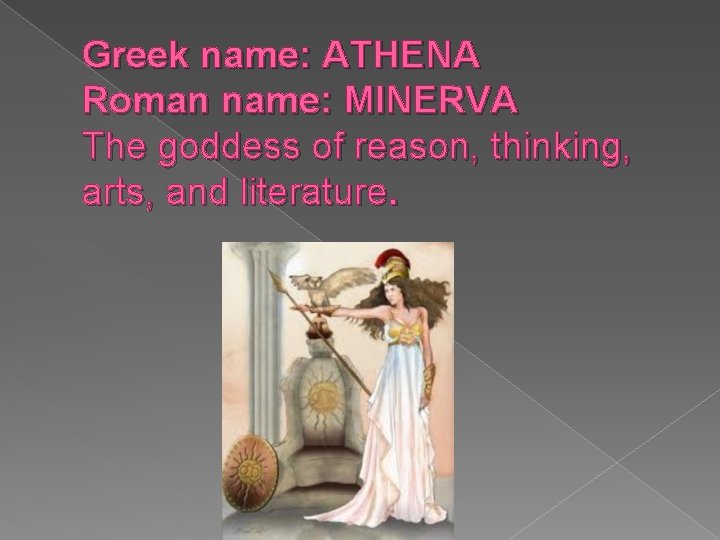
Greek name: ATHENA Roman name: MINERVA The goddess of reason, thinking, arts, and literature.
The Athena Society for Women in San Diego, California � Members of this group strive to excel in technology, science, and health care.
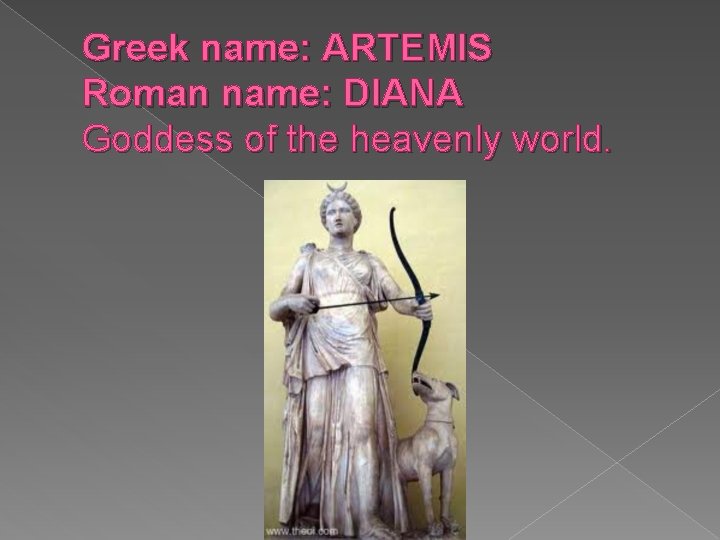
Greek name: ARTEMIS Roman name: DIANA Goddess of the heavenly world.
Diana© sells wedding rings.
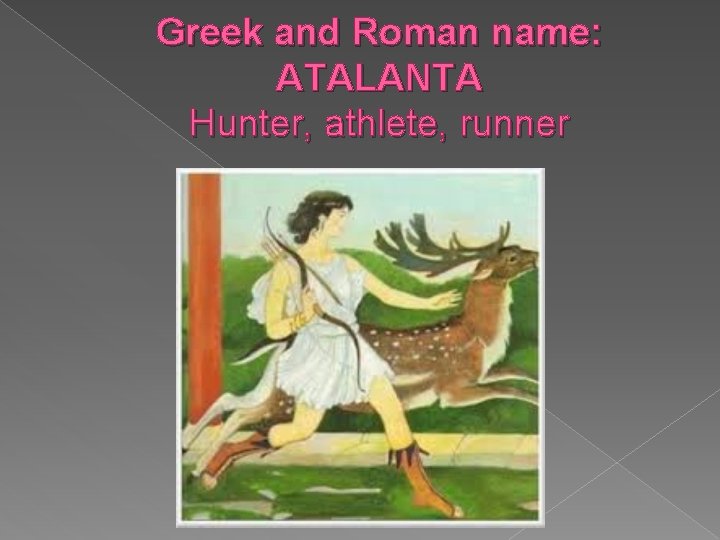
Greek and Roman name: ATALANTA Hunter, athlete, runner
LAKE ATALANTA in Rogers
II - Why is it important to know mythology? � There are many mythological references in our language in the form of figures of speech or the names of things or animals.
Figures of Speech Several figures of speech come directly from Greek or Roman myths. � Read the following myths, then think about the questions on the slides. �
Pandora’s Box � Read the myth of Pandora. � What is meant by the statement below? “They opened a Pandora’s Box of trouble. ”
King Midas � Read the myth of King Midas � What is the meaning of this statement? “He has the Midas touch. ”
Hercules � Read the myth of Hercules. � Read this statement: “She was given a Herculean task. ” Explain what the speaker means.
Names of things or animals. � Read � Think the following myths. about the statements or questions about the myths on each slide.
The Labyrinth � Read the myth of the Minotaur and the Labyrinth. � Why might someone call a Corn Maze a “labyrinth”?
Arachne � Read � the myth of Arachne. What is an arachnid? How do you think this word came to be?
Why is it important to know mythology? � Write an essay explaining why knowing mythology is important.