ERECTILE DYSFUNCTION Dr V V Mohan Chandran HOD





- Slides: 32
ERECTILE DYSFUNCTION Dr. V. V. Mohan Chandran HOD Psychiatry Yenepoya University
“Man survives earthquakes, experiences the horrors of illness, and all of the tortures of the soul. But the most tormenting tragedy of all time is, and will be, the tragedy of the bedroom. ” LEO TOLSTOY
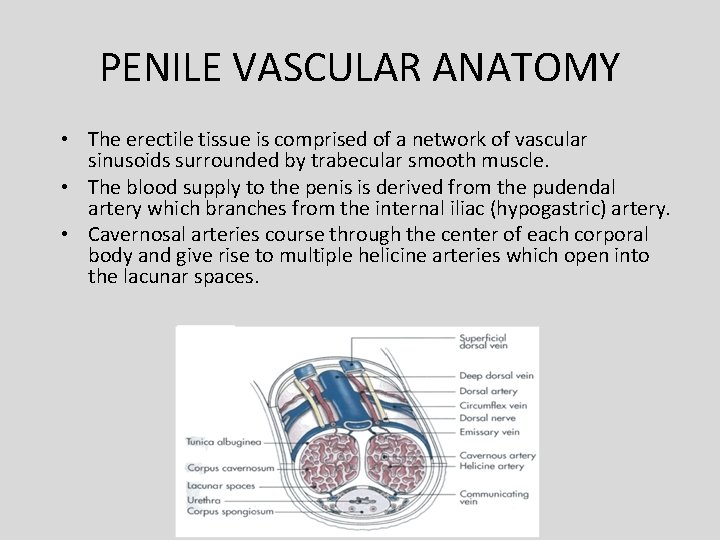
PENILE VASCULAR ANATOMY • The erectile tissue is comprised of a network of vascular sinusoids surrounded by trabecular smooth muscle. • The blood supply to the penis is derived from the pudendal artery which branches from the internal iliac (hypogastric) artery. • Cavernosal arteries course through the center of each corporal body and give rise to multiple helicine arteries which open into the lacunar spaces.
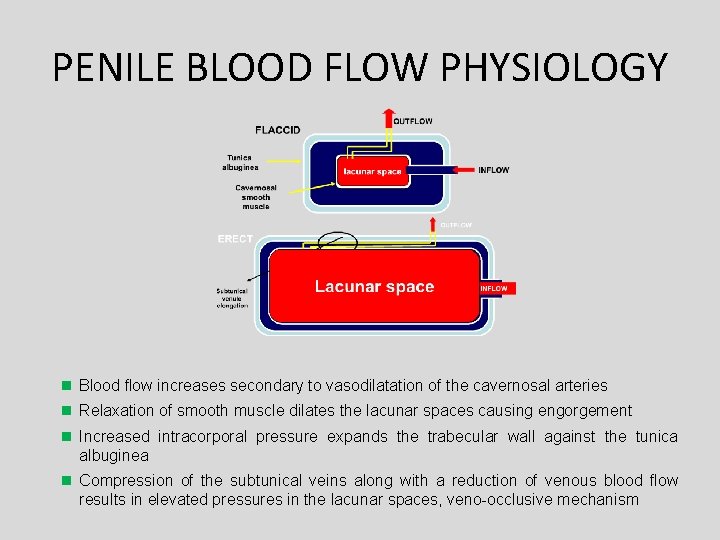
PENILE BLOOD FLOW PHYSIOLOGY Blood flow increases secondary to vasodilatation of the cavernosal arteries Relaxation of smooth muscle dilates the lacunar spaces causing engorgement Increased intracorporal pressure expands the trabecular wall against the tunica albuginea Compression of the subtunical veins along with a reduction of venous blood flow results in elevated pressures in the lacunar spaces, veno-occlusive mechanism
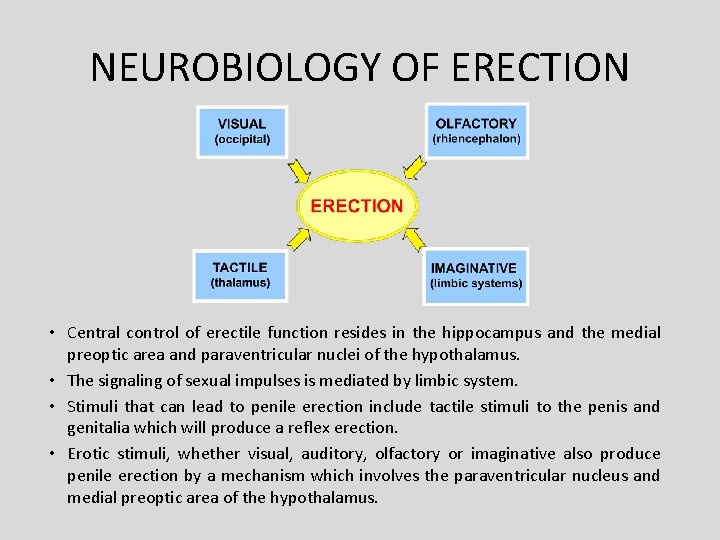
NEUROBIOLOGY OF ERECTION • Central control of erectile function resides in the hippocampus and the medial preoptic area and paraventricular nuclei of the hypothalamus. • The signaling of sexual impulses is mediated by limbic system. • Stimuli that can lead to penile erection include tactile stimuli to the penis and genitalia which will produce a reflex erection. • Erotic stimuli, whether visual, auditory, olfactory or imaginative also produce penile erection by a mechanism which involves the paraventricular nucleus and medial preoptic area of the hypothalamus.
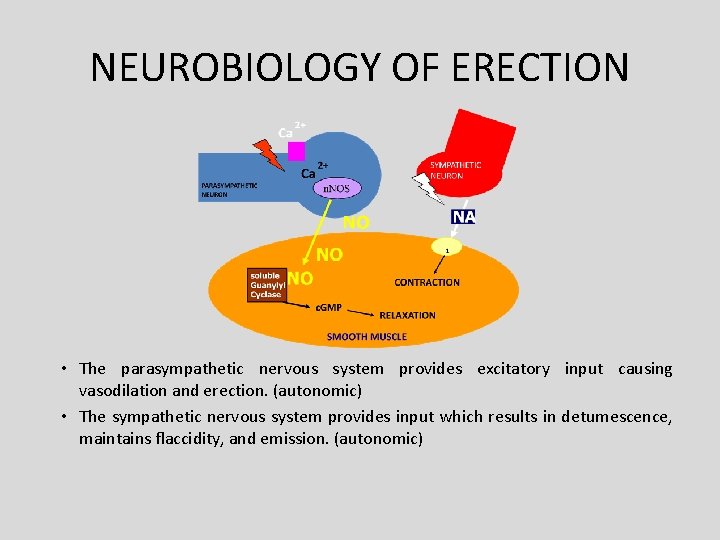
NEUROBIOLOGY OF ERECTION • The parasympathetic nervous system provides excitatory input causing vasodilation and erection. (autonomic) • The sympathetic nervous system provides input which results in detumescence, maintains flaccidity, and emission. (autonomic)
NITRIC OXIDE (NO) • Half-life of NO, is affected by its chemical reaction and inactivation by superoxide anion • NO is the most abundant free-radical in the body • It is the only biological molecule in high concentrations to out-compete superoxide dismutase for superoxide • NO has an anti-thrombogenic & antiatherogenic role
FUNCTIONAL ROLE OF ENDOTHELIAL NO • Smooth muscle relaxation and vasodilatation • Essential for regulation of blood pressure • Reduces proliferation of vascular smooth muscle • Protects blood vessel intima from injurious consequences of platelet aggregation
ERECTILE DYSFUNCTION
DEFINITION “Erectile Dysfunction” is the inability to achieve and maintain an erection adequate for intercourse to the mutual satisfaction of the man and his partner.
PREVALENCE OF ED • It is said to affect as much as 10 percent of the male population. • The Massachusetts Male Aging Study surveyed men aged 40 -70 yrs , found prevalence of 52%. • 3 times more prevalent in patients with Diabetes Mellitus.
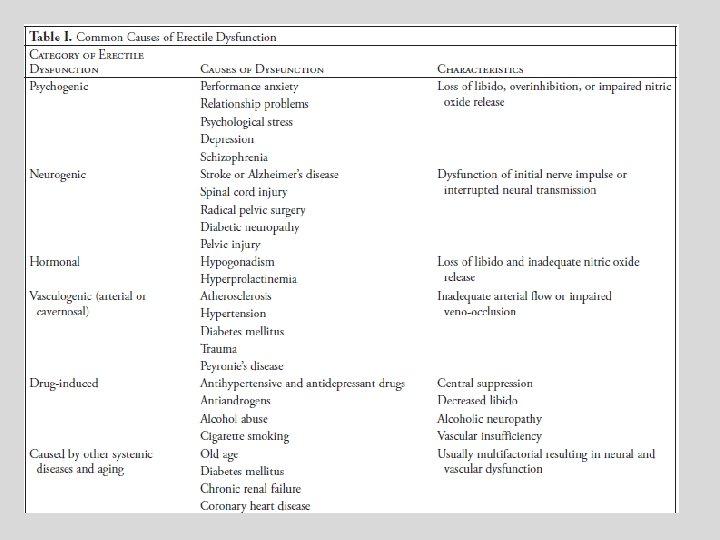
CAUSES OF ED
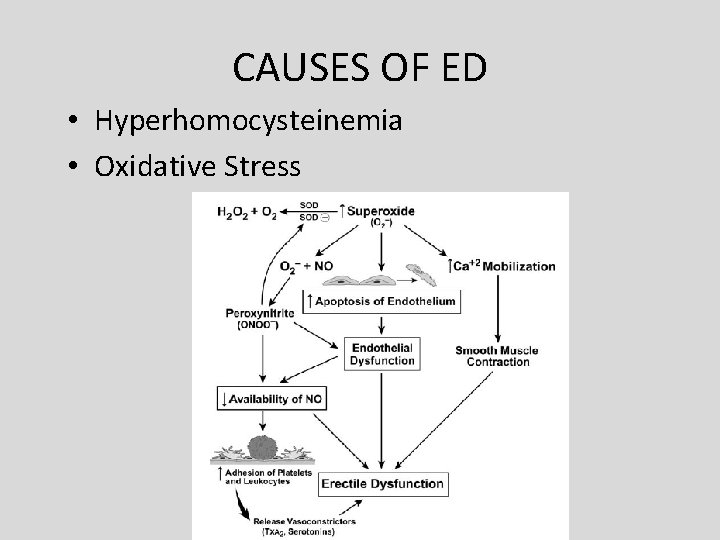
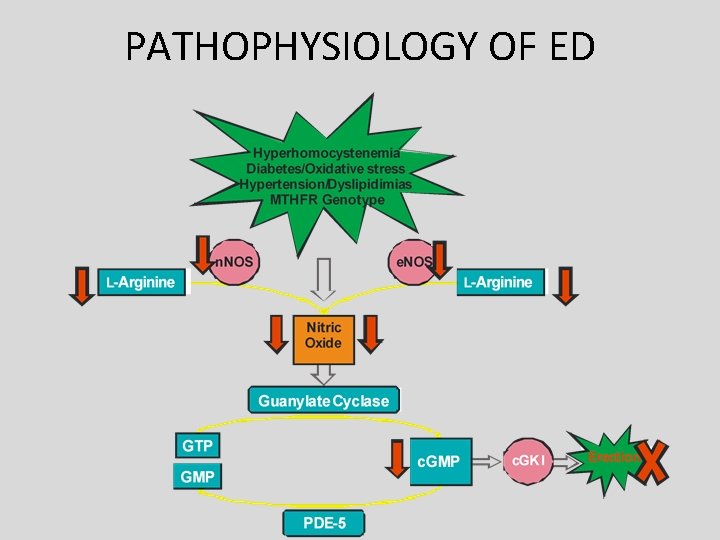
CAUSES OF ED • Hyperhomocysteinemia • Oxidative Stress
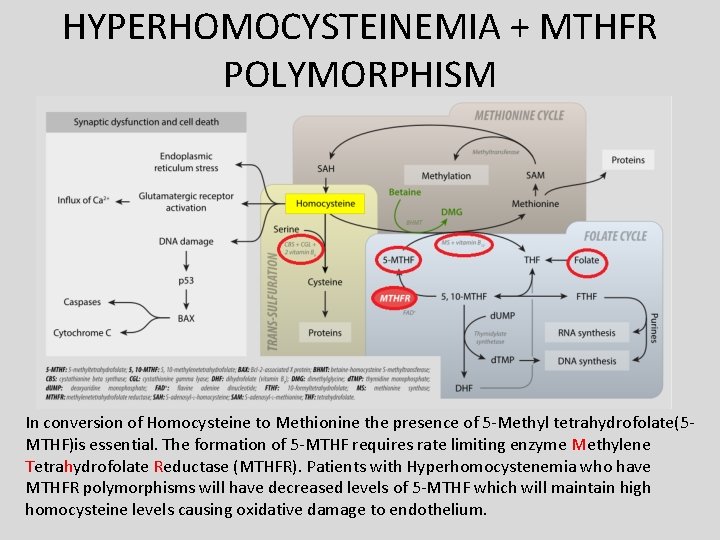
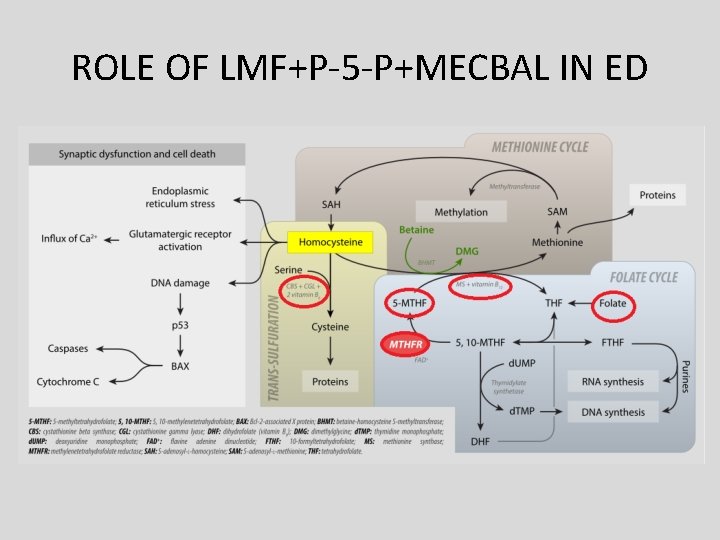
HYPERHOMOCYSTEINEMIA + MTHFR POLYMORPHISM In conversion of Homocysteine to Methionine the presence of 5 -Methyl tetrahydrofolate(5 MTHF)is essential. The formation of 5 -MTHF requires rate limiting enzyme Methylene Tetrahydrofolate Reductase (MTHFR). Patients with Hyperhomocystenemia who have MTHFR polymorphisms will have decreased levels of 5 -MTHF which will maintain high homocysteine levels causing oxidative damage to endothelium.
PATHOPHYSIOLOGY OF ED
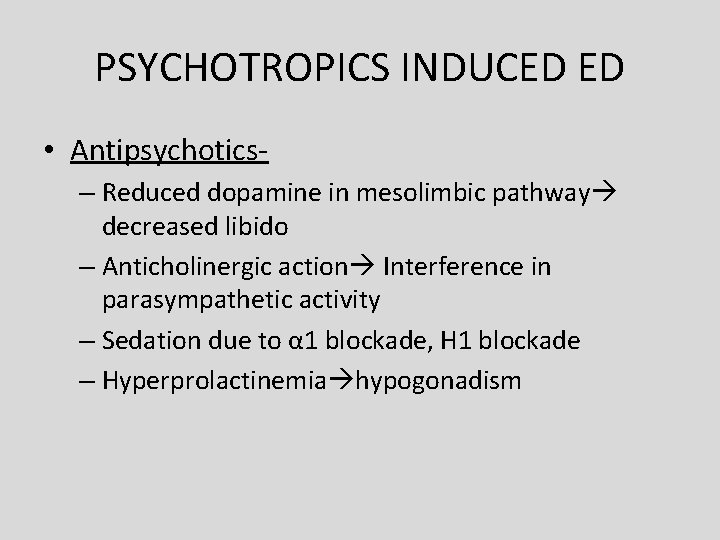
PSYCHOTROPICS INDUCED ED • Antipsychotics– Reduced dopamine in mesolimbic pathway decreased libido – Anticholinergic action Interference in parasympathetic activity – Sedation due to α 1 blockade, H 1 blockade – Hyperprolactinemia hypogonadism
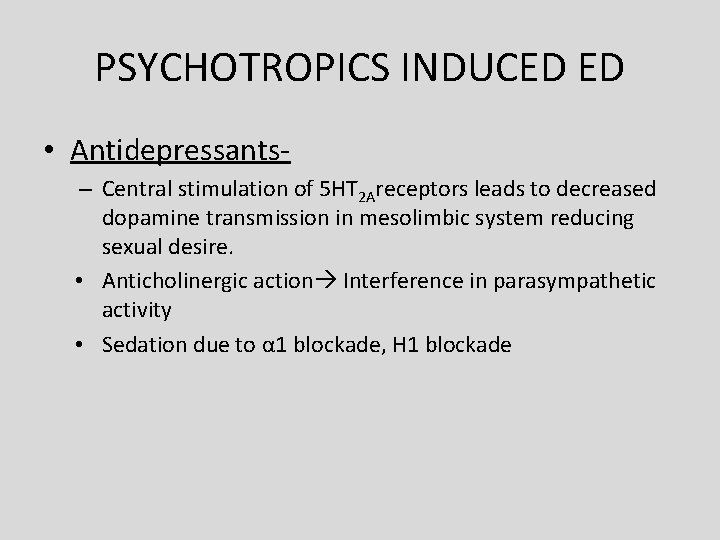
PSYCHOTROPICS INDUCED ED • Antidepressants– Central stimulation of 5 HT 2 Areceptors leads to decreased dopamine transmission in mesolimbic system reducing sexual desire. • Anticholinergic action Interference in parasympathetic activity • Sedation due to α 1 blockade, H 1 blockade
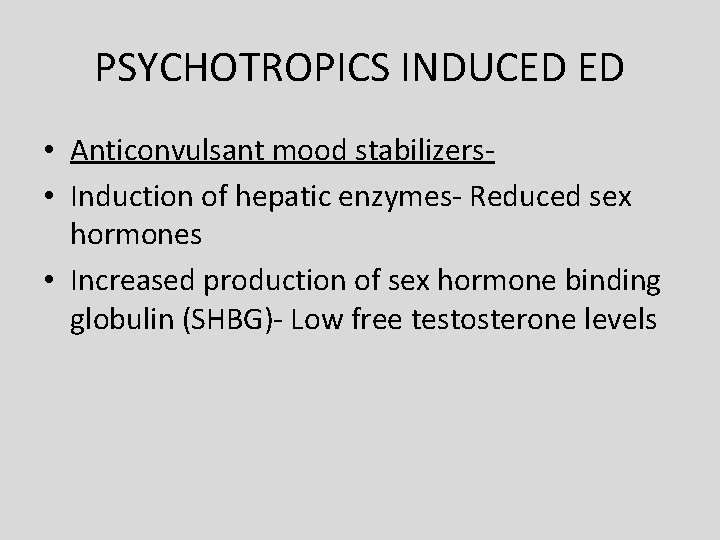
PSYCHOTROPICS INDUCED ED • Anticonvulsant mood stabilizers • Induction of hepatic enzymes- Reduced sex hormones • Increased production of sex hormone binding globulin (SHBG)- Low free testosterone levels
PSYCHOTROPICS INDUCED ED • Anxiolytics: – Sedation – Excessive muscle relaxation • Beta blockers: – Decreased β 2 vasodilatation and unopposed 1 vasoconstriction of corpus cavernosum
ASSESSMENT & MANAGEMENT OF ED
BASIC CLINICAL EVALUATION FOR ED • History • Psychiatric history. • Sexual history (including menstrual history; questions about desire, arousal, and orgasm; questions to differentiate primary versus secondary sexual dysfunction and psychogenic versus organic sexual dysfunction; and questions on quality of relationship). • Substance use history. • Medical history. • Medication history (including other psychotropics, over the counter medications, and herbal remedies). • Review of systems for concurrent risk factors (hypertension, diabetes, thyroid disorders, cigarette smoking, coronary atherosclerotic heart disease, peripheral vascular disease, neurological disorders).
BASIC CLINICAL EVALUATION FOR ED • Physical Examination • Vital signs to assess for hypertension. • Signs of thyroid dysfunction, diabetes, alcohol dependence, atherosclerosis, dyslipidemias, anemia, or peripheral neuropathy. • Evidence of hyperprolactinemia and hypogonadism (hirsutism, galactorrhea, obesity in women; gynaecomastia, obesity, loss of axillary hair or pubic hair, reduced testicular volume in men). • Genitourinary examination.
BASIC CLINICAL EVALUATION FOR ED • Laboratory Studies to Consider • Complete blood count. • Basic chemistries and glucose (Hbg. A 1 c in diabetic patients). • Lipid profile. • Thyroid function studies. • Prolactin and testosterone. • Blood alcohol level and urinary drug screen
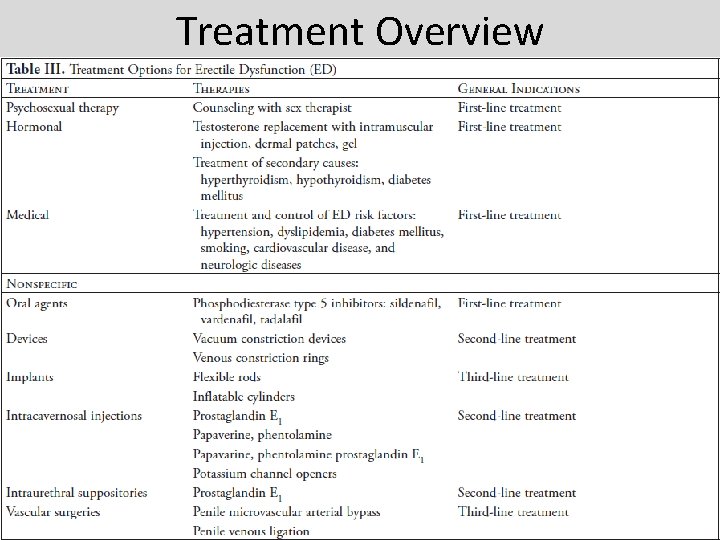
Treatment Overview
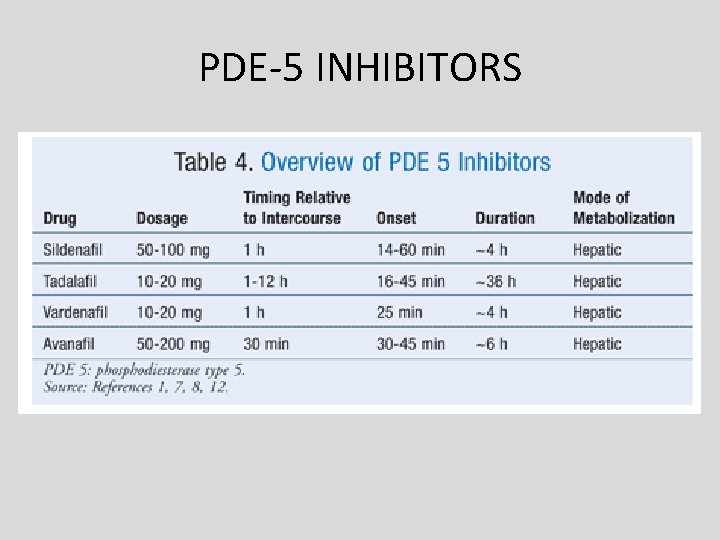
PDE-5 INHIBITORS
ROLE OF LMF+P-5 -P+MECBAL IN ED
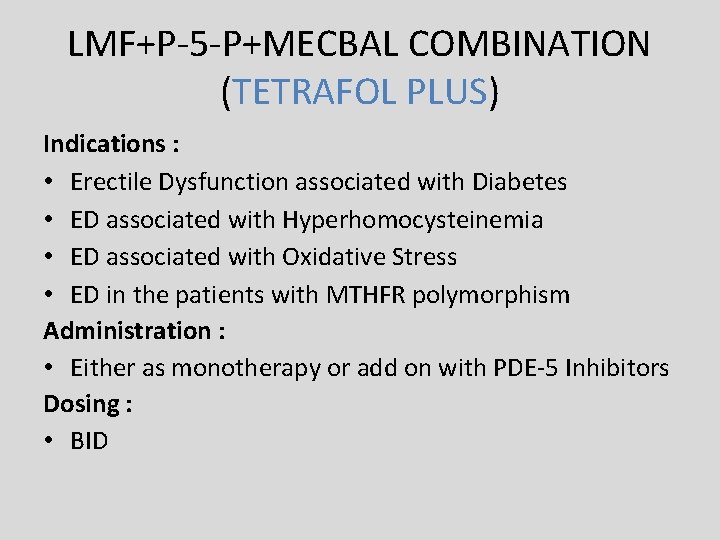
LMF+P-5 -P+MECBAL COMBINATION (TETRAFOL PLUS) Indications : • Erectile Dysfunction associated with Diabetes • ED associated with Hyperhomocysteinemia • ED associated with Oxidative Stress • ED in the patients with MTHFR polymorphism Administration : • Either as monotherapy or add on with PDE-5 Inhibitors Dosing : • BID
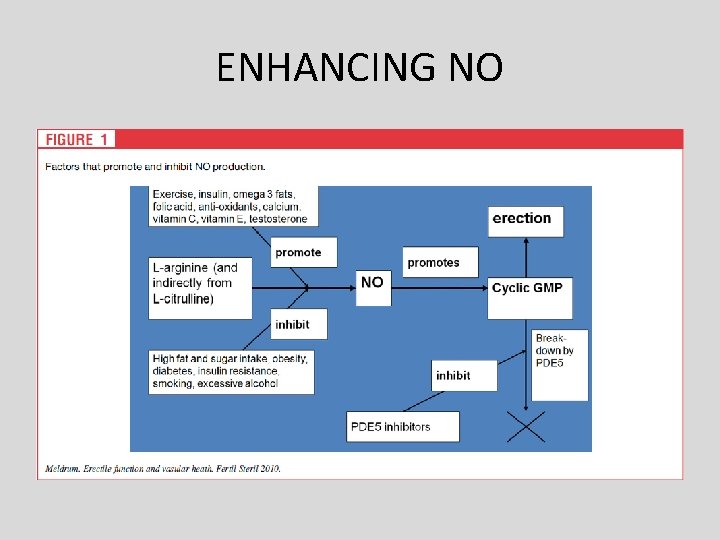
ENHANCING NO • Increases Tetrahydrobiopterin (BH 4) a critical enzyme co-factor to activate e-Nos and n-Nos. • Improves NO synthesis mediated by L-arginine metabolism at vascular and neuronal level. • Improves erection mechanism by enhancing the production of c-GMP via guanylate cyclase activation. • Significantly controls cavernosal oxidative stress • Proposed combination of LMF+P-5 -P+Mec. Bal is biologically active hence, effective than normal vitamin supplementation even in MTHFR genotype patients
MANAGEMENT OF PSCHOTROPICS INDUCED ED • Typical antipsychotics – Reducing daily dose – Switching to olanzapine or quetiapine – Minimizing anticholinergic medication – Treating hyperprolactinemia • • Estrogen replacement in females Bromocriptine and amantadine Sildenafil Cyproheptadine, a 5 HT 2 A receptor antagonist
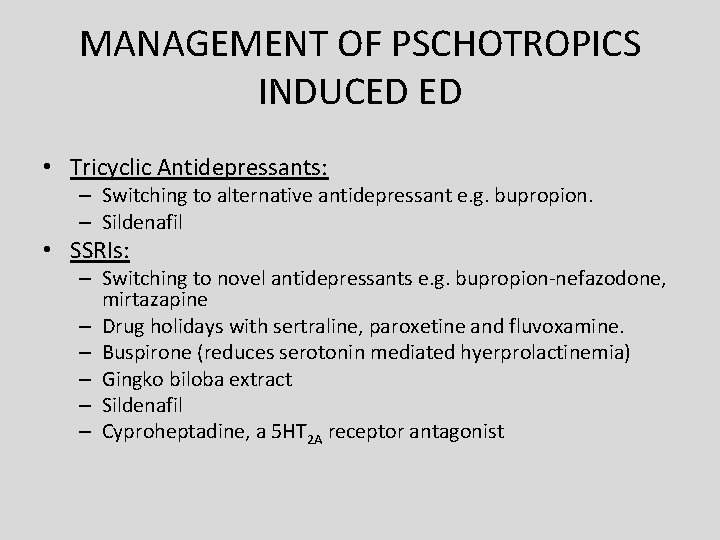
MANAGEMENT OF PSCHOTROPICS INDUCED ED • Tricyclic Antidepressants: – Switching to alternative antidepressant e. g. bupropion. – Sildenafil • SSRIs: – Switching to novel antidepressants e. g. bupropion-nefazodone, mirtazapine – Drug holidays with sertraline, paroxetine and fluvoxamine. – Buspirone (reduces serotonin mediated hyerprolactinemia) – Gingko biloba extract – Sildenafil – Cyproheptadine, a 5 HT 2 A receptor antagonist
THANK YOU