Contact Investigation An Introduction Ryan Sealy Antoinette Netta

- Slides: 33
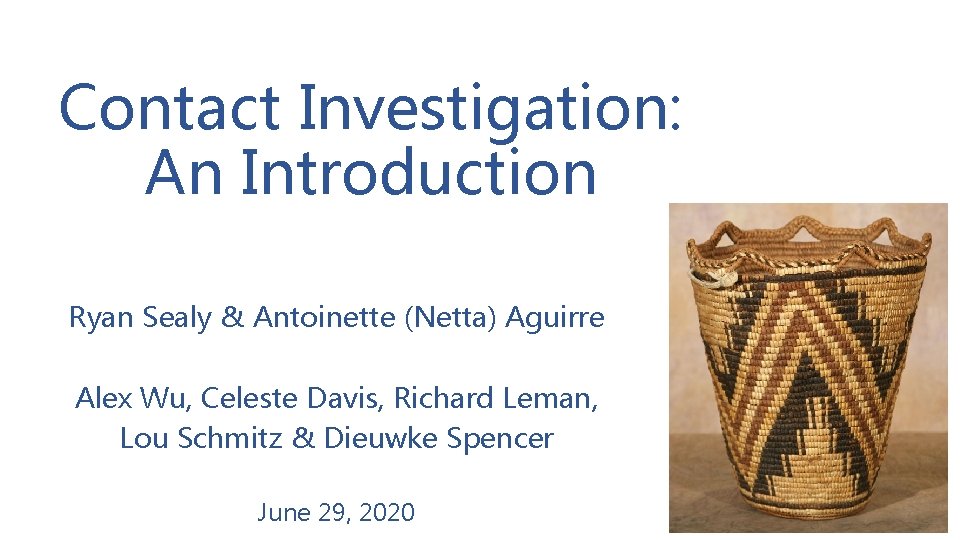
Contact Investigation: An Introduction Ryan Sealy & Antoinette (Netta) Aguirre Alex Wu, Celeste Davis, Richard Leman, Lou Schmitz & Dieuwke Spencer June 29, 2020
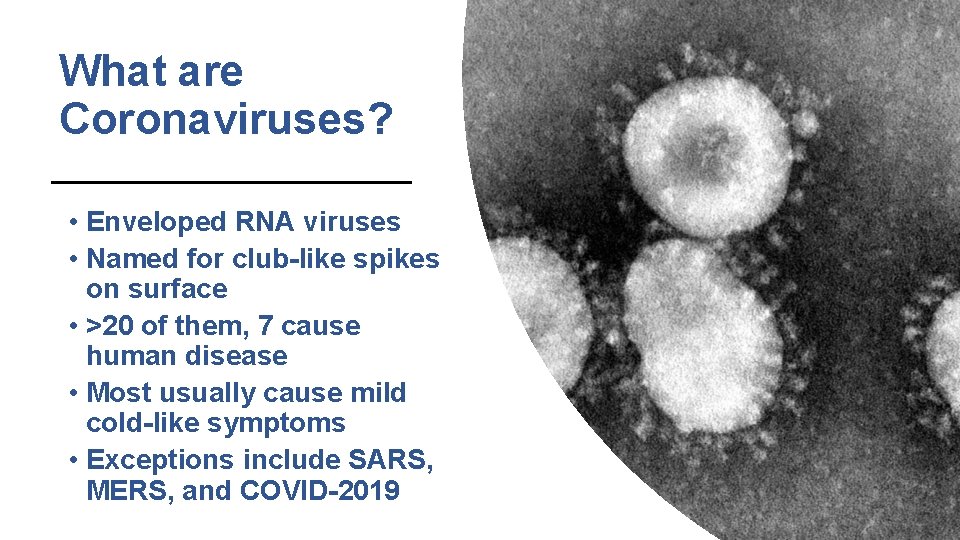
What are Coronaviruses? • Enveloped RNA viruses • Named for club-like spikes on surface • >20 of them, 7 cause human disease • Most usually cause mild cold-like symptoms • Exceptions include SARS, MERS, and COVID-2019
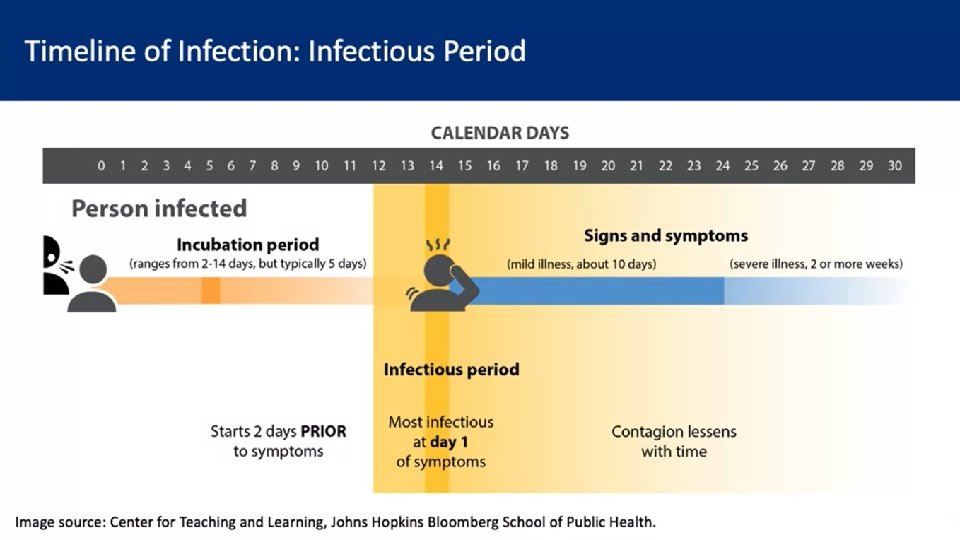
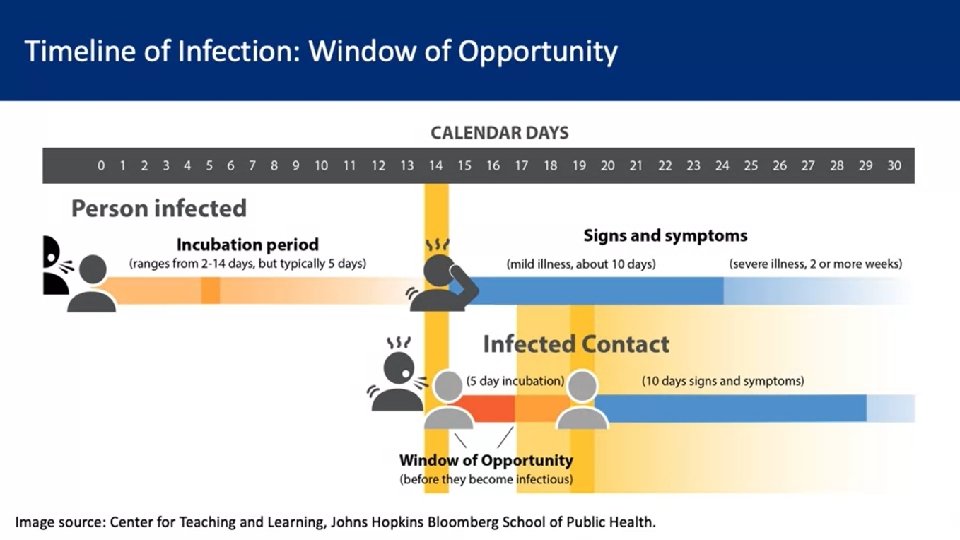
Key Facts for Contact Investigation • Time from exposure to onset of illness: – Average: 5 days – Almost all by 12 days • Modes of transmission: – Droplets ill person breathes out or coughs – Contact with ill person’s secretions • Infectious period: – Mostly while person is sick – Possibly several days before
Contact investigations are key to stopping the outbreak and saving lives.
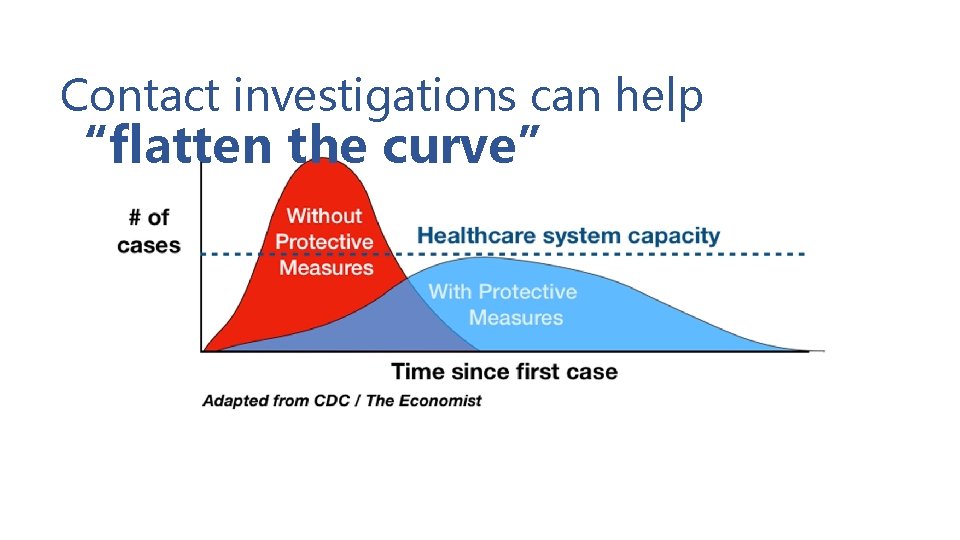
Contact investigations can help “flatten the curve”
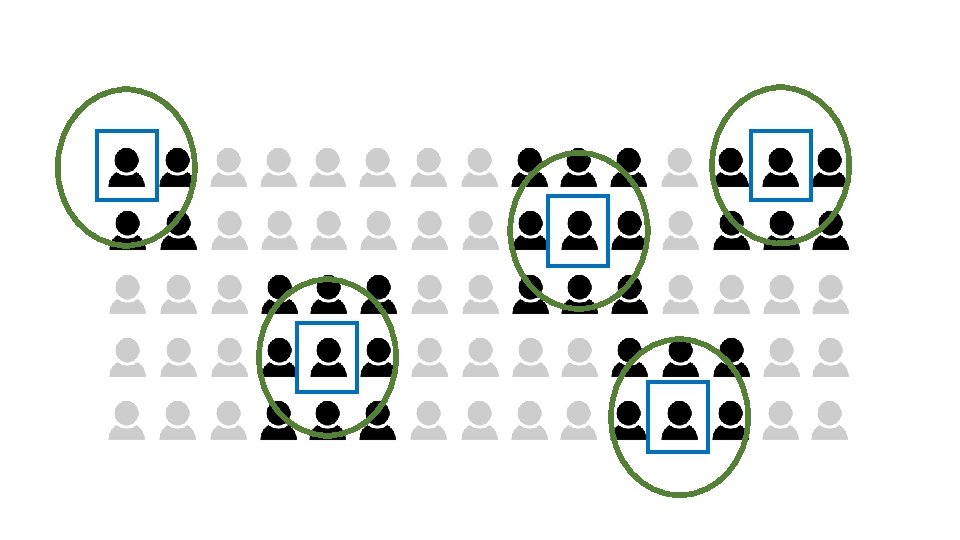
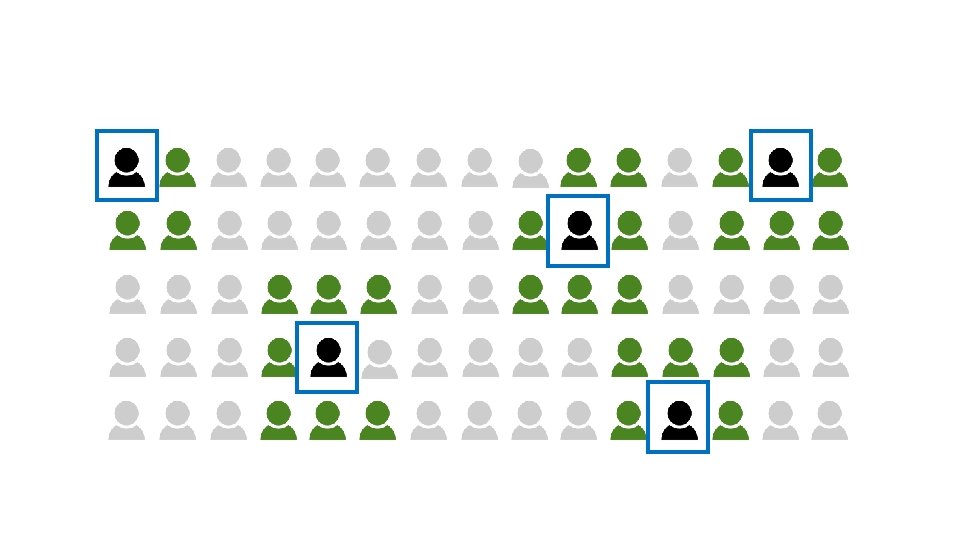
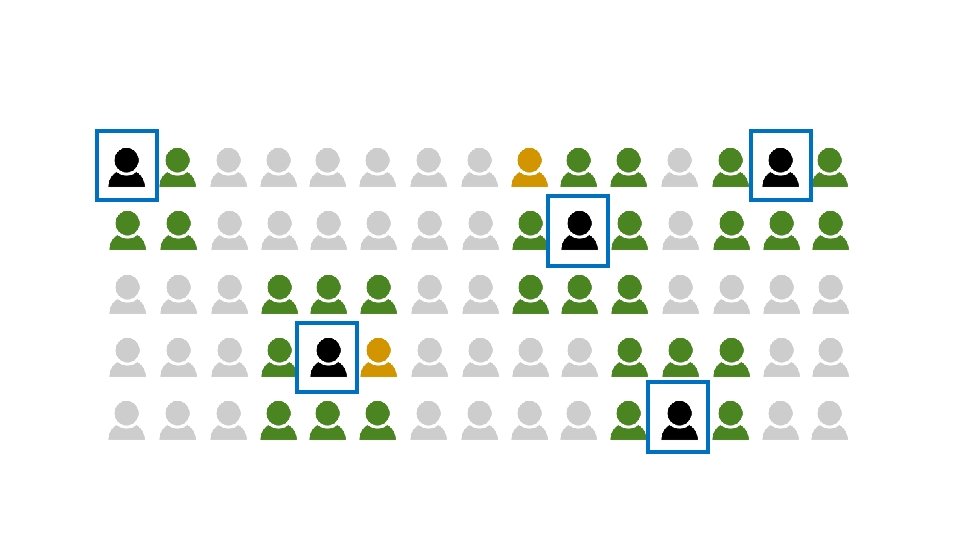
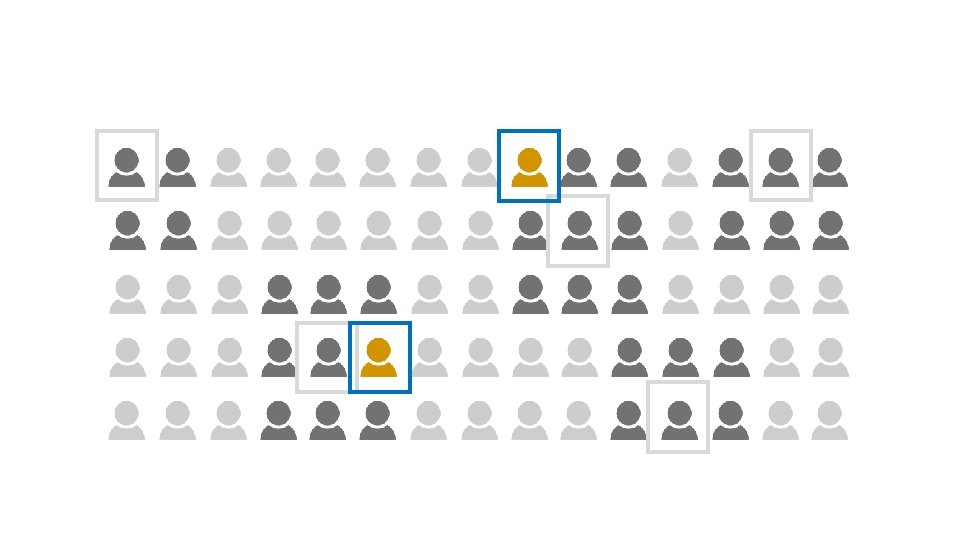
Goal: Prevent Further Spread of Illness Identify people who: • Were exposed to an ill person while that person was infectious • Need some public health action to prevent further illnesses (Example: Stay Home Order)
Goal: Prevent Further Spread of Illness Share information with contacts about • Symptoms to watch for • How they can prevent spread of infection to others • Describe what quarantine/isolation means
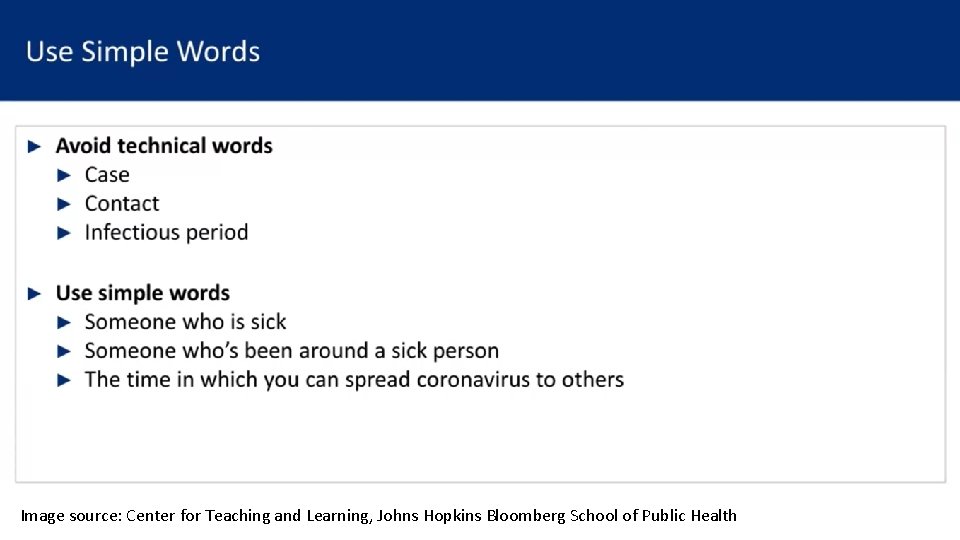
Image source: Center for Teaching and Learning, Johns Hopkins Bloomberg School of Public Health
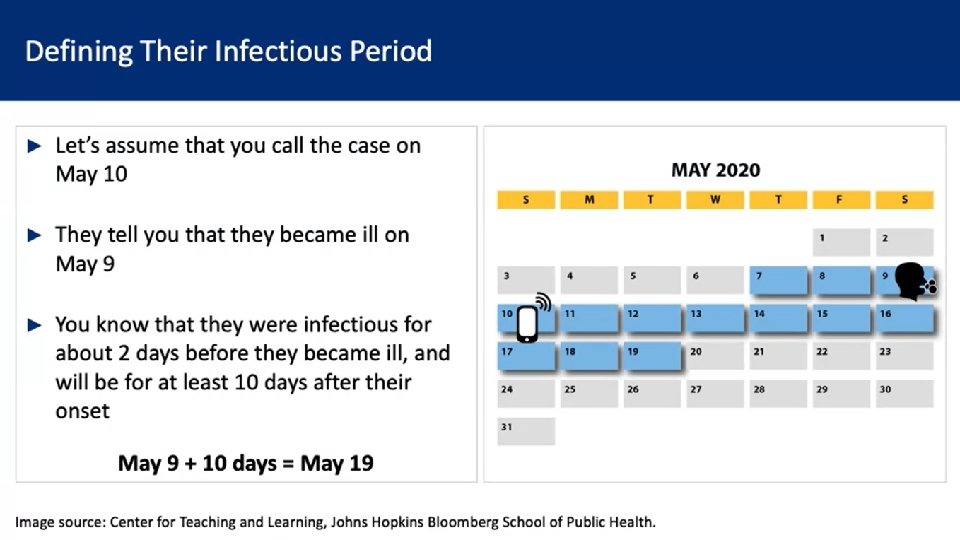
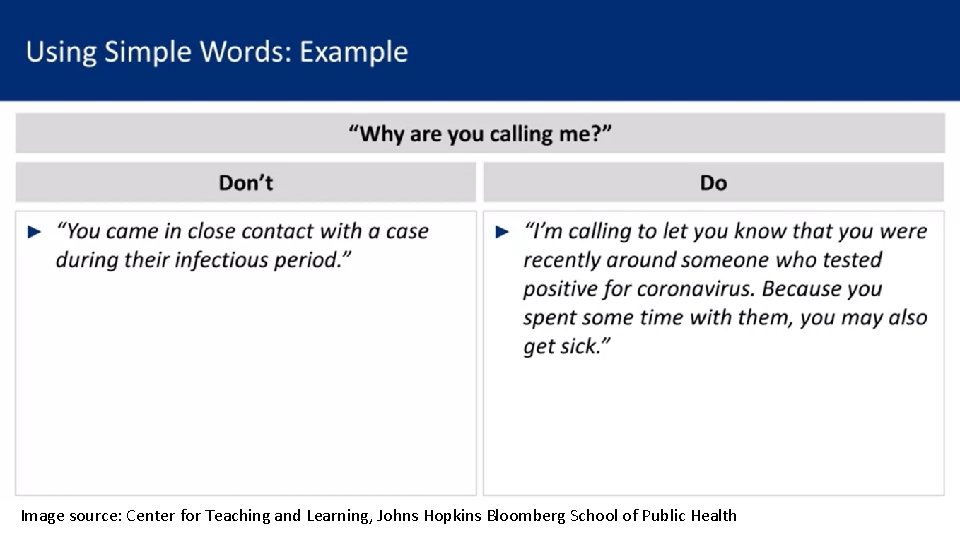
Image source: Center for Teaching and Learning, Johns Hopkins Bloomberg School of Public Health
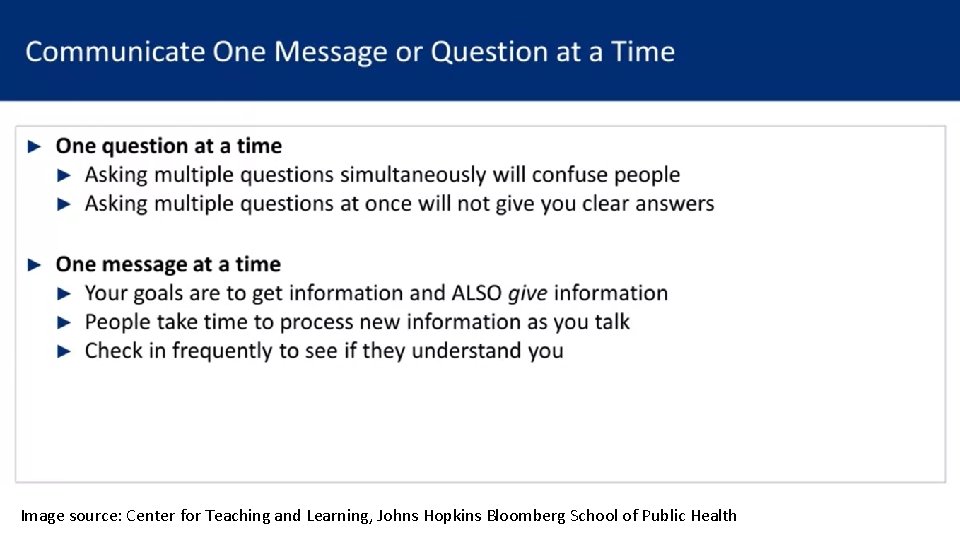
Image source: Center for Teaching and Learning, Johns Hopkins Bloomberg School of Public Health
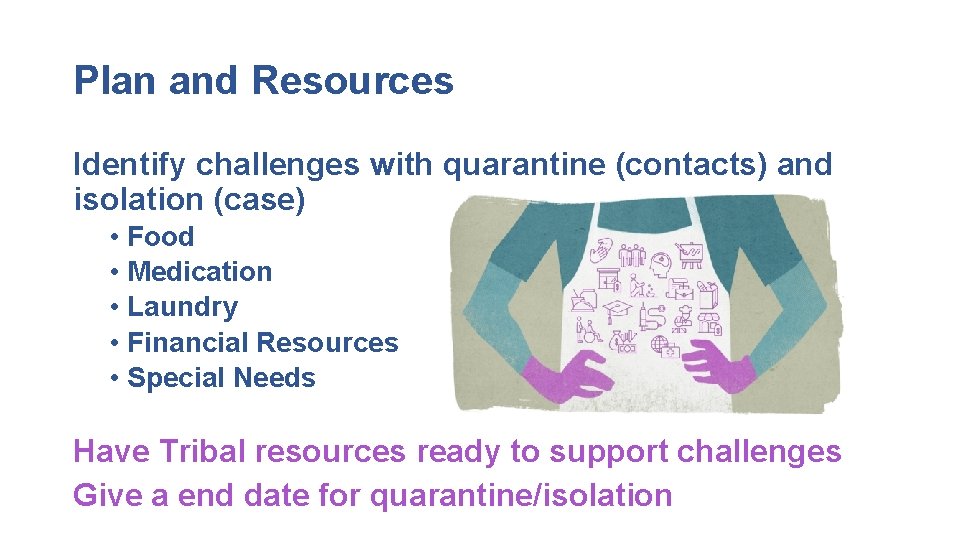
Plan and Resources Identify challenges with quarantine (contacts) and isolation (case) • Food • Medication • Laundry • Financial Resources • Special Needs Have Tribal resources ready to support challenges Give a end date for quarantine/isolation
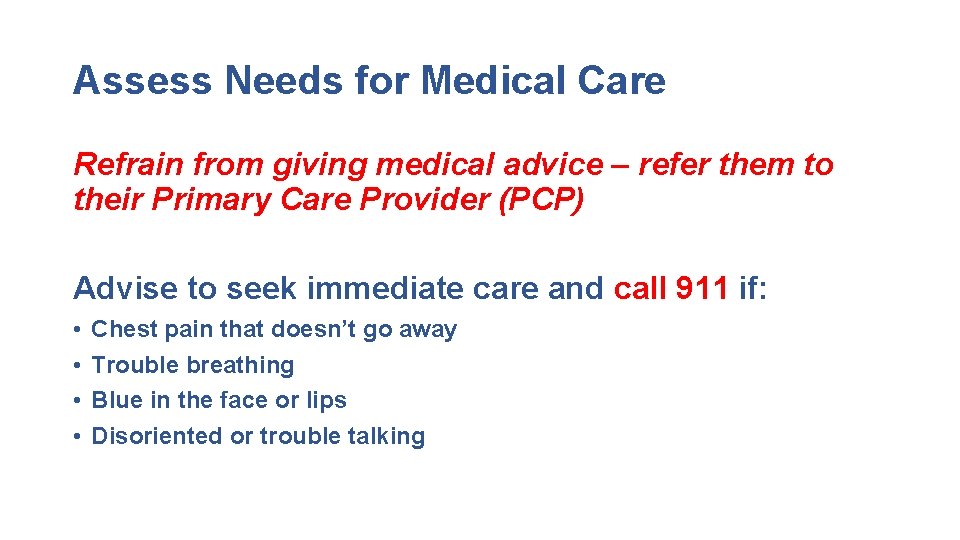
Assess Needs for Medical Care Refrain from giving medical advice – refer them to their Primary Care Provider (PCP) Advise to seek immediate care and call 911 if: • • Chest pain that doesn’t go away Trouble breathing Blue in the face or lips Disoriented or trouble talking
Reminders • Recommended to follow-up every day • Allow person to ask questions and get clarification
Steps to Contact Tracing
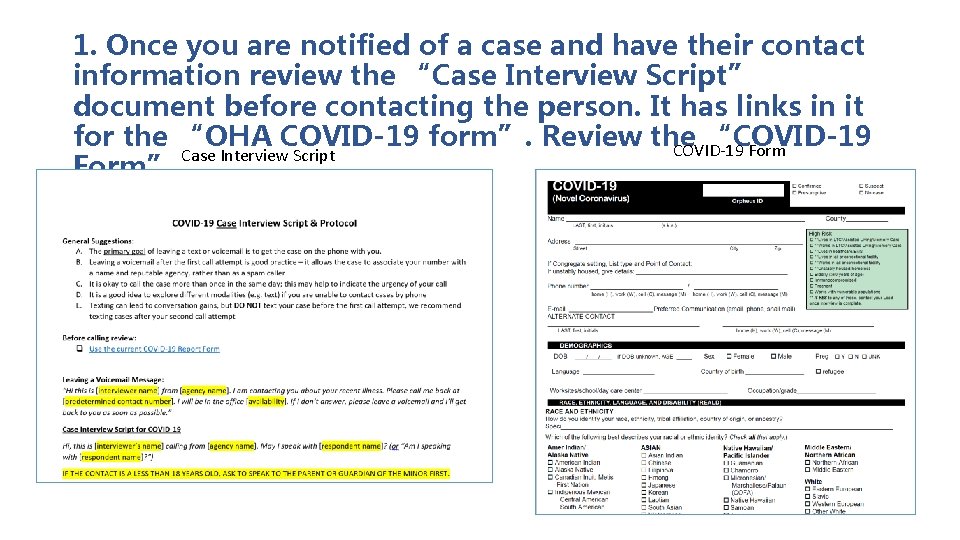
1. Once you are notified of a case and have their contact information review the “Case Interview Script” document before contacting the person. It has links in it for the “OHA COVID-19 form”. Review the “COVID-19 Form Case Interview Script Form”.
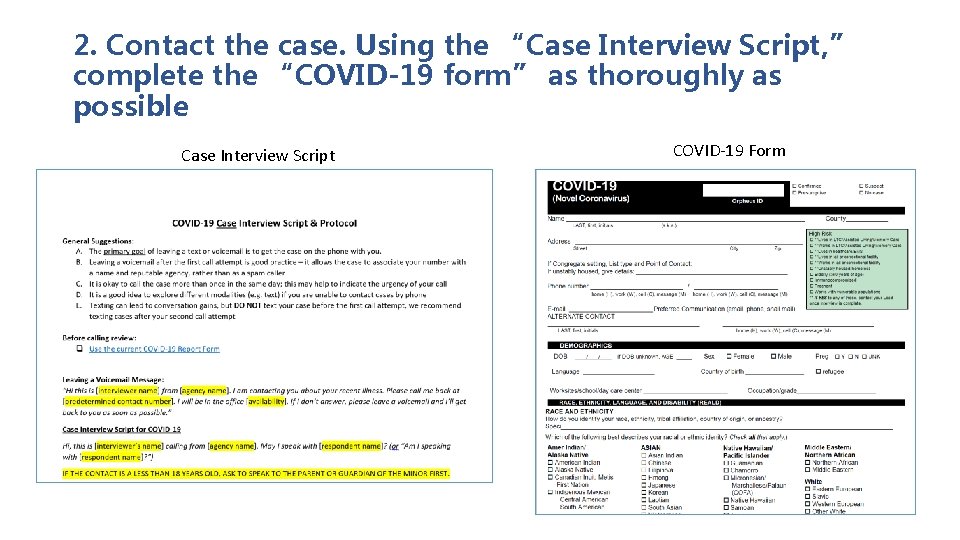
2. Contact the case. Using the “Case Interview Script, ” complete the “COVID-19 form” as thoroughly as possible Case Interview Script COVID-19 Form
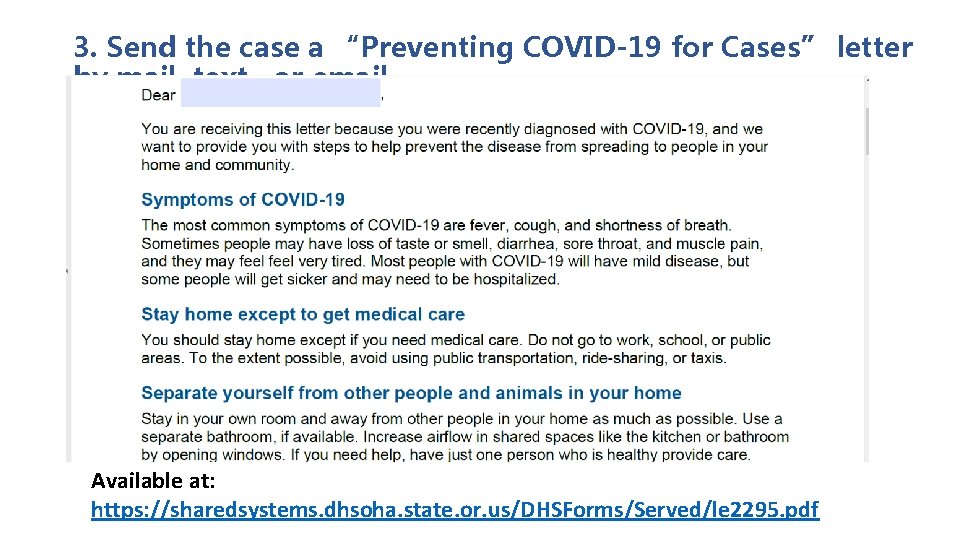
3. Send the case a “Preventing COVID-19 for Cases” letter by mail, text , or email. Available at: https: //sharedsystems. dhsoha. state. or. us/DHSForms/Served/le 2295. pdf
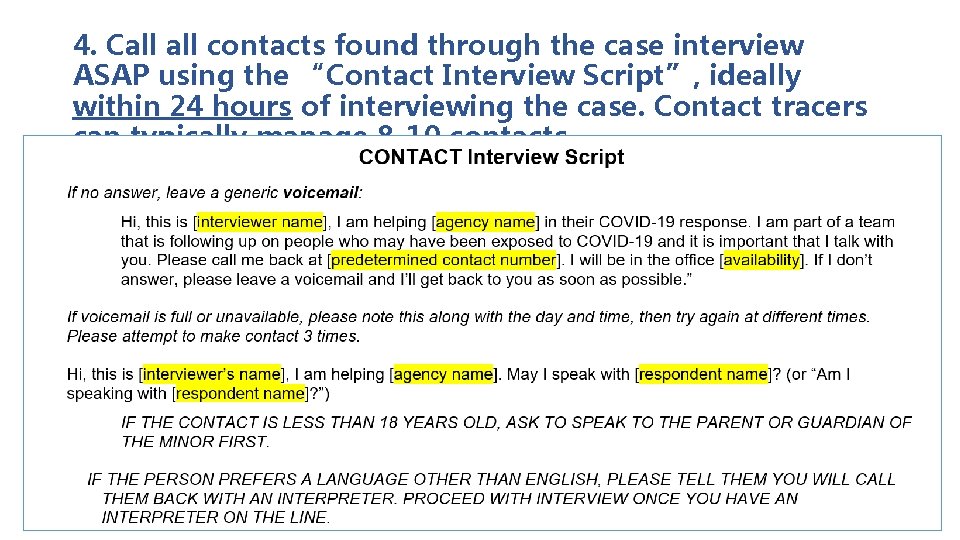
4. Call contacts found through the case interview ASAP using the “Contact Interview Script”, ideally within 24 hours of interviewing the case. Contact tracers can typically manage 8 -10 contacts.
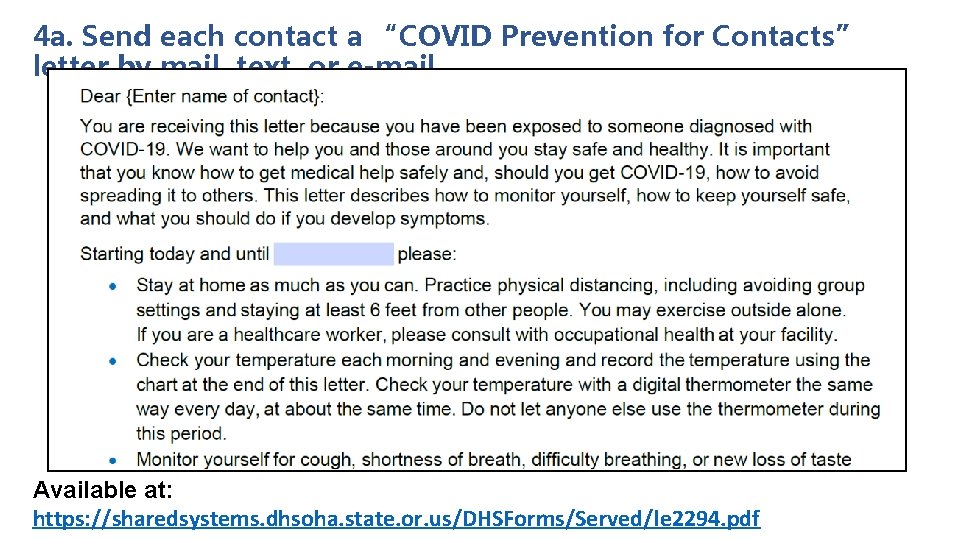
4 a. Send each contact a “COVID Prevention for Contacts” letter by mail, text, or e-mail. Available at: https: //sharedsystems. dhsoha. state. or. us/DHSForms/Served/le 2294. pdf
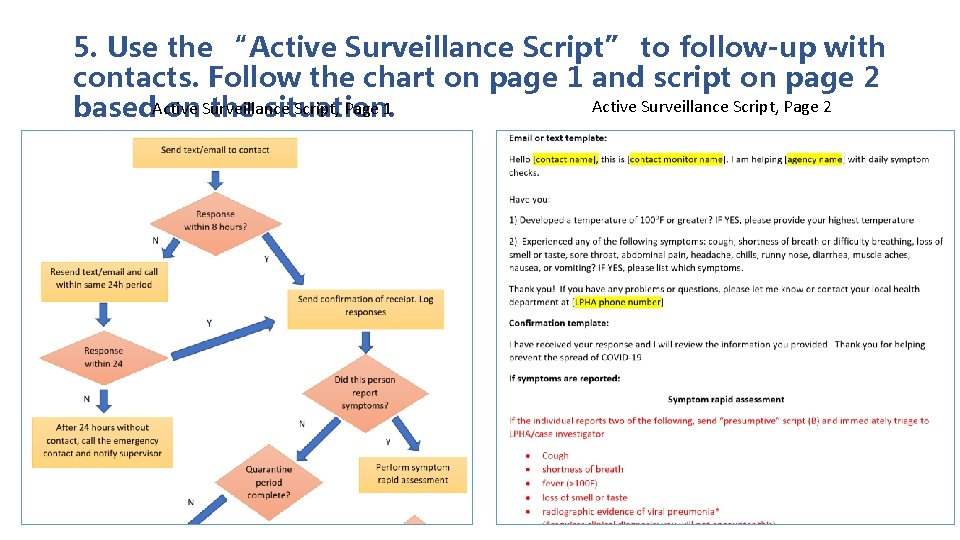
5. Use the “Active Surveillance Script” to follow-up with contacts. Follow the chart on page 1 and script on page 2 Active Surveillance Script, Page 2 Script, Page 1 based. Active on. Surveillance the situation.
6. If, during monitoring, a contact develops COVID symptoms or tests positive for COVID, repeat steps 1 -5. Either cough, trouble breathing, or At least two of the following symptoms: Fever Headache Chills Sore throat Muscle Pain New loss of sense of taste or smell
Please thoroughly review the forms you will use (ID, OR, WA, or tribal forms) We’re glad to take questions! Antoinette Aguirre aaguirre@npaihb. org Celeste Davis cdavis@npaihb. org Richard Leman richard. f. leman@dhsoha. state. or. us Lou Schmitz Lou. Schmitz. AIHC@outlook. com Ryan Sealy rsealy@npaihb. org Dieuwke Spencer Dieuwke. Spencer@dhw. idaho. gov Alex Wu awu@npaihb. org
Thank You