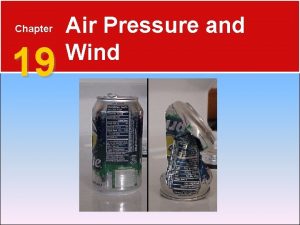
WIND HYDROSTATIC RELATIONSHIP Upward pressure gradient force PGF

- Slides: 42
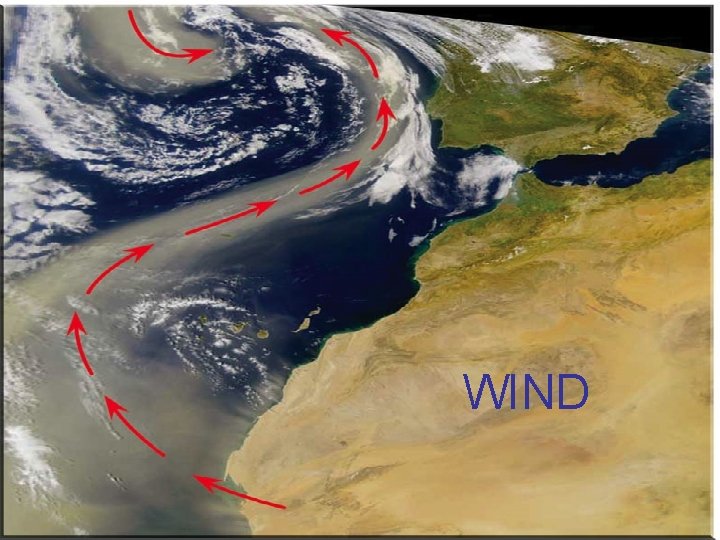
WIND
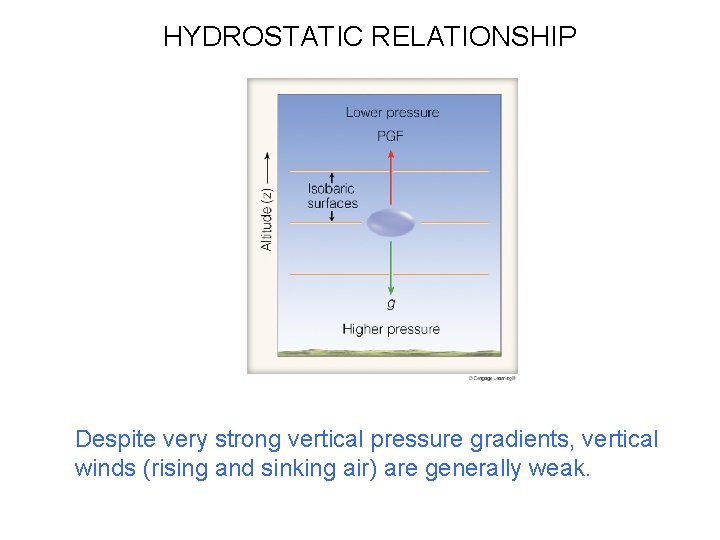
HYDROSTATIC RELATIONSHIP Upward pressure gradient force (PGF) is balanced by gravity (g).
HYDROSTATIC RELATIONSHIP Despite very strong vertical pressure gradients, vertical winds (rising and sinking air) are generally weak.
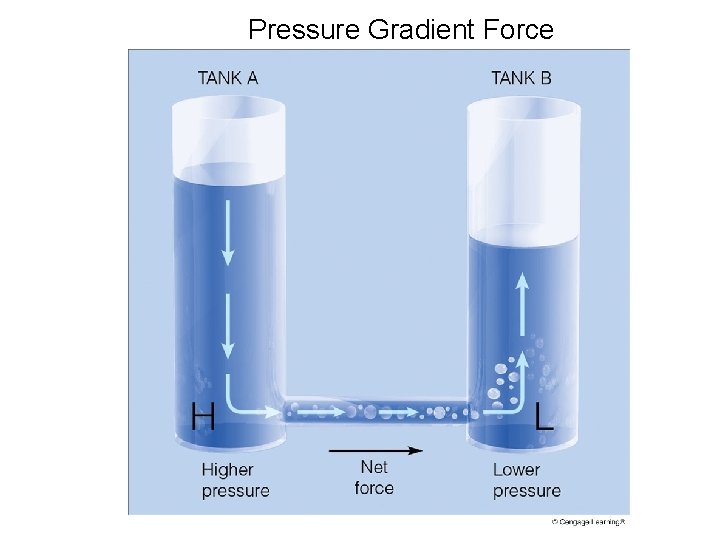
Pressure Gradient Force
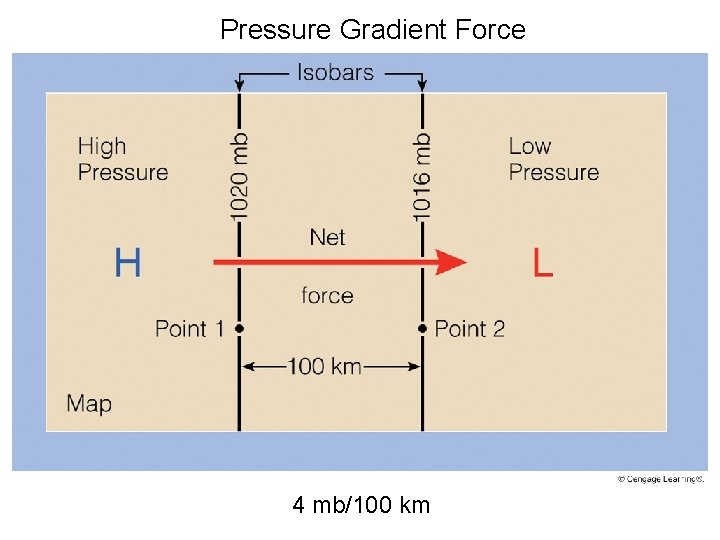
Pressure Gradient Force 4 mb/100 km
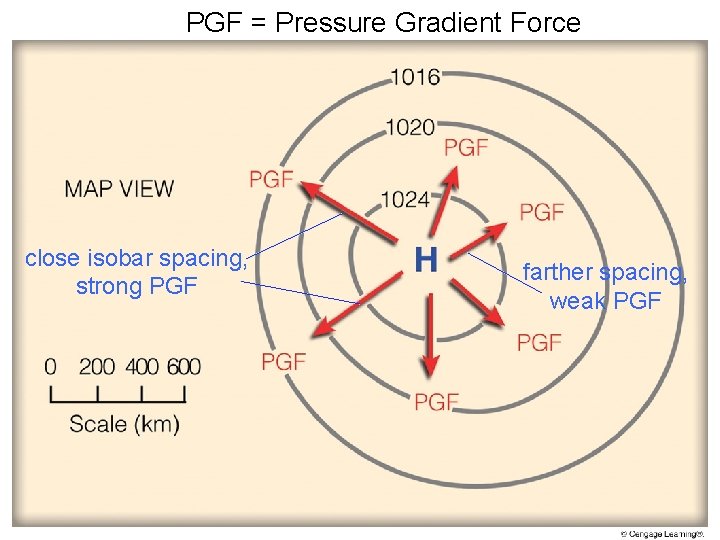
PGF = Pressure Gradient Force close isobar spacing, strong PGF farther spacing, weak PGF
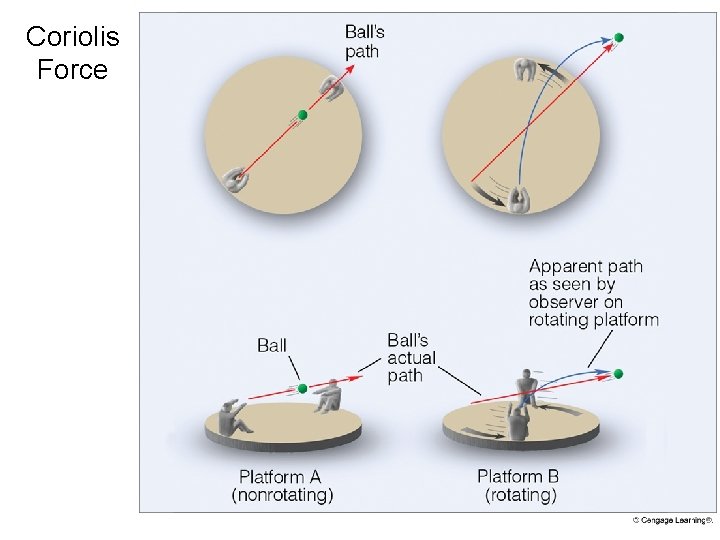
Coriolis Force
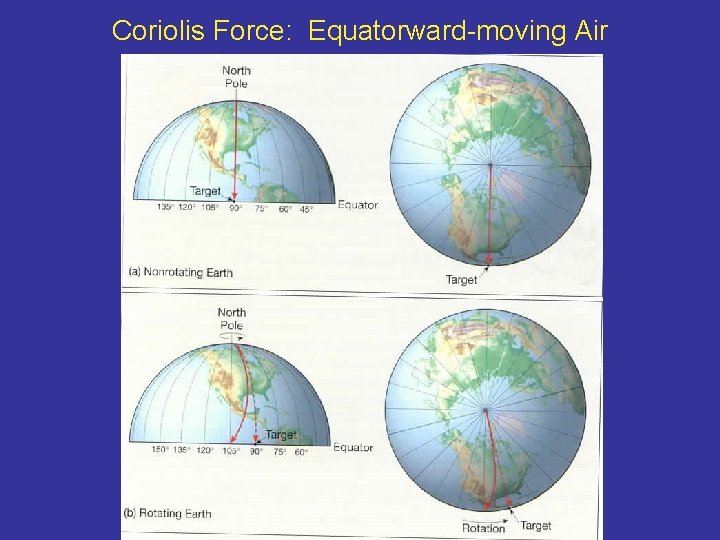
Coriolis Force: Equatorward-moving Air
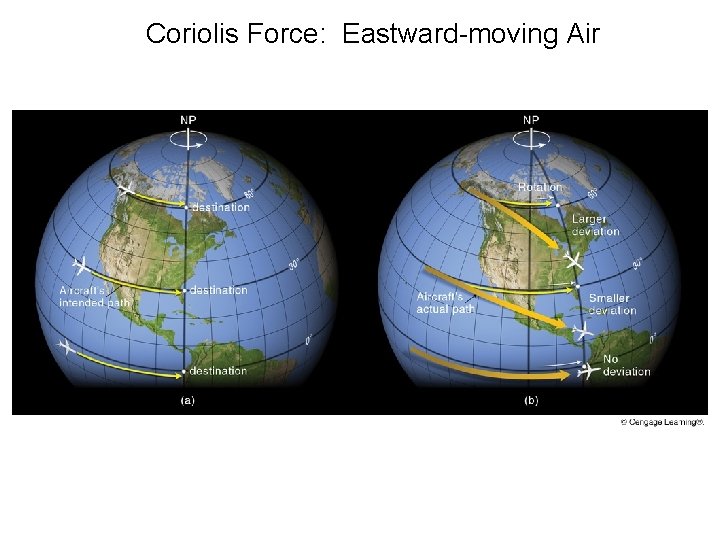
Coriolis Force: Eastward-moving Air
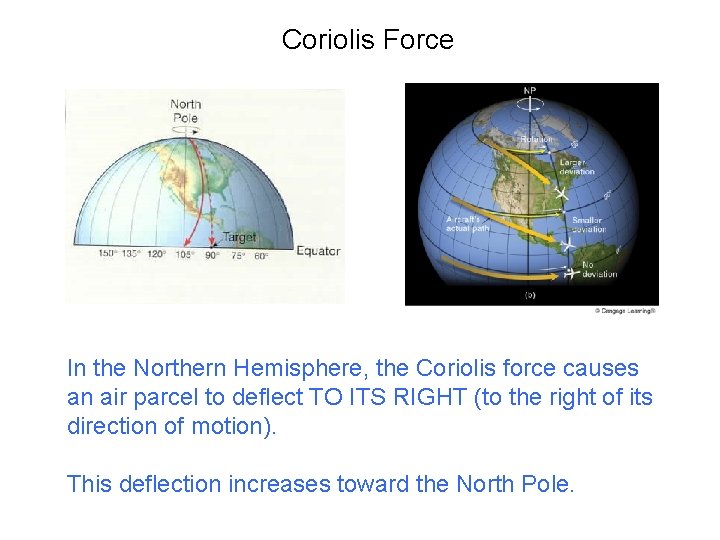
Coriolis Force In the Northern Hemisphere, the Coriolis force causes an air parcel to deflect TO ITS RIGHT (to the right of its direction of motion). This deflection increases toward the North Pole.
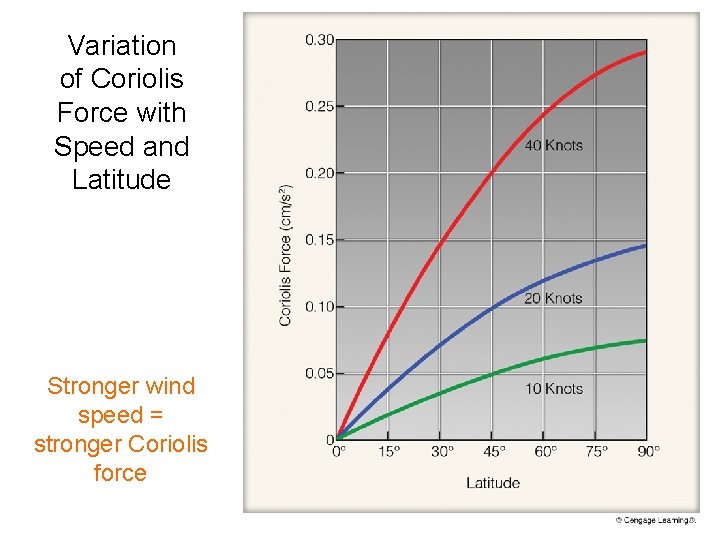
Variation of Coriolis Force with Speed and Latitude Stronger wind speed = stronger Coriolis force
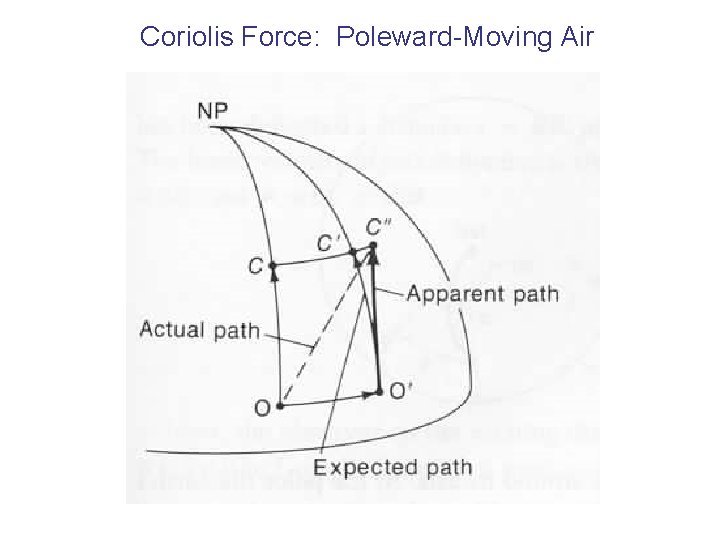
Coriolis Force: Poleward-Moving Air
REVIEW OF KEY FORCES Pressure gradient force (PGF) • High to Low • Perpendicular to the isobars • Proportional to isobar spacing Coriolis force (COR) • Acts to right of parcel direction in N. Hemisphere (and to left in S. Hemisphere) • Maximum at poles, zero at equator • Proportional to wind speed (Chap. 8, pp. 210– 214)
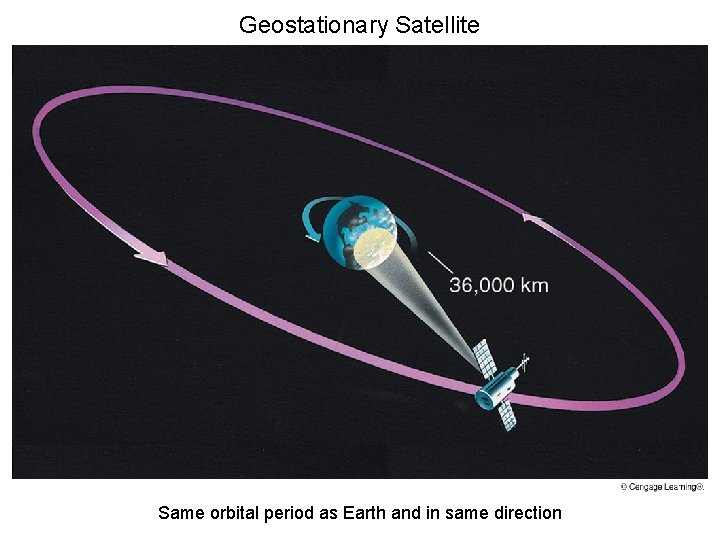
Geostationary Satellite Same orbital period as Earth and in same direction
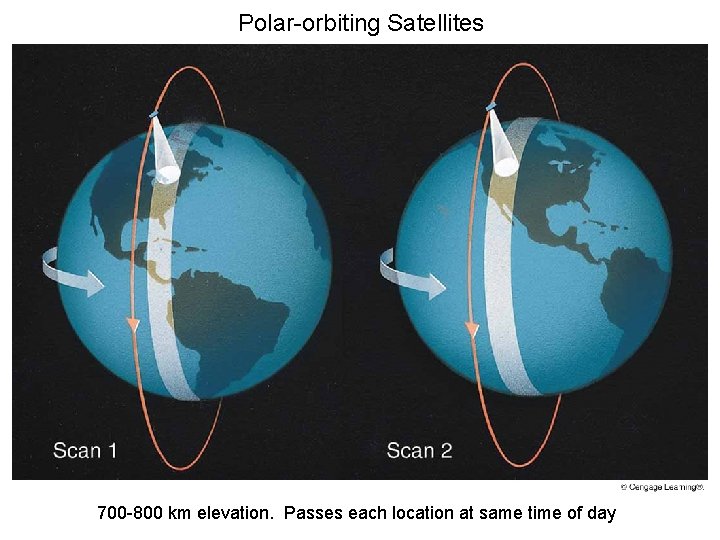
Polar-orbiting Satellites 700 -800 km elevation. Passes each location at same time of day
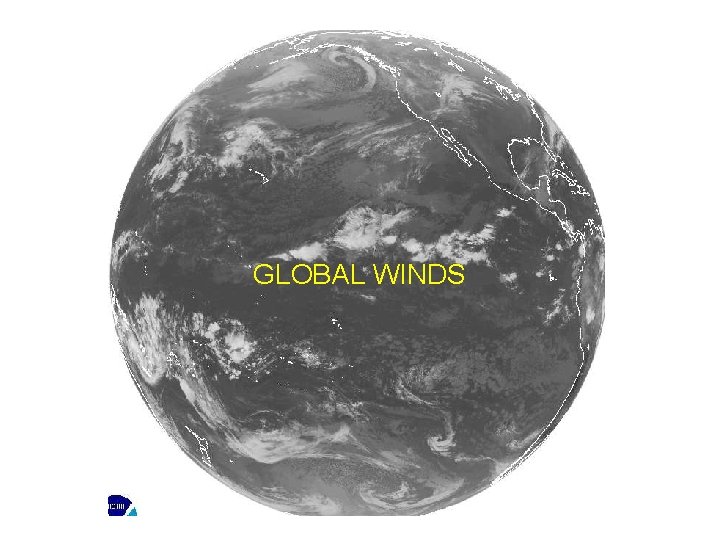
GLOBAL WINDS
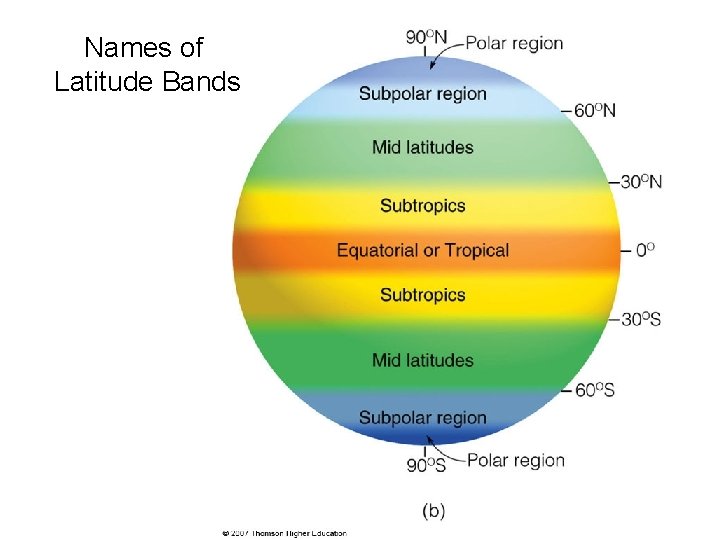
Names of Latitude Bands
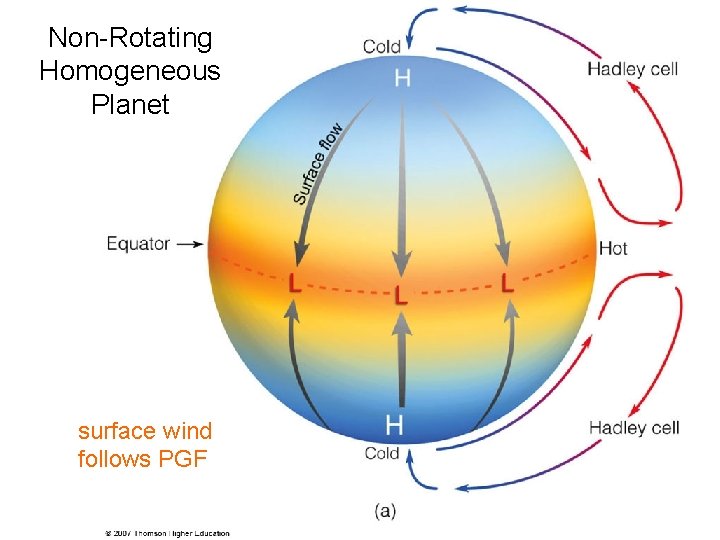
Non-Rotating Homogeneous Planet surface wind follows PGF
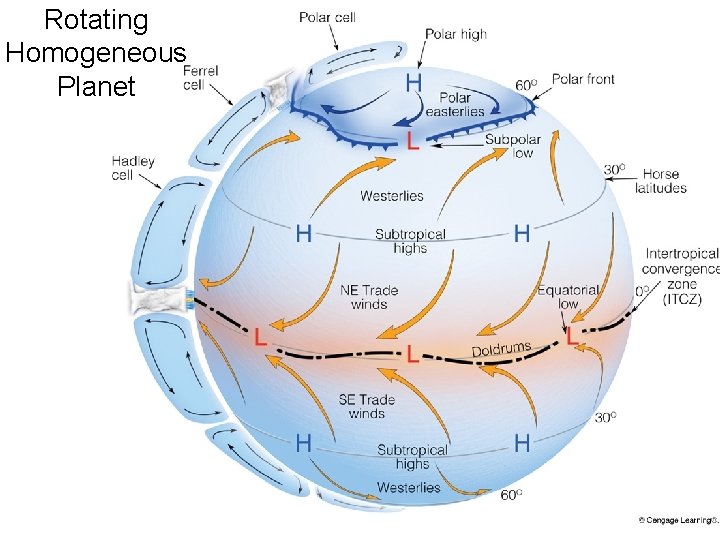
Rotating Homogeneous Planet
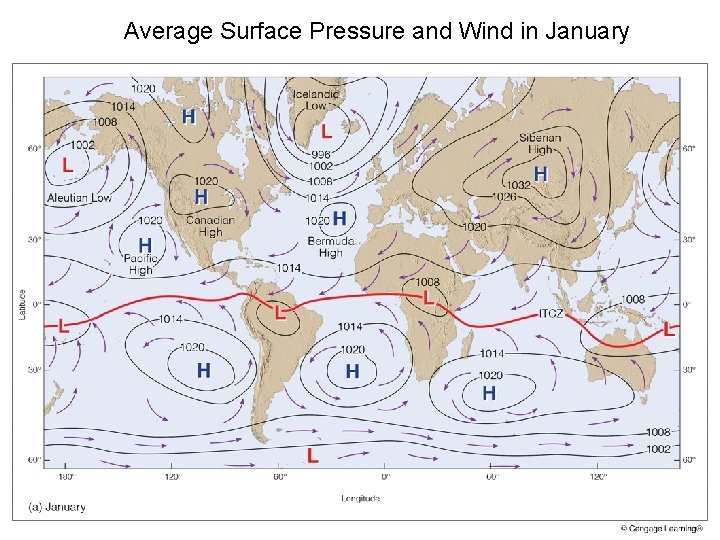
Average Surface Pressure and Wind in January
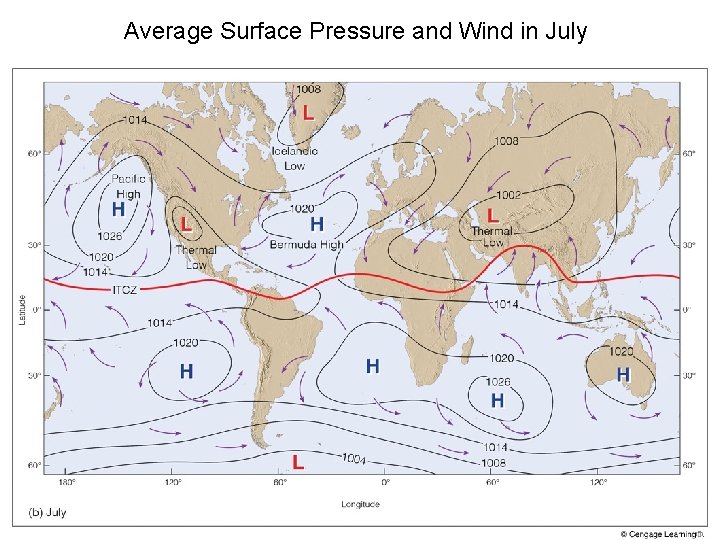
Average Surface Pressure and Wind in July
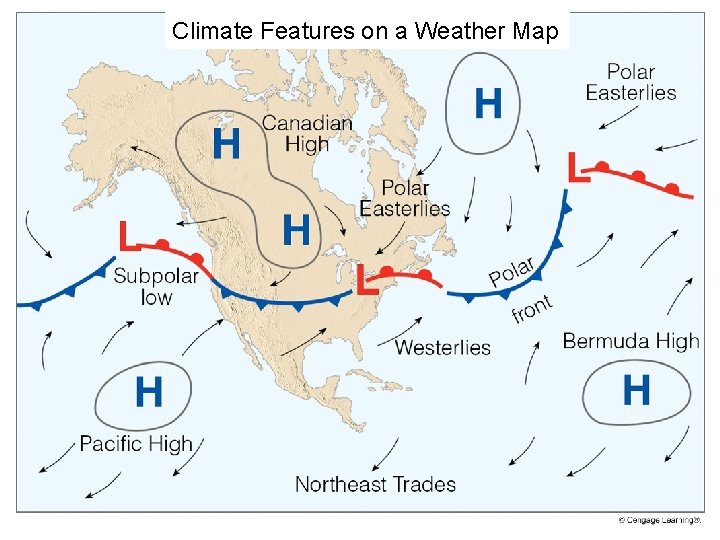
Climate Features on a Weather Map
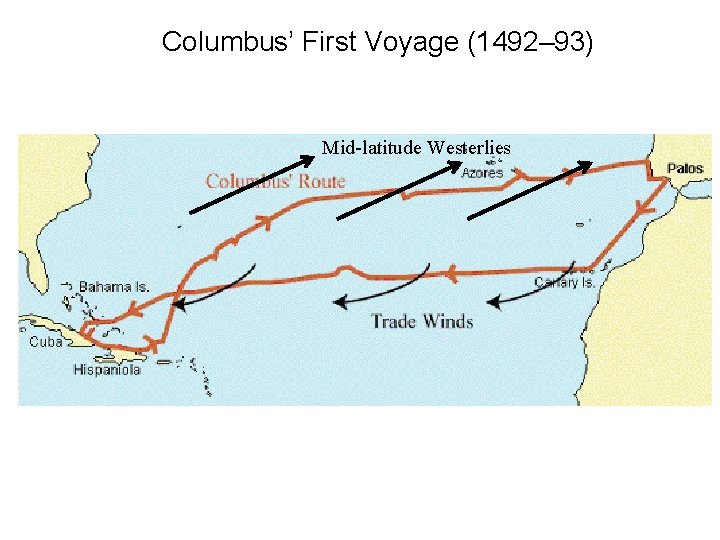
Columbus’ First Voyage (1492– 93) Mid-latitude Westerlies
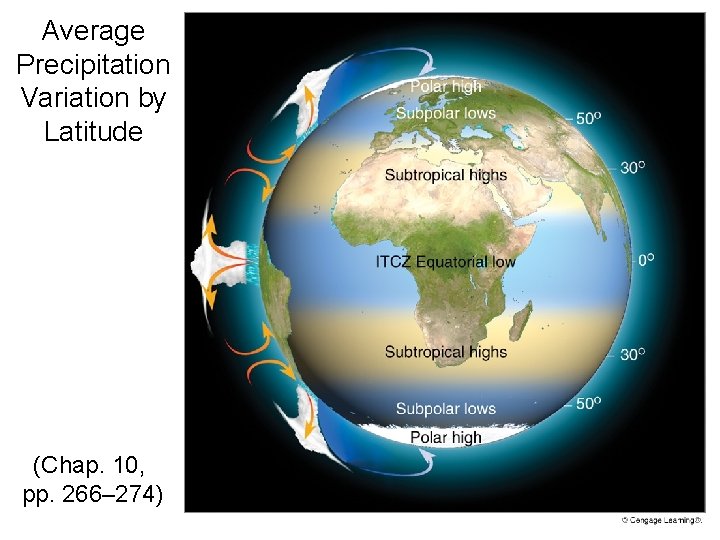
Average Precipitation Variation by Latitude (Chap. 10, pp. 266– 274)
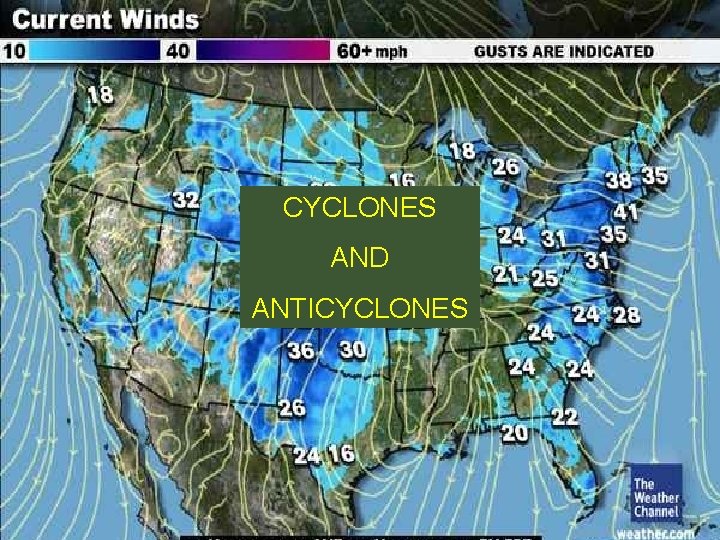
CYCLONES AND ANTICYCLONES
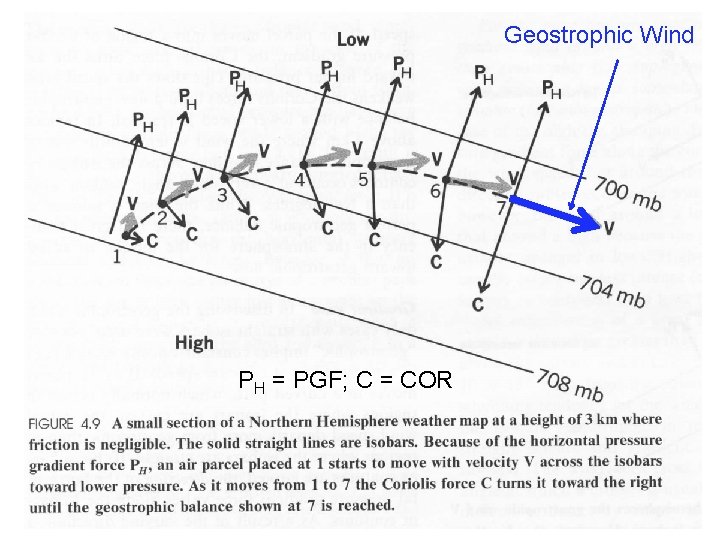
Geostrophic Wind PH = PGF; C = COR
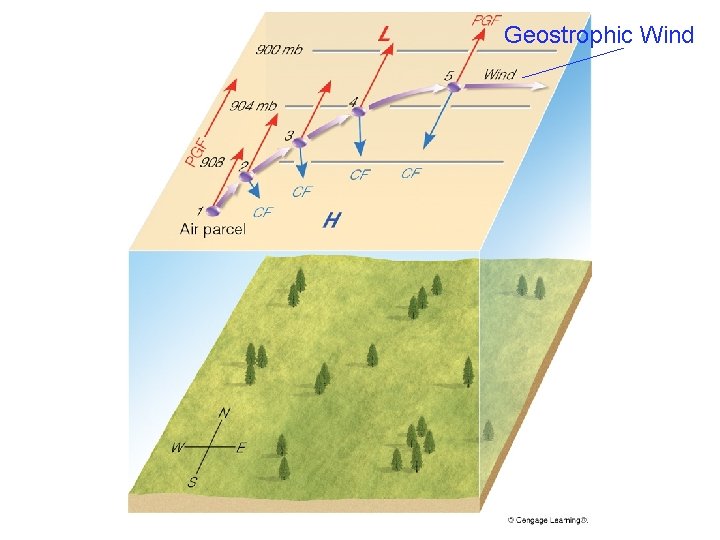
Geostrophic Wind
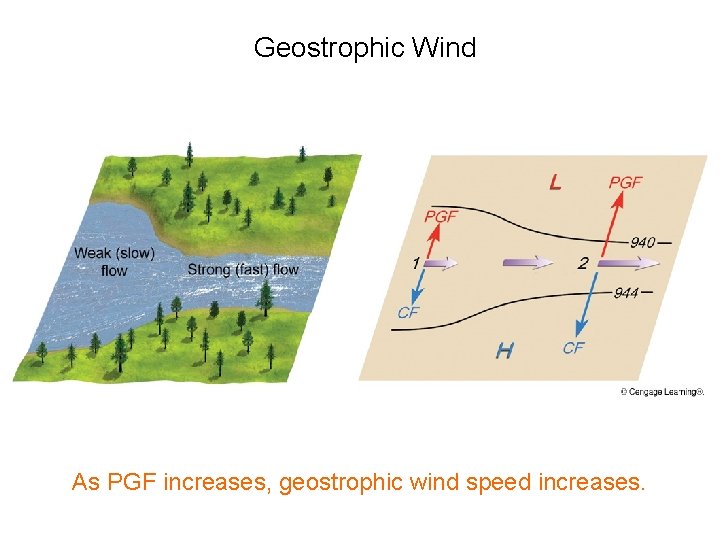
Geostrophic Wind As PGF increases, geostrophic wind speed increases.
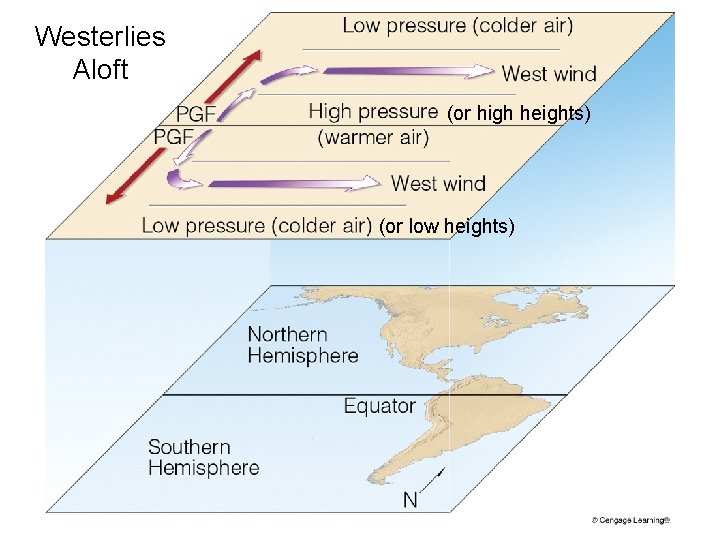
Westerlies Aloft (or high heights) (or low heights)
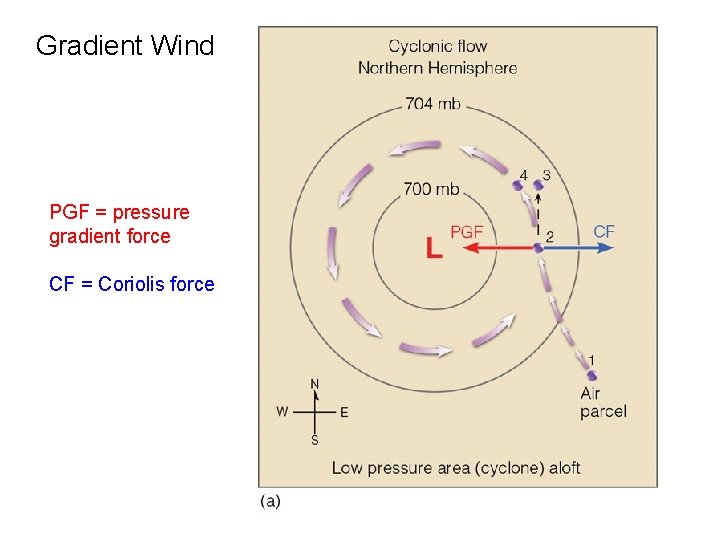
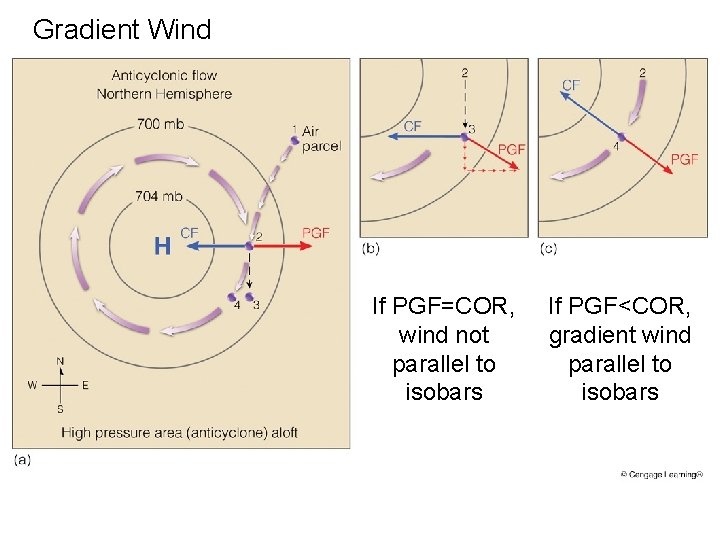
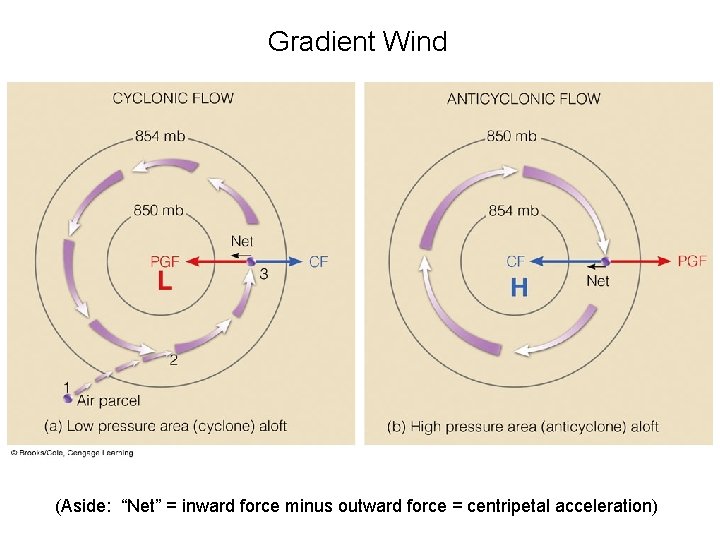
Gradient Wind PGF = pressure gradient force CF = Coriolis force
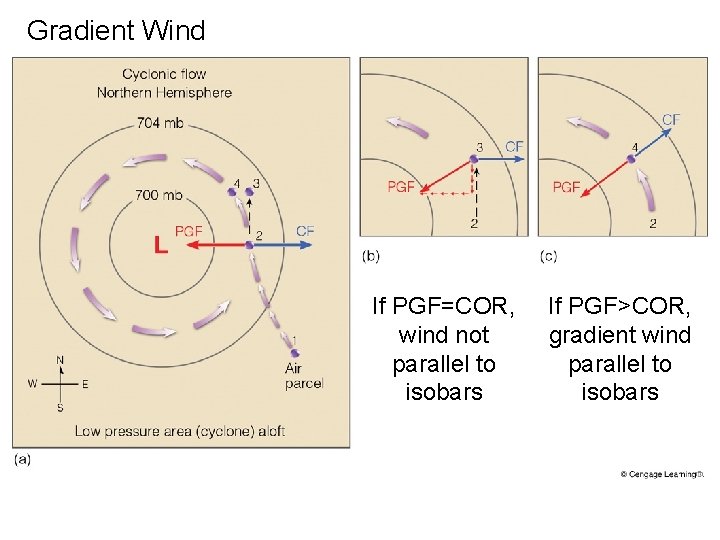
Gradient Wind If PGF=COR, wind not parallel to isobars If PGF>COR, gradient wind parallel to isobars
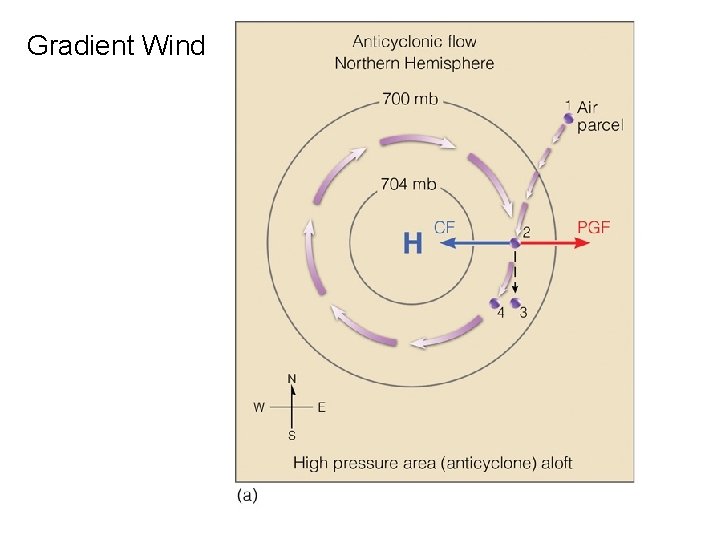
Gradient Wind
Gradient Wind If PGF=COR, wind not parallel to isobars If PGF<COR, gradient wind parallel to isobars
Gradient Wind (Aside: “Net” = inward force minus outward force = centripetal acceleration)
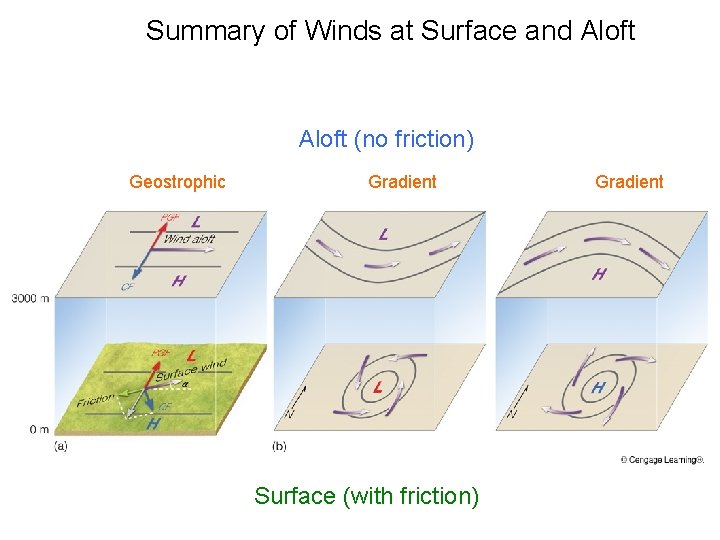
Summary of Winds at Surface and Aloft (no friction) Geostrophic Gradient Surface (with friction) Gradient
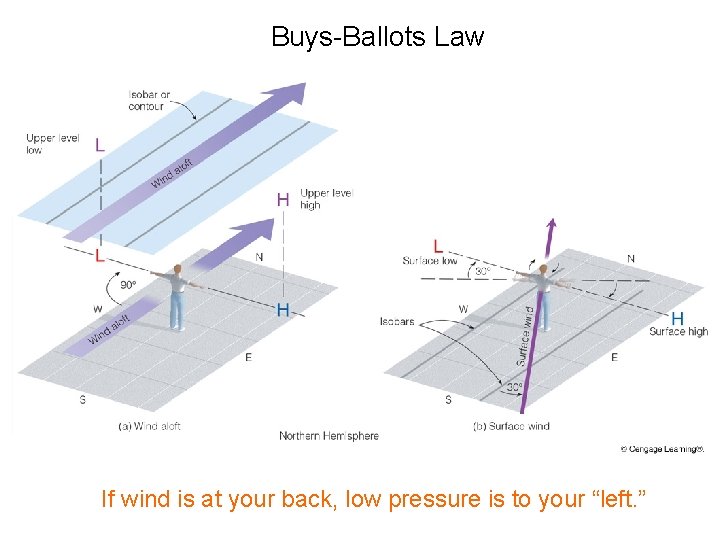
Buys-Ballots Law If wind is at your back, low pressure is to your “left. ”
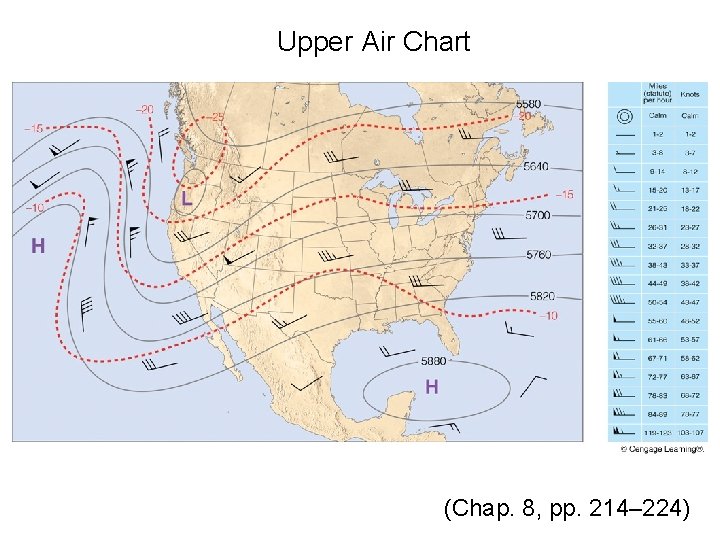
Upper Air Chart (Chap. 8, pp. 214– 224)
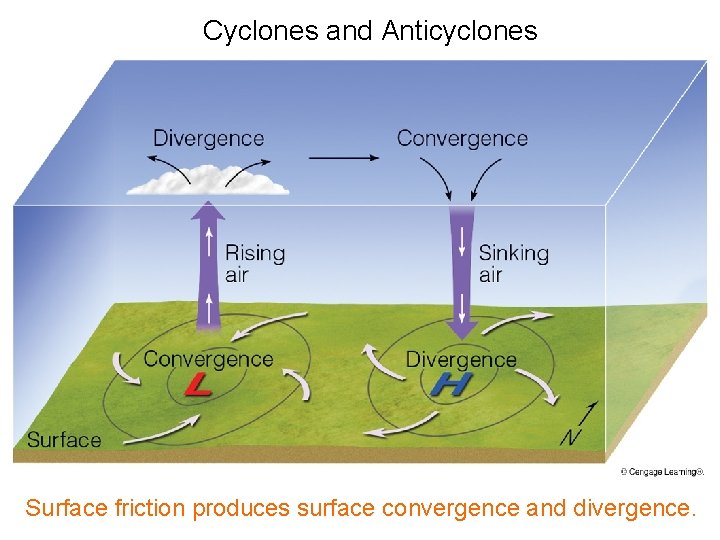
Cyclones and Anticyclones Surface friction produces surface convergence and divergence.
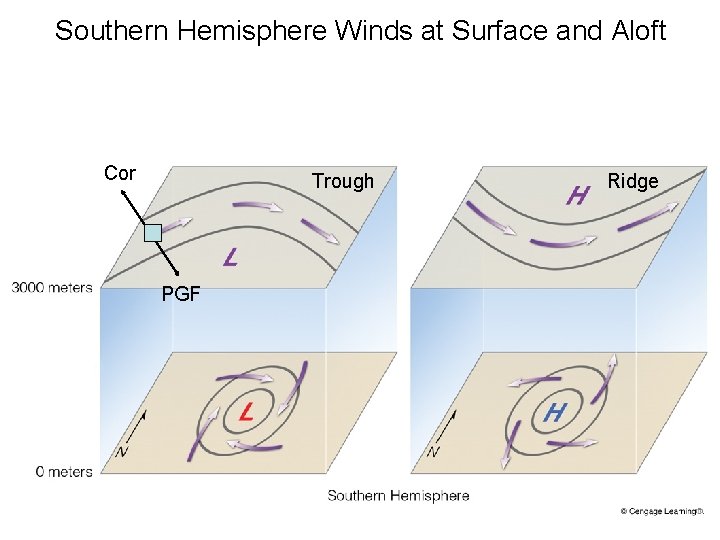
Southern Hemisphere Winds at Surface and Aloft Cor Trough PGF Ridge
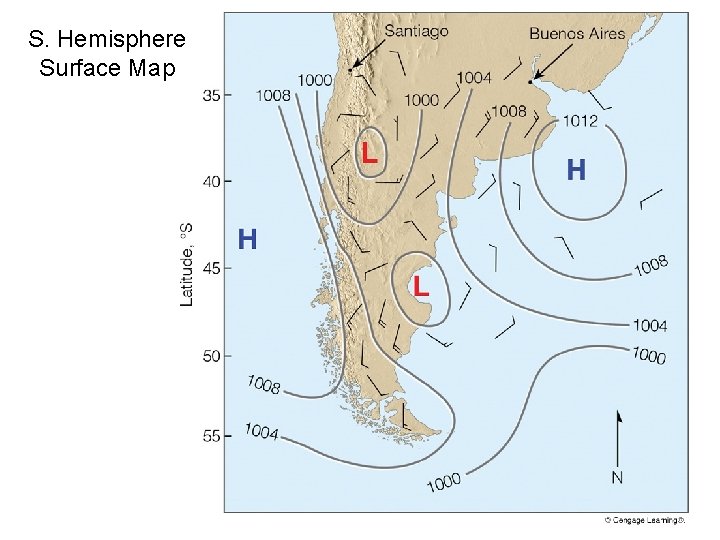
S. Hemisphere Surface Map
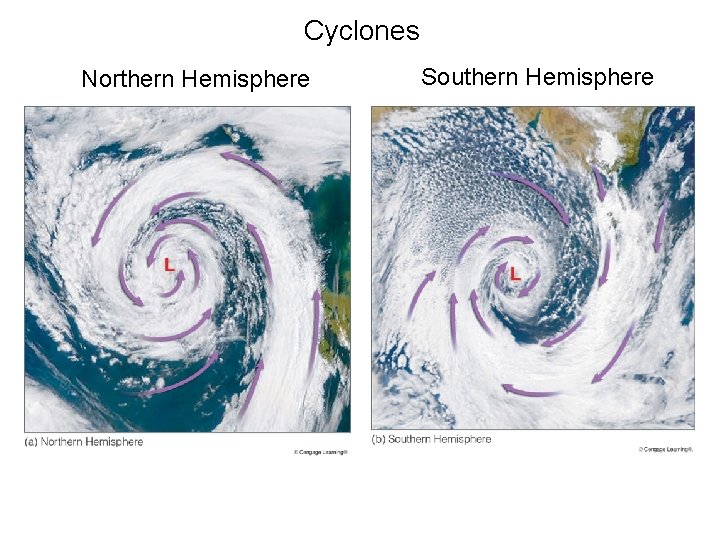
Cyclones Northern Hemisphere Southern Hemisphere