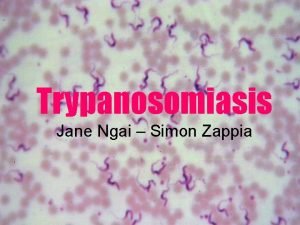
Trypanosomiasis Jane Ngai Simon Zappia Protista Kinetoplastida Trypanosoma


- Slides: 28
Trypanosomiasis Jane Ngai – Simon Zappia
Protista Kinetoplastida Trypanosoma
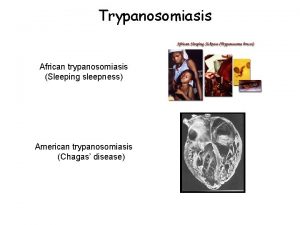
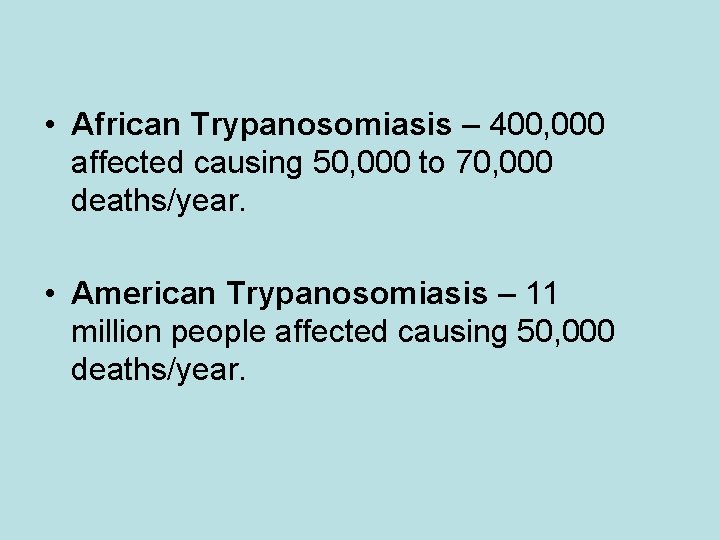
• African Trypanosomiasis – 400, 000 affected causing 50, 000 to 70, 000 deaths/year. • American Trypanosomiasis – 11 million people affected causing 50, 000 deaths/year.
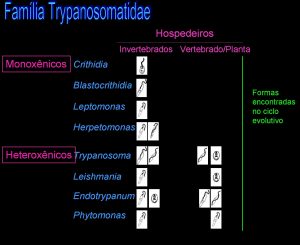
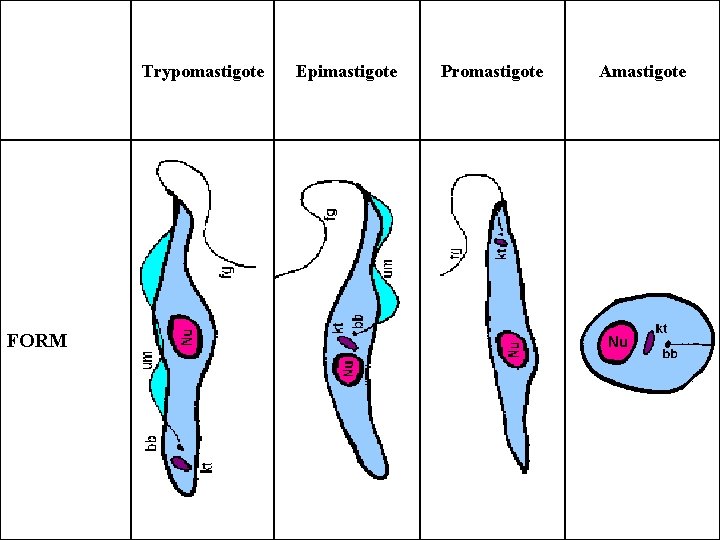
Trypomastigote FORM Epimastigote Promastigote Amastigote
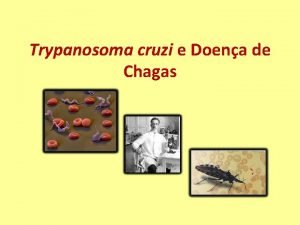
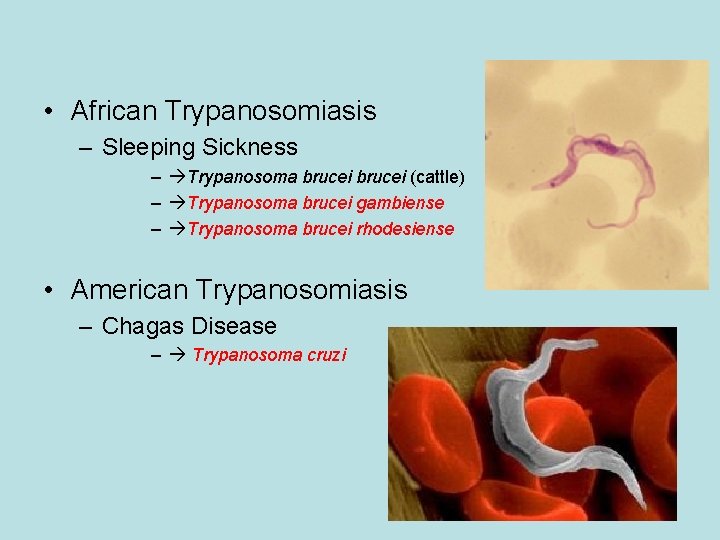
• African Trypanosomiasis – Sleeping Sickness – Trypanosoma brucei (cattle) – Trypanosoma brucei gambiense – Trypanosoma brucei rhodesiense • American Trypanosomiasis – Chagas Disease – Trypanosoma cruzi
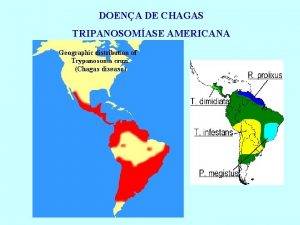
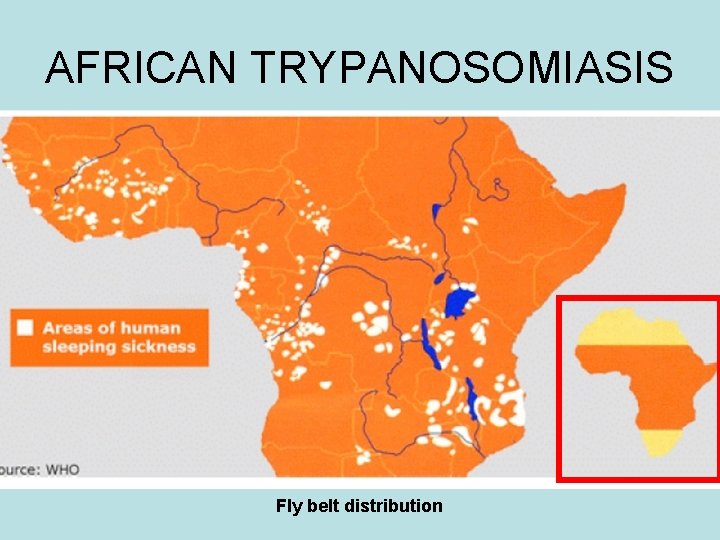
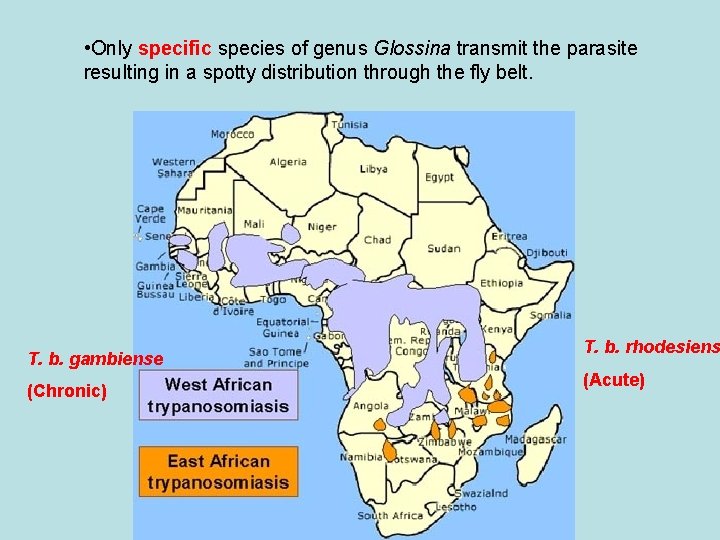
AFRICAN TRYPANOSOMIASIS Fly belt distribution
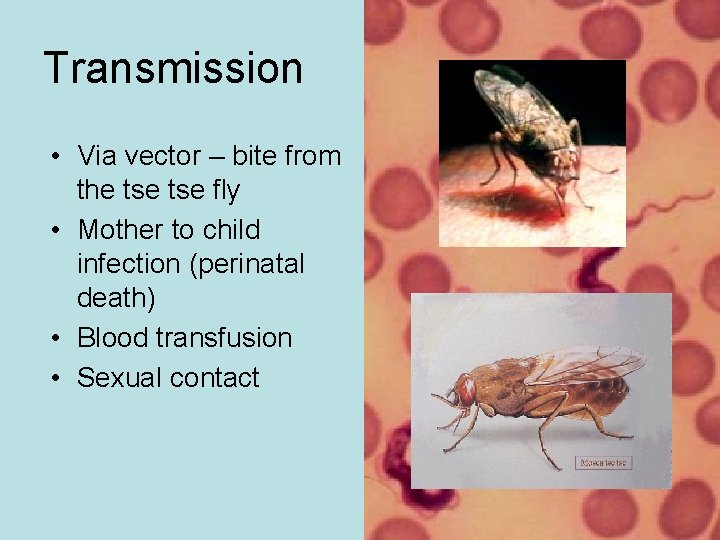
Transmission • Via vector – bite from the tse fly • Mother to child infection (perinatal death) • Blood transfusion • Sexual contact
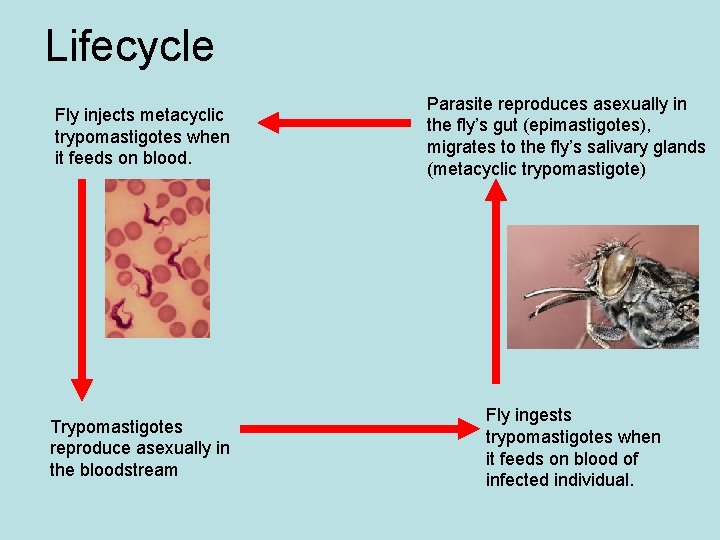
Lifecycle Fly injects metacyclic trypomastigotes when it feeds on blood. Trypomastigotes reproduce asexually in the bloodstream Parasite reproduces asexually in the fly’s gut (epimastigotes), migrates to the fly’s salivary glands (metacyclic trypomastigote) Fly ingests trypomastigotes when it feeds on blood of infected individual.
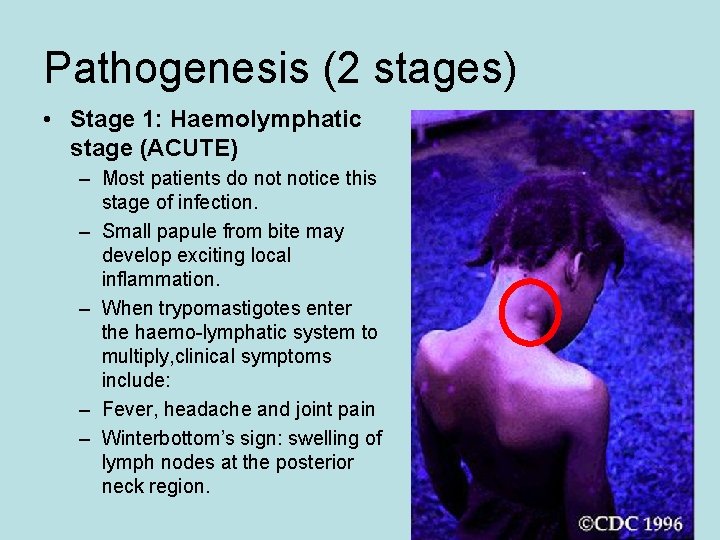
Pathogenesis (2 stages) • Stage 1: Haemolymphatic stage (ACUTE) – Most patients do notice this stage of infection. – Small papule from bite may develop exciting local inflammation. – When trypomastigotes enter the haemo-lymphatic system to multiply, clinical symptoms include: – Fever, headache and joint pain – Winterbottom’s sign: swelling of lymph nodes at the posterior neck region.
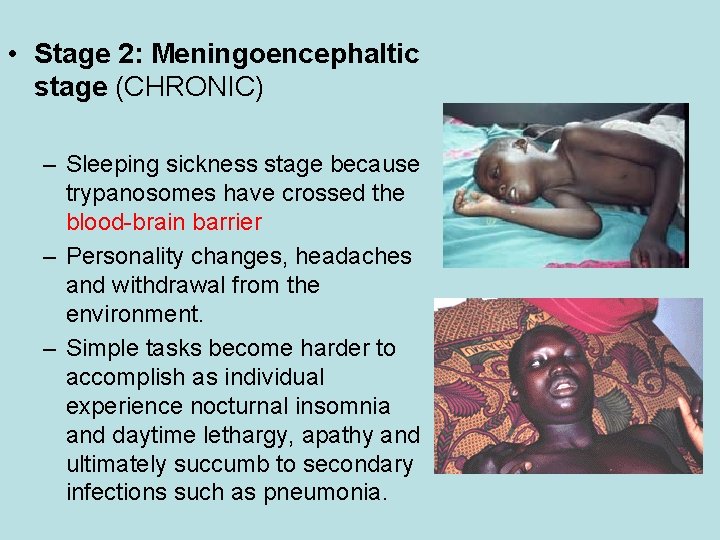
• Stage 2: Meningoencephaltic stage (CHRONIC) – Sleeping sickness stage because trypanosomes have crossed the blood-brain barrier – Personality changes, headaches and withdrawal from the environment. – Simple tasks become harder to accomplish as individual experience nocturnal insomnia and daytime lethargy, apathy and ultimately succumb to secondary infections such as pneumonia.
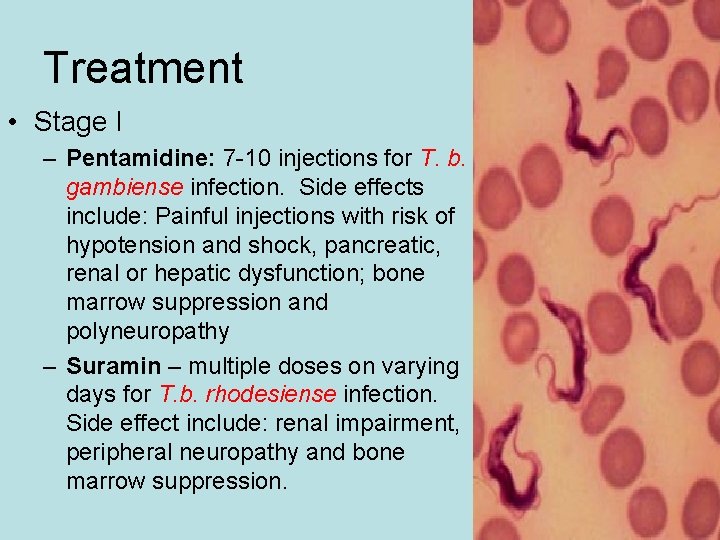
Treatment • Stage I – Pentamidine: 7 -10 injections for T. b. gambiense infection. Side effects include: Painful injections with risk of hypotension and shock, pancreatic, renal or hepatic dysfunction; bone marrow suppression and polyneuropathy – Suramin – multiple doses on varying days for T. b. rhodesiense infection. Side effect include: renal impairment, peripheral neuropathy and bone marrow suppression.
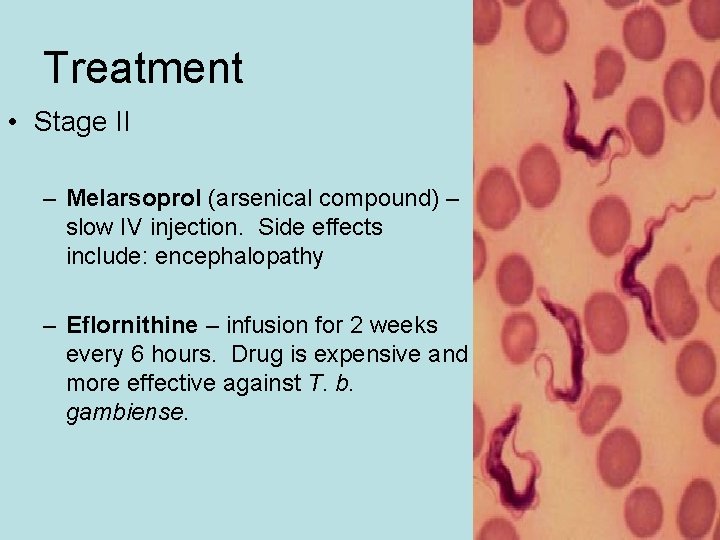
Treatment • Stage II – Melarsoprol (arsenical compound) – slow IV injection. Side effects include: encephalopathy – Eflornithine – infusion for 2 weeks every 6 hours. Drug is expensive and more effective against T. b. gambiense.
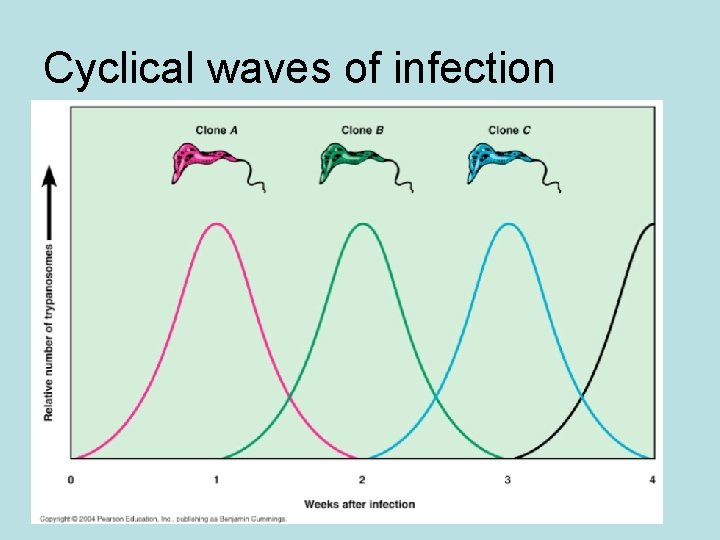
Cyclical waves of infection
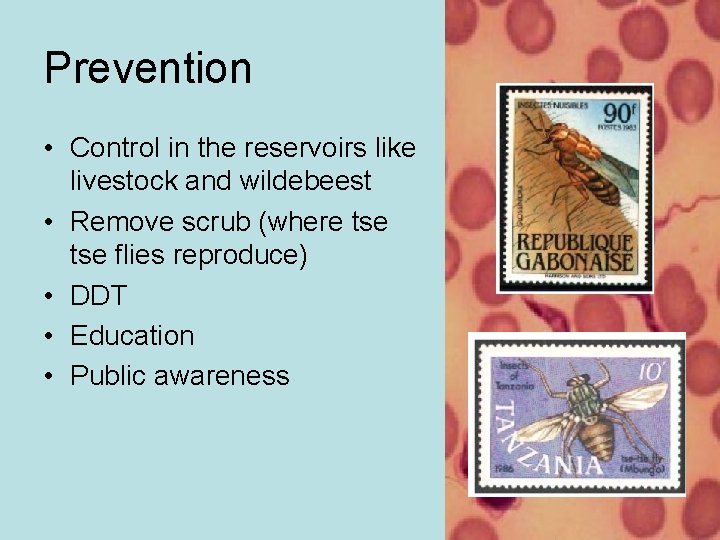
Prevention • Control in the reservoirs like livestock and wildebeest • Remove scrub (where tse flies reproduce) • DDT • Education • Public awareness
• Only specific species of genus Glossina transmit the parasite resulting in a spotty distribution through the fly belt. T. b. gambiense (Chronic) T. b. rhodesiens (Acute)
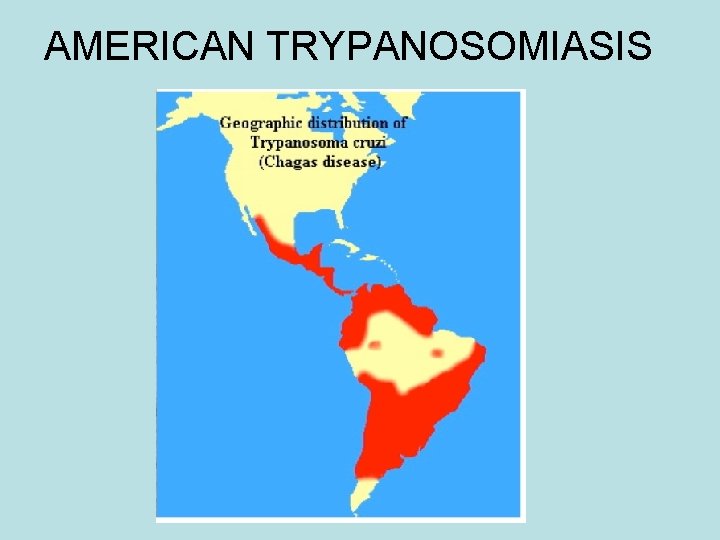
AMERICAN TRYPANOSOMIASIS
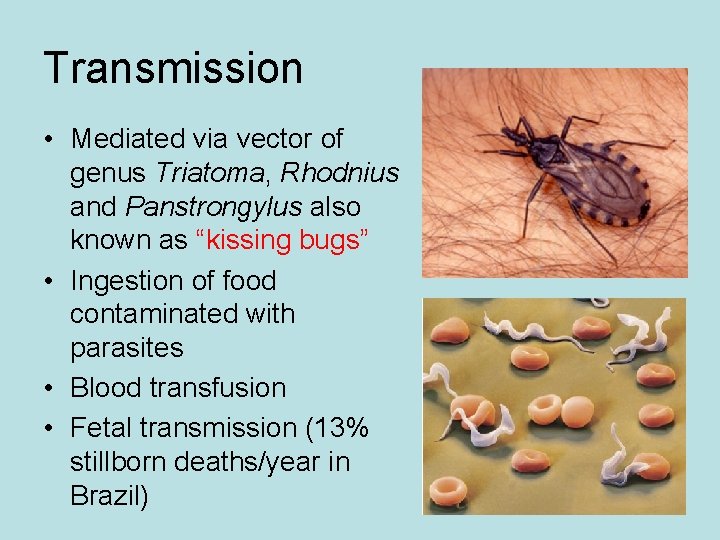
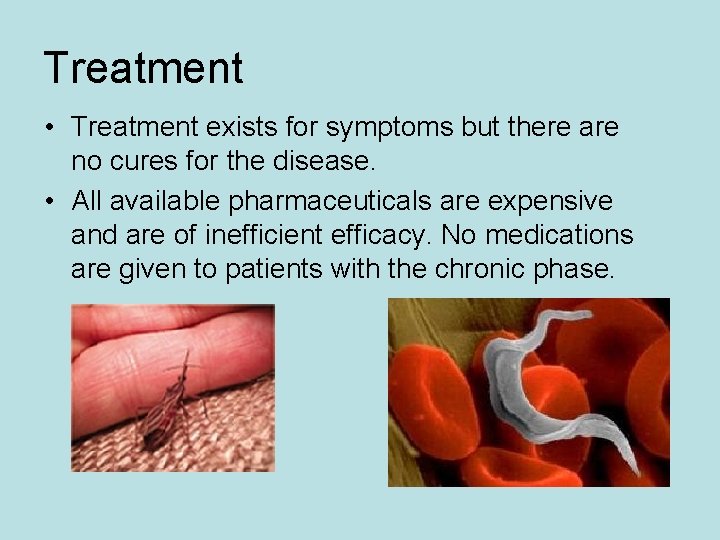
Transmission • Mediated via vector of genus Triatoma, Rhodnius and Panstrongylus also known as “kissing bugs” • Ingestion of food contaminated with parasites • Blood transfusion • Fetal transmission (13% stillborn deaths/year in Brazil)
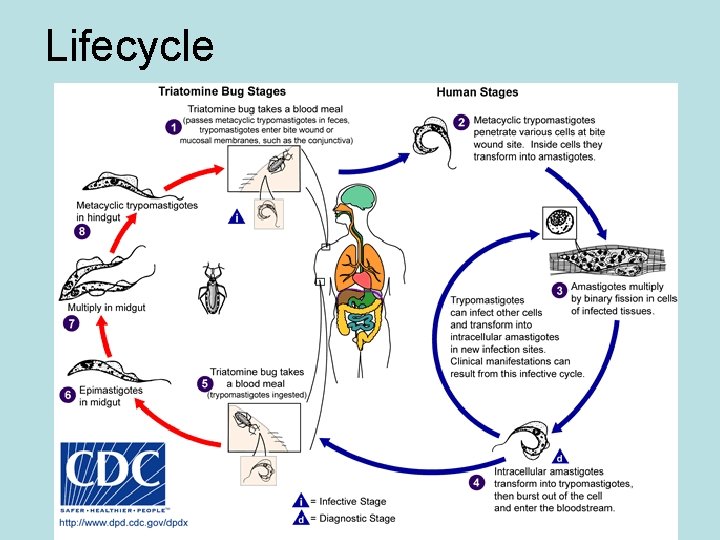
Lifecycle
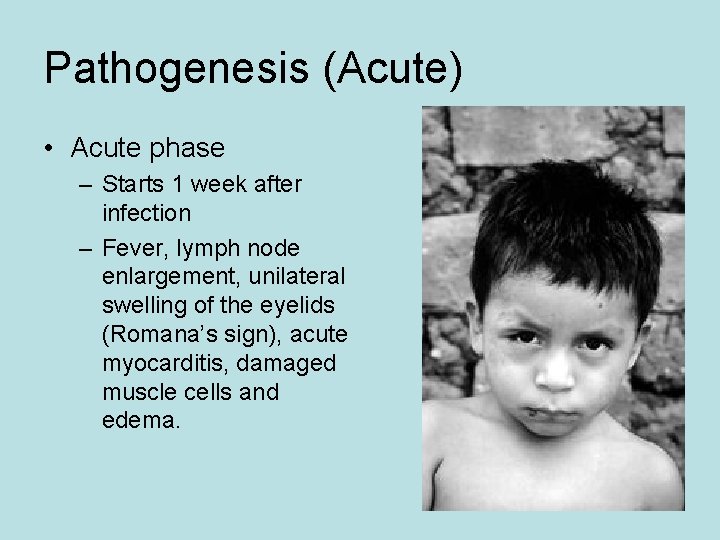
Pathogenesis (Acute) • Acute phase – Starts 1 week after infection – Fever, lymph node enlargement, unilateral swelling of the eyelids (Romana’s sign), acute myocarditis, damaged muscle cells and edema.
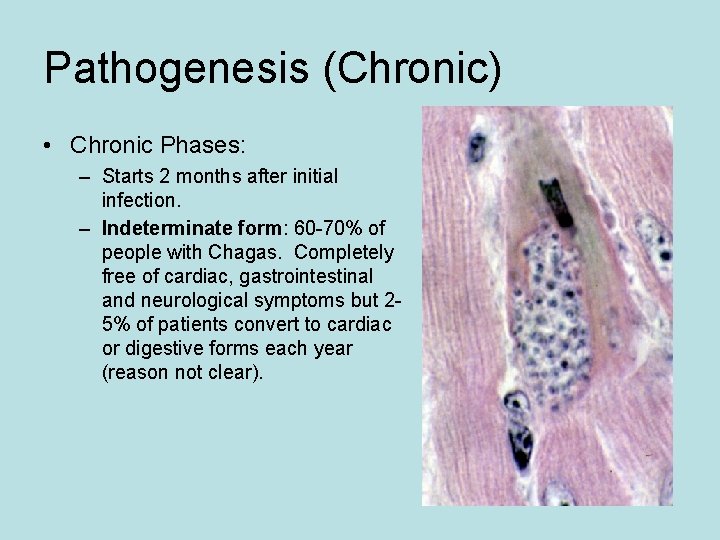
Pathogenesis (Chronic) • Chronic Phases: – Starts 2 months after initial infection. – Indeterminate form: 60 -70% of people with Chagas. Completely free of cardiac, gastrointestinal and neurological symptoms but 25% of patients convert to cardiac or digestive forms each year (reason not clear).
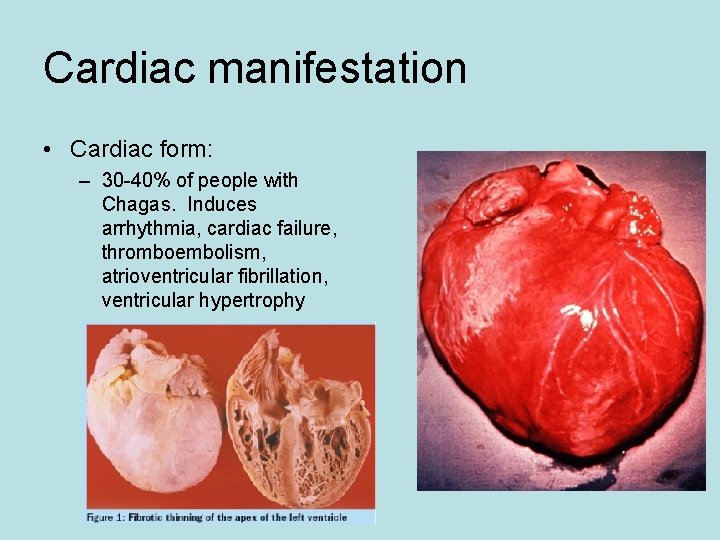
Cardiac manifestation • Cardiac form: – 30 -40% of people with Chagas. Induces arrhythmia, cardiac failure, thromboembolism, atrioventricular fibrillation, ventricular hypertrophy
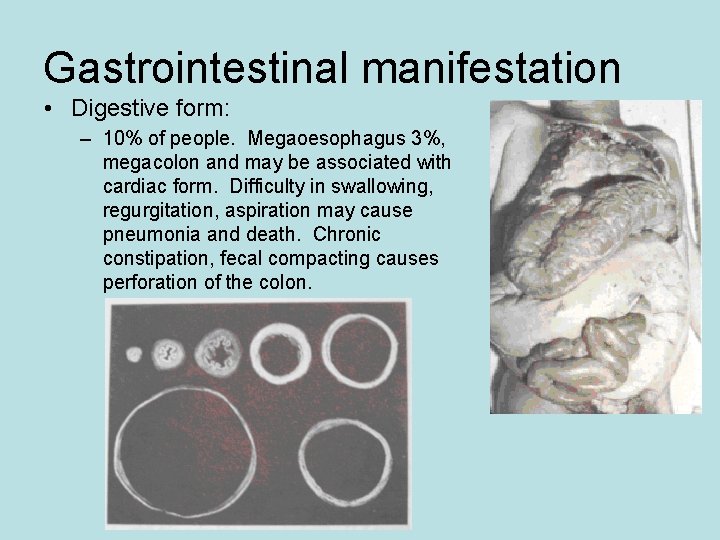
Gastrointestinal manifestation • Digestive form: – 10% of people. Megaoesophagus 3%, megacolon and may be associated with cardiac form. Difficulty in swallowing, regurgitation, aspiration may cause pneumonia and death. Chronic constipation, fecal compacting causes perforation of the colon.
Treatment • Treatment exists for symptoms but there are no cures for the disease. • All available pharmaceuticals are expensive and are of inefficient efficacy. No medications are given to patients with the chronic phase.
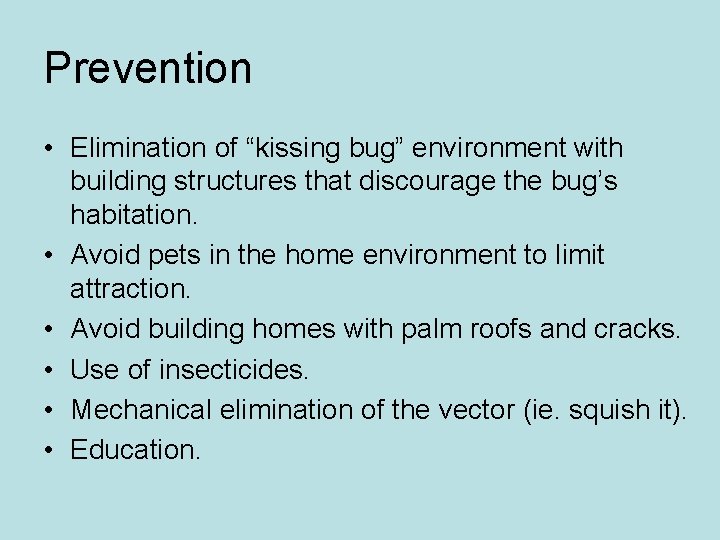
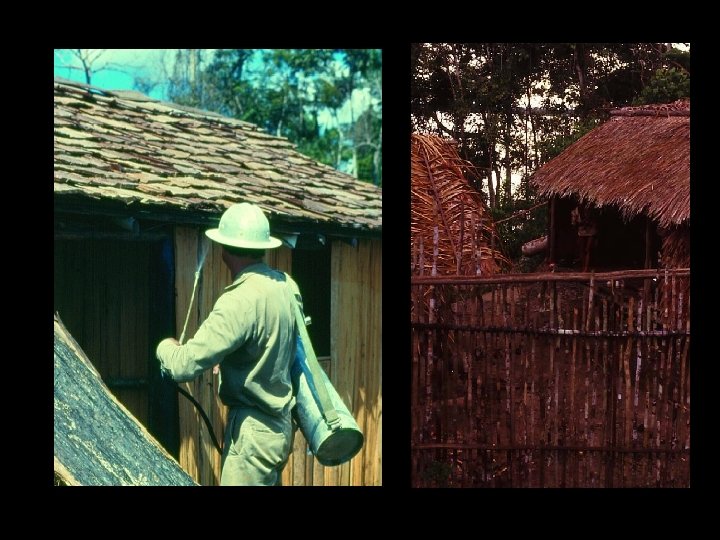
Prevention • Elimination of “kissing bug” environment with building structures that discourage the bug’s habitation. • Avoid pets in the home environment to limit attraction. • Avoid building homes with palm roofs and cracks. • Use of insecticides. • Mechanical elimination of the vector (ie. squish it). • Education.
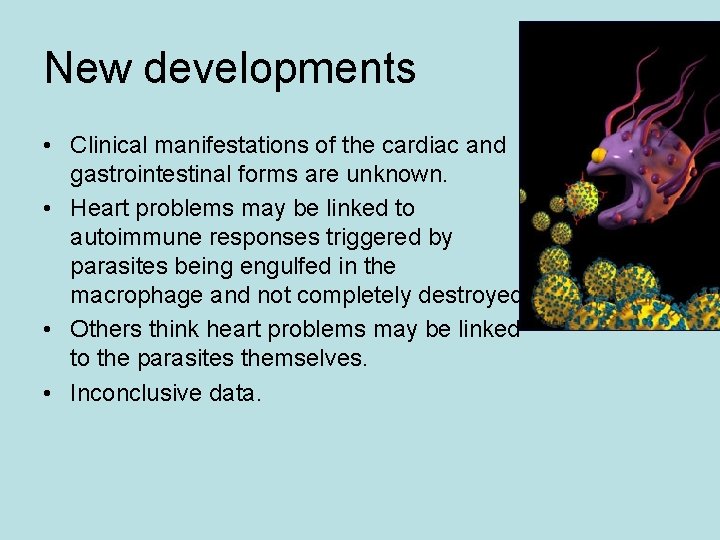
New developments • Clinical manifestations of the cardiac and gastrointestinal forms are unknown. • Heart problems may be linked to autoimmune responses triggered by parasites being engulfed in the macrophage and not completely destroyed. • Others think heart problems may be linked to the parasites themselves. • Inconclusive data.
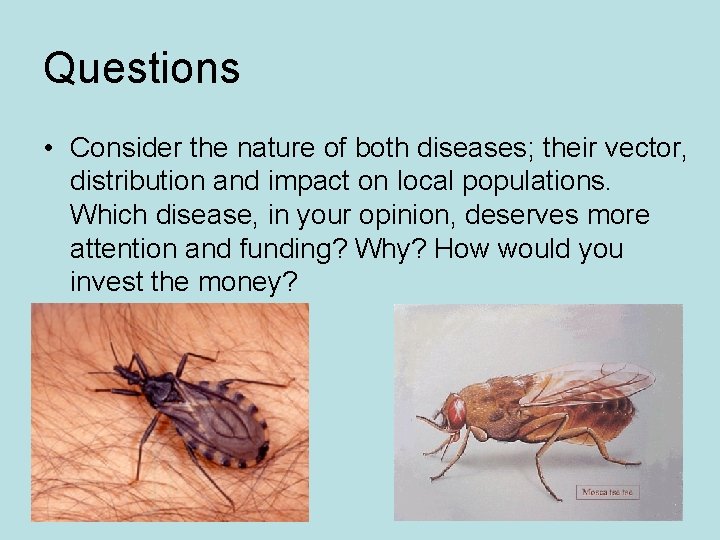
Questions • Consider the nature of both diseases; their vector, distribution and impact on local populations. Which disease, in your opinion, deserves more attention and funding? Why? How would you invest the money?