Tackling Orphan Diseases in Pediatrics Kim Kramer MD




- Slides: 46
Tackling Orphan Diseases in Pediatrics Kim Kramer, MD Associate Member Departments of Pediatrics Memorial Sloan-Kettering Cancer Center New York Sophie Davis School of Biomedical Education Research Conference November 12, 2013
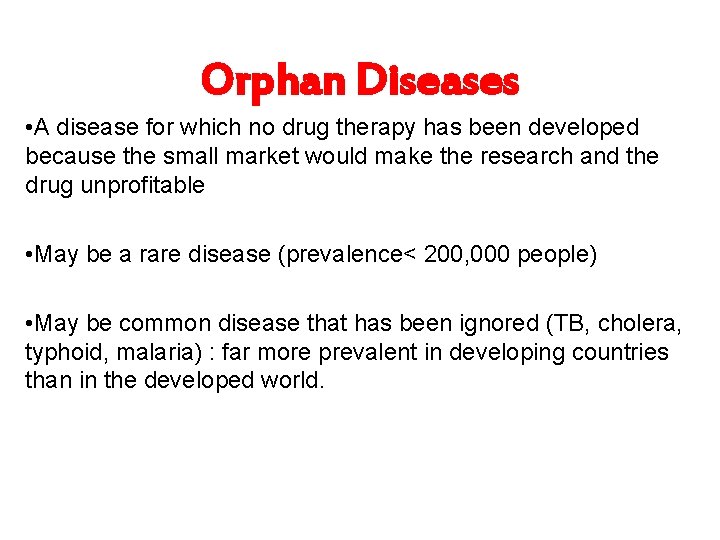
Orphan Diseases • A disease for which no drug therapy has been developed because the small market would make the research and the drug unprofitable • May be a rare disease (prevalence< 200, 000 people) • May be common disease that has been ignored (TB, cholera, typhoid, malaria) : far more prevalent in developing countries than in the developed world.
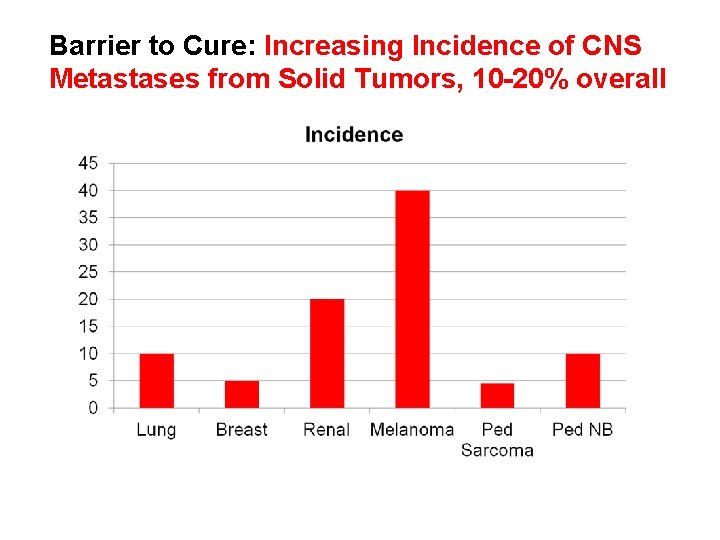
Barrier to Cure: Increasing Incidence of CNS Metastases from Solid Tumors, 10 -20% overall
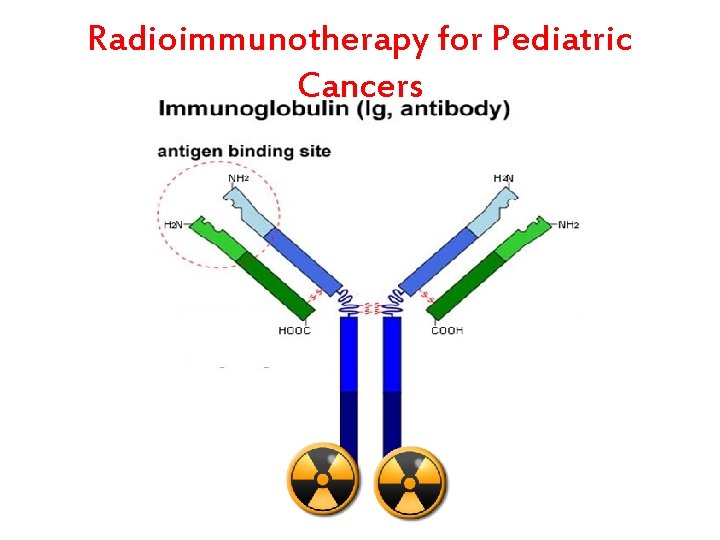
Radioimmunotherapy for Pediatric Cancers
A Bold Question Can we cure an incurable cancer in the brain?
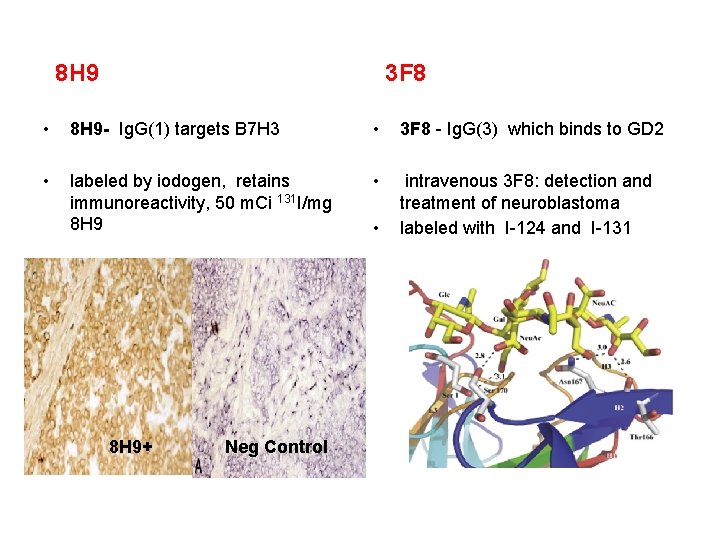
8 H 9 3 F 8 • 8 H 9 - Ig. G(1) targets B 7 H 3 • 3 F 8 - Ig. G(3) which binds to GD 2 • labeled by iodogen, retains immunoreactivity, 50 m. Ci 131 I/mg 8 H 9 • intravenous 3 F 8: detection and treatment of neuroblastoma labeled with I-124 and I-131 8 H 9+ Neg Control •
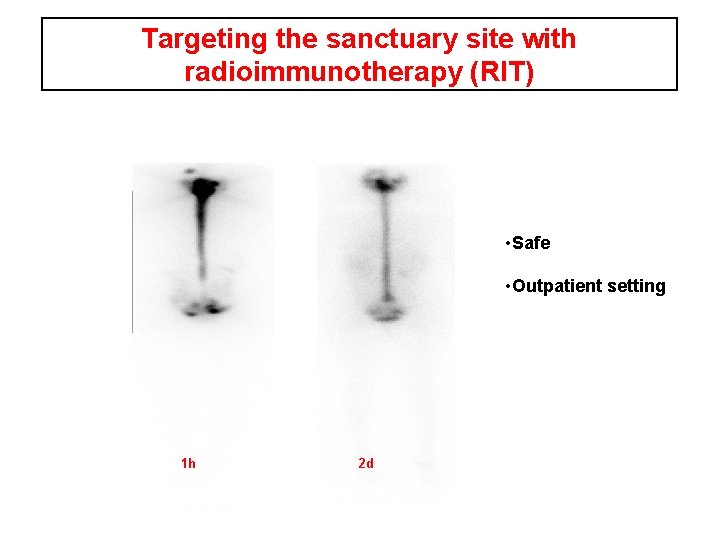
Targeting the sanctuary site with radioimmunotherapy (RIT) • Safe • Outpatient setting 1 h 2 d
Objectives Primary: • to determine the response rate and overall survival of pts with high risk CNS tumors treated with RIT Secondary • to assess toxicities of serial injections of RIT
CNS RIT • Eligibility – recurrent CNS or LM Malignancy or high risk LM tumor at Dx – 3 F 8 or 8 H 9 +reactive tumors tested on frozen tumor tissue by IHC
Pediatric Orphan Diseases Tackled To Date >560 injections, 140 patients Primary CNS Tumors • Ependymoma • Medulloblastoma • Choroid Plexus Carcinoma • Chordoma • Atypical Teratoid Rhabdoid Tumor • Embryonal Tumor w/ Rosettes Tumors Metastatic to the CNS • Melanoma • Rhabdomyosarcoma • Retinoblastoma • Neuroblastoma
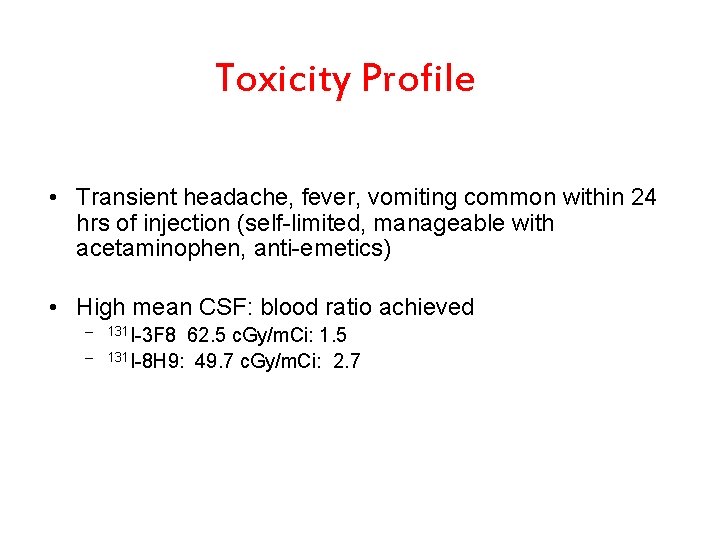
Toxicity Profile • Transient headache, fever, vomiting common within 24 hrs of injection (self-limited, manageable with acetaminophen, anti-emetics) • High mean CSF: blood ratio achieved – – 131 I-3 F 8 62. 5 c. Gy/m. Ci: 1. 5 131 I-8 H 9: 49. 7 c. Gy/m. Ci: 2. 7
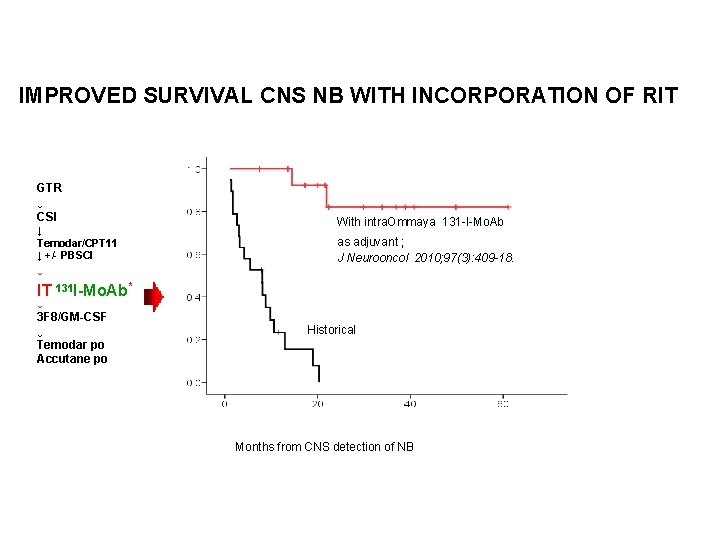
IMPROVED SURVIVAL CNS NB WITH INCORPORATION OF RIT GTR ↓ CSI ↓ Temodar/CPT 11 ↓ +/- PBSCI ↓ With intra. Ommaya 131 -I-Mo. Ab as adjuvant ; J Neurooncol 2010; 97(3): 409 -18. IT 131 I-Mo. Ab* ↓ 3 F 8/GM-CSF ↓ Temodar po Accutane po Historical Months from CNS detection of NB
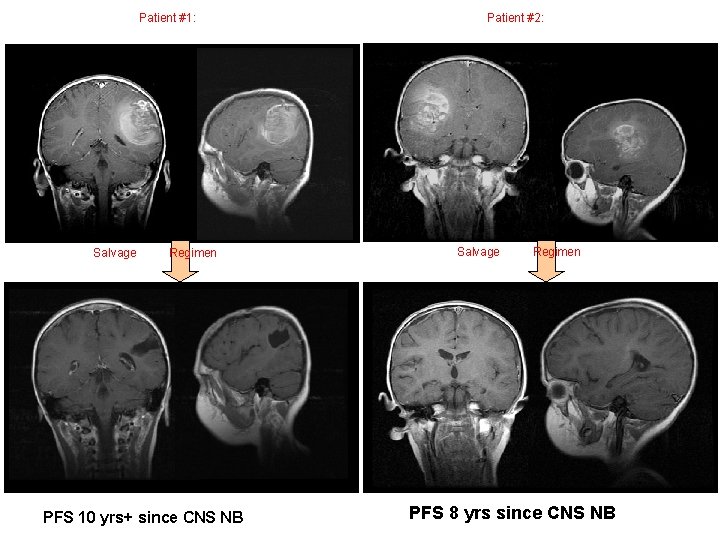
Patient #1: Salvage Regimen PFS 10 yrs+ since CNS NB Patient #2: Salvage Regimen PFS 8 yrs since CNS NB
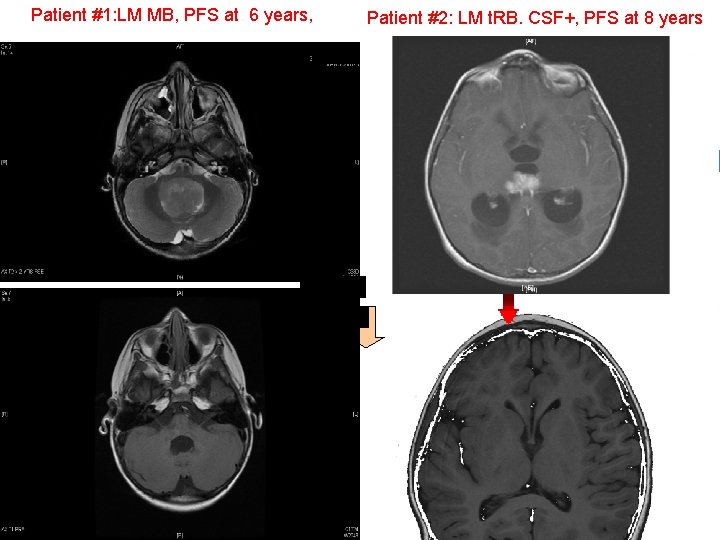
Patient #1: LM MB, PFS at 6 years, Patient #2: LM t. RB. CSF+, PFS at 8 years Pt #1 Salvage Regimen
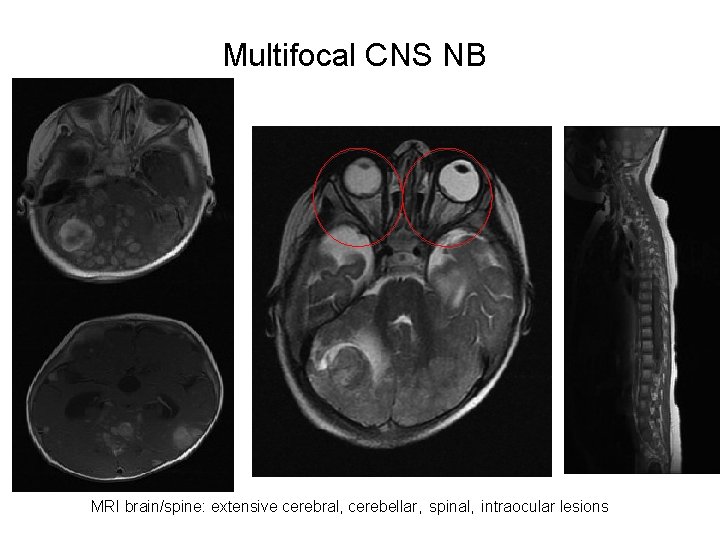
Multifocal CNS NB MRI brain/spine: extensive cerebral, cerebellar, spinal, intraocular lesions
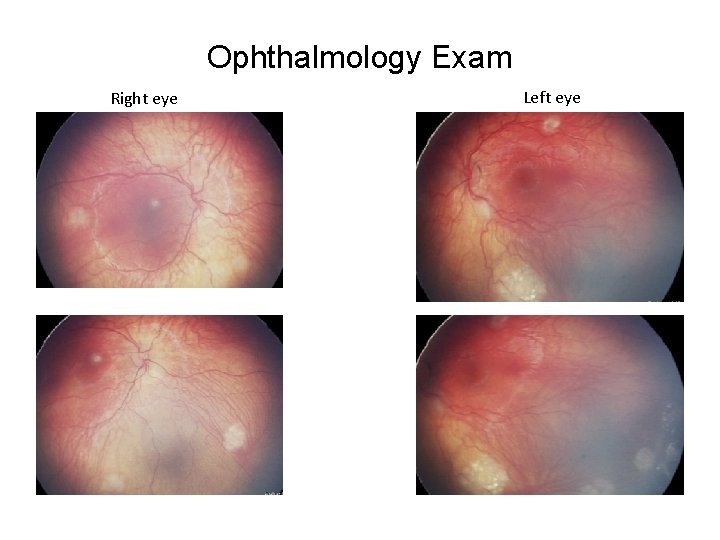
Ophthalmology Exam Right eye Left eye
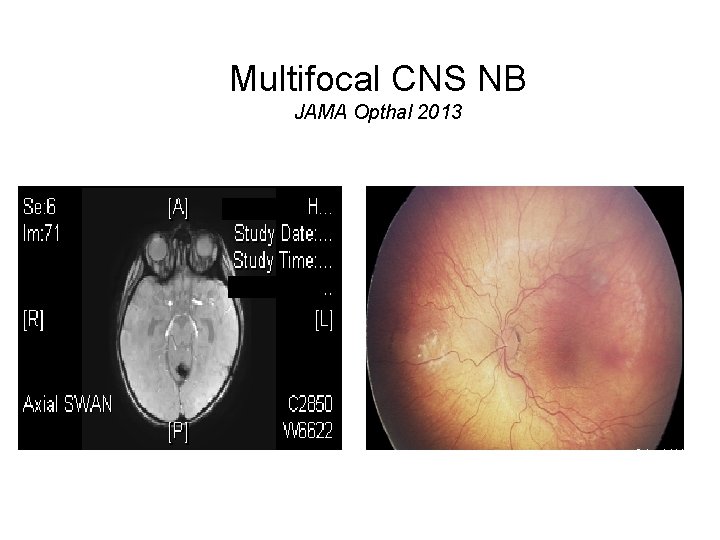
Multifocal CNS NB JAMA Opthal 2013
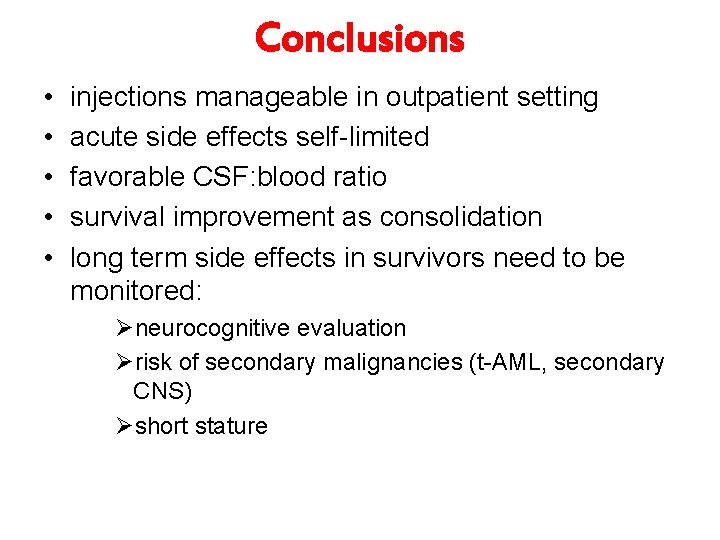
Conclusions • • • injections manageable in outpatient setting acute side effects self-limited favorable CSF: blood ratio survival improvement as consolidation long term side effects in survivors need to be monitored: Øneurocognitive evaluation Ørisk of secondary malignancies (t-AML, secondary CNS) Øshort stature
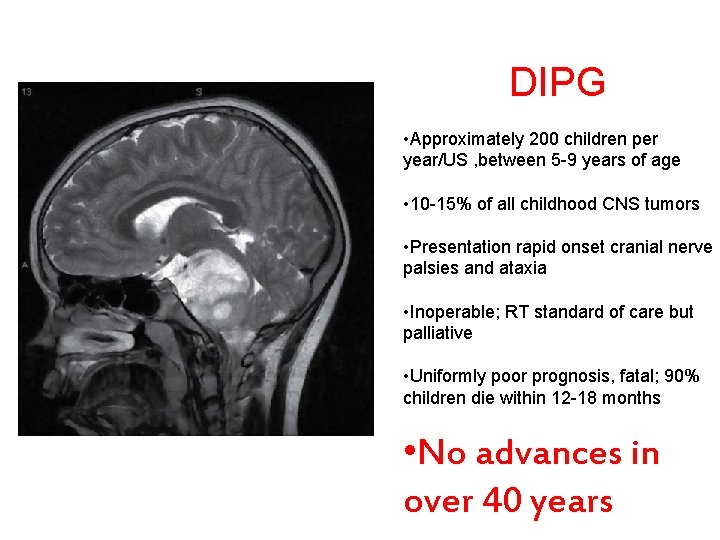
DIPG • Approximately 200 children per year/US , between 5 -9 years of age • 10 -15% of all childhood CNS tumors • Presentation rapid onset cranial nerve palsies and ataxia • Inoperable; RT standard of care but palliative • Uniformly poor prognosis, fatal; 90% children die within 12 -18 months • No advances in over 40 years
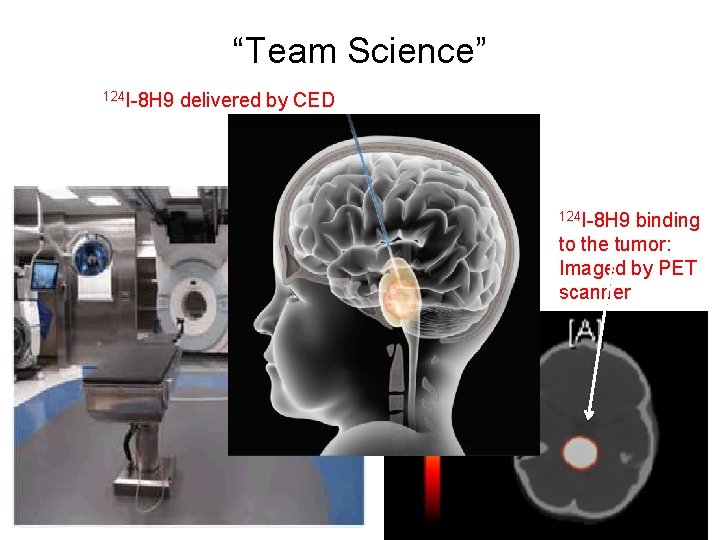
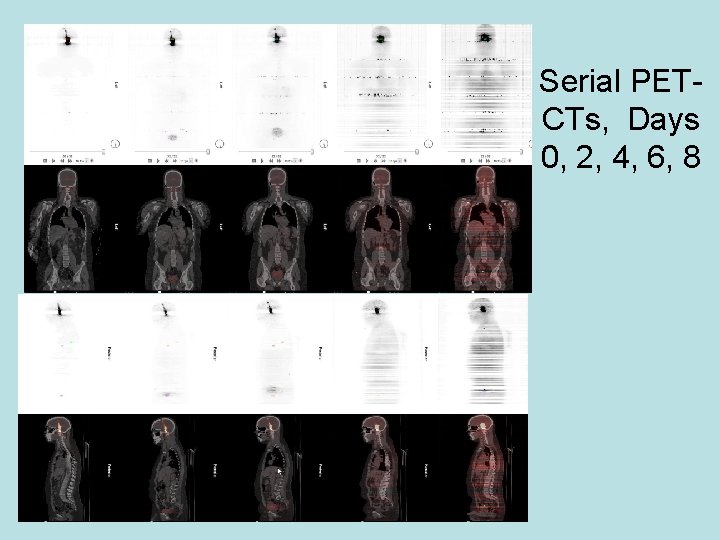
“Team Science” 124 I-8 H 9 delivered by CED 124 I-8 H 9 binding to the tumor: Imaged by PET scanner
Objectives PRIMARY • To determine the maximum tolerated dose of 124 I 8 H 9 SECONDARY • To estimate tissue radiation doses and volumes of therapeutic distribution • To assess the toxicity profile • To assess overall survival
Study Design • Target accrual: 24 patients • 6 Dose Levels Dose Level m. Ci/mg 8 H 9 Infusion rate Infusion Volume Infusion time (min) m. Ci N 1 0. 25 3 -6 1. 8 -2. 2 <10 ml/min ~250 ml ~25 -50 2 0. 5 3 -6 1. 8 -2. 2 <10 ml/min ~500 ml ~50 – 100 3 0. 75 3 -6 1. 8 -2. 2 <10 ml/min ~750 ml ~75 – 150 4 2. 50 3 -6 1. 8 -2. 2 <10 ml/min ~2500 ml ~284 – 523 5 3. 25 3 -6 1. 8 -2. 2 <10 ml/min 3250 ml 359 – 673 6 4. 00 3 -6 1. 8 -2. 2 <10 ml/min 4000 ml 434 - 823
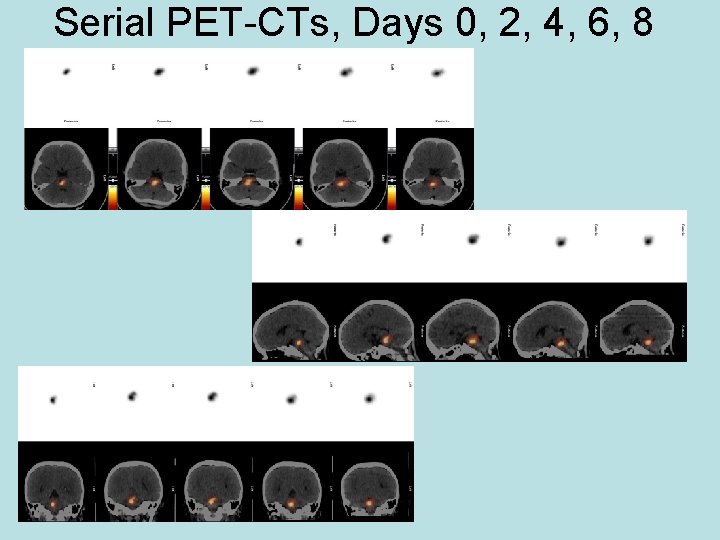
Serial PET-CTs, Days 0, 2, 4, 6, 8
Serial PETCTs, Days 0, 2, 4, 6, 8
Results Lesion, Brain, Red Marrow, and Total-Body Absorbed Doses Mean Absorbed Dose (rad) Patient Lesion Brain and Head Peri. Cerebr Caudate Craniu lesion al Eyes Nucleus m Shell* Cortex Lent White Red Thalami Nucl Matter Marrow Total Body Dose Level 1: 250 m. Ci Pt 1 CD Pt 2 JF Pt 3 BL 98 61 208 38 23 82 0. 27 0. 24 0. 92 0. 59 0. 53 2. 1 0. 59 0. 53 1. 9 0. 072 0. 065 0. 22 0. 29 0. 26 1. 0 0. 44 0. 39 1. 5 0. 37 0. 34 1. 3 0. 14 0. 48 0. 16 0. 19 0. 061 Pt 4 RD 438 199 2. 7 0. 59 0. 73 2. 8 4. 4 3. 7 1. 0 Pt 5 CW Pt 6 HU Pt 7 EW 33 521 267 16 211 122 0. 015 3. 0 0. 34 0. 032 0. 0038 0. 016 0. 66 0. 82 3. 2 0. 76 0. 70 0. 082 0. 37 0. 024 5. 0 0. 56 0. 022 4. 2 0. 48 0. 63 0. 44 0. 92 0. 60 0. 66 0. 72 699 1, 160 328 574 1. 28 1. 16 1. 2 1. 10 2. 1 1. 9 1. 8 1. 6 0. 46 0. 30 0. 48 0. 35 Dose Level 2: 500 m. Ci Mean SD 1. 2 1. 02 0. 34 0. 32 1. 4 1. 2 * < 5 grams of normal brain Ø Lesion doses: ~100 -1, 000 rad Ø Normal-tissue (including Brain) doses: ~1 rad << Threshold for any acute effect
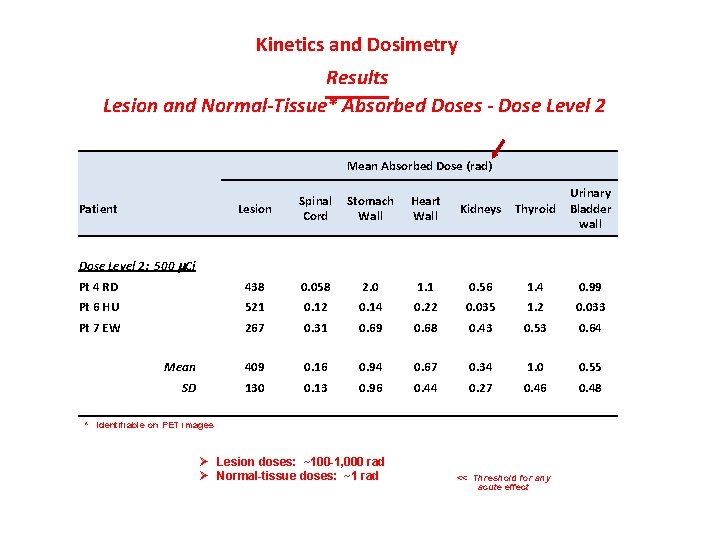
Kinetics and Dosimetry Results Lesion and Normal-Tissue* Absorbed Doses - Dose Level 2 Patient Mean Absorbed Dose (rad) Lesion Spinal Stomach Cord Wall Heart Wall Kidneys Thyroid Urinary Bladder wall Dose Level 2: 500 m. Ci Pt 4 RD 438 0. 058 2. 0 1. 1 0. 56 1. 4 0. 99 Pt 6 HU 521 0. 12 0. 14 0. 22 0. 035 1. 2 0. 033 Pt 7 EW 267 0. 31 0. 69 0. 68 0. 43 0. 53 0. 64 Mean 409 0. 16 0. 94 0. 67 0. 34 1. 0 0. 55 SD 130 0. 13 0. 96 0. 44 0. 27 0. 46 0. 48 * Identifiable on PET images Ø Lesion doses: ~100 -1, 000 rad Ø Normal-tissue doses: ~1 rad << Threshold for any acute effect
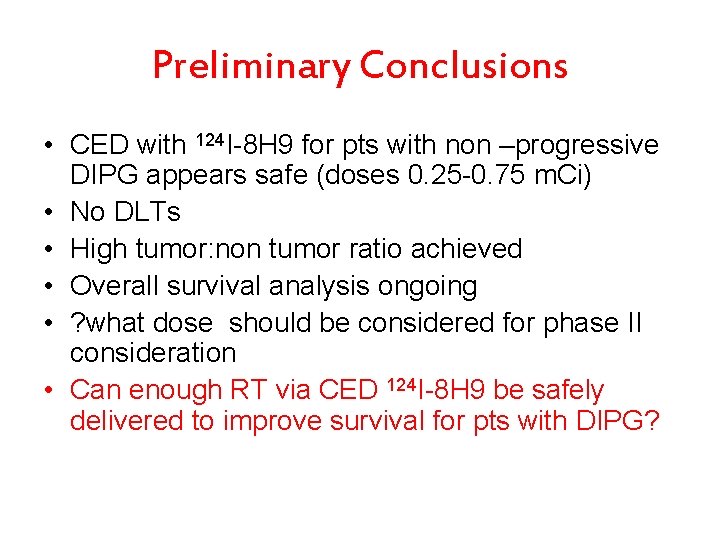
Preliminary Conclusions • CED with 124 I-8 H 9 for pts with non –progressive DIPG appears safe (doses 0. 25 -0. 75 m. Ci) • No DLTs • High tumor: non tumor ratio achieved • Overall survival analysis ongoing • ? what dose should be considered for phase II consideration • Can enough RT via CED 124 I-8 H 9 be safely delivered to improve survival for pts with DIPG?
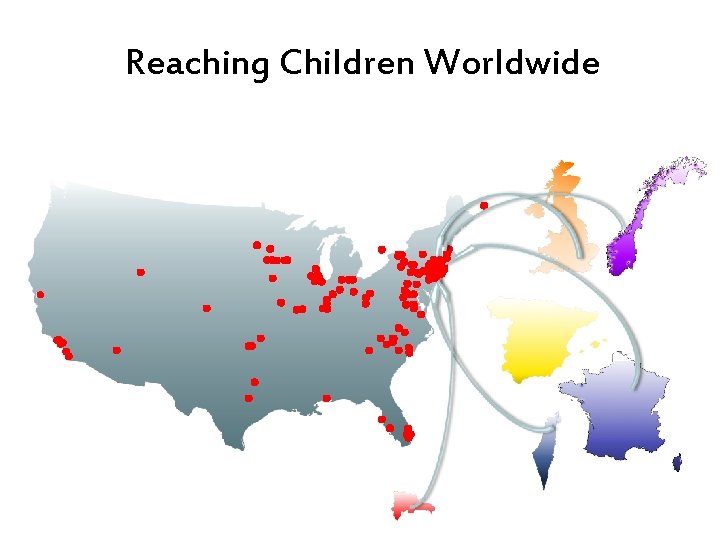
Reaching Children Worldwide
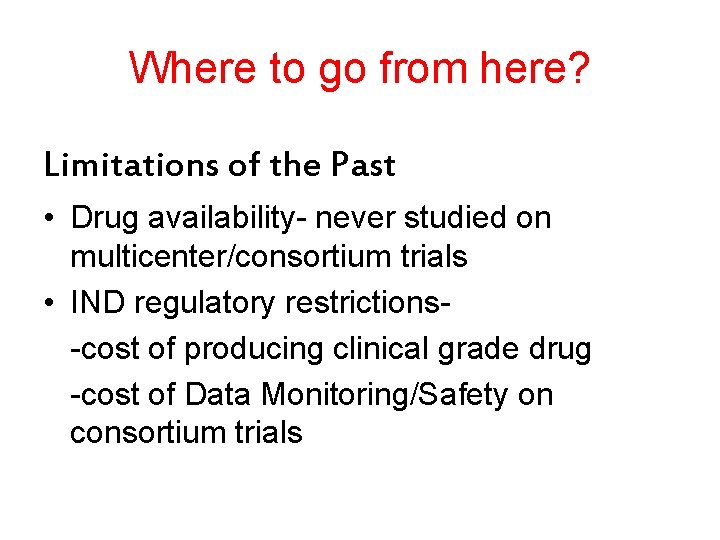
Where to go from here? Limitations of the Past • Drug availability- never studied on multicenter/consortium trials • IND regulatory restrictions-cost of producing clinical grade drug -cost of Data Monitoring/Safety on consortium trials
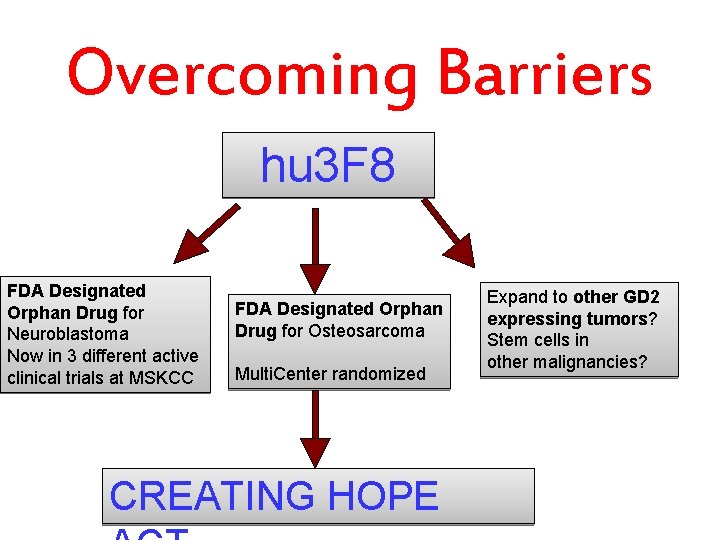
Overcoming Barriers hu 3 F 8 FDA Designated Orphan Drug for Neuroblastoma Now in 3 different active clinical trials at MSKCC FDA Designated Orphan Drug for Osteosarcoma Multi. Center randomized CREATING HOPE Expand to other GD 2 expressing tumors? Stem cells in other malignancies?
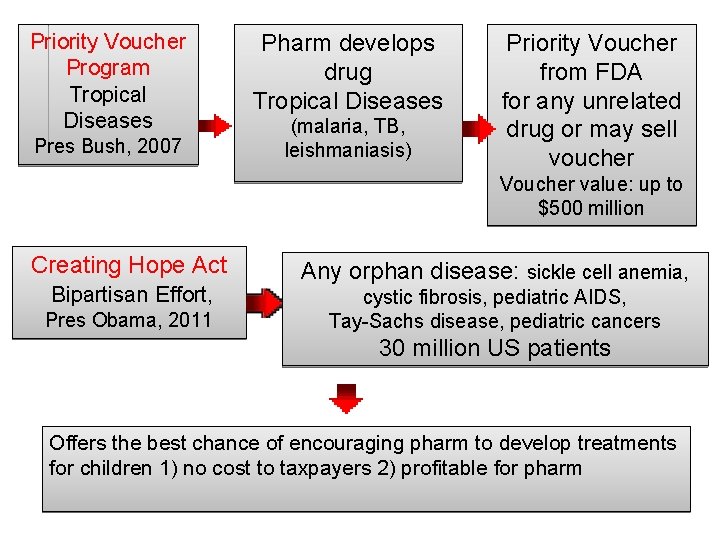
Priority Voucher Program Tropical Diseases Pres Bush, 2007 Pharm develops drug Tropical Diseases (malaria, TB, leishmaniasis) Priority Voucher from FDA for any unrelated drug or may sell voucher Voucher value: up to $500 million Creating Hope Act Bipartisan Effort, Pres Obama, 2011 Any orphan disease: sickle cell anemia, cystic fibrosis, pediatric AIDS, Tay-Sachs disease, pediatric cancers 30 million US patients Offers the best chance of encouraging pharm to develop treatments for children 1) no cost to taxpayers 2) profitable for pharm
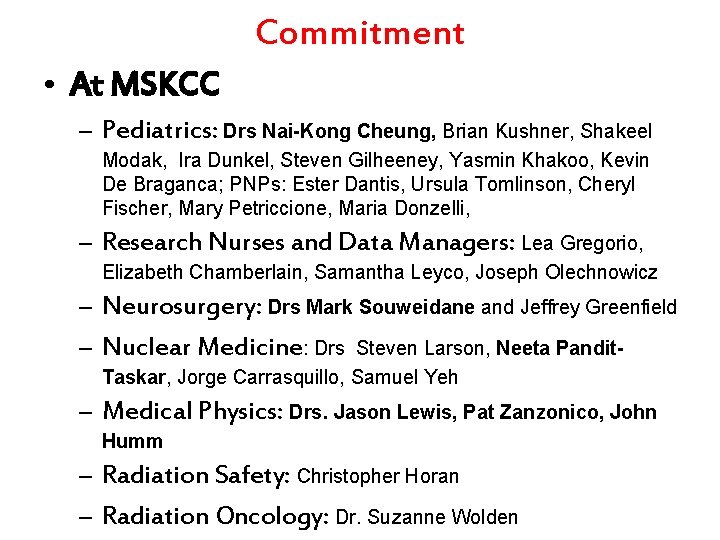
Commitment • At MSKCC – Pediatrics: Drs Nai-Kong Cheung, Brian Kushner, Shakeel Modak, Ira Dunkel, Steven Gilheeney, Yasmin Khakoo, Kevin De Braganca; PNPs: Ester Dantis, Ursula Tomlinson, Cheryl Fischer, Mary Petriccione, Maria Donzelli, – Research Nurses and Data Managers: Lea Gregorio, Elizabeth Chamberlain, Samantha Leyco, Joseph Olechnowicz – Neurosurgery: Drs Mark Souweidane and Jeffrey Greenfield – Nuclear Medicine: Drs Steven Larson, Neeta Pandit. Taskar, Jorge Carrasquillo, Samuel Yeh – Medical Physics: Drs. Jason Lewis, Pat Zanzonico, John Humm – Radiation Safety: Christopher Horan – Radiation Oncology: Dr. Suzanne Wolden
Commitment At the National Level: • Children’s Oncology Group • Pediatric Brain Tumor Consortium (PBTC) • New Approaches to Neuroblastoma Therapy (NANT) • Other Major Pediatric Cancer Hospitals
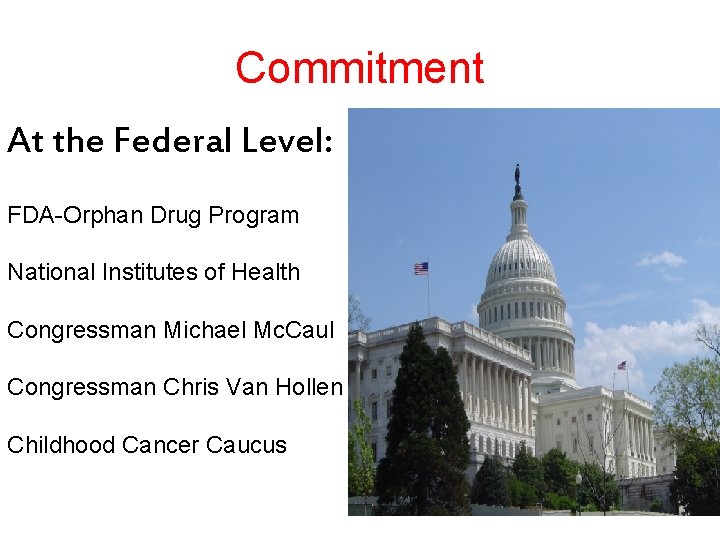
Commitment At the Federal Level: FDA-Orphan Drug Program National Institutes of Health Congressman Michael Mc. Caul Congressman Chris Van Hollen Childhood Cancer Caucus
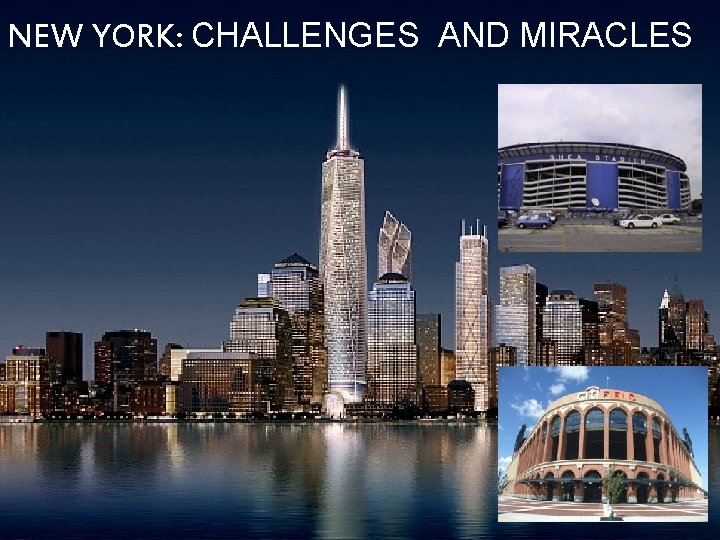
NEW YORK: CHALLENGES AND MIRACLES New York : Challenges and Miracles
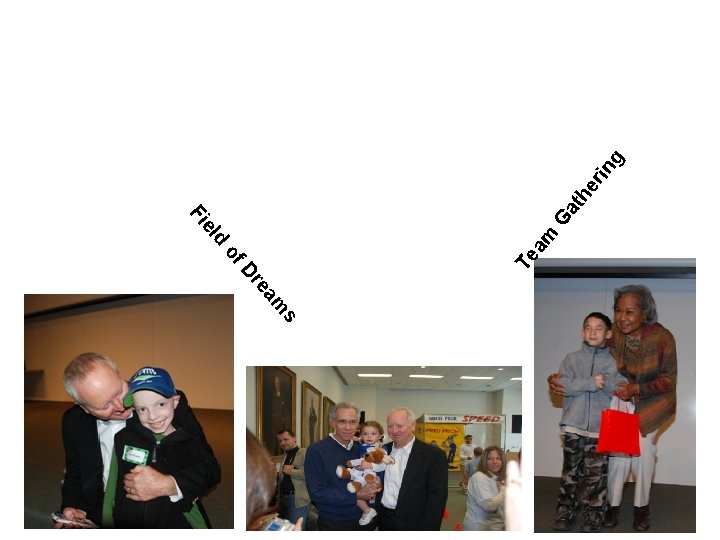
s am re D of Te am d he rin g G at el Fi
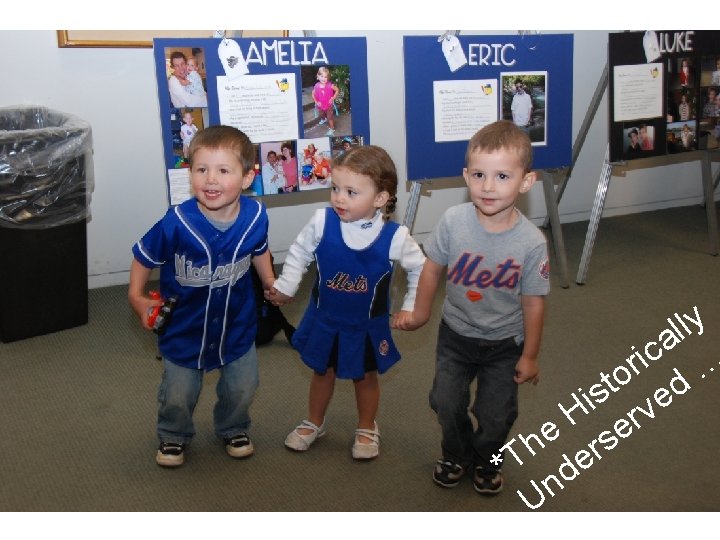
y l l a c i … r o t s ved i H er e rs h *T de n U