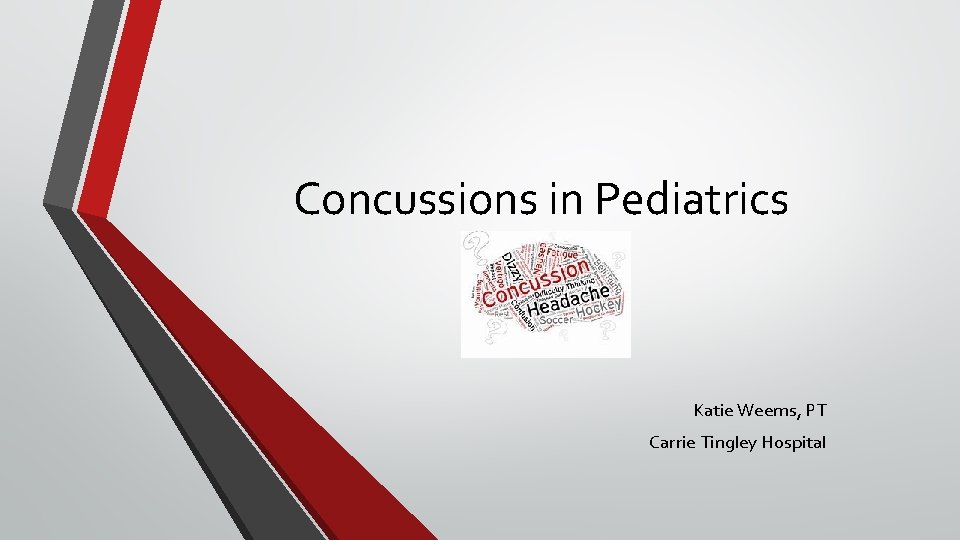
Concussions in Pediatrics Katie Weems PT Carrie Tingley

- Slides: 36
Concussions in Pediatrics Katie Weems, PT Carrie Tingley Hospital
Disclosures • Katie Weems, PT – None
Objectives • Understand NM law regarding sport concussion • Understand how to diagnose a concussion • Understand treatment done by PT • Understand return to learn model • Understand return to play model
MTBI Definition (ace, G. Gioia & M. Collins, 2006 v 2) • A concussion (or mild traumatic brain injury (MTBI)) is a complex pathophysiologic process affecting the brain, induced by traumatic biomechanical forces secondary to direct or indirect forces to the head. Disturbance of brain function is related to neurometabolic dysfunction, rather than structural injury, and is typically associated with normal structural neuroimaging findings (i. e. , CT scan, MRI). • Concussion may or may not involve a loss of consciousness (LOC). • Concussion results in a constellation of physical, cognitive, emotional and sleep-related symptoms. • Symptoms may last from several minutes to days, weeks, months or even longer in some cases.
Pediatric Concussion Facts • Between 1. 7 and 3 million sports- and recreation-related concussions happen each year. Around 300, 000 are football-related. • 5 of 10 concussions go unreported or undetected. • 2 in 10 high-school athletes who play contact sports — including soccer and lacrosse — will suffer a concussion this year. • Girls' soccer sees the second-most concussions of all high school sports. Girls’ basketball sees the third most. Stats from UPMC – Concussion clinic • Falls (50%) is the highest cause of brain injury, followed by assault (25%) in children aged 0 -14 years (CDC) • TBI is the leading cause of death and disability in children 0 -4 years and adolescents (15 -19 years) (CDC, 2015) and 80% of TBI are m. TBI (CDC, 2003)
NMAA Athletic Program Requirements Senate Bill 38; Concussion Law Grades 6 - 12 22 -13 -31. 1 NMSA 1978; Section G: • “brain injury" means a body-altering physical trauma to the brain, skull or neck caused by, but not limited to, blunt or penetrating force, concussion, diffuse axonal injury, hypoxia anoxia or electrical charge
RETURN TO PLAY GUIDELINES UNDER NEW MEXICO SENATE BILL 38 (2017) • Remove athlete immediately from activity when signs/symptoms of a • concussion are present. Athletes must not return to full activity prior to a minimum of 240 hours (10 days). • Athletes must be released to participation by an appropriate medical professional before returning. • - MD, DO, PA, CNP, PT, Licensed Psychologist, Licensed Athletic Trainer (as per Senate Bill 38) • School districts are required to develop head injury protocols (guidelines). https: //www. nmact. org/file/Concussion_Info_ADs. pdf
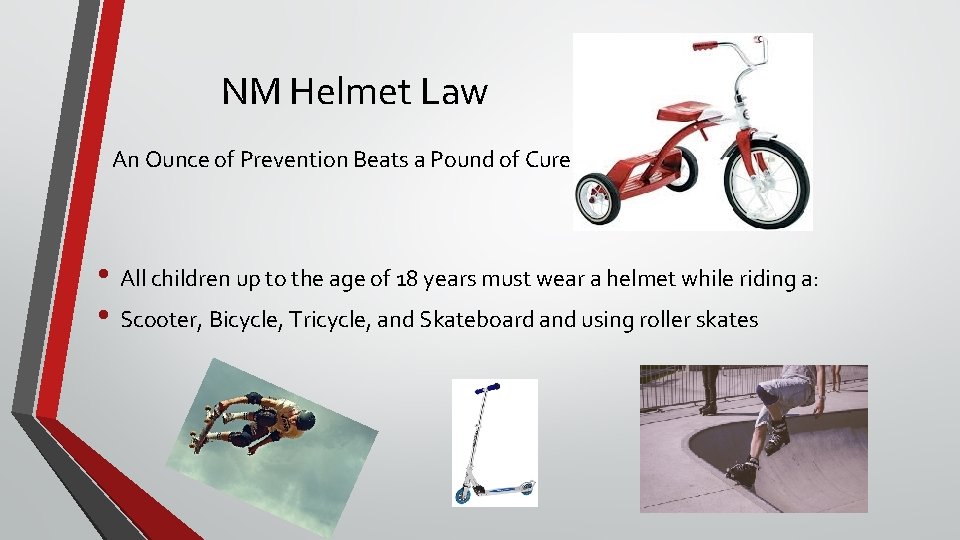
NM Helmet Law An Ounce of Prevention Beats a Pound of Cure • All children up to the age of 18 years must wear a helmet while riding a: • Scooter, Bicycle, Tricycle, and Skateboard and using roller skates
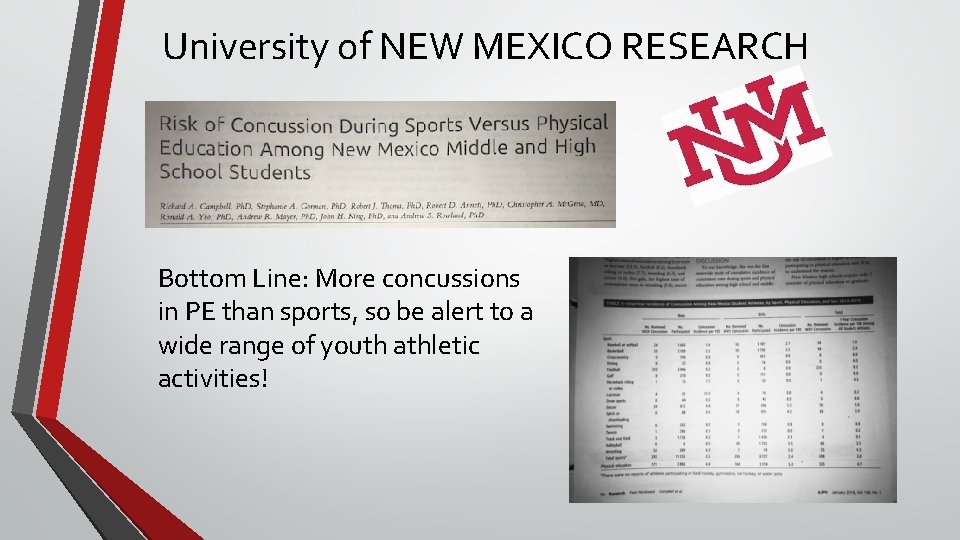
University of NEW MEXICO RESEARCH Bottom Line: More concussions in PE than sports, so be alert to a wide range of youth athletic activities!
Undiagnosed Concussion • Patients may present to us as medical professionals without a clear diagnosis of concussion: • Child- playground injury - falls • Assault • Patient with multiple trauma from MVC • Those that are unreported • Child adolescent sports injury • Be cognizant of concussion profile, probe history thoroughly- make referrals!
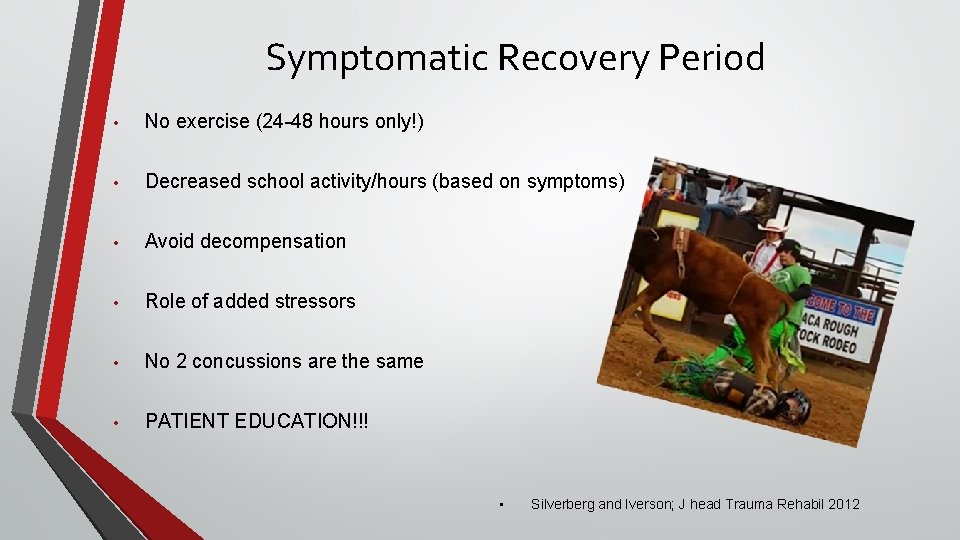
Symptomatic Recovery Period • No exercise (24 -48 hours only!) • Decreased school activity/hours (based on symptoms) • Avoid decompensation • Role of added stressors • No 2 concussions are the same • PATIENT EDUCATION!!! • Silverberg and Iverson; J head Trauma Rehabil 2012
When to Refer OUT to Rehab *Vidal PG, Goodman AM, Colin A, Leddy JL, Grady MF. Rehabilitation Strategies for Prolonged Recovery in Pediatric and Adolescent Concussion. Pediatrics. 2012: 41: 9 (1 -6)
PT Evaluation • Subjective/ History/ Observation • Oculomotor • Musculoskeletal • Vestibular (Day 4/5) • Balance/ Gait (Day 4/5) • Cardiovascular- Leddy Protocol (Day 5/6) • Functional Testing / Cognitive Tasking/ Multi tasking
Post-Concussion Examination Subjective/ History/Observation
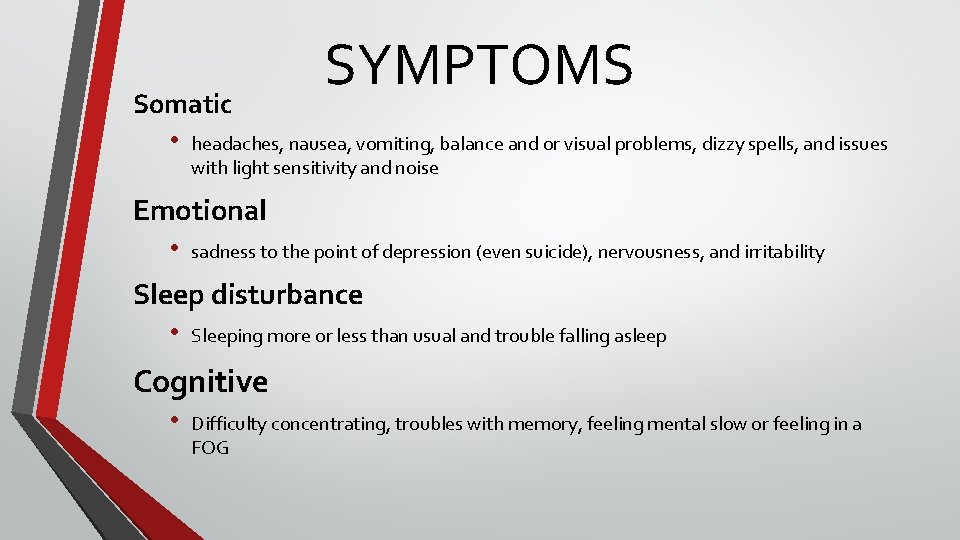
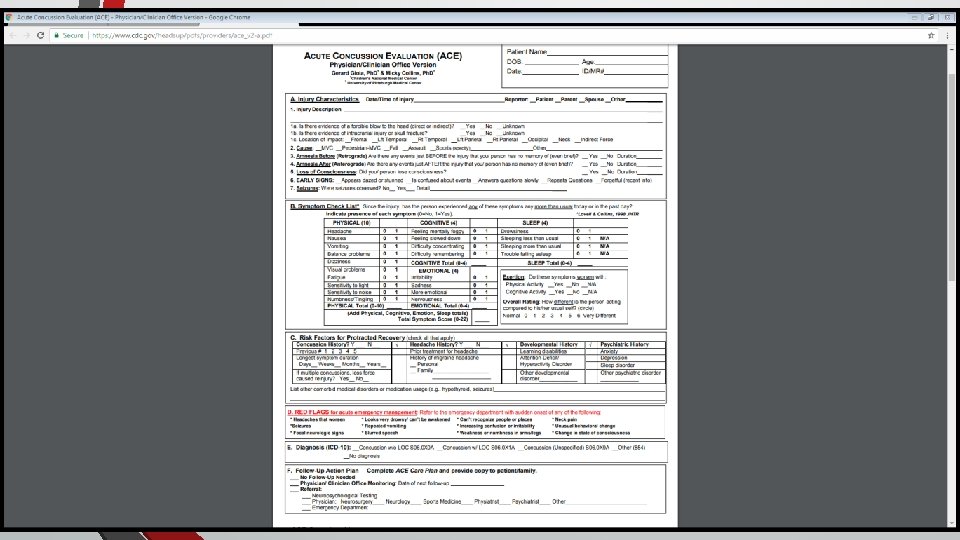
Somatic • SYMPTOMS headaches, nausea, vomiting, balance and or visual problems, dizzy spells, and issues with light sensitivity and noise Emotional • sadness to the point of depression (even suicide), nervousness, and irritability Sleep disturbance • Sleeping more or less than usual and trouble falling asleep Cognitive • Difficulty concentrating, troubles with memory, feeling mental slow or feeling in a FOG
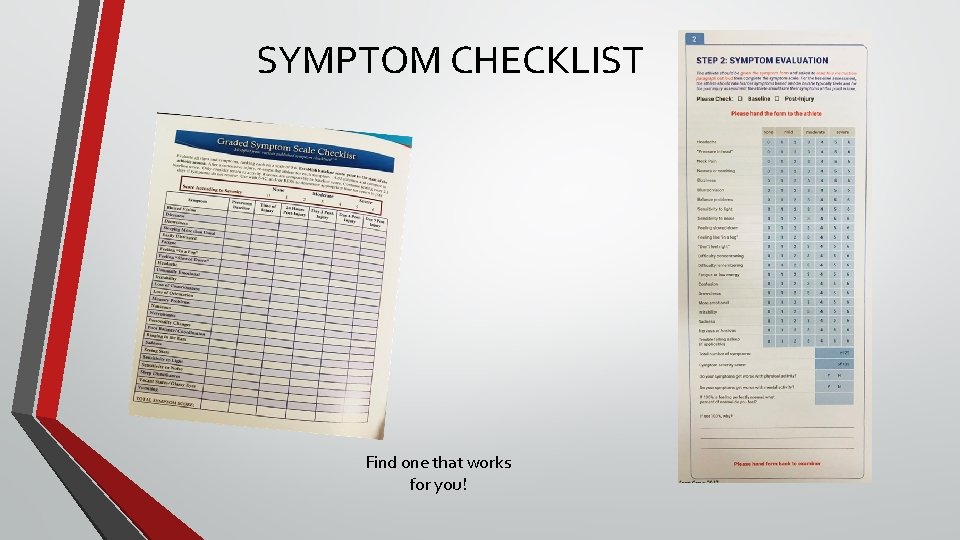
SYMPTOM CHECKLIST Find one that works for you!
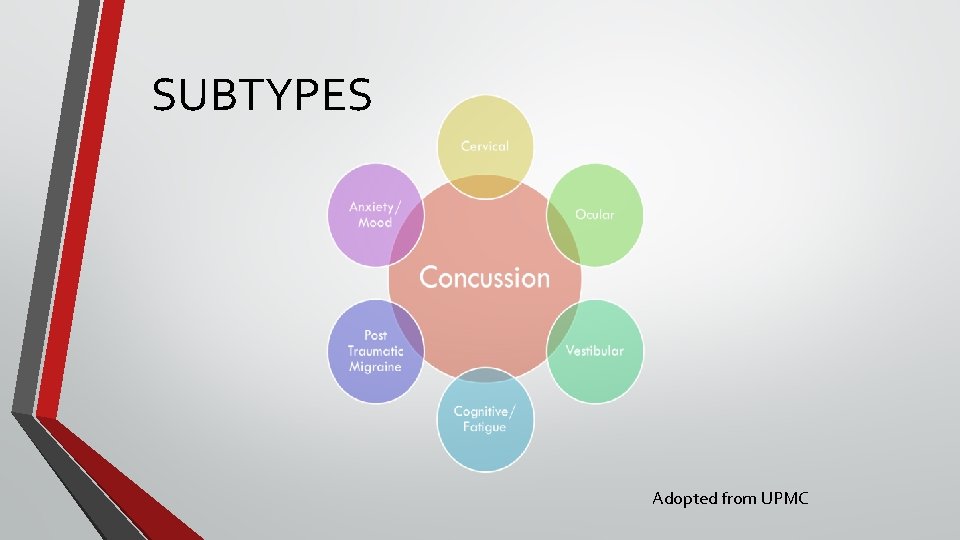
SUBTYPES Adopted from UPMC
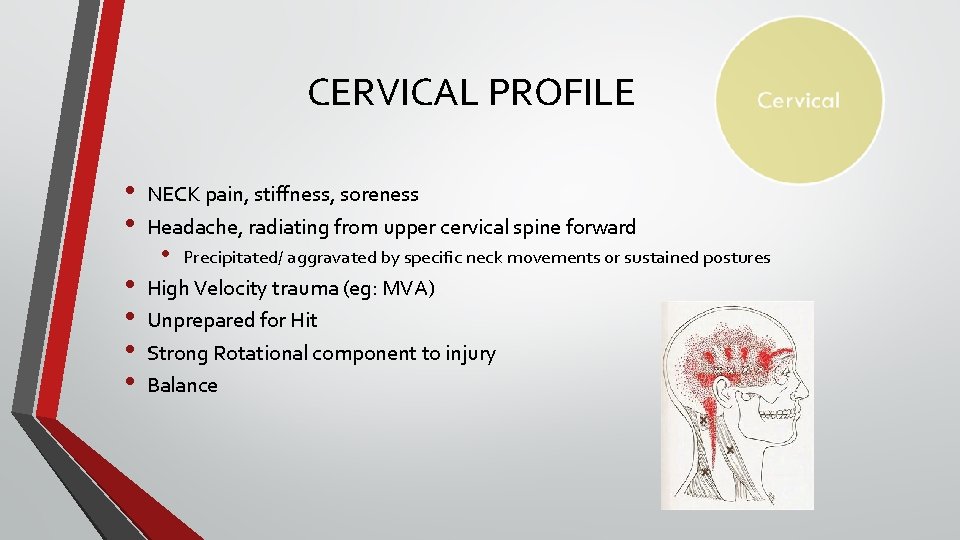
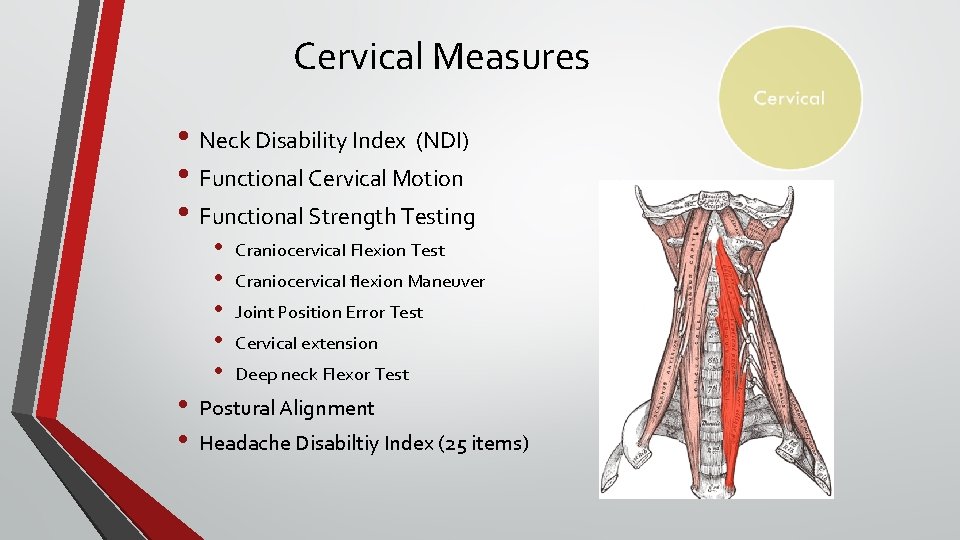
CERVICAL PROFILE • • • NECK pain, stiffness, soreness Headache, radiating from upper cervical spine forward • Precipitated/ aggravated by specific neck movements or sustained postures High Velocity trauma (eg: MVA) Unprepared for Hit Strong Rotational component to injury Balance
Cervical Measures • Neck Disability Index (NDI) • Functional Cervical Motion • Functional Strength Testing • • Craniocervical Flexion Test Craniocervical flexion Maneuver Joint Position Error Test Cervical extension Deep neck Flexor Test Postural Alignment Headache Disabiltiy Index (25 items)
OCULAR/ VISUAL PROFILE • Frontal headaches w/ visual work • Difficulties with visually based classes and activity • Pressure behind the eyes • Visual “focus” issues • Blurry vision • Double vision • Balance
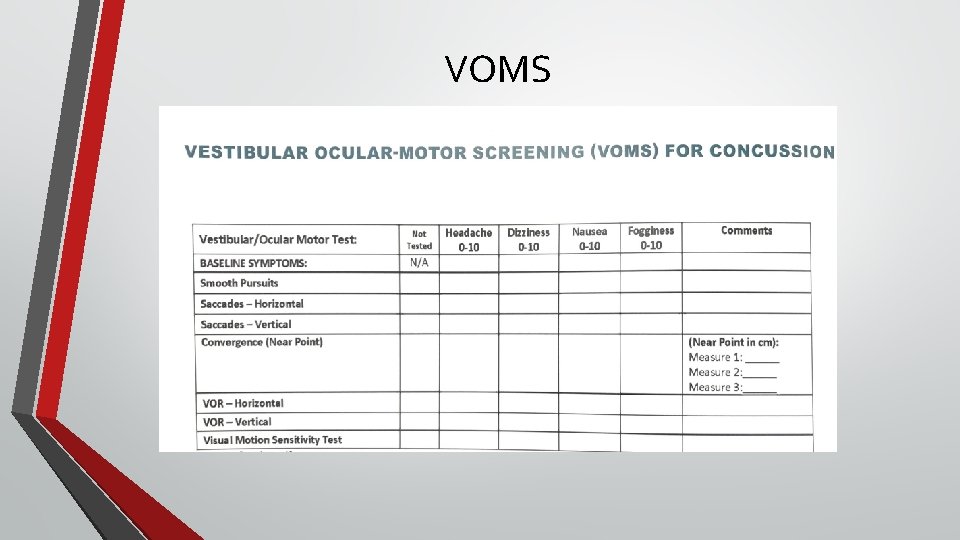
Ocular/ Visual Measures • VOMS • Smooth pursuits • Horizontal and Vertical Saccades • Convergence • Horizontal VOR • Vertical VOR • Visual Motion Sensitivity Test Mucha et al, 2014 • COVER TEST / UNCOVER TEST • Testing for misalignment during binocular function
VOMS
VESTIBULAR PROFILE • Dizziness • Nausea/ Motion sickness • “one step behind” • Symptomatic in busy environments • Off balance Vestibular NOT AS COMMON IN THE PEDIATRIC POPULATION
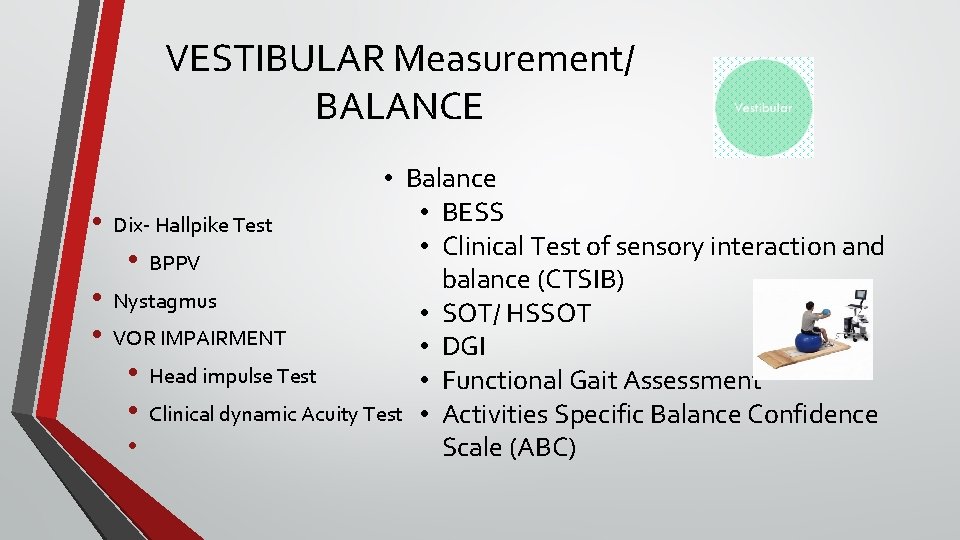
VESTIBULAR Measurement/ BALANCE • Balance • BESS • Dix- Hallpike Test • Clinical Test of sensory interaction and • BPPV balance (CTSIB) • Nystagmus • SOT/ HSSOT • VOR IMPAIRMENT • DGI • Head impulse Test • Functional Gait Assessment • Clinical dynamic Acuity Test • Activities Specific Balance Confidence • Scale (ABC)
PT CERVICAL TREATMENT • ROM • Joint Mobilization • STM • Postural education • Functional strengthening
PT Ocular TREATMENT • Convergence Exercises • Pencil Push ups Brock Sprint • • 3 -D dot card Eye Movement Control Eye Focusing and coordination Eye Teaming and improving binocular Function Accommodation Advance program from Static, to Dynamic then multi tasking when appropriate
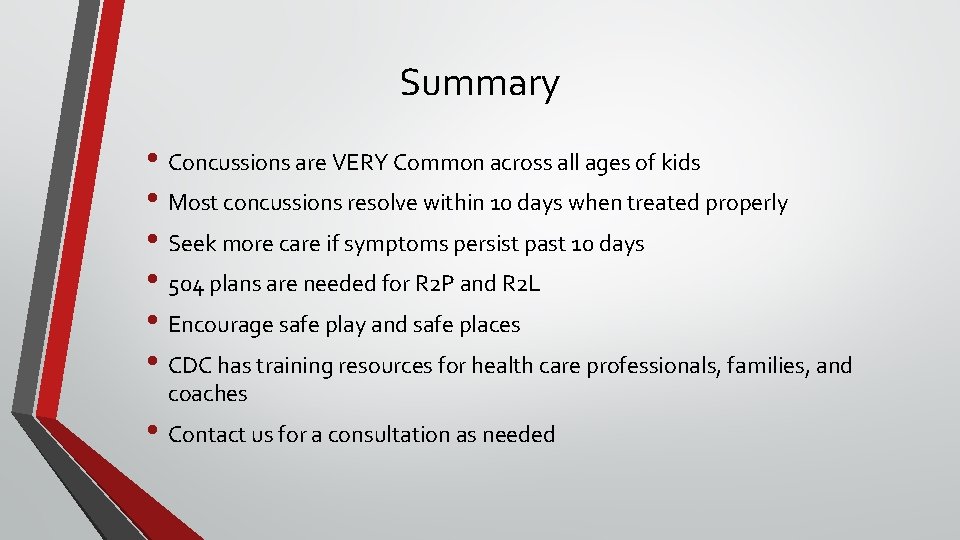
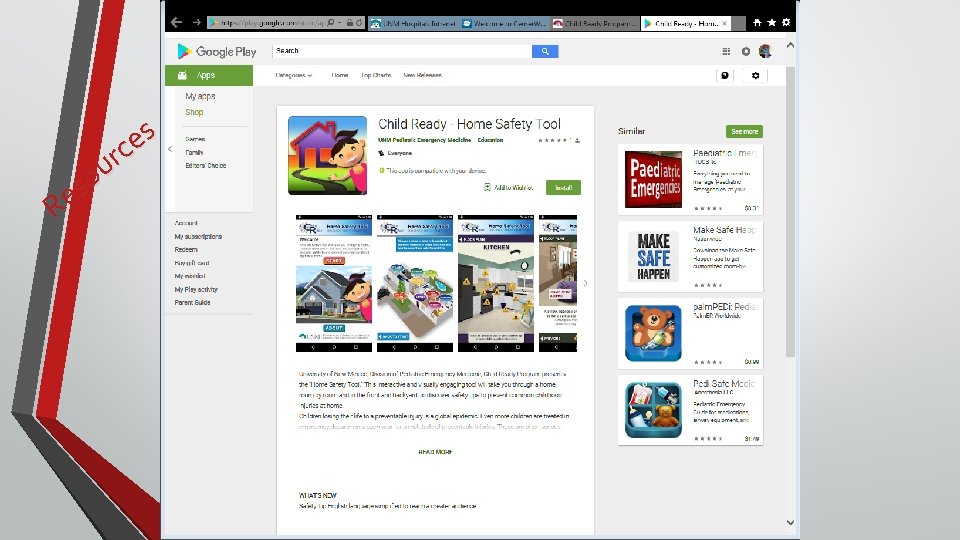
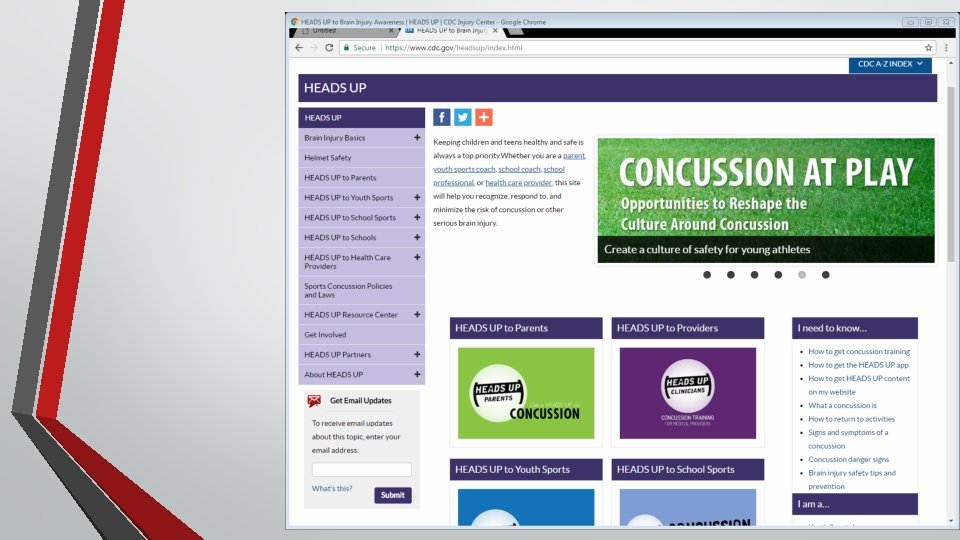
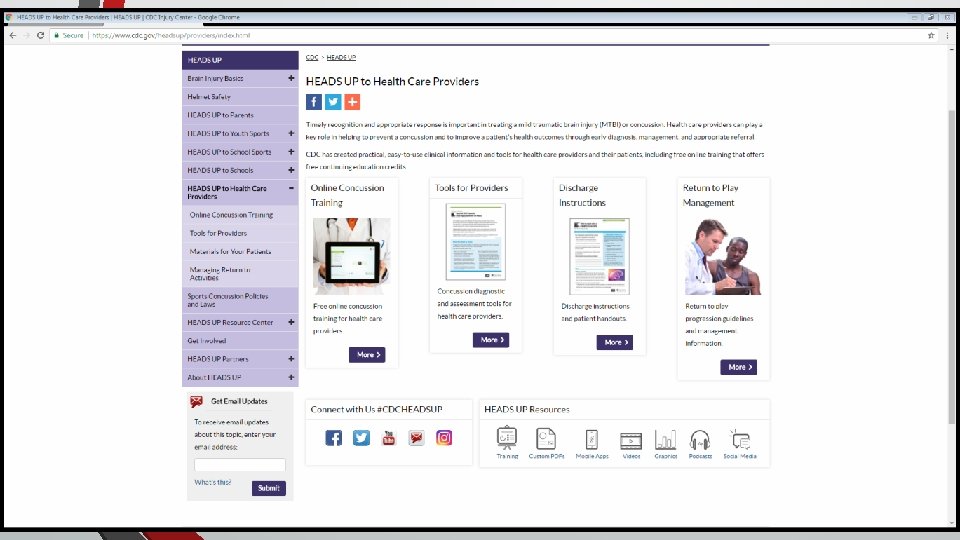
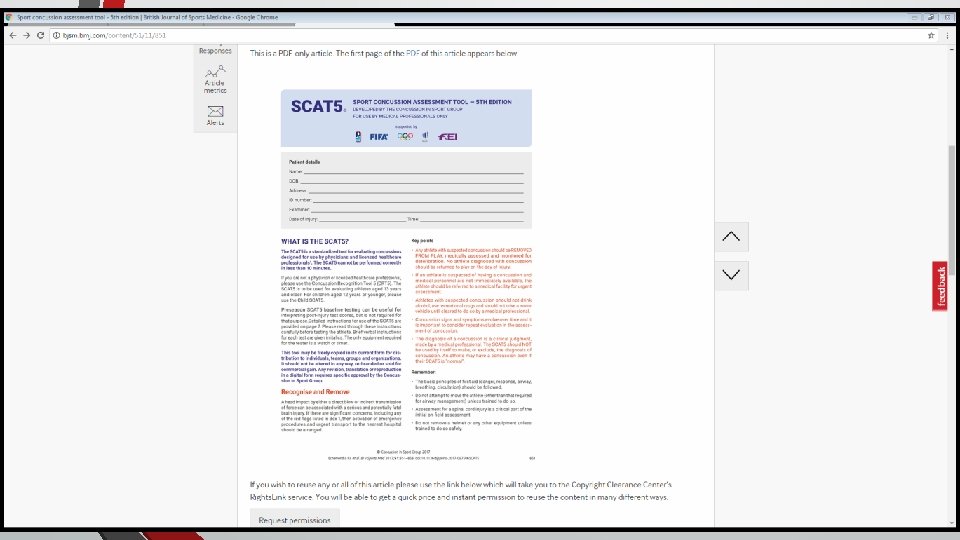
Summary • Concussions are VERY Common across all ages of kids • Most concussions resolve within 10 days when treated properly • Seek more care if symptoms persist past 10 days • 504 plans are needed for R 2 P and R 2 L • Encourage safe play and safe places • CDC has training resources for health care professionals, families, and coaches • Contact us for a consultation as needed
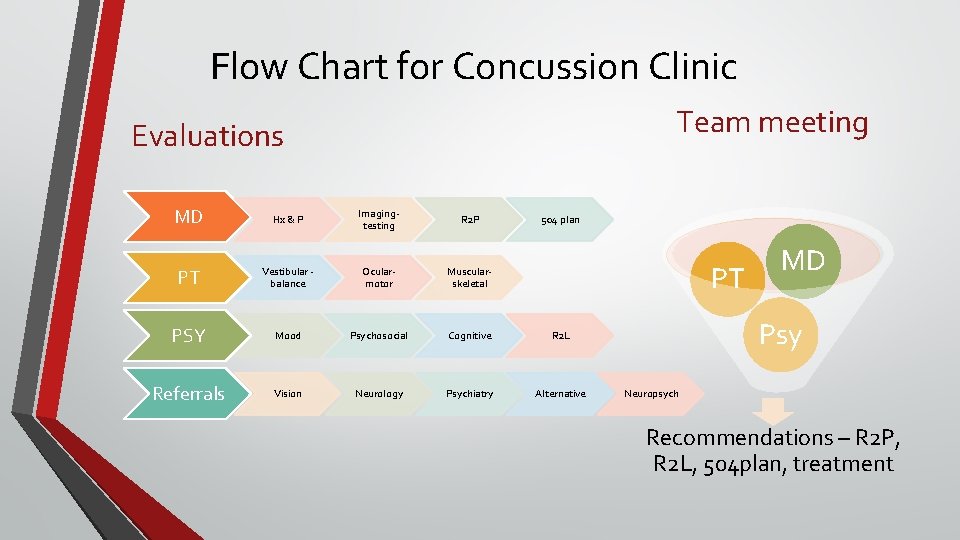
Flow Chart for Concussion Clinic Team meeting Evaluations MD Hx & P Imagingtesting R 2 P PT Vestibular balance Ocularmotor Muscularskeletal PSY Mood Psychosocial Cognitive R 2 L Referrals Vision Neurology Psychiatry Alternative 504 plan PT MD Psy Neuropsych Recommendations – R 2 P, R 2 L, 504 plan, treatment
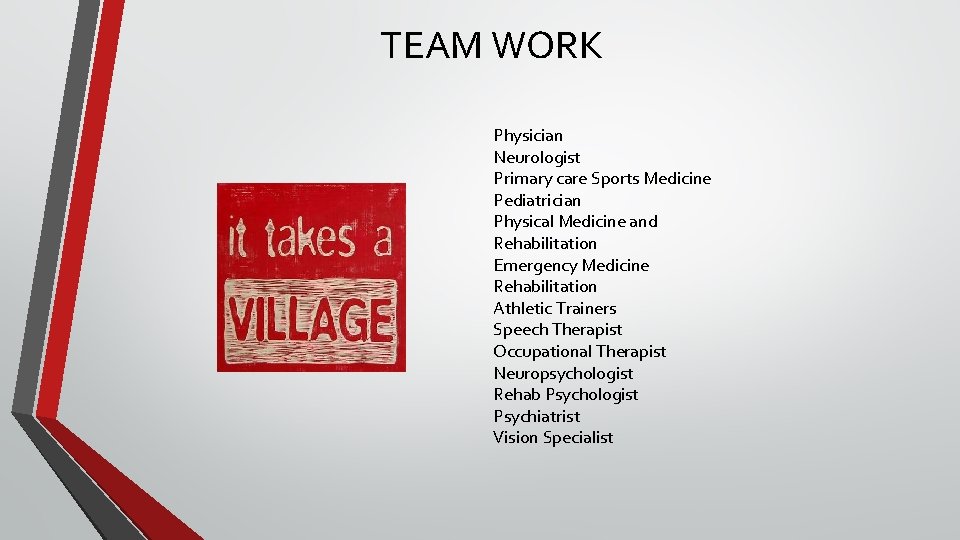
TEAM WORK Physician Neurologist Primary care Sports Medicine Pediatrician Physical Medicine and Rehabilitation Emergency Medicine Rehabilitation Athletic Trainers Speech Therapist Occupational Therapist Neuropsychologist Rehab Psychologist Psychiatrist Vision Specialist
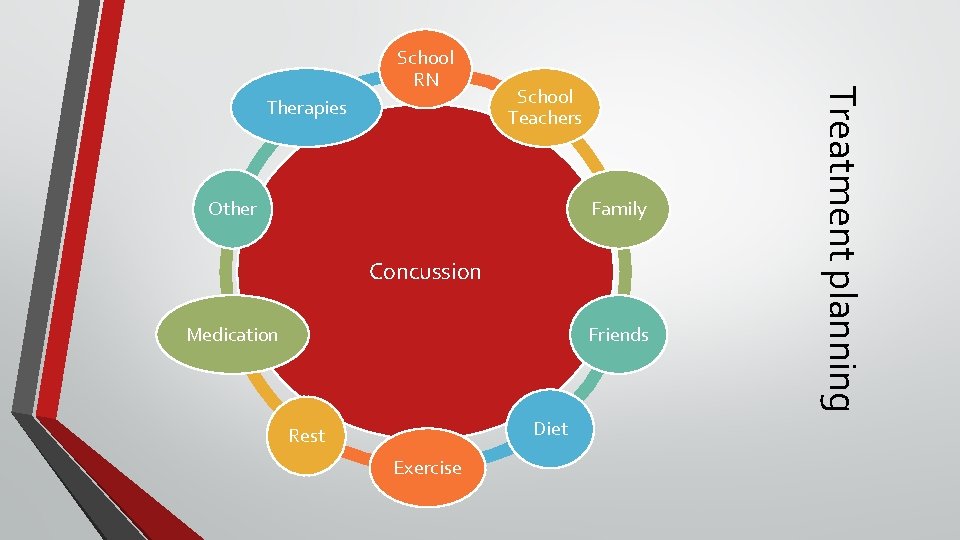
Therapies School Teachers Other Family Concussion Medication Friends Diet Rest Exercise Treatment planning School RN
ONLINE RESOURCES
s e c r u o s e R