Pest Management Essential Standard 8 00 Compare distinguishing
- Slides: 56
Pest Management Essential Standard 8. 00 Compare distinguishing chrematistics of pest.
Objective 8. 01 • Discuss the anatomy and life cycle of pest.
What is an insect? • Small animals that have three body regions and three pairs of legs equaling six legs • Body regions – head – thorax – abdomen
Types of Insects • The five types of mouthparts are important in identifying and controlling insects. – – – Chewing Piercing Rasping Siphoning Sponging
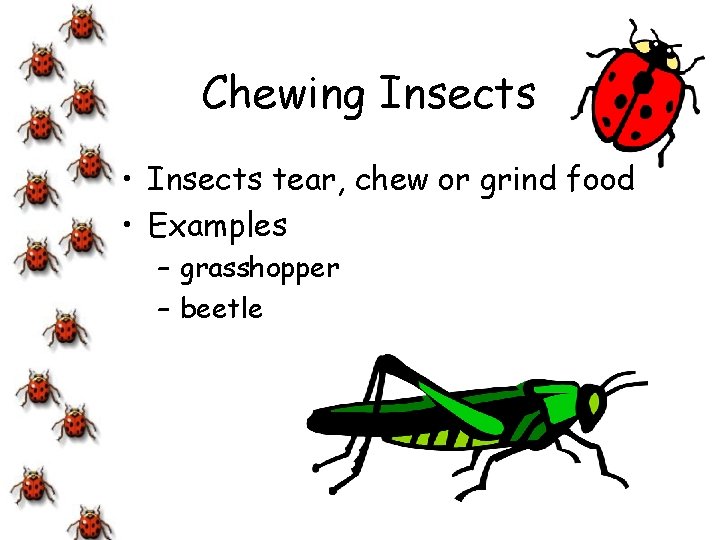
Chewing Insects • Insects tear, chew or grind food • Examples – grasshopper – beetle
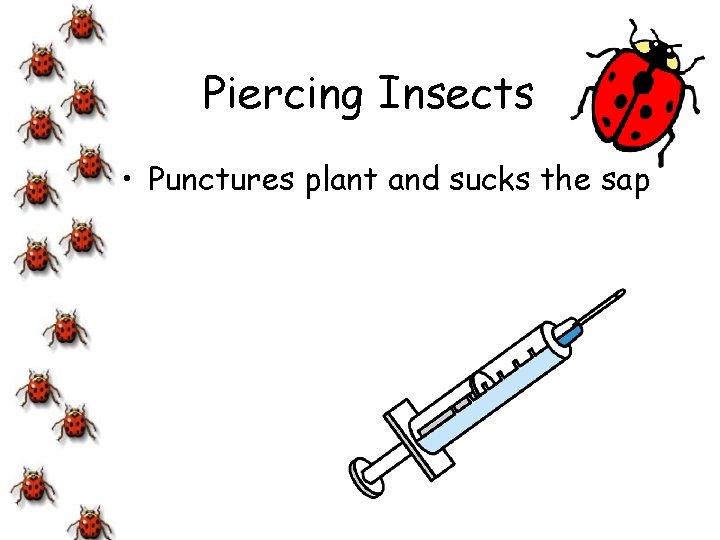
Piercing Insects • Punctures plant and sucks the sap
Rasping insect • Rasps or breaks surface and sucks sap • Example – thrips
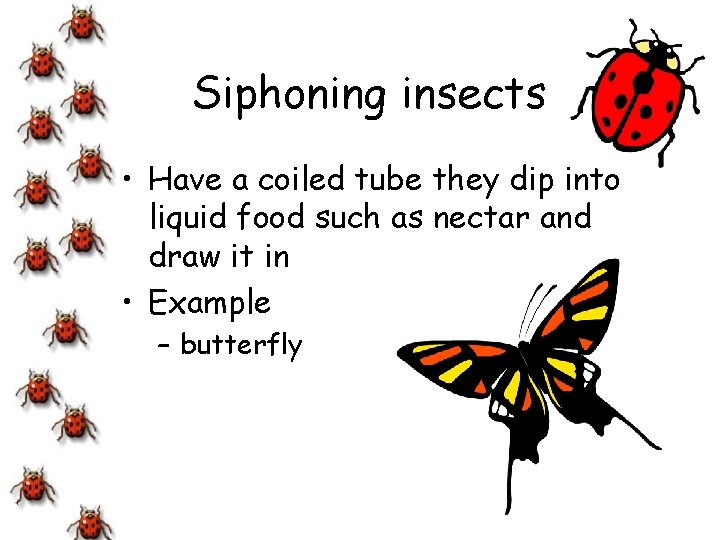
Siphoning insects • Have a coiled tube they dip into liquid food such as nectar and draw it in • Example – butterfly
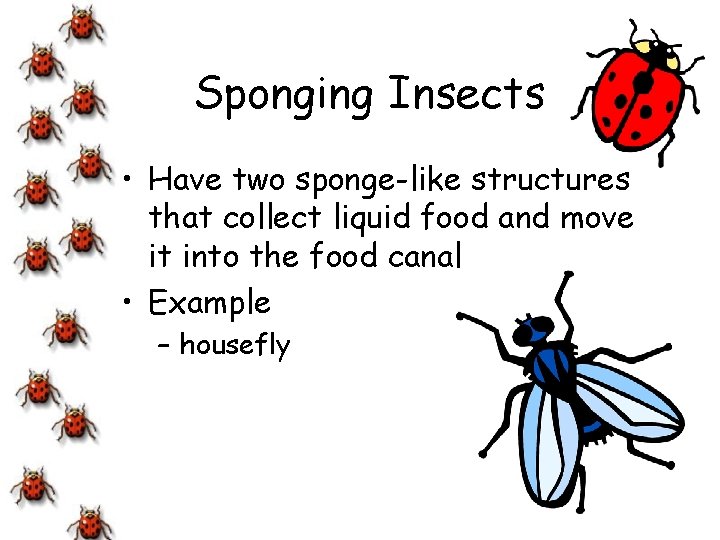
Sponging Insects • Have two sponge-like structures that collect liquid food and move it into the food canal • Example – housefly
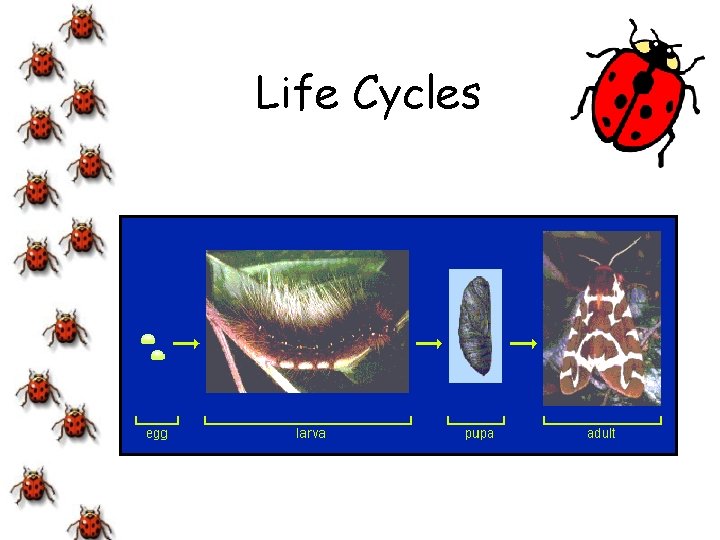
Life Cycles • Complete metamorphosis has four stages – – egg larva-worms or caterpillars pupa adult-flies, beetles, etc.
Life Cycles • Incomplete metamorphosis has three stages – egg – nymph – Adult • Insects must be killed when they are feeding or actively moving on the plant
Life Cycles
Chewing Insects • Parts of leaves are eaten away – – beetles cutworms caterpillars grasshoppers
Chewing Insects • Beetles – eat leaves, stems, flowers, fruit and nuts • Cutworms – usually attack stems, but may eat other plant parts
Chewing Insects • Caterpillars – – larva of moths and butterflies fuzzy or hairy eat young leaves and stems roll up in leaves making leaves curl • Grasshoppers – eat all parts of plants
Sucking Insects • • • Aphids Leaf bugs Mealy bugs Scale Thrips Whiteflies
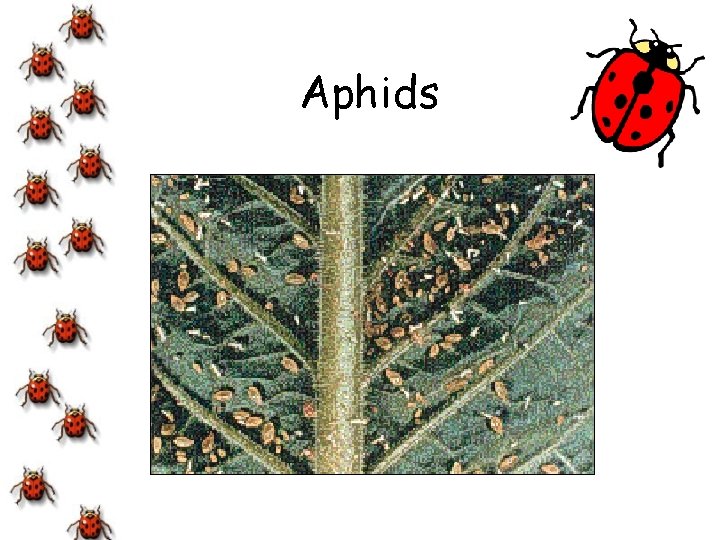
Aphids • Pierce and suck juices • known as plant lice • cause stunted growth and yellow spotted leaves • causes sticky substances and black mold • will attract ants
Aphids
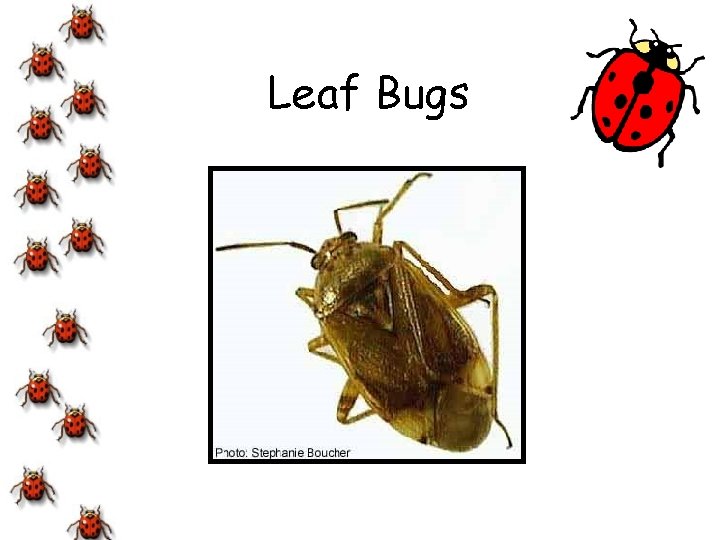
Leaf Bugs • Cause plants to look unhealthy • plants will lose their normal color and wilt
Leaf Bugs
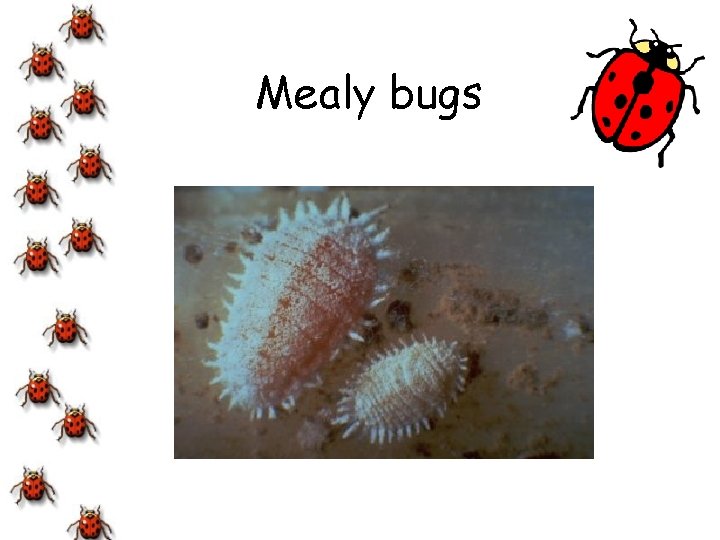
Mealy Bugs • Pierce and suck from underside of leaves and in leaf axils causing yellow appearance and sticky secretions
Mealy bugs
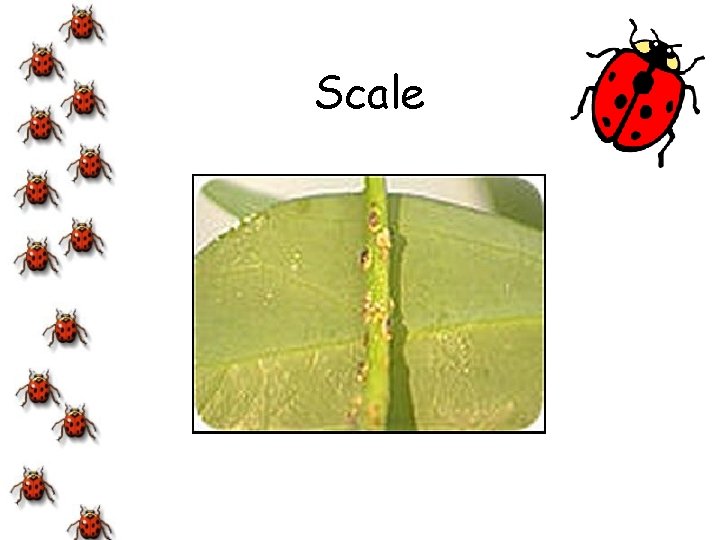
Scale • Appear as black or brown raised lumps attached to stems and underside of leaves causing yellow leaves and stunted growth
Scale
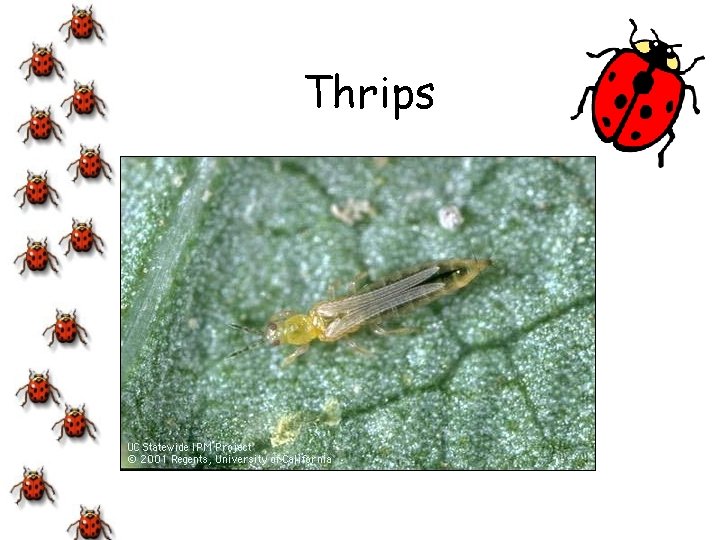
Thrips • Chew and then suck causing plant tissue to become speckled or whitened, leaf tip to wither, curl up, or die
Thrips
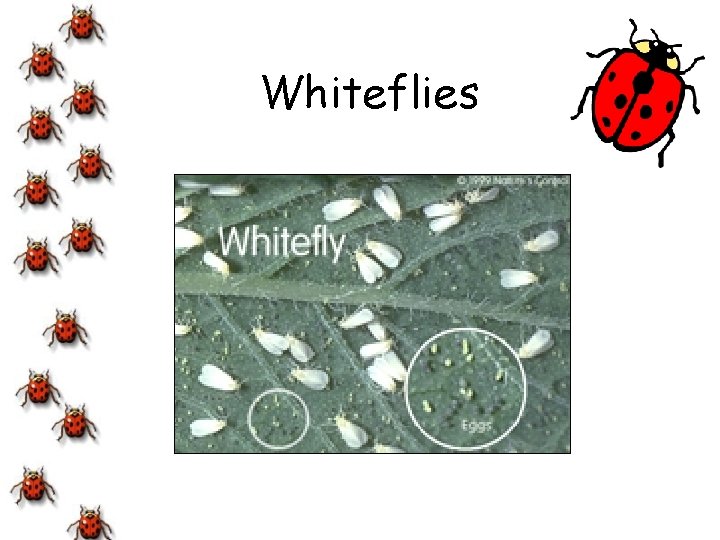
Whiteflies • Feed on underside of young leaves causing yellowing • will look like flying little white specks when plants are shaken
Whiteflies
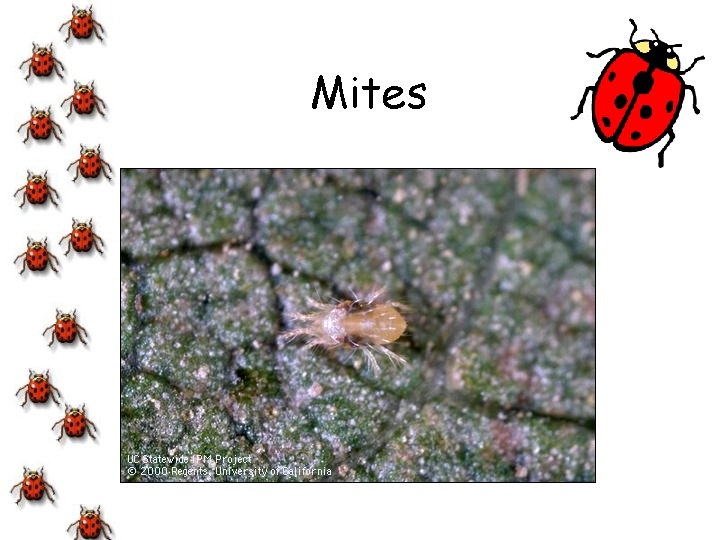
Mites • Attack underside of leaves causing gray to grayish-green spots • severe infestations cause webbing
Mites
Plant Diseases
Objective 8. 02 • Discuss diseases and viruses.
Diseases • A disease is a plant disorder caused by an infectious pathogen or agent
Diseases • There are 3 conditions necessary for diseases in plants – host plant – disease causing organism or pathogen must be present – favorable environment for disease organism to develop
Pathogens • There are four groups of pathogens – – bacteria fungi viruses parasitic plants (attach to plants) • mistletoe • dodder • lichens
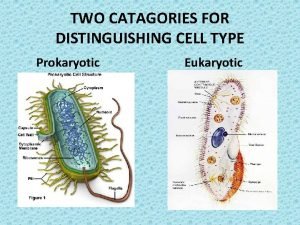
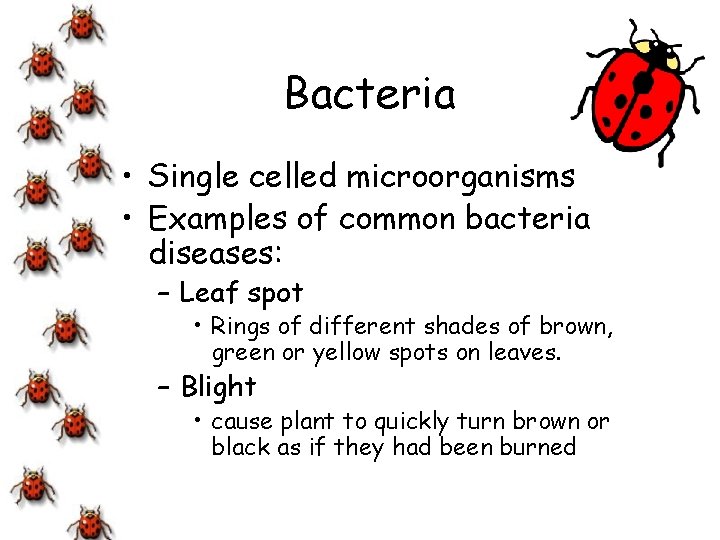
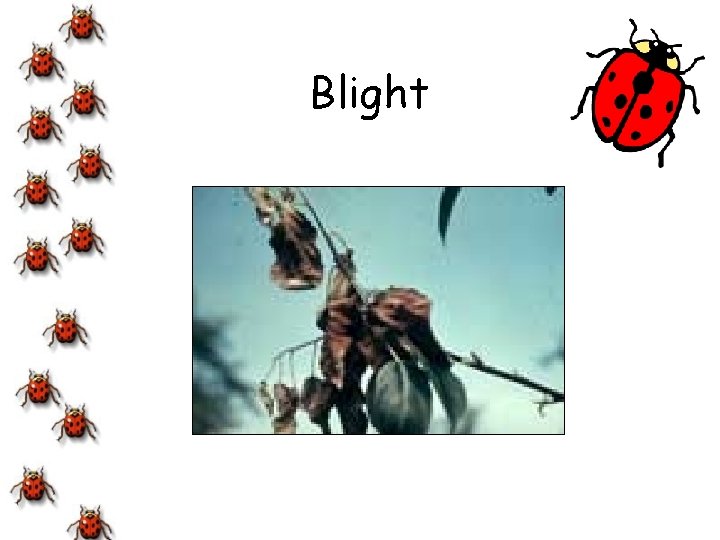
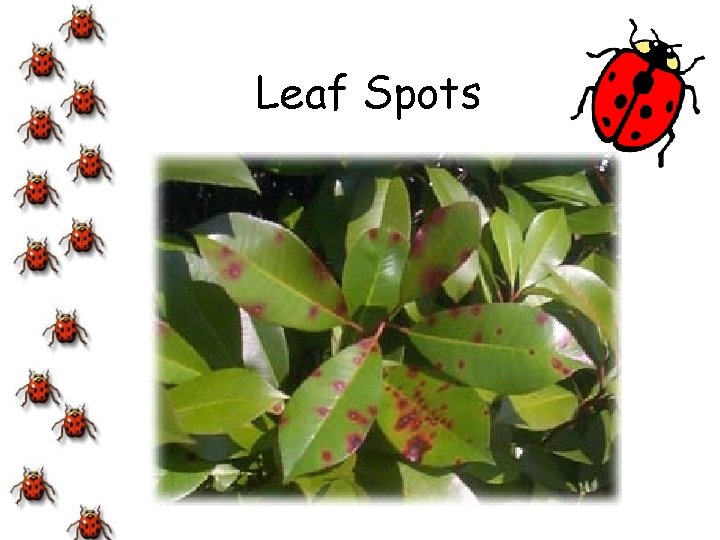
Bacteria • Single celled microorganisms • Examples of common bacteria diseases: – Leaf spot • Rings of different shades of brown, green or yellow spots on leaves. – Blight • cause plant to quickly turn brown or black as if they had been burned
Blight
Leaf Spots
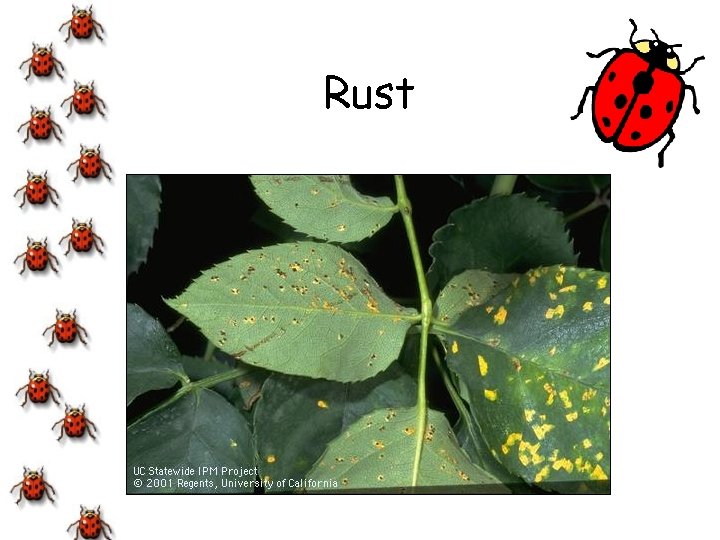
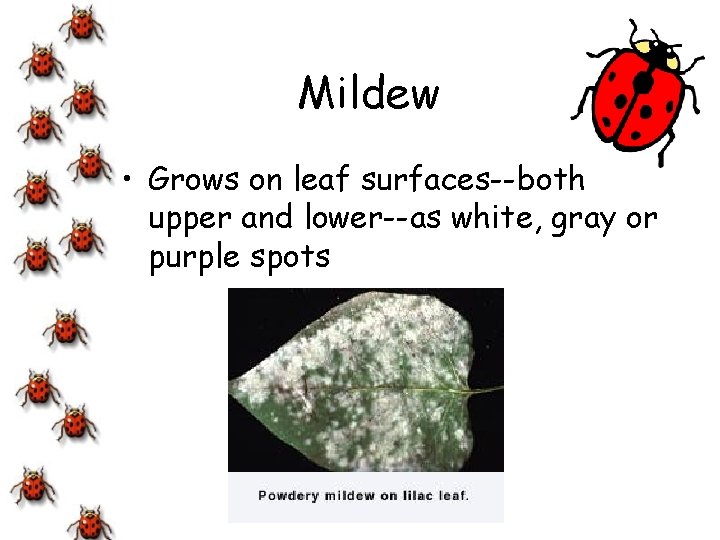
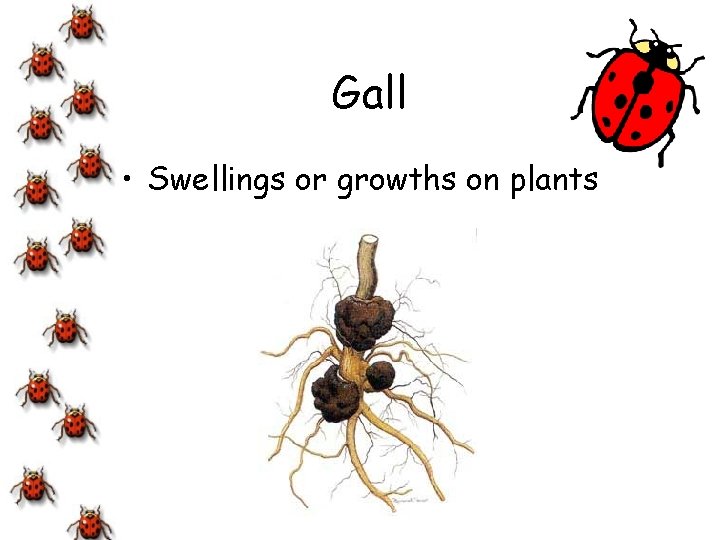
Fungi • Cannot make their own food – They develop hyphae, structures that grow and absorb nutrients from the host plant – Many fungi are spread by spores. • Examples of common fungi diseases: – Damping off causes young plants and seedling to rot off at the soil level. – Rust cause small spots on the leaves that resemble yellow, orange, brown or red rust mainly on the underside of leaves. – Powdery mildew grows on the upper and lower leaf surface as white or gray powdery substance. It is a common disease of houseplants – Galls are round swellings or growths usually on tree branches or leaves.
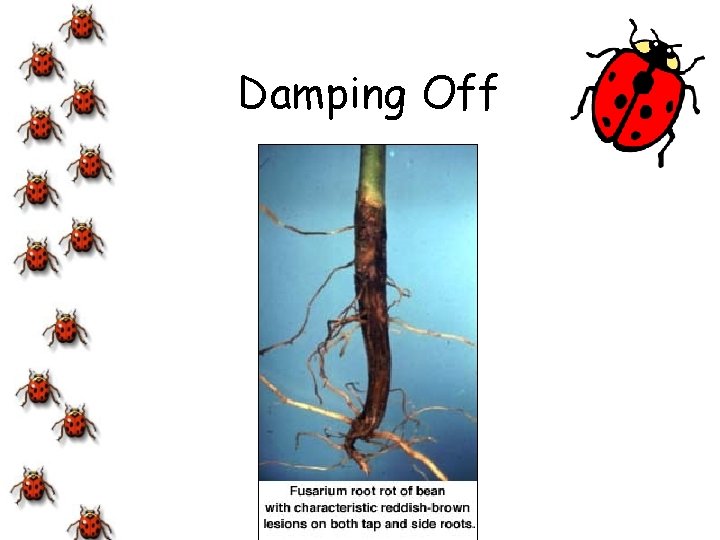
Damping off • A fungal disease that causes young plants and seedlings to rot off at soil level
Damping Off
Rust • Causes small spots on leaves that resemble yellow, orange, brown or red rust mainly on the underneath side of leaves
Rust
Mildew • Grows on leaf surfaces--both upper and lower--as white, gray or purple spots
Gall • Swellings or growths on plants
Viruses • Viruses are pathogens with an extremely narrow host range – Examples of common viruses: • Tobacco mosaic virus which attacks tomatoes, peppers, poinsettias and tobacco. – Can be transfer from human hands of a smoker – Be sure to wash your hands before working with plants to control the spread of this virus – Cause leave to have irregular mottled areas with patterns ranging from dark to light green and yellow to white
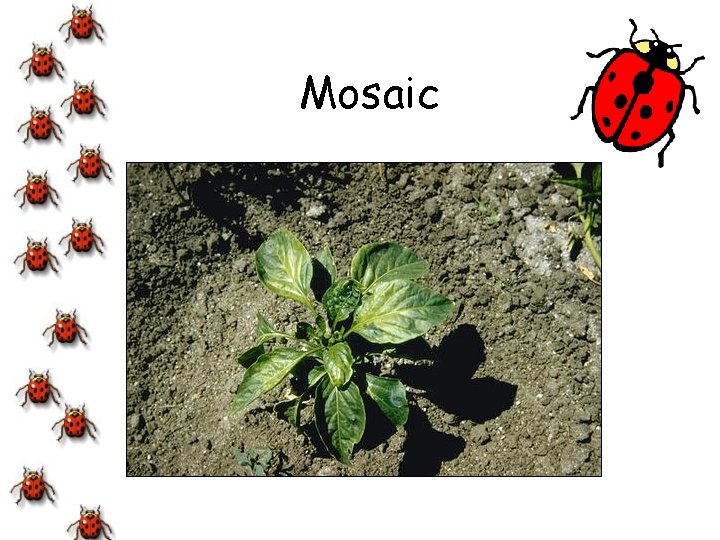
Mosaic • Caused by viruses that make the leaves have irregular mottled areas with patterns ranging from dark green to light green to yellow to white
Mosaic
Others Diseases
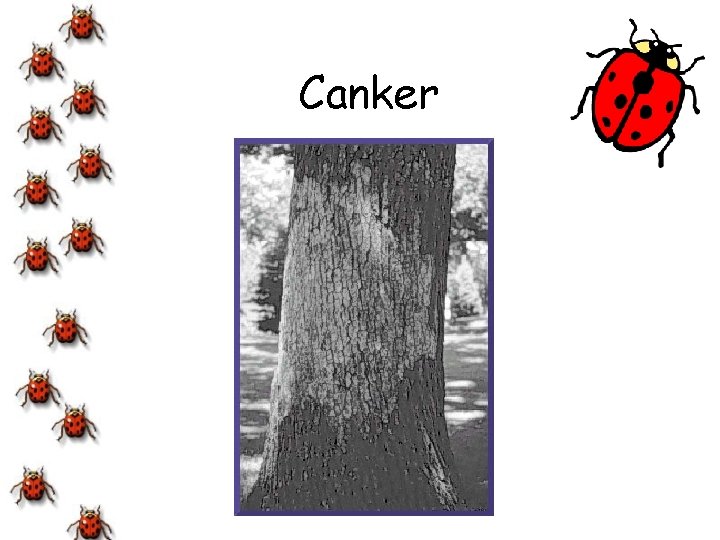
Canker • Causes open wounds on woody plants
Canker
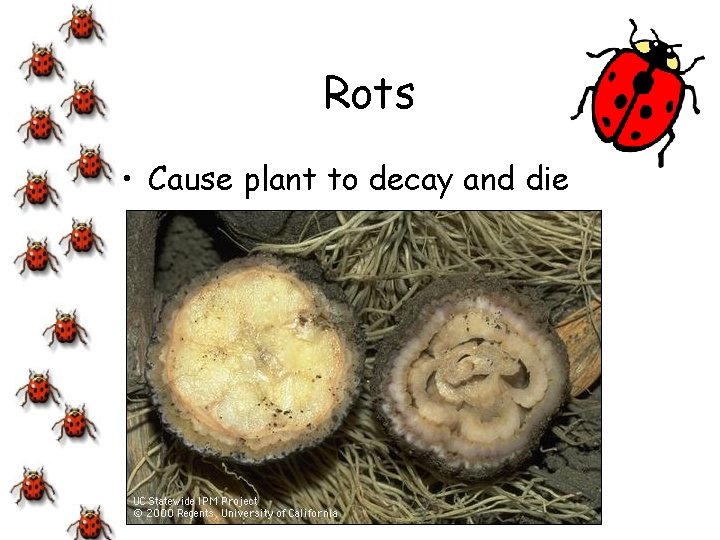
Rots • Cause plant to decay and die
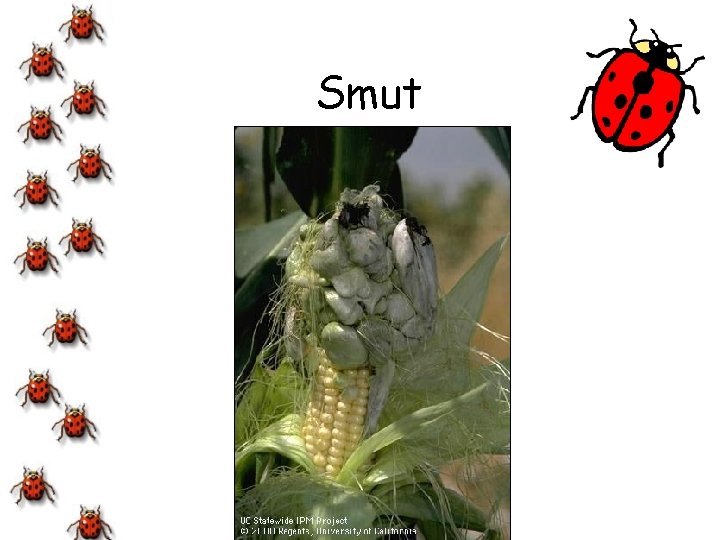
Smut • A black, powdery disease that causes blisters that burst open releasing black spores
Smut
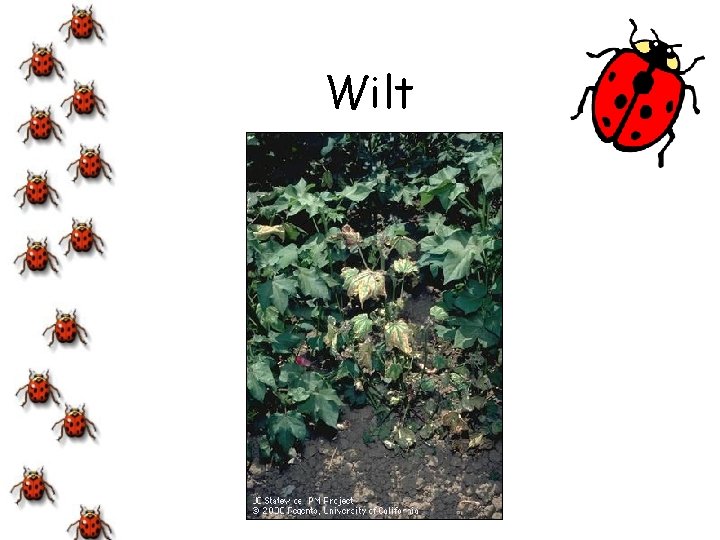
Wilt • A disease that blocks the uptake of water in plant stems causing plants to wilt
Wilt