New England Regional MGFA Conference ERICKA GREENE MD



- Slides: 49
New England Regional MGFA Conference ERICKA GREENE, MD SUMNER FAMILY CHAIR IN NEUROMUSCULAR RESEARCH CHIEF, NEUROMUSCULAR DIVISION STANLEY H. APPEL DEPARTMENT OF NEUROLOGY METHODIST NEUROLOGICAL INSTITUTE OCTOBER 31, 2020
"Nothing in life is to be feared, it is only to be understood. Now is the time to understand more, so that we may fear less. ” - Marie Curie
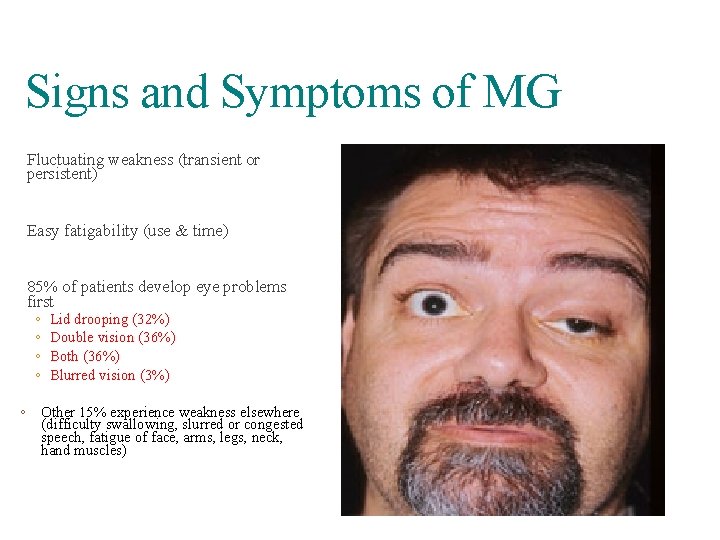
Signs and Symptoms of MG Fluctuating weakness (transient or persistent) Easy fatigability (use & time) 85% of patients develop eye problems first ◦ ◦ ◦ Lid drooping (32%) Double vision (36%) Both (36%) Blurred vision (3%) Other 15% experience weakness elsewhere (difficulty swallowing, slurred or congested speech, fatigue of face, arms, legs, neck, hand muscles)
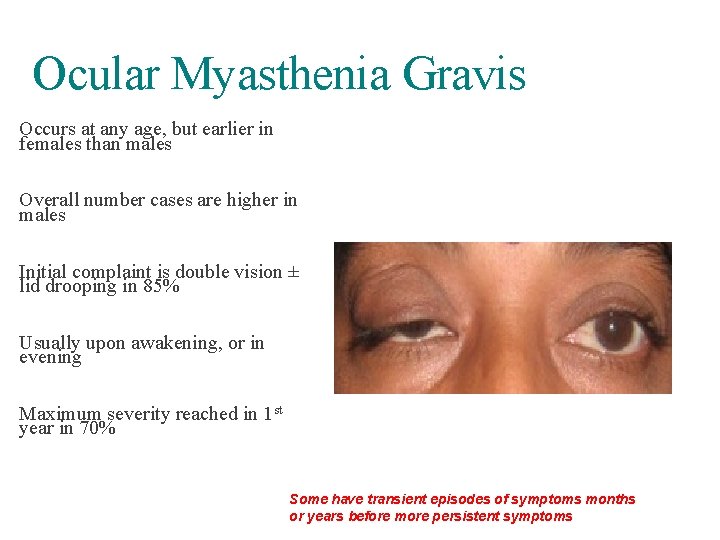
Ocular Myasthenia Gravis Occurs at any age, but earlier in females than males Overall number cases are higher in males Initial complaint is double vision ± lid drooping in 85% Usually upon awakening, or in evening Maximum severity reached in 1 st year in 70% Some have transient episodes of symptoms months or years before more persistent symptoms
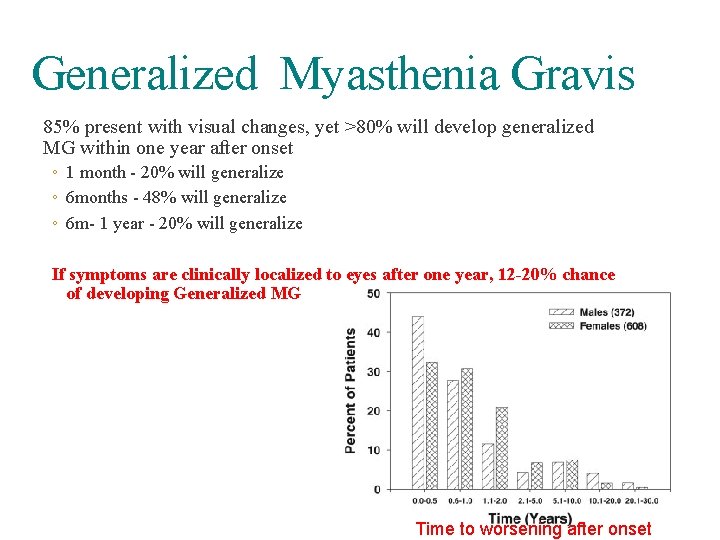
Generalized Myasthenia Gravis 85% present with visual changes, yet >80% will develop generalized MG within one year after onset ◦ 1 month - 20% will generalize ◦ 6 months - 48% will generalize ◦ 6 m- 1 year - 20% will generalize If symptoms are clinically localized to eyes after one year, 12 -20% chance of developing Generalized MG Time to worsening after onset
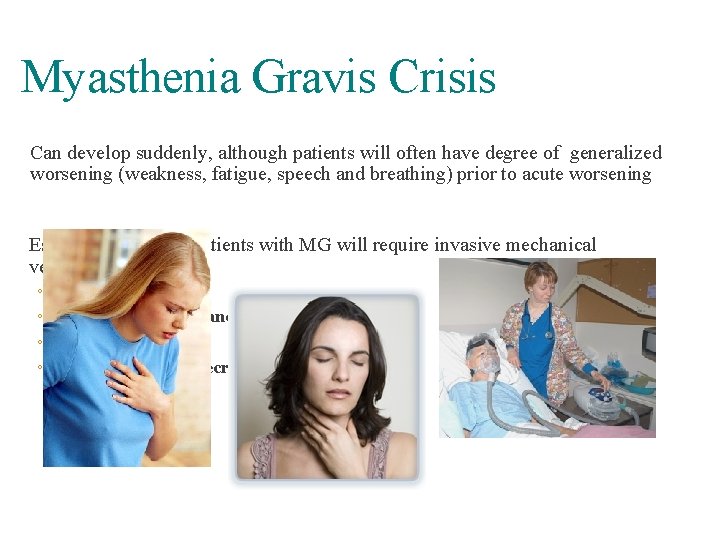
Myasthenia Gravis Crisis Can develop suddenly, although patients will often have degree of generalized worsening (weakness, fatigue, speech and breathing) prior to acute worsening Estimated 15 -28% patients with MG will require invasive mechanical ventilation ◦ ◦ Air hunger Shortness of breath and sweating Weak cough Inability to handle secretions
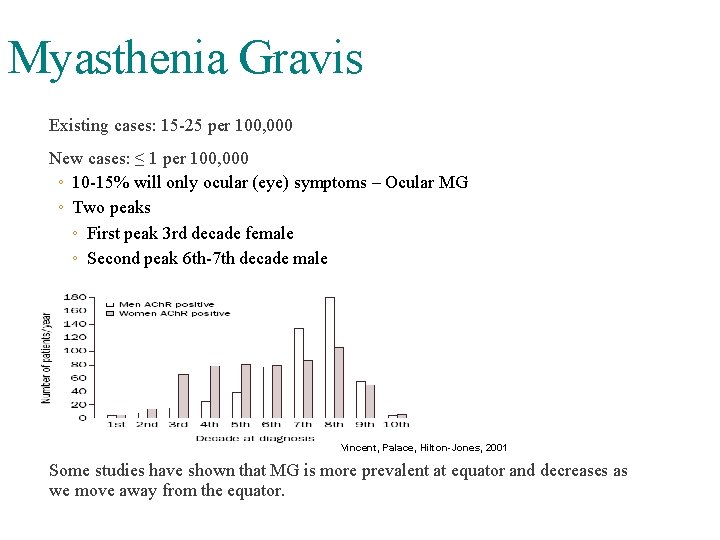
Myasthenia Gravis Existing cases: 15 -25 per 100, 000 New cases: ≤ 1 per 100, 000 ◦ 10 -15% will only ocular (eye) symptoms – Ocular MG ◦ Two peaks ◦ First peak 3 rd decade female ◦ Second peak 6 th-7 th decade male Age & Gender: ◦ Females to males 3: 1 before age 40 yrs ◦ At puberty and between 40 -50 yrs equal incidence ◦ >50 yrs males Vincent, Palace, Hilton-Jones, 2001 Some studies have shown that MG is more prevalent at equator and decreases as we move away from the equator.
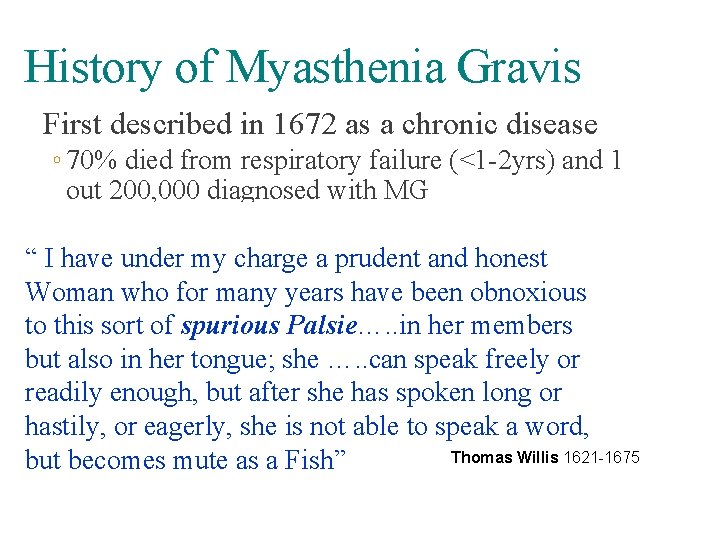
History of Myasthenia Gravis First described in 1672 as a chronic disease ◦ 70% died from respiratory failure (<1 -2 yrs) and 1 out 200, 000 diagnosed with MG “ I have under my charge a prudent and honest Woman who for many years have been obnoxious By sort 1934, declined to 30%her andmembers 1 out of 20, to ◦this of deaths spurious Palsie…. . in withshe MG but 000 also diagnosed in her tongue; …. . can speak freely or readily enough, but after she has spoken long or hastily, or eagerly, she is not able to speak a word, Thomas Willis 1621 -1675 but becomes mute as a Fish”
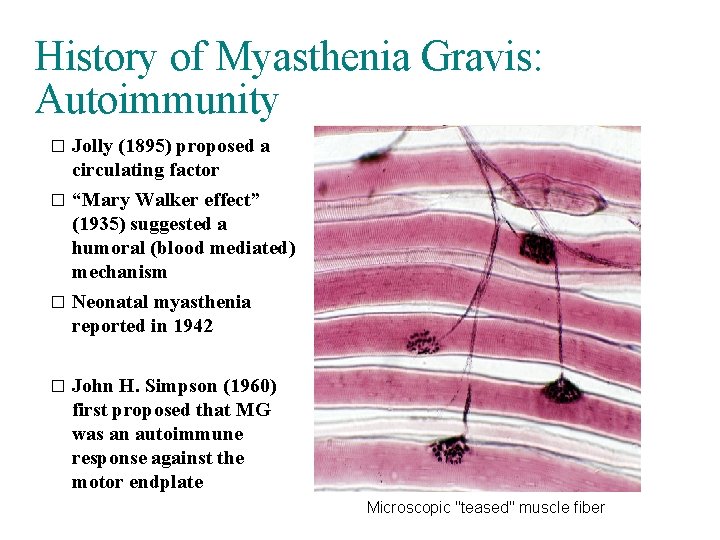
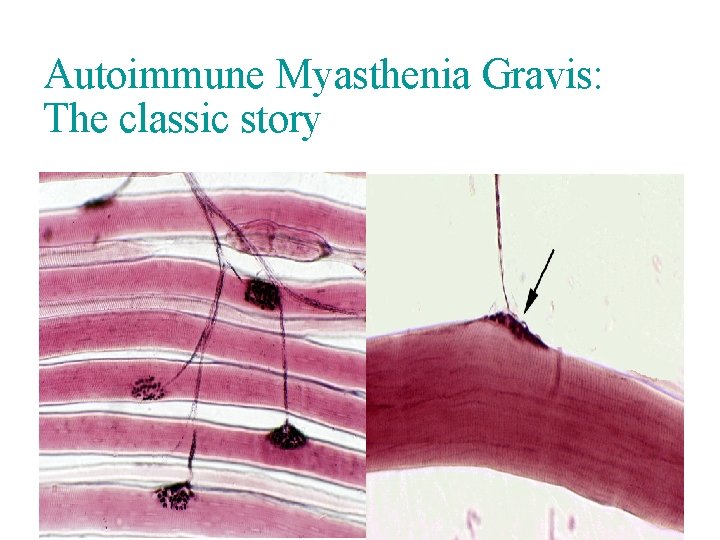
History of Myasthenia Gravis: Autoimmunity Jolly (1895) proposed a circulating factor � “Mary Walker effect” (1935) suggested a humoral (blood mediated) mechanism � Neonatal myasthenia reported in 1942 � � John H. Simpson (1960) first proposed that MG was an autoimmune response against the motor endplate Microscopic "teased" muscle fiber
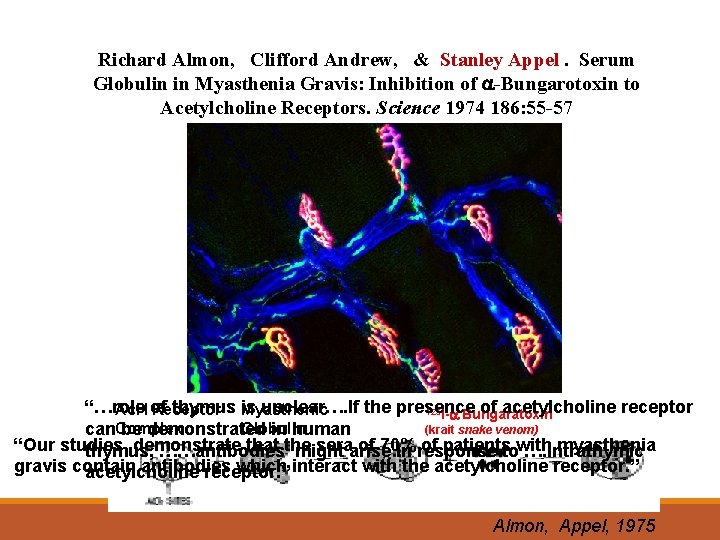
Richard Almon, Clifford Andrew, & Stanley Appel. Serum Globulin in Myasthenia Gravis: Inhibition of -Bungarotoxin to Acetylcholine Receptors. Science 1974 186: 55 -57 “…role thymus is unclear…. If the presence of acetylcholine receptor 125 I- Bungaratoxin Ac. H of Receptor Myasthenic (krait snake venom) Globulin can. Complex be demonstrated in human “Our studies demonstrate that the seraarise of 70% of patients myasthenia thymus, ……antibodies might in response towith …. intrathymic gravis contain antibodies which interact with the acetylcholine receptor. ” Almon, Appel, 1975
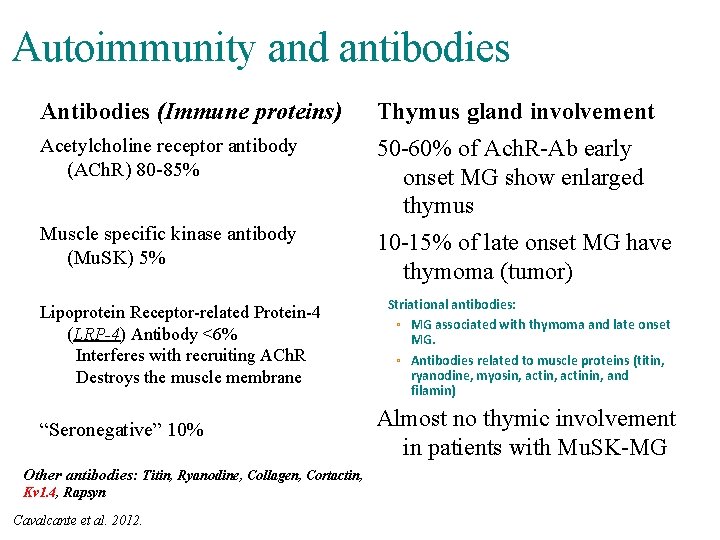
Autoimmunity and antibodies Antibodies (Immune proteins) Thymus gland involvement Acetylcholine receptor antibody (ACh. R) 80 -85% 50 -60% of Ach. R-Ab early onset MG show enlarged thymus Muscle specific kinase antibody (Mu. SK) 5% 10 -15% of late onset MG have thymoma (tumor) Lipoprotein Receptor-related Protein-4 (LRP-4) Antibody <6% Interferes with recruiting ACh. R Destroys the muscle membrane “Seronegative” 10% Striational antibodies: ◦ MG associated with thymoma and late onset MG. ◦ Antibodies related to muscle proteins (titin, ryanodine, myosin, actinin, and filamin) Almost no thymic involvement in patients with Mu. SK-MG Other antibodies: Titin, Ryanodine, Collagen, Cortactin, Kv 1. 4, Rapsyn Cavalcante et al. 2012. 11
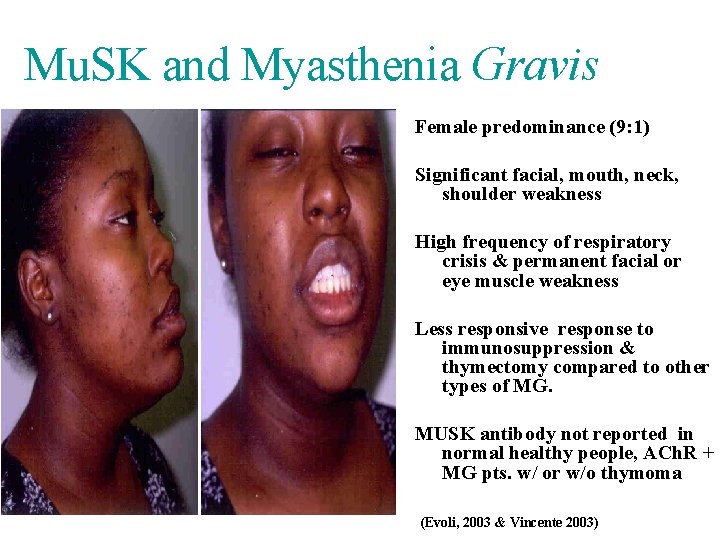
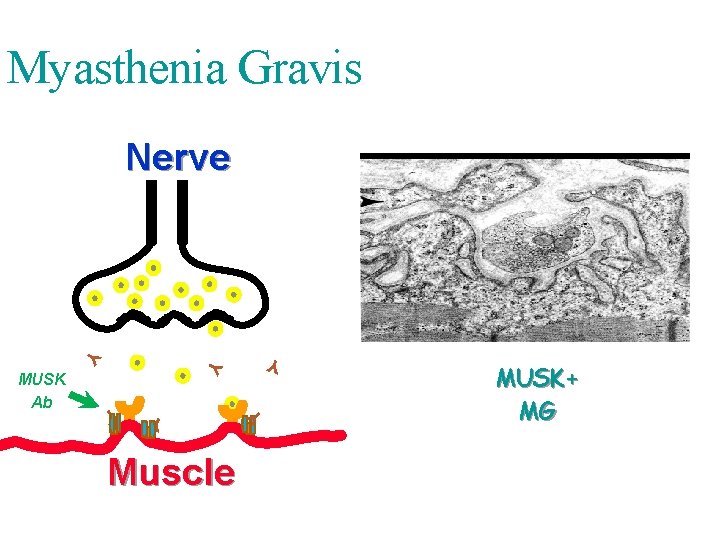
Mu. SK and Myasthenia Gravis Female predominance (9: 1) Significant facial, mouth, neck, shoulder weakness High frequency of respiratory crisis & permanent facial or eye muscle weakness Less responsive response to immunosuppression & thymectomy compared to other types of MG. MUSK antibody not reported in normal healthy people, ACh. R + MG pts. w/ or w/o thymoma (Evoli, 2003 & Vincente 2003)
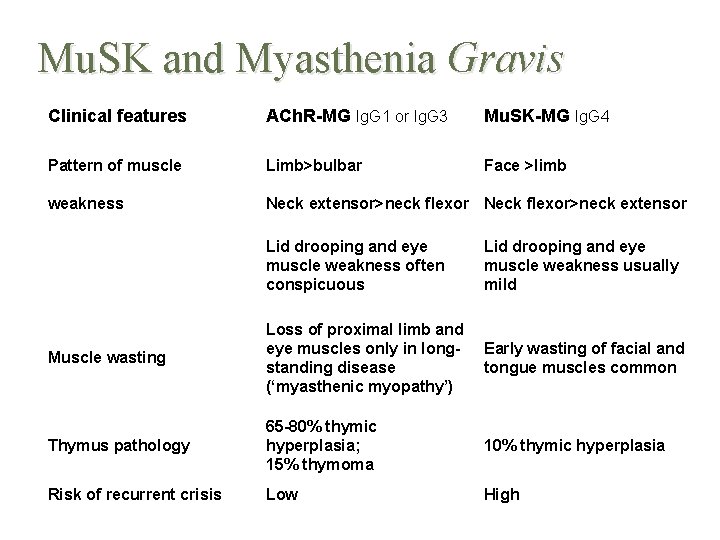
Mu. SK and Myasthenia Gravis Clinical features ACh. R-MG Ig. G 1 or Ig. G 3 Mu. SK-MG Ig. G 4 Pattern of muscle Limb>bulbar Face >limb weakness Neck extensor>neck flexor Neck flexor>neck extensor Lid drooping and eye muscle weakness often conspicuous Lid drooping and eye muscle weakness usually mild Muscle wasting Loss of proximal limb and eye muscles only in longstanding disease (‘myasthenic myopathy’) Early wasting of facial and tongue muscles common Thymus pathology 65 -80% thymic hyperplasia; 15% thymoma 10% thymic hyperplasia Risk of recurrent crisis Low High
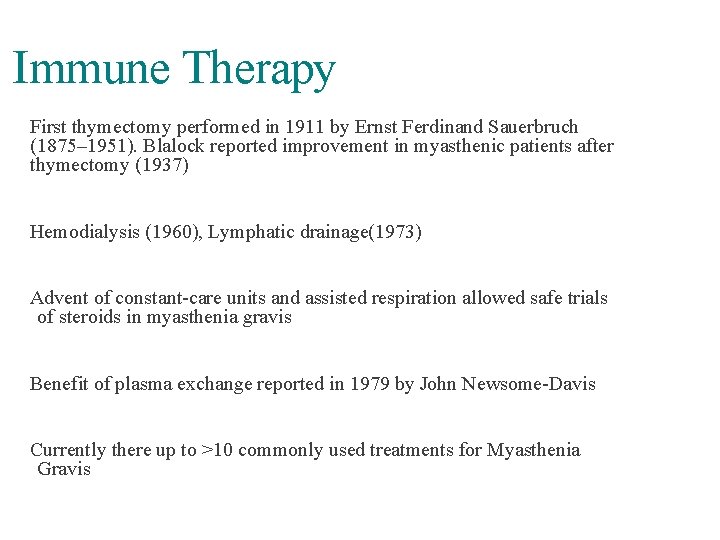
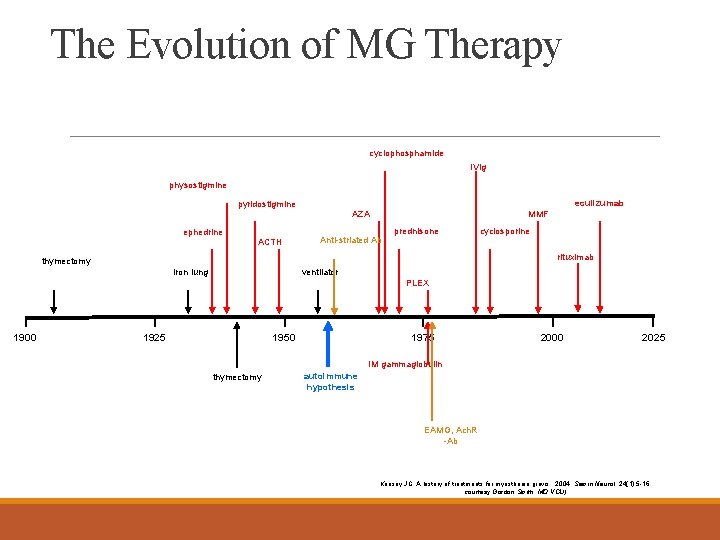
Immune Therapy First thymectomy performed in 1911 by Ernst Ferdinand Sauerbruch (1875– 1951). Blalock reported improvement in myasthenic patients after thymectomy (1937) Hemodialysis (1960), Lymphatic drainage(1973) Advent of constant-care units and assisted respiration allowed safe trials of steroids in myasthenia gravis Benefit of plasma exchange reported in 1979 by John Newsome-Davis Currently there up to >10 commonly used treatments for Myasthenia Gravis
Immune Therapy Pyridostigmine (Mestinon) Prednisone Azathioprine (Imuran) Cyclosporine (Sandimmune, Neoral) Mycophenolate mofetil (Cell. Cept) Cyclophosphamide (Cytoxan) Tacrolimus (Prograf) Rituximab (Rituxan) Eculizumab (Soliris) IV Immune globulin Plasmapheresis Thymectomy
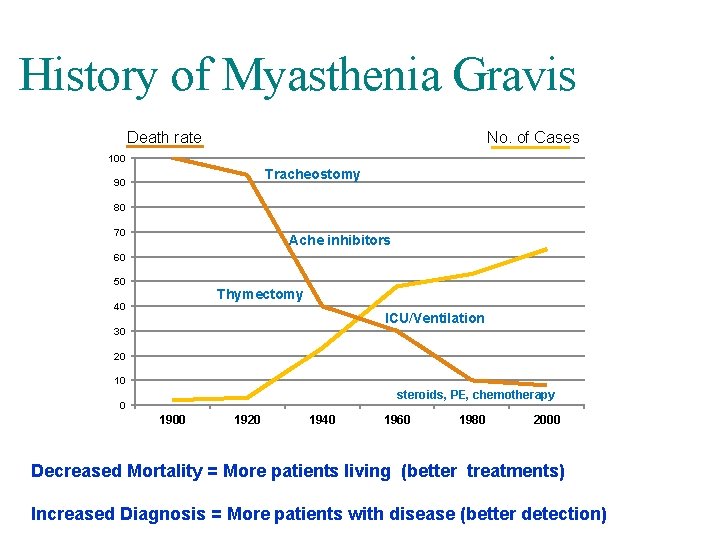
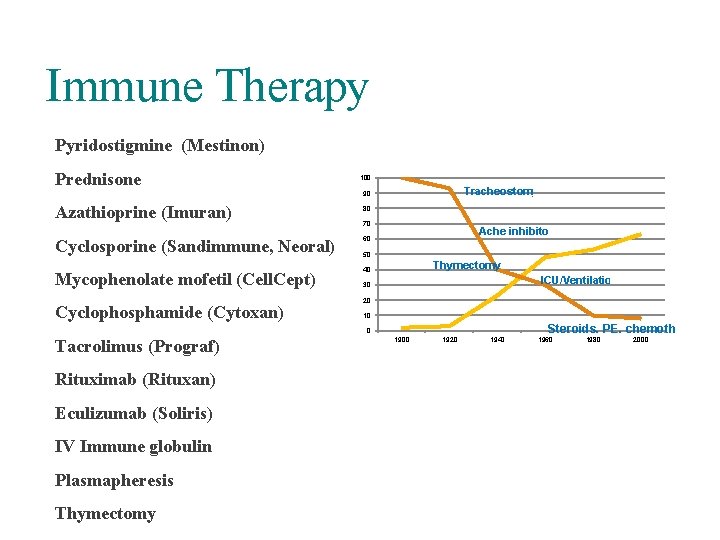
History of Myasthenia Gravis Death rate No. of Cases 100 Tracheostomy 90 80 70 Ache inhibitors 60 50 Thymectomy 40 ICU/Ventilation 30 20 10 steroids, PE, chemotherapy 0 1900 1920 1940 1960 1980 2000 Decreased Mortality = More patients living (better treatments) Increased Diagnosis = More patients with disease (better detection)
Autoimmune Myasthenia Gravis: The classic story
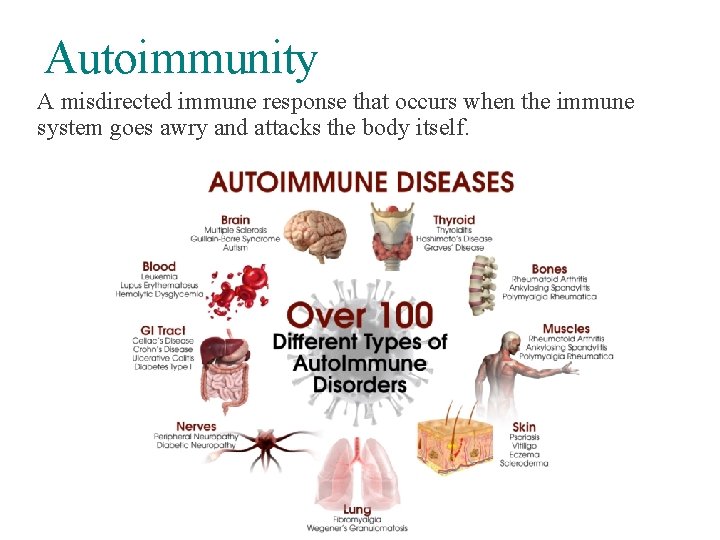
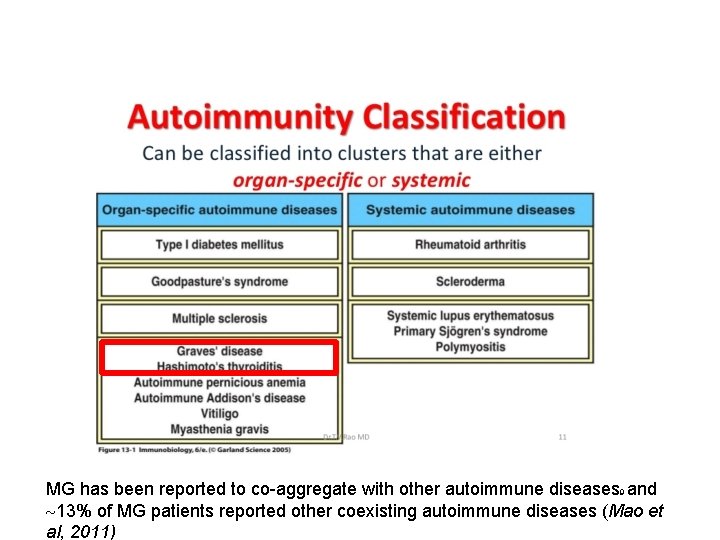
Autoimmunity A misdirected immune response that occurs when the immune system goes awry and attacks the body itself.
MG has been reported to co-aggregate with other autoimmune diseases 9 and ~13% of MG patients reported other coexisting autoimmune diseases (Mao et al, 2011)
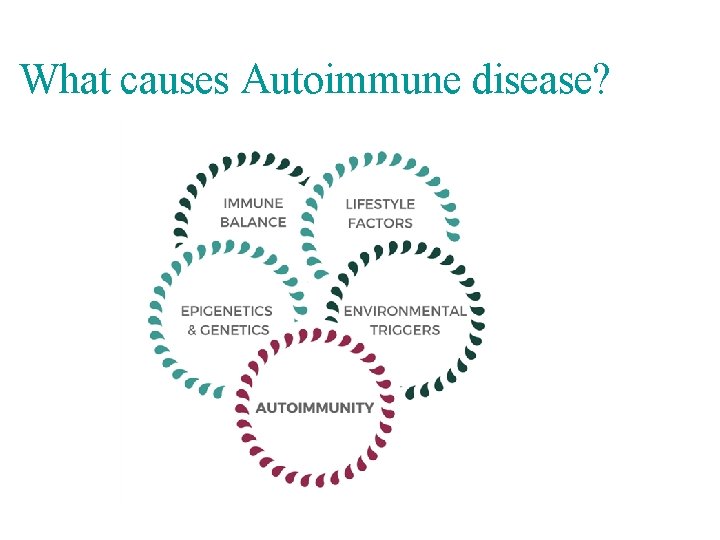
What causes Autoimmune disease?
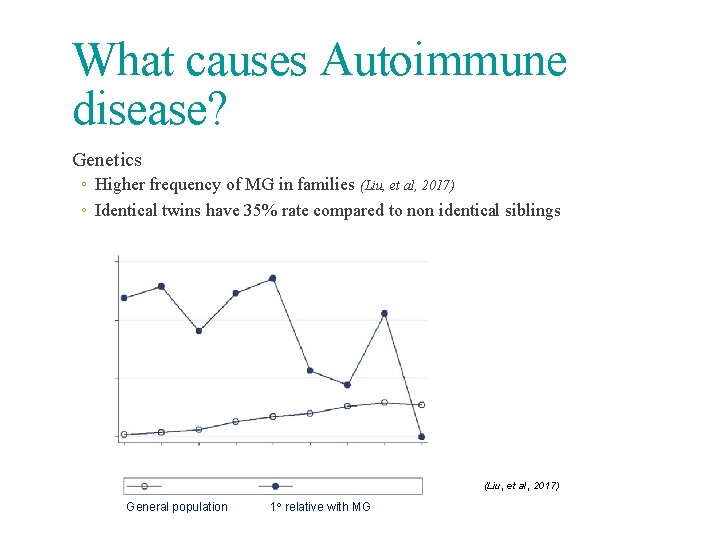
What causes Autoimmune disease? Genetics ◦ Higher frequency of MG in families (Liu, et al, 2017) ◦ Identical twins have 35% rate compared to non identical siblings (Liu, et al, 2017) General population 1 relative with MG
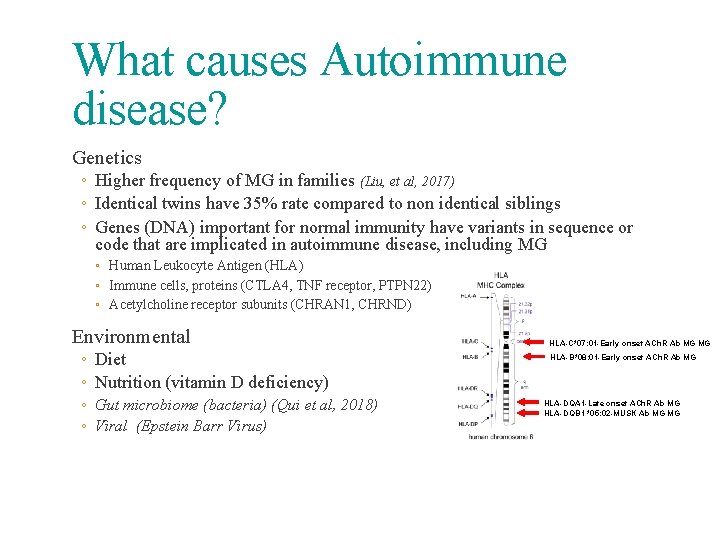
What causes Autoimmune disease? Genetics ◦ Higher frequency of MG in families (Liu, et al, 2017) ◦ Identical twins have 35% rate compared to non identical siblings ◦ Genes (DNA) important for normal immunity have variants in sequence or code that are implicated in autoimmune disease, including MG ◦ Human Leukocyte Antigen (HLA) ◦ Immune cells, proteins (CTLA 4, TNF receptor, PTPN 22) ◦ Acetylcholine receptor subunits (CHRAN 1, CHRND) Environmental ◦ Diet ◦ Nutrition (vitamin D deficiency) ◦ Gut microbiome (bacteria) (Qui et al, 2018) ◦ Viral (Epstein Barr Virus) HLA-C*07: 01 -Early onset ACh. R Ab MG MG HLA-B*08: 01 -Early onset ACh. R Ab MG HLA-DQA 1 -Late onset ACh. R Ab MG HLA-DQB 1 *05: 02 -MUSK Ab MG MG
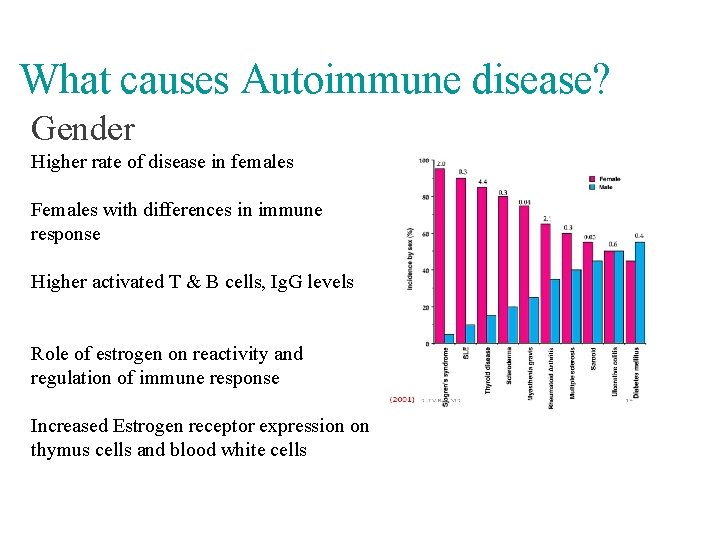
What causes Autoimmune disease? Gender Higher rate of disease in females Females with differences in immune response Higher activated T & B cells, Ig. G levels Role of estrogen on reactivity and regulation of immune response Increased Estrogen receptor expression on thymus cells and blood white cells
What is the Immune system The immune system is the group of organs and special cells in your body that protect you from disease. Immune Tolerance The ability of the immune system to recognize self proteins from foreign or abnormal proteins (bacteria, cancer, viruses) and only attack foreign, degenerating, or disease causing proteins
Immunity System The Military Analogy To maintain safety and health of system (nation and its territories) Monitors, guards/defends, attacks “The ◦Immune System is the equivalent of an army, air Foreign threats (virus, bacteria) Domestic threats (cancer) force, ◦ marines, navy along with a national guard ◦ Different branches with overlapping different functions seeking out and destroying enemyand invaders. It is the primary and sometimes secondary defense against both invaders and insurgents. ”
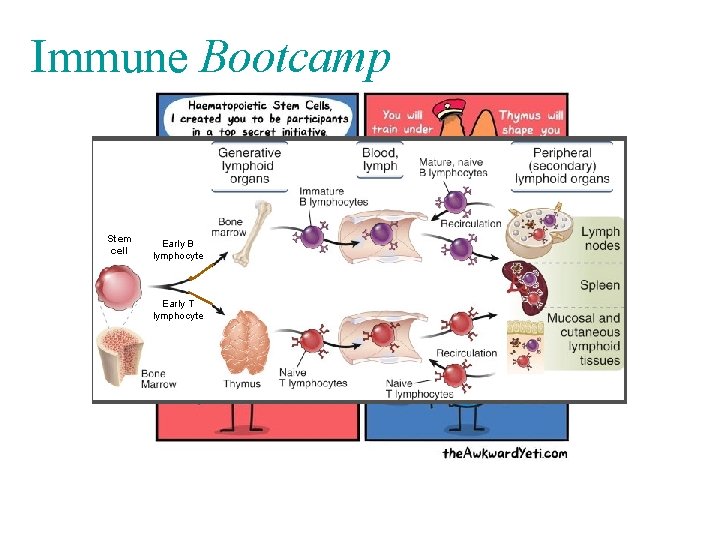
Immune Bootcamp Stem cell Early B lymphocyte Early T lymphocyte
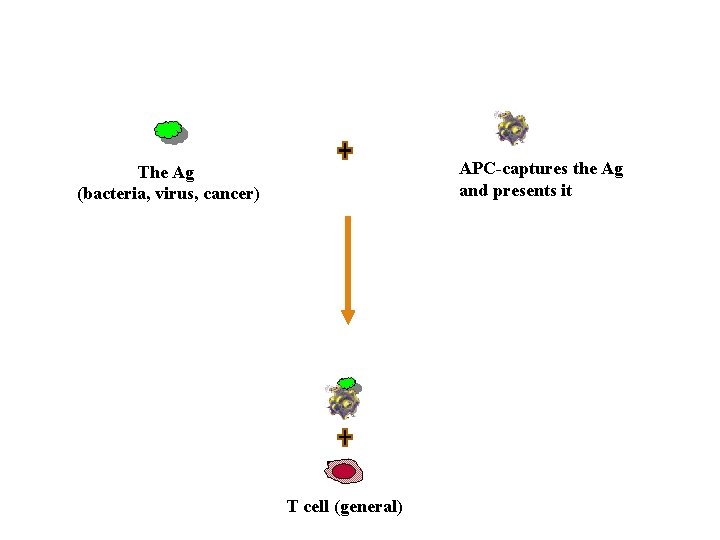
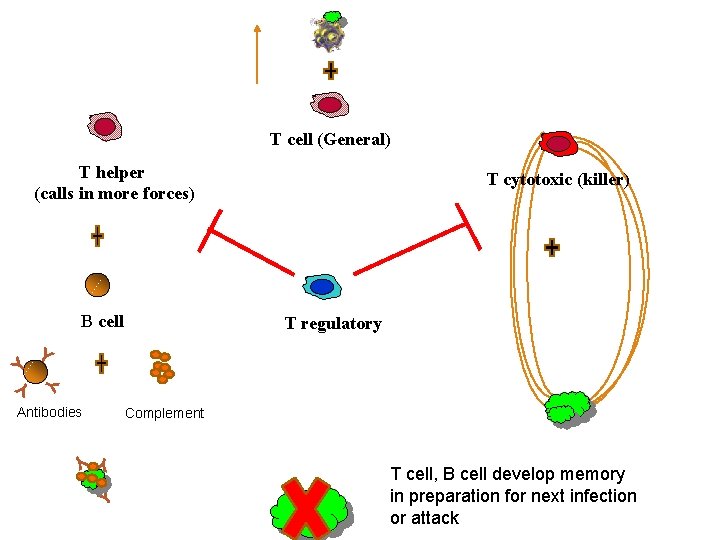
APC-captures the Ag and presents it The Ag (bacteria, virus, cancer) T cell (general)
T cell (General) T helper (calls in more forces) B cell T cytotoxic (killer) T regulatory Y Y Antibodies Complement Y Y Y T cell, B cell develop memory in preparation for next infection or attack
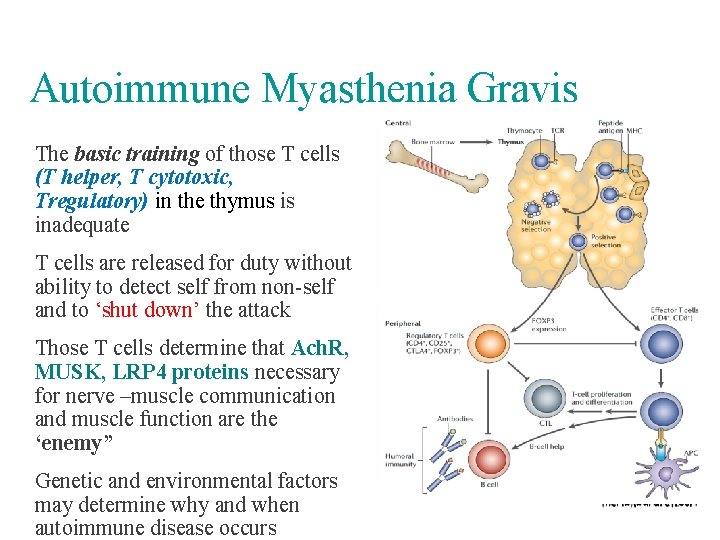
Autoimmune Myasthenia Gravis The basic training of those T cells (T helper, T cytotoxic, Tregulatory) in the thymus is inadequate T cells are released for duty without ability to detect self from non-self and to ‘shut down’ the attack Those T cells determine that Ach. R, MUSK, LRP 4 proteins necessary for nerve –muscle communication and muscle function are the ‘enemy” Genetic and environmental factors may determine why and when autoimmune disease occurs
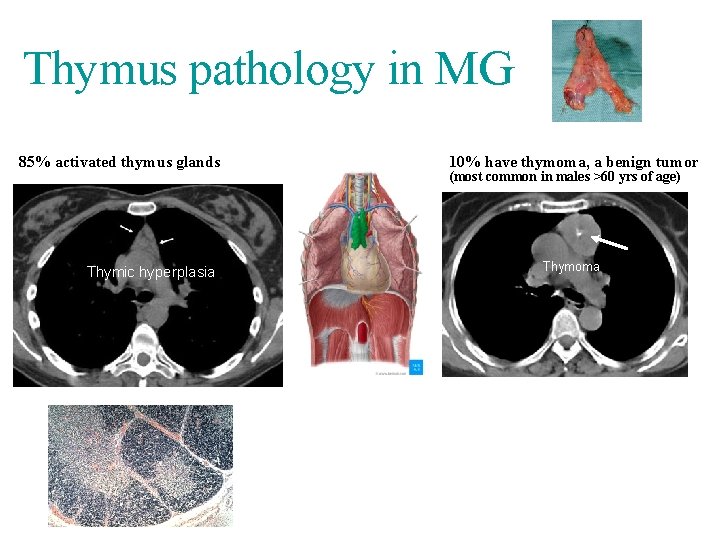
Thymus pathology in MG 85% activated thymus glands Thymic hyperplasia 10% have thymoma, a benign tumor (most common in males >60 yrs of age) Thymoma 30
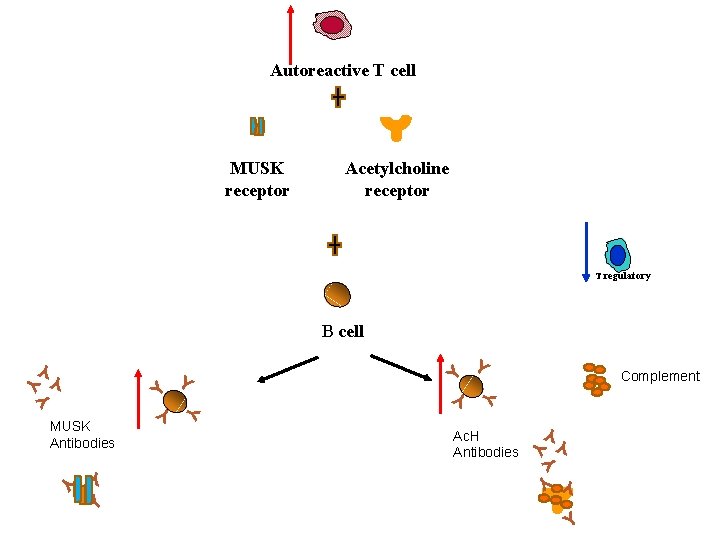
Autoreactive T cell MUSK receptor Acetylcholine receptor T regulatory Y Y Ac. H Antibodies Y Y Y Complement Y Y Y Y Y MUSK Antibodies Y Y B cell Y
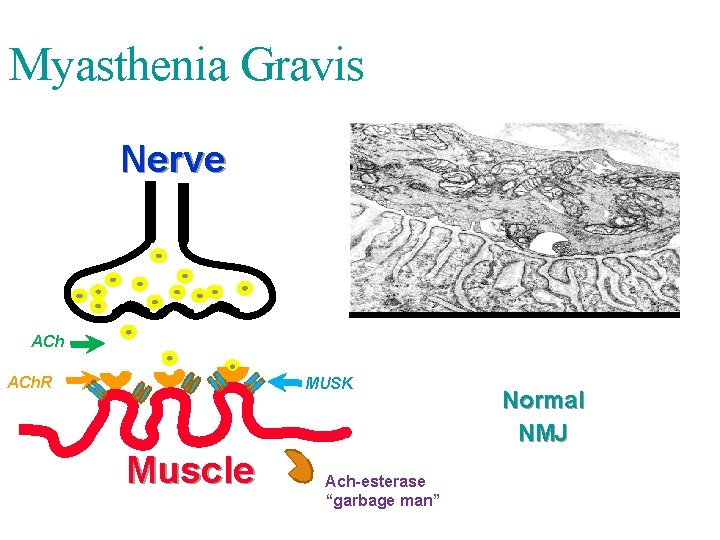
Myasthenia Gravis Nerve ACh. R MUSK Muscle Ach-esterase “garbage man” Normal NMJ
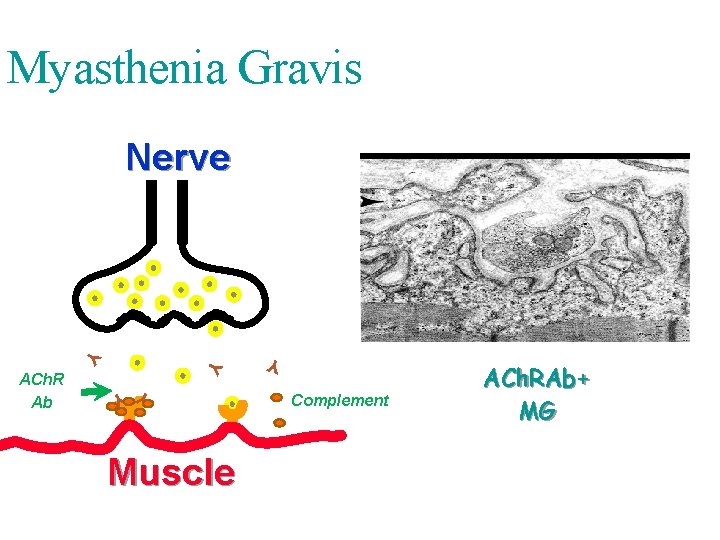
Myasthenia Gravis Nerve Y Y Y Muscle Y Y ACh. R Ab Complement ACh. RAb+ MG
Myasthenia Gravis Nerve Y Y Muscle Y Y MUSK Ab MUSK+ MG
Immune Therapy Pyridostigmine (Mestinon) Prednisone 100 Tracheostomy 90 Azathioprine (Imuran) 80 Cyclosporine (Sandimmune, Neoral) 60 Mycophenolate mofetil (Cell. Cept) 40 Cyclophosphamide (Cytoxan) 70 Ache inhibitors 50 Thymectomy ICU/Ventilation 30 20 10 Steroids, PE, chemotherapy 0 Tacrolimus (Prograf) Rituximab (Rituxan) Eculizumab (Soliris) IV Immune globulin Plasmapheresis Thymectomy 1900 1920 1940 1960 1980 2000
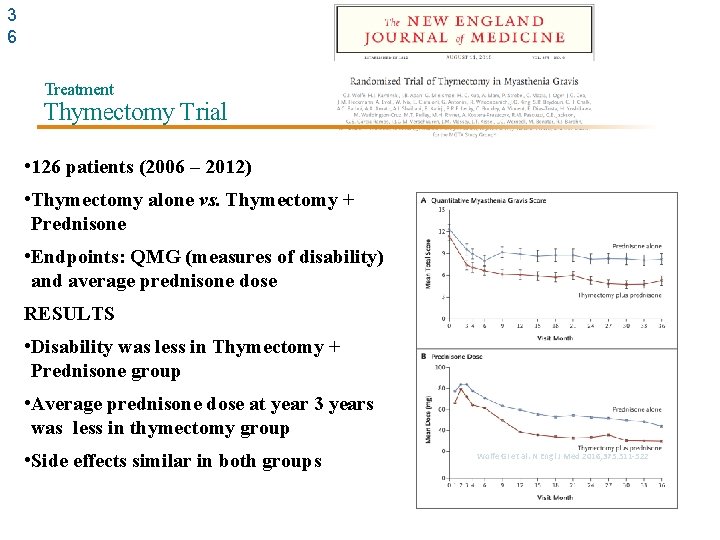
3 6 Treatment Thymectomy Trial • 126 patients (2006 – 2012) • Thymectomy alone vs. Thymectomy + Prednisone • Endpoints: QMG (measures of disability) and average prednisone dose RESULTS • Disability was less in Thymectomy + Prednisone group • Average prednisone dose at year 3 years was less in thymectomy group • Side effects similar in both groups Wolfe GI et al. N Engl J Med 2016; 375: 511 -522
The Evolution of MG Therapy cyclophosphamide IVIg physostigmine eculizumab pyridostigmine AZA ephedrine ACTH MMF Anti-striated Ab prednisone cyclosporine rituximab thymectomy iron lung ventilator PLEX 1900 1925 1950 1975 2000 2025 IM gammaglobulin thymectomy autoimmune hypothesis EAMG, Ach. R -Ab Keesey JC. A history of treatments for myasthenia gravis. 2004. Semin Neurol, 24(1): 5 -16. courtesy Gordon Smith, MD VCU)
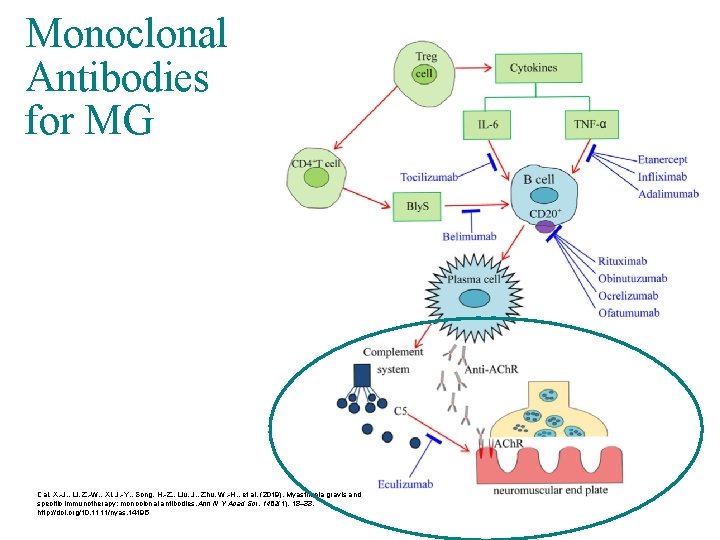
Monoclonal Antibodies for MG Cai, X. -J. , Li, Z. -W. , Xi, J. -Y. , Song, H. -Z. , Liu, J. , Zhu, W. -H. , et al. (2019). Myasthenia gravis and specific immunotherapy: monoclonal antibodies. Ann N Y Acad Sci, 1452(1), 18– 33. http: //doi. org/10. 1111/nyas. 14195
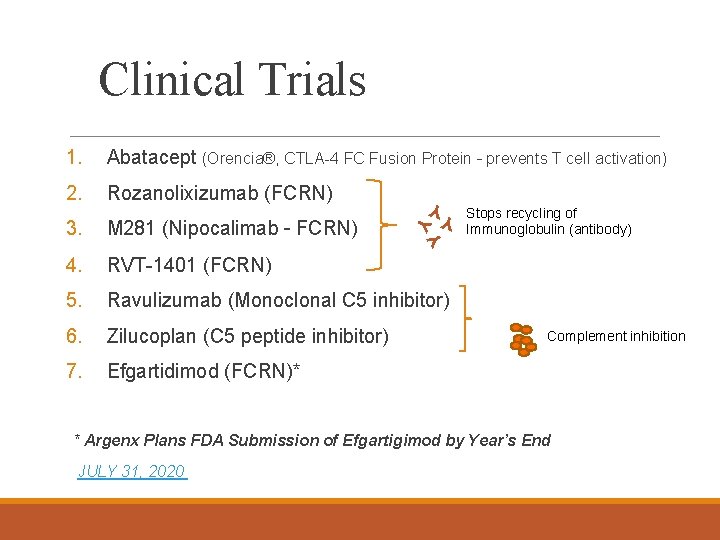
Clinical Trials 1. Abatacept (Orencia®, CTLA-4 FC Fusion Protein – prevents T cell activation) 2. Rozanolixizumab (FCRN) Y M 281 (Nipocalimab – FCRN) 4. RVT-1401 (FCRN) 5. Ravulizumab (Monoclonal C 5 inhibitor) 6. Zilucoplan (C 5 peptide inhibitor) 7. Efgartidimod (FCRN)* Y Y Y 3. Stops recycling of Immunoglobulin (antibody) Complement inhibition * Argenx Plans FDA Submission of Efgartigimod by Year’s End JULY 31, 2020
Autoimmune Myasthenia Gravis The natural history of myasthenia gravis improved dramatically based on the investigation and work of giants “One of the most manageable diseases in neurology”. Refractory myasthenia gravis persists yet there are emerging new therapies being developed that specifically target proteins, cells, targets There remains challenges to improve the quality of life and daily function of patient medical advances. Must address and improve patient and clinician education about disease, recognize contribution of other conditions and medication side effects upon disease, as well as challenge of increasing costs to care.
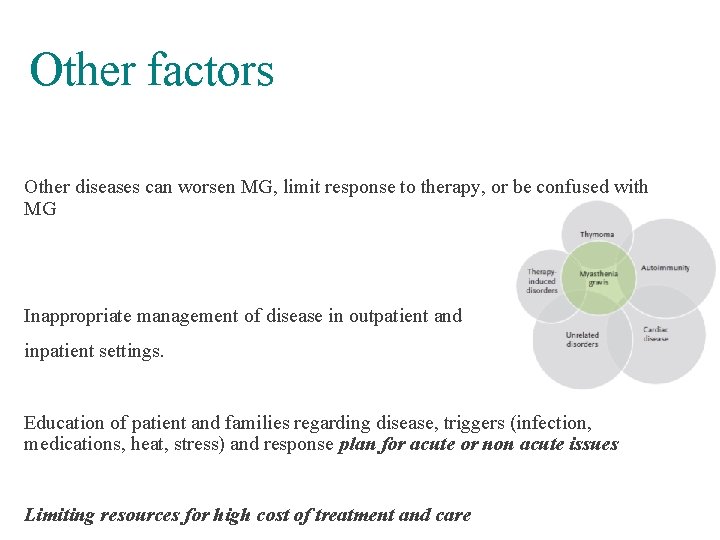
Other factors Other diseases can worsen MG, limit response to therapy, or be confused with MG Inappropriate management of disease in outpatient and inpatient settings. Education of patient and families regarding disease, triggers (infection, medications, heat, stress) and response plan for acute or non acute issues Limiting resources for high cost of treatment and care
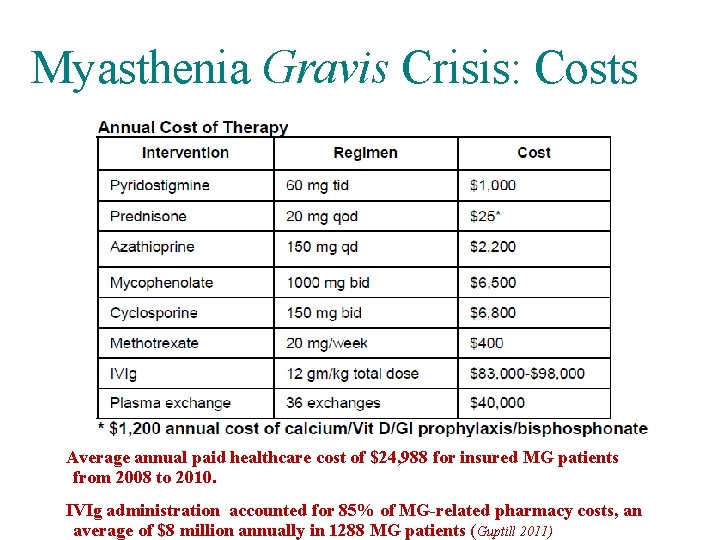
Myasthenia Gravis Crisis: Costs Average annual paid healthcare cost of $24, 988 for insured MG patients from 2008 to 2010. IVIg administration accounted for 85% of MG-related pharmacy costs, an average of $8 million annually in 1288 MG patients (Guptill 2011)
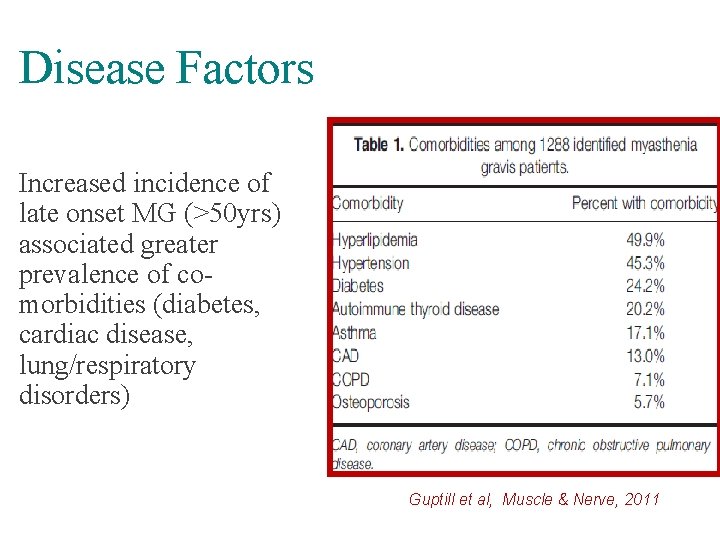
Disease Factors Increased incidence of late onset MG (>50 yrs) associated greater prevalence of comorbidities (diabetes, cardiac disease, lung/respiratory disorders) Guptill et al, Muscle & Nerve, 2011
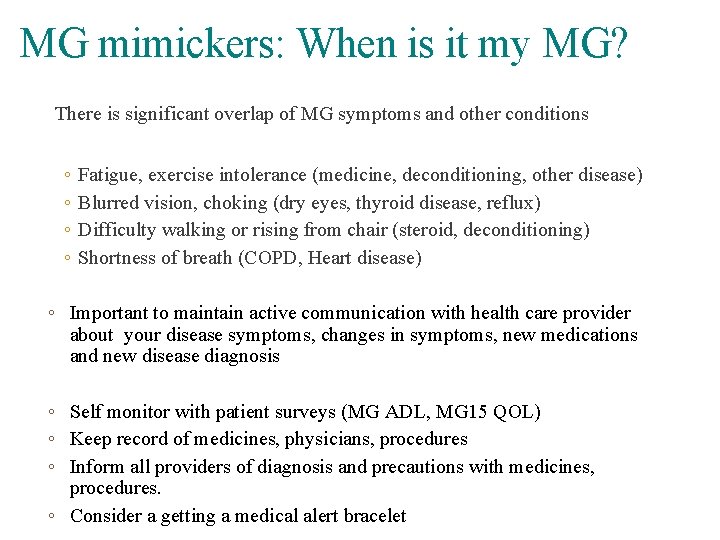
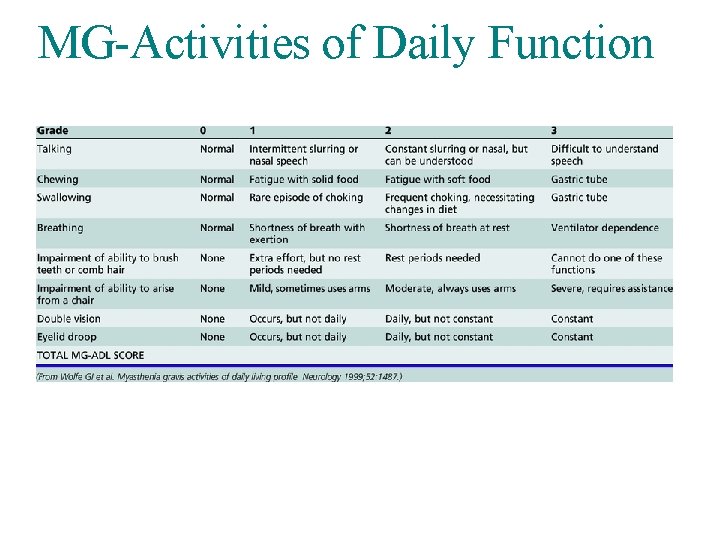
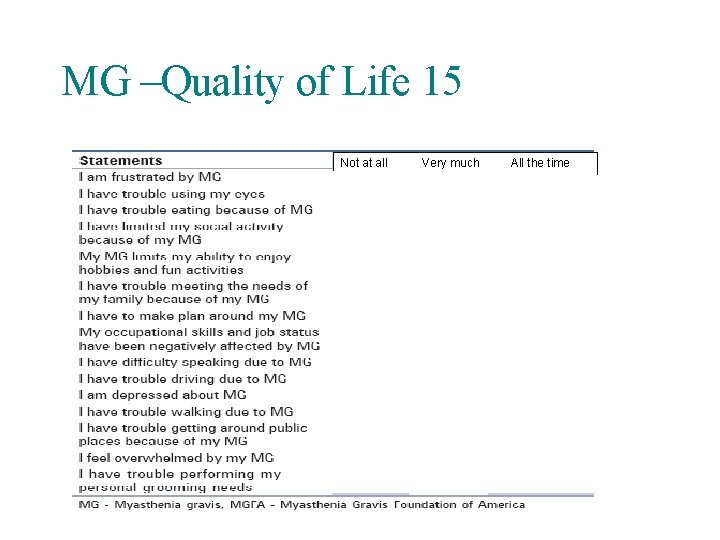
MG mimickers: When is it my MG? There is significant overlap of MG symptoms and other conditions ◦ ◦ Fatigue, exercise intolerance (medicine, deconditioning, other disease) Blurred vision, choking (dry eyes, thyroid disease, reflux) Difficulty walking or rising from chair (steroid, deconditioning) Shortness of breath (COPD, Heart disease) ◦ Important to maintain active communication with health care provider about your disease symptoms, changes in symptoms, new medications and new disease diagnosis ◦ Self monitor with patient surveys (MG ADL, MG 15 QOL) ◦ Keep record of medicines, physicians, procedures ◦ Inform all providers of diagnosis and precautions with medicines, procedures. ◦ Consider a getting a medical alert bracelet
MG-Activities of Daily Function
MG –Quality of Life 15 Not at all Very much All the time
Myasthenia Gravis is a manageable disease with significantly high survival rates Requires a physician-patient-hospital relationship that is accessible and consistent Patient outcomes depend upon self education and education of others (health providers, family, employers, friends)
Conclusions Myasthenia Gravis is a treatable condition for most patients Increased understanding of the immune system and autoimmunity is leading to development of treatments that specifically target immune cells and signaling pathway Must not neglect those preventable factors that warrant the characterization of MG as gravis Patient and family education, advocacy, and communication with medical providers and services is paramount to successful outcomes
Patient Advocacy My. MG * New application for IPAD, IPOD, MAC, smart phones Myasthenia Gravis Foundation of America, Inc. www. myasthenia. org