MASTERS TIPS TRICKS USING MAGEC Colin Nnadi FRCSORTH



- Slides: 40
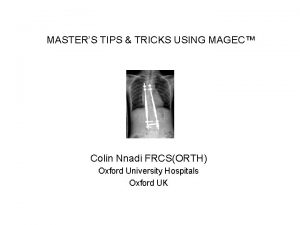
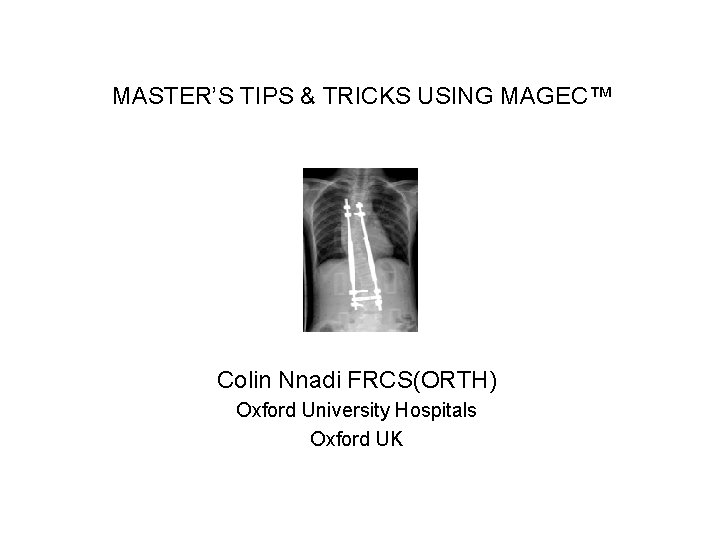
MASTER’S TIPS & TRICKS USING MAGEC™ Colin Nnadi FRCS(ORTH) Oxford University Hospitals Oxford UK
Introduction • Distraction technique principles • Case scenarios • Conclusion
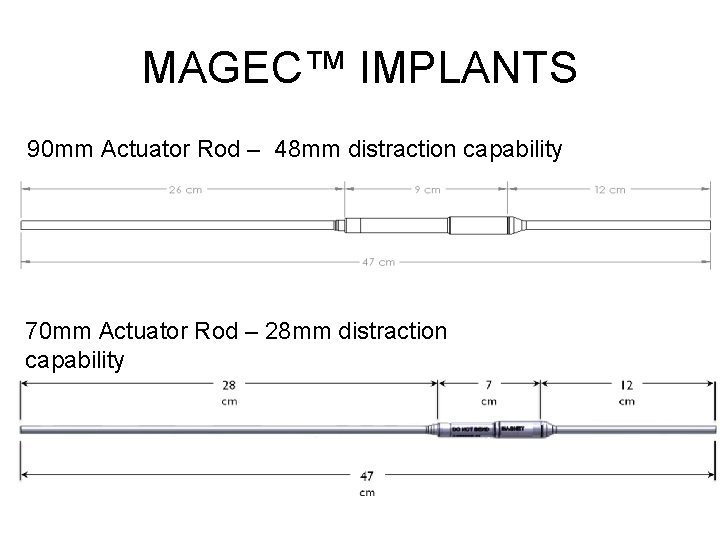
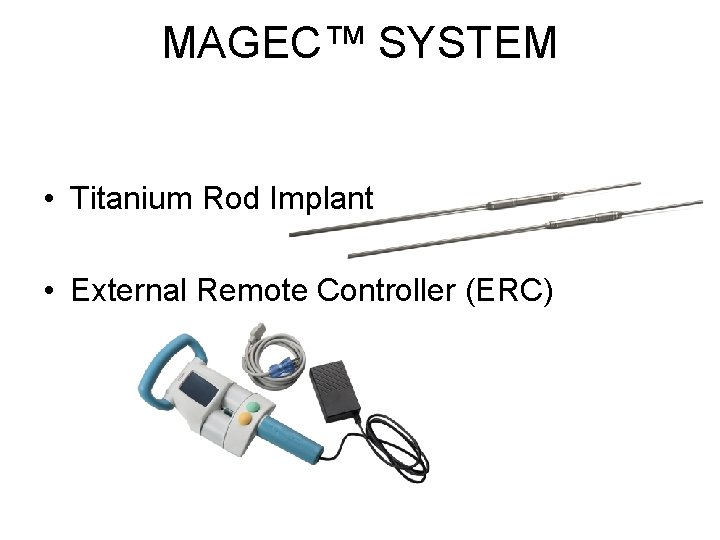
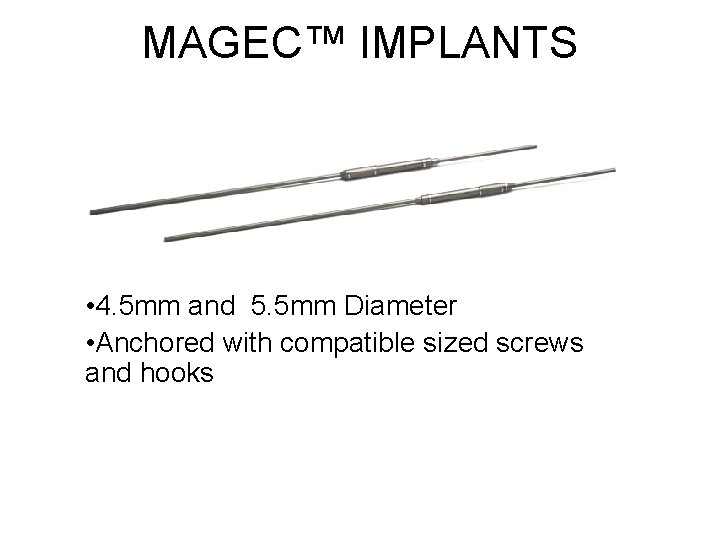
MAGEC™ IMPLANTS 90 mm Actuator Rod – 48 mm distraction capability 70 mm Actuator Rod – 28 mm distraction capability
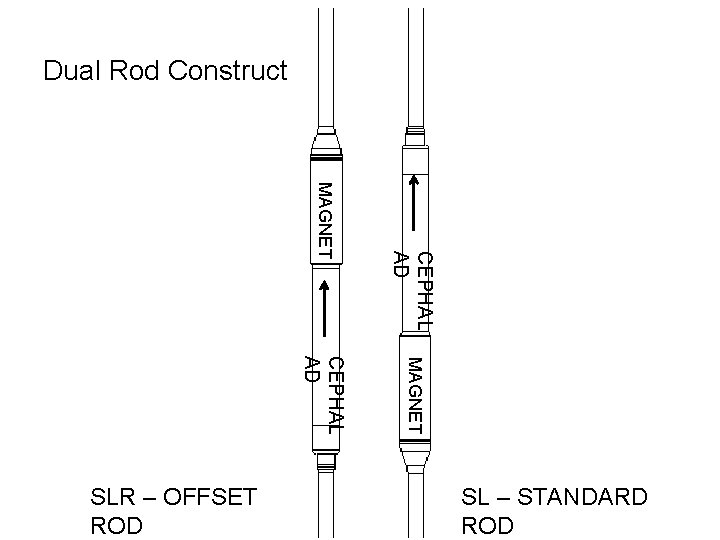
Dual Rod Construct CEPHAL AD MAGNET CEPHAL AD SLR – OFFSET ROD SL – STANDARD ROD
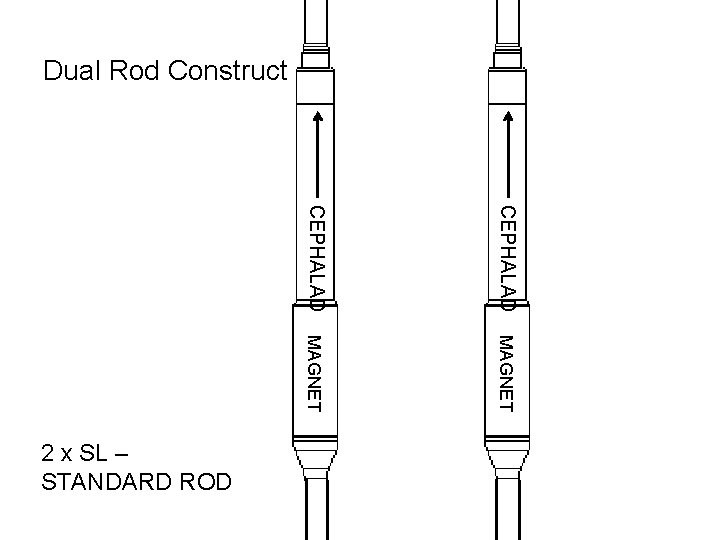
Dual Rod Construct CEPHALAD MAGNET 2 x SL – STANDARD ROD
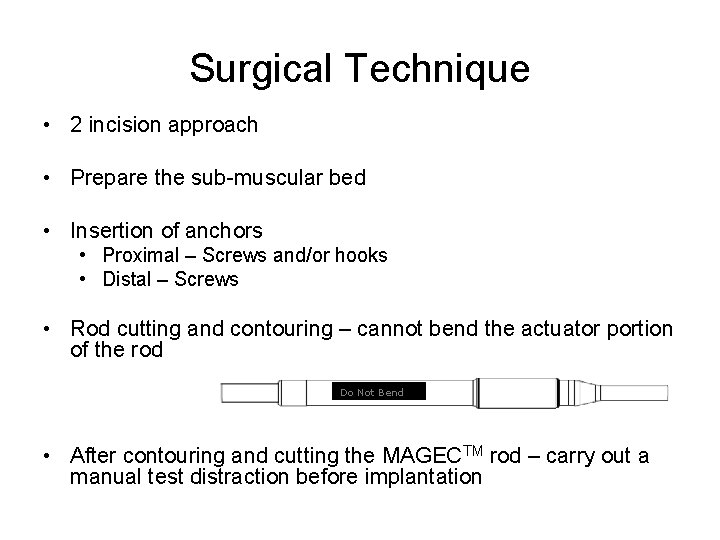
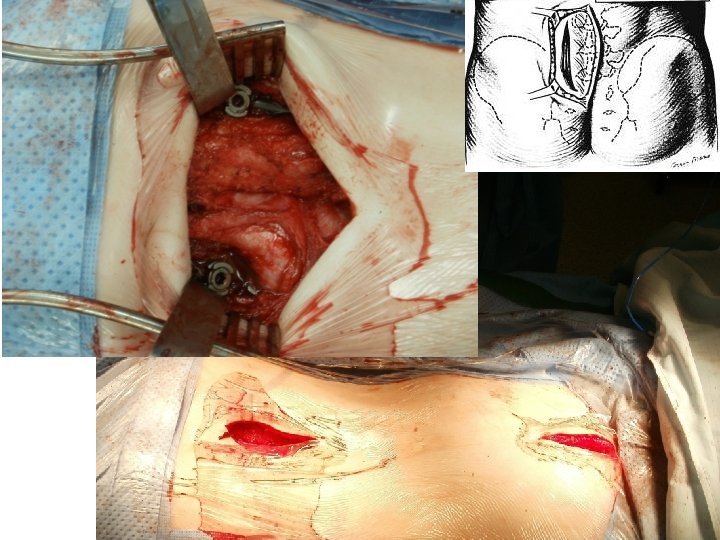
Surgical Technique • 2 incision approach • Prepare the sub-muscular bed • Insertion of anchors • Proximal – Screws and/or hooks • Distal – Screws • Rod cutting and contouring – cannot bend the actuator portion of the rod Do Not Bend • After contouring and cutting the MAGECTM rod – carry out a manual test distraction before implantation dual rods
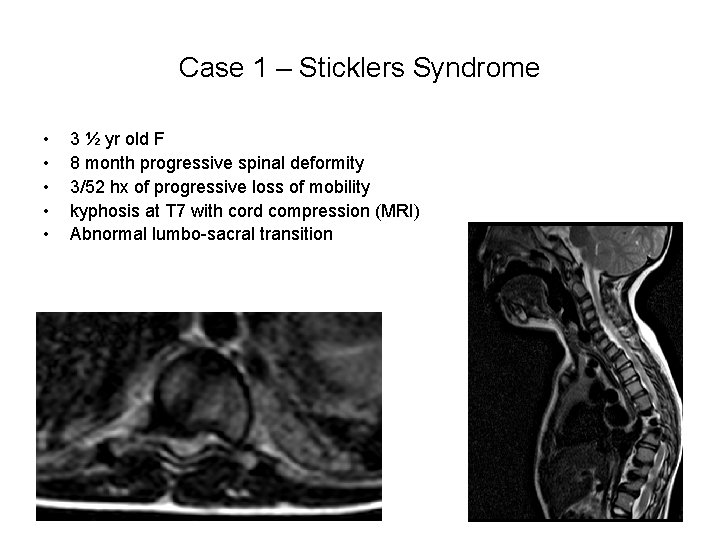
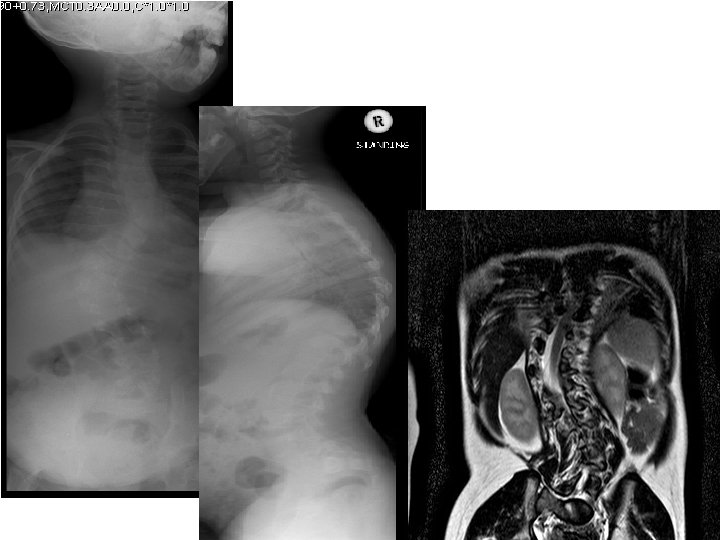
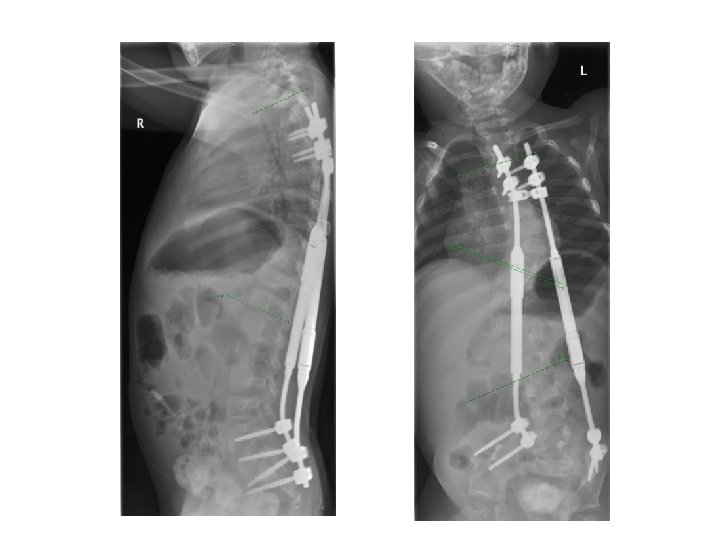
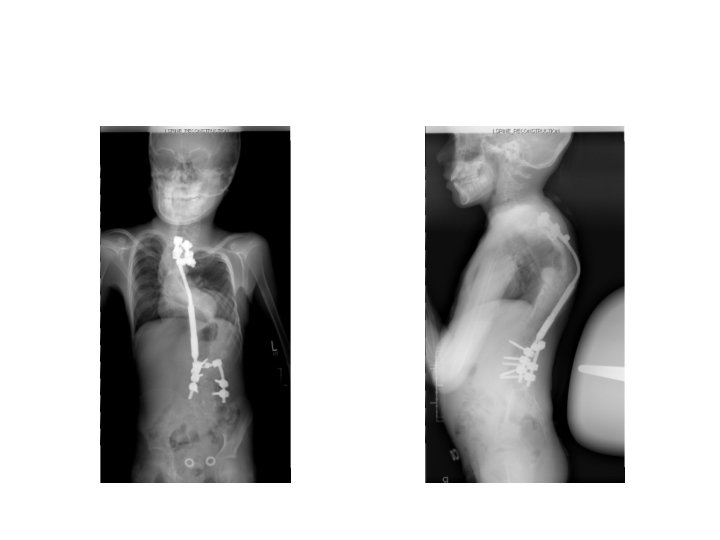
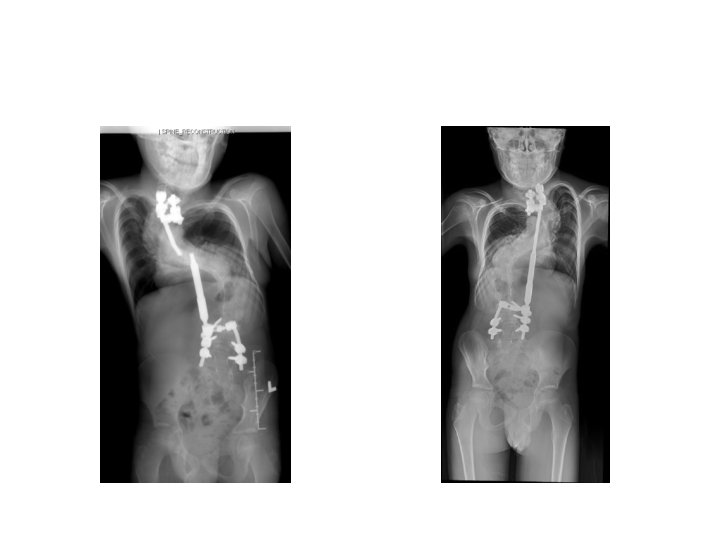
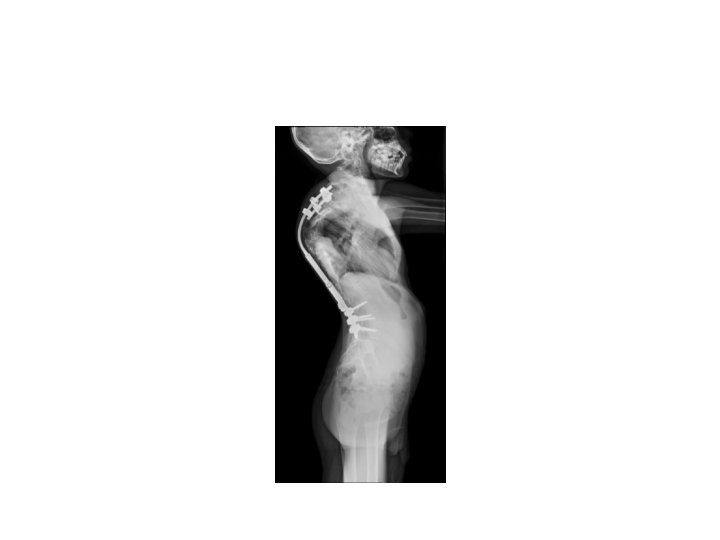
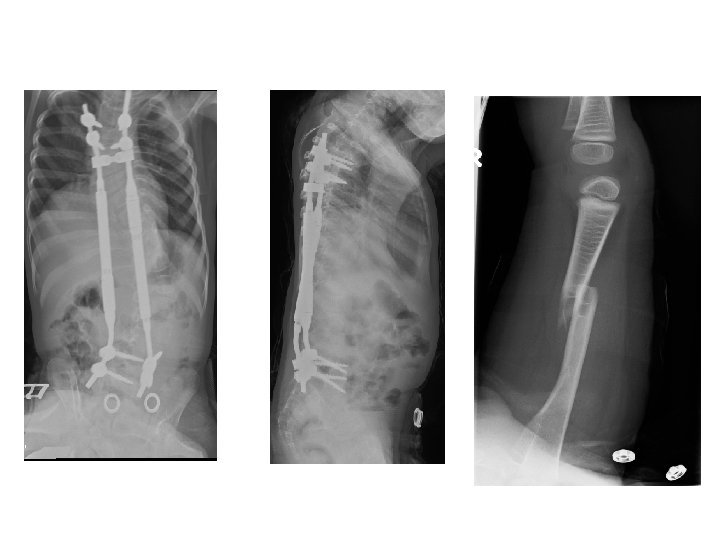
Case 1 – Sticklers Syndrome • • • 3 ½ yr old F 8 month progressive spinal deformity 3/52 hx of progressive loss of mobility kyphosis at T 7 with cord compression (MRI) Abnormal lumbo-sacral transition
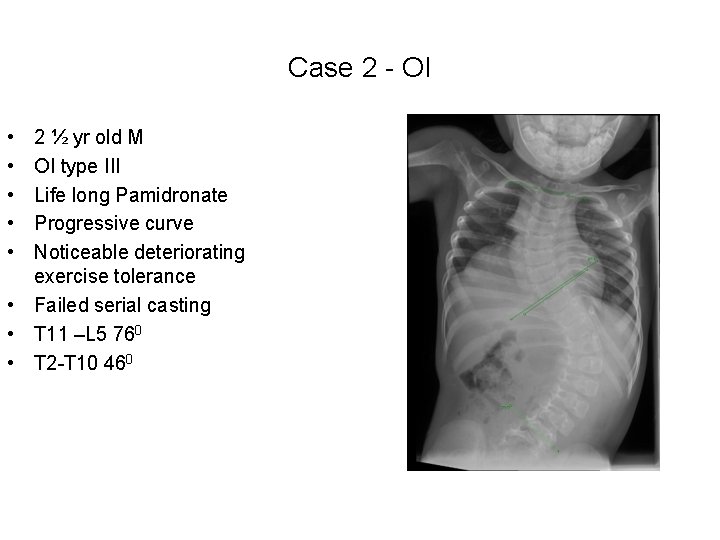
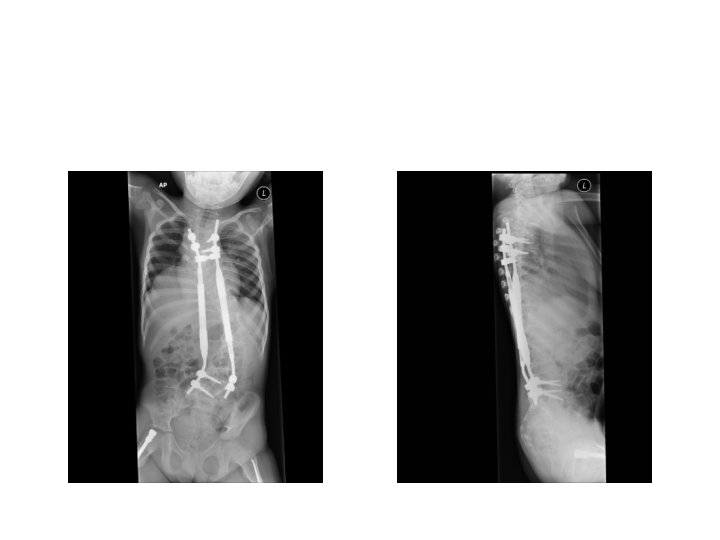
Case 2 - OI • • • 2 ½ yr old M OI type III Life long Pamidronate Progressive curve Noticeable deteriorating exercise tolerance • Failed serial casting • T 11 –L 5 760 • T 2 -T 10 460
MAGEC™ ERC Patient Positioning
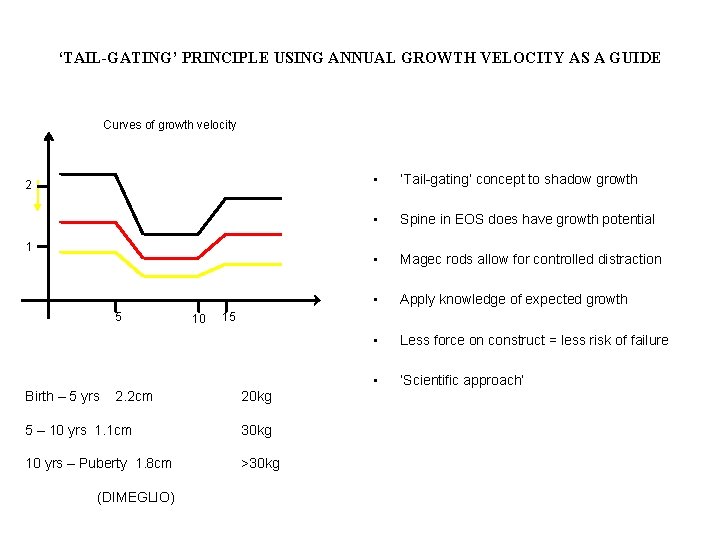
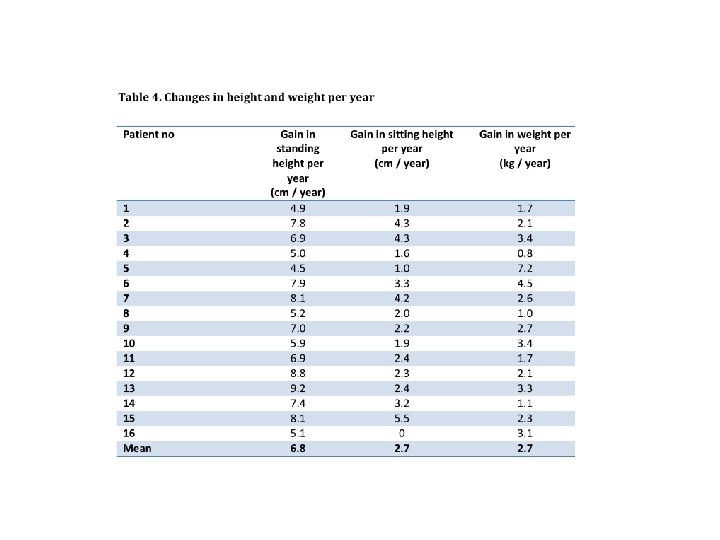
‘TAIL-GATING’ PRINCIPLE USING ANNUAL GROWTH VELOCITY AS A GUIDE Curves of growth velocity 2 1 5 Birth – 5 yrs 2. 2 cm 10 ‘Tail-gating’ concept to shadow growth • Spine in EOS does have growth potential • Magec rods allow for controlled distraction • Apply knowledge of expected growth • Less force on construct = less risk of failure • ‘Scientific approach’ 15 20 kg 5 – 10 yrs 1. 1 cm 30 kg 10 yrs – Puberty 1. 8 cm >30 kg (DIMEGLIO) •
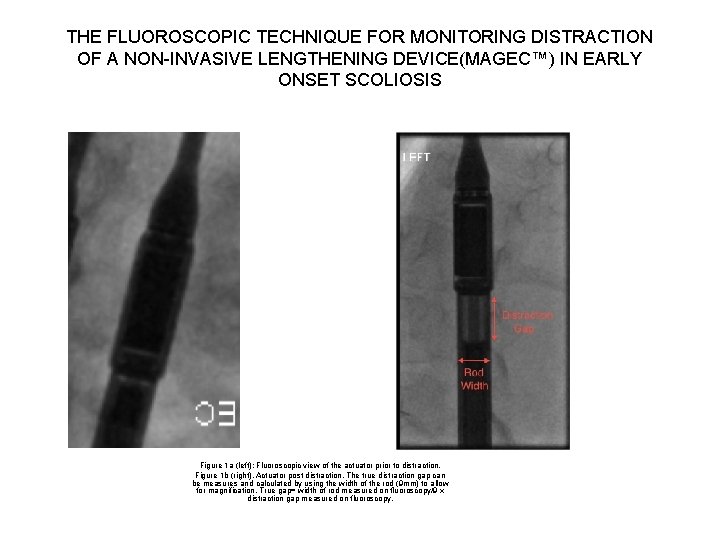
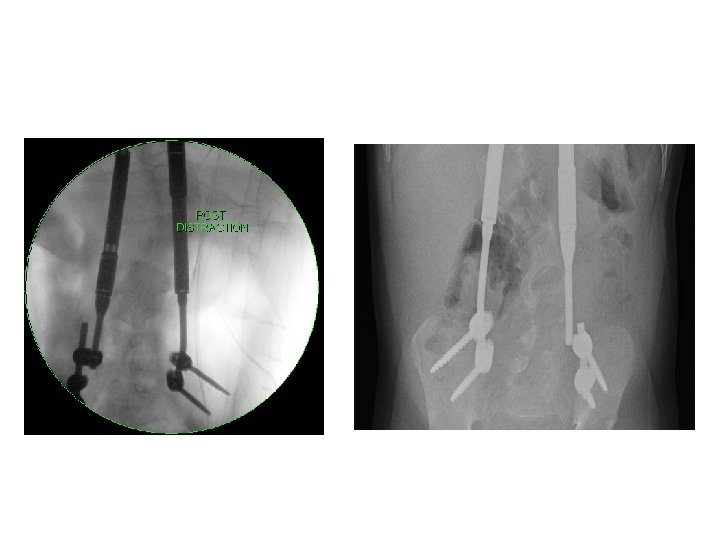
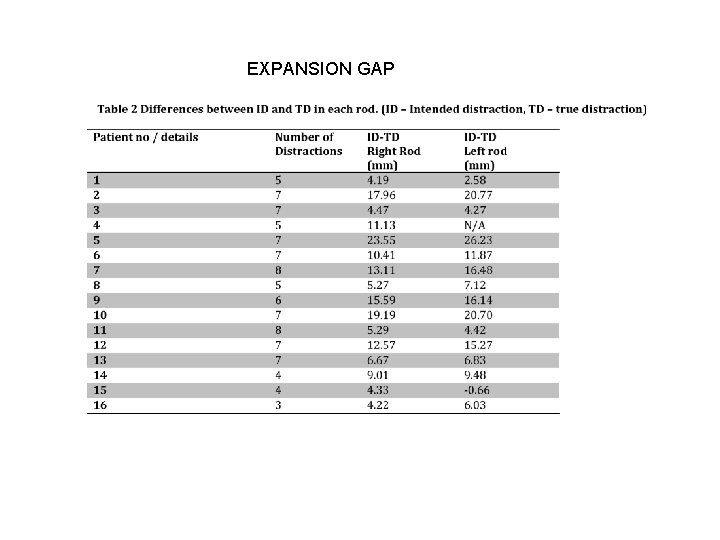
THE FLUOROSCOPIC TECHNIQUE FOR MONITORING DISTRACTION OF A NON-INVASIVE LENGTHENING DEVICE(MAGEC™) IN EARLY ONSET SCOLIOSIS Figure 1 a (left): Fluoroscopic view of the actuator prior to distraction. Figure 1 b (right). Actuator post distraction. The true distraction gap can be measures and calculated by using the width of the rod (9 mm) to allow for magnification. True gap= width of rod measured on fluoroscopy/9 x distraction gap measured on fluoroscopy.
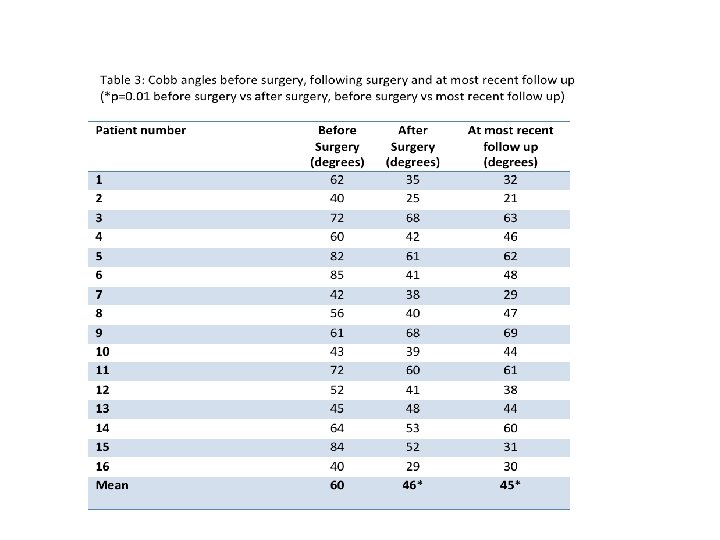
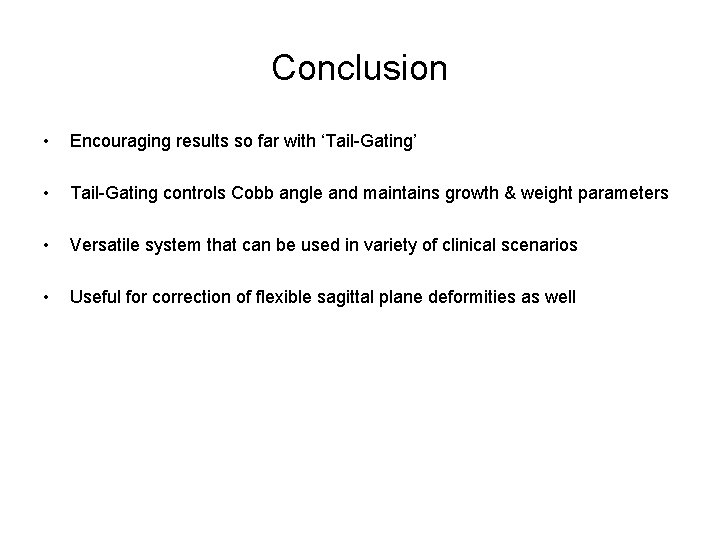
Conclusion • Encouraging results so far with ‘Tail-Gating’ • Tail-Gating controls Cobb angle and maintains growth & weight parameters • Versatile system that can be used in variety of clinical scenarios • Useful for correction of flexible sagittal plane deformities as well
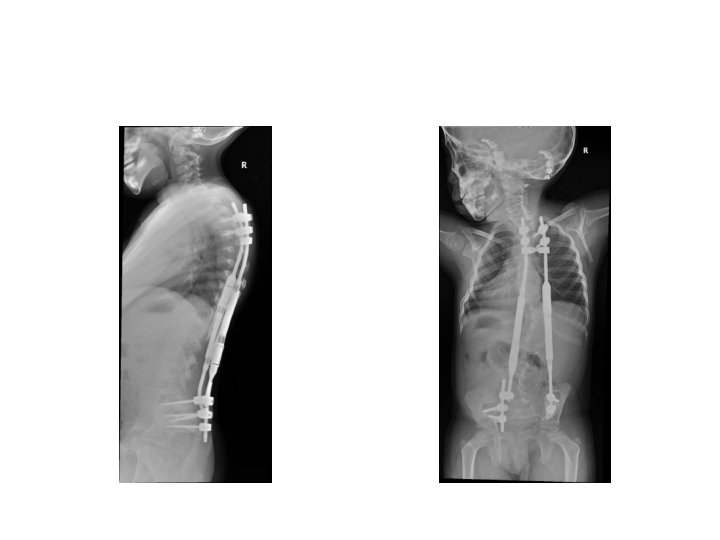
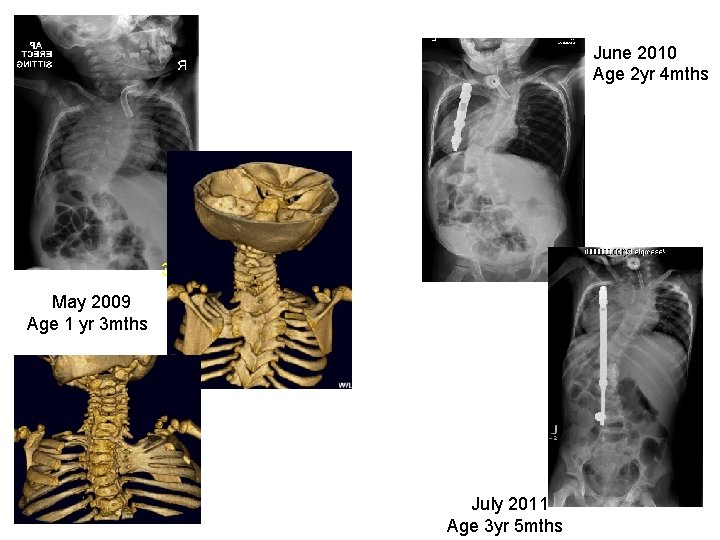
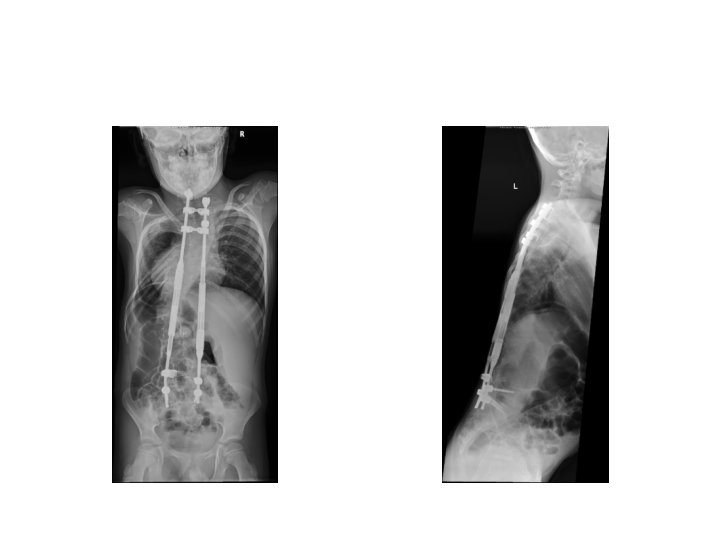
Case 3 – VACTERL Syndrome • • • 5 yr old M IVF VACTERL with failure to thrive Initial review @ 15 months Multiple vertebral anomalies No cord abnormalities VEPTR with multiple revisions Truncal imbalance Respiratory arrest during GA
June 2010 Age 2 yr 4 mths 38° May 2009 Age 1 yr 3 mths 32° July 2011 Age 3 yr 5 mths
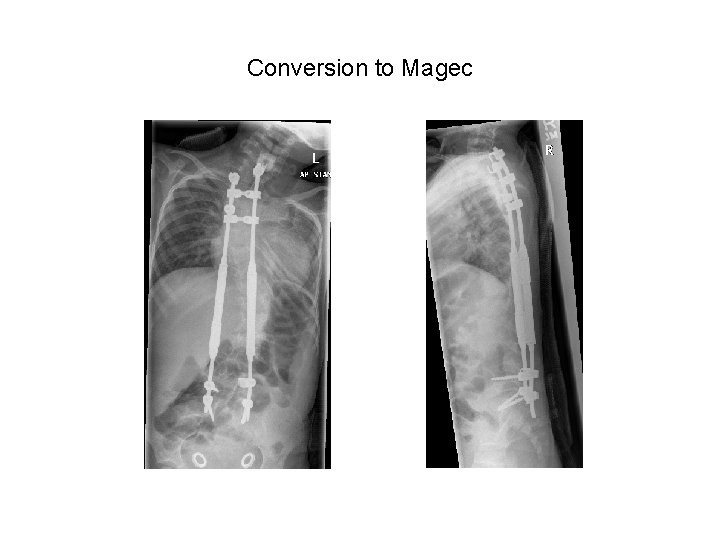
Conversion to Magec
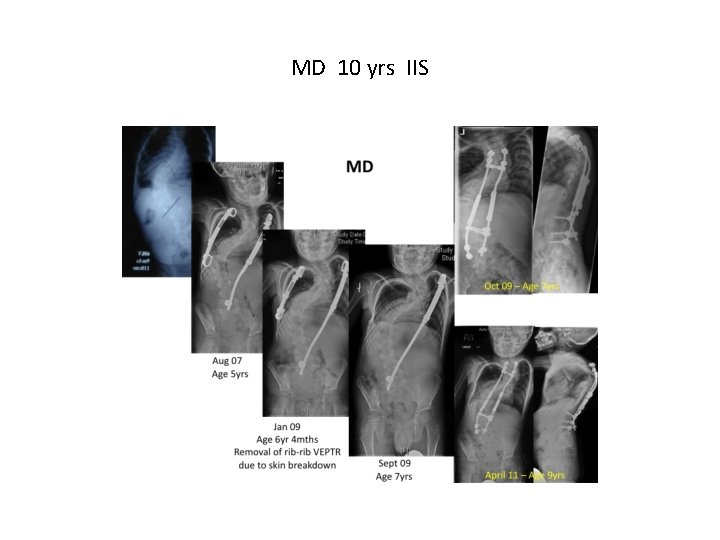
MD 10 yrs IIS
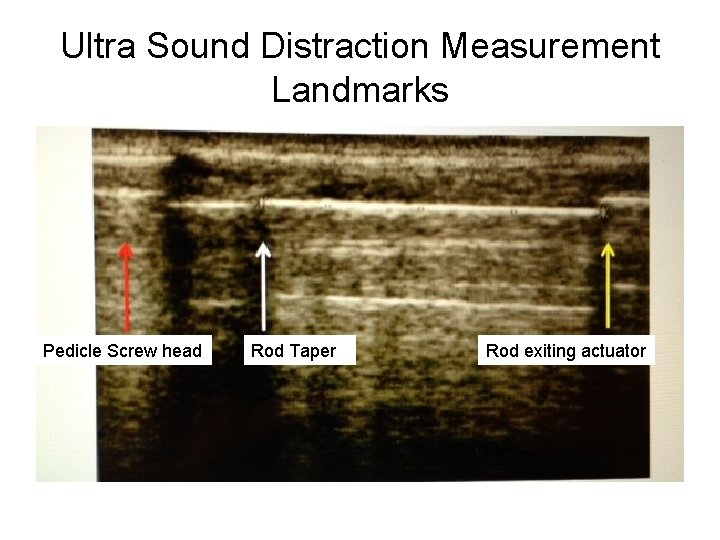
Ultra Sound Distraction Measurement Landmarks Pedicle Screw head Rod Taper Rod exiting actuator
EXPANSION GAP
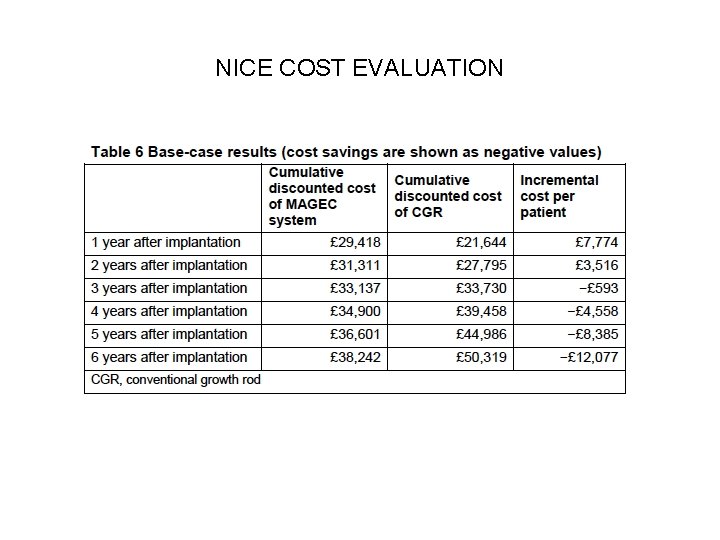
NICE COST EVALUATION
4 year forecast (Oxford Study)
MAGEC™ SYSTEM • Titanium Rod Implant • External Remote Controller (ERC)
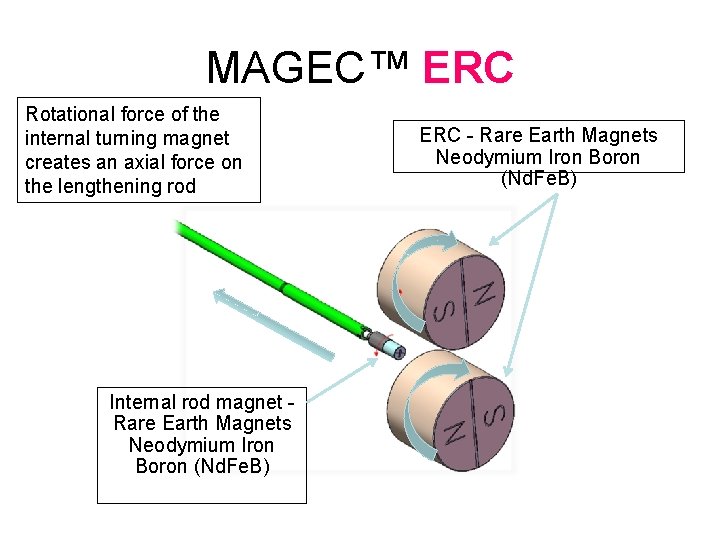
MAGEC™ ERC Rotational force of the internal turning magnet creates an axial force on the lengthening rod Internal rod magnet Rare Earth Magnets Neodymium Iron Boron (Nd. Fe. B) ERC - Rare Earth Magnets Neodymium Iron Boron (Nd. Fe. B)
MAGEC™ IMPLANTS • 4. 5 mm and 5. 5 mm Diameter • Anchored with compatible sized screws and hooks
Distraction Techniques • Outpatient clinic setting • Maximum vs Controlled • – – – Vast debate surrounding frequency and technique of distraction Kenneth Cheung, Hong Kong – 1/12 Hilali Nordeen, RNOH Stanmore – 6/12 Oxford ‘Tail-gating’ – Dimeglio’s growth curve • Fluoroscopy (Oxford) – 50 x less radiation • Ultrasound (Hong Kong)