Intensive First Year American Sign Language ASL 134



- Slides: 48
Intensive First Year American Sign Language (ASL 134) class Summer Quarter 2016 Instructor: Kristi Winter, MA University of Washington Dept. of Linguistics ASL Program
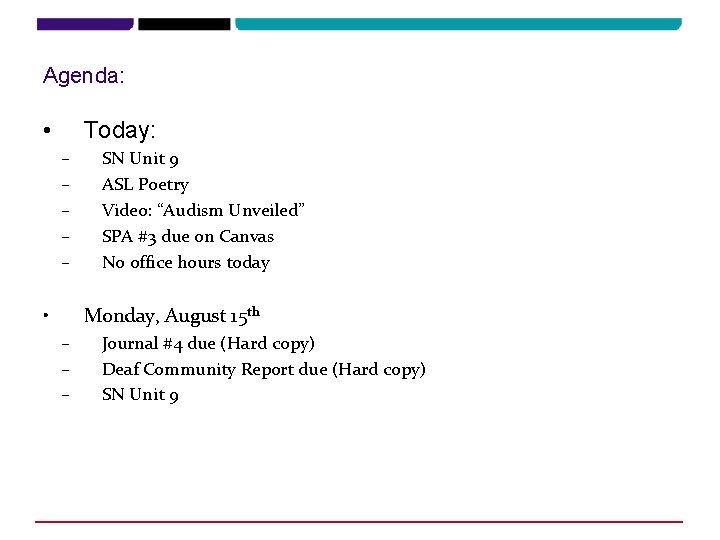
Agenda: • Today: – – – • SN Unit 9 ASL Poetry Video: “Audism Unveiled” SPA #3 due on Canvas No office hours today Monday, August 15 th – – – Journal #4 due (Hard copy) Deaf Community Report due (Hard copy) SN Unit 9
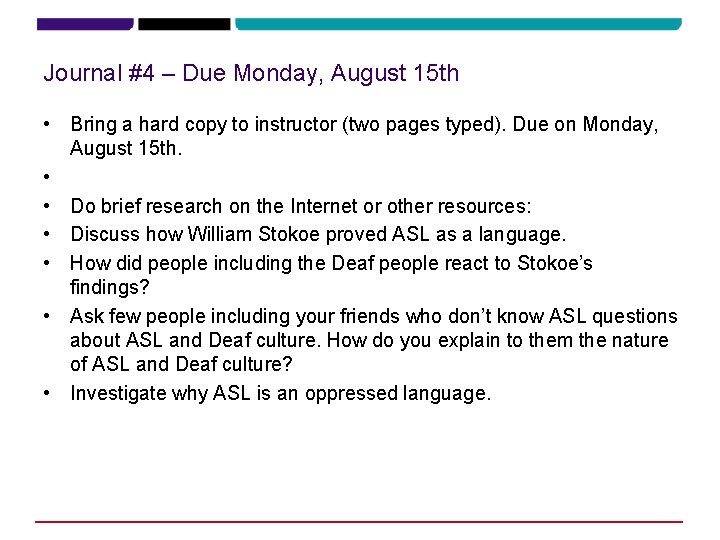
Journal #4 – Due Monday, August 15 th • Bring a hard copy to instructor (two pages typed). Due on Monday, August 15 th. • • Do brief research on the Internet or other resources: • Discuss how William Stokoe proved ASL as a language. • How did people including the Deaf people react to Stokoe’s findings? • Ask few people including your friends who don’t know ASL questions about ASL and Deaf culture. How do you explain to them the nature of ASL and Deaf culture? • Investigate why ASL is an oppressed language.
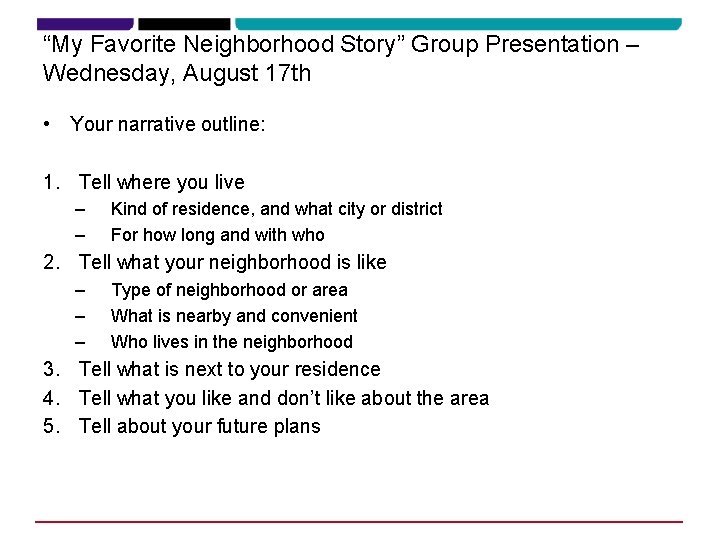
“My Favorite Neighborhood Story” Group Presentation – Wednesday, August 17 th • Your narrative outline: 1. Tell where you live – – Kind of residence, and what city or district For how long and with who 2. Tell what your neighborhood is like – – – Type of neighborhood or area What is nearby and convenient Who lives in the neighborhood 3. Tell what is next to your residence 4. Tell what you like and don’t like about the area 5. Tell about your future plans
Unit 9 Describing Places
Lesson 9: 6 Yes/No Questions 1 Homework Follow-Up
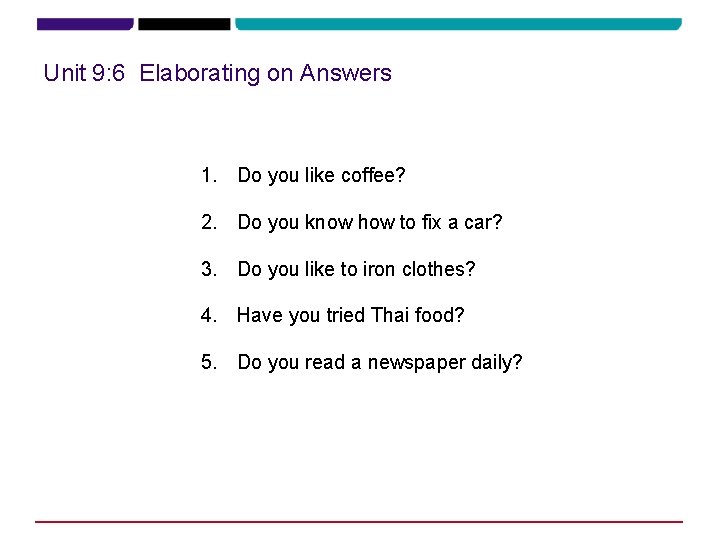
Unit 9: 6 Elaborating on Answers 1. Do you like coffee? 2. Do you know how to fix a car? 3. Do you like to iron clothes? 4. Have you tried Thai food? 5. Do you read a newspaper daily?
6. Do you have more than 100 books? 7. Have you been to Paris? 8. Do you know how to download music off the Internet? 9. Are you afraid of spiders, bugs or frogs? 10. Do you like to get up early?
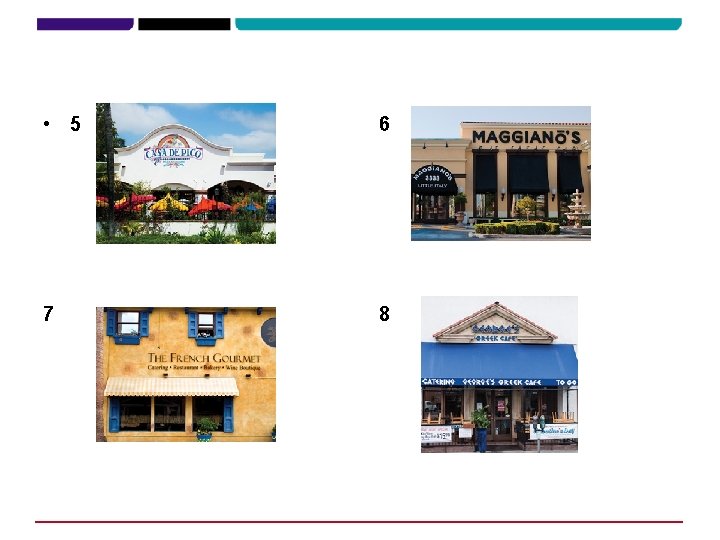
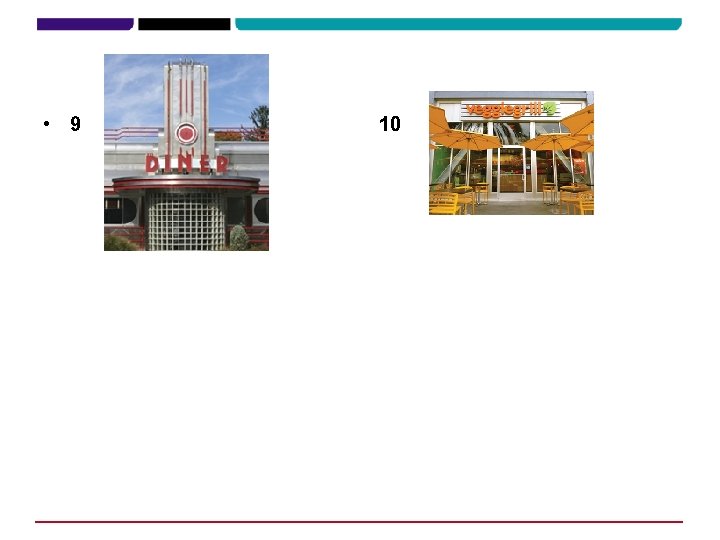
Lesson 9: 7 Describing a Restaurant
Mozzeria – Deaf-Owned Pizza Restuarant • https: //www. youtube. com/watch? v=x 9 Dw. X 9 Rw 840
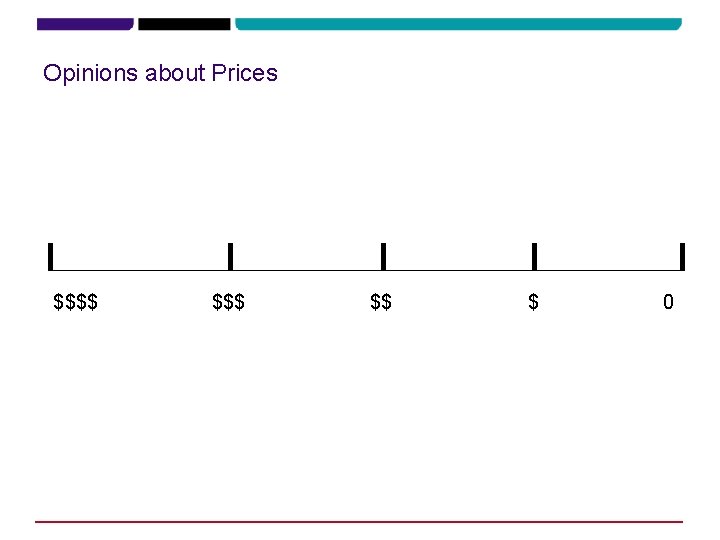
Opinions about Prices $$$$ 0
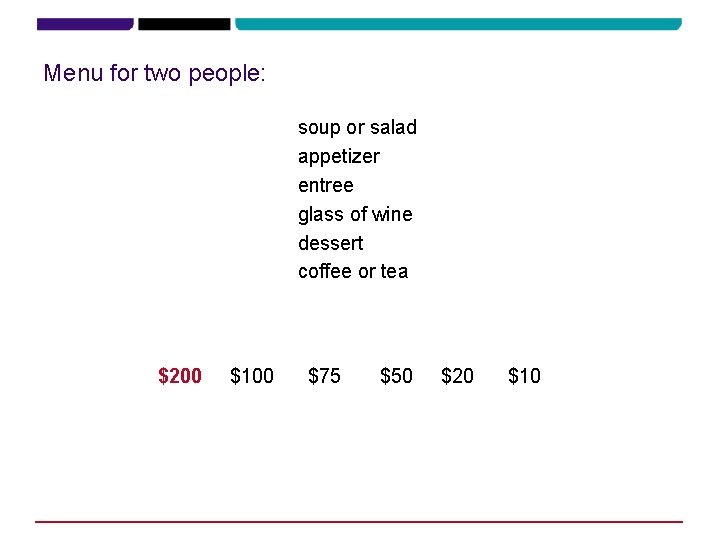
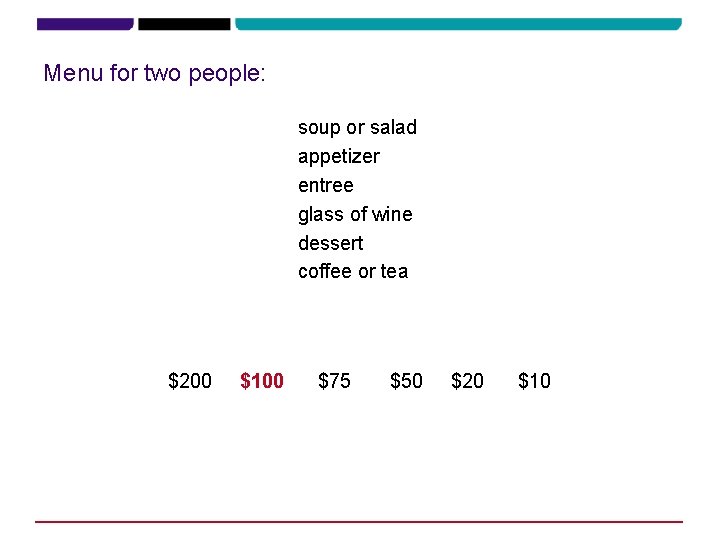
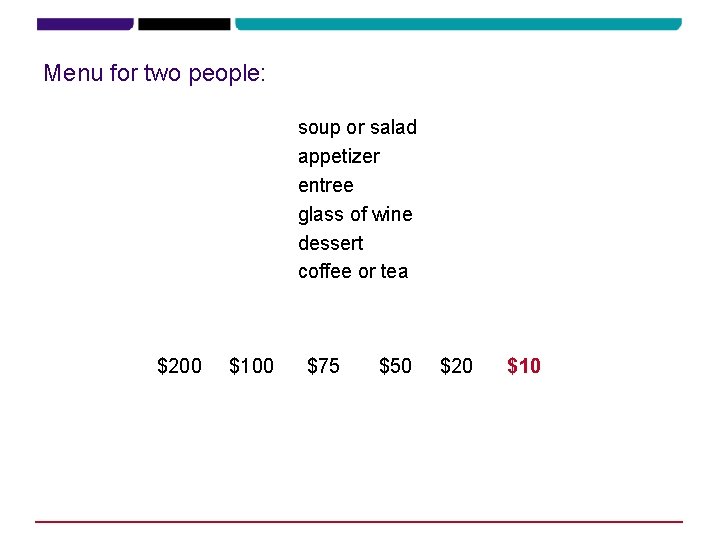
Menu for two people: soup or salad appetizer entree glass of wine dessert coffee or tea $200 $100 $75 $50 $20 $10
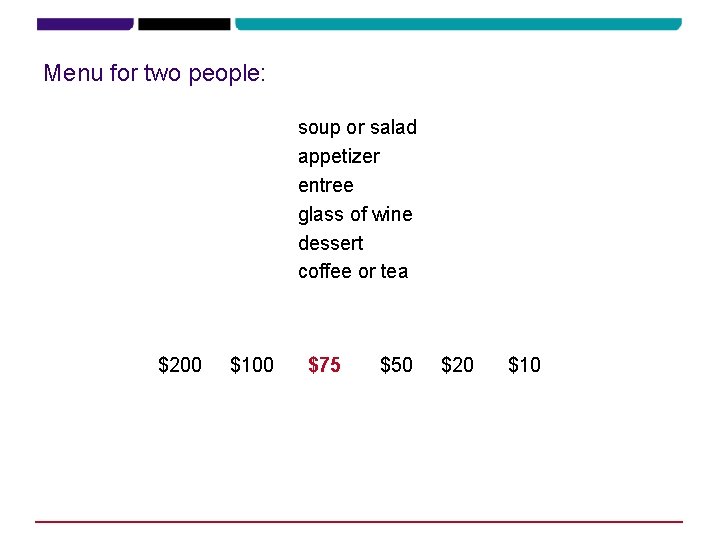
Menu for two people: soup or salad appetizer entree glass of wine dessert coffee or tea $200 $100 $75 $50 $20 $10
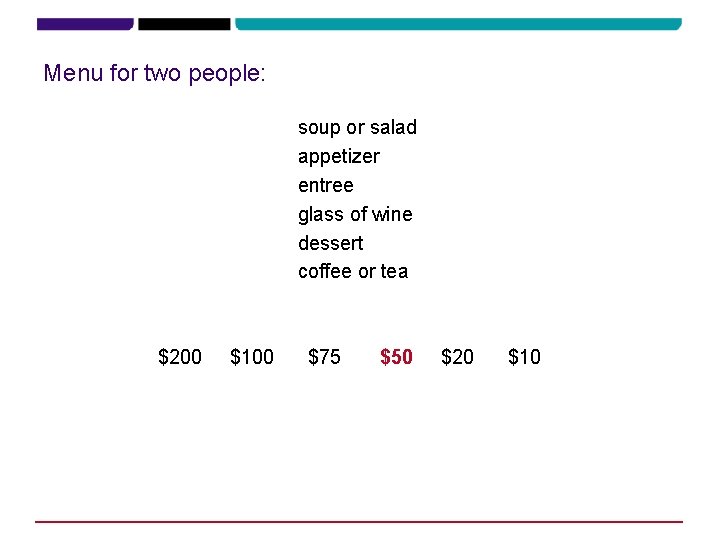
Menu for two people: soup or salad appetizer entree glass of wine dessert coffee or tea $200 $100 $75 $50 $20 $10
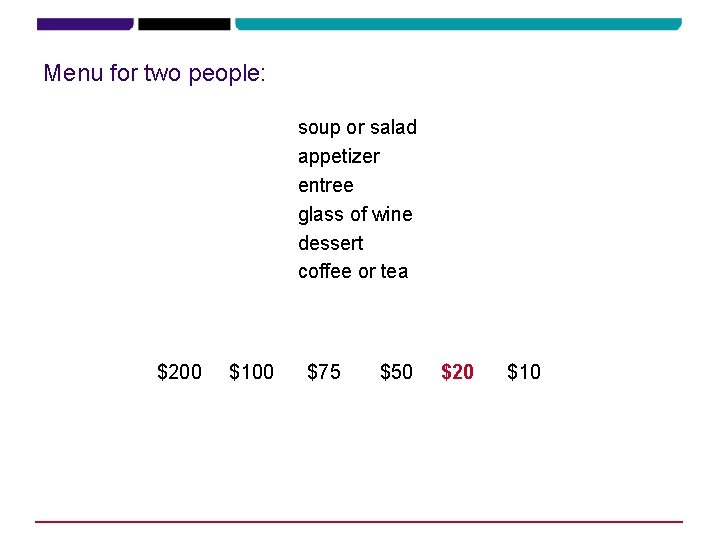
Menu for two people: soup or salad appetizer entree glass of wine dessert coffee or tea $200 $100 $75 $50 $20 $10
Menu for two people: soup or salad appetizer entree glass of wine dessert coffee or tea $200 $100 $75 $50 $20 $10
Menu for two people: soup or salad appetizer entree glass of wine dessert coffee or tea $200 $100 $75 $50 $20 $10
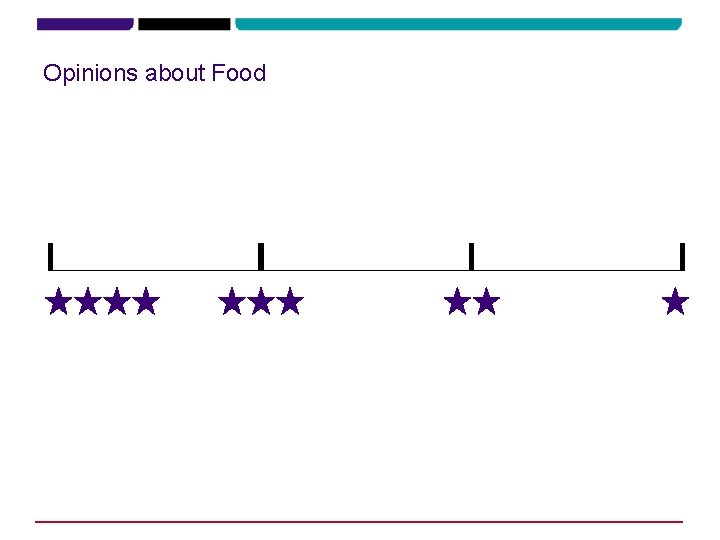
Opinions about Food
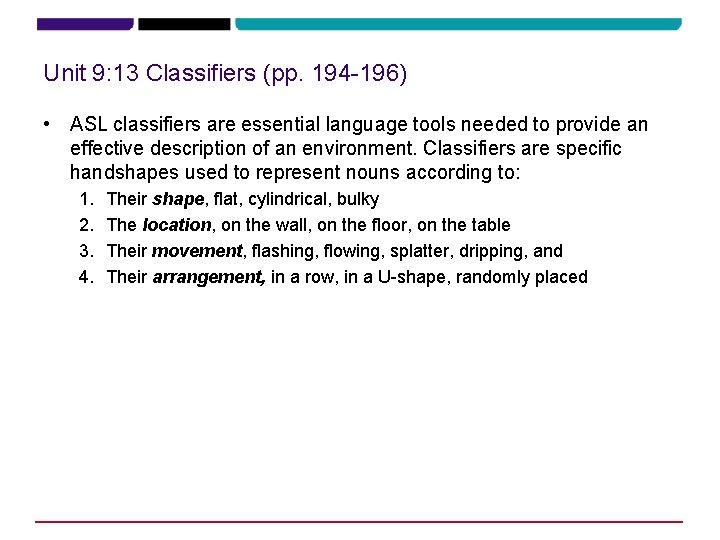
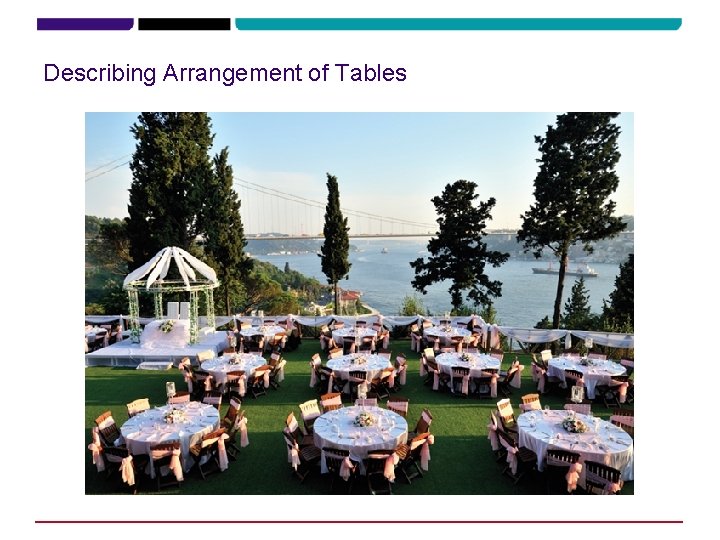
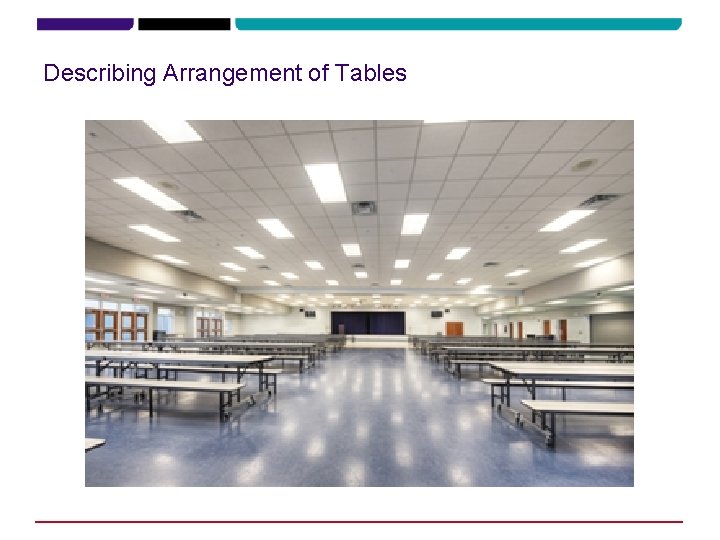
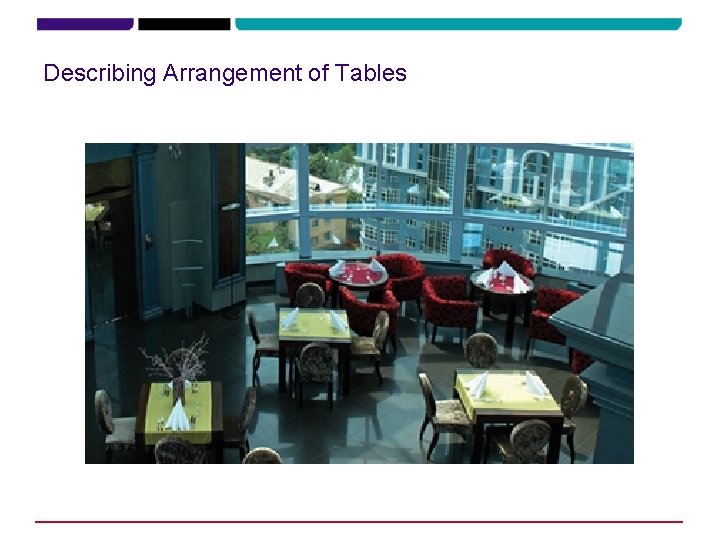
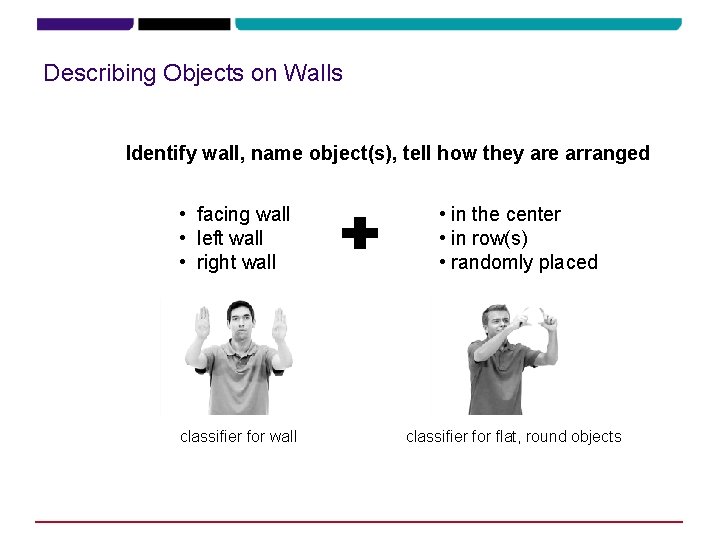
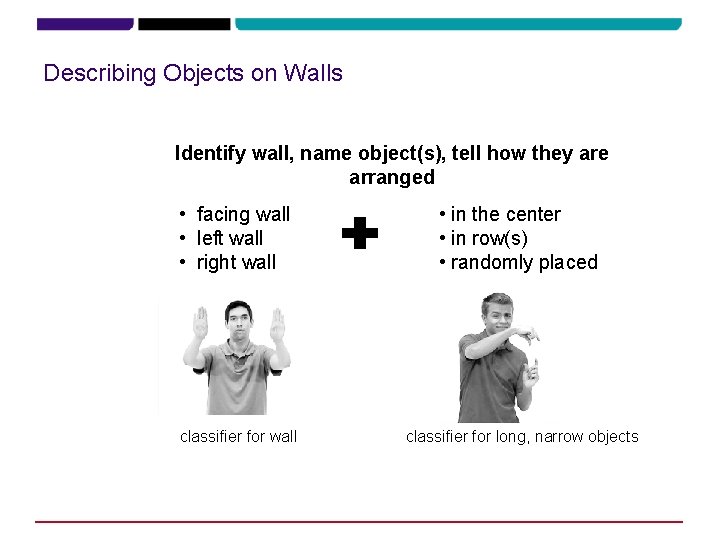
Unit 9: 13 Classifiers (pp. 194 -196) • ASL classifiers are essential language tools needed to provide an effective description of an environment. Classifiers are specific handshapes used to represent nouns according to: 1. 2. 3. 4. Their shape, flat, cylindrical, bulky The location, on the wall, on the floor, on the table Their movement, flashing, flowing, splatter, dripping, and Their arrangement, in a row, in a U-shape, randomly placed
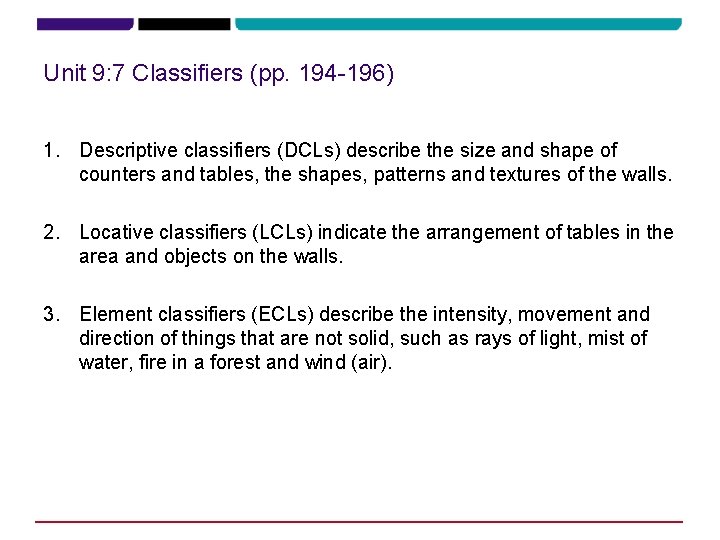
Unit 9: 7 Classifiers (pp. 194 -196) 1. Descriptive classifiers (DCLs) describe the size and shape of counters and tables, the shapes, patterns and textures of the walls. 2. Locative classifiers (LCLs) indicate the arrangement of tables in the area and objects on the walls. 3. Element classifiers (ECLs) describe the intensity, movement and direction of things that are not solid, such as rays of light, mist of water, fire in a forest and wind (air).
Describing Arrangement of Tables
Describing Arrangement of Tables
Describing Arrangement of Tables
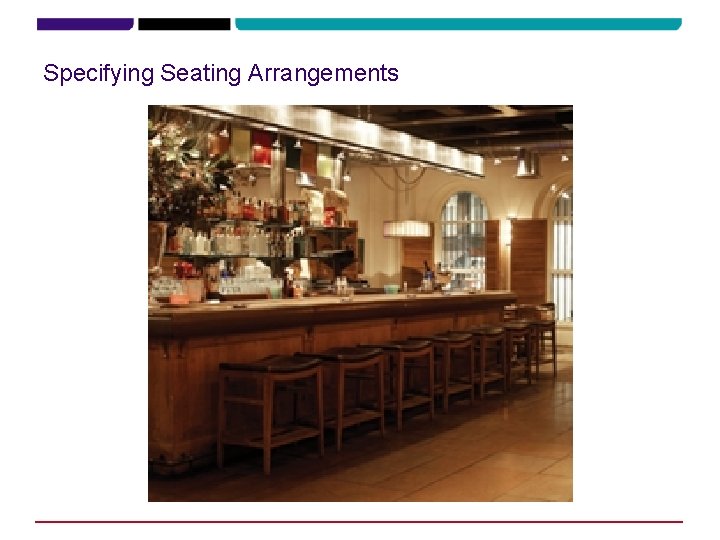
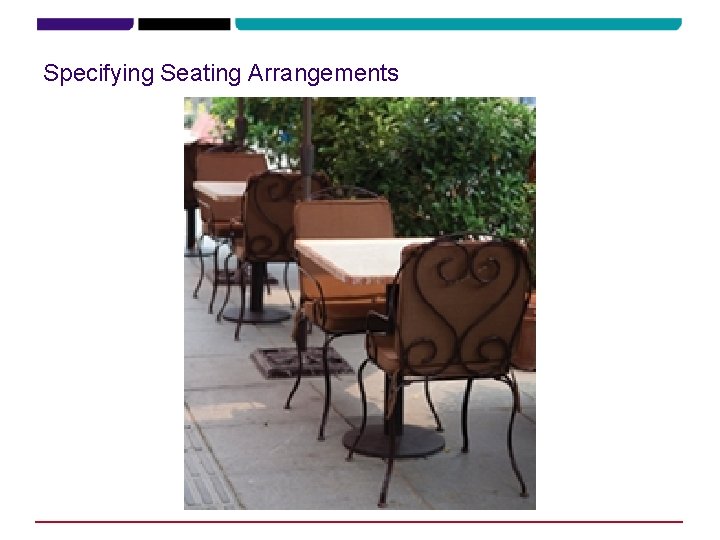
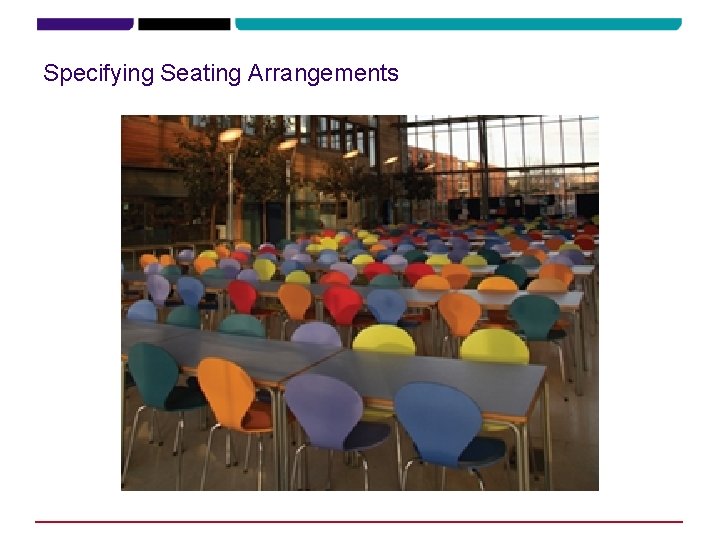
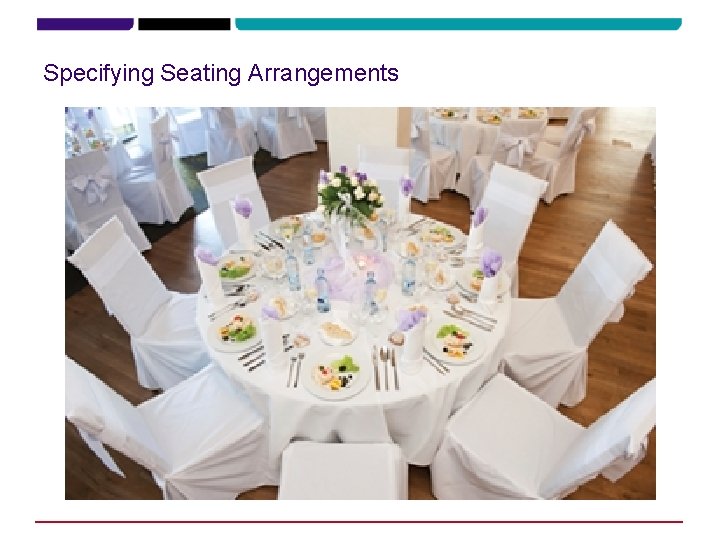
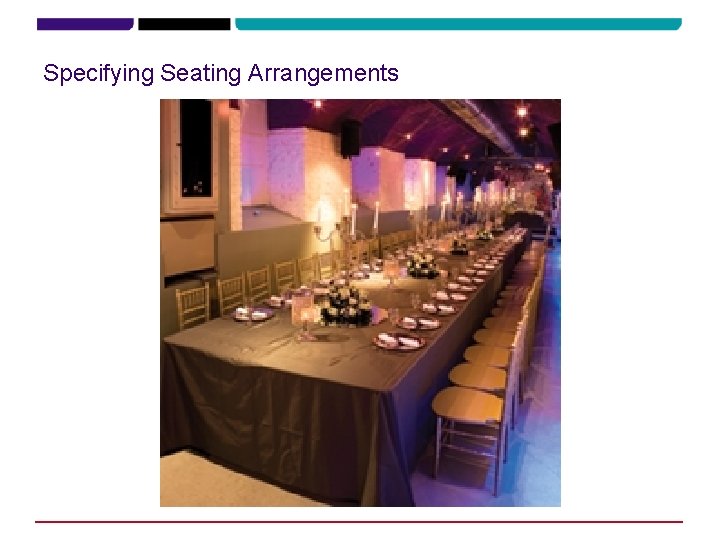
Specifying Seating Arrangements
Specifying Seating Arrangements
Specifying Seating Arrangements
Specifying Seating Arrangements
Specifying Seating Arrangements
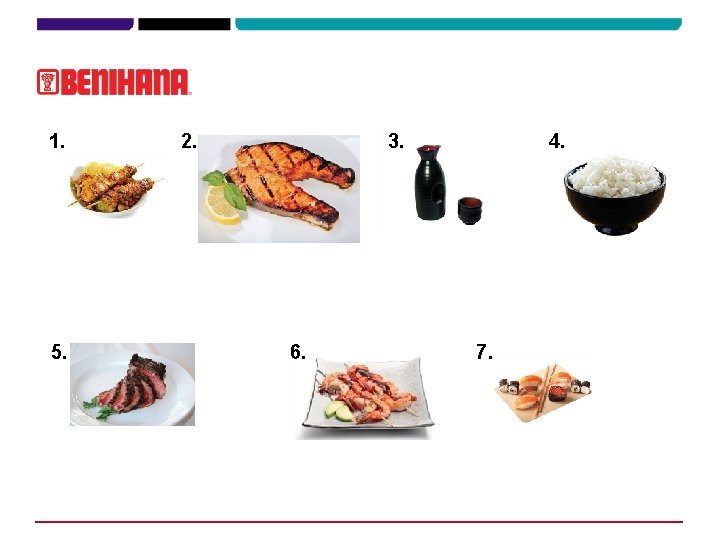
1. 5. 2. 3. 6. 4. 7.
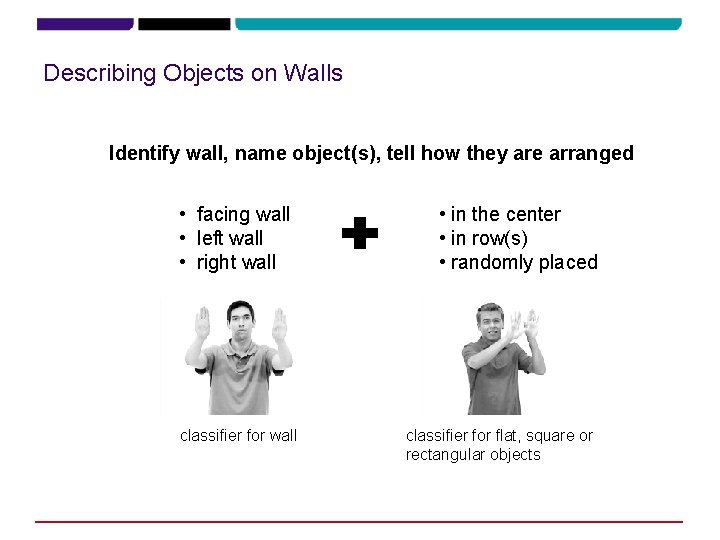
Describing Objects on Walls Identify wall, name object(s), tell how they are arranged • facing wall • left wall • right wall classifier for wall • in the center • in row(s) • randomly placed classifier for flat, square or rectangular objects
Describing Objects on Walls Identify wall, name object(s), tell how they are arranged • facing wall • left wall • right wall • in the center • in row(s) • randomly placed classifier for wall classifier for flat, round objects
Describing Objects on Walls • Identify wall, name object(s), tell how they are arranged • facing wall • left wall • right wall • in the center • in row(s) • randomly placed classifier for wall classifier for long, narrow objects
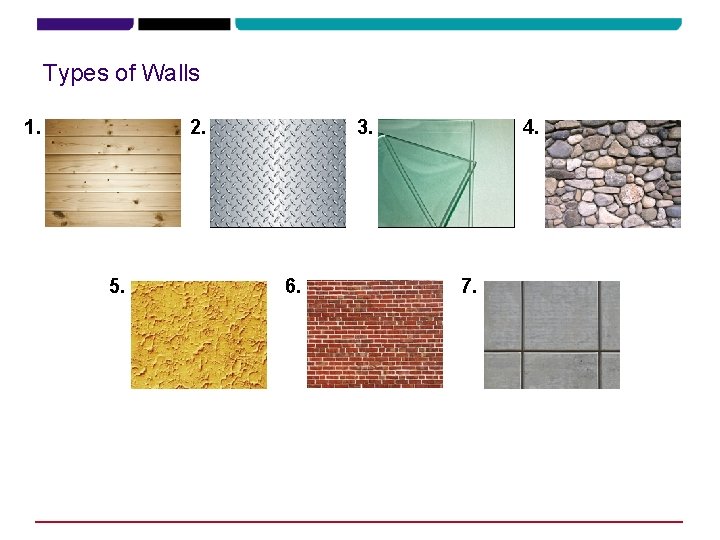
Types of Walls 1. 2. 5. 3. 6. 4. 7.
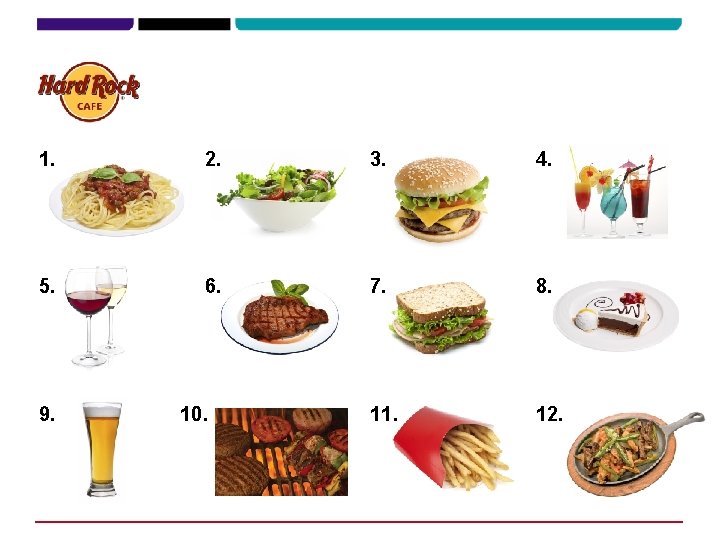
1. 2. 3. 4. 5. 6. 7. 8. 11. 12. 9. 10.
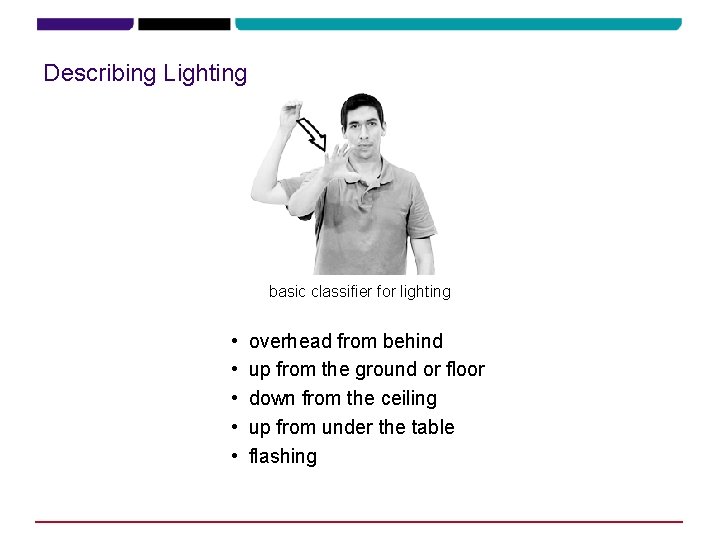
Describing Lighting basic classifier for lighting • • • overhead from behind up from the ground or floor down from the ceiling up from under the table flashing
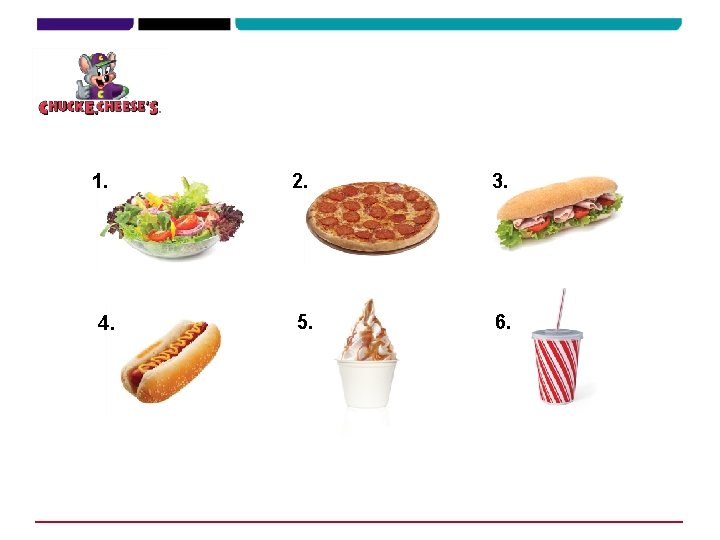
1. 4. 2. 3. 5. 6.
Describing Restaurants A: ask if B has been to a certain restaurant B: say yes A: ask what it looks like B: describe, include: • table or counter and seating arrangement • wall decorations • lighting A: ask what kind of food is served B: tell what is served (use listing) A: ask if food is good, and if it’s expensive B: give opinion
Homework • Do Unit 9: 7 (no hard copy to bring in class), Journal #4 and Deaf Community report for Monday
Sources: • Smith, C. , Lentz, E. & Mikos, K. (2014)Signing Naturally Student Workbook Units 7 -12. Dawn. Sign. Press. San Diego, CA • Smith, C. , Lentz, E. , Mikos, K. (2008) Signing Naturally Units 1 -6. Dawn Sign Press. San Diego, CA. • Zinza, Jason E. (2006) Master ASL! Sign Media, Inc. Burtonsville, MD. • Eastman, G. (1989) From Mime to Sign. T. J. Publishers, Inc. Silver Spring, MD. • Pictures from Microsoft Clip Arts