IN THE NAME OF ALLAH Cell Injury1 ADAPTATION



- Slides: 35
IN THE NAME OF ALLAH ……….
Cell Injury-1 ADAPTATION OF CELLULAR GROWTH AND DIFFERENTIATION Dr. Shoaib Raza Associate Professor, Pathology, RIHS
OBJECTIVE • The objectives of this lecture are: • Introduce the term adaptation and cell injury • Define and brief explanation of various forms of adaptation; like • • Hypertrophy Hyperplasia Atrophy Metaplasia
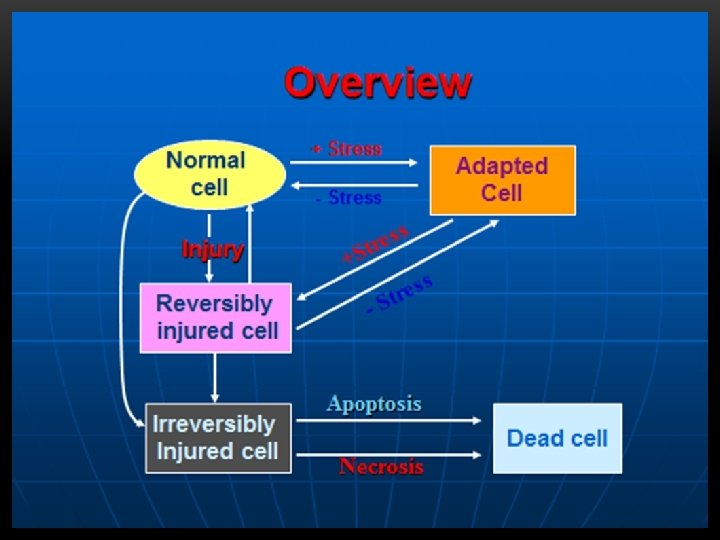
CELL INJURY • When the adaptive capabilities of the cell are exceeded, the cell injury ensues • Reversible cell injury • Irreversible cell injury • Cell death, necrosis or apoptosis • Causes of cell injury: • Ischemia • Chemical agent • Physical agent • Nutritional imbalance • Immunologic mechanism • Biological agent • Genetic derangements • Aging
ADAPTATION • Adaptations are reversible change in the SIZE, NUMBER, PHENOTYPE, METABOLIC ACTIVITY or FUNCTIONS of the cells in response to changes in their environment. • Such adaptations may take several forms: • Hypertrophy • Hyperplasia • Atrophy • Metaplasia
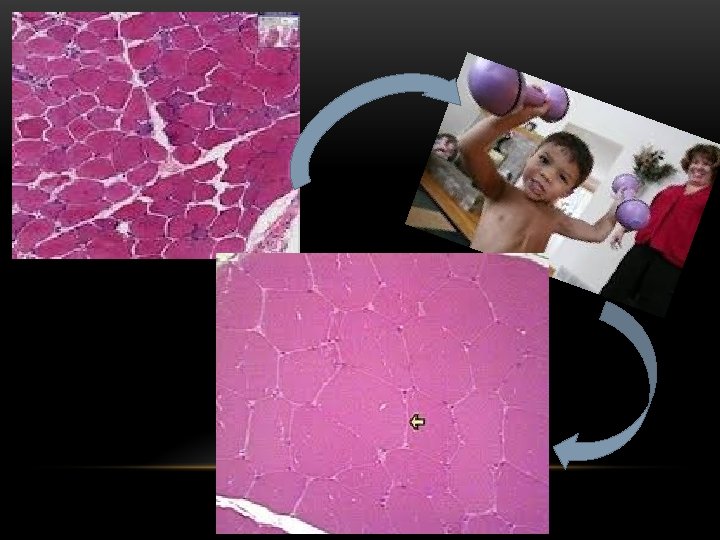
HYPERTROPHY • Increase in the size of cell resulting in an increase in the size of organ. • Seen in non-dividing cells • Pathologic hypertrophy • Physiologic hypertrophy • Causes may include: • Increased functional demand • Stimulation by hormone • Stimulation by growth factors • Increased work load
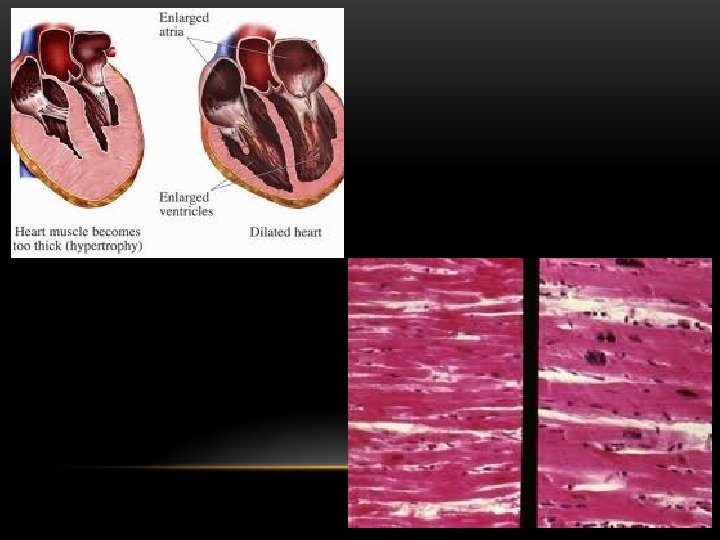
CAUSES AND EXAMPLES OF HYPERTROPHY Cause Physiologic example Pathologic example Increased work load Skeletal muscle hypertrophy in athletes and body builders Myocardial hypertrophy, due to hypertension or out flow obstruction Stimulation by hormone Uterus during pregnancy Prostatic enlargement in old males Stimulation by growth factors
MECHANISM OF HYPERTROPHY • Result of increased production of cellular proteins • Increased actions of mechanical sensors triggered by increased work load • Growth factors (TGF-β, IGF-1, FGF, etc. ) • Vasoactive agents (Endothelin-1, Angiotensin-II) • These stimuli work coordinately to increase the synthesis of muscle protein, responsible for hypertrophy
MECHANISM OF HYPERTROPHY (CONTINUE) • Switch of contractile proteins from adult to fetal form • α-isoform of heavy chain of myosin is replaced by β-isoform • Reinduction of ANF • May be a combination of mechanical and chemical stimuli, leads to genetic and molecular rearrangements during hypertrophy
SUBCELLULAR ALTERATIONS • Sometimes a subcellular organelle may undergo hypertrophy • Endoplasmic reticulum of hepatocytes in barbiturates poisoning • Mitochondrial hypertrophy (giant mitochondria)
EXAMPLES OF HYPERTROPHY Physiologic Hypertrophy Pathologic Hypertrophy • Breasts at puberty • Myocardial hypertrophy • Breasts during pregnancy • Uterus during pregnancy • Skeletal muscle hypertrophy in athletes • Prolonged hypertension
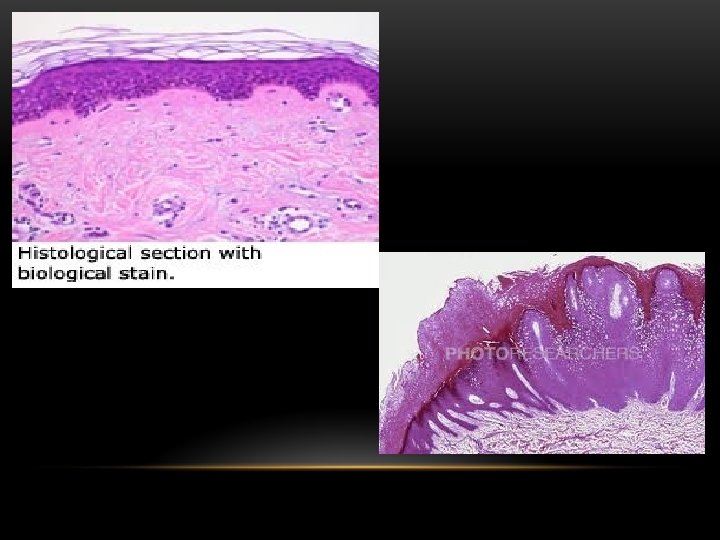
HYPERPLASIA • An increase in the number of cells in an organ or tissue, usually resulting in increased mass of the organ or tissue. • Seen in the cells which are capable of dividing, and thus increasing the number of cells • Usually accompanied by hypertrophy as well • May be • Physiologic • Pathologic OR
PHYSIOLOGIC HYPERPLASIA • Can be divided into: • Hormonal hyperplasia: • Proliferation of glandular epithelium of female breast at puberty and during pregnancy • Compensatory hyperplasia: • Live liver donors
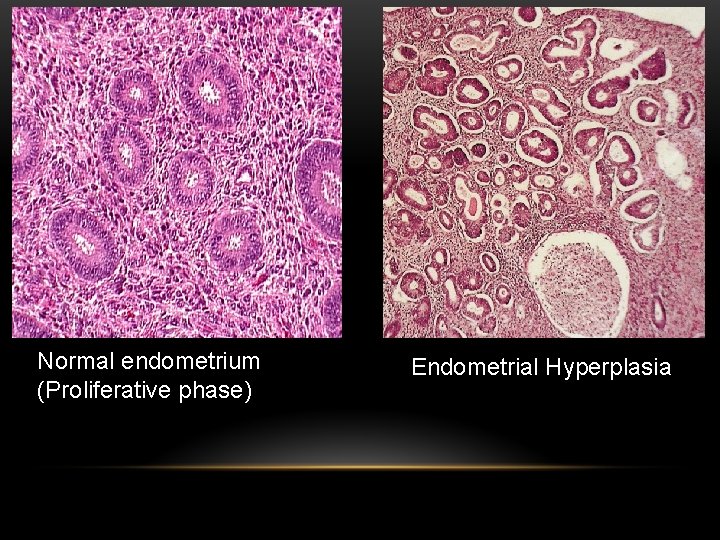
PATHOLOGIC HYPERPLASIA • Mostly caused by excessive hormone or growth factors acting on target cells • Endometrial hyperplasia • Benign prostatic hyperplasia • May be a characteristic response to certain viral infections. e. g. Human Papilloma Virus
MECHANISM OF HYPERPLASIA • Is the result of growth factor-driven proliferation of mature cells • Or in some cases, increased output of new cells from tissue stem cells • After some minor hepatic injury, liver cells regenerate, under influence of certain growth factors • But if regenerative capacity of hepatocyte is compromised (e. g. in hepatitis), hepatocyte can instead regenerate from intrahepatic stem cells
Normal endometrium (Proliferative phase) Endometrial Hyperplasia
EXAMPLES OF HYPERPLASIA Physiologic Pathologic • Hyperplasia of breasts at puberty • Endometrial hyperplasia • Hyperplasia of breasts during pregnancy • Hyperplasia of endometrium during proliferative phase of menstrual cycle • Hyperplasia of bone marrow • Prostatic hyperplasia • Hyperplastic polyps in GIT • Hyperplasia of thyroid gland in Grave’s disease • Stratified squamous hyperplasia of skin and mucus membranes in HPV infection
CONSEQUENCES OF HYPERPLASIA • Increased cell number results in: • Increased functional capacity • Increase in the size of organ/tissue • Increased demand of nutrition and perfusion • In some cases hyperplasia presents a fertile soil for the development of cancer (neoplasia)
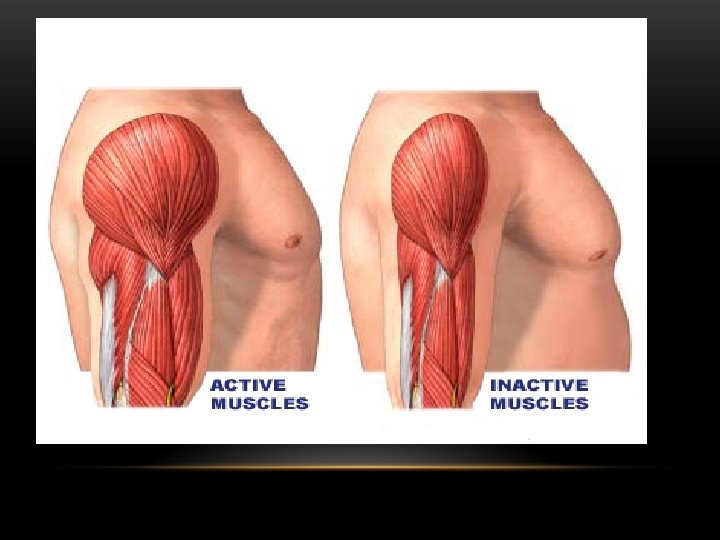
ATROPHY • Reduction in the size of cell associated with reduction in the size of tissue or organ • Can be • Physiologic: • During embryogenesis and metamorphosis • Uterus after parturition • Pathologic
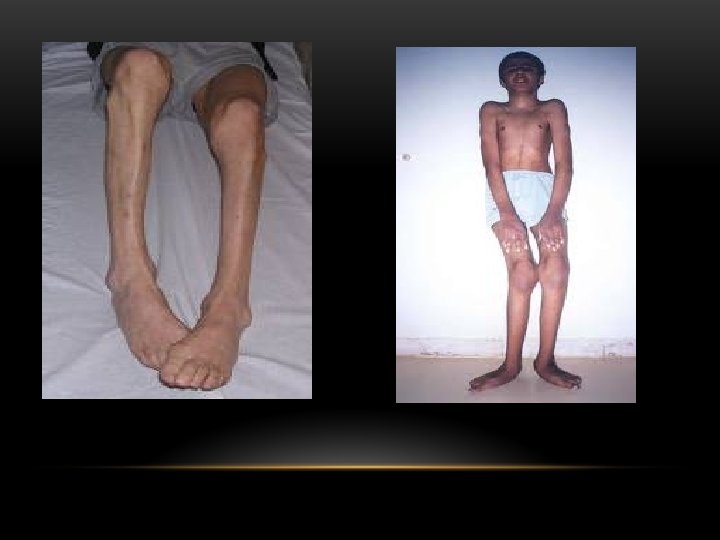
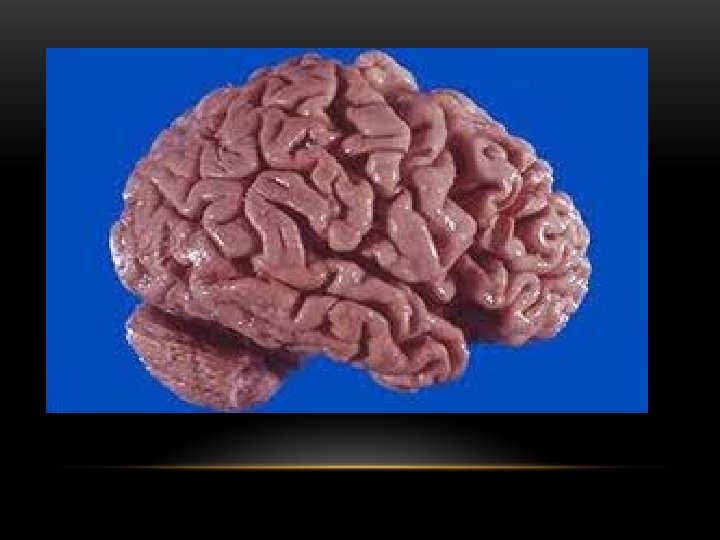
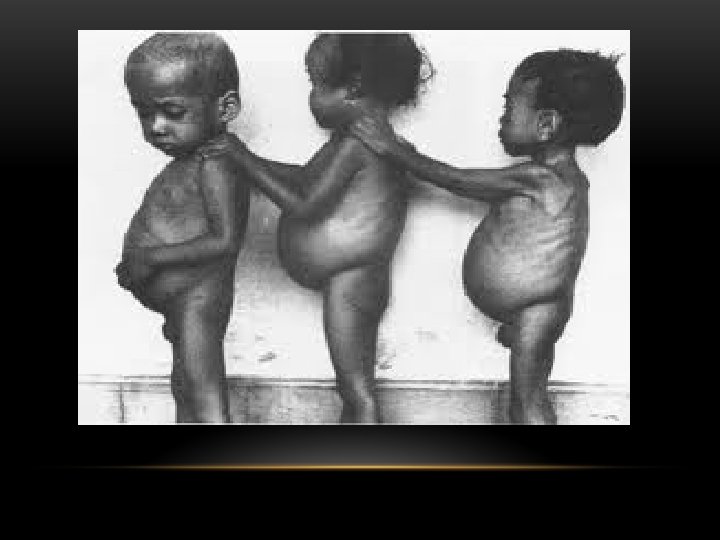
CAUSES OF ATROPHY • Pathologic atrophy: • Decreased work load (Disuse atrophy) • Loss of innervation (Denervation atrophy) • Diminished blood supply (Ischemic atrophy 0 • Inadequate nutrition (Marasmus, cachexia) • Loss of endocrine stimulation • Pressure • Physiologic atrophy: • Senile atrophy • Hormonal atrophy in breasts or uterus
MECHANISM OF ATROPHY • Decreased protein synthesis • Increased protein degradation • Increased autophagy (self eating) • Increased number of autophagic vacuoles (brown atrophy)
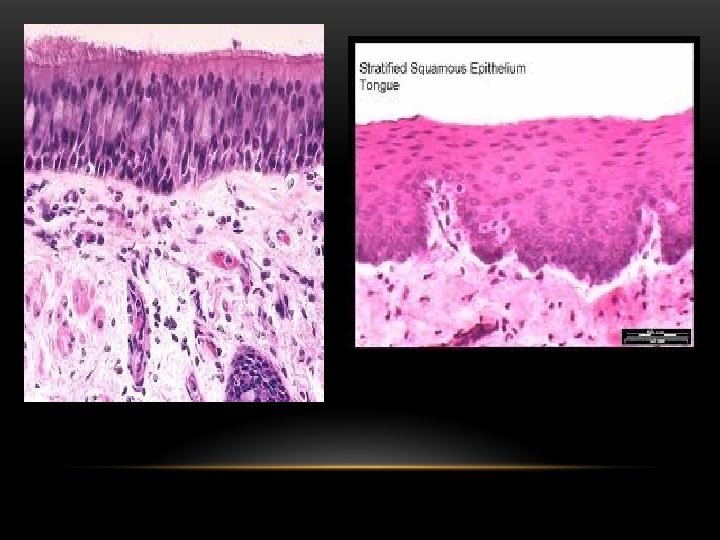
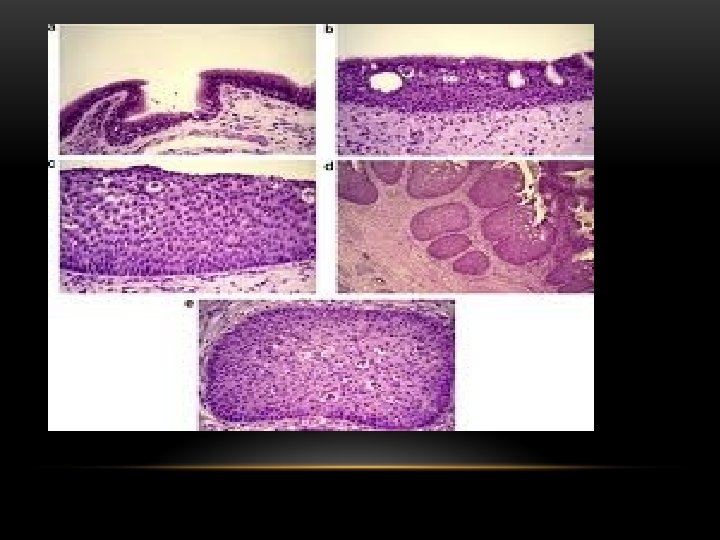
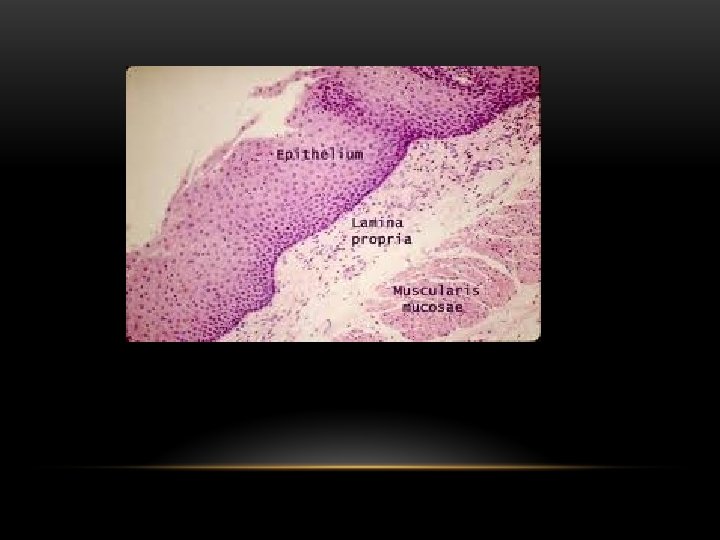
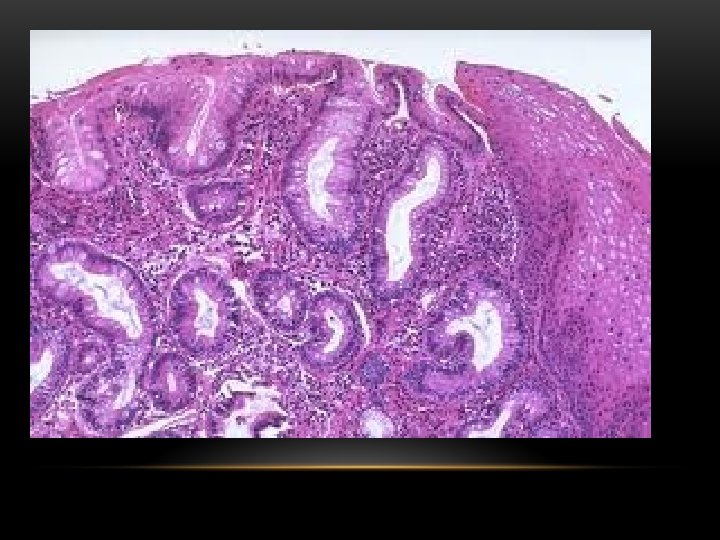
METAPLASIA • One adult (differentiated) cell type is replaced by another cell type • Usually reversible • Almost always pathological • Columnar to squamous cell (chronic bronchitis) • Squamous to columnar (Barrett’s esophagus) • May be preneoplastic condition
ANY QUESTIONS