Human Sexuality Dr Aseni Gammampila Definitions Persons sex








- Slides: 89
Human Sexuality Dr Aseni Gammampila
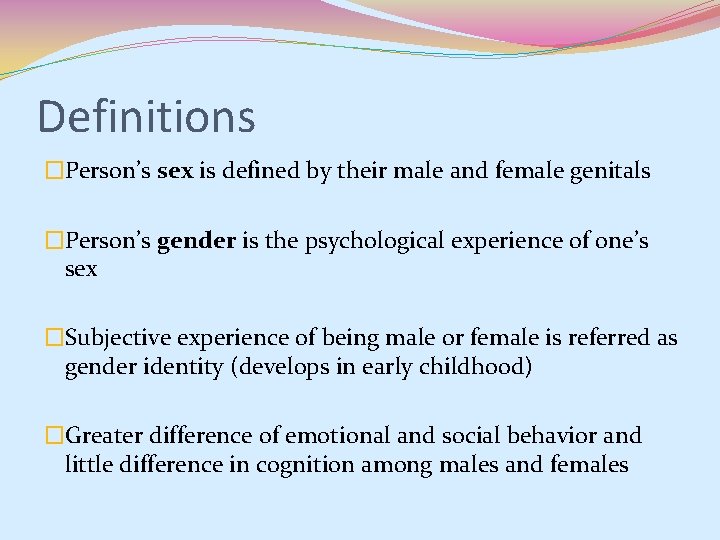
Definitions �Person’s sex is defined by their male and female genitals �Person’s gender is the psychological experience of one’s sex �Subjective experience of being male or female is referred as gender identity (develops in early childhood) �Greater difference of emotional and social behavior and little difference in cognition among males and females
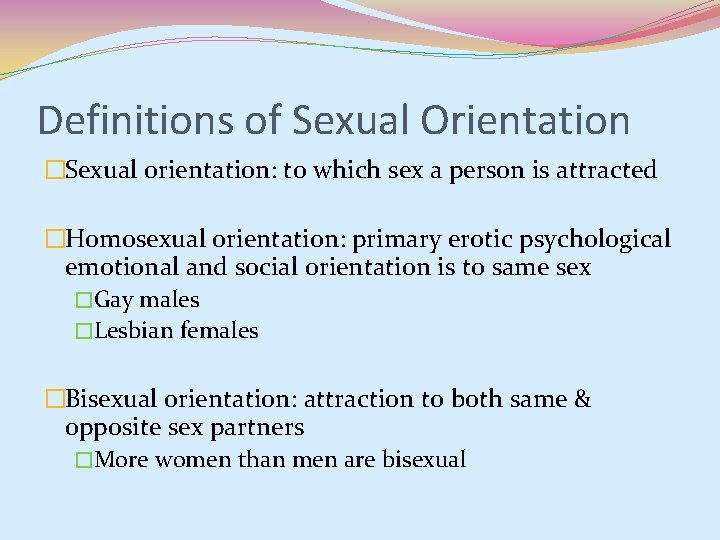
Definitions of Sexual Orientation �Sexual orientation: to which sex a person is attracted �Homosexual orientation: primary erotic psychological emotional and social orientation is to same sex �Gay males �Lesbian females �Bisexual orientation: attraction to both same & opposite sex partners �More women than men are bisexual
Definitions of Sexual Orientation Heterosexual orientation: attraction to opposite sex partner Asexuality: feeling no sexual attraction to either sex Asexual people lack sexual attraction to others, but still have desire for friendships, affection, and partnerships Some asexual people masturbate, but feel no interest in sexual activity with a partner
Human Sexual Responses
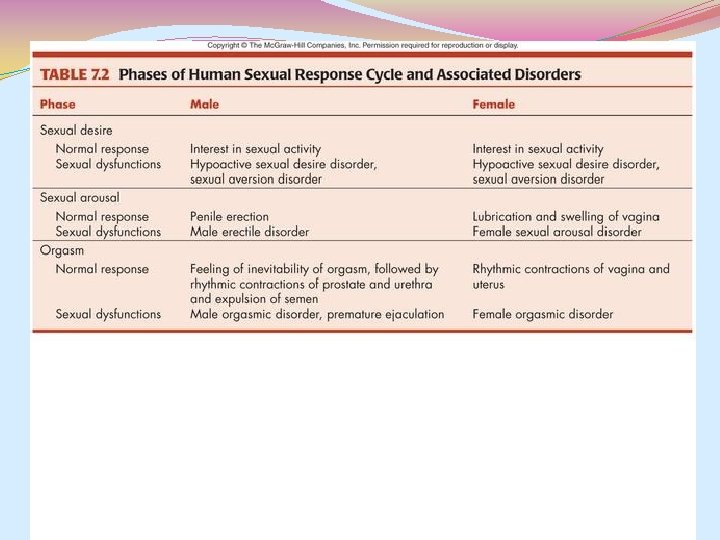
Four Stages of Human Sexual Response Cycle 1. the excitement phase 2. the plateau phase 3. the orgasmic phase 4. the resolution phase
Sexual Response Cycle
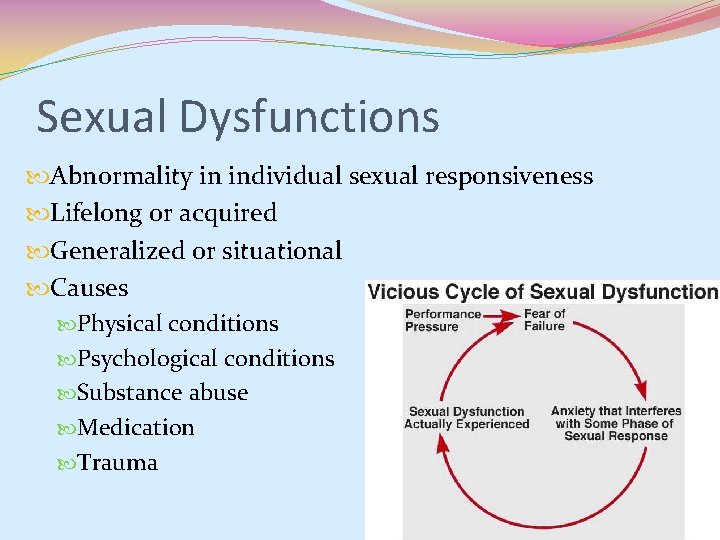
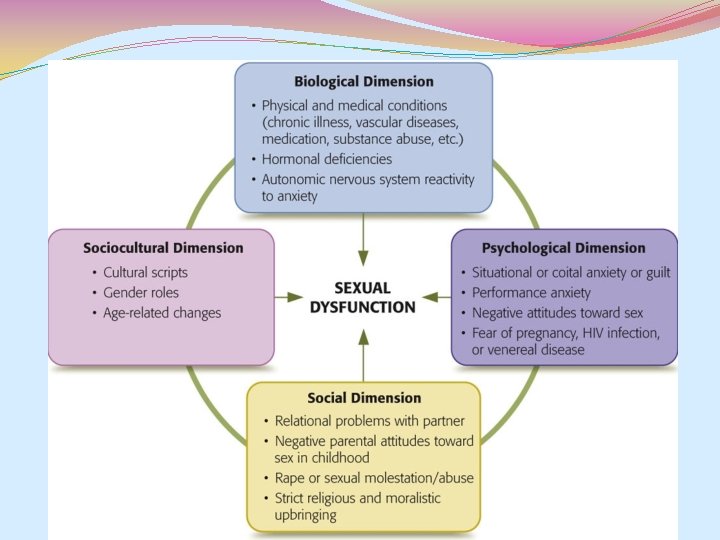
Sexual Dysfunctions Abnormality in individual sexual responsiveness Lifelong or acquired Generalized or situational Causes Physical conditions Psychological conditions Substance abuse Medication Trauma
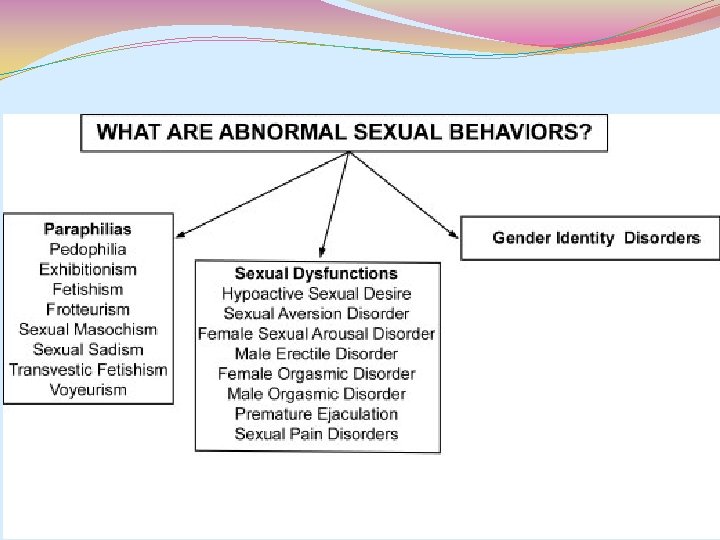
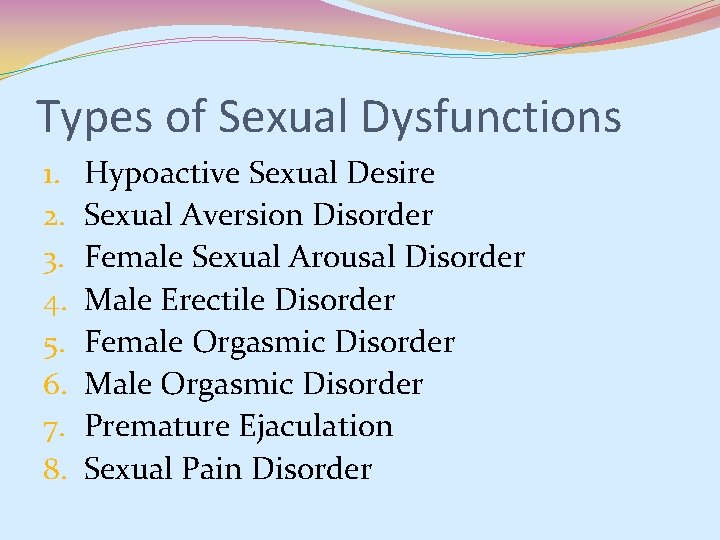
Types of Sexual Dysfunctions 1. 2. 3. 4. 5. 6. 7. 8. Hypoactive Sexual Desire Sexual Aversion Disorder Female Sexual Arousal Disorder Male Erectile Disorder Female Orgasmic Disorder Male Orgasmic Disorder Premature Ejaculation Sexual Pain Disorder
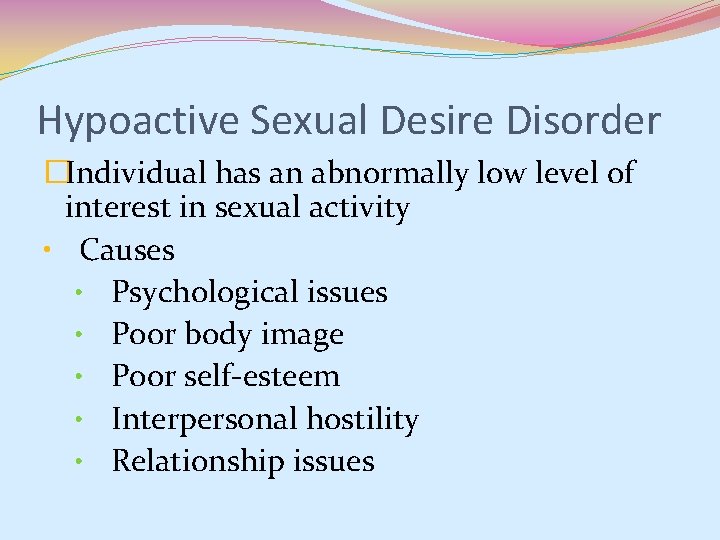
Hypoactive Sexual Desire Disorder �Individual has an abnormally low level of interest in sexual activity • Causes • Psychological issues • Poor body image • Poor self-esteem • Interpersonal hostility • Relationship issues
Sexual Aversion Disorder �Active dislike and avoidance of genital contact with a sexual partner possibly due to disgust, fear, revulsion. Causes: 1. Severely negative parental sex attitudes 2. Pressure by the partner to perform sexual activities 3. History of sexual trauma 4. Confusion of gender identity
Female Sexual Arousal Disorders Persistent, recurrent inability to attain or maintain lubrication
Male Erectile Disorder Impotence Recurrent inability to attain or maintain erection till end of activity May be secondary to alcohol, diabetes
Orgasmic Disorder Female no orgasm despite adequate stimulation Male no orgasm with partner, only masturbation
Premature Ejaculation Man reaches orgasm long before he wishes to Sometimes even prior to penetration
Sexual Pain Disorders Dyspareunia recurrent or persistent genital pain before, during, or after intercourse. can be from vaginal dryness, antihistamines, injury or irritation Vaginismus recurrent or persistent involuntary spasms of the outer third of vaginal muscles feeling of ripping, burning, or tearing
Sexually Transmitted Diseases
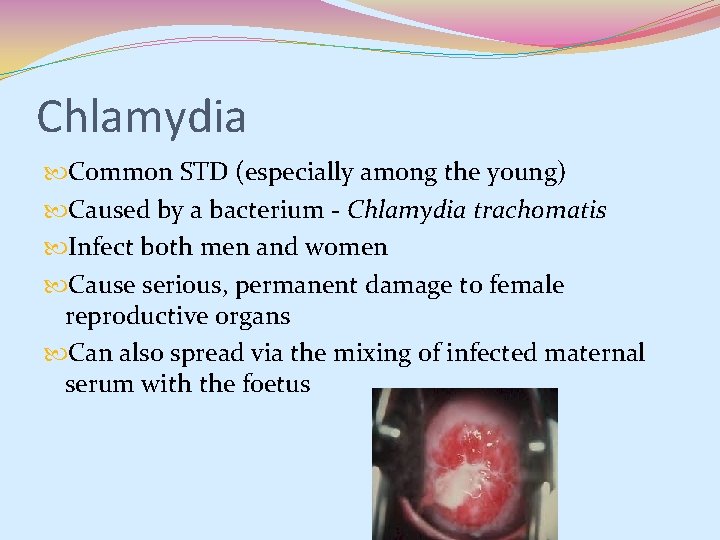
Chlamydia Common STD (especially among the young) Caused by a bacterium - Chlamydia trachomatis Infect both men and women Cause serious, permanent damage to female reproductive organs Can also spread via the mixing of infected maternal serum with the foetus
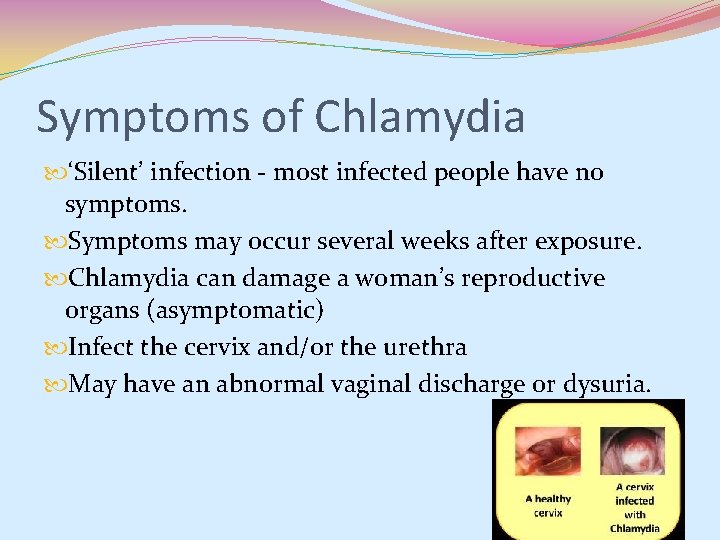
Symptoms of Chlamydia ‘Silent’ infection - most infected people have no symptoms. Symptoms may occur several weeks after exposure. Chlamydia can damage a woman’s reproductive organs (asymptomatic) Infect the cervix and/or the urethra May have an abnormal vaginal discharge or dysuria.
Symptoms of Chlamydia Untreated infections can spread upward to the uterus and fallopian tubes causing pelvic inflammatory disease (PID). PID can be silent, or cause symptoms (abdominal and pelvic pain) PID it can lead to infertility and ectopic pregnancy
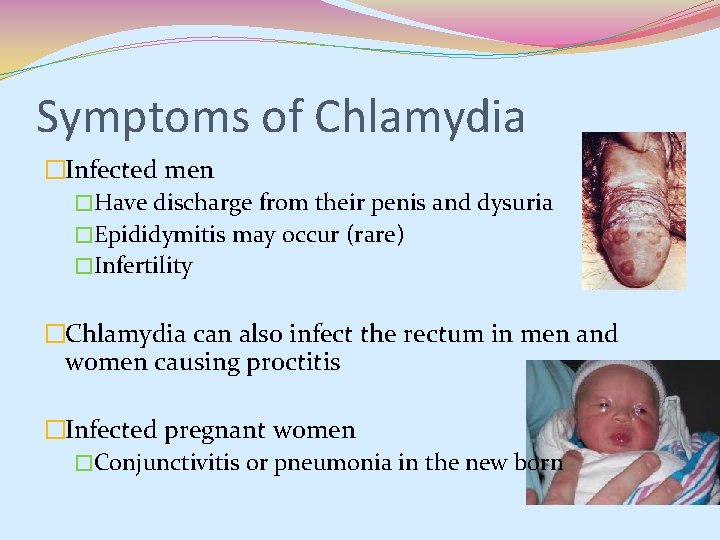
Symptoms of Chlamydia �Infected men �Have discharge from their penis and dysuria �Epididymitis may occur (rare) �Infertility �Chlamydia can also infect the rectum in men and women causing proctitis �Infected pregnant women �Conjunctivitis or pneumonia in the new born
Testing Annual chlamydia testing all sexually active women age 25 or younger older women with risk factors for chlamydial infections (e. g. , women who have a new or more than one sex partner) all pregnant women who have sex with men (MSM) who have receptive anal sex should be tested for chlamydia Sample: cotton swab of the vagina or a urine sample
Treatment for Chlamydia Antibiotics (abstain from sex for seven days after single dose antibiotics, or until completion of a sevenday course of antibiotics, to prevent spreading the infection to partners) Repeat infection with chlamydia is common Persons whose sex partners have not been appropriately treated are at high risk for re-infection.
Prevention Condom use Abstinence Monogamy
Gonorrhea �Caused by a bacterium- neisseria gonorrhoeae or gonococcus �Grow easily in the warm, moist areas of the reproductive tract, including the cervix, uterus, and fallopian tubes and in the urethra. �Bacterium can also grow in the mouth, throat, eyes, and anus. �Can also spread via the mixing of infected maternal serum with the foetus �Highest rates of infection are among sexually active teenagers and young adults
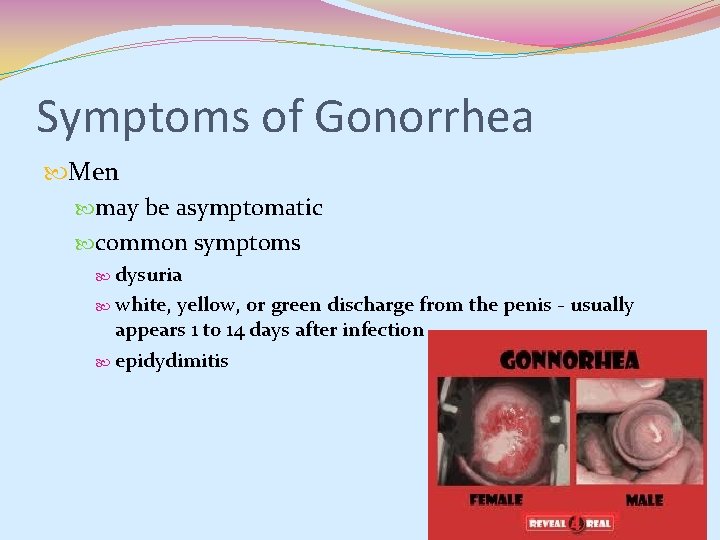
Symptoms of Gonorrhea Men may be asymptomatic common symptoms dysuria white, yellow, or green discharge from the penis - usually appears 1 to 14 days after infection epidydimitis
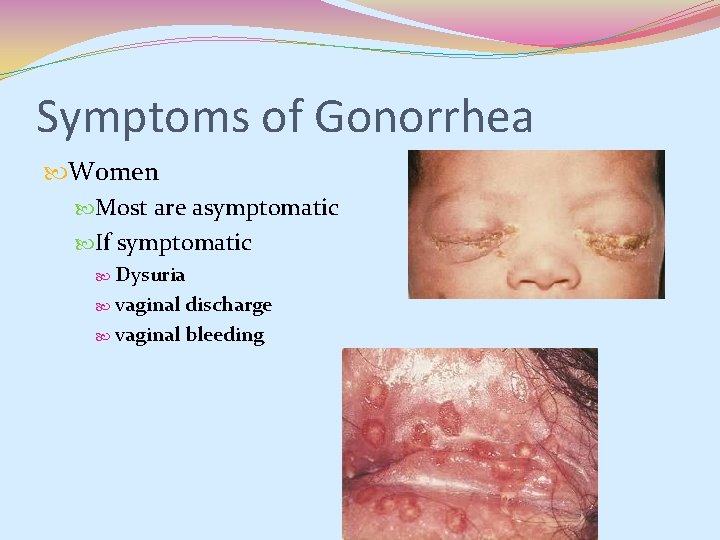
Symptoms of Gonorrhea Women Most are asymptomatic If symptomatic Dysuria vaginal discharge vaginal bleeding
Symptoms of Gonorrhea Symptoms of rectal infection discharge anal itching soreness bleeding painful bowel movements. Infections in the throat may cause a sore throat
Symptoms of Gonorrhea �Untreated gonorrhea can cause PID �PID can lead to �internal abscesses �chronic pelvic pain �damage the fallopian tubes causing infertility or ectopic pregnancies �If untreated, gonorrhea infect blood or joints leading to life-threatening conditions
Diagnosis and Treatment Testing : a urine test or swab Treatment Antibiotics Drug resistant gonorrhea –if symptoms continue despite treatment Treat patient and partners Abstain from sexual activities until treatment in complete
Genital Herpes Caused by the herpes simplex viruses type 1 (HSV-1) or type 2 (HSV-2). Transmission more likely from an infected male to his female partner Asymptomatic or have very mild symptoms
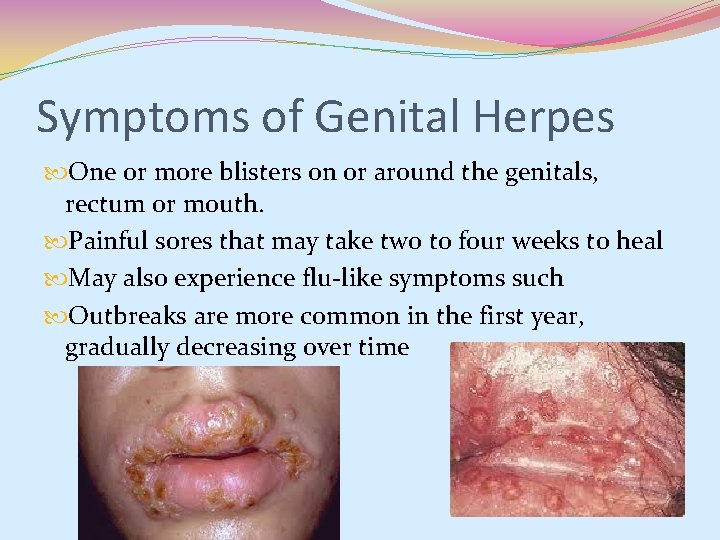
Symptoms of Genital Herpes One or more blisters on or around the genitals, rectum or mouth. Painful sores that may take two to four weeks to heal May also experience flu-like symptoms such Outbreaks are more common in the first year, gradually decreasing over time
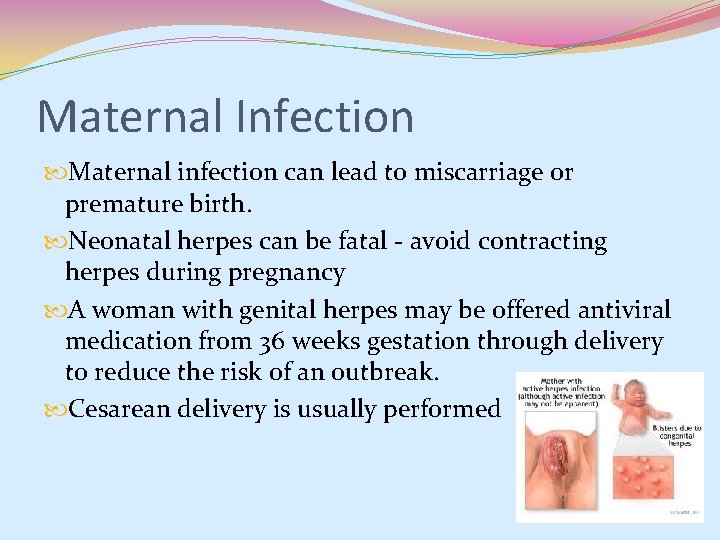
Maternal Infection Maternal infection can lead to miscarriage or premature birth. Neonatal herpes can be fatal - avoid contracting herpes during pregnancy A woman with genital herpes may be offered antiviral medication from 36 weeks gestation through delivery to reduce the risk of an outbreak. Cesarean delivery is usually performed
Diagnosis and Treatment �Testing: �swabs from sores �blood test �Treatment �Antiviral medications �Prevention �latex condom �abstain from sexual contact �monogamy
Human Immunodeficiency Virus. HIV Presence of other STDs increases the likelihood of both transmitting and acquiring HIV Increased susceptibility. Genital ulcers (syphilis, herpes) result in breaks in the genital tract mucosa creating a portal of entry for HIV STDs increase the concentration of cells in genital secretions that can serve as targets for HIV (e. g. , CD 4+ cells).
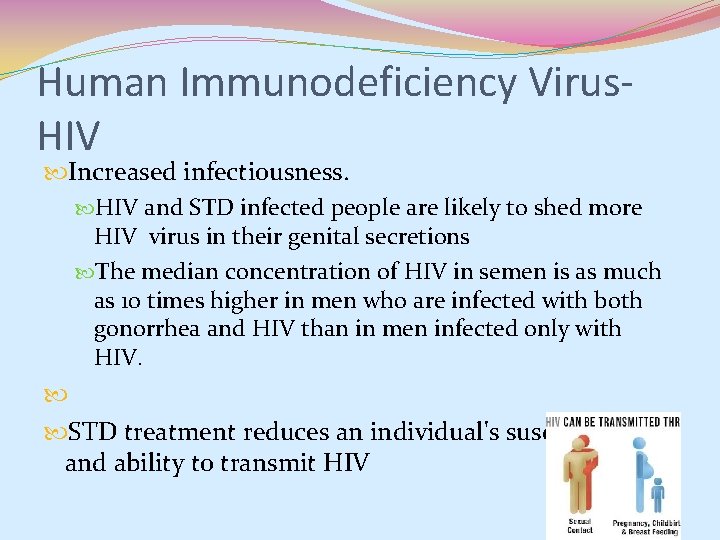
Human Immunodeficiency Virus. HIV Increased infectiousness. HIV and STD infected people are likely to shed more HIV virus in their genital secretions The median concentration of HIV in semen is as much as 10 times higher in men who are infected with both gonorrhea and HIV than in men infected only with HIV. STD treatment reduces an individual's susceptibility and ability to transmit HIV
Symptoms of HIV �First signs of HIV infection appear 1 -2 months after infection �swollen glands �flu-like symptoms. �Severe symptoms appear months or years later �AIDS is the final stage of HIV infection- body cannot fight life-threatening infections �No cure for HIV �Treatments help people with the virus to live a long and healthy life
Modes of Transmission �Unprotected sex �Sharing infected needles and other injecting equipment to inject drugs �Maternal foetal transfer (umbilicus and at birth) �Breast milk �Other body fluids (not saliva)
Mechanism Attacks the immune system Weakens ability to fight infections and disease
Treatment It takes several weeks after infection for testing to be positive, retest a few weeks later Post-exposure prophylaxis (PEP) may stop you becoming infected treatment must be started within three days of coming into contact with the virus. Antiretrovirals slow down the damage the virus does to the immune system minimise the risk of getting serious illnesses
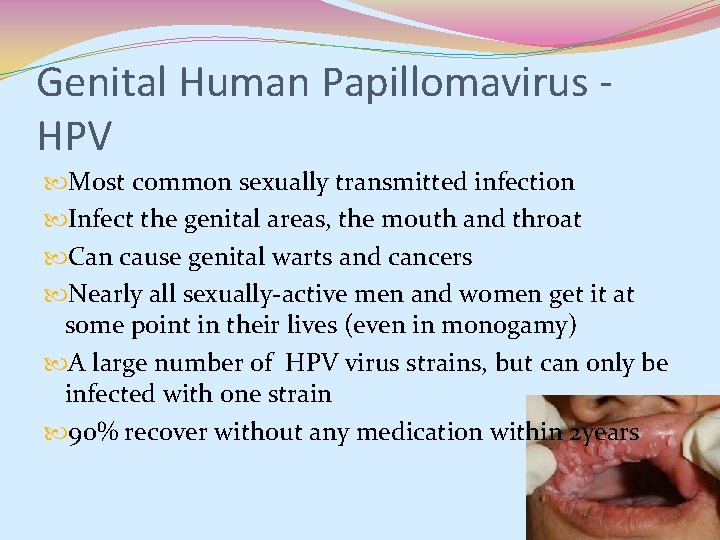
Genital Human Papillomavirus HPV Most common sexually transmitted infection Infect the genital areas, the mouth and throat Can cause genital warts and cancers Nearly all sexually-active men and women get it at some point in their lives (even in monogamy) A large number of HPV virus strains, but can only be infected with one strain 90% recover without any medication within 2 years
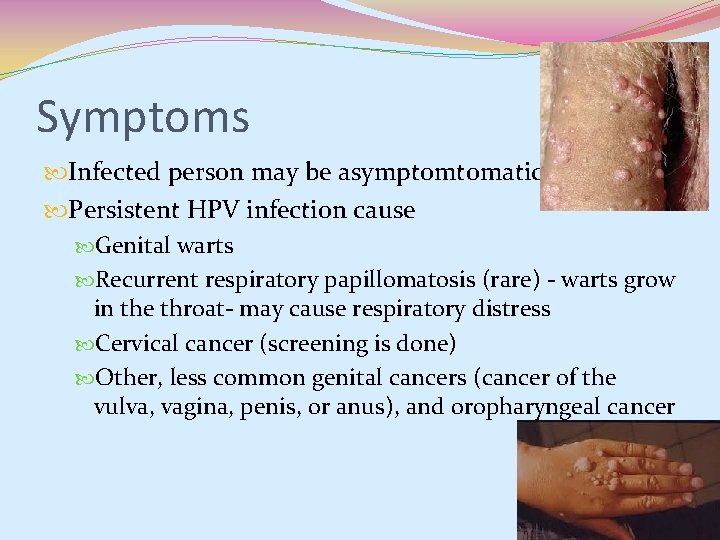
Symptoms Infected person may be asymptomtomatic Persistent HPV infection cause Genital warts Recurrent respiratory papillomatosis (rare) - warts grow in the throat- may cause respiratory distress Cervical cancer (screening is done) Other, less common genital cancers (cancer of the vulva, vagina, penis, or anus), and oropharyngeal cancer
Treatment HPV vaccines are recommended for 11 - or 12 -year-old boys and girls
Syphilis Caused by a bacterium - treponema pallidum Cause long-term complications and/or death if not adequately treated Transmission direct contact with syphilis sores transmitted during vaginal, anal, or oral sexual contact maternal - foetal
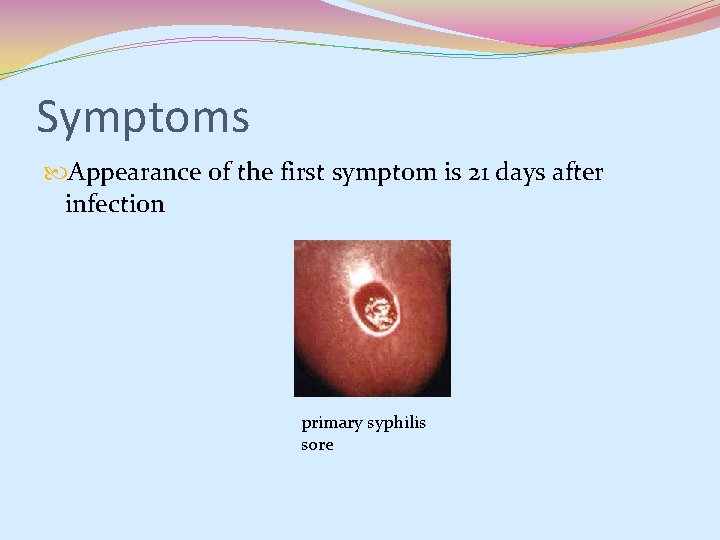
Symptoms Appearance of the first symptom is 21 days after infection primary syphilis sore
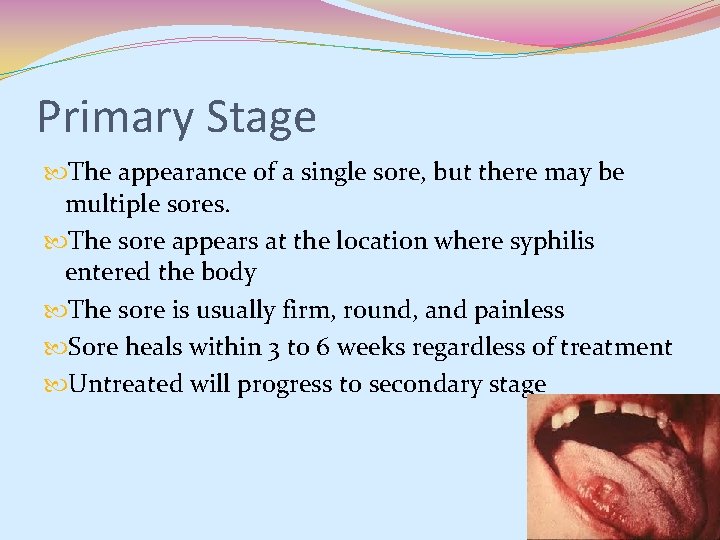
Primary Stage The appearance of a single sore, but there may be multiple sores. The sore appears at the location where syphilis entered the body The sore is usually firm, round, and painless Sore heals within 3 to 6 weeks regardless of treatment Untreated will progress to secondary stage
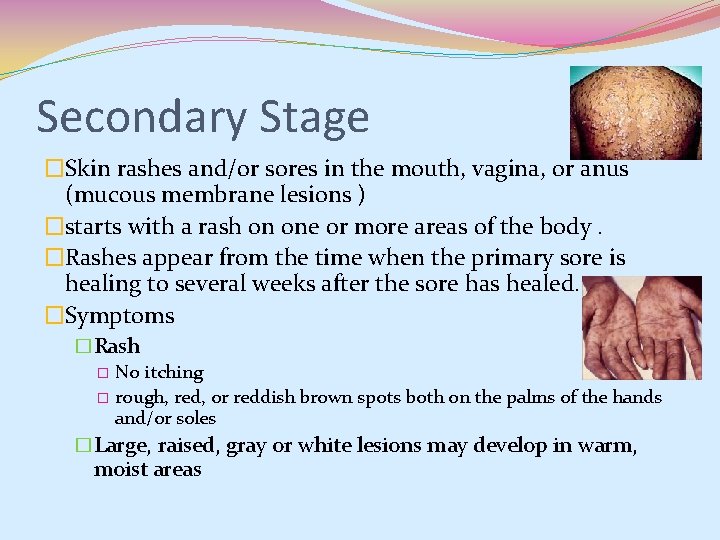
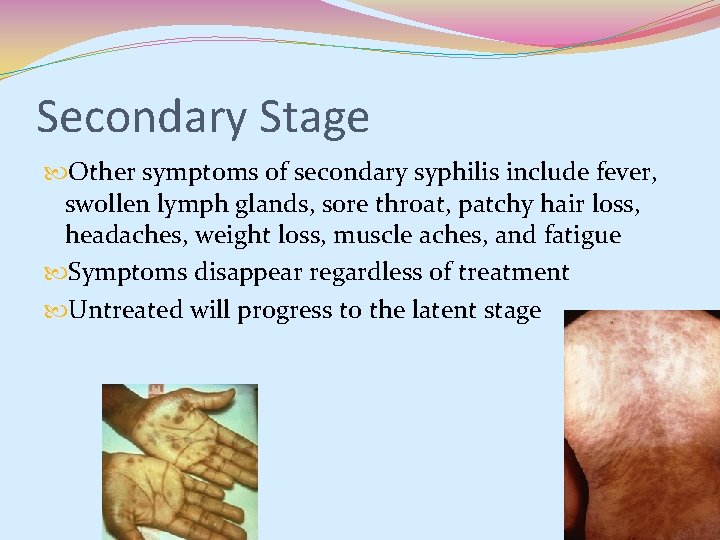
Secondary Stage �Skin rashes and/or sores in the mouth, vagina, or anus (mucous membrane lesions ) �starts with a rash on one or more areas of the body. �Rashes appear from the time when the primary sore is healing to several weeks after the sore has healed. �Symptoms �Rash � No itching � rough, red, or reddish brown spots both on the palms of the hands and/or soles �Large, raised, gray or white lesions may develop in warm, moist areas
Secondary Stage Other symptoms of secondary syphilis include fever, swollen lymph glands, sore throat, patchy hair loss, headaches, weight loss, muscle aches, and fatigue Symptoms disappear regardless of treatment Untreated will progress to the latent stage
Late and Latent Stages This stage begins when primary and secondary symptoms disappear Can be asymptomatic Latent stage can last for years (can appear 10– 30 years after infection began)
Symptoms Difficulty coordinating muscle movements Paralysis Numbness Gradual blindness Dementia Damage brain, nerves, eyes, heart, blood vessels, liver, bones, and joints Death
Maternal Syphilis Pregnant women should be tested for syphilis and receive immediate treatment, if positive Foetus with syphilis can have many health problems (low birth weight, premature delivery or stillbirth) Untreated babies can have many health problems (such as cataracts, deafness, or seizures), and death
Testing of Syphilis Pregnant women Men who have sex with men Have HIV infection Have partner(s) who have tested positive for syphilis Methods of testing Detected with a blood test (syphilis antibodies) A person with syphilis sores is 2 to 5 times more likely to contract HIV
Treatment and Prevention �Antibiotic treatment prevent further damage (penicillin injections) �Treatment will not repair current damage �Abstain from sexual contact until the syphilis sores are completely healed �Can be re-infected despite successful treatment �The primary and secondary stages are most infectious
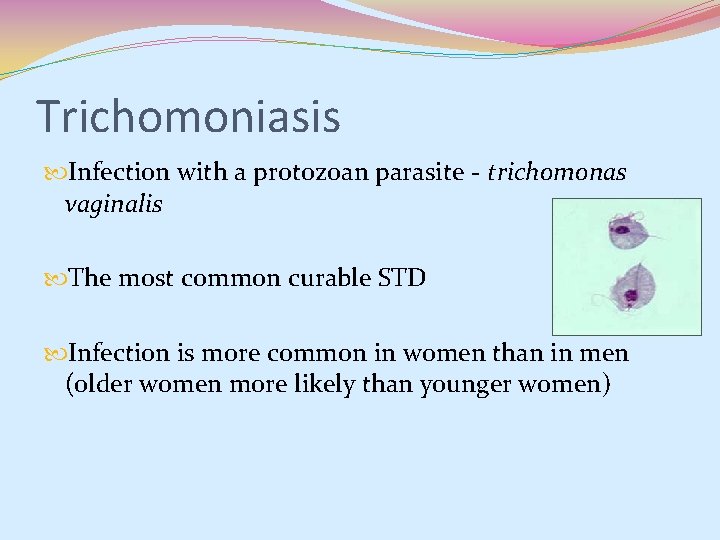
Trichomoniasis Infection with a protozoan parasite - trichomonas vaginalis The most common curable STD Infection is more common in women than in men (older women more likely than younger women)
Symptoms women-lower genital tract (vulva, vagina, or urethra) itching, burning, redness or soreness of the genitals discomfort with urination thin discharge with an unusual smell that can be clear, white, yellowish, or greenish
Symptoms men- urethra feel itching or irritation inside the penis burning after urination or ejaculation discharge from the penis
Trichomoniasis Majority asymptomatic Maternal infection: Preterm babies and low birth weight babies Single dose antibiotic (metronidazole or tinidazole) Can be re-infected in 3 months (all sex partners should be treated)
Paraphilia para = abnormal philia = attraction
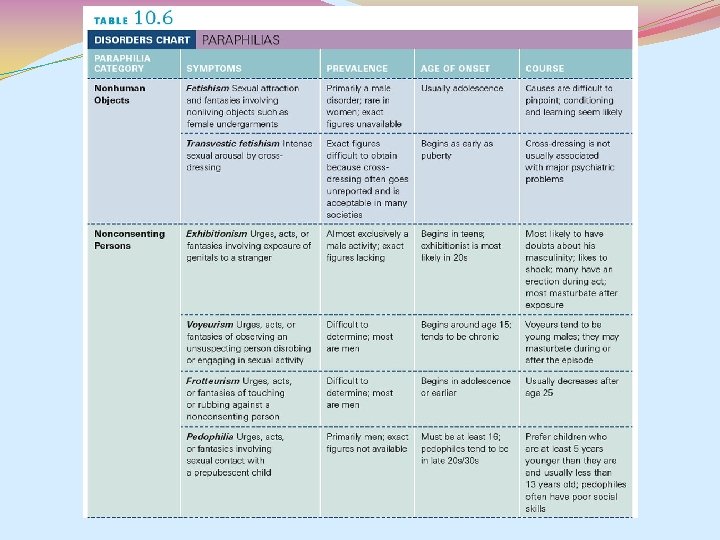
Paraphilias �Recurrent, intense sexually arousing fantasies, urges, or behaviors involving �Nonhuman objects �Nonconsenting others �Causes suffering of self or partner, children. �Lasting at least 6 months �For some these are necessary for erotic arousal & always include in sexual activity, for other these occur episodically. �Severity varies �Almost exclusively male
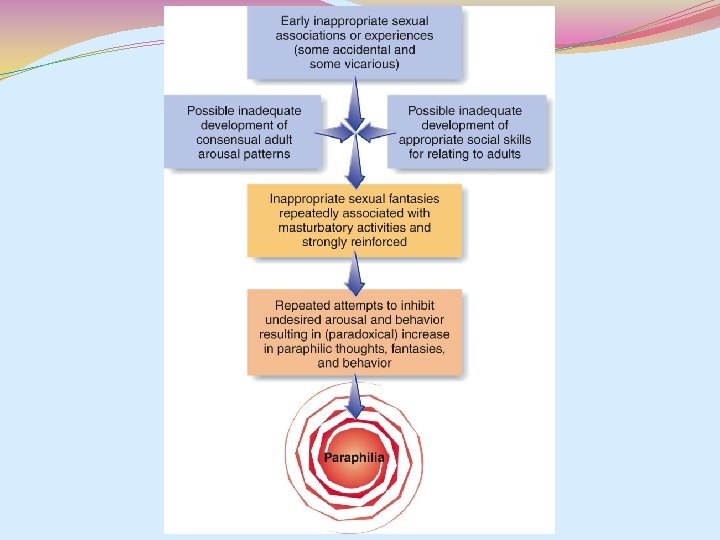
Etiology of Paraphilias Majority committed by males Classical conditioning – stimulus with sexual arousal Poor social skills Gender hostility Aggressive behavior Inappropraite sexual practices Ego issues
Types of Paraphilias 1. Exhibitionism 2. Voyeurism 3. Fetishism Transvestic 4. Sexual sadism 5. Sexual masochism 6. Frotteurism
Exhibitionism exposing genitals to strangers (urges, acts or fantasies) common sex crime involves shock & risk often distant from victim needs to display masculinity without having to perform the typical exhibitionist is young, unhappily married or single, and relatively sexually repressed. usually begins before age 18
Voyeurism �Urges, acts, or fantasies involving observation of an unsuspecting person disrobing or engaging in sexual activity. �The voyeur does not seek contact with the observed person �illegal, secretive nature is arousing �most don’t ever commit more serious sex crimes �most are nonviolent �they are generally sexually inexperienced men who lack social and sexual skills
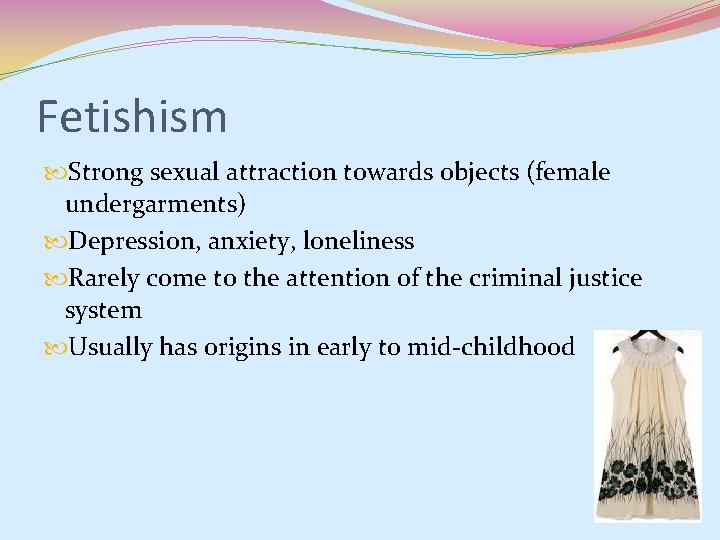
Fetishism Strong sexual attraction towards objects (female undergarments) Depression, anxiety, loneliness Rarely come to the attention of the criminal justice system Usually has origins in early to mid-childhood
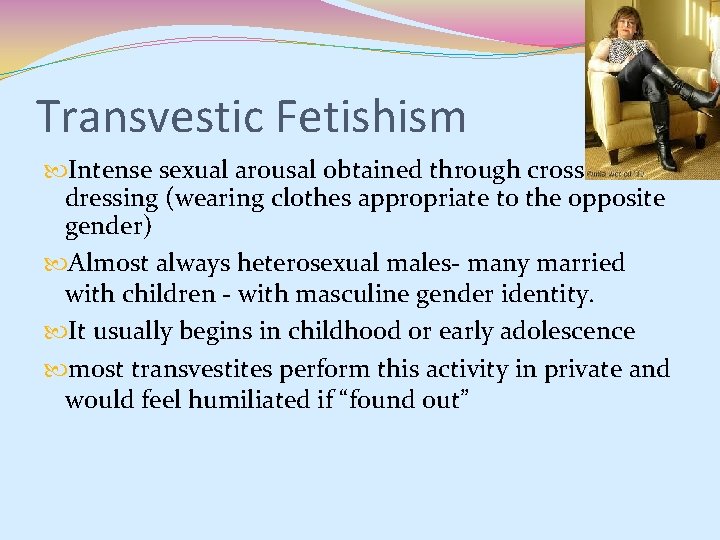
Transvestic Fetishism Intense sexual arousal obtained through crossdressing (wearing clothes appropriate to the opposite gender) Almost always heterosexual males- many married with children - with masculine gender identity. It usually begins in childhood or early adolescence most transvestites perform this activity in private and would feel humiliated if “found out”
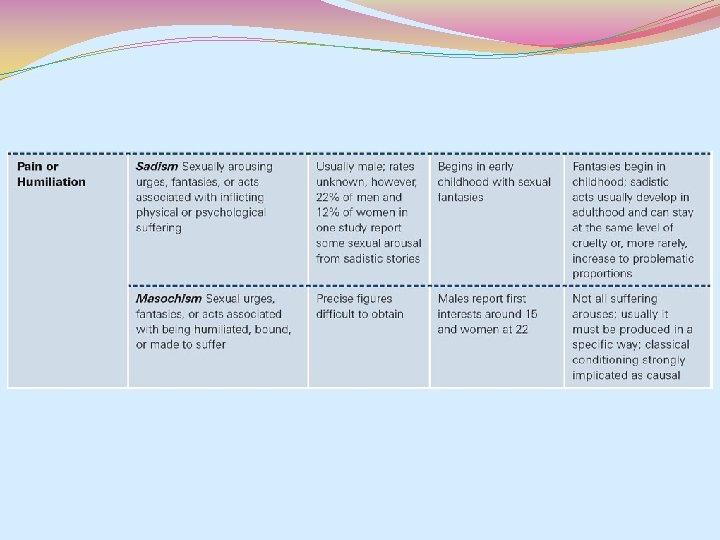
Sexual sadism Sexual arousing urges, fantasies or acts, associated with inflicting psychological or physical suffering on others Brain pathology and life experiences may underlie sadism
Sexual Masochism Sexual urges, fantasies or acts associated with act (real, not simulated) of being humiliated, beaten, bound, otherwise made to suffer The term sadomasochist refers to someone who derives pleasure from both inflicting and receiving pain Most sadomasochists engage in both submissive and dominant roles
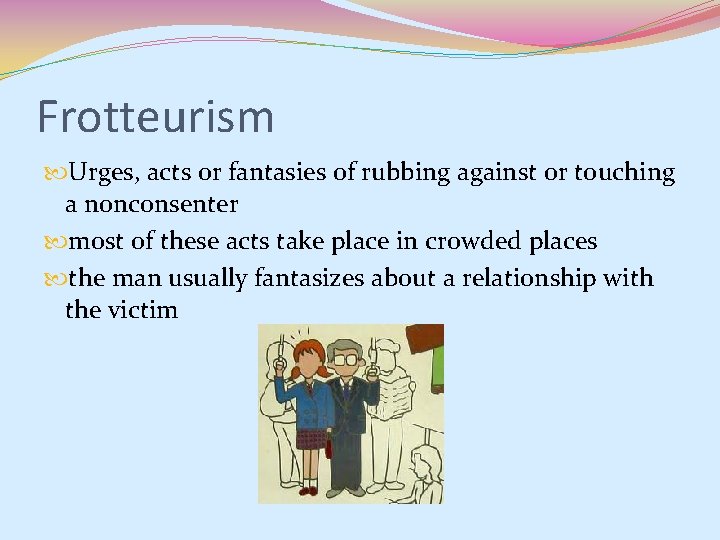
Frotteurism Urges, acts or fantasies of rubbing against or touching a nonconsenter most of these acts take place in crowded places the man usually fantasizes about a relationship with the victim
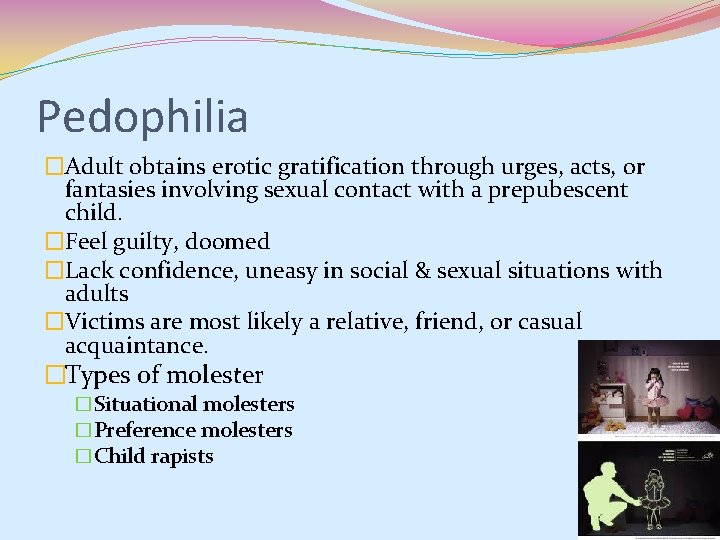
Pedophilia �Adult obtains erotic gratification through urges, acts, or fantasies involving sexual contact with a prepubescent child. �Feel guilty, doomed �Lack confidence, uneasy in social & sexual situations with adults �Victims are most likely a relative, friend, or casual acquaintance. �Types of molester �Situational molesters �Preference molesters �Child rapists
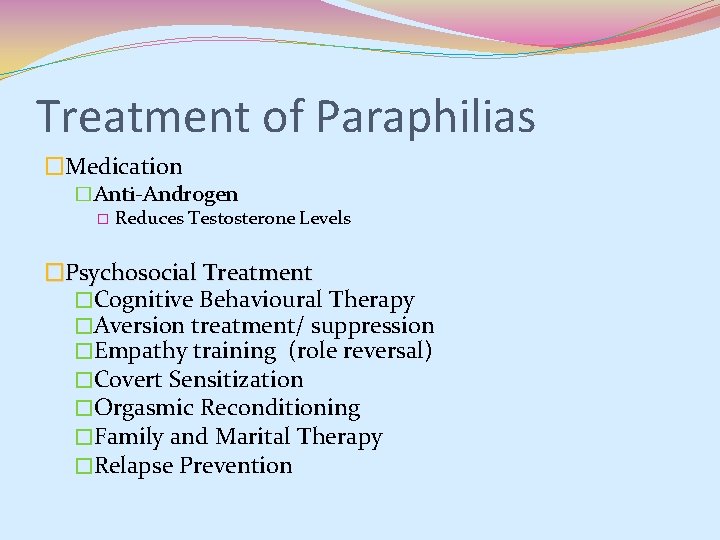
Treatment of Paraphilias �Medication �Anti-Androgen � Reduces Testosterone Levels �Psychosocial Treatment �Cognitive Behavioural Therapy �Aversion treatment/ suppression �Empathy training (role reversal) �Covert Sensitization �Orgasmic Reconditioning �Family and Marital Therapy �Relapse Prevention
Gender Identification Disorders
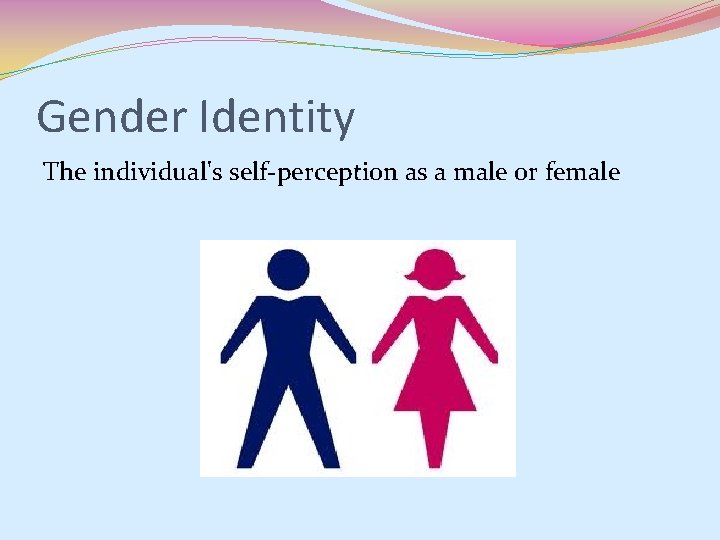
Gender Identity The individual's self-perception as a male or female
Gender Identity Disorder �Conflict between a �Person’s anatomical sex �Gender identity �Self identification as male or female �As child �Cross dressing �Cross sex roles �Played with other sex �Insisting is other sex �Most children with gender identity conflicts do not develop gender identity disorders as adults. �Behaviors persist despite intense ridicule
Gender Identity Disorder Strong, persistent identification with opposite sex Sense of being trapped in the body of the wrong sex Assume the identity of the desired sex Change is not for sexual desires Correct identification of gender develops between 18 months and 3 years of age
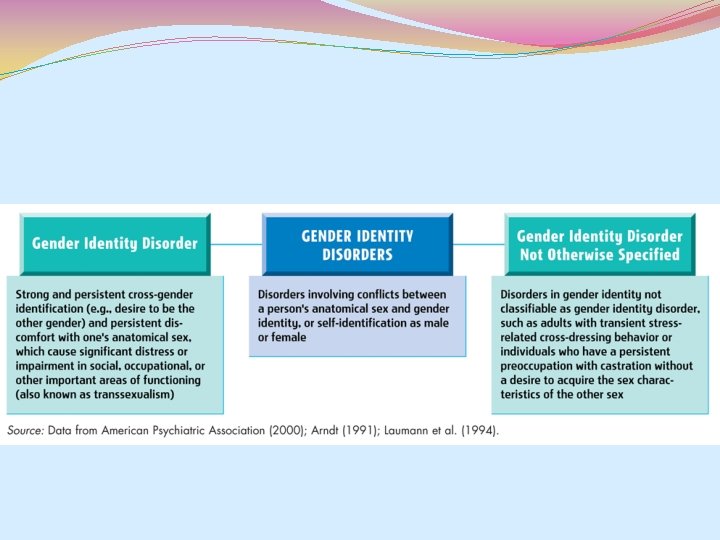
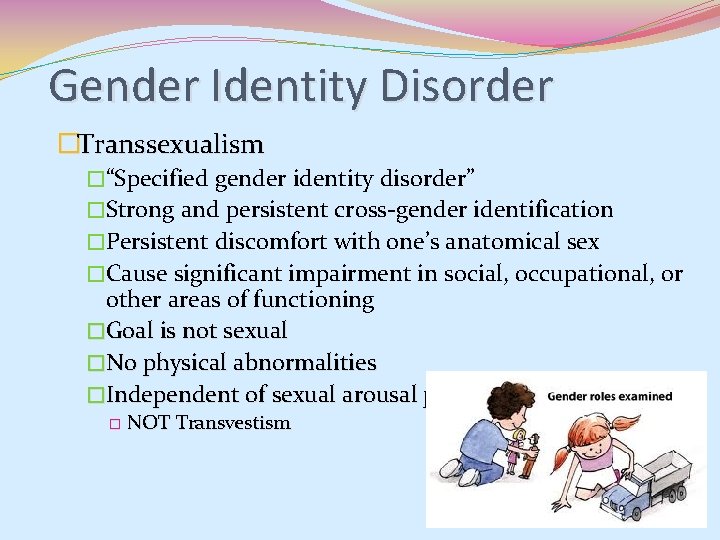
Gender Identity Disorder �Transsexualism �“Specified gender identity disorder” �Strong and persistent cross-gender identification �Persistent discomfort with one’s anatomical sex �Cause significant impairment in social, occupational, or other areas of functioning �Goal is not sexual �No physical abnormalities �Independent of sexual arousal patterns � NOT Transvestism
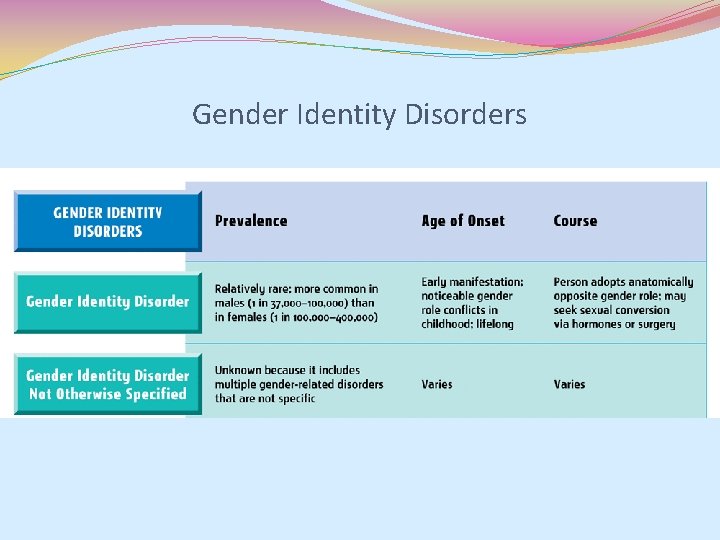
Gender Identity Disorders
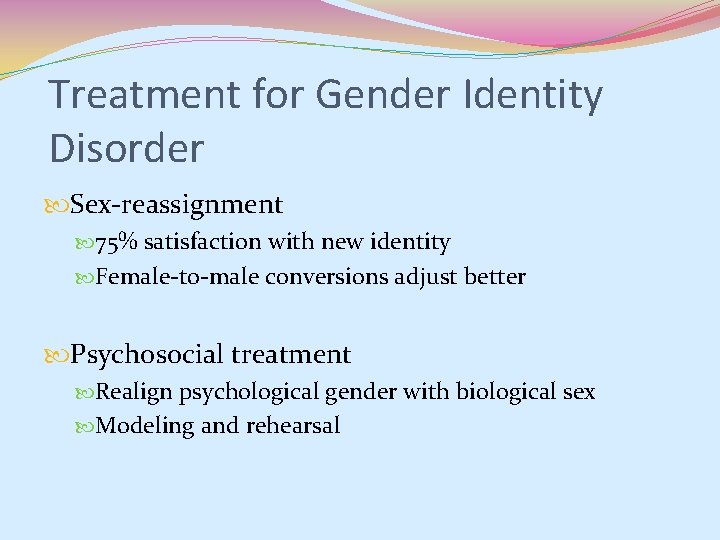
Treatment for Gender Identity Disorder Sex-reassignment 75% satisfaction with new identity Female-to-male conversions adjust better Psychosocial treatment Realign psychological gender with biological sex Modeling and rehearsal
Other Sexual Conditions
Homosexuality �Tendency to direct sexual desire toward another of the same sex �Relating to, or involving sexual intercourse between persons of the same sex �Gay/Lesbian �Homophobia: Irrational fear of homosexuality.
Rape �Act of intercourse accomplished through force or threat of force �Statutory Rape �Act of intercourse with a child younger �Date Rape: �Act of sexual activity following substance abuse without the consent. (female college students report having “unwanted sexual intercourse”).
Thank You