Homeostasis At the end of presentation students should


- Slides: 37
Homeostasis
At the end of presentation, students should be able to Describe homeostatic mechanisms of the major functional systems. Describe control systems of the body Examples of control mechanisms Characteristics of control mechanism
Homeostasis, from the Greek words for "same" and "steady, " refers to any process that living things use to actively maintain fairly stable conditions necessary for survival.
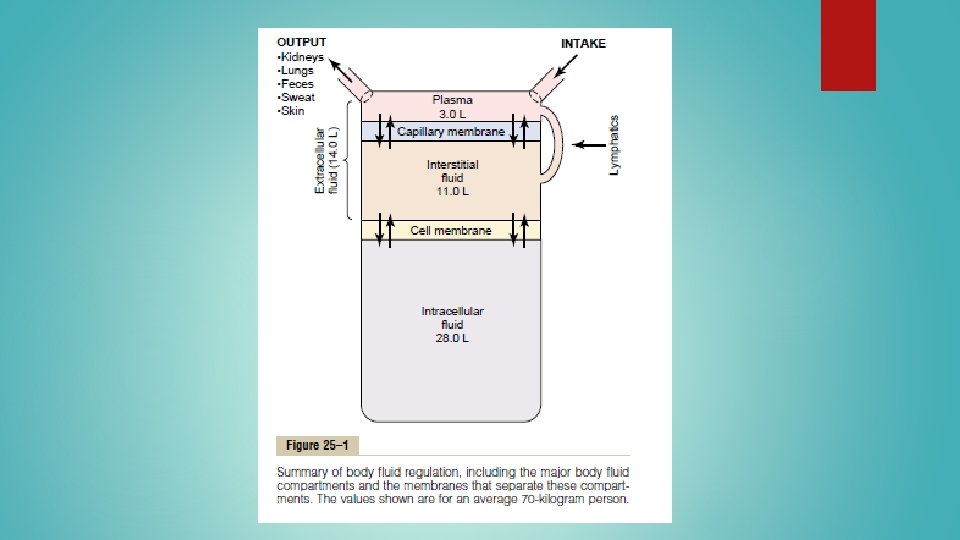
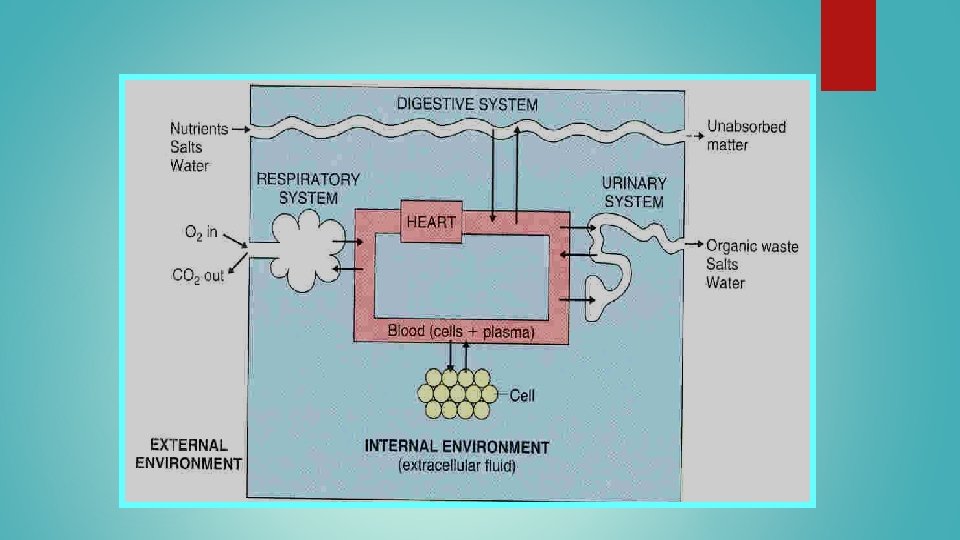
Homeostasis mean maintenance of nearly constant conditions in the internal environment. 60% of adult human body is fluid, 1/3 is ECF, contains ions and nutrients, internal environment of the body. Concept by Claude Bernard, French physiologist of 19 th century Name- American physiologist Walter B. Cannon.
THE INTERNAL ENVIRONMENT The internal environment or milieu interieur Extracellular Importance fluid
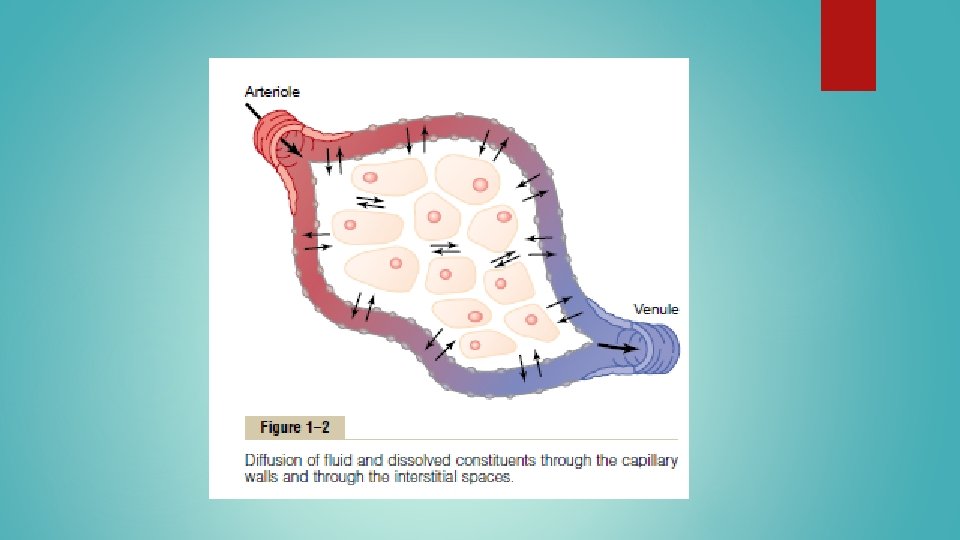
ECF fluid transport and mixing system: 2 stages: 1. 2. Movement of blood in the blood vessels Fluid movement in between blood capillaries and the intercellular spaces between the tissue cells.
Blood circulates once each min throughout the body at rest and six times each min when active. Large amount of fluid and dissolved constituents diffuse back and forth between blood and tissue spaces.
Origin of nutrients in the ECF Respiratory system: Blood picks up O 2 in the alveoli Alveolar membrane 4 -2 micrometers thick GIT: Carb, fatty acid, amino acids absorbed from the ingested food into the ECF of the blood. Liver: Change chemical composition of many absorbed substances to more usable forms.
• Removal of metabolic end products • Removal of carbon dioxide by the lungs • Removal of urea, uric acid by the kidneys and also excess of ions and water.
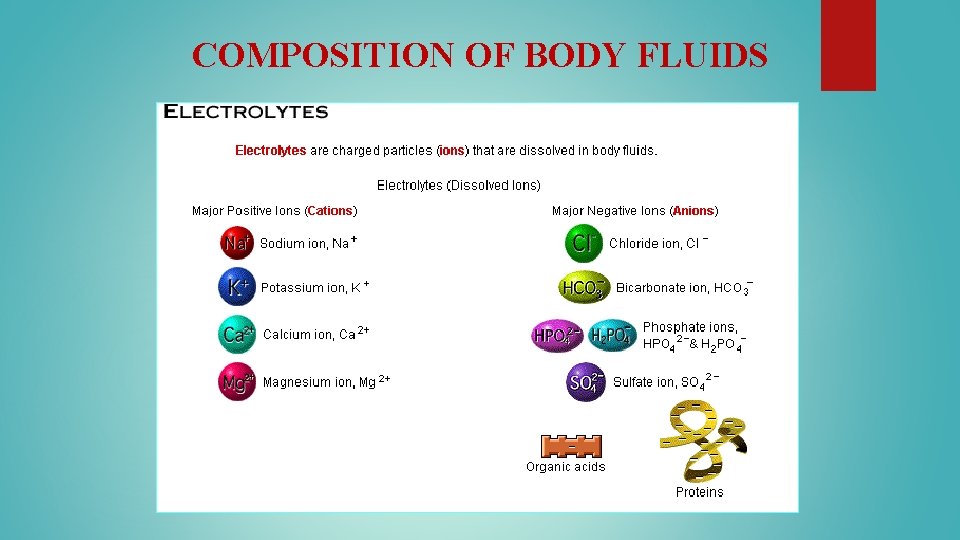
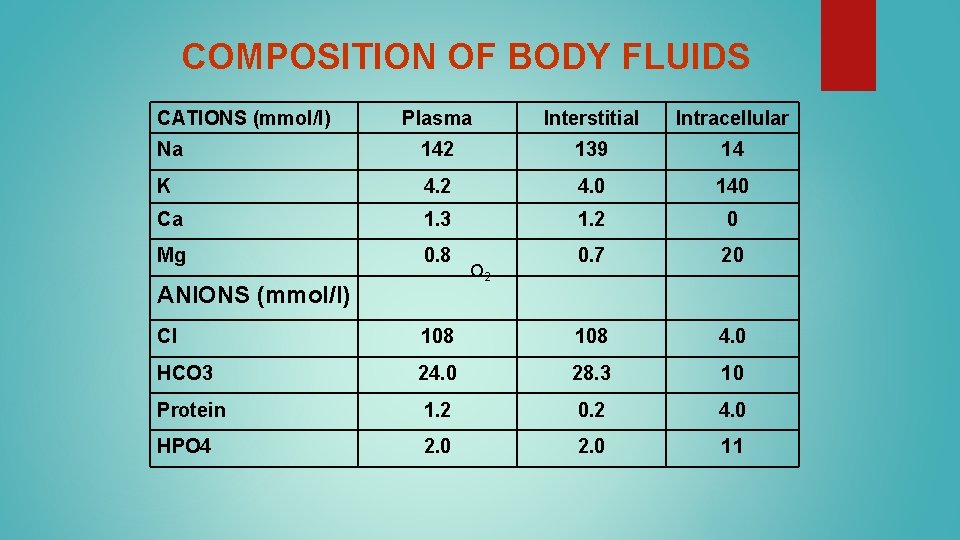
COMPOSITION OF BODY FLUIDS
COMPOSITION OF BODY FLUIDS CATIONS (mmol/l) Plasma Interstitial Intracellular Na 142 139 14 K 4. 2 4. 0 140 Ca 1. 3 1. 2 0 Mg 0. 8 0. 7 20 ANIONS (mmol/l) O 2 Cl 108 4. 0 HCO 3 24. 0 28. 3 10 Protein 1. 2 0. 2 4. 0 HPO 4 2. 0 11
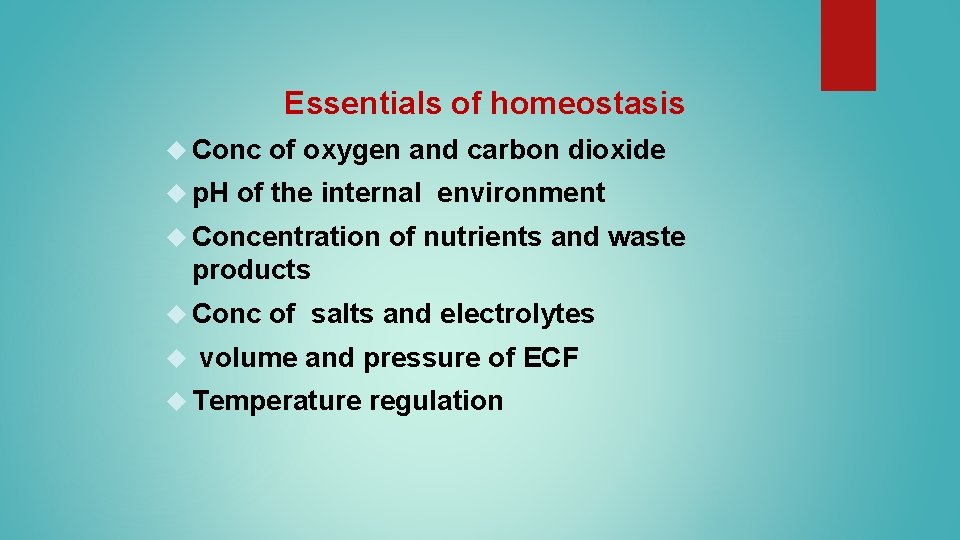
Essentials of homeostasis Conc p. H of oxygen and carbon dioxide of the internal environment Concentration of nutrients and waste products Conc of salts and electrolytes volume and pressure of ECF Temperature regulation
EXAMPLES OF HOMEOSTASIS Body water regulation by osmoreceptors and kidneys. Excretion of waste products by kidneys and respiration Temperature regulation Blood glucose regulation Constant supply of nutrients Maintenance of p. CO 2 and p. O 2 Maintenance of p. H
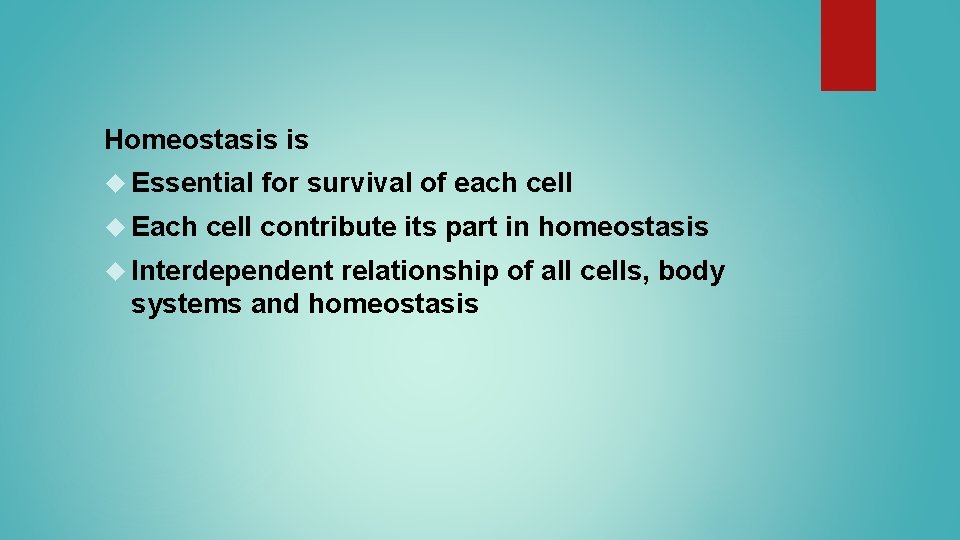
Homeostasis is Essential Each for survival of each cell contribute its part in homeostasis Interdependent relationship of all cells, body systems and homeostasis
Regulation of body functions by the major systems
The major systems Cardiovascular system Transportation O 2, CO 2, nutrients, waste products, hormones etc Digestive system Digestion, Absorption of nutrients, excretion of wastes Transfer of materials from external environment to internal environment Respiratory System : Supply O 2 of & elimination of CO 2 Acid base balance
The major systems Urinary System Elimination of waste products Water & electrolytes balance Acid base balance Blood pressure regulation Skeletal system Support & protection Movement Reservoir for calcium
The major systems Muscular system Movements Most towards or away from different elements of the voluntary movements by skeletal muscles Integumentary system Protection Temperature Immune regulation System Defense against foreign invaders Defense against Cancer
The major systems Nervous System Control system of the body Coordination of body activities Quick response to stimuli Consciousness, memory and intellectual functions Endocrine System Another major control system Control of metabolism Control of nutrients supply, storage and utilization Reproductive system Reproduction – continuation of life
Regulatory Mechanism Most physiological systems in the body use feedback to maintain the body's internal environment exactly balanced
EXAMPLES of control mechanism Oxygen buffering function of hemoglobin Baroreceptor system as rapidly acting mechanism to decrease high blood pressure Regulation of Carbon dioxide conc in ECF
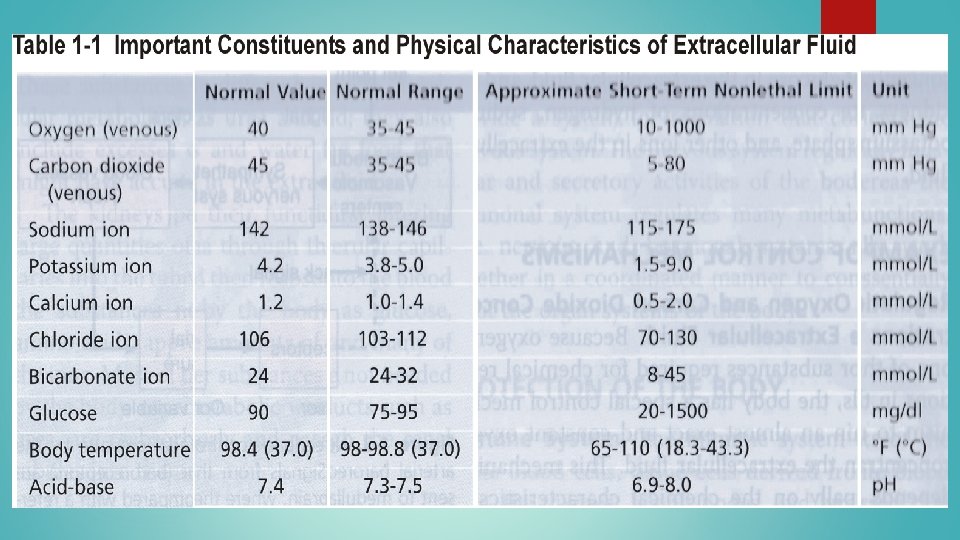
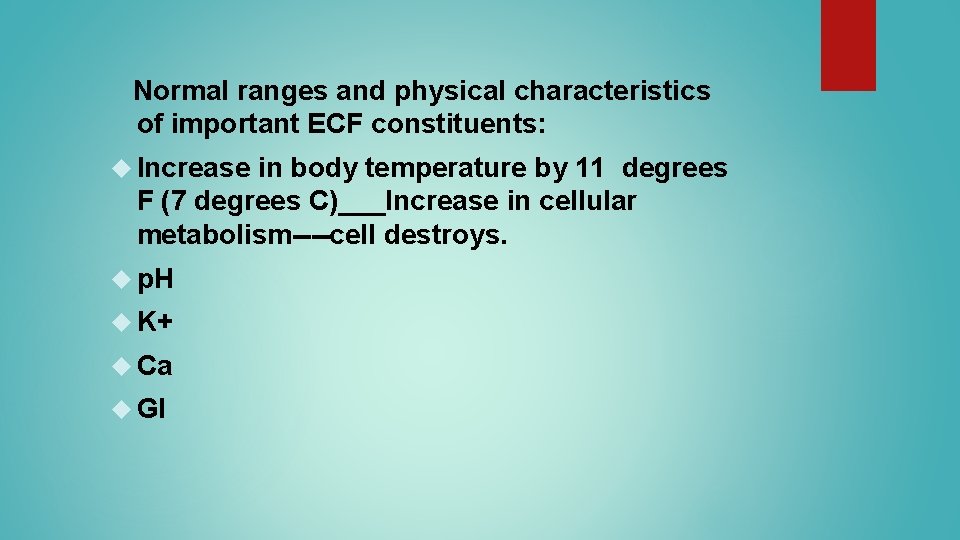
Normal ranges and physical characteristics of important ECF constituents: Increase in body temperature by 11 degrees F (7 degrees C)___Increase in cellular metabolism----cell destroys. p. H K+ Ca Gl
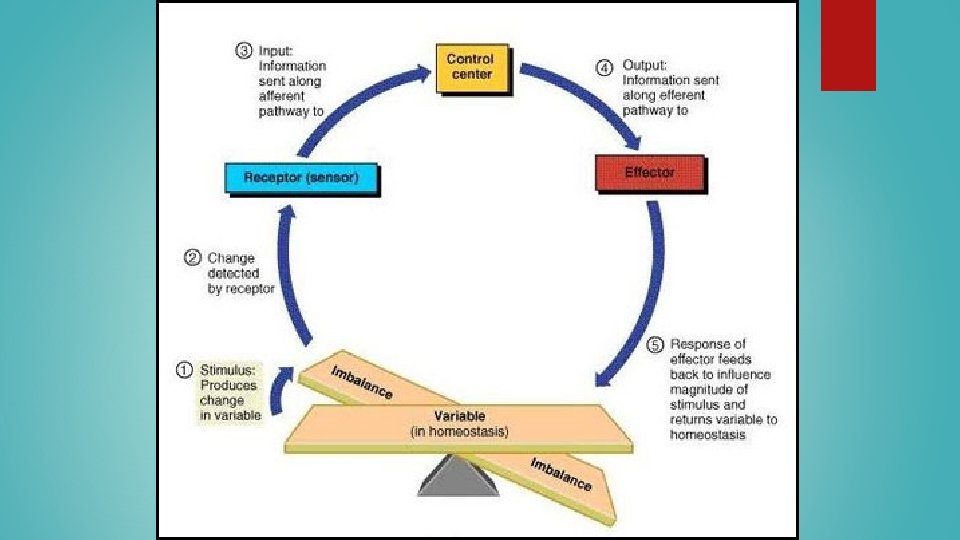
Control of homeostasis Feedback Systems in Homeostasis 1. Negative feed back system 2. Positive feed back system
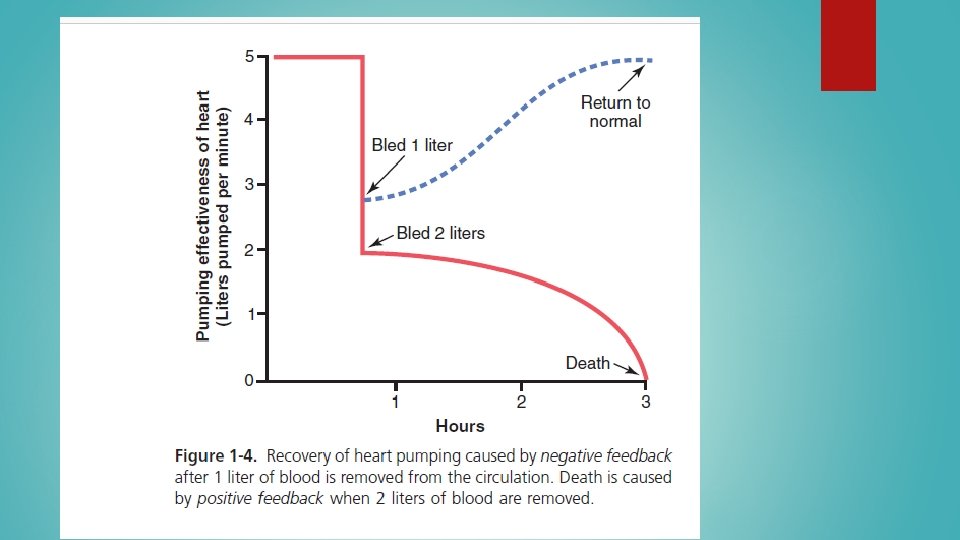
Regulatory Mechanism Negative feed back control System reacts in such a way as to arrest the change or reverse the change. Positive feed back control System reacts in such a way as to enhance or amplify the change in the same direction.
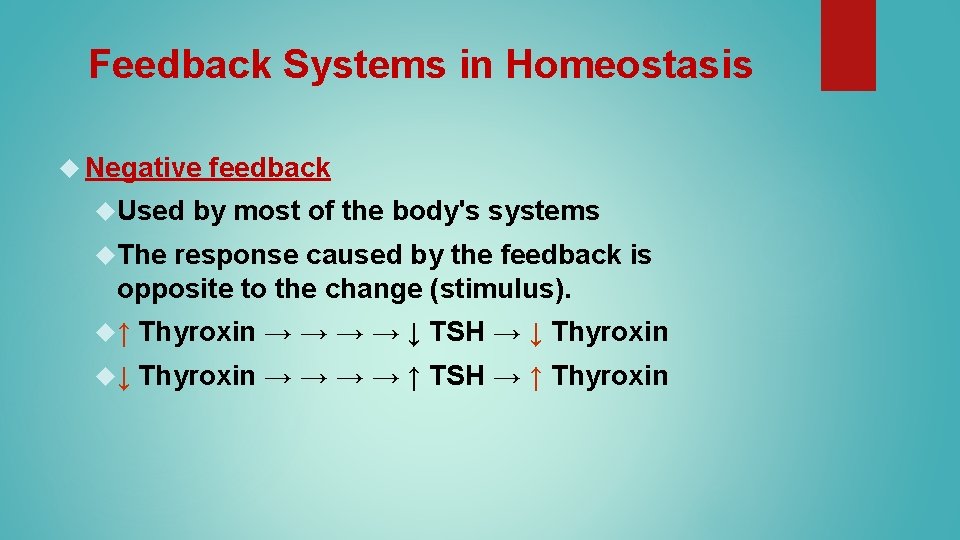
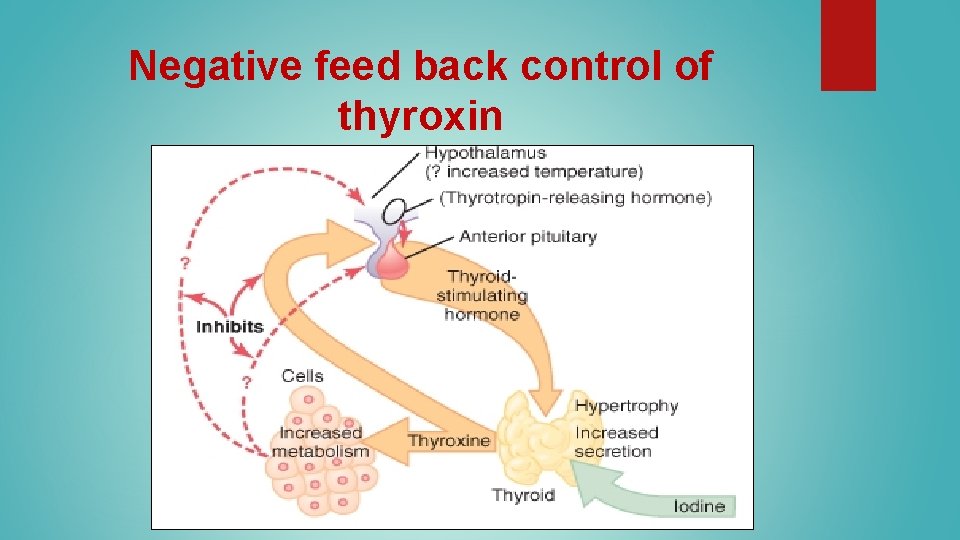
Feedback Systems in Homeostasis Negative Used feedback by most of the body's systems The response caused by the feedback is opposite to the change (stimulus). ↑ Thyroxin → → ↓ TSH → ↓ Thyroxin → → ↑ TSH → ↑ Thyroxin
Negative feed back control of thyroxin
Examples of negative feed back control: High conc. of carbon dioxide initiates events that decrease the concentration towards normal. High AP causes a series of reactions that lead to lowered pressure. This effect is negative with respect to the initiating stimulus.
Feedback Systems in Homeostasis Positive feedback Control is used in some cases. The response caused by the feedback is in the direction of the change (stimulus). Input increases or accelerates the response.
Positive feed back Labor Oxytocin →↑ uterine contraction →↑Oxytocin Clotting Generation Useful of nerve impulses positive feedback itself is part of an overall negative feedback process.
Feed forward control Sensory nerve signals from the moving parts apprise the brain whether movement is performed correctly. If not , the brain corrects the feed forward signals that it sends to the muscles the next time the movement is performed. This is called adaptive control and is a delayed negative feedback.
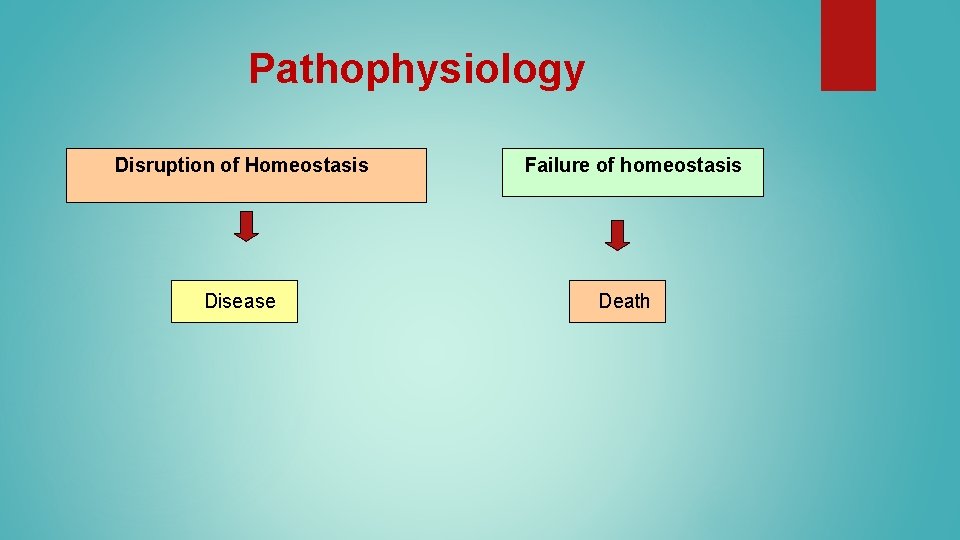
Pathophysiology Disruption of Homeostasis Disease Failure of homeostasis Death