FRONTOTEMPORAL DEMENTIA AND RELATED DISORDERS ORGANIC PSYCHOSES Diana


- Slides: 29
“FRONTOTEMPORAL DEMENTIA AND RELATED DISORDERS: ORGANIC PSYCHOSES? ” Diana De Ronchi , Anna Rita Atti Ferrara, 26 ottobre 2012
Outline FTD “Psicosi organiche” AD/Psicosi – Psicosi/AD
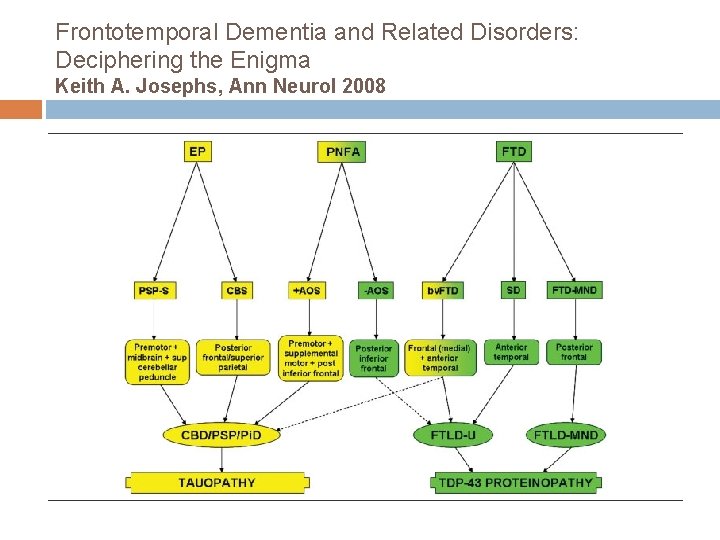
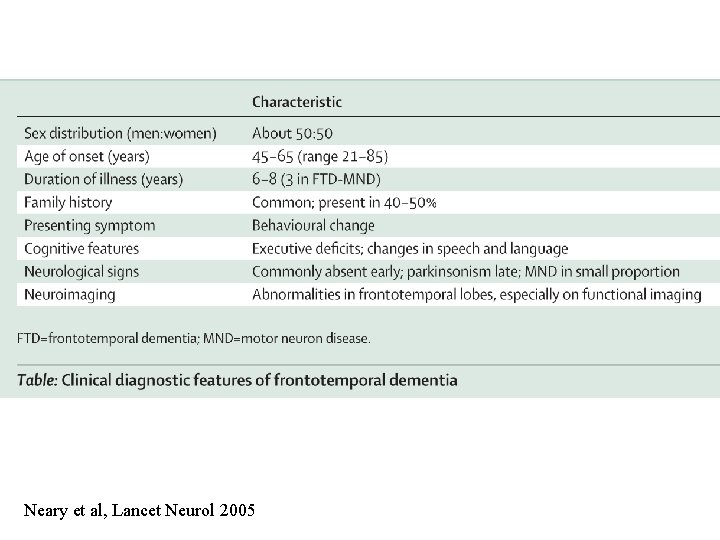
Frontotemporal Dementia and Related Disorders: Deciphering the Enigma Keith A. Josephs, Ann Neurol 2008 FTD is an umbrella term that includes a number of different syndromic variants, all characterized by the presence of behavioral and personality changes ±aphasia. bv. FTD (behavioral variant) SD (semantic dementia) and FTD-MND (FTD with motor neuron disease)
Neary et al, Lancet Neurol 2005
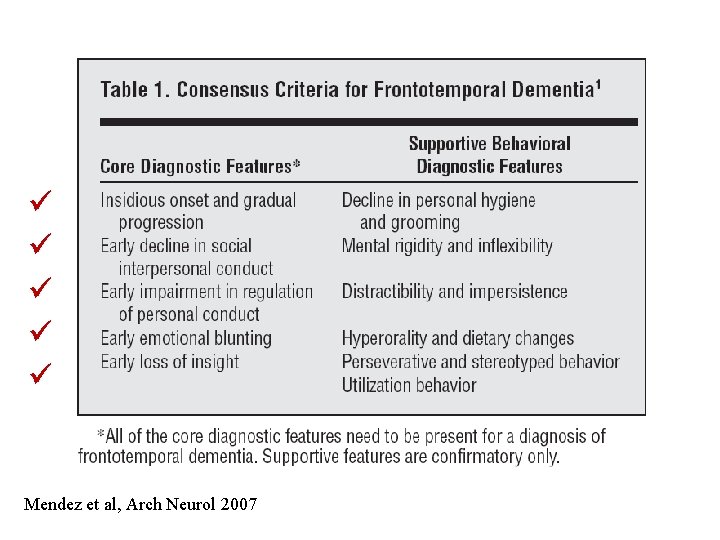
üm üm üM üm üm Mendez et al, Arch Neurol 2007
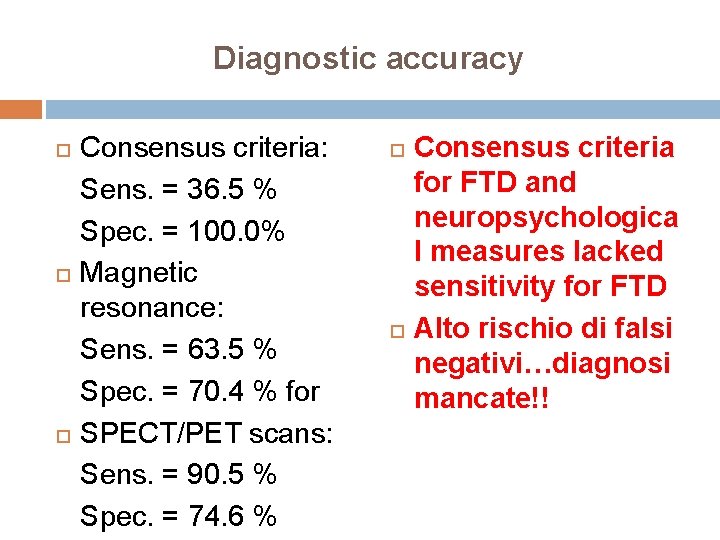
Diagnostic accuracy Consensus criteria: Sens. = 36. 5 % Spec. = 100. 0% Magnetic resonance: Sens. = 63. 5 % Spec. = 70. 4 % for SPECT/PET scans: Sens. = 90. 5 % Spec. = 74. 6 % Consensus criteria for FTD and neuropsychologica l measures lacked sensitivity for FTD Alto rischio di falsi negativi…diagnosi mancate!!
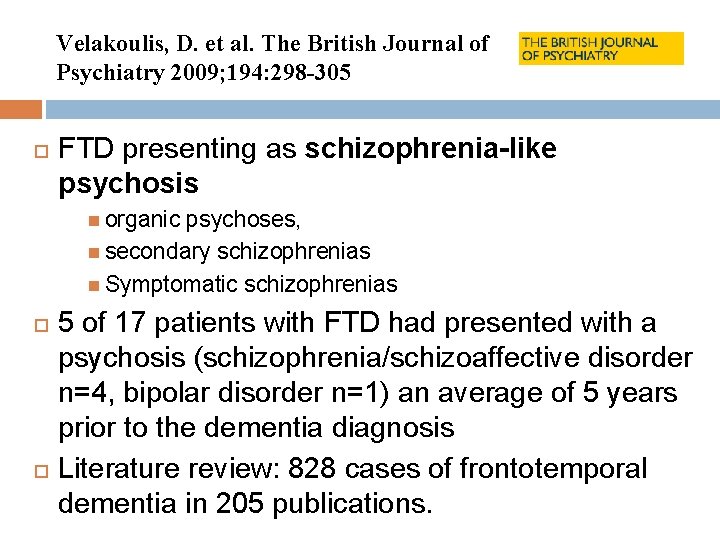
Velakoulis, D. et al. The British Journal of Psychiatry 2009; 194: 298 -305 FTD presenting as schizophrenia-like psychosis organic psychoses, secondary schizophrenias Symptomatic schizophrenias 5 of 17 patients with FTD had presented with a psychosis (schizophrenia/schizoaffective disorder n=4, bipolar disorder n=1) an average of 5 years prior to the dementia diagnosis Literature review: 828 cases of frontotemporal dementia in 205 publications.
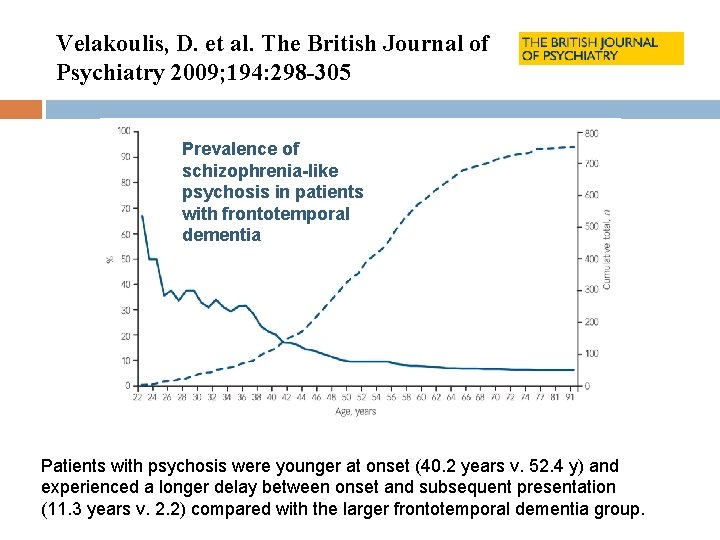
Velakoulis, D. et al. The British Journal of Psychiatry 2009; 194: 298 -305 Prevalence of schizophrenia-like psychosis in patients with frontotemporal dementia Patients with psychosis were younger at onset (40. 2 years v. 52. 4 y) and experienced a longer delay between onset and subsequent presentation (11. 3 years v. 2. 2) compared with the larger frontotemporal dementia group.
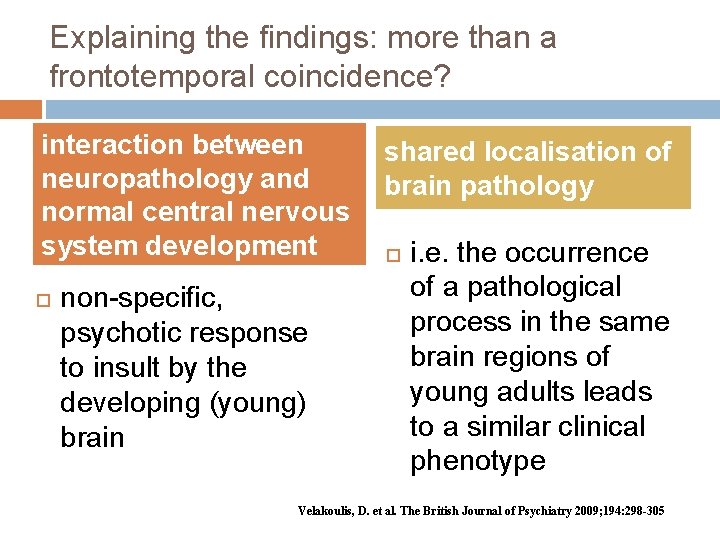
Explaining the findings: more than a frontotemporal coincidence? interaction between neuropathology and normal central nervous system development non-specific, psychotic response to insult by the developing (young) brain shared localisation of brain pathology i. e. the occurrence of a pathological process in the same brain regions of young adults leads to a similar clinical phenotype Velakoulis, D. et al. The British Journal of Psychiatry 2009; 194: 298 -305
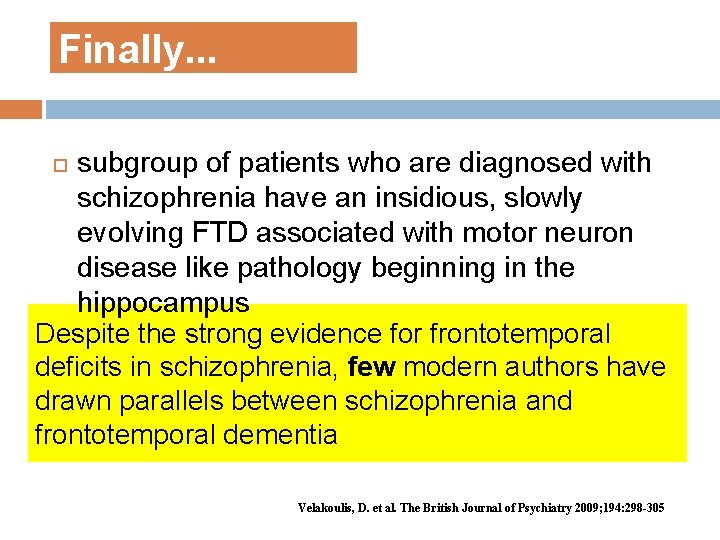
Finally. . . subgroup of patients who are diagnosed with schizophrenia have an insidious, slowly evolving FTD associated with motor neuron disease like pathology beginning in the hippocampus Despite the strong evidence for frontotemporal deficits in schizophrenia, few modern authors have drawn parallels between schizophrenia and frontotemporal dementia Velakoulis, D. et al. The British Journal of Psychiatry 2009; 194: 298 -305
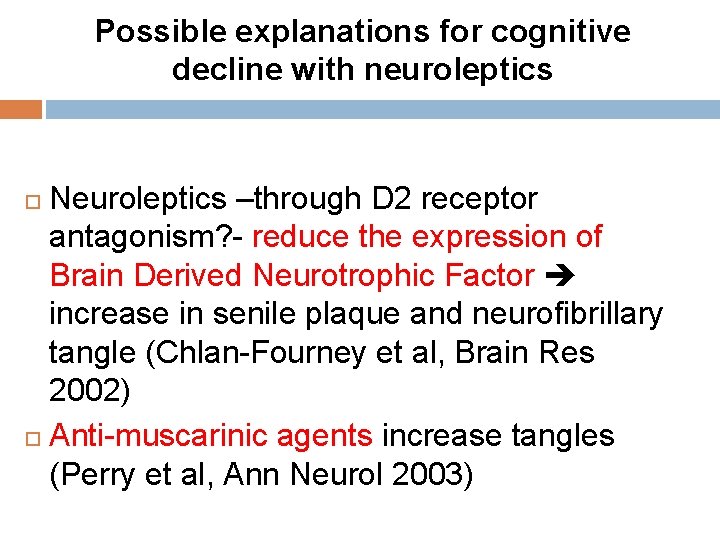
Possible explanations for cognitive decline with neuroleptics Neuroleptics –through D 2 receptor antagonism? - reduce the expression of Brain Derived Neurotrophic Factor increase in senile plaque and neurofibrillary tangle (Chlan-Fourney et al, Brain Res 2002) Anti-muscarinic agents increase tangles (Perry et al, Ann Neurol 2003)
Outline FTD “Psicosi organiche” AD/Psicosi – Psicosi/AD
Systemic Medical Conditions for Organic Psychoses: Systemic infections: HIV, Mono, Hepatitis Endocrine: Thyroid, Parathyroid, Cushings, Addison’s, Pituitary Adenoma Vitamin Deficiencies: B 12, Folate, Niacin Uremia, Dialysis Acute Intermittent Porphyria
Neurological Conditions for Organic Psychoses: Parkinson’s, Huntington’s (basal ganglia) Stroke, Tumor, Trauma, Infections Autoimmune: Multiple Sclerosis, Lupus Migraine headaches Dementia Sensory deprivation or over-stimulation (“ICU psychosis”)
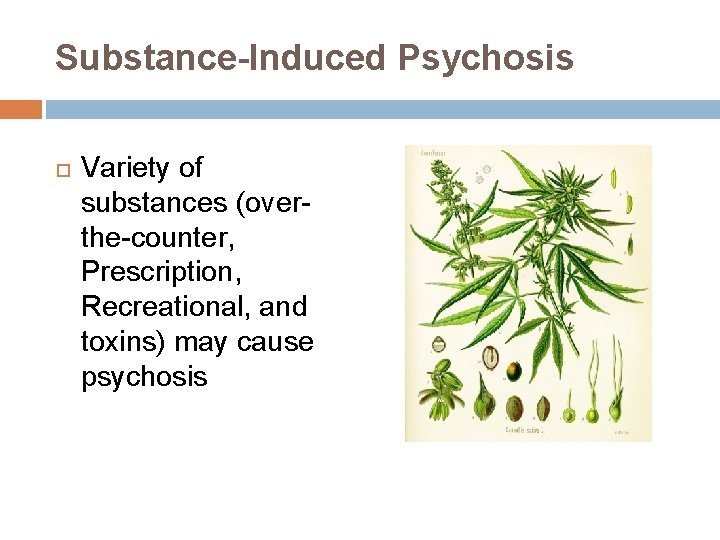
Substance-Induced Psychosis Variety of substances (overthe-counter, Prescription, Recreational, and toxins) may cause psychosis
Substance-Induced Psychosis Sedative/Hypnotics: Barbiturates Benzodiazepines (withdrawal) Alcohol (withdrawal) Steroids and Hormones: Oral Contraceptive Pills Prednisone Corticosteroids Anabolic steroids
Substance-Induced Psychosis Stimulants: amphetamine, cocaine, ephedra Analgesics Antimicrobials Antidepressants (rarely) Antihistamines, anticholinergics Thyroid hormones Antiparkinsonian agents: L-dopa, bromocriptine, amantadine, etc Cardiovascular Drugs
Mental Disorders with Psychosis: Autism Mental Retardation Obsessive Compulsive Disorder with Poor Insight Post-Traumatic Stress Disorder Malingering (Simulazione)
Outline FTD “Psicosi organiche” AD/Psicosi – Psicosi/AD
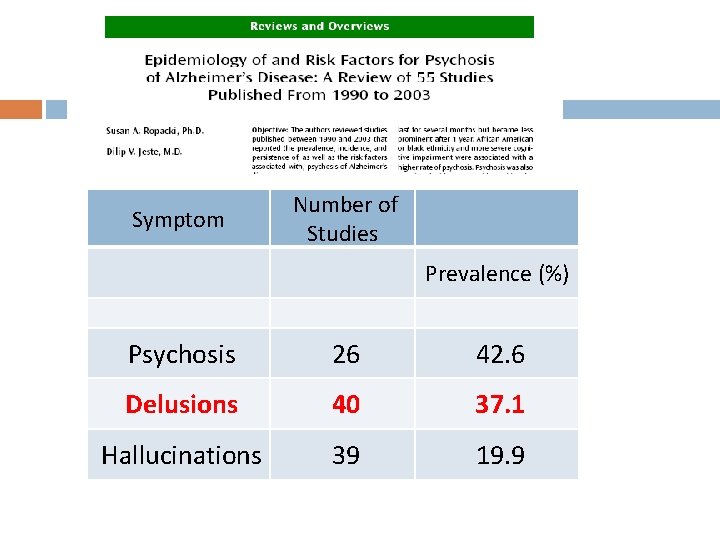
Symptom Number of Studies Prevalence (%) Psychosis 26 42. 6 Delusions 40 37. 1 Hallucinations 39 19. 9
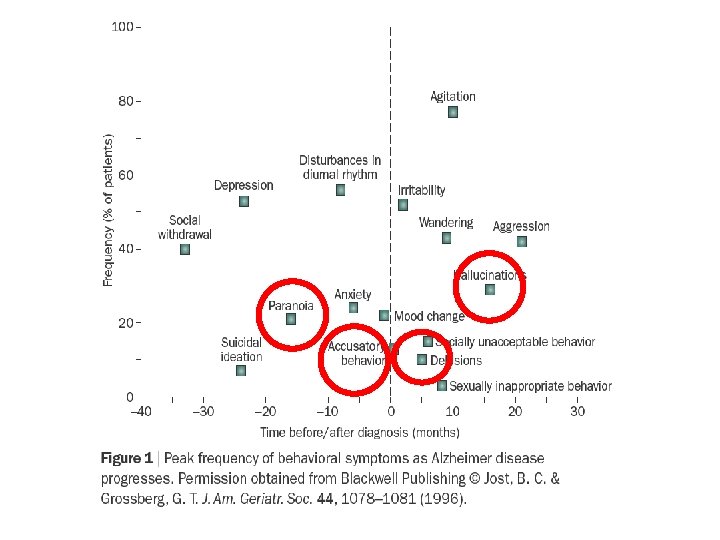
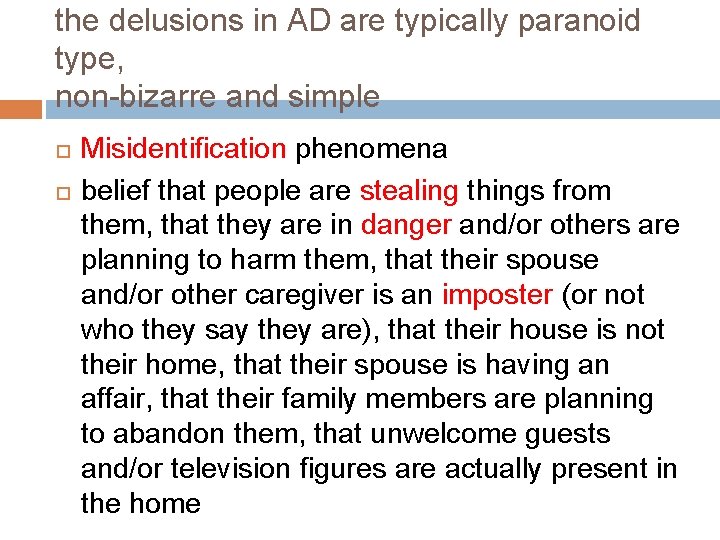
the delusions in AD are typically paranoid type, non-bizarre and simple Misidentification phenomena belief that people are stealing things from them, that they are in danger and/or others are planning to harm them, that their spouse and/or other caregiver is an imposter (or not who they say they are), that their house is not their home, that their spouse is having an affair, that their family members are planning to abandon them, that unwelcome guests and/or television figures are actually present in the home
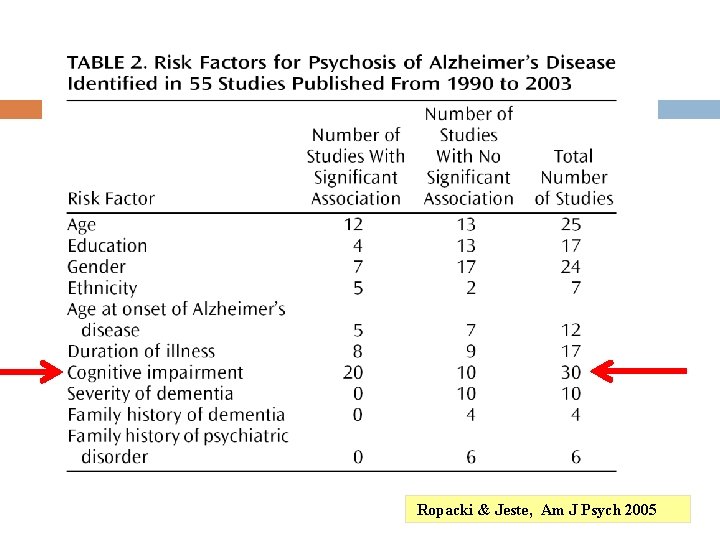
Ropacki & Jeste, Am J Psych 2005
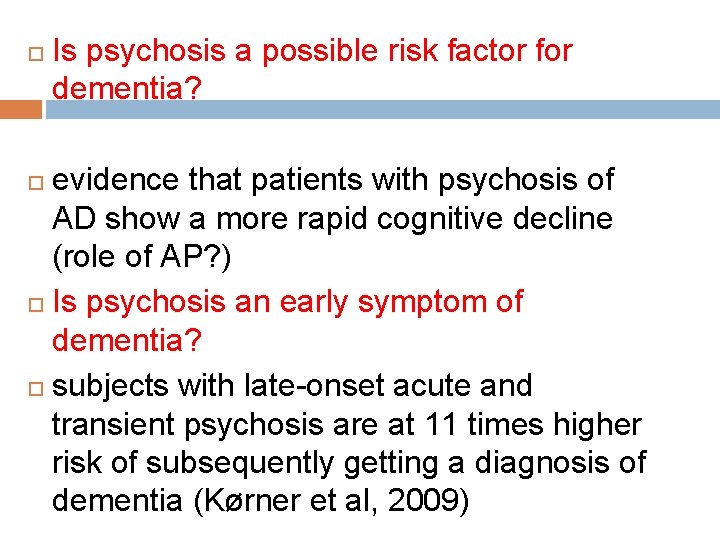
Is psychosis a possible risk factor for dementia? evidence that patients with psychosis of AD show a more rapid cognitive decline (role of AP? ) Is psychosis an early symptom of dementia? subjects with late-onset acute and transient psychosis are at 11 times higher risk of subsequently getting a diagnosis of dementia (Kørner et al, 2009)
LONGITUDINALE La situazione nella popolazione generale… lo studio di Faenza 1992 Scopo: • indagare funzioni cognitive • indagare variabili socio-demografiche • indagare informazioni funzionali 1995 1º follow up (riesaminato un campione residente nel centro storico di Faenza: 216 soggetti) 2003 2º follow-up soggetti con deterioramento cognitivo al T 0 2006 2º follow-up soggetti cognitivamente integri al T 0 TRASVERSALE
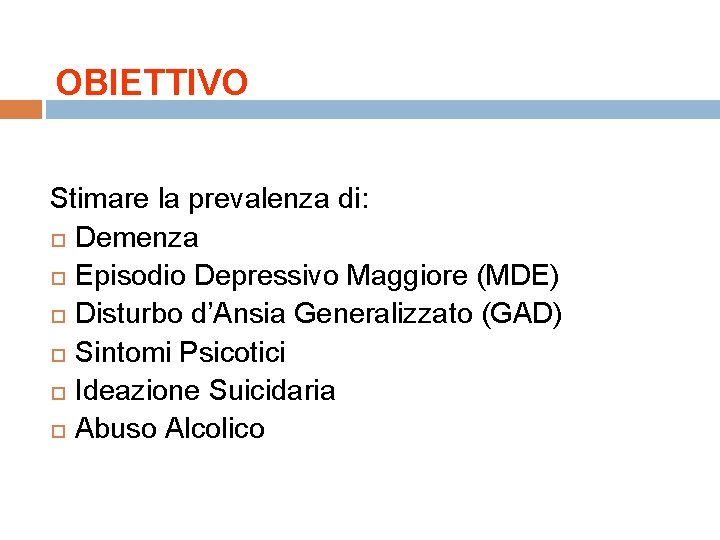
OBIETTIVO Stimare la prevalenza di: Demenza Episodio Depressivo Maggiore (MDE) Disturbo d’Ansia Generalizzato (GAD) Sintomi Psicotici Ideazione Suicidaria Abuso Alcolico
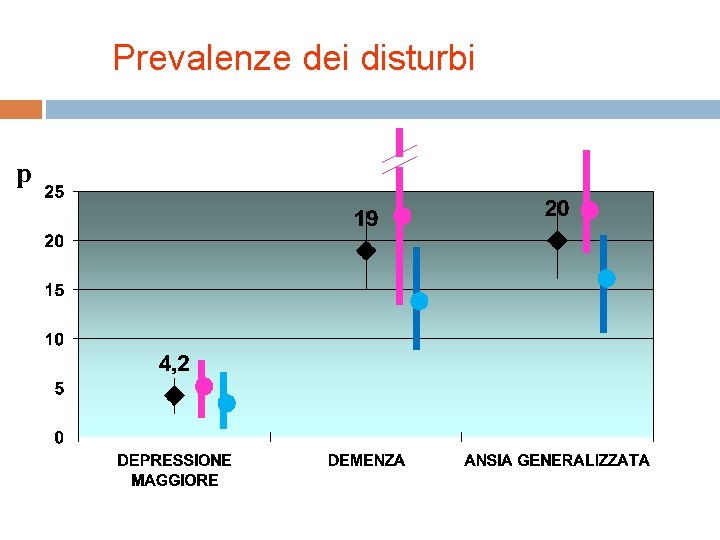
Prevalenze dei disturbi p
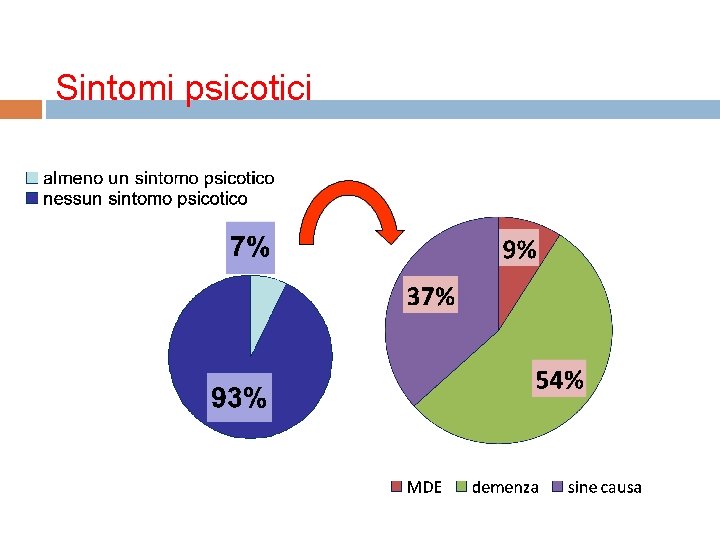
Sintomi psicotici
annarita. atti@unibo. it