
DISCRETE COMPUTATIONAL STRUCTURES CSE 2353 Fall 2010 Most
- Slides: 38
DISCRETE COMPUTATIONAL STRUCTURES CSE 2353 Fall 2010 Most slides modified from Discrete Mathematical Structures: Theory and Applications
CSE 2353 OUTLINE PART I 1. Sets 2. Logic PART II 3. Proof Techniques 4. Relations 5. Functions PART III 6. Number Theory 7. Boolean Algebra
CSE 2353 OUTLINE PART I 1. Sets 2. Logic PART II 3. Proof Techniques 4. Relations 5. Functions PART III 6. Number Theory 7. Boolean Algebra
Learning Objectives q. Learn the basic counting principles— multiplication and addition q. Explore the pigeonhole principle q. Learn about permutations q. Learn about combinations q. Learn about Prime numbers 4
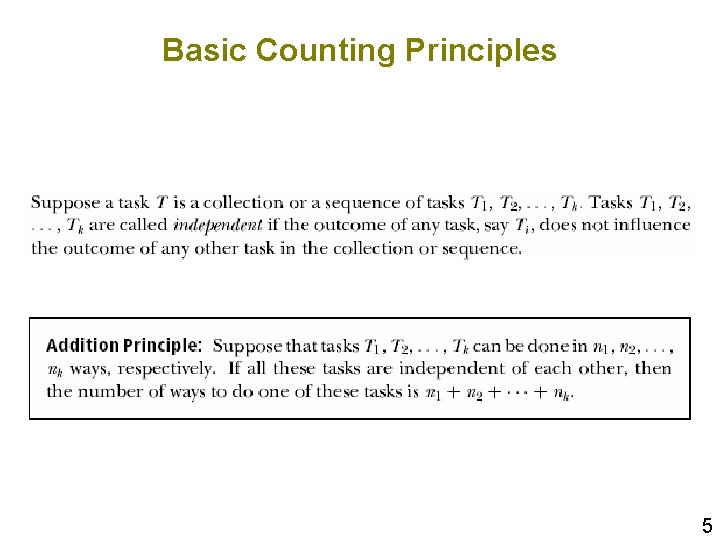
Basic Counting Principles 5
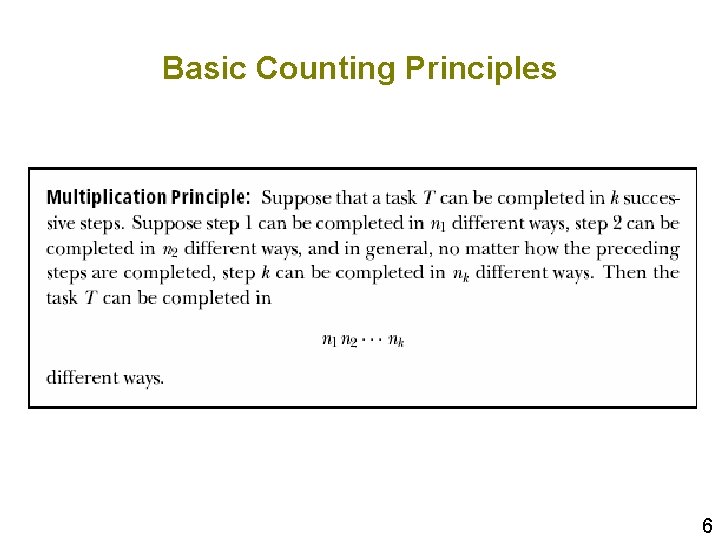
Basic Counting Principles 6
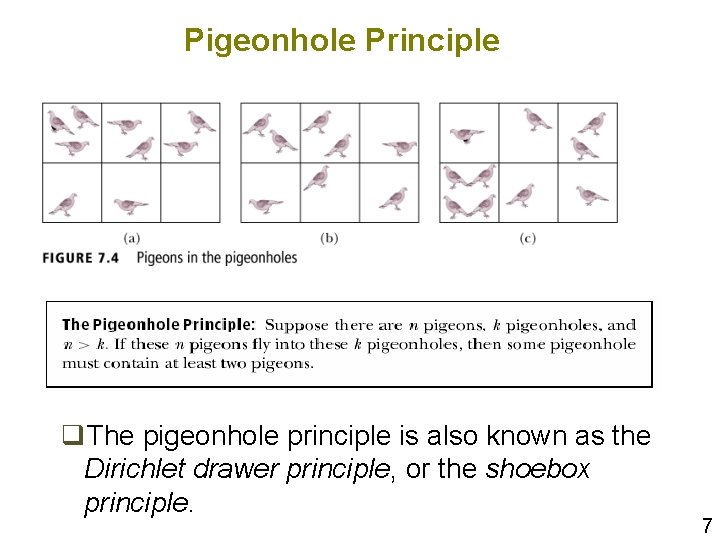
Pigeonhole Principle q. The pigeonhole principle is also known as the Dirichlet drawer principle, or the shoebox principle. 7
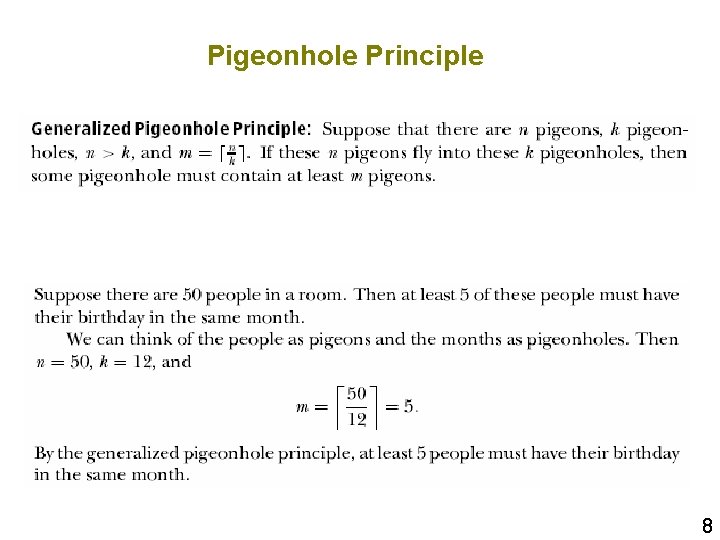
Pigeonhole Principle 8
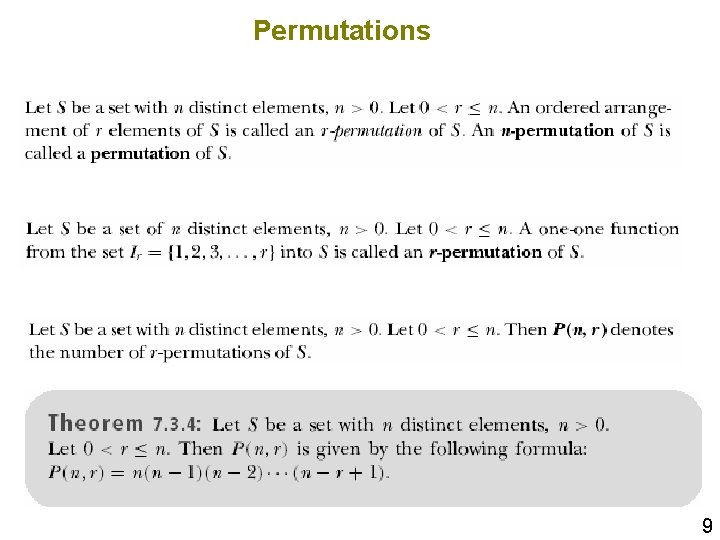
Permutations 9
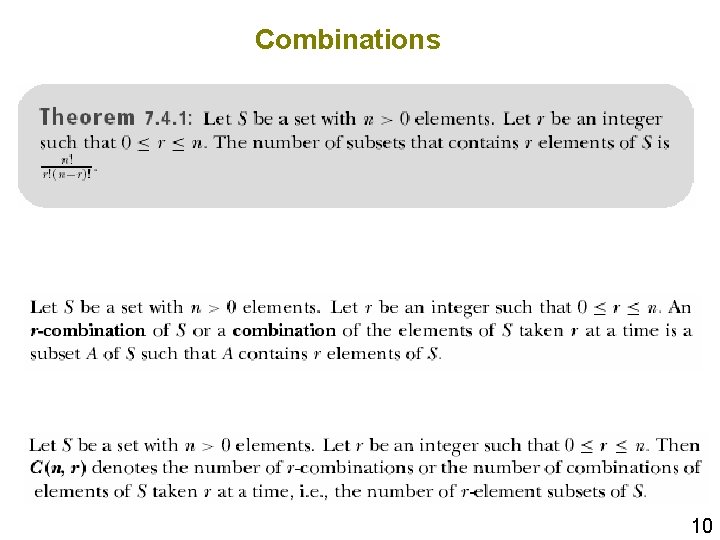
Combinations 10
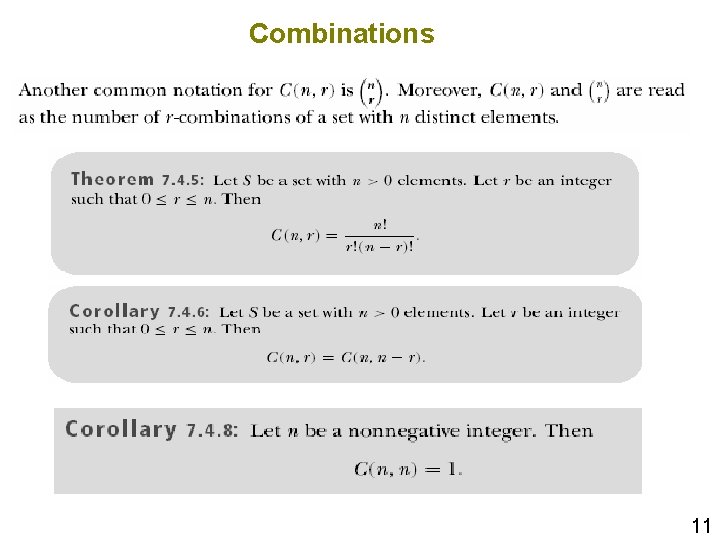
Combinations 11
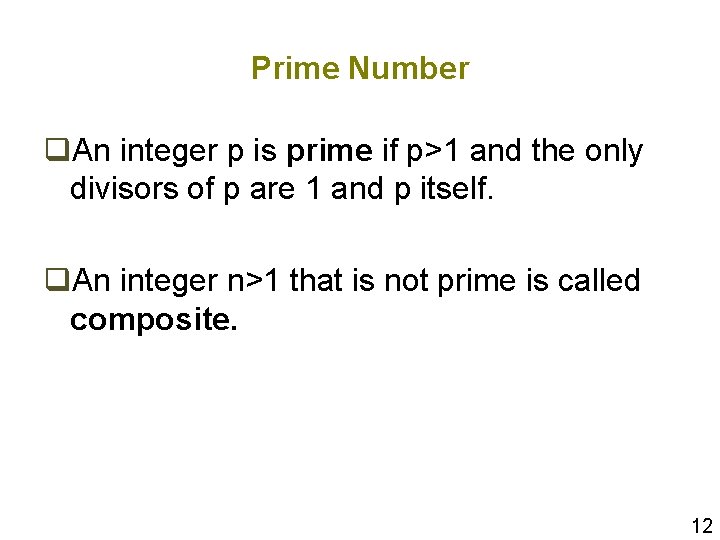
Prime Number q. An integer p is prime if p>1 and the only divisors of p are 1 and p itself. q. An integer n>1 that is not prime is called composite. 12
Finding Primes q. Sieve of Eratosthenes qhttp: //en. wikipedia. org/wiki/Sieve_of_Eratosth enes 13
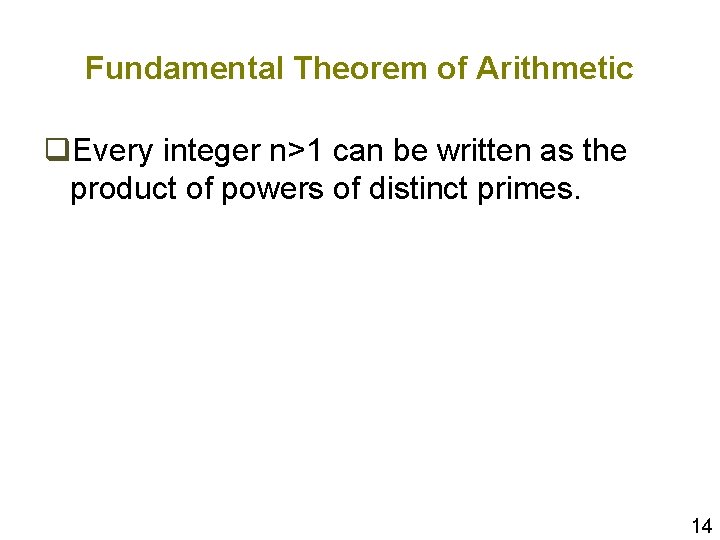
Fundamental Theorem of Arithmetic q. Every integer n>1 can be written as the product of powers of distinct primes. 14
CSE 2353 OUTLINE PART I 1. Sets 2. Logic PART II 3. Proof Techniques 4. Relations 5. Functions PART III 6. Number Theory 7. Boolean
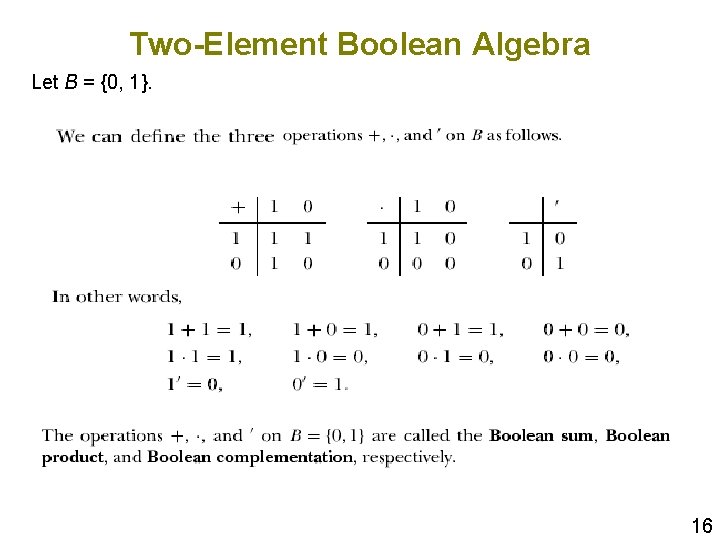
Two-Element Boolean Algebra Let B = {0, 1}. 16
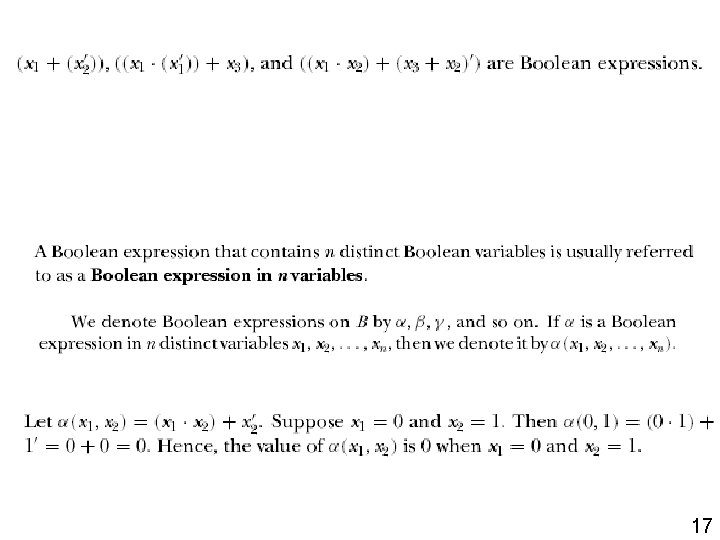
17
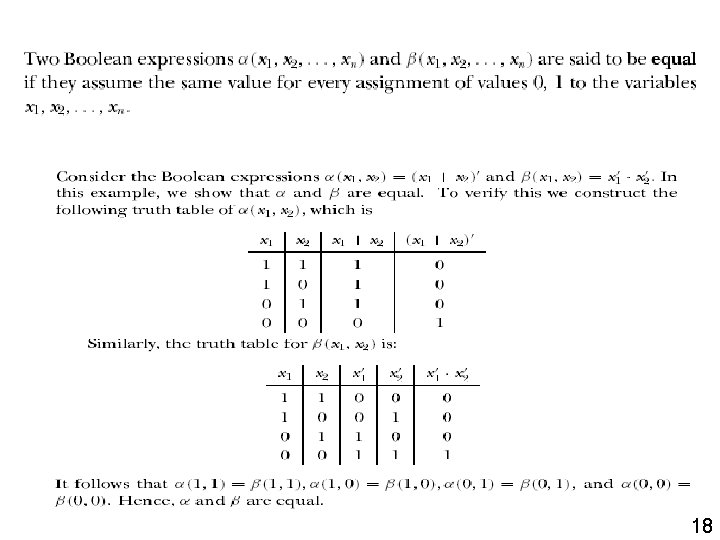
18
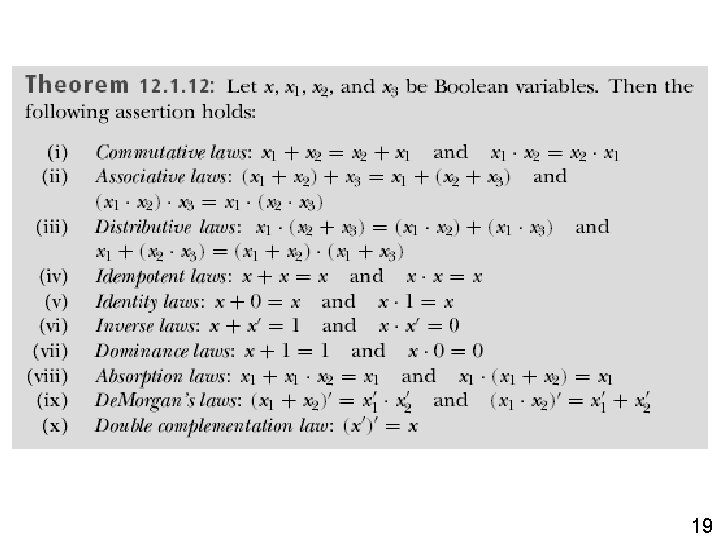
19
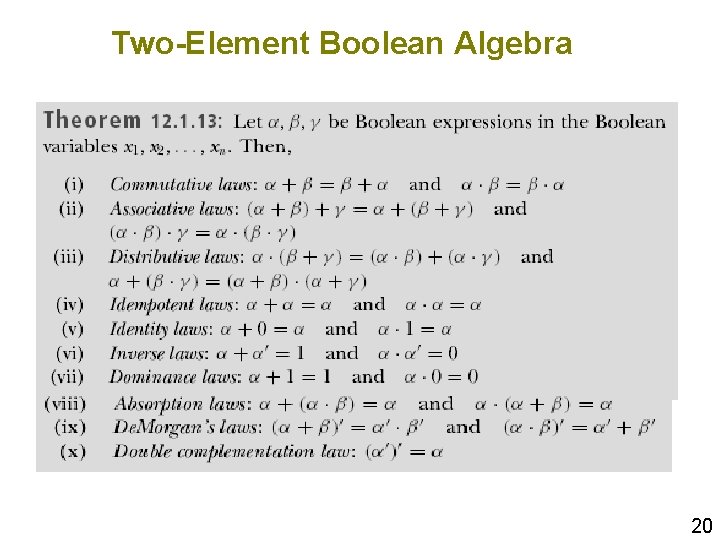
Two-Element Boolean Algebra 20
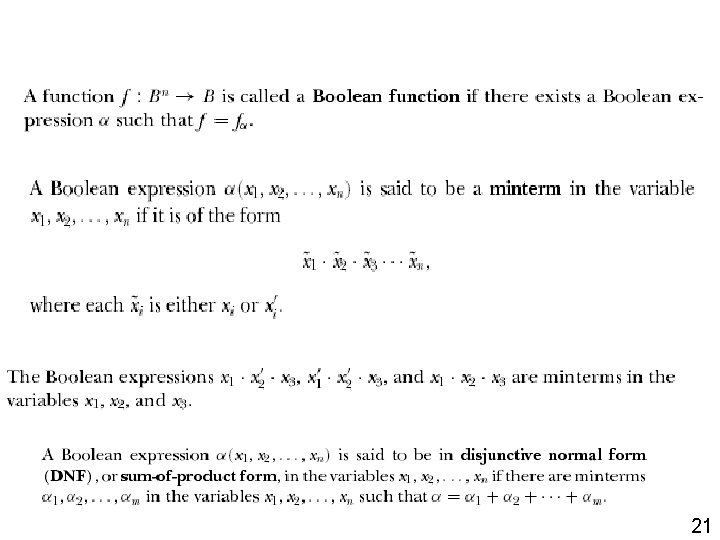
21
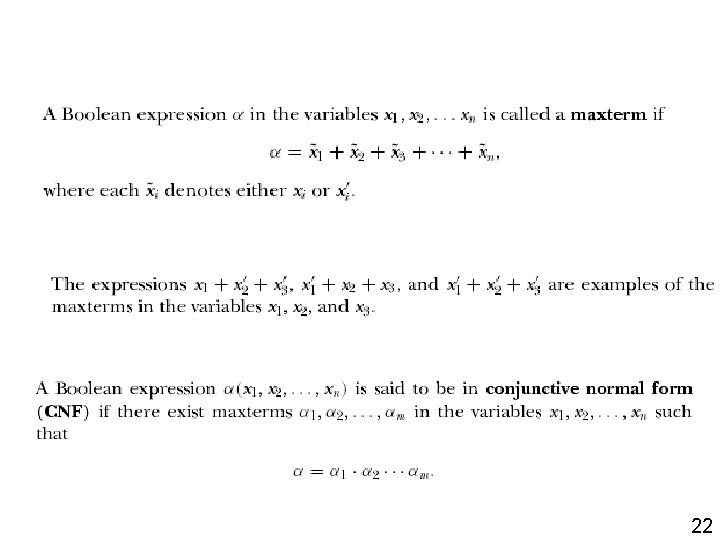
22
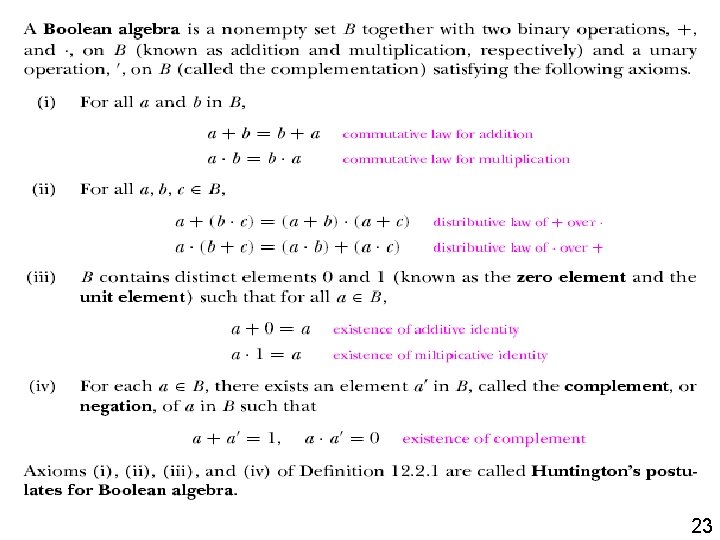
23
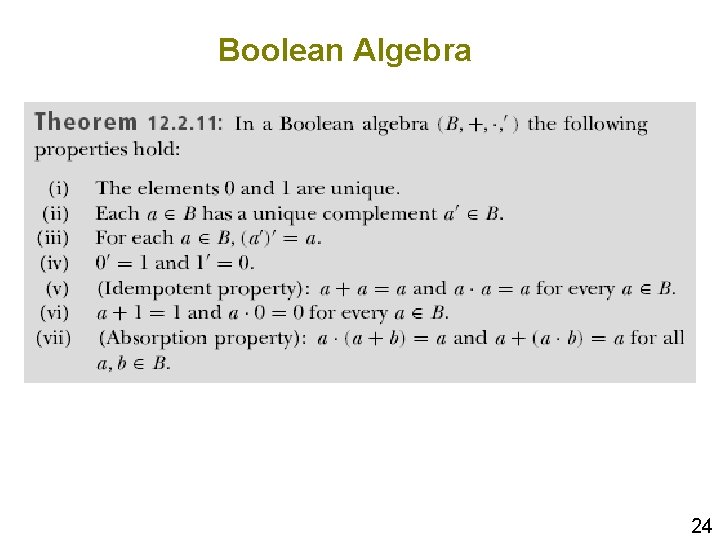
Boolean Algebra 24
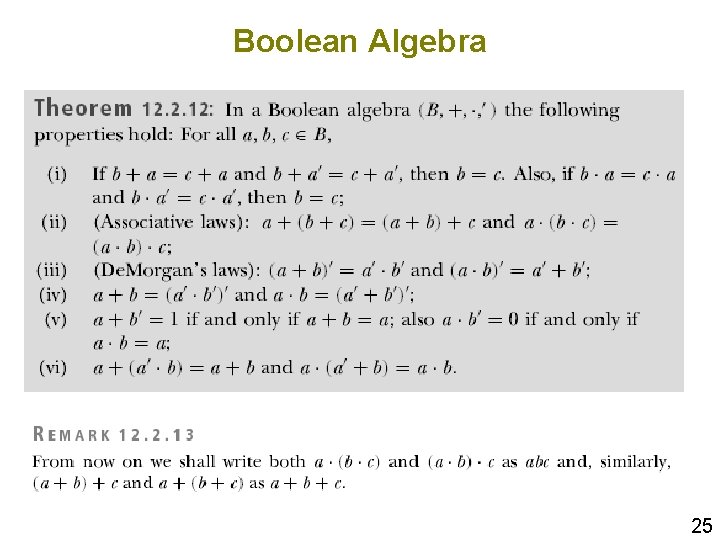
Boolean Algebra 25
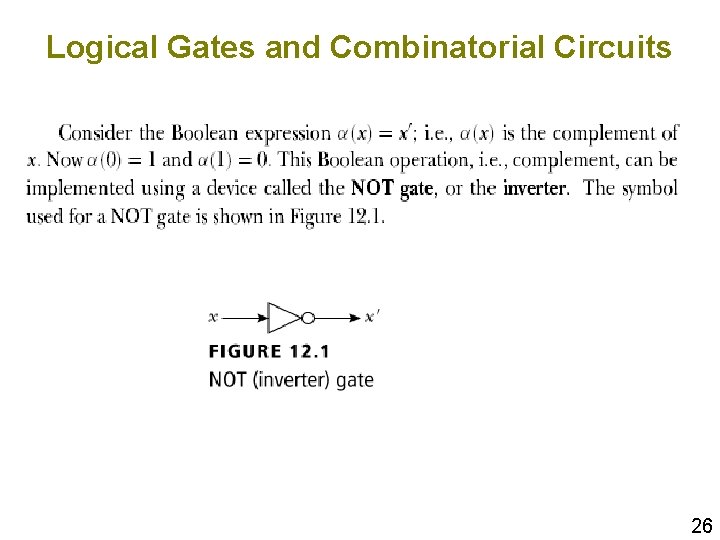
Logical Gates and Combinatorial Circuits 26
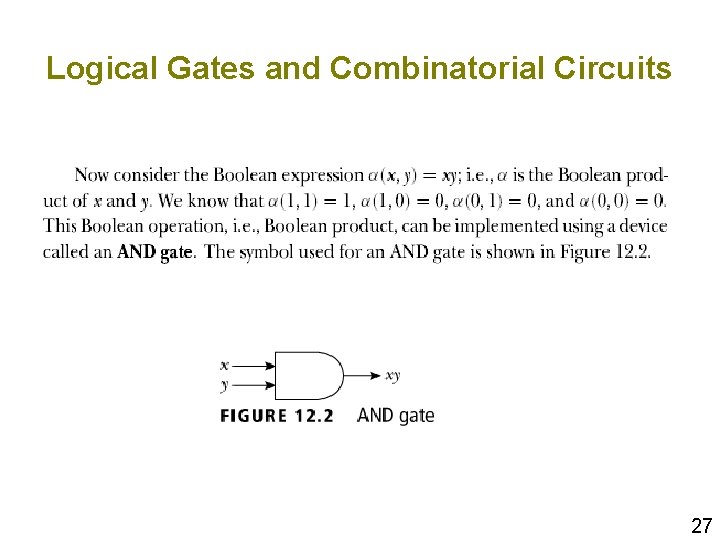
Logical Gates and Combinatorial Circuits 27
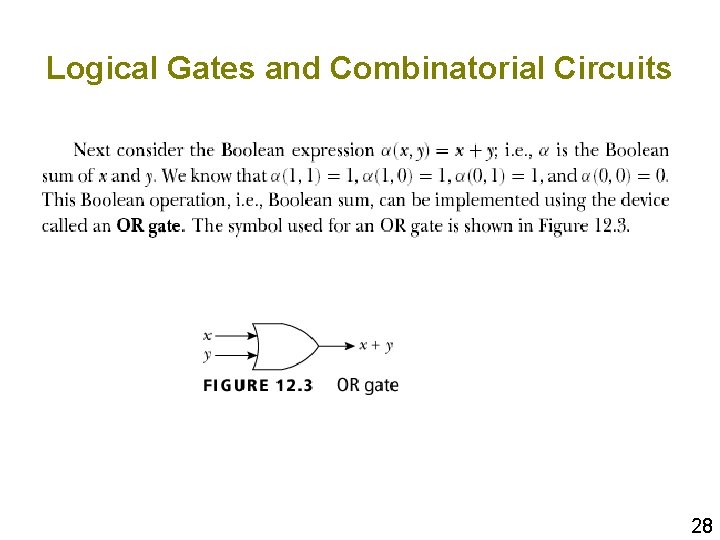
Logical Gates and Combinatorial Circuits 28
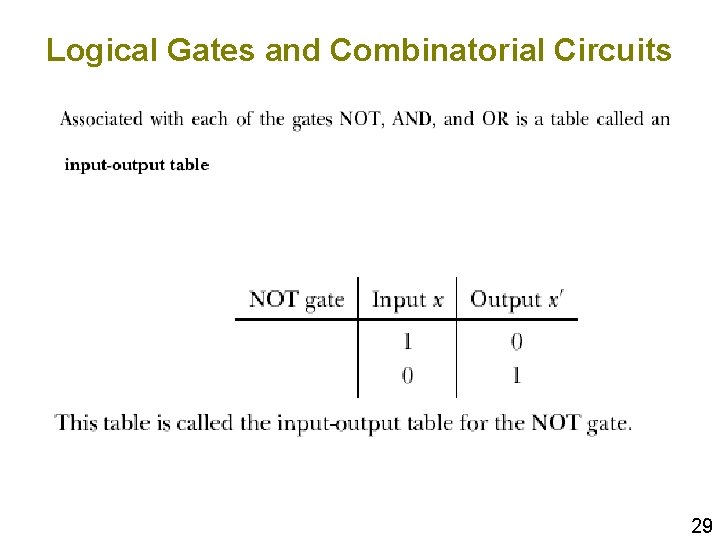
Logical Gates and Combinatorial Circuits 29
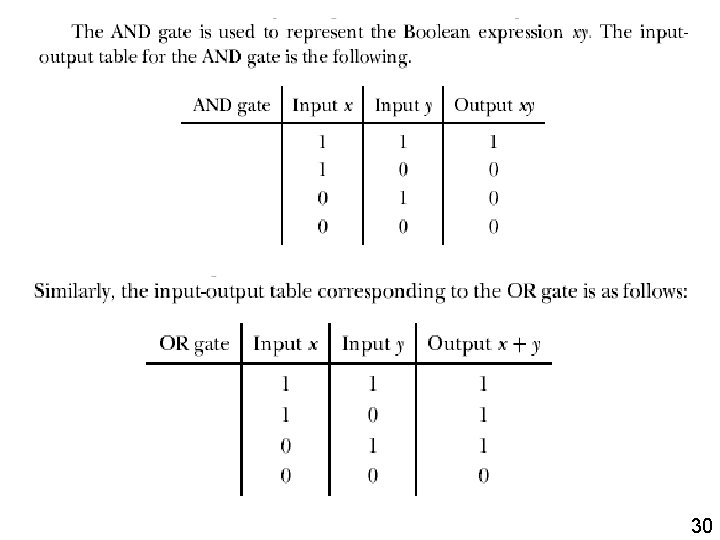
30
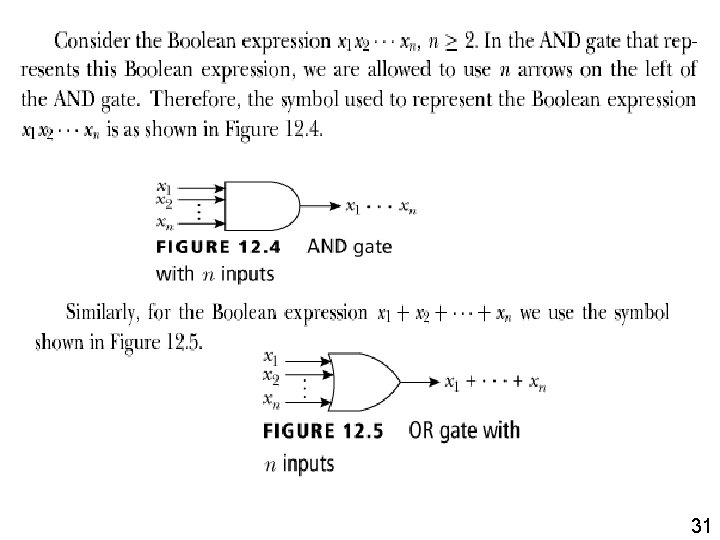
31
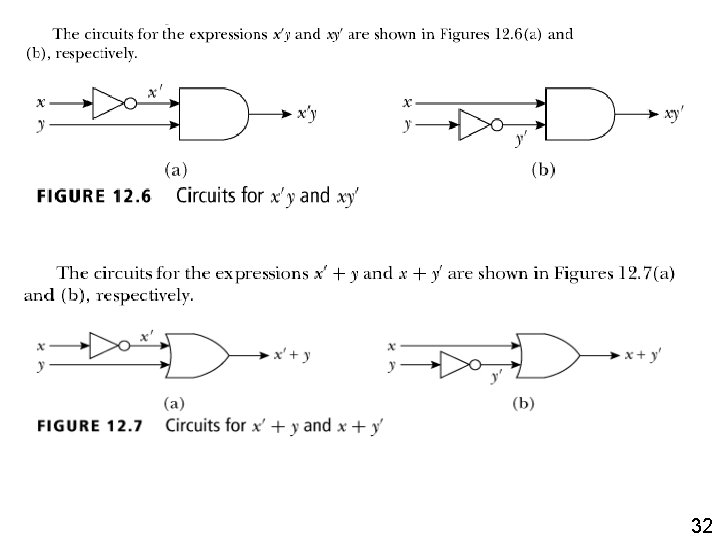
32
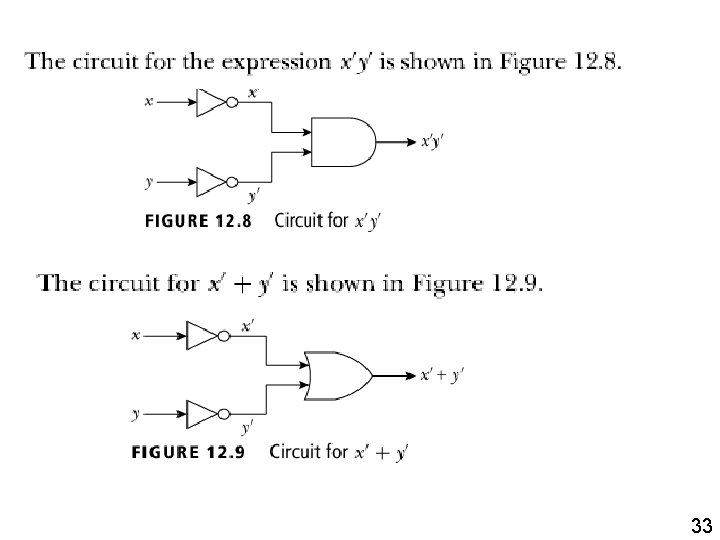
33
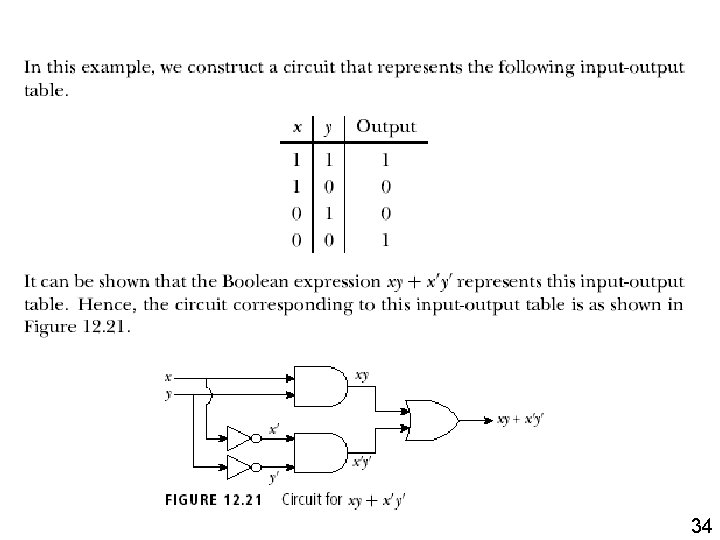
34
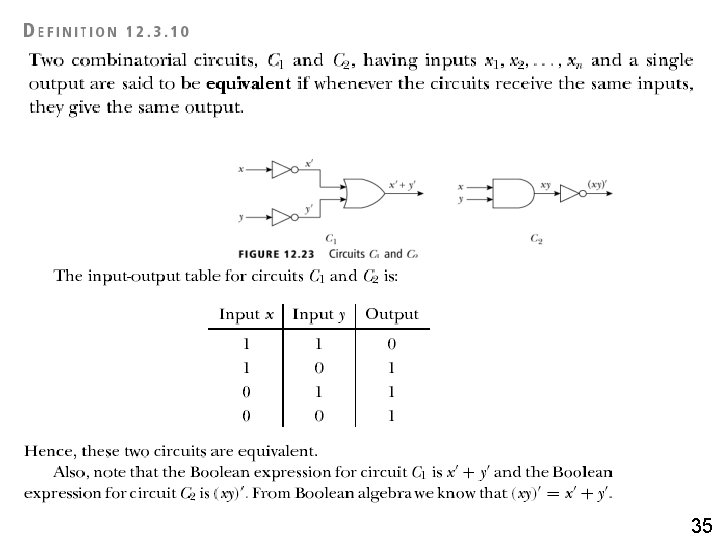
35
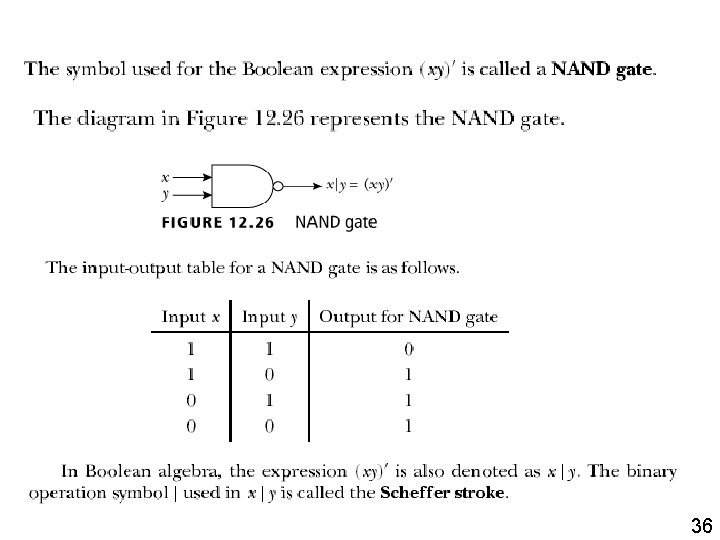
36
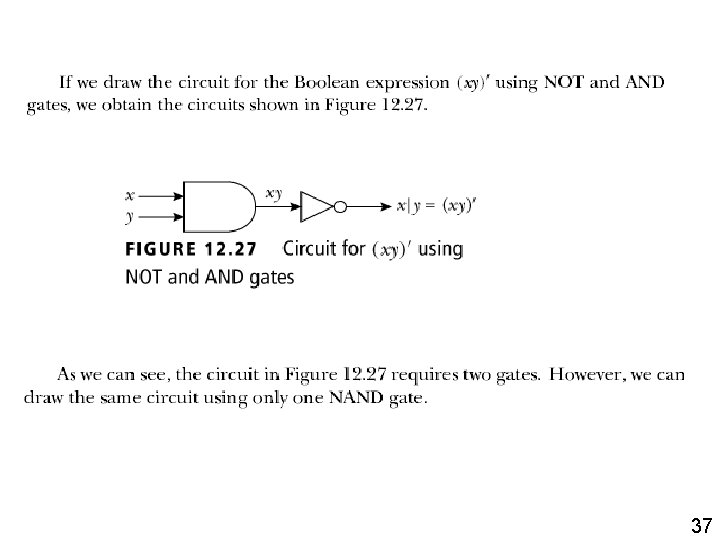
37
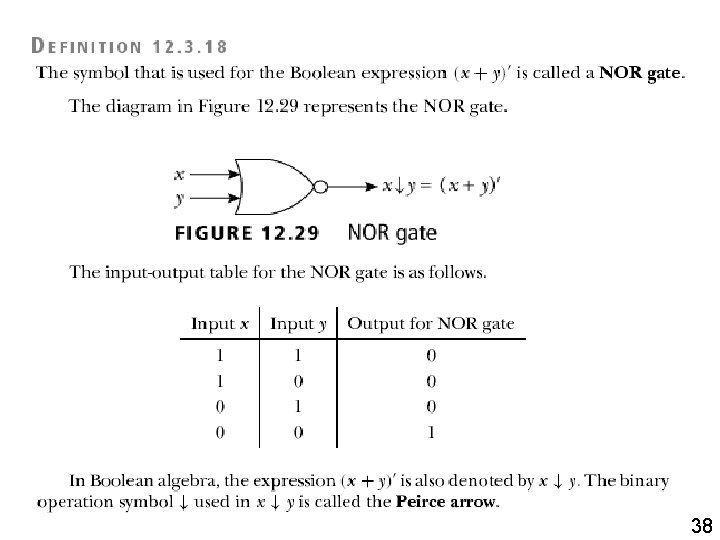
38