Diagnostic Horizons special horizons used in classification 1







- Slides: 47
Diagnostic Horizons special horizons used in classification
1. EPIPEDON surface diagnostic horizon A, E, sometimes upper part of B 2. SUBSURFACE diagnostic horizons always B
The Epipedons: 5 common and 2 anthropogenic
5 common:
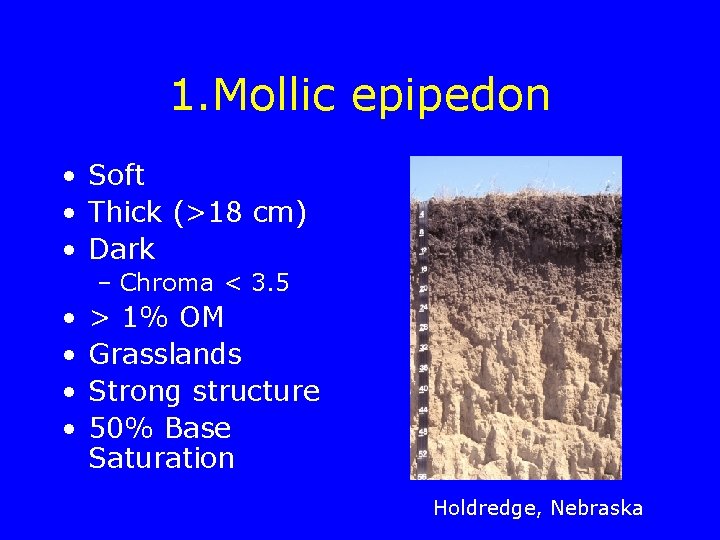
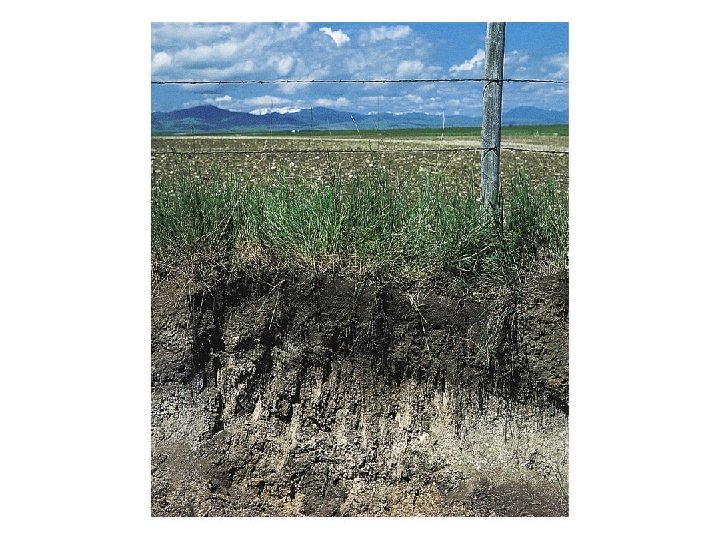
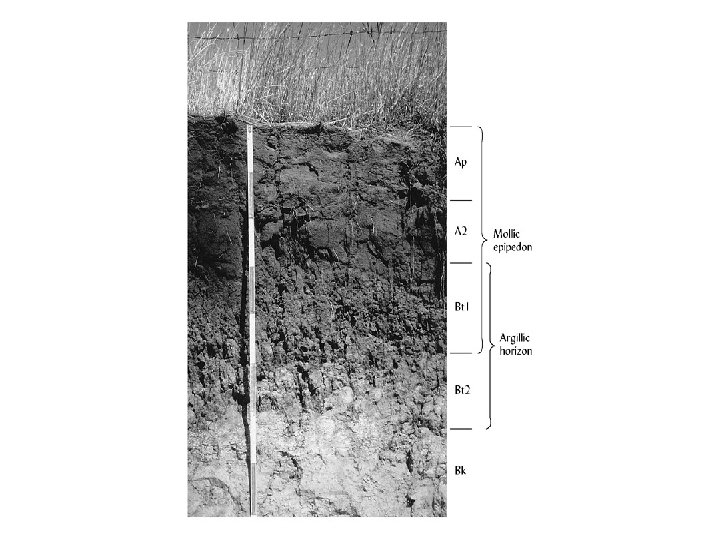
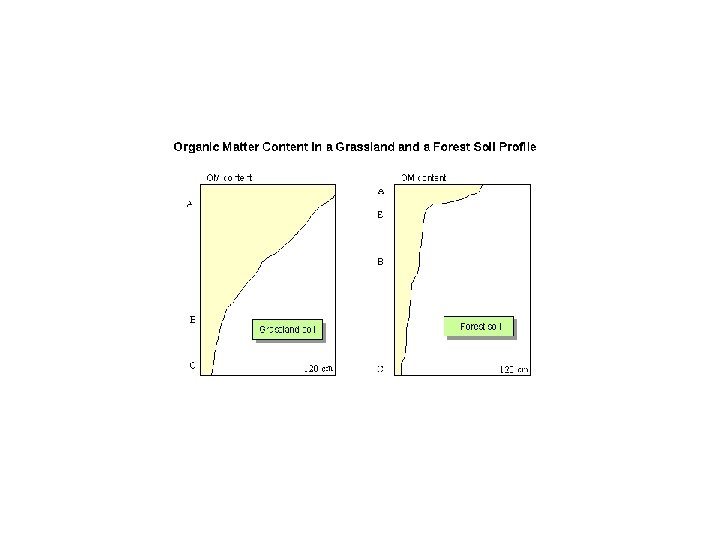
1. Mollic epipedon • Soft • Thick (>18 cm) • Dark – Chroma < 3. 5 • • > 1% OM Grasslands Strong structure 50% Base Saturation Holdredge, Nebraska
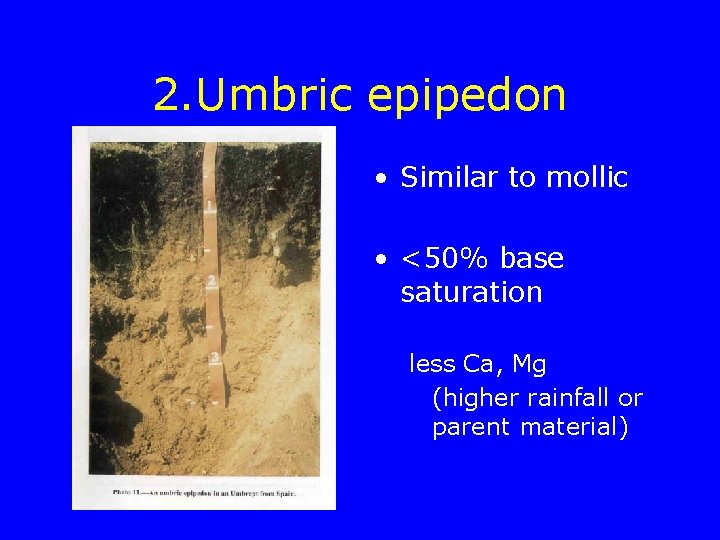
2. Umbric epipedon • Similar to mollic • <50% base saturation less Ca, Mg (higher rainfall or parent material)
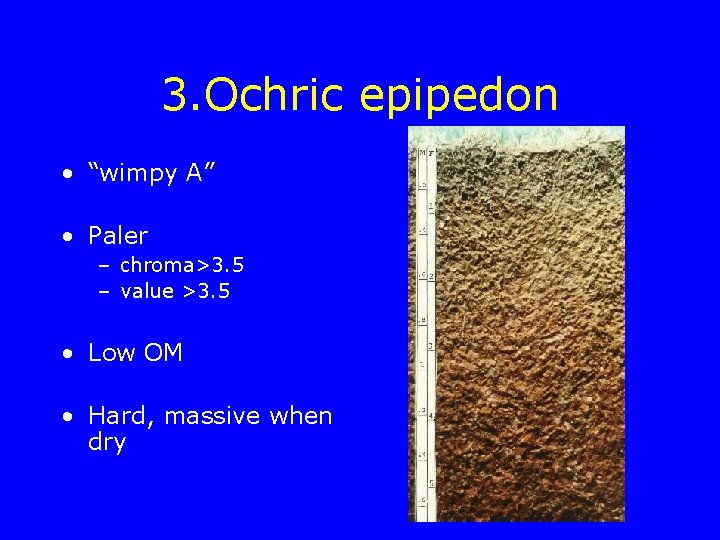
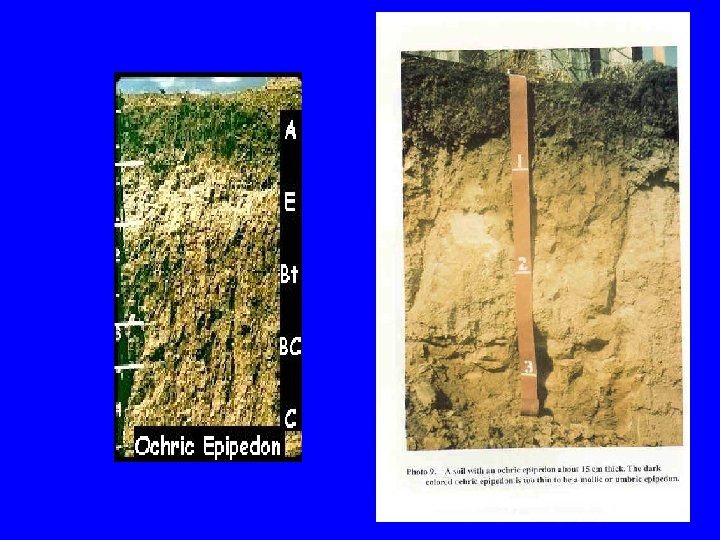
3. Ochric epipedon • “wimpy A” • Paler – chroma>3. 5 – value >3. 5 • Low OM • Hard, massive when dry
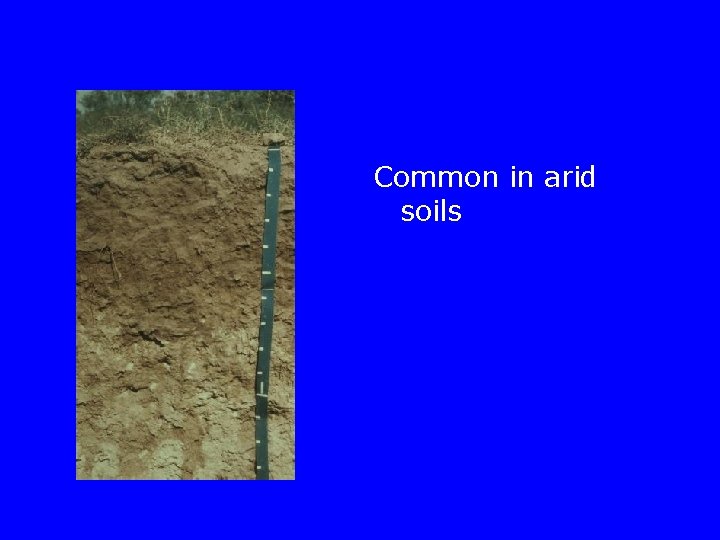
Common in arid soils
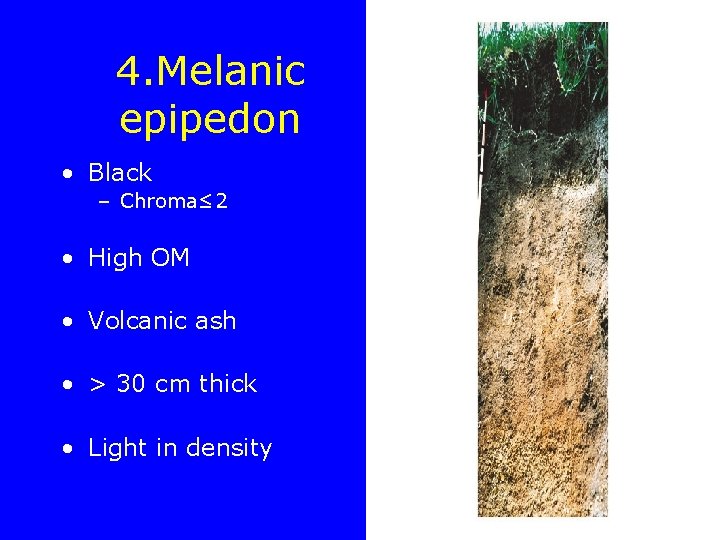
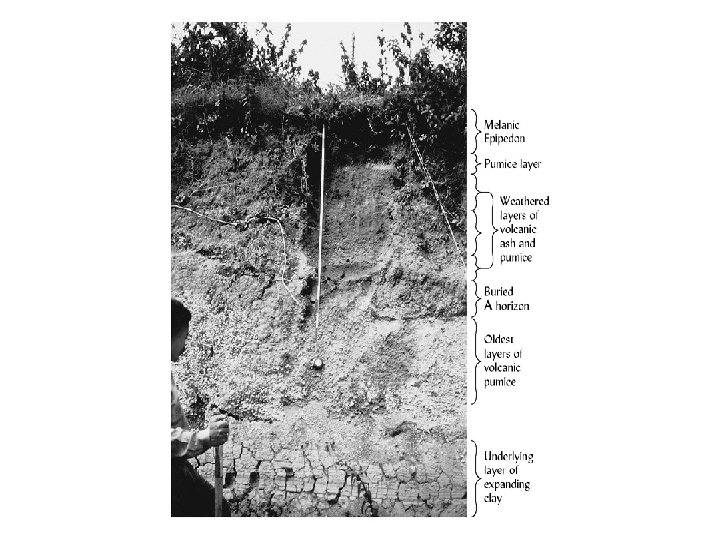
4. Melanic epipedon • Black – Chroma≤ 2 • High OM • Volcanic ash • > 30 cm thick • Light in density
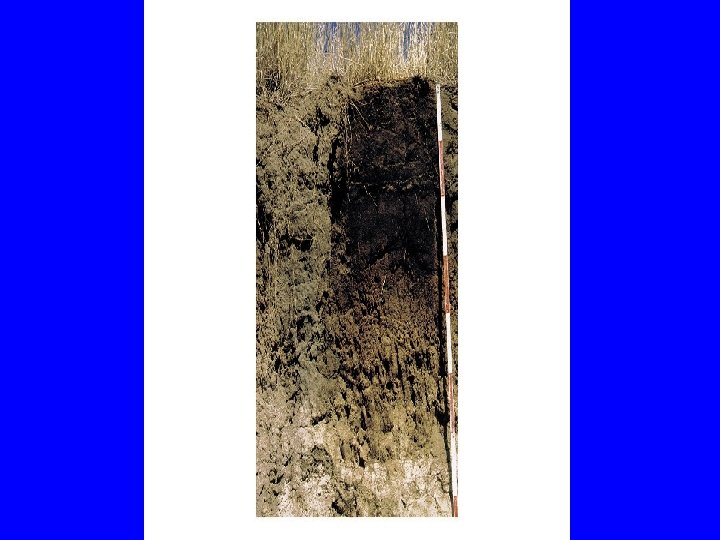
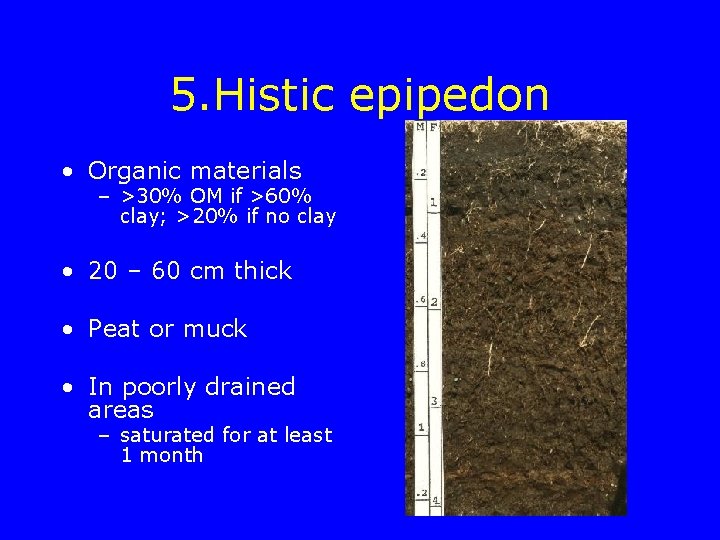
5. Histic epipedon • Organic materials – >30% OM if >60% clay; >20% if no clay • 20 – 60 cm thick • Peat or muck • In poorly drained areas – saturated for at least 1 month
2 Anthropogenic Epipedons:
1. Plaggen epipedon • >50 cm thick • Produced by manuring for long periods of time; sod used for animal bedding • None in US • artifacts
2. Anthropic • Human-made mollic horizon through addition of OM with artificially high phosphate content • Formed under long term cultivation and fertilization • Terra Preta (black earth) of Amazonia
Subsurface diagnostic horizons
Accumulation of clay (2) Accumulation of Salt (3) Accumulation of Humus (1) Loss of Materials (2) Hardpans (2) Other (1)
Accumulation of clay: • Argillic • Natric
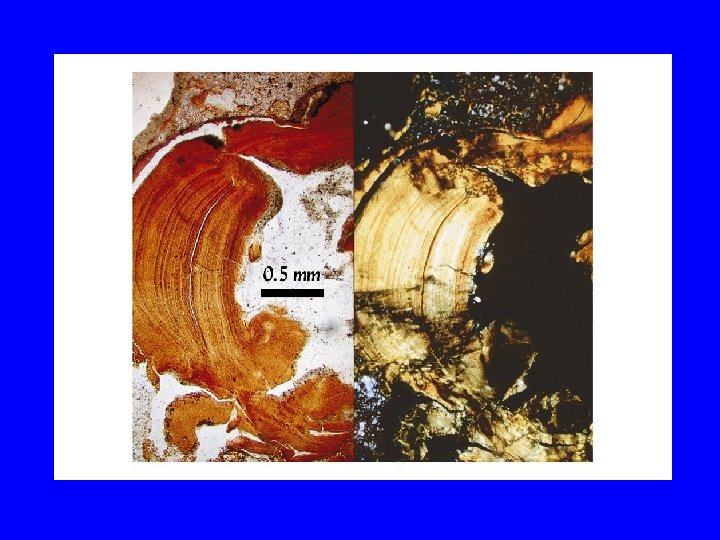
Argillic horizon • Accumulation of silicate clays as “clay skins” (argillans) • Same as Bt
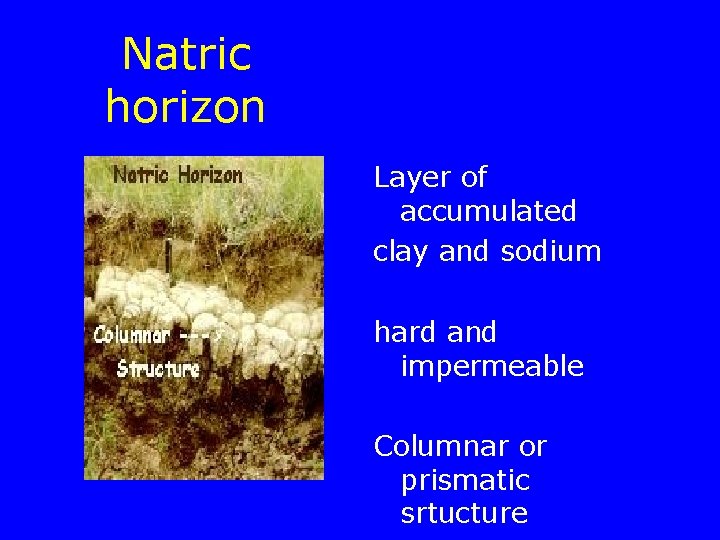
Natric horizon Layer of accumulated clay and sodium hard and impermeable Columnar or prismatic srtucture
Accumulation of salts: • Calcic • Salic • Gypsic
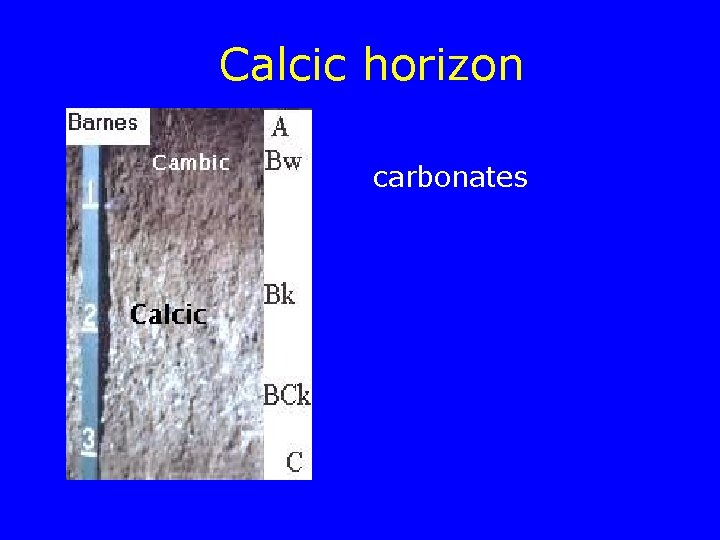
Calcic horizon carbonates
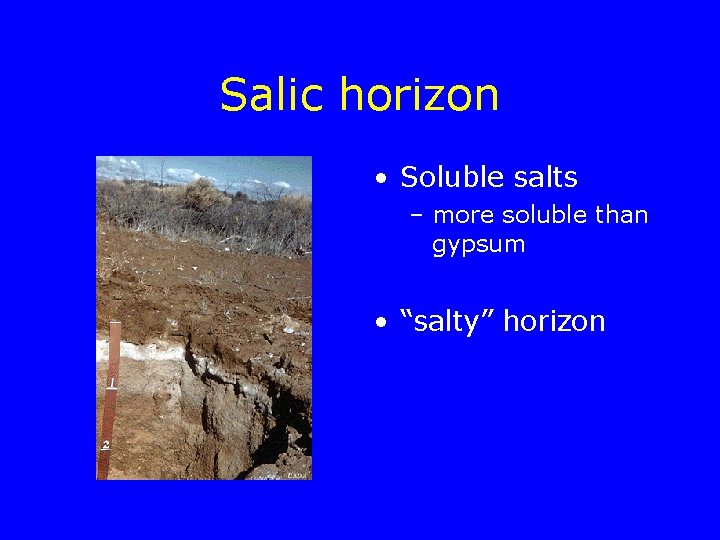
Salic horizon • Soluble salts – more soluble than gypsum • “salty” horizon
salinization • Forms salic horizons • high evapotranspiration rates cause salts dissolved in soil water to migrate upwards
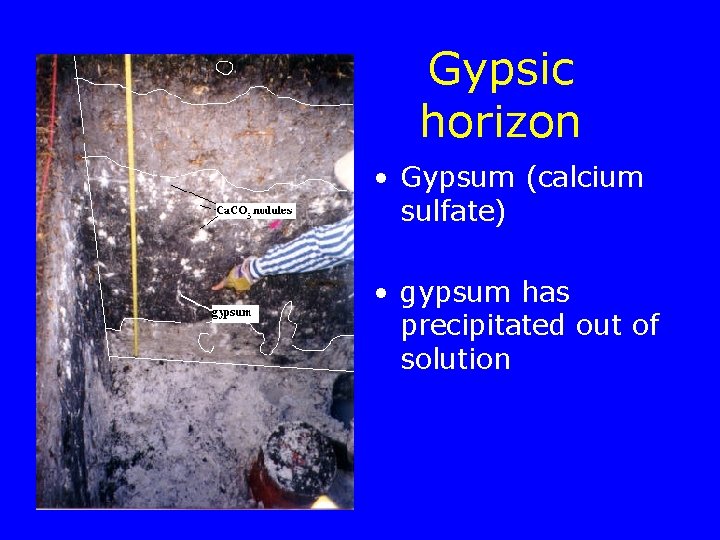
Gypsic horizon • Gypsum (calcium sulfate) • gypsum has precipitated out of solution
Accumulation of humus: • Spodic
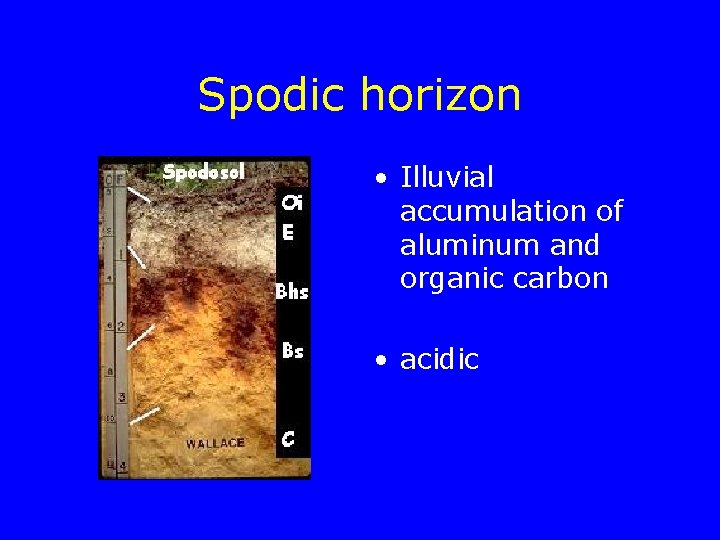
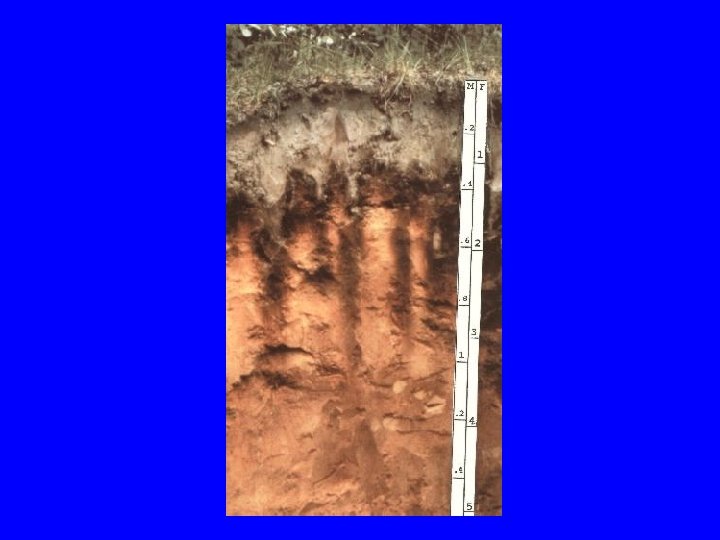
Spodic horizon • Illuvial accumulation of aluminum and organic carbon • acidic
Loss of materials: • Albic • Glossic
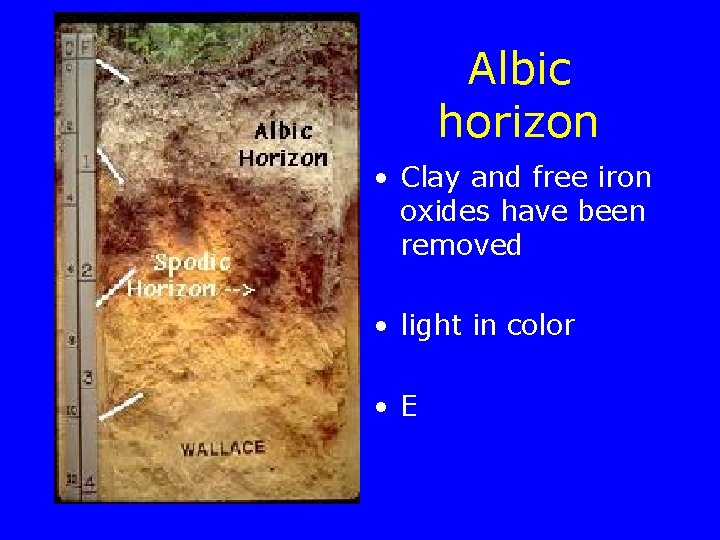
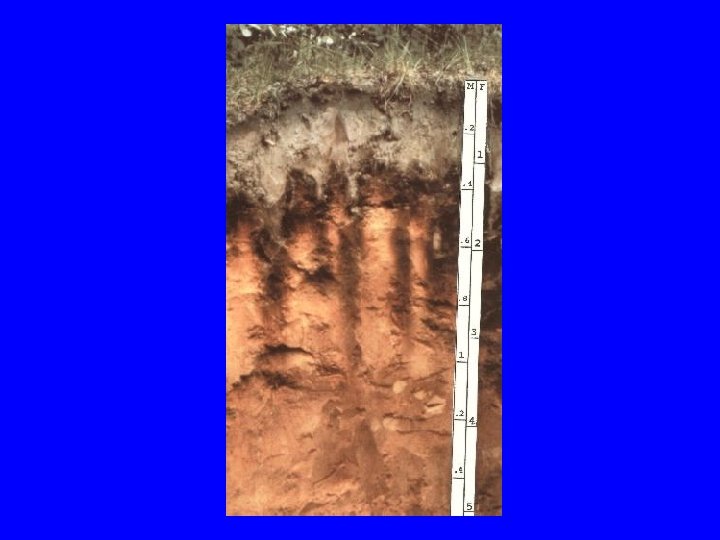
Albic horizon • Clay and free iron oxides have been removed • light in color • E
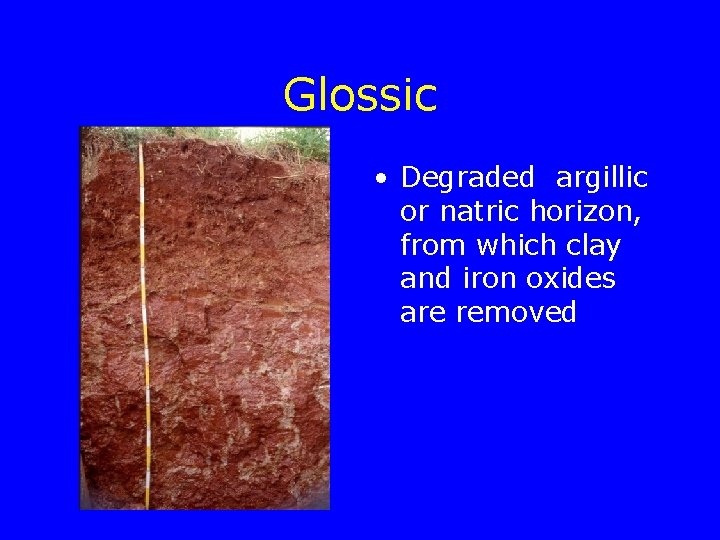
Glossic • Degraded argillic or natric horizon, from which clay and iron oxides are removed
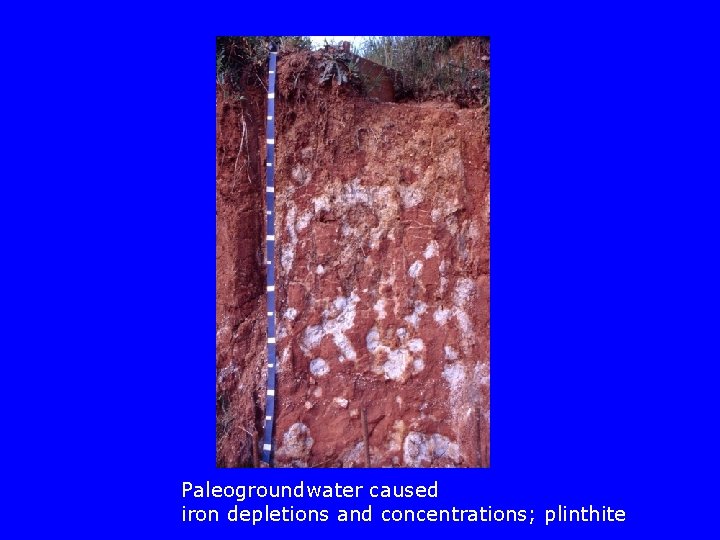
Paleogroundwater caused iron depletions and concentrations; plinthite
Hardpans • Duripan • fragipan
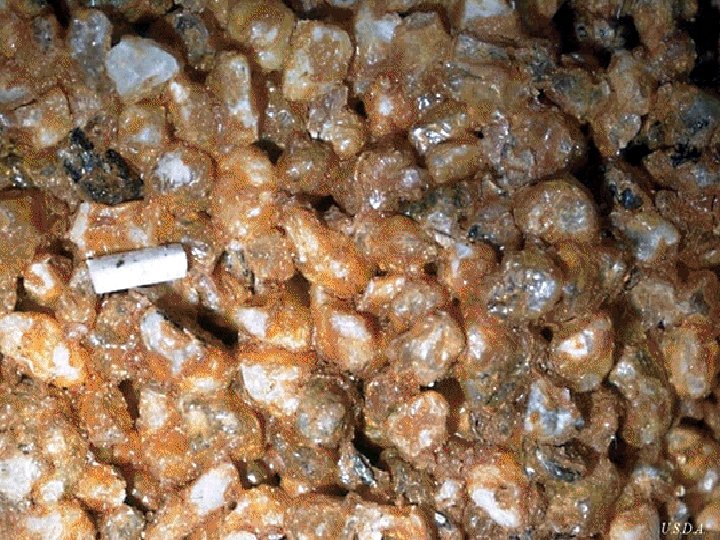
duripan • Hardpan cemented by silica • root penetration is impeded
fragipan • Minerally-cemented hardpan • Dense • hard when dry; brittle when wet • no roots
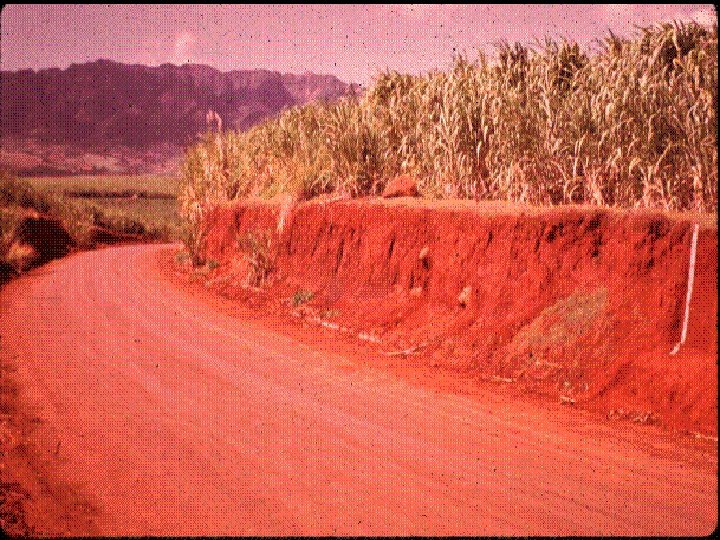
Other: Oxic horizon • tropical climates • highly weathered layer of only Fe and Al oxides and 1: 1 clay minerals • low p. H • low fertility