Designing a Multimethod Study on the Use of




- Slides: 19
Designing a Multimethod Study on the Use of CAI Tools during Simultaneous Interpreting Bianca Prandi MA Conference Interpreter Johannes-Gutenberg-Universität Mainz/Germersheim
Before we start… What is a CAI tool ? Computer. Assisted Interpreting Tool
Contents: 1. CAI tools in Interpreting Studies Theoretical models on cognition in SI 2. Seeber’s Cognitive Load Model of SI 3. 4. CL during SI with CAI tools 5. Multimethod approach: pilot study 6. Stimuli used in pilot study 7. Work in progress
CAI tools in Interpreting Studies � very few publications: ➡ Master’s theses (De Merulis, 2013; Biagini, 2015; Prandi, 2015 a) ➡ Workflow (Xu, 2015; Fantinuoli, 2017 a; Will, 2015) ➡ Use in the booth (Gacek, 2015; Biagini, 2015; Prandi, 2015 a, 2015 b) Lack of data Lack of interest Scepticism
Ph. D research project on CAI tools �process-oriented methods (eyetracking, pupillometry, key-logging) �product-oriented methods (target text analysis > terminology) �variations �CAI in local cognitive load (CL) tools vs. spreadsheets
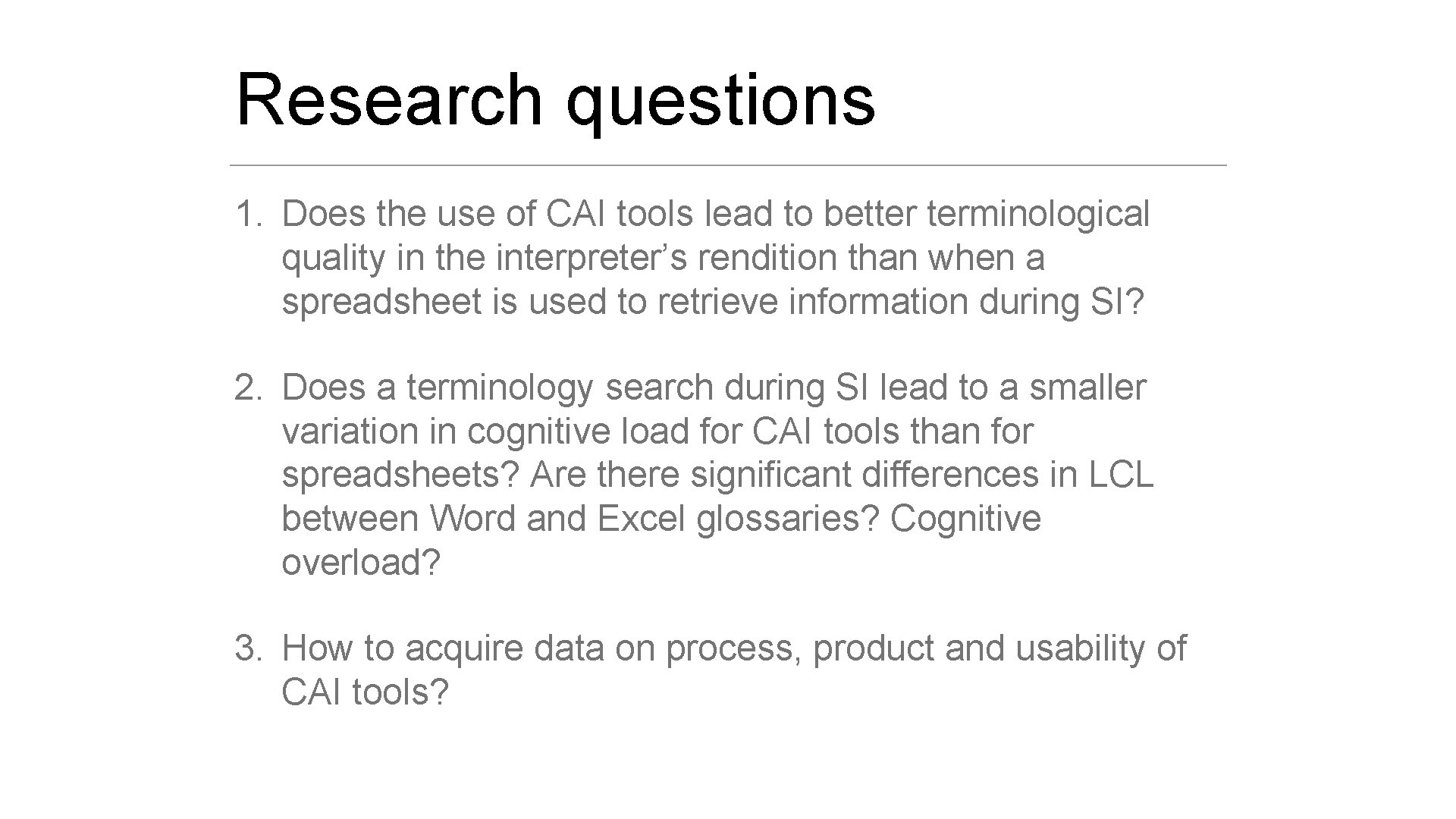
Research questions 1. Does the use of CAI tools lead to better terminological quality in the interpreter’s rendition than when a spreadsheet is used to retrieve information during SI? 2. Does a terminology search during SI lead to a smaller variation in cognitive load for CAI tools than for spreadsheets? Are there significant differences in LCL between Word and Excel glossaries? Cognitive overload? 3. How to acquire data on process, product and usability of CAI tools?
Theoretical framework? Methodology?
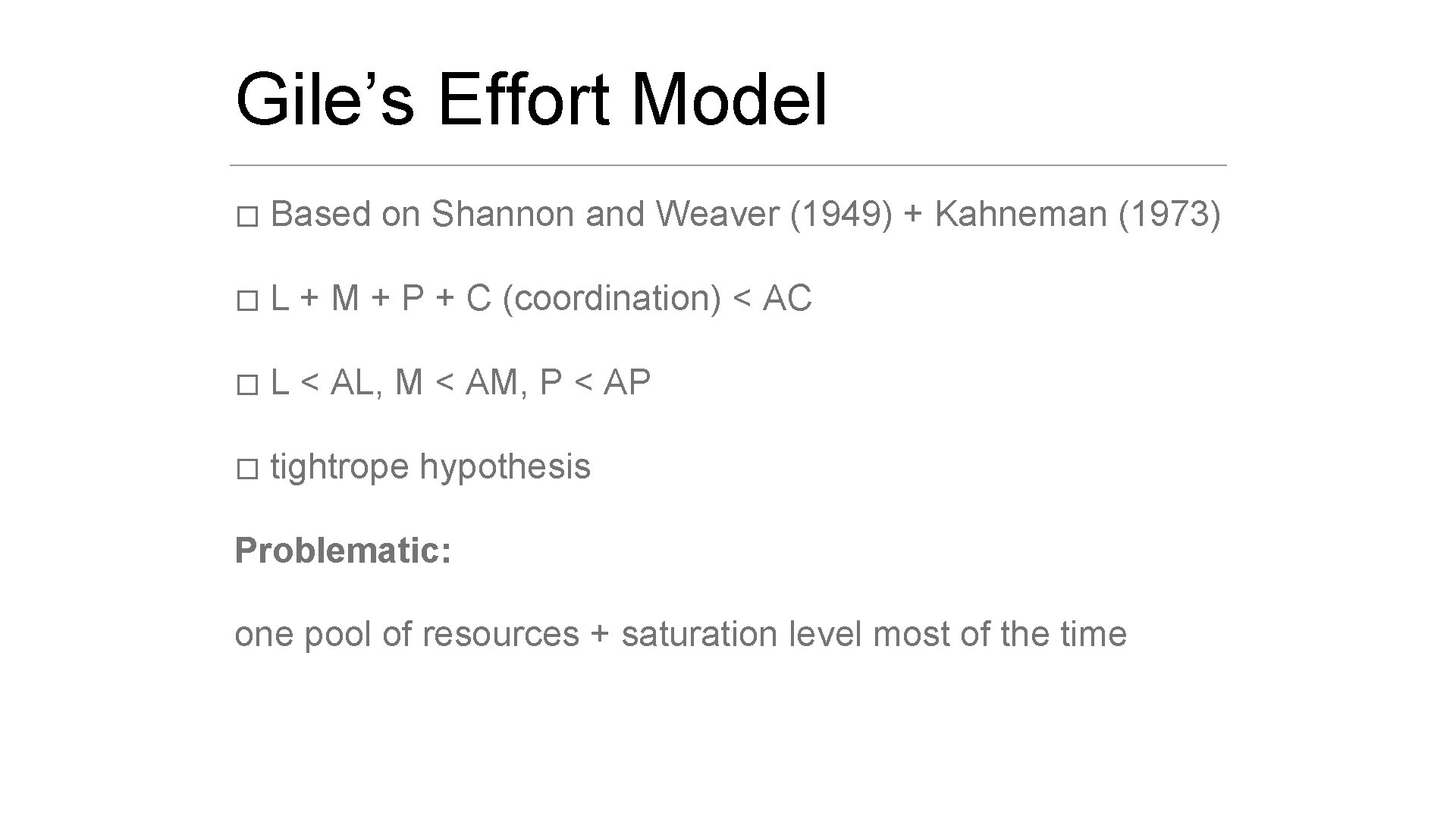
Gile’s Effort Model � Based on Shannon and Weaver (1949) + Kahneman (1973) �L + M + P + C (coordination) < AC �L < AL, M < AM, P < AP � tightrope hypothesis Problematic: one pool of resources + saturation level most of the time
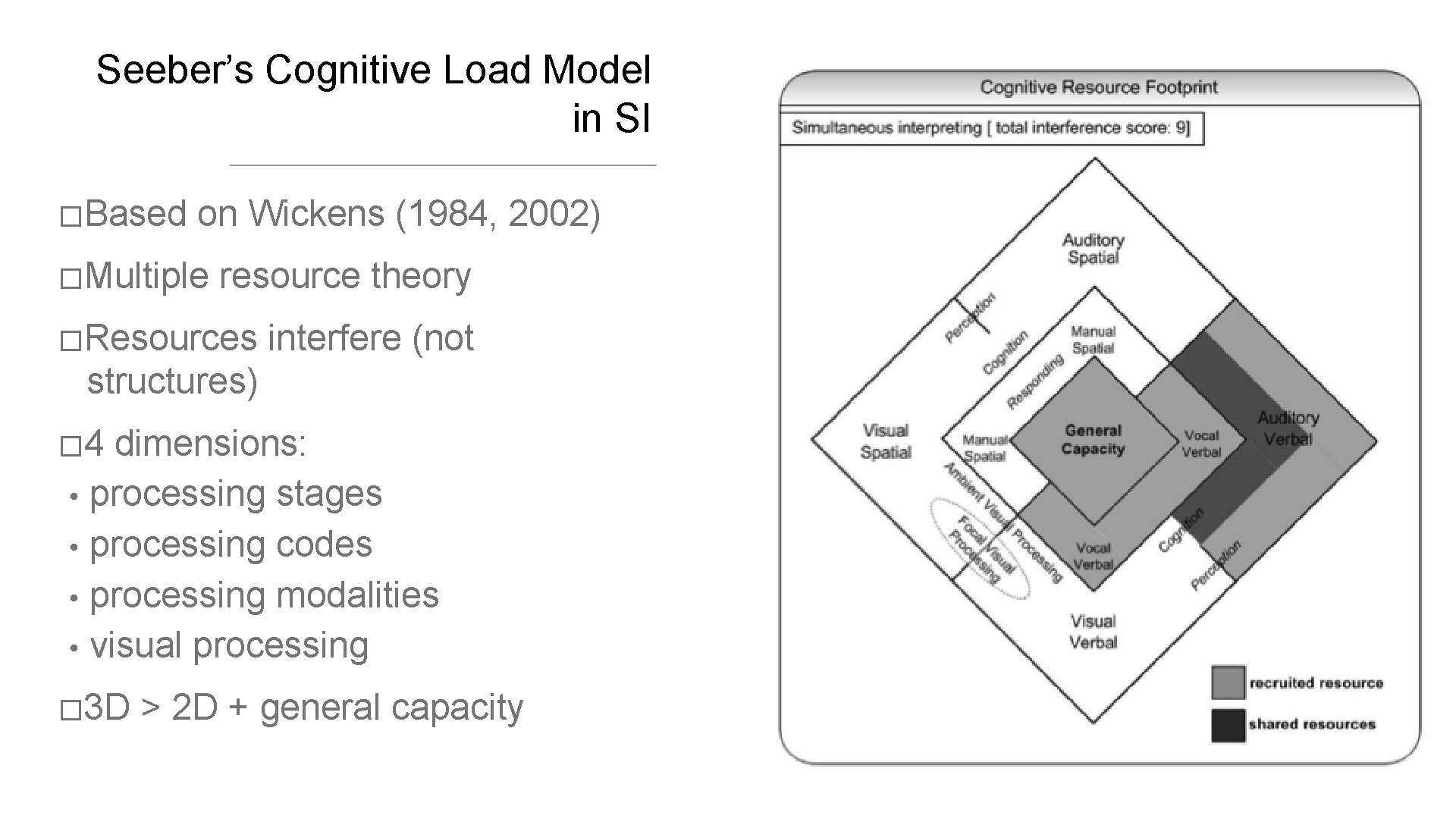
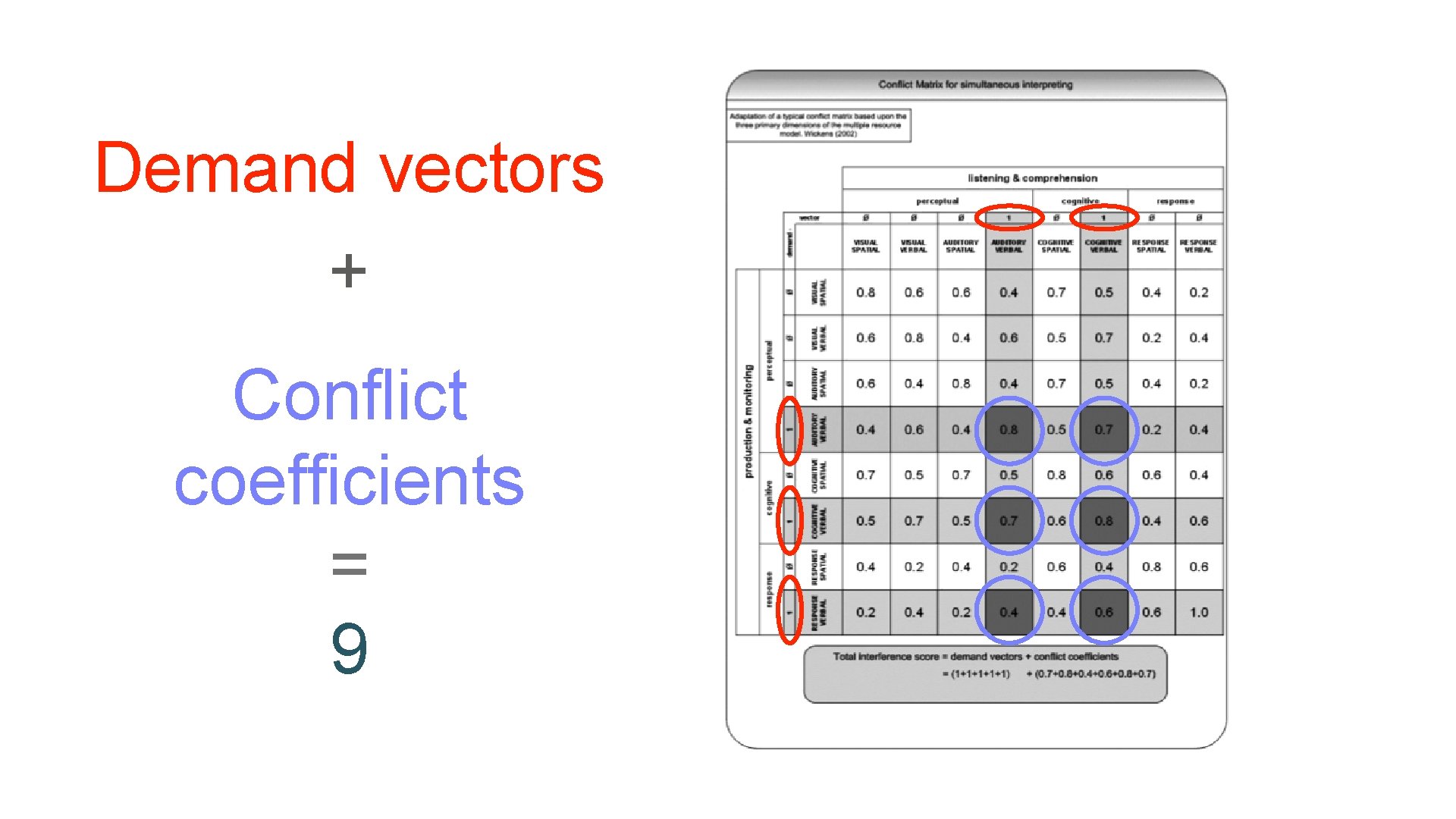
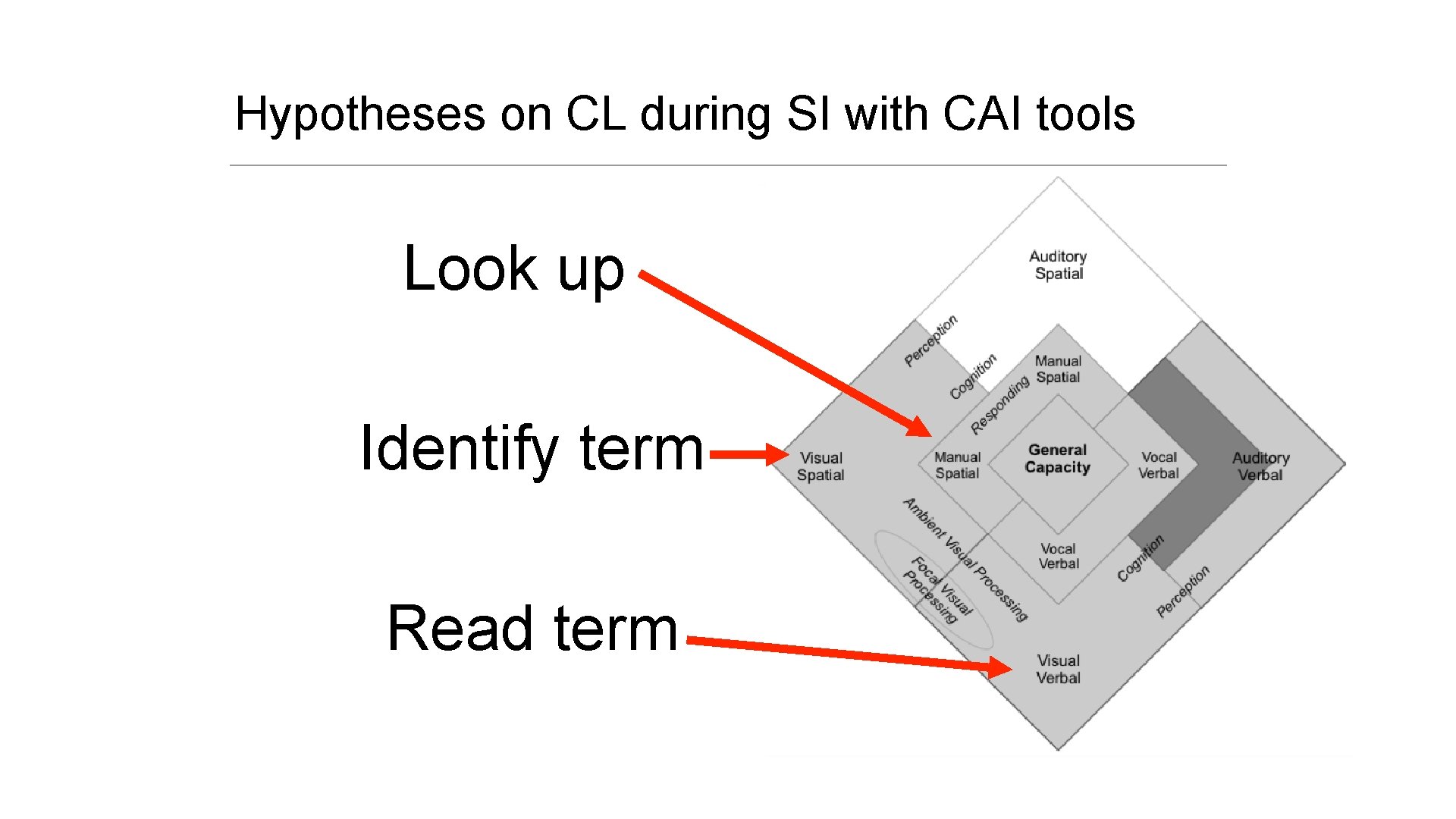
Seeber’s Cognitive Load Model in SI �Based on Wickens (1984, 2002) �Multiple resource theory �Resources interfere (not structures) � 4 • • dimensions: processing stages processing codes processing modalities visual processing � 3 D > 2 D + general capacity
Demand vectors + Conflict coefficients = 9
Hypotheses on CL during SI with CAI tools Look up Identify term Read term
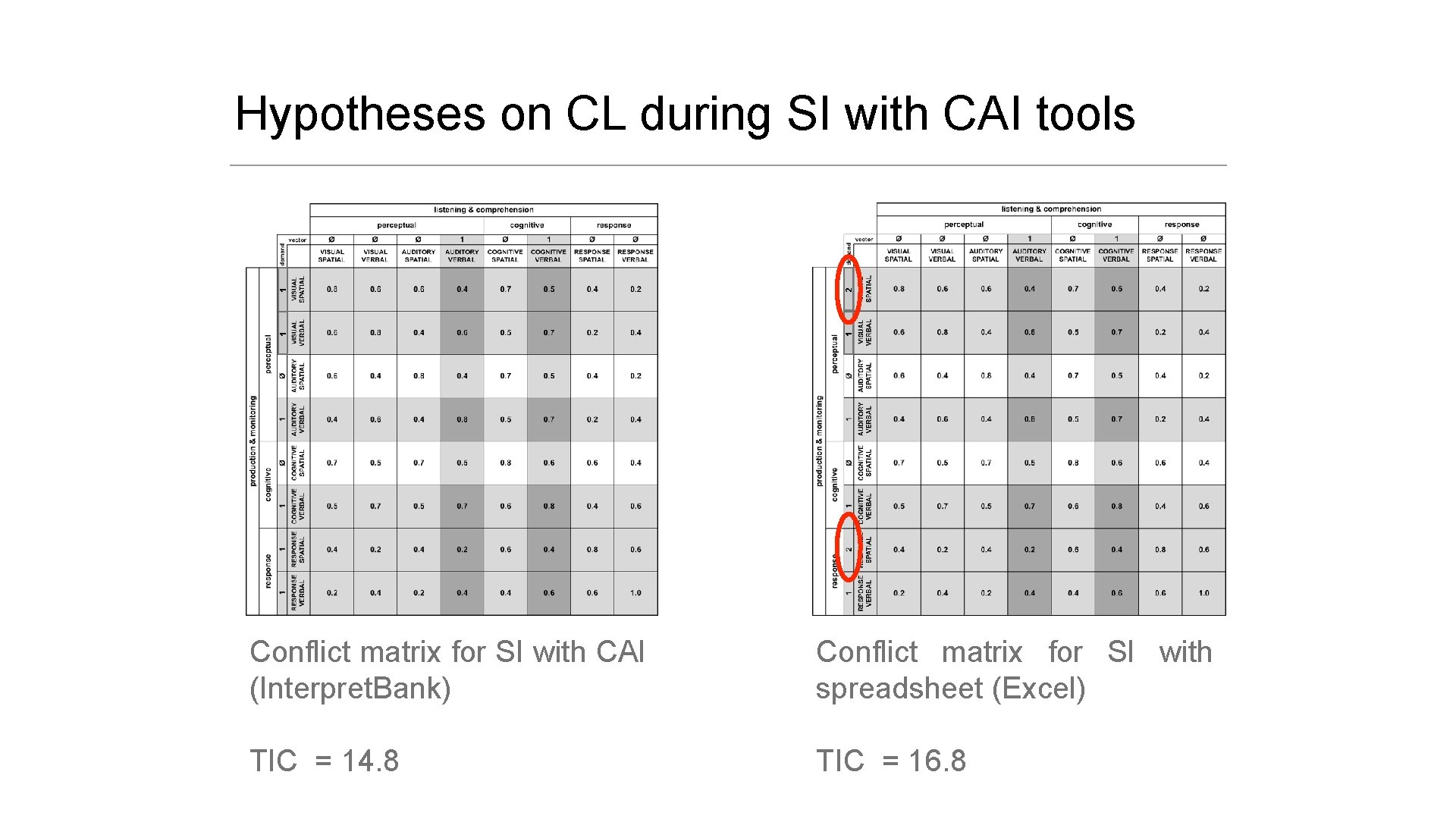
2 1 1 1 Hypotheses on CL during SI with CAI tools Conflict matrix for SI with CAI (Interpret. Bank) Conflict matrix for SI with spreadsheet (Excel) TIC = 14. 8 TIC = 16. 8
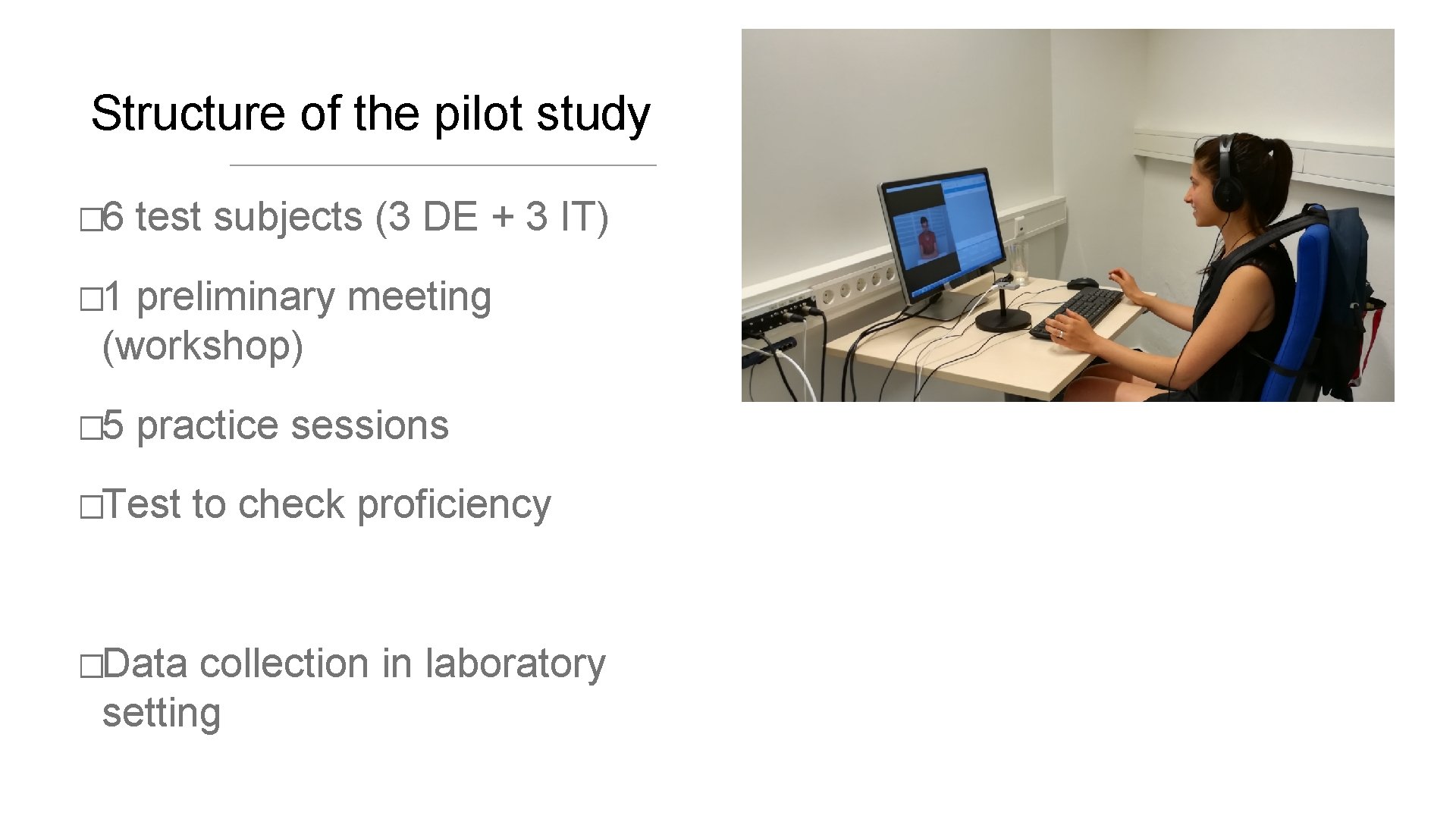
Structure of the pilot study � 6 test subjects (3 DE + 3 IT) � 1 preliminary meeting (workshop) � 5 practice sessions �Test �Data to check proficiency collection in laboratory setting
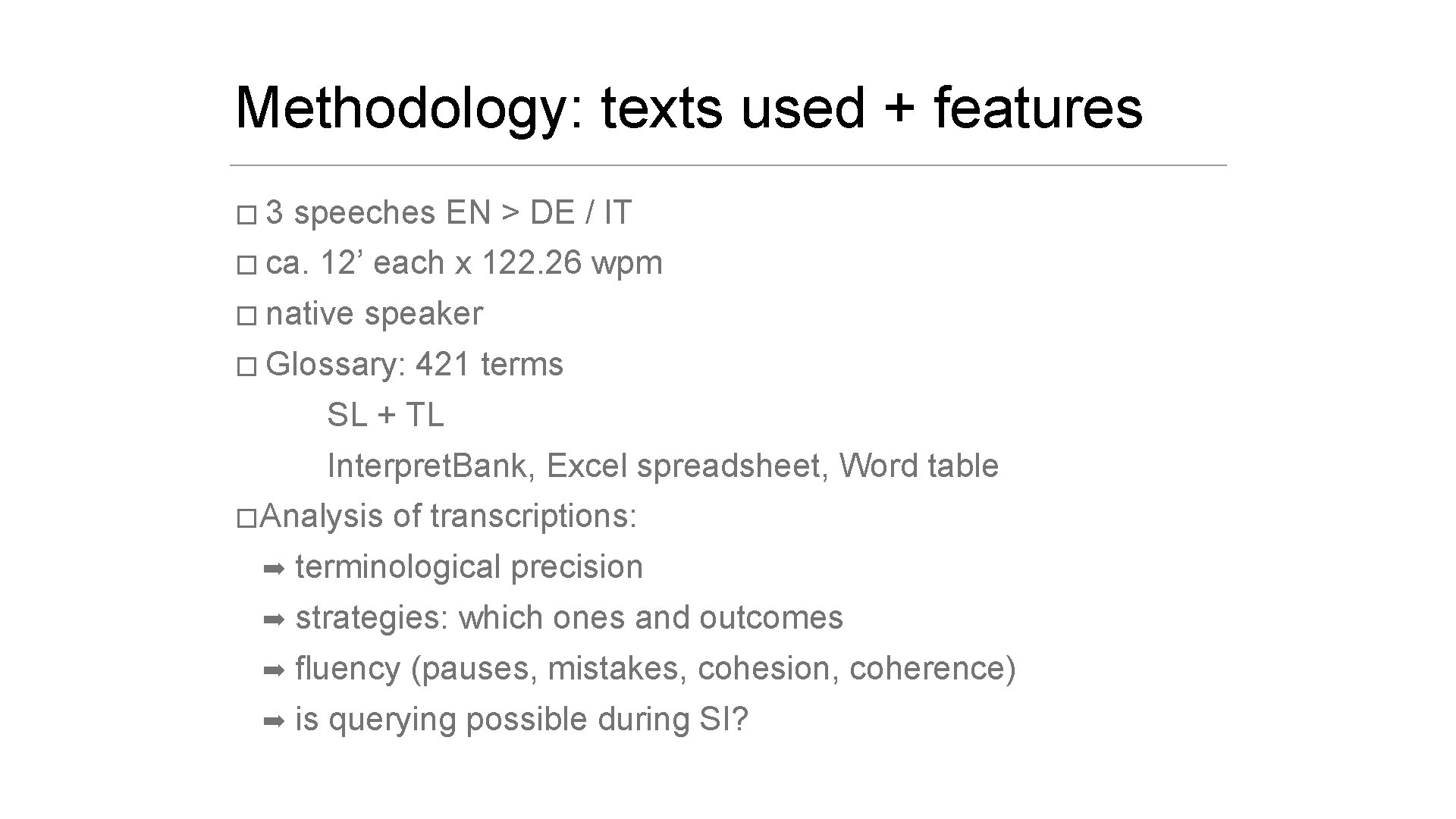
Methodology: texts used + features � 3 speeches EN > DE / IT � ca. 12’ each x 122. 26 wpm � native speaker � Glossary: 421 terms SL + TL Interpret. Bank, Excel spreadsheet, Word table �Analysis of transcriptions: ➡ terminological precision ➡ strategies: which ones and outcomes ➡ fluency (pauses, mistakes, cohesion, coherence) ➡ is querying possible during SI?
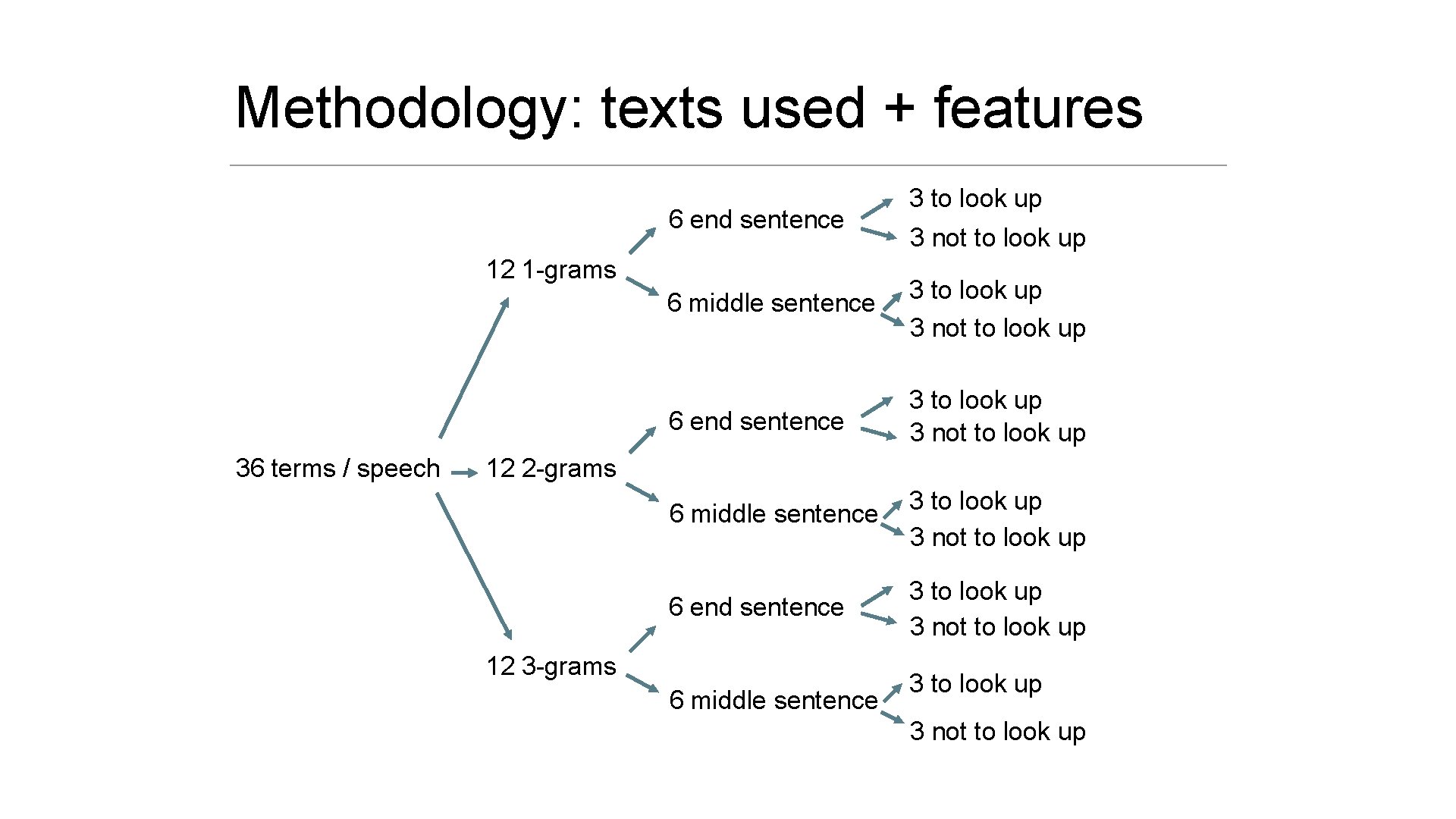
Methodology: texts used + features 6 end sentence 12 1 -grams 36 terms / speech 3 to look up 3 not to look up 6 middle sentence 3 to look up 3 not to look up 6 end sentence 3 to look up 3 not to look up 12 2 -grams 12 3 -grams 6 middle sentence 3 to look up 3 not to look up
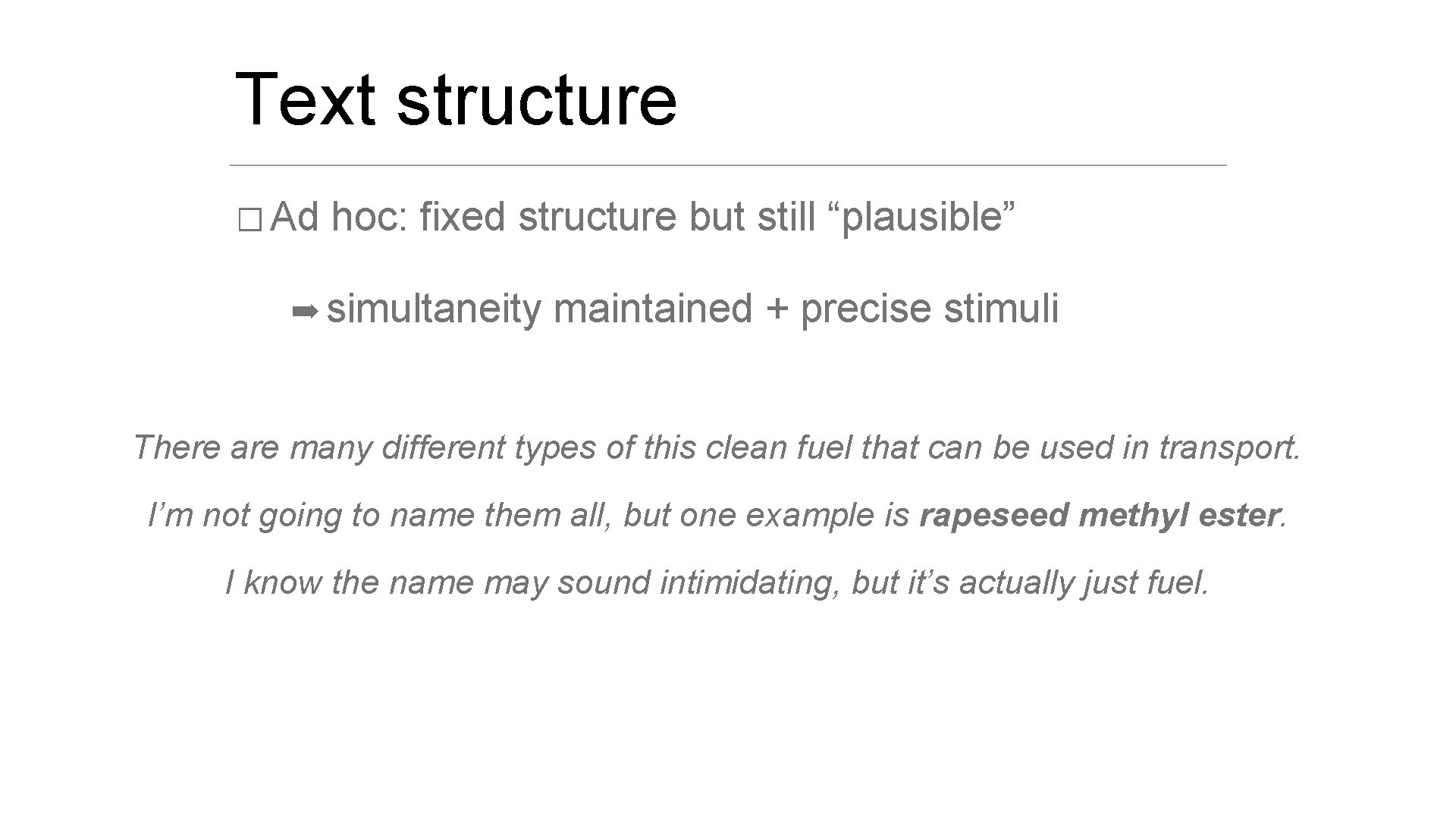
Text structure � Ad hoc: fixed structure but still “plausible” ➡ simultaneity maintained + precise stimuli There are many different types of this clean fuel that can be used in transport. I’m not going to name them all, but one example is rapeseed methyl ester. I know the name may sound intimidating, but it’s actually just fuel.
Work in progress � integration of ASR � key-logging data + video recordings + transcription > strategies, search behaviour � triangulation product-related measures with pupillometry and eye tracking � which eye-tracking measures? � pupillometry: yes or no?
prandi@uni-mainz. de