Cognitive Neuroscience Meet Greet Emergence and evolution of
- Slides: 71
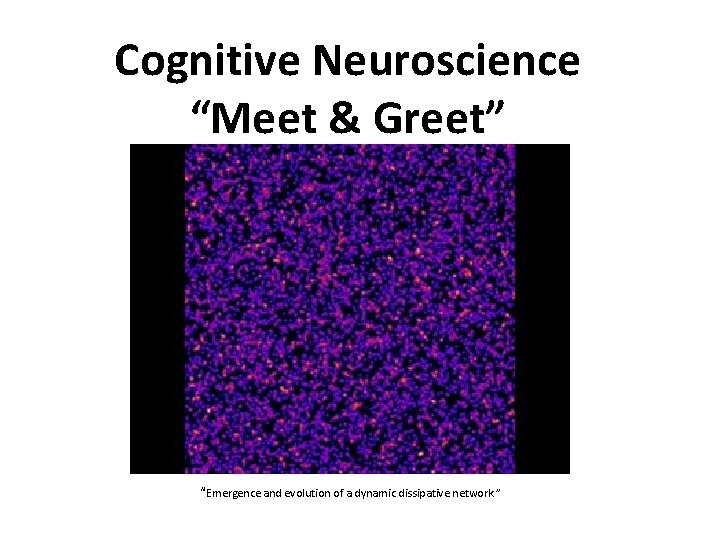
Cognitive Neuroscience “Meet & Greet” “Emergence and evolution of a dynamic dissipative network. ”
Cognitive Neuroscience “Meet & Greet” • Purpose – Link up researchers & clinicians within and across schools at CWRU (…+ other local institutions) – Inclusive (people can continue to sign up here: http: //www. surveymonkey. com/s. aspx? sm=t_2 flbgk 21 Os. T 1 idof. Ev. Nc. Ng_3 d_3 d ) – First step, next steps: website, regular meetings, external speakers, retreat. (let us know) – Strategic Planning: what strengths are already here, where do we want to go? – Dept. Cognitive Science: Undergrad <3 yrs old, >70 majors. MA Cognitive Linguistics. Aims to links up CWRU strengths.
Cognitive Neuroscience “Meet & Greet” • Program – Daniela Calvetti, Chair of Mathematics. Art. Sci. – Anthony Furlan, Chair of Neurology, Med. Sch. – Brief self-introductions w/ slides, questions – (Off the cuff self-introductions – time permitting) – Break for informal discussion - drinks, snacks, in Cogsci lounge & Cogsci forum (612) – Thanks to Gina Cesaro
Websites • (needs updating) https: //filer. case. edu/org/cogneuro • (under construction) http: //filer. case. edu/aph 11/BIG_CWRU/Popul ations%20 of%20 Interest/Populations/Populati ons. htm
Case Western Reserve University Cognitive Neuroscience Initiative October 29, 2008 Hosted by: Meeting Tony jack, ph. d. CWRU Dept. Cognitive Science Anthony furlan, md. UH Chairman of Neurology
Anastasia Dimitropoulos, Ph. D. Department of Psychology, CWRU • keywords: – neurodevelopmental disabilities • Prader-Willi Syndrome • autism – psychological and neurobiological functioning • f. MRI – food motivation, reward, obesity – social competence – OCD
Effects of long term voluntary exercise on the Forced Swim Test in Rats Patrick Chirdon 1, 2, Pingfu Feng 1, Case Western Reserve University 2: Department of Medicine/Division of Pulmonary, Critical Care and Sleep Medicine, Department of Psychiatry, Case Western Reserve University 3: Louis Stokes Cleveland VA Medical Center 1:
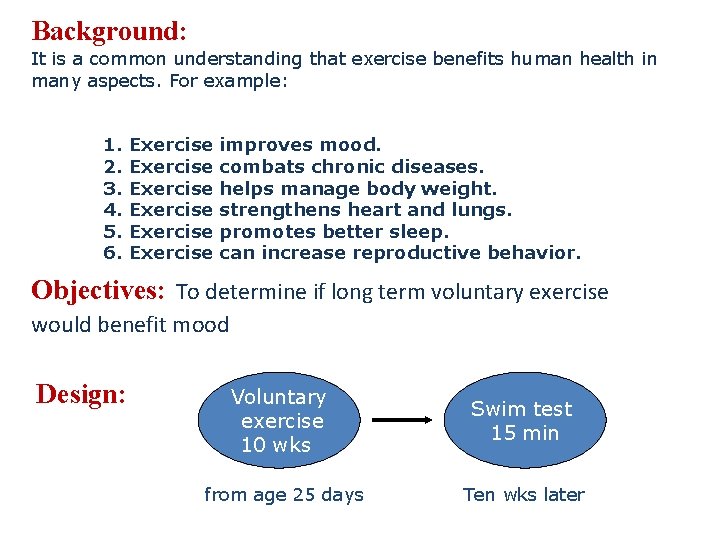
Background: It is a common understanding that exercise benefits human health in many aspects. For example: 1. 2. 3. 4. 5. 6. Exercise Exercise improves mood. combats chronic diseases. helps manage body weight. strengthens heart and lungs. promotes better sleep. can increase reproductive behavior. Objectives: To determine if long term voluntary exercise would benefit mood Design: Voluntary exercise 10 wks from age 25 days Swim test 15 min Ten wks later
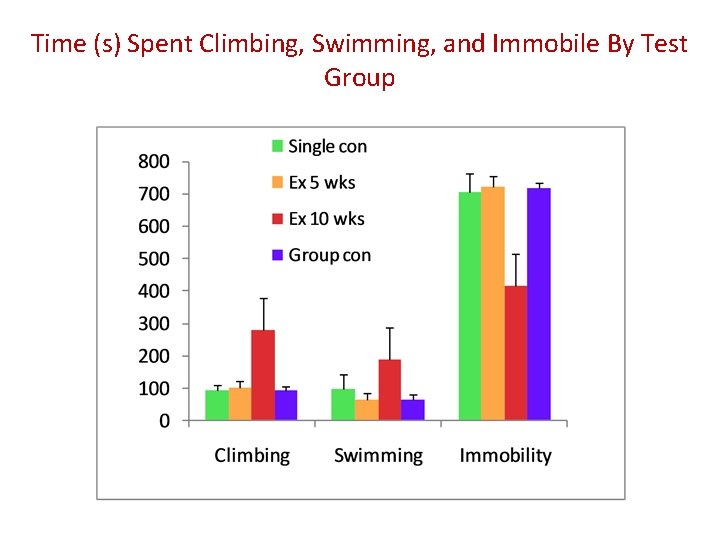
Time (s) Spent Climbing, Swimming, and Immobile By Test Group
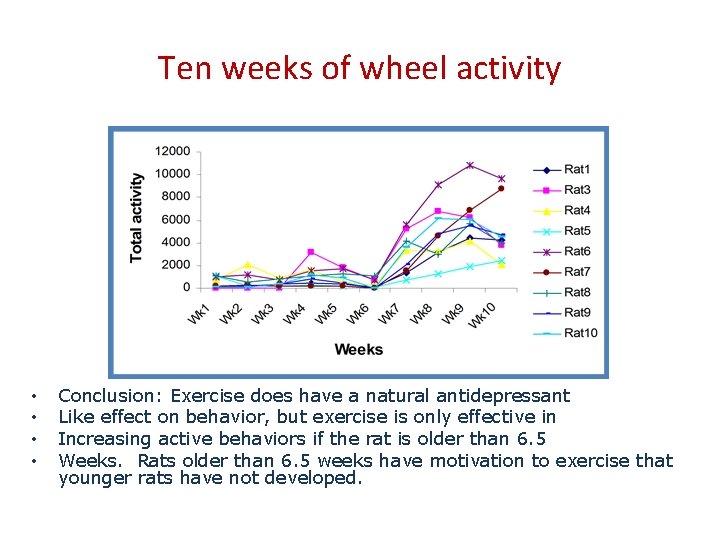
Ten weeks of wheel activity • • Conclusion: Exercise does have a natural antidepressant Like effect on behavior, but exercise is only effective in Increasing active behaviors if the rat is older than 6. 5 Weeks. Rats older than 6. 5 weeks have motivation to exercise that younger rats have not developed.
Case Center for Imaging Research (CCIR) Neuroimaging Program. Assistant Professor Department of Radiology and BME Jean A. Tkach, Ph. D . Post Doc f. MRI analysis Xu Chen, Ph. D Jack Jesberger , MS Engineer/Research. Gregory R. Lee, Ph. D Post Doc MRI acquisition and reconstruction Eric Pierre, MS Ph. D. student Image processing
Representative f. MRI Projects • Speech Sound Disorders – overt speech production • Chemobrain – concentration and short term memory • Prenatal Cocaine Exposure – visual spatial skills
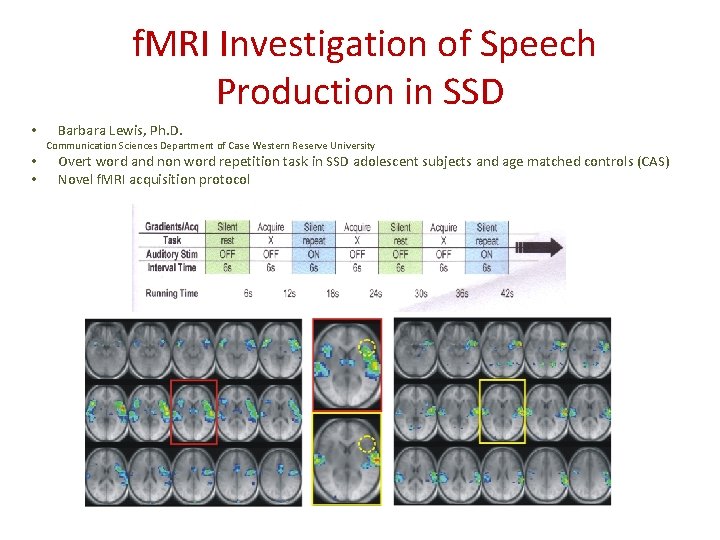
f. MRI Investigation of Speech Production in SSD • Barbara Lewis, Ph. D. Communication Sciences Department of Case Western Reserve University • • Overt word and non word repetition task in SSD adolescent subjects and age matched controls (CAS) Novel f. MRI acquisition protocol
FMRI Study of Chemobrain Department of Radiology, CCIR Jean A. Tkach, Ph. D. Joseph Barr, MD Departments of Hematology and Oncology Paula Ogrocki, Ph. D. Department of Neurology Memory and Cognition Center Xu Chen, Ph. D. Department of Radiology, CCIR Lois Friedman, Ph. D. Department of Psychology Jack Jesberger Department of Radiology, CCIR
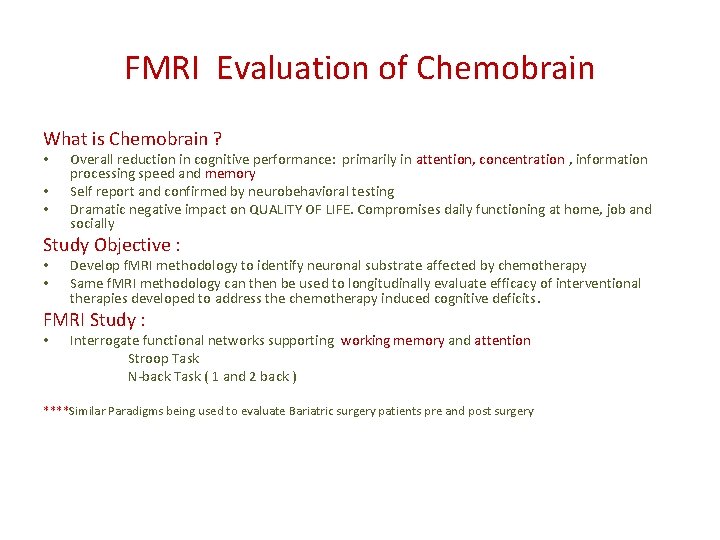
FMRI Evaluation of Chemobrain What is Chemobrain ? • • • Overall reduction in cognitive performance: primarily in attention, concentration , information processing speed and memory Self report and confirmed by neurobehavioral testing Dramatic negative impact on QUALITY OF LIFE. Compromises daily functioning at home, job and socially Study Objective : • • Develop f. MRI methodology to identify neuronal substrate affected by chemotherapy Same f. MRI methodology can then be used to longitudinally evaluate efficacy of interventional therapies developed to address the chemotherapy induced cognitive deficits. FMRI Study : • Interrogate functional networks supporting working memory and attention Stroop Task N-back Task ( 1 and 2 back ) ****Similar Paradigms being used to evaluate Bariatric surgery patients pre and post surgery
Neuronal dynamics: Theory and experiments, Roberto Fernández Galán, Ph. D rfgalan@case. edu from neurons to networks School of Medicine Department of Neurosciences
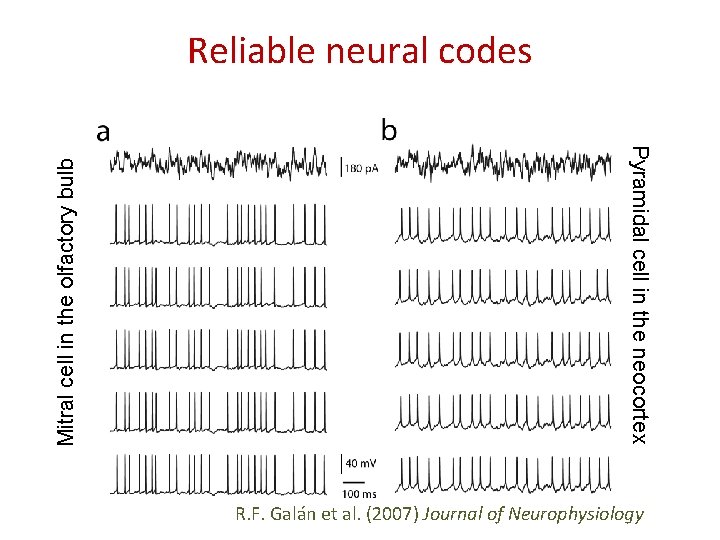
Pyramidal cell in the neocortex Mitral cell in the olfactory bulb Reliable neural codes R. F. Galán et al. (2007) Journal of Neurophysiology
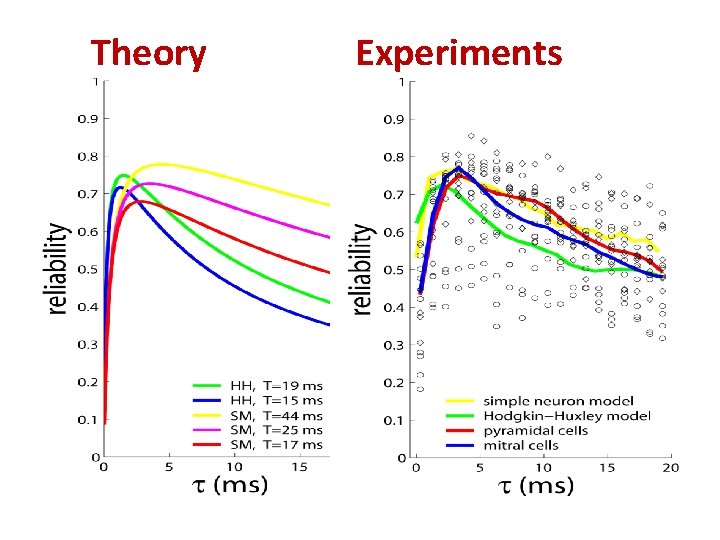
Theory Experiments
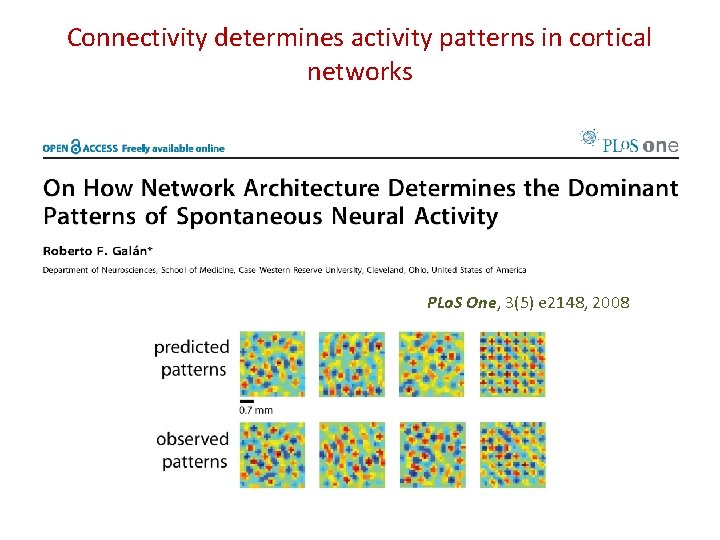
Connectivity determines activity patterns in cortical networks PLo. S One, 3(5) e 2148, 2008
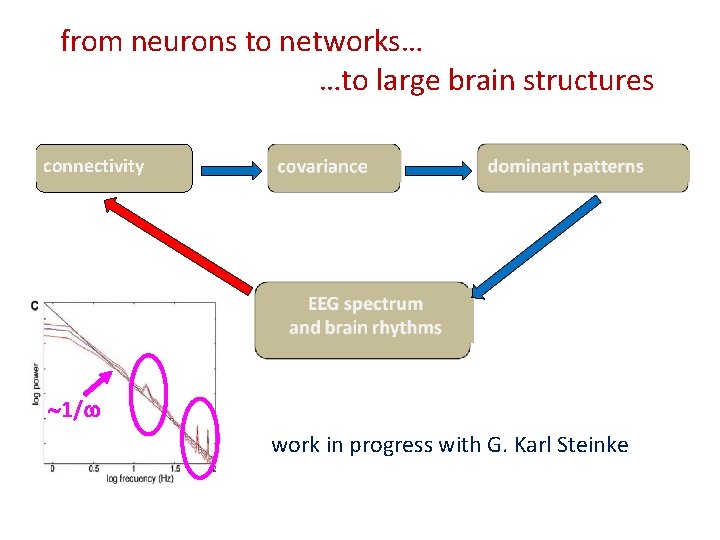
from neurons to networks… …to large brain structures connectivity 1/ work in progress with G. Karl Steinke
Joseph C. La. Manna, Ph. D Departments of Physiology & Biophysics, Neurology, and Neuroscience
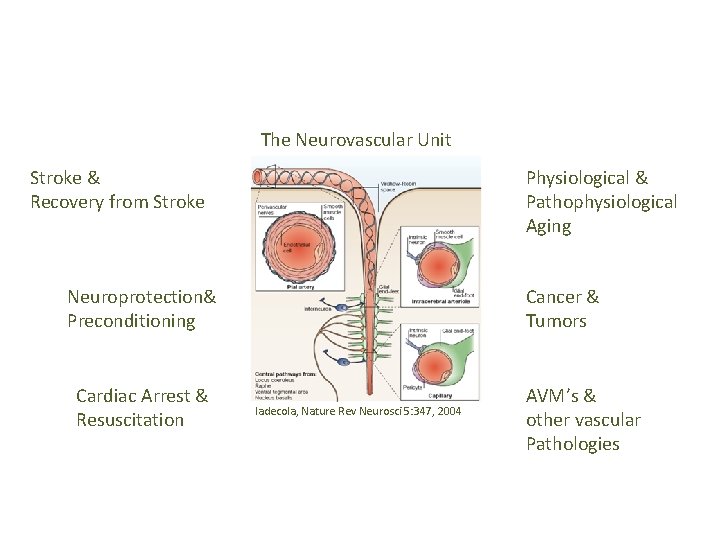
The Neurovascular Unit Stroke & Recovery from Stroke Physiological & Pathophysiological Aging Neuroprotection& Preconditioning Cardiac Arrest & Resuscitation Cancer & Tumors Iadecola, Nature Rev Neurosci 5: 347, 2004 AVM’s & other vascular Pathologies
Current Lab Projects • • Physiologic Adaptation to Hypoxia Angioplasticity Cardiac Arrest & Resuscitation Ketones and Alternate Substrates
Laboratories of Experimental Stroke and Cerebrovascular Disease • In Vivo Models – Cardiac Arrest and Resuscitation – Focal Stroke – Chronic Hypoxia • Major Measurements – – r. CBF BBB transport Capillary Density Immunohistochemistry
Lee Anne Thompson, Ph. D. Professor Department of Psychology Mather Memorial Bldg, Rm 126 B 368 -6477 lee. thompson@case. edu
Western Reserve Reading and Math Project • Primary Investigator: – Stephen Petrill, Ohio State University • Co-Investigators: – – – – – • Laurie Cutting, Johns Hopkins University Kirby Deater-Deckard, Virginia Polytechnic University Laura De. Thorne, University of Illinois Lynn Fuchs, Vanderbilt University David Geary, University of Missouri Robert Plomin, Institute of Psychiatry, London Chris Schatschneider, Florida State University Lee Thompson, Case Western Reserve University David Vandenbergh, Pennsylvania State University Funding – NICHD HD 38075 – NICHD/IES HD 46167 W R RMP
Western Reserve Reading and Math Project • Sample • Ongoing longitudinal study (K thru 5 th) • 400 pairs of identical and same-sex fraternal twins • Recruited through schools in Ohio (soon to be 500) • Procedures: • DNA collection and genotyping • Parent ratings • Teacher ratings • In-home testing (parents and children) • Tester ratings • Longitudinal Assessment, detailed measurement of reading, math, behavioral outcomes, and family environment W R RMP
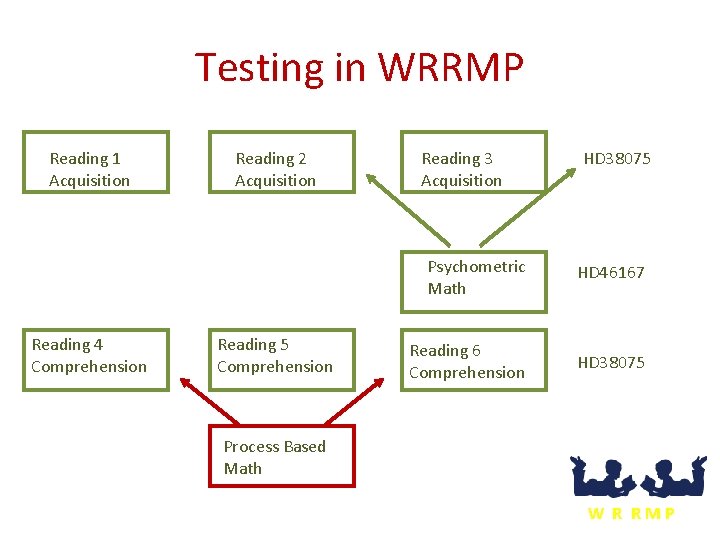
Testing in WRRMP Reading 1 Acquisition Reading 4 Comprehension Reading 2 Acquisition Reading 5 Comprehension Reading 3 Acquisition HD 38075 Psychometric Math HD 46167 Reading 6 Comprehension HD 38075 Process Based Math W R RMP
Visual-Spatial-Motor Tasks in Brain Imaging Studies John A. Jesberger Case Center for Imaging Research
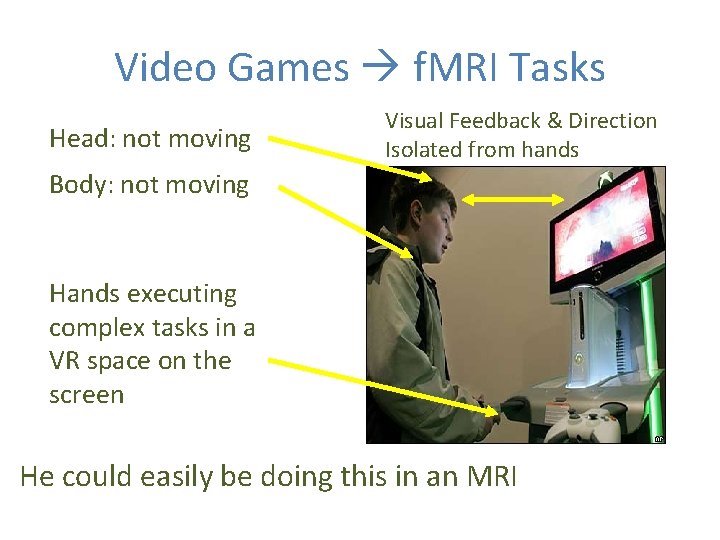
Video Games f. MRI Tasks Head: not moving Visual Feedback & Direction Isolated from hands Body: not moving Hands executing complex tasks in a VR space on the screen He could easily be doing this in an MRI
Advantages of the Standard Video Game Platform for f. MRI • Hundreds of millions of potential subjects already trained by Nintendo, Microsoft, & Sony • Games are more fun – better tolerance & engagement of subjects in more complex tasks – Tools and expertise for development now widespread – VR Labs and game design curricula at many universities • CWRU Virtual Worlds Laboratory – Leads to much faster development cycle • Controller and first task developed in 6 months!
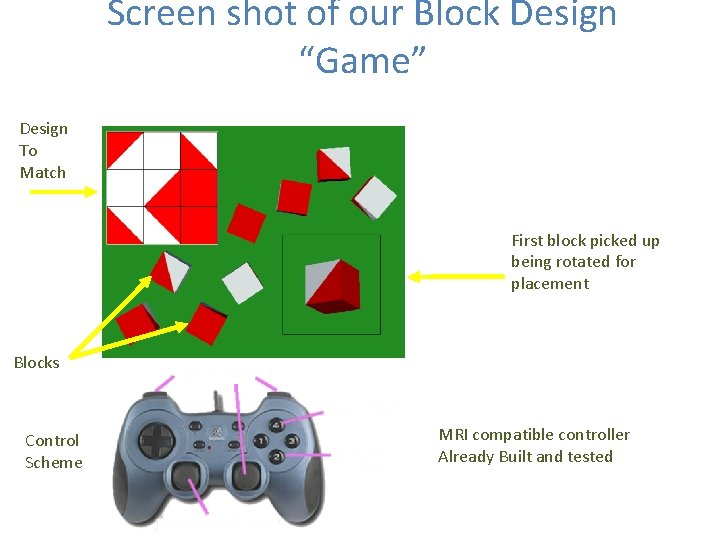
Screen shot of our Block Design “Game” Design To Match First block picked up being rotated for placement Blocks Control Scheme MRI compatible controller Already Built and tested
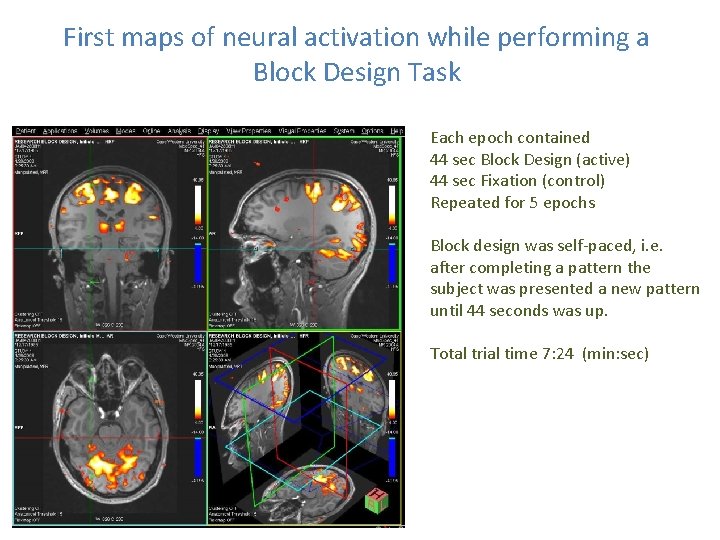
First maps of neural activation while performing a Block Design Task Each epoch contained 44 sec Block Design (active) 44 sec Fixation (control) Repeated for 5 epochs Block design was self-paced, i. e. after completing a pattern the subject was presented a new pattern until 44 seconds was up. Total trial time 7: 24 (min: sec)
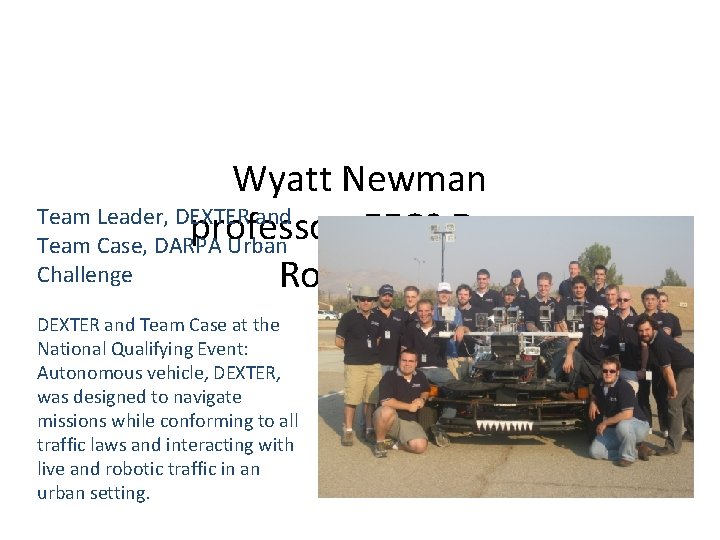
Wyatt Newman Team Leader, DEXTER and professor, EECS Dept Team Case, DARPA Urban Challenge Roboticist DEXTER and Team Case at the National Qualifying Event: Autonomous vehicle, DEXTER, was designed to navigate missions while conforming to all traffic laws and interacting with live and robotic traffic in an urban setting.
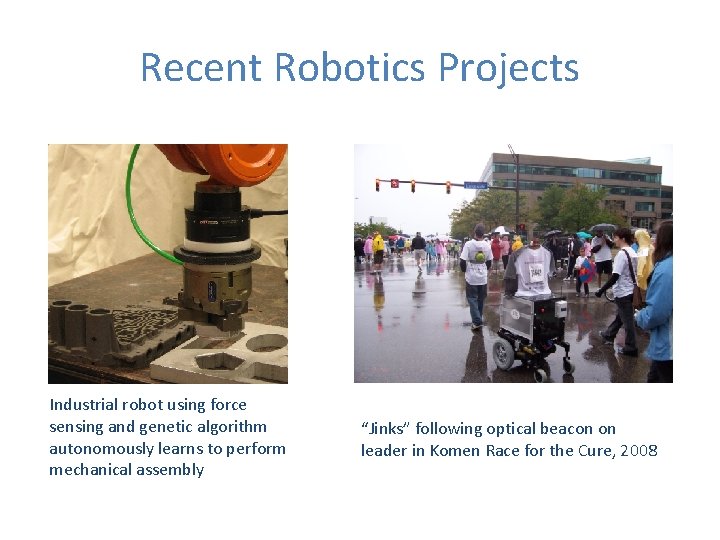
Recent Robotics Projects Industrial robot using force sensing and genetic algorithm autonomously learns to perform mechanical assembly “Jinks” following optical beacon on leader in Komen Race for the Cure, 2008
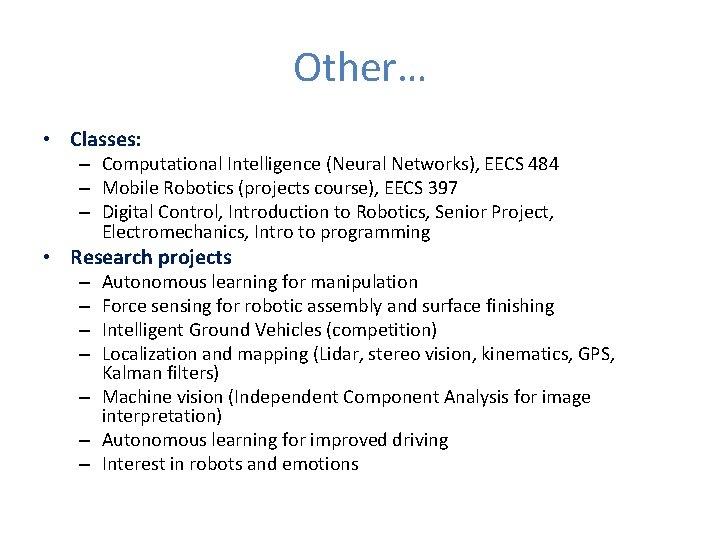
Other… • Classes: – Computational Intelligence (Neural Networks), EECS 484 – Mobile Robotics (projects course), EECS 397 – Digital Control, Introduction to Robotics, Senior Project, Electromechanics, Intro to programming • Research projects Autonomous learning for manipulation Force sensing for robotic assembly and surface finishing Intelligent Ground Vehicles (competition) Localization and mapping (Lidar, stereo vision, kinematics, GPS, Kalman filters) – Machine vision (Independent Component Analysis for image interpretation) – Autonomous learning for improved driving – Interest in robots and emotions – –
Peter J. Whitehouse Past, present and future Case Western Reserve University Neurology, Cognitive Science, and Organizational Behavior
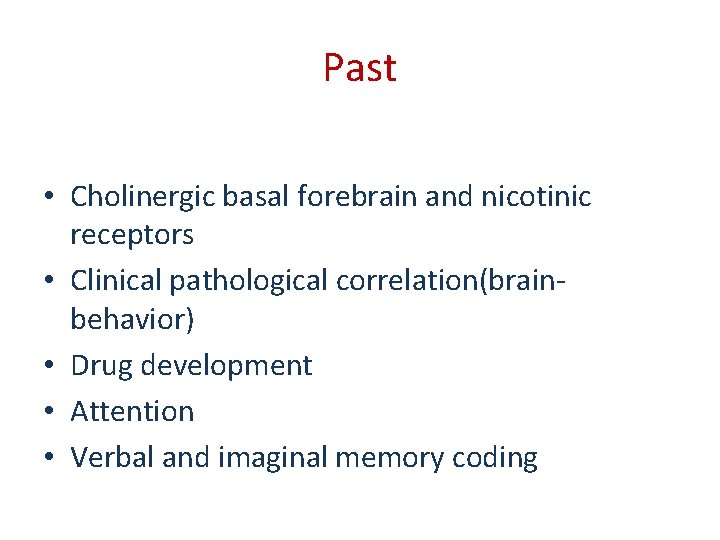
Past • Cholinergic basal forebrain and nicotinic receptors • Clinical pathological correlation(brainbehavior) • Drug development • Attention • Verbal and imaginal memory coding
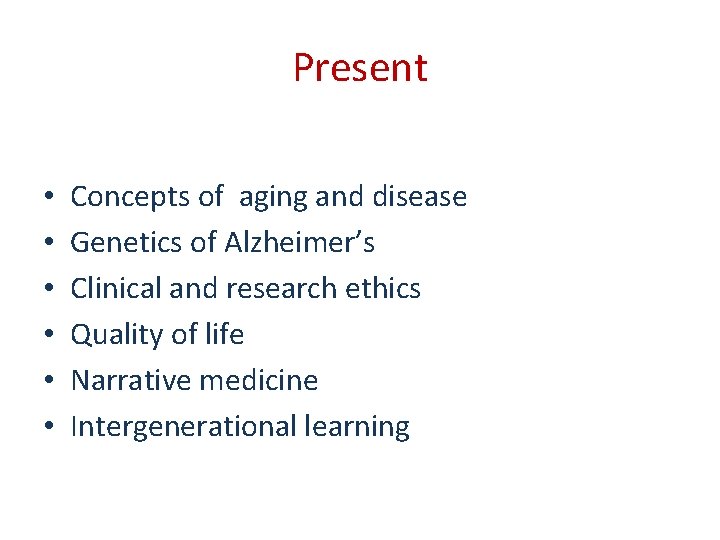
Present • • • Concepts of aging and disease Genetics of Alzheimer’s Clinical and research ethics Quality of life Narrative medicine Intergenerational learning
Future • • • Wisdom Moral imagination Learning organizations Intergenerational ethics Sustainability
Department of Mathematics Applied Mathematics Research Daniela Calvetti Rossana Occhipinti Erkki Somersalo
Brain Imaging and Metabolic Modeling • An integrated view: development of computational models that help to understand – how the neuronal activity triggers metabolic activity – how the brain energetics works at cellular level – how the metabolic activity signals to cerebral blood flow • Development of computational statistical tools for brain imaging using PET, MEG and Diffuse Optical Tomography (DOT)
Neuropsychological Aspects of Pediatric Epilepsy Philip S. Fastenau, Ph. D. Department of Neurology
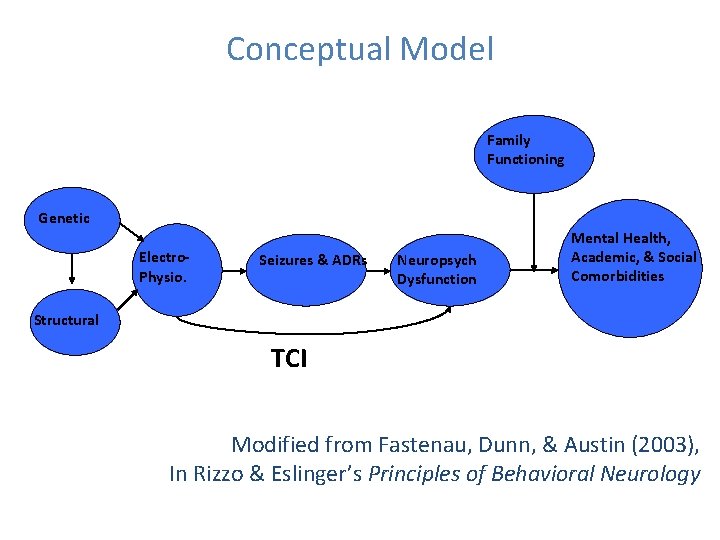
Conceptual Model Family Functioning Genetic Electro. Physio. Seizures & ADRs Neuropsych Dysfunction Mental Health, Academic, & Social Comorbidities Structural TCI Modified from Fastenau, Dunn, & Austin (2003), In Rizzo & Eslinger’s Principles of Behavioral Neurology
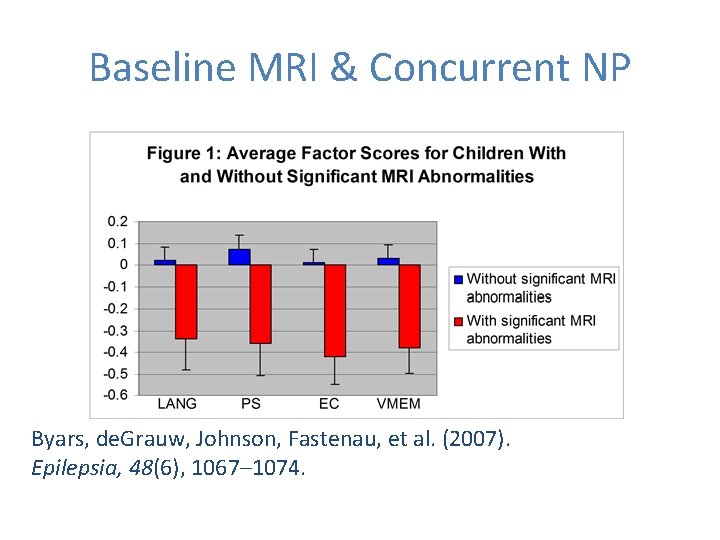
Baseline MRI & Concurrent NP Byars, de. Grauw, Johnson, Fastenau, et al. (2007). Epilepsia, 48(6), 1067– 1074.
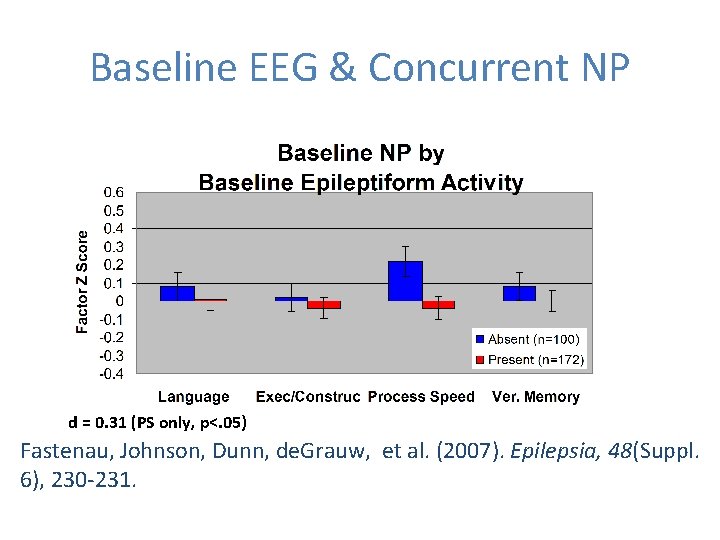
Baseline EEG & Concurrent NP d = 0. 31 (PS only, p<. 05) Fastenau, Johnson, Dunn, de. Grauw, et al. (2007). Epilepsia, 48(Suppl. 6), 230 -231.
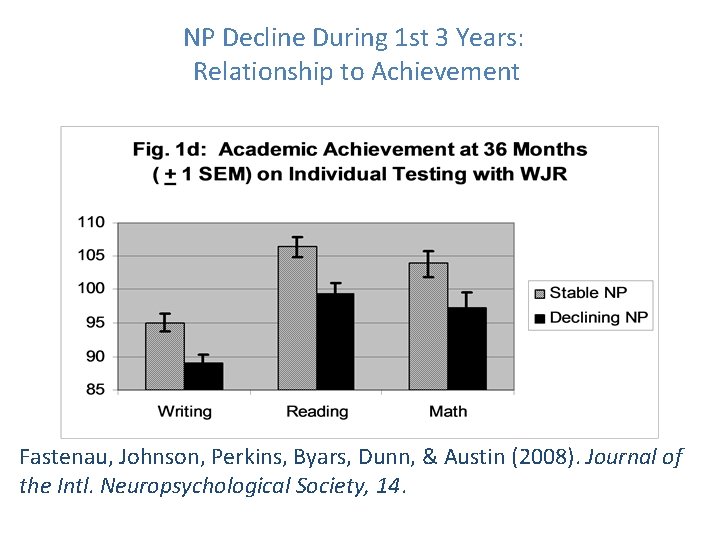
NP Decline During 1 st 3 Years: Relationship to Achievement Fastenau, Johnson, Perkins, Byars, Dunn, & Austin (2008). Journal of the Intl. Neuropsychological Society, 14.
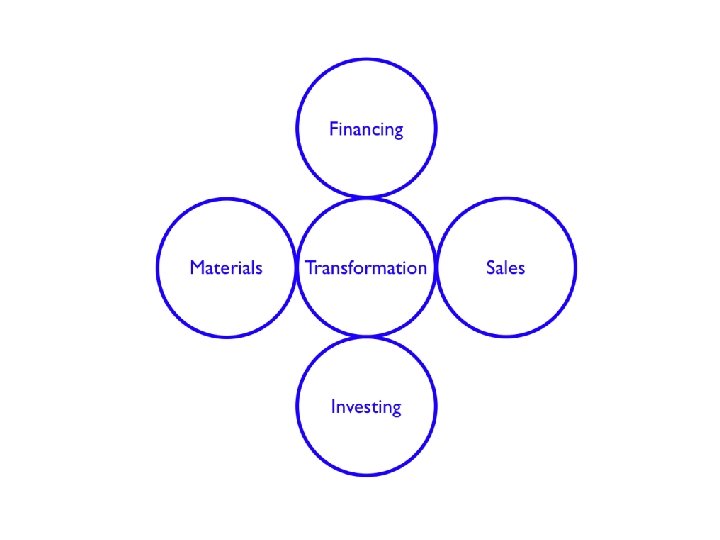
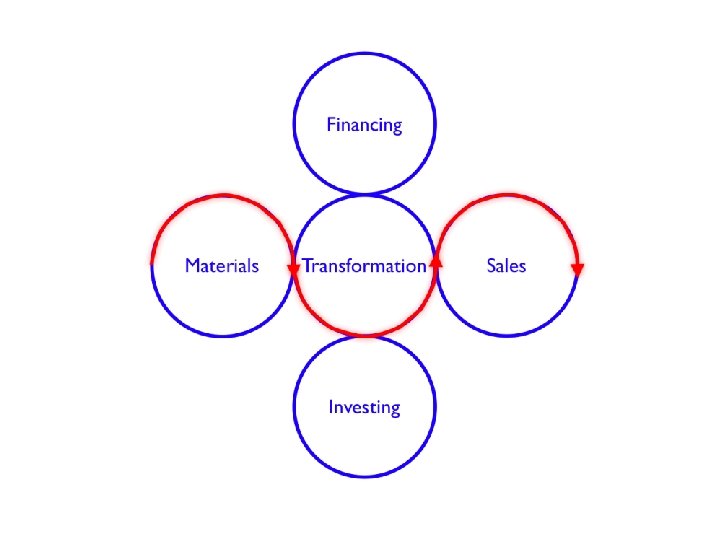
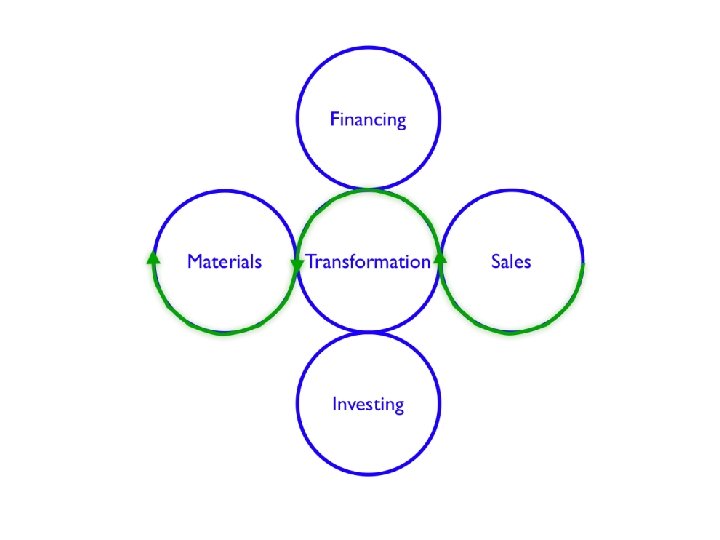
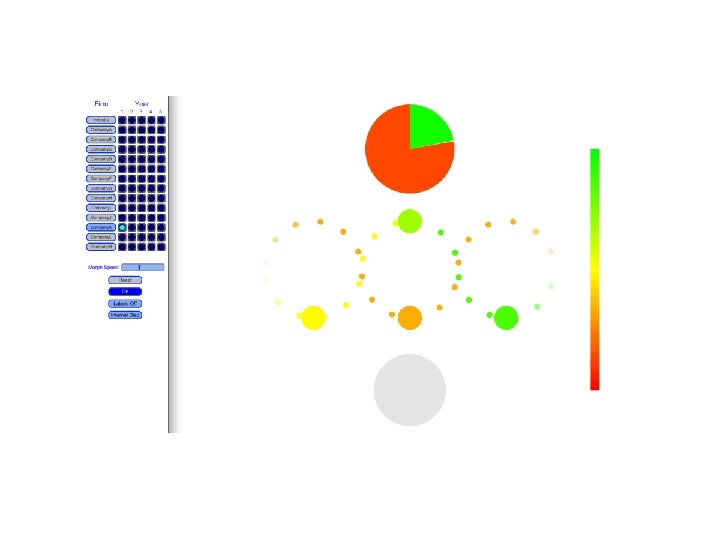
Visualizing business information Fred Collopy Weatherhead School of Management
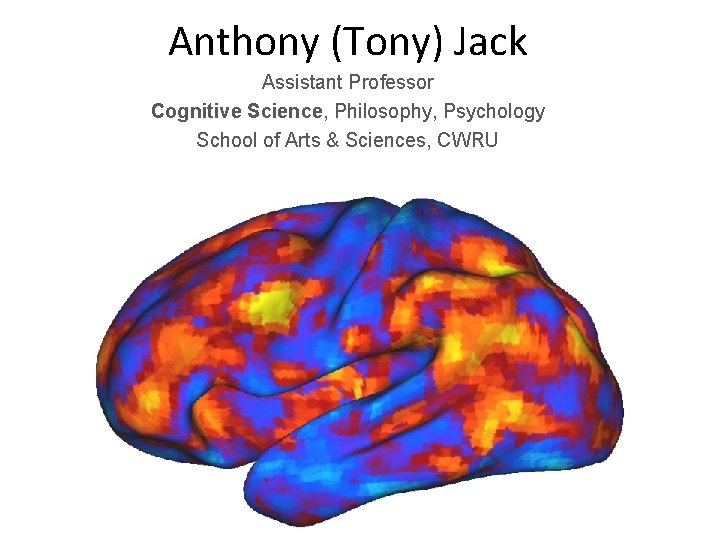
Anthony (Tony) Jack Assistant Professor Cognitive Science, Philosophy, Psychology School of Arts & Sciences, CWRU
Background • Ph. D in Experimental Psychology & Philosophy • PET & f. MRI at main European and US centers – University College London, Institute of Cognitive Neuroscience & Wellcome Trust Centre for Neuroimaging • SPM, psychology-driven designs
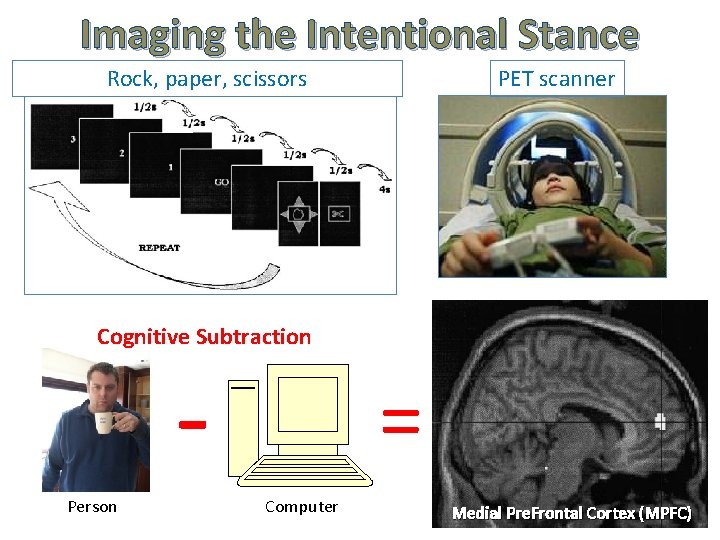
Imaging the Intentional Stance PET scanner Rock, paper, scissors Cognitive Subtraction - Person = Computer Medial Pre. Frontal Cortex (MPFC)
Background • Ph. D in Experimental Psychology & Philosophy • PET & f. MRI at main European and US centres – University College London Institute of Cognitive Neuroscience & Wellcome Trust Centre for Neuroimaging • SPM, psychology-driven designs – Washington University in St Louis Medical School • Biologically-driven designs, connectivity
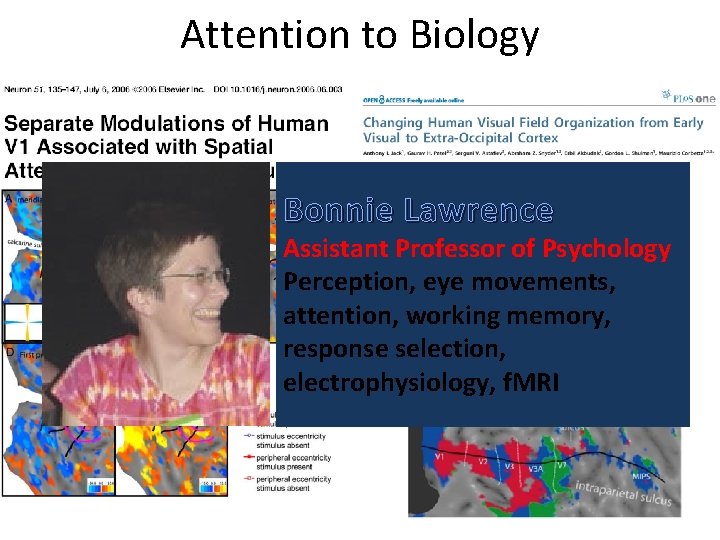
Attention to Biology Bonnie Lawrence Assistant Professor of Psychology Perception, eye movements, attention, working memory, response selection, electrophysiology, f. MRI
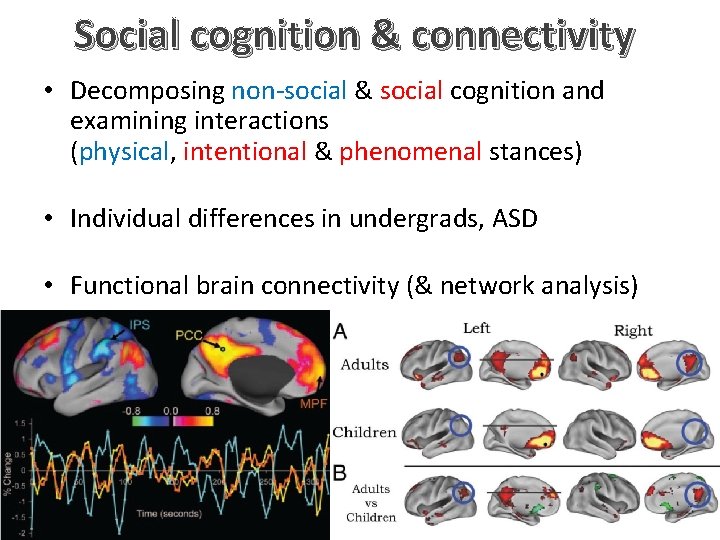
Social cognition & connectivity • Decomposing non-social & social cognition and examining interactions (physical, intentional & phenomenal stances) • Individual differences in undergrads, ASD • Functional brain connectivity (& network analysis)
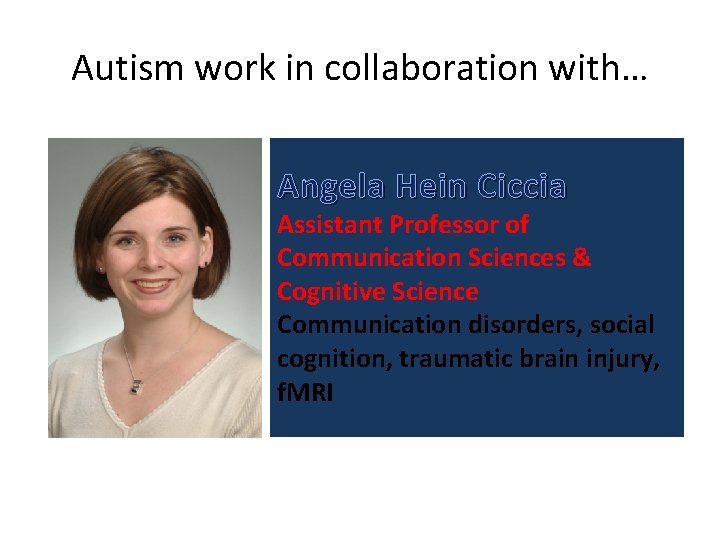
Autism work in collaboration with… Angela Hein Ciccia Assistant Professor of Communication Sciences & Cognitive Science Communication disorders, social cognition, traumatic brain injury, f. MRI
David D. Friel, Ph. D. B. A. Physics, Ph. D. Biophysics Dept. of Neurosciences Electrophysiology Calcium imaging Computational modeling
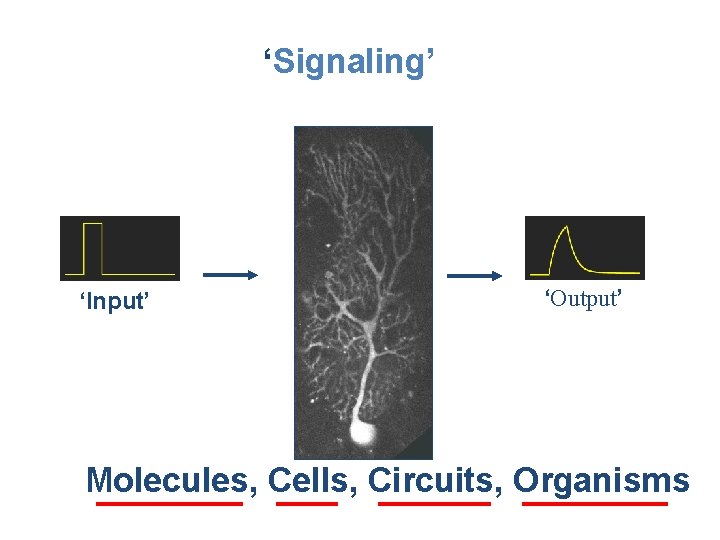
‘Signaling’ ‘Input’ ‘Output’ Molecules, Cells, Circuits, Organisms
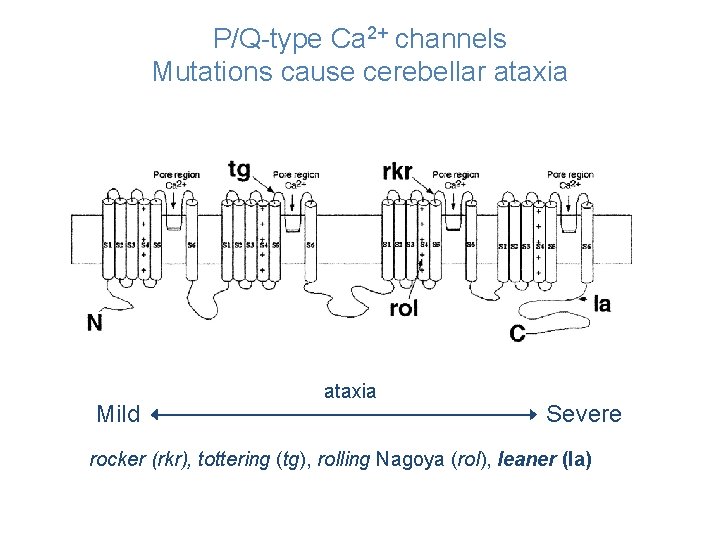
P/Q-type Ca 2+ channels Mutations cause cerebellar ataxia Mild ataxia Severe rocker (rkr), tottering (tg), rolling Nagoya (rol), leaner (la)
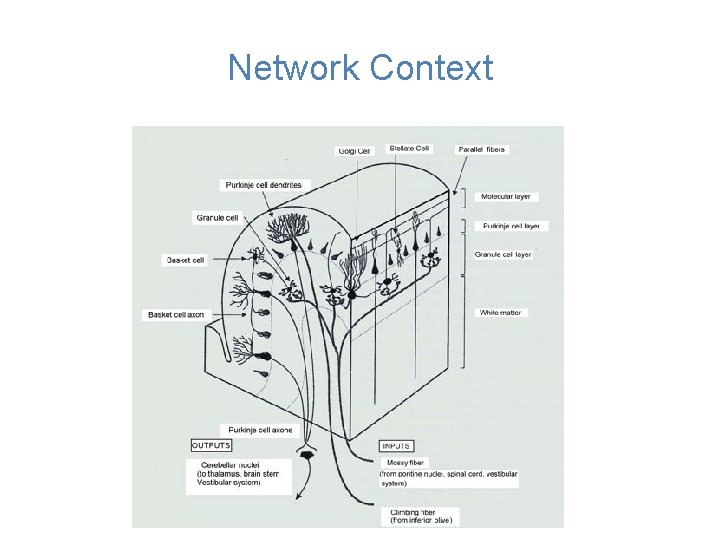
Network Context
The leaner Ca 2+ channel mutation disrupts spontaneous firing activity Purkinje neuron from Wild-type mouse Purkinje neuron from leaner mutant mouse
David Pincus, DMH Director, Mind. Brain Consortium, Summa Hospitals UH Department of Psychiatry Private Practice
Our Take on the Mind. Brain Issue • Brains become minds through bonding, attachment, learning, a ‘holding environment’ • A person needs a facilitating environment so as to allow a coordinated mind to emerge from a brain • Early attachment patterns predict later personality development, adaptation, and psychopathology • Our translational model allows us to tie together a neurobiology of sociality and to understand psychotherapy, as well as other ‘biological’ interventions, in this context
And so we study • Neuropeptide ‘operators’ in bonding and separation distress • Our favorites are oxytocin and the endogenous opioid system • We have studies going with humans and also prairie voles, the latter a very social mammal which mates for life. Rat’s aren’t very social, and may not be the best model for studying anxiety and depression, if you assume, with humans, that a Self cannot develop without an Other
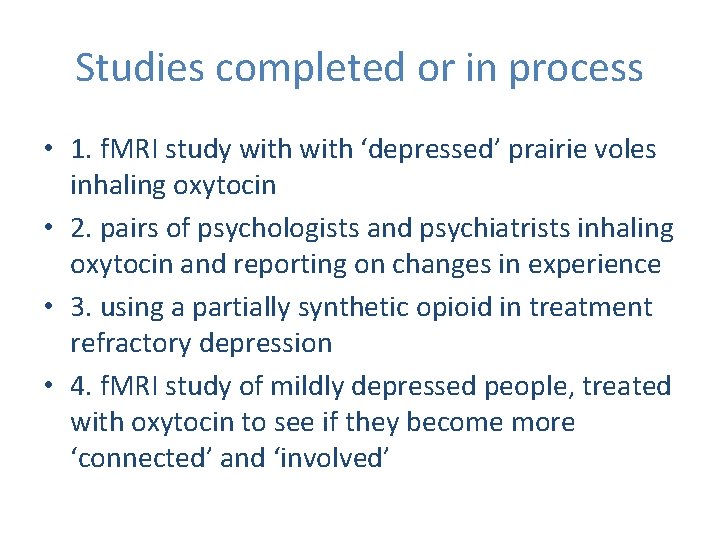
Studies completed or in process • 1. f. MRI study with ‘depressed’ prairie voles inhaling oxytocin • 2. pairs of psychologists and psychiatrists inhaling oxytocin and reporting on changes in experience • 3. using a partially synthetic opioid in treatment refractory depression • 4. f. MRI study of mildly depressed people, treated with oxytocin to see if they become more ‘connected’ and ‘involved’
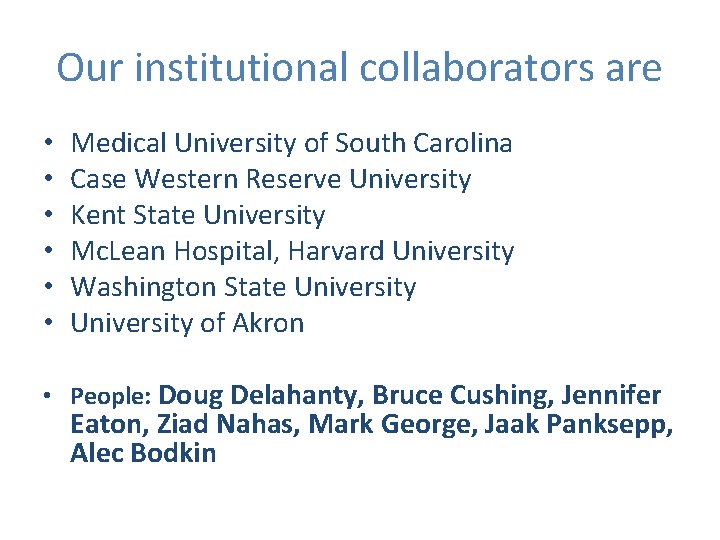
Our institutional collaborators are • • • Medical University of South Carolina Case Western Reserve University Kent State University Mc. Lean Hospital, Harvard University Washington State University of Akron • People: Doug Delahanty, Bruce Cushing, Jennifer Eaton, Ziad Nahas, Mark George, Jaak Panksepp, Alec Bodkin
Alan Lerner, MD Dept of Neurology, UHCMC and CWRU Director, Memory and Cognition Center Current Research Interests Clinical trials for Alzheimer’s disease Studies in category fluency Effects of medical conditions on cognition