The Emergence of Mass Society CHAPTER 11 LESSON




- Slides: 17
The Emergence of Mass Society CHAPTER 11 LESSON 2
Objective �Students will understand why European cities grew in population during the 1800 s. � Students will understand the societal class divisions in Europe during the 1800 s.
The New Urban Environment �Why did European cities grow in population during the 1800 s? Three reasons: 1) Jobs - **With few jobs in the countryside, people migrated from rural areas to cities to find work in factories. **
The New Urban Environment 2) Housing Improvements (this improved public health) - Reformers convinced city governments to create boards of health to improve housing quality. Medical officers and building inspectors checked buildings for public health hazards.
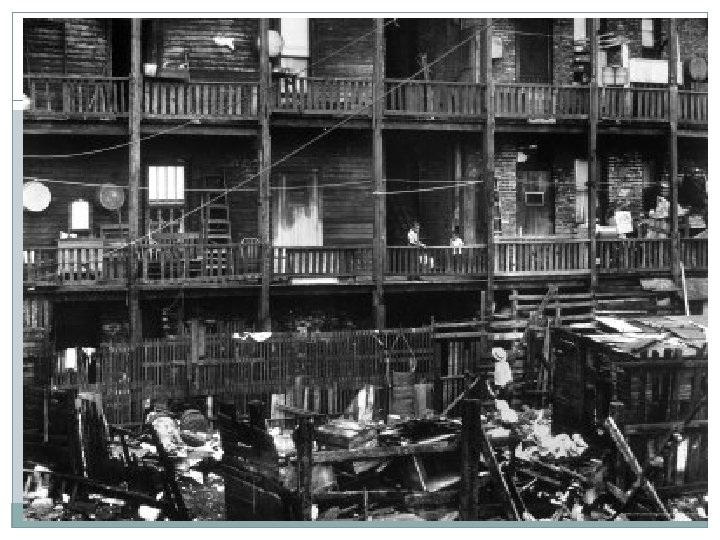
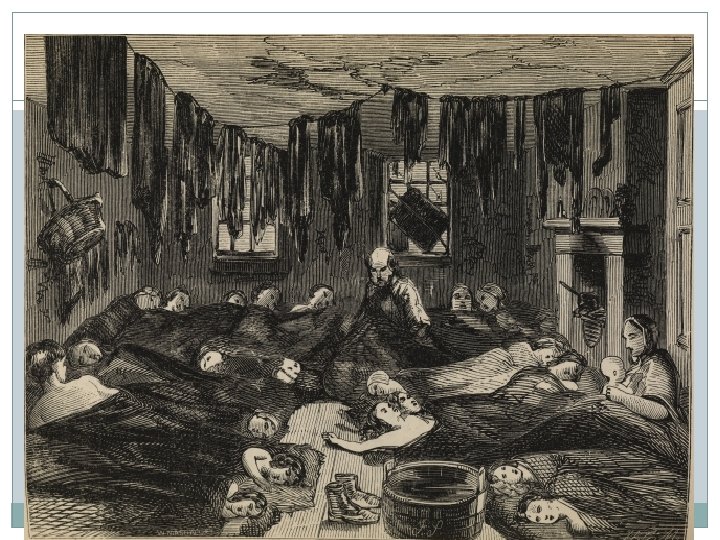
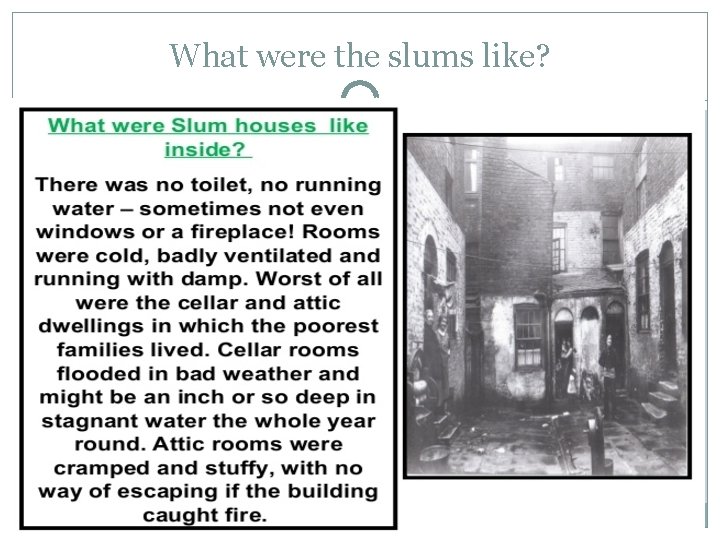
What were the slums like?
The New Urban Environment � 3) Sanitation improvements (improved public health) - Push for clean water and an effective sewage system. Both would reduce the risk of deadly diseases.
Questions �Out of the three reason given for the cause of the population growth in European cities, which was most important?
European Social Structure of Mass Society �**Three Social Classes: 1) New Elite: 2) Diverse Middle Class: 3) Working Class:
New Elite �The most successful industrialists, merchants and bankers joined the upper class and landed aristocracy as the new elite. �These individuals would now begin to run the government and the military in Europe.
European Social Classes • During the 1800 s, European standard of living rose but poverty was still widespread. • Upper class consisted of wealthy businesspeople and landed aristocracy. • Key elements of the diverse middle class: o Lawyers, doctors, and other professionals o Small shopkeepers and traders o White-collar workers, such as salespeople and bookkeepers
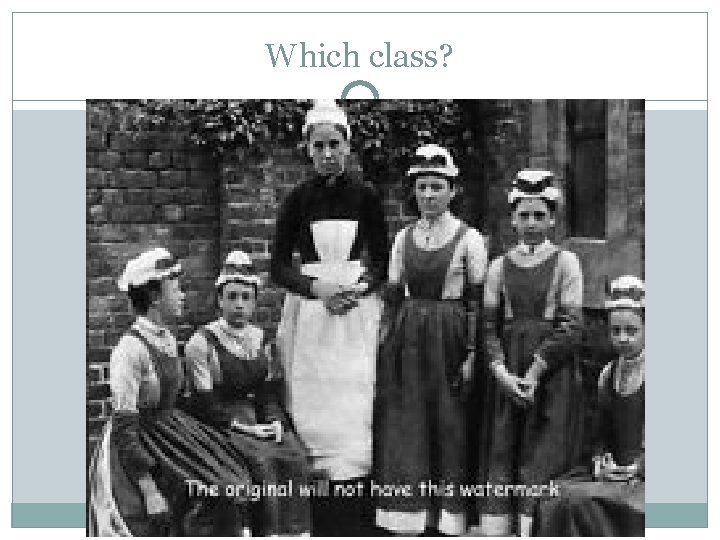
Working Classes �The working classes made up almost 80 percent of Europe's population. These classes included farm laborers, sharecroppers, urban workers, and domestic servants. �This was considered the lower class.
Which class?
Question �What was the main reason for the shift from feudal distinctions to class distinctions? �The term “class” has now replaced “rank” and “order. ”
Women’s Rights �During the 1840 s and 1850 s, the movement for women’s rights expanded into the political sector, specifically suffrage (the right to vote).
Woman Suffrage In 1848, Elizabeth Stanton drafted a "Declaration of Sentiments" demanding political equality and voting rights for women. Below are quotations from the document. • "The history of mankind is a history of repeated injuries and usurpations on the part of man toward woman, having in direct object the establishment of an absolute tyranny over her. " • "He has monopolized nearly all the profitable employments, and from those she is permitted to follow, she receives but a scanty remuneration. " • "He has endeavored, in every way that he could, to destroy her confidence in her own powers, to lessen her self-respect, and to make her willing to lead a dependent and abject life. "