
Classwork Answers Polyatomic Formulas 1 K 2 SO







- Slides: 19
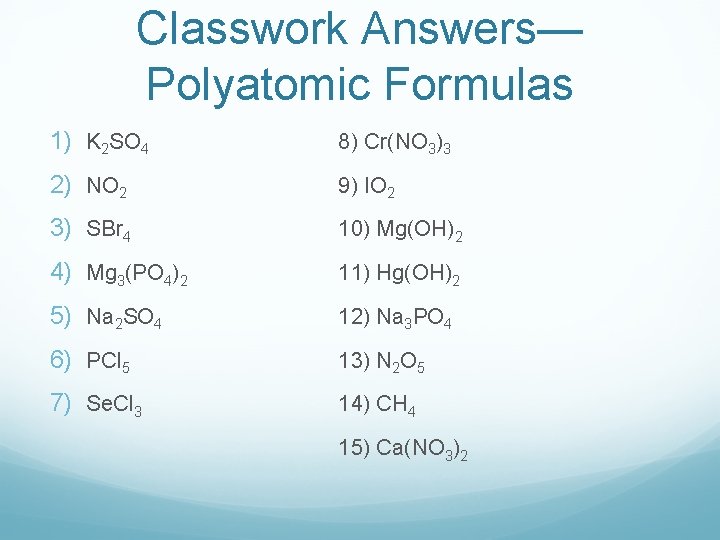
Classwork Answers— Polyatomic Formulas 1) K 2 SO 4 8) Cr(NO 3)3 2) NO 2 9) IO 2 3) SBr 4 10) Mg(OH)2 4) Mg 3(PO 4)2 11) Hg(OH)2 5) Na 2 SO 4 12) Na 3 PO 4 6) PCl 5 13) N 2 O 5 7) Se. Cl 3 14) CH 4 15) Ca(NO 3)2
Can we go in reverse?
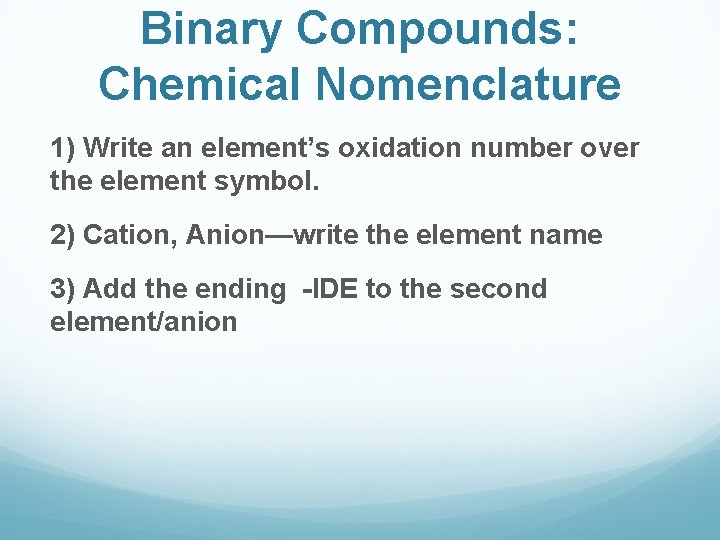
Binary Compounds: Chemical Nomenclature 1) Write an element’s oxidation number over the element symbol. 2) Cation, Anion—write the element name 3) Add the ending -IDE to the second element/anion
Example 1: Li. Cl
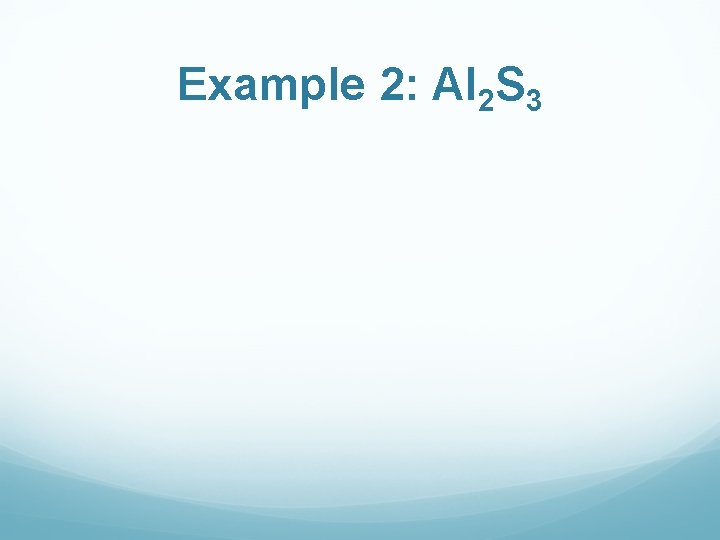
Example 2: Al 2 S 3
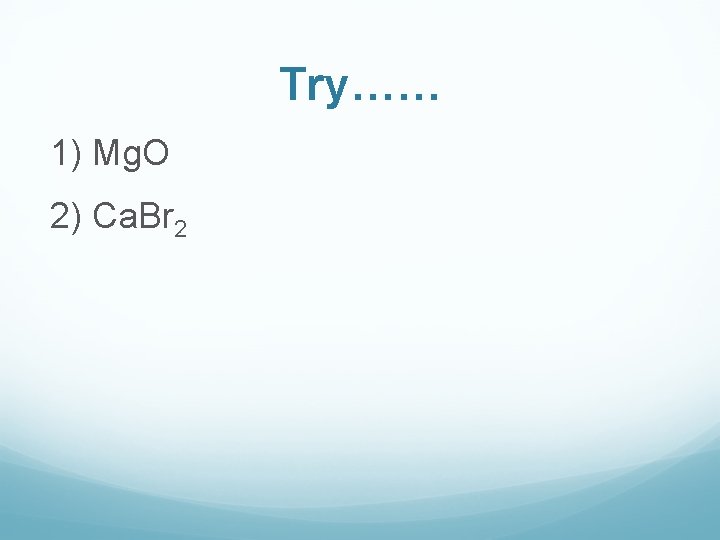
Try…… 1) Mg. O 2) Ca. Br 2
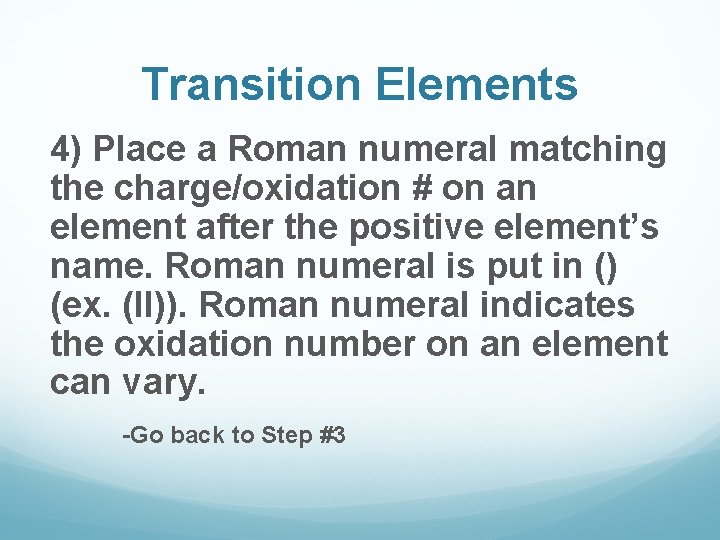
Transition Elements 4) Place a Roman numeral matching the charge/oxidation # on an element after the positive element’s name. Roman numeral is put in () (ex. (II)). Roman numeral indicates the oxidation number on an element can vary. -Go back to Step #3
Example 1: Cu. S
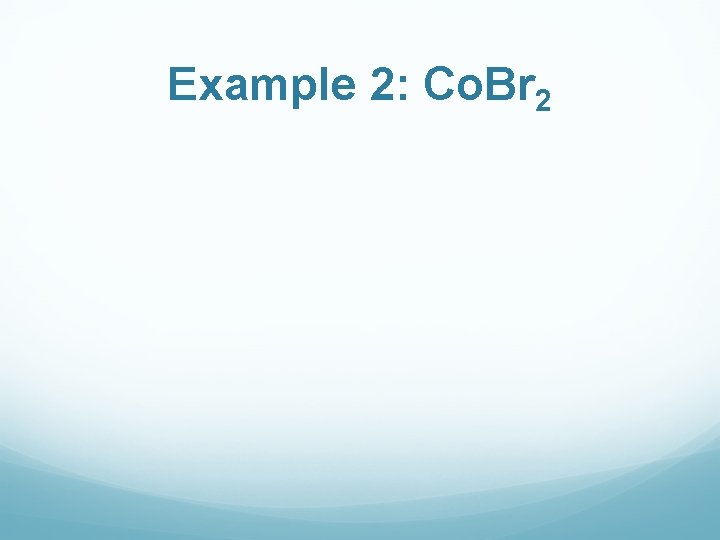
Example 2: Co. Br 2
You Try…. 1)Sn. O 2)Cr. Cl 3
5) If both elements are found on the RIGHT side of the periodic table, use the appropriate prefix for a given element. -Go back to Step #3
Example 1: CO 2
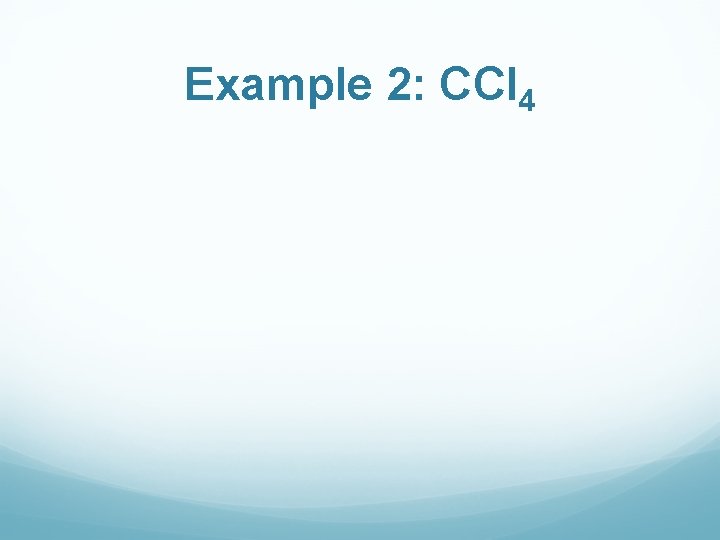
Example 2: CCl 4
You Try…. 1) SO 2 2) SBr 3
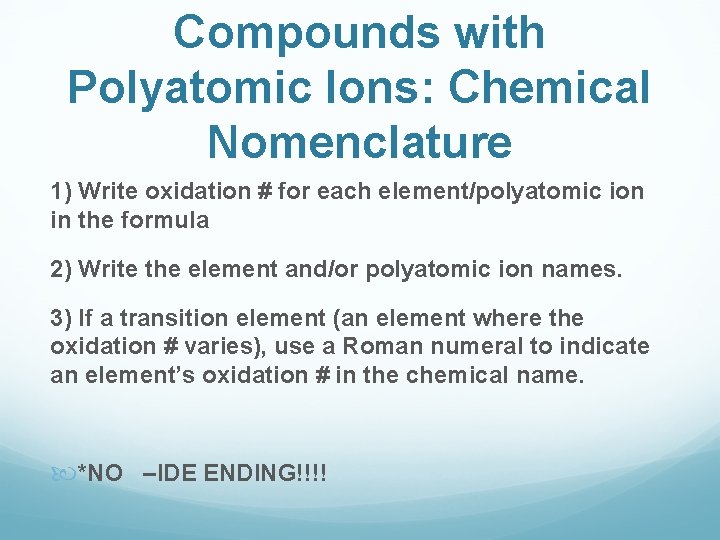
Compounds with Polyatomic Ions: Chemical Nomenclature 1) Write oxidation # for each element/polyatomic ion in the formula 2) Write the element and/or polyatomic ion names. 3) If a transition element (an element where the oxidation # varies), use a Roman numeral to indicate an element’s oxidation # in the chemical name. *NO –IDE ENDING!!!!
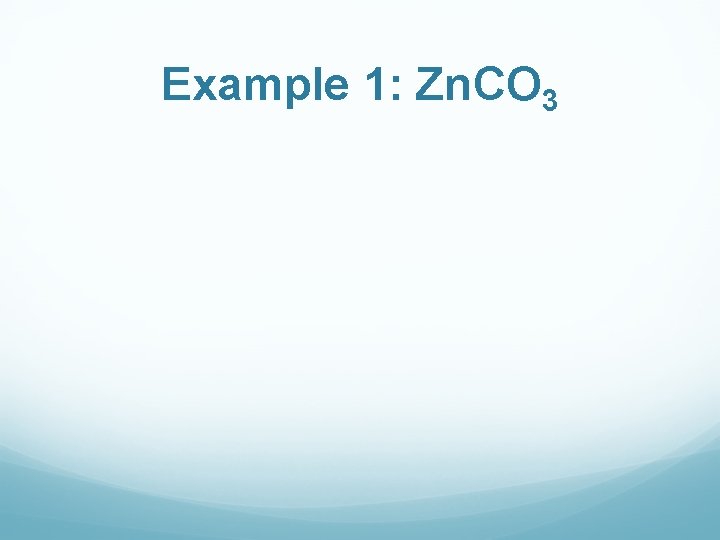
Example 1: Zn. CO 3
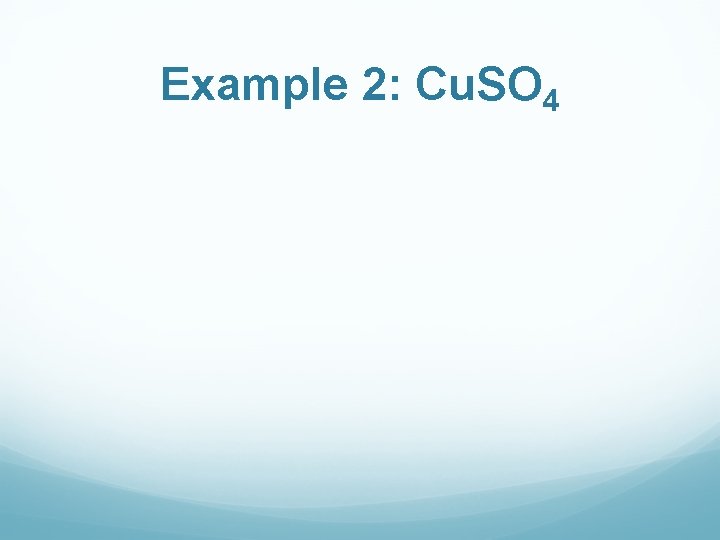
Example 2: Cu. SO 4
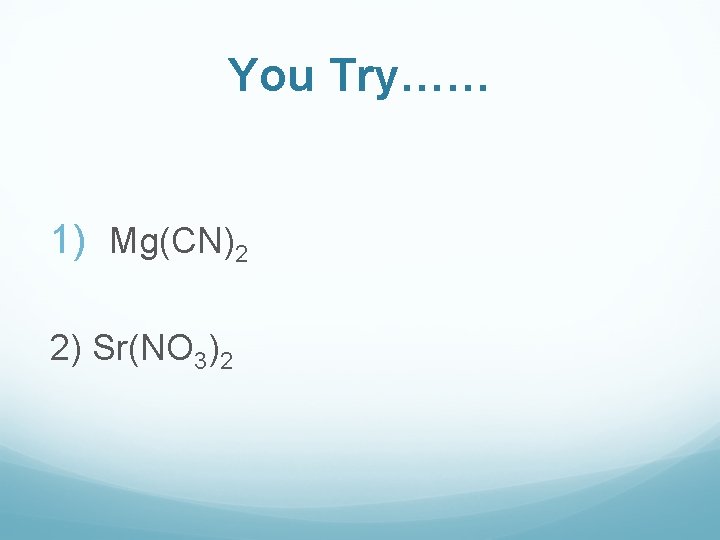
You Try…… 1) Mg(CN)2 2) Sr(NO 3)2
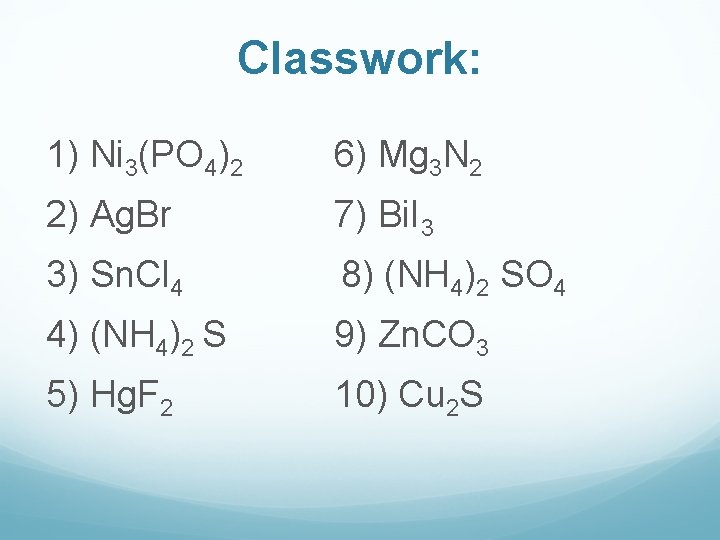
Classwork: 1) Ni 3(PO 4)2 6) Mg 3 N 2 2) Ag. Br 7) Bi. I 3 3) Sn. Cl 4 8) (NH 4)2 SO 4 4) (NH 4)2 S 9) Zn. CO 3 5) Hg. F 2 10) Cu 2 S