An Introduction to Neurotransmission William Wisden Dept of

- Slides: 54
An Introduction to Neurotransmission William Wisden Dept of Clinical Neurobiology INF 364 William. Wisden@urz. uni-heidelberg. de
Fundamental Neuroscience - second edition Squire, Bloom, Mc. Connell, Roberts, Spitzer, Zigmond Academic Press, 2003 http: //www. indstate. edu/thcme/mwking/home. html http: //www. indstate. edu/thcme/mwking/nerves. html http: //faculty. washington. edu/chudler/neurok. html http: //faculty. washington. edu/chudler/chnt 1. html Explore the Brain and Spinal Cord The Neuron
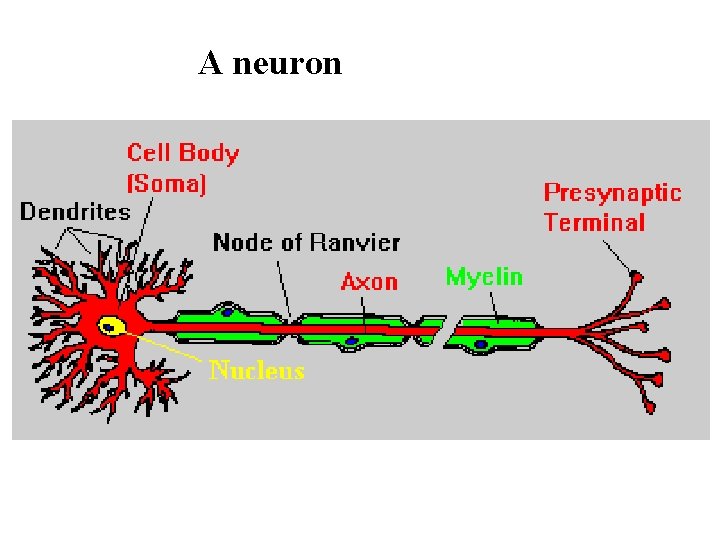
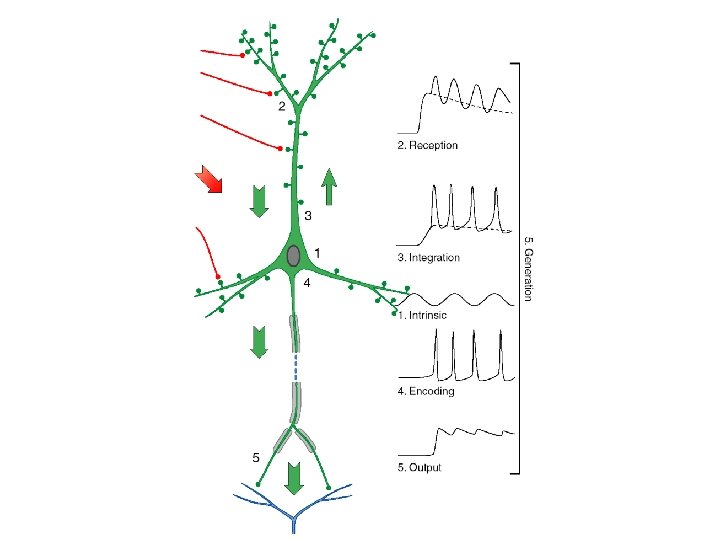
A neuron
The action potential
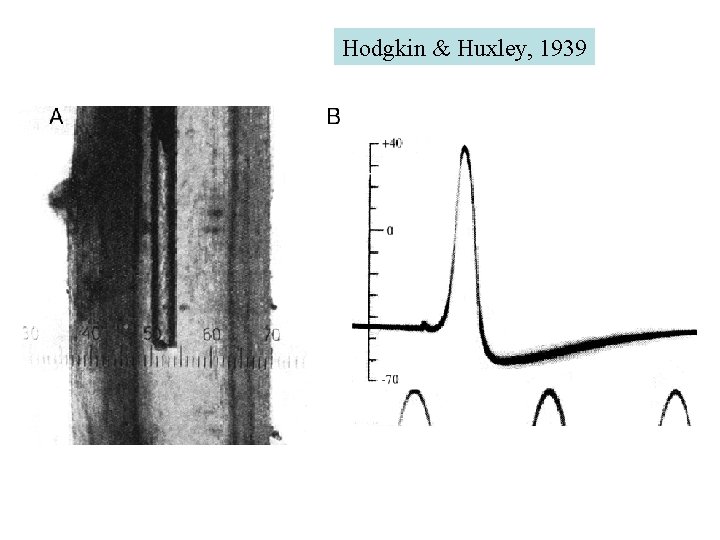
Hodgkin & Huxley, 1939
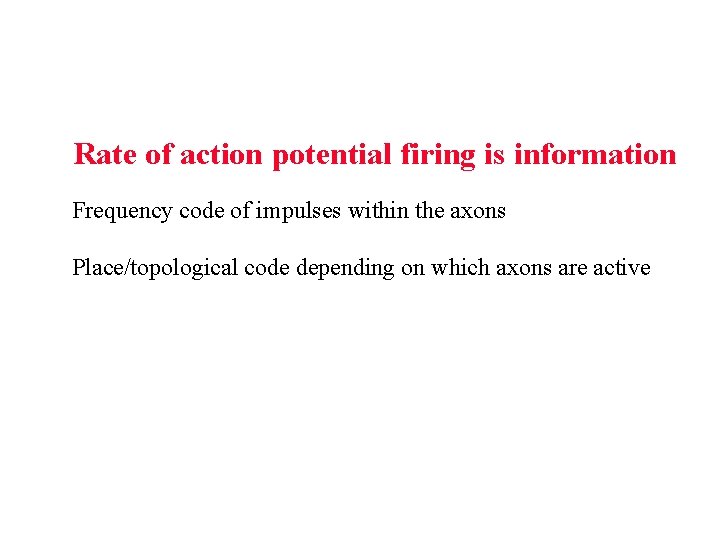
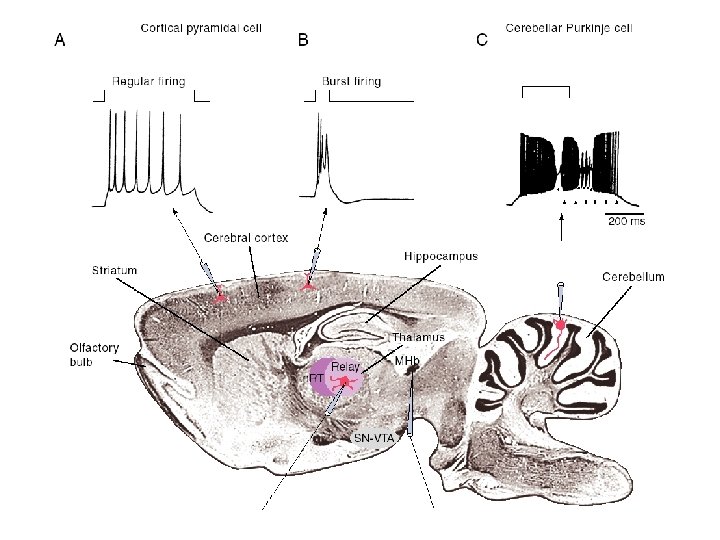
Rate of action potential firing is information
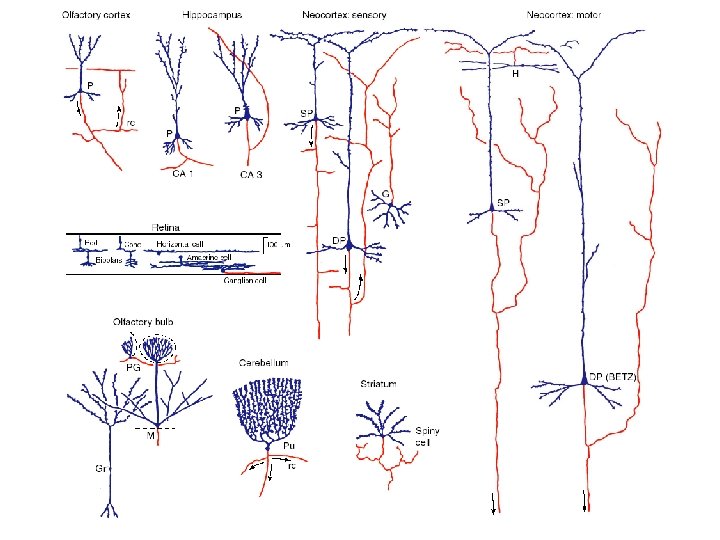
The dendrite
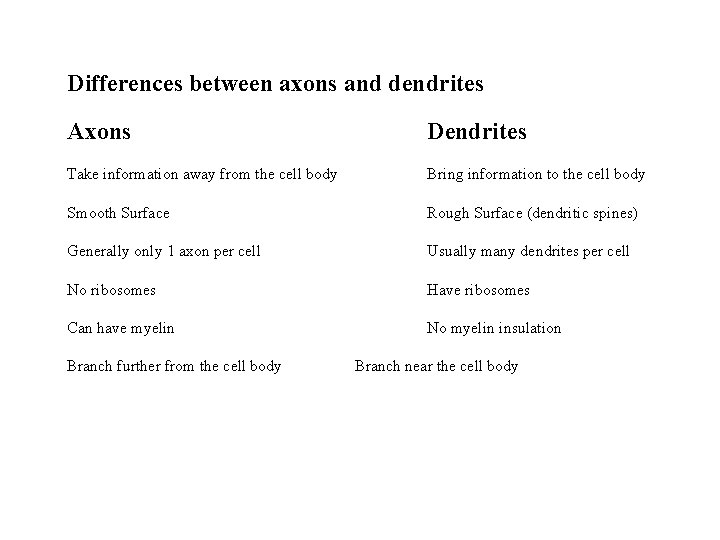
Differences between axons and dendrites Axons Dendrites Take information away from the cell body Bring information to the cell body Smooth Surface Rough Surface (dendritic spines) Generally only 1 axon per cell Usually many dendrites per cell No ribosomes Have ribosomes Can have myelin No myelin insulation Branch further from the cell body Branch near the cell body
Dendrites constitute a kind of neural microchip for complex computations
Rate of action potential firing is information Frequency code of impulses within the axons Place/topological code depending on which axons are active
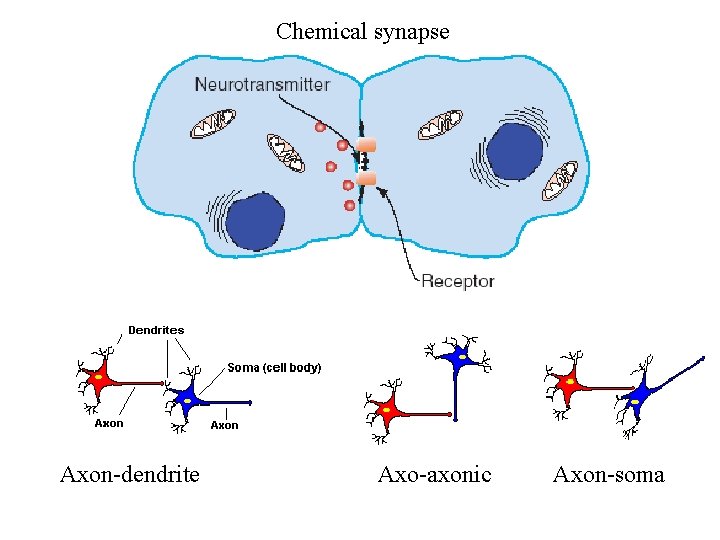
Chemical synapse Axon-dendrite Axo-axonic Axon-soma
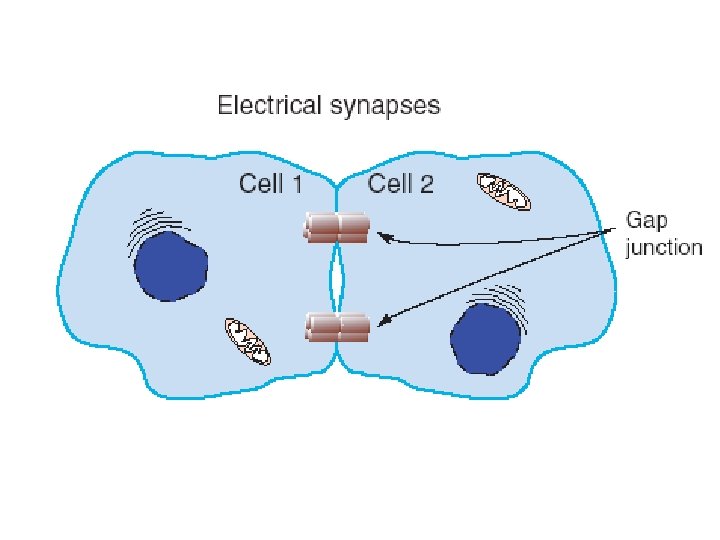
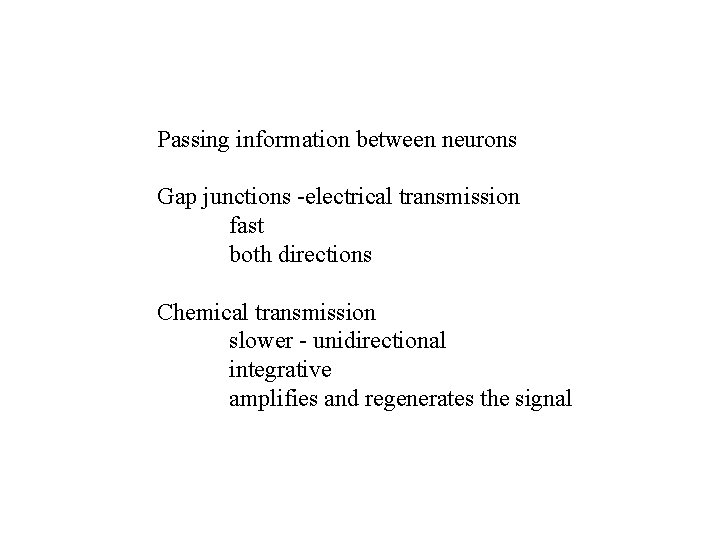
Passing information between neurons Gap junctions -electrical transmission fast both directions Chemical transmission slower - unidirectional integrative amplifies and regenerates the signal
The synapse
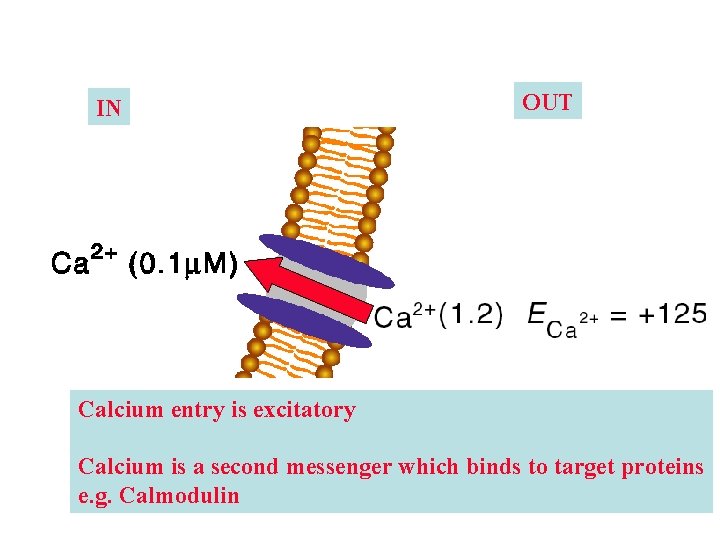
IN OUT Calcium entry is excitatory Calcium is a second messenger which binds to target proteins e. g. Calmodulin
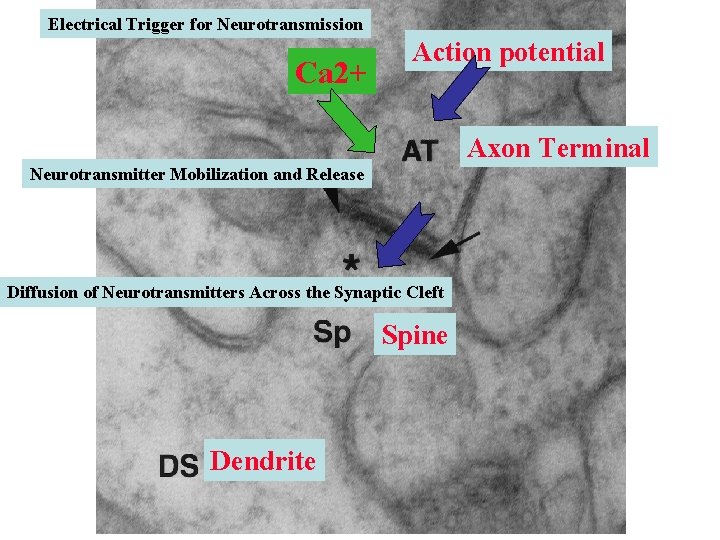
Electrical Trigger for Neurotransmission Ca 2+ Action potential Axon Terminal Neurotransmitter Mobilization and Release Diffusion of Neurotransmitters Across the Synaptic Cleft Spine Dendrite
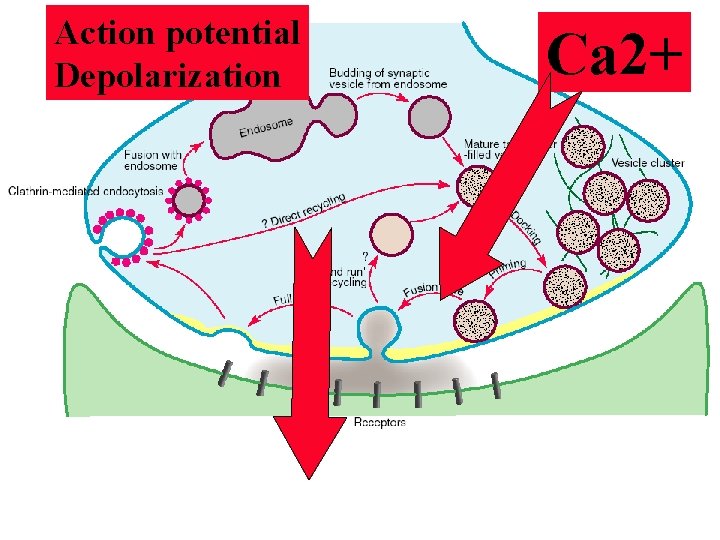
Action potential Depolarization Ca 2+
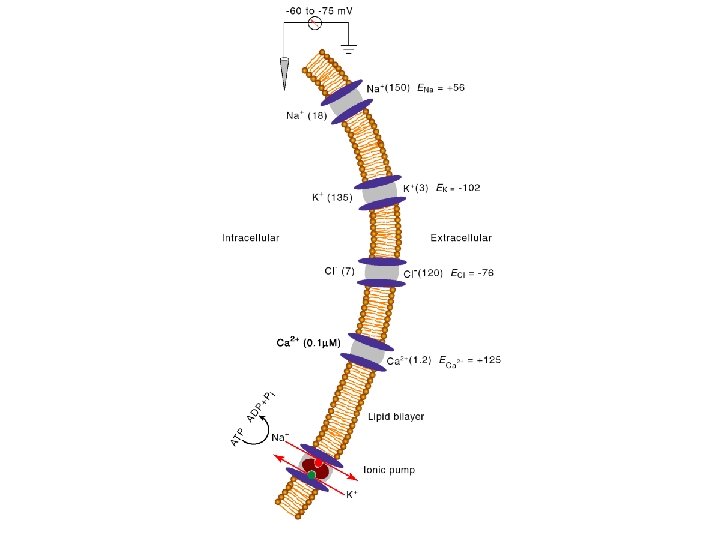
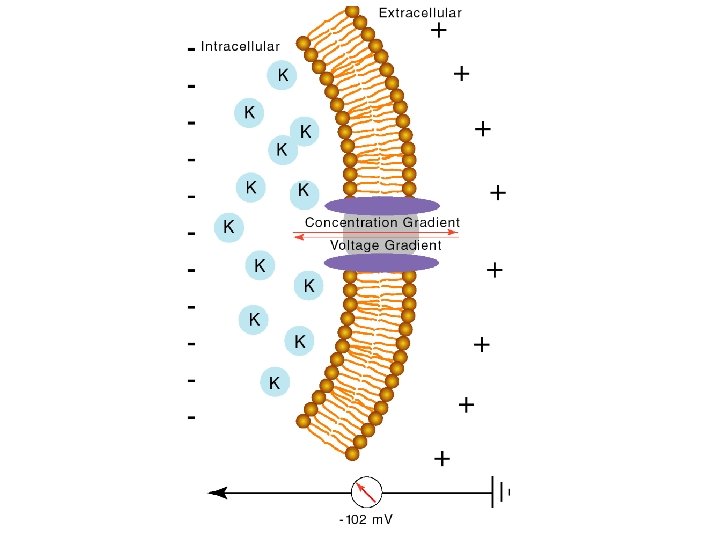
Electrical properties
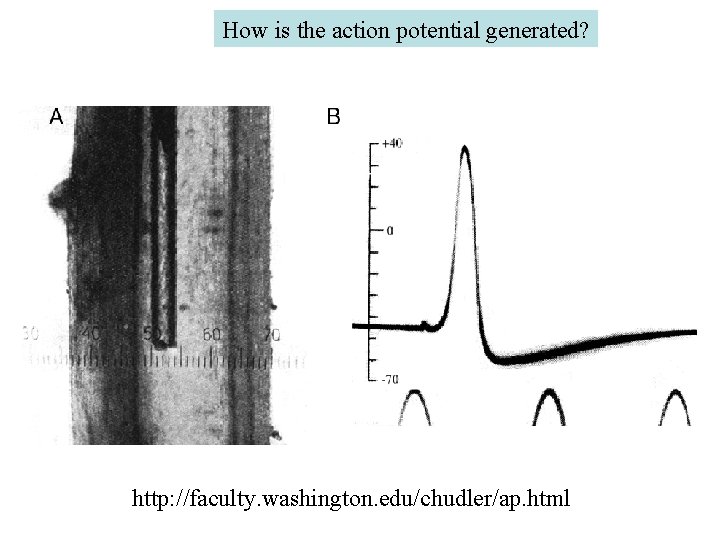
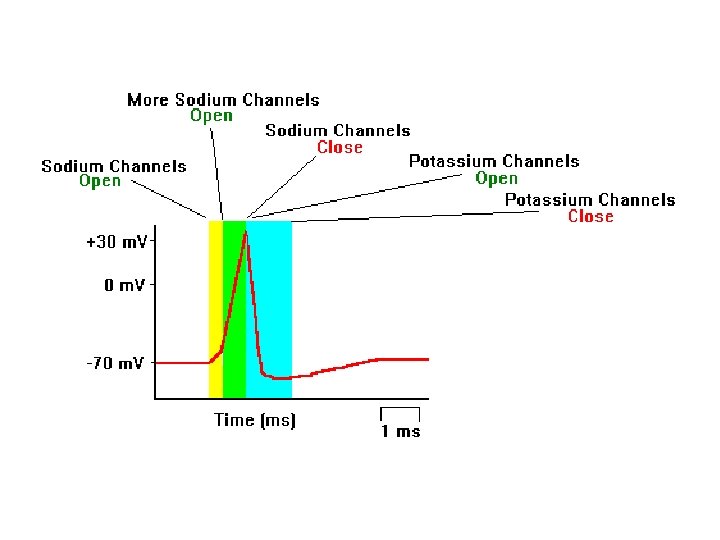
How is the action potential generated? http: //faculty. washington. edu/chudler/ap. html
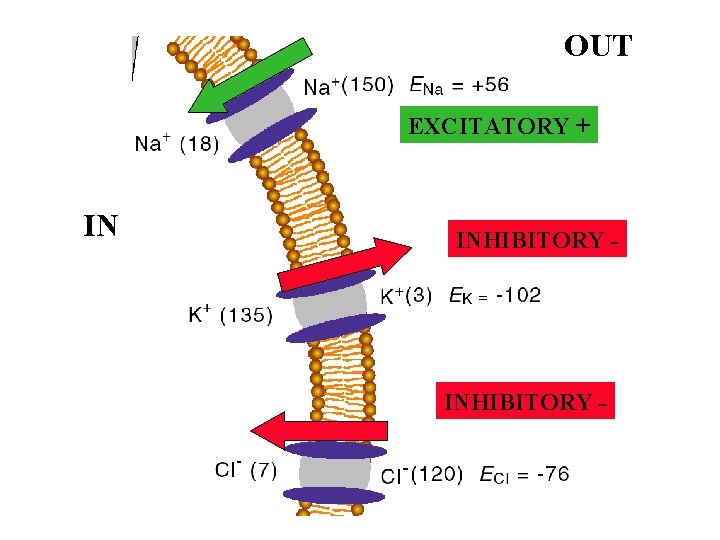
OUT EXCITATORY + IN INHIBITORY -
Look at the animation! http: //faculty. washington. edu/chudler/ap. html
Neurotransmitters
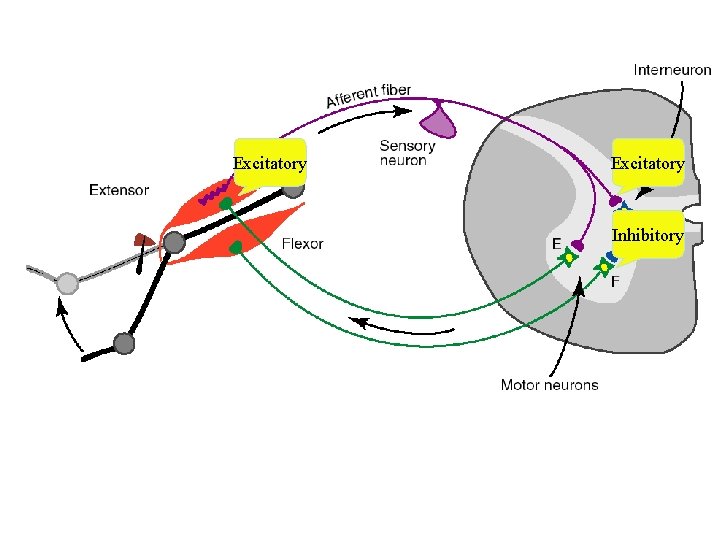
Excitatory Inhibitory
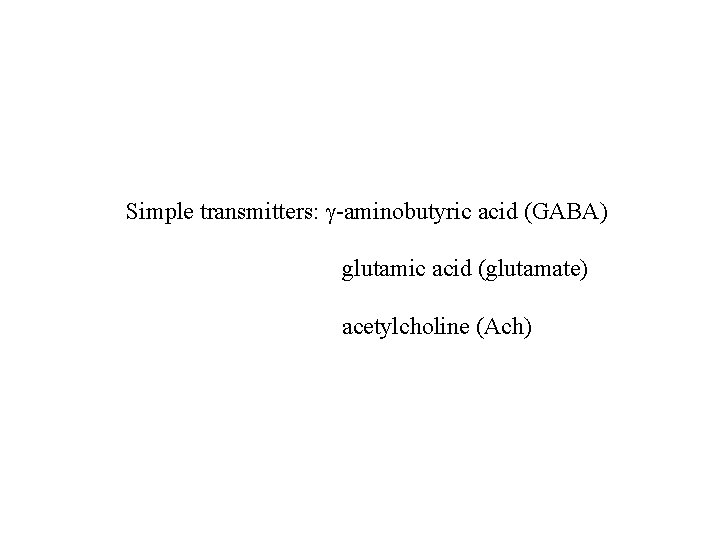
Simple transmitters: g-aminobutyric acid (GABA) glutamic acid (glutamate) acetylcholine (Ach)
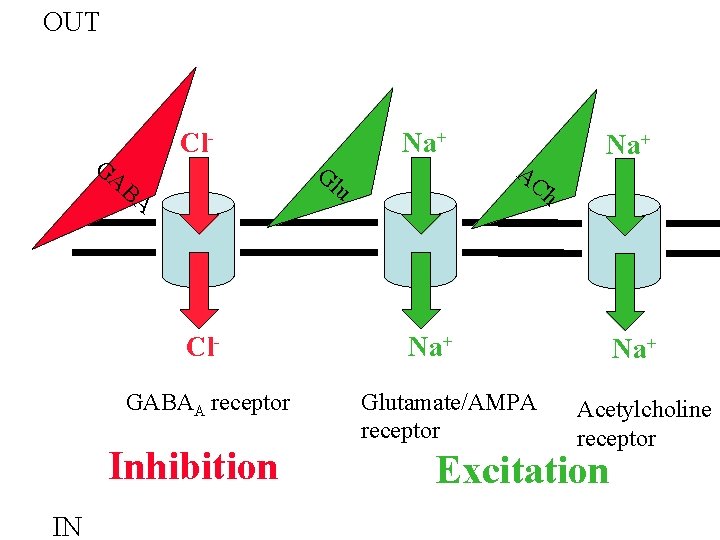
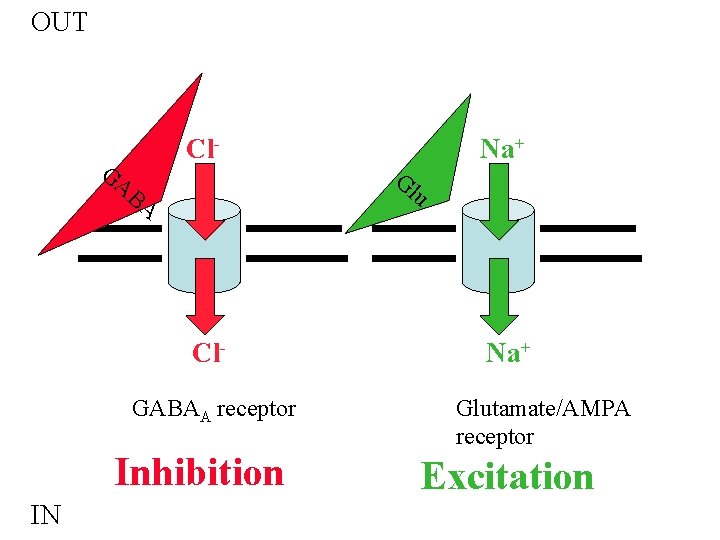
OUT GA Cl. BA u Cl. GABAA receptor Inhibition IN Gl Na+ AC Na+ h Na+ Glutamate/AMPA receptor Na+ Acetylcholine receptor Excitation
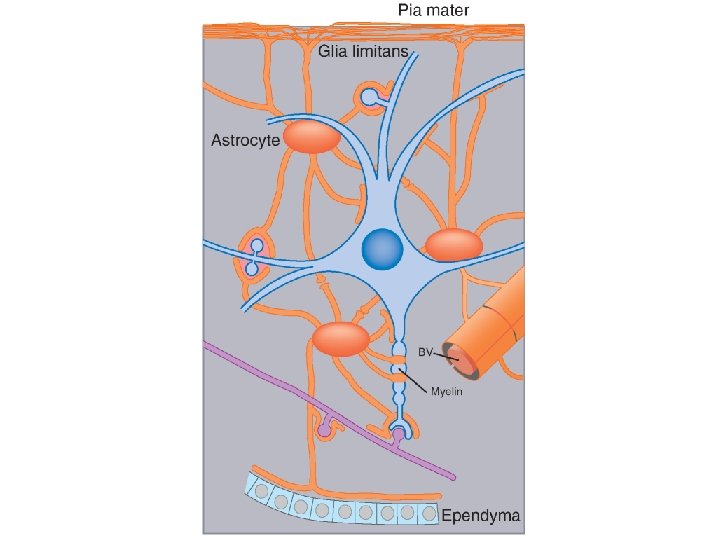
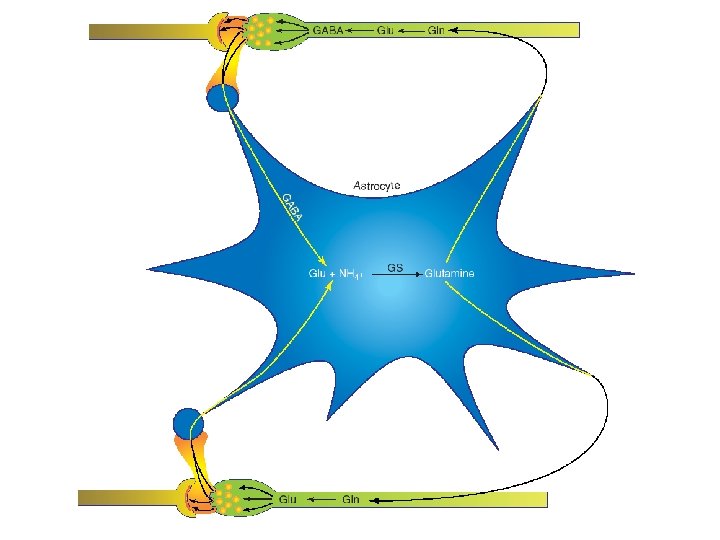
Neurons and glial cells
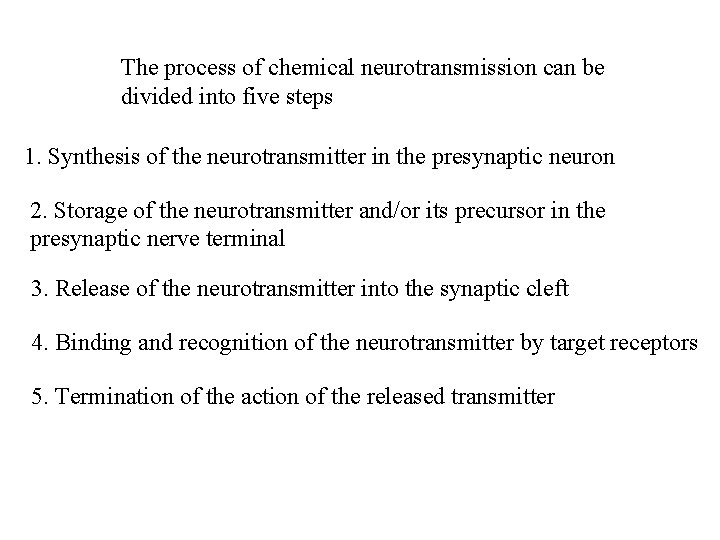
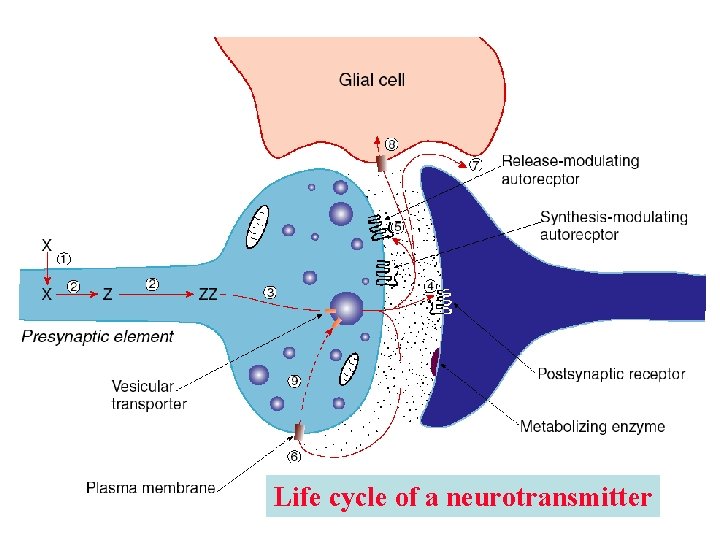
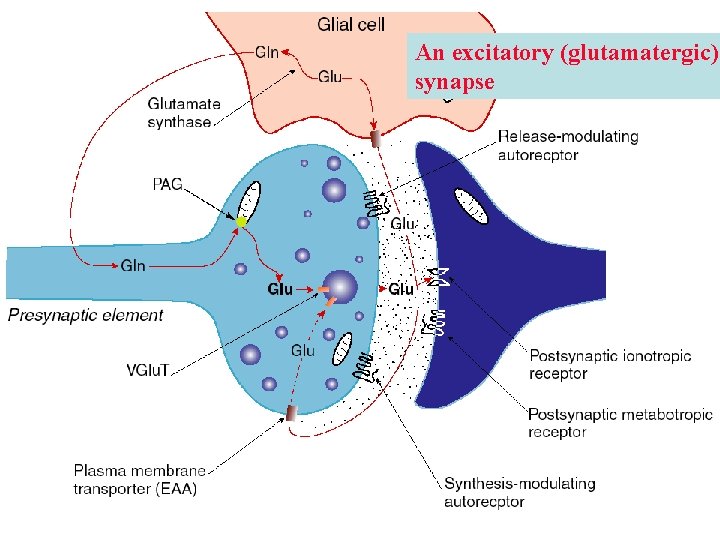
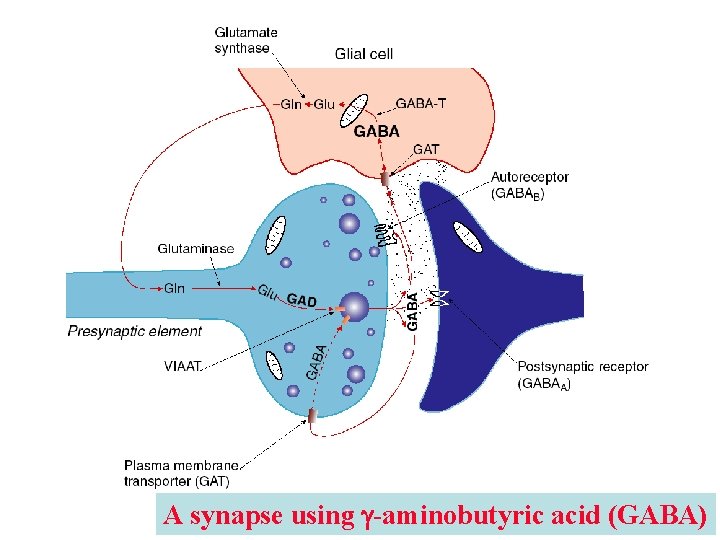
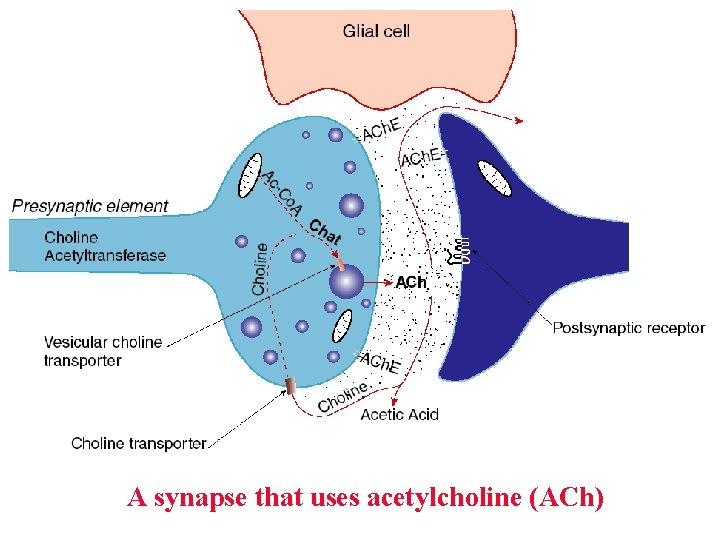
The process of chemical neurotransmission can be divided into five steps 1. Synthesis of the neurotransmitter in the presynaptic neuron 2. Storage of the neurotransmitter and/or its precursor in the presynaptic nerve terminal 3. Release of the neurotransmitter into the synaptic cleft 4. Binding and recognition of the neurotransmitter by target receptors 5. Termination of the action of the released transmitter
Life cycle of a neurotransmitter
An excitatory (glutamatergic) synapse
A synapse using g-aminobutyric acid (GABA)
A synapse that uses acetylcholine (ACh)
Simple circuits
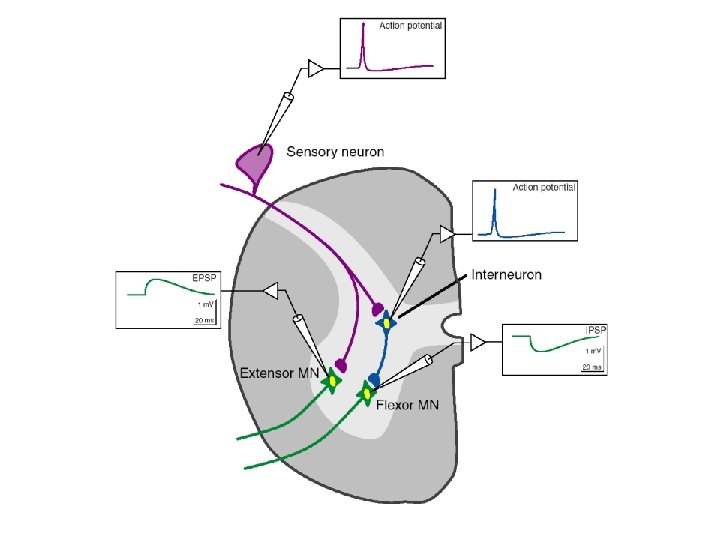
Feed-forward inhibition
Negative feedback Feedback inhibition
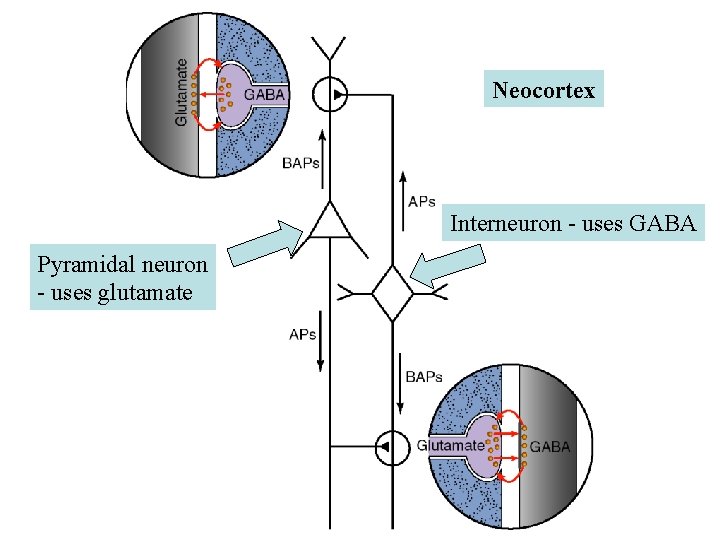
Neocortex Interneuron - uses GABA Pyramidal neuron - uses glutamate
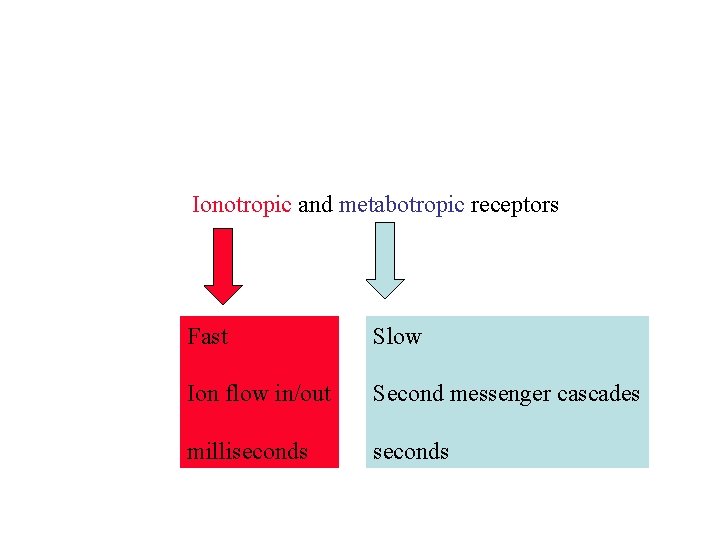
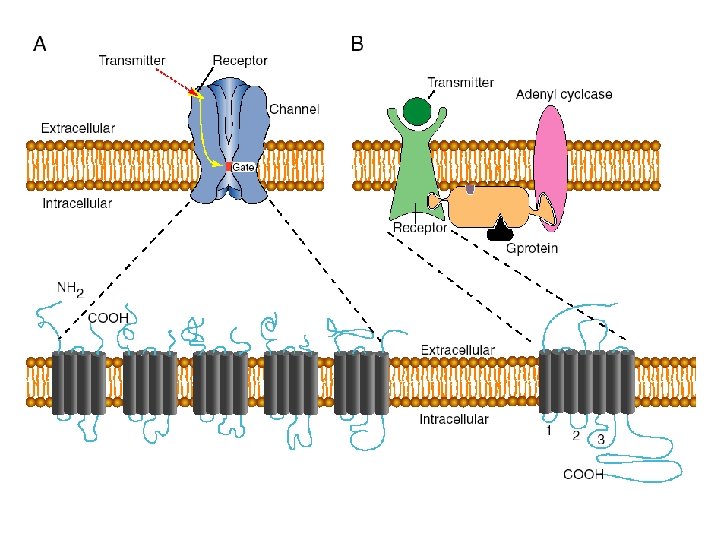
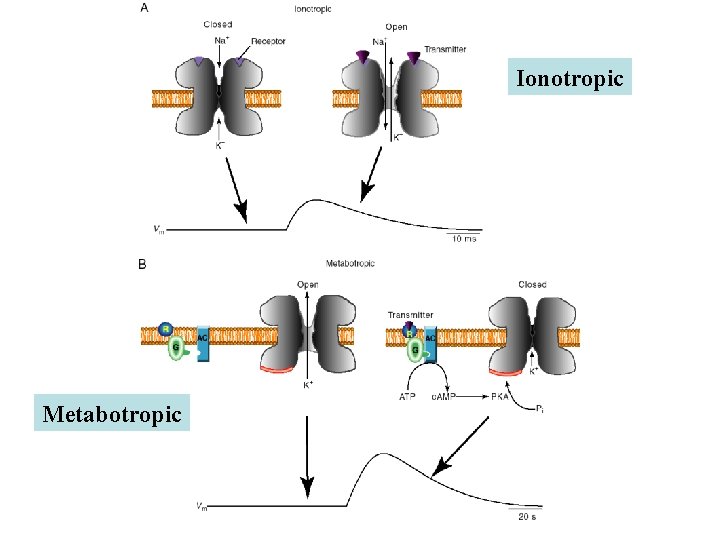
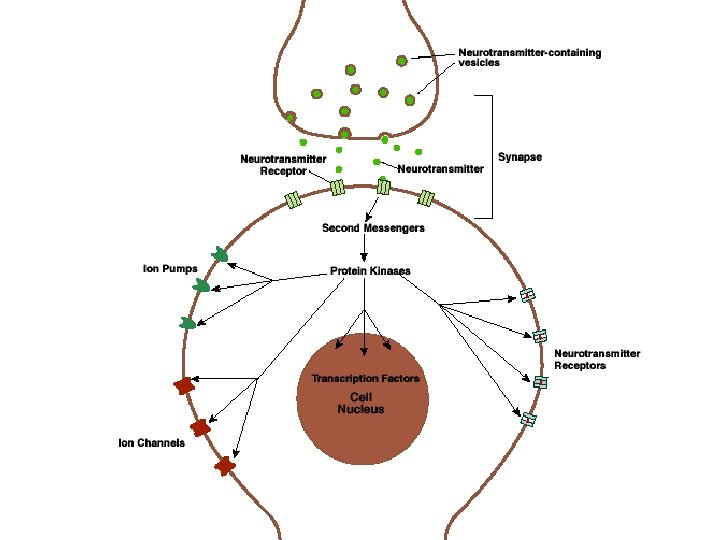
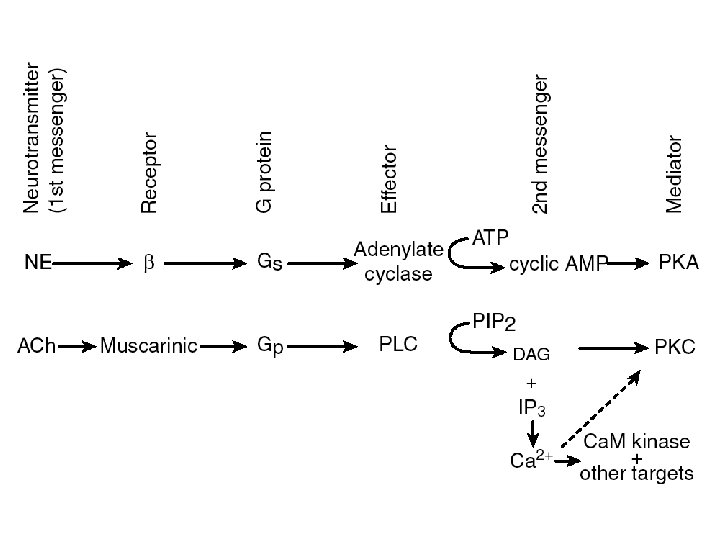
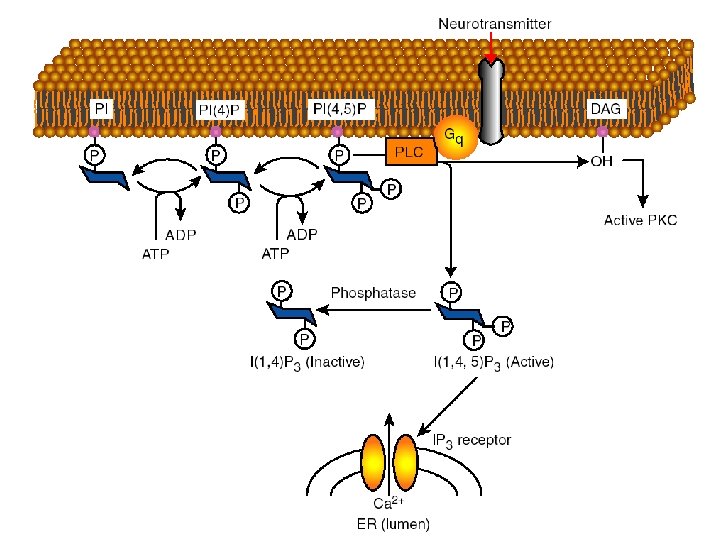
Ionotropic and metabotropic receptors Fast Slow Ion flow in/out Second messenger cascades milliseconds
Ionotropic Metabotropic
OUT GA Cl. BA u Cl. GABAA receptor Inhibition IN Gl Na+ Glutamate/AMPA receptor Excitation
Neuromodulators Slow synaptic transmission