2018 Key Stage 1 SATs Mathematics Arithmetic Reasoning



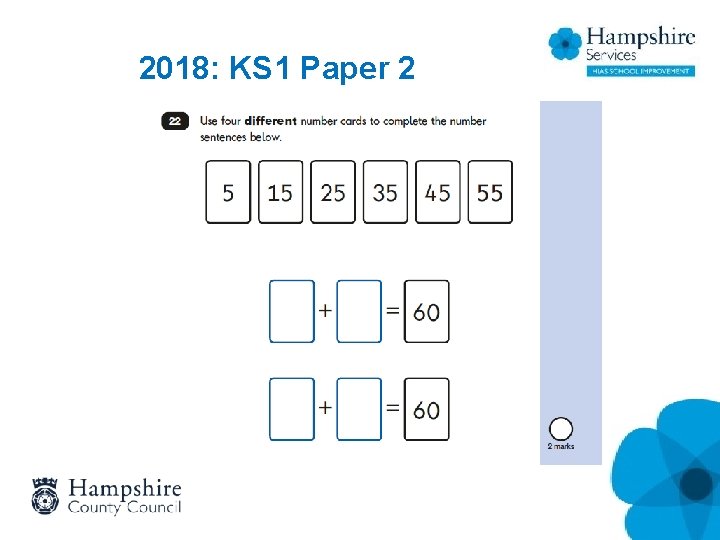
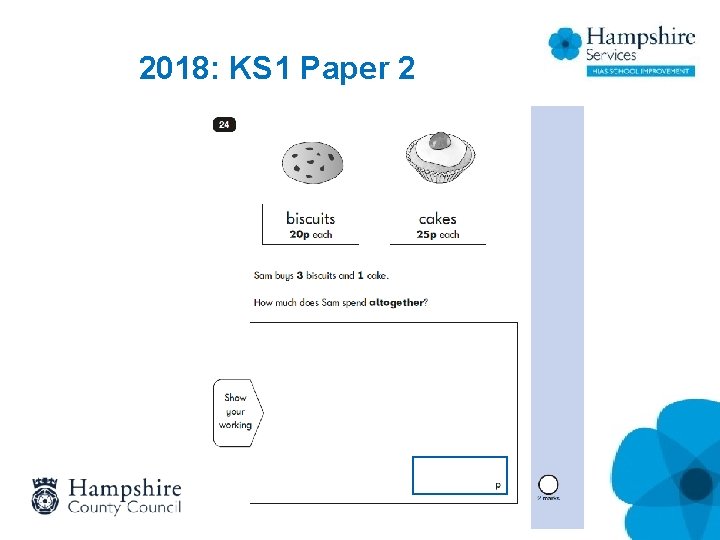
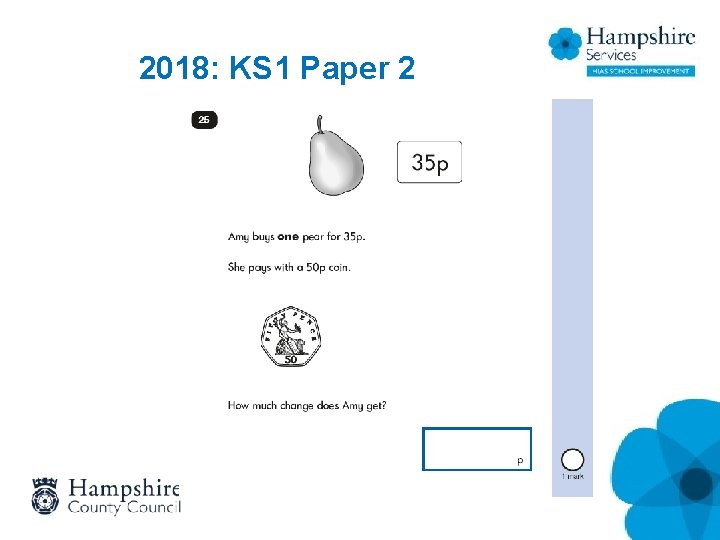
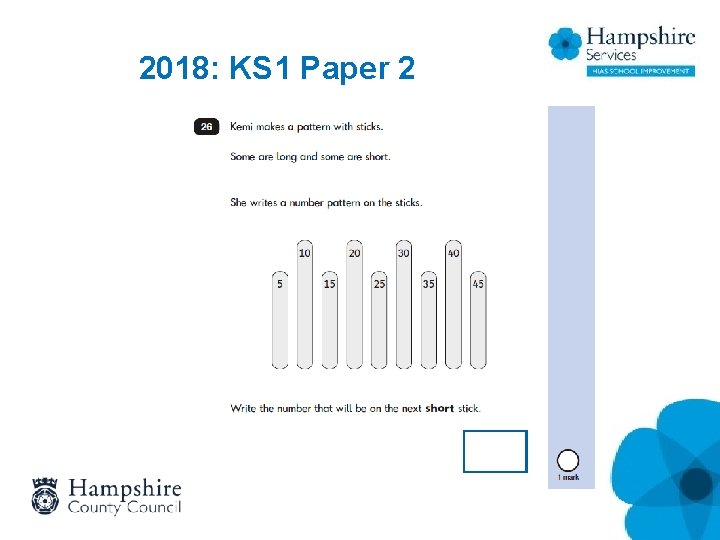

- Slides: 44
2018 Key Stage 1 SATs Mathematics Arithmetic Reasoning Paper End of Key Stage Teacher assessment 2018/19 Pre Key Stage 1 Teacher Assessment 2018/19
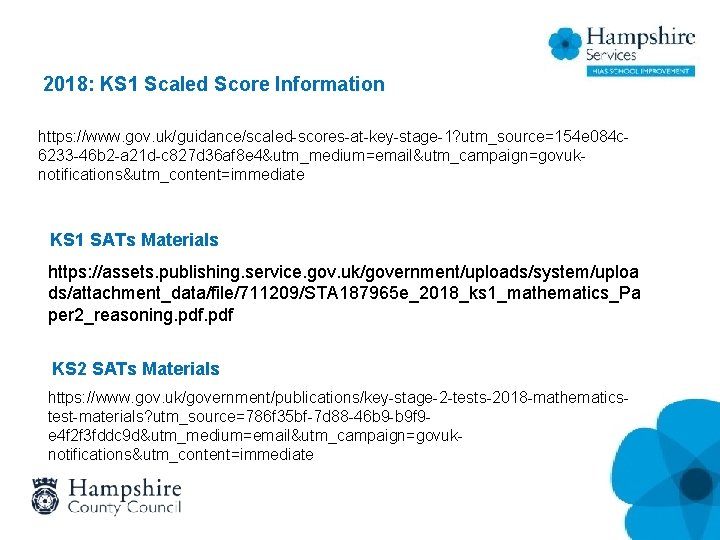
2018: KS 1 Scaled Score Information https: //www. gov. uk/guidance/scaled-scores-at-key-stage-1? utm_source=154 e 084 c 6233 -46 b 2 -a 21 d-c 827 d 36 af 8 e 4&utm_medium=email&utm_campaign=govuknotifications&utm_content=immediate KS 1 SATs Materials https: //assets. publishing. service. gov. uk/government/uploads/system/uploa ds/attachment_data/file/711209/STA 187965 e_2018_ks 1_mathematics_Pa per 2_reasoning. pdf KS 2 SATs Materials https: //www. gov. uk/government/publications/key-stage-2 -tests-2018 -mathematicstest-materials? utm_source=786 f 35 bf-7 d 88 -46 b 9 -b 9 f 9 e 4 f 2 f 3 fddc 9 d&utm_medium=email&utm_campaign=govuknotifications&utm_content=immediate
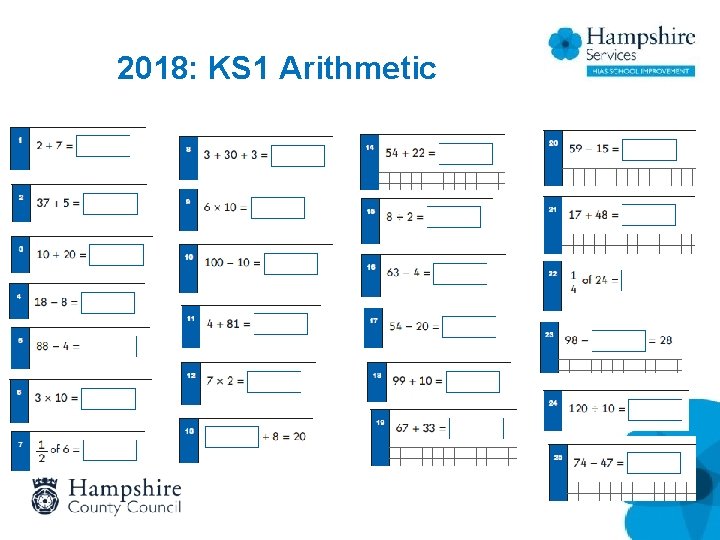
2018: KS 1 Arithmetic
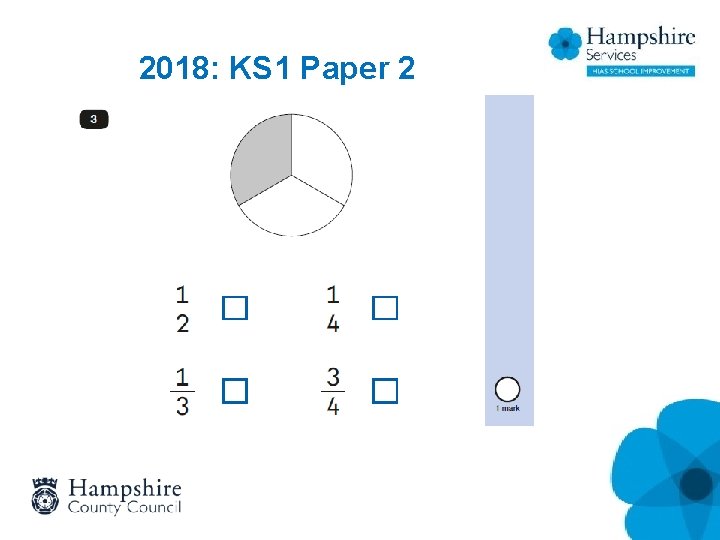
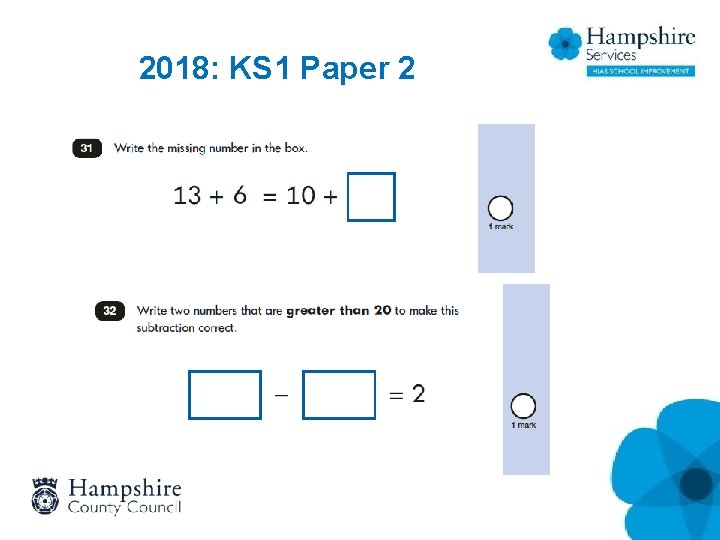
2018: KS 1 Paper 2
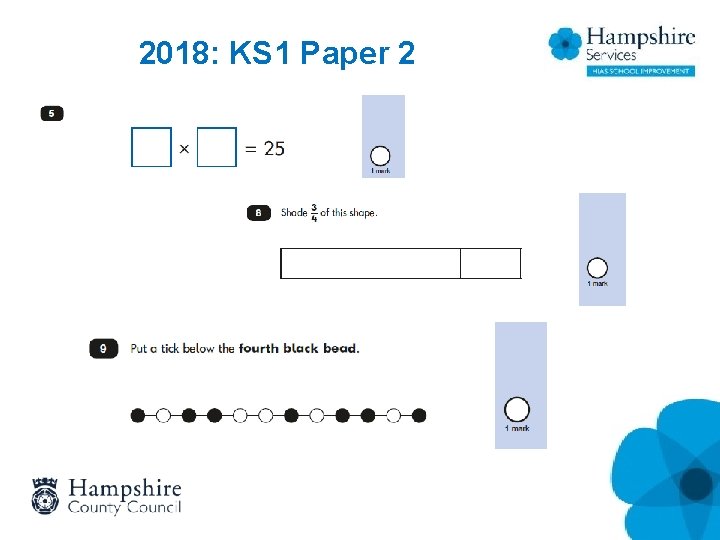
2018: KS 1 Paper 2
2018: KS 1 Paper 2
2018: KS 1 Paper 2
2018: KS 1 Paper 2
2018: KS 1 Paper 2
2018: KS 1 Paper 2
2018: KS 1 Paper 2
2018: KS 1 Paper 2
2018: KS 1 Paper 2
2018: KS 1 Paper 2
2018: KS 1 Paper 2
2018: KS 1 Paper 2
2018: KS 1 Paper 2
2018: KS 1 Paper 2
2018: KS 1 Paper 2
2018: KS 1 Paper 2
2018: KS 1 Paper 2
2018: KS 1 Paper 2
2018: KS 1 Paper 2
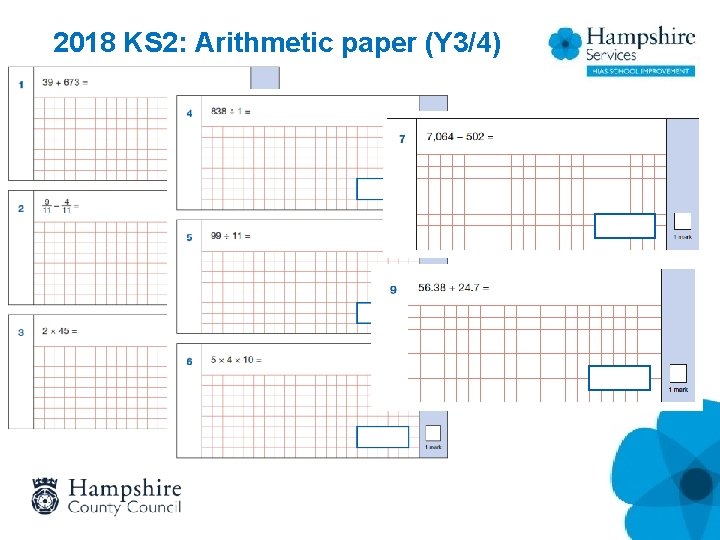
2018 KS 2: Arithmetic paper (Y 3/4)
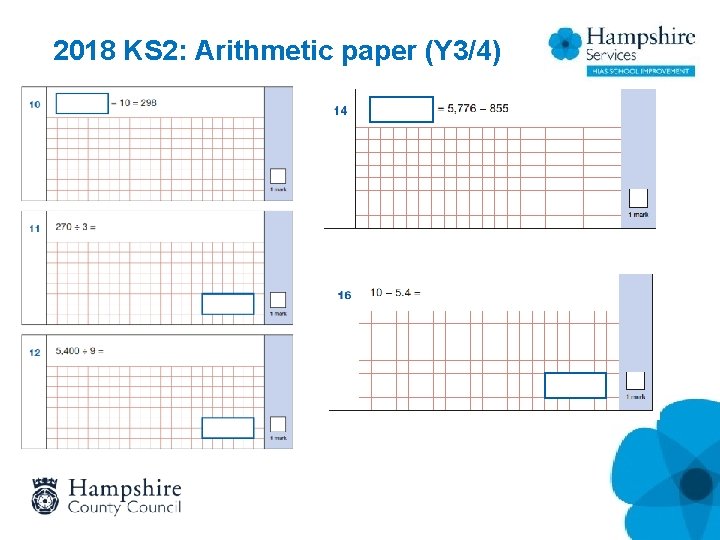
2018 KS 2: Arithmetic paper (Y 3/4)
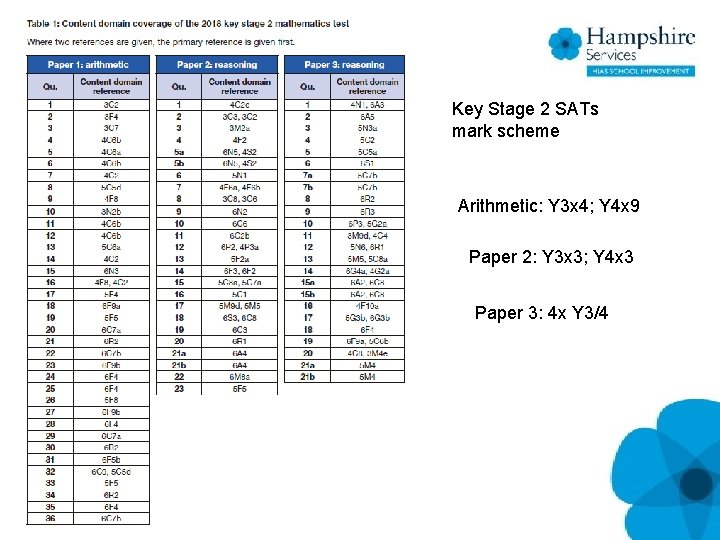
Key Stage 2 SATs mark scheme Arithmetic: Y 3 x 4; Y 4 x 9 Paper 2: Y 3 x 3; Y 4 x 3 Paper 3: 4 x Y 3/4
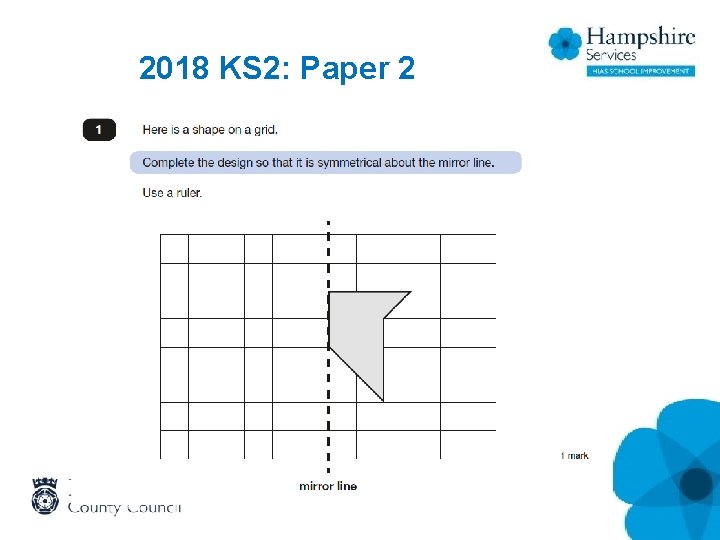
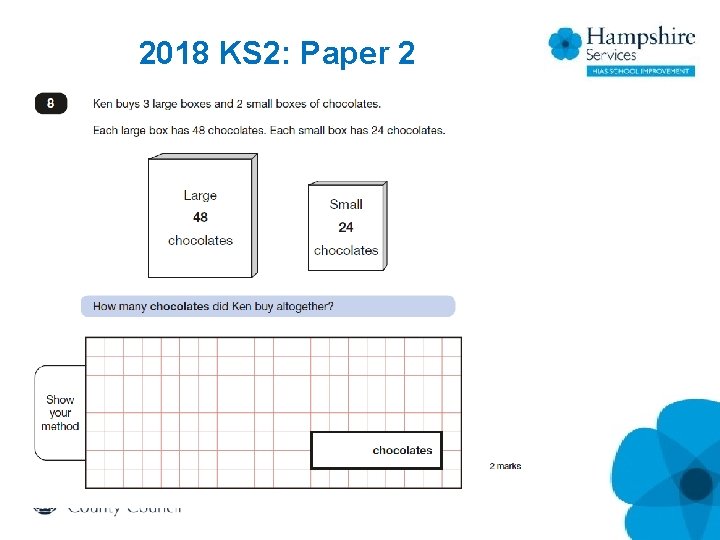
2018 KS 2: Paper 2
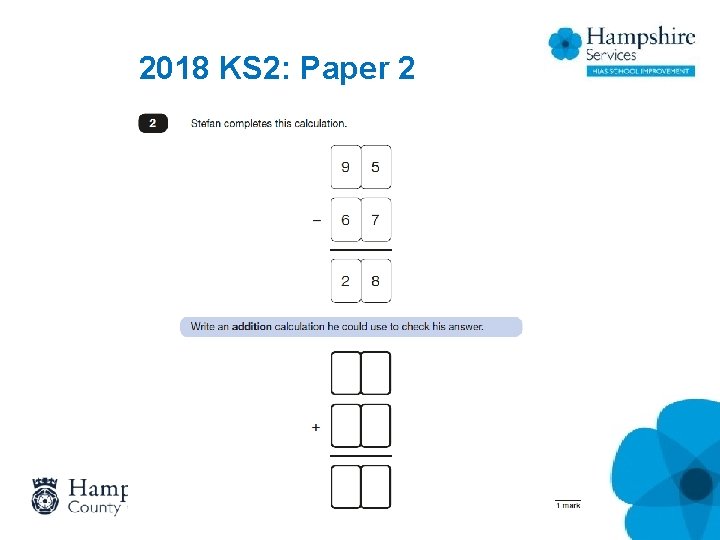
2018 KS 2: Paper 2
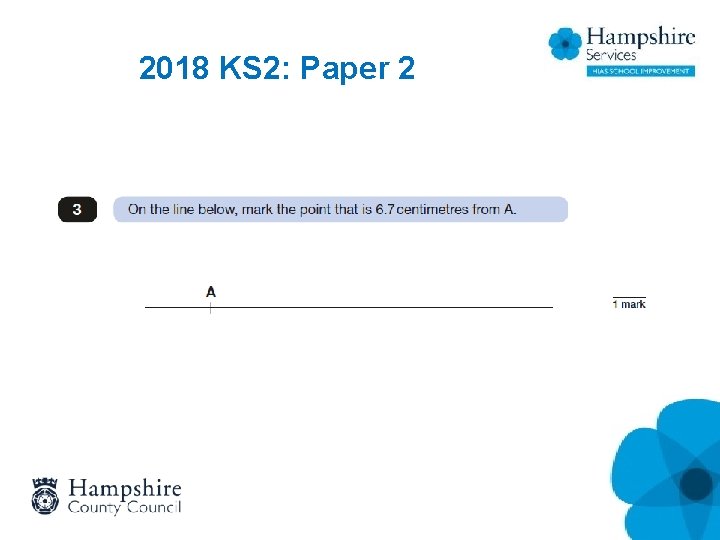
2018 KS 2: Paper 2
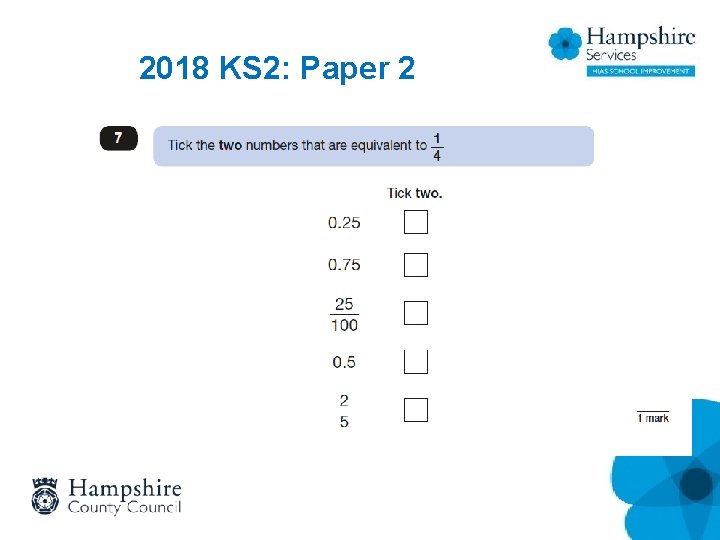
2018 KS 2: Paper 2
2018 KS 2: Paper 2
2018 KS 2: Paper 2
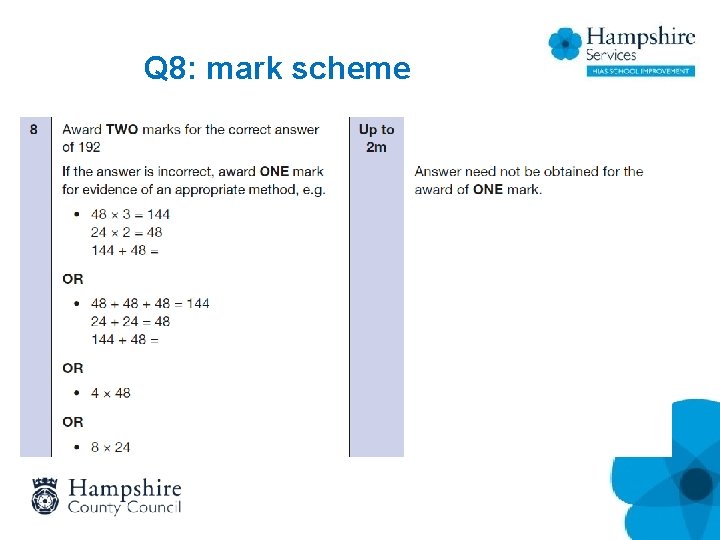
Q 8: mark scheme
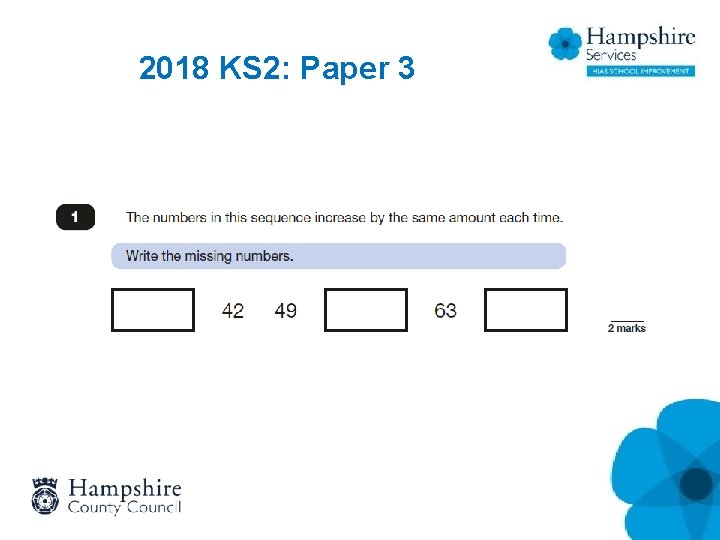
2018 KS 2: Paper 3
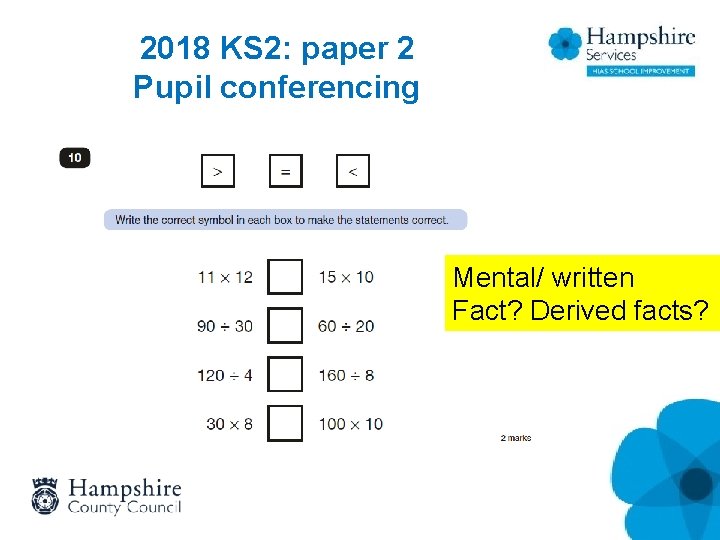
2018 KS 2: paper 2 Pupil conferencing Mental/ written Fact? Derived facts?
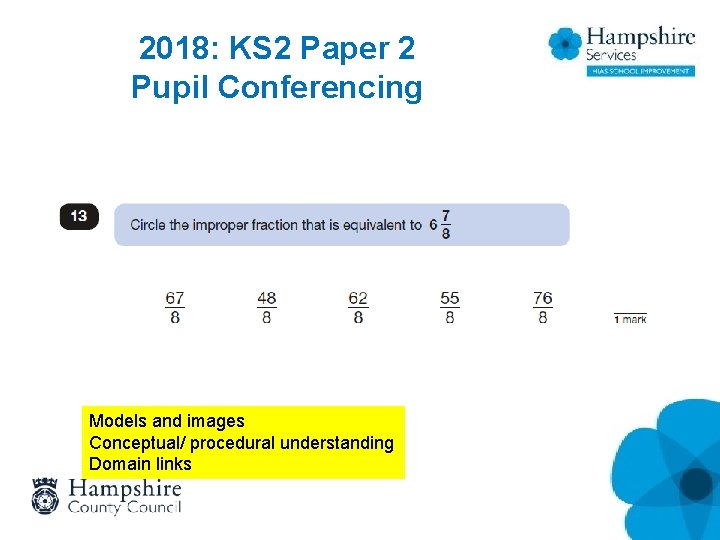
2018: KS 2 Paper 2 Pupil Conferencing Models and images Conceptual/ procedural understanding Domain links
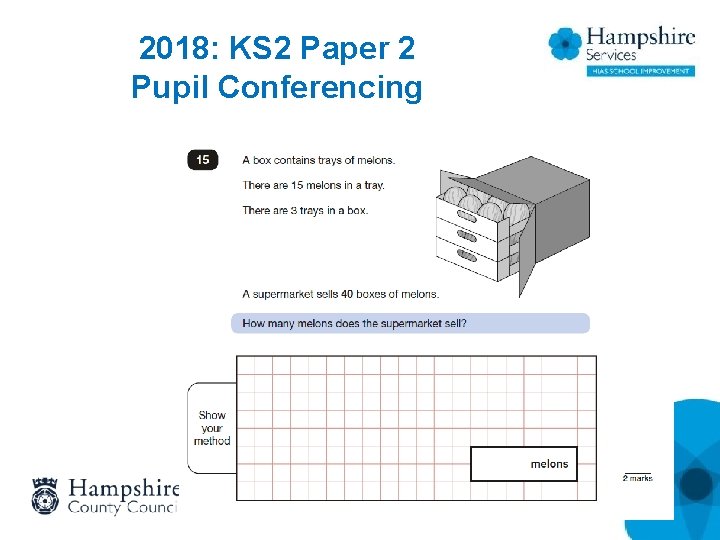
2018: KS 2 Paper 2 Pupil Conferencing
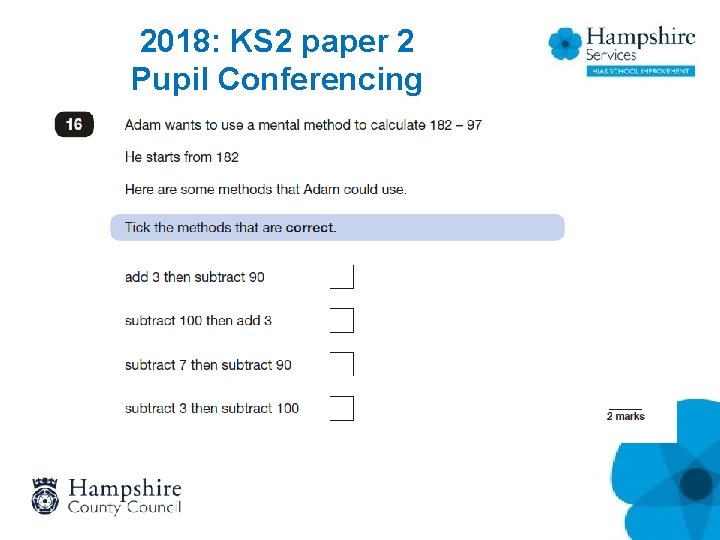
2018: KS 2 paper 2 Pupil Conferencing
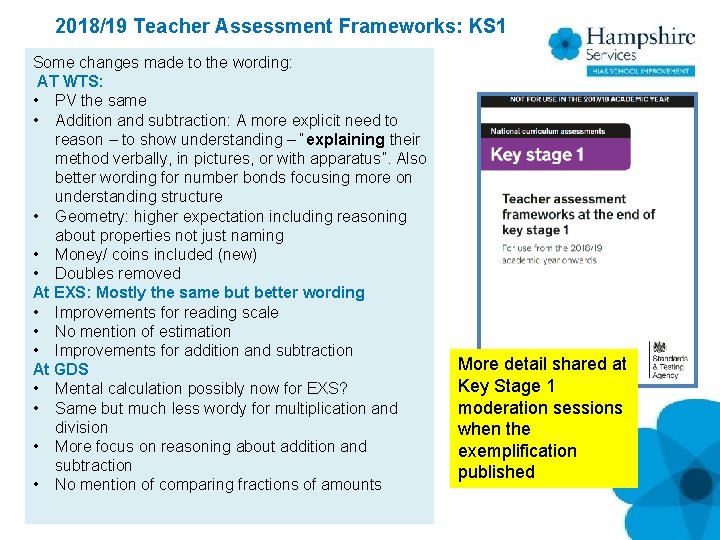
2018/19 Teacher Assessment Frameworks: KS 1 Some changes made to the wording: AT WTS: • PV the same • Addition and subtraction: A more explicit need to reason – to show understanding – “explaining their method verbally, in pictures, or with apparatus”. Also better wording for number bonds focusing more on understanding structure • Geometry: higher expectation including reasoning about properties not just naming • Money/ coins included (new) • Doubles removed At EXS: Mostly the same but better wording • Improvements for reading scale • No mention of estimation • Improvements for addition and subtraction At GDS • Mental calculation possibly now for EXS? • Same but much less wordy for multiplication and division • More focus on reasoning about addition and subtraction • No mention of comparing fractions of amounts More detail shared at Key Stage 1 moderation sessions when the exemplification published
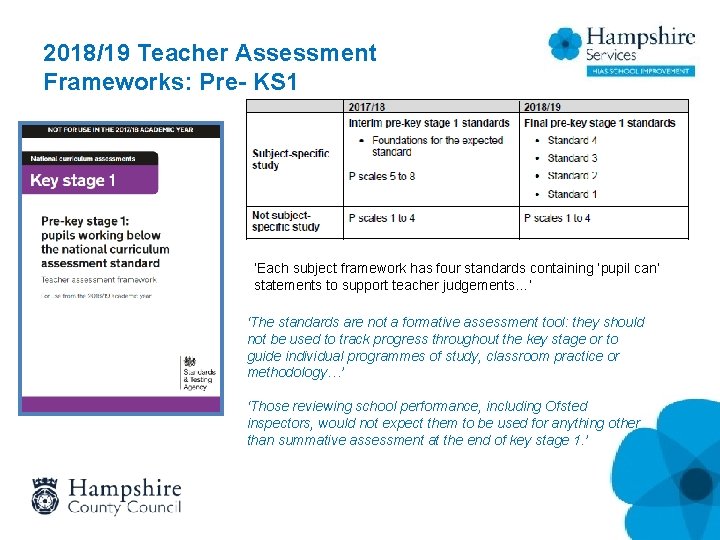
2018/19 Teacher Assessment Frameworks: Pre- KS 1 ‘Each subject framework has four standards containing ‘pupil can’ statements to support teacher judgements…’ ‘The standards are not a formative assessment tool: they should not be used to track progress throughout the key stage or to guide individual programmes of study, classroom practice or methodology…’ ‘Those reviewing school performance, including Ofsted inspectors, would not expect them to be used for anything other than summative assessment at the end of key stage 1. ’
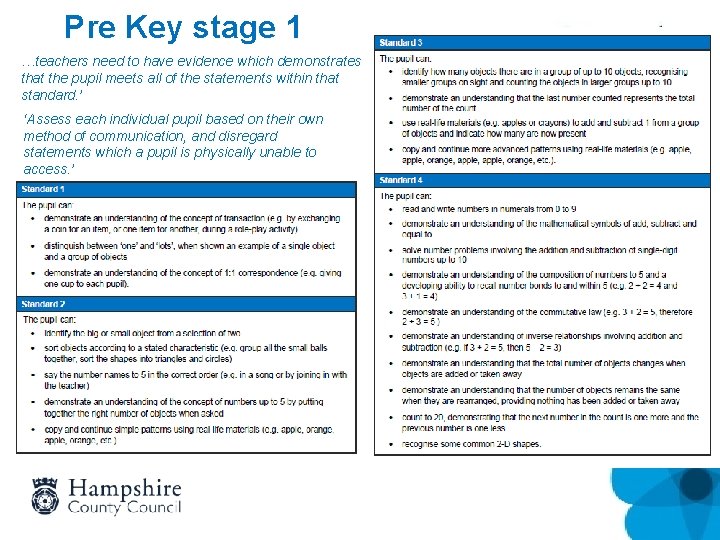
Pre Key stage 1 …teachers need to have evidence which demonstrates that the pupil meets all of the statements within that standard. ’ ‘Assess each individual pupil based on their own method of communication, and disregard statements which a pupil is physically unable to access. ’
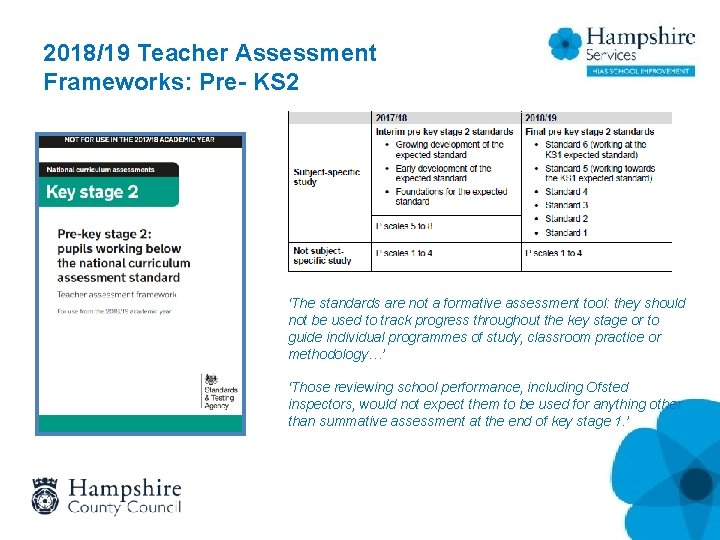
2018/19 Teacher Assessment Frameworks: Pre- KS 2 ‘The standards are not a formative assessment tool: they should not be used to track progress throughout the key stage or to guide individual programmes of study, classroom practice or methodology…’ ‘Those reviewing school performance, including Ofsted inspectors, would not expect them to be used for anything other than summative assessment at the end of key stage 1. ’
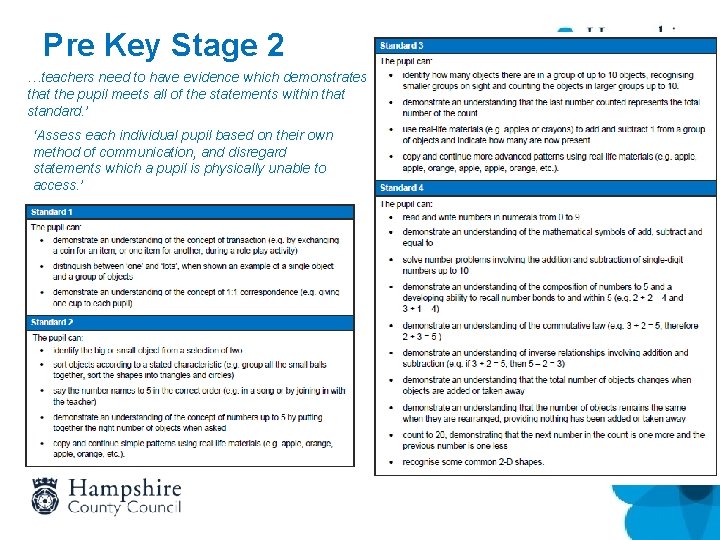
Pre Key Stage 2 …teachers need to have evidence which demonstrates that the pupil meets all of the statements within that standard. ’ ‘Assess each individual pupil based on their own method of communication, and disregard statements which a pupil is physically unable to access. ’