18734 Foundations of Privacy Course Review Anupam Datta
- Slides: 29
18734: Foundations of Privacy Course Review Anupam Datta CMU Fall 2017
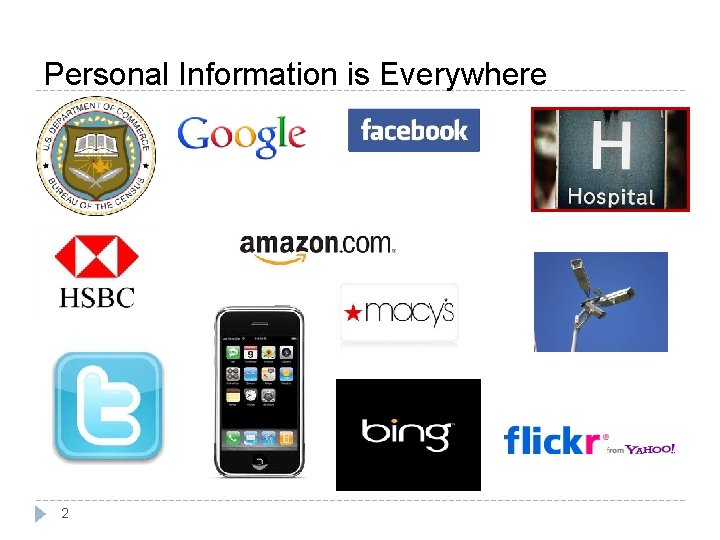
Personal Information is Everywhere 2
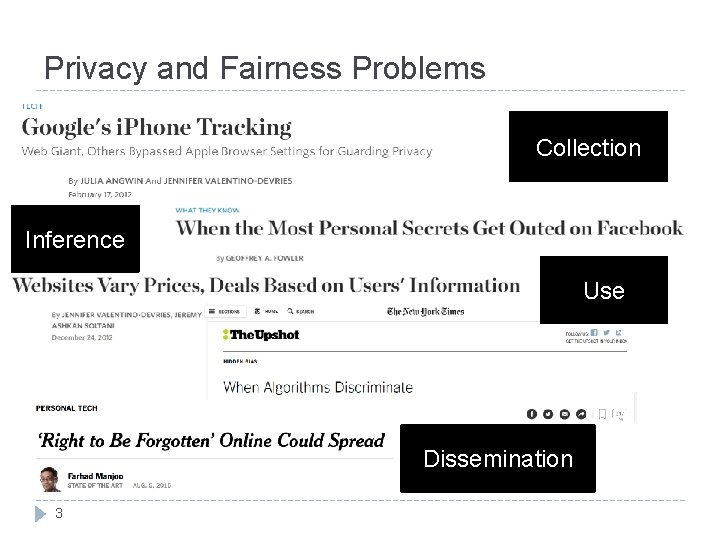
Privacy and Fairness Problems Collection Inference Use Dissemination 3
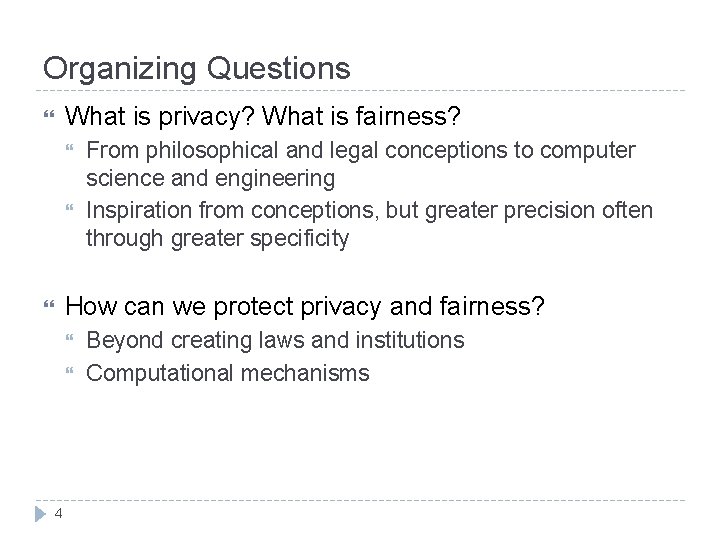
Organizing Questions What is privacy? What is fairness? From philosophical and legal conceptions to computer science and engineering Inspiration from conceptions, but greater precision often through greater specificity How can we protect privacy and fairness? 4 Beyond creating laws and institutions Computational mechanisms
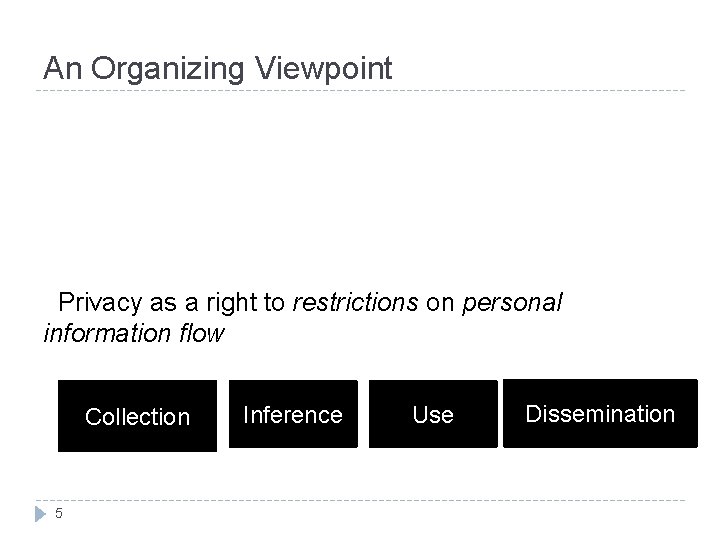
An Organizing Viewpoint Privacy as a right to restrictions on personal information flow Collection 5 Inference Use Dissemination
Privacy enhancing technology adoption Some drivers User/citizen trust Ethics/culture Internal team Regulation Public opinion 6
Privacy Problems 7
Module I: Privacy through Accountability Collection 8 Use Dissemination
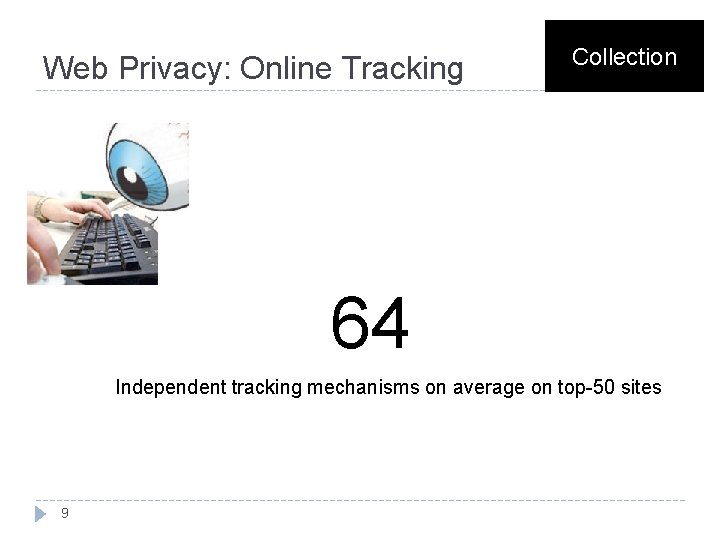
Web Privacy: Online Tracking Collection 64 Independent tracking mechanisms on average on top-50 sites 9
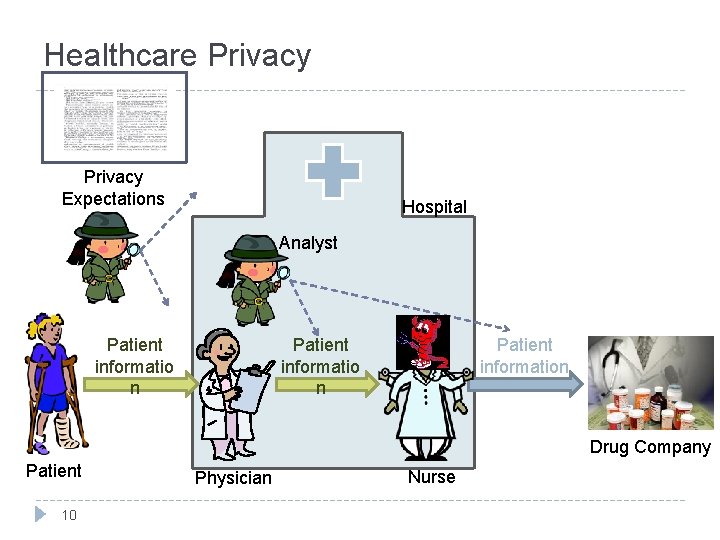
Healthcare Privacy Expectations Hospital Analyst Patient informatio n Patient information Drug Company Patient 10 Physician Nurse
HIPAA Privacy Rule Use Dissemination A covered entity may disclose an individual’s protected health information (phi) to law-enforcement officials for the purpose of identifying an individual if the individual made a statement admitting participating in a violent crime that the covered entity believes may have caused serious physical harm to the victim 11
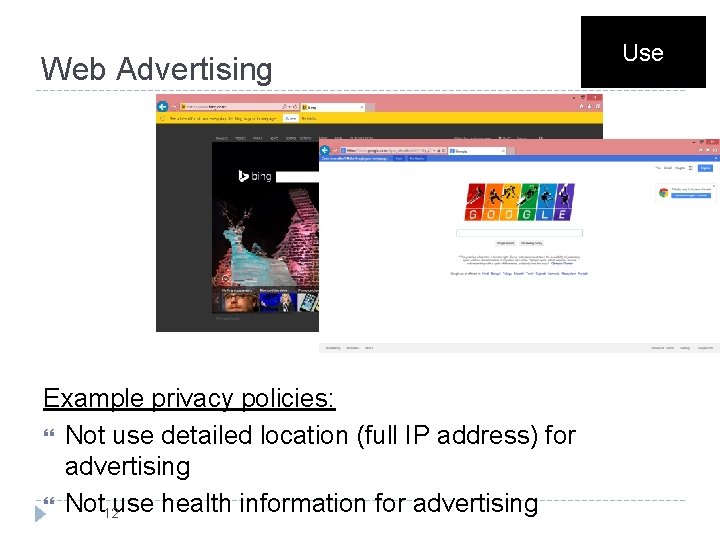
Web Advertising Example privacy policies: Not use detailed location (full IP address) for advertising Not 12 use health information for advertising Use
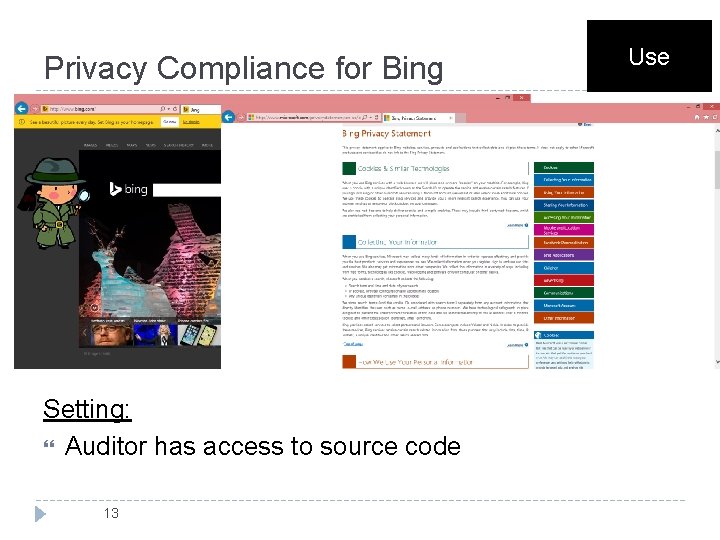
Privacy Compliance for Bing Setting: Auditor has access to source code 13 Use
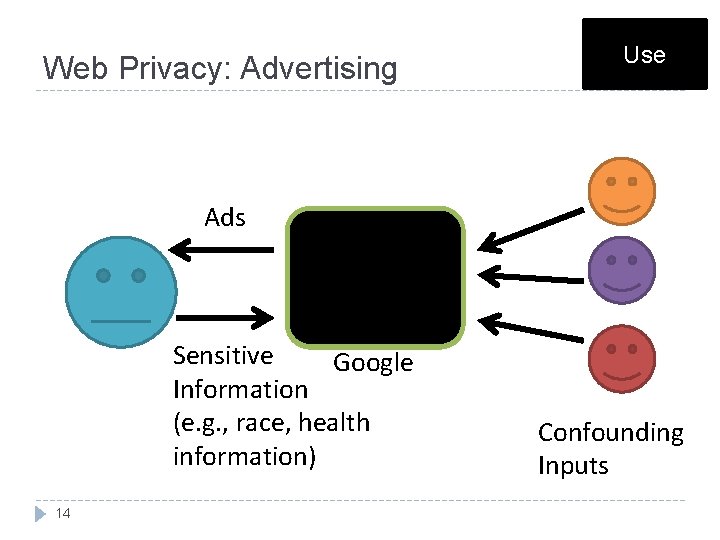
Web Privacy: Advertising Use Ads Sensitive Google Information (e. g. , race, health information) 14 Confounding Inputs
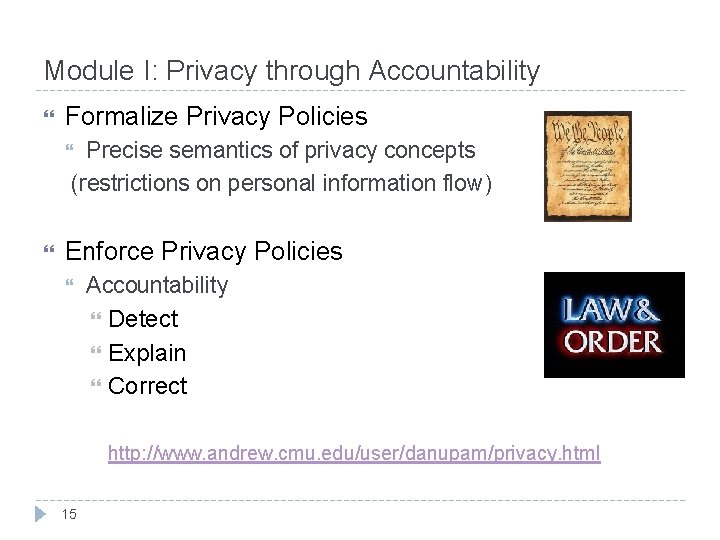
Module I: Privacy through Accountability Formalize Privacy Policies Precise semantics of privacy concepts (restrictions on personal information flow) Enforce Privacy Policies Accountability Detect Explain Correct http: //www. andrew. cmu. edu/user/danupam/privacy. html 15
Module I: Learning Outcomes Understanding of real-world privacy policies and laws Methods for detecting privacy violations Experience with audit tools for healthcare privacy Experience with web tracking investigation tool 16
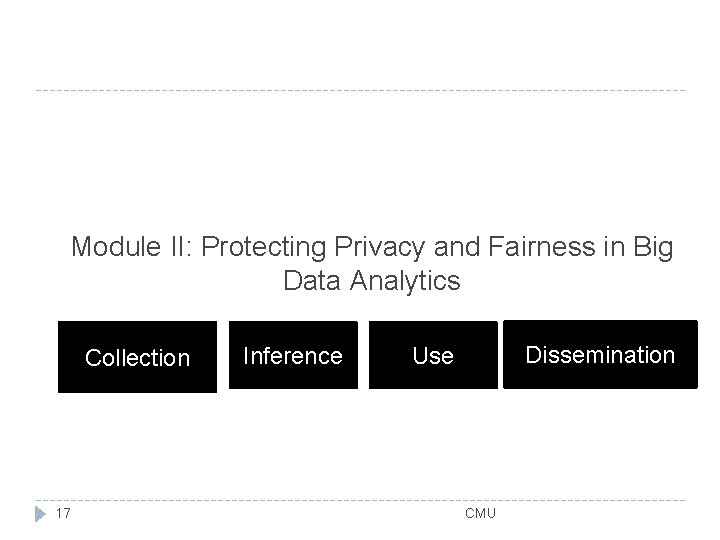
Module II: Protecting Privacy and Fairness in Big Data Analytics Collection 17 Inference Dissemination Use CMU
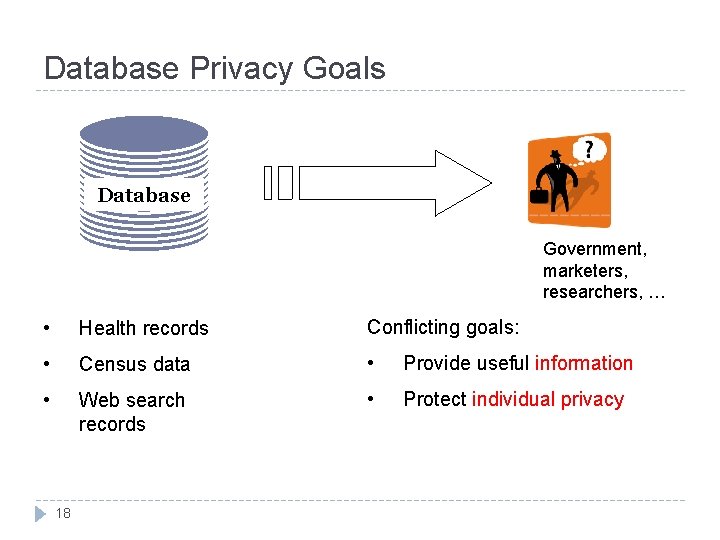
Database Privacy Goals Database Government, marketers, researchers, … • Health records Conflicting goals: • Census data • Provide useful information • Web search records • Protect individual privacy 18
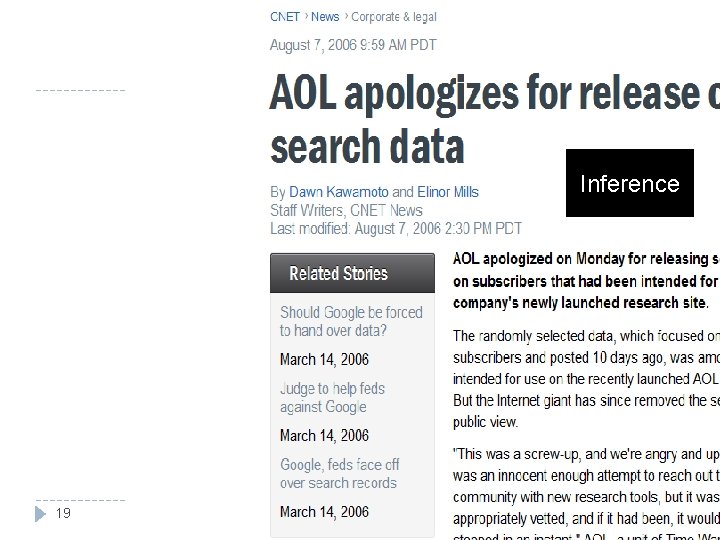
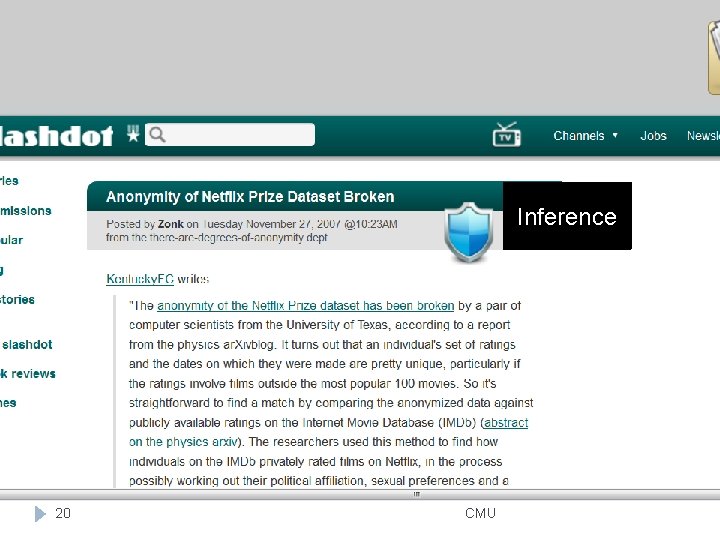
Inference 19 CMU
Inference 20 CMU
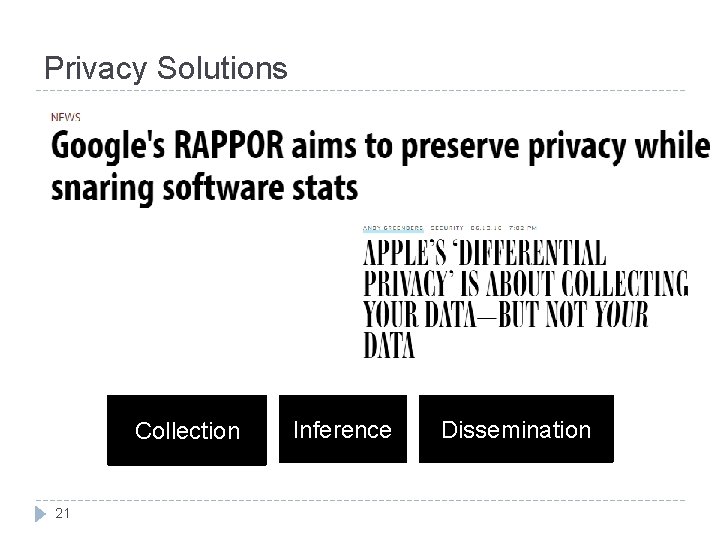
Privacy Solutions Collection 21 Inference Dissemination
Module II: Learning Outcomes Understanding of pitfalls in anonymizing databases Understanding of methods for releasing privacypreserving statistics and their limitations Understanding bias in machine learning and corrective measures Understanding transparency (explanations) for decisions of machine learning systems 22 CMU
Module III: Cryptographic Mechanisms for Privacy Protection Collection 23
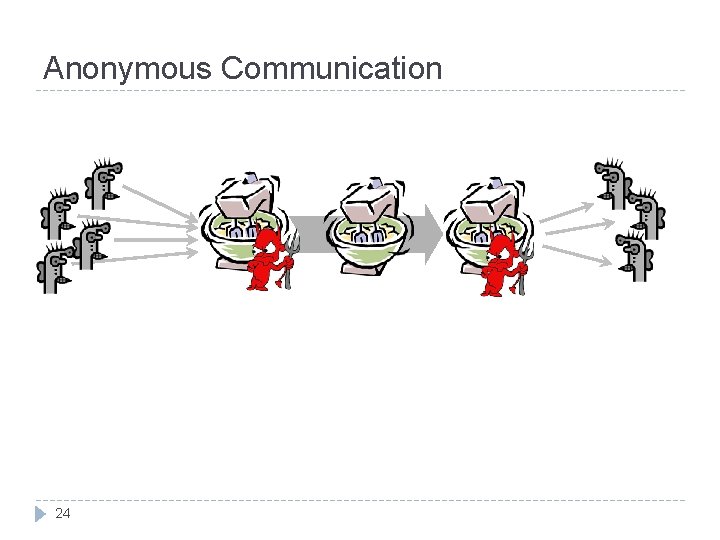
Anonymous Communication 24
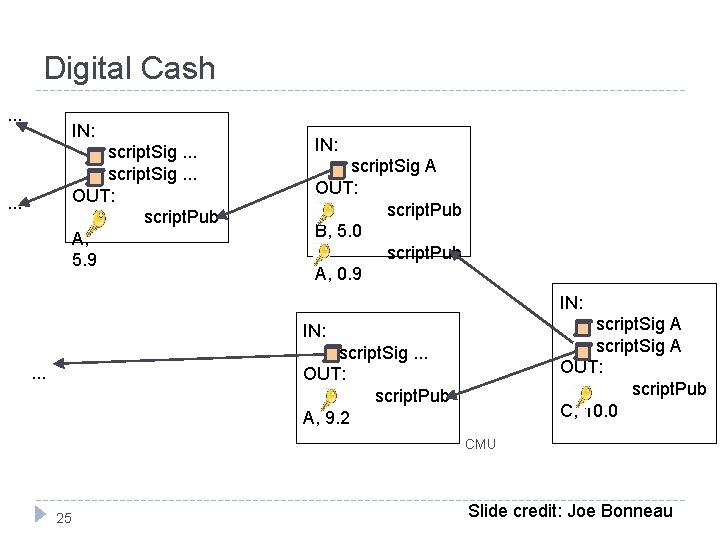
Digital Cash. . . IN: script. Sig. . . OUT: script. Pub A, 5. 9 . . . IN: script. Sig A OUT: script. Pub B, 5. 0 script. Pub A, 0. 9 IN: script. Sig A OUT: script. Pub C, 10. 0 IN: script. Sig. . . OUT: script. Pub A, 9. 2 . . . CMU 25 Slide credit: Joe Bonneau
Module III: Learning Outcomes Understanding of cryptography behind 26 Anonymous communication Anonymous cash (zero-knowledge)
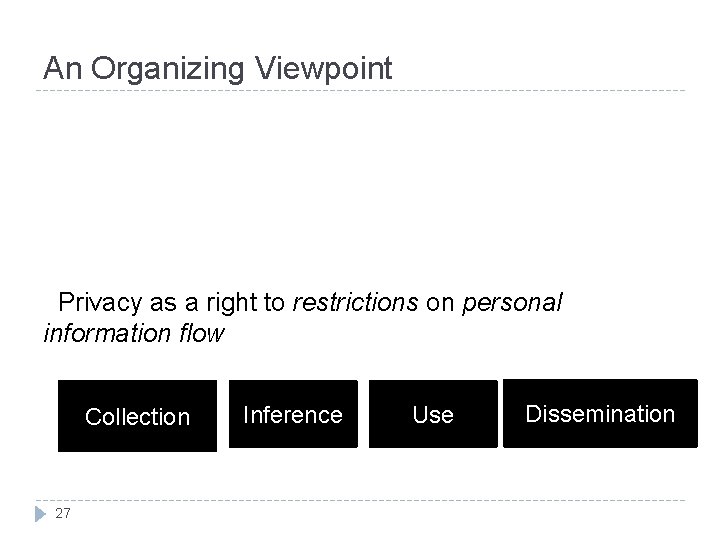
An Organizing Viewpoint Privacy as a right to restrictions on personal information flow Collection 27 Inference Use Dissemination
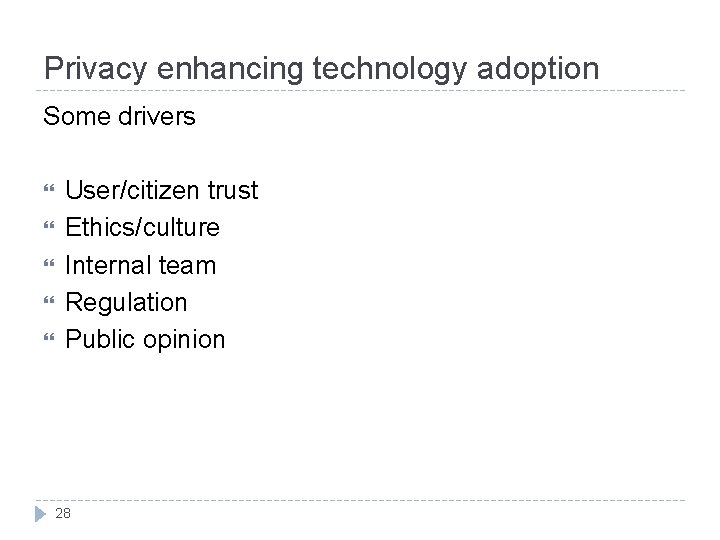
Privacy enhancing technology adoption Some drivers User/citizen trust Ethics/culture Internal team Regulation Public opinion 28
Thanks! Questions? 29