United States History 1877 Present Unit I Notes



- Slides: 96
United States History 1877 Present Unit I Notes Background to American History
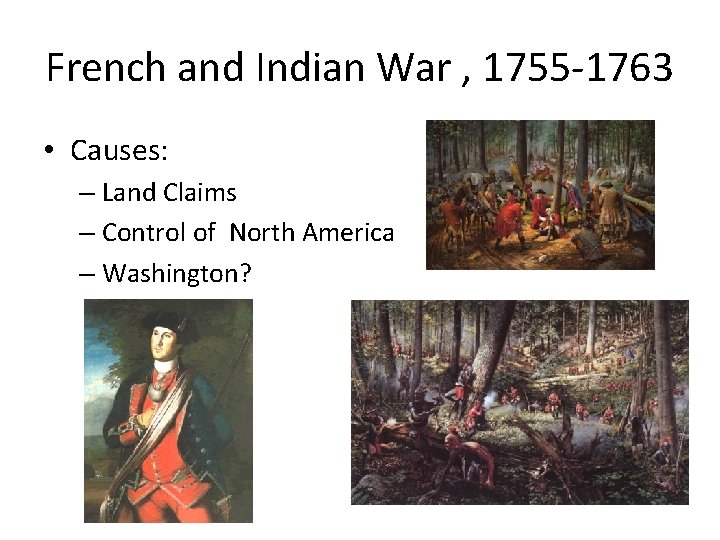
French and Indian War , 1755 -1763 • Causes: – Land Claims – Control of North America – Washington?
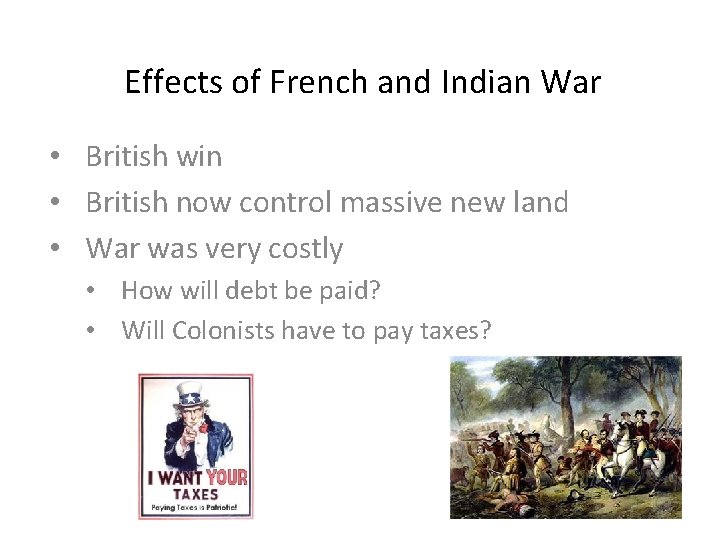
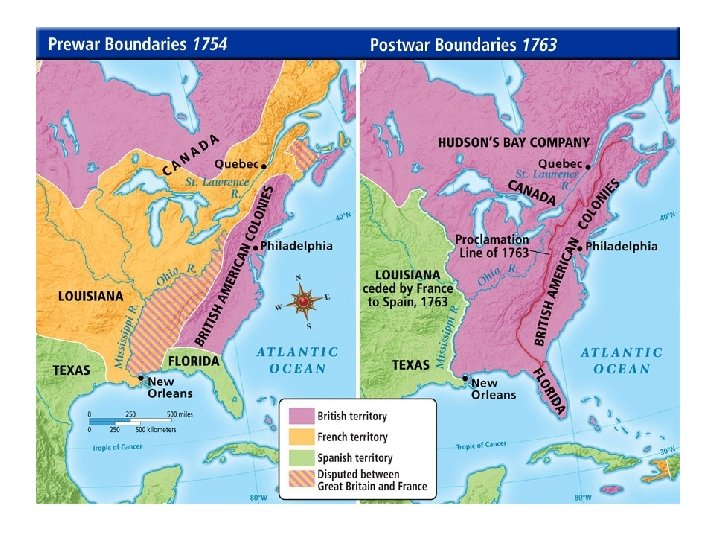
Effects of French and Indian War • British win • British now control massive new land • War was very costly • How will debt be paid? • Will Colonists have to pay taxes?
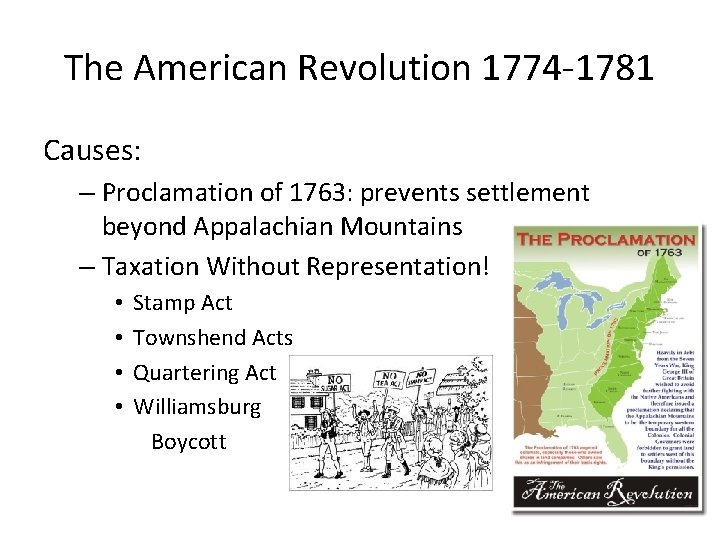
The American Revolution 1774 -1781 Causes: – Proclamation of 1763: prevents settlement beyond Appalachian Mountains – Taxation Without Representation! • • Stamp Act Townshend Acts Quartering Act Williamsburg Boycott
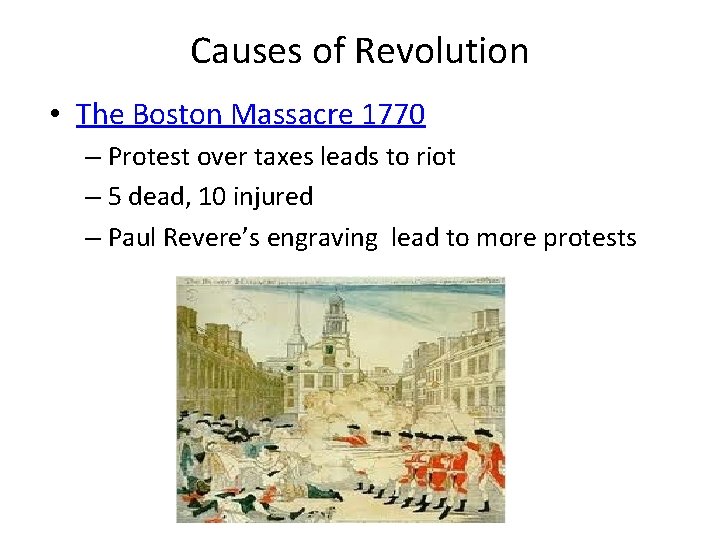
Causes of Revolution • The Boston Massacre 1770 – Protest over taxes leads to riot – 5 dead, 10 injured – Paul Revere’s engraving lead to more protests
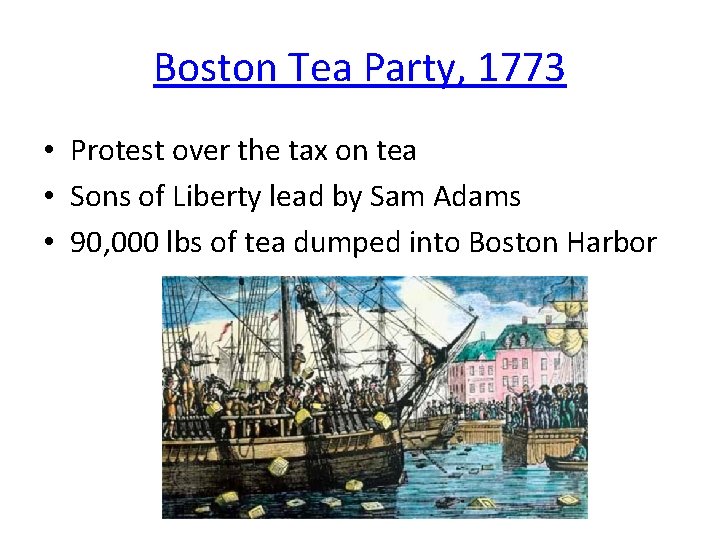
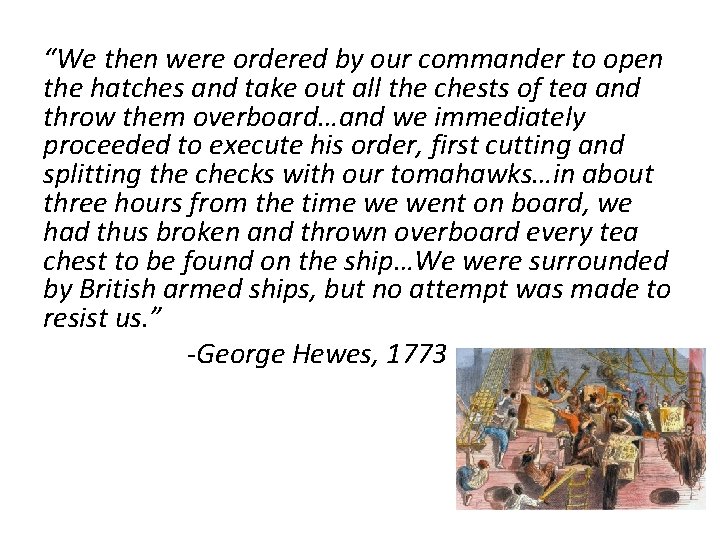
Boston Tea Party, 1773 • Protest over the tax on tea • Sons of Liberty lead by Sam Adams • 90, 000 lbs of tea dumped into Boston Harbor
“We then were ordered by our commander to open the hatches and take out all the chests of tea and throw them overboard…and we immediately proceeded to execute his order, first cutting and splitting the checks with our tomahawks…in about three hours from the time we went on board, we had thus broken and thrown overboard every tea chest to be found on the ship…We were surrounded by British armed ships, but no attempt was made to resist us. ” -George Hewes, 1773
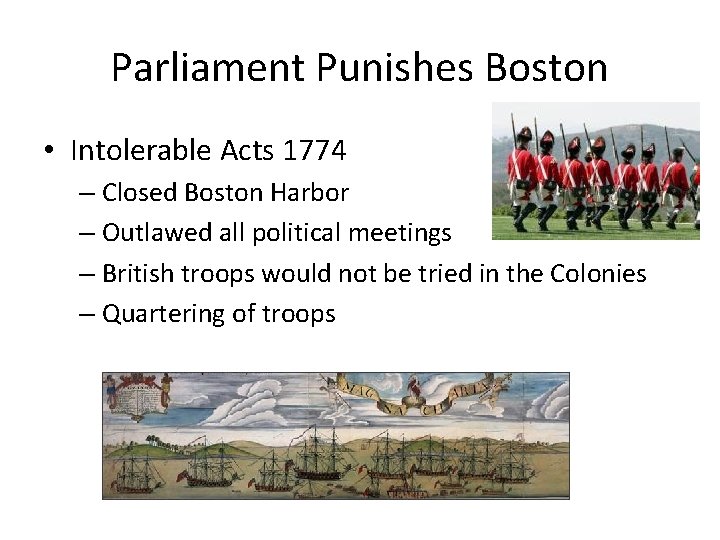
Parliament Punishes Boston • Intolerable Acts 1774 – Closed Boston Harbor – Outlawed all political meetings – British troops would not be tried in the Colonies – Quartering of troops
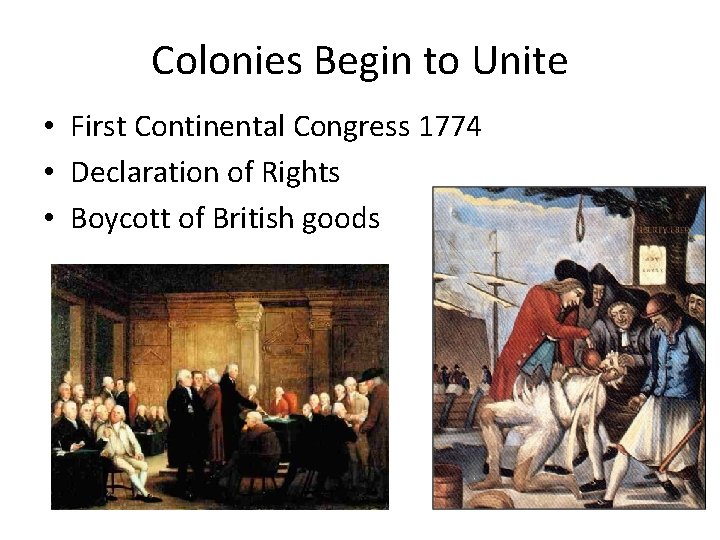
Colonies Begin to Unite • First Continental Congress 1774 • Declaration of Rights • Boycott of British goods
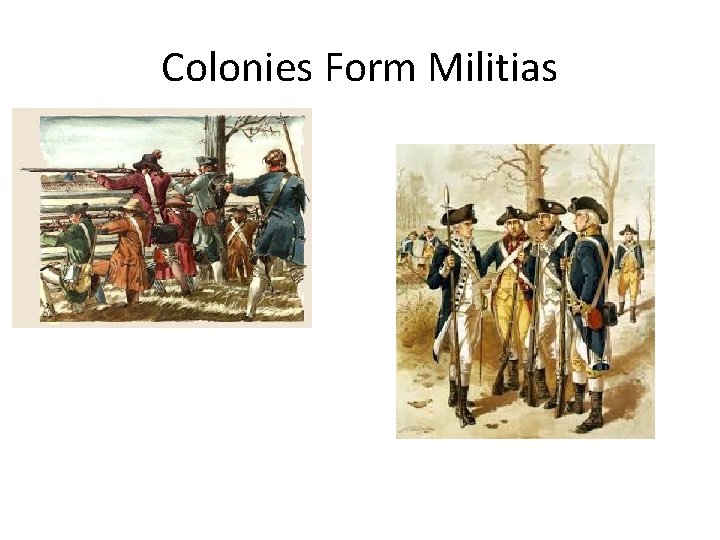
Colonies Form Militias
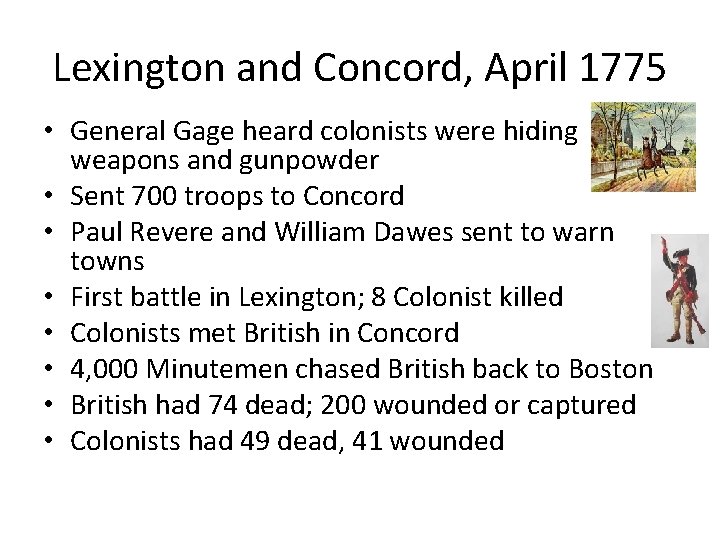
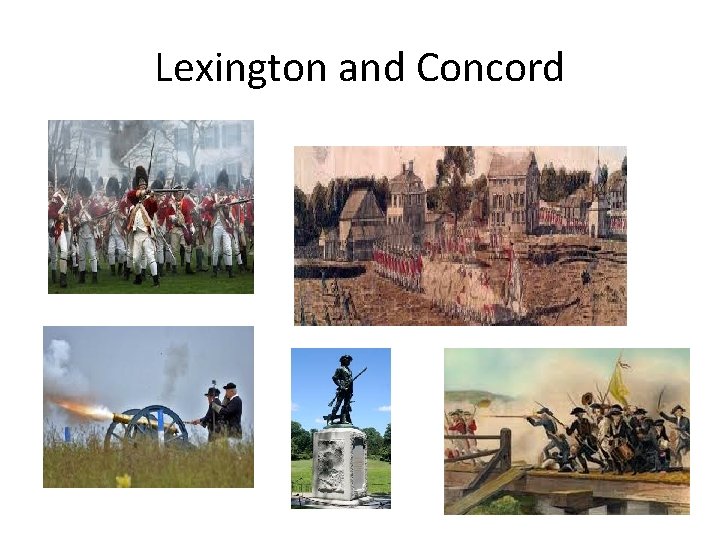
Lexington and Concord, April 1775 • General Gage heard colonists were hiding weapons and gunpowder • Sent 700 troops to Concord • Paul Revere and William Dawes sent to warn towns • First battle in Lexington; 8 Colonist killed • Colonists met British in Concord • 4, 000 Minutemen chased British back to Boston • British had 74 dead; 200 wounded or captured • Colonists had 49 dead, 41 wounded
Lexington and Concord
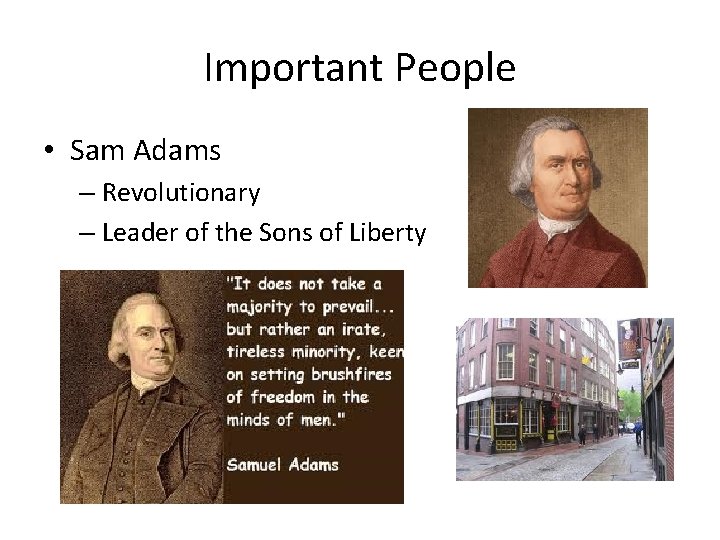
Important People • Sam Adams – Revolutionary – Leader of the Sons of Liberty
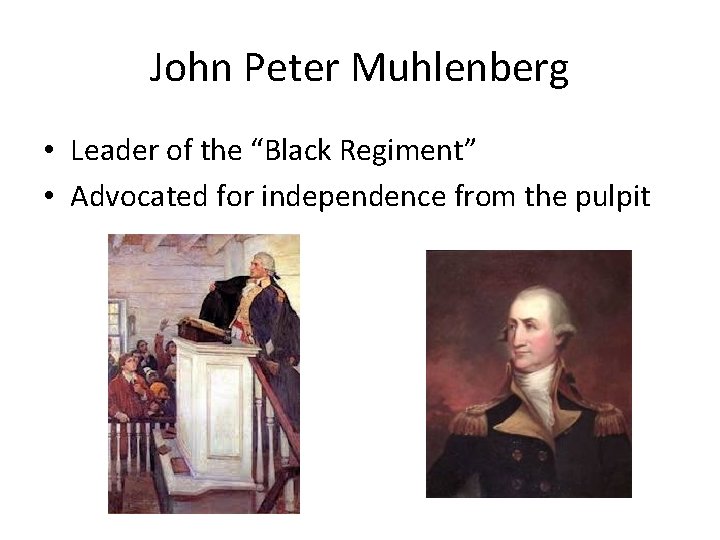
John Peter Muhlenberg • Leader of the “Black Regiment” • Advocated for independence from the pulpit
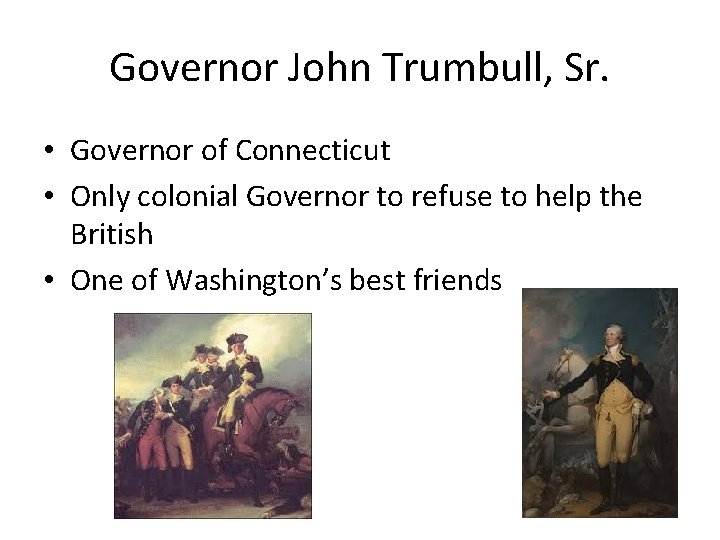
Governor John Trumbull, Sr. • Governor of Connecticut • Only colonial Governor to refuse to help the British • One of Washington’s best friends
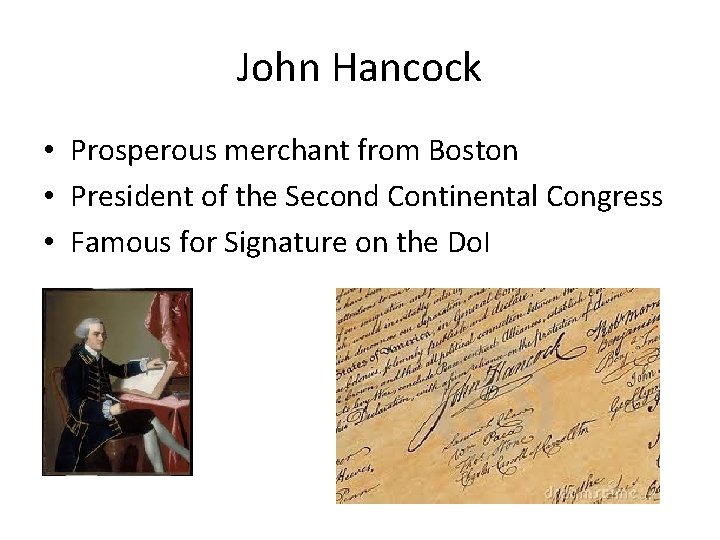
John Hancock • Prosperous merchant from Boston • President of the Second Continental Congress • Famous for Signature on the Do. I
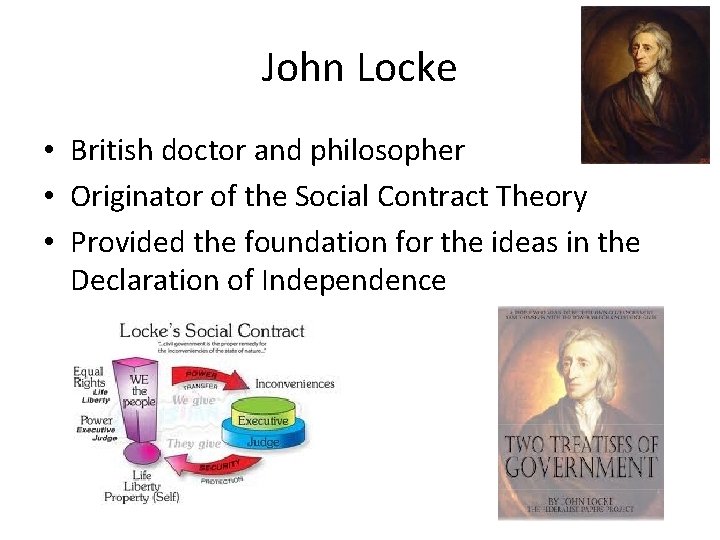
John Locke • British doctor and philosopher • Originator of the Social Contract Theory • Provided the foundation for the ideas in the Declaration of Independence
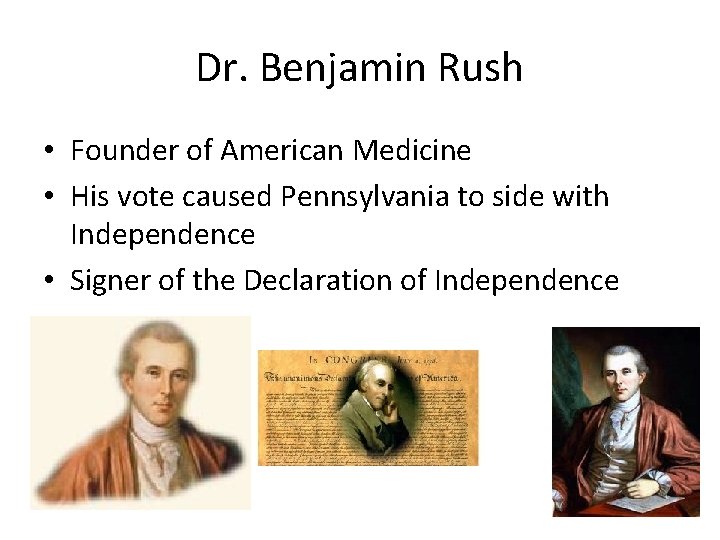
Dr. Benjamin Rush • Founder of American Medicine • His vote caused Pennsylvania to side with Independence • Signer of the Declaration of Independence
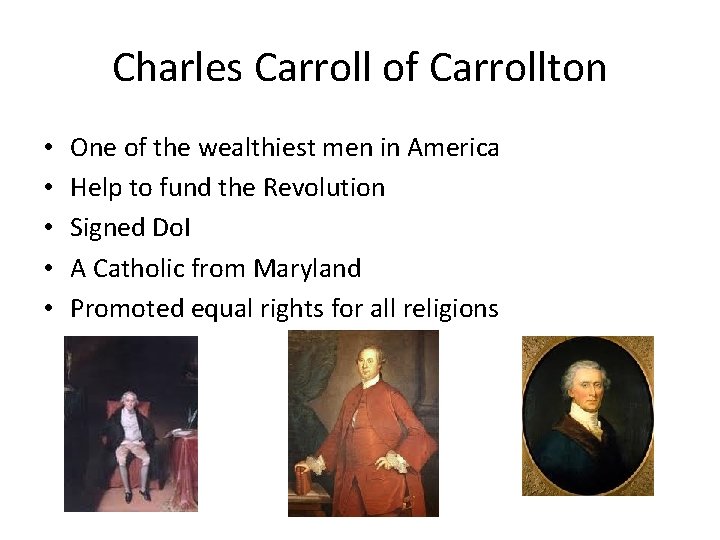
Charles Carroll of Carrollton • • • One of the wealthiest men in America Help to fund the Revolution Signed Do. I A Catholic from Maryland Promoted equal rights for all religions
Dr. John Witherspoon • • Scottish immigrant Presbyterian minister Signer of the Do. I President of Princeton University
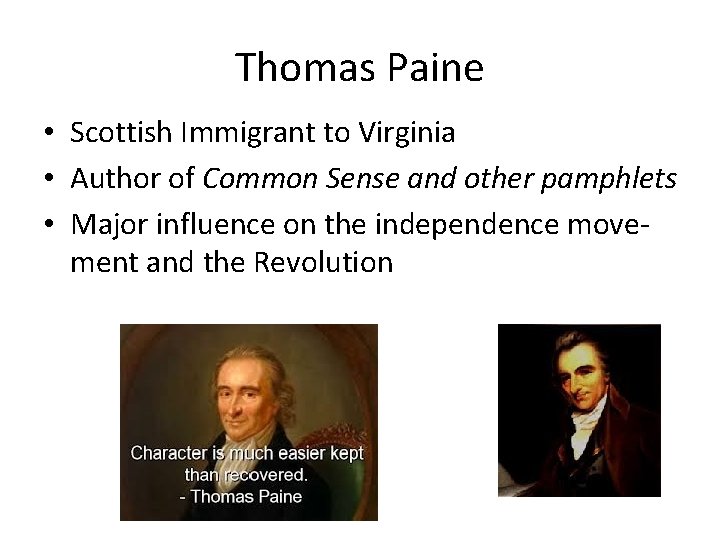
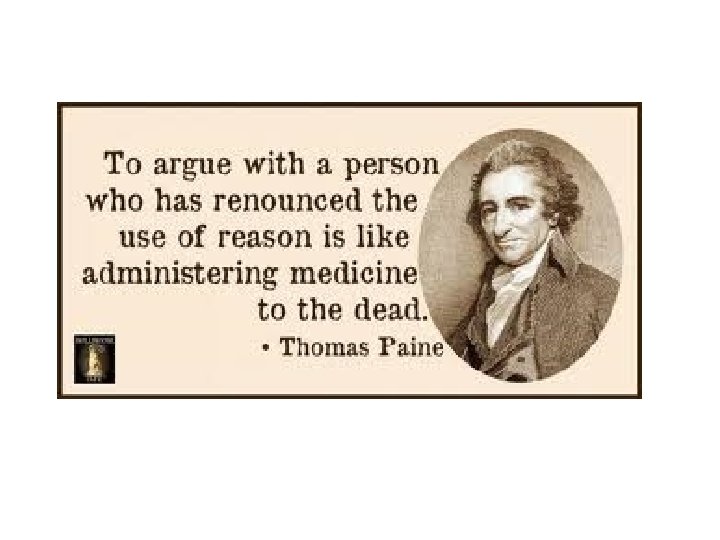
Thomas Paine • Scottish Immigrant to Virginia • Author of Common Sense and other pamphlets • Major influence on the independence movement and the Revolution
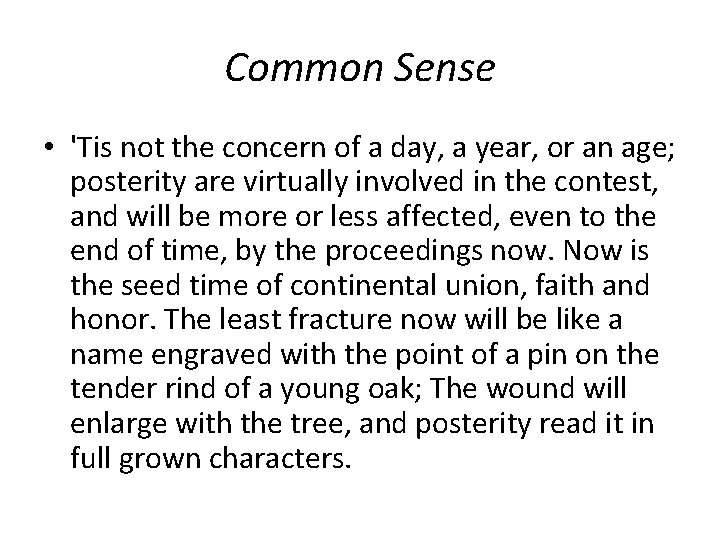
Common Sense • 'Tis not the concern of a day, a year, or an age; posterity are virtually involved in the contest, and will be more or less affected, even to the end of time, by the proceedings now. Now is the seed time of continental union, faith and honor. The least fracture now will be like a name engraved with the point of a pin on the tender rind of a young oak; The wound will enlarge with the tree, and posterity read it in full grown characters.
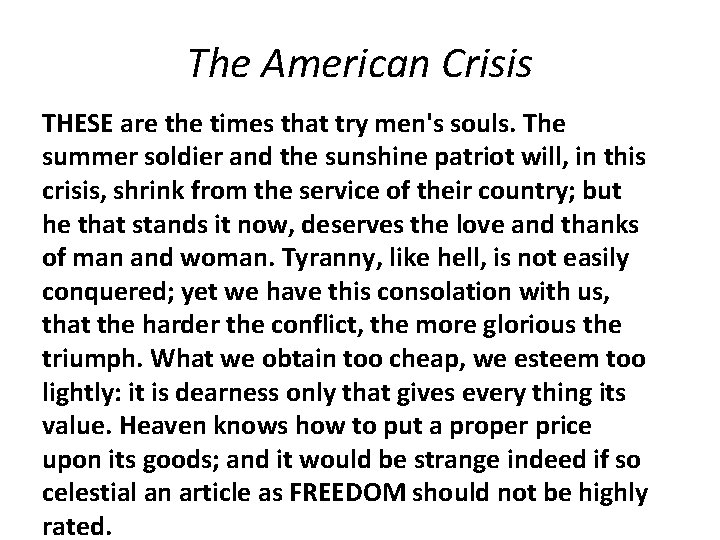
The American Crisis THESE are the times that try men's souls. The summer soldier and the sunshine patriot will, in this crisis, shrink from the service of their country; but he that stands it now, deserves the love and thanks of man and woman. Tyranny, like hell, is not easily conquered; yet we have this consolation with us, that the harder the conflict, the more glorious the triumph. What we obtain too cheap, we esteem too lightly: it is dearness only that gives every thing its value. Heaven knows how to put a proper price upon its goods; and it would be strange indeed if so celestial an article as FREEDOM should not be highly rated.
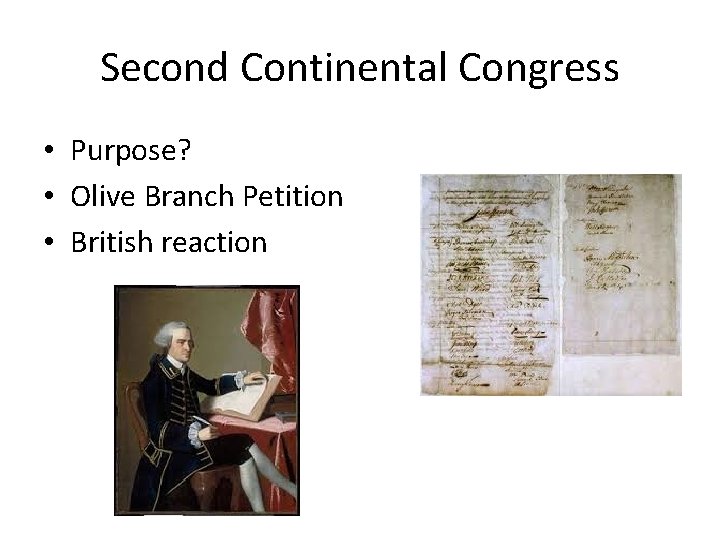
Second Continental Congress • Purpose? • Olive Branch Petition • British reaction
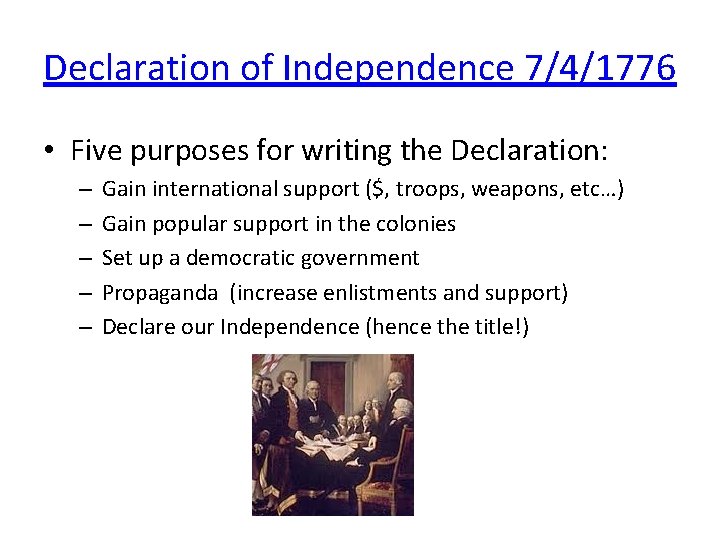
Declaration of Independence 7/4/1776 • Five purposes for writing the Declaration: – – – Gain international support ($, troops, weapons, etc…) Gain popular support in the colonies Set up a democratic government Propaganda (increase enlistments and support) Declare our Independence (hence the title!)
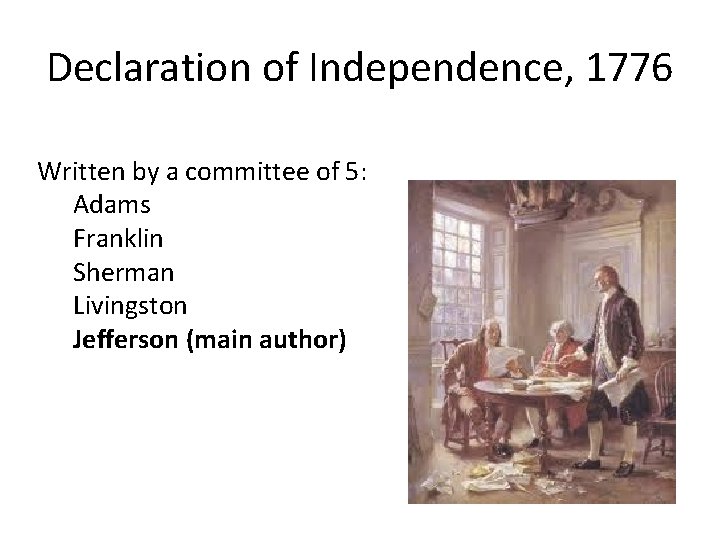
Declaration of Independence, 1776 Written by a committee of 5: Adams Franklin Sherman Livingston Jefferson (main author)
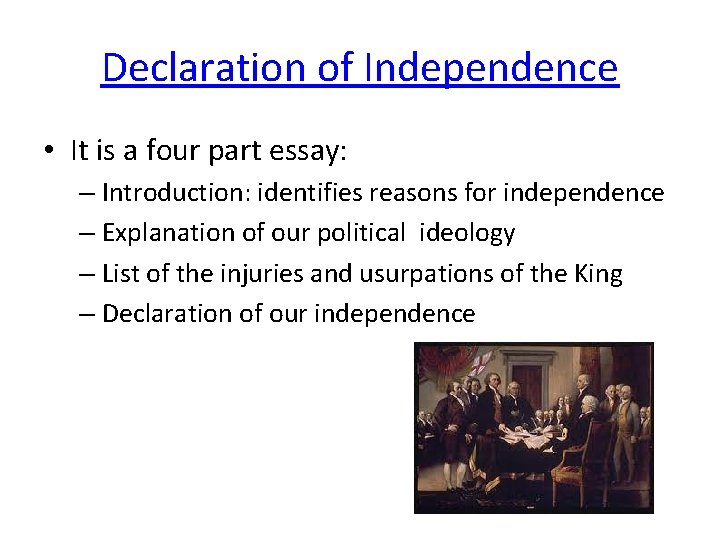
Declaration of Independence • It is a four part essay: – Introduction: identifies reasons for independence – Explanation of our political ideology – List of the injuries and usurpations of the King – Declaration of our independence
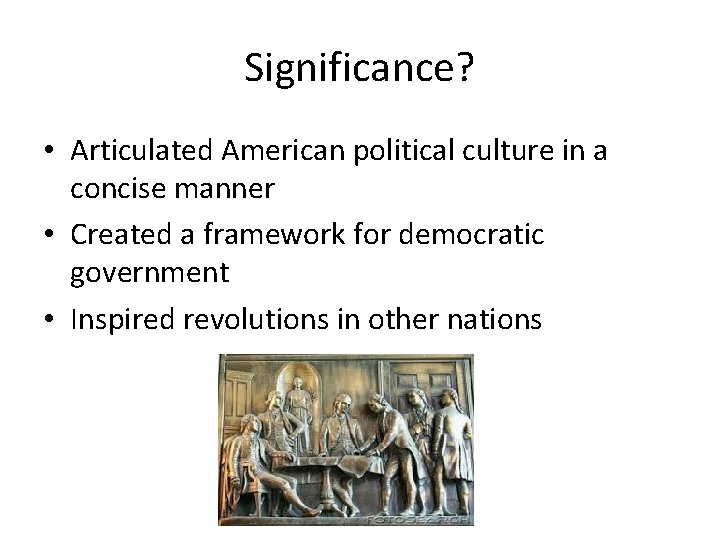
Significance? • Articulated American political culture in a concise manner • Created a framework for democratic government • Inspired revolutions in other nations
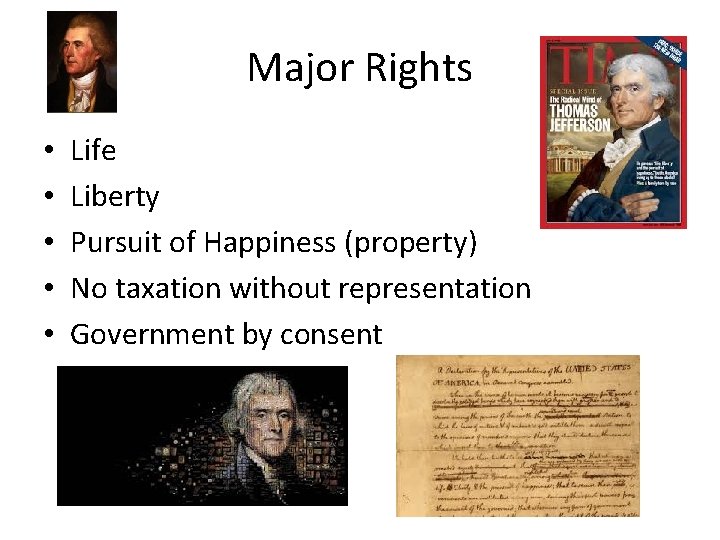
Major Rights • • • Life Liberty Pursuit of Happiness (property) No taxation without representation Government by consent
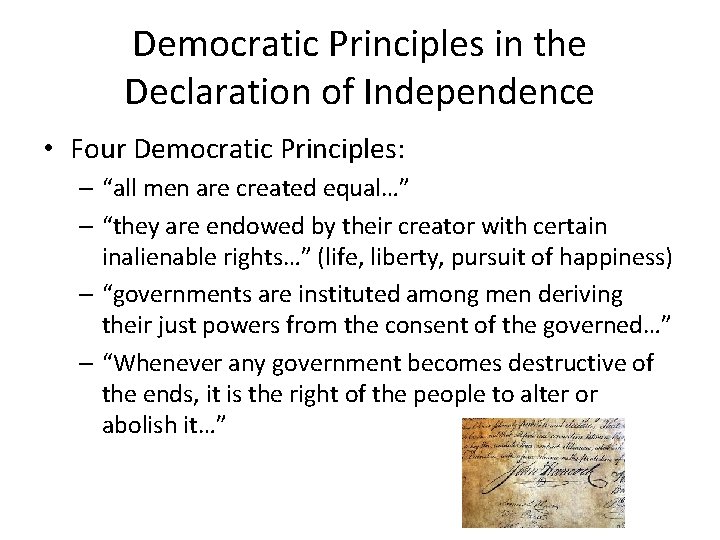
Democratic Principles in the Declaration of Independence • Four Democratic Principles: – “all men are created equal…” – “they are endowed by their creator with certain inalienable rights…” (life, liberty, pursuit of happiness) – “governments are instituted among men deriving their just powers from the consent of the governed…” – “Whenever any government becomes destructive of the ends, it is the right of the people to alter or abolish it…”
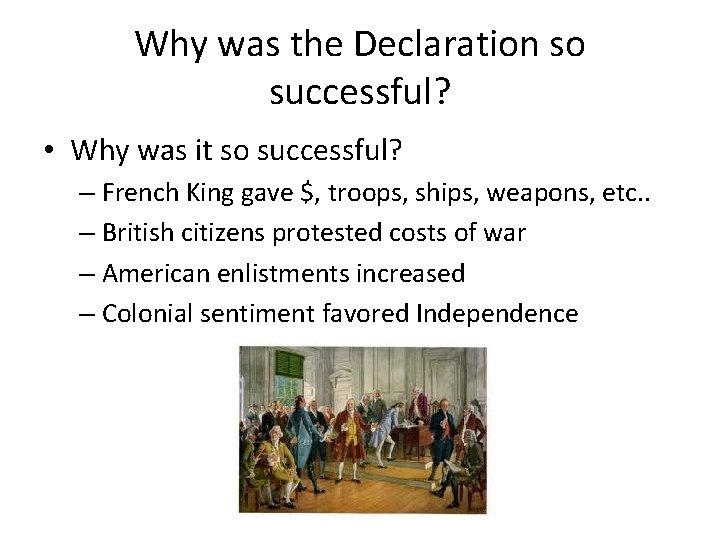
Why was the Declaration so successful? • Why was it so successful? – French King gave $, troops, ships, weapons, etc. . – British citizens protested costs of war – American enlistments increased – Colonial sentiment favored Independence
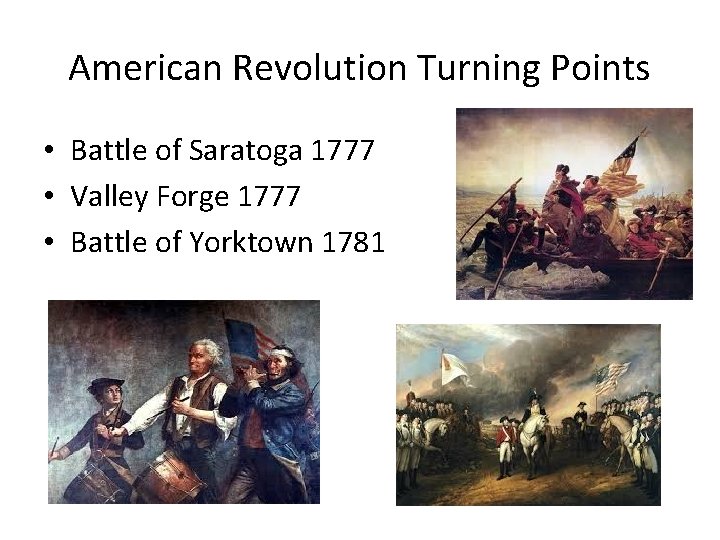
American Revolution Turning Points • Battle of Saratoga 1777 • Valley Forge 1777 • Battle of Yorktown 1781
Significance of the Revolution • • First colonies to successfully rebel America became first modern Republic First war for liberty/freedom Paved the way for future revolutions
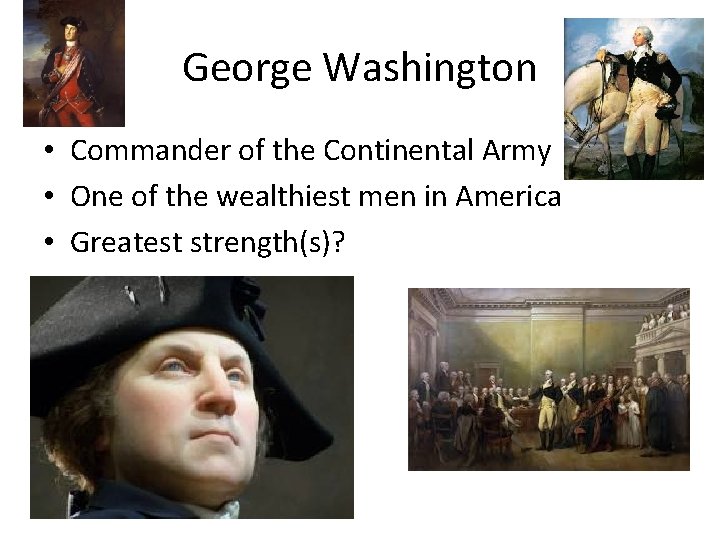
George Washington • Commander of the Continental Army • One of the wealthiest men in America • Greatest strength(s)?
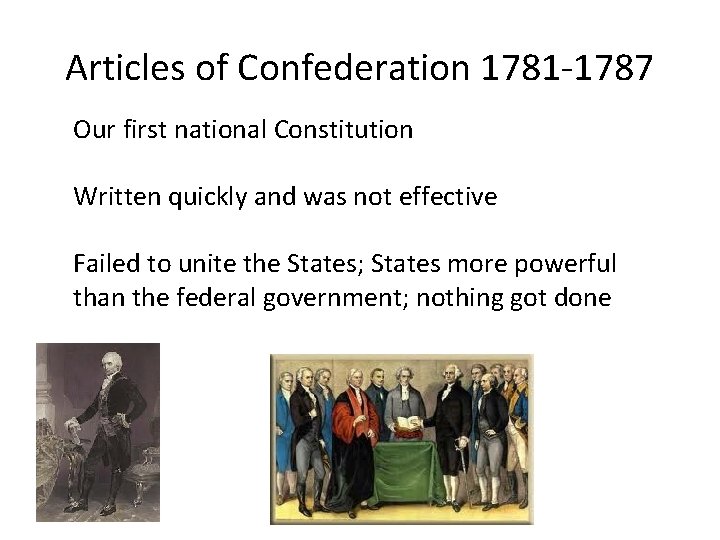
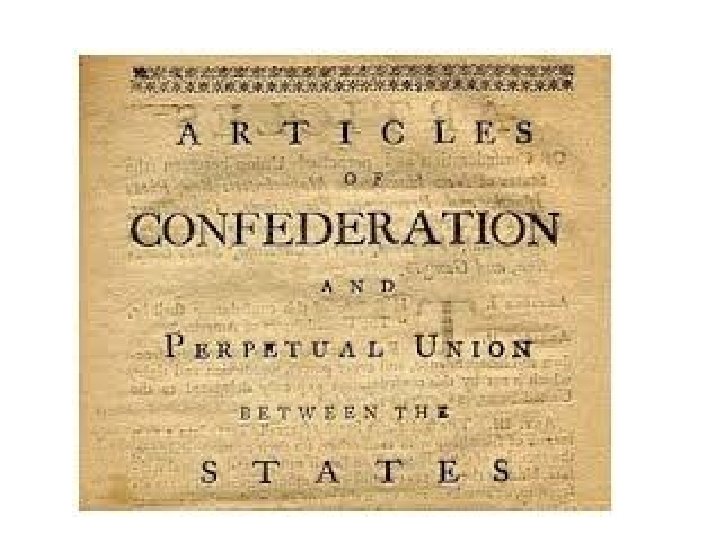
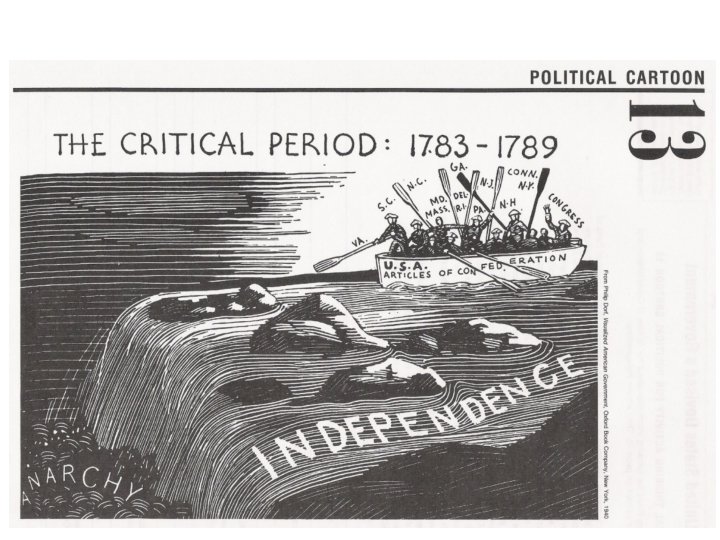
Articles of Confederation 1781 -1787 Our first national Constitution Written quickly and was not effective Failed to unite the States; States more powerful than the federal government; nothing got done
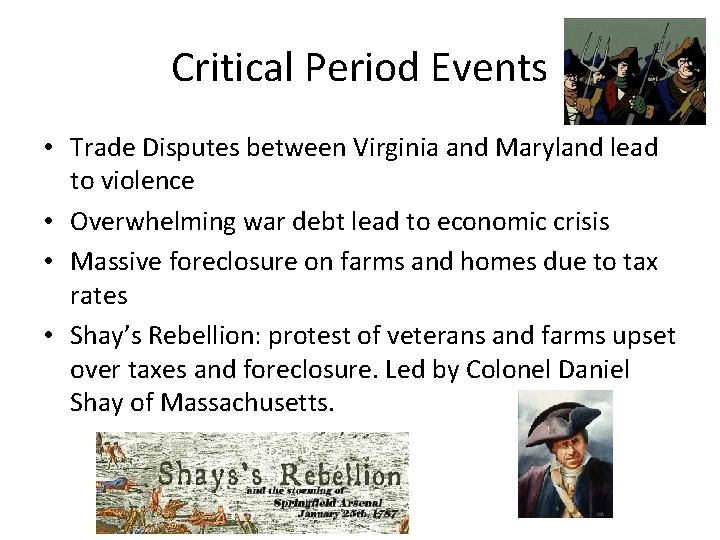
Critical Period Events • Trade Disputes between Virginia and Maryland lead to violence • Overwhelming war debt lead to economic crisis • Massive foreclosure on farms and homes due to tax rates • Shay’s Rebellion: protest of veterans and farms upset over taxes and foreclosure. Led by Colonel Daniel Shay of Massachusetts.
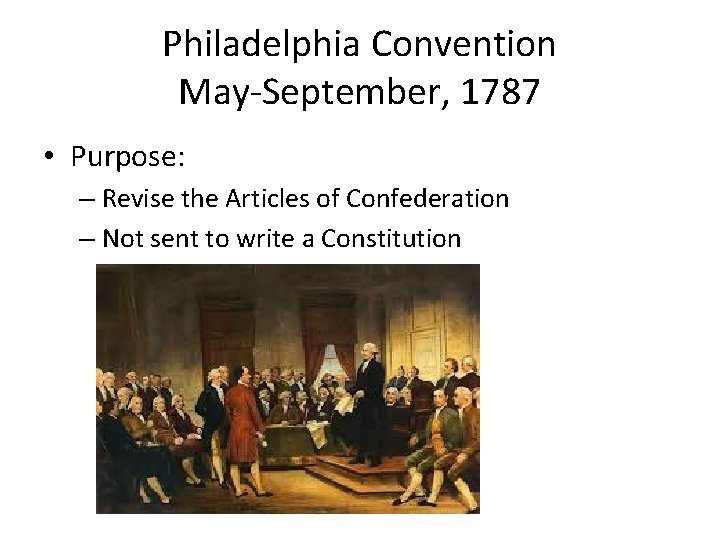
Philadelphia Convention May-September, 1787 • Purpose: – Revise the Articles of Confederation – Not sent to write a Constitution
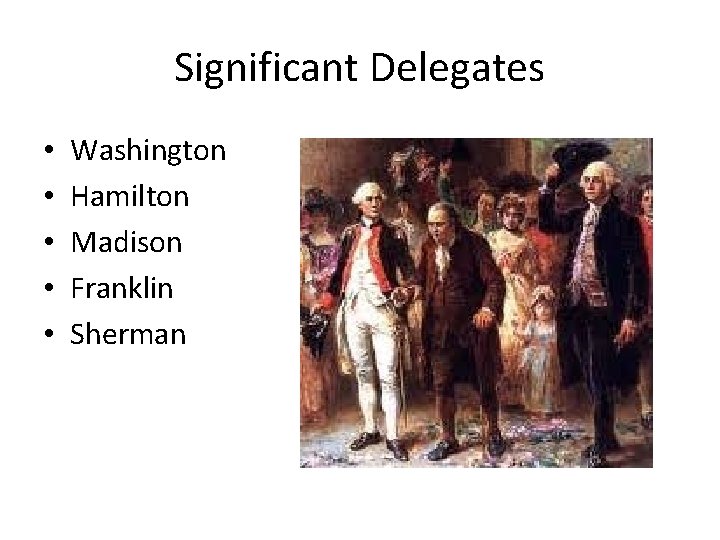
Significant Delegates • • • Washington Hamilton Madison Franklin Sherman
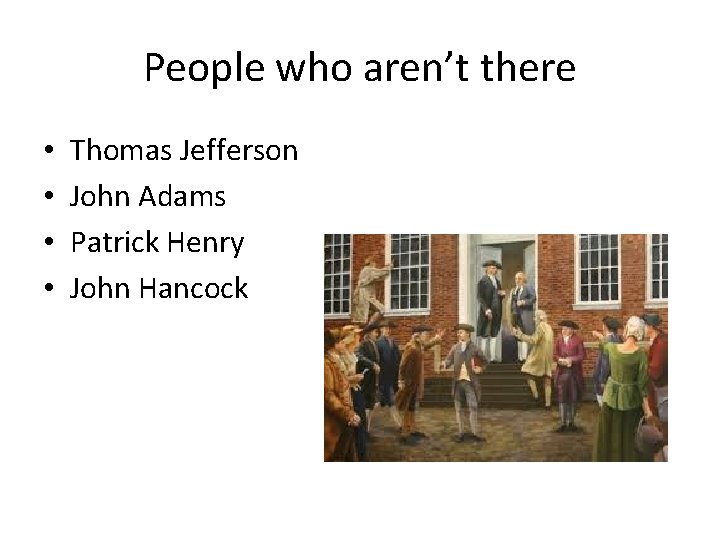
People who aren’t there • • Thomas Jefferson John Adams Patrick Henry John Hancock
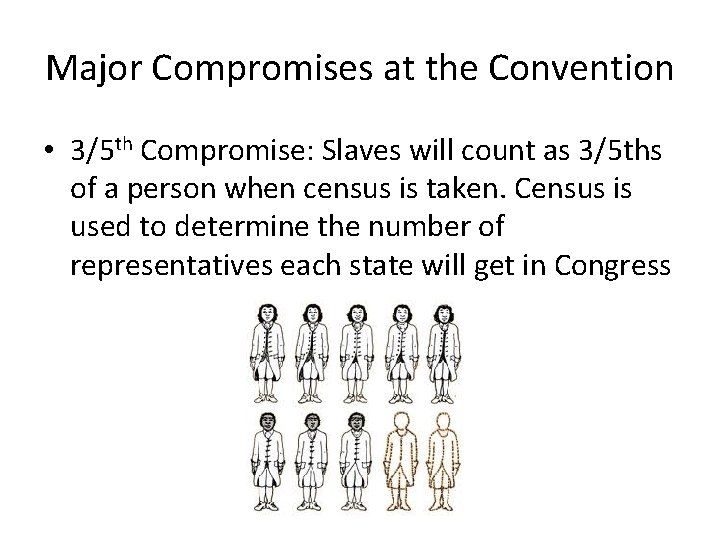
Major Compromises at the Convention • 3/5 th Compromise: Slaves will count as 3/5 ths of a person when census is taken. Census is used to determine the number of representatives each state will get in Congress
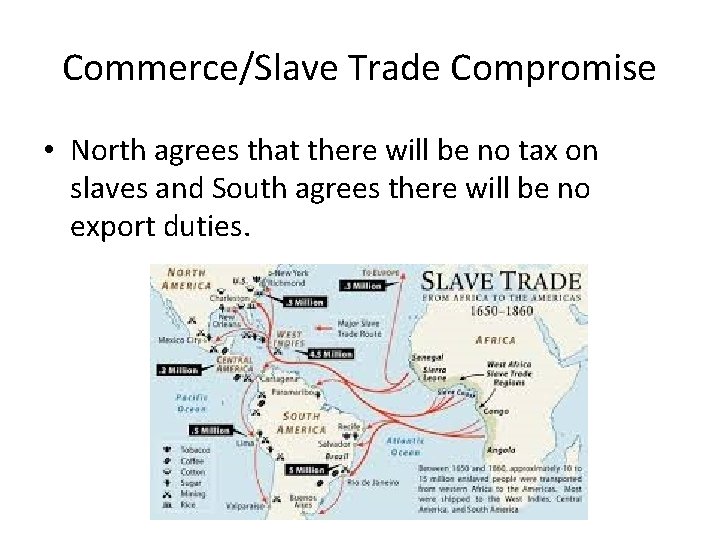
Commerce/Slave Trade Compromise • North agrees that there will be no tax on slaves and South agrees there will be no export duties.
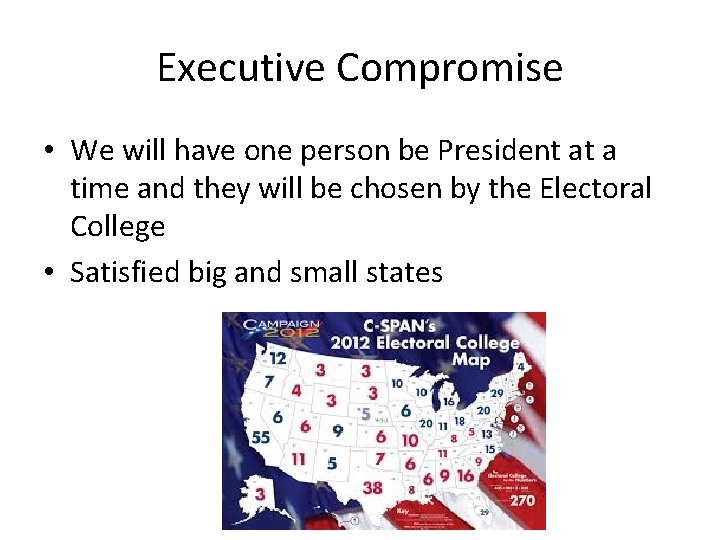
Executive Compromise • We will have one person be President at a time and they will be chosen by the Electoral College • Satisfied big and small states
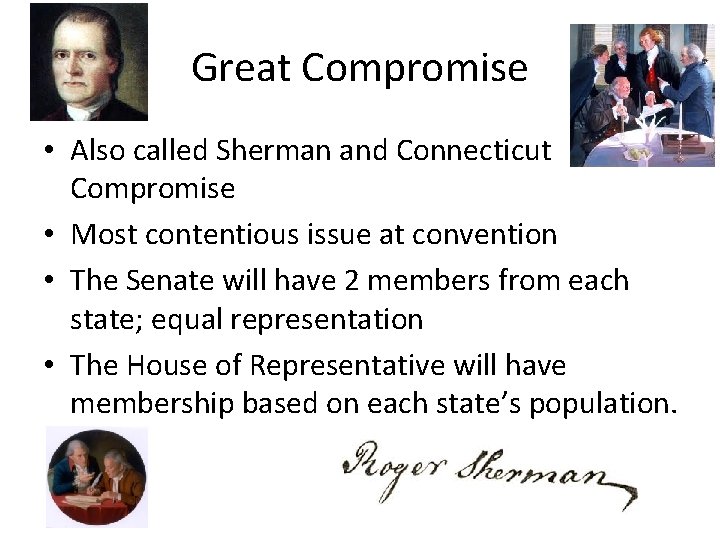
Great Compromise • Also called Sherman and Connecticut Compromise • Most contentious issue at convention • The Senate will have 2 members from each state; equal representation • The House of Representative will have membership based on each state’s population.
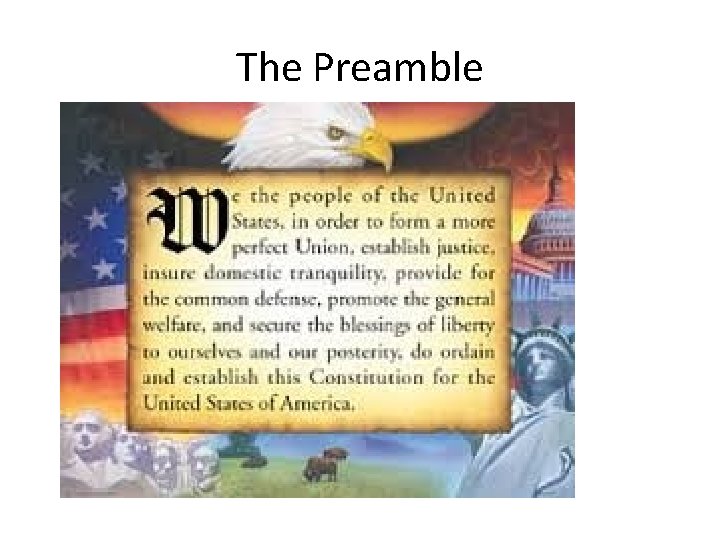
The Preamble
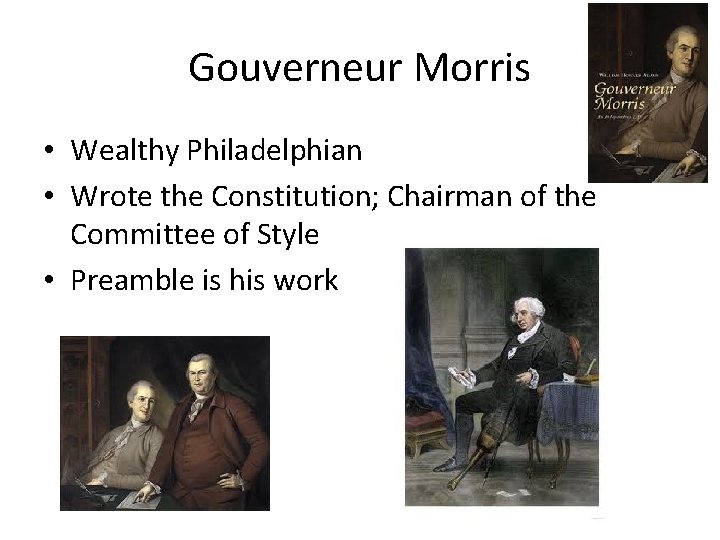
Gouverneur Morris • Wealthy Philadelphian • Wrote the Constitution; Chairman of the Committee of Style • Preamble is his work
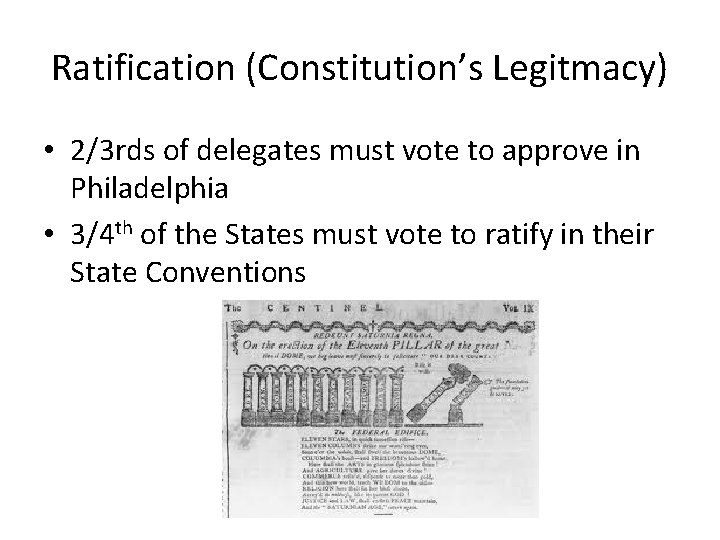
Ratification (Constitution’s Legitmacy) • 2/3 rds of delegates must vote to approve in Philadelphia • 3/4 th of the States must vote to ratify in their State Conventions
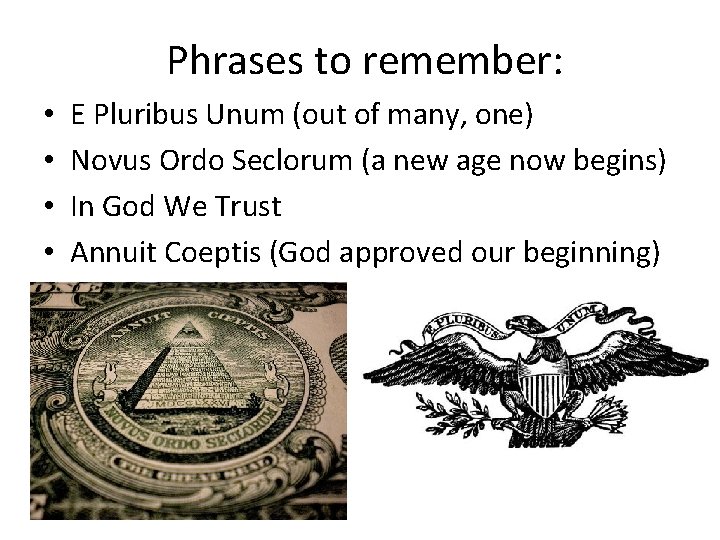
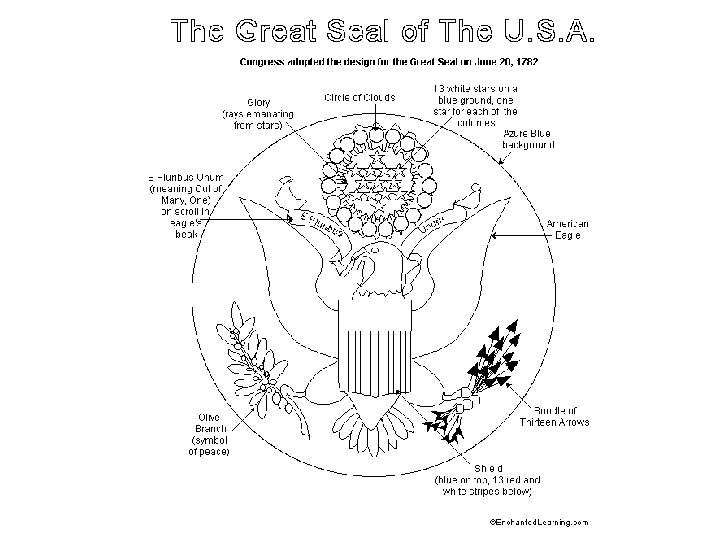
Phrases to remember: • • E Pluribus Unum (out of many, one) Novus Ordo Seclorum (a new age now begins) In God We Trust Annuit Coeptis (God approved our beginning)
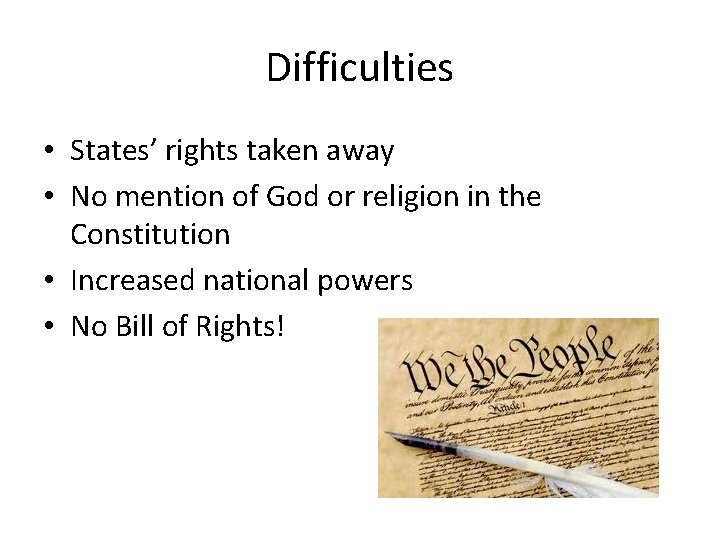
Difficulties • States’ rights taken away • No mention of God or religion in the Constitution • Increased national powers • No Bill of Rights!
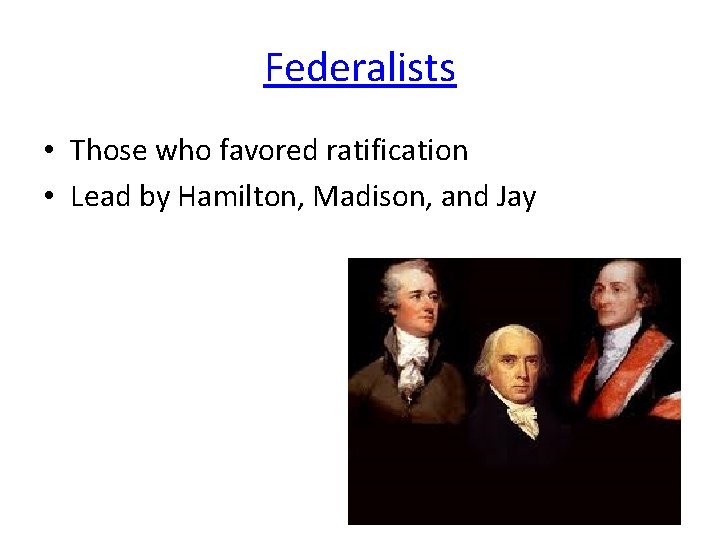
Federalists • Those who favored ratification • Lead by Hamilton, Madison, and Jay
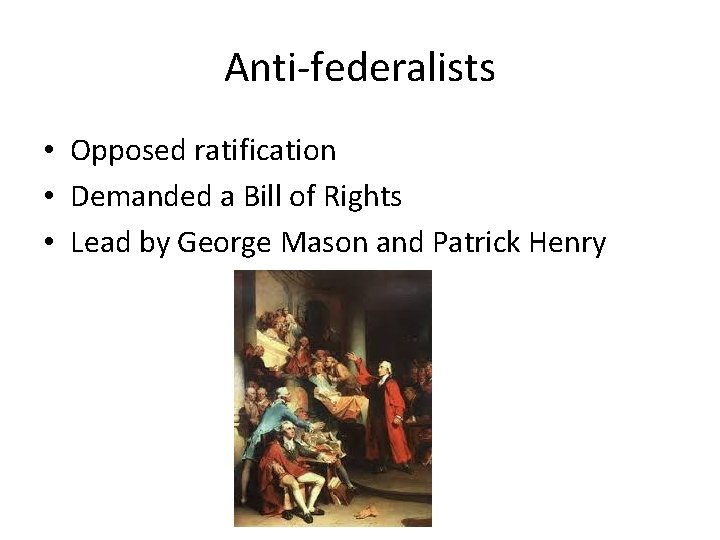
Anti-federalists • Opposed ratification • Demanded a Bill of Rights • Lead by George Mason and Patrick Henry
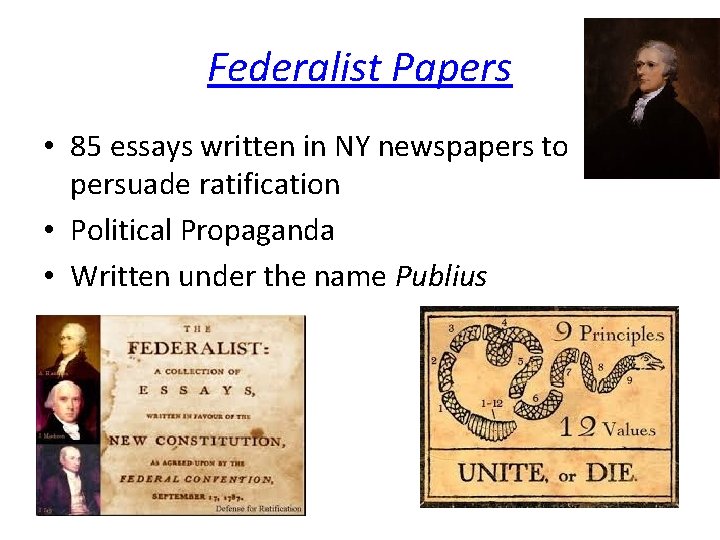
Federalist Papers • 85 essays written in NY newspapers to persuade ratification • Political Propaganda • Written under the name Publius
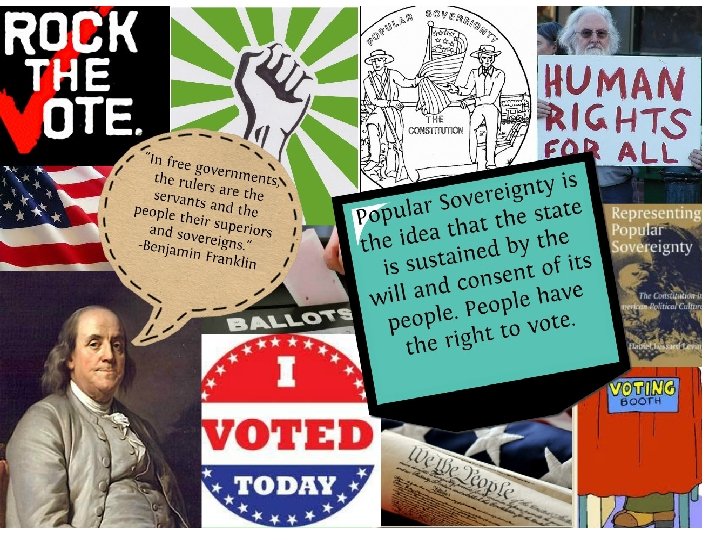
Constitutional Principles • Popular Sovereignty • The people have the power • VOTING!
Limited Government • Government is NOT all powerful • There are restrictions on government’s power
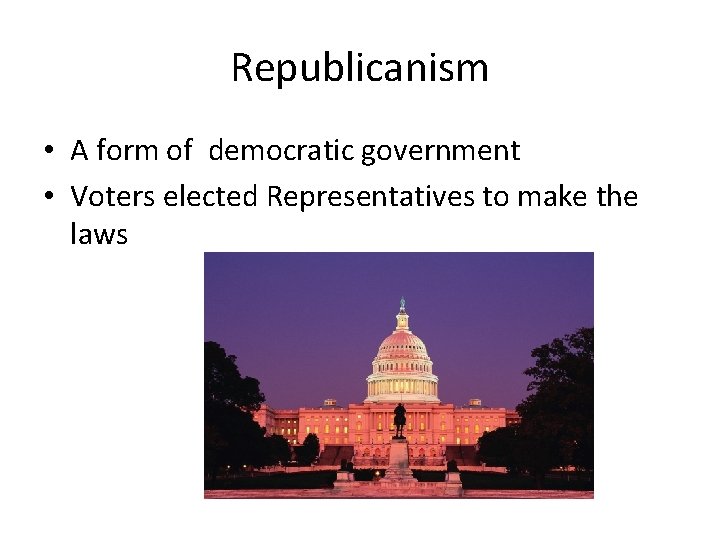
Republicanism • A form of democratic government • Voters elected Representatives to make the laws
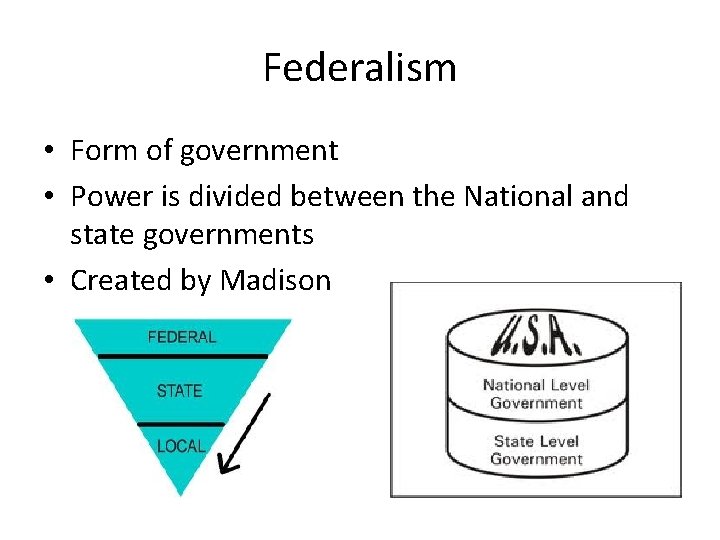
Federalism • Form of government • Power is divided between the National and state governments • Created by Madison
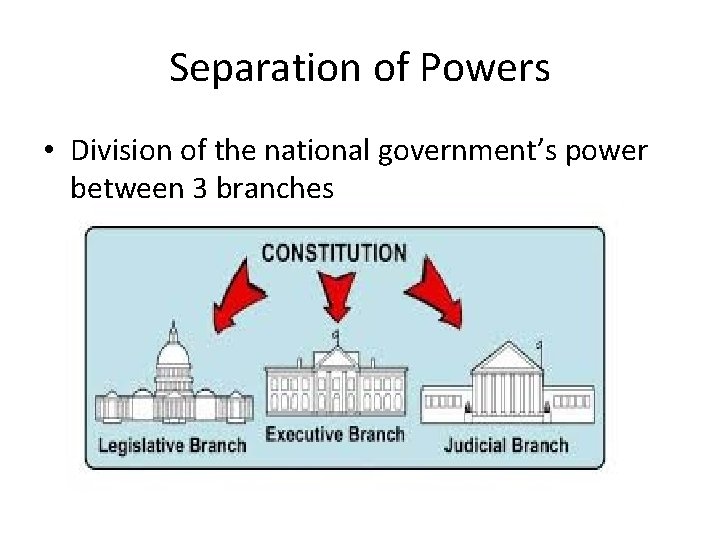
Separation of Powers • Division of the national government’s power between 3 branches
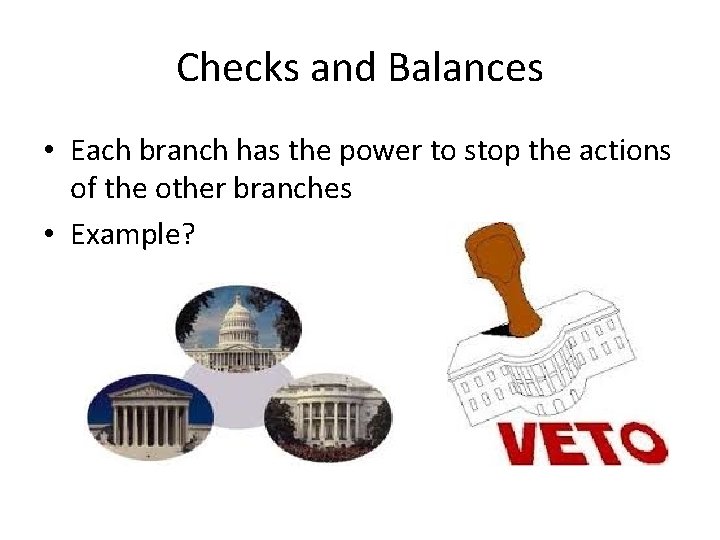
Checks and Balances • Each branch has the power to stop the actions of the other branches • Example?
Adaptability/Amendments • The ability to change the Constitution to fit new times or new situations
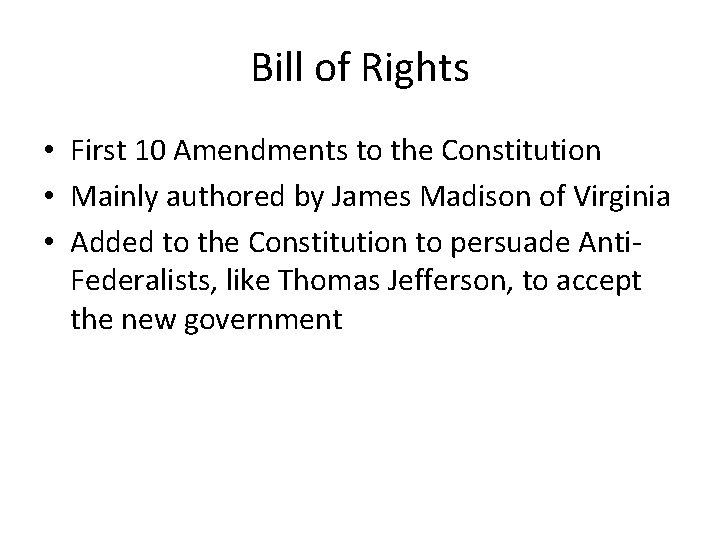
Bill of Rights • First 10 Amendments to the Constitution • Mainly authored by James Madison of Virginia • Added to the Constitution to persuade Anti. Federalists, like Thomas Jefferson, to accept the new government
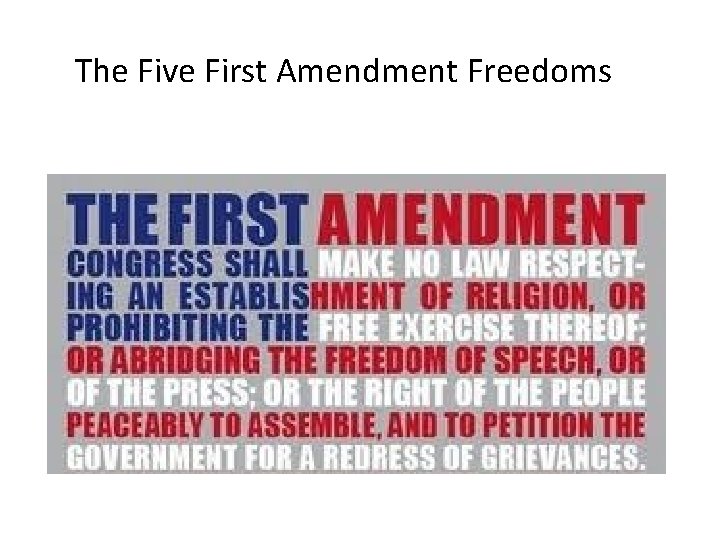
The Five First Amendment Freedoms
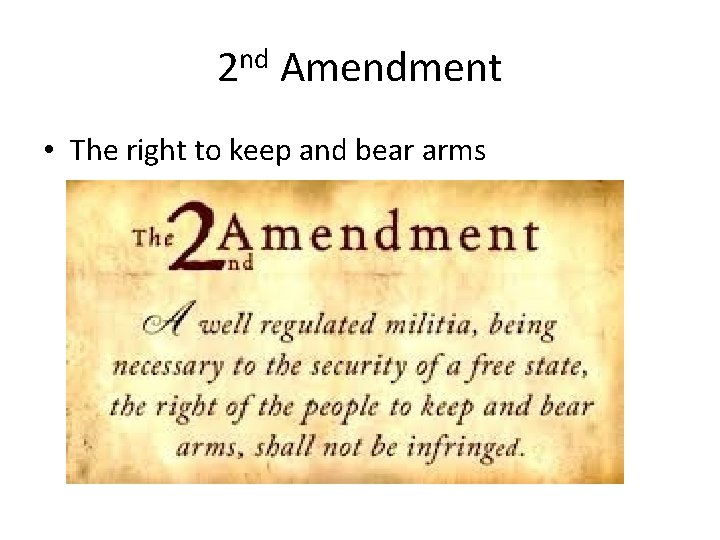
2 nd Amendment • The right to keep and bear arms
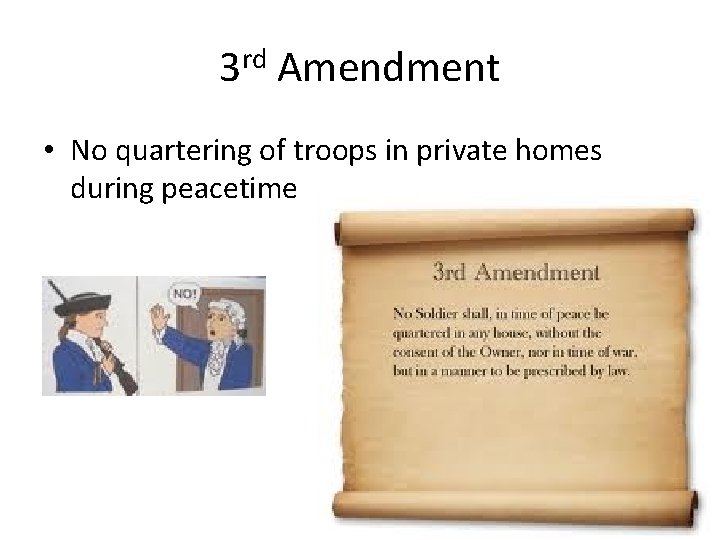
3 rd Amendment • No quartering of troops in private homes during peacetime
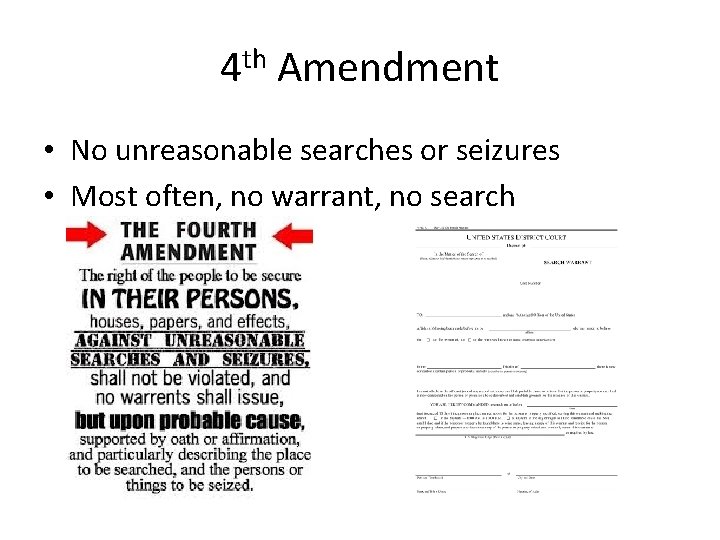
4 th Amendment • No unreasonable searches or seizures • Most often, no warrant, no search
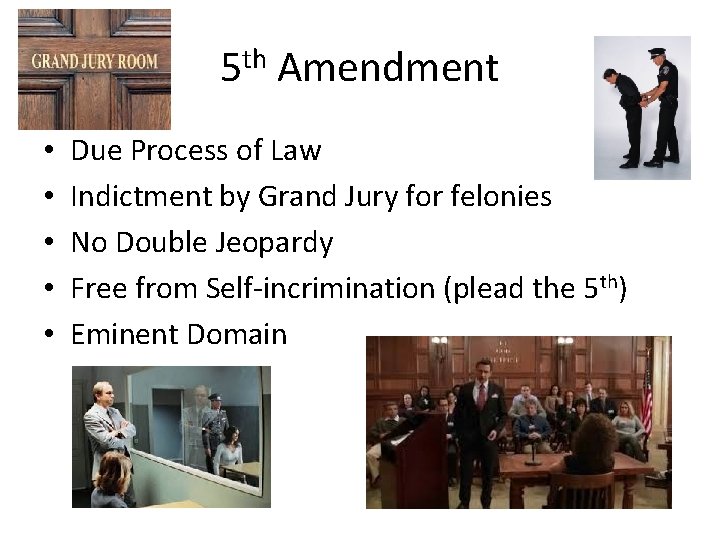
5 th Amendment • • • Due Process of Law Indictment by Grand Jury for felonies No Double Jeopardy Free from Self-incrimination (plead the 5 th) Eminent Domain
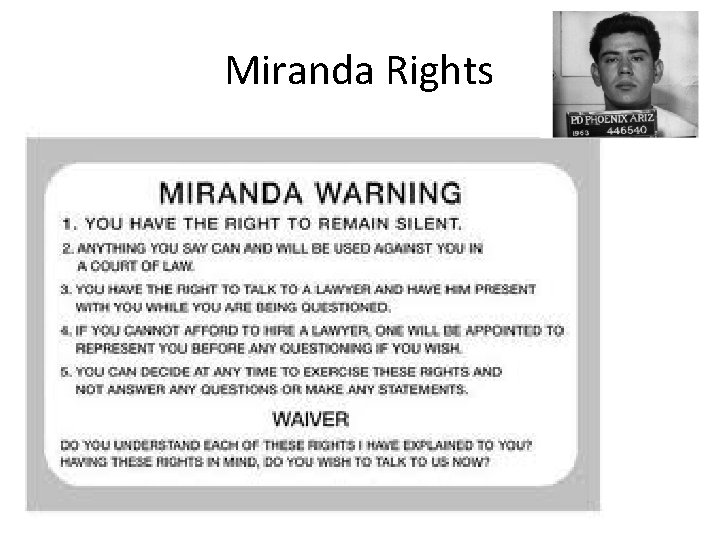
Miranda Rights
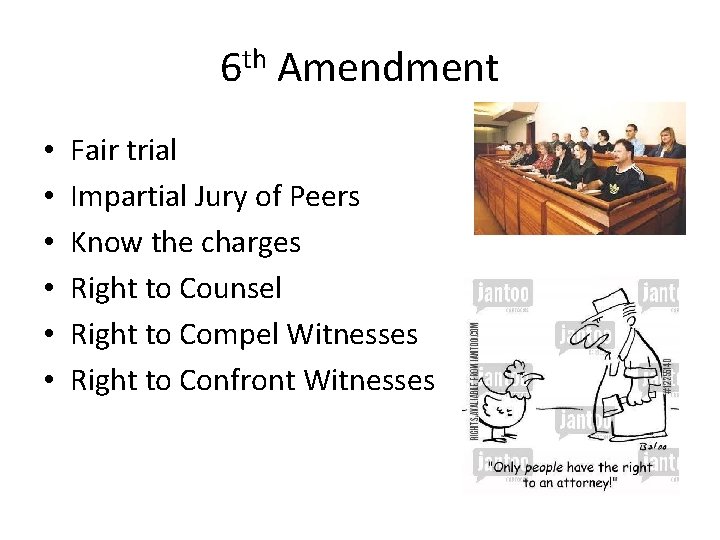
6 th Amendment • • • Fair trial Impartial Jury of Peers Know the charges Right to Counsel Right to Compel Witnesses Right to Confront Witnesses
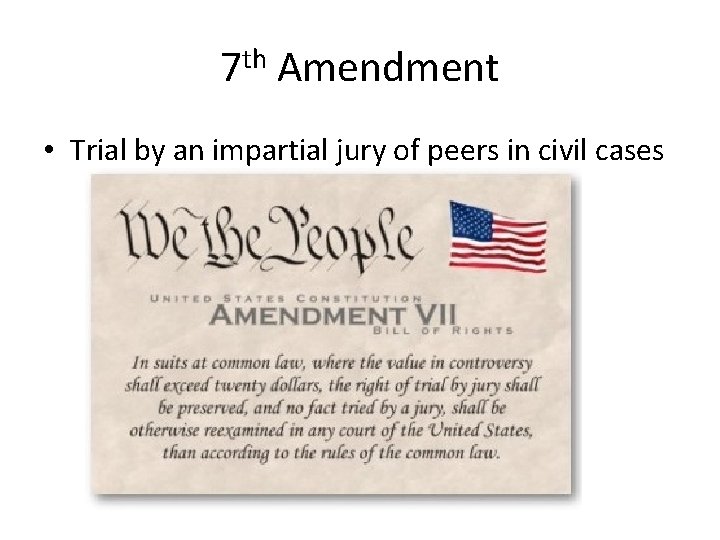
7 th Amendment • Trial by an impartial jury of peers in civil cases
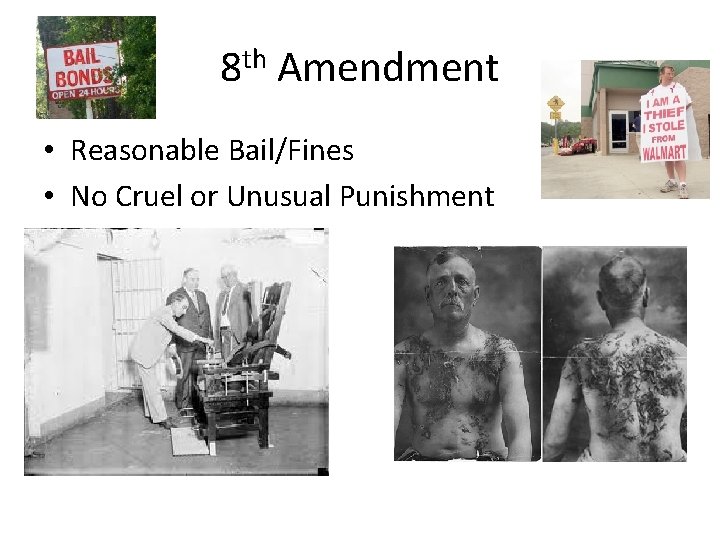
8 th Amendment • Reasonable Bail/Fines • No Cruel or Unusual Punishment
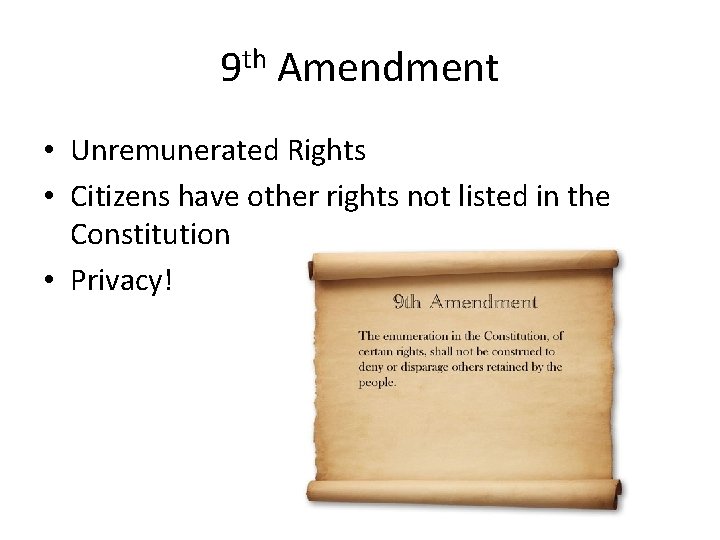
9 th Amendment • Unremunerated Rights • Citizens have other rights not listed in the Constitution • Privacy!
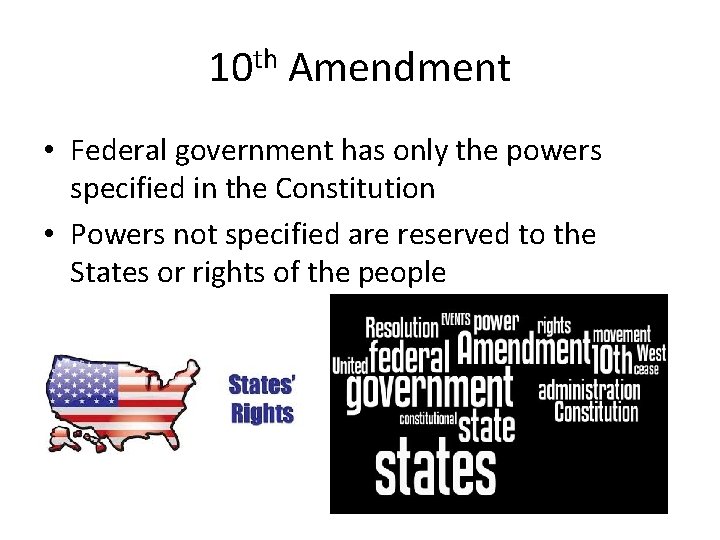
10 th Amendment • Federal government has only the powers specified in the Constitution • Powers not specified are reserved to the States or rights of the people
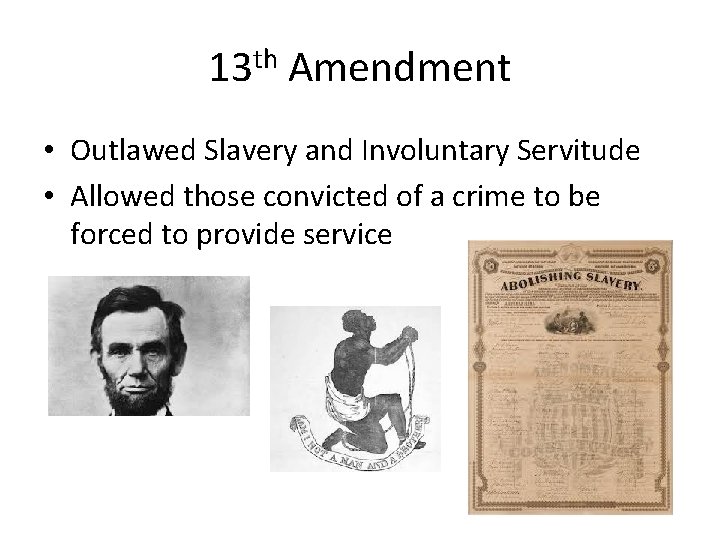
13 th Amendment • Outlawed Slavery and Involuntary Servitude • Allowed those convicted of a crime to be forced to provide service
14 th Amendment Defined American Citizenship Due Process Clause Equal Protection Clause Apportionment for Election of Pres/VP No one may be elected to public office who was a part of the “Rebellion” • No public money can be used to repay debt from Rebellion or to compensate for the loss of a slave • • •
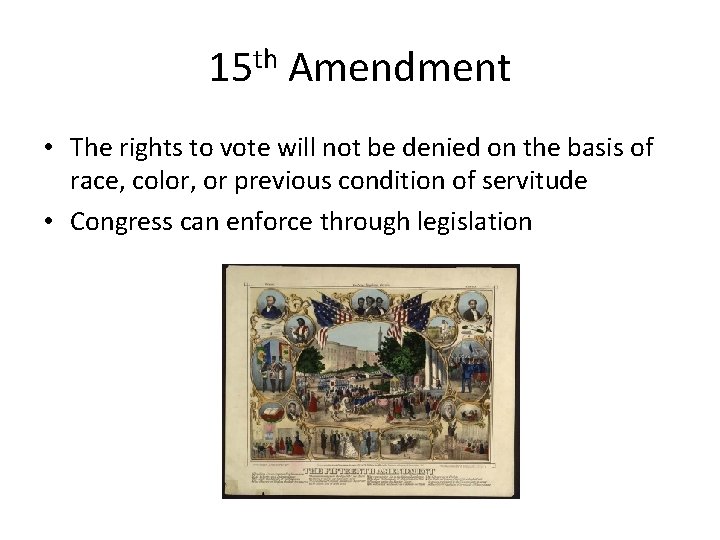
15 th Amendment • The rights to vote will not be denied on the basis of race, color, or previous condition of servitude • Congress can enforce through legislation
Significance? * Guaranteed freedom for all former slaves and outlawed slavery for the future • Granted citizenship to all persons of color • Defined citizenship (blood/soil) • Granted all adult, male citizens the right to vote regardless of race/color/etc… • Guaranteed Equal Protection • Guaranteed Due Process (Incorporation Doctrine)
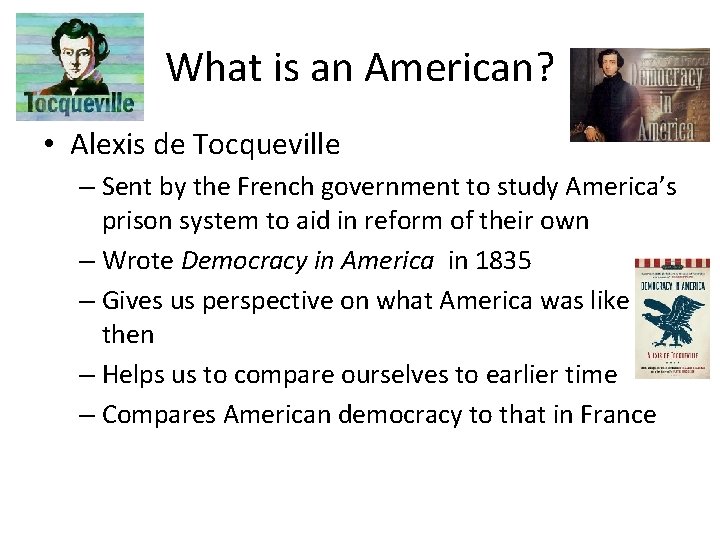
What is an American? • Alexis de Tocqueville – Sent by the French government to study America’s prison system to aid in reform of their own – Wrote Democracy in America in 1835 – Gives us perspective on what America was like then – Helps us to compare ourselves to earlier time – Compares American democracy to that in France
De Tocqueville’s Observations • Americans are overwhelmingly concerned with money/wealth • Greater levels of equality exist in America than in other democracies • Universal suffrage was guaranteed (? ) • Enormous diversity of ethnicity and religion • Most Americans were literate • Most Americans owned their own land/property • Americans were harder workers than the French • Etc…
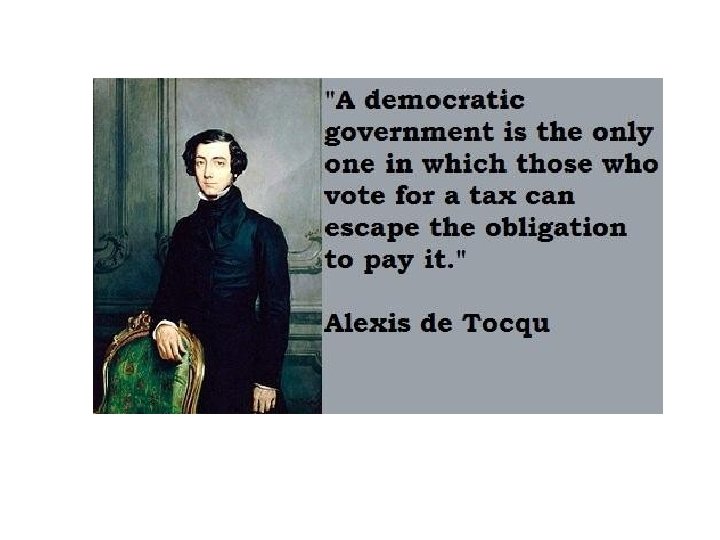
De Tocqueville
Five American Values that were crucial to our success as a constitutional republic 1. Egalitarianism (Equality) – Society of equals – No nobility or royalty – Availability of property to all who would work hard – Two exceptions: • Slavery • Treatment of Native Americans
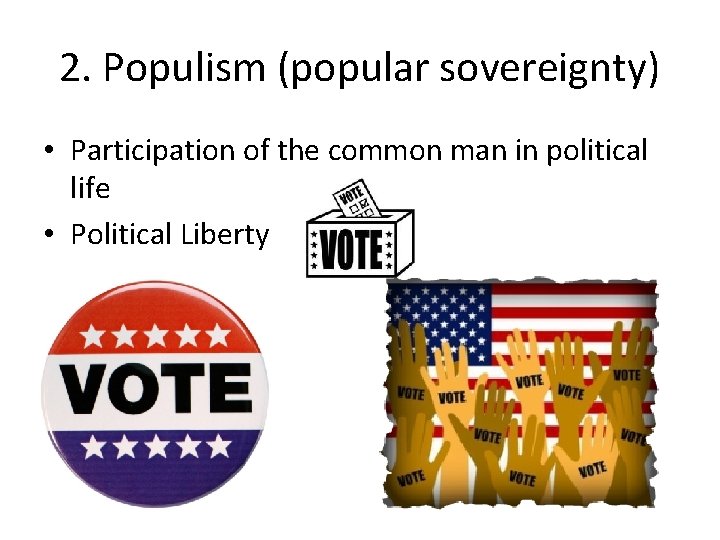
2. Populism (popular sovereignty) • Participation of the common man in political life • Political Liberty
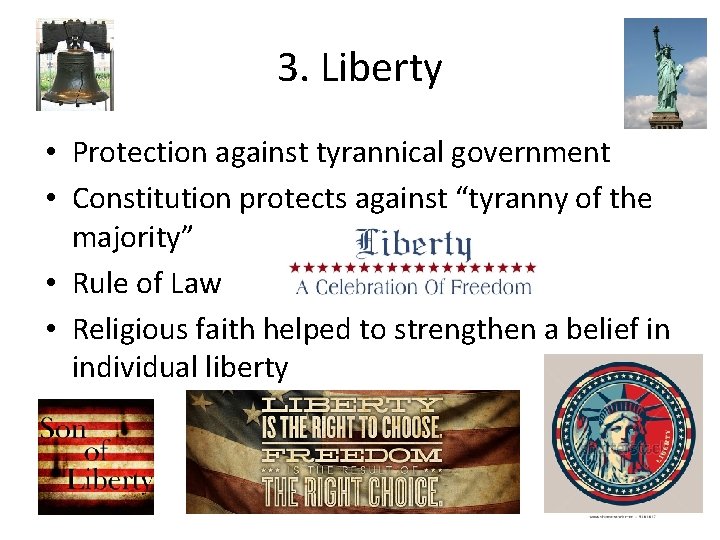
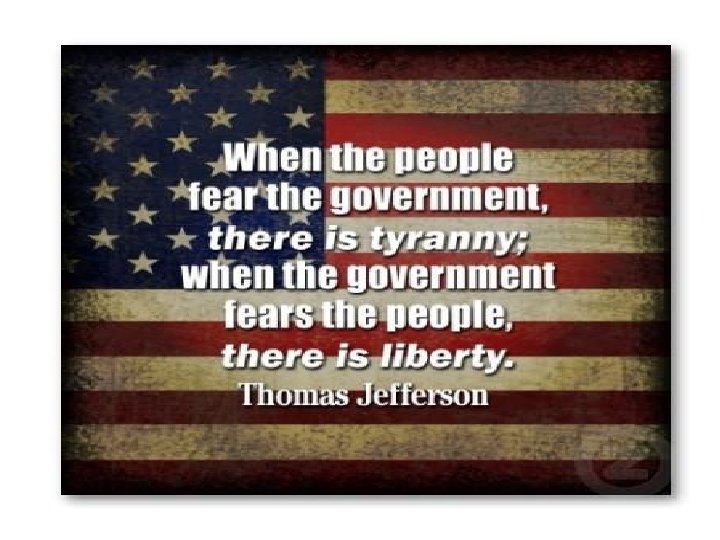
3. Liberty • Protection against tyrannical government • Constitution protects against “tyranny of the majority” • Rule of Law • Religious faith helped to strengthen a belief in individual liberty
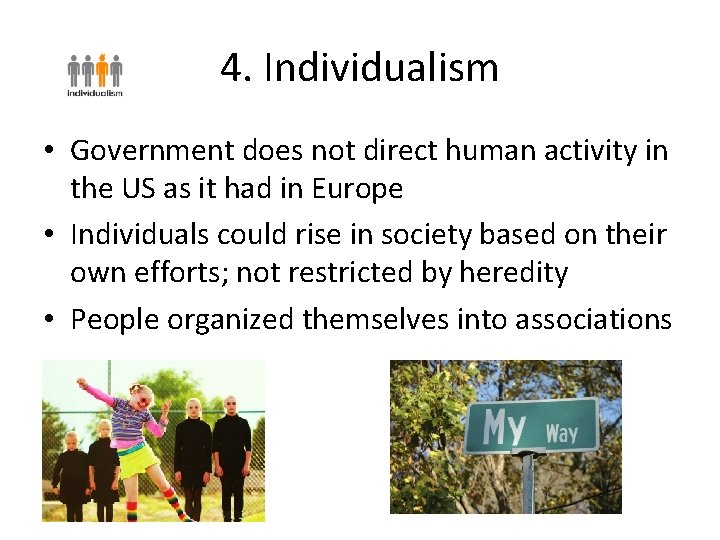
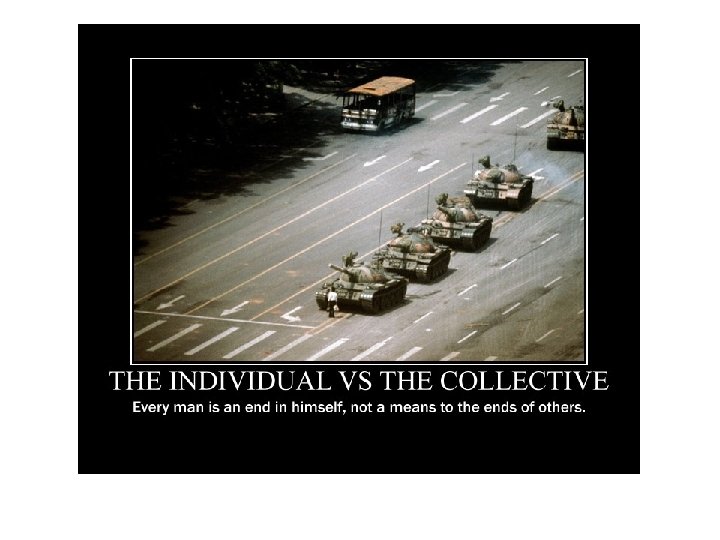
4. Individualism • Government does not direct human activity in the US as it had in Europe • Individuals could rise in society based on their own efforts; not restricted by heredity • People organized themselves into associations
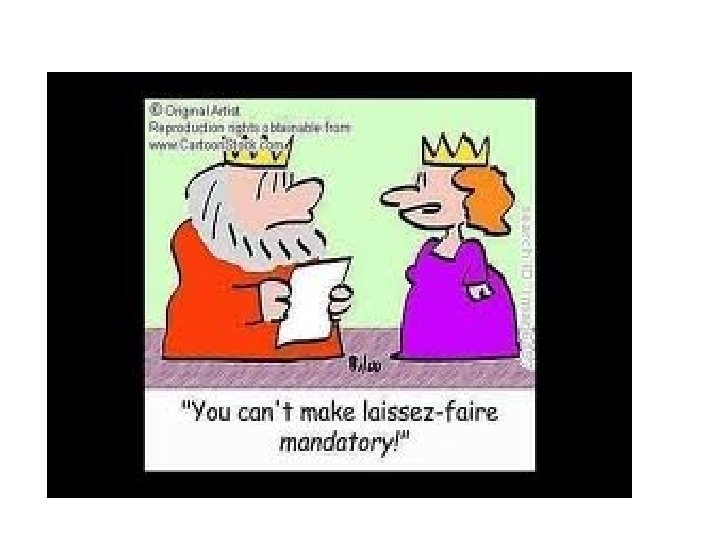
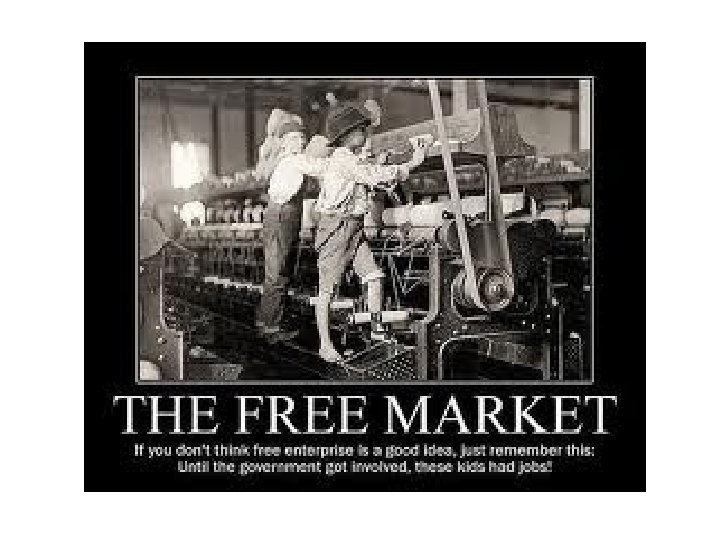
5. Laissez-Faire “hands off” Capitalism/ Free Enterprise System Adam Smith: “The Wealth of Nations” 1776 Government left the economy alone for the most part • Each person was considered to be the best judge of their own interests • Excessive reliance on government limits individual liberty • •