Systems Design Implementation Maintenance and Review Chapter 13
- Slides: 55
Systems Design, Implementation, Maintenance, and Review Chapter 13 Principles of Information Systems, Sixth Edition 1
Chapter 13 Outline • • Systems Design Systems Implementation Systems Maintenance Systems Review Principles of Information Systems, Sixth Edition 2
Systems Design Principles of Information Systems, Sixth Edition 3
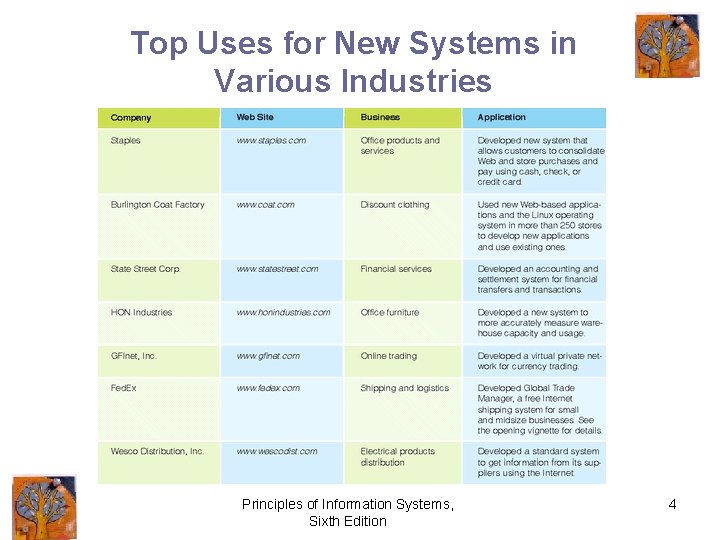
Top Uses for New Systems in Various Industries Principles of Information Systems, Sixth Edition 4
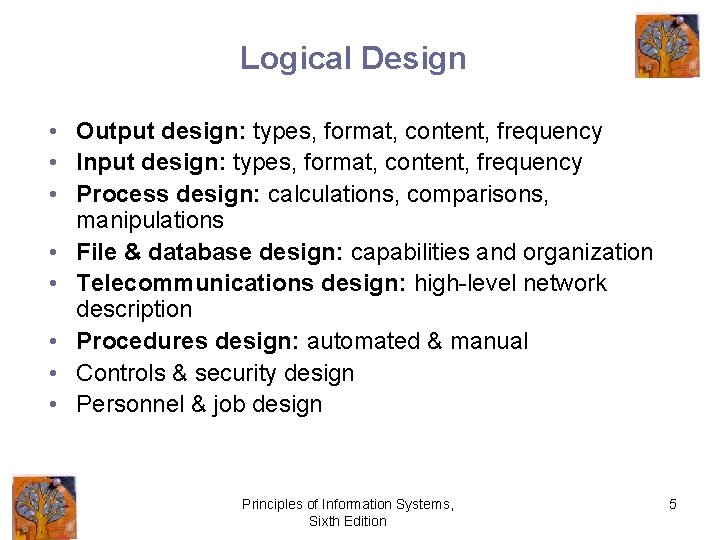
Logical Design • Output design: types, format, content, frequency • Input design: types, format, content, frequency • Process design: calculations, comparisons, manipulations • File & database design: capabilities and organization • Telecommunications design: high-level network description • Procedures design: automated & manual • Controls & security design • Personnel & job design Principles of Information Systems, Sixth Edition 5
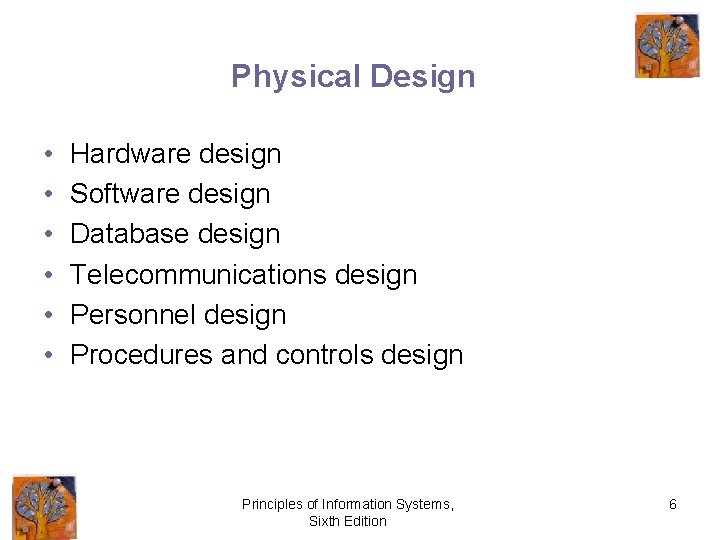
Physical Design • • • Hardware design Software design Database design Telecommunications design Personnel design Procedures and controls design Principles of Information Systems, Sixth Edition 6
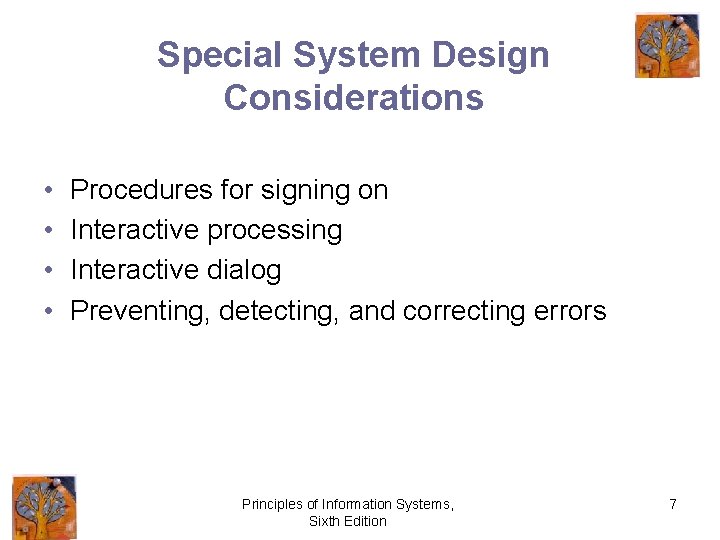
Special System Design Considerations • • Procedures for signing on Interactive processing Interactive dialog Preventing, detecting, and correcting errors Principles of Information Systems, Sixth Edition 7
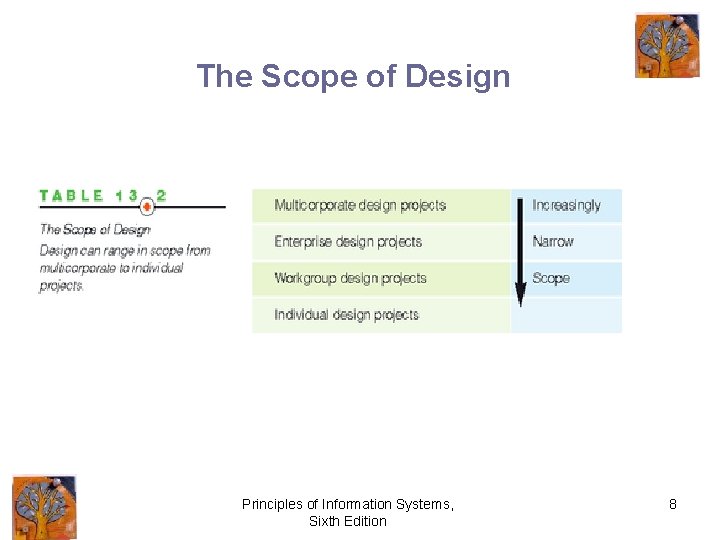
The Scope of Design Principles of Information Systems, Sixth Edition 8
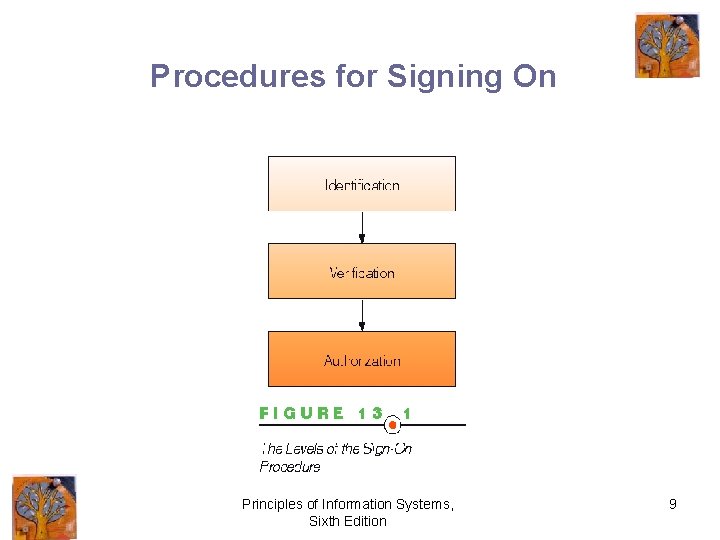
Procedures for Signing On Principles of Information Systems, Sixth Edition 9
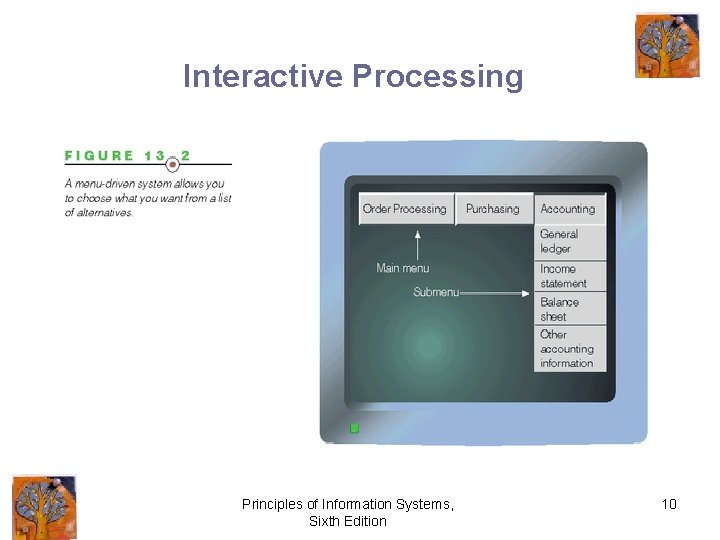
Interactive Processing Principles of Information Systems, Sixth Edition 10
Emergency Alternate Procedures & Disaster Recovery • • Telecommunications backup Personnel backup Hardware backup Software and database backup Principles of Information Systems, Sixth Edition 11
Hardware Backup • Disaster recovery plans • Hot site • Cold site Principles of Information Systems, Sixth Edition 12
Software & Database Backup • Selective backups • Incremental backups • Image log Principles of Information Systems, Sixth Edition 13
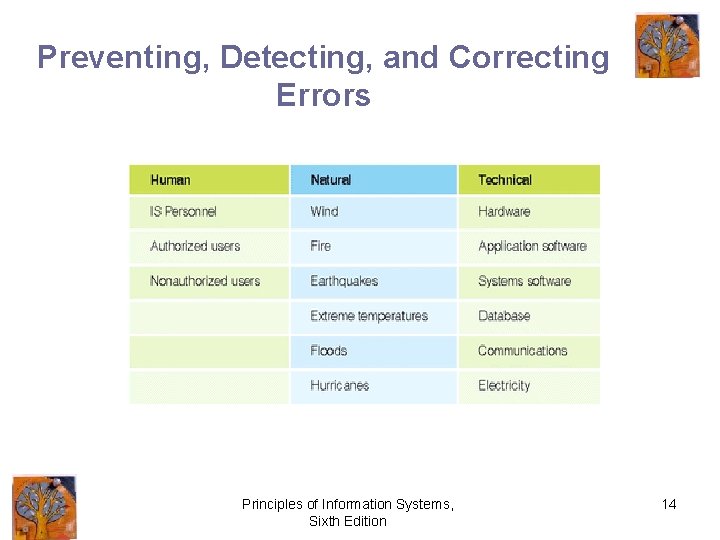
Preventing, Detecting, and Correcting Errors Principles of Information Systems, Sixth Edition 14
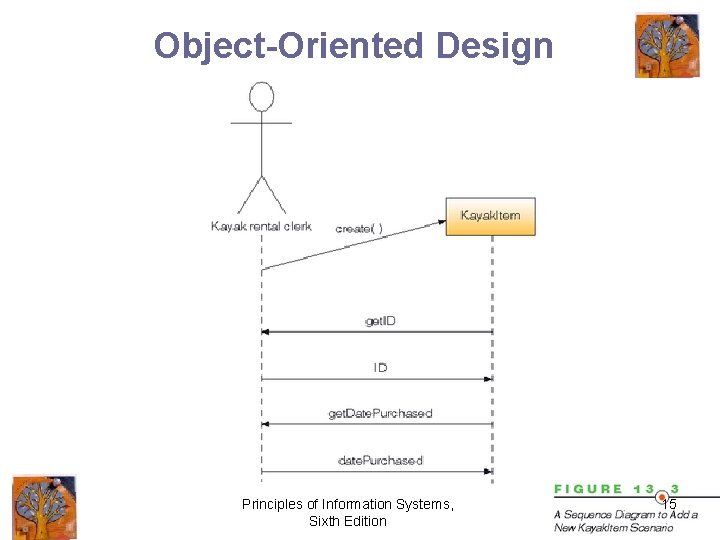
Object-Oriented Design Principles of Information Systems, Sixth Edition 15
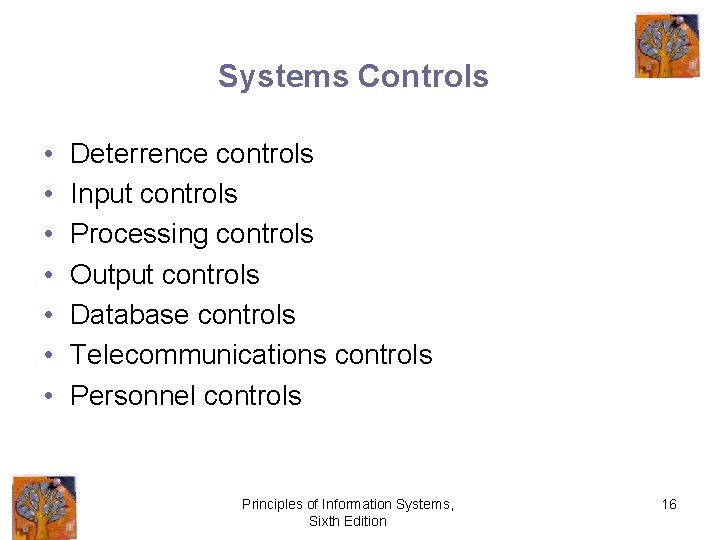
Systems Controls • • Deterrence controls Input controls Processing controls Output controls Database controls Telecommunications controls Personnel controls Principles of Information Systems, Sixth Edition 16
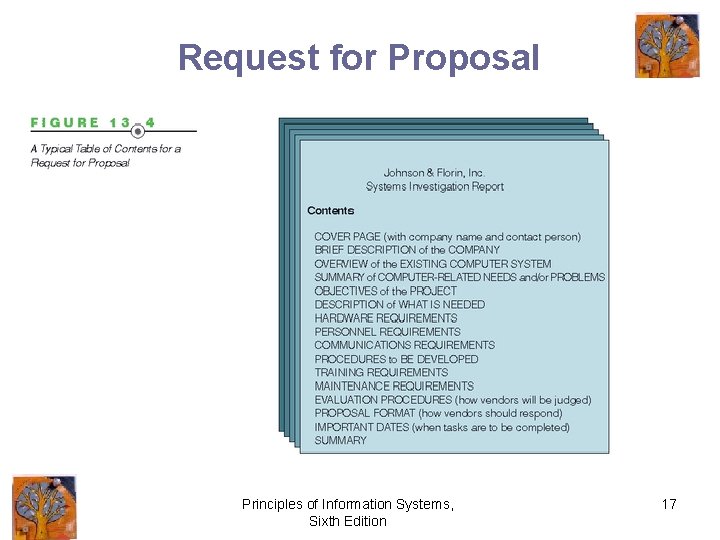
Request for Proposal Principles of Information Systems, Sixth Edition 17
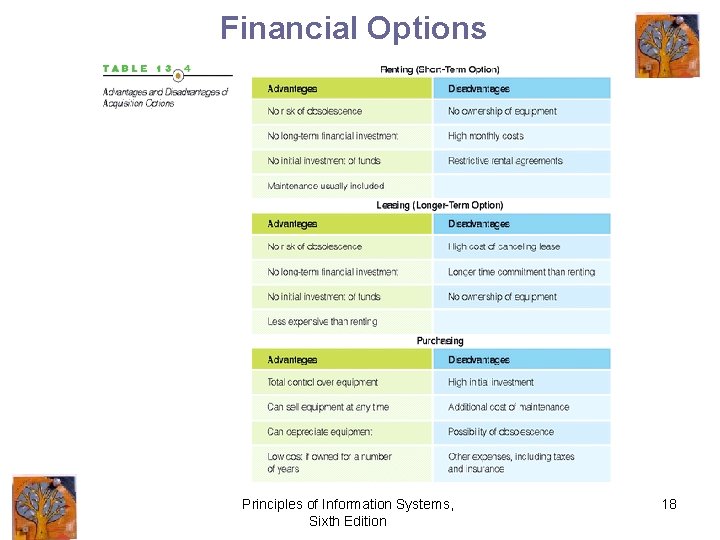
Financial Options Principles of Information Systems, Sixth Edition 18
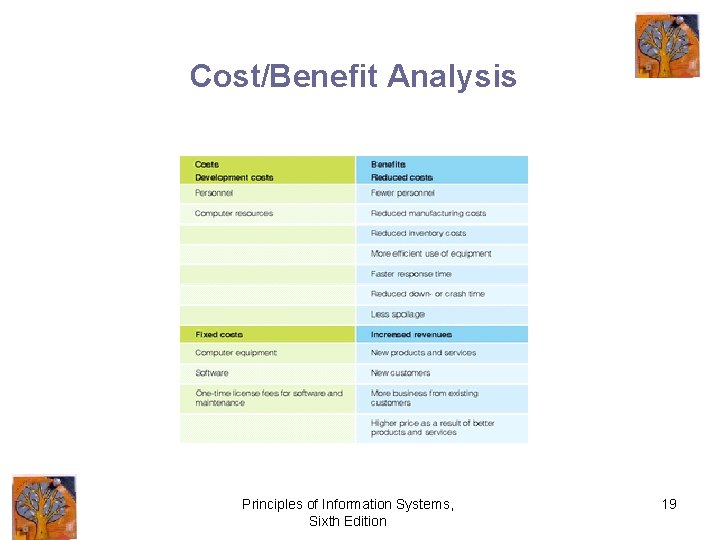
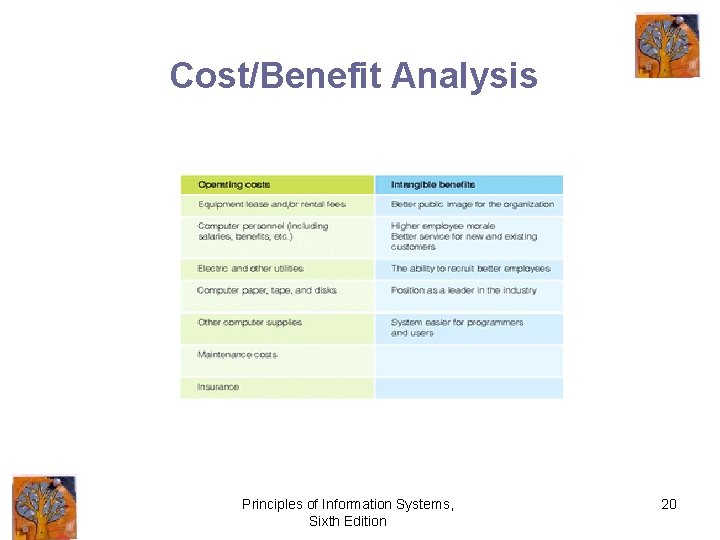
Cost/Benefit Analysis Principles of Information Systems, Sixth Edition 19
Cost/Benefit Analysis Principles of Information Systems, Sixth Edition 20
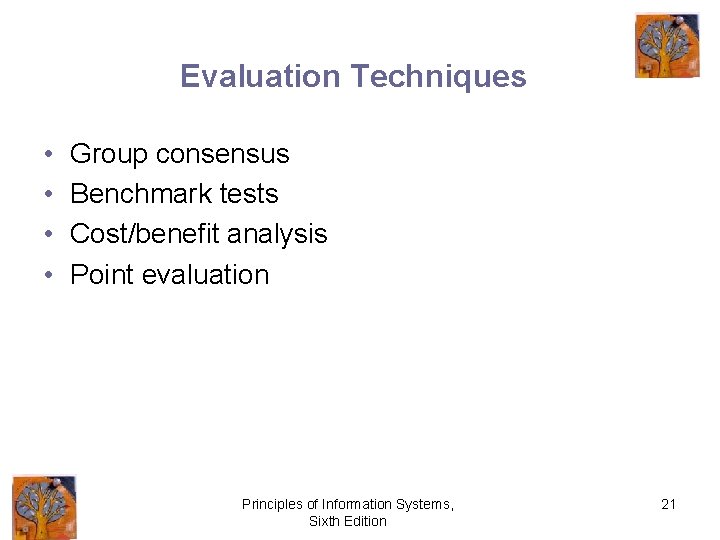
Evaluation Techniques • • Group consensus Benchmark tests Cost/benefit analysis Point evaluation Principles of Information Systems, Sixth Edition 21
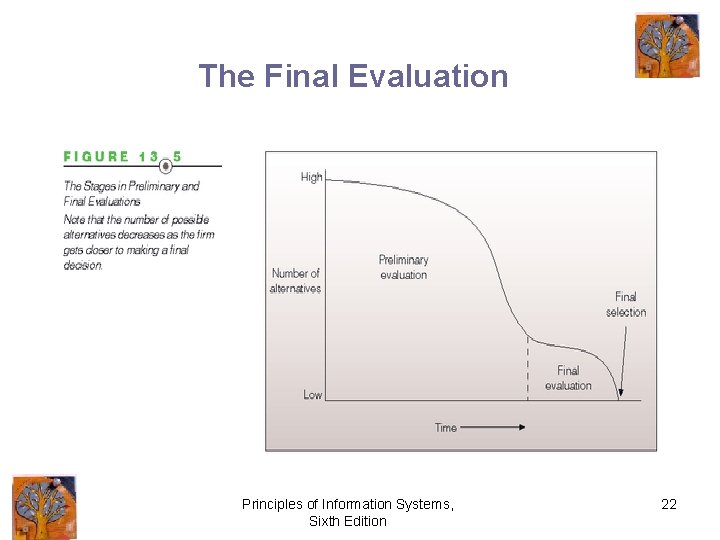
The Final Evaluation Principles of Information Systems, Sixth Edition 22
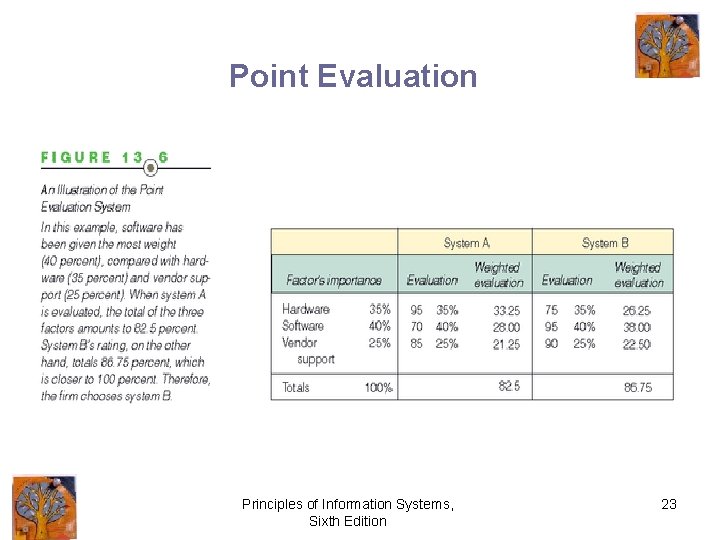
Point Evaluation Principles of Information Systems, Sixth Edition 23
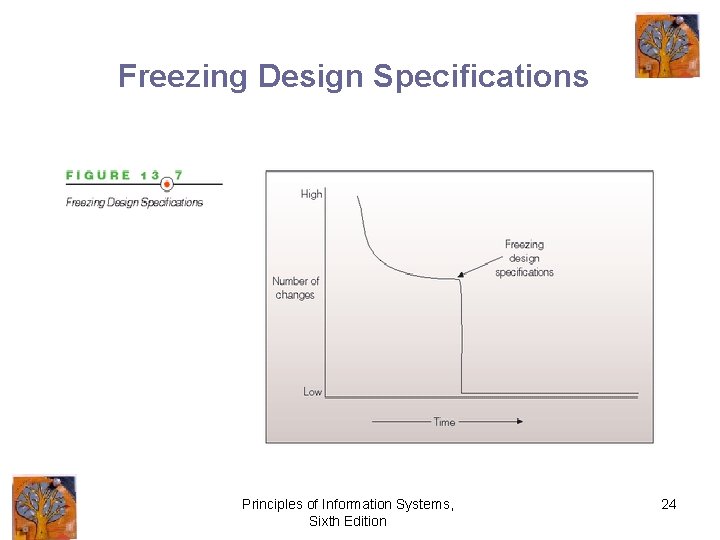
Freezing Design Specifications Principles of Information Systems, Sixth Edition 24
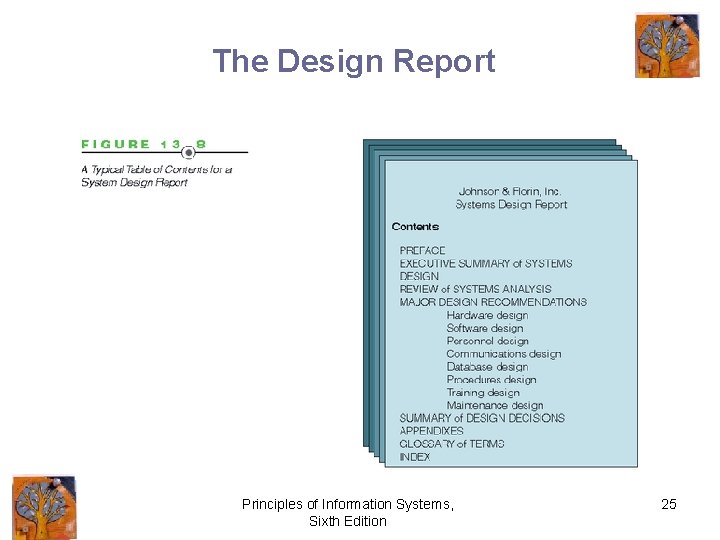
The Design Report Principles of Information Systems, Sixth Edition 25
Systems Implementation Principles of Information Systems, Sixth Edition 26
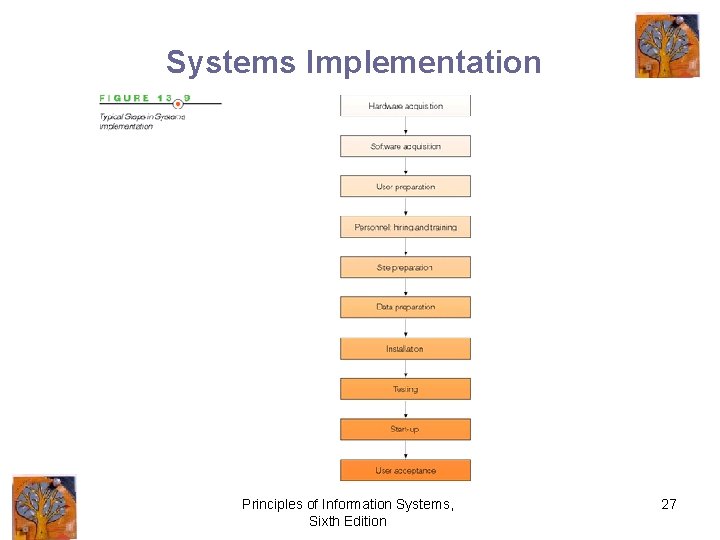
Systems Implementation Principles of Information Systems, Sixth Edition 27
Acquiring Software: Make or Buy Software? • Externally developed software – Lower cost – Lower risk – Ease of installation Principles of Information Systems, Sixth Edition 28
Make or Buy Software • Steps – Review needs, requirements, and costs – Acquire software – Modify or customize software – Acquire software interfaces – Test and accept the software – Maintain the software Principles of Information Systems, Sixth Edition 29
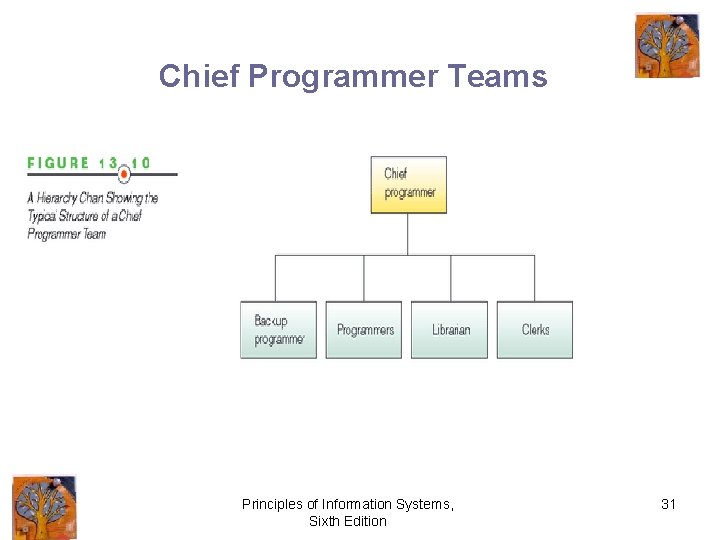
In-House Developed Software • Chief programmer teams • The programming life cycle Principles of Information Systems, Sixth Edition 30
Chief Programmer Teams Principles of Information Systems, Sixth Edition 31
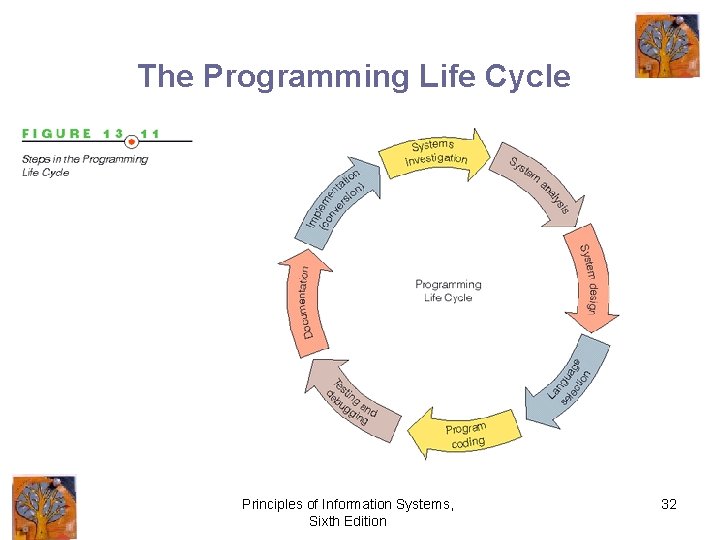
The Programming Life Cycle Principles of Information Systems, Sixth Edition 32
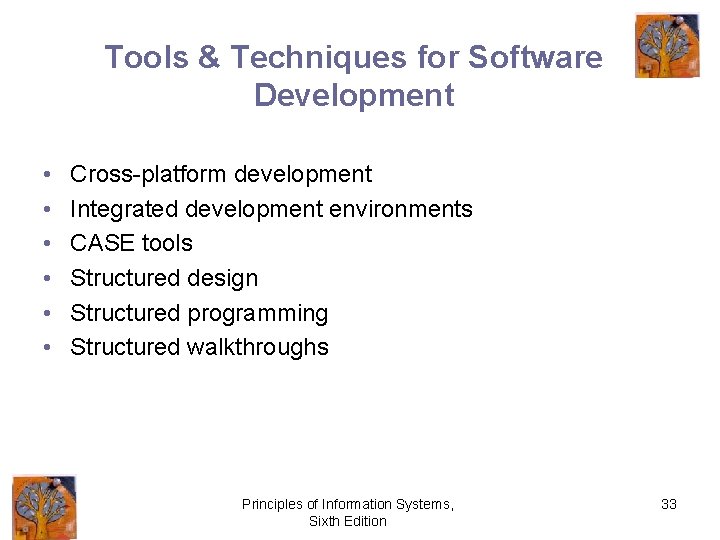
Tools & Techniques for Software Development • • • Cross-platform development Integrated development environments CASE tools Structured design Structured programming Structured walkthroughs Principles of Information Systems, Sixth Edition 33
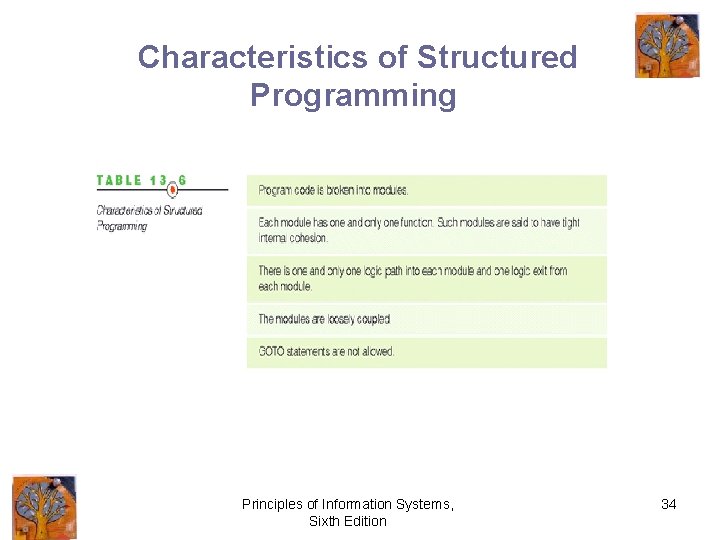
Characteristics of Structured Programming Principles of Information Systems, Sixth Edition 34
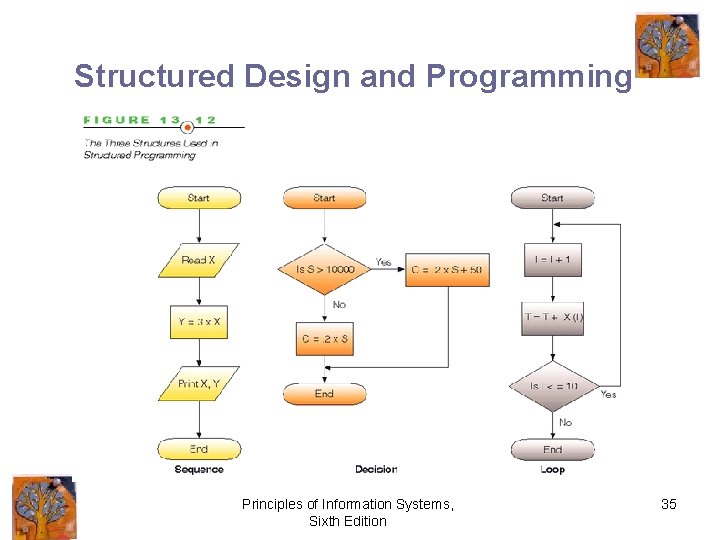
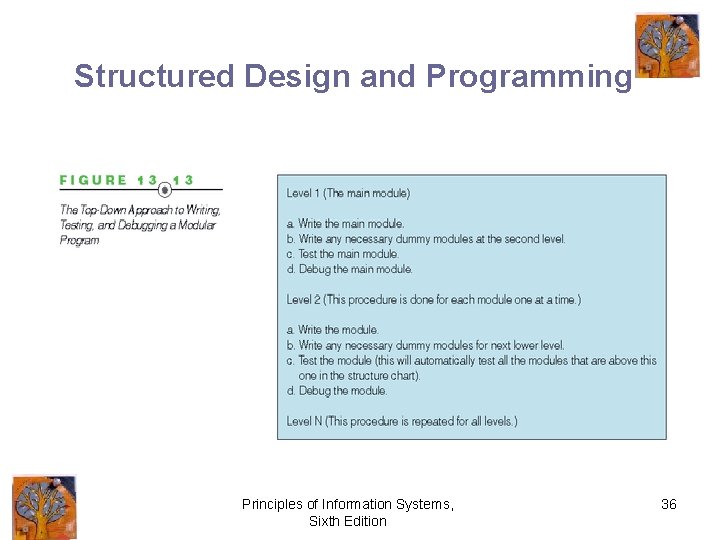
Structured Design and Programming Principles of Information Systems, Sixth Edition 35
Structured Design and Programming Principles of Information Systems, Sixth Edition 36
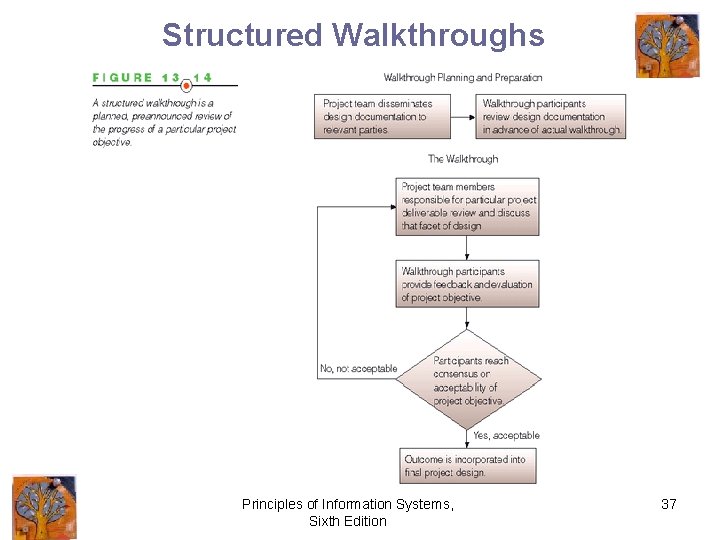
Structured Walkthroughs Principles of Information Systems, Sixth Edition 37
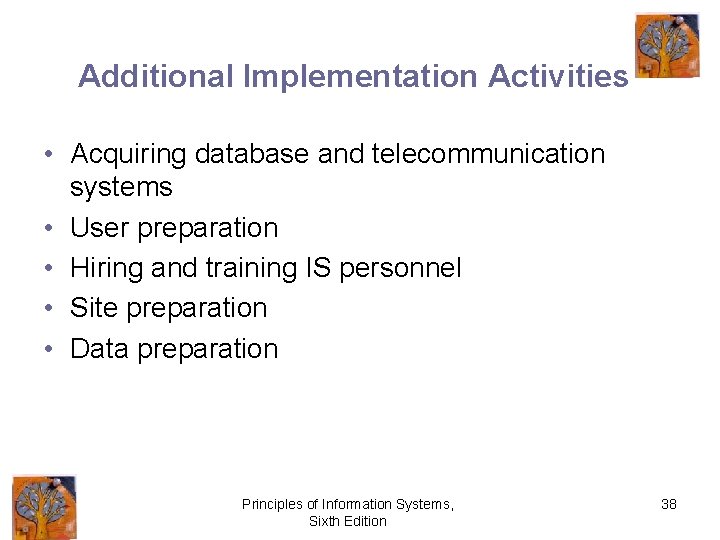
Additional Implementation Activities • Acquiring database and telecommunication systems • User preparation • Hiring and training IS personnel • Site preparation • Data preparation Principles of Information Systems, Sixth Edition 38
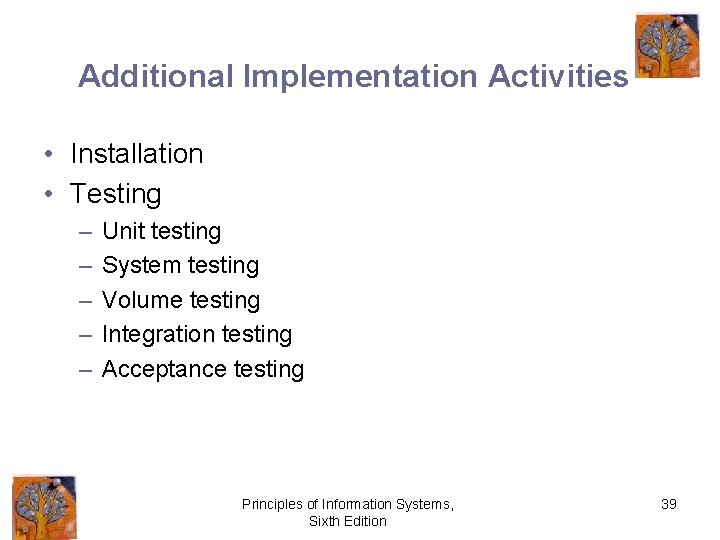
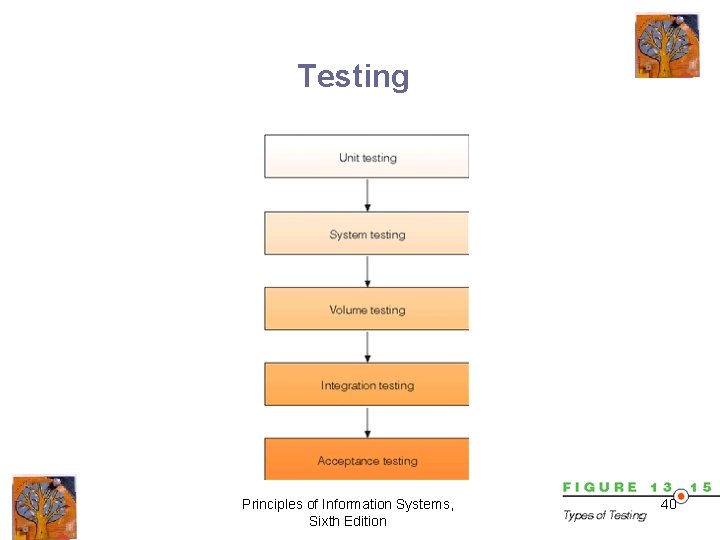
Additional Implementation Activities • Installation • Testing – – – Unit testing System testing Volume testing Integration testing Acceptance testing Principles of Information Systems, Sixth Edition 39
Testing Principles of Information Systems, Sixth Edition 40
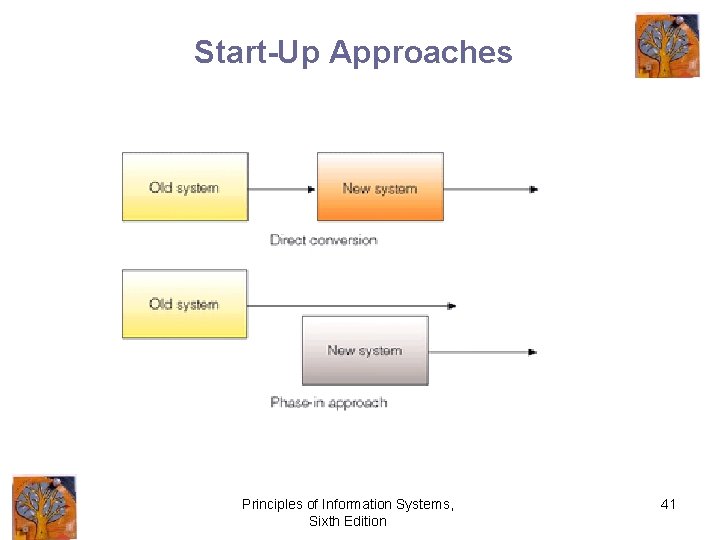
Start-Up Approaches Principles of Information Systems, Sixth Edition 41
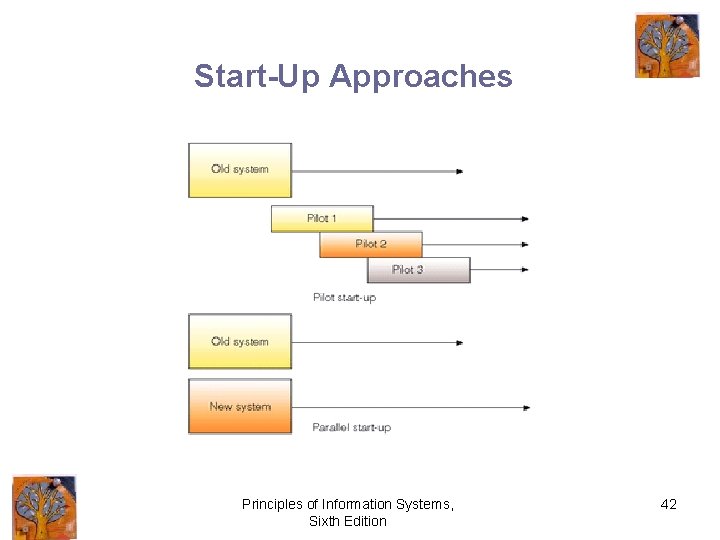
Start-Up Approaches Principles of Information Systems, Sixth Edition 42
Systems Maintenance Principles of Information Systems, Sixth Edition 43
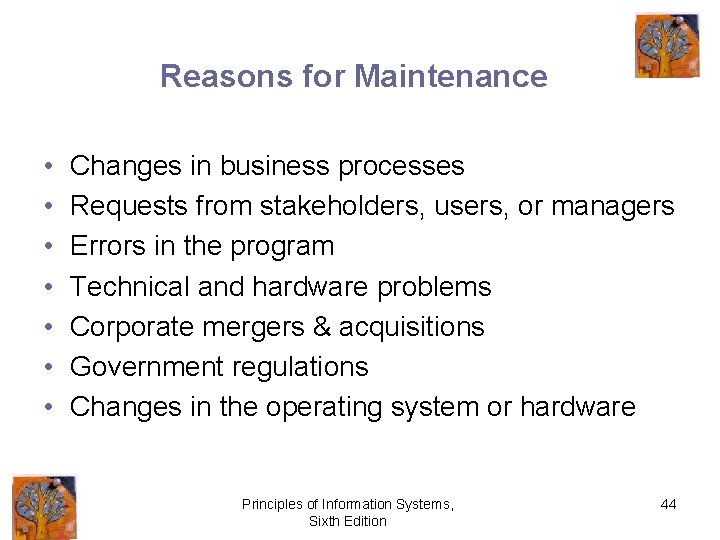
Reasons for Maintenance • • Changes in business processes Requests from stakeholders, users, or managers Errors in the program Technical and hardware problems Corporate mergers & acquisitions Government regulations Changes in the operating system or hardware Principles of Information Systems, Sixth Edition 44
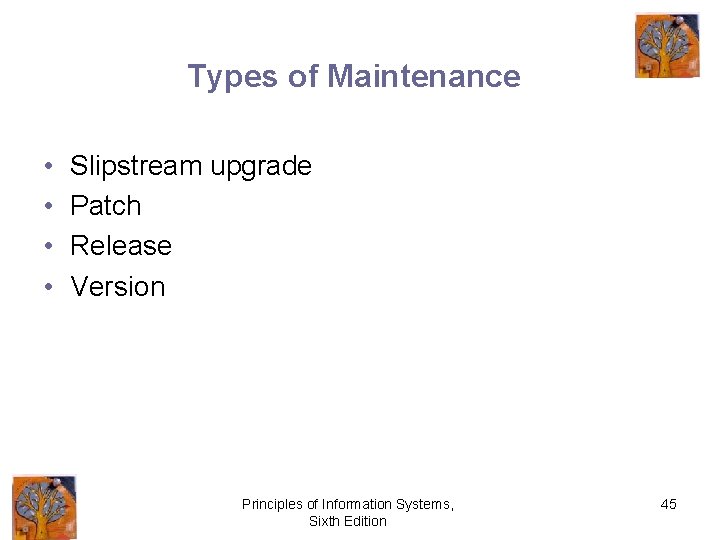
Types of Maintenance • • Slipstream upgrade Patch Release Version Principles of Information Systems, Sixth Edition 45
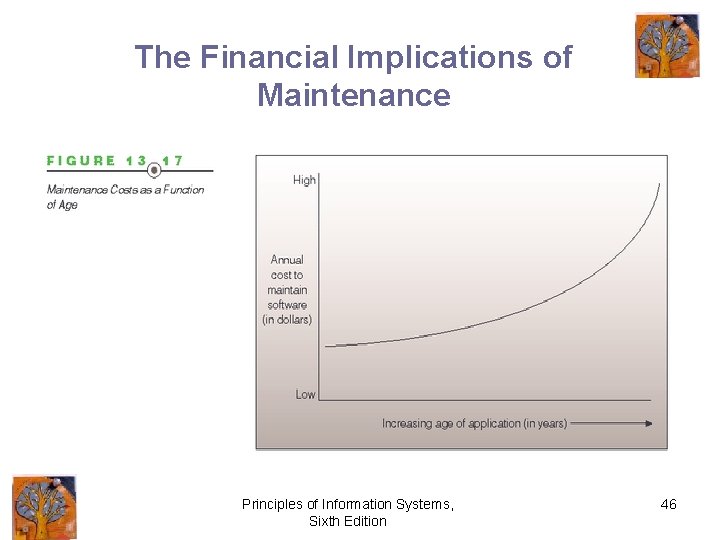
The Financial Implications of Maintenance Principles of Information Systems, Sixth Edition 46
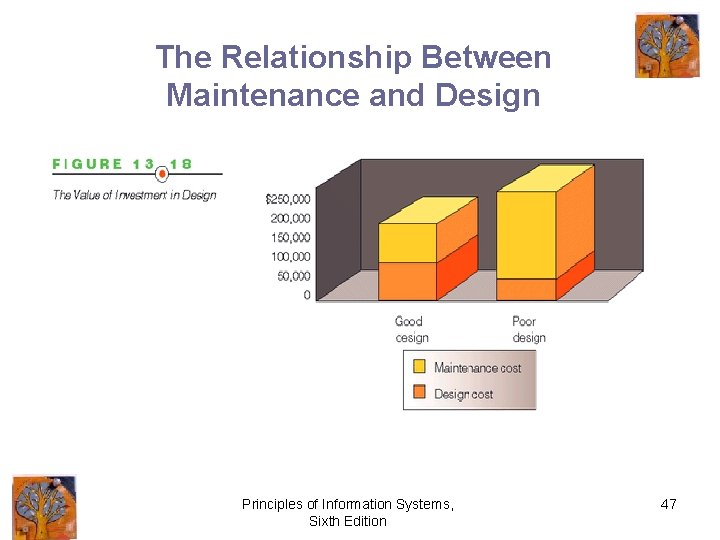
The Relationship Between Maintenance and Design Principles of Information Systems, Sixth Edition 47
Systems Review Principles of Information Systems, Sixth Edition 48
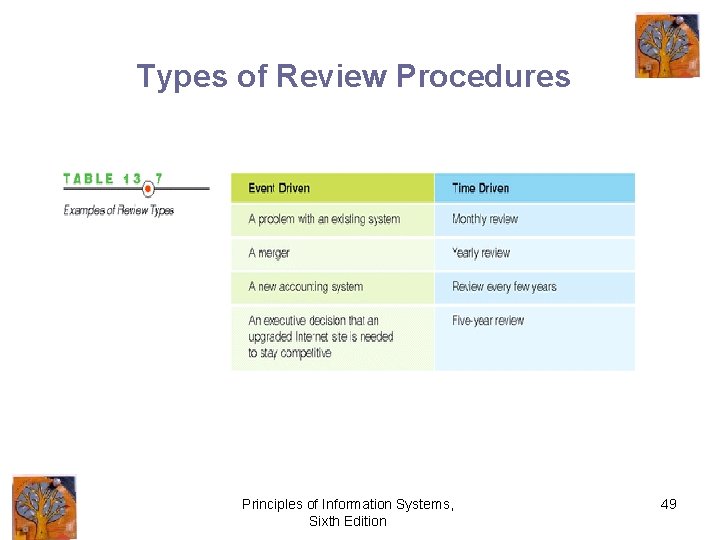
Types of Review Procedures Principles of Information Systems, Sixth Edition 49
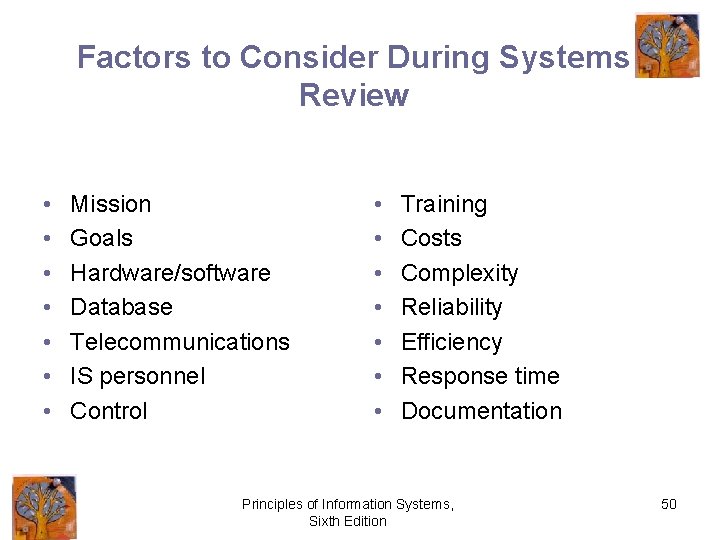
Factors to Consider During Systems Review • • Mission Goals Hardware/software Database Telecommunications IS personnel Control • • Training Costs Complexity Reliability Efficiency Response time Documentation Principles of Information Systems, Sixth Edition 50
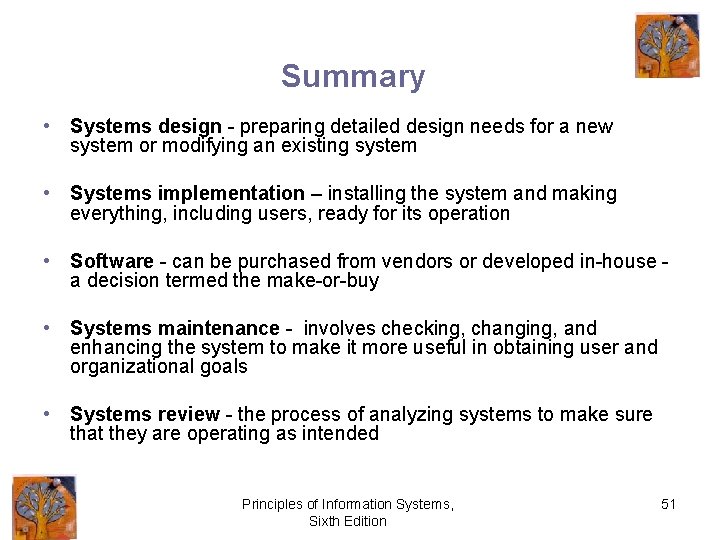
Summary • Systems design - preparing detailed design needs for a new system or modifying an existing system • Systems implementation – installing the system and making everything, including users, ready for its operation • Software - can be purchased from vendors or developed in-house a decision termed the make-or-buy • Systems maintenance - involves checking, changing, and enhancing the system to make it more useful in obtaining user and organizational goals • Systems review - the process of analyzing systems to make sure that they are operating as intended Principles of Information Systems, Sixth Edition 51
Principles and Learning Objectives • Designing new systems or modifying existing ones should always be aimed at helping an organization achieve its goals. – State the purpose of systems design and discuss the differences between logical and physical systems design. – Outline key steps taken during the design phase. – Describe some considerations and diagrams used during object-oriented design. – Define the term RFP and discuss how this document is used to drive the acquisition of hardware and software. – Describe the techniques used to make systems selection evaluations. Principles of Information Systems, Sixth Edition 52
Principles and Learning Objectives • The primary emphasis of systems implementation is to make sure that the right information is delivered to the right person in the right format at the right time. – State the purpose of systems implementation and discuss the various activities associated with this phase of systems development. – List the advantages and disadvantages of purchasing versus developing software. – Discuss the software development process and some of the tools used in this process, including object-oriented program development tools. Principles of Information Systems, Sixth Edition 53
Principles and Learning Objectives • Maintenance and review add to the useful life of a system but can consume large amounts of resources. These activities can benefit from the same rigorous methods and project management techniques applied to systems development. – State the importance of systems and software maintenance and discuss the activities involved. – Describe the systems review process. Principles of Information Systems, Sixth Edition 54
End of Chapter 13 Principles of Information Systems, Sixth Edition 55