StudentCentered Social Studies Strategies MS HS Day 2

- Slides: 43
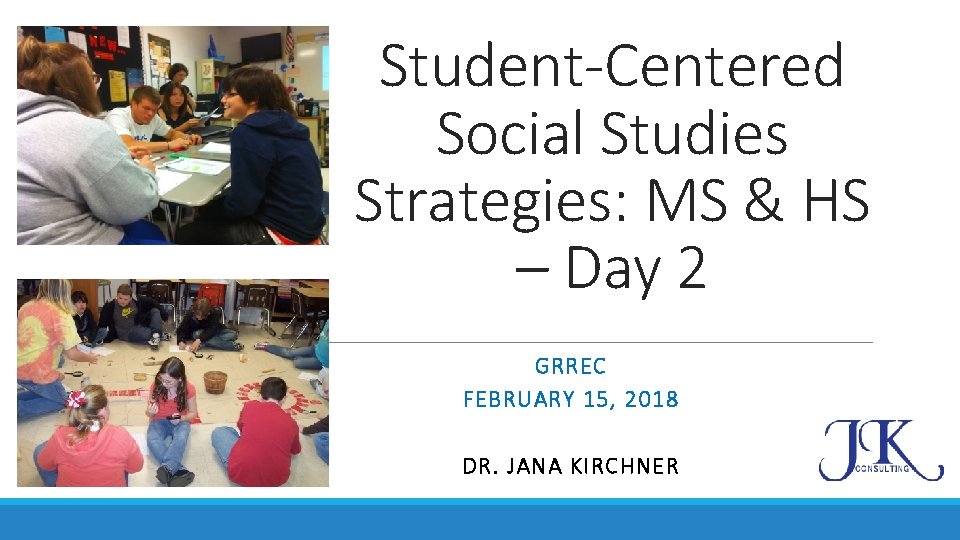
Student-Centered Social Studies Strategies: MS & HS – Day 2 GRREC FEBRUARY 15, 2018 DR. JANA KIRCHNER
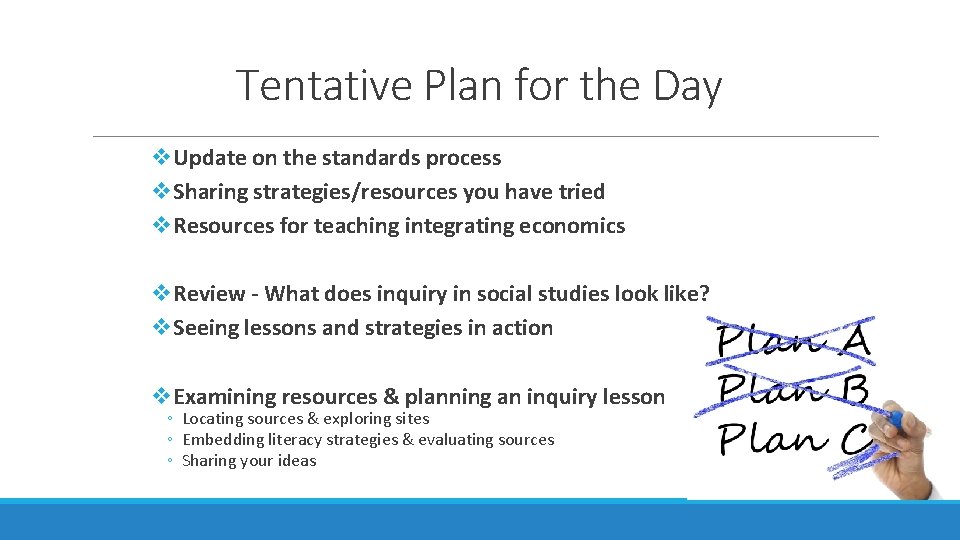
Tentative Plan for the Day v. Update on the standards process v. Sharing strategies/resources you have tried v. Resources for teaching integrating economics v. Review - What does inquiry in social studies look like? v. Seeing lessons and strategies in action v. Examining resources & planning an inquiry lesson ◦ Locating sources & exploring sites ◦ Embedding literacy strategies & evaluating sources ◦ Sharing your ideas
What’s New with Social Studies Standards? KDE OTL Webcast - SS Standards Revision - 1/23/18
Mix & Mingle/Speed Date Topics: üWhat is a strategy you have tried since our PD in October? How did it go? üWhat are your favorite SS teaching strategies or resources? üWhat is a unit or lesson topic you will be teaching soon that you would like some help planning?
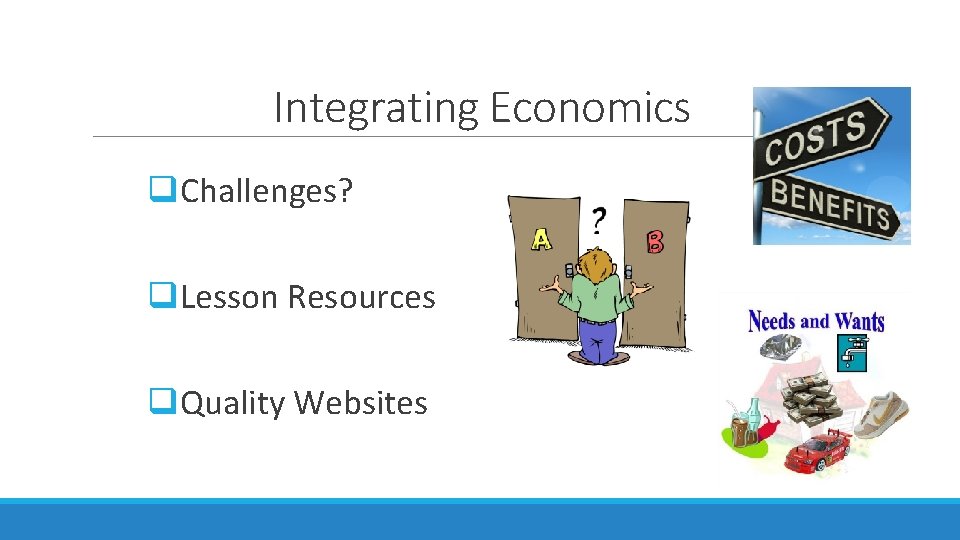
Integrating Economics q. Challenges? q. Lesson Resources q. Quality Websites
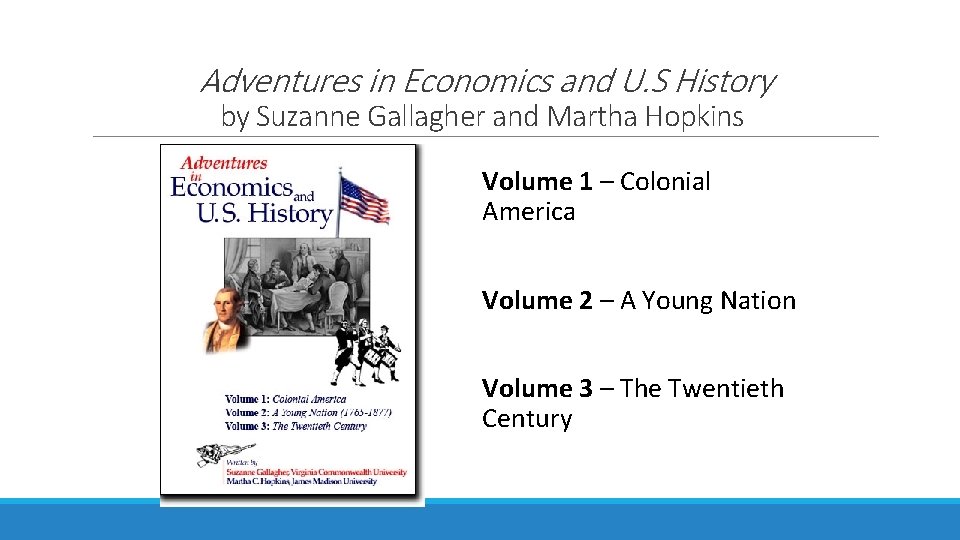
Adventures in Economics and U. S History by Suzanne Gallagher and Martha Hopkins Volume 1 – Colonial America Volume 2 – A Young Nation Volume 3 – The Twentieth Century
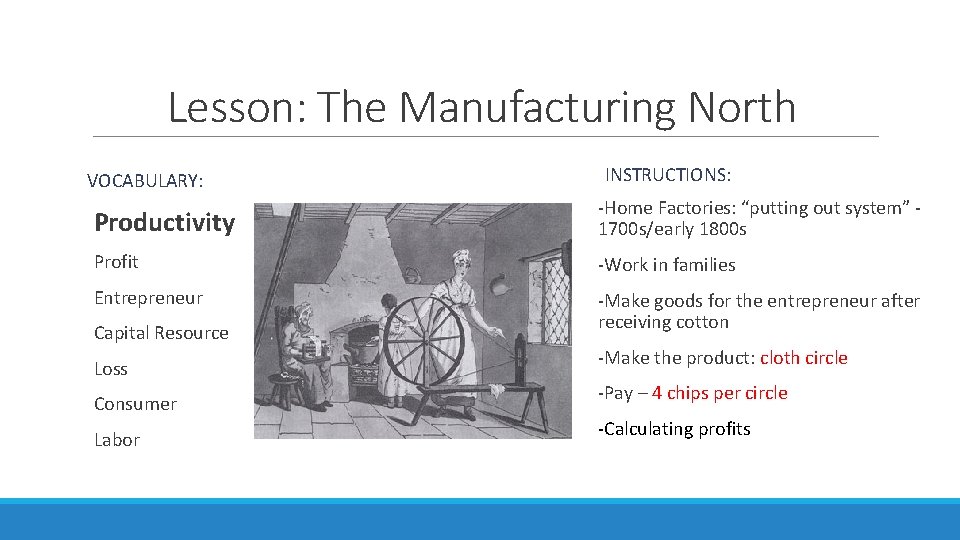
Lesson: The Manufacturing North VOCABULARY: INSTRUCTIONS: Productivity -Home Factories: “putting out system” 1700 s/early 1800 s Profit -Work in families Entrepreneur -Make goods for the entrepreneur after receiving cotton Capital Resource Loss Consumer Labor -Make the product: cloth circle -Pay – 4 chips per circle -Calculating profits
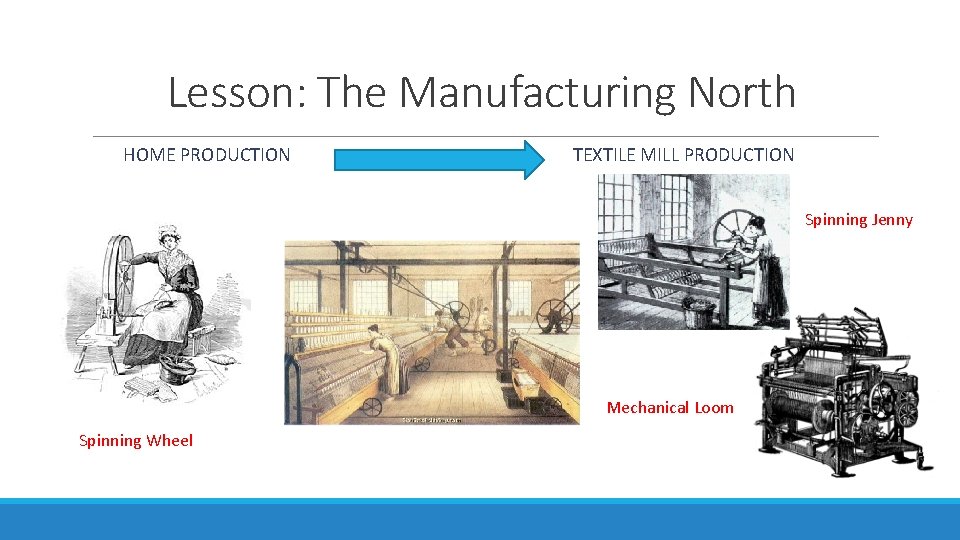
Lesson: The Manufacturing North HOME PRODUCTION TEXTILE MILL PRODUCTION Spinning Jenny Mechanical Loom Spinning Wheel
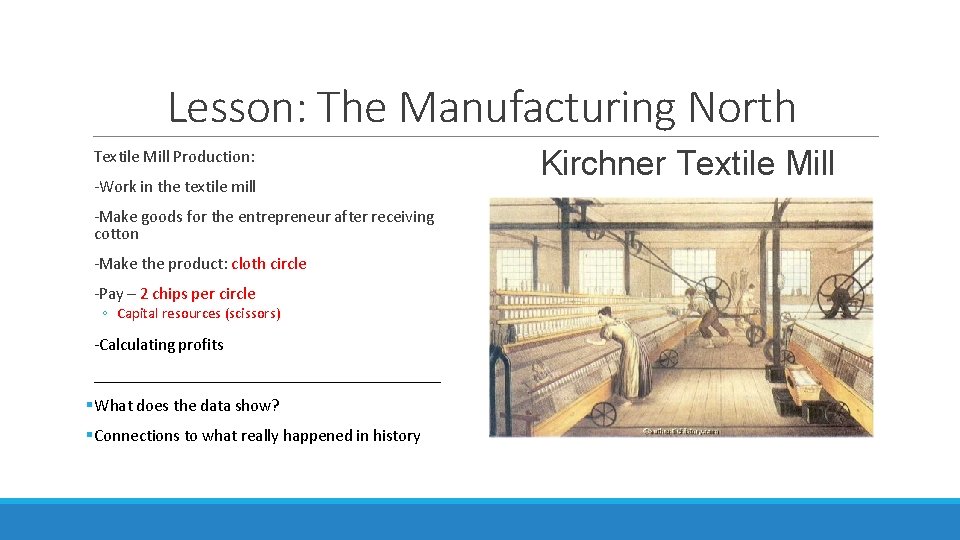
Lesson: The Manufacturing North Textile Mill Production: -Work in the textile mill -Make goods for the entrepreneur after receiving cotton -Make the product: cloth circle -Pay – 2 chips per circle ◦ Capital resources (scissors) -Calculating profits _____________________ §What does the data show? §Connections to what really happened in history Kirchner Textile Mill
Immigration: Most Everyone Came from Somewhere Else Learning Targets: I can • identify incentives which motivate immigrants to come to the U. S. • explain costs, benefits, and opportunity costs and how they are reflected in the story of immigration.
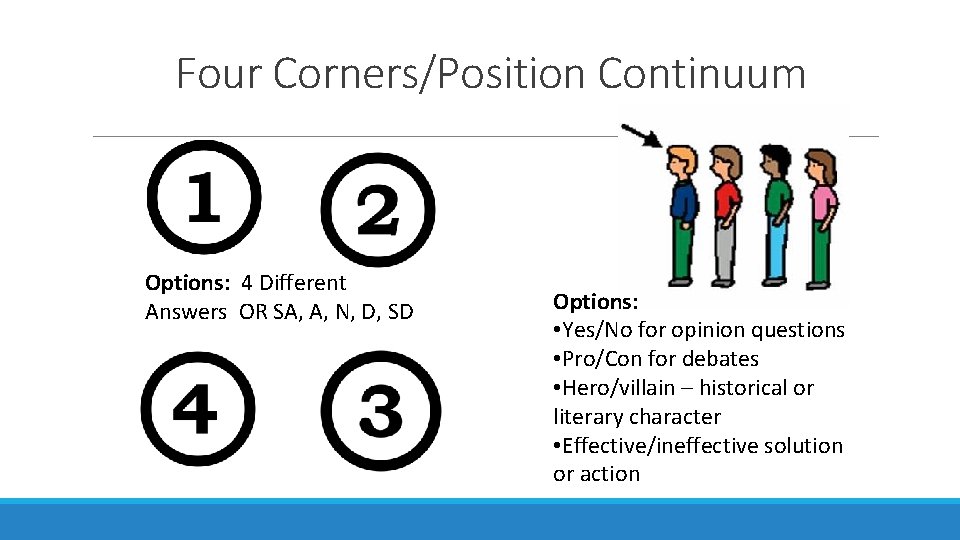
Four Corners/Position Continuum Options: 4 Different Answers OR SA, A, N, D, SD Options: • Yes/No for opinion questions • Pro/Con for debates • Hero/villain – historical or literary character • Effective/ineffective solution or action
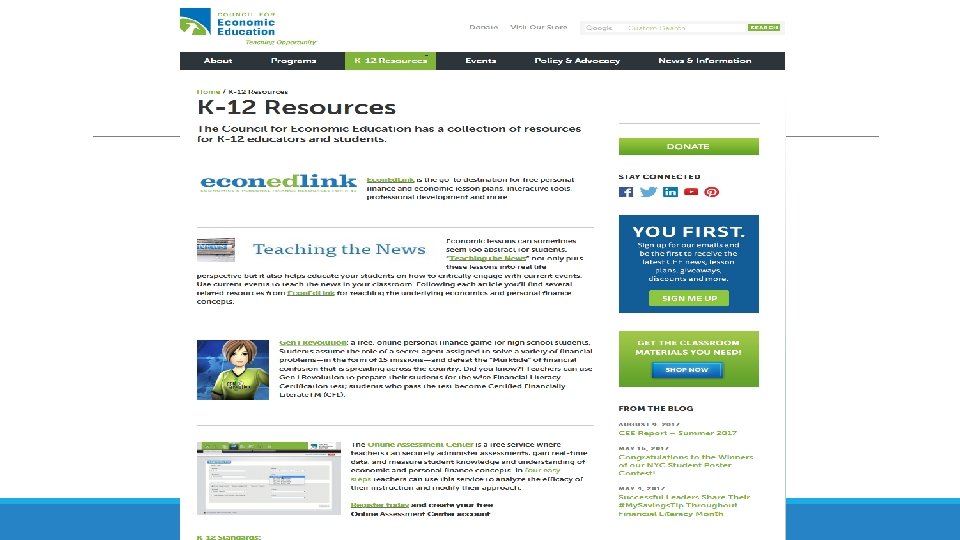
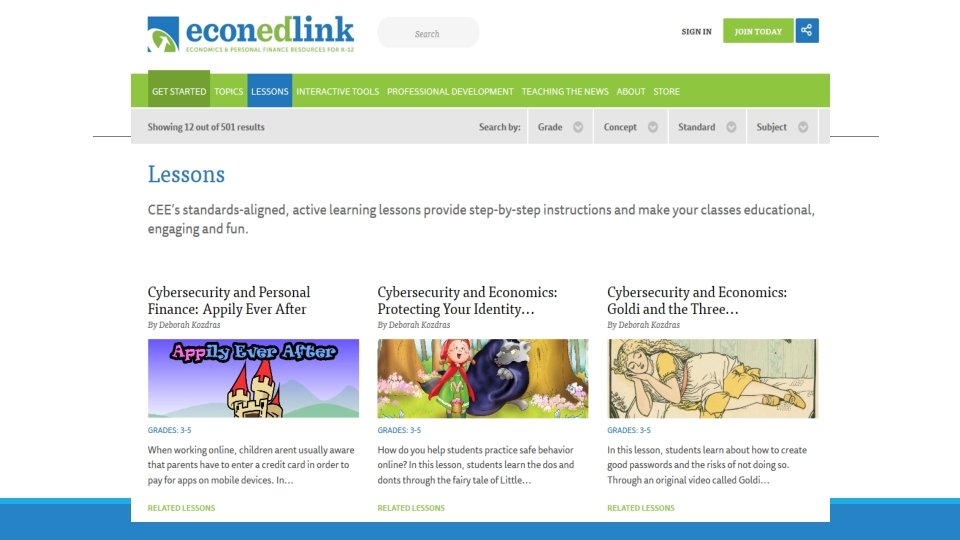
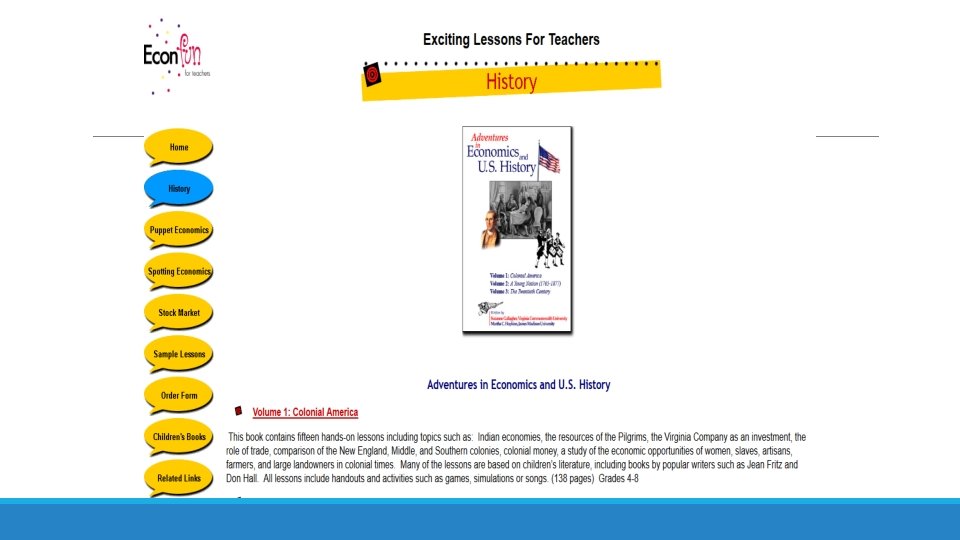
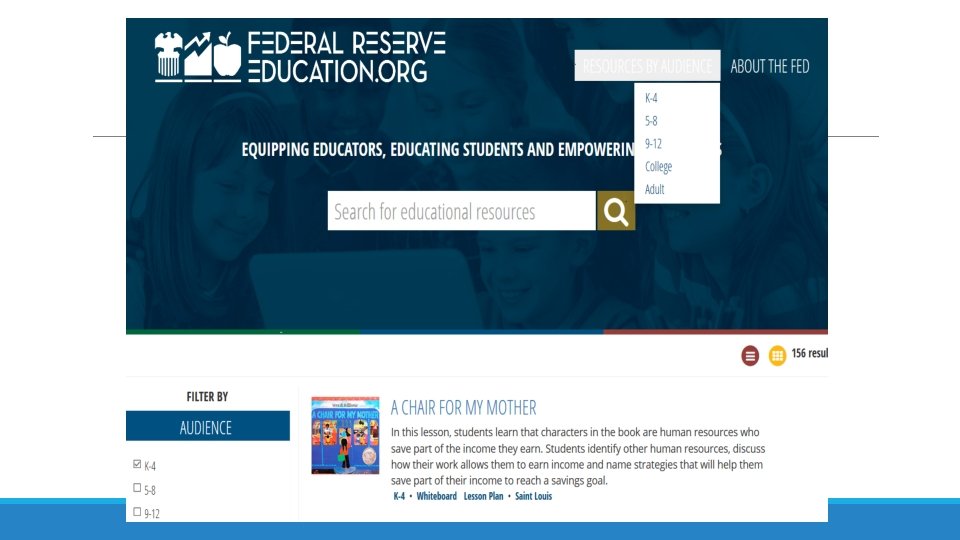
Resources for Teaching Economics Council for Economic Education Econ Ed Link Econfun Federal Reserve Education
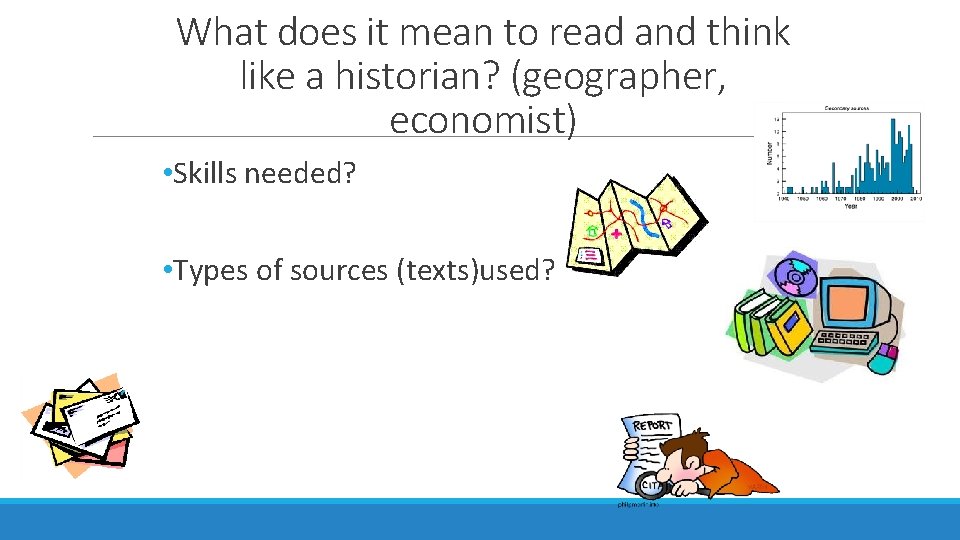
What does it mean to read and think like a historian? (geographer, economist) • Skills needed? • Types of sources (texts)used?
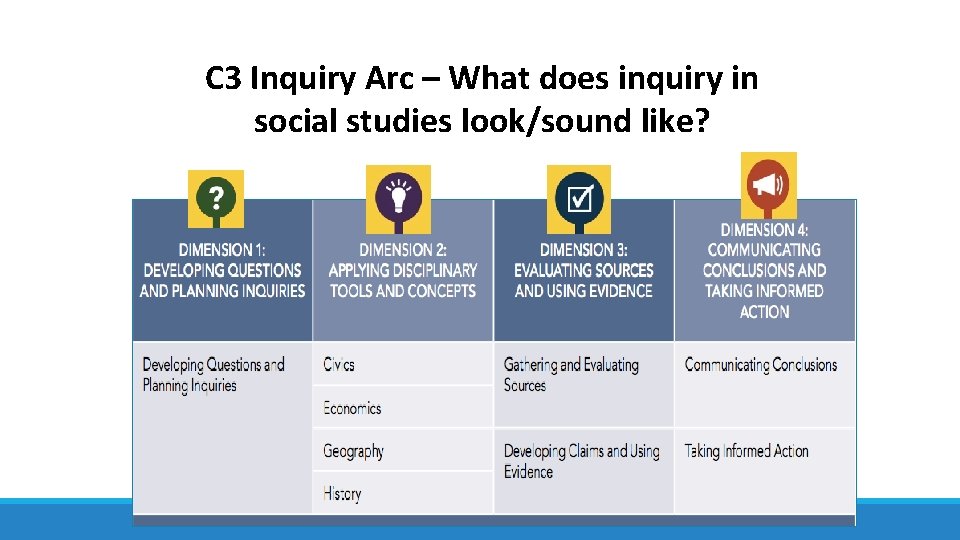
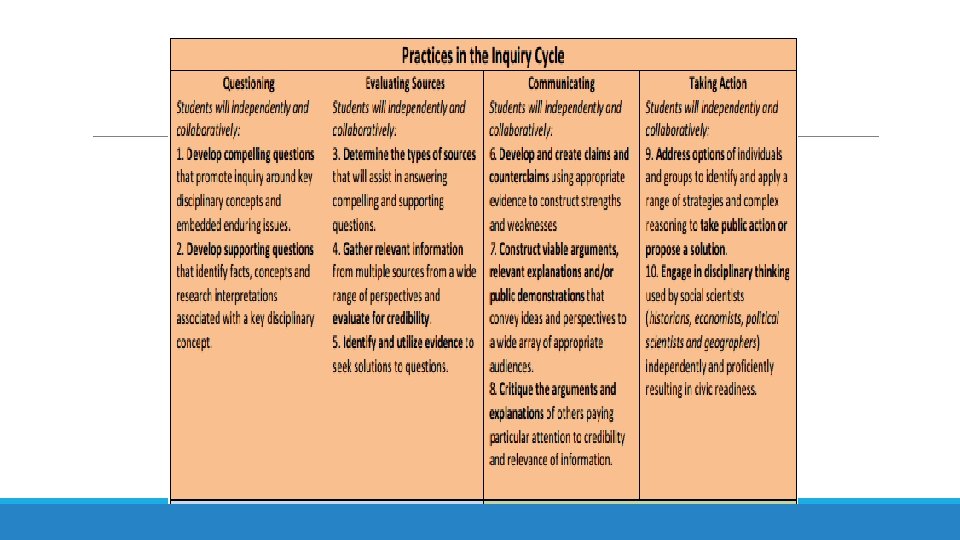
C 3 Inquiry Arc – What does inquiry in social studies look/sound like?
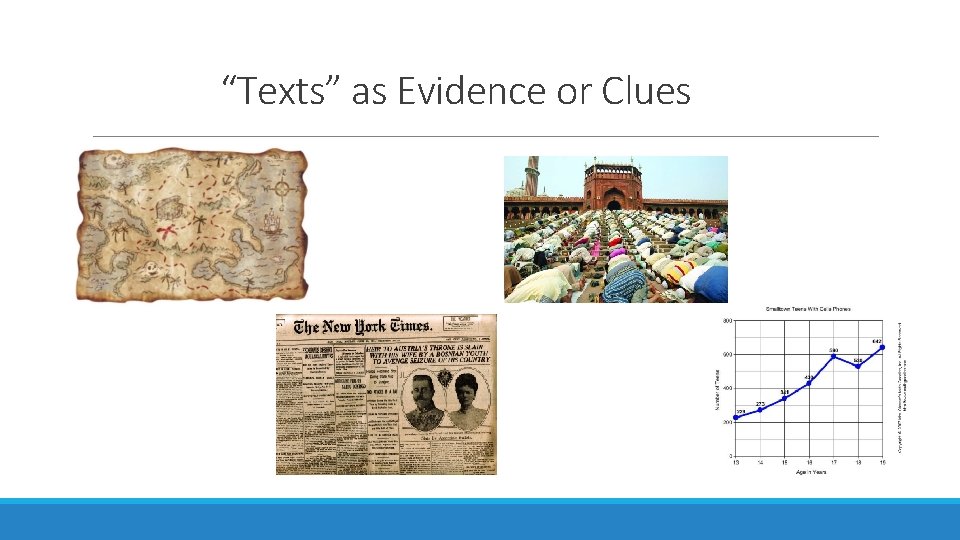
“Texts” as Evidence or Clues
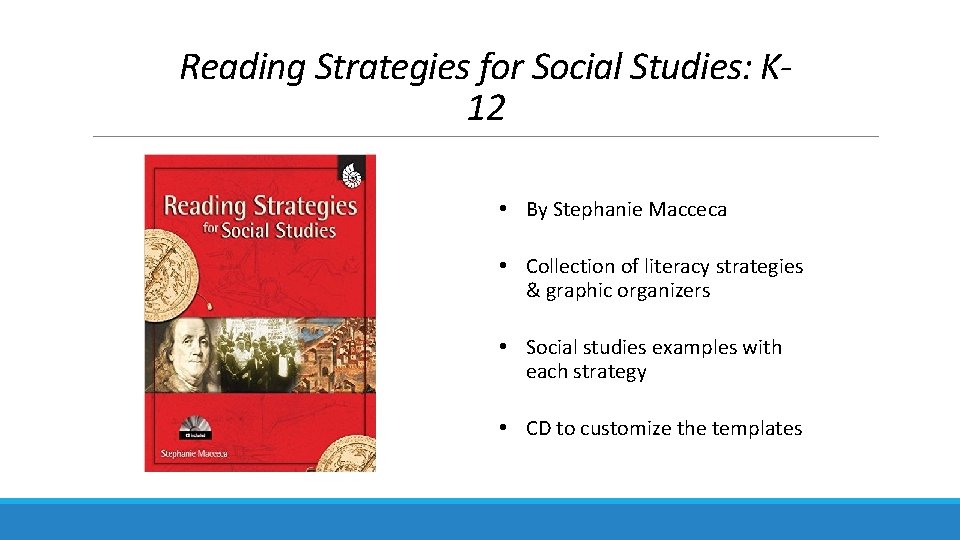
Reading Strategies for Social Studies: K 12 • By Stephanie Macceca • Collection of literacy strategies & graphic organizers • Social studies examples with each strategy • CD to customize the templates
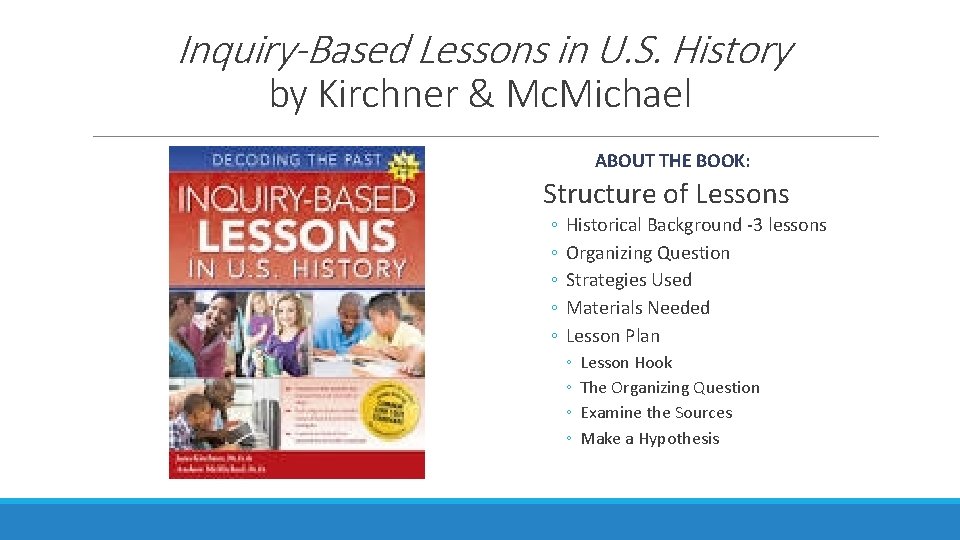
Inquiry-Based Lessons in U. S. History by Kirchner & Mc. Michael ABOUT THE BOOK: Structure of Lessons ◦ ◦ ◦ Historical Background -3 lessons Organizing Question Strategies Used Materials Needed Lesson Plan ◦ ◦ Lesson Hook The Organizing Question Examine the Sources Make a Hypothesis
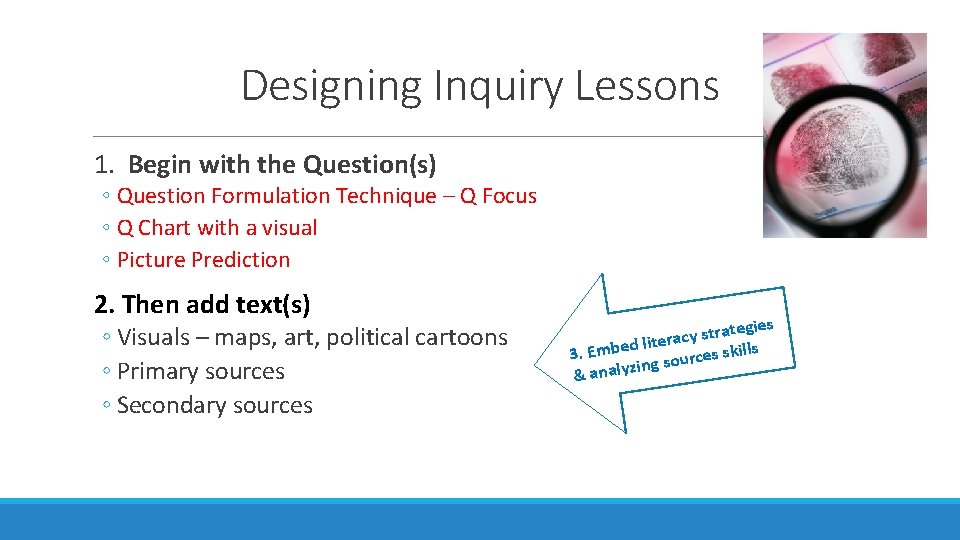
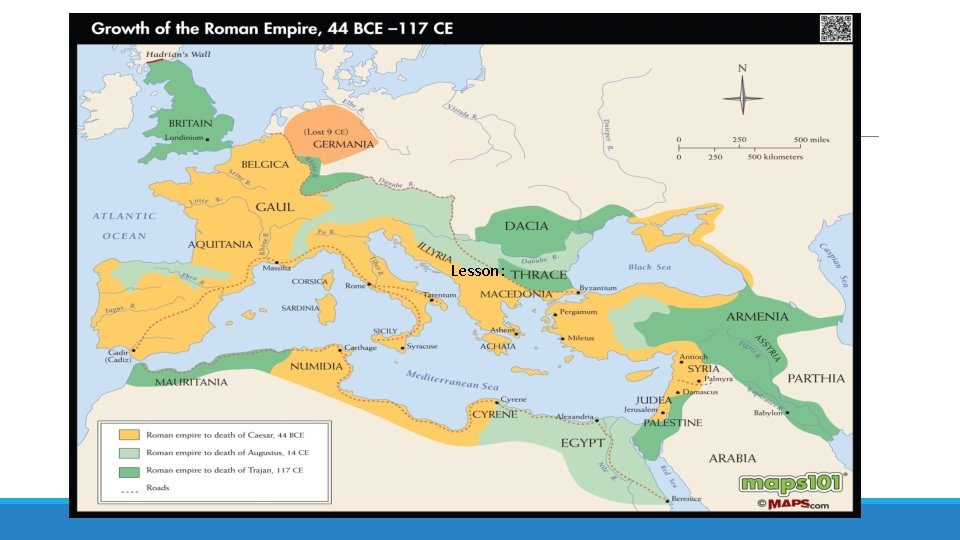
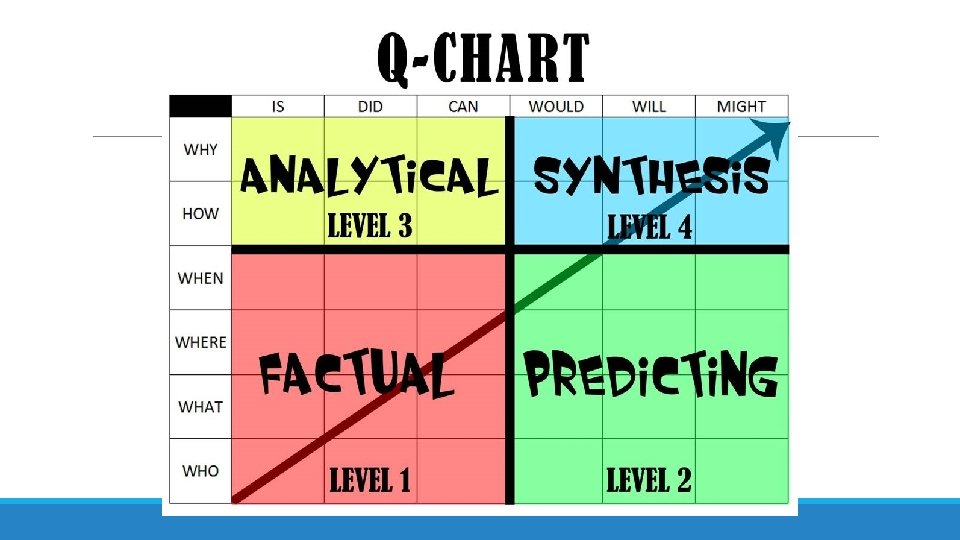
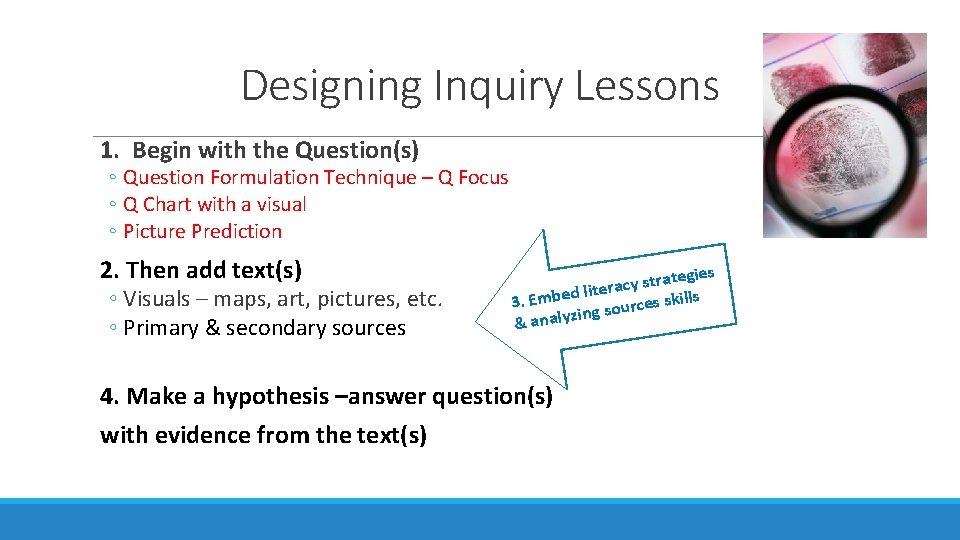
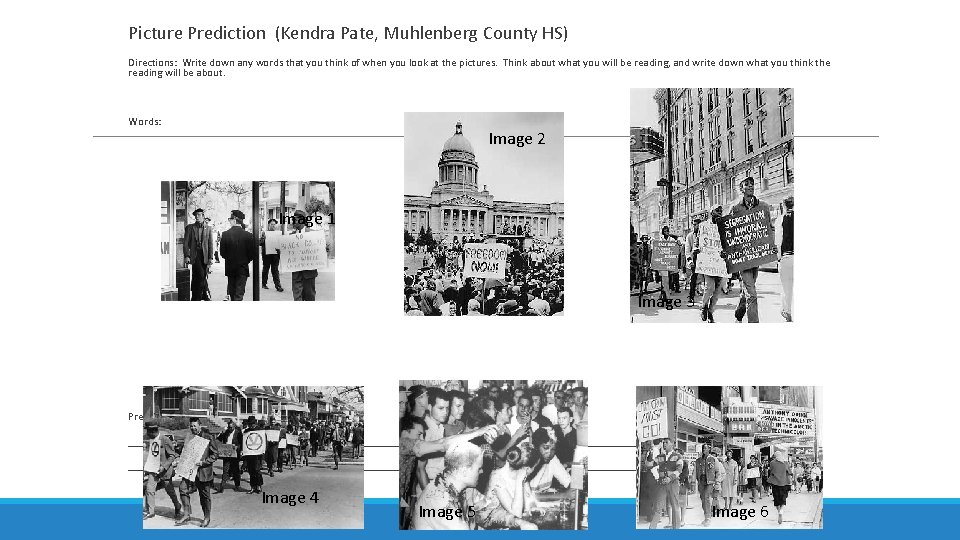
Designing Inquiry Lessons 1. Begin with the Question(s) ◦ Question Formulation Technique – Q Focus ◦ Q Chart with a visual ◦ Picture Prediction 2. Then add text(s) ◦ Visuals – maps, art, political cartoons ◦ Primary sources ◦ Secondary sources egies t a r t s y c d litera e b m E. s skills 3 e c r u o s ing & analyz
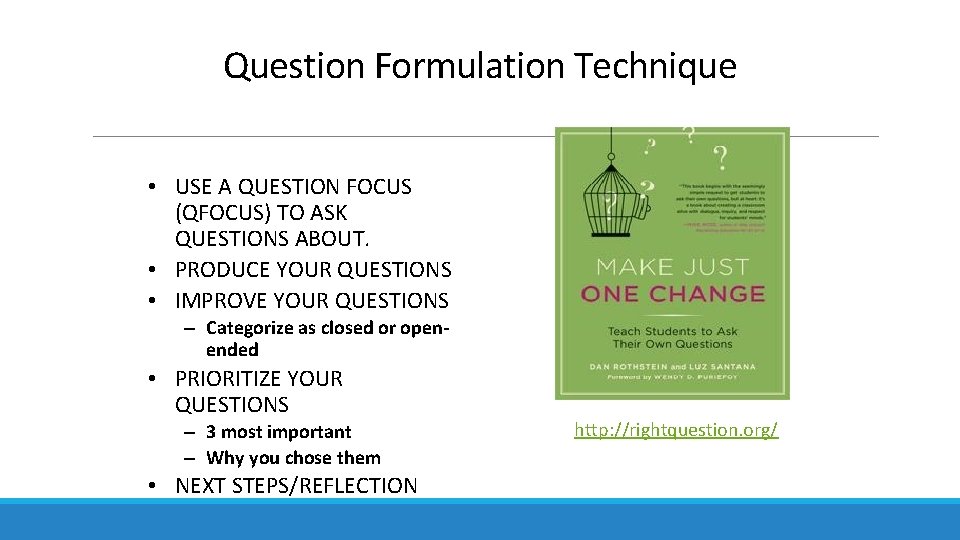
Question Formulation Technique • USE A QUESTION FOCUS (QFOCUS) TO ASK QUESTIONS ABOUT. • PRODUCE YOUR QUESTIONS • IMPROVE YOUR QUESTIONS – Categorize as closed or openended • PRIORITIZE YOUR QUESTIONS – 3 most important – Why you chose them • NEXT STEPS/REFLECTION http: //rightquestion. org/
Lesson:
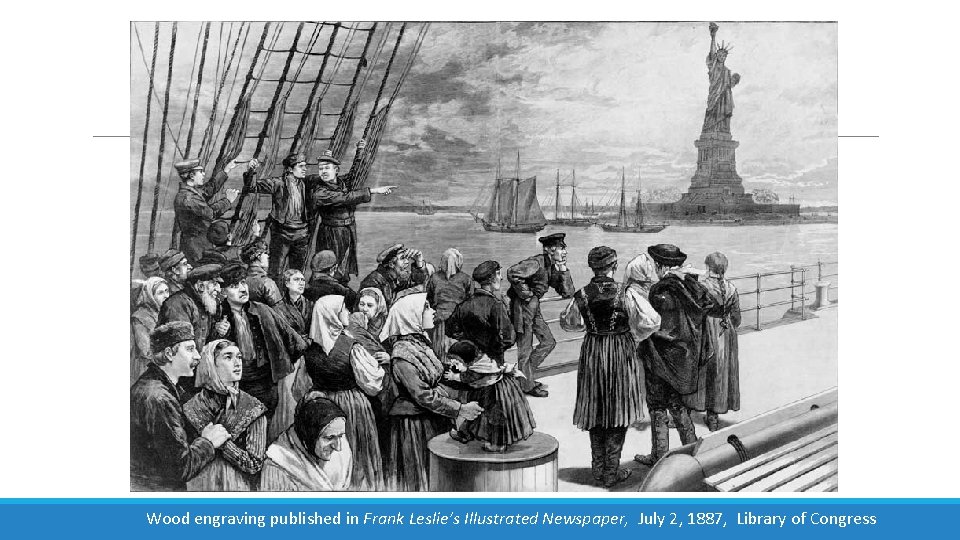
Wood engraving published in Frank Leslie’s Illustrated Newspaper, July 2, 1887, Library of Congress
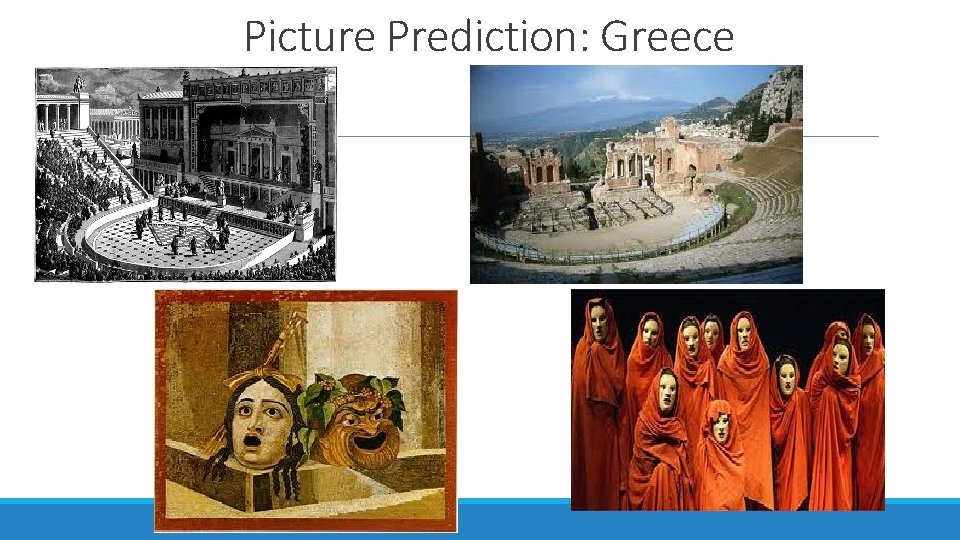
Picture Prediction: Greece
Designing Inquiry Lessons 1. Begin with the Question(s) ◦ Question Formulation Technique – Q Focus ◦ Q Chart with a visual ◦ Picture Prediction 2. Then add text(s) ◦ Visuals – maps, art, pictures, etc. ◦ Primary & secondary sources egies t a r t s y c d litera e b m E. s skills 3 e c r u o s ing & analyz 4. Make a hypothesis –answer question(s) with evidence from the text(s)
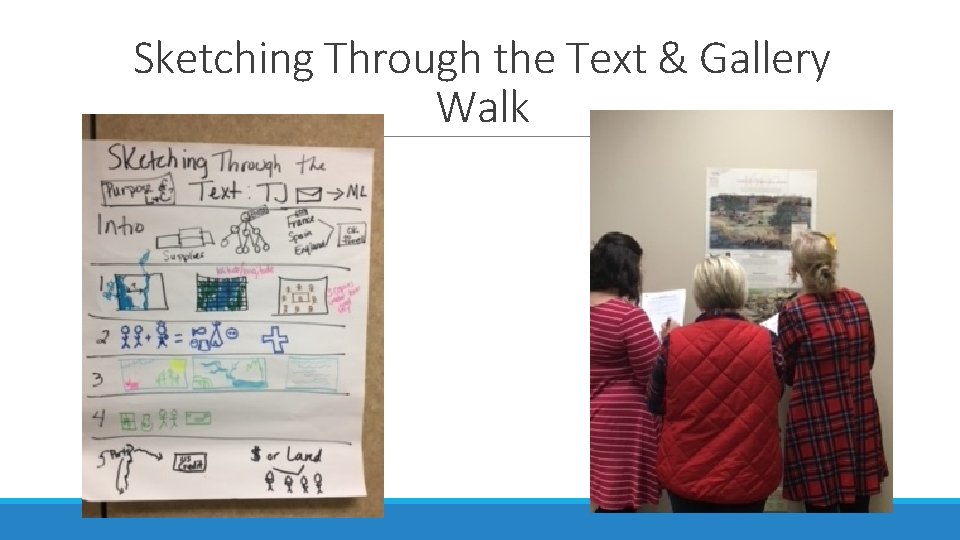
Step 3: Strategies for Analyzing Sources • Reciprocal Reading • Annotating Text • Sketching Through the Text • Very Important Points (VIPs) • Compare/contrast – Venn diagrams • SOAP(S) • Frayer Model • Library of Congress Analyzing Primary Source Templates • Picture Quadrants • Gallery Walk 3. Embed literacy st rategies & analyzi ng source s skills
Lesson Questions §How did Greek achievements contribute to modern theater? §How did Greek theater reflect the values and beliefs of Greek culture?
Reciprocal Reading Teacher Instructions: Choose a text. Chunk it into sections. Divide into groups of 3 and assign roles. You may need to model a section together first. Student Instructions: Read annotate a section individually first, then stop at the end of each chunk and discuss it using your role: Question, Clarify, & Summarize. Use the boxes to write down others’ ideas. §After discussing all sections of the text, discuss with your group answers to the two lesson questions. Find specific examples from the text as proof. §Look back at your picture prediction. What parts were accurate? What parts did you predict incorrectly?
Picture Prediction (Kendra Pate, Muhlenberg County HS) Directions: Write down any words that you think of when you look at the pictures. Think about what you will be reading, and write down what you think the reading will be about. Words: Image 2 Image 1 Image 3 Prediction: ________________________________________________________________________________________________________________ Image 4 Image 5 Image 6
Sketching Through the Text & Gallery Walk
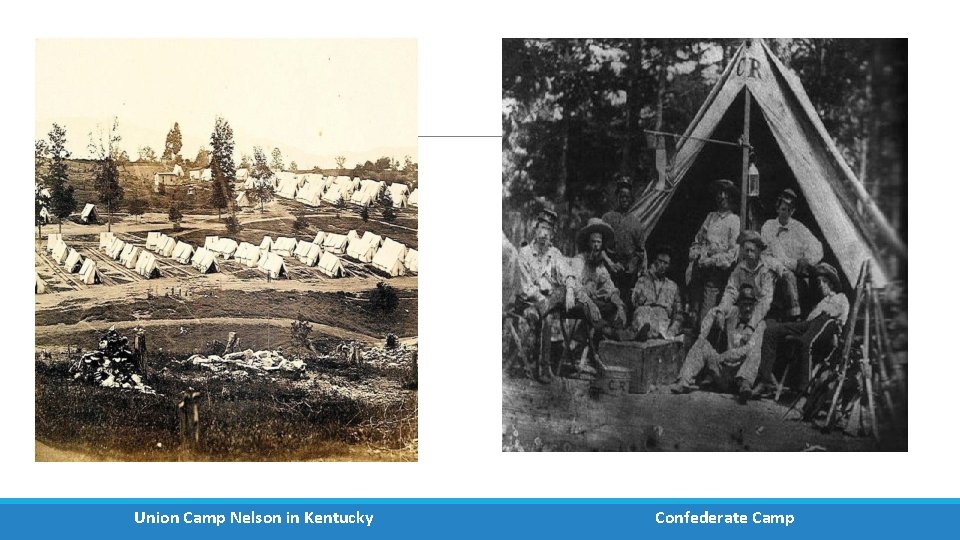
Union Camp Nelson in Kentucky Confederate Camp
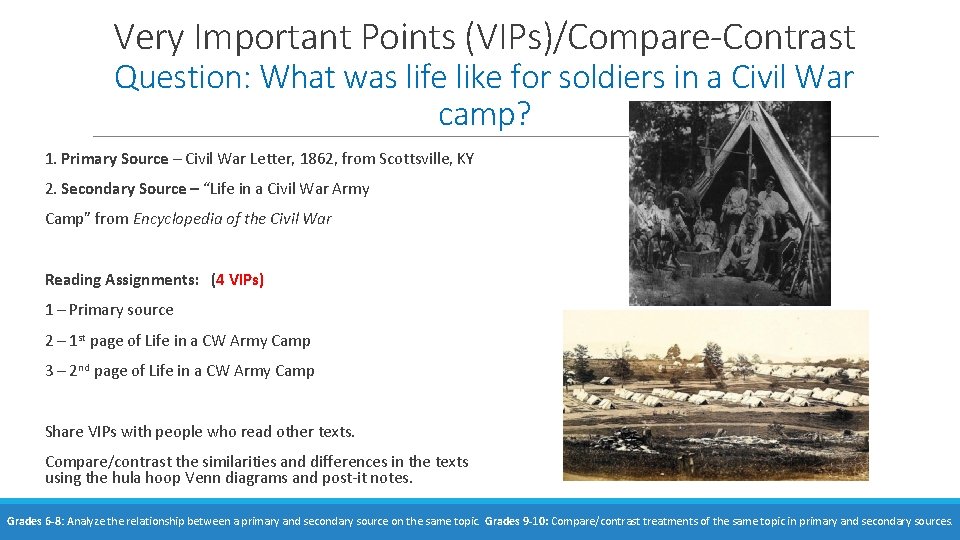
Very Important Points (VIPs)/Compare-Contrast Question: What was life like for soldiers in a Civil War camp? 1. Primary Source – Civil War Letter, 1862, from Scottsville, KY 2. Secondary Source – “Life in a Civil War Army Camp” from Encyclopedia of the Civil War Reading Assignments: (4 VIPs) 1 – Primary source 2 – 1 st page of Life in a CW Army Camp 3 – 2 nd page of Life in a CW Army Camp Share VIPs with people who read other texts. Compare/contrast the similarities and differences in the texts using the hula hoop Venn diagrams and post-it notes. Grades 6 -8: Analyze the relationship between a primary and secondary source on the same topic. Grades 9 -10: Compare/contrast treatments of the same topic in primary and secondary sources.
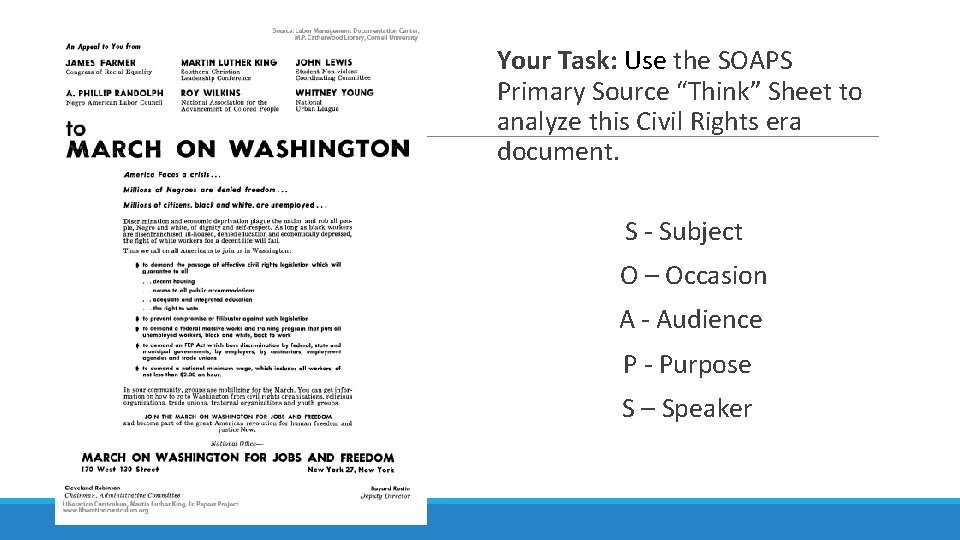
ADD ONE HERE Your Task: Use the SOAPS Primary Source “Think” Sheet to analyze this Civil Rights era document. S - Subject O – Occasion A - Audience P - Purpose S – Speaker
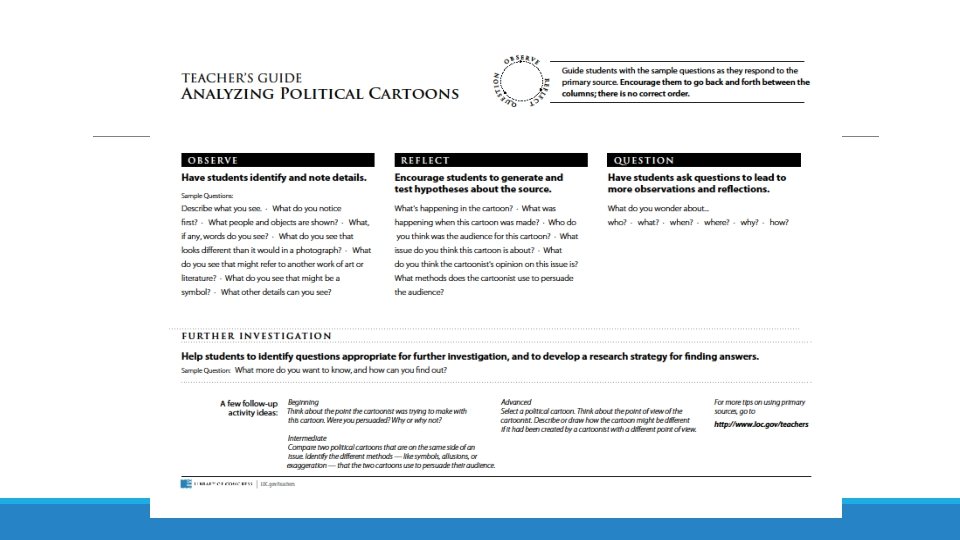
Analyzing Primary Sources • LOC Primary Source Sets • Teacher's Guides & Analysis Tools
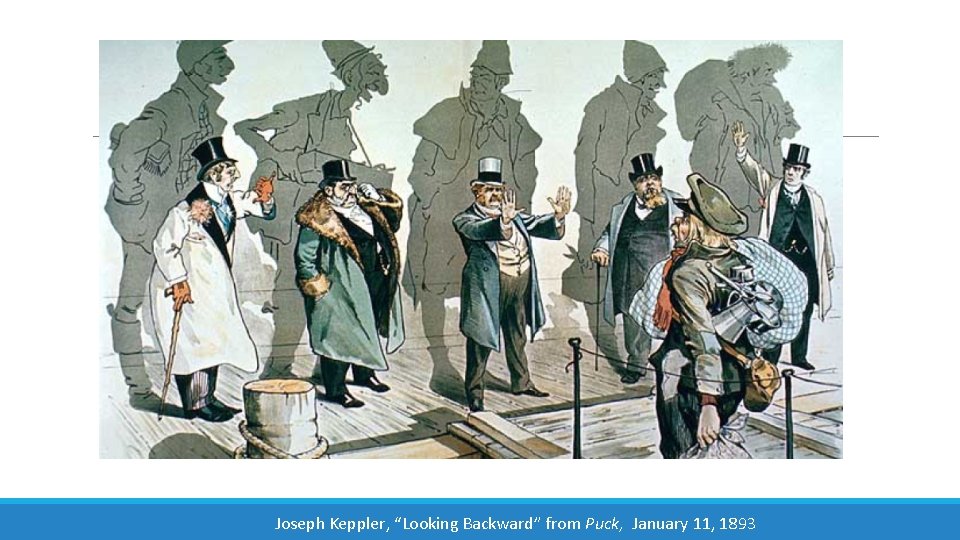
Joseph Keppler, “Looking Backward” from Puck, January 11, 1893
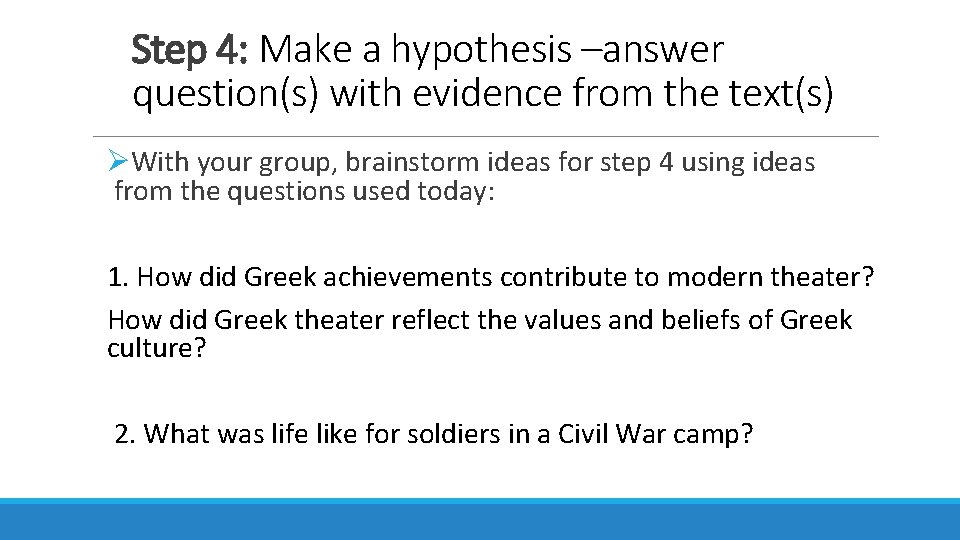
Step 4: Make a hypothesis –answer question(s) with evidence from the text(s) ØWith your group, brainstorm ideas for step 4 using ideas from the questions used today: 1. How did Greek achievements contribute to modern theater? How did Greek theater reflect the values and beliefs of Greek culture? 2. What was life like for soldiers in a Civil War camp?
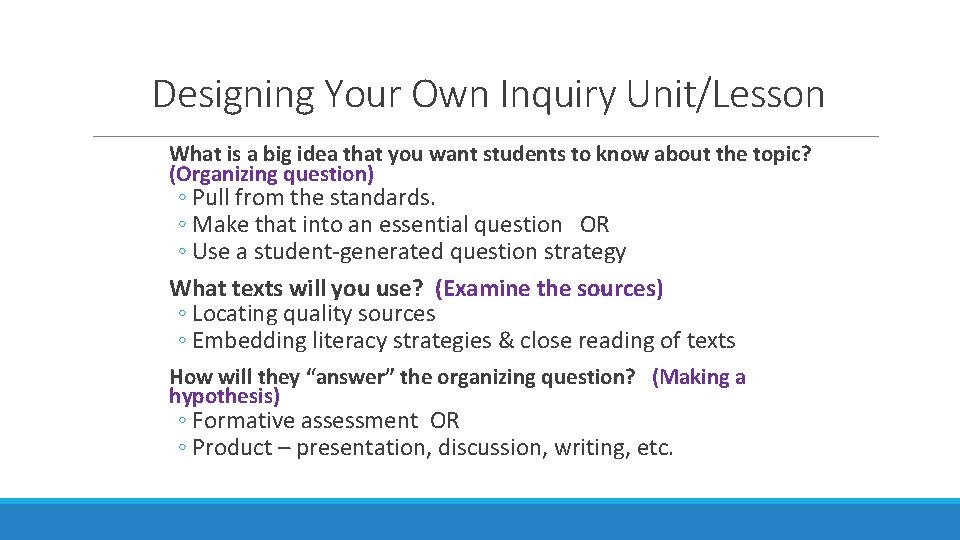
Designing Your Own Inquiry Unit/Lesson What is a big idea that you want students to know about the topic? (Organizing question) ◦ Pull from the standards. ◦ Make that into an essential question OR ◦ Use a student-generated question strategy What texts will you use? (Examine the sources) ◦ Locating quality sources ◦ Embedding literacy strategies & close reading of texts How will they “answer” the organizing question? (Making a hypothesis) ◦ Formative assessment OR ◦ Product – presentation, discussion, writing, etc.
Contact Information Dr. Jana Kirchner 270. 779. 8651 Email: jana@janakirchner. com Website: janakirchner. com