
Social Studies Terminology photos from Photos for Class
- Slides: 33
Social Studies Terminology *photos from Photos for Class Social Studies
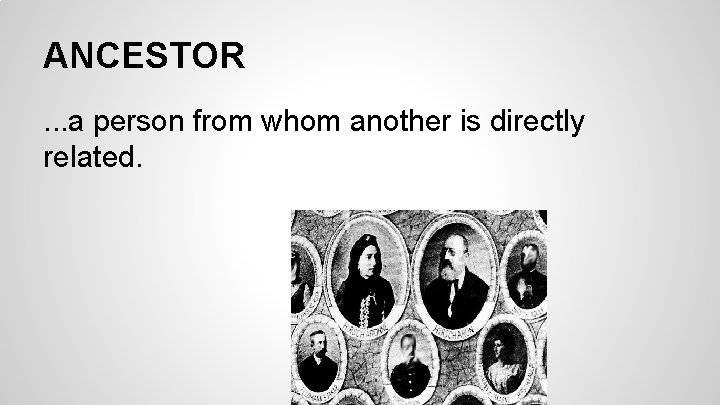
ANCESTOR. . . a person from whom another is directly related.
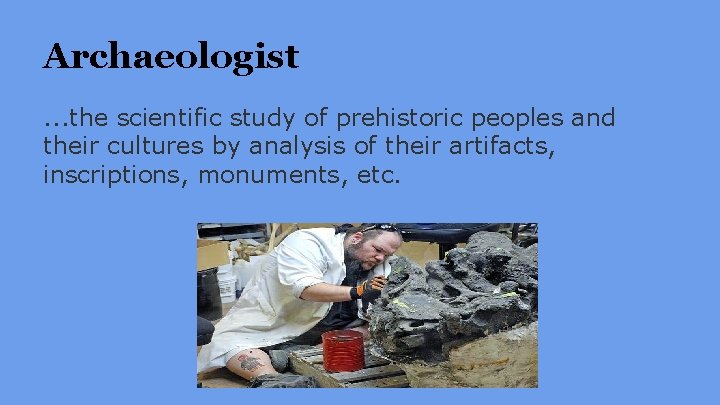
Archaeologist. . . the scientific study of prehistoric peoples and their cultures by analysis of their artifacts, inscriptions, monuments, etc.
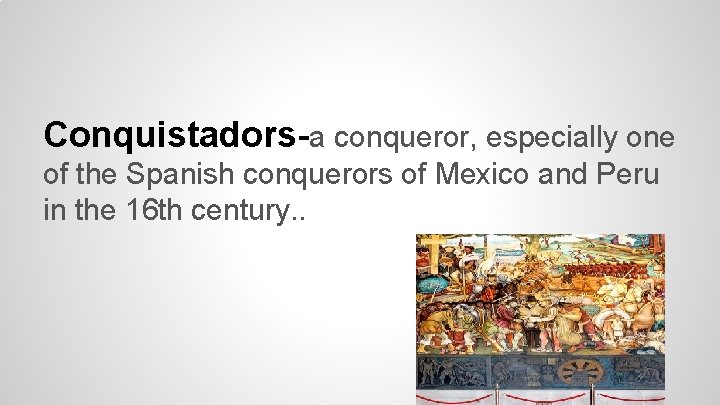
Conquistadors-a conqueror, especially one of the Spanish conquerors of Mexico and Peru in the 16 th century. .
CULTURE (elements of) Culture is everything that makes up someone’s way of life: http: //www. slideshare. net/apersone/7 -elements-of-culture There are seven “elements of culture”: *social organizations *customs and traditions *religion *arts and literature *government *economy *common language
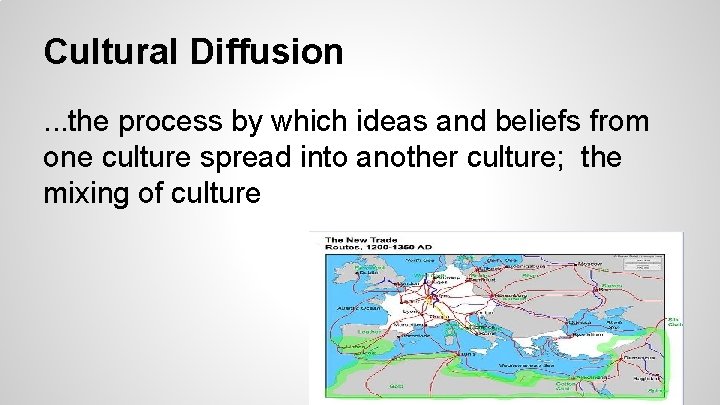
Cultural Diffusion. . . the process by which ideas and beliefs from one culture spread into another culture; the mixing of culture
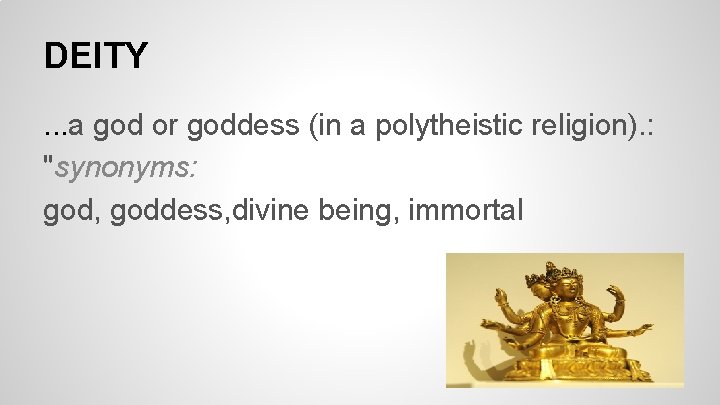
DEITY. . . a god or goddess (in a polytheistic religion). : "synonyms: god, goddess, divine being, immortal
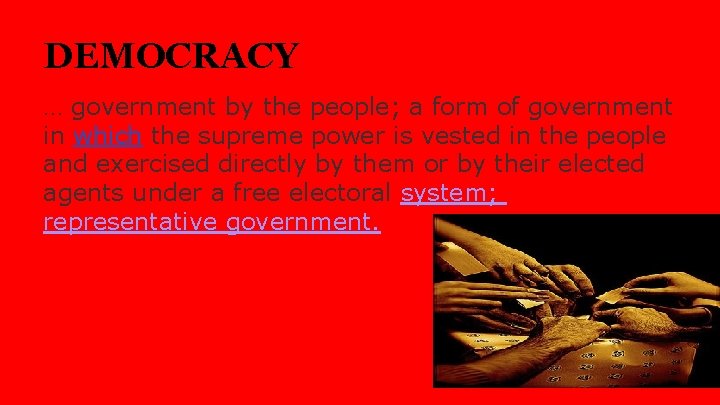
DEMOCRACY … government by the people; a form of government in which the supreme power is vested in the people and exercised directly by them or by their elected agents under a free electoral system; representative government.
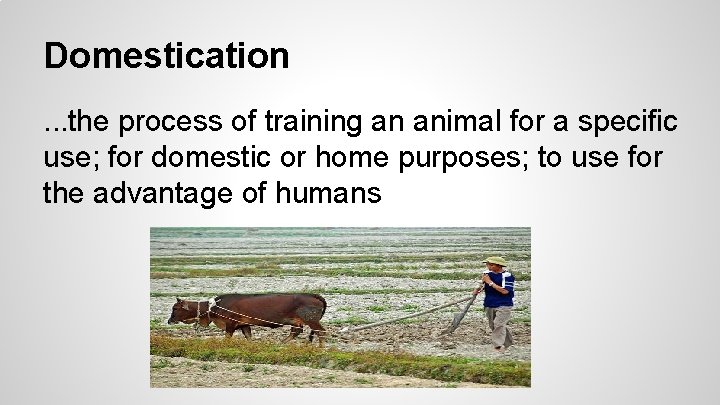
Domestication. . . the process of training an animal for a specific use; for domestic or home purposes; to use for the advantage of humans
DYNASTY …. a line of hereditary rulers of a country; bloodline, ancestry, descent, succession, genealogy, family tree.
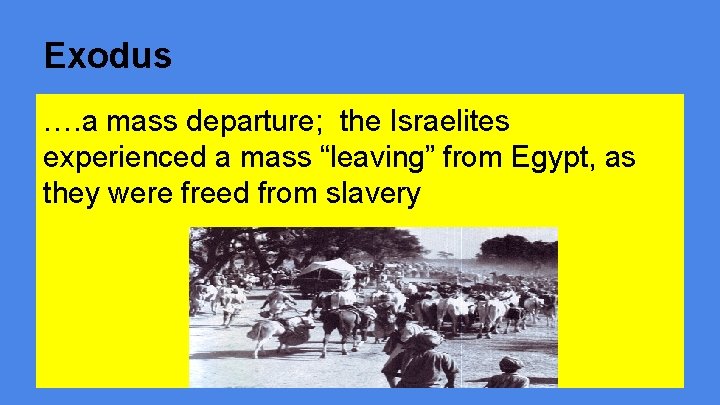
Exodus …. a mass departure; the Israelites experienced a mass “leaving” from Egypt, as they were freed from slavery
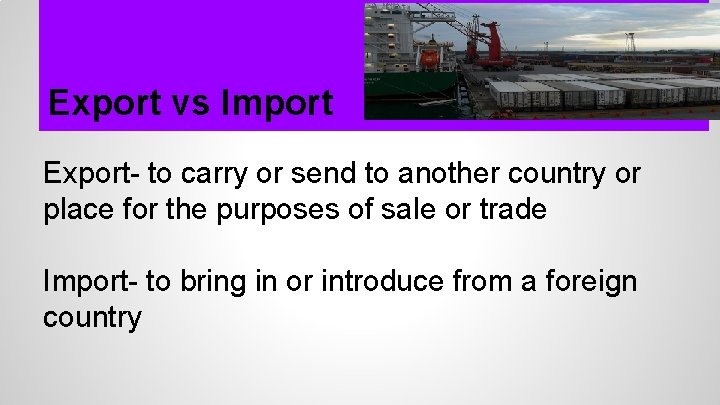
Export vs Import Export- to carry or send to another country or place for the purposes of sale or trade Import- to bring in or introduce from a foreign country
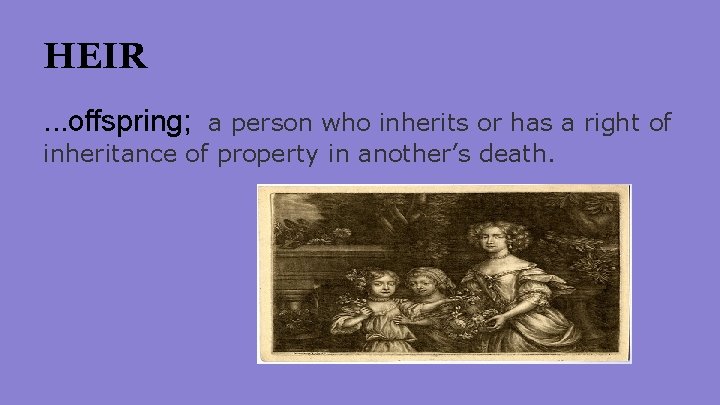
HEIR. . . offspring; a person who inherits or has a right of inheritance of property in another’s death.
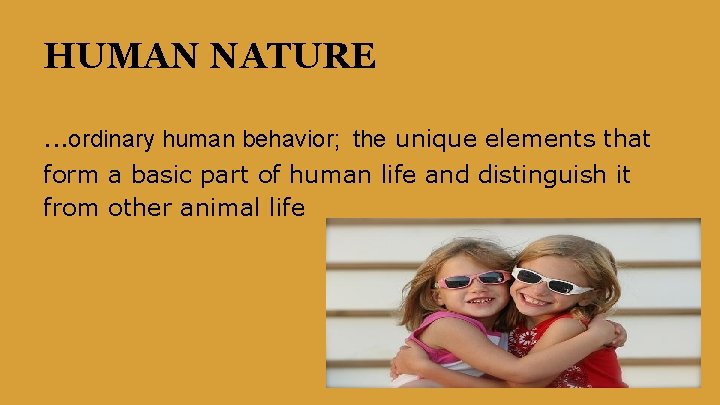
HUMAN NATURE. . . ordinary human behavior; the unique elements that form a basic part of human life and distinguish it from other animal life
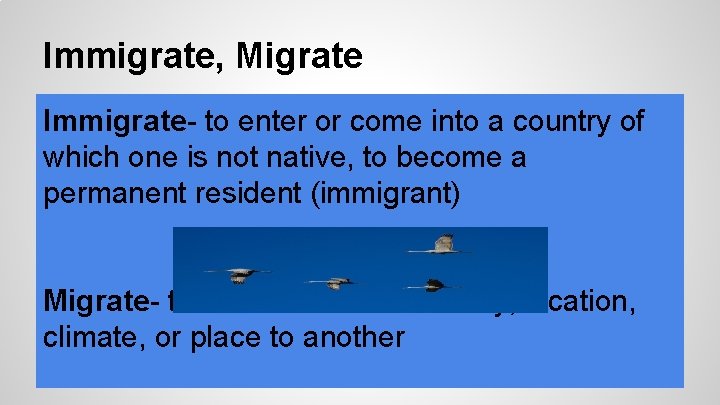
Immigrate, Migrate Immigrate- to enter or come into a country of which one is not native, to become a permanent resident (immigrant) Migrate- to move from one country, location, climate, or place to another
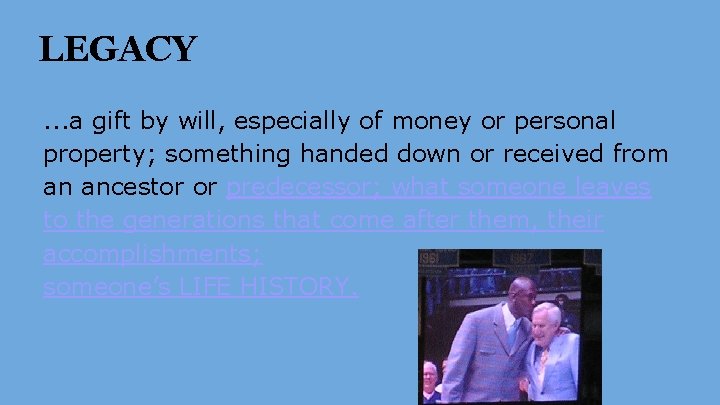
LEGACY. . . a gift by will, especially of money or personal property; something handed down or received from an ancestor or predecessor; what someone leaves to the generations that come after them, their accomplishments; someone’s LIFE HISTORY.
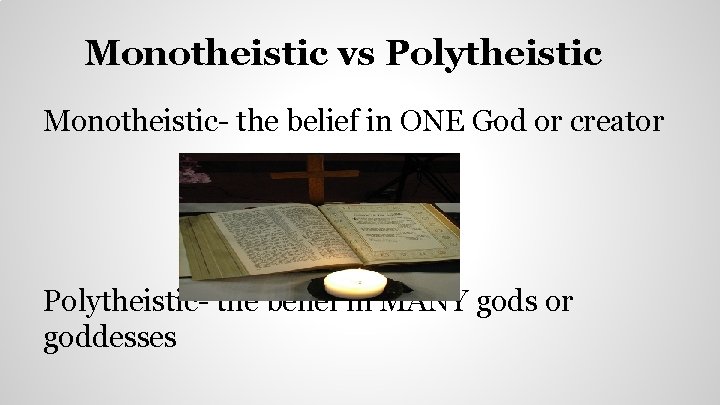
Monotheistic vs Polytheistic Monotheistic- the belief in ONE God or creator Polytheistic- the belief in MANY gods or goddesses
MONARCHY a form of government in which supreme authority is vested in a single figure, such as a king, and whose powers can vary from those of absolute to those of a figurehead; a country reigned over by a king, prince, or other monarch
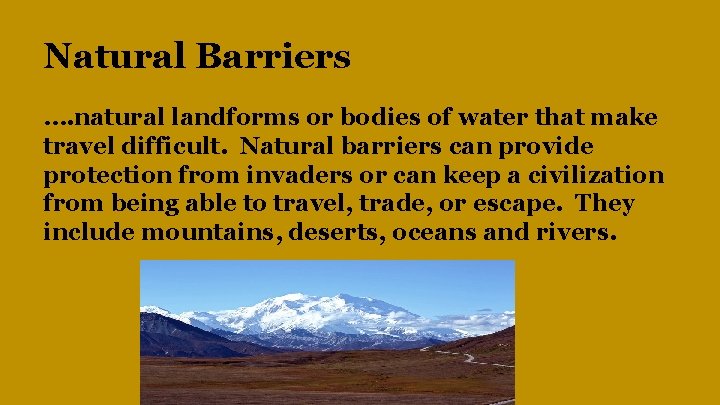
Natural Barriers …. natural landforms or bodies of water that make travel difficult. Natural barriers can provide protection from invaders or can keep a civilization from being able to travel, trade, or escape. They include mountains, deserts, oceans and rivers.
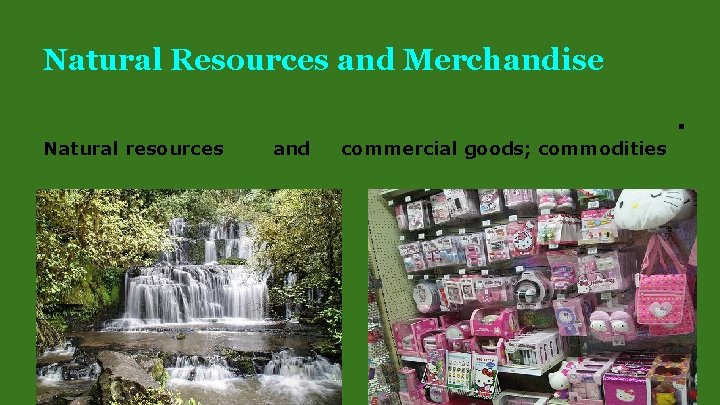
Natural Resources and Merchandise. Natural resources and commercial goods; commodities
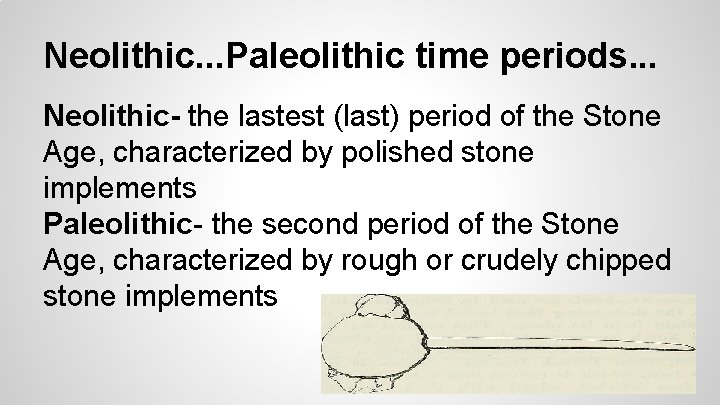
Neolithic. . . Paleolithic time periods. . . Neolithic- the lastest (last) period of the Stone Age, characterized by polished stone implements Paleolithic- the second period of the Stone Age, characterized by rough or crudely chipped stone implements
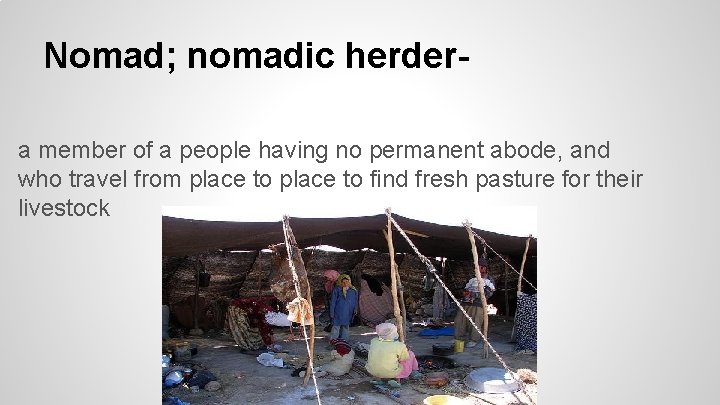
Nomad; nomadic herdera member of a people having no permanent abode, and who travel from place to find fresh pasture for their livestock
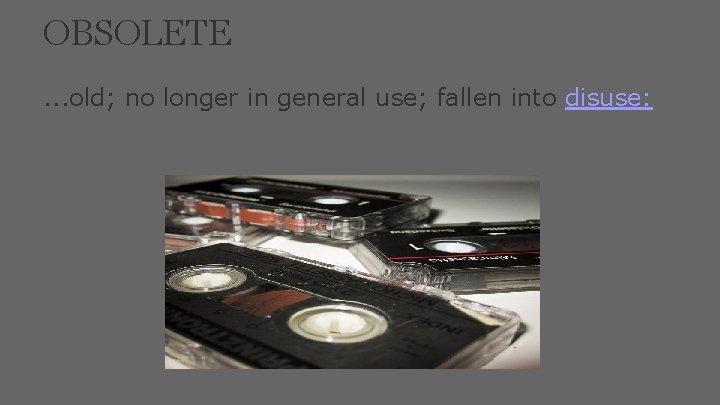
OBSOLETE. . . old; no longer in general use; fallen into disuse:
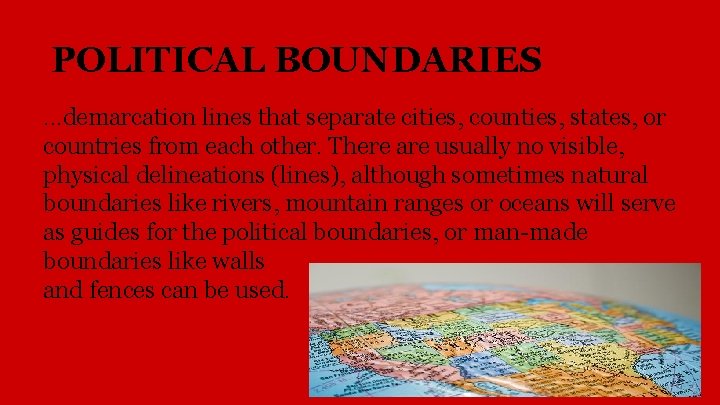
POLITICAL BOUNDARIES. . . demarcation lines that separate cities, counties, states, or countries from each other. There are usually no visible, physical delineations (lines), although sometimes natural boundaries like rivers, mountain ranges or oceans will serve as guides for the political boundaries, or man-made boundaries like walls and fences can be used.
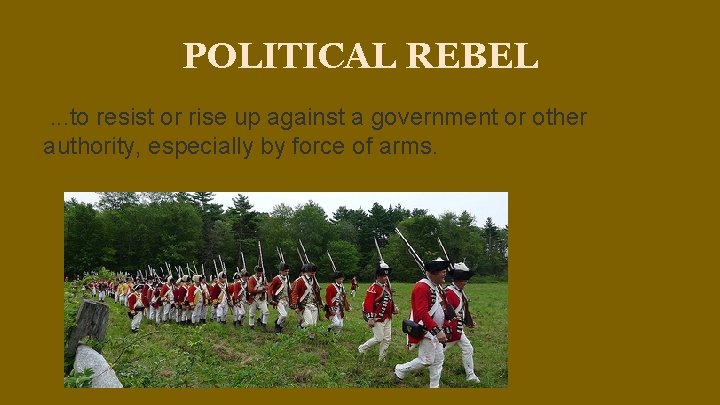
POLITICAL REBEL. . . to resist or rise up against a government or other authority, especially by force of arms.
PRIMARY VS SECONDARY SOURCES http: //www. youtube. com/watch? v=g 0 plq 2 E 9 Zj. Q A primary source is a document or physical object which was written or created during the time under study. They were present during an experience or time period and offer an inside view of a particular event. Examples: ORIGINAL DOCUMENTS (excerpts or translations acceptable): Diaries, speeches, manuscripts, letters, interviews, news film footage, autobiographies, official records CREATIVE WORKS: Poetry, drama, novels, music, art RELICS OR ARTIFACTS: Pottery, furniture, clothing, buildings A secondary source interprets and analyzes primary sources. They are one or more steps removed from the event. Theymay have pictures, quotes or graphics of primary sources in them. Examples: PUBLICATIONS: Textbooks, magazine articles, histories, criticisms, commentaries, encyclopedias
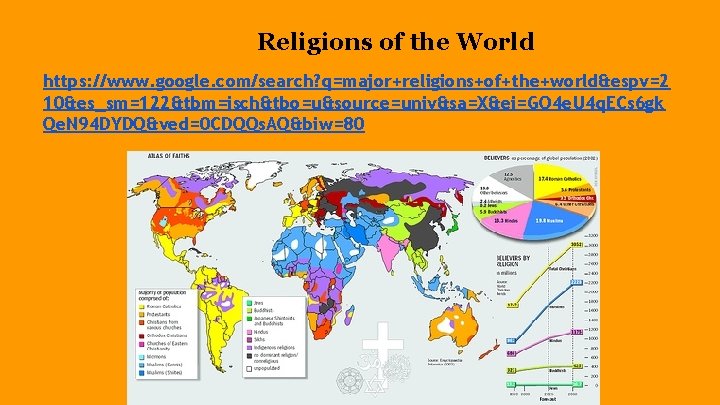
Religions of the World https: //www. google. com/search? q=major+religions+of+the+world&espv=2 10&es_sm=122&tbm=isch&tbo=u&source=univ&sa=X&ei=GQ 4 e. U 4 q. ECs 6 gk Qe. N 94 DYDQ&ved=0 CDQQs. AQ&biw=80
Major Religions https: //docs. google. com/a/ucps. k 12. nc. us/docu ment/d/13 v. Dd 00 m 038 ww. N 9 Fhht 4 qdc. Qo. Op 8 z 1 NISEso 6 Diwk. Vo 0/edit# Google Doc
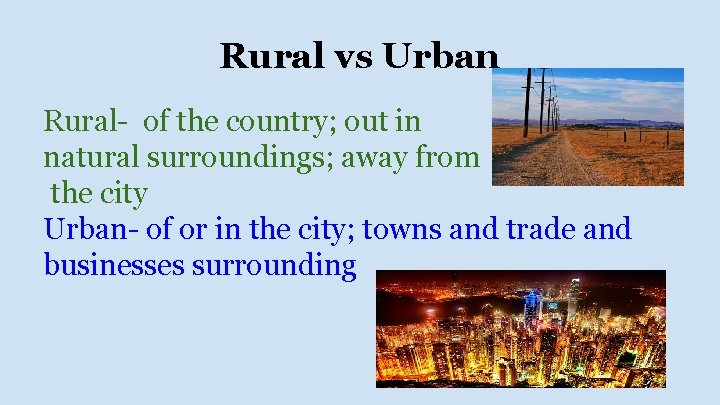
Rural vs Urban Rural- of the country; out in natural surroundings; away from the city Urban- of or in the city; towns and trade and businesses surrounding
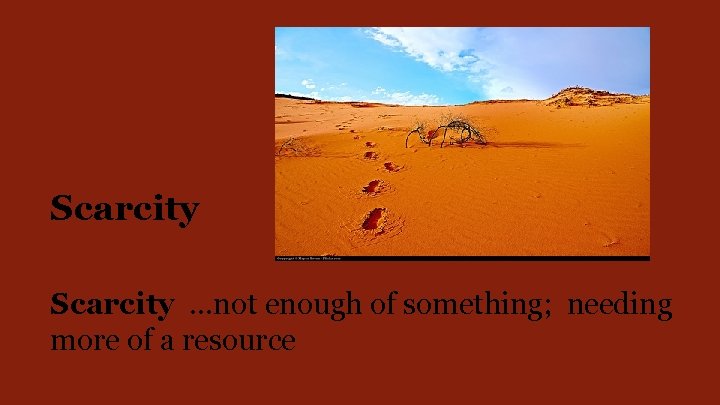
Scarcity. . . not enough of something; needing more of a resource
SOVEREIGN POWER. . . a combination of all power; the power to do everything in a state without accountability; to make laws, to execute and to apply them: to impose and collect taxes, to make war or peace; to form treaties of alliance or of commerce with foreign nations, and the like
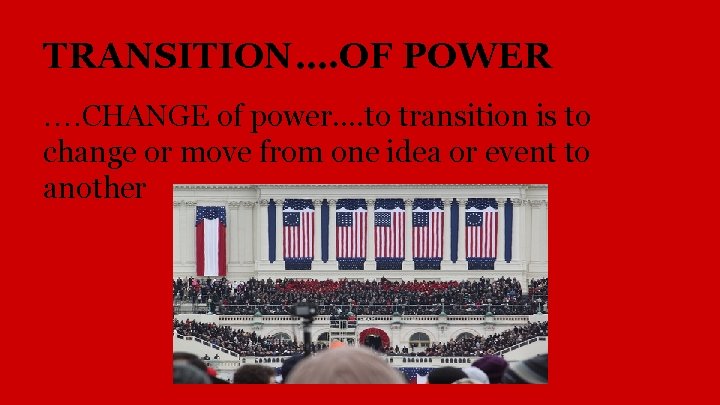
TRANSITION…. OF POWER …. CHANGE of power…. to transition is to change or move from one idea or event to another
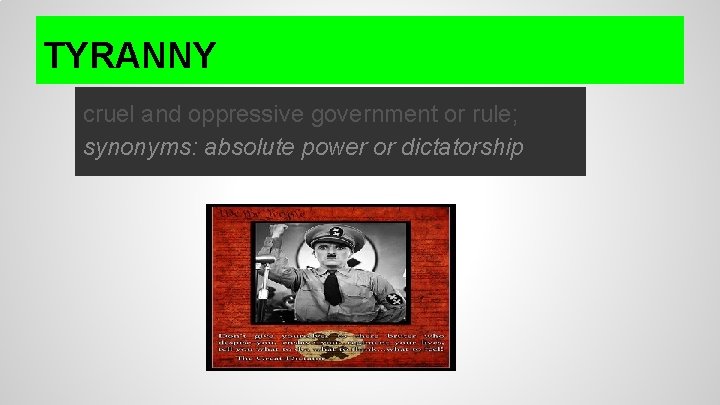
TYRANNY cruel and oppressive government or rule; synonyms: absolute power or dictatorship