Striving for Independence Africa India and Latin America








- Slides: 41
Striving for Independence: Africa, India, and Latin America, 1900 -1949 Chapter 29
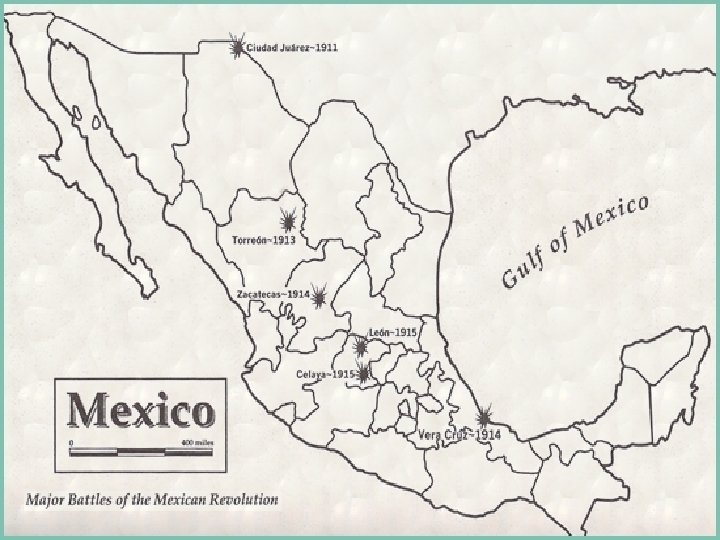
III. The Mexican Revolution, 19101940 �A. Mexico in 1910 �History of lots of attacks and invasions �Big chasm between rich and poor led to revolution �Mexico was the Latin American country most influenced by Spain. Suffered from political turmoil after independence (1821) � Division of class and ethnicity (Spanish, Indian, mixed) � � 1% of the pop. owned 85% of the land. � Wealthy Mexican families and American companies used bribery and force to acquire millions of acres of good agricultural land. � American and British companies controlled most of Mexico’s productive enterprises (railroads, mines, etc. )
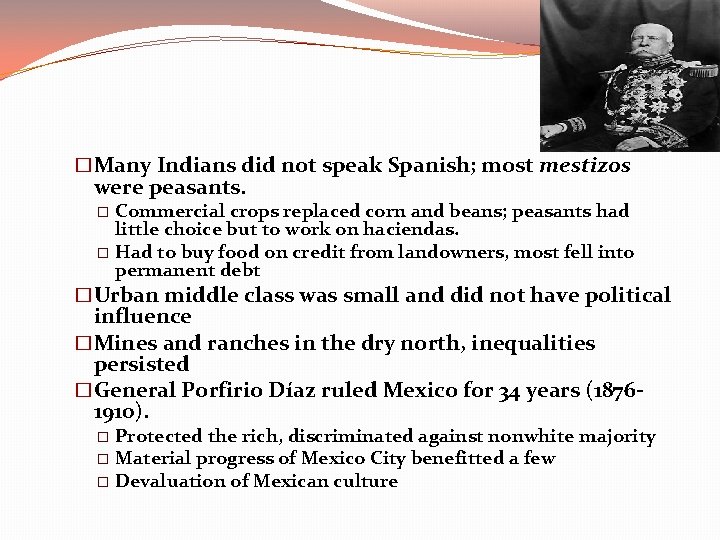
�Many Indians did not speak Spanish; most mestizos were peasants. Commercial crops replaced corn and beans; peasants had little choice but to work on haciendas. � Had to buy food on credit from landowners, most fell into permanent debt � �Urban middle class was small and did not have political influence �Mines and ranches in the dry north, inequalities persisted �General Porfirio Díaz ruled Mexico for 34 years (18761910). Protected the rich, discriminated against nonwhite majority � Material progress of Mexico City benefitted a few � Devaluation of Mexican culture �
�B. Revolution and Civil War, 1911 -1920 � Revolution developed haphazardly among different segments of Mexican society � Minor uprisings broke out in 1911; Díaz fled into exile. � Francisco I. Madero presidency opposed by peasant leaders � � 1913: Madero overthrown and killed by former supporter Gen. Victoriano Huerta U. S. sent Marines to occupy Veracruz � Constitutionalists, led by Venustiano Carranza and Alvaro Obregón, organized private armies and overthrew Huerta in 1914. � Emiliano Zapata (Indian farmer) led a revolt against haciendas in the mountains south of Mexico City. � � Peasant soldiers on horseback with pistols and rifles Burned hacienda buildings, returned land to Indian villages
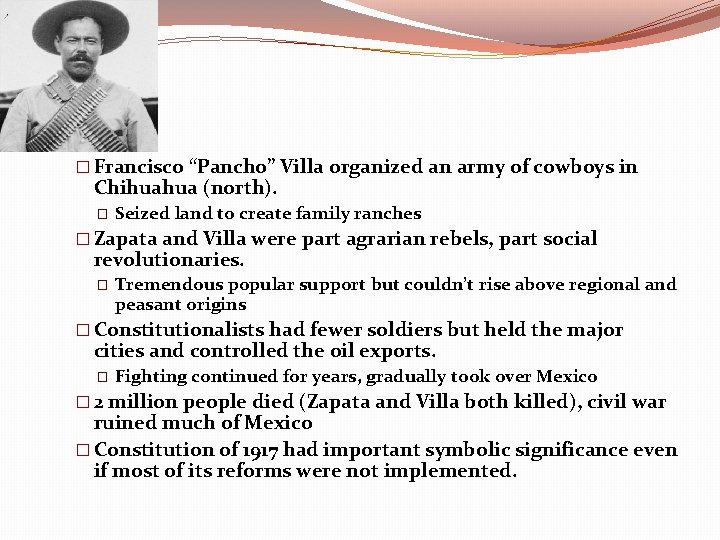
� Francisco “Pancho” Villa organized an army of cowboys in Chihuahua (north). � Seized land to create family ranches � Zapata and Villa were part agrarian rebels, part social revolutionaries. � Tremendous popular support but couldn’t rise above regional and peasant origins � Constitutionalists had fewer soldiers but held the major cities and controlled the oil exports. � Fighting continued for years, gradually took over Mexico � 2 million people died (Zapata and Villa both killed), civil war ruined much of Mexico � Constitution of 1917 had important symbolic significance even if most of its reforms were not implemented.
�C. The Revolution Institutionalized, 1920 -1940 �Revolution lost momentum in the early 1920 s �Revolution changed the social makeup of the governing class �Surge of creativity in the arts: Diego Rivera, Frieda Kahlo, etc. �President Obregón assassinated in 1928 �Successor Plutarco Elías Calles founded the National Revolutionary Party (PNR). � Forum where all groups could work out compromises
Agrarian Leader Zapata
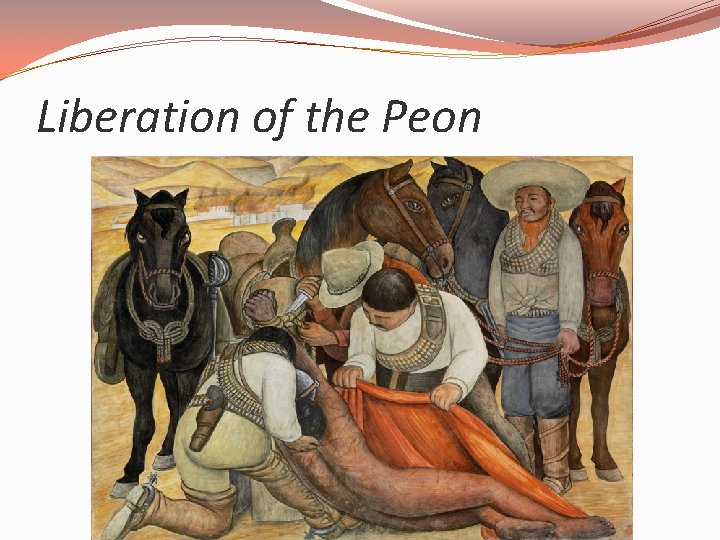
Liberation of the Peon
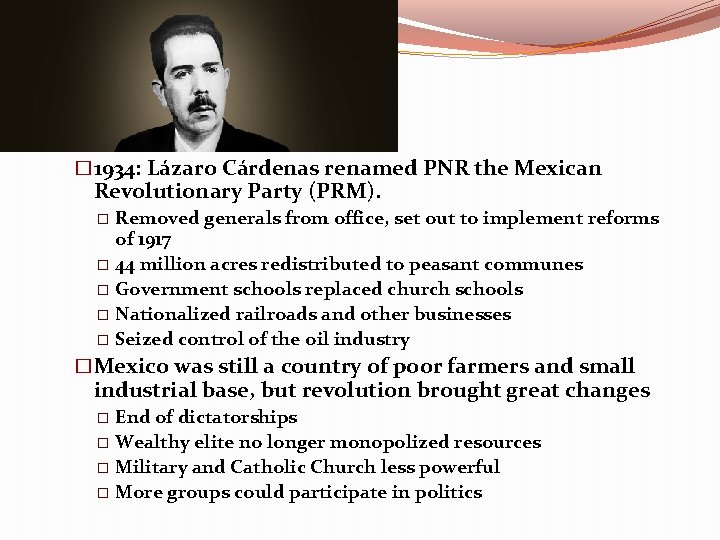
� 1934: Lázaro Cárdenas renamed PNR the Mexican Revolutionary Party (PRM). Removed generals from office, set out to implement reforms of 1917 � 44 million acres redistributed to peasant communes � Government schools replaced church schools � Nationalized railroads and other businesses � Seized control of the oil industry � �Mexico was still a country of poor farmers and small industrial base, but revolution brought great changes End of dictatorships � Wealthy elite no longer monopolized resources � Military and Catholic Church less powerful � More groups could participate in politics �
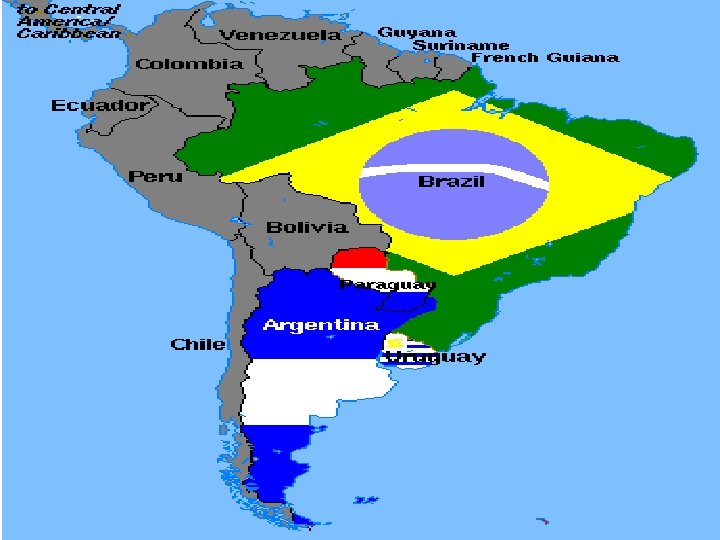
IV. Argentina and Brazil, 1900 -1949 �A. The Transformation of Argentina �Spanish-speaking, temperate climate, mostly populated by people of European origin �Pampas: flat, fertile land that is easy to till �Railroads and refrigerator ships changed the economy. Grasslands transformed into farmland, cattle fenced in � Produced wheat and beef � �Government represented small group of wealthy landowners Content to let foreign companies (mostly British) build railroads and factories � Imported almost all of its manufactured goods �
�B. Brazil and Argentina, to 1929 �Before WWI, Brazil produced most of world’s coffee, cocoa, and natural rubber Brazil’s elite had little interest in other forms of development. � Let British build railroads and more, imported most manufactured goods � �Both countries had small but outspoken middle classes. � Looked to Europe for model of government �The poor � Argentina: Italian and Spanish immigrants, landless farmers and urban workers � Brazil: sharecroppers and plantation workers, descendants of slaves
�WWI disrupted trade patterns and weakened landowning class �Argentina: universal male suffrage in 1916 �Postwar years were prosperous for South America � Governments used profits to modernize. � Middle class demanded social reforms � Urban middle class ended up sharing power with wealthy landowners at the expense of of the poor �U. S. , Britain, France, and Germany formed a cartel to control radio communications in Latin America
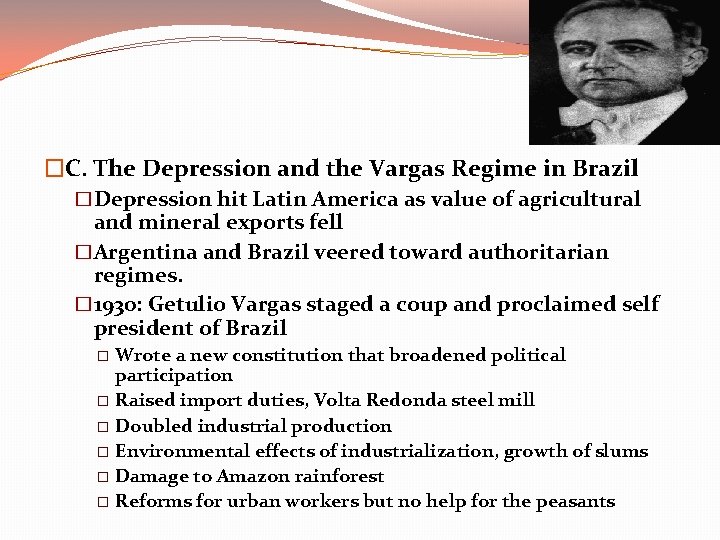
�C. The Depression and the Vargas Regime in Brazil �Depression hit Latin America as value of agricultural and mineral exports fell �Argentina and Brazil veered toward authoritarian regimes. � 1930: Getulio Vargas staged a coup and proclaimed self president of Brazil Wrote a new constitution that broadened political participation � Raised import duties, Volta Redonda steel mill � Doubled industrial production � Environmental effects of industrialization, growth of slums � Damage to Amazon rainforest � Reforms for urban workers but no help for the peasants �
�At the end of his term, Vargas staged another coup and abolished the constitution, made himself the supreme leader � Turned Brazil into a fascist state � Sided with the U. S. in WWII � Economic achievements, but ruined the future of Brazil � Overthrown in 1945
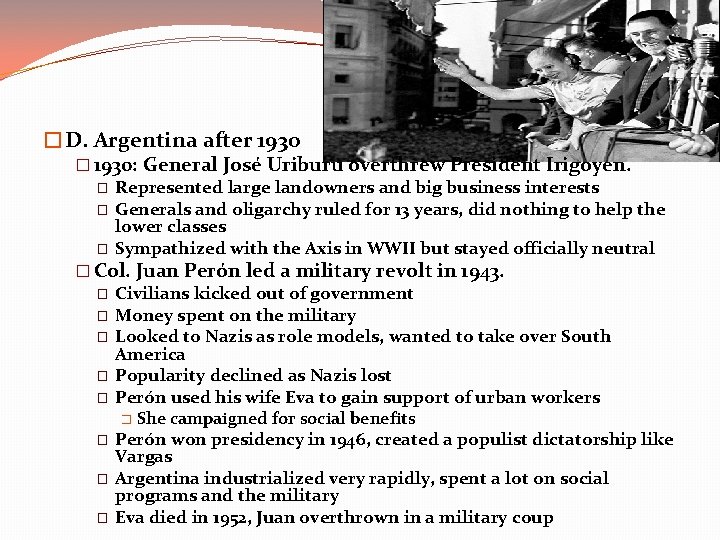
�D. Argentina after 1930 � 1930: General José Uriburu overthrew President Irigoyen. � Represented large landowners and big business interests � Generals and oligarchy ruled for 13 years, did nothing to help the lower classes � Sympathized with the Axis in WWII but stayed officially neutral � Col. Juan Perón led a military revolt in 1943. � Civilians kicked out of government � Money spent on the military � Looked to Nazis as role models, wanted to take over South America � Popularity declined as Nazis lost � Perón used his wife Eva to gain support of urban workers � She campaigned for social benefits � Perón won presidency in 1946, created a populist dictatorship like Vargas � Argentina industrialized very rapidly, spent a lot on social programs and the military � Eva died in 1952, Juan overthrown in a military coup
�E. Mexico, Argentina, and Brazil: A Comparison �Economies followed parallel trajectories of unequal relations with industrial countries and unequal distribution of wealth �All three turned to state intervention during the Depression. �Mexico underwent a profound social revolution. �Argentina and Brazil languished under conservative regimes devoted to the wealthy. �Mexico had a national pride not often seen in South America. � Made serious commitment to social reforms to benefit the country not just to make a dictator look good
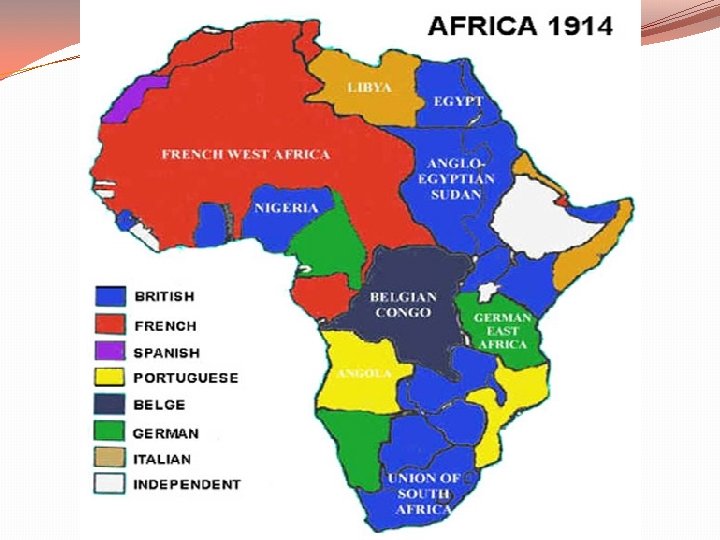
I. Sub-Saharan Africa, 1900 -1945 �A. Colonial Africa: Economic and Social Changes � Few Europeans lived in Africa (except Kenya, Algeria, South Africa). � Colonial powers took African-owned land sold it to European companies or white settlers. � Few Africans benefitted from post-war economic boom. � � Some farmers Women still played a major role in retail trades. � Colonial governments used police force to make Africans work under harsh conditions for little pay. � Colonialism worsened public health: spread of diseases. � Lack of farmers because men were recruited to work elsewhere lack of food for general population � Mass migrations to cities � � Mostly men, split up families Patterns of discrimination (segregation)
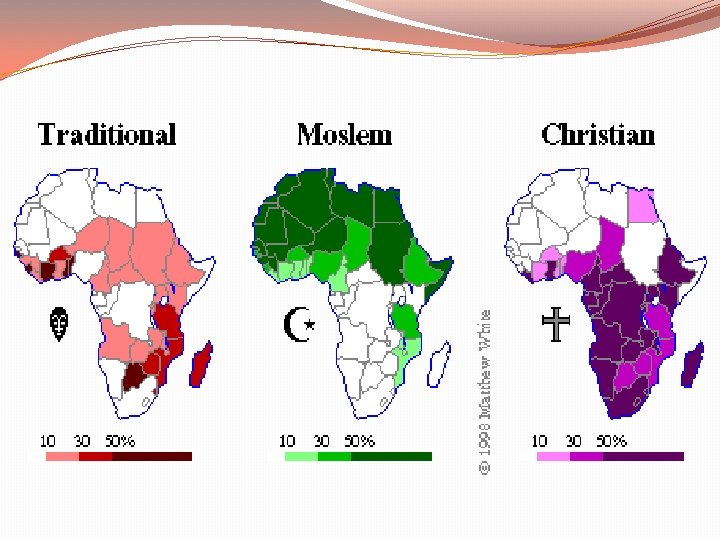
�B. Religious and Political Changes � When traditional religious belief could not explain harsh times for Africans, many turned toward Christianity or Islam. � Christianity was most successful in coastal regions of West and South Africa where European influence was greatest. � � Mission schools taught skills as well as basic reading, writing, etc. Islam spread inland through Arab and African merchants. � Quaranic schools also emphasized literacy, less disruptive to traditional African customs � Small numbers of Africans were able to go on to secondary education, fewer to college � � The educated became leaders of political movements using their Western education. Nationalist movements inspired by ideas of Pan-Africanism coming from United States (W. E. B. Du Bois, Marcus Garvey)
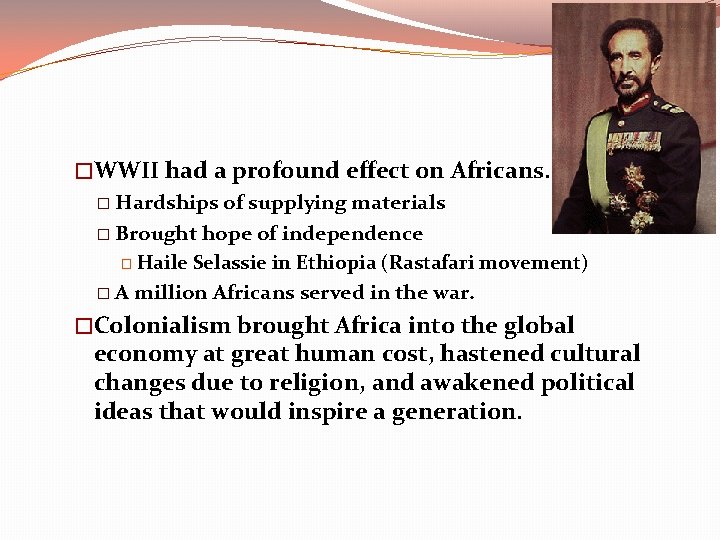
�WWII had a profound effect on Africans. � Hardships of supplying materials � Brought hope of independence � Haile Selassie in Ethiopia (Rastafari movement) � A million Africans served in the war. �Colonialism brought Africa into the global economy at great human cost, hastened cultural changes due to religion, and awakened political ideas that would inspire a generation.
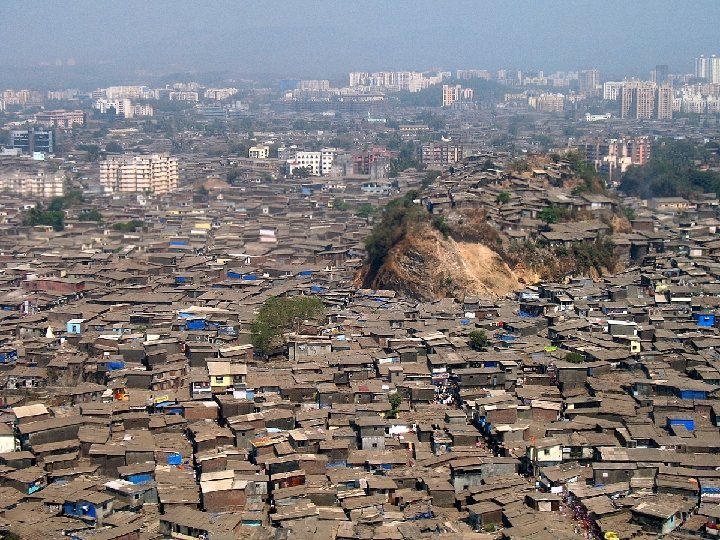
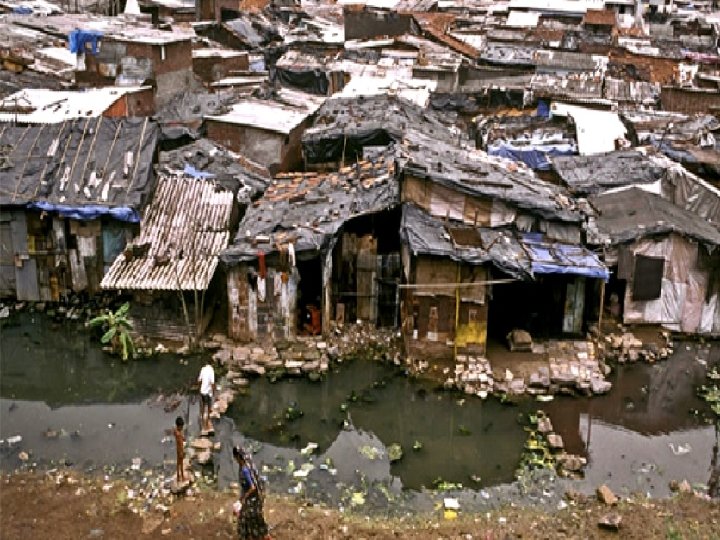
II. The Indian Independence Movement, 1905 -1947 �A. The Land the People �Fertile land but vulnerable to environmental problems (i. e. , droughts) �Population continued to grow, put pressure on the land �Cut down tropical forests to make room for plantations �Indians divided into many classes � Peasants paid rents to landowners, interest to village moneylenders, taxes to the government � Government protected property owners � Cities crowded with workers, most very poor
�Many different languages based on region: Hindi, Tamil, Bengali, Gujerati, Urdu, etc. �English became a common form of communication among Western-educated classes (like Latin in medieval Europe). � They will play a leading role in the independence movement. �Majority of Indians practiced Hinduism, subdivided into hundreds of castes �Muslims were ¼ of the people, majority of the northwest and eastern Bengal � Muslims felt discriminated against by both British and Hindus
�B. British Rule and Indian Nationalism � India ruled by a viceroy appointed by British government, administered by few thousand members of the Indian Civil Service � Felt a sense of duty toward their subjects � Support for modernization but attempt to control its spread � Most Indians accepted British rule but increasingly bothered by racist attitudes � Indian National Congress formed in 1885, petitioned government for more Indian representation, had little influence a first � 1905: Viceroy Lord Curzon split Bengal (east), angered Indians � � Hindu Bengalis outnumbered by Muslims in East Bengal Became a major site of protests and violence against the British
� 1906: Muslims formed All-India Muslim League � Many poorer Hindus converted to Islam to escape caste system � British instituted different voting qualifications for Hindus and Muslims � 1911: capital moved from Calcutta (east) to Delhi (north-central), former capital of Mughal emperors � Indians at all levels and religions became more political. � 2 movements: Hindu and Muslim �British resisted the idea of Indian industrialization � Pramatha Nath Bose opened a steel mill, inspired Indian national pride
�Indians enthusiastically supported Britain in WWI � Indians hoped for more representation, but Britain slow to make changes � India hit hard by 1918 influenza epidemic �April 1913: British general and troops opened fire on peaceful crowd, killed hundreds � More Indian contempt for the British � Ended period of gradual accommodation
�C. Mahatma Gandhi and Militant Nonviolence �India teetered on the edge of violent uprisings and harsh repression �Avoided war due to Mohandas Gandhi (1869 -1948), “Mahatma”=great soul � From a wealthy Hindu family, educated in England � Practiced law in South Africa � Returned to India during WWI, joined INC � Preached nonviolence, civil disobedience � Began wearing simple peasant clothing after 1921 � Transformed cause of Indian independence from an elite movement to mass movement with quasi-religious aura
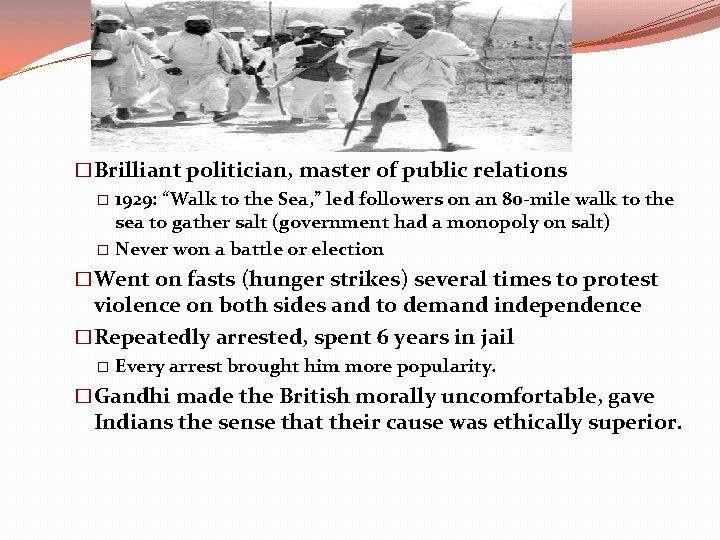
�Brilliant politician, master of public relations � 1929: “Walk to the Sea, ” led followers on an 80 -mile walk to the sea to gather salt (government had a monopoly on salt) � Never won a battle or election �Went on fasts (hunger strikes) several times to protest violence on both sides and to demand independence �Repeatedly arrested, spent 6 years in jail � Every arrest brought him more popularity. �Gandhi made the British morally uncomfortable, gave Indians the sense that their cause was ethically superior.
�D. India Moves toward Independence � 1920 s: British gave more power to INC and Muslim League (education, economy, public works) � More Indians allowed into Civil Service �India moved toward industrialization between the world wars (high tariffs). � Created a class of wealthy Indian businessmen � Not enough jobs to help urban poor
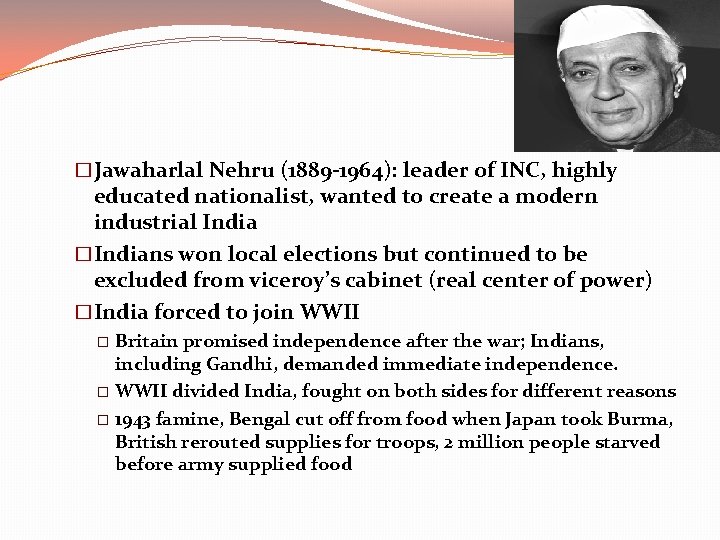
�Jawaharlal Nehru (1889 -1964): leader of INC, highly educated nationalist, wanted to create a modern industrial India �Indians won local elections but continued to be excluded from viceroy’s cabinet (real center of power) �India forced to join WWII Britain promised independence after the war; Indians, including Gandhi, demanded immediate independence. � WWII divided India, fought on both sides for different reasons � 1943 famine, Bengal cut off from food when Japan took Burma, British rerouted supplies for troops, 2 million people starved before army supplied food �
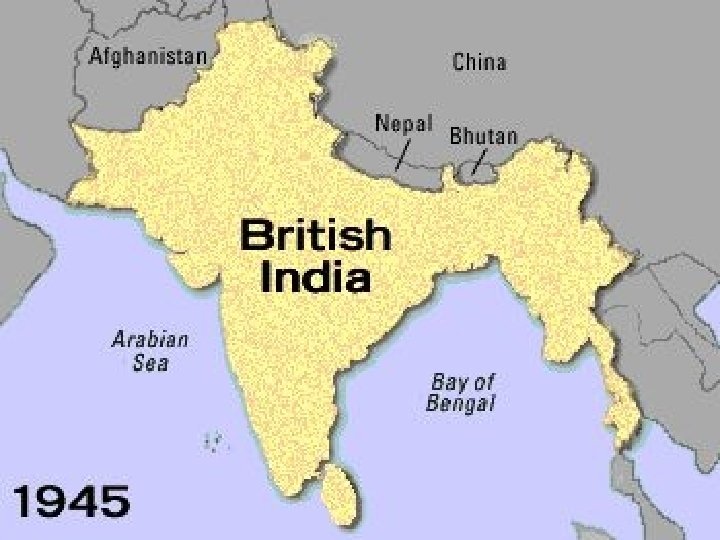
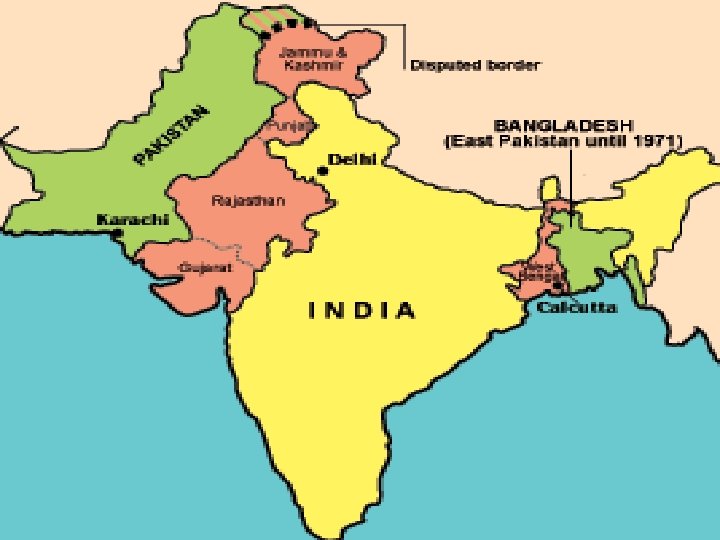
�E. Partition and Independence �Britain prepared for Indian independence after WWII; Hindu and Muslim differences complicated the issue. �INC won elections in 1937, refused to share power with Muslim League � 1940: Muslim League leader called for Muslim country: Pakistan (“Punjab-Afghans-Kashmir. Sind”) �Violent riots broke out between the two groups. � Gandhi’s calls for peace and tolerance ignored; British authority waned quickly
�August 15, 1947: British India became India and Pakistan (East and West) INC led by Nehru formed the first government in India � Muhammad Ali Jinnah and League est. a government for the provinces that made up Pakistan � �Gandhi refused to go to independence celebration in protest of the violence All-out religious war throughout the land � 12 million religious refugees fled their homelands, 500, 000 killed � �Jan. 1948: Gandhi killed by an angry Hindu refugee �Still a fight over Kashmir (northern India): mostly Muslim but not part of the partition
V. Conclusion �Sub-Saharan Africa, India, and Latin America all lay outside theaters of war, but they were deeply affected by global events and the demands of industrial powers. �Sub-Saharan Africa and India were still under colonial rule, and their focus revolved around independence and social justice. �Mexico, Argentina, and Brazil had deeply polarized societies. � Mexico fought a long and violent revolution that produced a sense of national identity. � Argentina and Brazil moved toward economic independence but the price was social unrest and dictatorships. �India faced the stress of independence and religious tension. �Sub-Saharan Africa was behind the curve in economic development and political freedom.