PELVIC ORGAN PROLAPSE Dr Hazem AlMandeel 481 GYN
- Slides: 30
PELVIC ORGAN PROLAPSE Dr. Hazem Al-Mandeel 481 GYN Department of Obstetrics & Gynecology
Objectives • • • To define pelvic organ prolapse Recognize pelvic anatomy Determine the Pathophysiology Discuss the predisposing factors Understand the grading systems Be aware of the options of management
Pelvic Organ Prolapse • Is the descent of the pelvic organs as a result of the loss of muscular and fascial structural support.
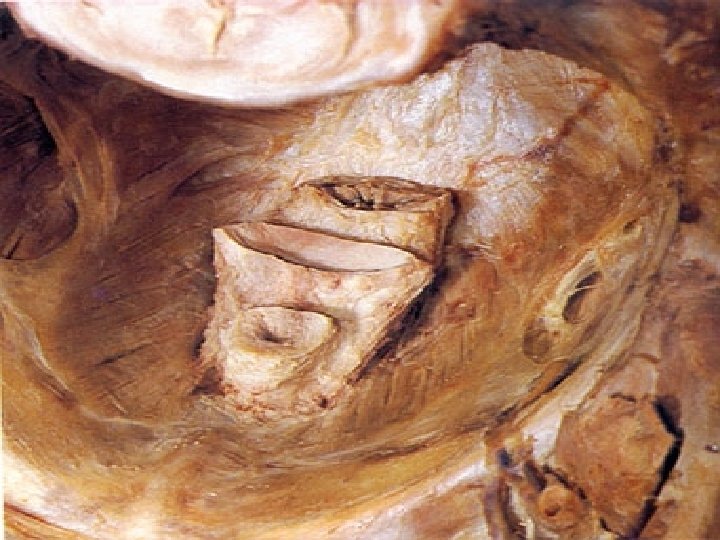
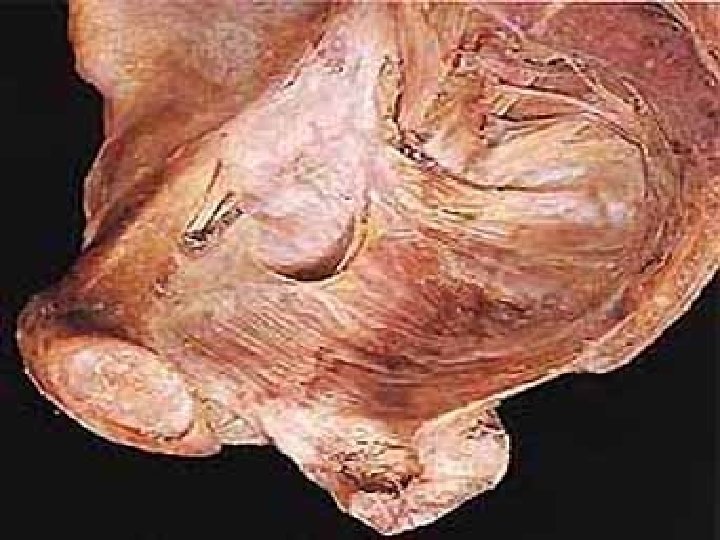
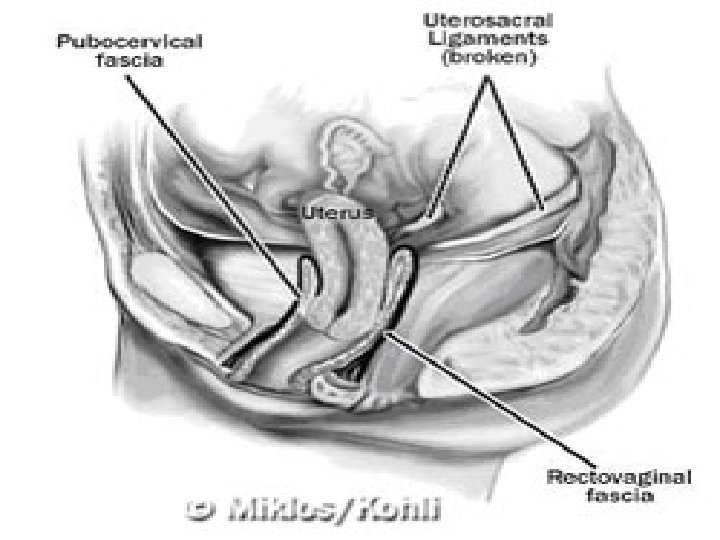
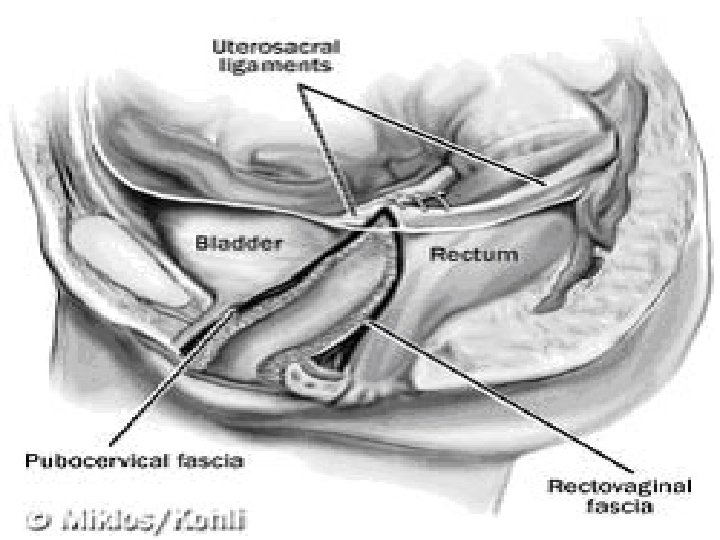
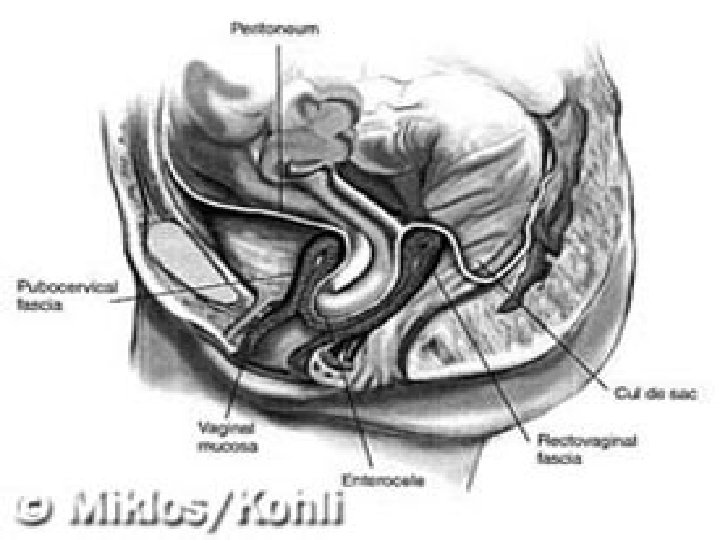
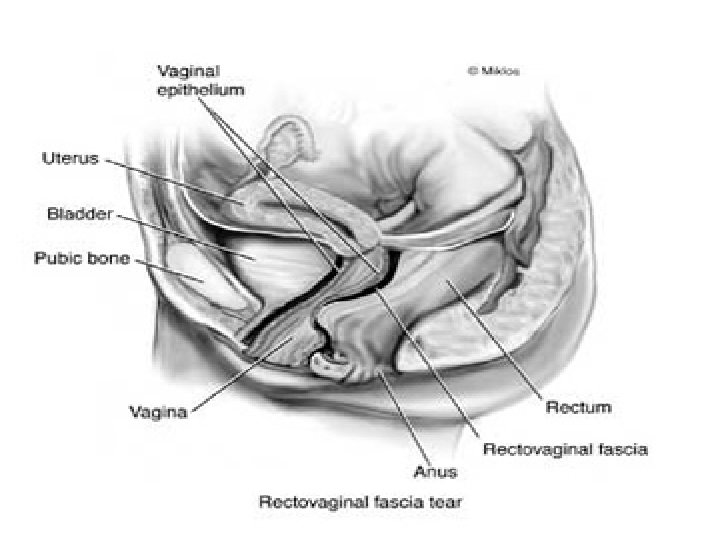
Anatomic Supports • Muscular : Levator Ani (Pelvic Floor Ms. ) • Ligaments : Uterosacral-Cardinal Complex • Fascial : Endopelvic (Pubocervical & Rectovaginal)
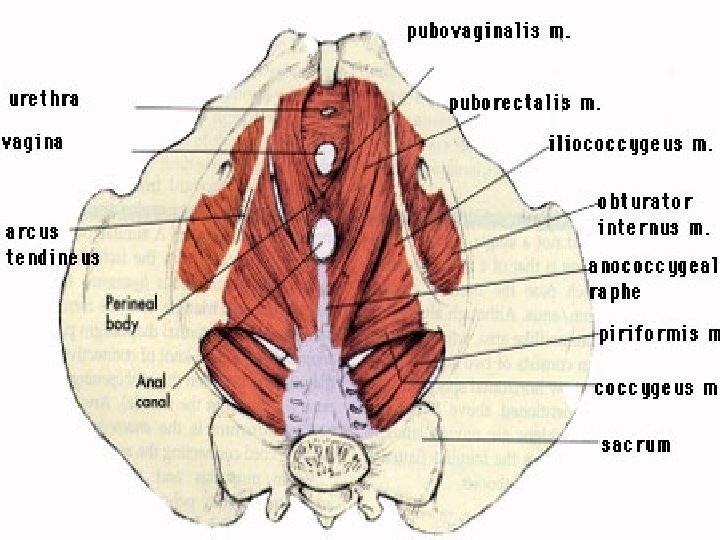
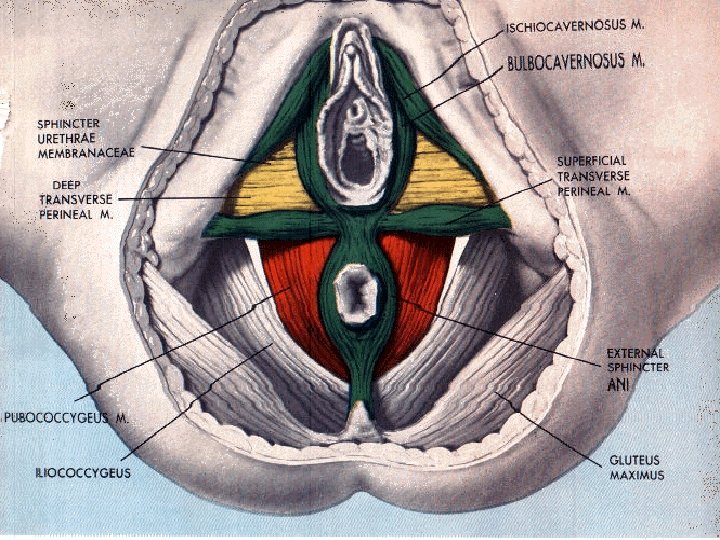
Levator Ani • • Major structure of pelvic floor Anterior/posterior orientation Perforated by urogenital hiatus Consists of : Pubococcygeus Iliococygeus Puborectalis Coccygeus
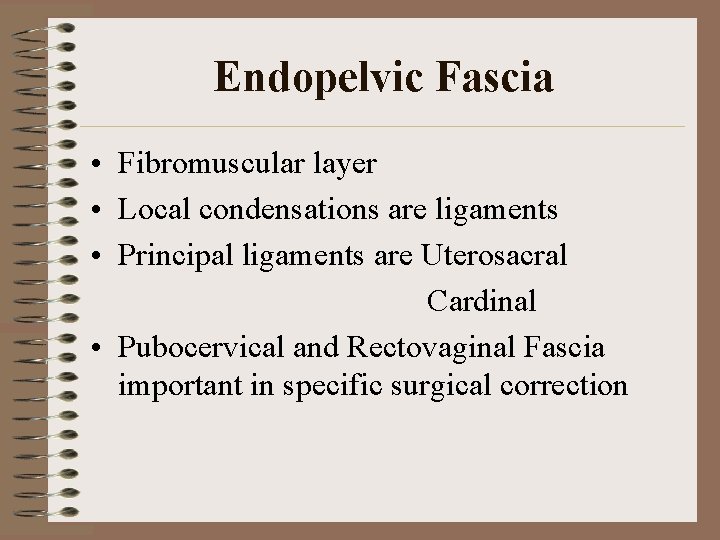
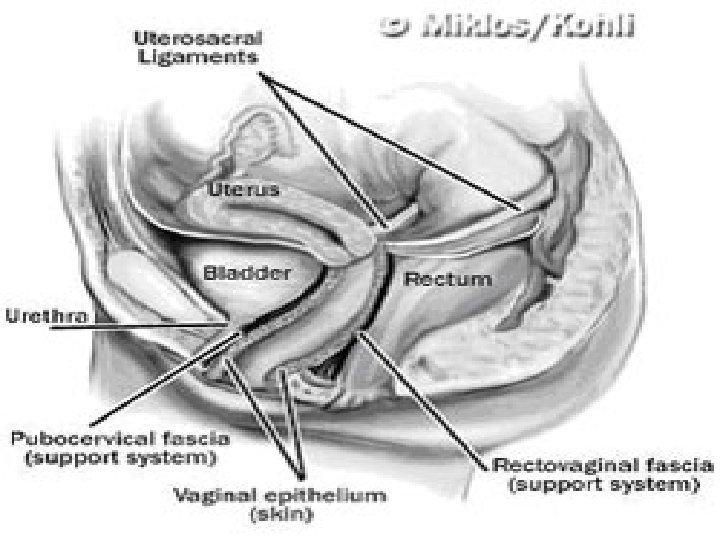
Endopelvic Fascia • Fibromuscular layer • Local condensations are ligaments • Principal ligaments are Uterosacral Cardinal • Pubocervical and Rectovaginal Fascia important in specific surgical correction
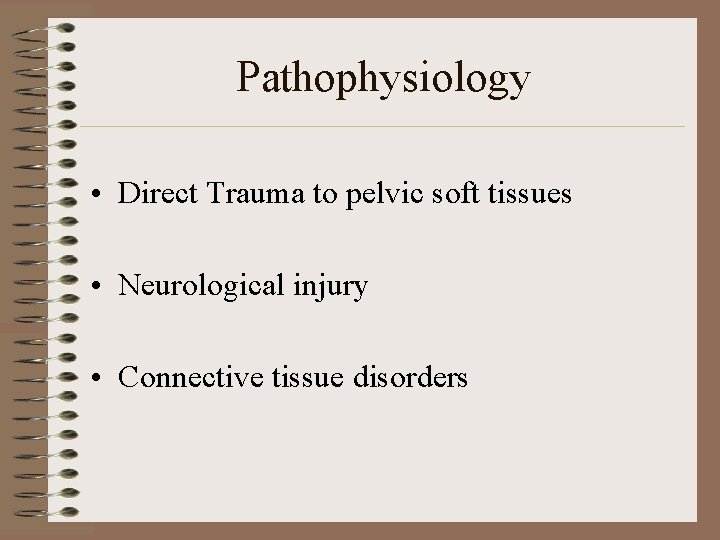
Pathophysiology • Direct Trauma to pelvic soft tissues • Neurological injury • Connective tissue disorders
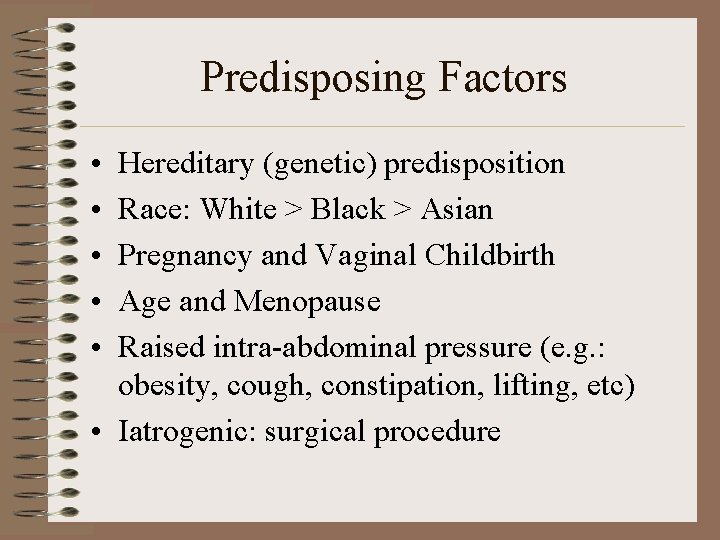
Predisposing Factors • • • Hereditary (genetic) predisposition Race: White > Black > Asian Pregnancy and Vaginal Childbirth Age and Menopause Raised intra-abdominal pressure (e. g. : obesity, cough, constipation, lifting, etc) • Iatrogenic: surgical procedure
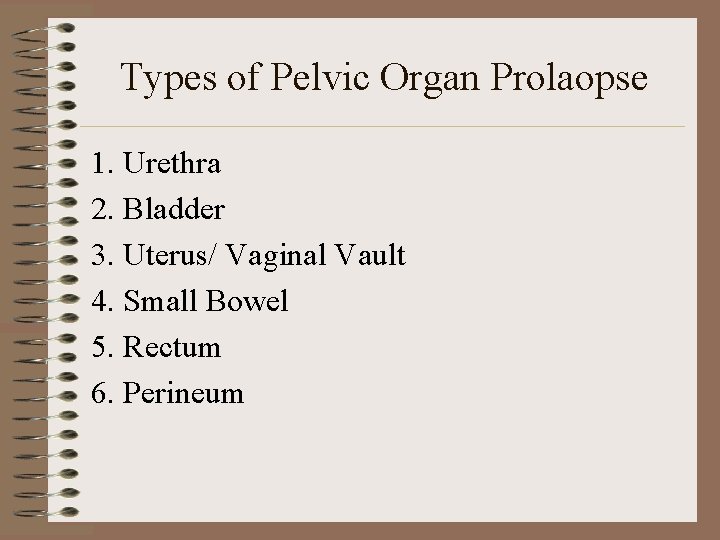
Types of Pelvic Organ Prolaopse 1. Urethra 2. Bladder 3. Uterus/ Vaginal Vault 4. Small Bowel 5. Rectum 6. Perineum
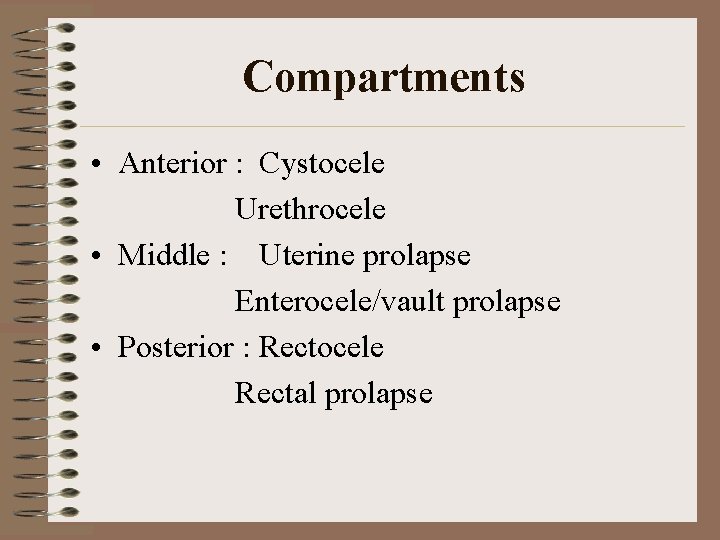
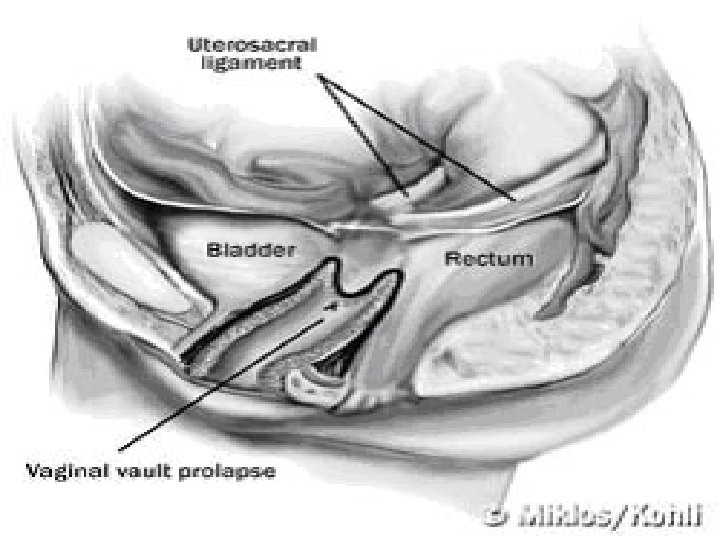
Compartments • Anterior : Cystocele Urethrocele • Middle : Uterine prolapse Enterocele/vault prolapse • Posterior : Rectocele Rectal prolapse
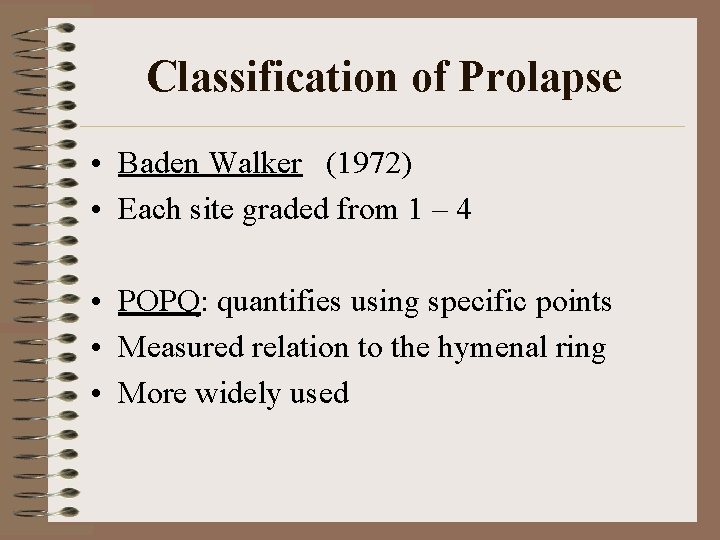
Classification of Prolapse • Baden Walker (1972) • Each site graded from 1 – 4 • POPQ: quantifies using specific points • Measured relation to the hymenal ring • More widely used
Symptoms of Prolapse • • • Pelvic pressure Pelvic pain Feeling of a “lump” Back pain Urinary dysfunction Bowel dysfunction
Complications of Prolapse • • • Bleeding Infection Recurrent UTI’s Urinary obstruction Renal failure
Associated conditions • Urinary Incontinence : Stress Urge Mixed • Fecal Incontinence : sphincter injury
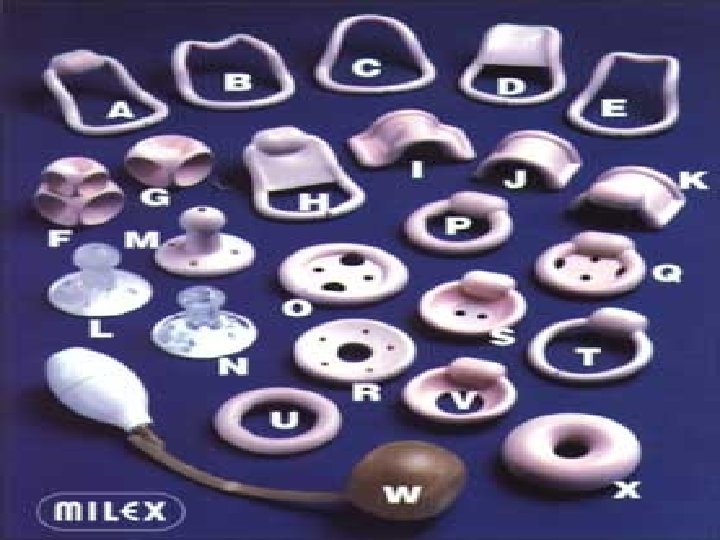
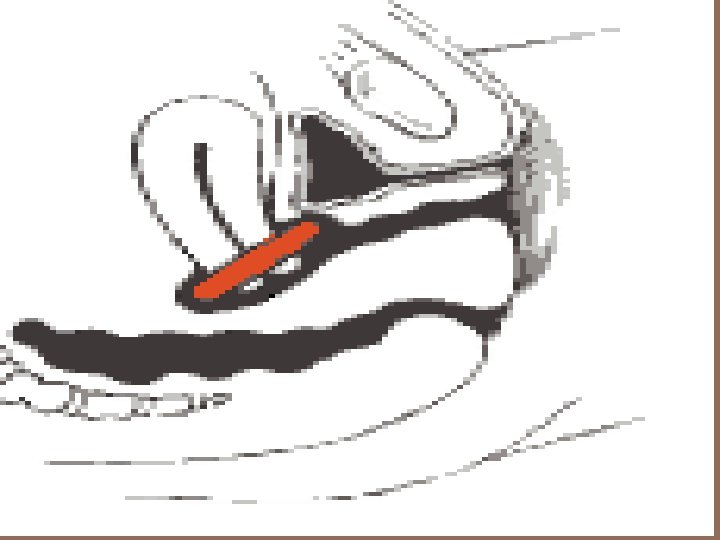
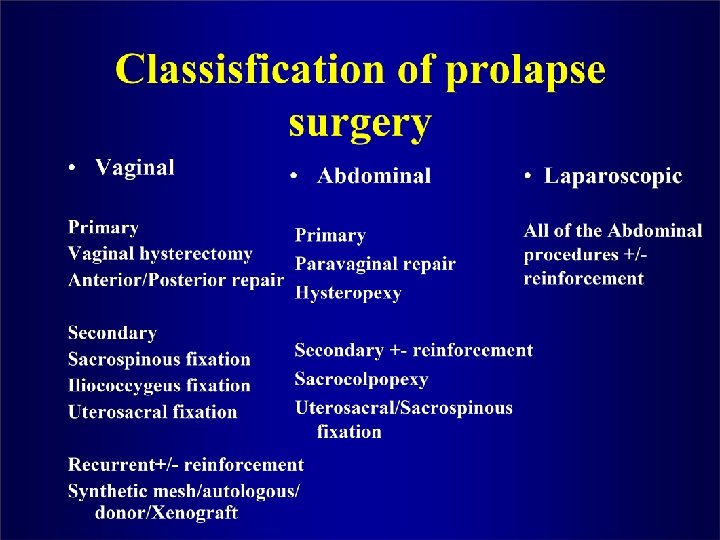
Options of Management • No Treatment ( pelvic floor exercise) • Conservative: such as Physiotherapy or Pessary • Surgical Treatment
Aims of prolapse surgery • Alleviate symptoms • Restore normal anatomy • Restore normal visceral function • Avoid new bladder or bowel symptoms • Preserve sexual function • Avoid surgical complications
Conclusions • • Pelvic organ prolapse is common Results from injury to soft tissue and nerves Childbirth most significant association Treatment requires understanding of anatomic relationships • Treated with a combination of physio/pessary and often complex surgery