Origin and Occurrences of Natural compoundsResources on Earth

- Slides: 41
Origin and Occurrences of Natural compounds/Resources on Earth surface
Natural Resources • • • Resource is the term used to describe the total amount of any geologic material of potential economic interest, whether discovered or not. Naturally occurring exploitable material. A naturally occurring material, e. g. coal or wood, mineral etc that can be exploited by people.
Types of Natural resources • • Energy Resource Metallic Resource Non Metallic Resources Water Soil Plants Animals
Geological Resources • • Focusing geologic resources. Categories (a) Energy resources. (b) Metallic resources. (c) Nonmetallic resources.
Energy Resources • • Energy resources are the materials we use to produce heat and electricity or as fuel for transport. Modern society is highly dependent upon energy resources. • Types I. Non Renewable Resources II. Renewable resources
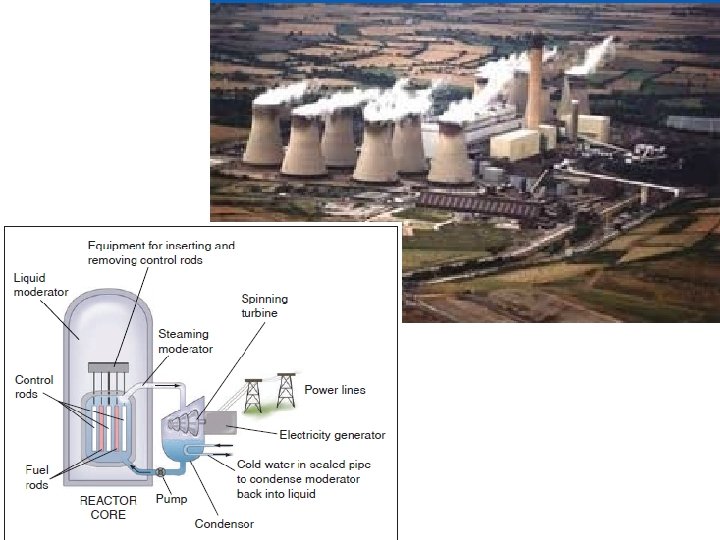
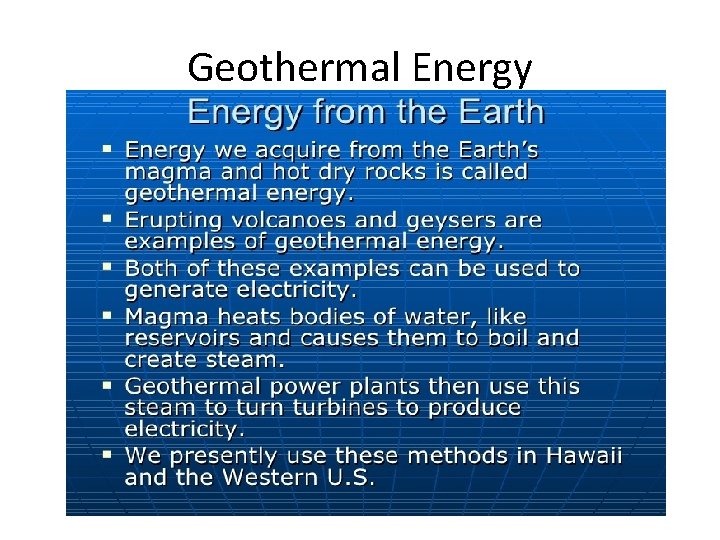
Non Renewable resources • Nonrenewable energy resources are those that can not be replenished naturally in a short period of time. • Types I. Coal II. Petroleum & Natural gas III. Coal bed Methane IV. Heavy crude &oil sand V. Oil shale VI. Uranium VII. Geothermal Energy
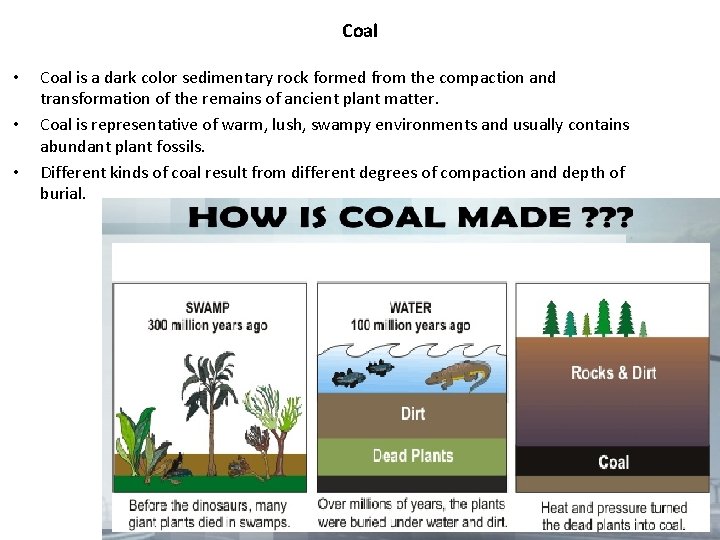
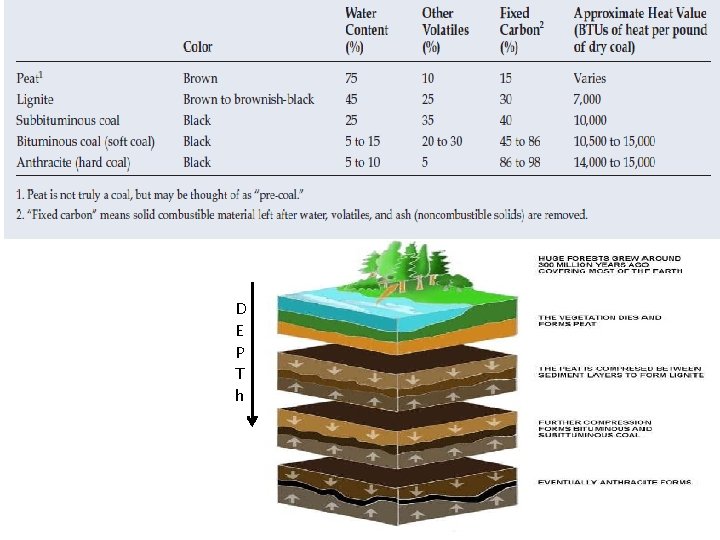
Coal • • • Coal is a dark color sedimentary rock formed from the compaction and transformation of the remains of ancient plant matter. Coal is representative of warm, lush, swampy environments and usually contains abundant plant fossils. Different kinds of coal result from different degrees of compaction and depth of burial.
D E P T h
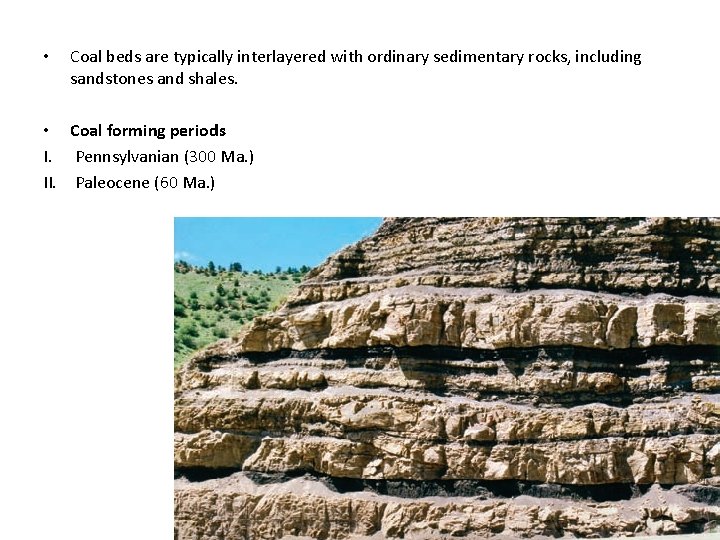
• Coal beds are typically interlayered with ordinary sedimentary rocks, including sandstones and shales. • Coal forming periods I. Pennsylvanian (300 Ma. ) II. Paleocene (60 Ma. )
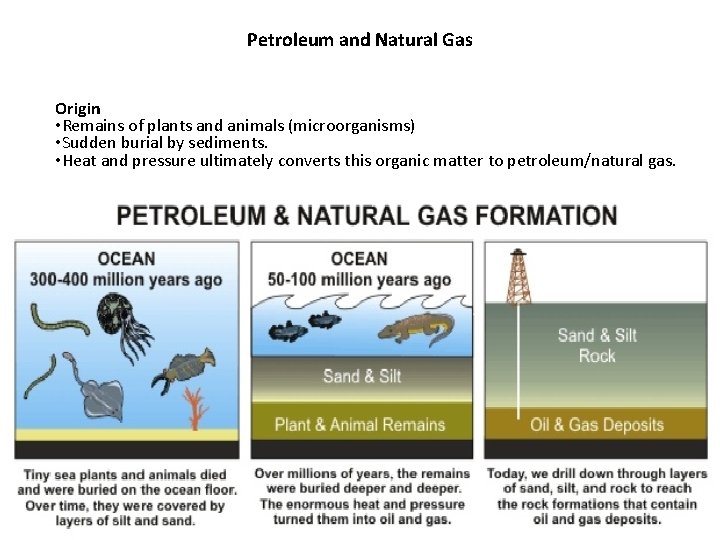
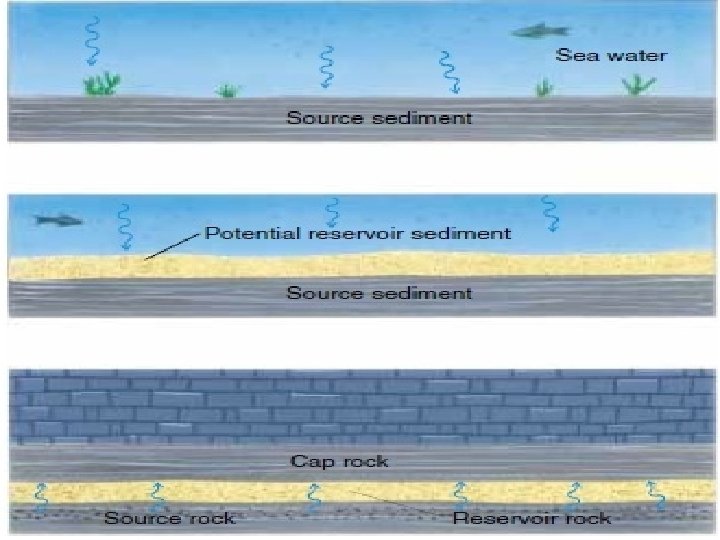
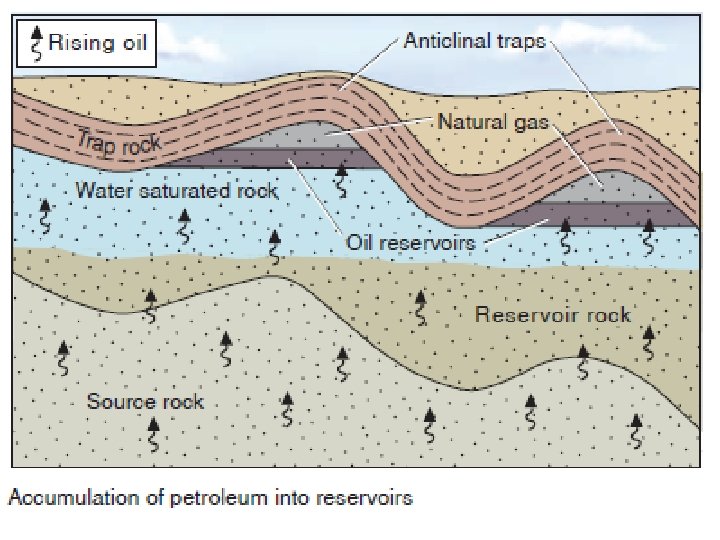
Petroleum and Natural Gas Origin • Remains of plants and animals (microorganisms) • Sudden burial by sediments. • Heat and pressure ultimately converts this organic matter to petroleum/natural gas.
Coal Bed Methane • • Coal beds contain appreciable quantities of methane, the principal component of natural gas. In coal deposits, methane is often dispersed throughout the pores and fractures of the coal bed.
Oil Sand/Tar Sand • Oil sands (or tar sands) are asphalt-cemented sand or sandstone deposits. • The asphalt is solid, so oil sands are often mined rather than drilled into, although the techniques for reducing the viscosity of heavy crude often work on oil sands as well. • When the petroleum is exposed to water and bacteria present in the sandstone, the hydrocarbons often degrade over time into heavier, asphalt like bitumen
Oil Shale • • Oil shale is a black or brown sedimentary rock with a high content of solid organic matter or kerogen. Oil shale is both a source of oil and a fuel as it can be burned with little or no processing. Origin Oil shale is formed in much the same way as conventional oil deposits, but the sapropel is not buried as deeply and doesn’t reach the temperatures required for cracking the hydrocarbons into lighter fractions.
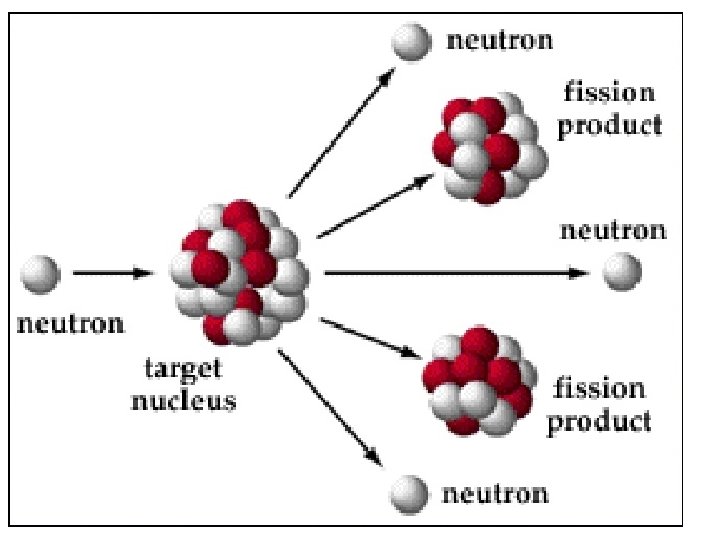
Uranium
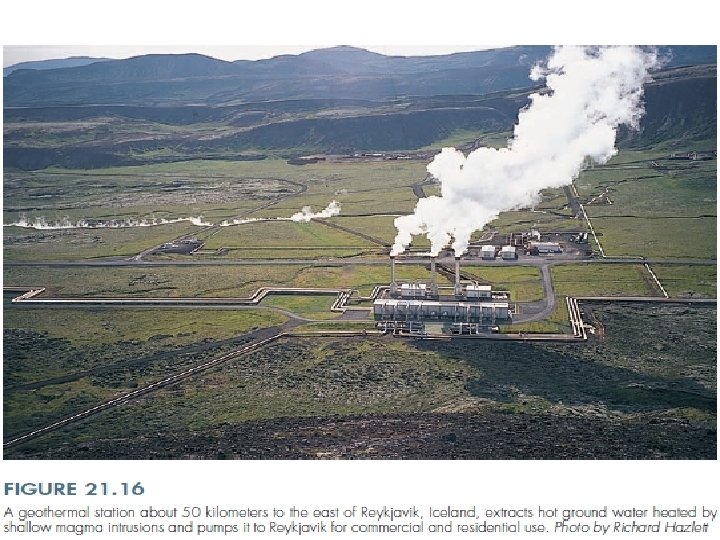
Geothermal Energy
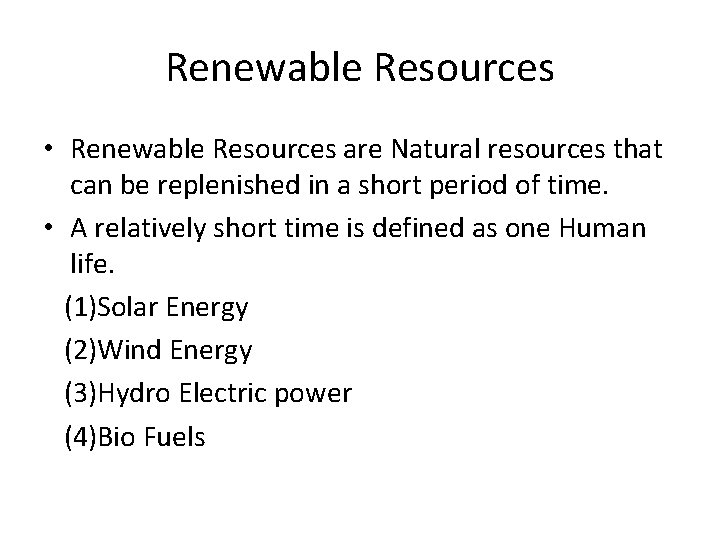
Renewable Resources • Renewable Resources are Natural resources that can be replenished in a short period of time. • A relatively short time is defined as one Human life. (1)Solar Energy (2)Wind Energy (3)Hydro Electric power (4)Bio Fuels
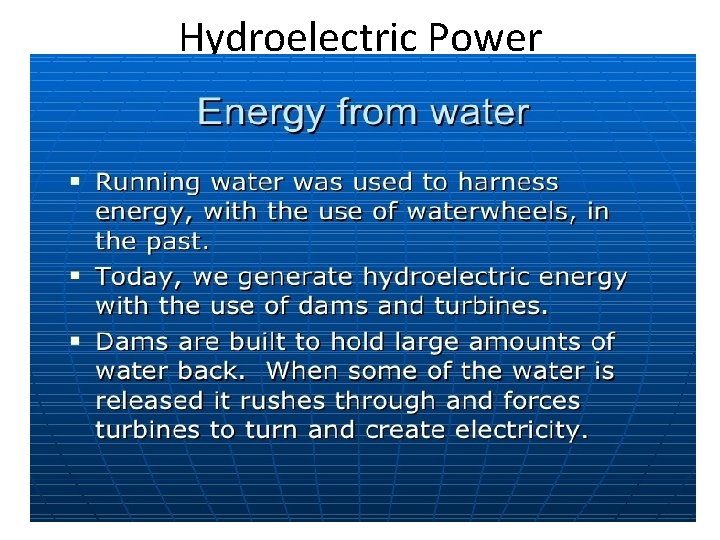
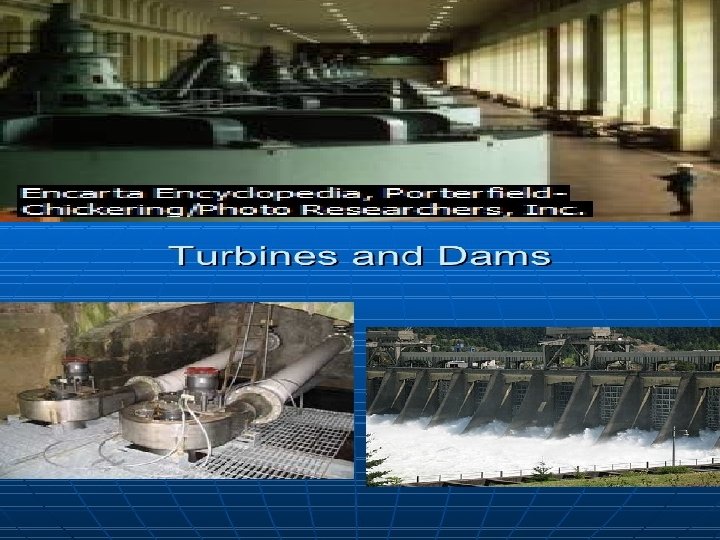
Hydroelectric Power
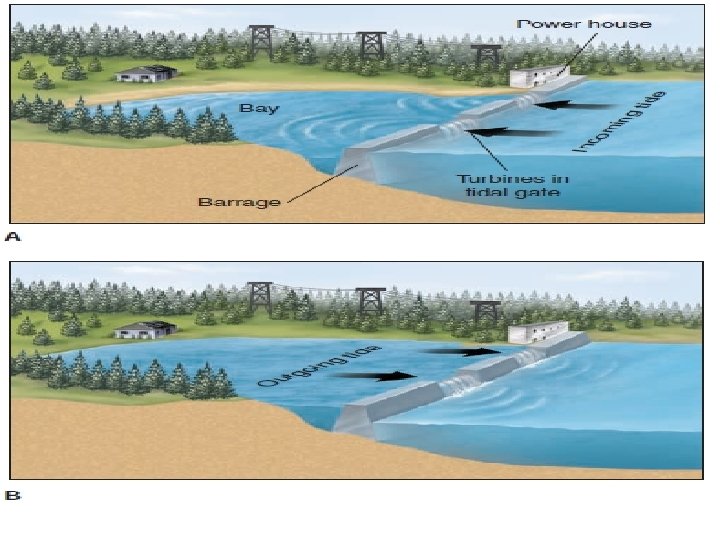
Tidal Power • Tidal power is a variation of hydropower. A barrier, called a barrage, must be constructed across the mouth of an estuary or bay. • Gates in the barrage allow water to pass through as the tide rides, spinning turbines to produce electricity. • The gates close when the tide is in, capturing the water inshore from the barrage. • The gates reopen after the tide falls on the seaward side, and the water pouring out spins the turbines again in reverse
Biofuels • • • Fuel derived from biologic matter. It differs from fossil fuels in that the biologic matter is recently dead. Examples: Ethanol and vegetable oil. Ethanol is generated by yeast fermentation from plants that contain a lot of sugar (sugar cane) or starch (corn). Vegetable oil comes from plants such as soybeans that produce a lot of oil. The oil can be used to fuel a diesel engine, or can be processed to form biodiesel.
Metallic Resources • • Ores formed by Igneous Processes Ores Formed by Surface Processes
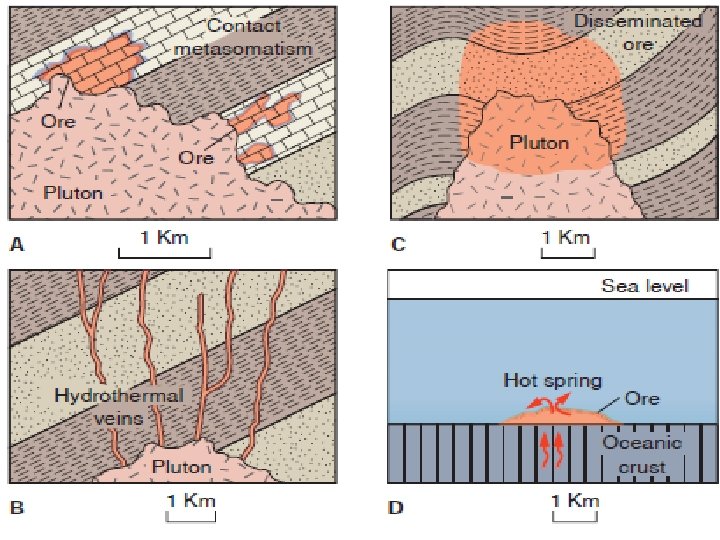
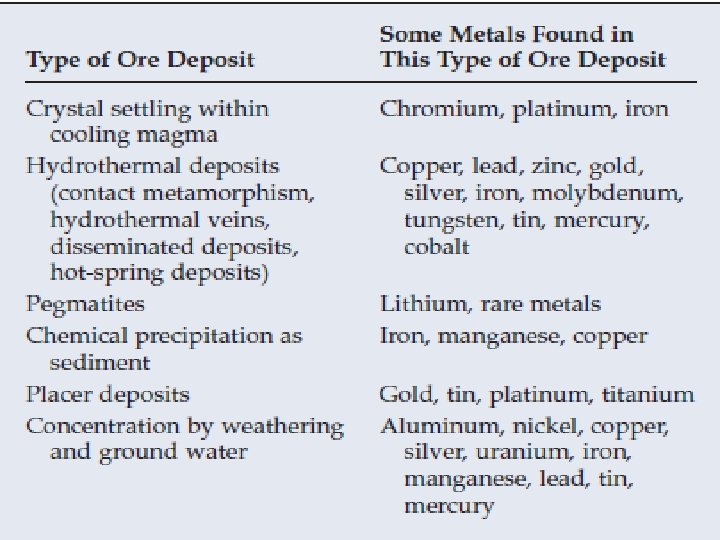
Ores formed by Igneous Processes • • Crystal settling occurs as early-forming minerals crystallize and settle to the bottom of a cooling body of magma Example: Chromium and platinum Bushveldt Complex in South Africa. • • Hydrothermal Fluids The hot water and other fluids are part of the magma itself, injected into the surrounding country rock during the last stages of magma crystallization. • Hydrothermal processes are responsible for most of the world’s metallic mineral deposits such as gold, silver, lead, and copper
Ores Formed by Surface Processes • Chemical precipitation in layers is the most common origin for ores of iron and manganese. • A few copper ores form in this way, too. Banded iron ores, usually composed of alternating layers of iron minerals and chert, formed as sedimentary rocks in many parts of the world during the Precambrian, apparently in shallow, water-filled basins
Placer Deposits • Streams have concentrated heavy grains in a river bars. • Wave action can also form placers at beaches. • Placers include gold nuggets and dust, native platinum, diamonds and other gemstones, and worn pebbles or sand grains composed of the heavy oxides of titanium and tin.
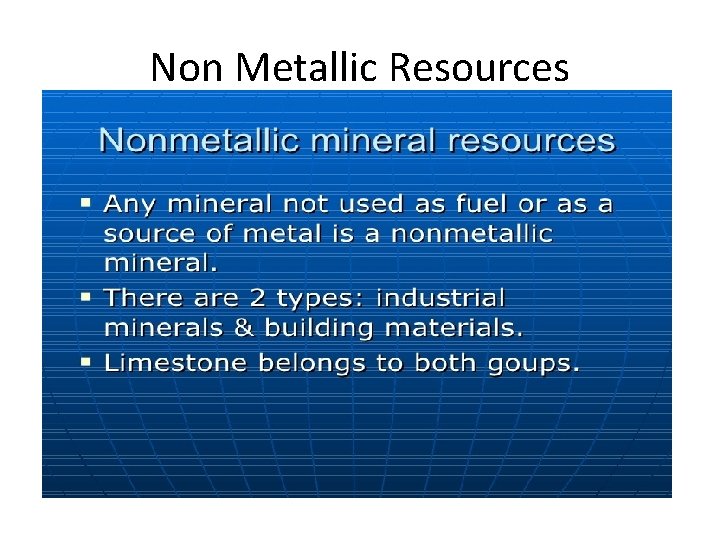
Non Metallic Resources
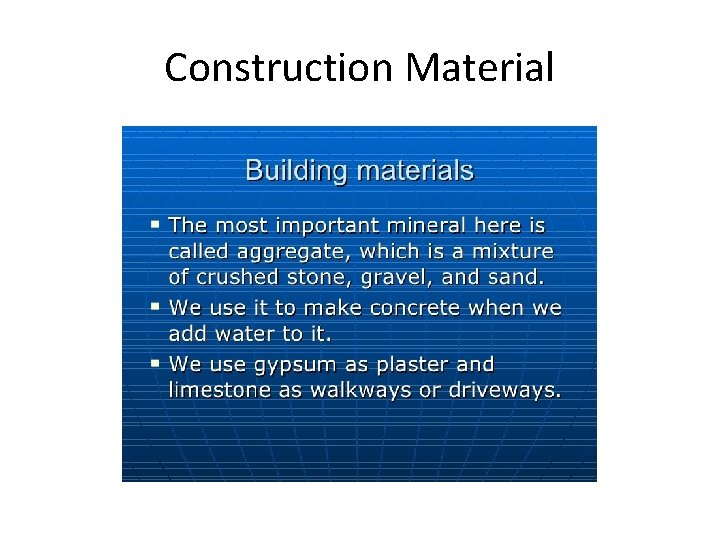
Construction Material
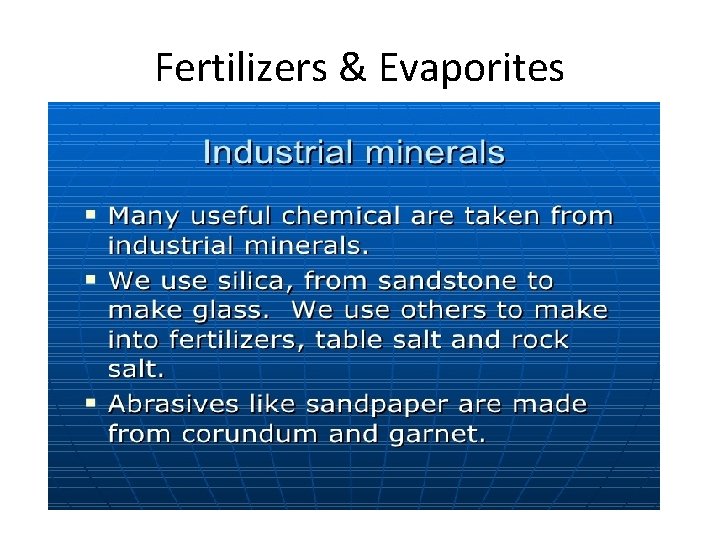
Fertilizers & Evaporites