Organic Chemistry Organic chemistry is the chemistry of
- Slides: 25
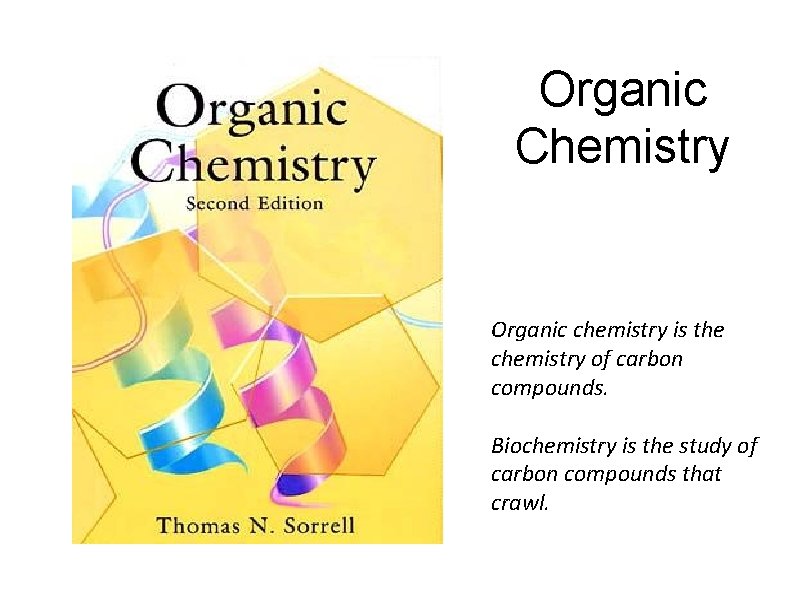
Organic Chemistry Organic chemistry is the chemistry of carbon compounds. Biochemistry is the study of carbon compounds that crawl.
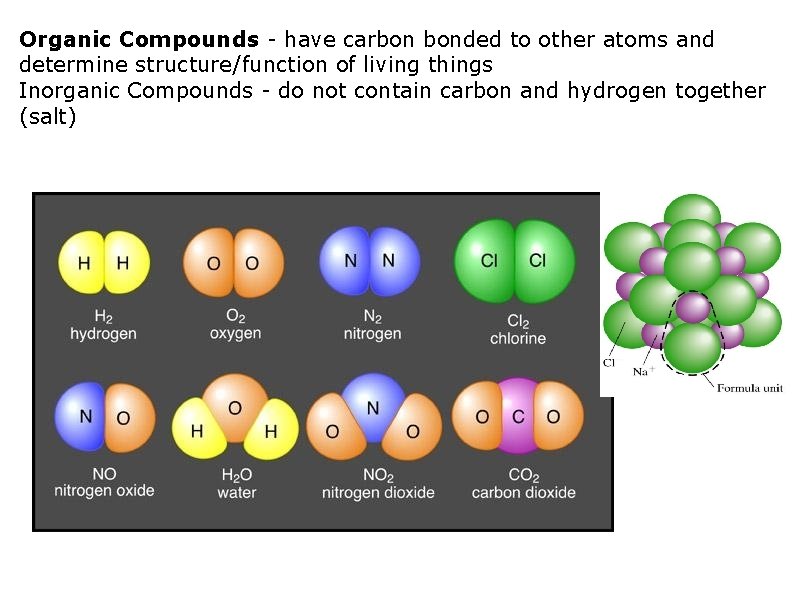
Organic Compounds - have carbon bonded to other atoms and determine structure/function of living things Inorganic Compounds - do not contain carbon and hydrogen together (salt)
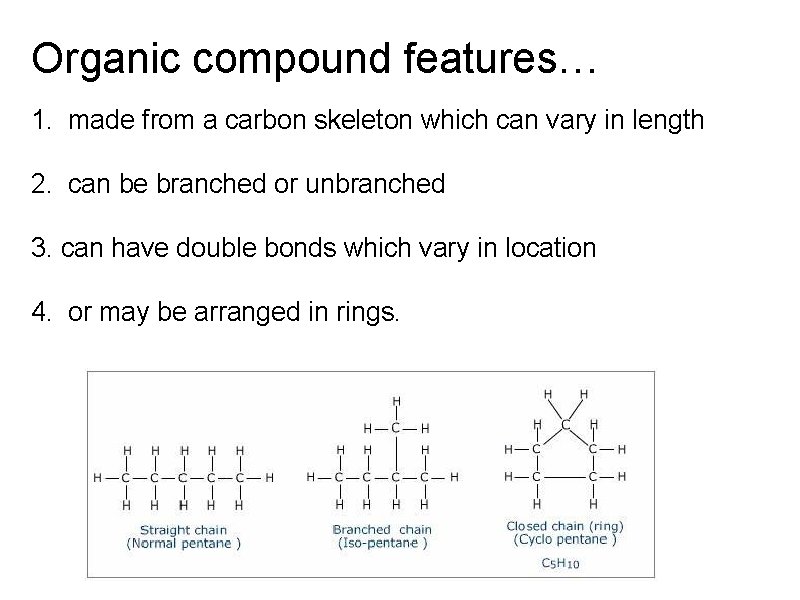
Organic compound features… 1. made from a carbon skeleton which can vary in length 2. can be branched or unbranched 3. can have double bonds which vary in location 4. or may be arranged in rings.
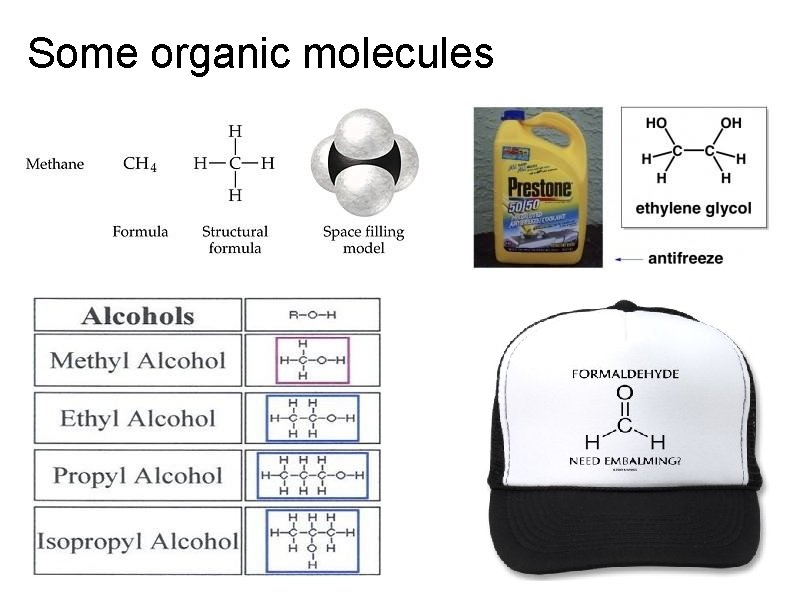
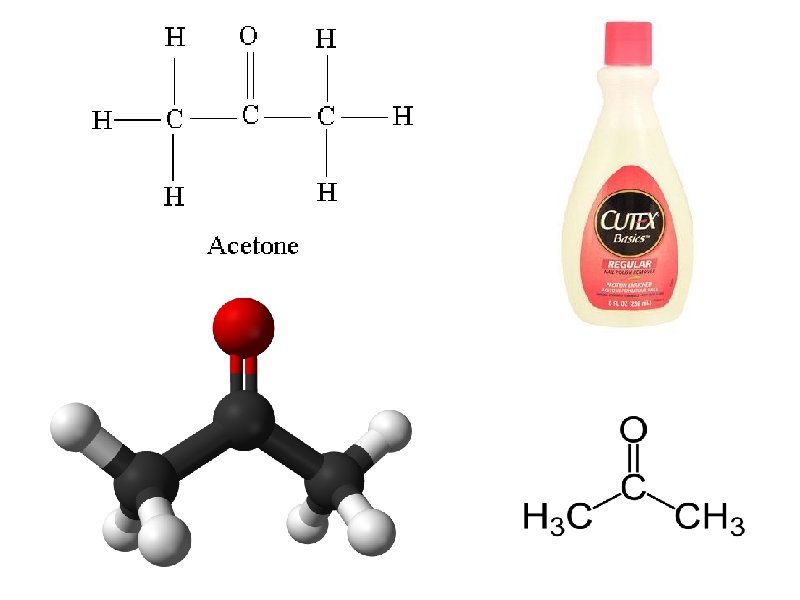
Some organic molecules
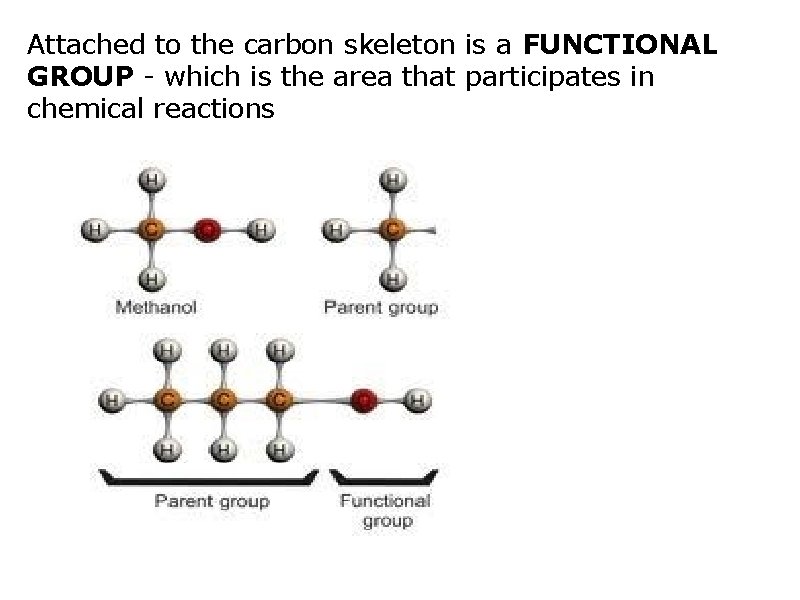
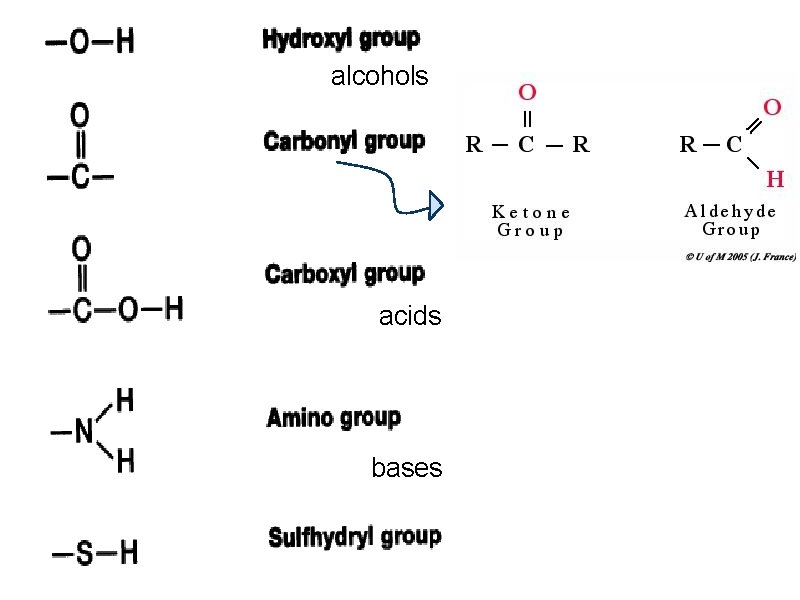
Attached to the carbon skeleton is a FUNCTIONAL GROUP - which is the area that participates in chemical reactions
alcohols acids bases
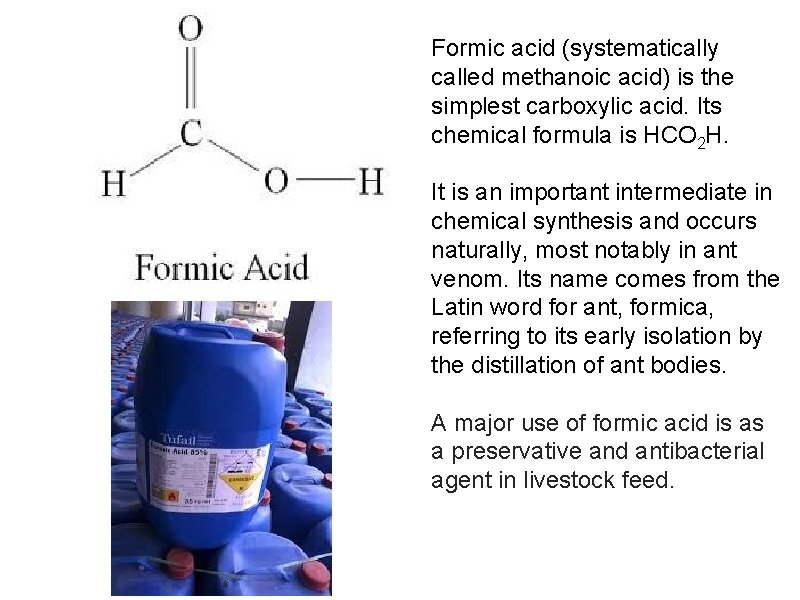
Formic acid (systematically called methanoic acid) is the simplest carboxylic acid. Its chemical formula is HCO 2 H. It is an important intermediate in chemical synthesis and occurs naturally, most notably in ant venom. Its name comes from the Latin word for ant, formica, referring to its early isolation by the distillation of ant bodies. A major use of formic acid is as a preservative and antibacterial agent in livestock feed.
MACROMOLECULES important to life 1. 2. 3. 4. Carbohydrates Lipids Proteins Nucleic Acids As we go through each of them, try to remember these things 1. What is the basic monomer and what is the polymer? 2. Where do you find these molecules?
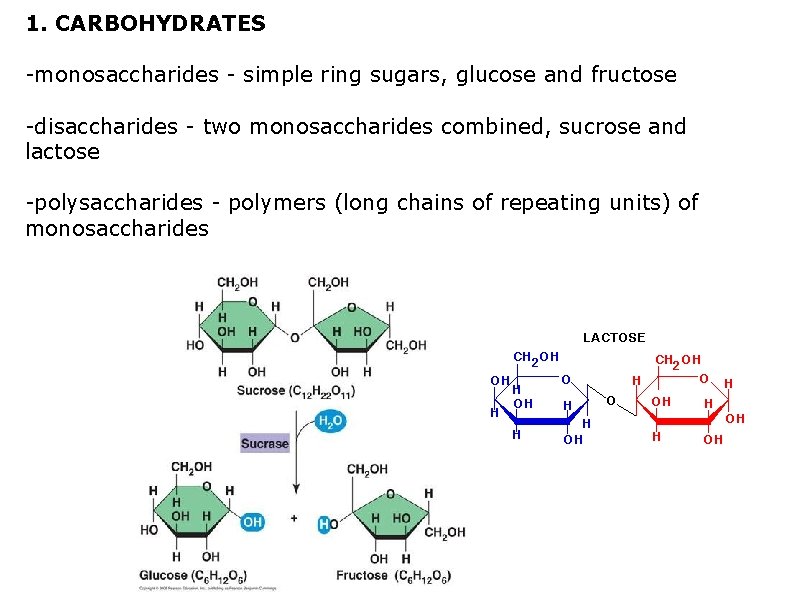
1. CARBOHYDRATES -monosaccharides - simple ring sugars, glucose and fructose -disaccharides - two monosaccharides combined, sucrose and lactose -polysaccharides - polymers (long chains of repeating units) of monosaccharides
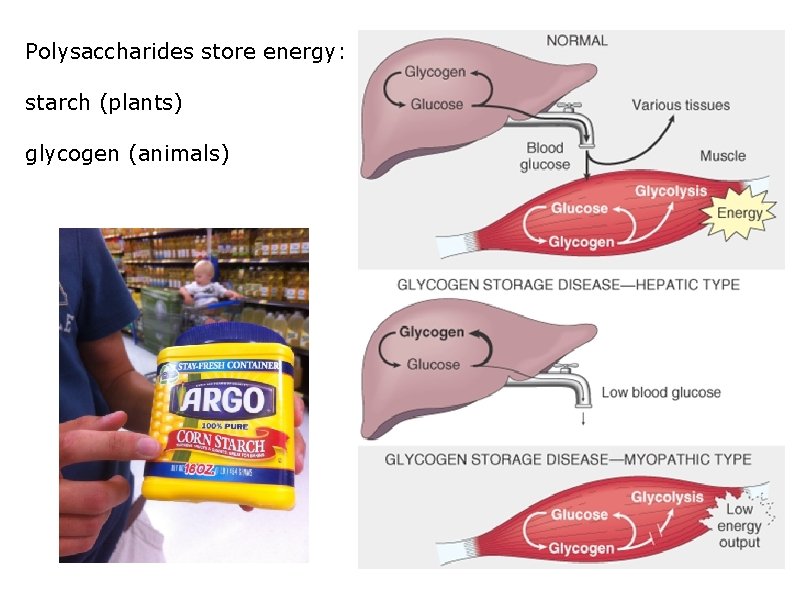
Polysaccharides store energy: starch (plants) glycogen (animals)
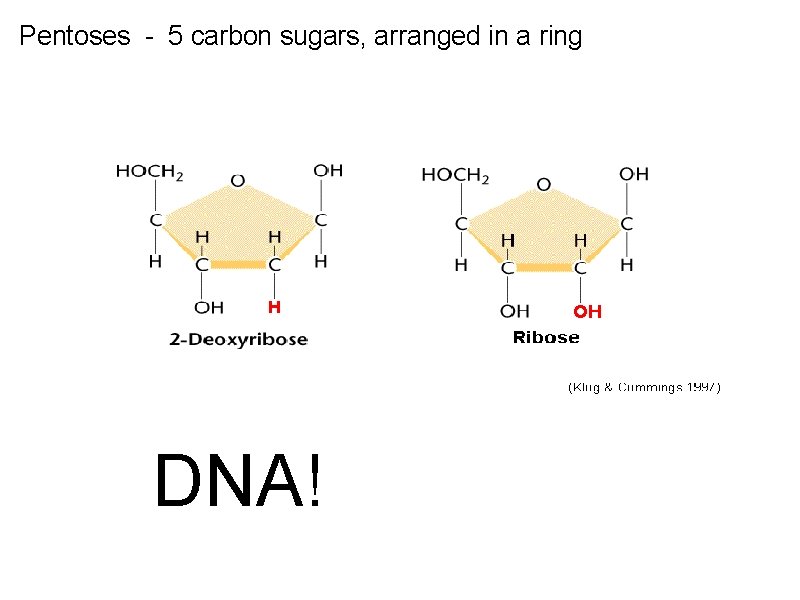
Pentoses - 5 carbon sugars, arranged in a ring DNA!
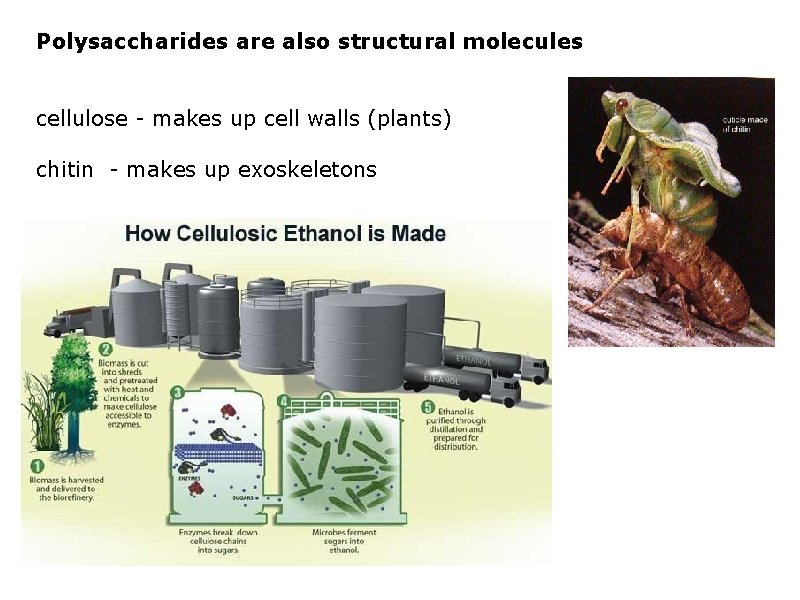
Polysaccharides are also structural molecules cellulose - makes up cell walls (plants) chitin - makes up exoskeletons
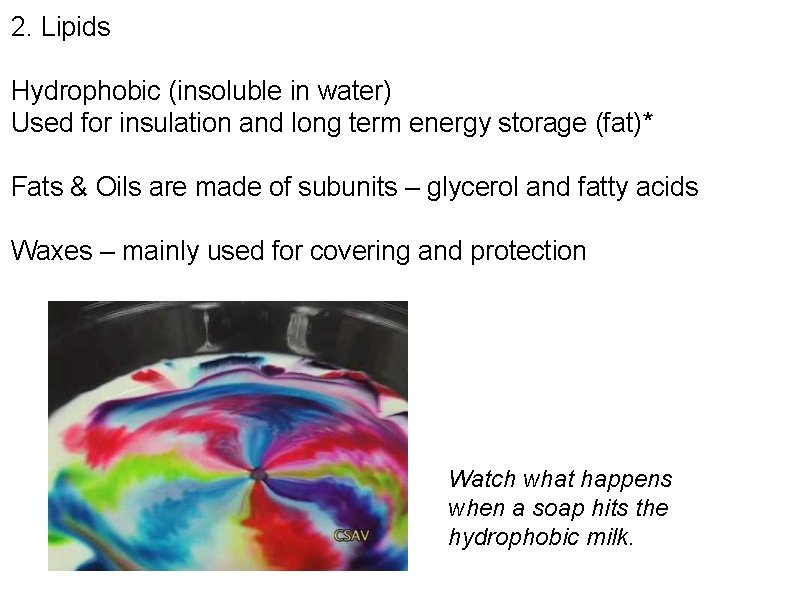
2. Lipids Hydrophobic (insoluble in water) Used for insulation and long term energy storage (fat)* Fats & Oils are made of subunits – glycerol and fatty acids Waxes – mainly used for covering and protection Watch what happens when a soap hits the hydrophobic milk.
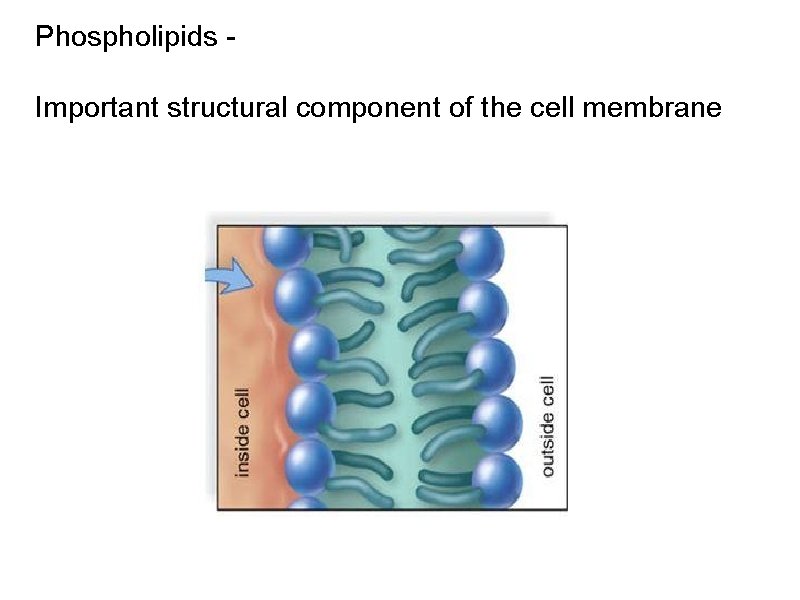
Phospholipids Important structural component of the cell membrane
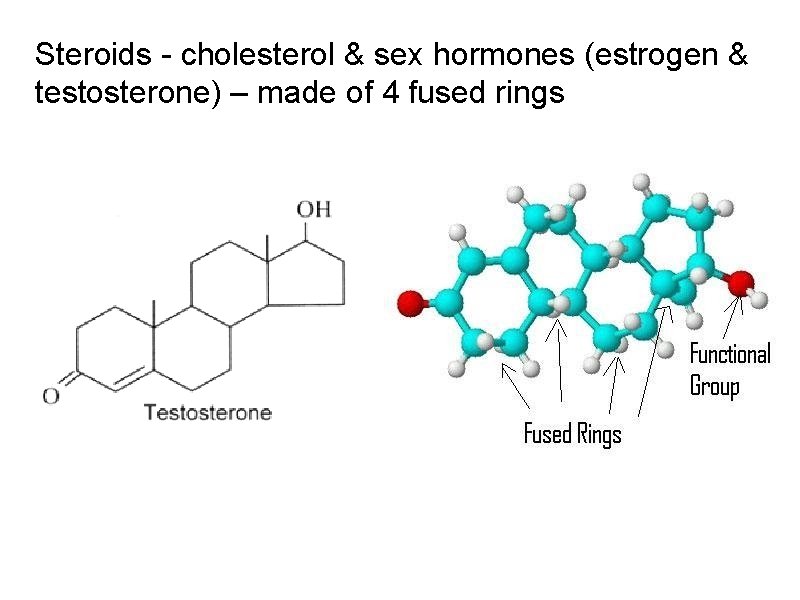
Steroids - cholesterol & sex hormones (estrogen & testosterone) – made of 4 fused rings
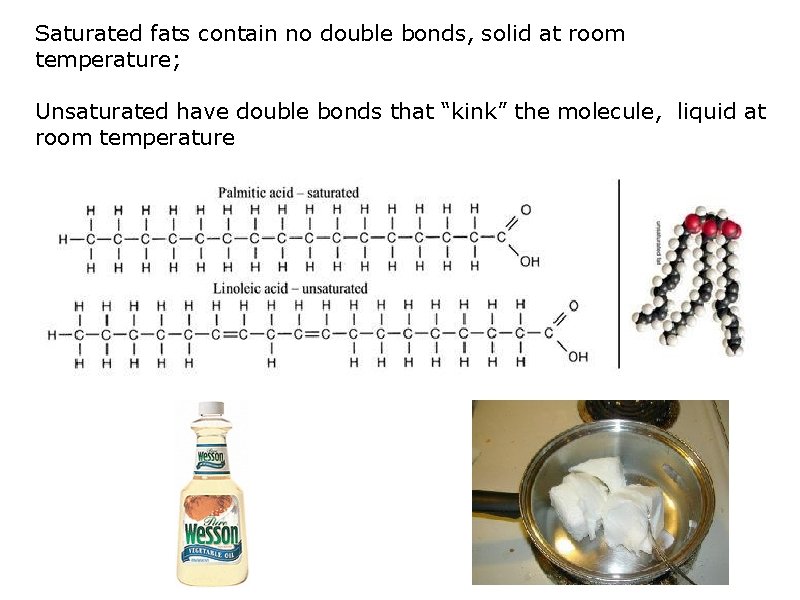
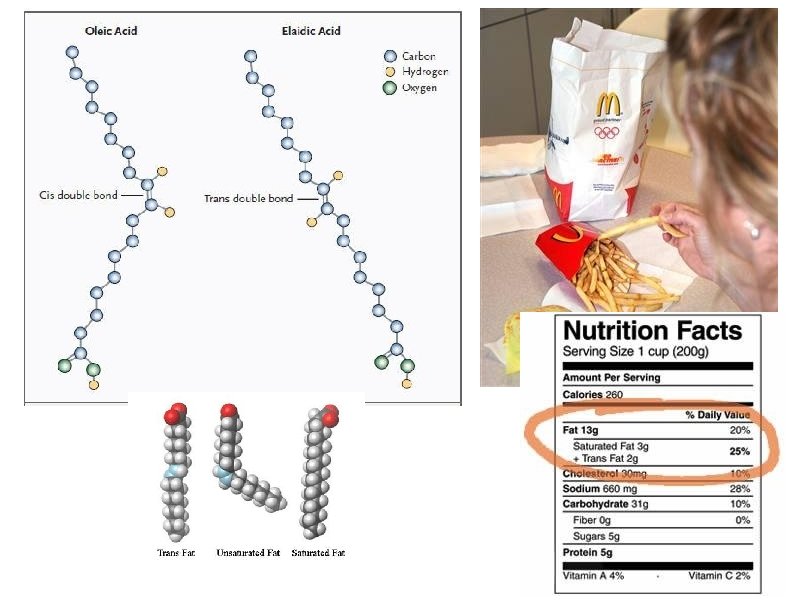
Saturated fats contain no double bonds, solid at room temperature; Unsaturated have double bonds that “kink” the molecule, liquid at room temperature
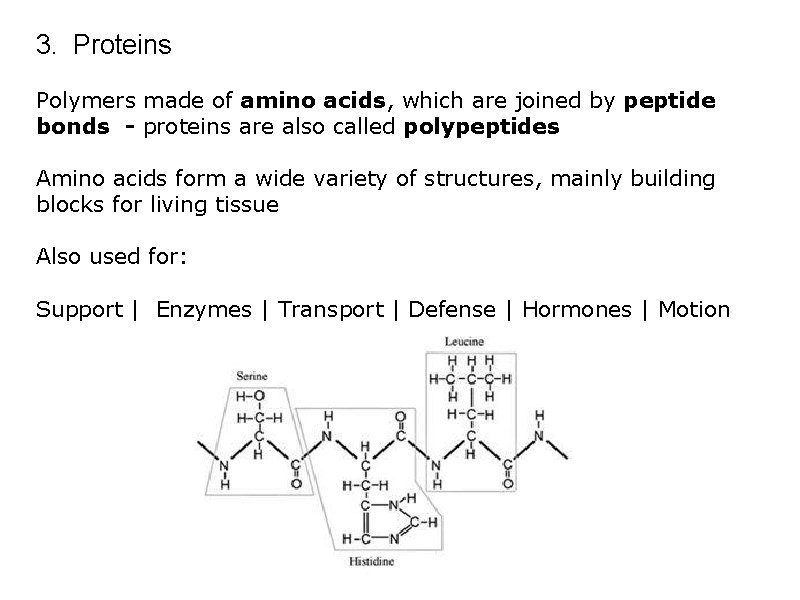
3. Proteins Polymers made of amino acids, which are joined by peptide bonds - proteins are also called polypeptides Amino acids form a wide variety of structures, mainly building blocks for living tissue Also used for: Support | Enzymes | Transport | Defense | Hormones | Motion
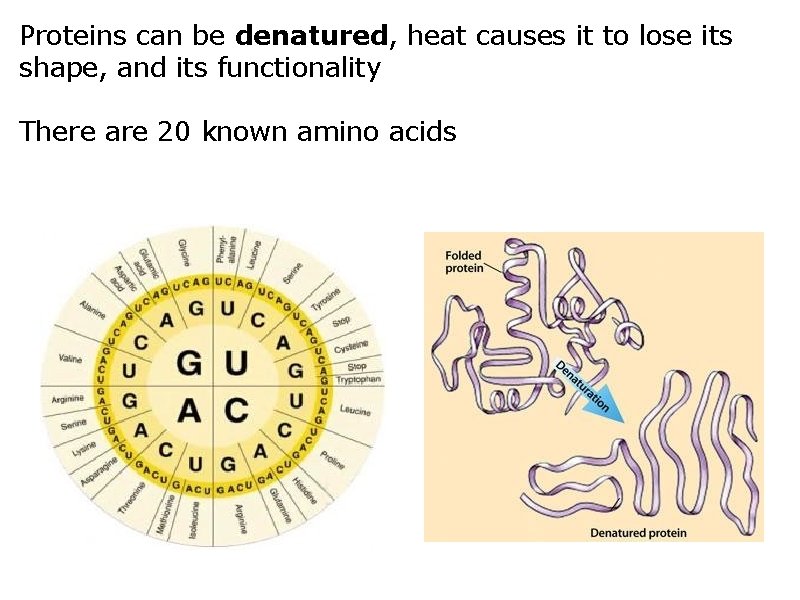
Proteins can be denatured, heat causes it to lose its shape, and its functionality There are 20 known amino acids
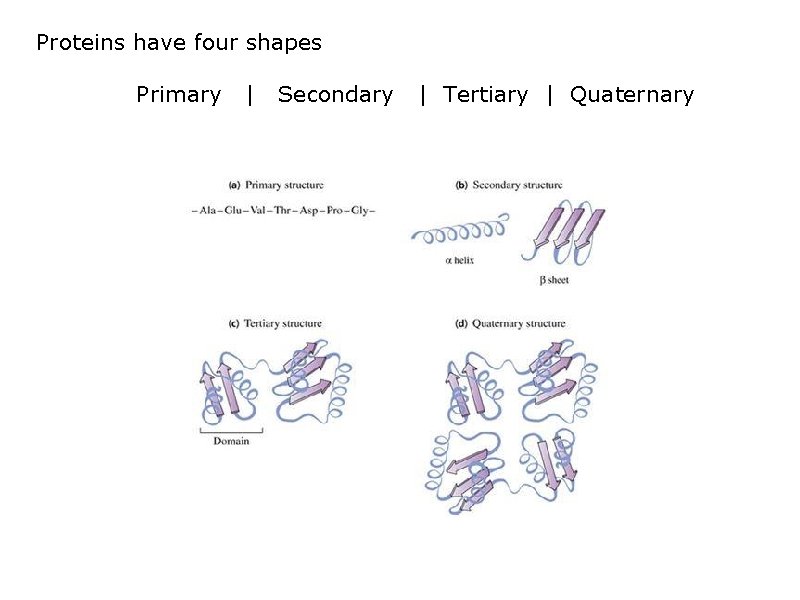
Proteins have four shapes Primary | Secondary | Tertiary | Quaternary
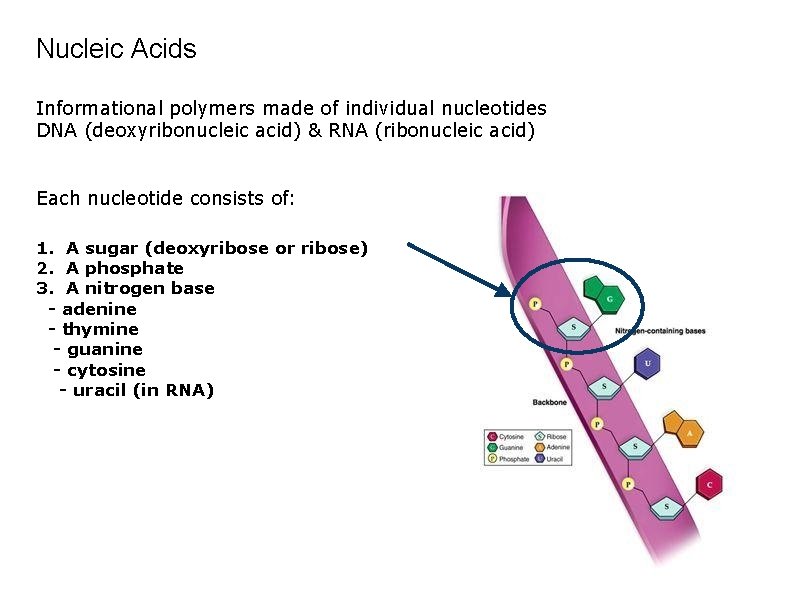
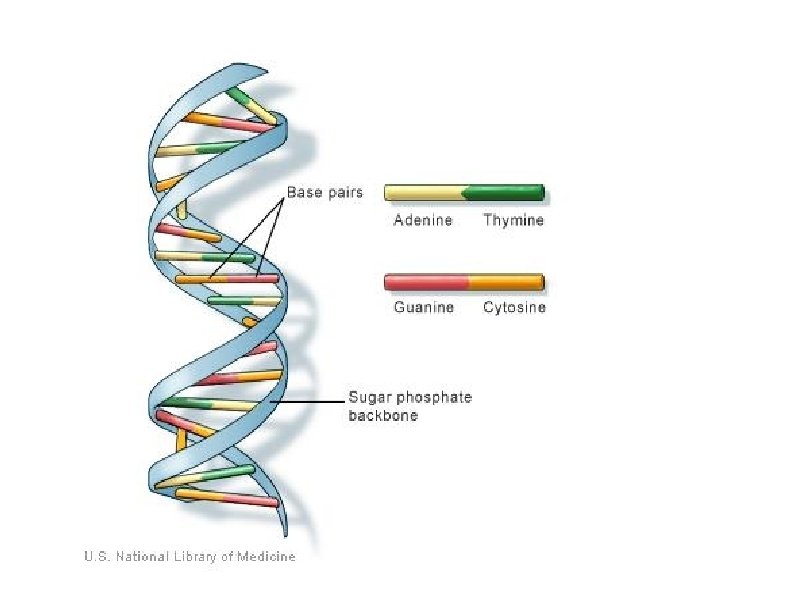
Nucleic Acids Informational polymers made of individual nucleotides DNA (deoxyribonucleic acid) & RNA (ribonucleic acid) Each nucleotide consists of: 1. A sugar (deoxyribose or ribose) 2. A phosphate 3. A nitrogen base - adenine - thymine - guanine - cytosine - uracil (in RNA)
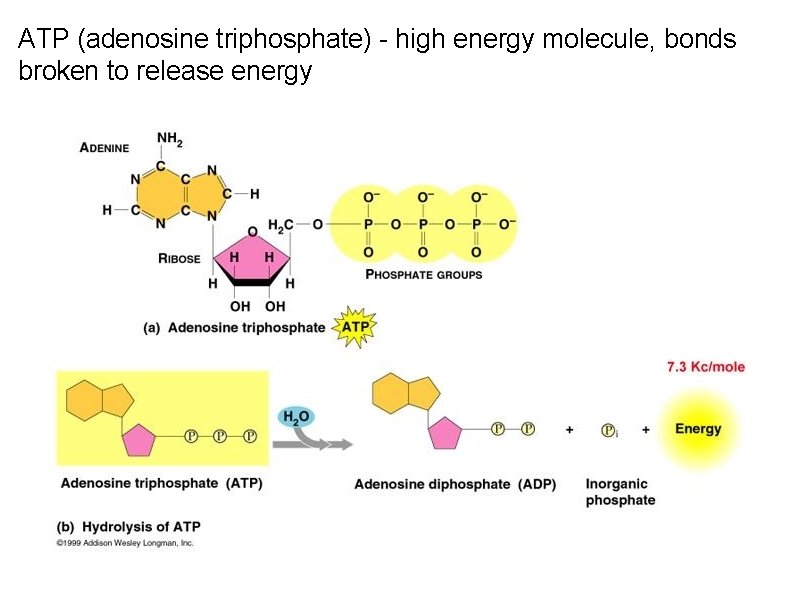
ATP (adenosine triphosphate) - high energy molecule, bonds broken to release energy
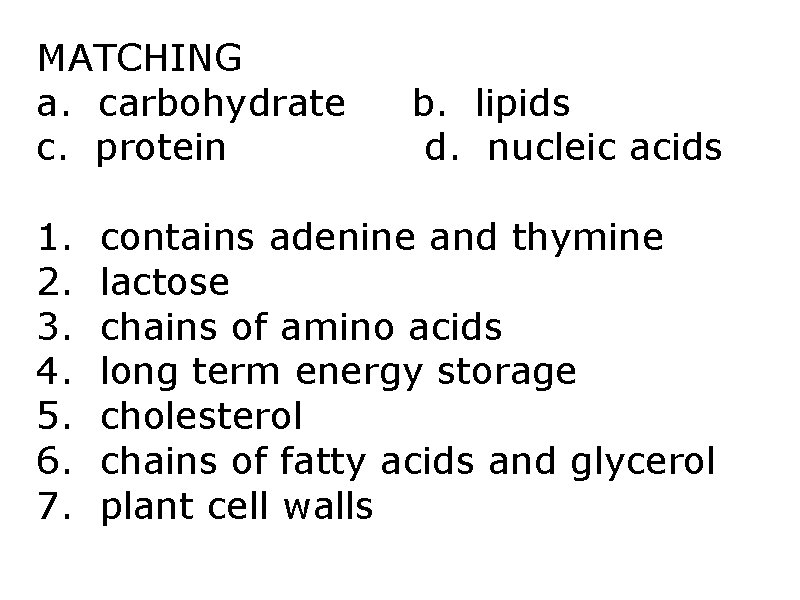
MATCHING a. carbohydrate c. protein 1. 2. 3. 4. 5. 6. 7. b. lipids d. nucleic acids contains adenine and thymine lactose chains of amino acids long term energy storage cholesterol chains of fatty acids and glycerol plant cell walls