New developments in the study of seismic anisotropy
- Slides: 22
New developments in the study of seismic anisotropy from shear-wave splitting analyses G. Rümpker Goethe-University Frankfurt Alp. Array – swath-meeting Potsdam, 18. 7. 2013
• Alps – previous studies and interpretations - SKS splitting < seismic anisotropy > mantle flow - hypothesis: fast polarization || mantle flow • the possible role of crustal anisotropy - how to discriminate between crustal and mantle anisotropy? recent observations: - fast polarization || topography • examples/case studies: South America (Andes), Iran - anisotropic waveform modeling - receiver-function splitting
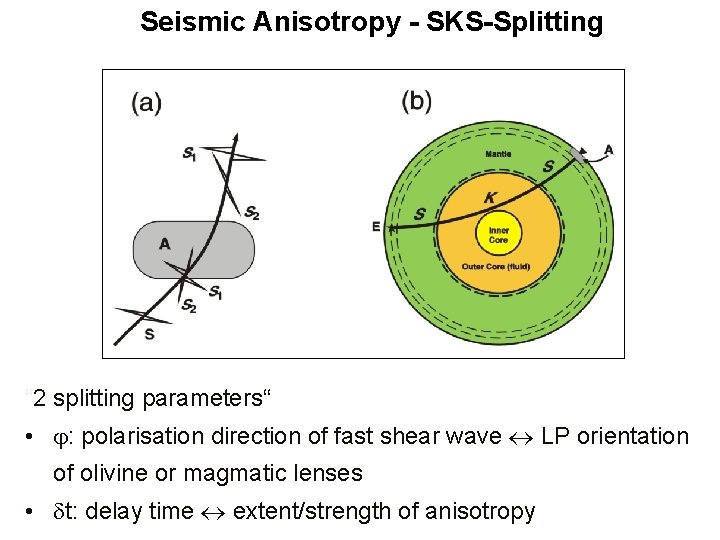
Seismic Anisotropy - SKS-Splitting “ 2 splitting parameters“ • : polarisation direction of fast shear wave LP orientation of olivine or magmatic lenses • t: delay time extent/strength of anisotropy
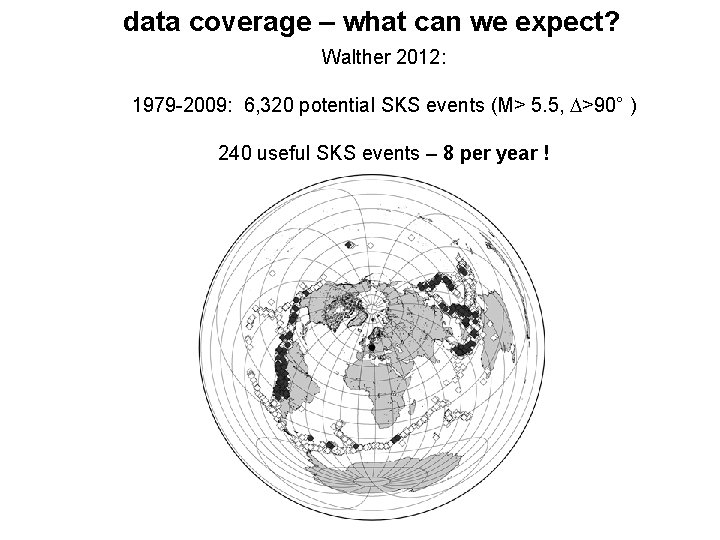
data coverage – what can we expect? Walther 2012: 1979 -2009: 6, 320 potential SKS events (M> 5. 5, D>90° ) 240 useful SKS events – 8 per year !
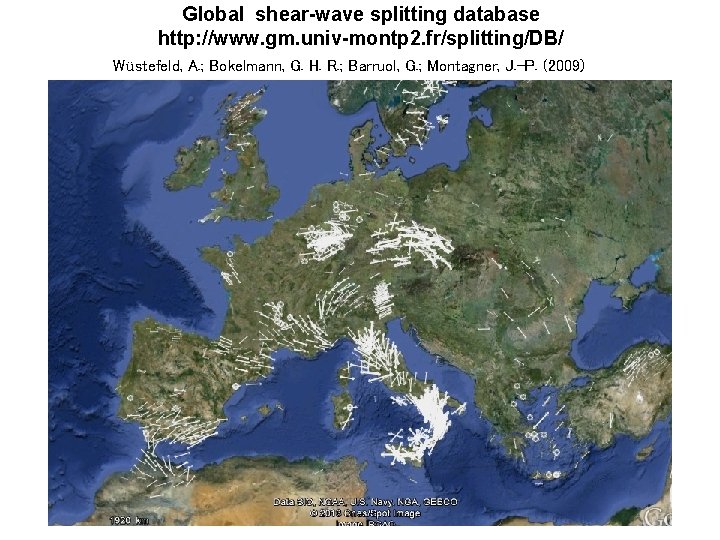
Global shear-wave splitting database http: //www. gm. univ-montp 2. fr/splitting/DB/ Wüstefeld, A. ; Bokelmann, G. H. R. ; Barruol, G. ; Montagner, J. -P. (2009)
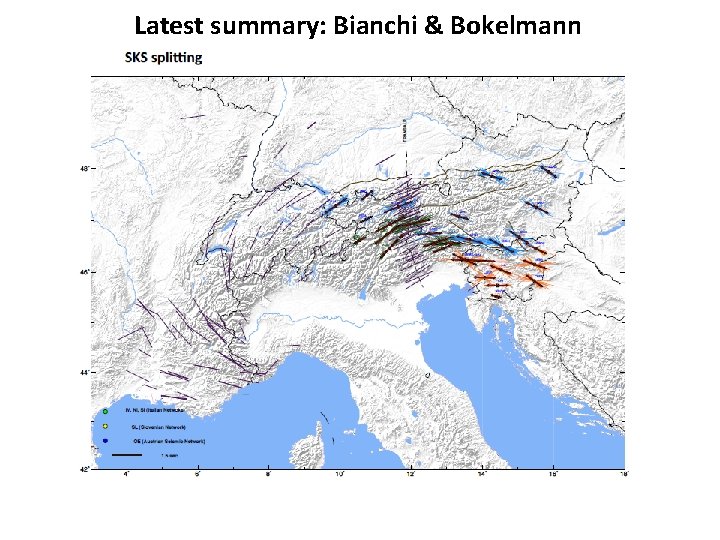
Latest summary: Bianchi & Bokelmann
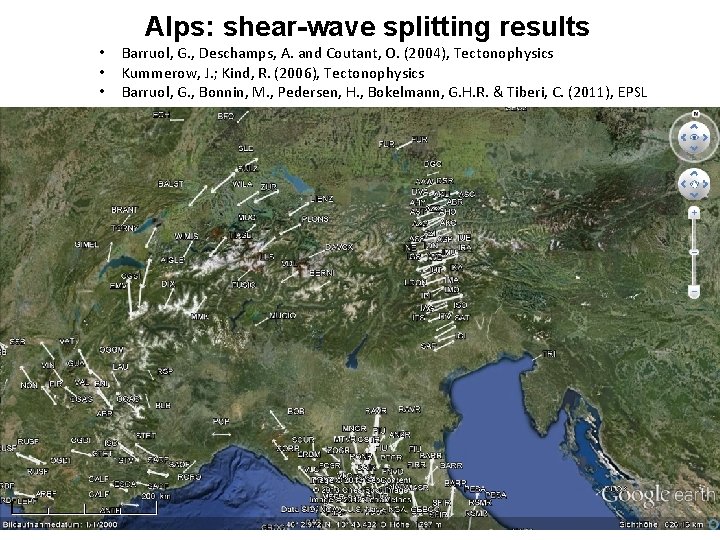
Alps: shear-wave splitting results • • • Barruol, G. , Deschamps, A. and Coutant, O. (2004), Tectonophysics Kummerow, J. ; Kind, R. (2006), Tectonophysics Barruol, G. , Bonnin, M. , Pedersen, H. , Bokelmann, G. H. R. & Tiberi, C. (2011), EPSL
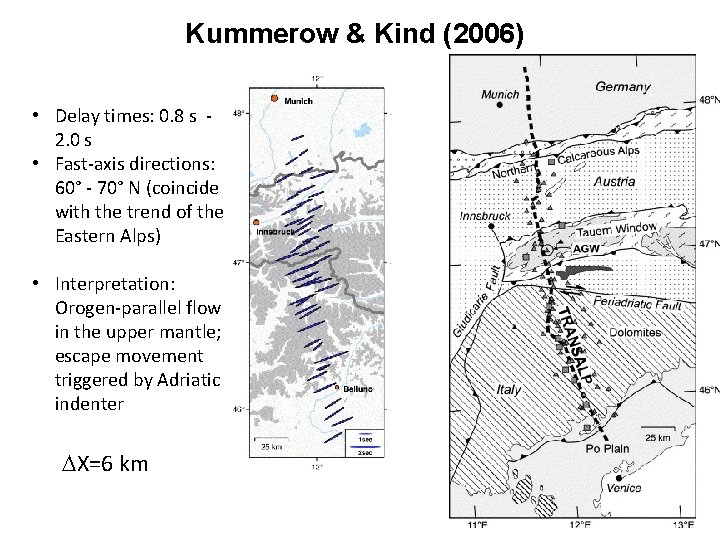
Kummerow & Kind (2006) • Delay times: 0. 8 s - 2. 0 s • Fast-axis directions: 60° - 70° N (coincide with the trend of the Eastern Alps) • Interpretation: Orogen-parallel flow in the upper mantle; escape movement triggered by Adriatic indenter DX=6 km
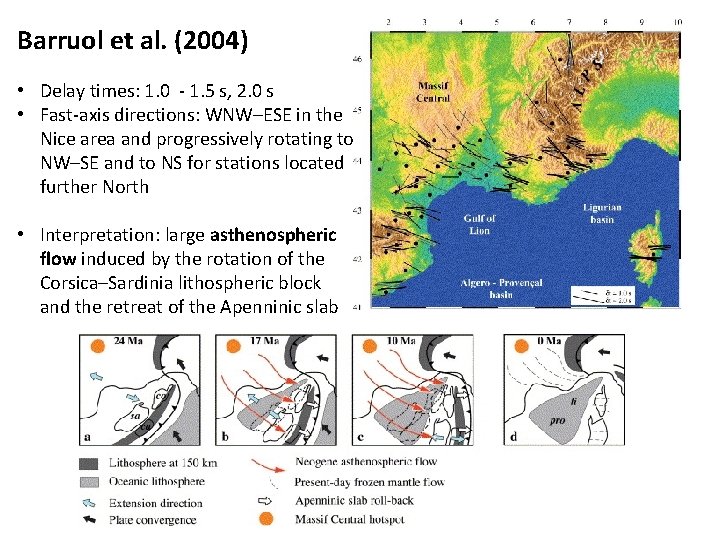
Barruol et al. (2004) • Delay times: 1. 0 - 1. 5 s, 2. 0 s • Fast-axis directions: WNW–ESE in the Nice area and progressively rotating to NW–SE and to NS for stations located further North • Interpretation: large asthenospheric flow induced by the rotation of the Corsica–Sardinia lithospheric block and the retreat of the Apenninic slab
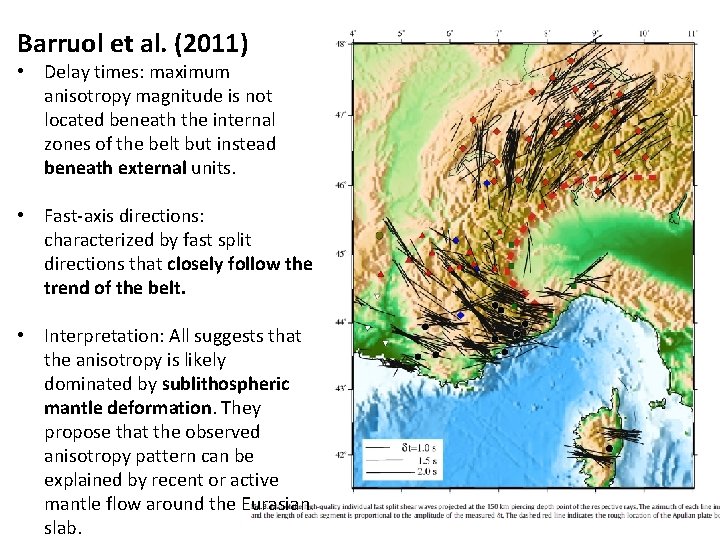
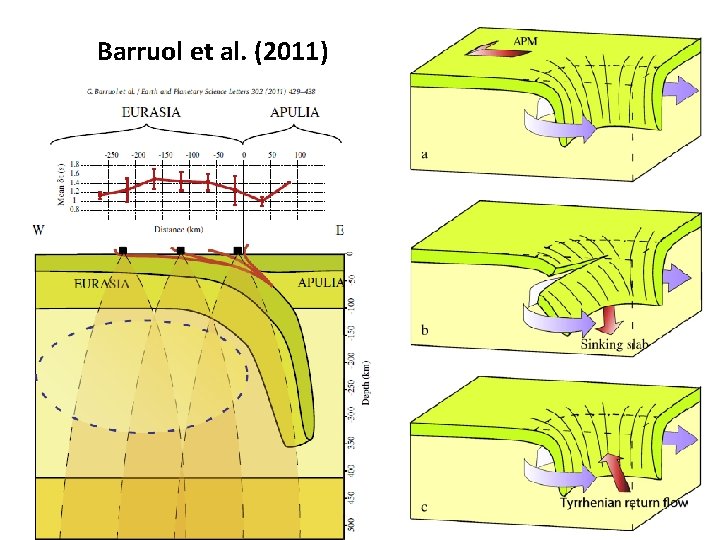
Barruol et al. (2011) • Delay times: maximum anisotropy magnitude is not located beneath the internal zones of the belt but instead beneath external units. • Fast-axis directions: characterized by fast split directions that closely follow the trend of the belt. • Interpretation: All suggests that the anisotropy is likely dominated by sublithospheric mantle deformation. They propose that the observed anisotropy pattern can be explained by recent or active mantle flow around the Eurasian slab.
Barruol et al. (2011)
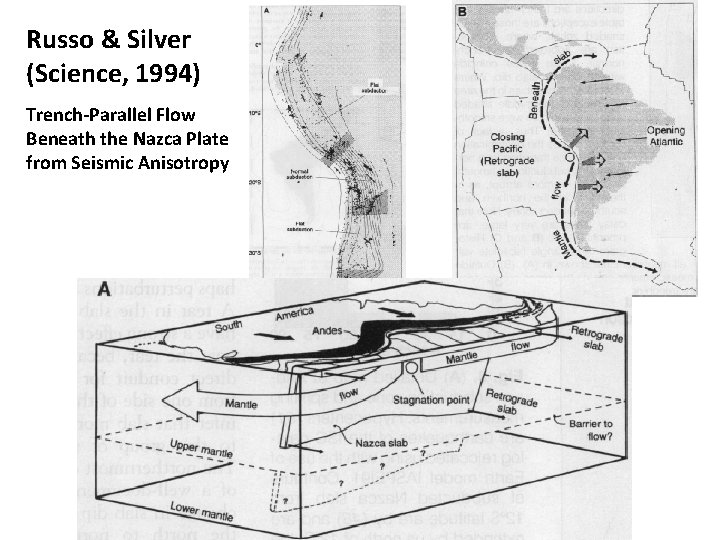
Russo & Silver (Science, 1994) Trench-Parallel Flow Beneath the Nazca Plate from Seismic Anisotropy
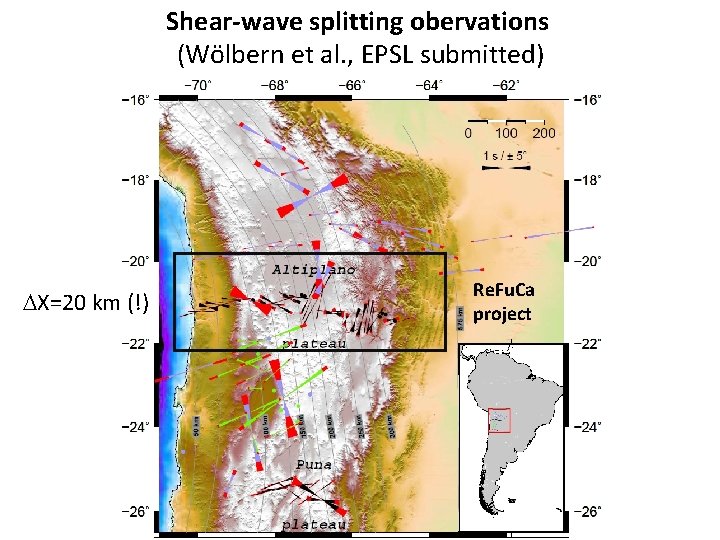
Shear-wave splitting obervations (Wölbern et al. , EPSL submitted) DX=20 km (!) Re. Fu. Ca project
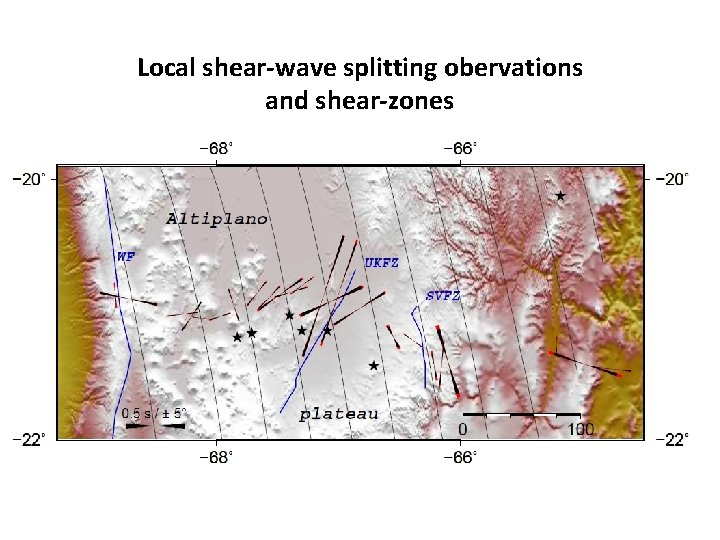
Local shear-wave splitting obervations and shear-zones
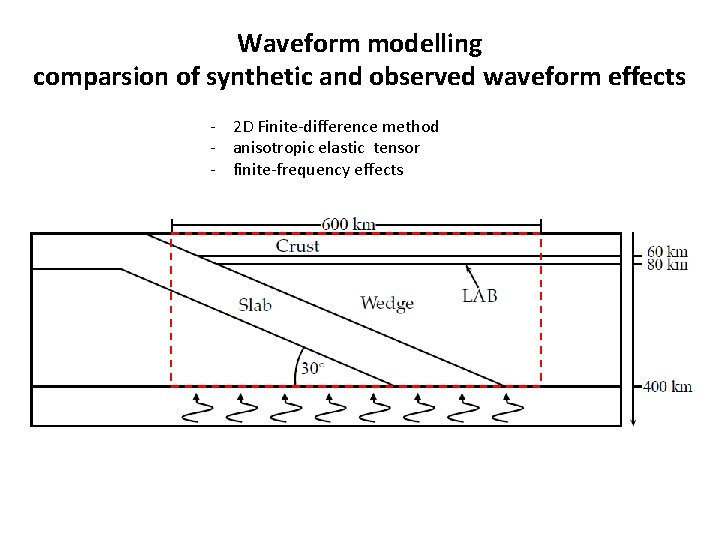
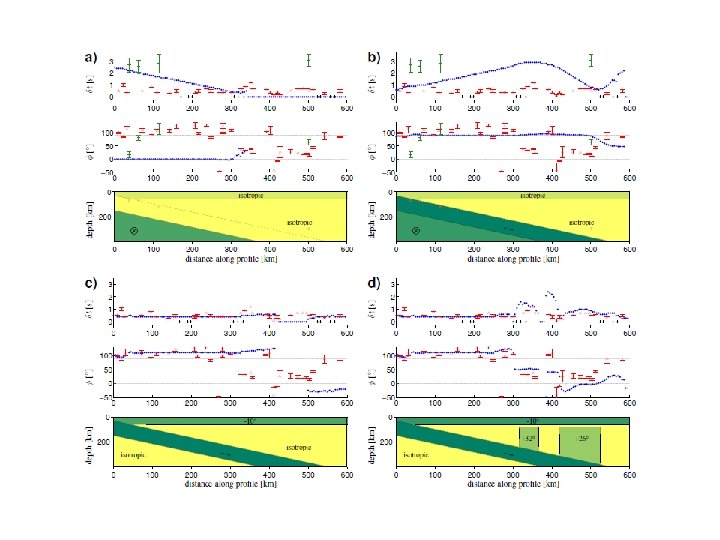
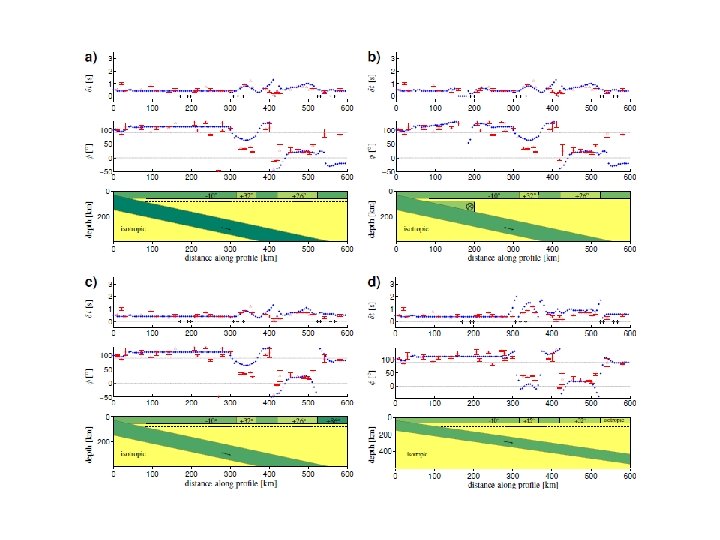
Waveform modelling comparsion of synthetic and observed waveform effects - 2 D Finite-difference method - anisotropic elastic tensor - finite-frequency effects
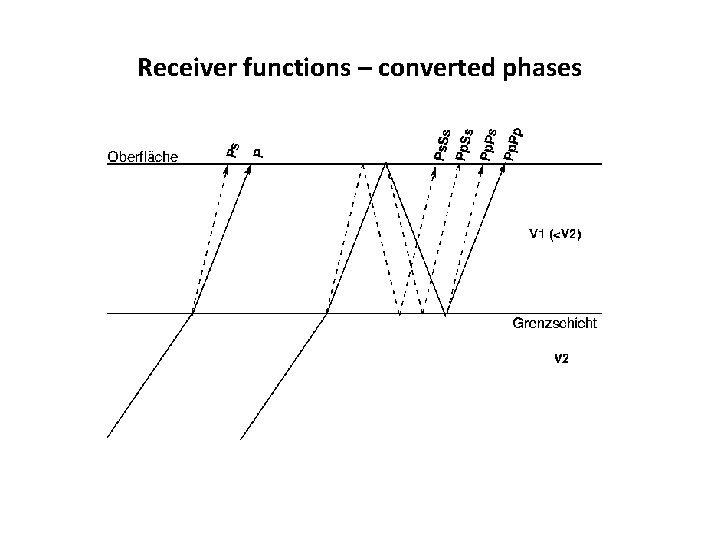
Receiver functions – converted phases
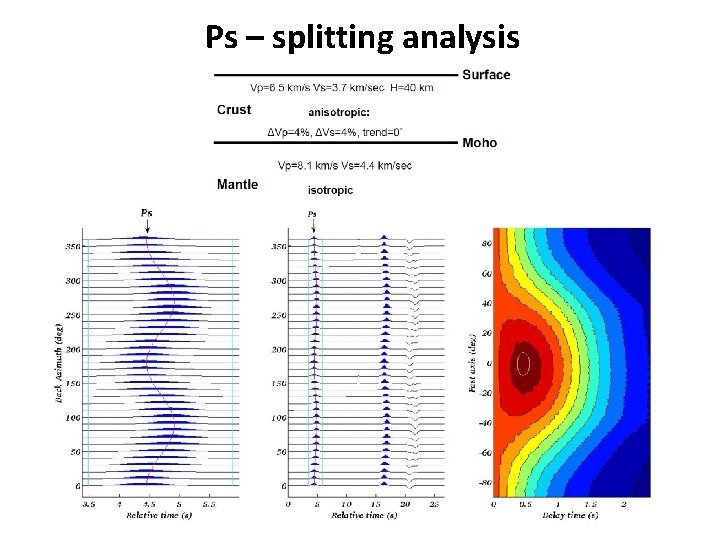
Ps – splitting analysis
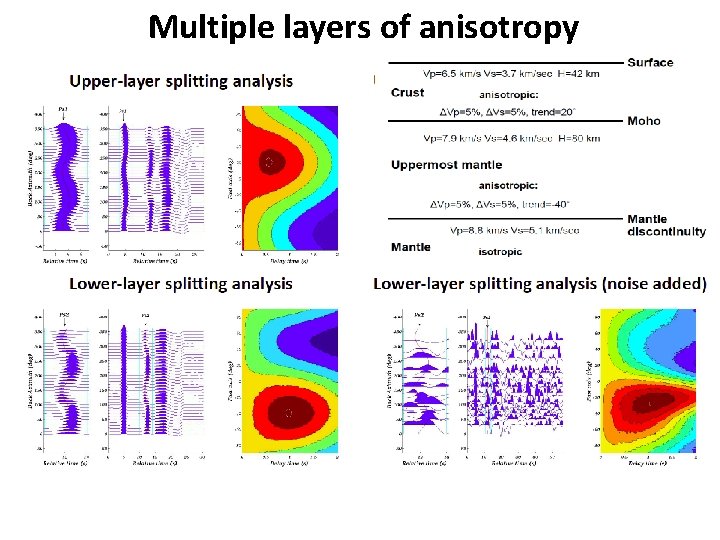
Multiple layers of anisotropy
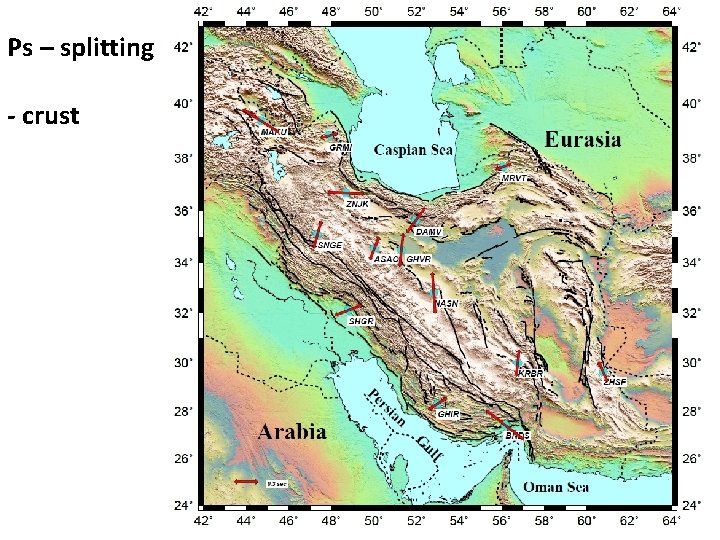
Ps – splitting - crust
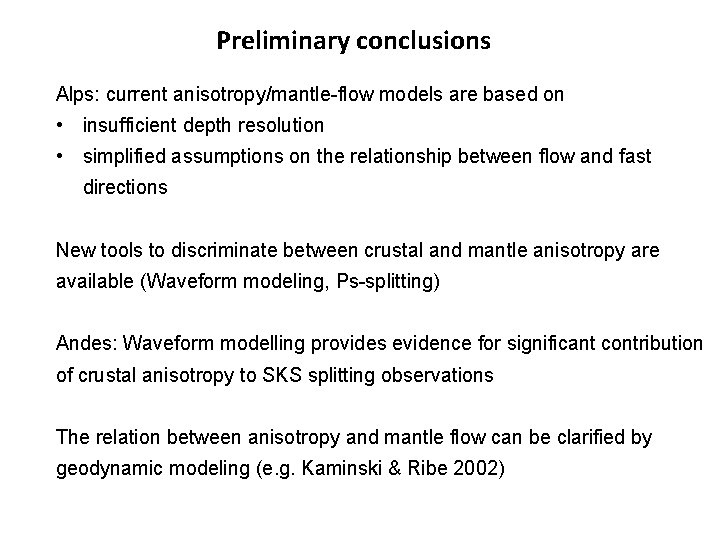
Preliminary conclusions Alps: current anisotropy/mantle-flow models are based on • insufficient depth resolution • simplified assumptions on the relationship between flow and fast directions New tools to discriminate between crustal and mantle anisotropy are available (Waveform modeling, Ps-splitting) Andes: Waveform modelling provides evidence for significant contribution of crustal anisotropy to SKS splitting observations The relation between anisotropy and mantle flow can be clarified by geodynamic modeling (e. g. Kaminski & Ribe 2002)