Multipole Decomposition of Residual Interactions We have seen
- Slides: 30
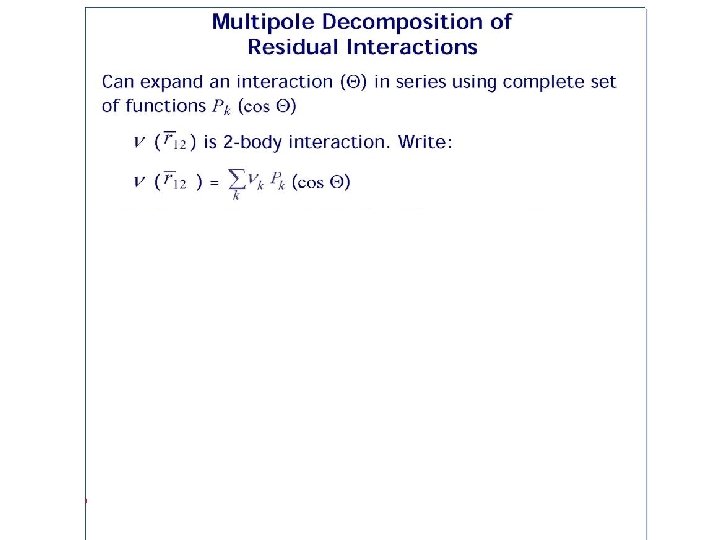
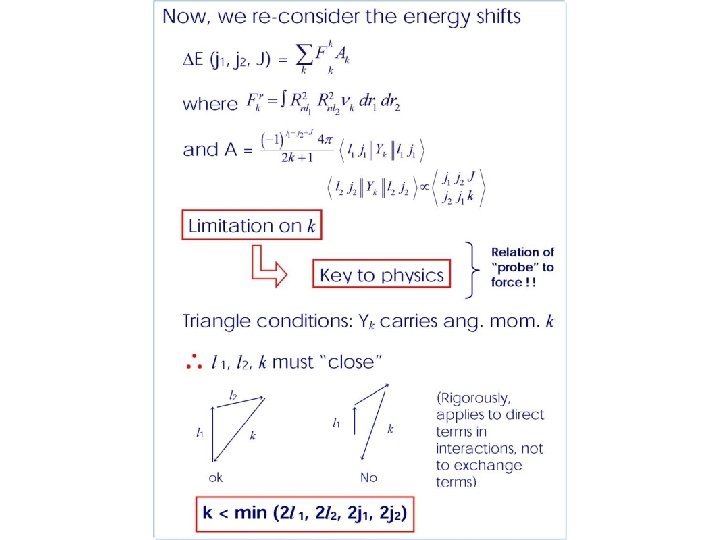
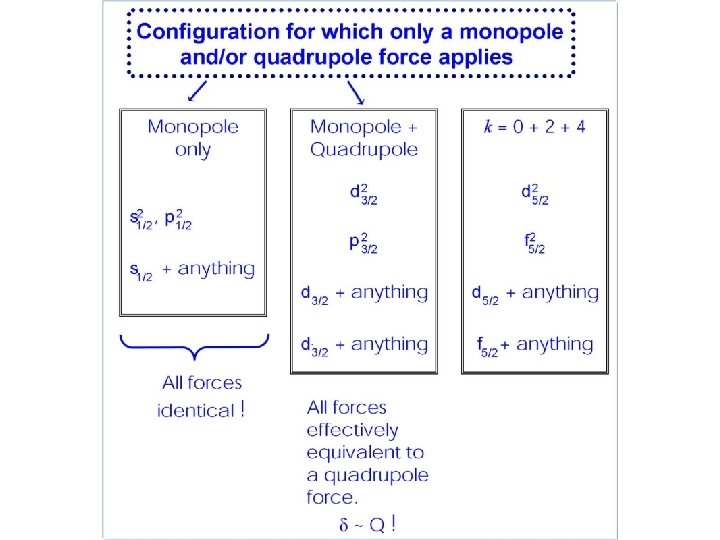
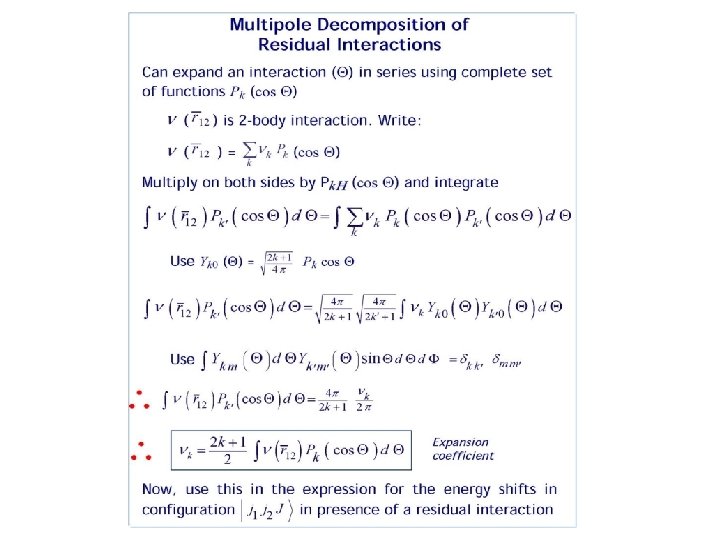
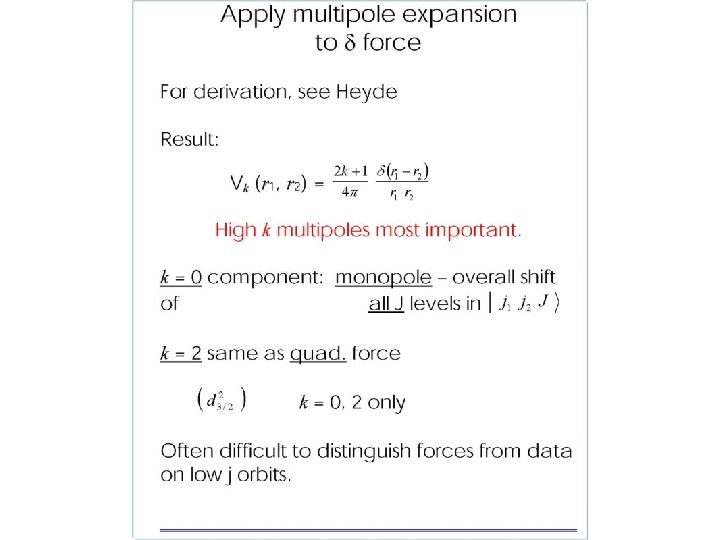
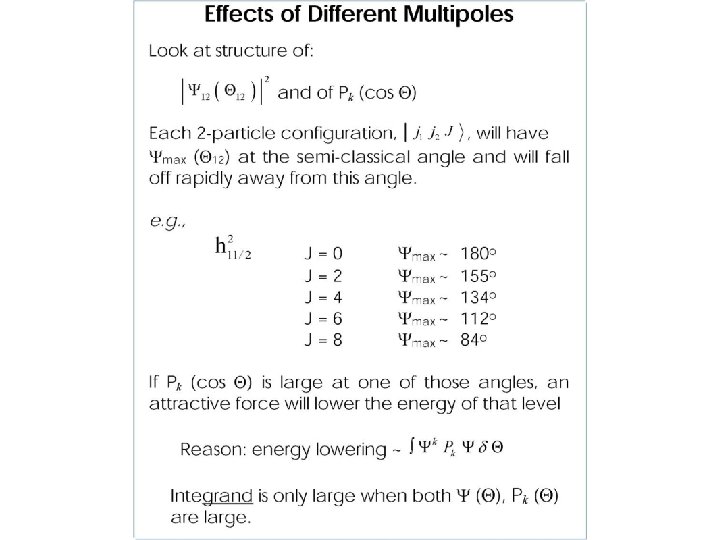
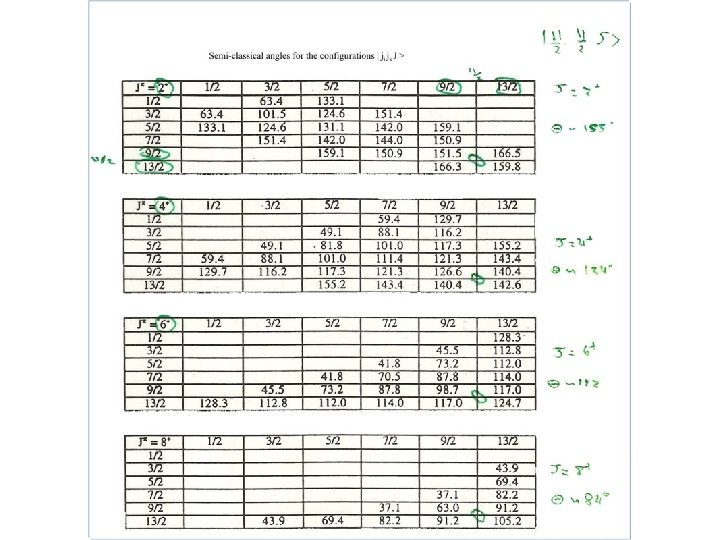
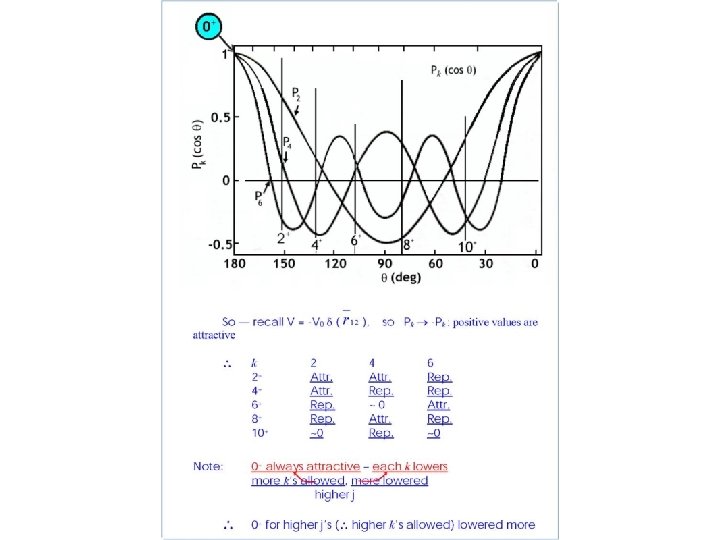
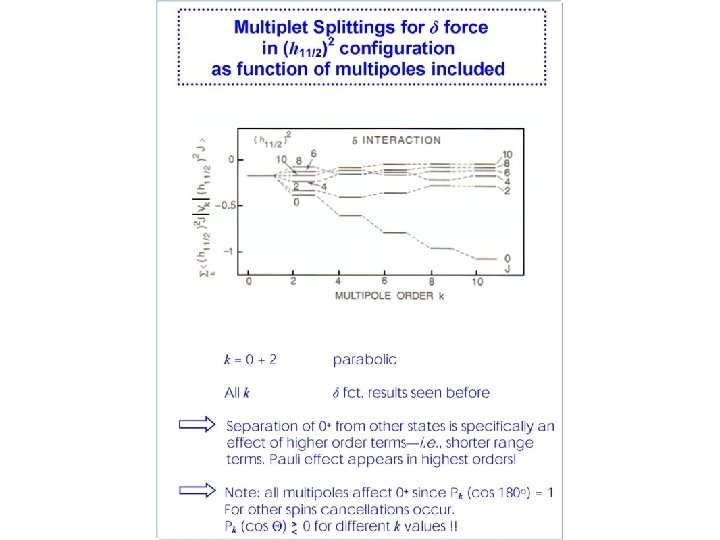
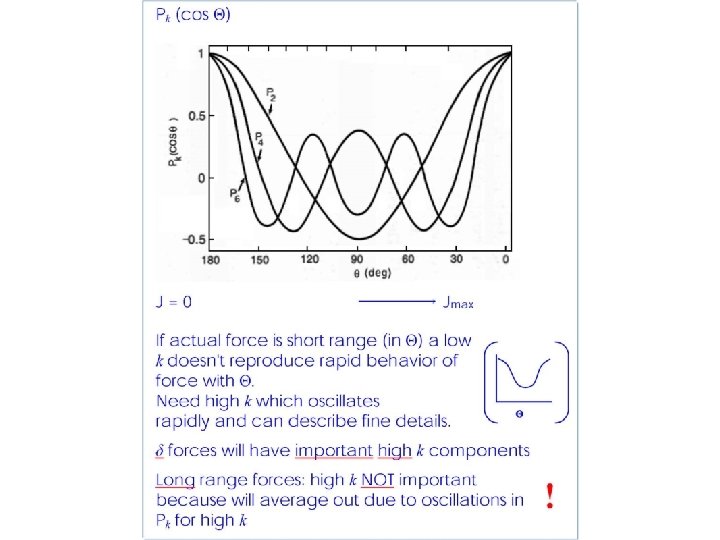
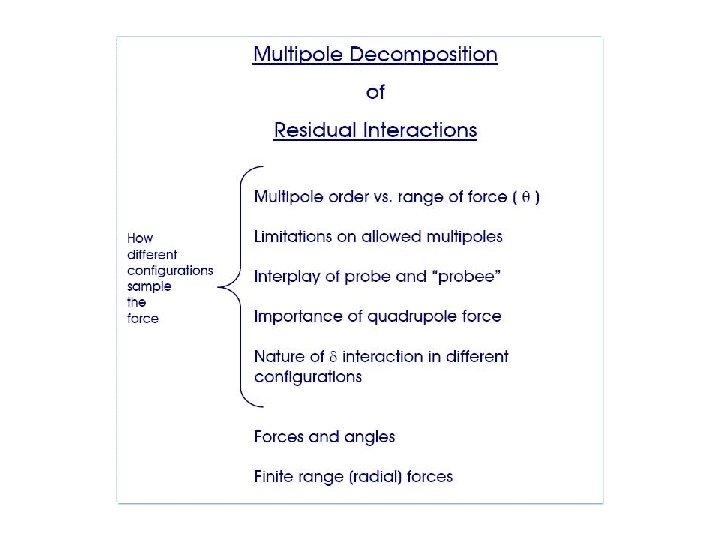
Multipole Decomposition of Residual Interactions We have seen that the relative energies of 2 -particle systems affected by a residual interaction depend SOLELY on the angles between the two angular momentum vectors, not on the radial properties of the interaction (which just give the scale). We learn a lot by expanding the angular part of the residual interaction, Hresidual = V(q, f) in spherical harmonics or Legendre polynomials.
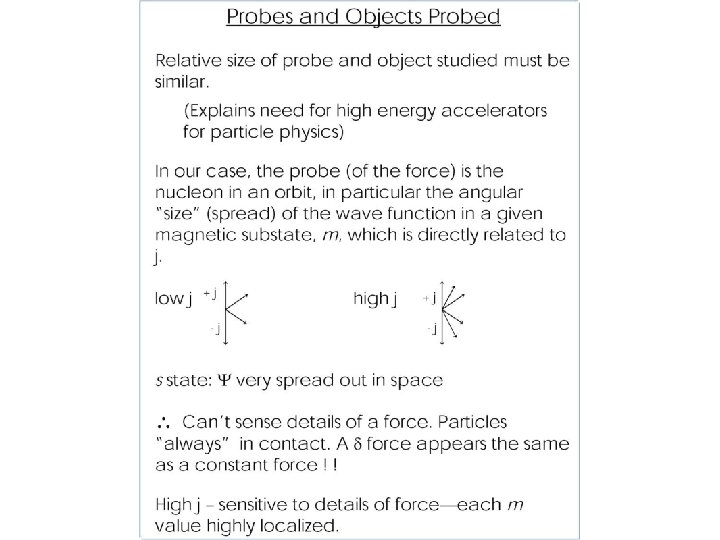
Probes and “probees”
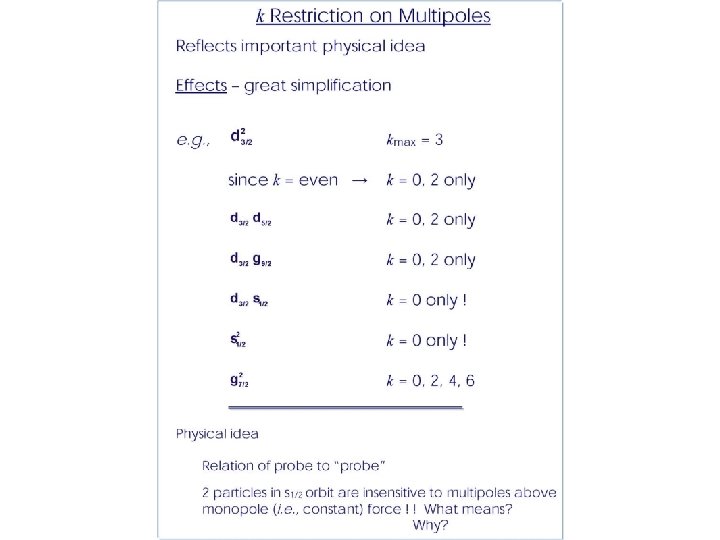
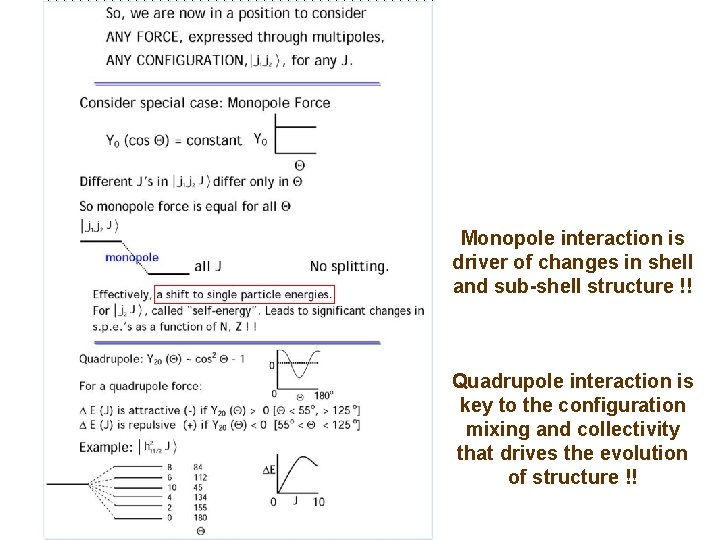
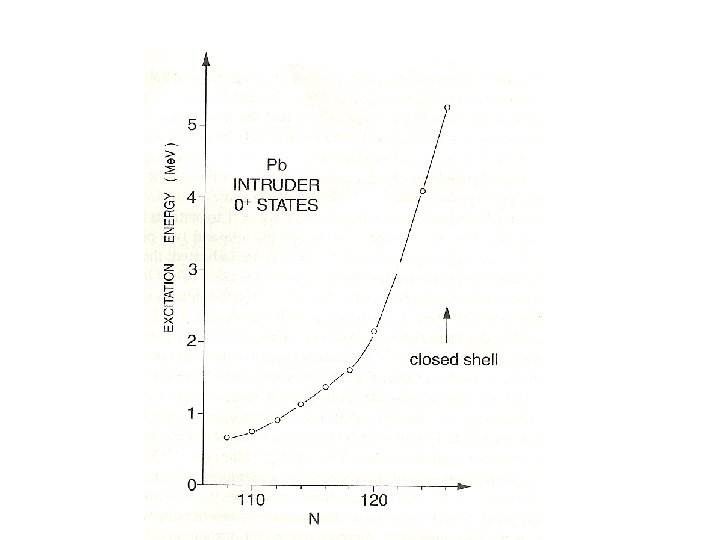
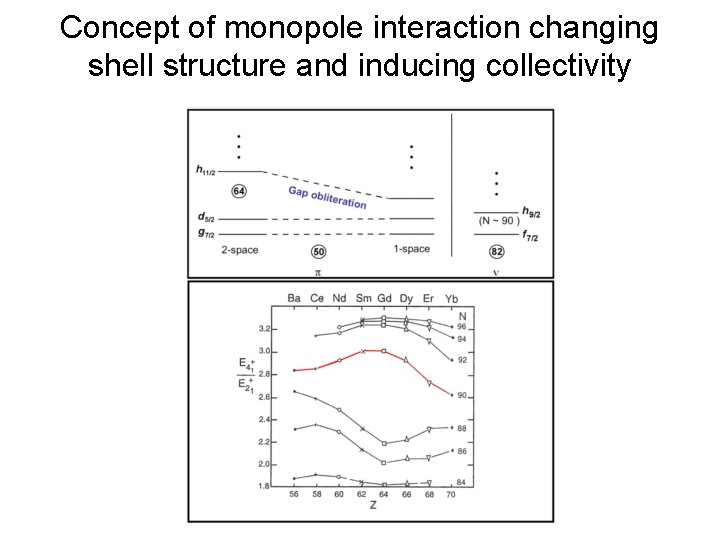
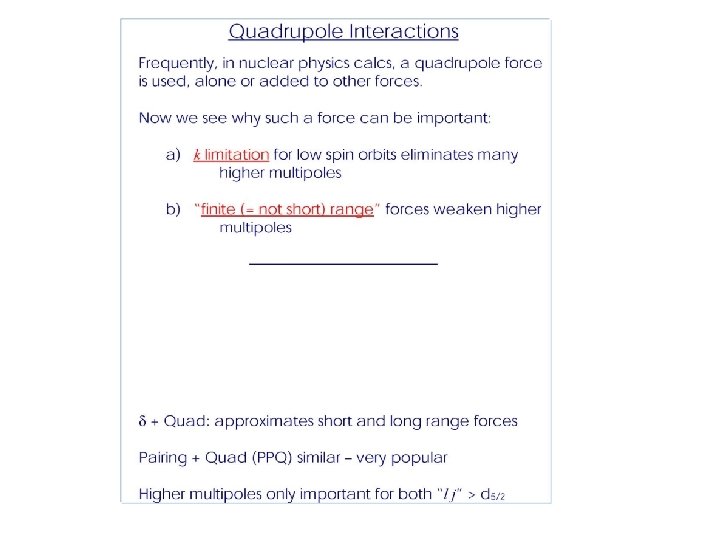
Monopole interaction is driver of changes in shell and sub-shell structure !! Quadrupole interaction is key to the configuration mixing and collectivity that drives the evolution of structure !!
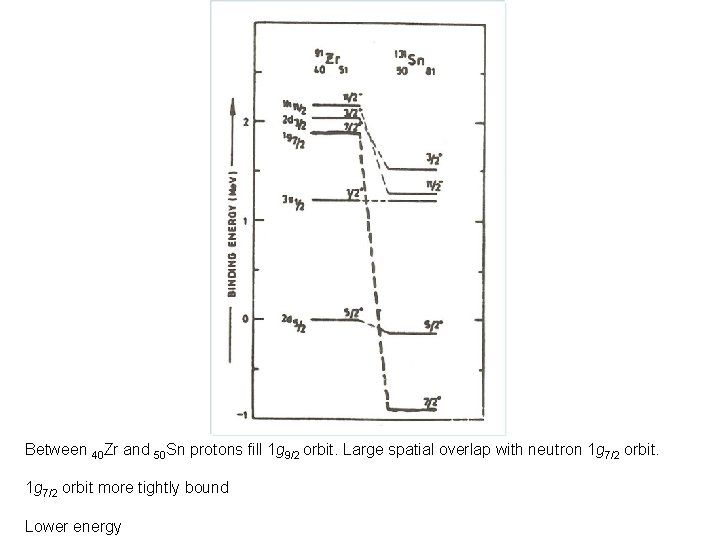
Between 40 Zr and 50 Sn protons fill 1 g 9/2 orbit. Large spatial overlap with neutron 1 g 7/2 orbit more tightly bound Lower energy
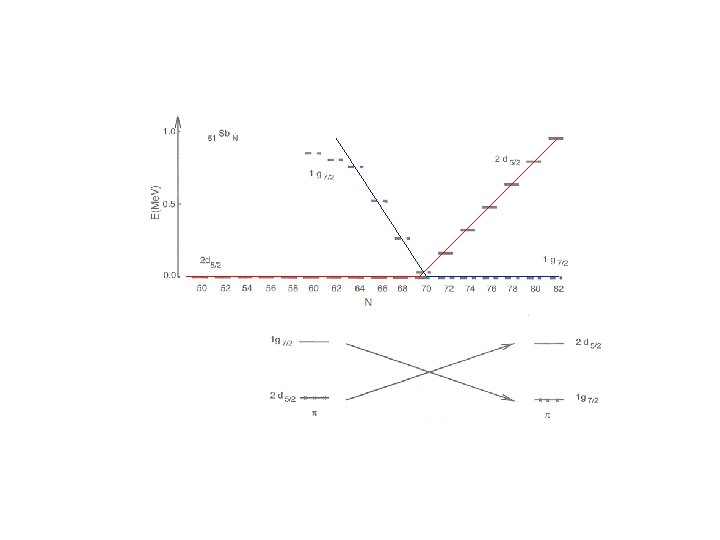
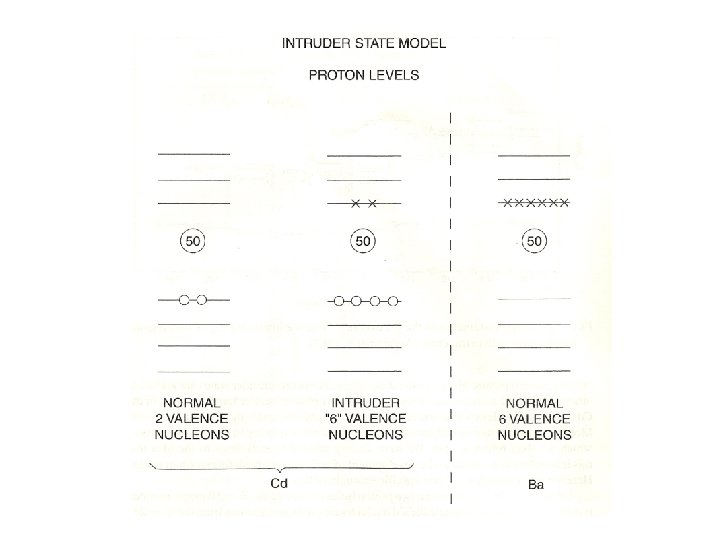
Concept of monopole interaction changing shell structure and inducing collectivity
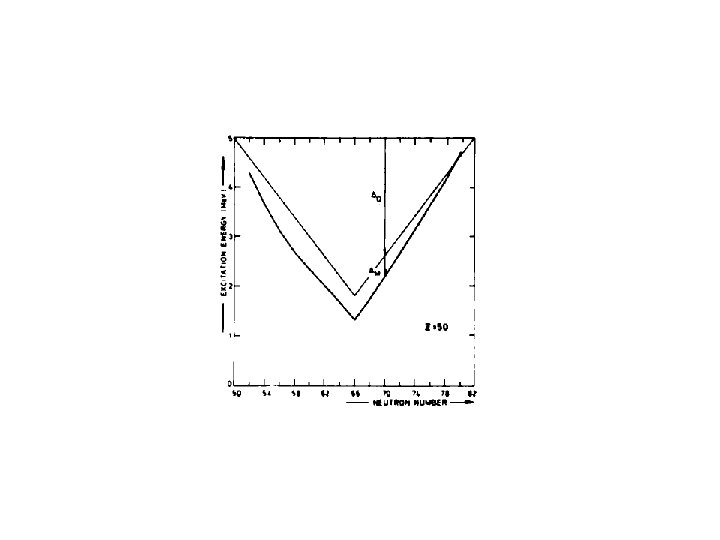
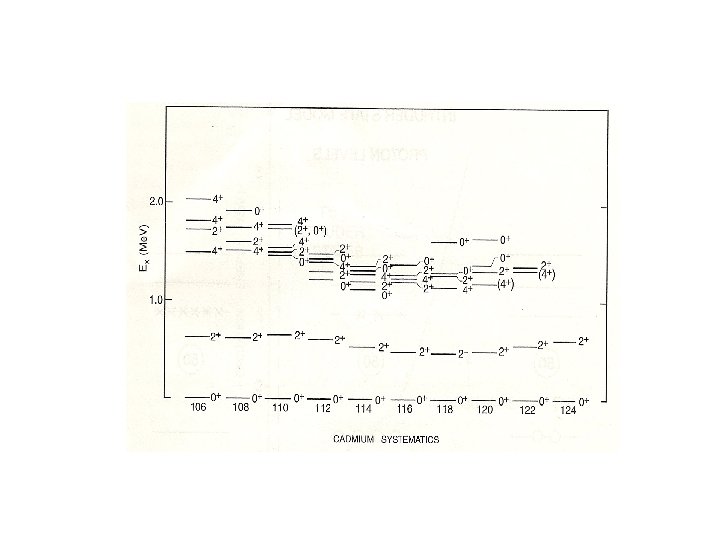
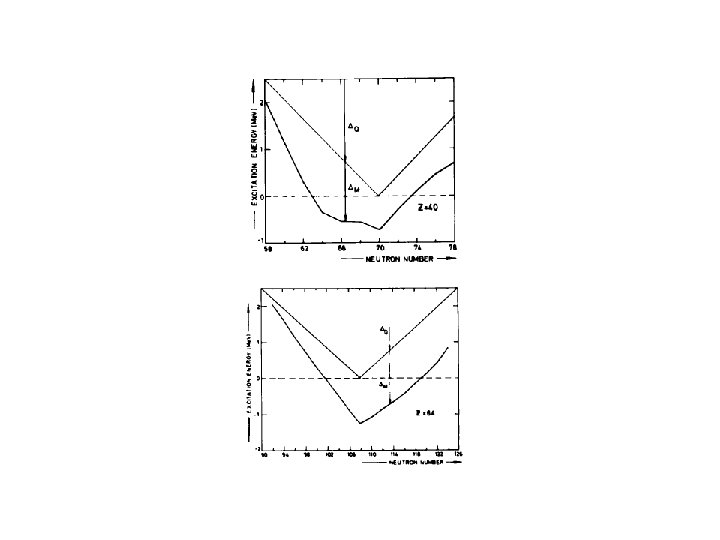
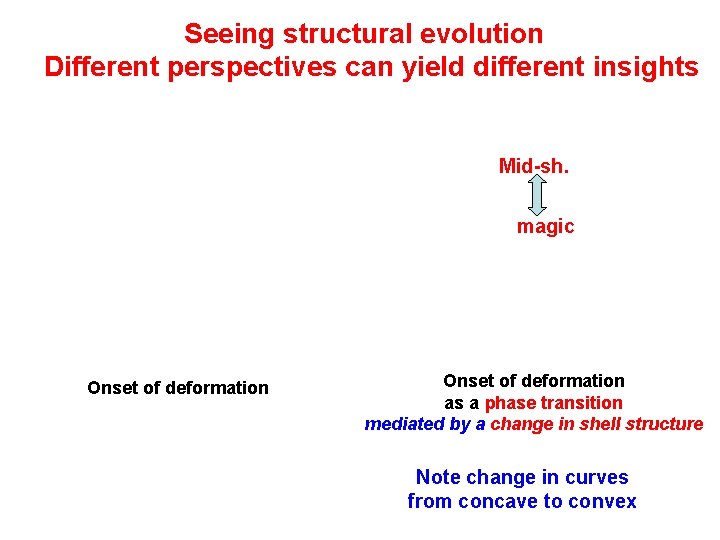
Seeing structural evolution Different perspectives can yield different insights Mid-sh. magic Onset of deformation as a phase transition mediated by a change in shell structure Note change in curves from concave to convex
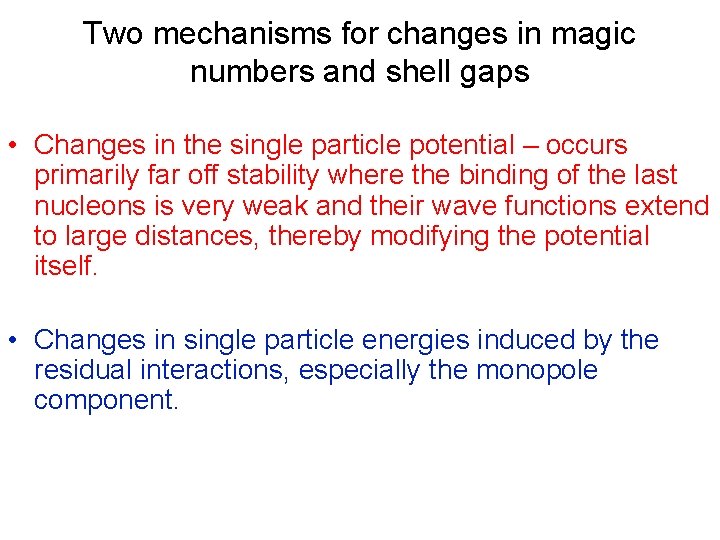
Two mechanisms for changes in magic numbers and shell gaps • Changes in the single particle potential – occurs primarily far off stability where the binding of the last nucleons is very weak and their wave functions extend to large distances, thereby modifying the potential itself. • Changes in single particle energies induced by the residual interactions, especially the monopole component.
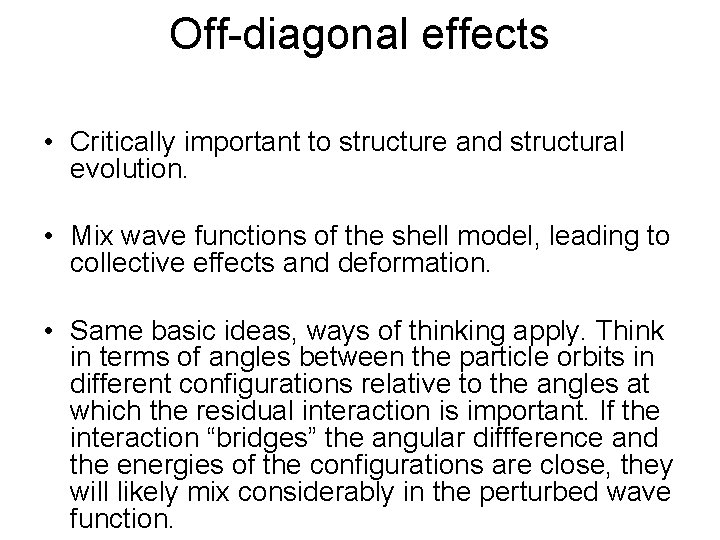
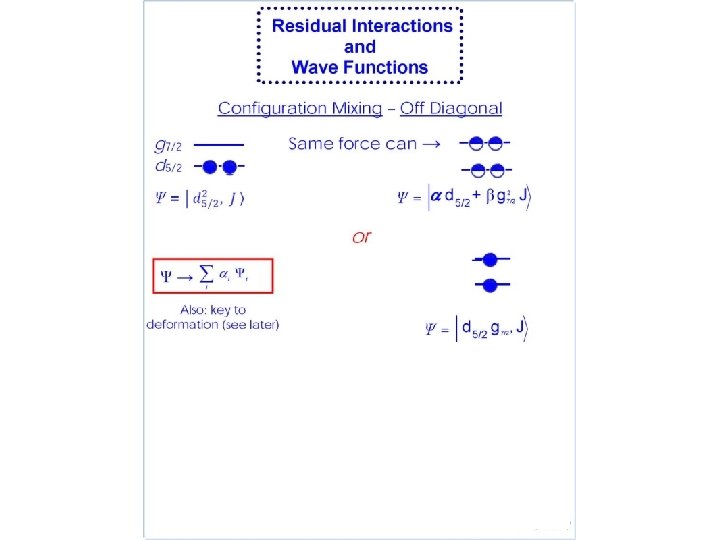
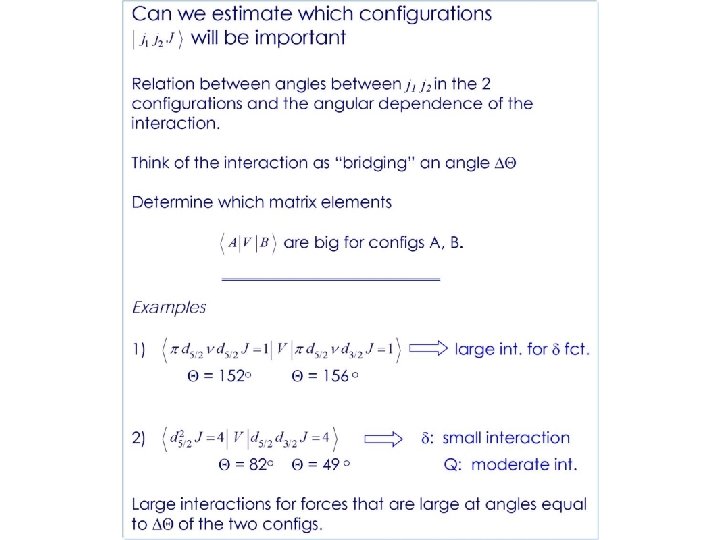
Off-diagonal effects • Critically important to structure and structural evolution. • Mix wave functions of the shell model, leading to collective effects and deformation. • Same basic ideas, ways of thinking apply. Think in terms of angles between the particle orbits in different configurations relative to the angles at which the residual interaction is important. If the interaction “bridges” the angular diffference and the energies of the configurations are close, they will likely mix considerably in the perturbed wave function.