English Civil War Glorious Revolution Divine Right of




- Slides: 65
English Civil War & Glorious Revolution Divine Right of Kings…to…Constitutional Monarchy
But First… • Let’s Flip
SAQ (12 minutes) A. Briefly explain why ONE of the following nations’ governments best embodies the idea of an absolutist monarchy in the 17 th and early 18 th centuries (Use an example of a policy from ONE specific monarch to support your argument) – France, Prussia, Russia, or Austria B. Briefly explain why ONE of the other nations in the list above represents a less successful example of absolute monarchy. C. Briefly explain ONE way in which absolutism differed between Central/Eastern and Western Europe.
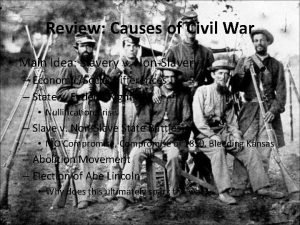
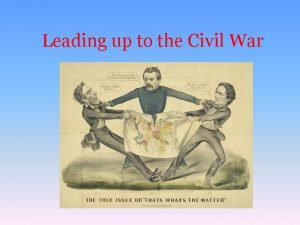
England: The Stuarts • Elizabeth I hand picks James VI of Scotland…now James I • James I – Pisses off Puritans, including many gentry • Charles I – Petition of Right – 11 Year Tyranny – Tried to arrest radical members of Parliament • Civil War
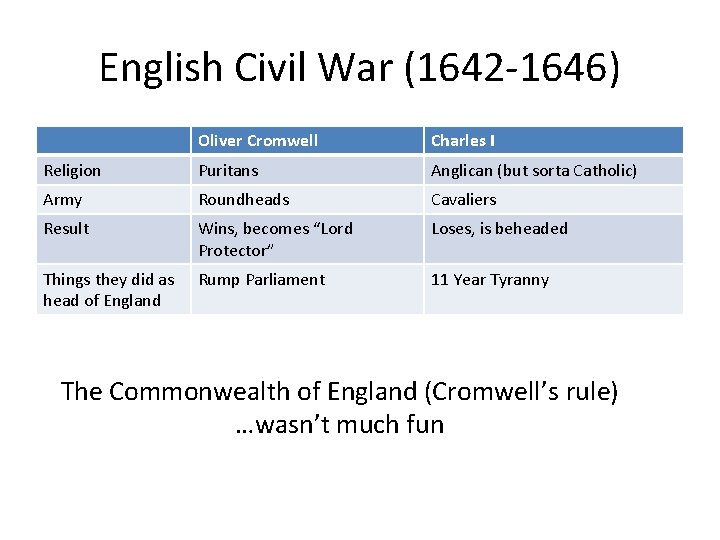
English Civil War (1642 -1646) Oliver Cromwell Charles I Religion Puritans Anglican (but sorta Catholic) Army Roundheads Cavaliers Result Wins, becomes “Lord Protector” Loses, is beheaded Things they did as head of England Rump Parliament 11 Year Tyranny The Commonwealth of England (Cromwell’s rule) …wasn’t much fun
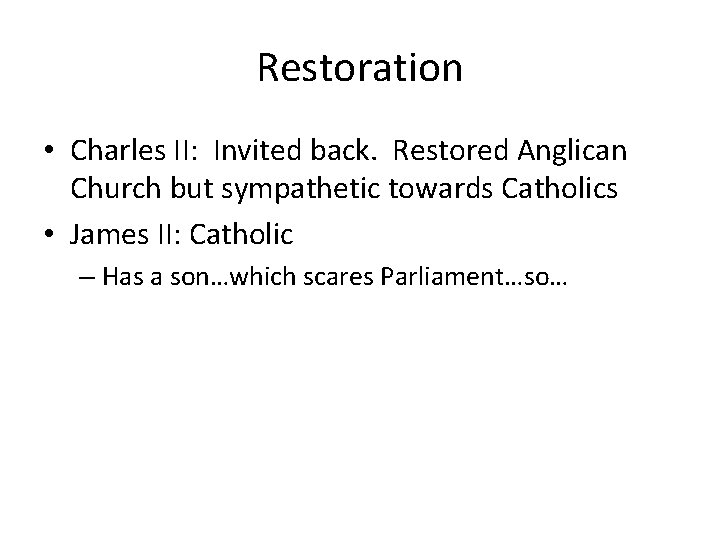
Restoration • Charles II: Invited back. Restored Anglican Church but sympathetic towards Catholics • James II: Catholic – Has a son…which scares Parliament…so…
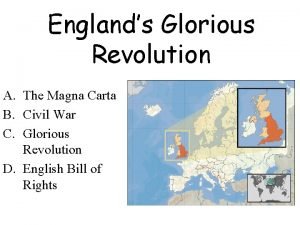
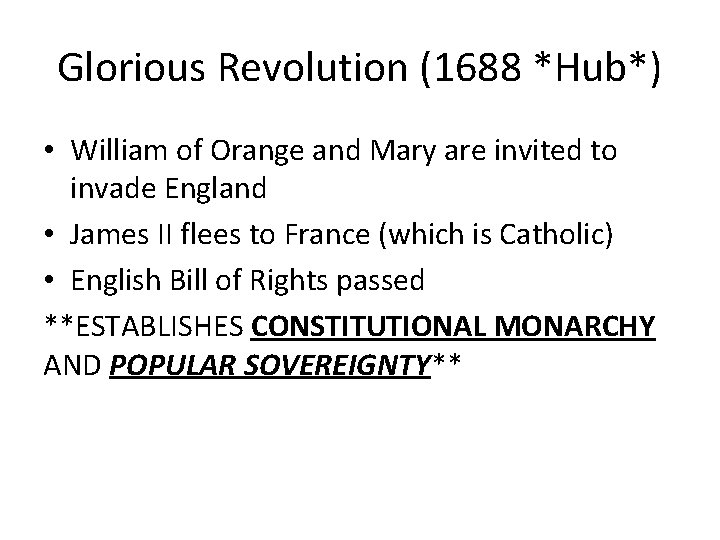
Glorious Revolution (1688 *Hub*) • William of Orange and Mary are invited to invade England • James II flees to France (which is Catholic) • English Bill of Rights passed **ESTABLISHES CONSTITUTIONAL MONARCHY AND POPULAR SOVEREIGNTY**
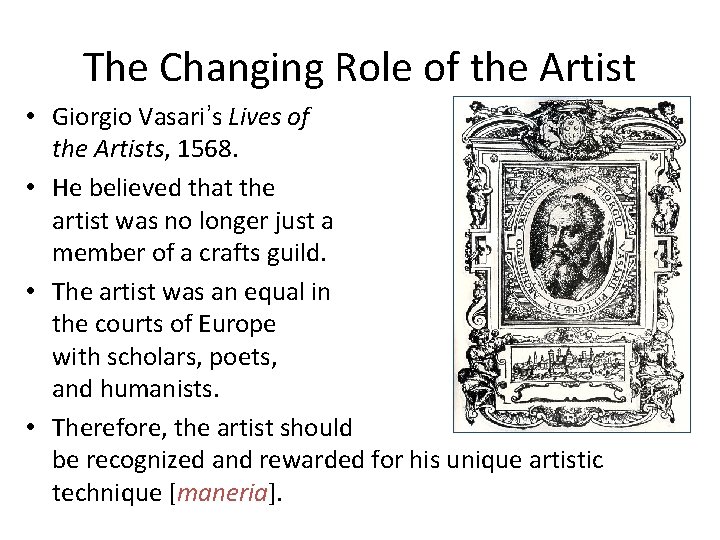
The Changing Role of the Artist • Giorgio Vasari’s Lives of the Artists, 1568. • He believed that the artist was no longer just a member of a crafts guild. • The artist was an equal in the courts of Europe with scholars, poets, and humanists. • Therefore, the artist should be recognized and rewarded for his unique artistic technique [maneria].
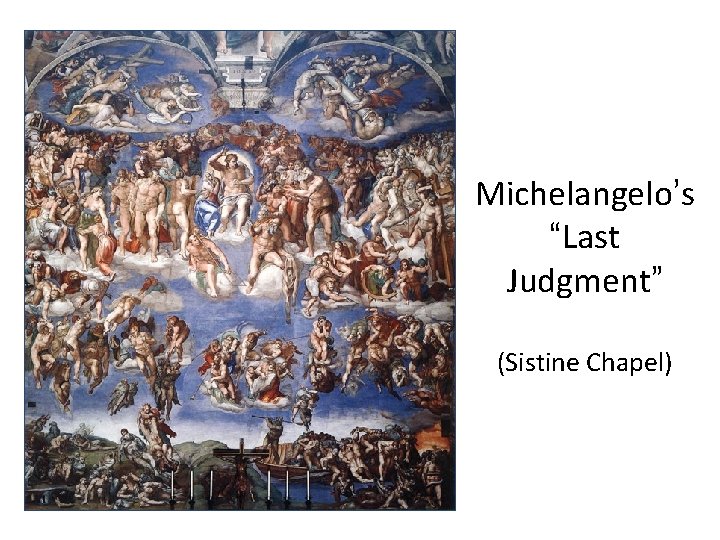
Background • Late Renaissance [Pre-Baroque]. • Art was at an impasse after the perfection and harmony of the Renaissance. • Antithetical to the principles of the High Renaissance. • From the Italian de maneria. – A work of art done in the artist’s characteristic “touch” or recognizable “manner. ” • First used by the German art historian, Heinrich Wölfflin in the early 20 c. • Influenced by Michelangelo’s later works.
Michelangelo’s “Last Judgment” (Sistine Chapel)
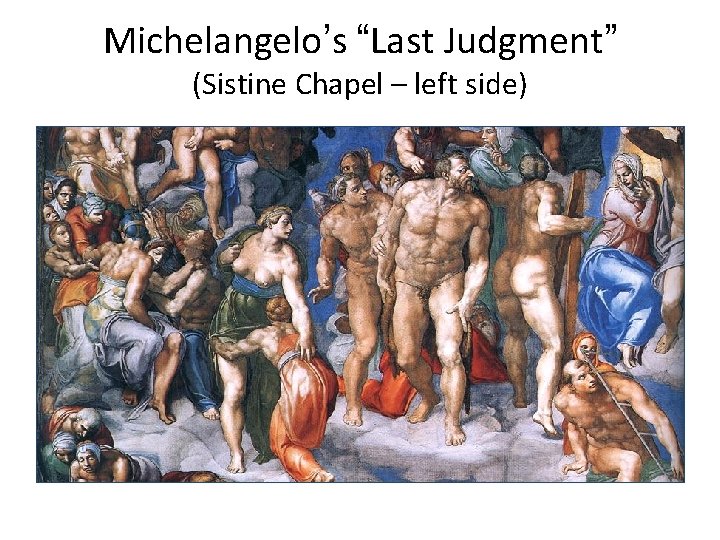
Michelangelo’s “Last Judgment” (Sistine Chapel – left side)
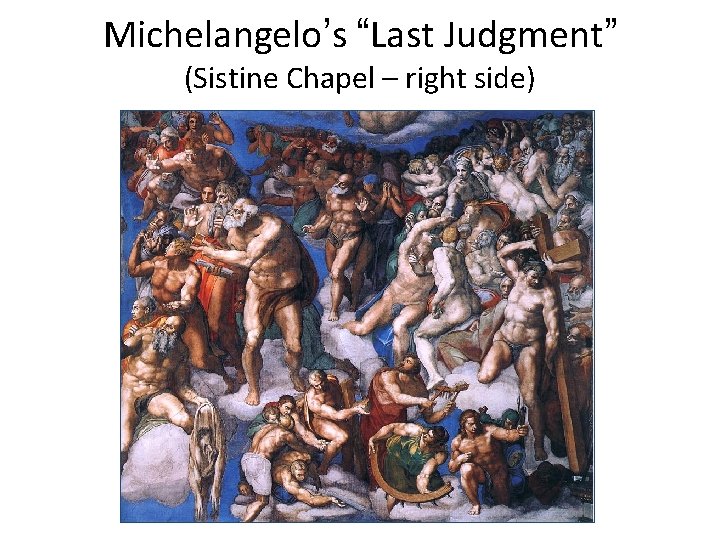
Michelangelo’s “Last Judgment” (Sistine Chapel – right side)
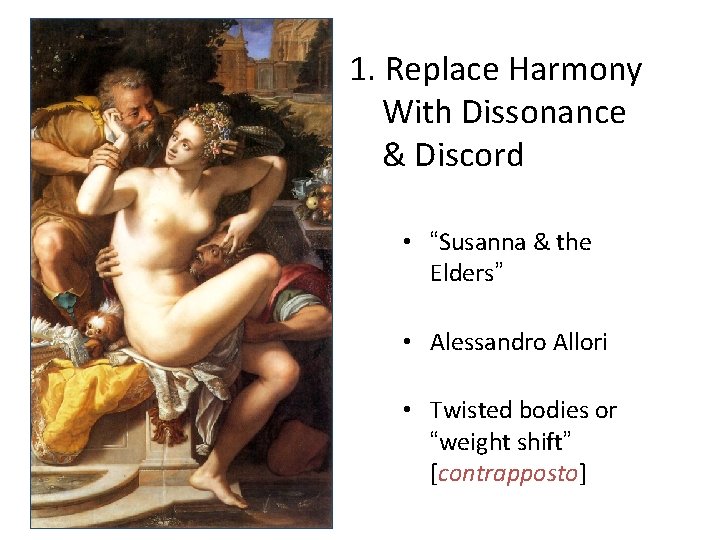
1. Replace Harmony With Dissonance & Discord • “Susanna & the Elders” • Alessandro Allori • Twisted bodies or “weight shift” [contrapposto]
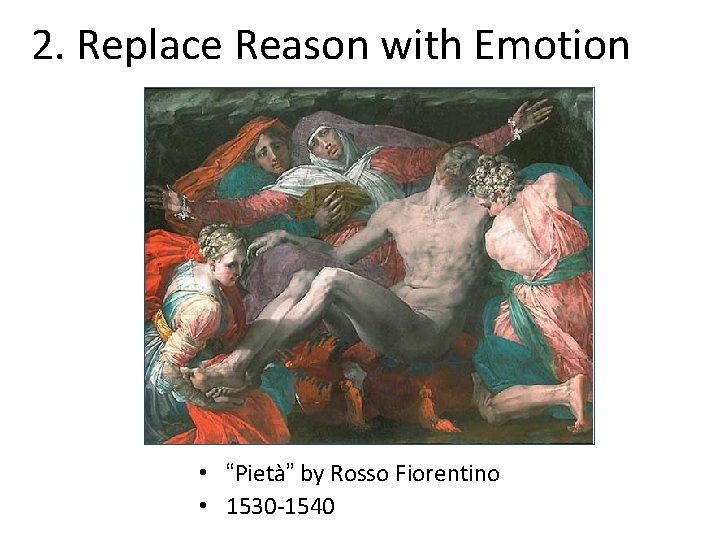
2. Replace Reason with Emotion • “Pietà” by Rosso Fiorentino • 1530 -1540
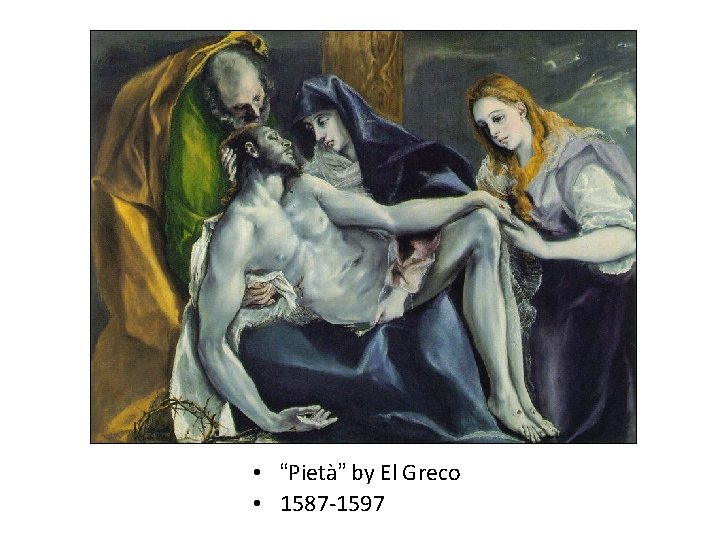
• “Pietà” by El Greco • 1587 -1597
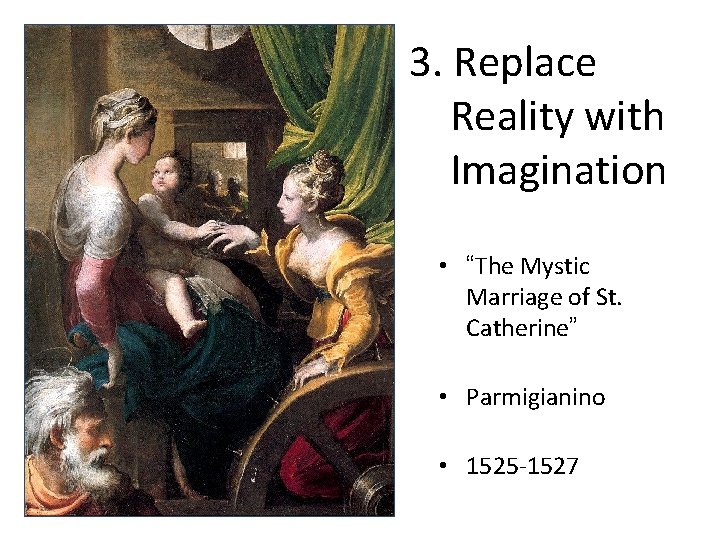
3. Replace Reality with Imagination • “The Mystic Marriage of St. Catherine” • Parmigianino • 1525 -1527
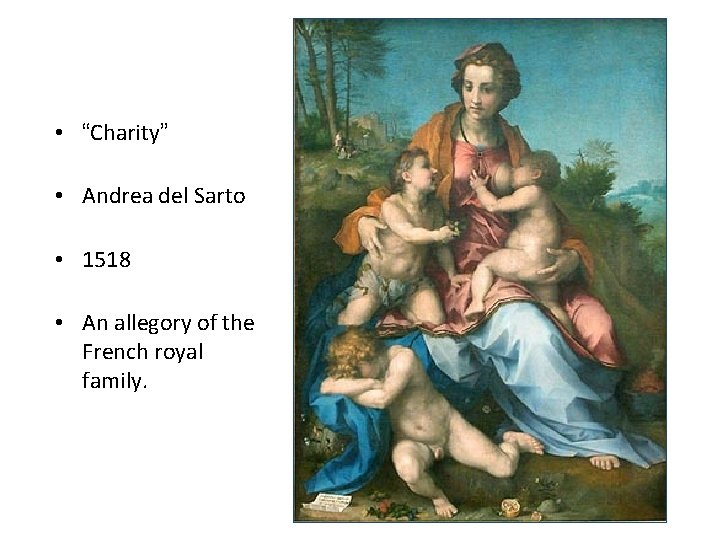
• “Charity” • Andrea del Sarto • 1518 • An allegory of the French royal family.
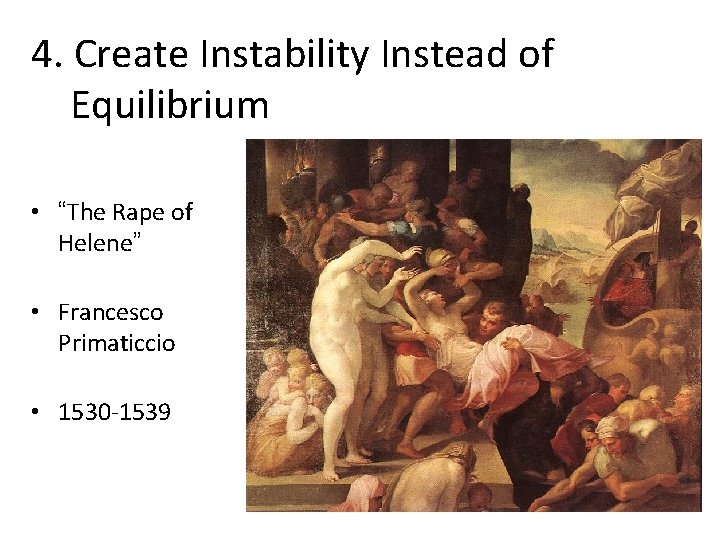
4. Create Instability Instead of Equilibrium • “The Rape of Helene” • Francesco Primaticcio • 1530 -1539
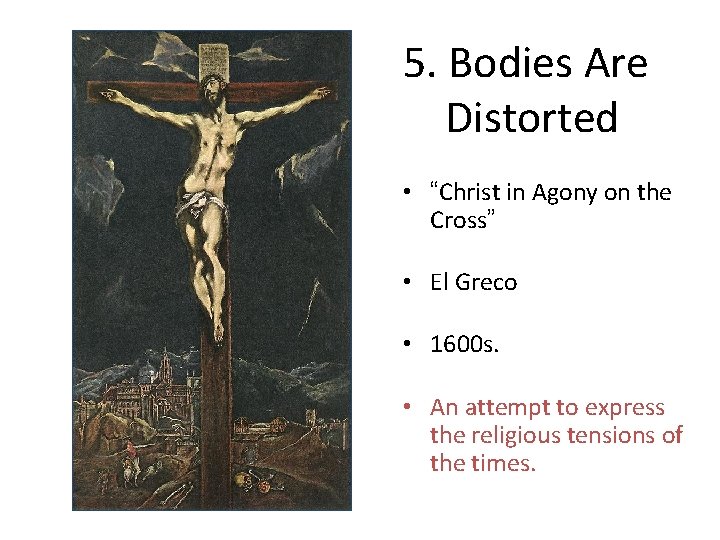
5. Bodies Are Distorted • “Christ in Agony on the Cross” • El Greco • 1600 s. • An attempt to express the religious tensions of the times.
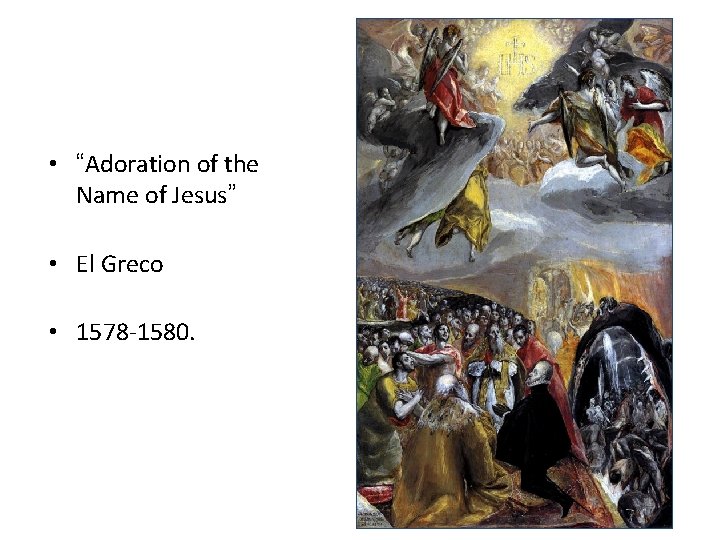
• “Adoration of the Name of Jesus” • El Greco • 1578 -1580.
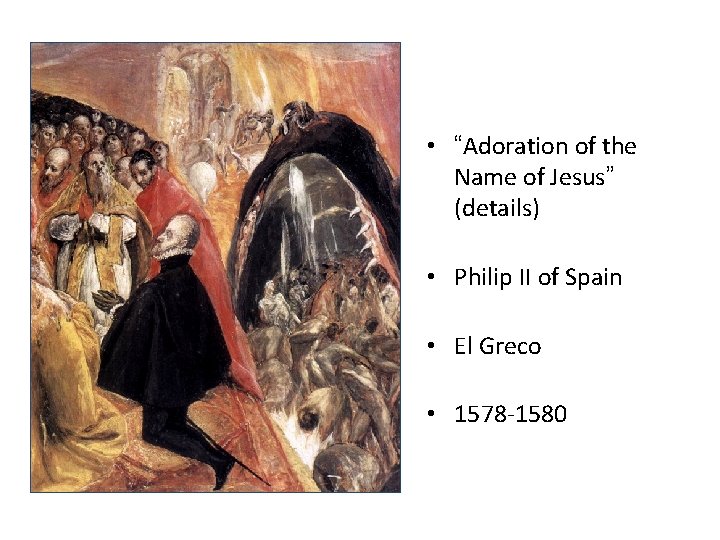
• “Adoration of the Name of Jesus” (details) • Philip II of Spain • El Greco • 1578 -1580
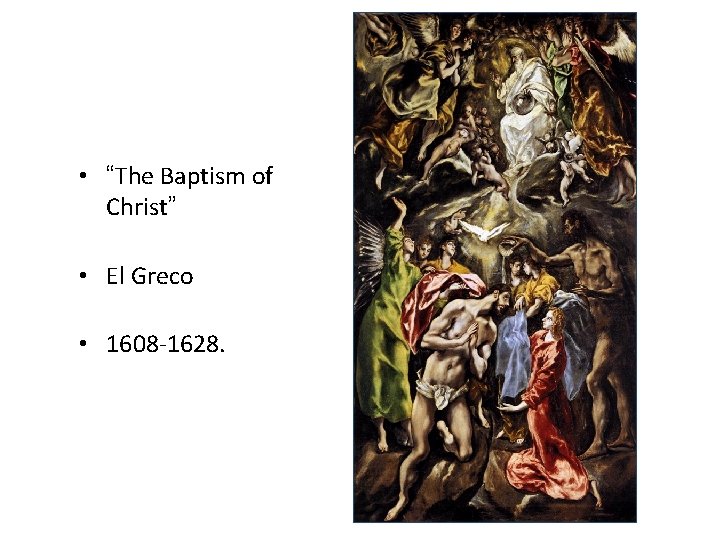
• “The Baptism of Christ” • El Greco • 1608 -1628.
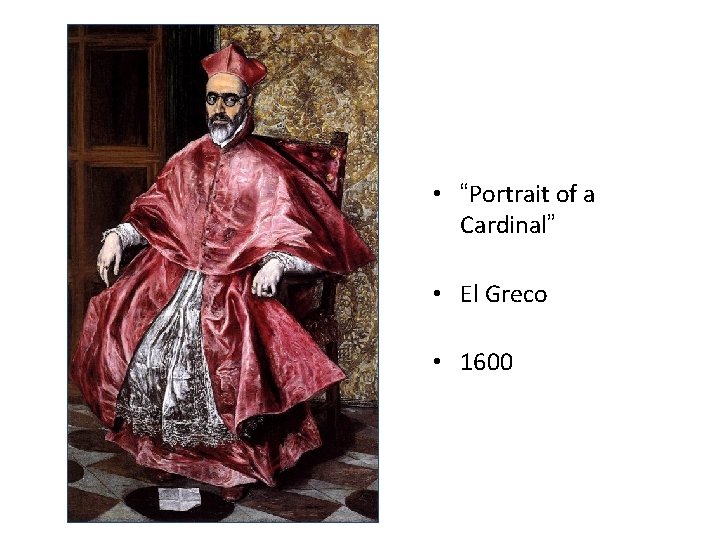
• “Portrait of a Cardinal” • El Greco • 1600
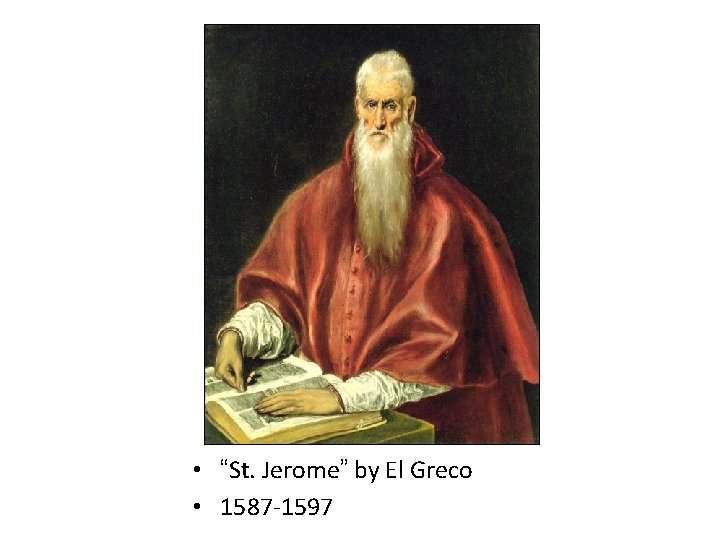
• “St. Jerome” by El Greco • 1587 -1597
6. Colors are Lurid • “The Tempest” • Giorgione • 1510
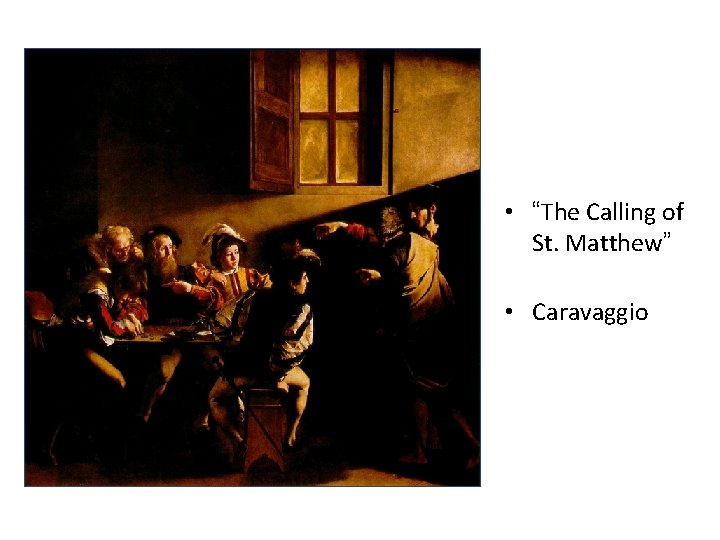
• “The Calling of St. Matthew” • Caravaggio
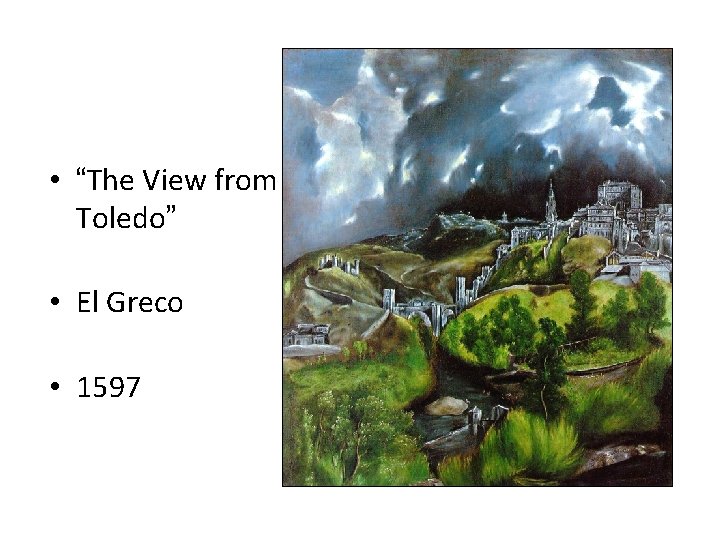
• “The View from Toledo” • El Greco • 1597
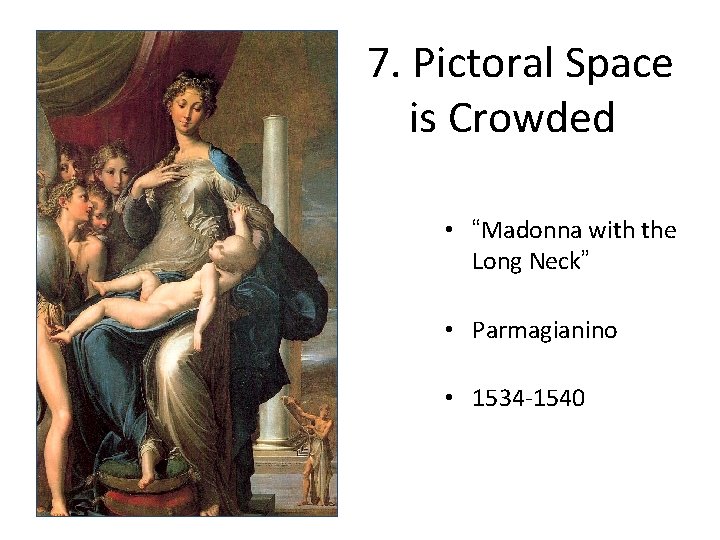
7. Pictoral Space is Crowded • “Madonna with the Long Neck” • Parmagianino • 1534 -1540
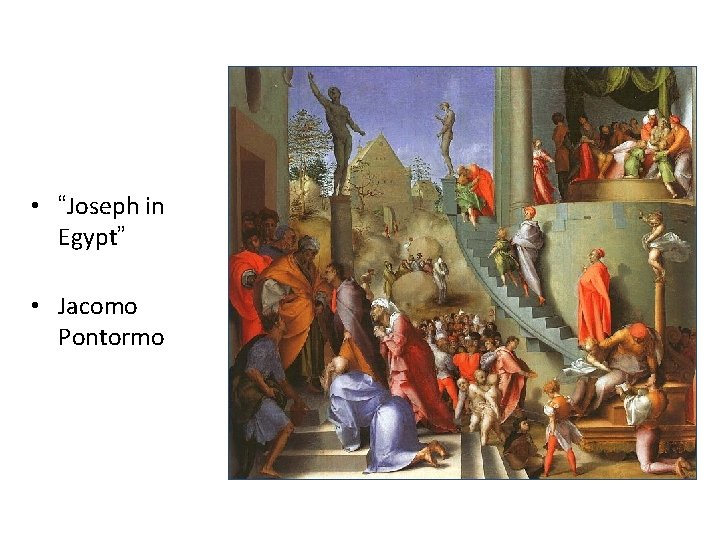
• “Joseph in Egypt” • Jacomo Pontormo
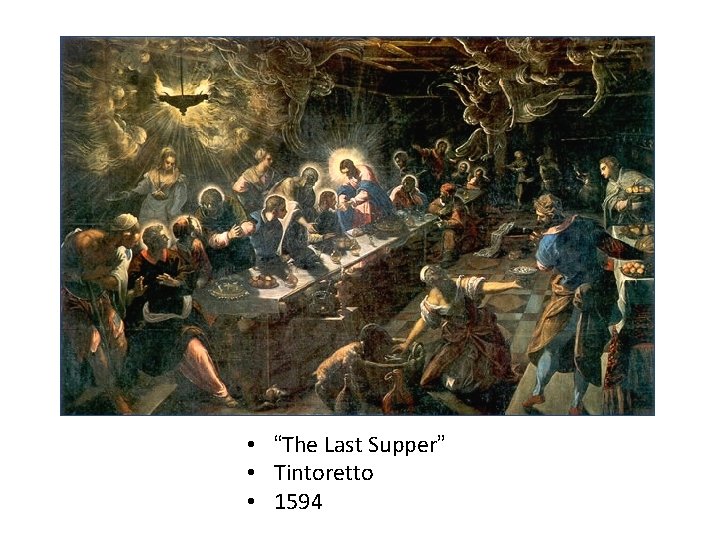
• “The Last Supper” • Tintoretto • 1594
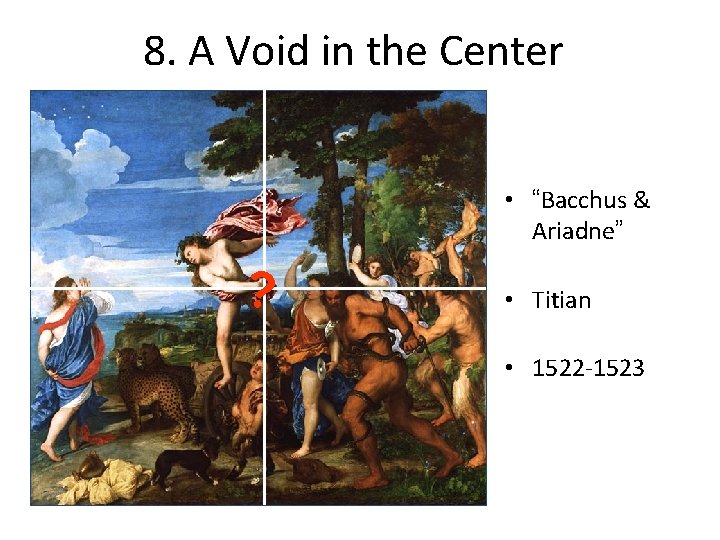
8. A Void in the Center • “Bacchus & Ariadne” ? • Titian • 1522 -1523
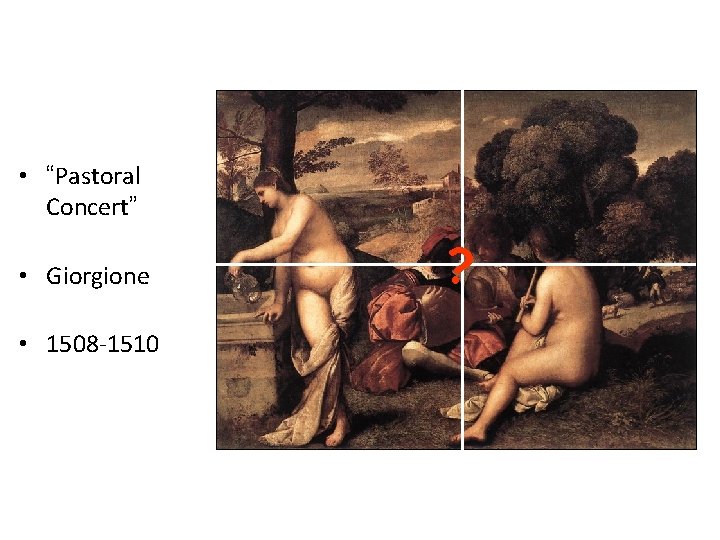
• “Pastoral Concert” • Giorgione • 1508 -1510 ?
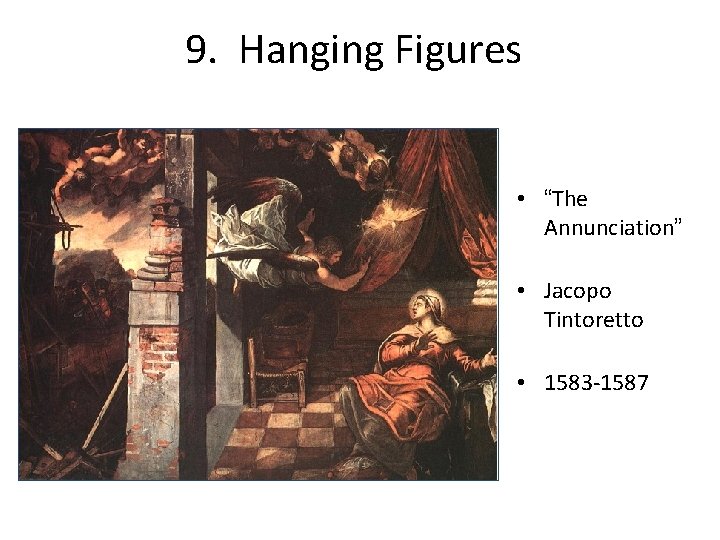
9. Hanging Figures • “The Annunciation” • Jacopo Tintoretto • 1583 -1587
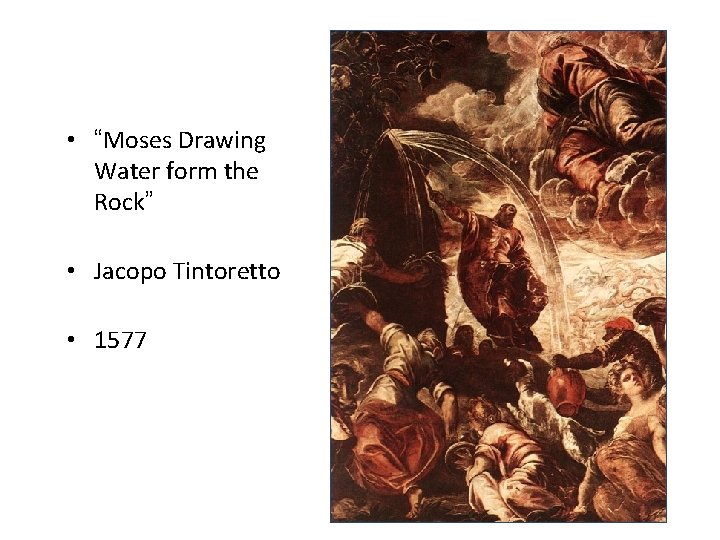
• “Moses Drawing Water form the Rock” • Jacopo Tintoretto • 1577
Baroque ► 1600 – 1750. ► From a Portuguese word “barocca”, meaning “a pearl of irregular shape. ” ► Implies strangeness, irregularity, and extravagance. ► The more dramatic, the better!
Baroque Style of Art & Architecture ► Dramatic, emotional. ► Colors were brighter than bright; darks were darker than dark. ► Counter-Reformation art. ► Paintings & sculptures in church contexts should speak to the illiterate rather than to the well-informed. ► Ecclesiastical art ►. --> appeal to emotions.
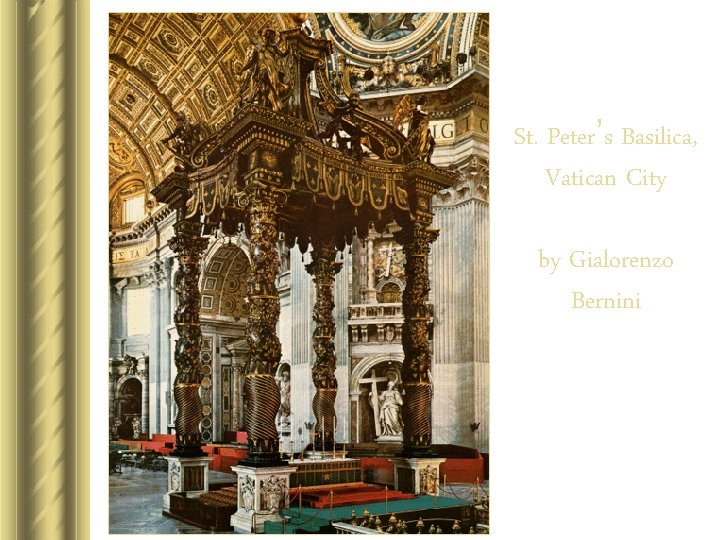
St. Peter’s Basilica, Vatican City by Gialorenzo Bernini
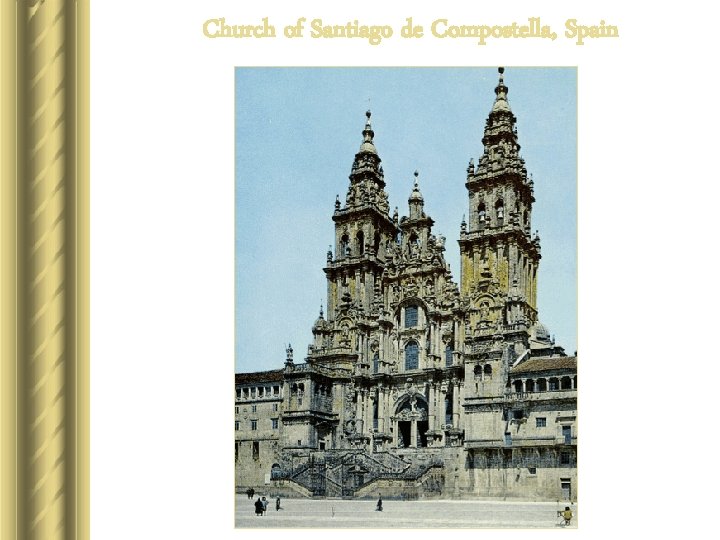
Church of Santiago de Compostella, Spain
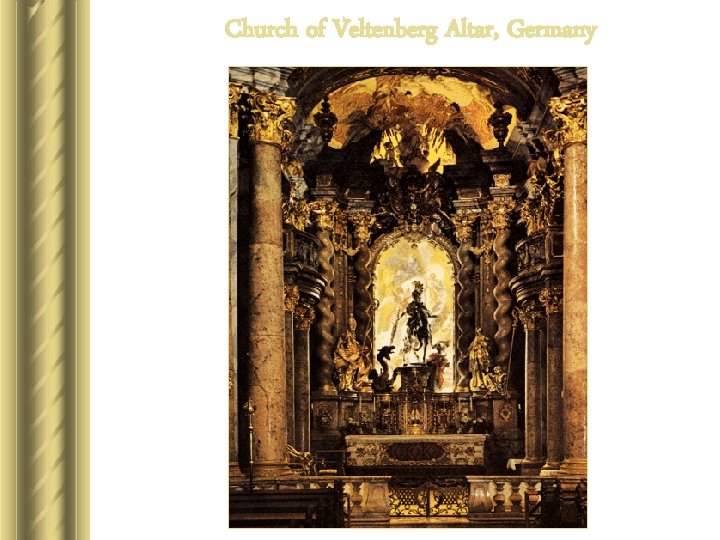
Church of Veltenberg Altar, Germany
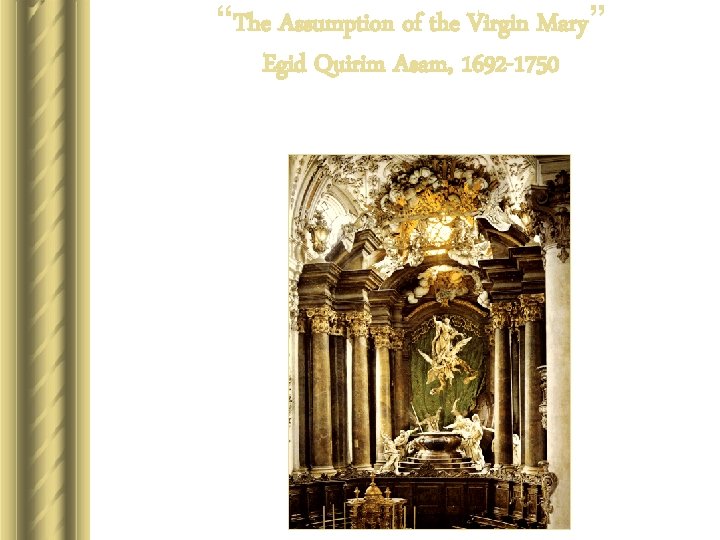
“The Assumption of the Virgin Mary” Egid Quirim Asam, 1692 -1750
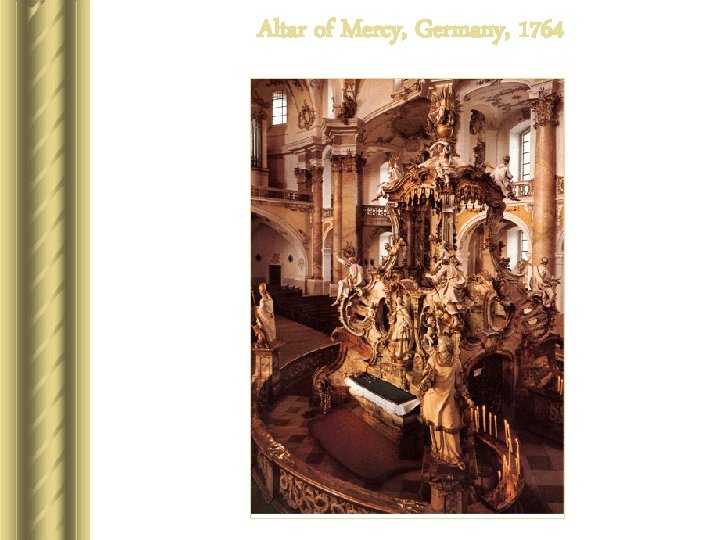
Altar of Mercy, Germany, 1764
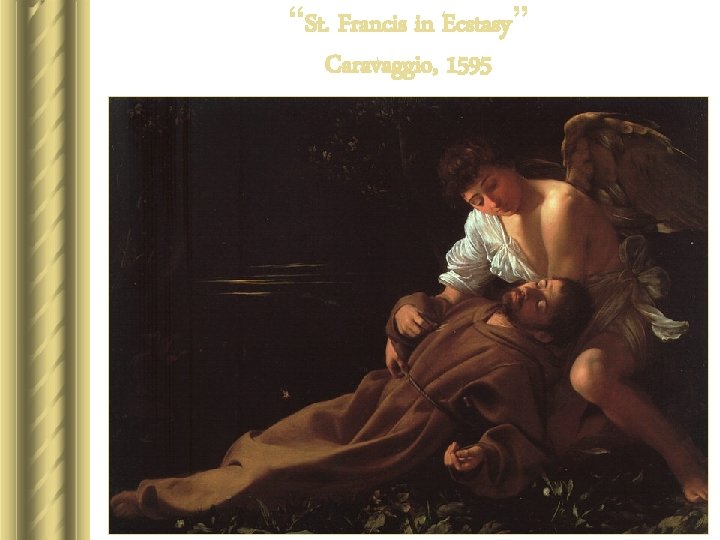
“St. Francis in Ecstasy” Caravaggio, 1595
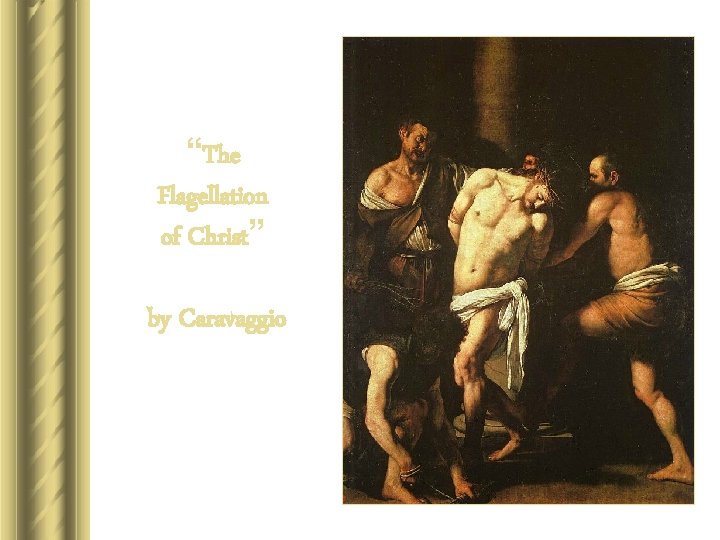
“The Flagellation of Christ” by Caravaggio
“David and Goliath” by Caravaggio
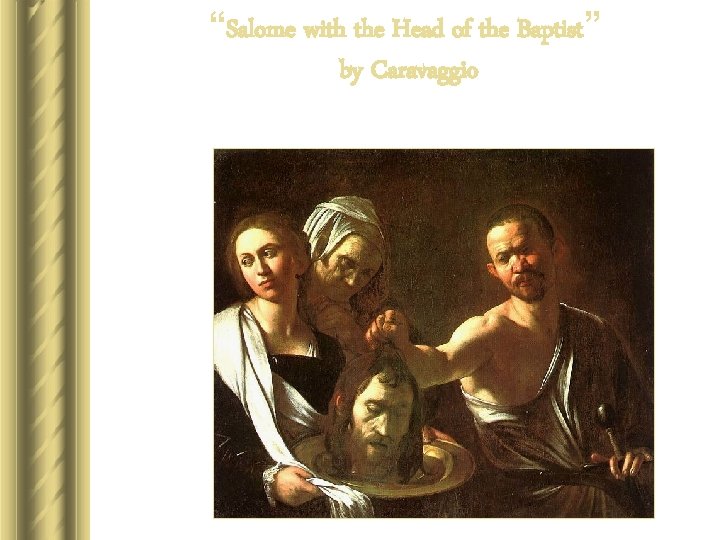
“Salome with the Head of the Baptist” by Caravaggio
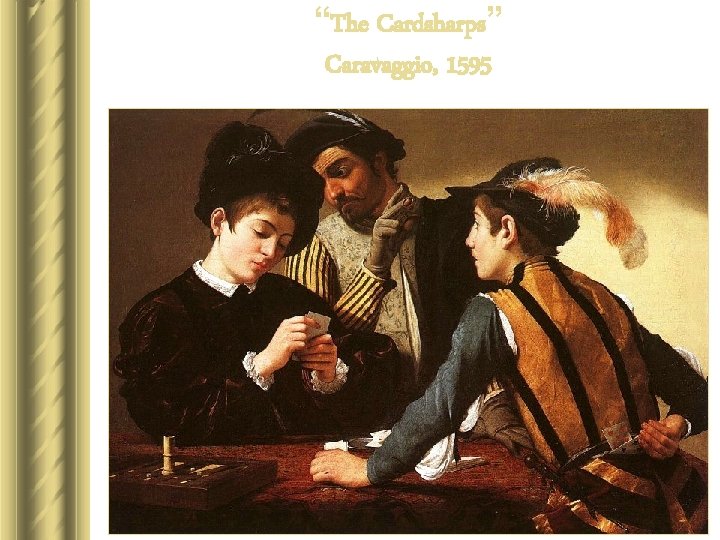
“The Cardsharps” Caravaggio, 1595
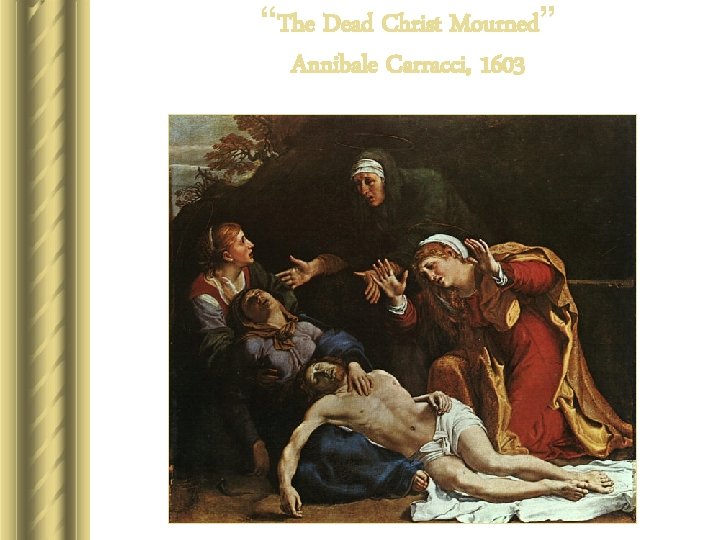
“The Dead Christ Mourned” Annibale Carracci, 1603
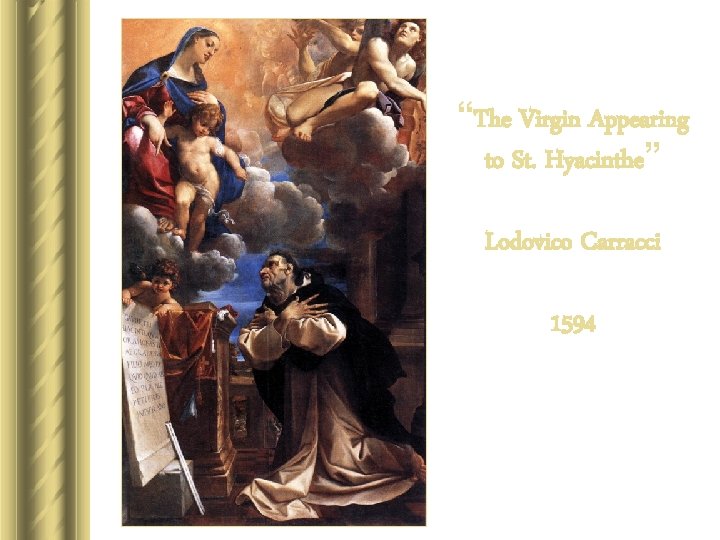
“The Virgin Appearing to St. Hyacinthe” Lodovico Carracci 1594
“Joseph’s Bloody Coat Brought to Jacob” Diego Velázquez, 1630
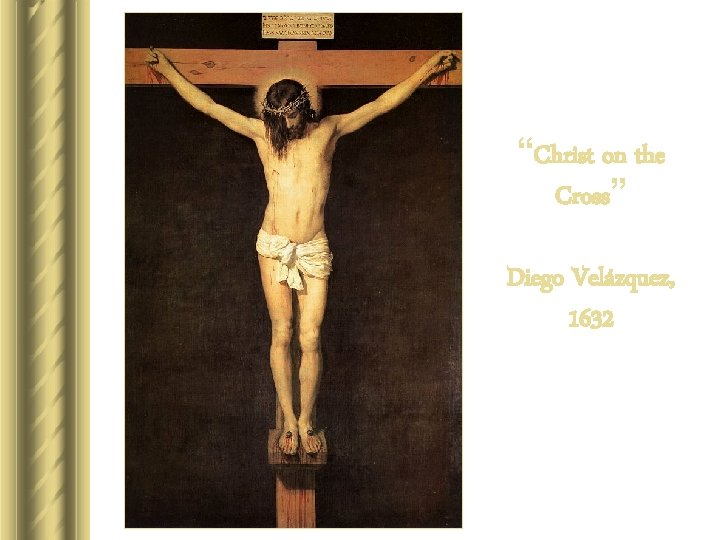
“Christ on the Cross” Diego Velázquez, 1632
“Las Meninas” Diego Velázquez 1656
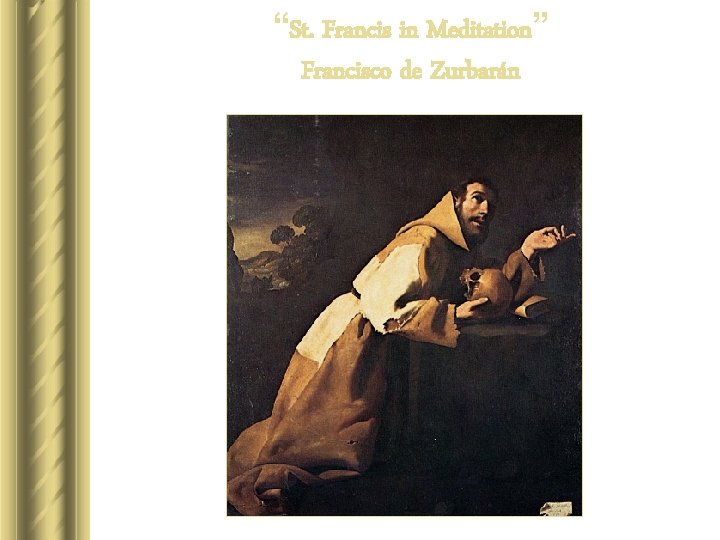
“St. Francis in Meditation” Francisco de Zurbarán
“St. Bonaventure on His Deathbed” Francisco de Zurbarán, 1629
“The Elevation of the Cross” by Peter Paul Reubens 1610 -11
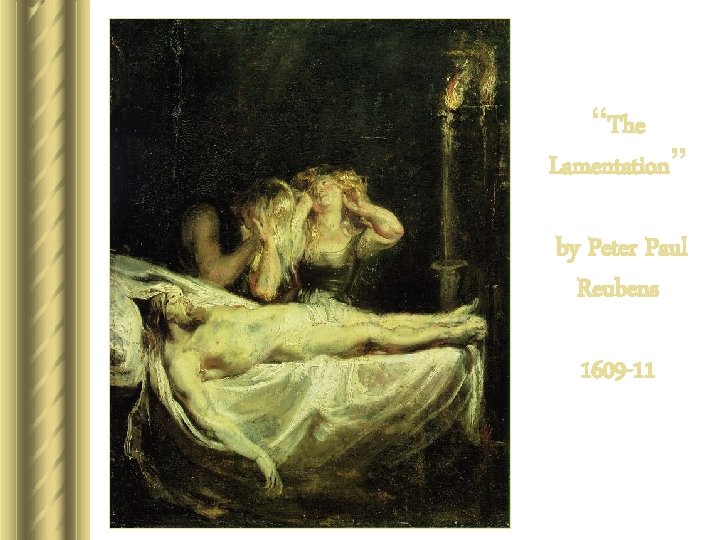
“The Lamentation” by Peter Paul Reubens 1609 -11
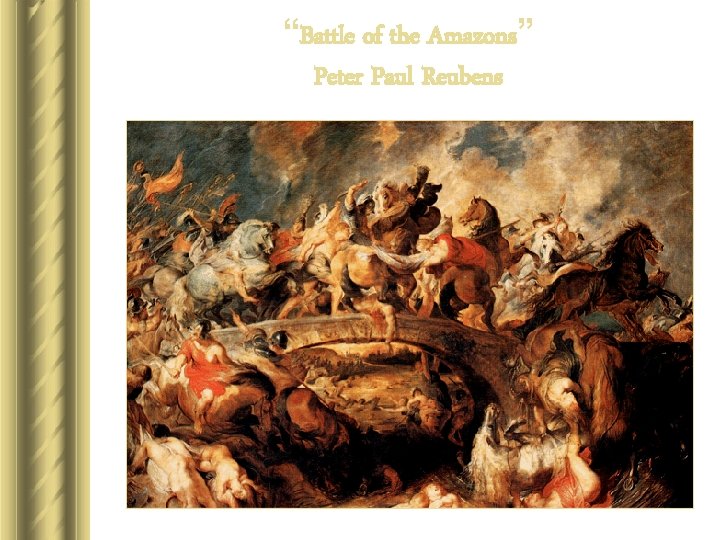
“Battle of the Amazons” Peter Paul Reubens
“A Village Fête” Peter Paul Reubens
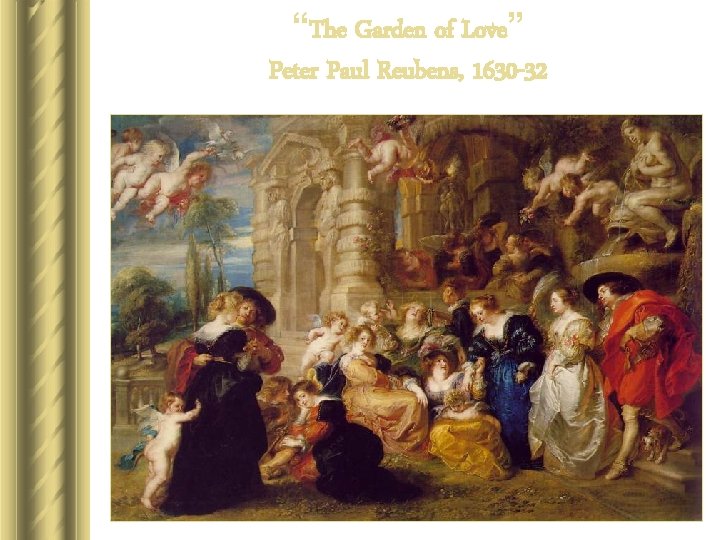
“The Garden of Love” Peter Paul Reubens, 1630 -32
“The Ecstasy of St. Theresa of Avila” by Gianlorenzo Bernini 1647 -52
Atemisia Gentileschi, Female Painter
LEQ Quickfire • Choose two leaders from the following countries, and evaluate the extent to which each successfully developed absolute monarchies. – Prussia – Russia – France – Austria