ATMS Advanced Traffic Management Systems ATMS Intent of
- Slides: 56
ATMS Advanced Traffic Management Systems
ATMS • Intent of ATMS: – Improve operational control – Adapt control strategies to current/expected traffic – Provide marginal improvements to system capacity or throughput – Reduce congestion / delay / queues
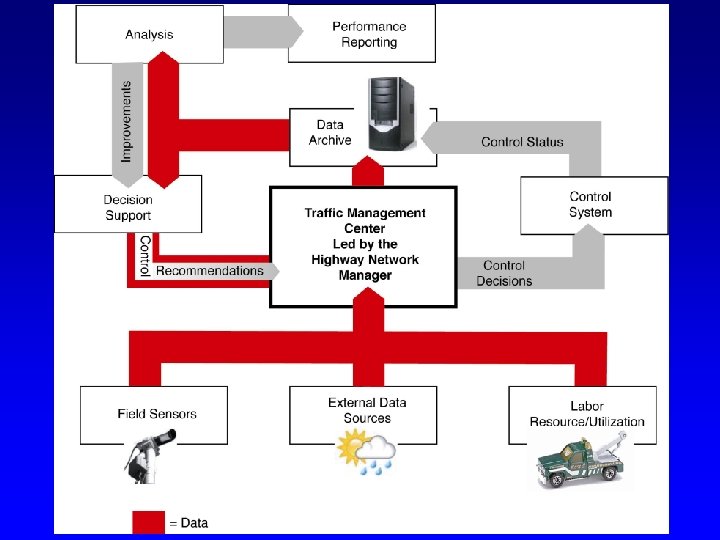
ATMS Requires • • • Control mechanism Surveillance function Communications Data manipulation Control algorithm Maintenance function
ATMS Requires • Control mechanism – Stop lights – Barriers – Traveler information? • How DO you control traffic on a “freeway”?
ATMS Requires • Surveillance function – Loops – Cameras • As data • As images – Other • Radar • Vehicle probe data
ATMS Requires • Communications – To obtain the surveillance data, and – Request required control system changes
ATMS Requires • Data manipulation – What exactly do you do with the data you have? • Decision support systems – Data fusion • Using data from multiple sensors
ATMS Requires • Control algorithms – Old • Time of day • Fixed volumes – New • Adaptive • Real time volumes • Predictive (in time or space)
ATMS Requires • Maintenance of the system – Operational systems need a higher level of maintenance than simple infrastructure – Fail safe operational requirements – How much data is enough? • 1 of 4 lanes? • What spacing of detection? )
ATMS Requires (? ) • Optional functions – data collection – storage, and – performance monitoring / operations planning
Examples of ATMS • Freeway systems – Ramp metering • Fixed time • Local adaptive • System level adaptive control – Routing – Adaptive speed control
Examples of ATMS • Arterials Control Systems – Actuated & semi-actuated control – SCOOT – SCATS – OPAC – RT-TRACS – (NSATMS) – RHODES
Examples of ATMS • Automated toll collection • Parking systems • Emergency response
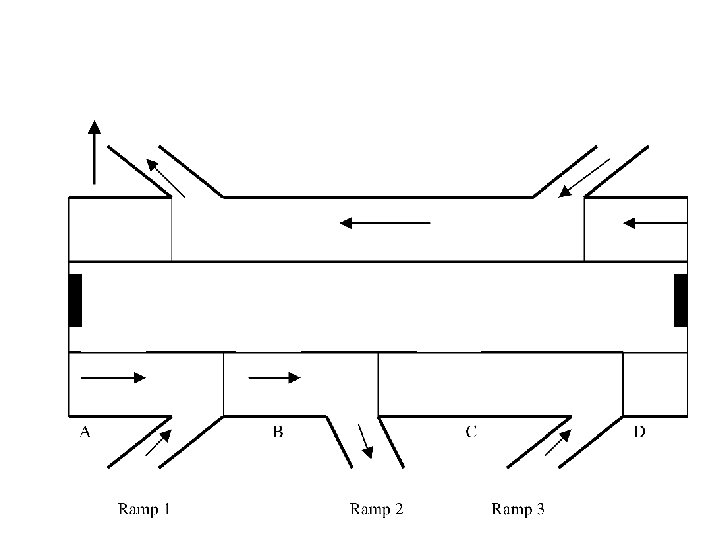
Ramp Metering • Objectives: – Reduce conflicts at ramp terminals – Decrease merge congestion – Reduce accident rates – Encourage diversion to/from specific ramps – Limit total volume on specific freeway segments at specific times
Ramp Metering • Objective: Maintain flow at maximum levels by – Preventing flow break down – Increase total hourly throughput by maintaining throughput – Improve speed of incident recovery – Promote/deny specific movements
Ramp Metering • Minimize air pollution emissions and gasoline consumption by reducing stop and start movements • Minimize ramp delays while maintaining mainline flow • Minimize queue spillback onto arterials
Ramp Metering Maximize freeway flow and freeway performance is contradictory to Minimize ramp queues and ramp delays
Ramp Metering • Keys to successful operation – Know the maximum volume that can use each ramp • Current local mainline volume • Future local mainline volume (upstream volume) • Downstream congestion • Finding the correct balance between ramp queue and freeway delay
Ramp Metering • Know the Volume – Needs surveillance • On the mainline – Approaching the merge point – Upstream of the merge – Downstream of the merge • By the stop bar on the ramps • Queue length • Advanced queue detection
Ramp Metering • Bring the data back to a central point • This allows decisions to be made given geographic areas larger than “locally” • Also allows data storage for later review / analysis
Ramp Metering • Local control – minimize merge conflict • Bottleneck algorithm – maximize ramp queue, given no current downstream freeway delay • Fuzzy Neural Network – trade off ramp queues against mainline flow – avoids direct use of volume
Freeway ATMS – Route Control • Move vehicles to those routes with spare capacity – Operational concerns • Are there parallel routes with spare capacity? • Are there routes (ramps) where merging causes less disruption? • Will the diversion cause more congestion than it will relieve?
Freeway ATMS – Route Control • Route Diversion – Political concerns - what are the impacts of route diversion? • Are the new routes designed for that traffic? • Are there concerns about who benefits / loses? • Do the people/businesses that live along those routes object to their use by “pass through” traffic?
Freeway ATMS – Route Control • Technical – How do you cause drivers to divert? What route do they take? – Traveler information (VMS / CMS / HAR / radio) – Metering (fast versus slow) – Ramp closures – New technology (PDA messages) – Can you manage how many vehicle change routes? • Many drivers won’t change routes
Surveillance
Surveillance • Is necessary to manage traffic • Without surveillance, there is no knowledge of what is occurring
Surveillance Technologies • Loops • Cameras • Other technologies – Radar – Acoustic – Infrared – Other
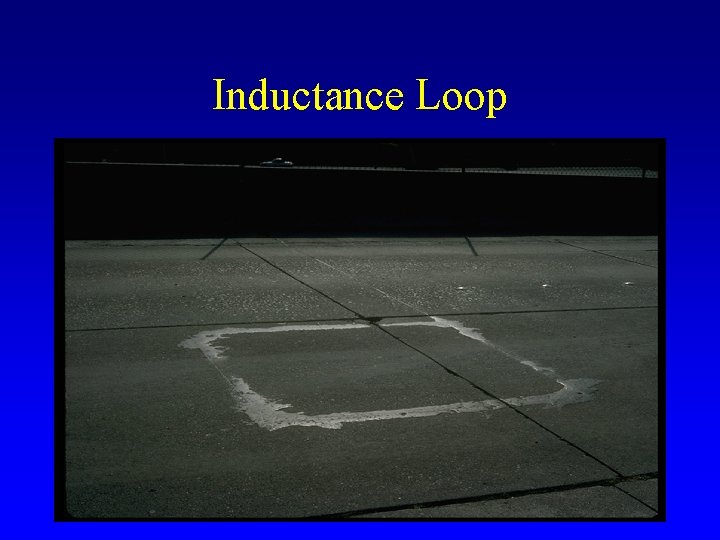
Inductance Loop
Loops • Advantages – Inexpensive – Easy to install – Well known attributes / mechanics – Provide • • Volume Lane occupancy Speed (sometimes) Vehicle classification
Loops • Disadvantages – Single location (non-movable) – Subject to pavement failure / degradation – Not good if channelization is likely to change – Difficult to collect vehicle classification data • Dual loops • Inductance signature recognition
Cameras • Two basic technologies – Video – Digital image processing
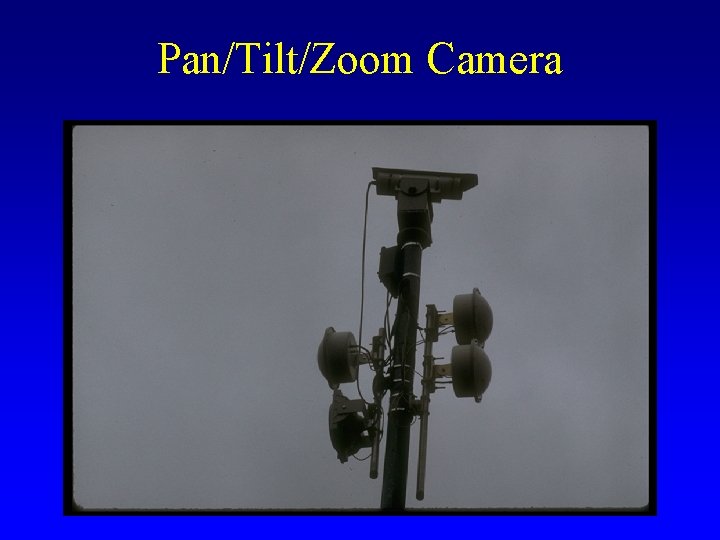
Pan/Tilt/Zoom Camera
Cameras • Conventional video – Needs a person watching • Great for short time period • Poor for longer time periods – Good for incident verification – Good for public information – Not good for routine data collection
Cameras • Digital Image Processing – Reasonably new technology (+15 years at a reasonable price) – Several different technologies – Each with different costs / capabilities
Cameras • Autoscope - style – A US vendor – early adopter – Uses low cost, fixed cameras – Acts like a digital loop – Has limitations in bad weather / lighting
Cameras • Other digital image processing – Movable cameras • Harder to calibrate • More expensive cameras • Multi-use cameras – Vehicle tracking systems • Travel times • License plate readers
Other Technologies • Radar – Side fired / Over-head mounted – Data similar to loops – A non-intrusive sensor (easier to access) • Acoustic – Also a non-intrusive sensor
Other Technologies • Infrared – Both with reflector and without reflector – Non-intrusive – Not effected by weather • Other – RF for electronic tag reading – Surface acoustic wave (SAW) for tag reading – Optical scanners (bar codes)
Other Technologies • http: //www. nmsu. edu/~traffic/ • Summary of Vehicle Detection and Surveillance Technologies Used in Intelligent Transportation Systems Detector Handbook (under What’s New)
Surveillance • When choosing surveillance system / technology – Type of data collected – Cost of data collection – Accuracy of data collected – Reliability of equipment – Frequency of communications – Flexibility
Type of Data • • Volume Vehicle presence Lane occupancy Vehicle classification Vehicle speed / travel time Weight ID Other (location? status? revenue? )
Cost of System • • Purchase Installation Operation Maintenance
Cost • Purchase price – Sensor – Electronics – Communications – Software – License? (How many can you use? )
Cost • Installation location effects cost – – • • In ground Below ground Pole mounted Bridge mounted Need for traffic control? Communications Power Cabinets
Cost • Operations – Power – Communications • Bandwidth required • Wireless / wireline • Frequency of communications – Staff oversight
Cost • Maintenance – Mean time before failure (life cycle costs) – Routine maintenance requirements – External effects • Bad weather • Deteriorated pavement conditions – Replacement parts (sole source? ) – Ease of sensor replacement
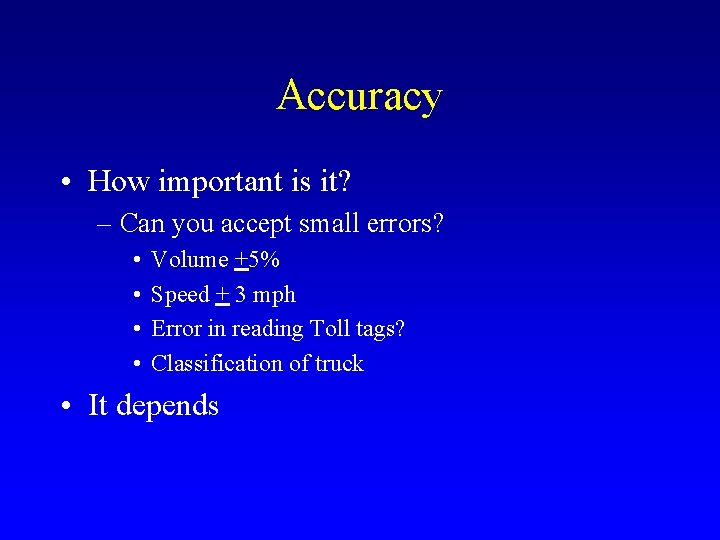
Accuracy • How important is it? – Can you accept small errors? • • Volume +5% Speed + 3 mph Error in reading Toll tags? Classification of truck • It depends
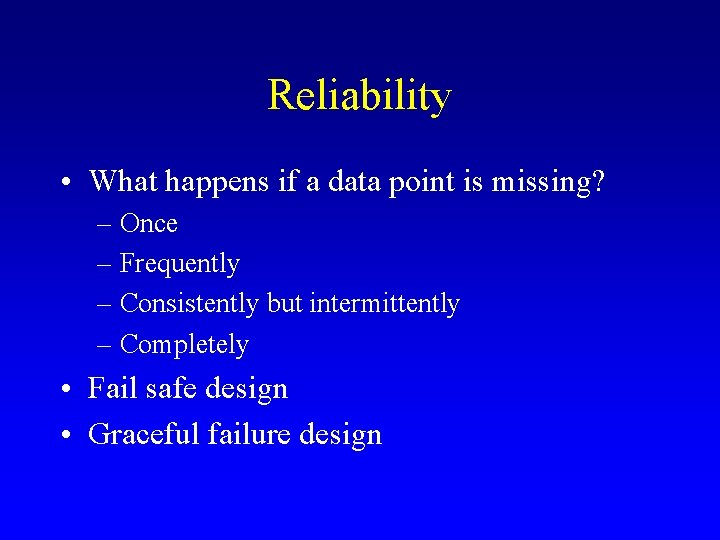
Reliability • What happens if a data point is missing? – Once – Frequently – Consistently but intermittently – Completely • Fail safe design • Graceful failure design
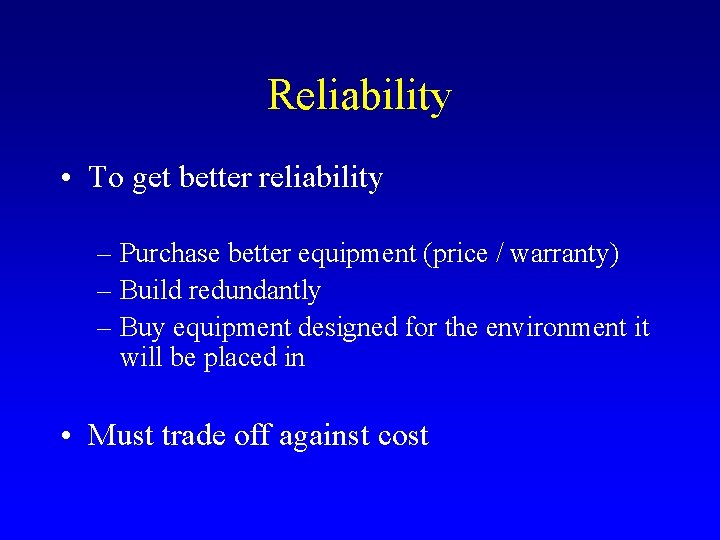
Reliability • To get better reliability – Purchase better equipment (price / warranty) – Build redundantly – Buy equipment designed for the environment it will be placed in • Must trade off against cost
Communications • How often does data get transmitted from – Sensor – Location
Communications • Frequency of communications – Each activation? – Each second – 20 seconds – 5 minutes – 15 minutes – Hourly – Daily
Communications • Size of data packet – Summary statistic – Raw data • For example – – Digital image of picture Analog image of picture Count of cars made from 15 minutes of pictures
Communications • Must select communications strategy based on – Control system data need – Cost of bandwidth • Installation • Operation – Redundancy / reliability