Advanced microprocessor optimization Kampala August 2007 Agner Fog

- Slides: 45
Advanced microprocessor optimization Kampala August, 2007 Agner Fog www. agner. org
Agenda • • • Intel and AMD microprocessors Out Of Order execution Branch prediction Platform, 32 or 64 bits Choice of compiler and function libraries Find the bottlenecks, profiling Cache and memory allocation Floating point, exceptions Parallelization: threads, vector instructions Discussion
Intel Core 2 microarchitecture
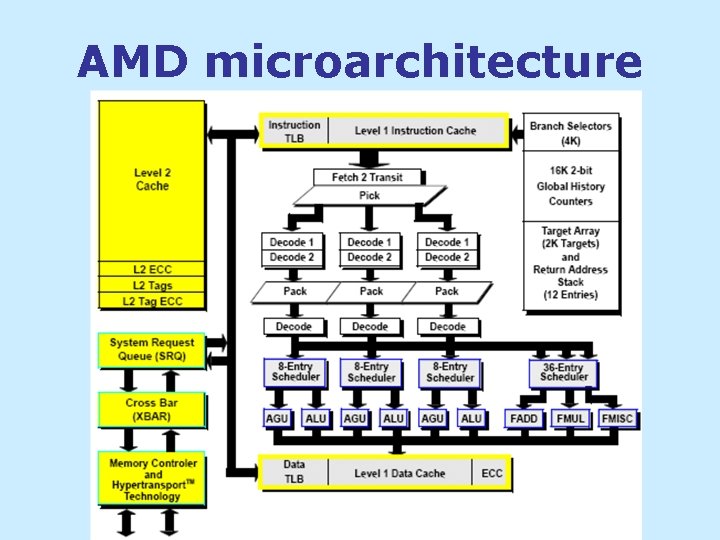
AMD microarchitecture
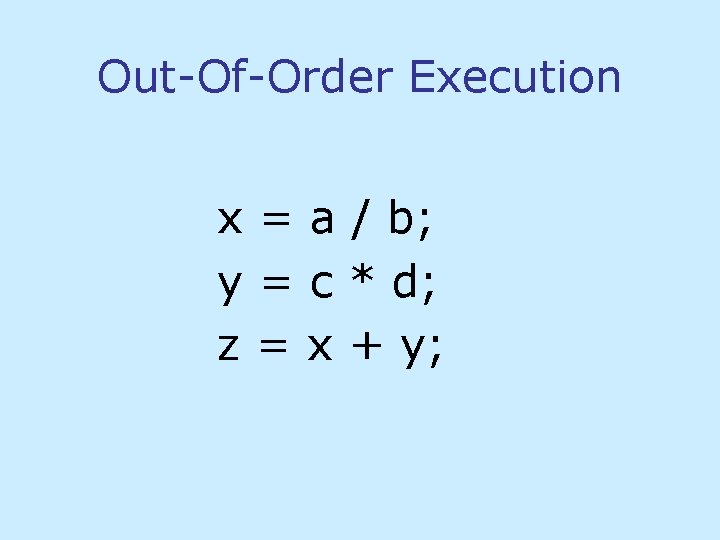
Out-Of-Order Execution x = a / b; y = c * d; z = x + y;
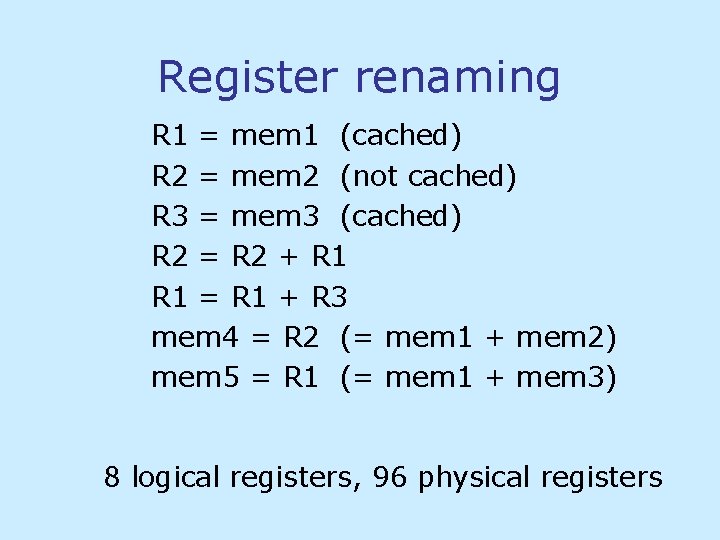
Register renaming R 1 = mem 1 (cached) R 2 = mem 2 (not cached) R 3 = mem 3 (cached) R 2 = R 2 + R 1 = R 1 + R 3 mem 4 = R 2 (= mem 1 + mem 2) mem 5 = R 1 (= mem 1 + mem 3) 8 logical registers, 96 physical registers
Branch prediction
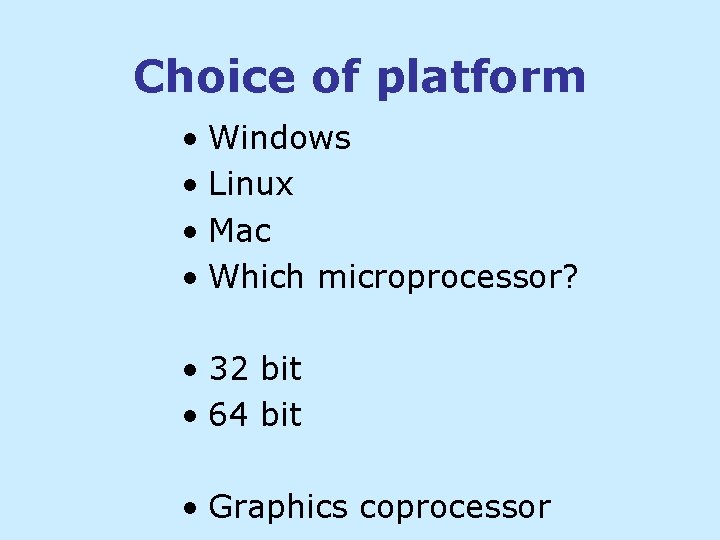
Choice of platform • Windows • Linux • Mac • Which microprocessor? • 32 bit • 64 bit • Graphics coprocessor
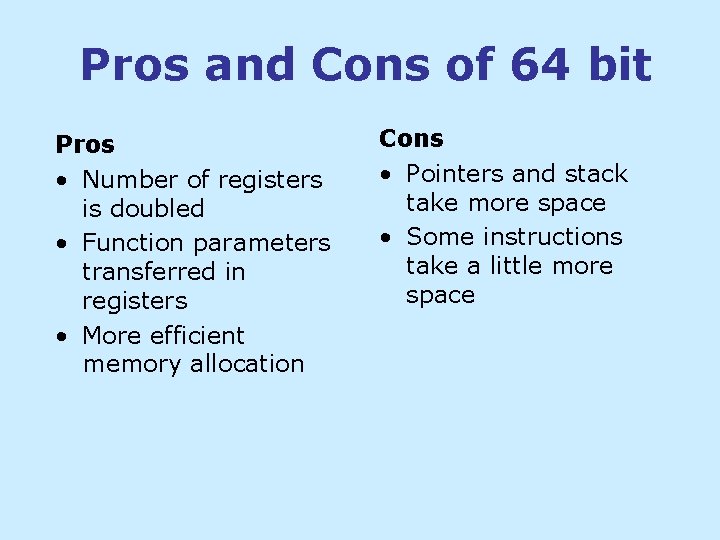
Pros and Cons of 64 bit Pros • Number of registers is doubled • Function parameters transferred in registers • More efficient memory allocation Cons • Pointers and stack take more space • Some instructions take a little more space
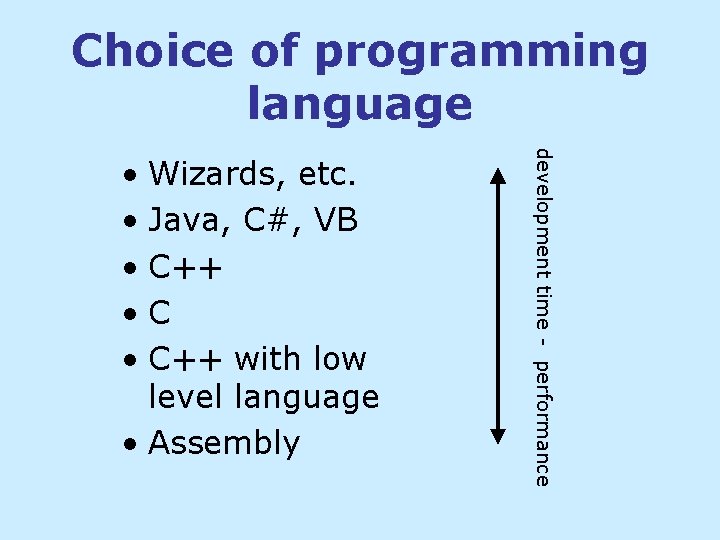
Choice of programming language development time - performance • Wizards, etc. • Java, C#, VB • C++ with low level language • Assembly
Choice of compiler • Microsoft • Intel • Gnu • Borland
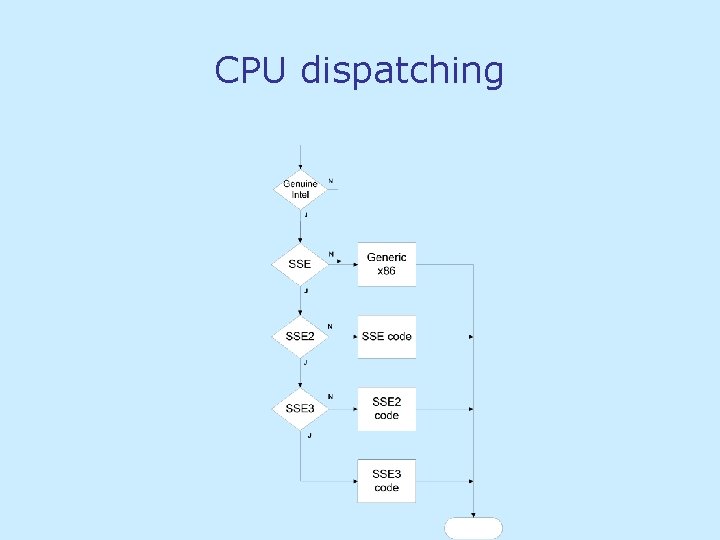
CPU dispatching
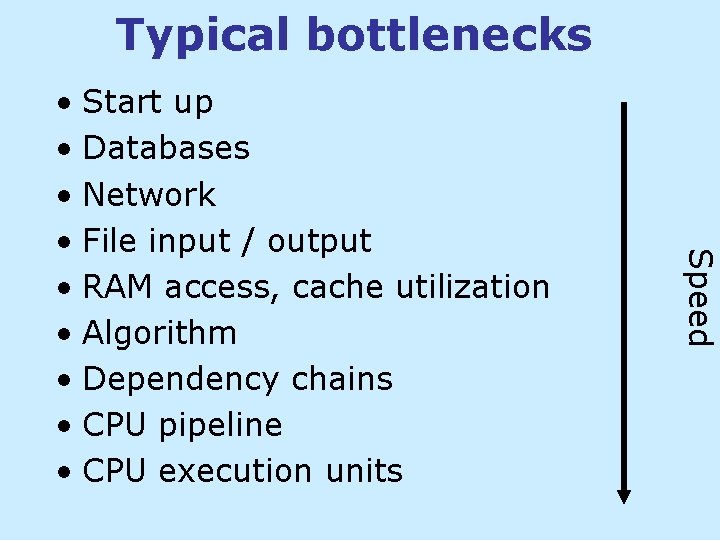
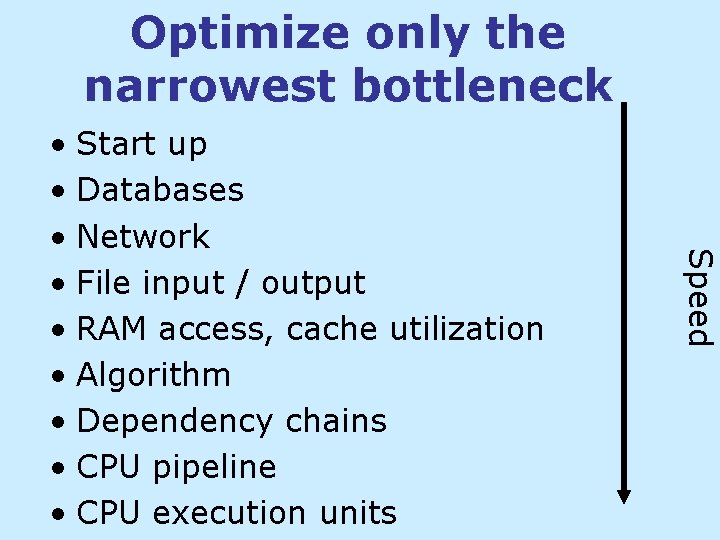
Typical bottlenecks Speed • Start up • Databases • Network • File input / output • RAM access, cache utilization • Algorithm • Dependency chains • CPU pipeline • CPU execution units
Finding the bottlenecks Profilers: • • Microsoft Intel VTune (CPU specific) AMD Code. Analyst (CPU specific) Your own instrumentation: Insert time measurements in code (single thread) Test with a realistic data set
File input / output • Limit use of network resources • Limit number of program files, DLLs, configuration files, resource files, etc. • Compress large data files. Binary vs. ASCII • Read and write sequentially • Large data blocks
Static vs. dynamic linking Static linking (*. lib, *. a) • Necessary functions are copied into exe file Dynamic linking (*. dll, *. so) • The whole function library is loaded Lazy binding • The function address is inserted the first time the function is called
Problems with dynamic linking • Functions distributed in separate file • The whole function library is loaded into RAM even when only a single function is needed • RAM gets fragmented by many DLLs • Round memory addresses compete for the same cache lines • Function calls go via pointers in import table
Set-associative cache Core 2: 64 sets * 8 ways * 64 bytes = 32 kb AMD: 512 sets * 2 ways * 64 bytes = 64 kb Level 2: 16 ways, 0. 5 – 4 Mb
Memory allocation • Rather one large block than many small • Avoid linked lists • STL vs. your own container classes • Large powers of 2 give cache contentions
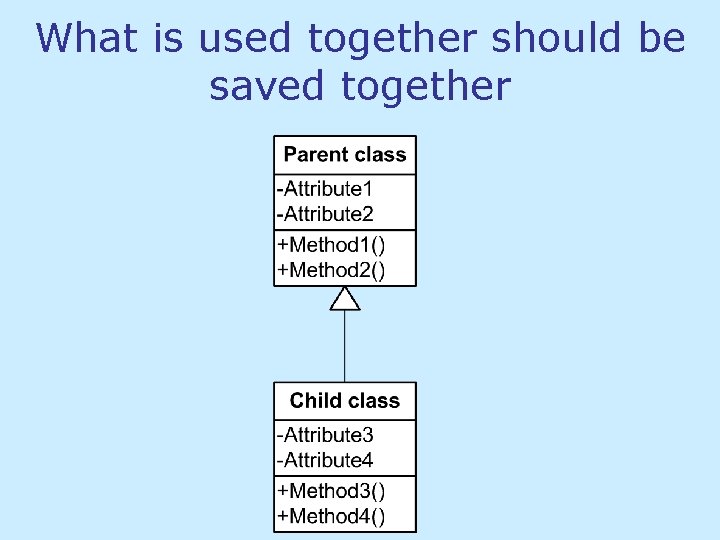
What is used together should be saved together
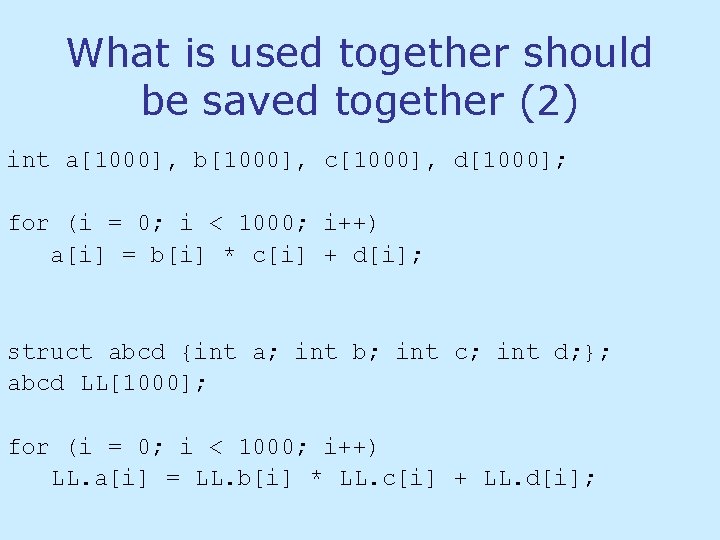
What is used together should be saved together (2) int a[1000], b[1000], c[1000], d[1000]; for (i = 0; i < 1000; i++) a[i] = b[i] * c[i] + d[i]; struct abcd {int a; int b; int c; int d; }; abcd LL[1000]; for (i = 0; i < 1000; i++) LL. a[i] = LL. b[i] * LL. c[i] + LL. d[i];
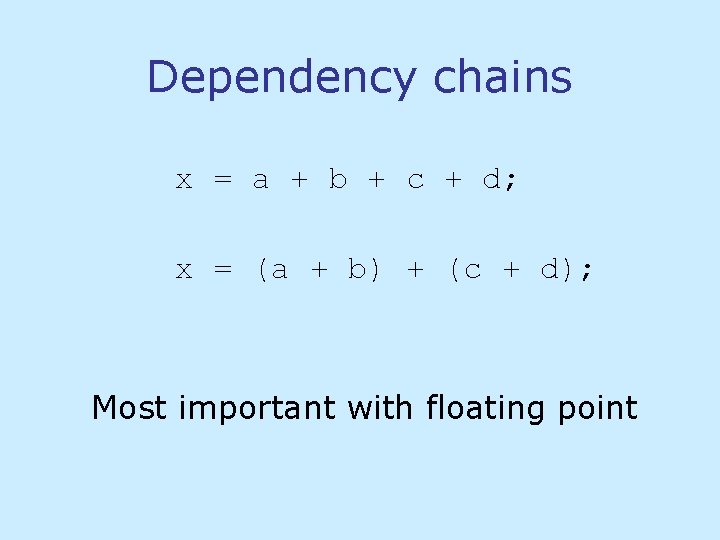
Dependency chains x = a + b + c + d; x = (a + b) + (c + d); Most important with floating point
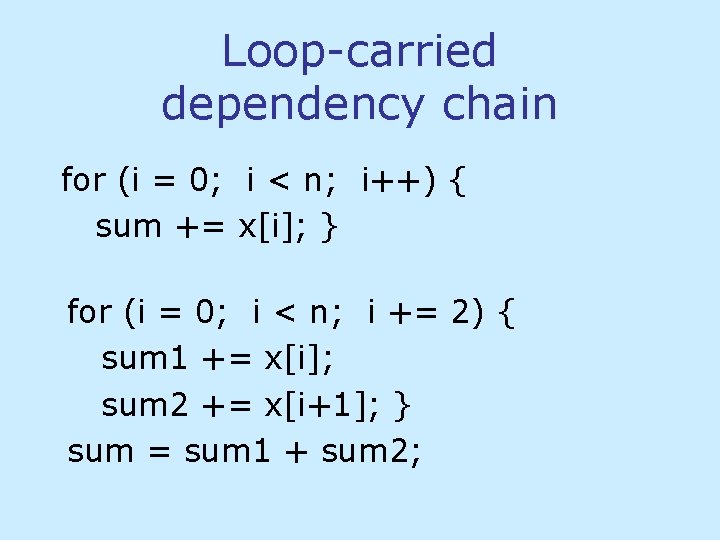
Loop-carried dependency chain for (i = 0; i < n; i++) { sum += x[i]; } for (i = 0; i < n; i += 2) { sum 1 += x[i]; sum 2 += x[i+1]; } sum = sum 1 + sum 2;
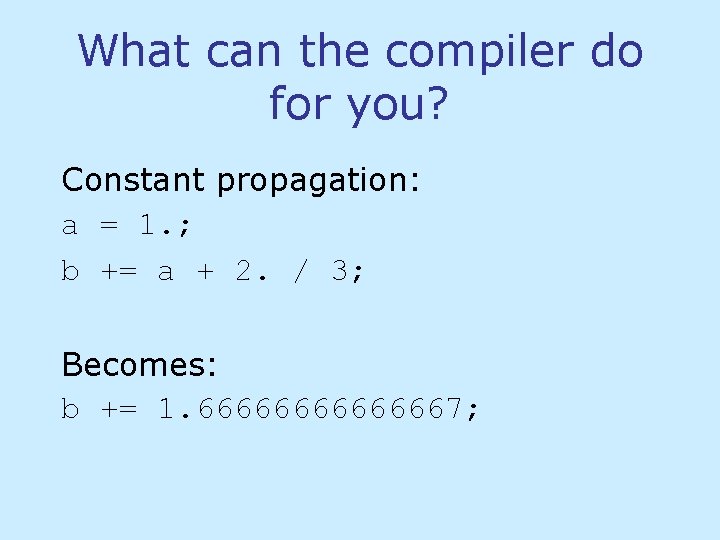
What can the compiler do for you? Constant propagation: a = 1. ; b += a + 2. / 3; Becomes: b += 1. 66666667;
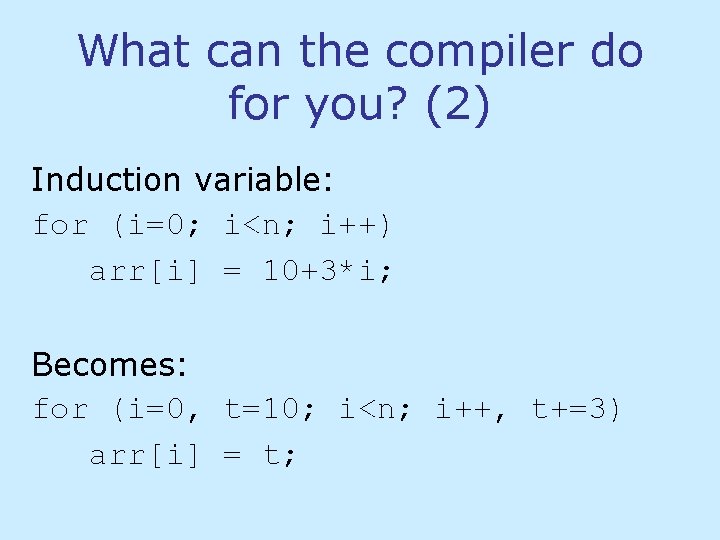
What can the compiler do for you? (2) Induction variable: for (i=0; i<n; i++) arr[i] = 10+3*i; Becomes: for (i=0, t=10; i<n; i++, t+=3) arr[i] = t;
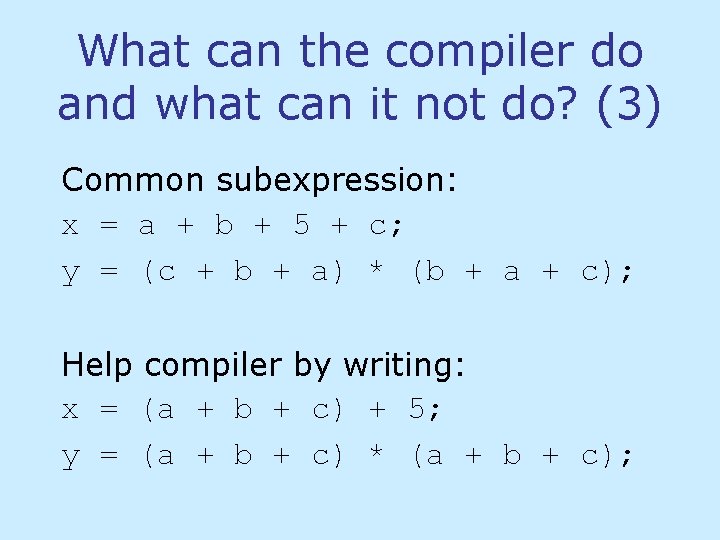
What can the compiler do and what can it not do? (3) Common subexpression: x = a + b + 5 + c; y = (c + b + a) * (b + a + c); Help compiler by writing: x = (a + b + c) + 5; y = (a + b + c) * (a + b + c);
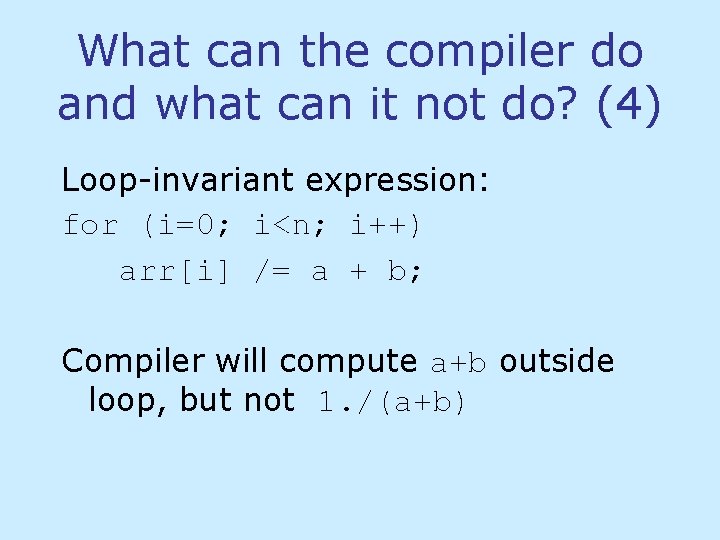
What can the compiler do and what can it not do? (4) Loop-invariant expression: for (i=0; i<n; i++) arr[i] /= a + b; Compiler will compute a+b outside loop, but not 1. /(a+b)
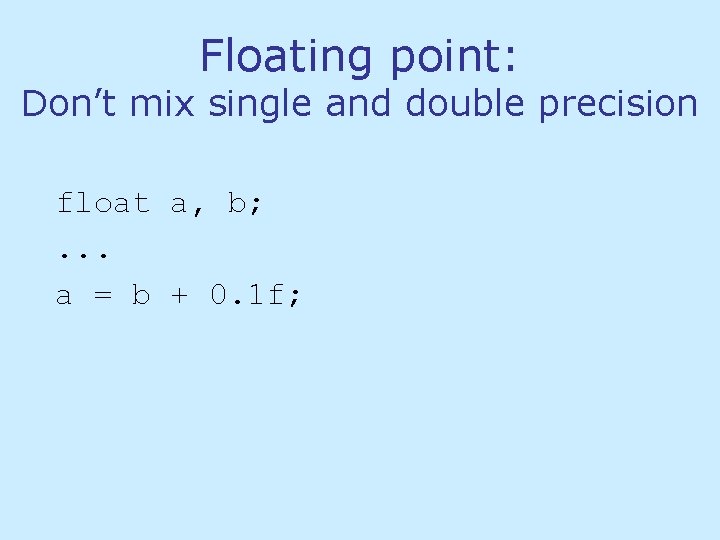
Floating point: Don’t mix single and double precision float a, b; . . . a = b + 0. 1; 0. 1 f;
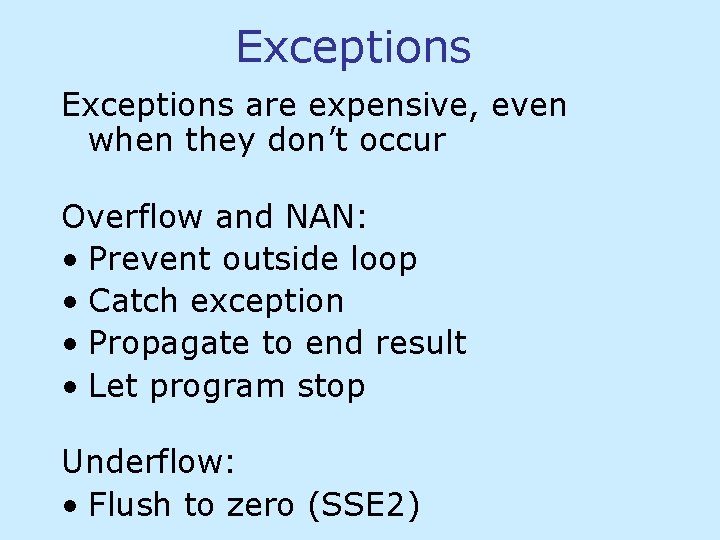
Exceptions are expensive, even when they don’t occur Overflow and NAN: • Prevent outside loop • Catch exception • Propagate to end result • Let program stop Underflow: • Flush to zero (SSE 2)
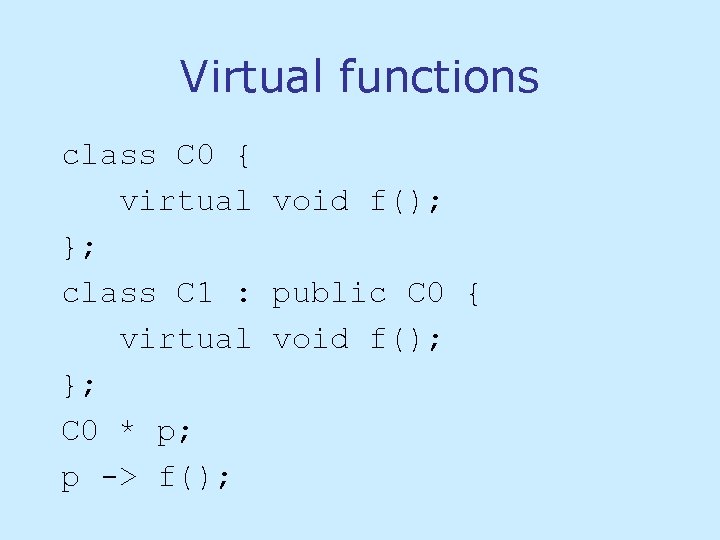
Virtual functions class C 0 { virtual void f(); }; class C 1 : public C 0 { virtual void f(); }; C 0 * p; p -> f();
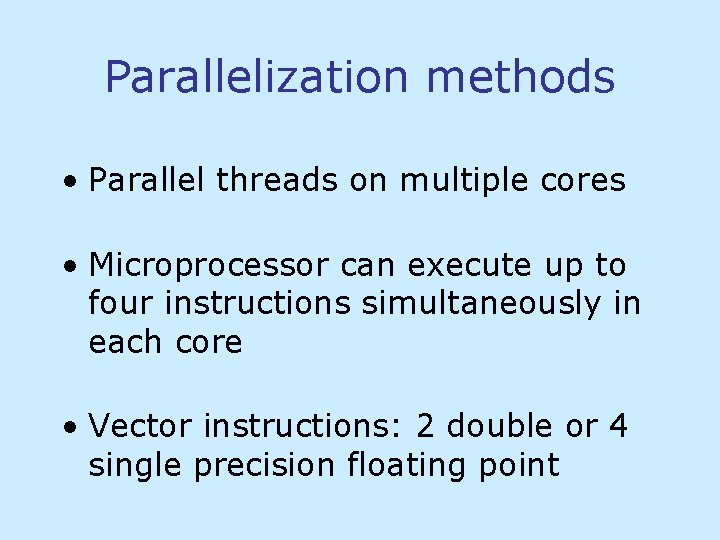
Parallelization methods • Parallel threads on multiple cores • Microprocessor can execute up to four instructions simultaneously in each core • Vector instructions: 2 double or 4 single precision floating point
Parallel threads • Start threads explicitly • Open. MP instructions • Compiler-generated parallelization Coarse-grained vs. fine-grained Shared L 2 or L 3 cache
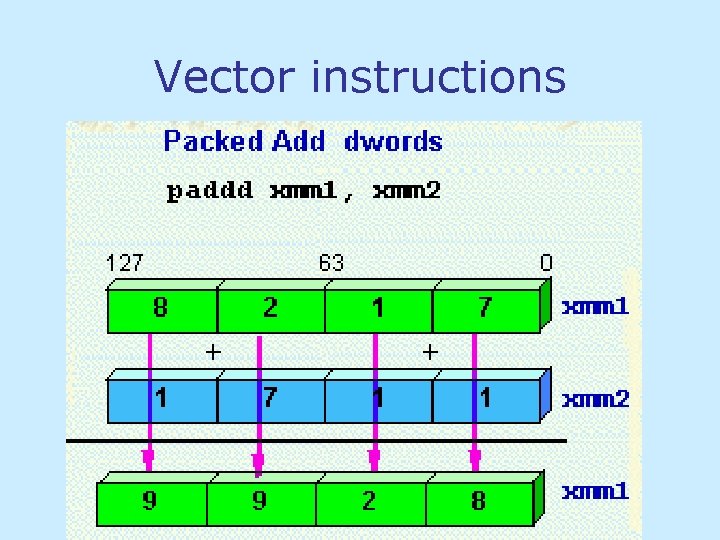
Vector instructions
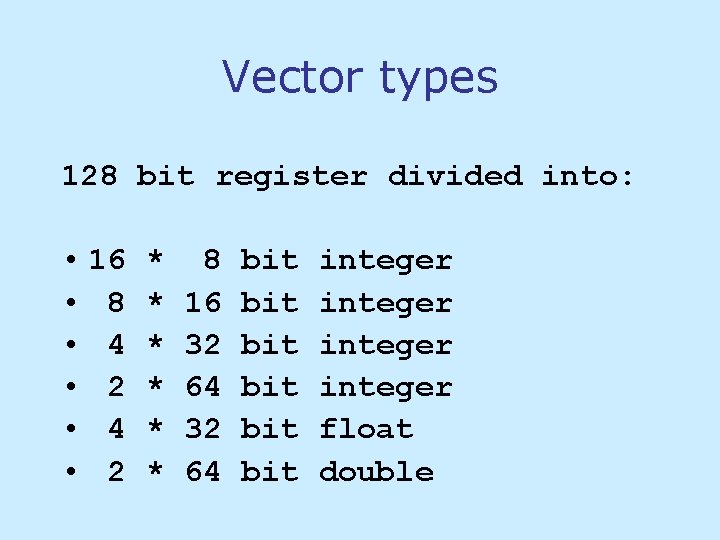
Vector types 128 bit register divided into: • 16 • 8 • 4 • 2 * * * 8 16 32 64 bit bit bit integer float double
Mathematical functions exp, log, sin, cos, etc. : • Standard math libraries • SSE 2 enabled libraries • SSE 2 vector libraries
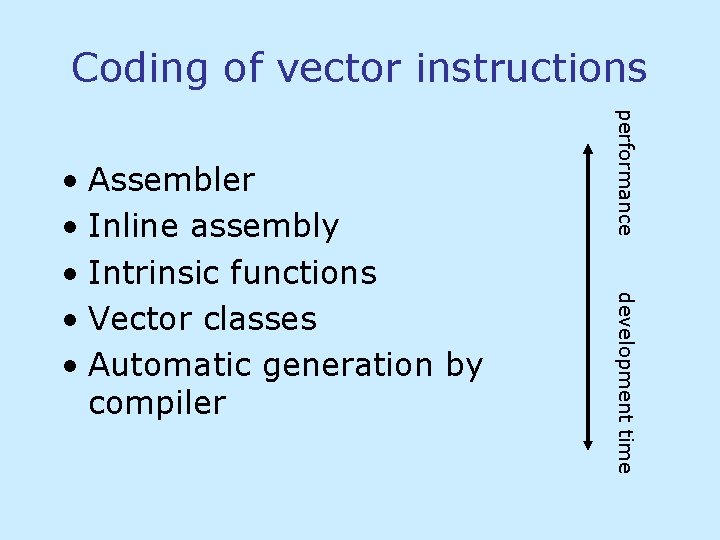
Coding of vector instructions performance development time • Assembler • Inline assembly • Intrinsic functions • Vector classes • Automatic generation by compiler
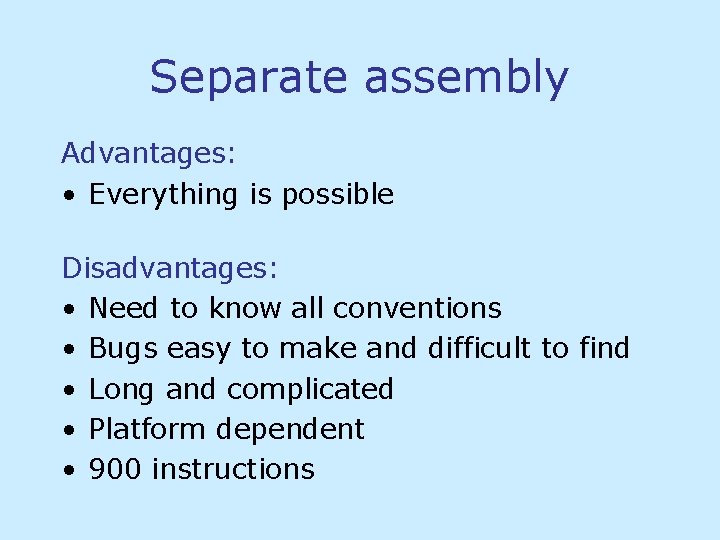
Separate assembly Advantages: • Everything is possible Disadvantages: • Need to know all conventions • Bugs easy to make and difficult to find • Long and complicated • Platform dependent • 900 instructions
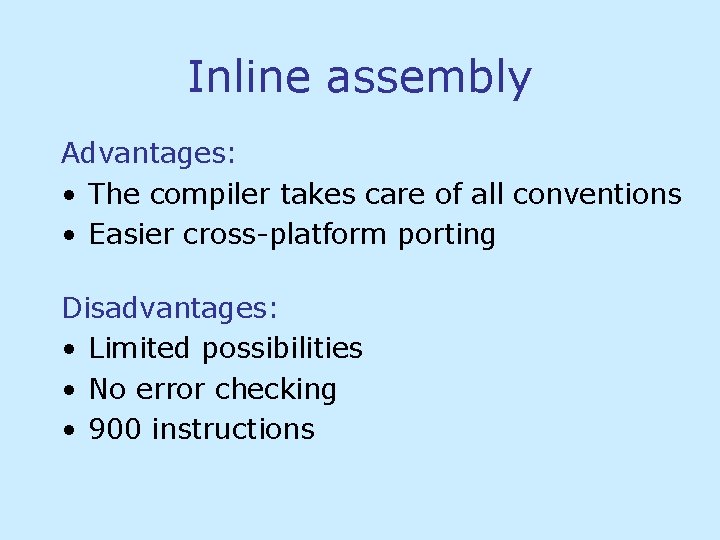
Inline assembly Advantages: • The compiler takes care of all conventions • Easier cross-platform porting Disadvantages: • Limited possibilities • No error checking • 900 instructions
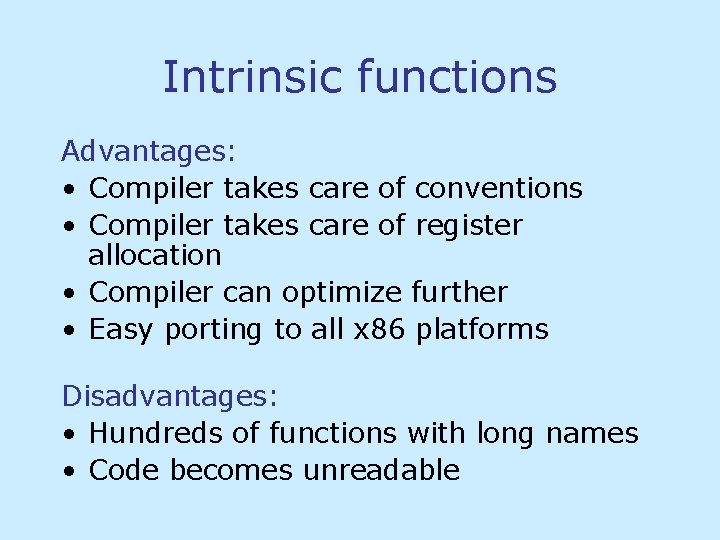
Intrinsic functions Advantages: • Compiler takes care of conventions • Compiler takes care of register allocation • Compiler can optimize further • Easy porting to all x 86 platforms Disadvantages: • Hundreds of functions with long names • Code becomes unreadable
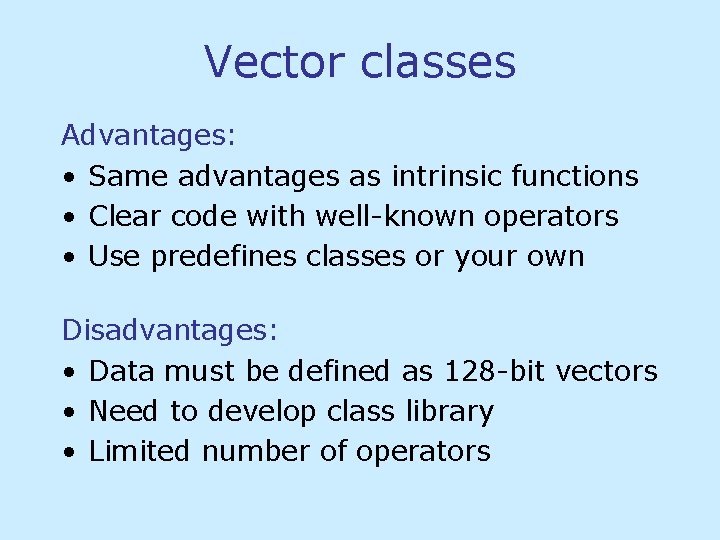
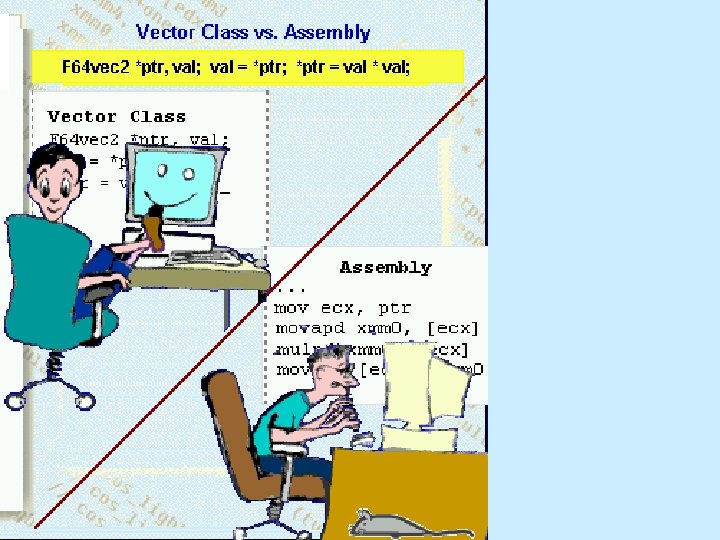
Vector classes Advantages: • Same advantages as intrinsic functions • Clear code with well-known operators • Use predefines classes or your own Disadvantages: • Data must be defined as 128 -bit vectors • Need to develop class library • Limited number of operators
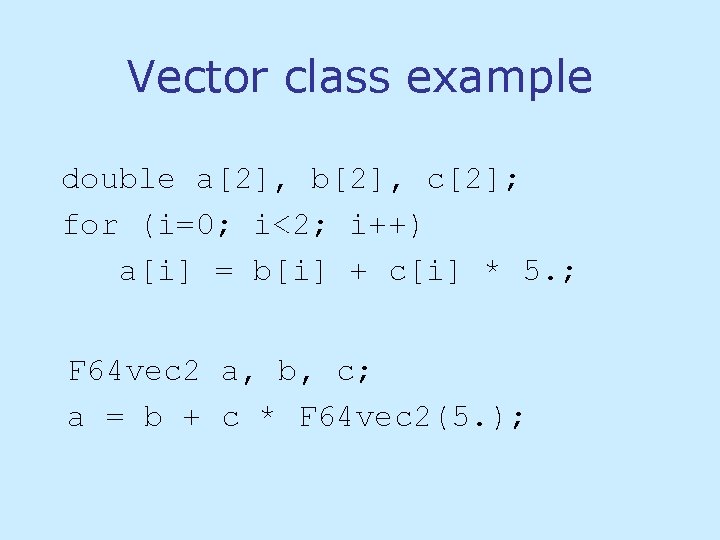
Vector class example double a[2], b[2], c[2]; for (i=0; i<2; i++) a[i] = b[i] + c[i] * 5. ; F 64 vec 2 a, b, c; a = b + c * F 64 vec 2(5. );
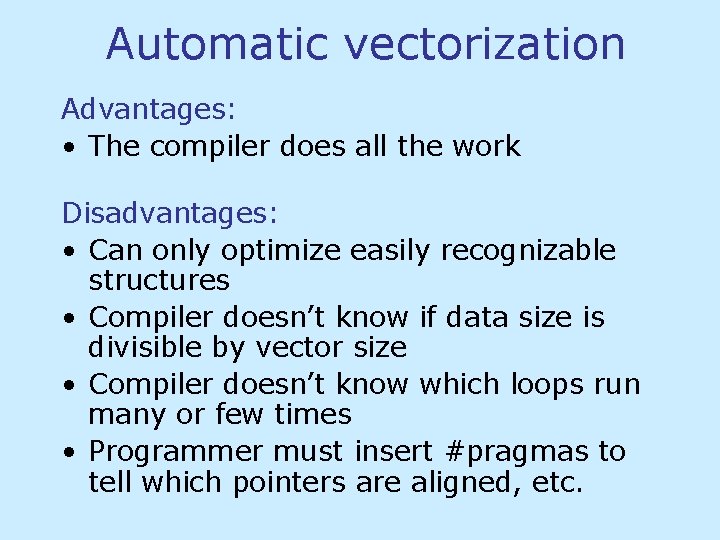
Automatic vectorization Advantages: • The compiler does all the work Disadvantages: • Can only optimize easily recognizable structures • Compiler doesn’t know if data size is divisible by vector size • Compiler doesn’t know which loops run many or few times • Programmer must insert #pragmas to tell which pointers are aligned, etc.
The future • More processor cores • 64 bit • Application specific coprocessors • SSE 4 instruction set • Programmable logic in CPU?
Optimize only the narrowest bottleneck Speed • Start up • Databases • Network • File input / output • RAM access, cache utilization • Algorithm • Dependency chains • CPU pipeline • CPU execution units